12 Exotic Fruits You Need to Try and Delicious Ways to Cook Them
Ever spotted those unusual fruits at your grocery store and wondered what to do with them? You’ll discover 12 amazing exotic fruits that will transform your meals from boring to brilliant! From the vibrant dragon fruit to the creamy cherimoya, each brings unique flavors and textures to your table.
I’ve gathered simple, delicious ways for you to enjoy these fruits beyond just eating them raw. You’ll learn how to incorporate jackfruit into savory dishes, blend soursop into refreshing drinks, and turn kumquats into zesty preserves. These recipes make trying something new feel exciting rather than intimidating.
These fruits pack a nutritional punch too! Rich in vitamins, minerals, and antioxidants, they’ll boost your health while thrilling your taste buds. Ready to impress your family with dragon fruit smoothie bowls or wow dinner guests with mangosteen sorbet? Let’s dive into this colorful world of exotic fruits together!
Cherimoya
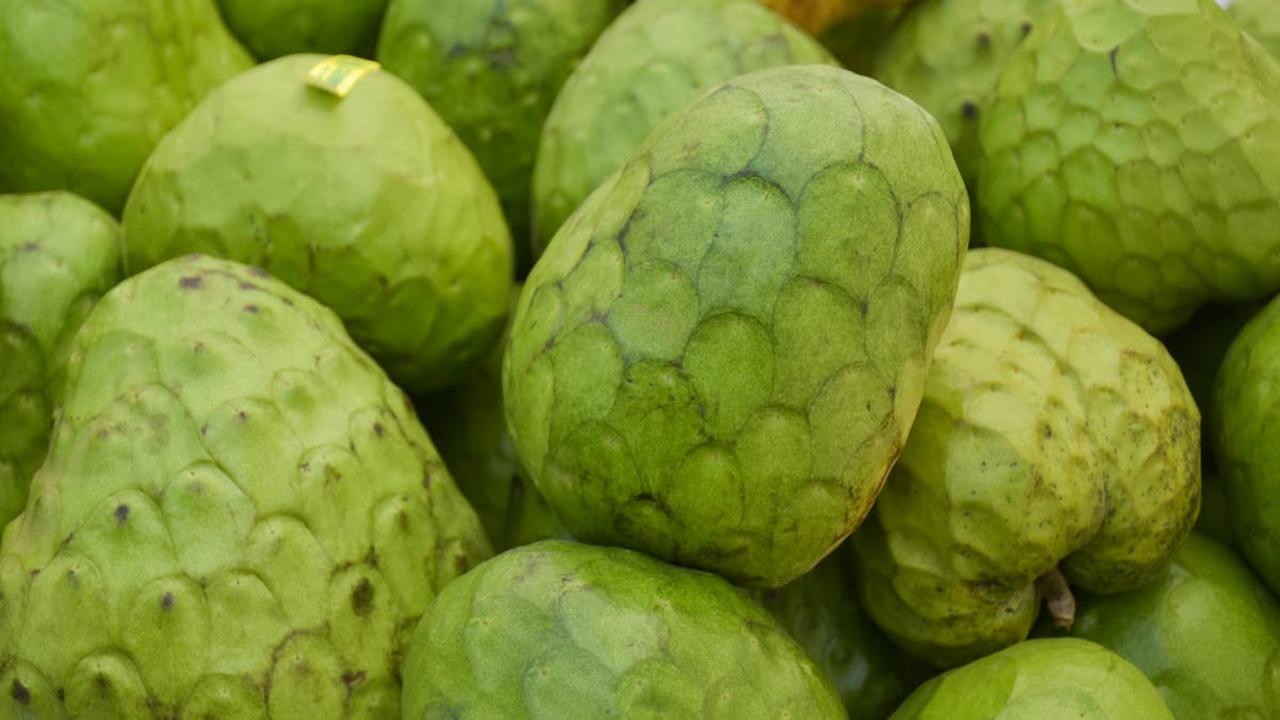
Meet cherimoya, the creamy tropical treasure that tastes like a heavenly blend of banana, pineapple, and vanilla custard all rolled into one! This heart-shaped beauty from South America has bumpy green skin that hides the most luscious white flesh inside. You’ll know it’s ripe when it gives slightly to gentle pressure, just like a perfect avocado. The texture is incredibly smooth and custard-like, making it absolutely divine to eat straight from the shell with a spoon. Just remember to remove those large black seeds before indulging!
While cherimoya shines brightest when eaten fresh and chilled, you can transform this tropical gem into incredible desserts and treats. Blend the flesh into smoothies with coconut milk and lime for a refreshing morning boost, or fold it into homemade ice cream for an exotic twist on dessert night. The natural sweetness makes cherimoya perfect for no-bake cheesecakes and mousse recipes – simply puree the flesh and mix with cream cheese and honey. You can also freeze chunks and blend them into instant “nice cream” that rivals any store-bought frozen treat. This versatile fruit brings tropical paradise right to your kitchen counter!
Kumquat
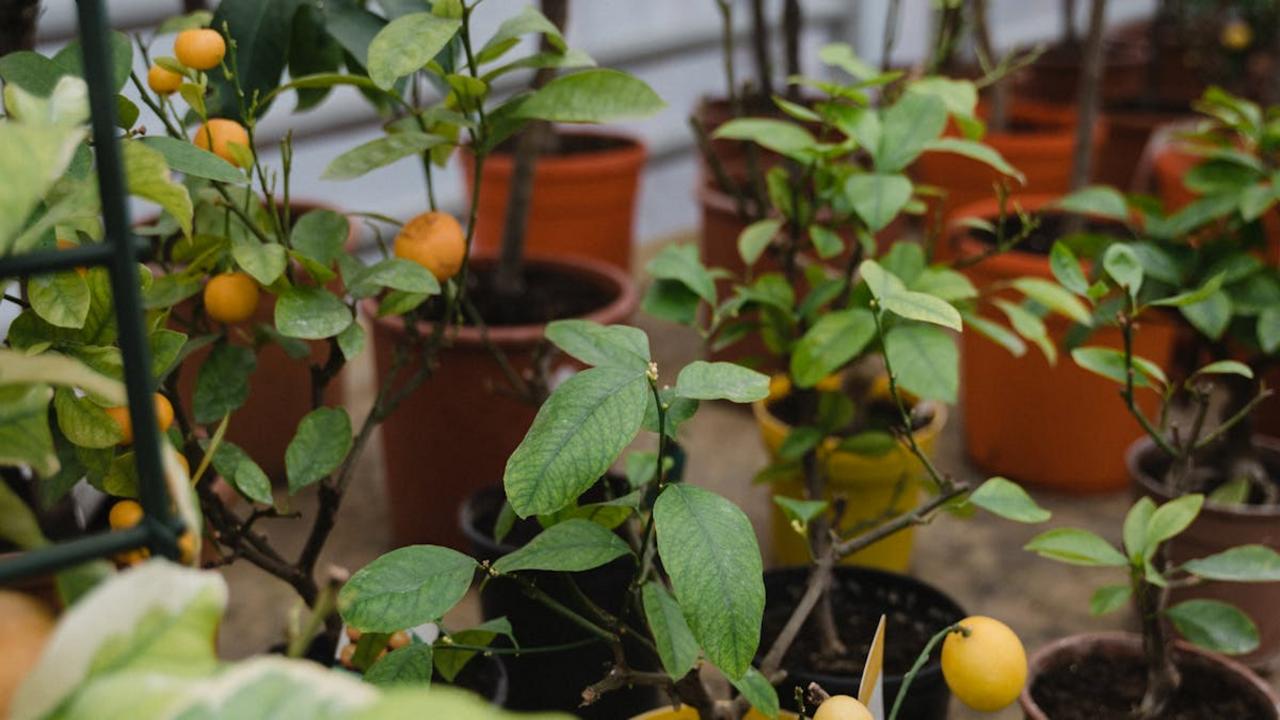
Meet the kumquat – nature’s perfect bite-sized surprise that flips everything you know about citrus fruits on its head! Unlike oranges or lemons where you peel away the skin, kumquats give you permission to pop the entire fruit right into your mouth. The sweet, tender peel contrasts beautifully with the tart flesh inside, creating this incredible flavor explosion that makes your mouth water for more. These little golden gems pack serious vitamin C punch while delivering a satisfying sweet-tart balance that works wonderfully in both sweet and savory dishes.
Transform your kumquats into show-stopping preserves by simmering them whole with sugar and a splash of water until they become glossy and jammy – perfect for spreading on toast or serving alongside cheese platters. You can also slice them thin and toss into winter salads for bursts of brightness, or muddle them into cocktails for a sophisticated twist. Try candying kumquats by cooking them in simple syrup until translucent, then roll in sugar for an elegant dessert garnish. For something completely different, pickle kumquats with rice vinegar and ginger to create a tangy condiment that pairs amazingly with roasted meats or grain bowls.
Soursop
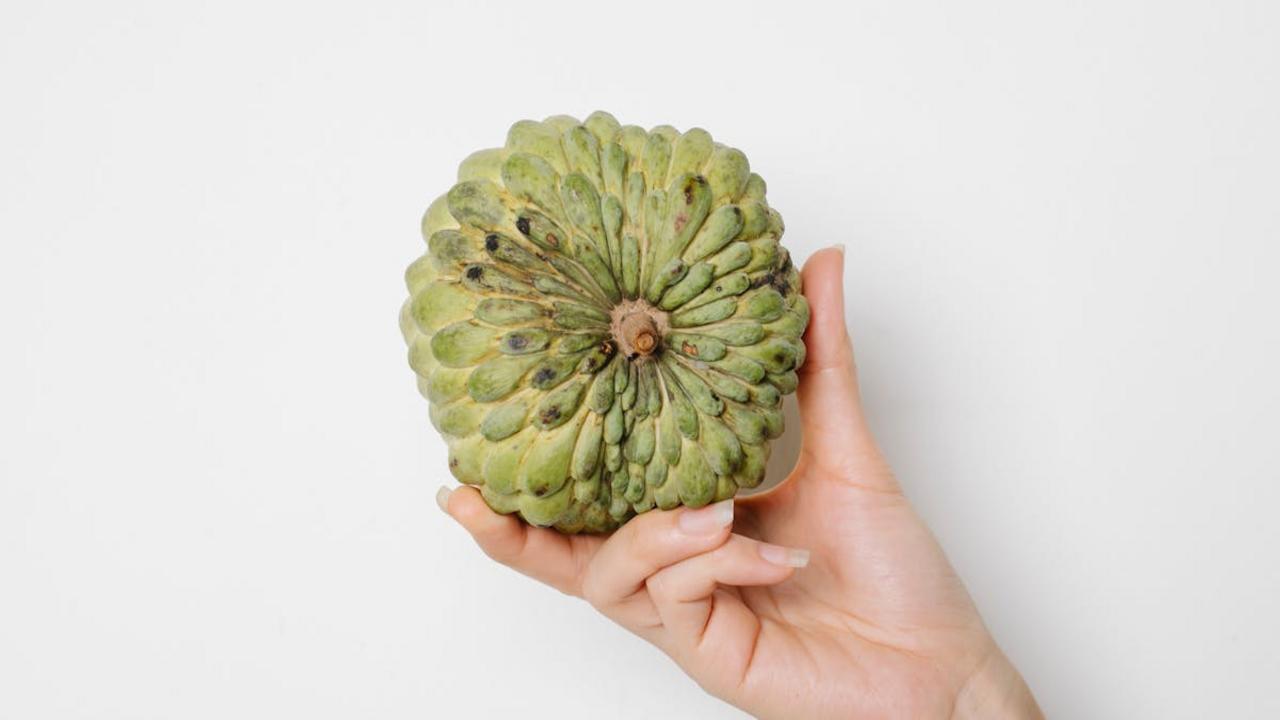
Soursop looks like nature decided to create the most intriguing fruit possible – imagine a large, green oval covered in soft spines that feels like a quirky cross between a pineapple and a dinosaur egg. Inside this unusual exterior, you’ll discover creamy white flesh that tastes like a magical blend of strawberry, pineapple, and citrus with hints of coconut. The texture reminds me of custard, making it perfect for both sweet and savory applications. You can find soursop in Latin American markets or specialty stores, and trust me, once you try it, you’ll understand why it’s considered one of the most beloved tropical fruits.
The easiest way to enjoy soursop is by scooping out the flesh and eating it fresh, but don’t stop there! Blend it into smoothies with banana and coconut milk for a tropical breakfast treat, or freeze it into ice cream for a dessert that will wow your guests. I love making soursop agua fresca by blending the pulp with water, lime juice, and a touch of honey – it’s incredibly refreshing on hot days. You can also incorporate it into cheesecakes, mousses, or even savory salsas paired with grilled fish. Just remember to remove the black seeds before using the flesh, and store ripe soursop in the refrigerator for up to three days.
Durian
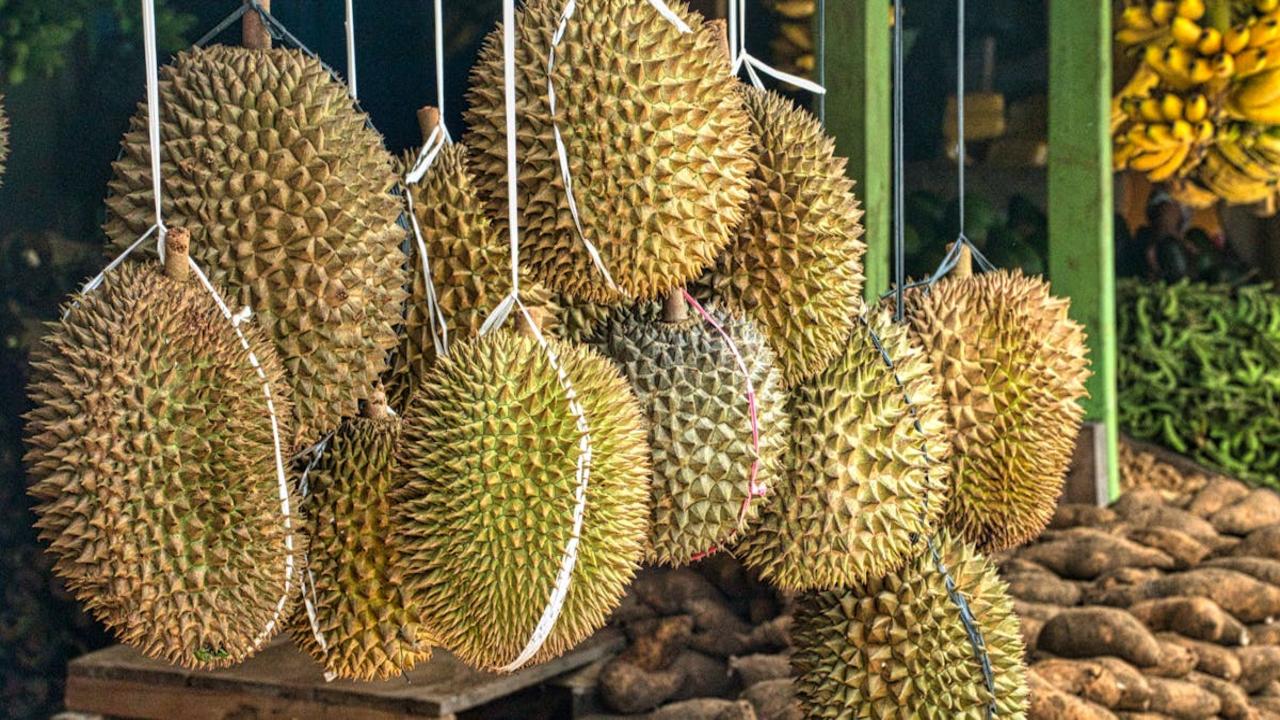
Known as the “king of fruits” in Southeast Asia, durian has earned quite the reputation for its intensely pungent aroma that can clear a room faster than you’d think possible! Don’t let that intimidate you though – this spiky, football-sized fruit holds creamy, custard-like flesh that tastes like a divine blend of vanilla, almond, and caramel with subtle savory notes. The texture feels incredibly rich and almost buttery, making it an unforgettable experience once you get past that initial smell. Fresh durian works beautifully in traditional desserts, and I love how its natural sweetness pairs with coconut milk in Thai sticky rice preparations.
If you’re ready to cook with durian, start small and work in a well-ventilated kitchen! The flesh freezes wonderfully and actually mellows the aroma, making it perfect for ice creams, smoothies, or even durian cheesecake. Try blending frozen durian with coconut cream and a touch of palm sugar for an incredibly decadent ice cream that rivals any premium brand. You can also incorporate it into traditional Southeast Asian desserts like durian pancakes or mix it into coconut rice pudding. Remember to choose fruits that give slightly when pressed and have a sweet, not overwhelmingly pungent smell – your nose will guide you to the perfect one!
Rambutan
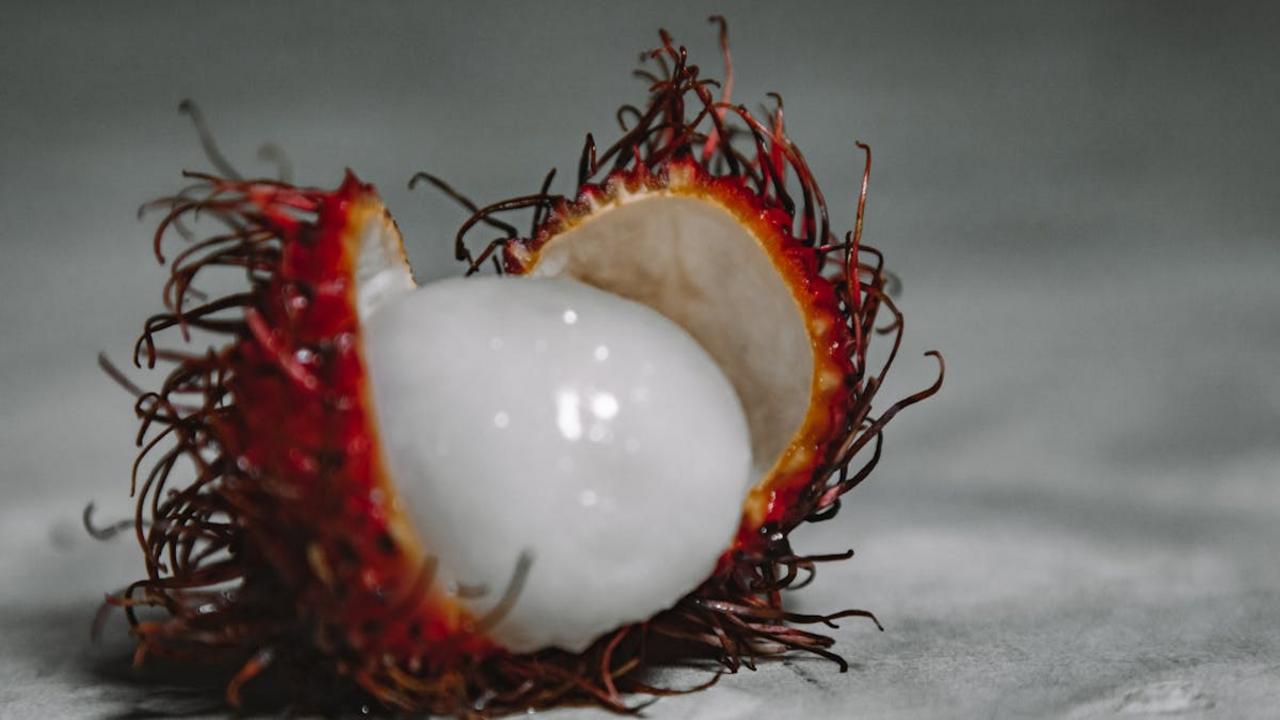
Picture a lychee wearing a punk rock hairdo, and you’ve got rambutan! This Southeast Asian fruit sports a vibrant red shell covered in soft, hair-like spikes that make it look intimidating but feel surprisingly gentle to touch. Once you crack open that spiky exterior, you’ll discover translucent, juicy flesh that tastes like a perfect blend of grape and lychee with floral notes. The texture is incredibly satisfying – firm yet tender, with a refreshing sweetness that makes you reach for another one immediately. Don’t worry about those spikes; they’re completely harmless and peel away easily with your fingers.
Fresh rambutan shines brightest when eaten straight from the shell, but you can transform it into amazing dishes too. Try adding peeled rambutan to fruit salads, smoothie bowls, or Asian-inspired desserts for a tropical twist. I love incorporating them into Thai-style fruit salads with lime juice, fish sauce, and chilies for a sweet-savory combination that will blow your mind. You can also simmer them gently in coconut milk with a touch of palm sugar to create a simple yet elegant dessert. For something more adventurous, blend rambutan into sorbets or use them as garnish for cocktails – their unique appearance makes any drink Instagram-worthy!
Jackfruit
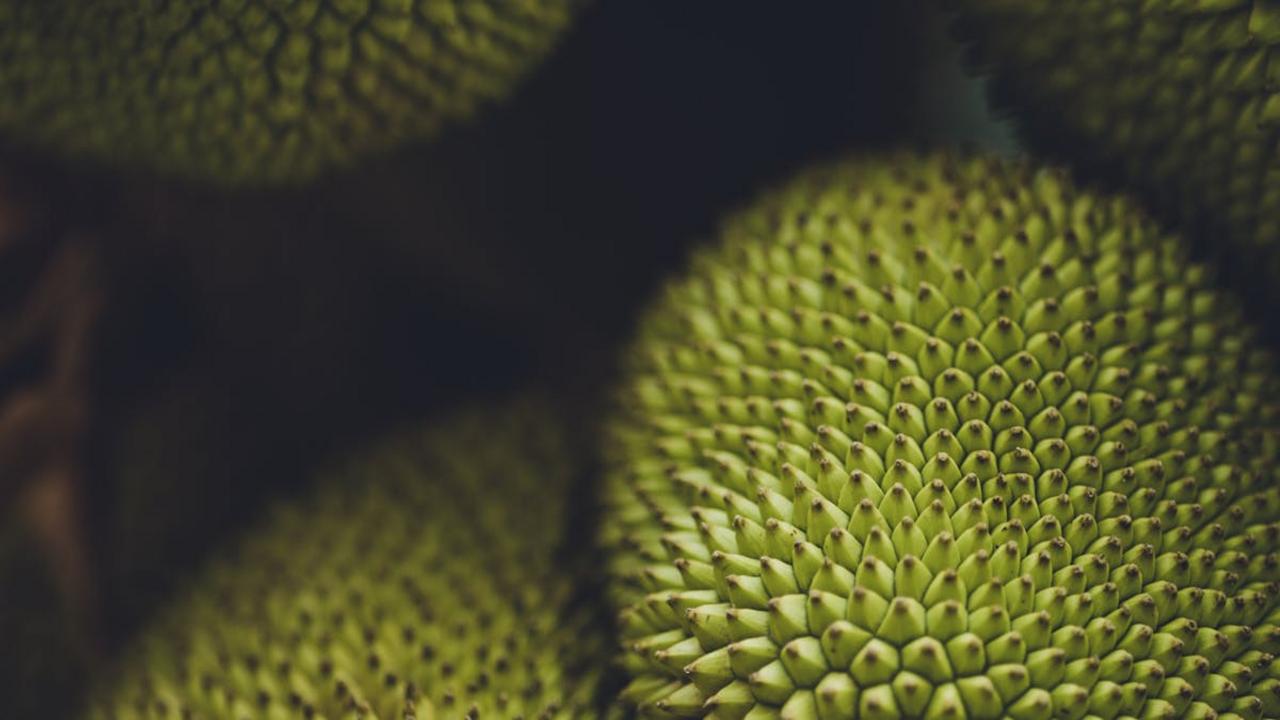
Meet jackfruit – the massive tropical wonder that’s been winning hearts across kitchens worldwide! This spiky green giant can weigh up to 80 pounds and grows directly from tree trunks, making it quite the conversation starter at your local market. Inside that intimidating exterior, you’ll discover sweet, fragrant flesh with a texture that’s part pineapple, part banana, with hints of mango thrown in for good measure. The ripe fruit makes an incredible addition to smoothies, desserts, and fresh fruit salads, while young green jackfruit has become the plant-based cook’s best friend thanks to its remarkable ability to mimic pulled pork or shredded chicken.
Young jackfruit transforms into the most satisfying meat substitute you’ve ever tried – just drain it, season it, and watch magic happen in your kitchen! Toss it with barbecue sauce and pile it high on buns for incredible pulled “pork” sandwiches, or season it with Mexican spices for the most convincing carnitas tacos. The neutral flavor of young jackfruit soaks up whatever seasonings you throw at it, making it perfect for curries, stir-fries, and even pizza toppings. Don’t forget about the seeds either – roast them with a sprinkle of salt for a nutty snack that tastes surprisingly similar to chestnuts!
Mangosteen
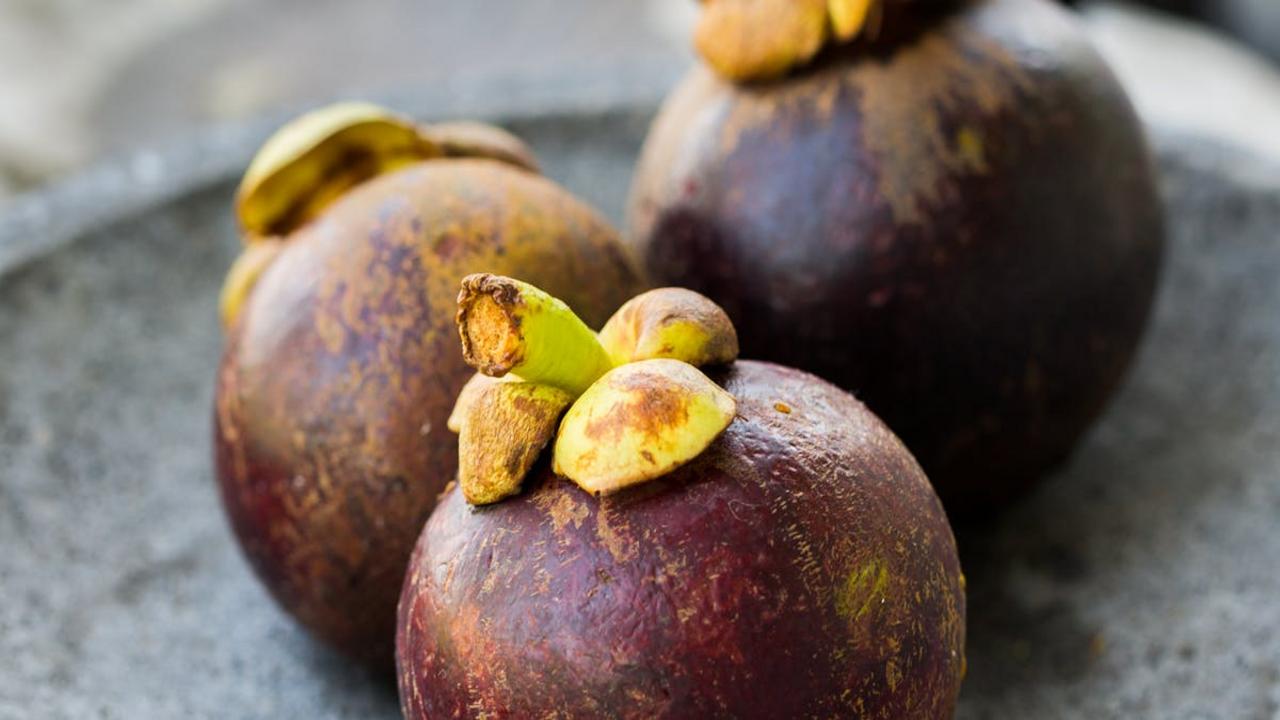
Picture yourself cracking open what looks like a deep purple tennis ball to reveal segments of pure white, juicy perfection inside – that’s mangosteen for you! This Southeast Asian treasure has earned its nickname “queen of fruits” for good reason. The flesh tastes like a magical blend of peach, strawberry, and citrus, with a texture that’s incredibly tender and almost melts in your mouth. You’ll find this exotic beauty in Asian markets or specialty stores, and trust me, the hunt is worth every bite.
While mangosteen shines brightest eaten fresh, you can transform it into some pretty amazing treats in your kitchen. Try blending the segments into smoothies with coconut milk and a touch of honey for a tropical breakfast that’ll transport you straight to paradise. I love making mangosteen sorbet by pureeing the fruit with a simple syrup – it’s refreshing and elegant enough for dinner parties. You can also fold chopped mangosteen into vanilla yogurt or use it as a topping for pavlova. The fruit’s natural sweetness means you’ll need less added sugar in whatever you’re making, which makes every recipe a little healthier and a lot more delicious.
Starfruit

Starfruit, also known as carambola, brings a magical touch to your kitchen with its stunning star-shaped slices that look like they belong in a fairy tale. This tropical gem offers a crisp texture similar to an apple, paired with a unique flavor that dances between sweet and tangy citrus notes. You’ll find yourself reaching for this vitamin C powerhouse not just for its incredible health benefits, but because it adds such visual drama to any dish. The best part? You can eat the entire fruit – skin and all – making it one of the most convenient exotic fruits to enjoy.
Transform your starfruit into show-stopping dishes by slicing it into those iconic star shapes and floating them in sparkling water or cocktails for an instant wow factor. Try grilling thick slices with a drizzle of honey and a sprinkle of cinnamon for a caramelized dessert that’ll make your guests gasp. I love tossing diced starfruit into fresh salsas with mango and jalapeño – the combination creates this incredible sweet-heat balance that pairs beautifully with grilled fish or chicken. You can also blend it into smoothies for natural sweetness, or simply enjoy it fresh as a guilt-free snack that satisfies your sweet cravings while flooding your body with antioxidants and fiber.
Lychee
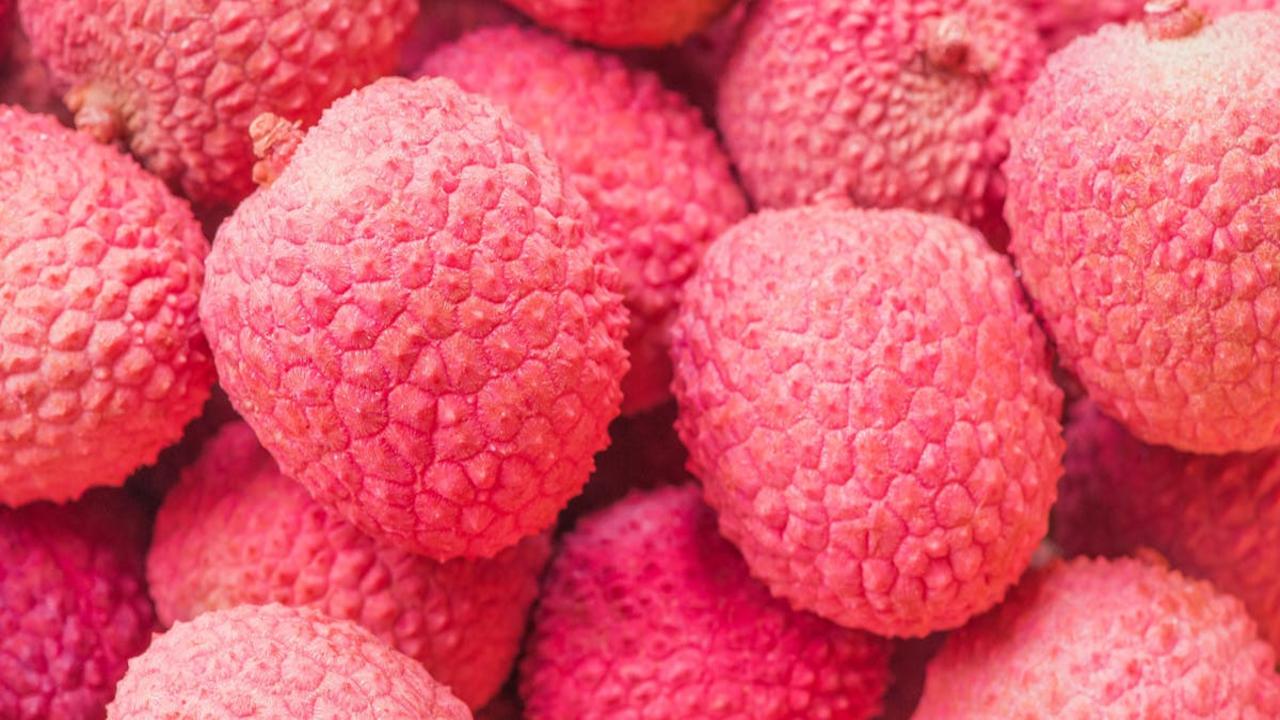
Picture a fruit that looks like a pink golf ball covered in bumpy skin, but crack it open and you’ll discover one of nature’s sweetest surprises inside. Lychees have been winning hearts across Asia for centuries, and now they’re making their way into kitchens worldwide. The translucent white flesh inside tastes like a perfect blend of grape and pear with floral notes that dance on your palate. Don’t let that rough exterior fool you – peeling a lychee is surprisingly easy once you get the hang of it.
Fresh lychees make incredible additions to fruit salads, but their magic really shines when you get creative in the kitchen. Try muddling them into cocktails or mocktails for a tropical twist, or toss them into stir-fries during the last few minutes of cooking for a sweet surprise. I love making lychee ice cream by blending the fruit with coconut milk and a touch of honey – it’s absolutely divine on hot summer days. You can also poach whole lychees in light syrup with ginger and serve them over vanilla yogurt for an elegant dessert that takes just minutes to prepare.
Guava
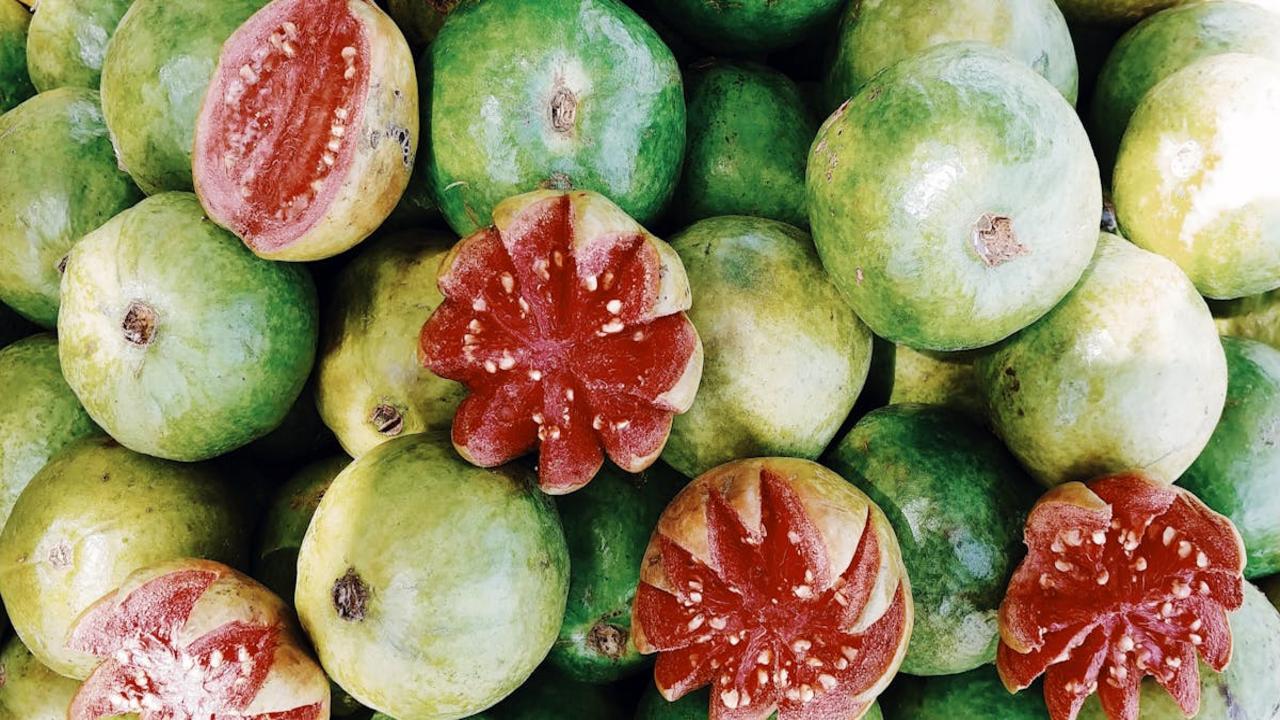
You know that moment when you bite into something and instantly think, “Where has this been all my life?” That’s exactly what happened to me with guava! This tropical gem has this incredible floral sweetness that’s unlike anything else – imagine a cross between a pear and a strawberry, but with its own unique personality. The flesh can be white, pink, or even deep red, and those little seeds? Totally edible and packed with fiber. I love how guava brings this exotic flair to your kitchen without being intimidating at all.
Cooking with guava opens up so many delicious possibilities! I’m obsessed with making guava paste (or membrillo) by simmering chopped guava with a bit of sugar until it becomes this gorgeous, jewel-toned spread that’s perfect on cheese boards or stirred into yogurt. You can also blend fresh guava into smoothies for breakfast, bake it into muffins for a tropical twist, or simmer it down into a sauce that’s absolutely divine over grilled chicken or pork. My personal favorite? Guava agua fresca – just blend the fruit with water, lime juice, and a touch of honey for the most refreshing drink that screams sunshine in a glass!
Passion Fruit
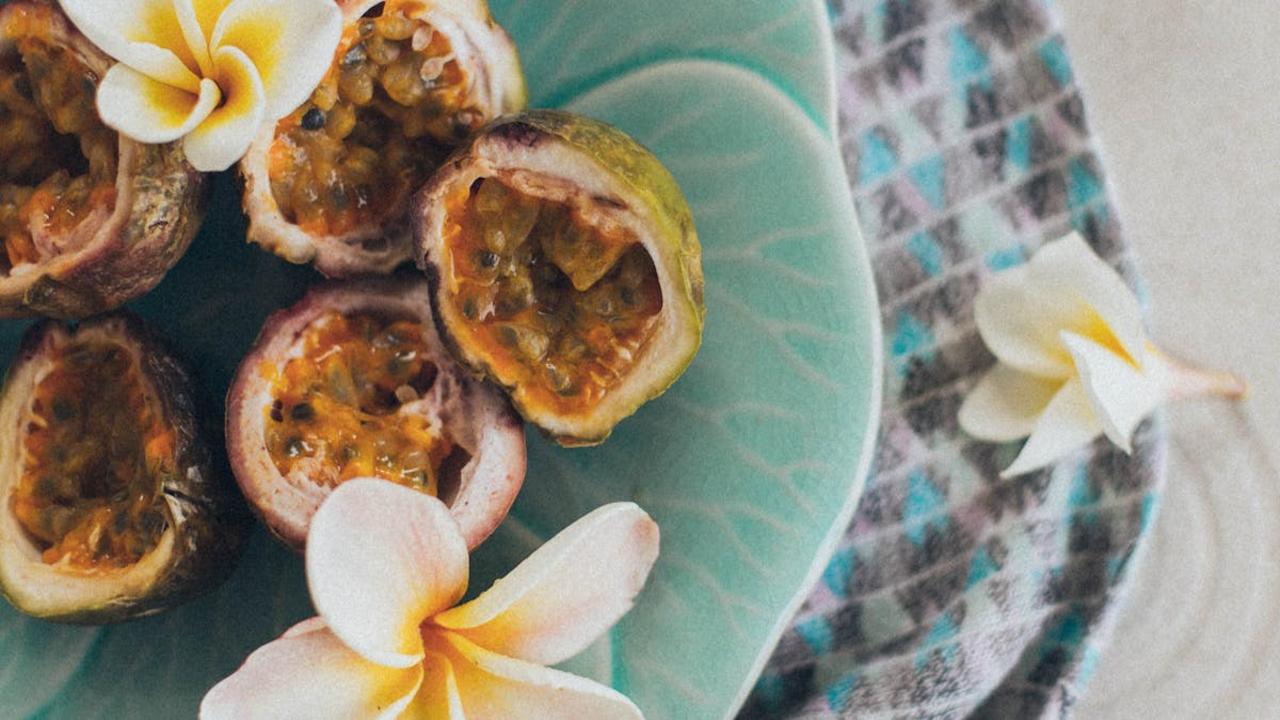
Passion fruit brings tropical sunshine straight to your kitchen with its wrinkled purple or yellow exterior that might fool you at first glance. Don’t judge this little powerhouse by its looks – crack it open and you’ll discover a fragrant, jelly-like pulp packed with tiny edible seeds that burst with tangy-sweet flavor. This South American native contains impressive amounts of vitamin C, fiber, and antioxidants, making it a nutritious addition to your daily routine. The fruit’s intense aroma and unique texture create an almost intoxicating experience that transforms ordinary dishes into something extraordinary.
You can scoop the pulp directly from the shell for an instant tropical treat, or strain it to create smooth sauces and beverages. Mix the strained juice into yogurt parfaits, blend it into smoothies, or drizzle it over cheesecake for an elegant finish. The whole pulp works beautifully in pavlovas, where the seeds add delightful texture against creamy meringue. Try whisking passion fruit pulp into salad dressings for a tropical twist on mixed greens, or fold it into whipped cream for a simple yet sophisticated dessert. Even savory applications work wonderfully – the fruit’s acidity pairs perfectly with grilled fish or chicken marinades.
Dragon Fruit
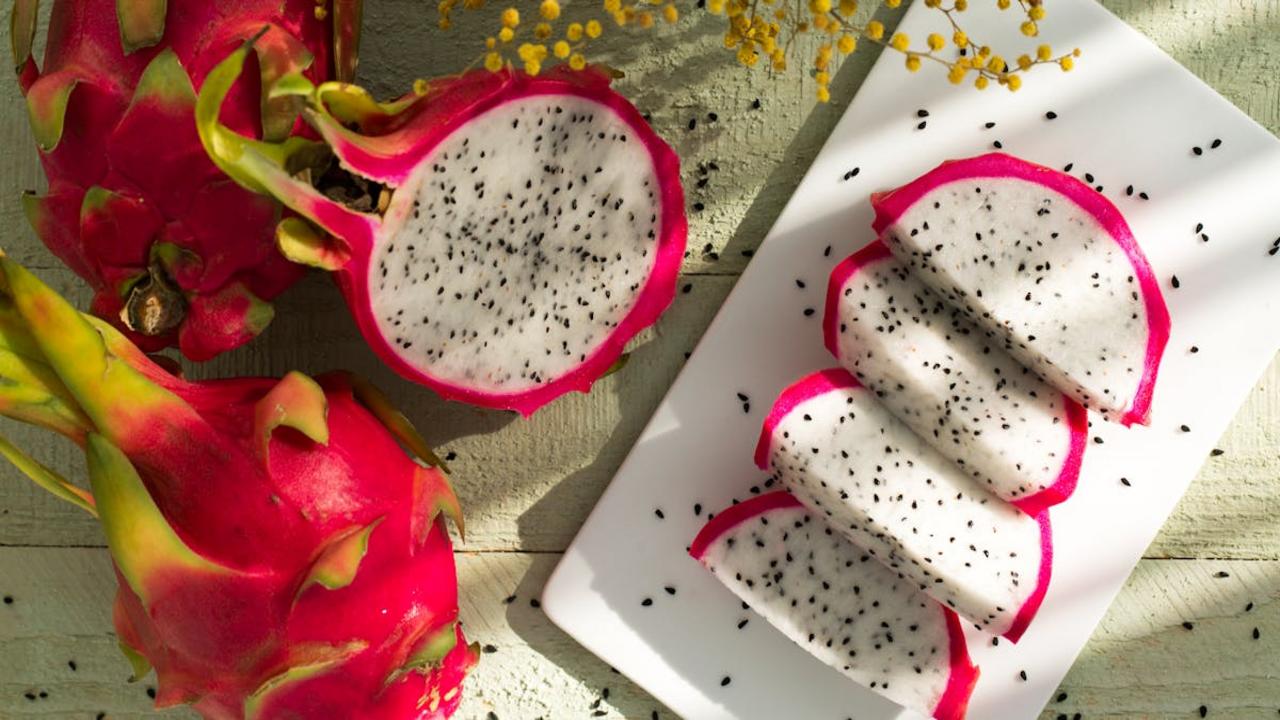
Dragon fruit, also known as pitaya, might look like something from another planet with its bright pink skin and green scales, but inside you’ll discover a mild, refreshing flesh that’s surprisingly versatile in the kitchen. The white or magenta interior dotted with tiny black seeds has a subtle sweetness reminiscent of kiwi crossed with pear. This tropical beauty packs impressive nutritional benefits too – it’s loaded with vitamin C, antioxidants, and fiber while being naturally low in calories. You can find dragon fruit in most grocery stores year-round, and choosing one is simple: look for bright, even coloring and give it a gentle squeeze to check for slight softness.
While dragon fruit shines when eaten fresh and chilled, it transforms beautifully in smoothie bowls, fruit salads, and even savory dishes. Try blending it with coconut milk and lime juice for a stunning tropical smoothie, or cube it into your morning yogurt for natural sweetness and gorgeous color. For something different, grill thick slices lightly to concentrate the flavors and serve alongside grilled fish or chicken – the fruit’s mild taste pairs wonderfully with citrus marinades and fresh herbs. You can also freeze dragon fruit chunks to create instant sorbet or blend them into refreshing popsicles that kids absolutely love.