15 Iconic Dishes That Capture Every US State’s Flavor
Every state has that one dish that tells its story—shaped by landscape, history, and the people who settled there. These aren’t fancy restaurant creations. They’re the meals grandmothers perfected, the foods you beg locals to point you toward, the recipes passed down through generations with love and maybe a little secrecy.
From Alabama’s tangy white sauce to Vermont’s maple-sweetened snow treat, these iconic dishes reveal something honest about American food. They’re built on necessity, creativity, and whatever ingredients were available in the region. Some sound unusual, others comfortingly familiar, but each one represents a genuine connection between place and plate.
Think of this as your roadmap to understanding America through its most authentic regional foods. These dishes weren’t invented to impress anyone—they exist because people got hungry, looked around, and made something memorable with what they had. That’s the kind of cooking that matters.
Vermont: Sugar on Snow
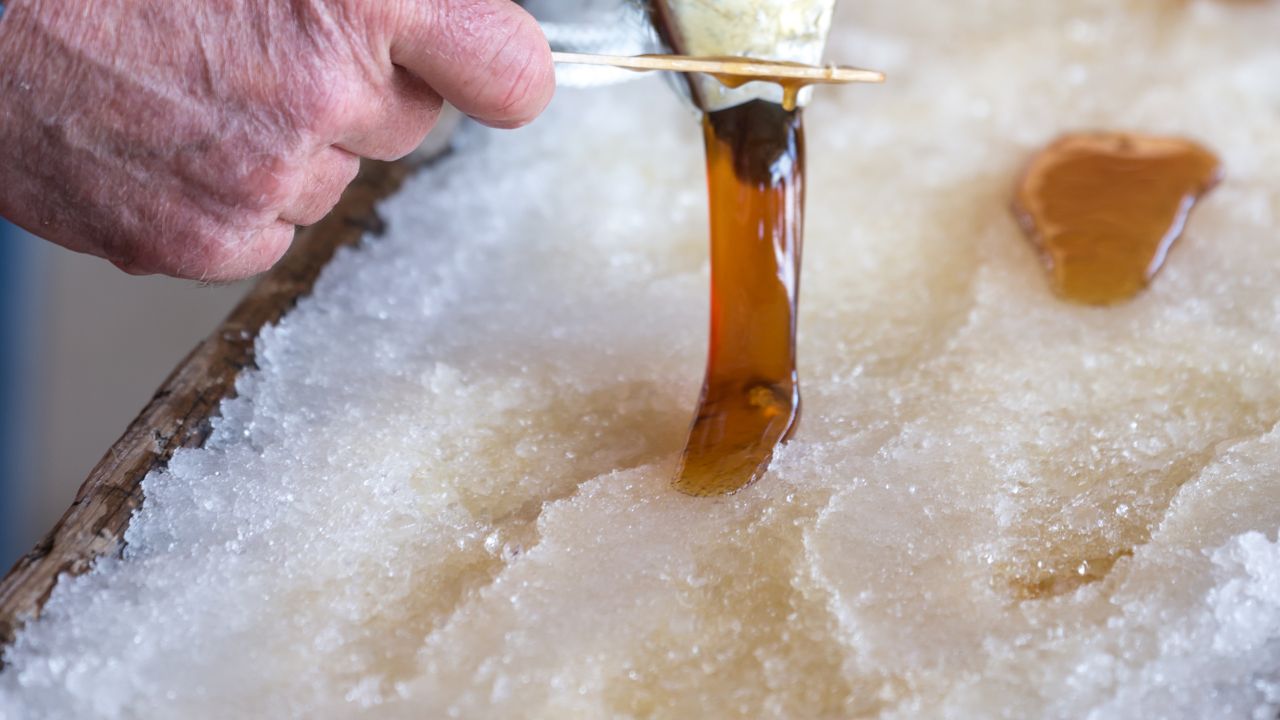
Vermont’s Sugar on Snow represents pure winter magic—a tradition that transforms simple maple syrup into something transcendent. Picture this: fresh snow packed into bowls, then ribbons of hot maple syrup poured directly onto it. The syrup hits that cold surface and instantly becomes this chewy, taffy-like candy that sticks to your fork. It’s primal and simple, yet it captures everything beautiful about Vermont’s maple country. You’re not cooking here in the traditional sense—you’re participating in a ritual that’s been passed down through generations of sugar makers.
The experience goes beyond just the candy itself. You serve it with plain donuts to cut the sweetness, dill pickles for that sharp contrast your palate desperately needs, and sometimes saltines. That combination might sound bizarre until you try it, then suddenly it makes perfect sense. The sweet, the sour, the salty—they all work together. Making this at home means heating pure maple syrup to soft-ball stage, around 235°F, then drizzling it over packed snow or crushed ice. No additives, no shortcuts, just maple syrup doing what it does best. This dish reminds you that the most memorable food moments often come from the simplest ingredients treated with respect and enjoyed in good company.
New Mexico: Green Chile Stew
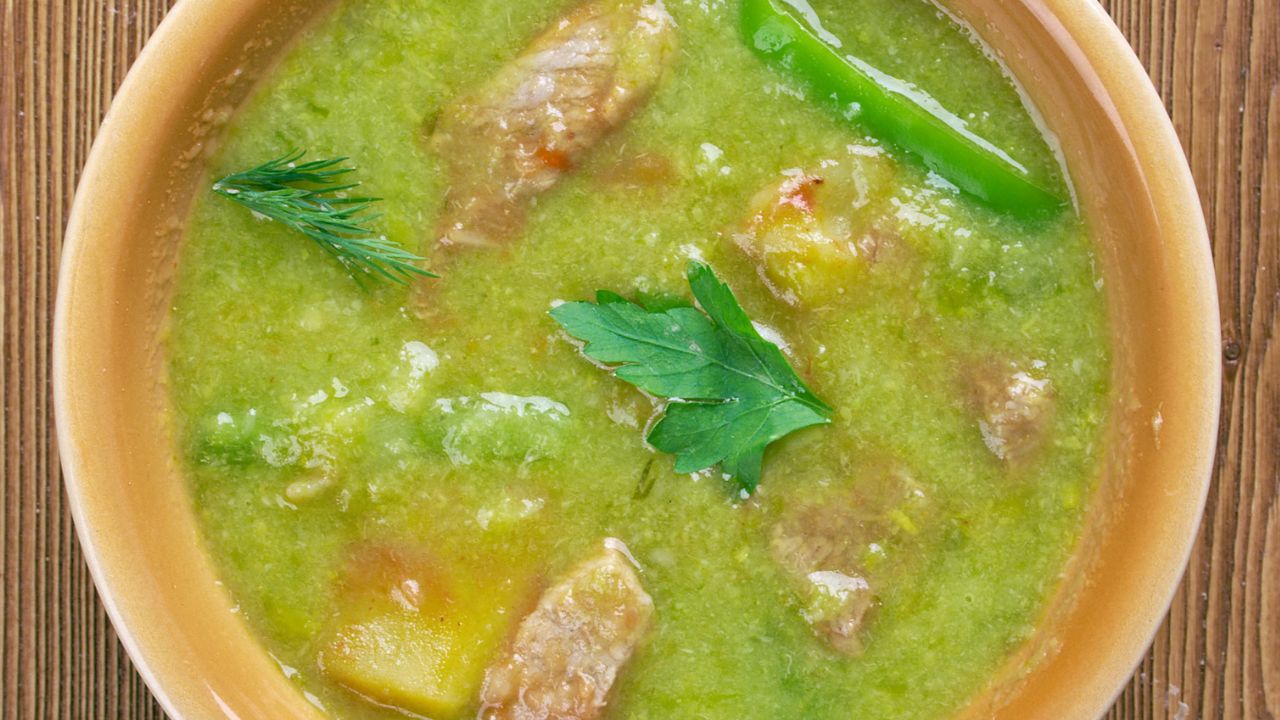
Green chile stew embodies New Mexico’s soul in a bowl. Every spoonful brings you closer to understanding why locals debate Hatch versus other chiles with genuine passion. The stew starts with pork shoulder or beef chuck, browned until deeply caramelized, then simmered with roasted green chiles, potatoes, onions, and garlic. What makes this dish special is how the chiles—fire-roasted until their skins blister and char—infuse everything with a smoky heat that builds slowly rather than attacking your palate. You’ll find families roasting bushels of chiles each autumn, filling the air with an intoxicating aroma that signals the season has shifted.
Making this stew at home teaches you about patience and respect for ingredients. The chiles need proper roasting time to develop their complex flavor, and the meat benefits from a long, gentle simmer that transforms tough cuts into tender bites. I brown the meat in batches to avoid crowding the pot, which guarantees each piece develops that rich, caramelized crust. The potatoes cook directly in the chile-infused broth, absorbing all those layers of flavor while adding substance to the stew. Serve it with warm flour tortillas or over rice, and watch how this humble dish becomes the centerpiece of your table, proving that regional cooking built on fresh, simple ingredients can outshine any fancy restaurant fare.
Nevada: Basque Lamb Stew
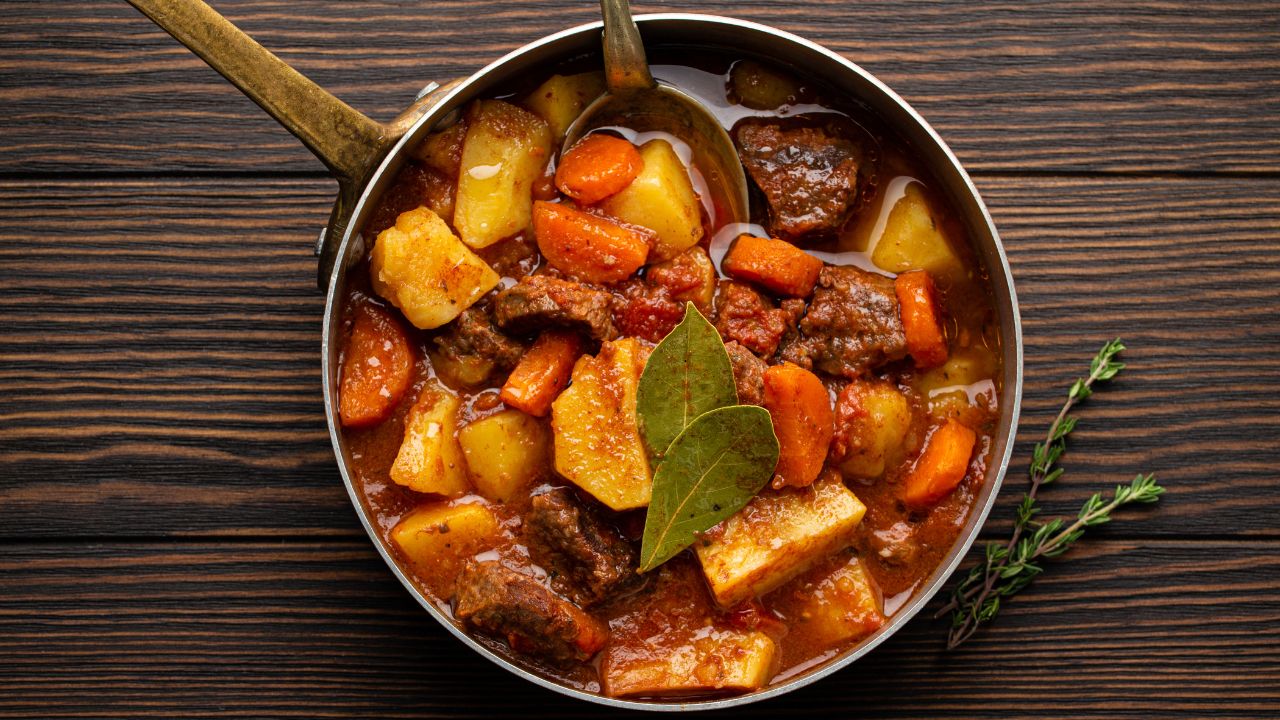
Nevada’s Basque community brought something extraordinary to the Silver State—a lamb stew that warms you from the inside out. This isn’t your typical American stew; it’s a robust, soul-satisfying dish that speaks to the shepherding traditions of the Basque people who settled in Nevada during the gold rush era. The stew combines tender chunks of lamb shoulder with potatoes, bell peppers, tomatoes, and chorizo, all simmered together until the flavors meld into something magical. What makes this dish special is how it transforms simple ingredients into a meal that feels like a celebration. The lamb becomes fork-tender after slow cooking, absorbing the smoky notes from the chorizo and the sweetness from the peppers.
Making Basque lamb stew at home connects you to a piece of Nevada’s living history. Start by browning your lamb in a heavy Dutch oven—don’t skip this step because those caramelized bits at the bottom of the pot add incredible depth. Add your aromatics, then pour in good wine and broth before letting everything simmer low and slow for a couple of hours. The beauty of this stew is its flexibility; you can adjust the vegetables based on what’s fresh and available. Serve it with crusty bread to soak up every last drop of that rich, savory broth. This dish reminds us that the best meals often come from immigrant communities who adapted their ancestral recipes to new lands, creating something uniquely American in the process.
Montana: Pasties
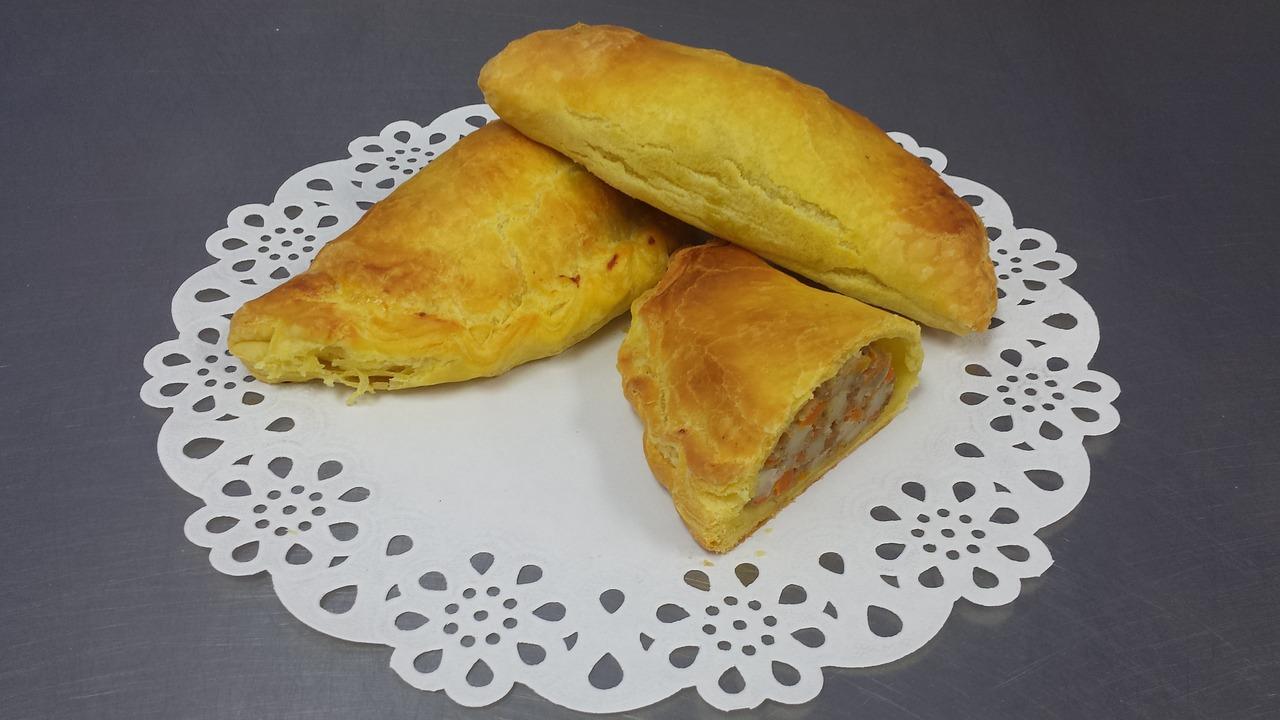
Montana’s pasties arrived with Cornish miners who brought their lunch tradition to the copper mines of Butte. These hand-held meat pies are the ultimate working person’s meal—portable, filling, and designed to stay warm in a jacket pocket during long shifts underground. Traditional pasties hold a simple combination of beef, potatoes, rutabaga, and onions, all wrapped in a sturdy pastry crust with a crimped edge that miners could grip with dirty hands and toss away after eating. The thick crust acted as both plate and insulation, keeping the filling hot for hours in the cold Montana mines.
Making pasties at home connects you to this hardworking heritage while giving you complete control over what goes inside. The dough needs to be substantial enough to hold up during baking but tender enough to bite through easily—I mix flour with cold butter and just enough ice water to bring it together. Season your filling generously with salt, pepper, and a bit of thyme before sealing everything inside the pastry. You can adapt the recipe to your taste by adding different root vegetables or swapping beef for venison if you’re feeling adventurous. Bake them until golden brown, and you’ll have a complete meal in your hands—protein, vegetables, and carbs all in one satisfying package that tastes even better the next day.
Kansas: Bierocks
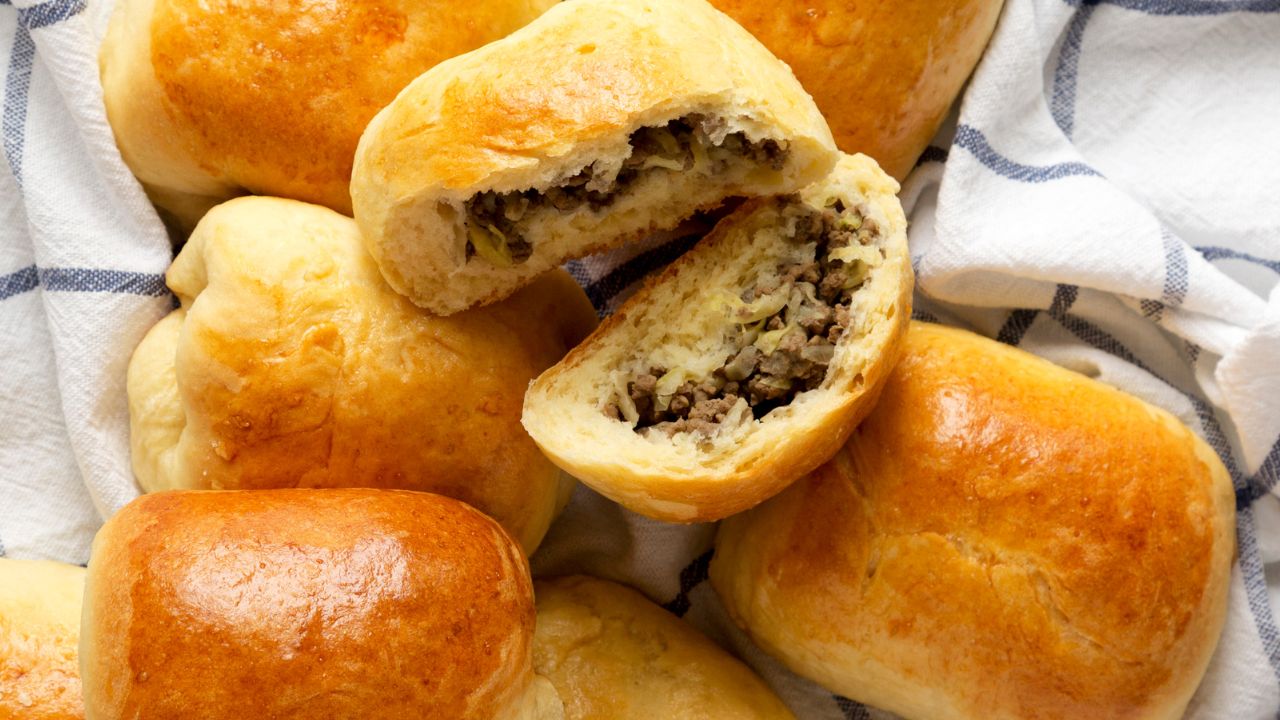
Picture this: a golden, pillowy bread pocket cradling a savory filling of seasoned ground beef, cabbage, and onions. That’s a bierock, and it’s pure Kansas comfort. This hand-held treasure came to the Midwest with German-Russian immigrants in the 1870s, and locals have been perfecting it ever since. What makes bierocks so brilliant is their simplicity—honest ingredients brought together in a way that just works. The beef provides richness, the cabbage adds sweetness and texture, and that soft, yeasted dough ties everything together. You’ll find them at church fundraisers, school cafeterias, and roadside diners across Kansas, each baker adding their own touch to this beloved recipe.
Making bierocks at home connects you to generations of Kansas cooks who understood that great food doesn’t need fancy techniques or expensive ingredients. The dough is forgiving and fun to work with, while the filling comes together in one skillet. I season mine with plenty of black pepper and sometimes a dash of caraway seeds for extra depth. The magic happens when you seal that filling inside the dough and watch the pockets turn golden in the oven. Serve them warm with mustard or ketchup on the side, and you’ve got a meal that’s equally at home at a family dinner or packed in lunchboxes. These portable parcels prove that the best regional dishes are the ones that fill both your stomach and your soul.
Idaho: Finger Steaks
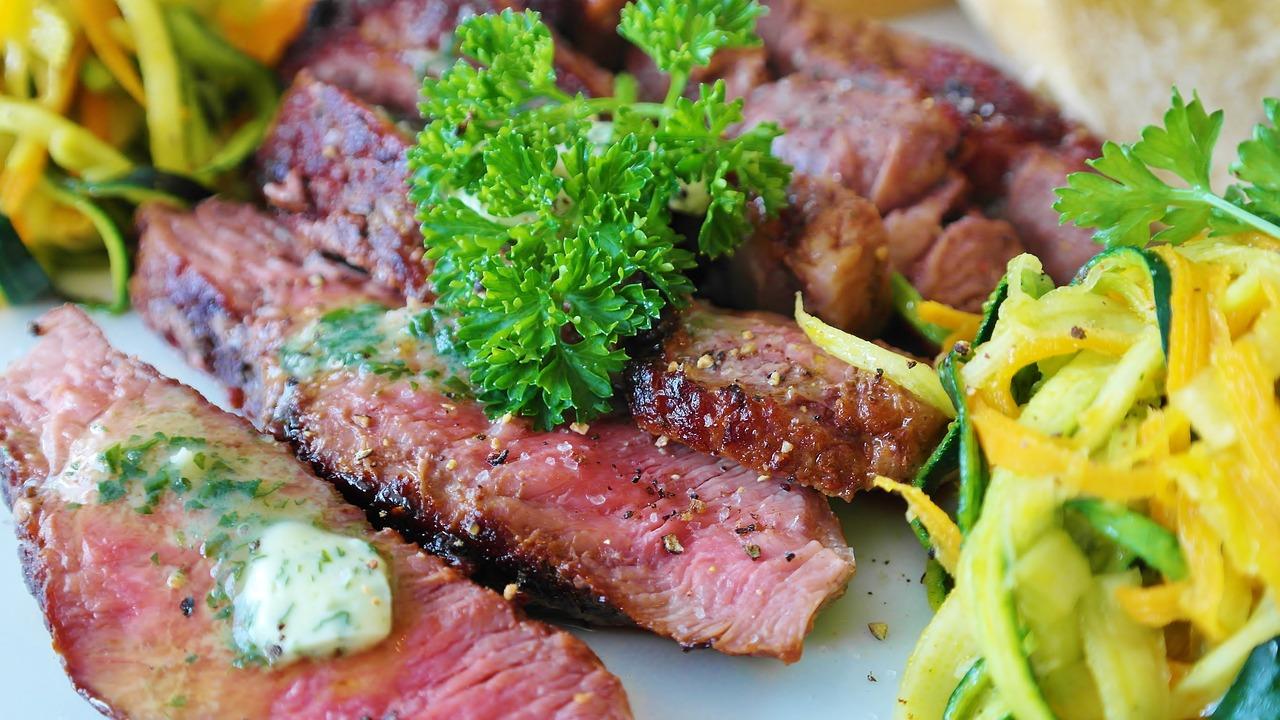
Picture strips of tender beef, battered and fried until golden, served with a tangy cocktail sauce that makes you reach for piece after piece. That’s finger steaks, Idaho’s answer to comfort food that started in Boise back in 1957. Unlike chicken fingers or steak strips you might know, these beauties get their magic from a seasoned batter that creates an irresistible crunch around each bite-sized piece of sirloin or tenderloin. The genius lies in how the crispy coating locks in all those meaty juices while staying perfectly crunchy on the outside. Locals grew up grabbing these at drive-ins and bars across the state, where they’re served hot from the fryer with fries and that signature zesty sauce for dipping.
Making finger steaks at home means you control every element, from choosing quality cuts of beef to seasoning your batter just right. Start with sirloin cut into finger-length strips, then coat them in a mixture of flour, paprika, garlic powder, and black pepper before dipping into buttermilk and coating again. The double-dredging technique guarantees that satisfying crackle with every bite. Fry them in hot oil until they turn deep golden brown, drain on paper towels, and serve immediately while they’re still steaming. Skip the processed versions you might find frozen in stores—fresh, homemade finger steaks deliver a completely different experience that honors this Idaho classic. Pair them with a simple cocktail sauce made from ketchup, horseradish, lemon juice, and Worcestershire sauce for an authentic taste of the Gem State.
Hawaii: Loco Moco
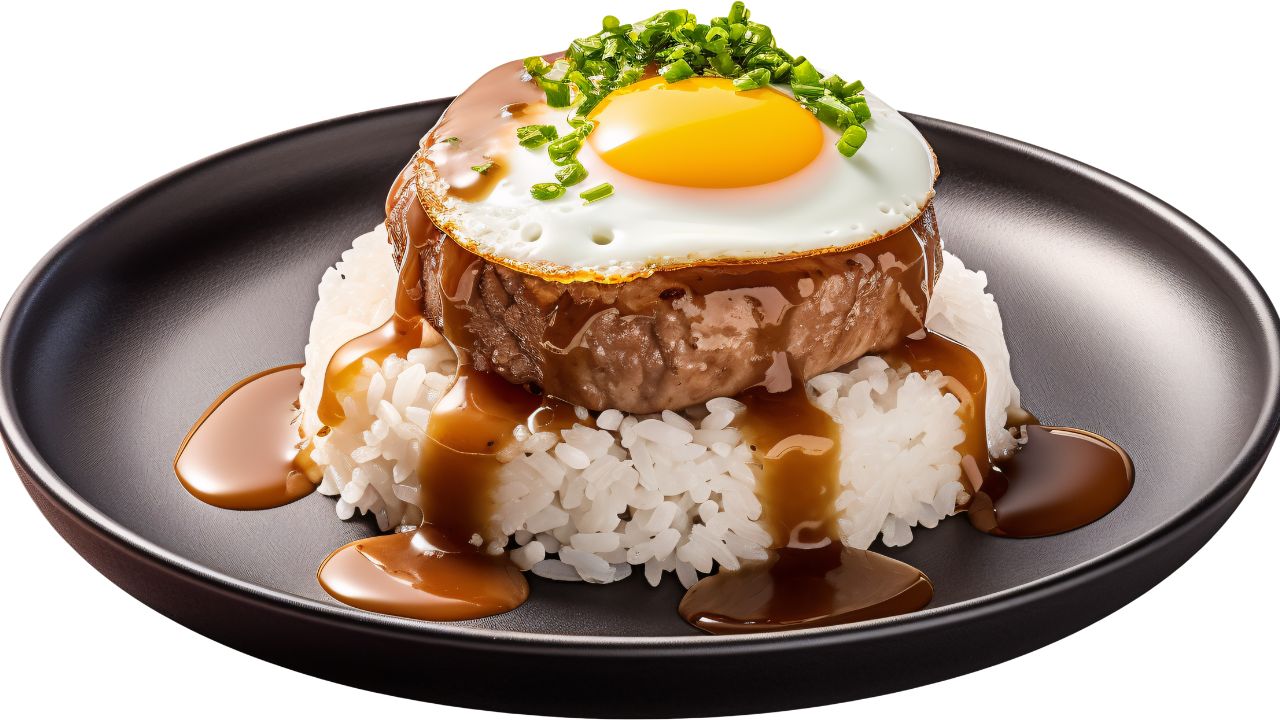
Picture a plate that tells the story of Hawaii’s working-class roots and multicultural soul—that’s Loco Moco for you. This hearty dish starts with a bed of white rice, topped with a juicy hamburger patty, a fried egg with a runny yolk, and rich brown gravy cascading over everything. Born in Hilo during the 1940s, local restaurant owners created this filling meal for hungry teenagers who needed something quick, affordable, and satisfying. The name itself captures the playful spirit of island life, and every element works together to create pure comfort on a plate. When that yolk breaks and mingles with the savory gravy, soaking into the rice below, you understand why this dish has become a Hawaiian institution.
Making Loco Moco at home brings the aloha spirit straight to your kitchen. Form your hamburger patties with quality ground beef, season them generously, and cook until they develop a nice crust. The gravy should be simple—butter, flour, beef broth, and maybe a splash of Worcestershire sauce for depth. Fry your eggs sunny-side up, keeping those yolks intact because they’re part of the magic. The beauty of this dish lies in its straightforwardness and how each component complements the others. Some variations include adding mushrooms to the gravy or swapping the beef for spam or Portuguese sausage, reflecting Hawaii’s diverse food influences. Serve it hot, break that yolk, and watch everything come together in delicious harmony.
Georgia: Brunswick Stew
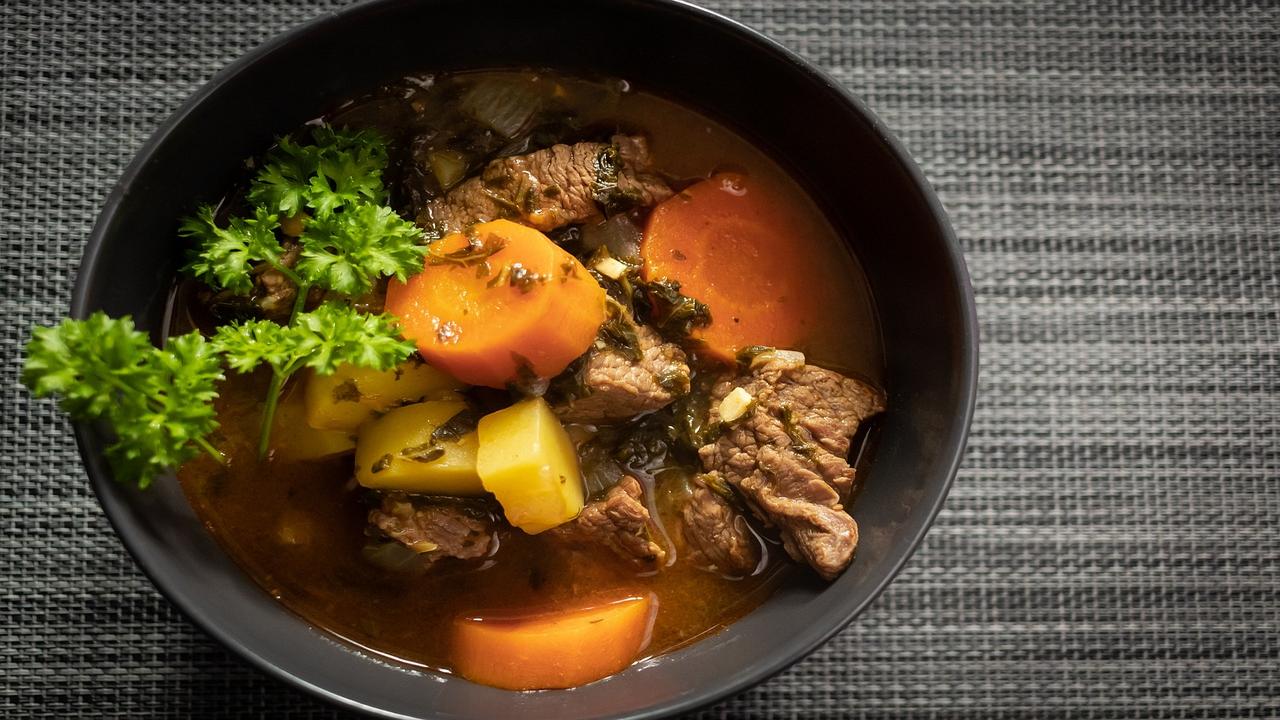
Brunswick stew tells the story of Georgia’s resourcefulness and community spirit in one hearty bowl. This thick, tomato-based stew brings together pulled pork or chicken with corn, lima beans, and okra, simmered low and slow until everything melds into something greater than its parts. You can taste the patience in every spoonful—this isn’t a dish you rush. The vegetables break down and thicken the broth naturally, creating a texture that’s almost velvety without any artificial thickeners. I love how different cooks put their own stamp on it, adjusting the meat ratio or adding their secret spice blend, but the soul of the stew stays the same. It’s comfort food that feeds a crowd, making it perfect for church gatherings, family reunions, or those chilly evenings when you need something substantial.
What makes Brunswick stew special is how it transforms simple, honest ingredients into something memorable. The slow cooking process allows the flavors to develop deeply—the sweetness of the corn balances the savory meat, while the okra adds body and a subtle earthiness. You’ll notice how the tomatoes provide just enough acidity to keep everything bright despite the richness. Making this stew from scratch means you control what goes in, skipping processed shortcuts for real vegetables and quality meat. The result is nourishing and filling without feeling heavy. Serve it with cornbread for soaking up every last drop, and you’ve got a meal that satisfies body and soul while connecting you to generations of Georgia home cooks who perfected this recipe through trial, error, and love.
Delaware: Scrapple
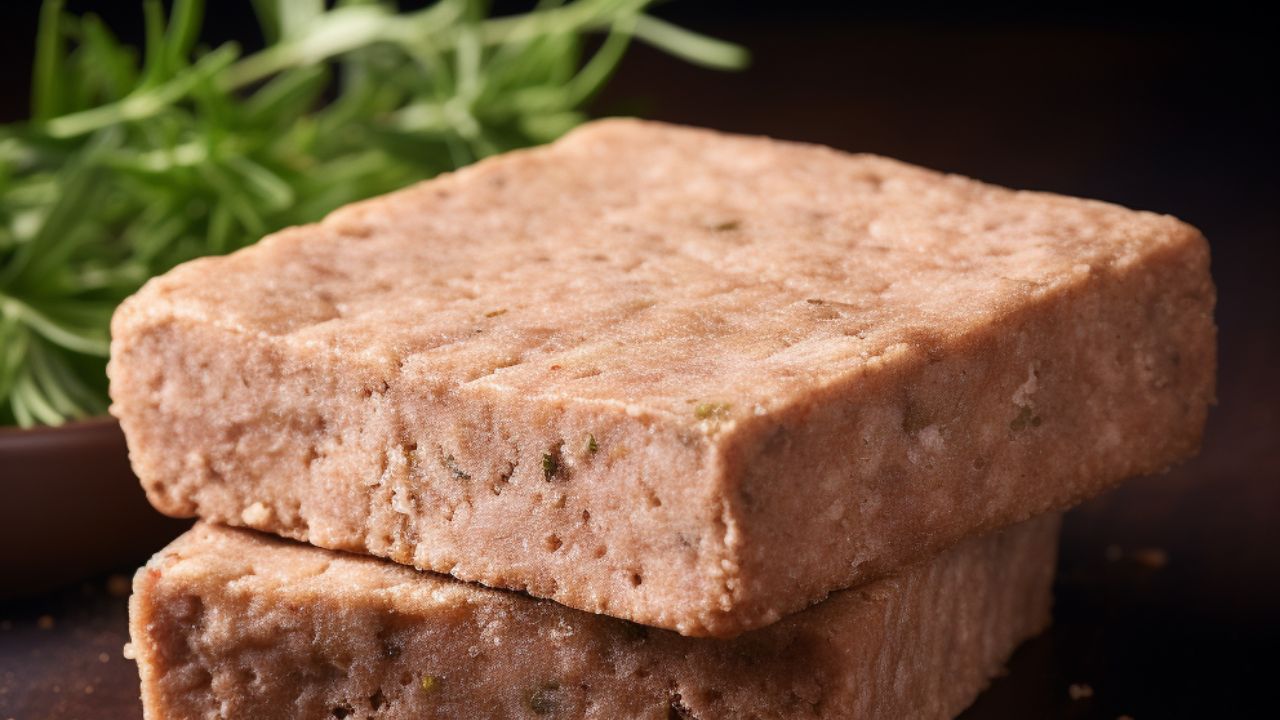
Scrapple stands as Delaware’s most distinctive breakfast staple, a humble yet remarkable creation born from Pennsylvania Dutch ingenuity that found its true home in the First State. This savory loaf combines pork scraps, cornmeal, and spices into something far greater than its modest ingredients suggest. Making scrapple at home connects you to generations of resourceful cooks who understood that nothing should go to waste. The mixture gets poured into loaf pans, chilled until firm, then sliced and pan-fried until the edges turn beautifully crispy while the interior stays creamy and tender. That textural contrast—crunchy exterior meeting soft, well-seasoned interior—makes each bite satisfying in ways that fancy brunch dishes rarely achieve.
Delawareans take their scrapple seriously, serving it alongside eggs, tucked into sandwiches, or even crumbled over hash browns for extra richness. The beauty lies in its straightforward preparation and bold, peppery flavor that wakes up your palate without overwhelming it. Some folks prefer theirs thin and extra crispy, others like thicker slices with more of that creamy center showing through. You can control every element when you make it yourself—adjusting the spice blend, choosing quality pork, grinding your own cornmeal for superior texture. This dish represents honest cooking at its finest, transforming simple ingredients through patience and proper technique into something memorable that keeps you coming back for more.
Connecticut: Steamed Cheeseburgers
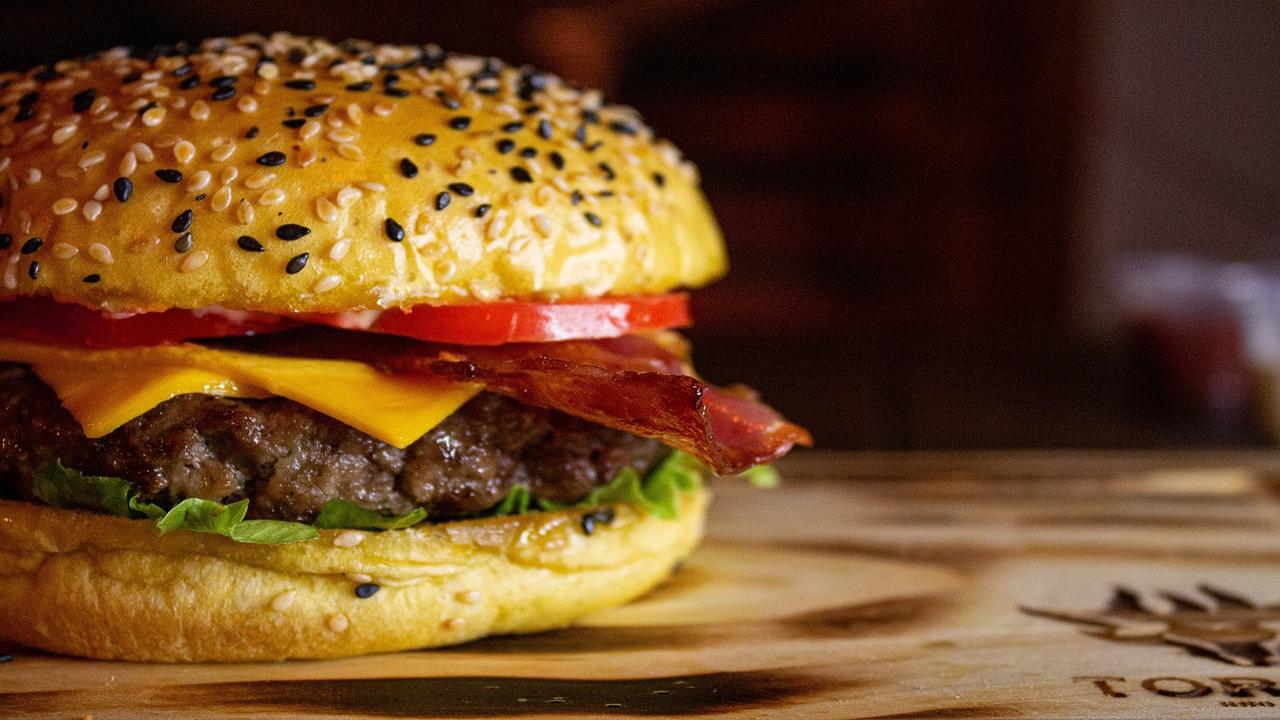
Connecticut surprised me with this one—steamed cheeseburgers aren’t grilled or fried, they’re cooked in special steam cabinets that keep the meat incredibly moist while melting the cheese into this gooey, almost liquid perfection. You’ll find this quirky preparation mostly in central Connecticut, particularly around Meriden, where local spots have been steaming burgers since the 1920s. The method creates this tender, juicy patty that’s completely different from what you’d expect from a traditional burger, and the cheese practically becomes a sauce that soaks into every bite. I tried making a version at home using a steamer basket, and while it wasn’t quite the same as the real deal, the results taught me something valuable about gentle cooking methods preserving moisture in ground meat.
What makes this dish special is how it represents Connecticut’s independent spirit—they took an American classic and completely reimagined the cooking method. The burgers come out with this soft, almost delicate texture that some people love and others need time to adjust to, but that’s exactly what makes regional food interesting. Most places serve them on soft rolls with classic toppings, nothing fancy, just good cheese melted to perfection over tender beef. If you want to experiment with this technique at home, use a bamboo steamer over simmering water, shape your patties a bit thicker than usual, and place sliced cheese on top during the last few minutes of steaming. The result won’t match those century-old steam cabinets, but you’ll understand why this method has stayed alive in Connecticut diners for generations.
Colorado: Rocky Mountain Oysters
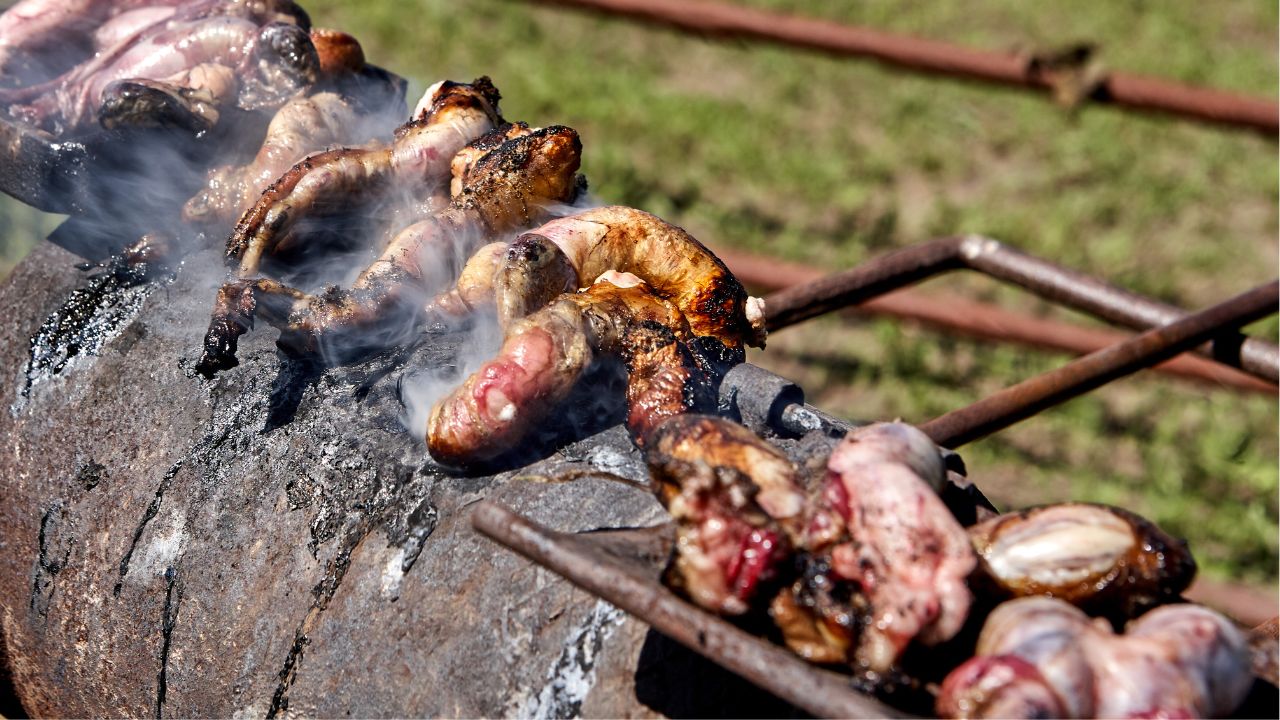
Here’s a dish that requires courage and an open mind. Rocky Mountain Oysters aren’t shellfish—they’re bull testicles, breaded and deep-fried into golden, crispy medallions. This protein has been a ranching tradition in Colorado since cattle operations dominated the landscape. Cowboys and ranch hands wasted nothing, transforming what others discarded into a regional specialty. The testicles get sliced thin, soaked in buttermilk or beer batter, coated in seasoned flour, then fried until they develop that satisfying crunch. Served with cocktail sauce or spicy ranch, they taste surprisingly mild—tender inside with a slightly gamey flavor that’s less intense than liver or kidneys.
Making these at home means confronting your comfort zone head-on, but the process mirrors any breaded and fried protein you’ve tackled before. The key lies in proper preparation: removing the outer membrane, slicing consistently for even cooking, and maintaining your oil temperature around 375°F. Many first-timers compare the texture to calamari or sweetbreads—firmer than you’d expect but not chewy. Whether you try them at a festival, roadside diner, or prepare them in your own kitchen, Rocky Mountain Oysters represent Colorado’s frontier spirit and nose-to-tail eating philosophy. They’re proof that resourcefulness and good seasoning can transform any ingredient into something memorable, even if the name makes you laugh before the first bite.
Arkansas: Possum Pie
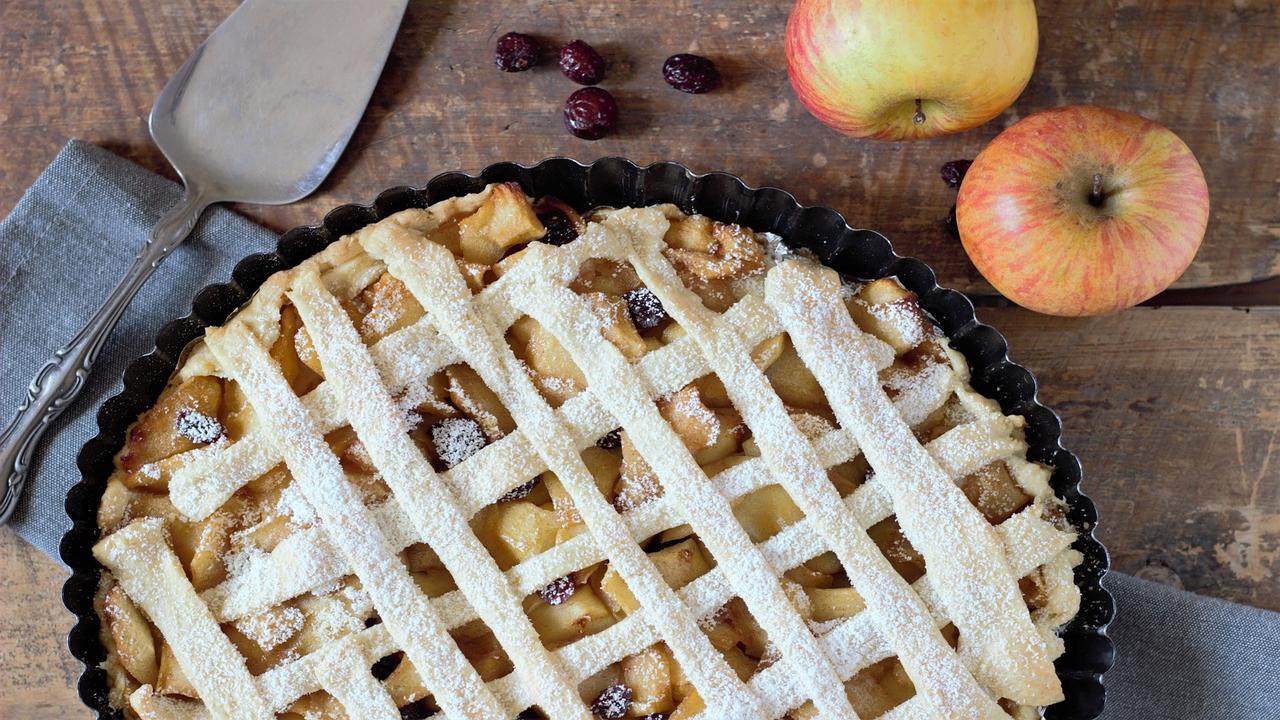
Arkansas brings us Possum Pie, a dessert that has absolutely nothing to do with actual possums but everything to do with Southern indulgence. This layered masterpiece starts with a pecan crust that provides the perfect nutty foundation. Then comes a cream cheese layer—smooth, tangy, and just sweet enough to balance what follows. The third layer features chocolate or vanilla pudding, creating that rich contrast that makes each bite interesting. Finally, the whole thing gets crowned with whipped cream and more chopped pecans. You’re looking at pure comfort in dessert form, the kind of recipe that gets passed down through generations at church potlucks and family reunions across the Natural State.
Making this pie at home means you control every element, from the quality of pecans to the sweetness level of each layer. I always toast my pecans first—it brings out their oils and deepens that earthy flavor that anchors the entire dessert. The cream cheese layer needs to be beaten until completely smooth; any lumps will ruin that silky texture you’re after. When you assemble the layers, give each one time to set properly in the refrigerator before adding the next. This patience pays off when you slice into that perfectly structured pie, revealing distinct bands of flavor and texture. Serve it cold, and watch how quickly it disappears from your table. This dessert represents Arkansas hospitality at its finest—generous, unpretentious, and deeply satisfying.
Arizona: Chimichangas
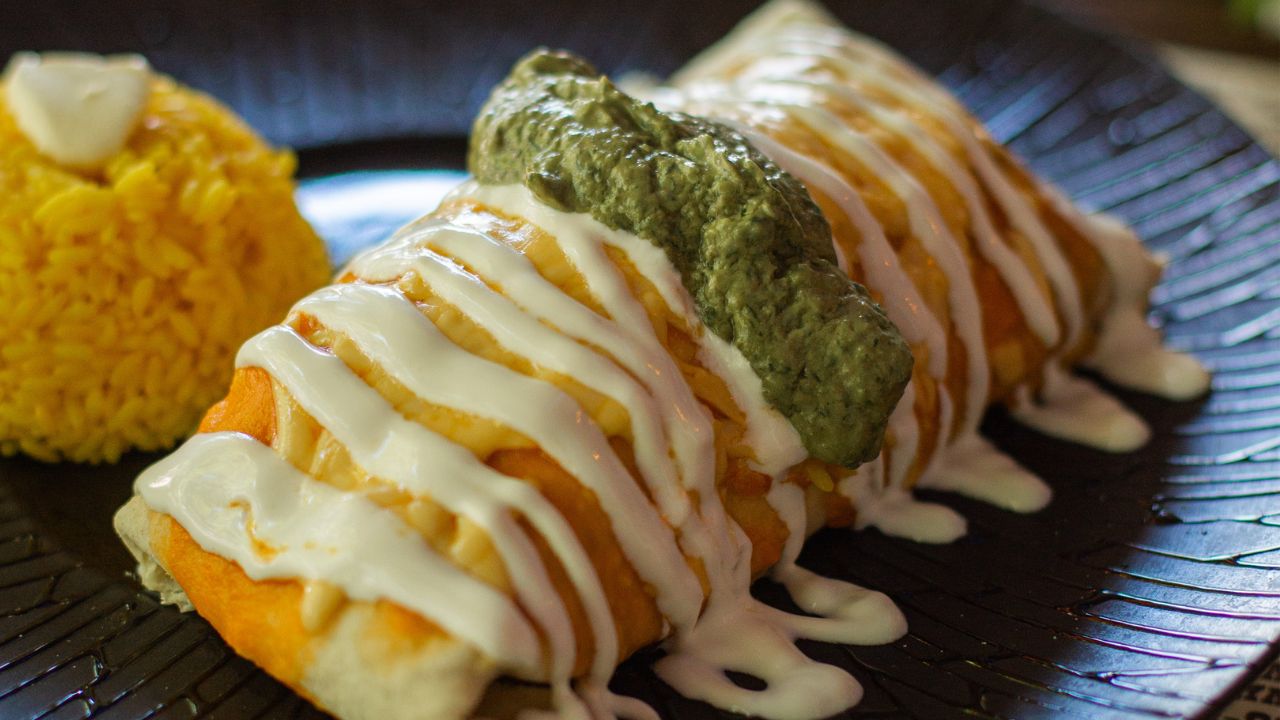
Picture this: a burrito that decided to take a dip in hot oil and come out golden, crispy, and absolutely irresistible. That’s a chimichanga for you, and Arizona claims this deep-fried beauty as its own. While the exact origin story has a few competing versions, most agree it was born in Tucson during the 1940s or 1950s when someone accidentally dropped a burrito into a deep fryer. Happy accidents like this give us the best food, don’t they? The outside gets wonderfully crunchy while the inside stays soft, packed with seasoned meat, beans, rice, and cheese. I make mine with shredded chicken that’s been simmering in cumin, garlic, and a touch of smoked paprika—the kind of filling that makes your kitchen smell like a Mexican restaurant.
What makes chimichangas special is how they transform ordinary burrito ingredients into something extraordinary through that golden, crispy exterior. You can stuff them with practically anything—carnitas, carne asada, or even black beans and roasted vegetables if you’re keeping things plant-based. The real magic happens when you top them with fresh pico de gallo, a dollop of sour cream, and maybe some guacamole if you’re feeling generous. Some folks bake them instead of frying to keep things lighter, brushing the outside with a bit of oil and getting them crispy in the oven. Either way, you’re creating layers of texture and flavor that make every bite memorable. Serve them with Spanish rice and refried beans, and you’ve got yourself an Arizona classic that brings the desert Southwest straight to your dinner table.
Alaska: Salmon Bake
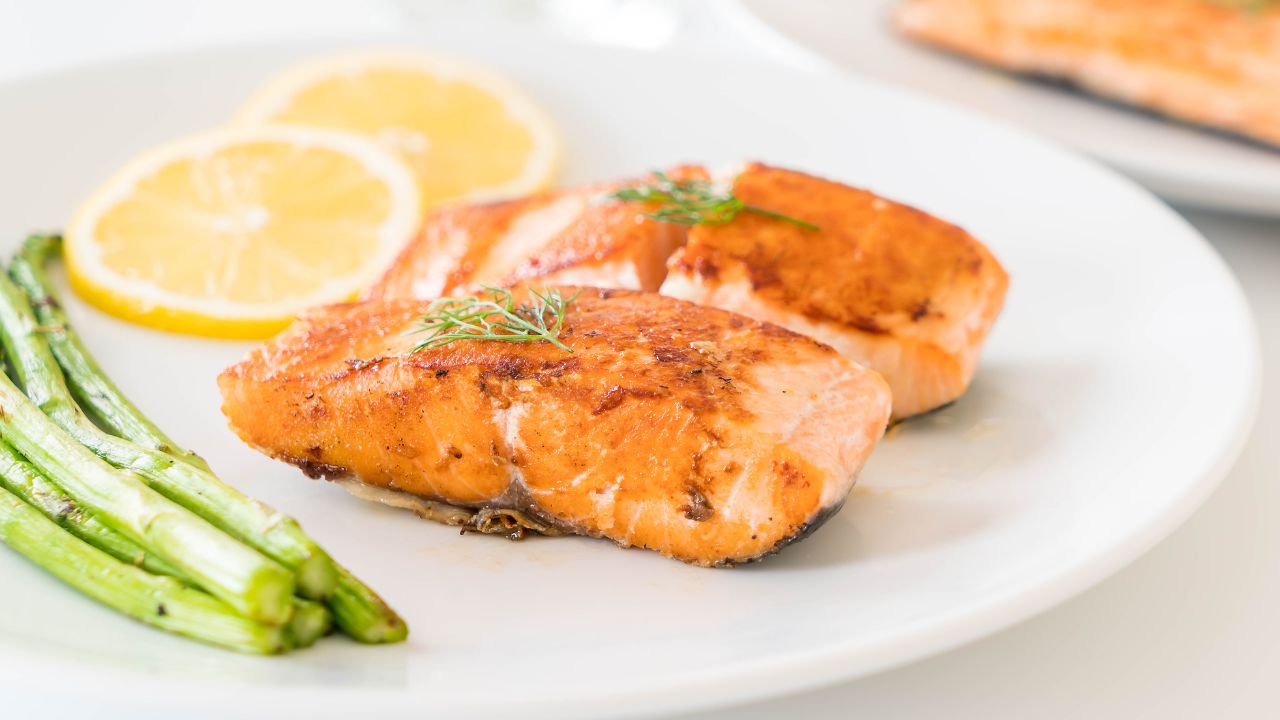
Alaska’s salmon bake stands as a testament to the state’s incredible natural bounty and indigenous cooking traditions. Picture yourself by a crackling fire, watching wild-caught salmon slowly roasting on cedar planks, the wood imparting a subtle sweetness that transforms the fish into something extraordinary. This isn’t just food—it’s a connection to centuries of Alaskan culture. You’re experiencing salmon at its absolute best: rich with omega-3s, bursting with flavor, and prepared with respect for the land and sea. The traditional preparation keeps things refreshingly simple—maybe just a brush of melted butter, a squeeze of lemon, and a sprinkle of sea salt. No need for complicated techniques or fancy ingredients here.
What makes me passionate about this dish is how it celebrates quality over complexity. You start with pristine, fatty sockeye or king salmon, and the cedar plank method creates this beautiful marriage of smoke, flame, and natural fish oils. Your salmon stays incredibly moist while developing that gorgeous golden exterior. I recommend seeking out wild-caught Alaskan salmon whenever possible—the difference in taste and nutritional value is remarkable. Serve it with roasted root vegetables and wild greens for a meal that feels both ancient and completely nourishing for modern life. This is cooking that honors the ingredient, respects tradition, and delivers pure, unadulterated satisfaction on your plate.
Alabama: Chicken and White Sauce
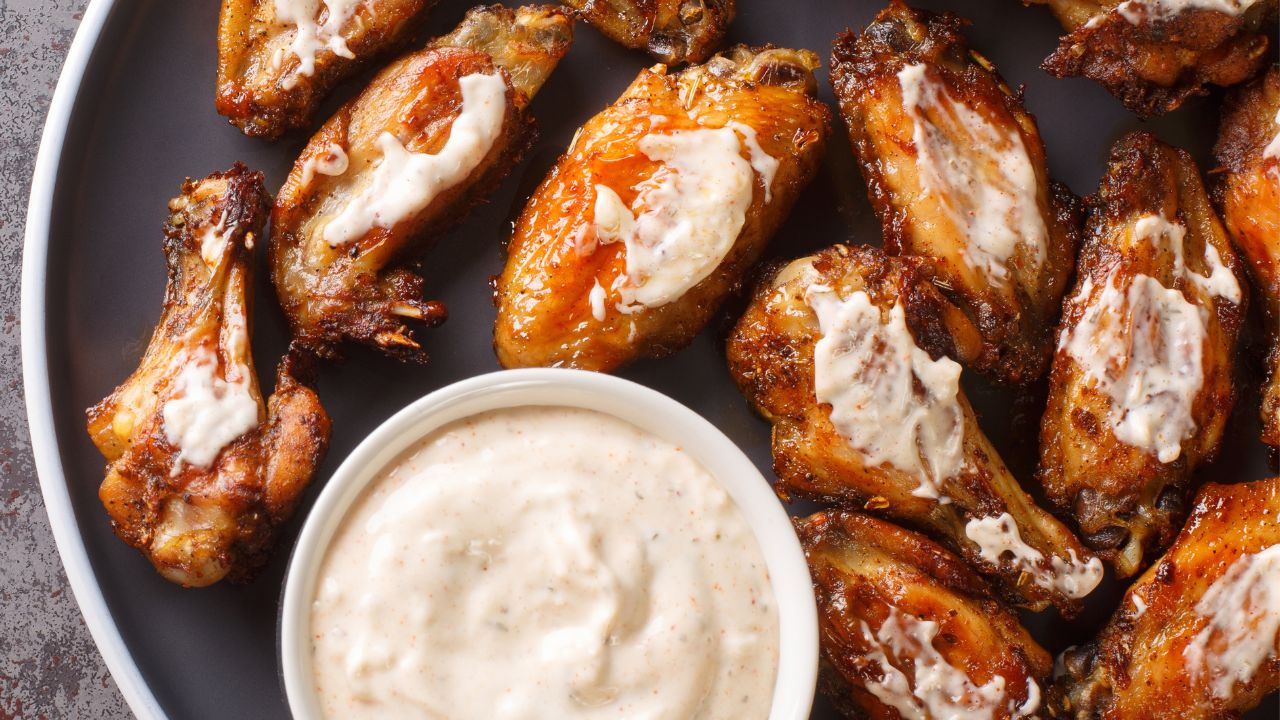
Alabama’s white barbecue sauce stands apart from the thick, tomato-based sauces you find across most of the South. This tangy, mayonnaise-based creation originated at Big Bob Gibson Bar-B-Q in Decatur back in 1925, and honestly, it’s one of those regional specialties that deserves way more attention than it gets. The sauce combines mayo with vinegar, black pepper, and a touch of horseradish—creating this creamy, zippy condiment that transforms simple smoked chicken into something memorable. You brush it on during the final moments of cooking, letting it meld with the meat’s smoky char without breaking down under high heat. The result is chicken that’s incredibly moist, with a flavor profile that’s simultaneously rich and bright.
Making your own version at home is surprisingly simple and far better than anything you’ll find in a bottle. Start with good-quality mayonnaise—preferably one without added sugars—then whisk in apple cider vinegar, freshly cracked black pepper, a squeeze of lemon juice, and prepared horseradish to taste. The sauce should be tangy enough to cut through the richness of the chicken but balanced so the mayo doesn’t overpower everything else. Use it on grilled or smoked chicken thighs, which stay juicier than breasts and absorb the sauce beautifully. This isn’t just barbecue—it’s Alabama’s answer to creating something distinct in a region already saturated with smoking traditions. The white sauce proves that sometimes the best innovations come from questioning what everyone else considers standard.