I Exploited Their ‘Even Split’ Rule. I Turned My $20 Salad Habit into a $150 Banquet.
We all know that when it comes to dining out with friends, fairness is the key to a pleasant evening. While splitting a bill straight down the middle can be a simple solution, it only works if everyone’s meal is in the same ballpark. It’s a matter of common decency not to expect your friend who ordered a simple salad to subsidize your three-course meal with cocktails.
However, one young woman recently took to the internet to share a story about her so-called friends who seemed to have missed this fundamental lesson in manners, forcing her to teach it herself.
The Incident
A 24-year-old woman explained that she has regular dinners with her three friends. While she enjoys their company, there has always been one major point of friction: the bill. Her friends, she explained, are “super pro splitting the bill evenly four ways instead of simply paying for what they order.” This became a serious problem because of their vastly different ordering habits.
While she typically orders a salad and water due to a sensitive stomach, her friends consistently order expensive alcoholic drinks, appetizers she doesn’t eat, and pricey main courses like steak or seafood. This meant that for a meal where her own items cost maybe $20, she was repeatedly forced to pay a quarter of a bill that was often over $150. Her portion was always significantly more than what she consumed.
Can you imagine the frustration? When she tried to be reasonable and offered to pay for just her own items, her friends would shut her down with shocking rudeness. They would “call me a cheapskate and say they won’t eat out with me if I keep being cheap.”
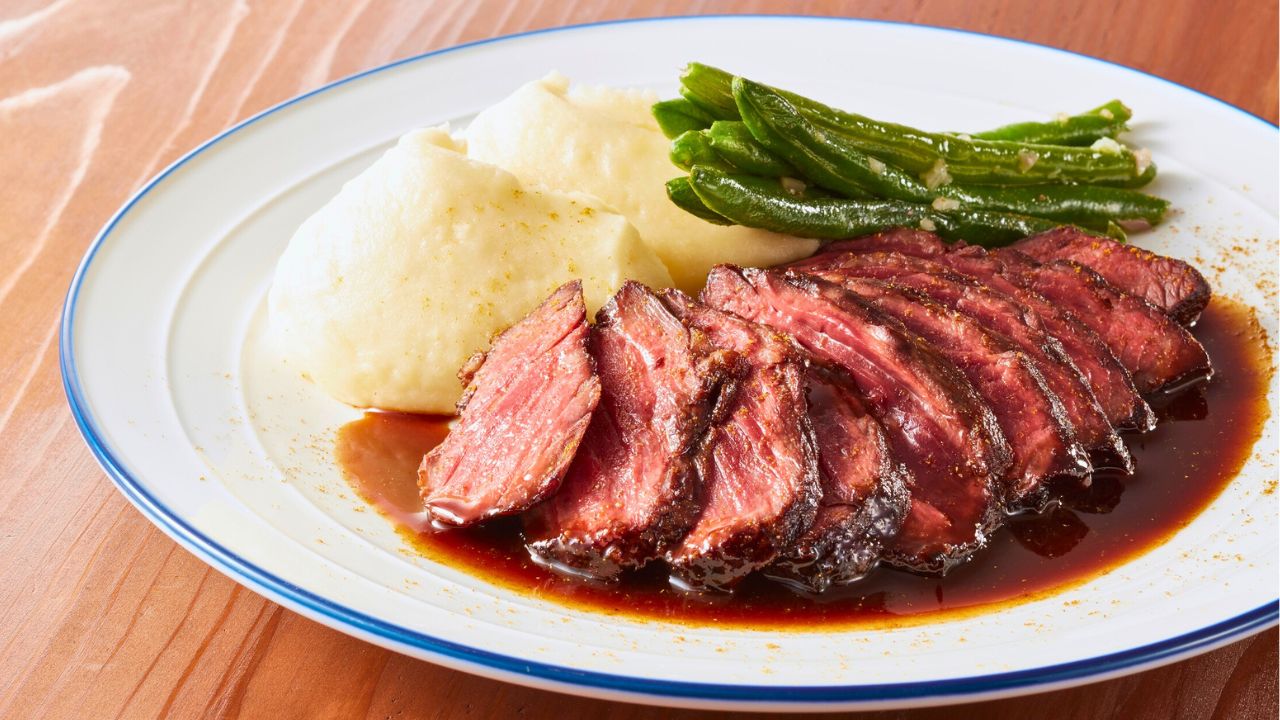
After being taken advantage of one too many times, she decided she’d had enough. Last week, she gave them a taste of their own medicine. She ordered three glasses of the most expensive wine, a charcuterie board, the priciest steak on the menu, and dessert.
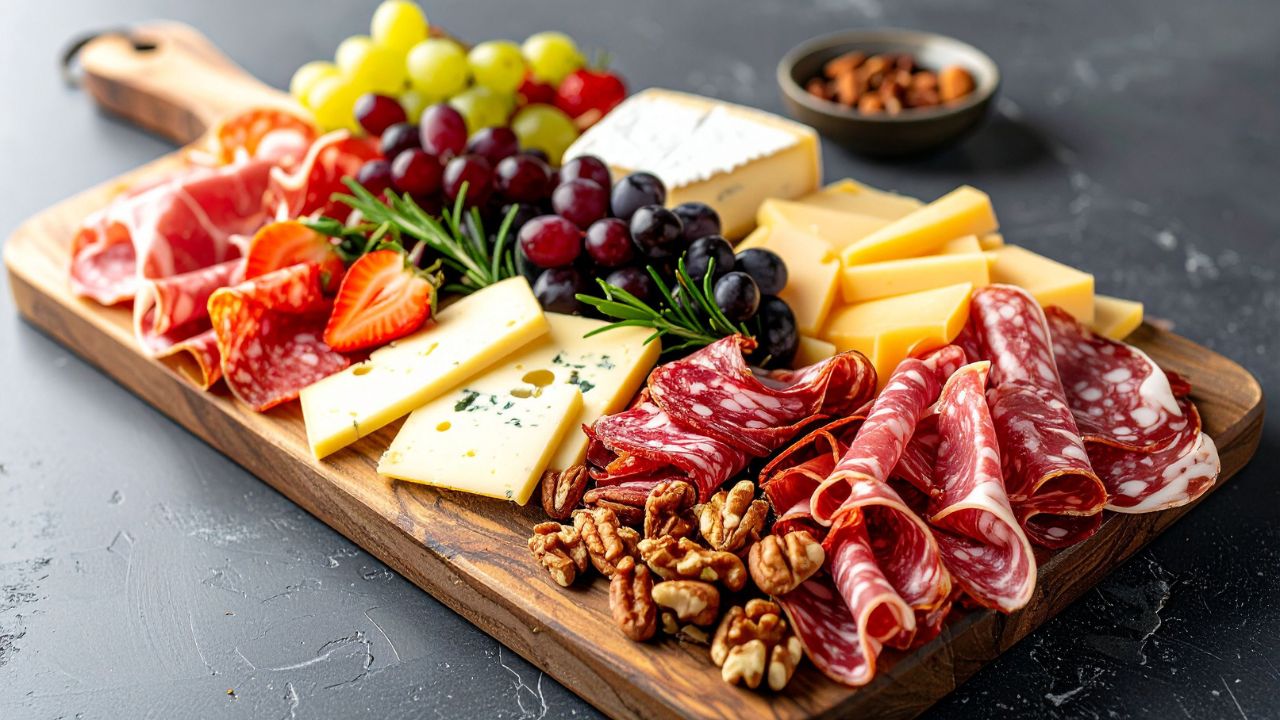
Her meal alone came to $150. True to form, they split the bill four ways, but the mood had soured. The next morning, she received an angry text message accusing her of being petty and intentionally running up the bill to upset them.
The Internet Reacts
When she shared her story online, the court of public opinion convened, and the verdict was nearly unanimous. People were appalled by her friends’ behavior, and they sorted themselves into a few distinct camps.
First, there was the “Absolutely Not” Crowd, who were furious on the woman’s behalf. These commenters saw the friends not as friends at all, but as users who had been enjoying discounted dinners at her expense for years. One person cut right to the chase, asking, “But why are you friends with these people? They sound awful.”
Another pointed out the hypocrisy of the situation, writing, “I find it hilarious they’re calling OP cheap when they are getting their dinner subsidized by OP.” The sentiment was clear: these people were not friends, they were “users.”
Next came the small but vocal group that could be called the “You Should Have Spoken Up Sooner” Crowd. While they didn’t defend the friends’ appalling behavior, they did suggest the woman shared a bit of the blame for letting it go on for so long. One commenter gently chided her, saying, “You are unable to draw clear boundaries, letting them walk all over you… Don’t be a doormat OP.” This group believed that a firm, direct conversation should have happened long before the petty revenge, which they saw as a less mature way of handling the conflict.
Finally, there was the “Petty Revenge” Crowd, which wholeheartedly supported her actions and offered their own clever solutions. Many felt her extravagant meal wasn’t petty at all, but simply justice. As one person put it, “If anything, all you did was balance the ledger against years of putting in way more than your fair share.”
Others offered practical advice for the future, suggesting she simply tell the server she needs a separate check right at the start of the meal. “Who cares if they call you cheap?” one person asked, capturing the feeling that she needed to stand up for herself, no matter what her friends said.
The Etiquette Verdict
Let’s be perfectly clear: this young woman’s friends are entirely in the wrong. The golden rule of splitting a check is fairness. An even split is for casual lunches where costs are similar, not for fine dining where one person sips water and another orders the entire menu. To consistently force a friend to pay for your expensive tastes is not just bad manners; it’s greedy and disrespectful.
Calling someone a “cheapskate” for wanting to pay what they owe is a classic manipulation tactic. True friends respect each other’s financial situations and personal choices. These people were using her, and their anger wasn’t about her being petty—it was about their meal discount suddenly being revoked.
What Do You Think?
While her method was certainly dramatic, it seems to have finally gotten the message across. But what do you think? Was her extravagant meal a brilliant lesson in fairness, or did she sink to their level?
Ready for the next level of insight? Discover more in my latest article here.