14 Sneaky Food Marketing Tricks That Make You Put More in Your Cart
You walk into the grocery store with a simple list: milk, bread, maybe some bananas. Fast forward thirty minutes, and you’re wheeling out enough snacks to feed a small army, wondering how your $20 budget morphed into a $80 receipt. Sound familiar? You’re not losing your mind—you’re the target of some seriously clever marketing wizardry.
Supermarkets have transformed into psychological playgrounds where every aisle, scent, and song works together to make you spend more. From the strategic placement of those irresistible chocolate bars at checkout to the mysteriously larger shopping carts that make your haul look pitiful, these stores know exactly what they’re doing.
Ready to peek behind the grocery store curtain? We’re about to expose fourteen sneaky tricks that turn rational shoppers into impulse-buying machines. Once you know these secrets, you’ll never look at your local supermarket the same way again—and your wallet will thank you for it.
Mobile App Personalized Deals
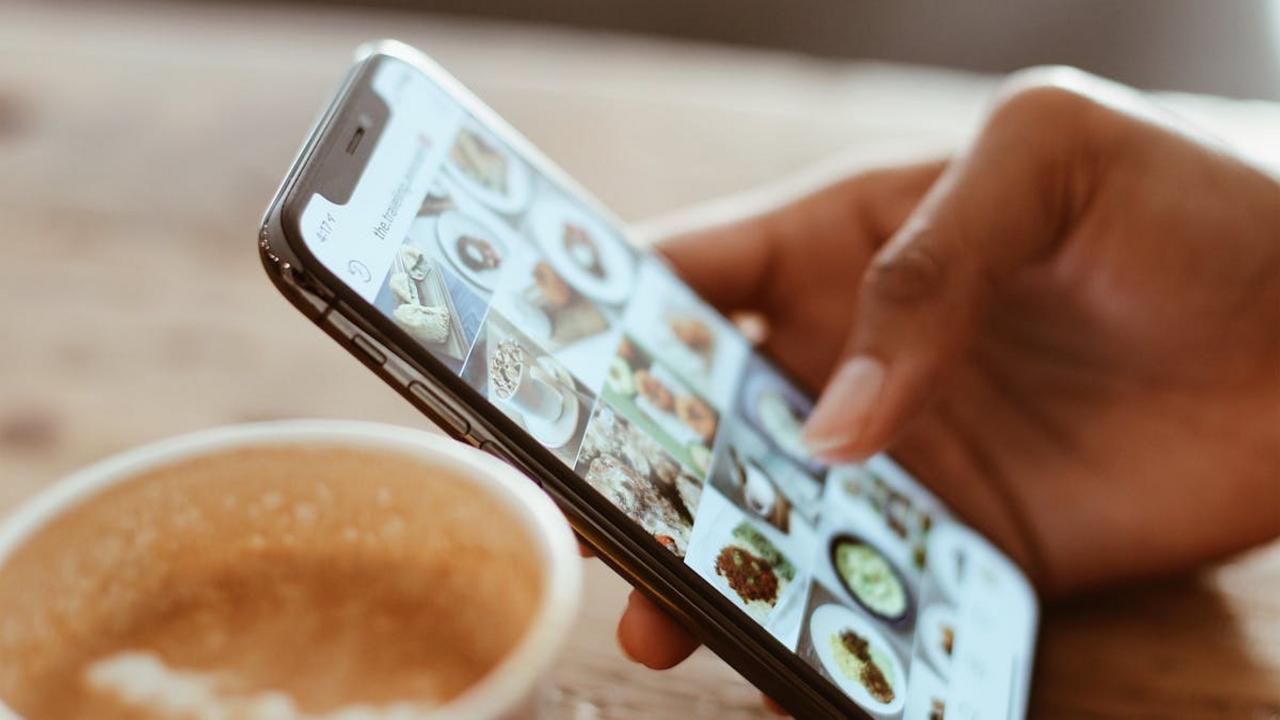
Your grocery store’s mobile app knows you better than your best friend does. Seriously! While your bestie might remember that you’re obsessed with artisanal cheese, the app remembers that you buy exactly three containers of Greek yogurt every Tuesday, always grab the same brand of sourdough bread, and have a suspicious weakness for those overpriced organic blueberries. The algorithm watches your every purchase, tracks your shopping patterns, and creates a digital profile so detailed it could probably predict your mood based on whether you’re buying ice cream or kale.
Then comes the magic trick: personalized push notifications that hit your phone right around dinnertime. “Hey Sarah, your favorite pasta sauce is 30% off today!” or “We noticed you love trying new craft beers – here’s $5 off that IPA you’ve been eyeing.” These aren’t random discounts thrown at everyone; they’re surgical strikes designed specifically for your wallet. The app knows exactly which products make you weak in the knees, and it dangles those digital carrots right when you’re most likely to bite. Before you know it, you’re in your car heading to the store for “just that one deal,” but somehow leaving with a cart full of other “necessities” you suddenly remembered you needed.
Sample Stations
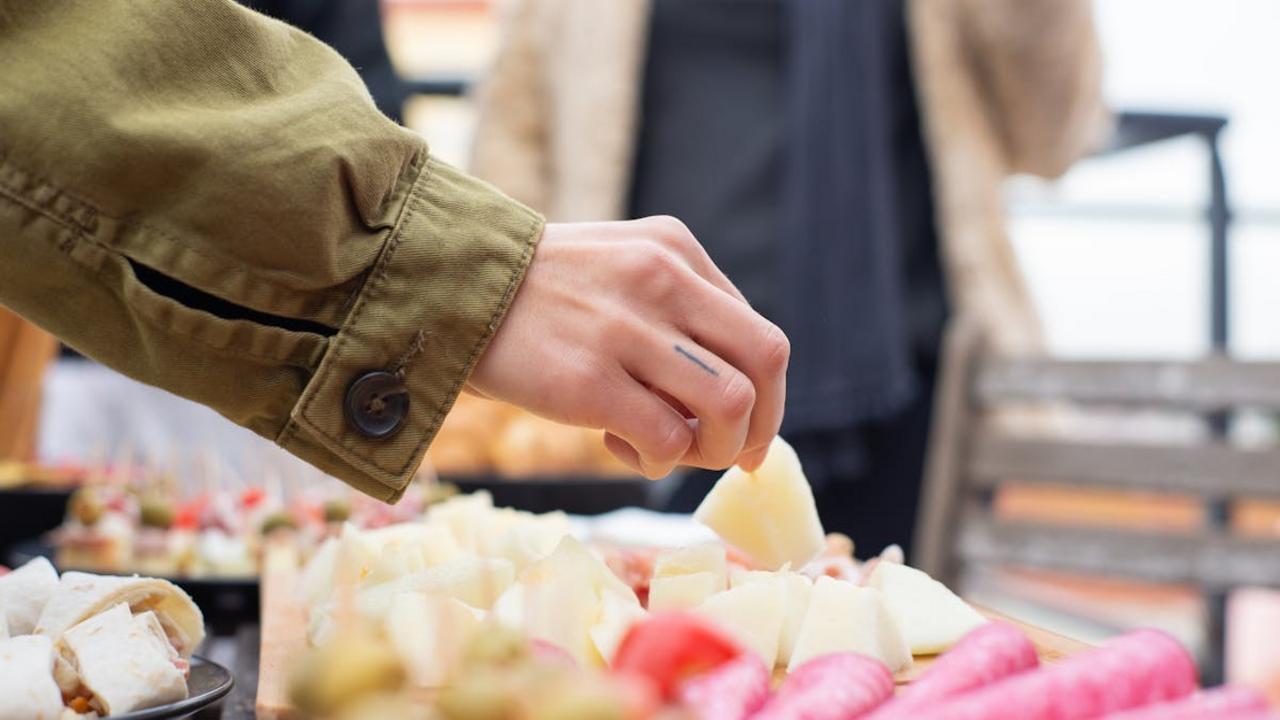
You know that moment when you’re innocently strolling through the grocery store, minding your own business, and suddenly there’s a friendly person offering you a tiny paper cup filled with something that smells absolutely divine? That’s no accident, my friend – that’s psychological warfare disguised as hospitality! Sample stations are strategically placed marketing missiles designed to activate your primal “I must have this now” response. The magic happens because free food triggers our ancient hunter-gatherer brain, making us feel like we’ve scored a major victory. Plus, there’s something called the “reciprocity principle” at work here – when someone gives you something for free, even a microscopic cube of cheese, your brain feels obligated to return the favor by purchasing the full-size version.
Here’s the sneaky part: they don’t just randomly choose what to sample. Oh no, these stations feature products with the highest profit margins or items they desperately need to move off the shelves before expiration dates. That “limited time only” artisanal salsa you’re sampling? It probably costs three times more than the regular stuff, but after that first tangy bite, your rational brain has left the building. Studies show that shoppers who try samples are up to 60% more likely to buy the product, and they often grab multiple items while they’re at it. The best defense? Go grocery shopping on a full stomach, or at least acknowledge that you’re about to be charmed by tiny portions of deliciousness – and that’s perfectly okay if it fits your budget!
Decoy Pricing
Picture this: you’re standing in the cereal aisle, staring at three boxes of your favorite granola. The small box costs $4.99, the medium is $7.99, and the large is $8.49. Your brain does a quick calculation dance, and suddenly that large box looks like the deal of the century! Congratulations, you just fell for decoy pricing – one of retail’s most cunning psychological tricks. That medium-priced option? It’s the decoy, strategically priced to make the expensive option look irresistible. Food companies know exactly what they’re doing when they create these three-tier pricing structures.
This sneaky tactic works because our brains love shortcuts, especially when we’re overwhelmed by grocery store decisions. Research shows that when presented with three options, most people avoid the extremes and gravitate toward what seems like the “smart” choice – which is usually the most expensive item masquerading as a bargain. I’ve watched shoppers grab jumbo bags of chips thinking they’re being financially savvy, when really they’re buying way more than they need at a higher profit margin for the company. Next time you see this pricing pattern, pause and ask yourself: do I actually need the giant container of olive tapenade, or am I just being played by some very clever marketing minds?
Left Digit Pricing
You know that moment when you see something priced at $4.99 and your brain does a little happy dance because it feels so much cheaper than $5.00? Well, congratulations—you’ve just been masterfully manipulated by the sneaky genius of left digit pricing! Your brain processes that first number faster than a kid grabbing the last cookie, and boom, $4.99 registers as “four-something” instead of “almost five dollars.” This psychological trick works so well that grocery stores slap those 99-cent endings on everything from organic quinoa to fancy imported cheese, knowing full well that your wallet will open just a tiny bit easier.
The beauty (or evil, depending on how you look at it) of this pricing strategy lies in how our brains are wired to scan from left to right. That first digit becomes the anchor point for our entire perception of value, making $3.99 pasta sauce seem like a bargain compared to $4.00, even though we’re talking about a measly penny difference. Supermarkets have turned this into an exact science—walk down any aisle and you’ll spot this pricing pattern everywhere, from $2.99 avocados that make you feel like you’re getting a steal to $19.99 steaks that somehow don’t quite hit that psychological $20 barrier. Next time you’re shopping, try rounding up those prices in your head—you might be shocked at how those “bargains” suddenly look a lot less tempting!
Package Size Illusions
You know that moment when you grab what looks like a family-sized bag of chips, only to open it at home and find enough air to inflate a small balloon and about twelve sad little chips rattling around at the bottom? Welcome to the wild world of package size trickery, where food manufacturers have turned optical illusion into an Olympic sport. They’ve mastered the fine art of making you think you’re getting more bang for your buck by creating packages that feel substantial in your hands but contain less product than a toddler’s attention span. The cereal box that towers over everything else on the shelf might actually contain the same amount of cereal as its shorter, wider cousin – it’s just standing tall and proud like it’s applying for a basketball scholarship.
These sneaky size shenanigans work because our brains are basically grocery store suckers who judge books by their covers and snacks by their boxes. Companies know we associate bigger packages with better value, so they’ll make their containers taller, wider, or just plain bulkier while secretly reducing the actual food content faster than cookies disappear at a PTA meeting. That jumbo yogurt container might hold the same amount as the regular size from last year, but now it costs more because it looks more impressive. Pro tip: always check the weight or volume listed on the package – those tiny numbers don’t lie, unlike that deceptively chunky pasta sauce jar that’s mostly jar and wishful thinking.
Limited Time Offers
You know that panicky feeling when you see “ONLY 3 DAYS LEFT!” plastered across your favorite cereal box? That’s your brain doing exactly what grocery stores want it to do – switching into full-blown FOMO mode. Limited time offers create a psychological urgency that makes your rational shopping list fly right out the window. Suddenly, you’re not just buying Fruity Pebbles; you’re securing a rare treasure that might vanish forever! Fun fact: retailers actually plan these “limited” promotions months in advance, rotating them strategically to keep that sense of scarcity alive year-round.
The sneaky brilliance doesn’t stop there – stores often pair these time-sensitive deals with seasonal flavors or special packaging to amp up the exclusivity factor. Remember those pumpkin spice Oreos that had you buying six packages “just in case”? You fell right into their beautifully orchestrated trap! The truth is, most of these products will return next season, but your brain doesn’t want to take that risk. Next time you spot a countdown timer or “while supplies last” banner, take a deep breath and ask yourself: do you actually need seventeen bags of limited-edition chips, or did marketing just convince you that your snack drawer would collapse without them?
Fresh Scents in Strategic Areas

Ever walk into a grocery store and suddenly crave fresh bread, even though you came in for laundry detergent? That’s no accident, my friend! Supermarkets pump carefully selected aromas through their ventilation systems like they’re running an invisible perfume counter. The bakery section gets extra love with vanilla and yeast scents that make your stomach rumble on command, while the produce area might get a subtle boost of citrus or apple fragrance. These scent machines work overtime, creating an olfactory illusion that makes everything seem fresher and more appealing than it actually is.
The psychology behind this trick runs deeper than your grandmother’s cookie jar. Your nose connects directly to the limbic system in your brain – the same area that controls emotions and memories. When you smell that “fresh-baked” bread aroma (which might actually be coming from a bottle), your brain instantly associates it with comfort, home, and satisfaction. Studies show that pleasant food scents can increase shopping time by up to 44% and boost impulse purchases significantly. So next time you find yourself mysteriously drawn to the cookie aisle while hunting for toothpaste, remember that your nose is being played like a violin by some very clever marketing maestros.
Slow Music to Encourage Browsing
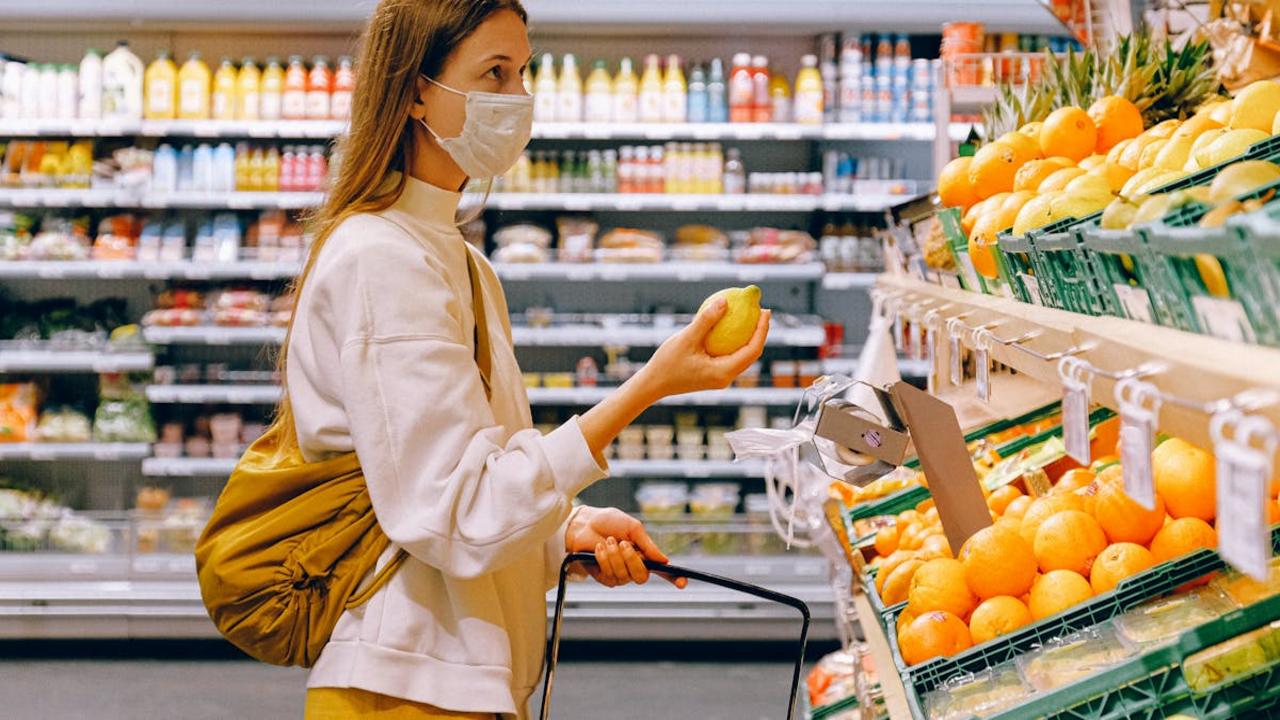
Ever wondered why grocery stores feel like they’re hosting a perpetual elevator music festival? That dreamy, languid soundtrack isn’t there to soothe your shopping stress—it’s actually a calculated move to keep you wandering those aisles longer than you planned. Studies show that when stores play music with fewer than 72 beats per minute, shoppers move 38% slower through the store. Your brain literally syncs to the rhythm, turning your quick milk run into a leisurely stroll past every single tempting display. French researchers discovered that wine stores playing classical music saw customers spend 40% more than those with no background tunes at all.
The psychology gets even more devious when you realize how this musical manipulation affects your decision-making. That slow, dreamy tempo doesn’t just make you walk slower—it makes you think slower too, which means you’re more likely to grab items on impulse rather than sticking to your carefully crafted shopping list. Grocery chains have turned this into pure science, with some stores even adjusting their playlists based on peak shopping times. During busy periods, they’ll speed up the tempo slightly to keep traffic moving, but during slower hours, they’ll dial it back to encourage maximum browsing and spontaneous purchases. Next time you catch yourself swaying to the supermarket soundtrack while debating whether you really need that artisanal cheese, remember: the music made you do it!
Product Clustering and Cross Merchandising
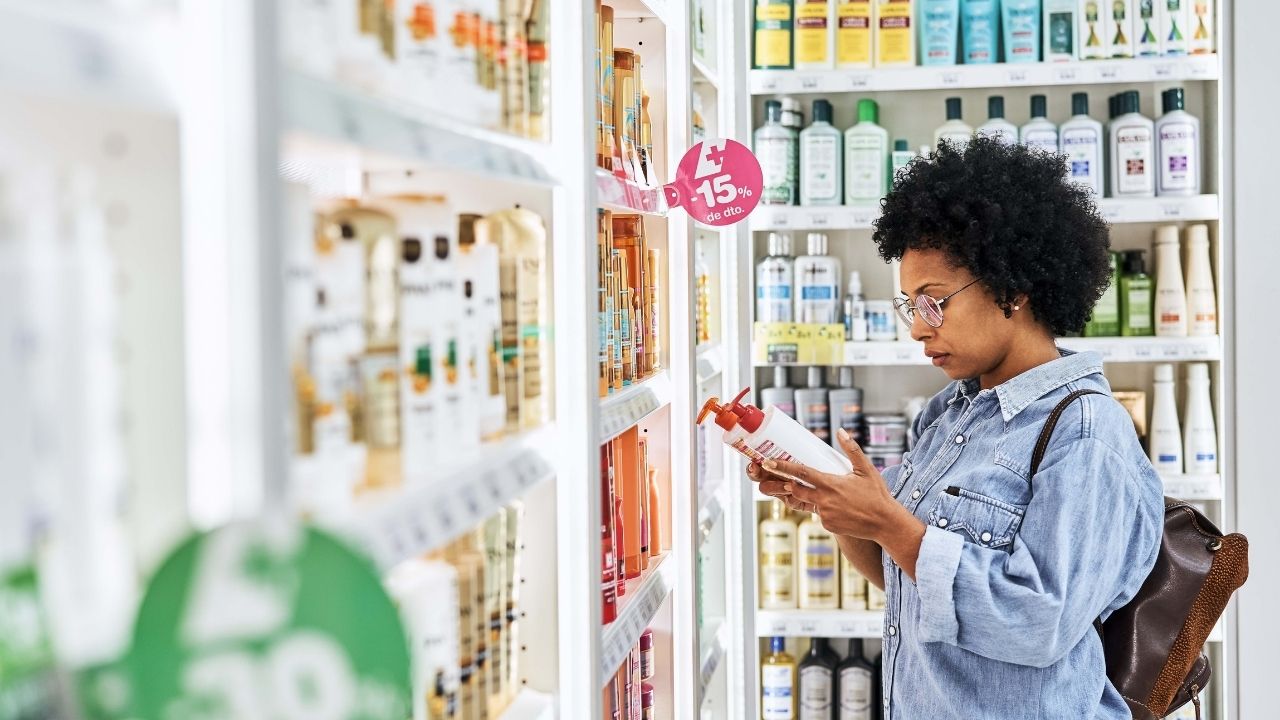
You know that magical moment when you walk into the grocery store for milk and somehow end up with a basket full of crackers, cheese, and wine? That’s not your lack of self-control talking—that’s product clustering working its retail wizardry on your brain! Stores strategically place complementary items together because they know once you grab that fancy brie, you’re practically hardwired to reach for those artisanal crackers sitting right next to it. It’s like they’ve created little food love stories throughout the aisles, whispering “psst, wouldn’t I taste amazing with my neighbor over here?”
The sneaky genius doesn’t stop there—cross merchandising takes this trickery to Olympic levels. Ever notice how tortilla chips mysteriously appear in the produce section next to the avocados? Or how marshmallows and graham crackers huddle together near the chocolate bars like they’re planning your next campfire adventure? Retailers study your shopping patterns more closely than your mom studies your dating life, and they know that 73% of purchase decisions happen right there in the store. They’re basically playing matchmaker with your groceries, and honestly, sometimes their suggestions aren’t half bad—that impromptu taco night wouldn’t have happened without their helpful hints!
Buy One Get One Promotions
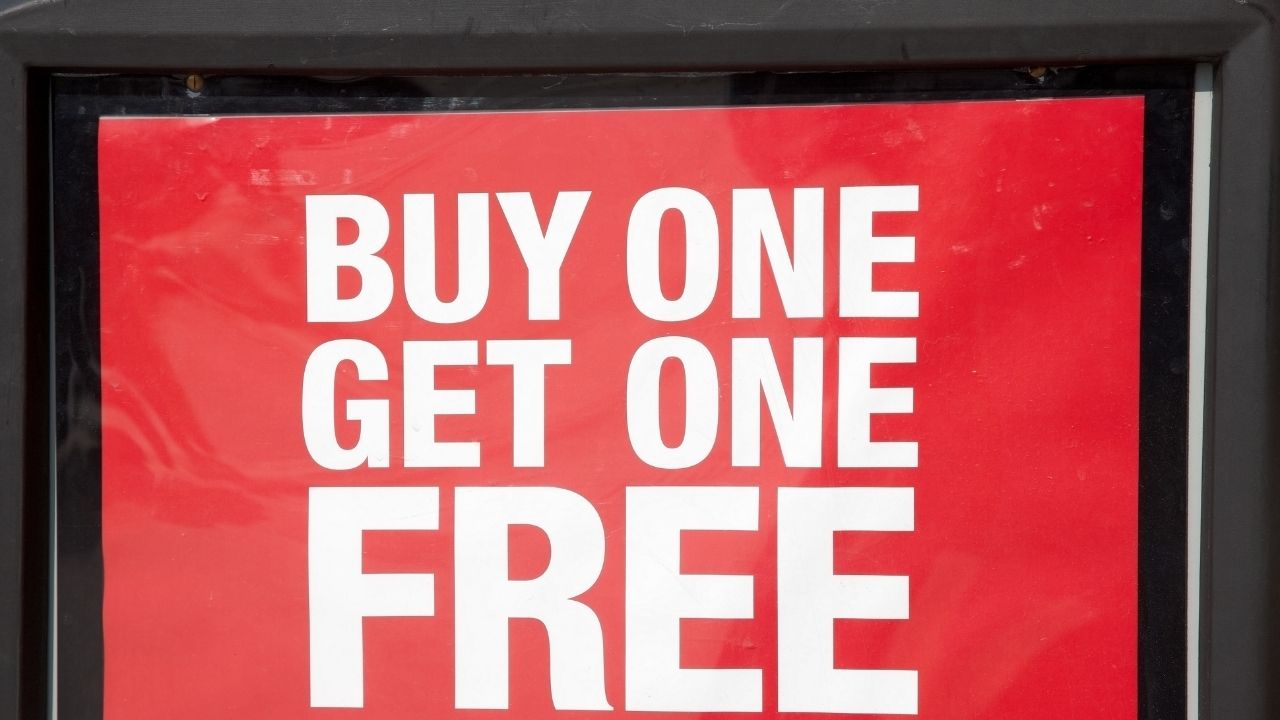
Those bright yellow “BOGO” signs practically scream at you from across the grocery store, don’t they? Buy one, get one free promotions seem like the ultimate shopping victory, but here’s the sneaky truth: retailers often inflate the original price before slapping on that irresistible deal sticker. You think you’re scoring two bags of fancy tortilla chips for the price of one, but that “regular” price might be 30% higher than what those same chips cost last month. Smart marketers know we do terrible math under pressure, especially when faced with what feels like free food. They count on us grabbing double portions without checking if we actually need two jars of artisanal pickle relish or whether that single bag of coffee would have been cheaper at the competing store down the street.
The psychology behind BOGO deals taps into our primal fear of missing out and our love of stockpiling resources. Your brain whispers, “But it’s FREE!” while conveniently ignoring that you rarely finish the first container of fancy yogurt before it expires, let alone the bonus one now taking up precious fridge space. Grocery stores absolutely love these promotions because they move inventory fast and often introduce you to products you’d never normally try. My neighbor once bought six tubes of gourmet mustard during a BOGO sale – she’s still working through tube number four, two years later. The real winners? Stores that clear out slow-moving stock while making you feel like a savvy shopper, even though you just bought twice as much of something you might not have purchased at all.
End Cap Displays
You walk into the grocery store with your perfectly planned shopping list, feeling like a responsible adult who has their life together. Then BAM! That sneaky end cap display at the tip of the cereal aisle catches your eye with its towering stack of chocolate-covered granola bars screaming “SPECIAL DEAL!” Suddenly, your cart gains five pounds of “healthy” snacks you definitely didn’t need. End caps are those strategic product displays positioned at the ends of aisles, and they’re basically grocery store gold mines designed to ambush unsuspecting shoppers like you and me. Studies show that products placed on end caps can see sales increases of up to 30% compared to their regular shelf spots – which explains why that random brand of pasta sauce you’ve never heard of suddenly looks irresistible when it’s stacked floor to ceiling with a bright yellow “Manager’s Special” sign.
Here’s the kicker: those end cap products aren’t always actually on sale, despite what those flashy signs might suggest. Sometimes they’re just regular-priced items masquerading as deals because our brains automatically assume anything prominently displayed must be a bargain. I once grabbed three jars of fancy mustard from an end cap, convinced I was scoring big, only to discover later that the regular shelf price was exactly the same – and honestly, how much fancy mustard does one person really need? (Answer: apparently three jars worth, according to my pantry.) The next time you spot an end cap display calling your name, take a deep breath, check the actual price, and ask yourself if you really need seventeen boxes of protein bars just because they’re stacked in an impressive pyramid that would make ancient Egyptians jealous.
Larger Shopping Carts
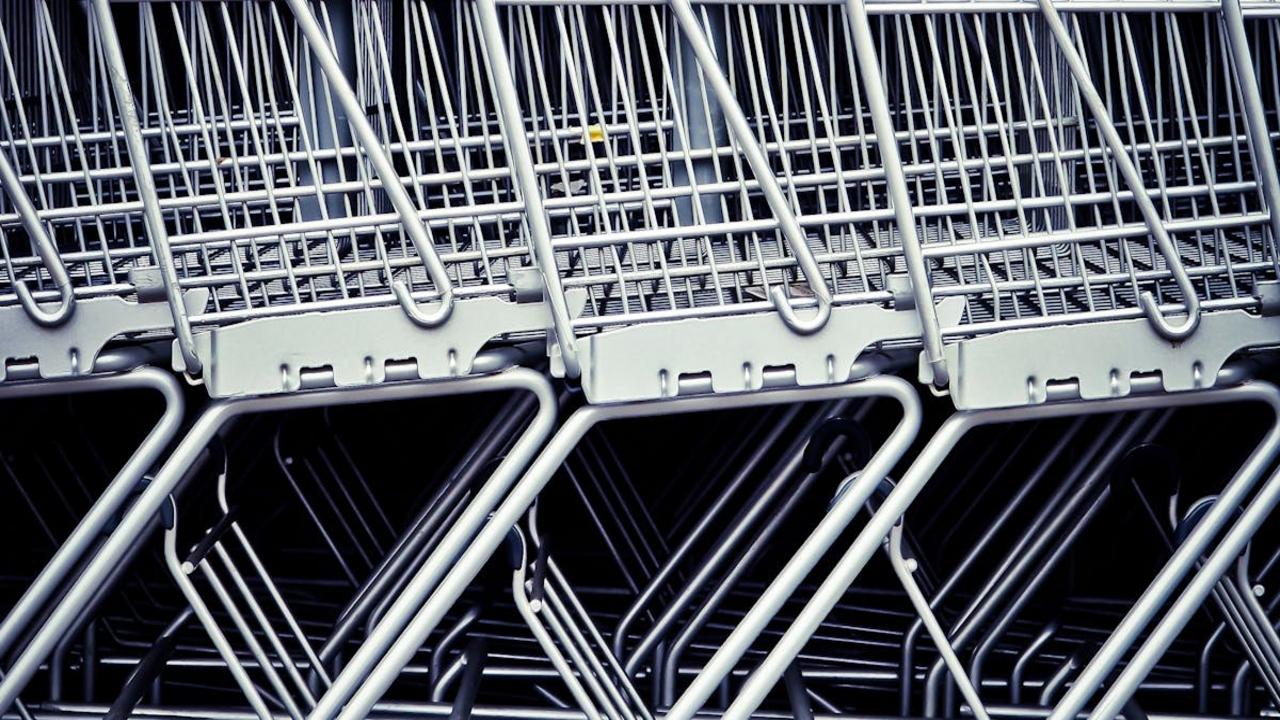
You know that moment when you grab a shopping cart and think, “Wow, this thing could fit a small refrigerator”? That’s no accident, my friend. Grocery stores have been supersizing their carts like they’re McDonald’s meals from the ’90s. These rolling behemoths aren’t just convenient—they’re psychological weapons designed to make your modest shopping list look pathetically lonely rattling around in all that empty space. Studies show that shoppers with larger carts buy 40% more items than those with smaller ones. It’s like your brain sees all that vacant real estate and thinks, “Well, I can’t leave this poor cart half-empty! That would be rude!”
The genius lies in how these oversized metal monsters trick your perception. When you toss a few items into a massive cart, your brain registers it as “barely started shopping” rather than “mission accomplished.” It’s the same principle that makes a small cookie look tiny on a dinner plate but perfectly sized on a dessert plate. Retailers know you’ll keep adding items until the cart looks “full enough” to justify your trip. Next time you’re at the store, notice how even the smallest cart available could probably transport a golden retriever comfortably. My advice? Grab a basket if you only need a few things, or prepare to explain to your wallet why you suddenly “needed” seventeen different types of crackers and that artisanal mustard that cost more than your lunch.
Color Psychology in Packaging
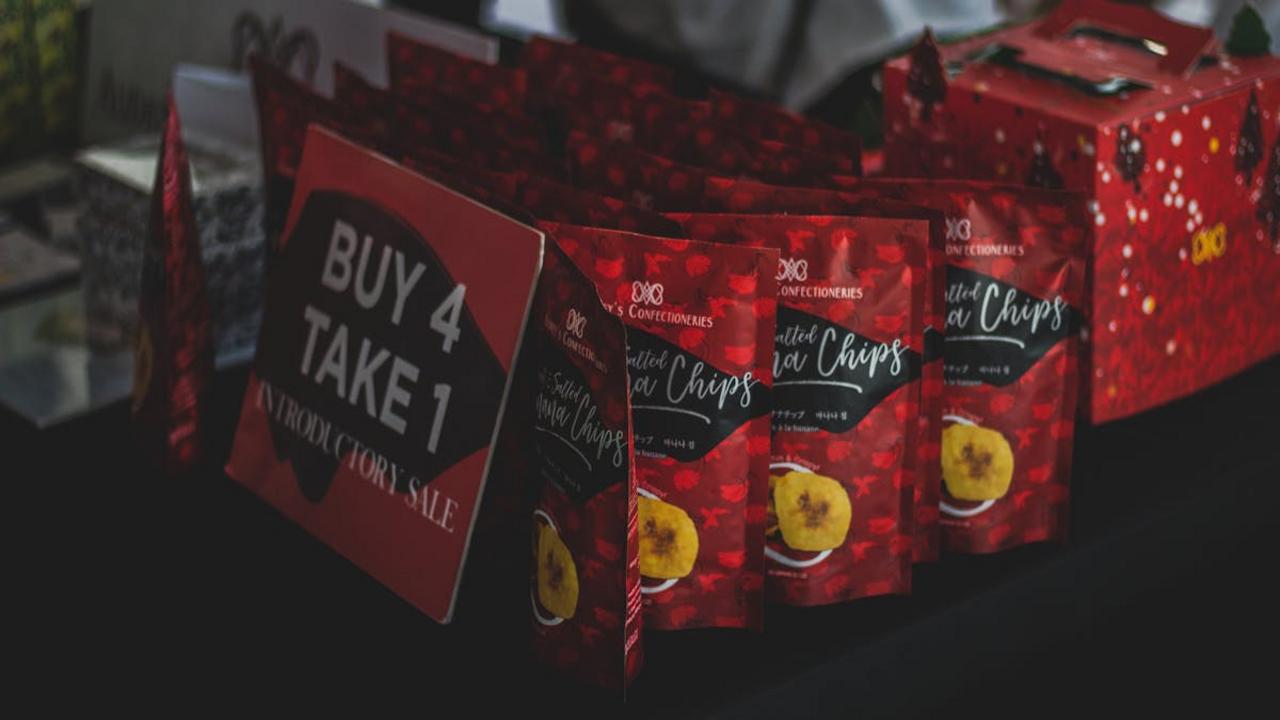
Ever wonder why you automatically reach for that bright red Coca-Cola can instead of the generic cola sitting right next to it? Your brain just got bamboozled by color psychology, my friend! Food marketers have spent decades studying how different colors trigger specific emotions and cravings in our brains. Red screams “energy and excitement” (hello, McDonald’s and KFC), while green whispers “healthy and natural” (looking at you, Whole Foods and Subway). Yellow practically shouts “happiness and hunger” – there’s a reason every fast-food joint from McDonald’s to Burger King plasters their logos in sunshine hues. Even that calming blue on your favorite yogurt container isn’t accidental; it suggests freshness and trust, making you feel confident about your dairy choices.
The sneaky part? Your subconscious processes these color cues faster than you can say “impulse purchase.” Orange packaging makes you think of vitamin C and energy (notice how many sports drinks rock this shade?), while purple suggests premium luxury – perfect for those expensive chocolate bars that somehow end up in your cart. Black packaging screams sophistication and indulgence, which explains why high-end coffee brands and dark chocolate companies love this mysterious shade. Food companies literally hire color consultants who spend their days figuring out which shade of green makes you think “organic” versus “artificial lime flavor.” Next time you’re grocery shopping, pause for a second and notice how your eyes naturally gravitate toward certain colors – your wallet will thank you for the awareness!
Strategic Shelf Placement at Eye Level
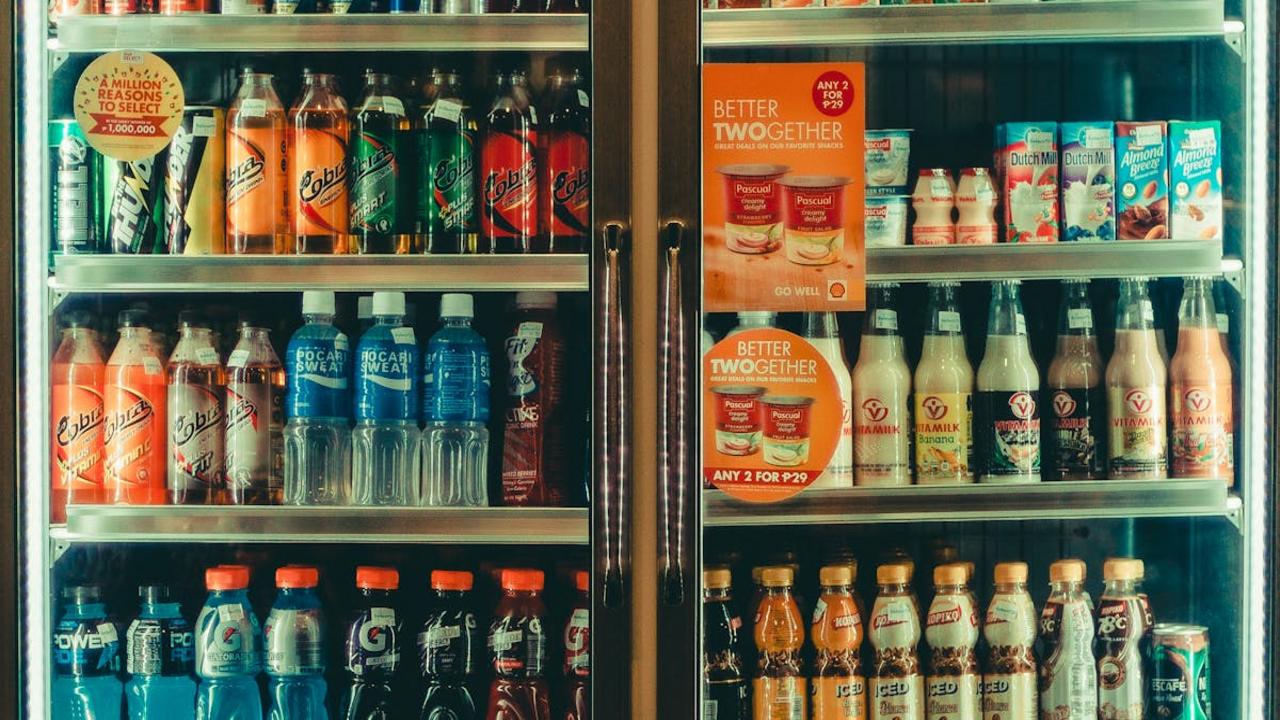
Ever notice how you always grab the same brand of cereal without even thinking about it? That’s no accident, my friend! Grocery stores spend serious money studying exactly where your eyes naturally land when you’re cruising down the aisles. They call it the “bull’s-eye zone” – that sweet spot between five and six feet high where adults naturally look first. The most expensive real estate in any supermarket isn’t the prime corner endcap displays; it’s those eye-level shelves where the priciest, highest-margin products live like royalty in their cardboard kingdoms.
Here’s where it gets sneaky: stores deliberately place cheaper alternatives on the bottom shelves (hello, back pain from all that squatting!) and the really budget-friendly options way up high where you’d need a stepladder to reach them. Meanwhile, kid-friendly cereals with cartoon mascots sit perfectly positioned at child eye-level – because nothing says “strategic marketing” like a four-year-old having a meltdown over Lucky Charms. Smart shoppers know to scan the entire vertical real estate of each product category. Next time you’re shopping, crouch down and look up – you might discover your new favorite pasta sauce hiding in the bargain basement or premium olive oil playing hard-to-get on the top shelf.