15 Luxurious Foods the Wealthiest People Indulge in Daily That Most Can’t Afford
Ever wondered what billionaires eat for breakfast? While most of us grab a quick coffee and bagel, the ultra-wealthy start their mornings with golden caviar spooned onto artisanal bread and sip $1,000 coffee beans picked by rare Indonesian civets. Money opens doors to foods so exclusive, they make regular truffles look like everyday mushrooms.
From fish that could kill you if prepared incorrectly to beef from cows that drink beer and get daily massages, the world of luxury foods reads like a fantasy menu. These items don’t just cost a fortune – they often require special permits, exclusive connections, or trips to remote corners of the world just to obtain them.
Think sprinkling real gold on your dessert sounds excessive? That’s just the appetizer in this world. The wealthy don’t just eat to live – they transform each meal into an exhibition of status and exclusivity. Your average grocery store won’t stock these items, and your wallet might thank you for that. But wouldn’t you love to peek into this glittering world of gastronomic excess?
Pearl Lobster
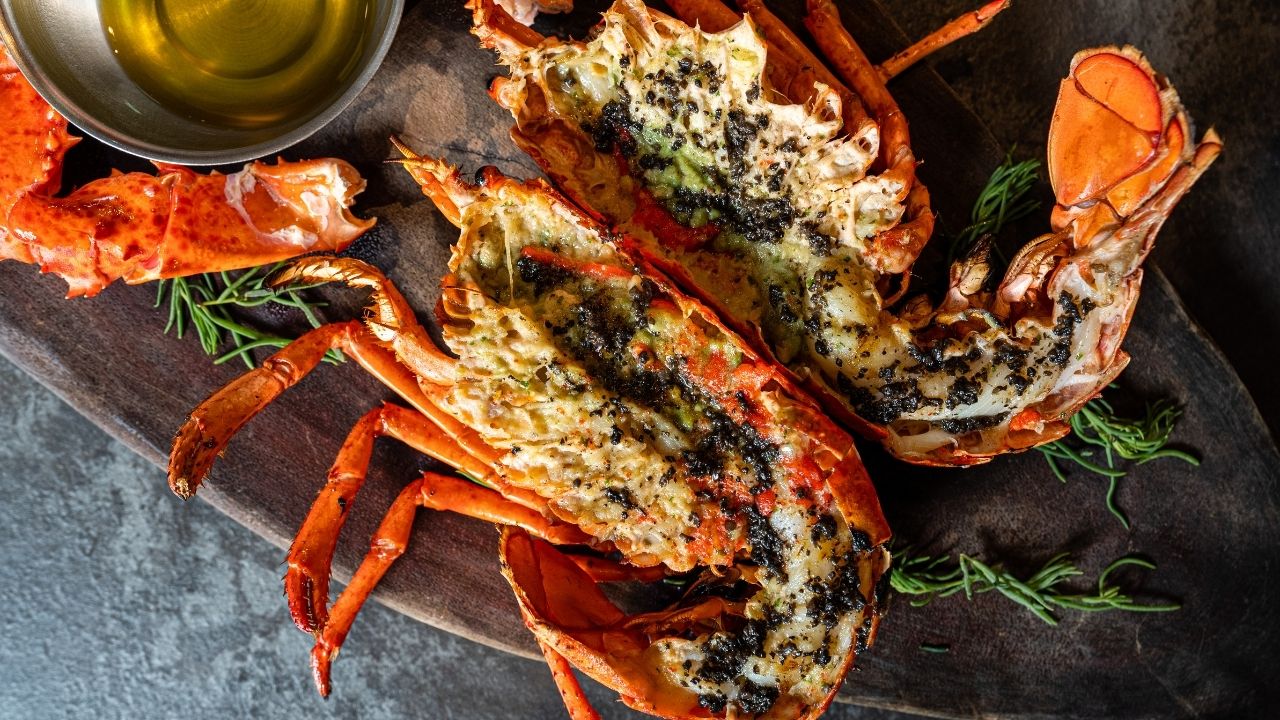
You’ve heard of regular lobsters, but pearl lobsters? Oh my goodness, these rare beauties will make your bank account cry! Found in the deep waters off Japan’s coast, pearl lobsters get their name from their stunning pearly-white shells that shimmer like jewelry. The price tag? Hold onto your wallets – a single pearl lobster can cost upward of $8,000! The ultra-wealthy treat these crustaceans like the crown jewels of their dinner parties, and who can blame them? The meat has this incredible sweet, buttery flavor that makes regular lobster seem like fast food.
I once talked to a private chef who prepared pearl lobster for a billionaire client, and he told me the preparation process is like handling a Fabergé egg. The flesh is so delicate that it requires precise temperature control and expert timing. The meat practically melts in your mouth, with a texture that’s more like silk than seafood. Rich folks often serve them at exclusive gatherings where guests gather around to watch the chef carefully extract the meat from that gorgeous pearly shell. While most of us dream about winning the lottery to afford one bite, the wealthy enjoy these magnificent creatures regularly, often paired with vintage champagne because, why not?
Bird’s Nest Soup
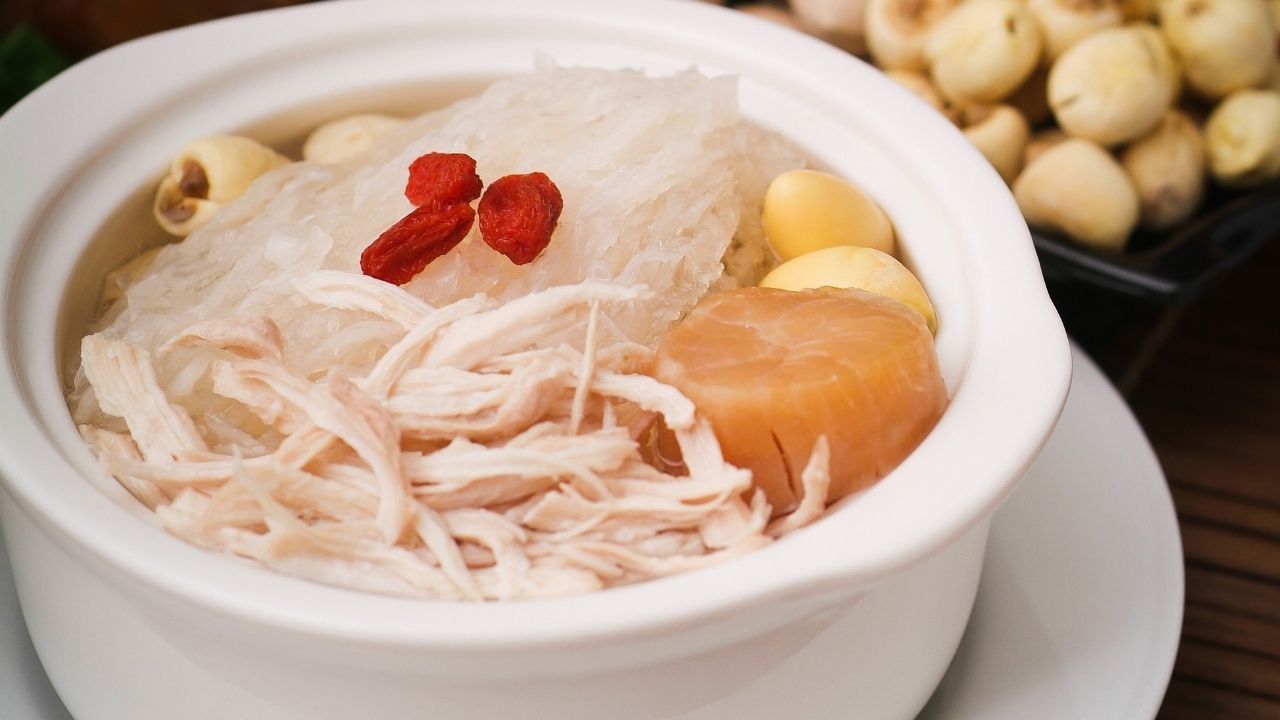
You know what makes me giggle? The fact that bird’s nest soup doesn’t contain any random twigs or leaves – it’s made from actual bird saliva! The Chinese delicacy features nests built by swiftlets, tiny birds that construct their homes from strands of their own hardened spit. These precious nests can fetch up to $10,000 per kilogram, making a single bowl of soup cost anywhere between $30-$100 at fancy restaurants. The most expensive variety, from red swiftlets, can run you several hundred dollars per bowl!
I’ve had the chance to try this luxurious soup in Hong Kong, and I must say, the texture is unlike anything you’ve experienced. The dissolved nest creates these gorgeous, gelatinous strands that float in a rich chicken broth. The translucent strings have a subtle sweetness and absorb the flavors of the soup beautifully. Chinese medicine practitioners believe these nests boost immunity and skin health – but at these prices, you’d need deep pockets to make it your daily health tonic! The harvesting process itself adds to the cost, with collectors scaling steep cave walls to gather these precious ingredients.
Wagyu Beef
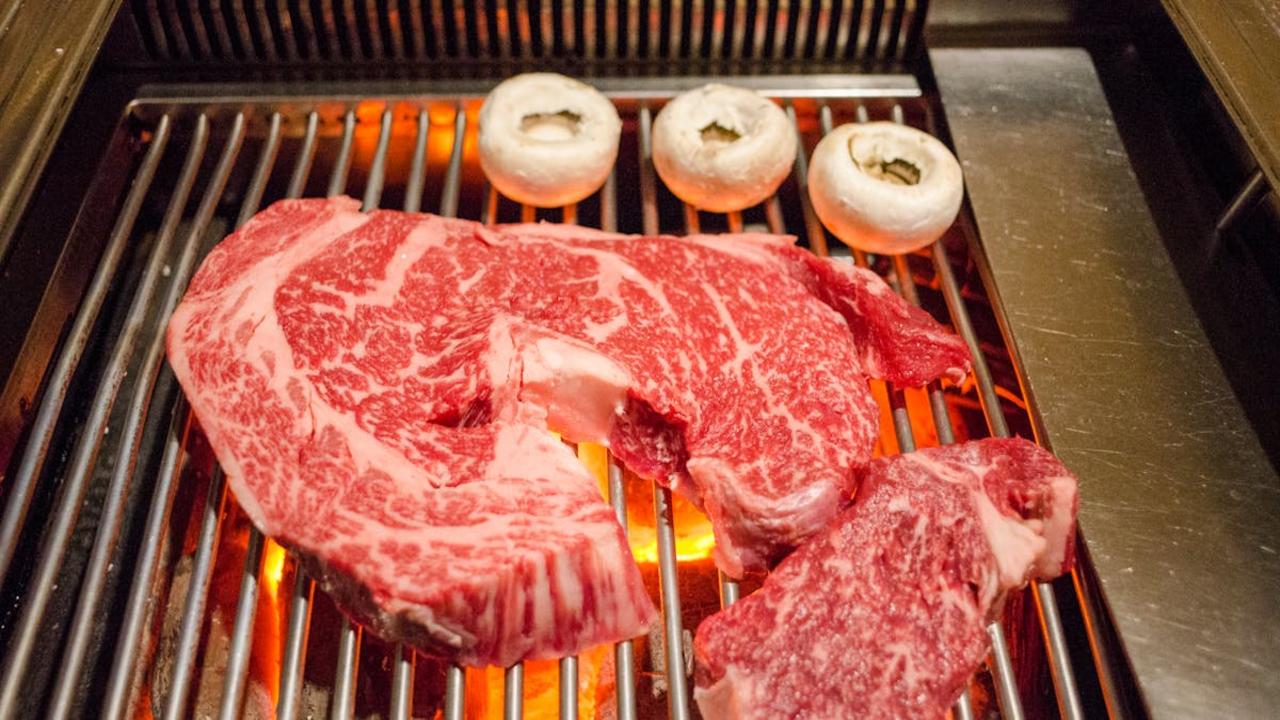
I had my first bite of Wagyu beef at a swanky restaurant in Tokyo, and oh my goodness – the meat practically dissolved on my tongue! This ultra-premium Japanese beef costs anywhere from $200 to $400 per pound, and the price tag makes total sense once you understand what goes into raising these pampered cows. Japanese farmers treat their Wagyu cattle like royalty – they receive daily massages, drink beer to boost their appetite, and listen to classical music to stay relaxed. The result? Meat with such intense marbling that it looks like a marble masterpiece.
You’ll find different grades of Wagyu, but the crown jewel remains the A5 grade from Japan. The meat contains omega-3 and omega-6 fatty acids that create a buttery texture and rich, complex flavor that makes regular steak seem bland in comparison. While American and Australian ranchers now produce their own Wagyu, true Japanese Wagyu remains the most expensive and sought-after. One famous example? The Kobe beef from Hyogo Prefecture, where cattle receive sake massages and eat only the finest grains. No wonder billionaires keep coming back for more – this beef transforms an ordinary dinner into an unforgettable experience!
Edible Gold
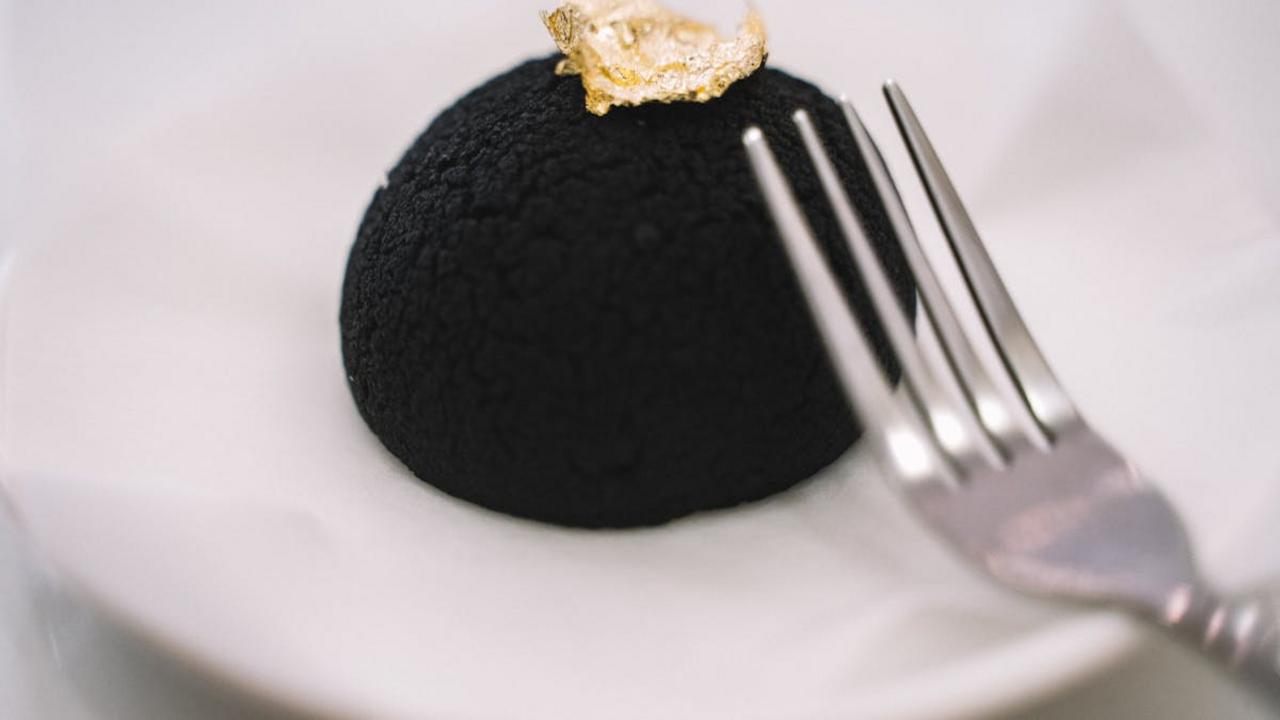
You haven’t truly reached peak luxury until you’ve decorated your dessert with literal gold. Yes, I’m talking about those shimmering 24-karat gold flakes and sheets that cost upwards of $150 per gram – that’s about 70 times more expensive than regular gold! While you might question the sanity of eating precious metals, the uber-wealthy sprinkle these golden garnishes on everything from ice cream sundaes to sushi rolls. The funny part? Gold has zero taste or nutritional value – it’s purely there to make your Instagram followers jealous and your wallet significantly lighter.
If you’ve ever wondered why anyone would eat gold, here’s the scoop: it passes through your system completely unchanged (yes, exactly what you’re thinking). Some high-end restaurants in Dubai and Las Vegas have made gold-covered foods their signature move – from gold-wrapped steaks to golden chicken wings. My favorite ridiculous gold food story? A billionaire once ordered a pizza completely covered in gold leaf, costing over $2,000. The delivery guy said he had to wear white gloves and bow while serving it. Talk about taking “expensive taste” to a whole new level!
Fugu Fish
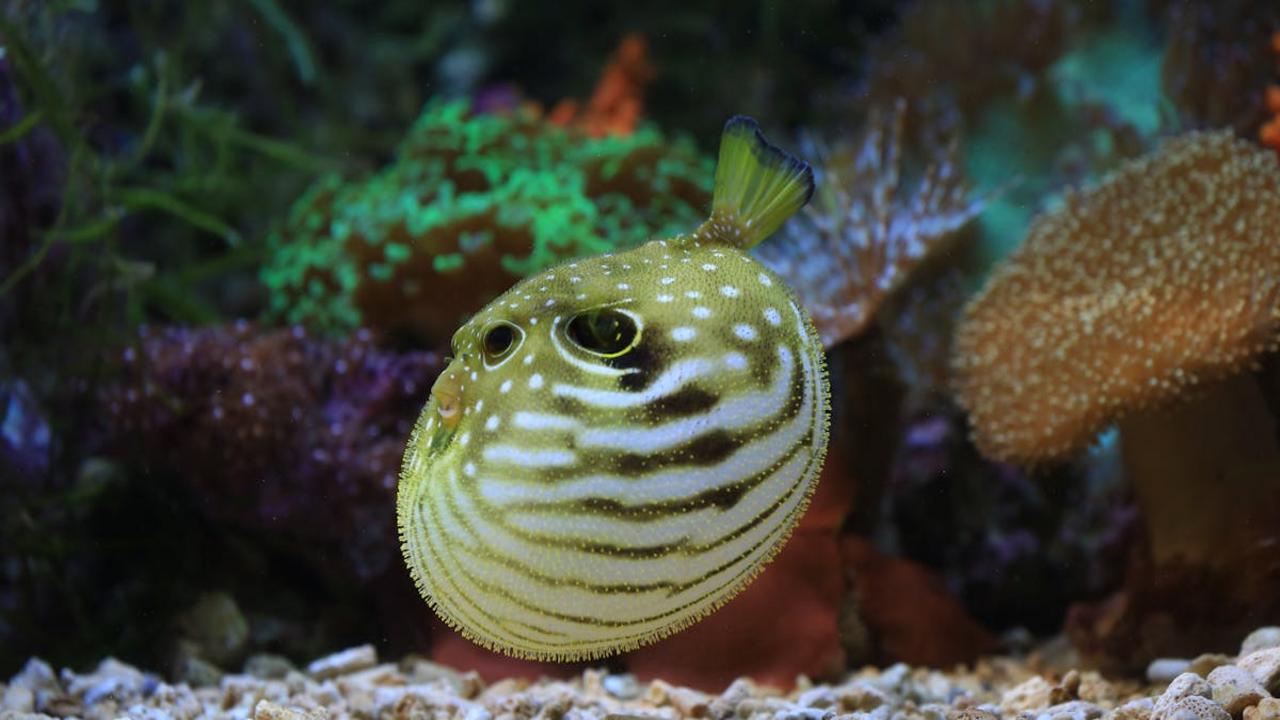
Want to live dangerously through your dinner? Meet fugu, the infamous Japanese pufferfish that costs upwards of $200 per plate and could kill you if not prepared correctly. Only specially licensed chefs can serve this deadly delicacy – they train for three or more years just to obtain certification. The most prized cuts come from the fish’s liver and ovaries, which also happen to pack the deadliest toxins. Talk about expensive thrills! The flesh itself has a subtle, clean flavor and unique texture that wealthy Japanese diners shell out big bucks to experience.
I find it fascinating that Japanese Emperor Hirohito refused to eat fugu during his reign, yet the fish remains a status symbol among Japan’s elite. The preparation process is mesmerizing – chefs must remove toxic parts with surgical precision, following strict guidelines that would make a brain surgeon sweat. One tiny mistake could mean lights out for the customer! Despite (or maybe because of) the danger, high-end restaurants in Japan serve around 10,000 tons of fugu annually. The fish costs anywhere from $120 to $600 per pound, and a multi-course fugu dinner at a top Tokyo restaurant can set you back over $1,000.
Geisha Coffee
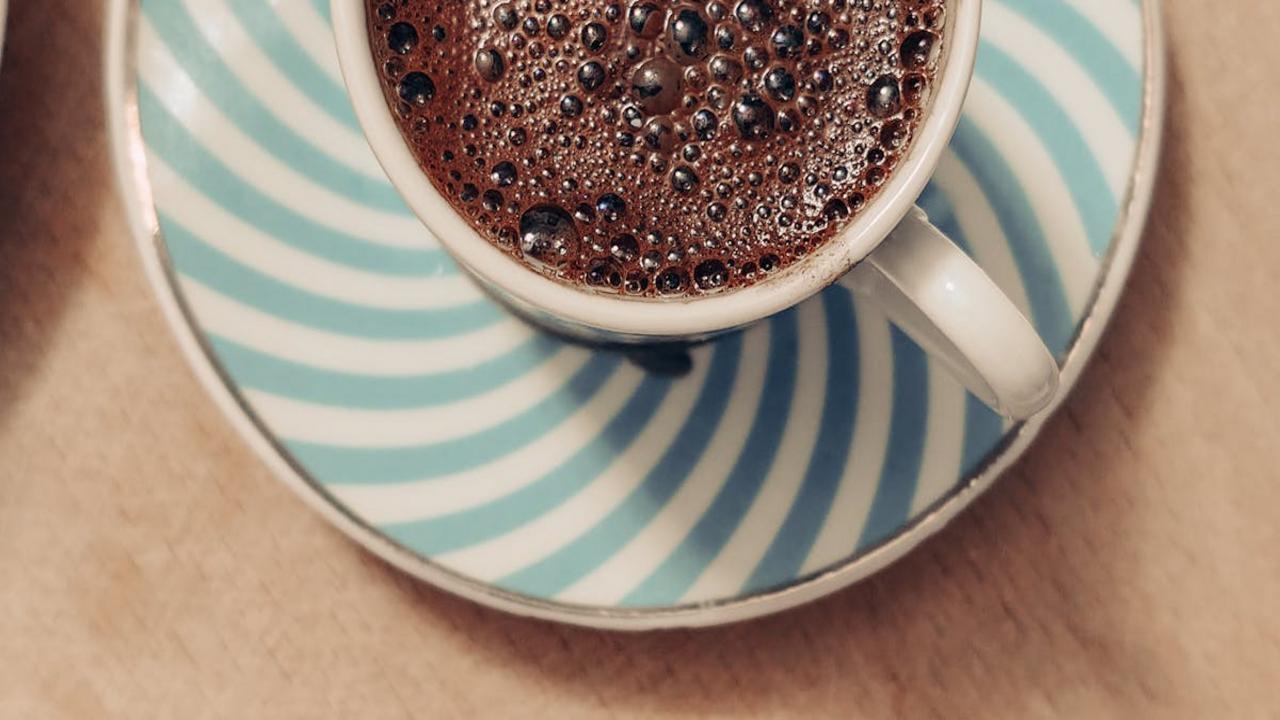
You haven’t truly experienced coffee until you’ve sipped Geisha coffee, the crown jewel of luxury beans that’ll set you back $600-1,200 per pound! This rare variety, originally discovered in Ethiopia and later cultivated in Panama, creates such a pure and complex flavor that coffee enthusiasts worldwide go nuts trying to get their hands on it. The smooth, tea-like body carries notes of jasmine, bergamot, and honey – think of the most elegant cup of Earl Grey tea meeting the richest coffee you’ve ever had, then multiply that sensation by a thousand.
The ultra-wealthy don’t just drink Geisha coffee – they collect and bid on it like fine wine. At exclusive auctions, a single pound can fetch astronomical prices, making it completely inaccessible to regular coffee lovers. The intense demand comes from its meticulous growing process – these finicky plants only thrive at high altitudes in specific climate conditions. Each bean undergoes careful hand-picking and processing, creating an end product so exceptional that even the most jaded coffee snobs find themselves speechless. No wonder billionaires keep their coffee makers exclusively loaded with these golden beans!
Bluefin Tuna
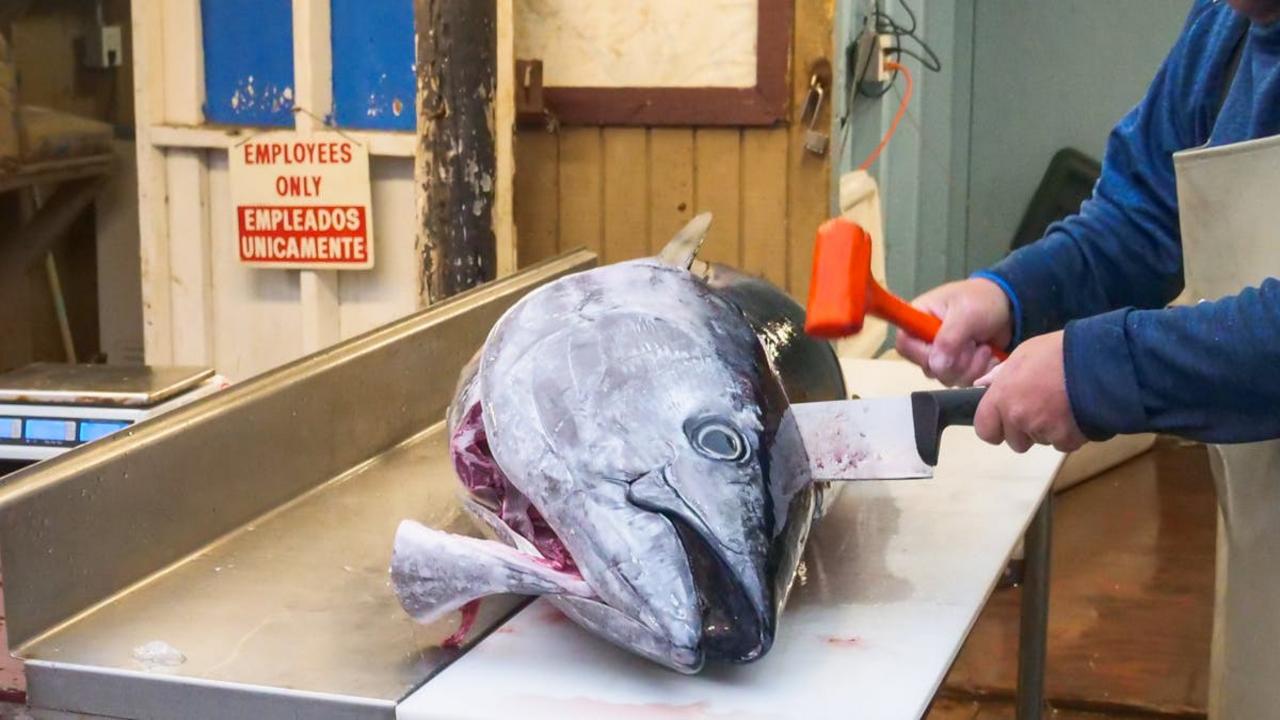
I once paid $450 for a single piece of bluefin tuna sashimi at a high-end Tokyo restaurant, and you know what? I didn’t regret a single penny. This magnificent fish commands astronomical prices – we’re talking up to $3 million for a single fish at auction! The rich and famous drop serious cash on bluefin tuna because its marbled meat offers an unmatched buttery texture and deep, complex flavor that makes regular tuna taste like, well, cat food. The fattiest part, called toro, practically dissolves on your tongue like oceanic butter.
Only the wealthiest restaurants and individuals can afford to serve this prized fish regularly. Top sushi chefs spend decades mastering the art of cutting bluefin perfectly – one wrong slice can waste thousands of dollars worth of fish. The ultra-wealthy enjoy bluefin tuna daily in exclusive sushi bars where a single omakase meal costs more than a monthly mortgage payment. Some even install special freezers in their homes just to store their personal bluefin supply at the precise temperature of -60°C. Now that’s what I call a fancy fish habit!
Black Truffle
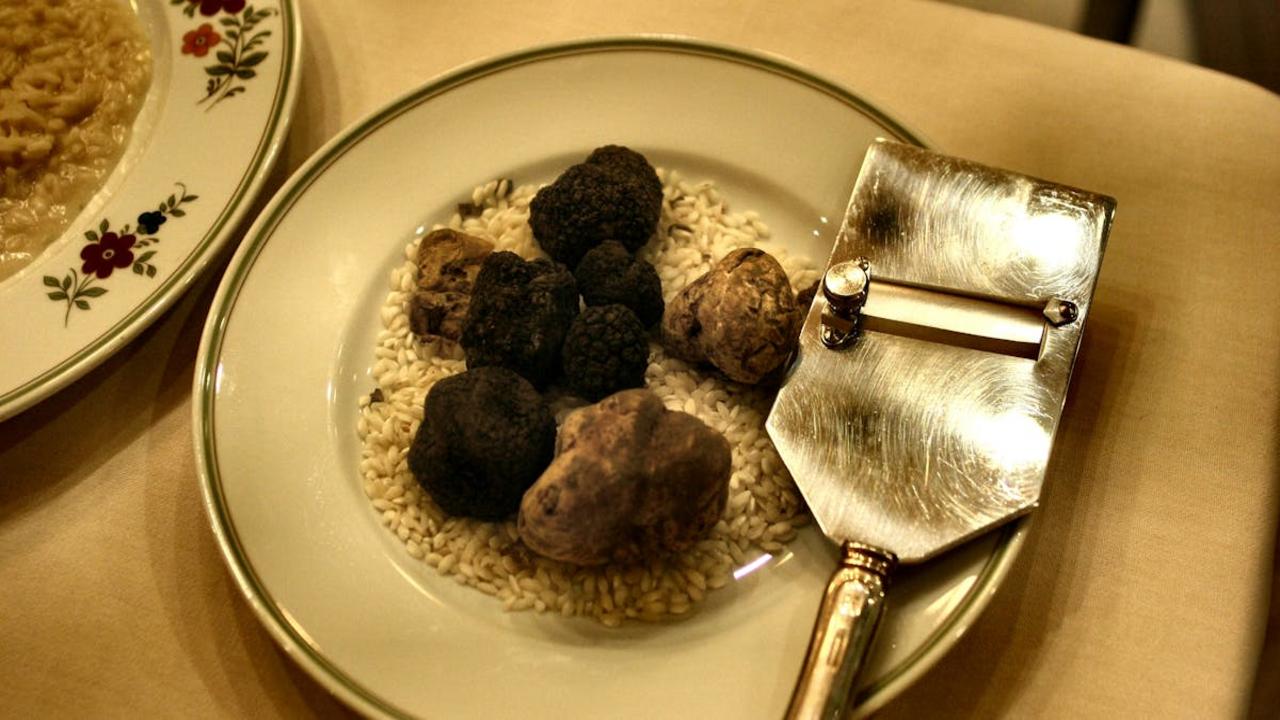
I’m convinced black truffles exist just to make other mushrooms feel inadequate. These fancy fungi, which can cost up to $3,500 per pound, grow underground near specific tree roots and need trained dogs or pigs to find them. Think about that – we literally pay thousands for something a pig digs up! But oh my goodness, the intense earthy aroma and rich, complex flavor make every penny worth it. The wealthy don’t just sprinkle these black diamonds on pasta; they shave them onto eggs, stuff them under chicken skin, and even infuse them into butter.
You’ll find the most prized black truffles (Tuber melanosporum) in the Périgord region of France, where they’ve become such a status symbol that some fancy restaurants keep them in special humidity-controlled boxes. The super-rich often have personal truffle dealers on speed dial, ensuring they get first dibs on the freshest specimens. I once watched a billionaire casually add $400 worth of black truffle shavings to a simple omelet – and that was just breakfast! While most of us might splurge on truffle oil (which, fun fact, rarely contains real truffles), the ultra-wealthy enjoy the real deal daily, turning ordinary dishes into bank-account-draining delicacies.
Iberico Ham
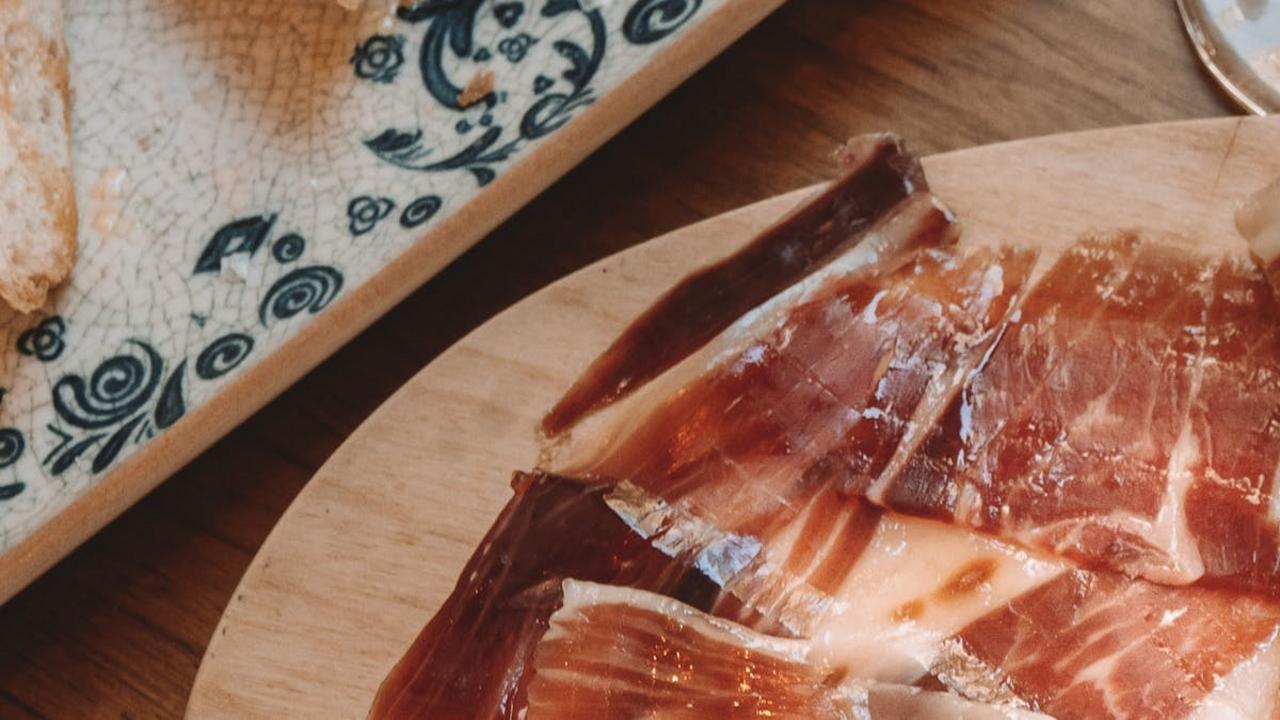
Oh my goodness, if you want to talk about the Rolls Royce of ham, look no further than Iberico! These black-hoofed Spanish pigs live their best lives roaming free in oak forests, munching on acorns (or ‘bellotas’ in Spanish) that give their meat an incredibly rich, nutty flavor. The resulting ham costs a whopping $200 or more per pound – yes, you read that right! The fat literally melts in your mouth, creating this buttery, velvety sensation that makes regular ham feel like cafeteria food. I once splurged on a paper-thin slice at a tapas bar in Madrid, and I still dream about that singular moment.
The crazy thing about Iberico ham? The aging process takes anywhere from 24 to 48 months – that’s longer than some people keep their cars! The Spanish have specific rules about these pigs, including how much space each one needs to roam (about 5 acres) and what they can eat. The best quality, called “Jamon Iberico de Bellota,” only comes from pigs that feast exclusively on acorns during their final months. The meat develops these beautiful streaks of white fat marbled throughout, and the flavor? Think notes of earth, nuts, and a hint of sweetness that’ll make your regular grocery store ham seem like a distant memory.
Almas Caviar
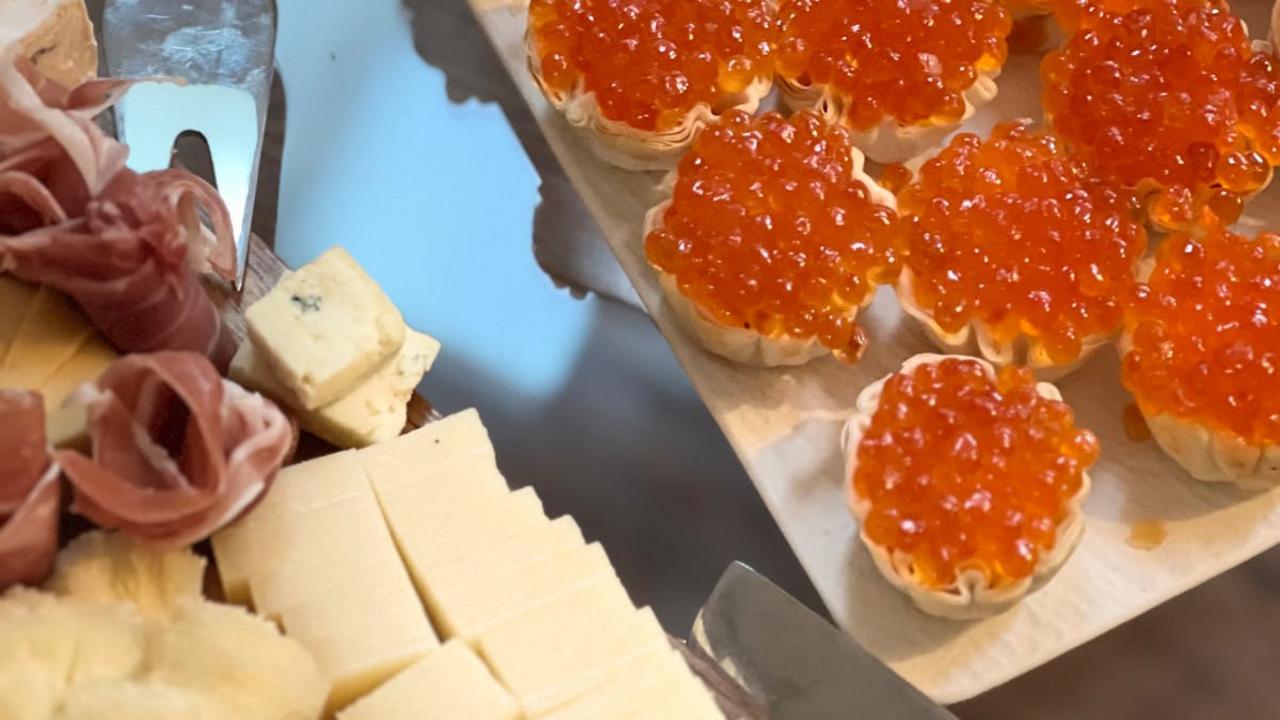
You haven’t truly experienced luxury until you’ve tasted Almas Caviar – the crown jewel of the sturgeon world that’ll set you back a cool $25,000 per kilogram! This ultra-rare delicacy comes from albino beluga sturgeon found in the Caspian Sea, specifically from fish that are at least 100 years old. The name “Almas” means “diamond” in Russian, and these pearly white eggs shine with the same prestigious allure. The caviar has an exceptionally smooth, buttery flavor with subtle notes of the sea that simply melt on your tongue.
Want to feel extra fancy? This coveted caviar traditionally arrives in a 24-karat gold-plated tin – because regular packaging just won’t do for the world’s most expensive fish eggs! The super-wealthy often enjoy Almas Caviar on special occasions, serving it with mother-of-pearl spoons (metal would affect the taste) and accompanying it with champagne or ice-cold vodka. Fun fact: Iranian caviar houses keep their best Almas Caviar in special temperature-controlled vaults, treating these precious pearls with the same security measures as actual diamonds. No wonder it’s nicknamed “white gold”!
Matsutake Mushrooms
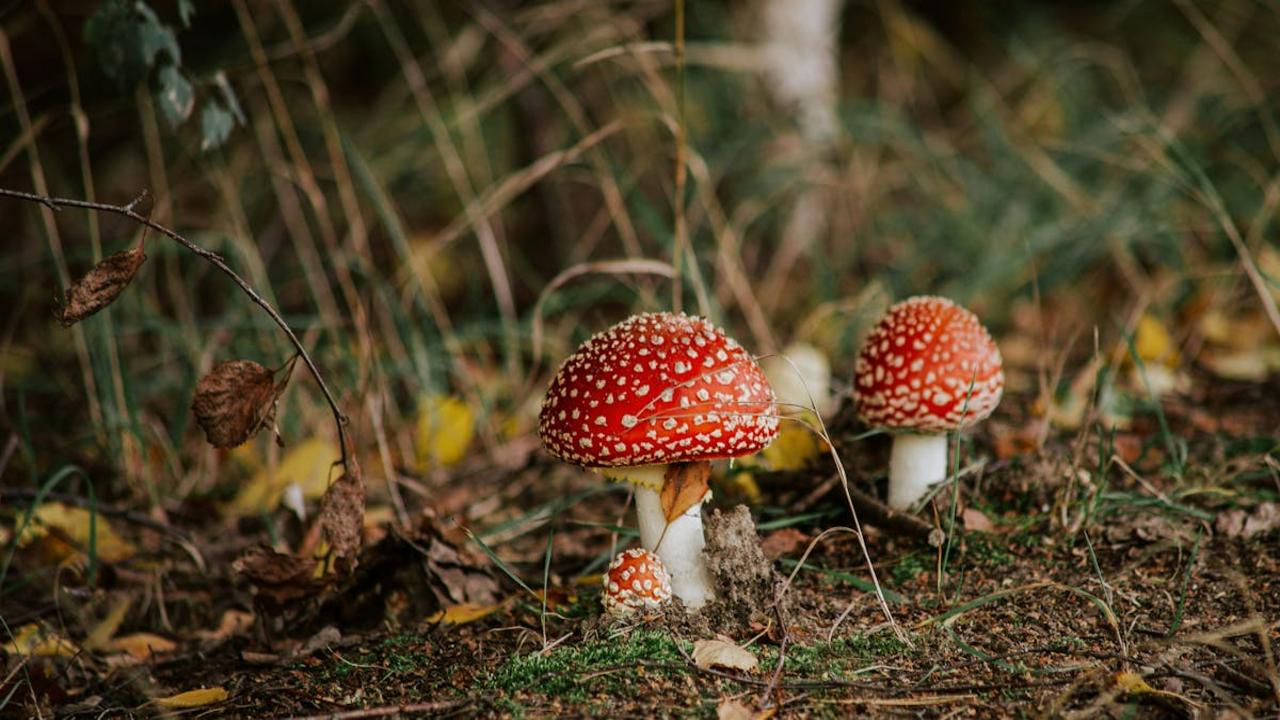
Oh my goodness, you haven’t lived until you’ve experienced the pure magic of matsutake mushrooms! These rare beauties, nicknamed “pine mushrooms,” can cost up to $2,000 per pound, making them some of the priciest fungi on Earth. Native to Japan, China, and parts of Europe and North America, matsutakes have this incredible spicy-aromatic scent that’ll knock your socks off – think cinnamon meets pine forest meets earth after rain. The Japanese go absolutely wild for these mushrooms, particularly during autumn when they become the star ingredient in traditional dishes like dobin mushi, a special tea-style soup.
What makes these mushrooms so darn expensive? First, you can’t cultivate them – they only grow wild under specific pine trees and form a complex relationship with the roots. Plus, their natural habitat keeps shrinking thanks to pine-killing insects and urban development. Japanese matsutakes are the most coveted (and priciest), but you can find slightly more affordable ones from the Pacific Northwest. The ultra-wealthy drop serious cash to enjoy these mushrooms fresh in clear soups, rice dishes, or simply grilled with a dash of soy sauce. The intense, unique flavor and chewy texture make regular button mushrooms seem like, well… small potatoes!
Saffron
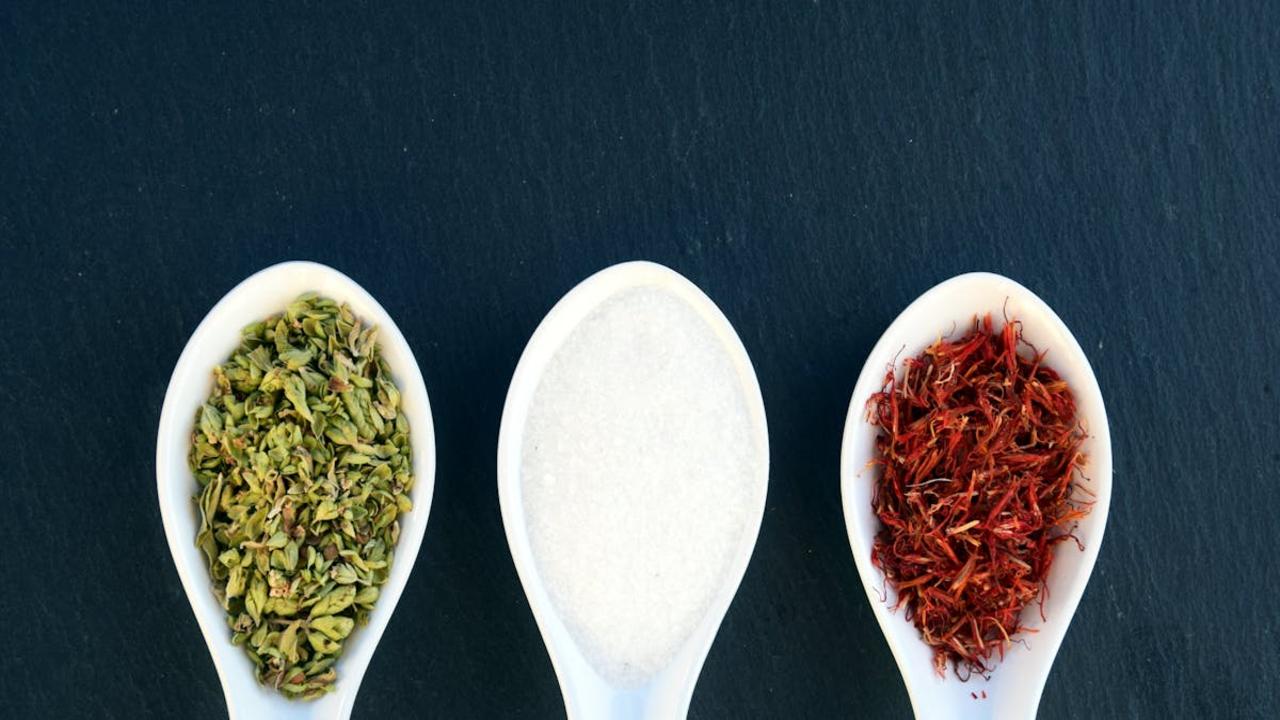
Did you know that genuine saffron costs more per ounce than gold? Yes, you read that right! These crimson-red threads, handpicked from the center of crocus flowers, will set you back anywhere from $500 to $5,000 per pound. The super-wealthy sprinkle this precious spice into their risottos, paellas, and Persian rice dishes without a second thought, while the rest of us might spend years saving up for a tiny jar. Each flower produces only three stigmas, and it takes about 170,000 flowers to make just one pound of saffron – now that’s what I call labor-intensive!
The ultra-rich don’t just add saffron to their food – they mix it into their skincare routines, too! Ancient Persian queens used saffron-infused milk baths to maintain their glowing complexions, and today’s elite still follow this tradition with $500 saffron face creams and serums. The spice’s distinct honey-like aroma and ability to turn everything it touches into a beautiful golden hue make it the ultimate status symbol in both cooking and beauty. No wonder my local spice shop keeps their saffron locked behind glass – these tiny threads are worth more than my monthly rent!
Foie Gras
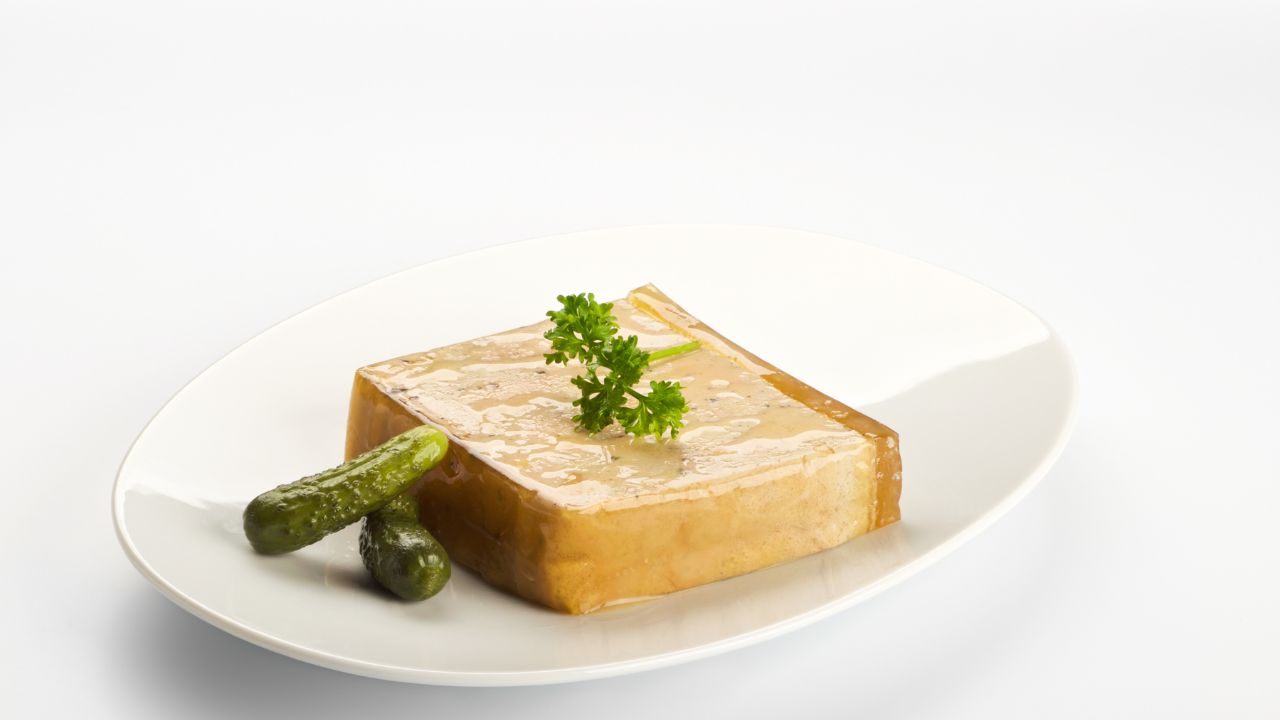
Oh, darlings, if you want to eat like French royalty, foie gras should top your fancy food bucket list! This ultra-rich duck or goose liver packs such intense butteriness that one bite will make you feel like you’ve crashed a Kardashian dinner party. The good stuff runs about $50-100 per pound, and that’s if you can even find it – many places ban it due to the controversial force-feeding process. But the wealthy? They spread this silky delicacy on toasted brioche like it’s everyday butter.
My friend Charlotte once served me foie gras at her Hamptons beach house, pan-seared with caramelized figs and a port wine reduction. The liver literally melted on my tongue like expensive butter, with notes of mushroom and nuts dancing through each bite. While regular folks might splurge on this French luxury once a year (if ever), the ultra-rich enjoy it weekly – think perfectly torched foie gras with truffle shavings for breakfast or foie gras-stuffed quail for casual Tuesday dinners. Must be nice, right?
Kobe Beef
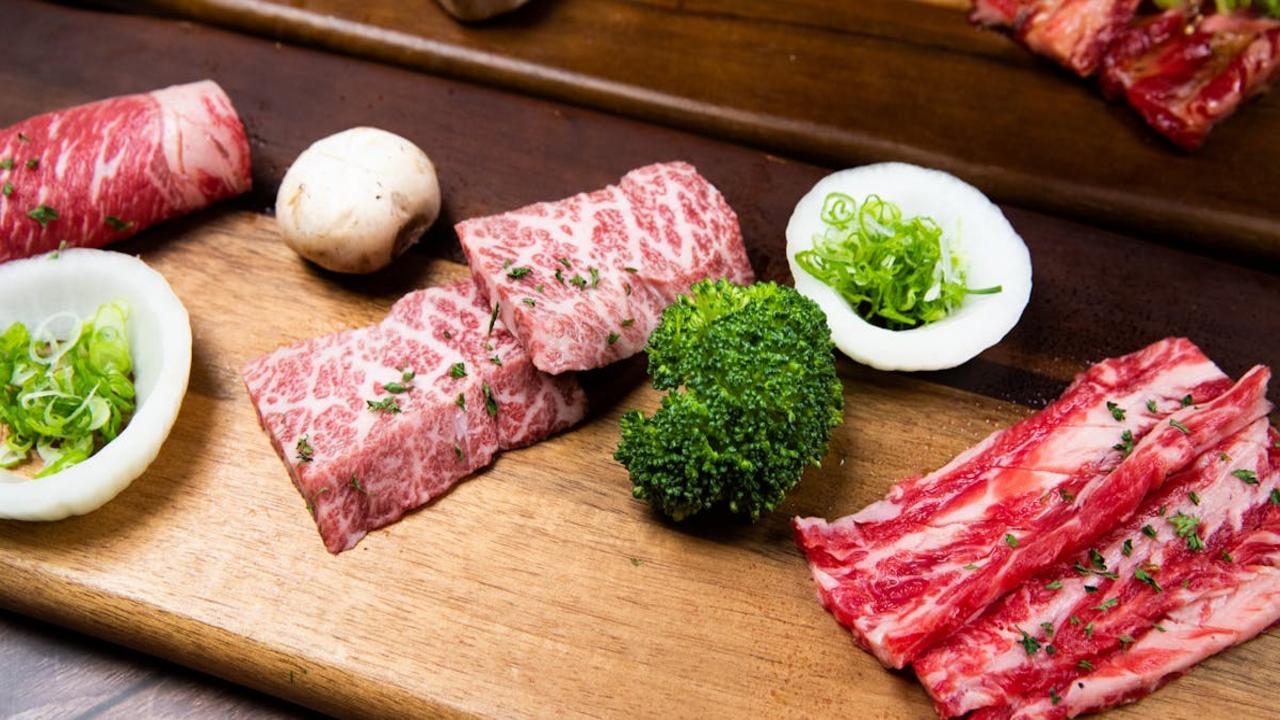
Oh my goodness, let’s talk about Kobe beef – the rockstar of the cattle world! This ultra-premium Japanese beef comes from pampered Tajima-gyu cattle in Hyogo Prefecture, where farmers treat their cows like royalty. These lucky bovines get daily massages, drink beer to boost their appetite, and listen to classical music while munching on the finest grains. The result? Meat so tender and marbled with fat that it practically melts in your mouth. At $200+ per pound, real Kobe beef will make your wallet significantly lighter, but the flavor is absolutely mind-blowing.
Here’s a fun fact: only around 3,000 authentic Kobe cattle exist in the world, and each one comes with its own birth certificate and nose print (like a bovine fingerprint)! The strict regulations mean many restaurants claiming to serve “Kobe beef” are actually offering other premium beef varieties. The real deal features intricate white fat marbling throughout the red meat, creating a stunning snowflake-like pattern. When cooked, this marbling transforms into liquid gold, giving the beef its signature buttery texture and rich, complex flavor that makes food lovers weak in the knees.
Caviar
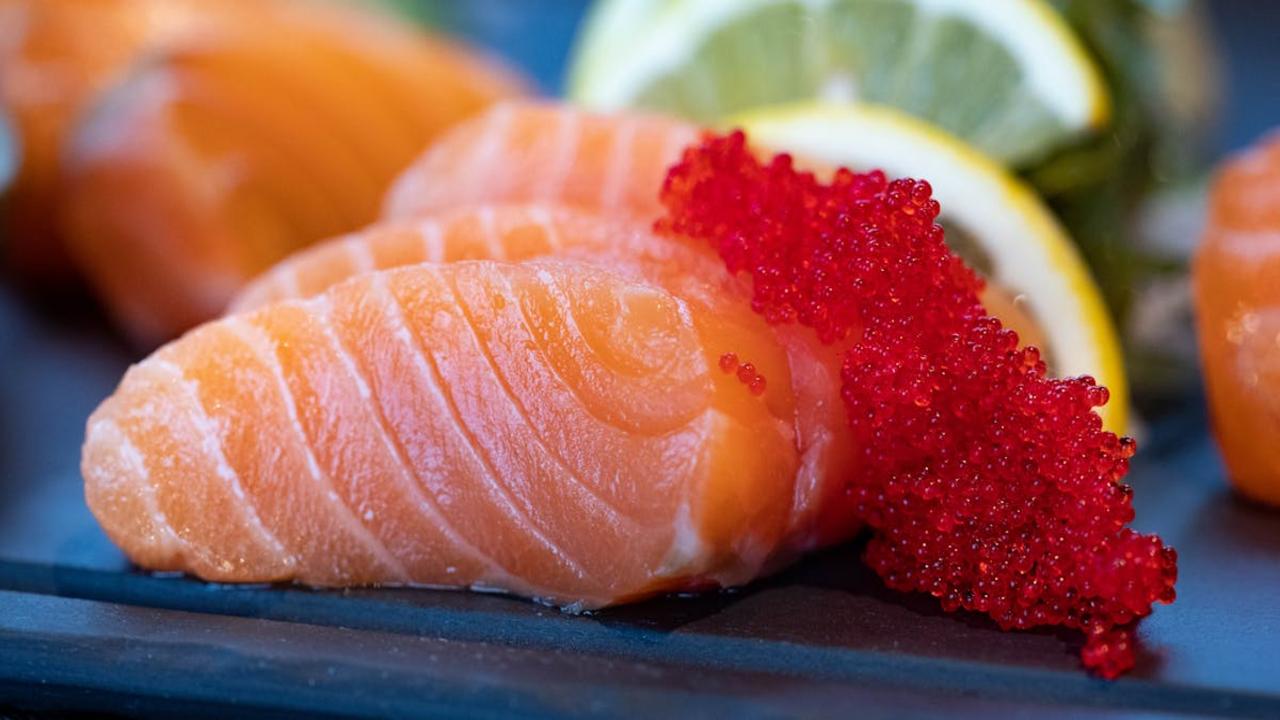
You haven’t really lived the high life until you’ve had real, premium caviar – those glistening black pearls that cost more than my monthly rent! The authentic stuff comes from wild sturgeon (though farm-raised is becoming more common), with Beluga, Ossetra, and Kaluga being the most coveted varieties. A single ounce of top-tier Beluga caviar can set you back $200 or more, which explains why you’ll spot it at fancy yacht parties but rarely at your local diner. The wealthy don’t just dollop it on blinis; they heap it onto scrambled eggs, mix it into pasta, or my personal favorite rich-person move – eating it straight off their hands between thumb and forefinger.
I once watched a billionaire casually order three tins of Almas caviar – the world’s most expensive variety – at a Monaco restaurant like he was ordering french fries. This white-gold caviar comes from rare albino sturgeon and costs around $25,000 per kilogram! The ultra-wealthy keep their fridges stocked with these briny delicacies, treating them like everyday snacks while the rest of us consider a tiny spoonful a once-in-a-lifetime splurge. But here’s a fun fact: true caviar connoisseurs never use metal spoons – they only serve it with mother-of-pearl spoons because metal can alter the caviar’s pure flavor.