15 Fruits That Are Packed With Vitamins—and Low in Sugar
Finding fruits that pack both nutritional power and lower sugar content can feel like searching for hidden treasures in your local grocery store. I’ve discovered 15 amazing fruits that give you the best of both worlds – rich vitamin content without sending your blood sugar through the roof.
From bright red strawberries to tropical star fruit, these natural wonders prove you don’t need high sugar content to get amazing health benefits. Each fruit on this list brings its own unique mix of vitamins, minerals, and antioxidants while keeping sugar levels in check.
Whether you’re watching your sugar intake or just want to make smarter food choices, these fruits deserve a spot in your shopping cart. They’ll add color, flavor, and nutrition to your diet while helping you maintain balanced blood sugar levels throughout the day.
Strawberries
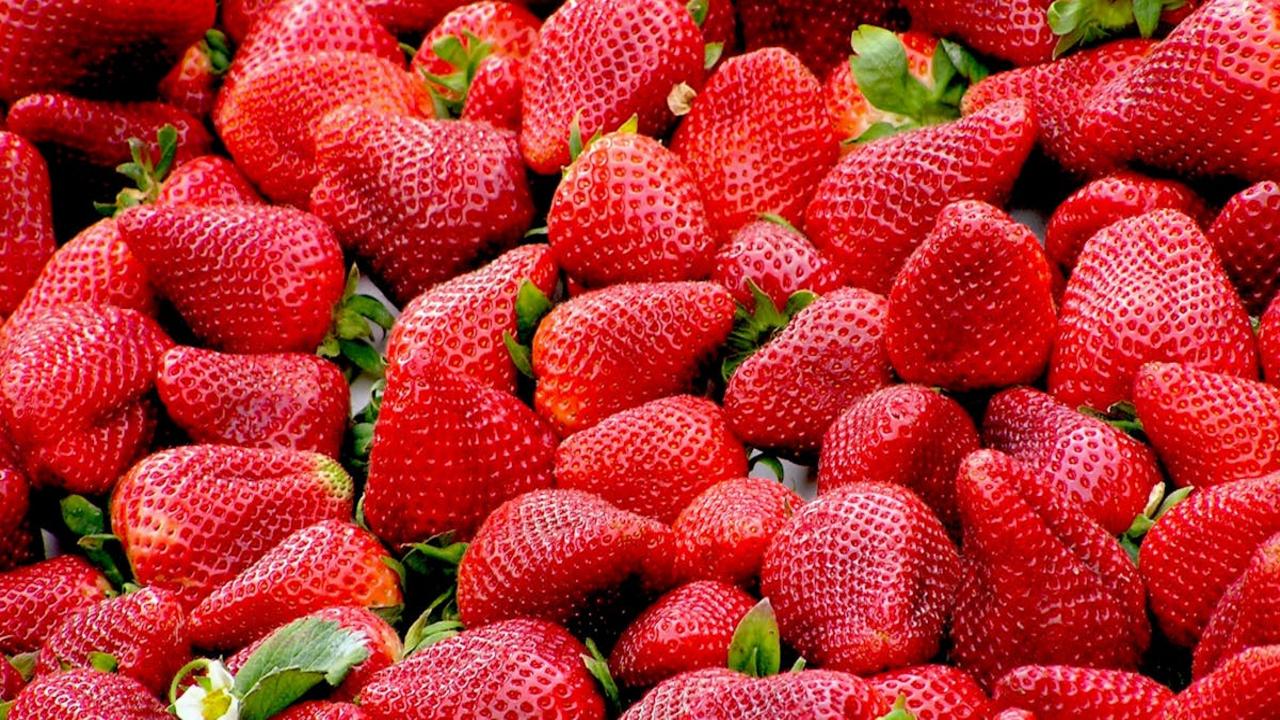
I adore how strawberries pack a powerful vitamin punch while keeping sugar levels naturally low! These bright red berries contain more vitamin C than oranges – just one cup gives you your full daily requirement. They’re also rich in folate, potassium, and manganese, making them perfect for supporting your immune system and maintaining healthy blood pressure. The natural compounds in strawberries, particularly anthocyanins, act as antioxidants to protect your cells from damage and inflammation.
You’ll find strawberries incredibly versatile in the kitchen – I recommend adding them to your morning yogurt, blending them into smoothies, or enjoying them fresh as a sweet snack. The fiber content helps slow down sugar absorption, so you won’t experience the same spike in blood sugar compared to other fruits. For the biggest nutritional bang, pick organic strawberries at their peak ripeness when they’re deep red and fragrant. Keep them unwashed in your fridge, and rinse just before eating to maintain their freshness and prevent molding.
Raspberries
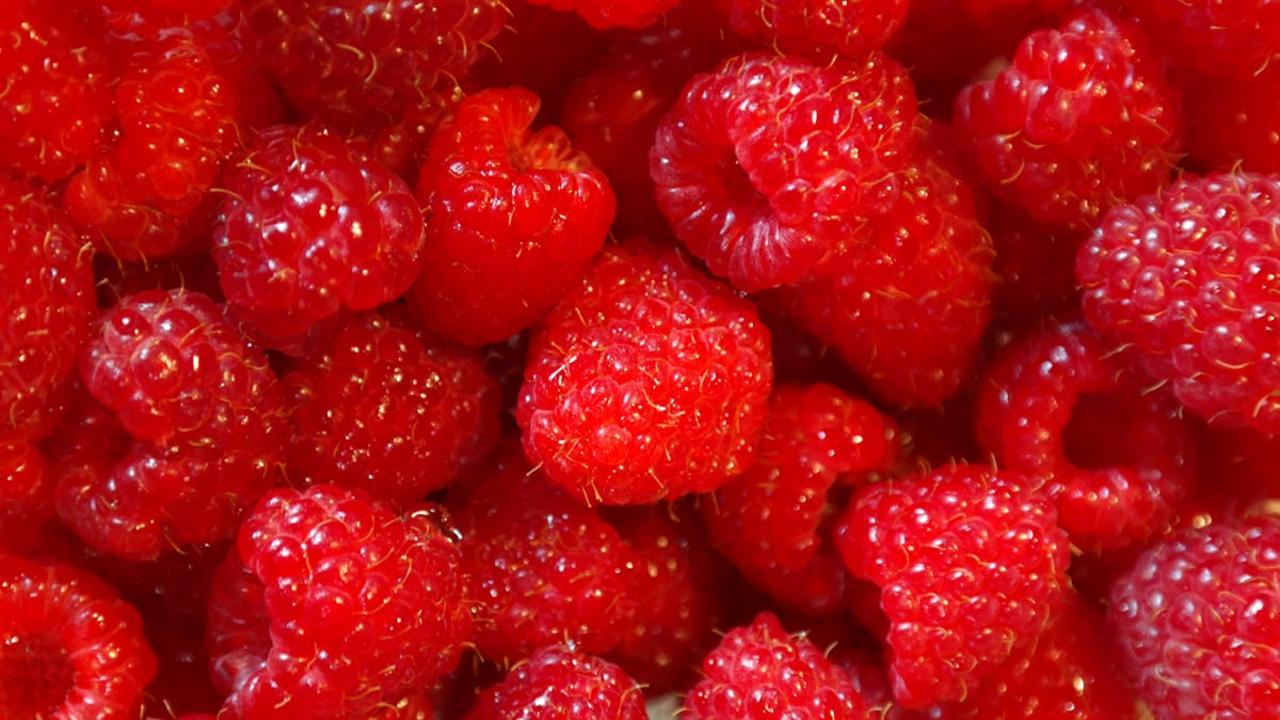
I absolutely adore adding raspberries to my morning yogurt bowl – these tiny red jewels pack such an incredible nutritional punch! A single cup of raspberries contains only 5 grams of natural sugar while delivering a whopping 8 grams of fiber, making them an excellent choice for anyone watching their blood sugar levels. These berries also bring loads of vitamin C to the table, with one serving providing about 54% of your daily needs, plus they’re rich in manganese, vitamin K, and powerful antioxidants called anthocyanins that give them their beautiful red color.
What makes raspberries extra special is their versatility in the kitchen. You can toss them into smoothies, bake them into muffins, or simply enjoy them fresh by the handful. I love freezing fresh raspberries during peak season – they maintain most of their nutritional benefits and make perfect additions to overnight oats or protein shakes year-round. The natural compounds in raspberries may help reduce inflammation in your body and support heart health, so I recommend adding these sweet-tart berries to your regular fruit rotation. Plus, their high fiber content helps keep you feeling full and satisfied between meals!
Blackberries
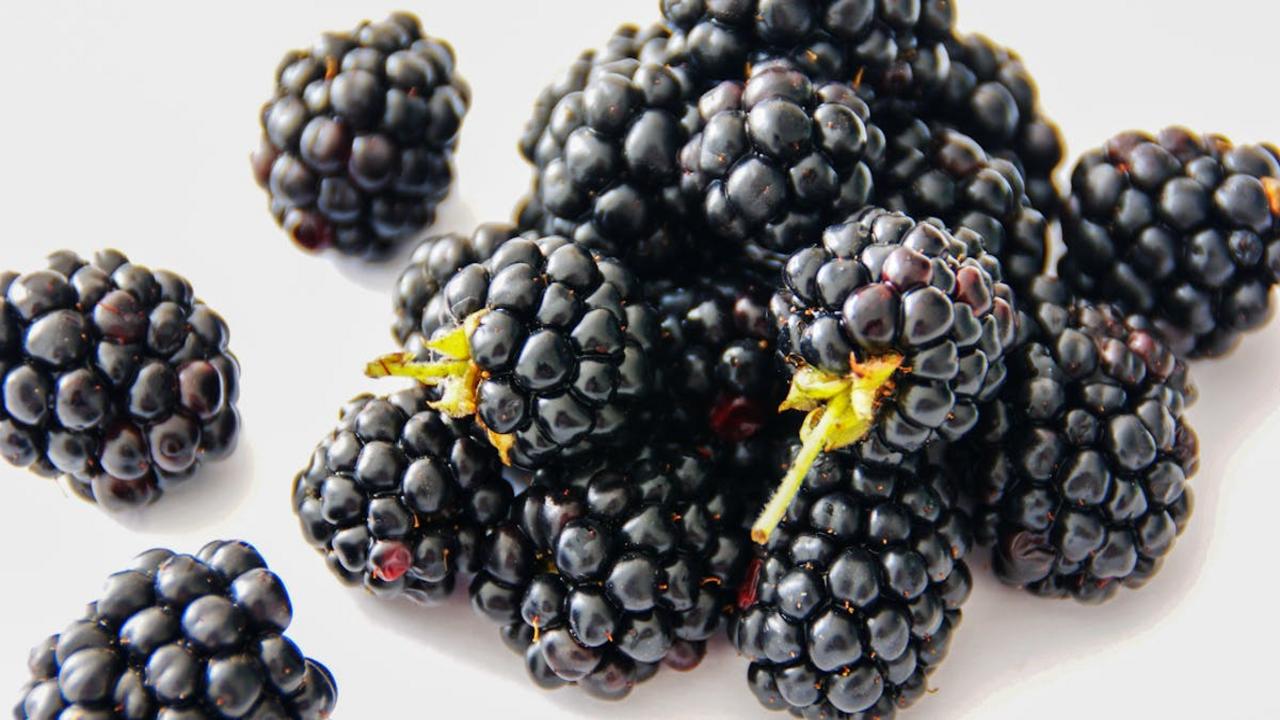
I absolutely adore blackberries for their rich, deep purple color and sweet-tart flavor that makes them perfect for both snacking and baking. These juicy berries pack a serious nutritional punch while keeping sugar content relatively low at just 7 grams per cup. They’re loaded with vitamin C to boost your immune system, vitamin K for healthy bones, and manganese that helps your body process carbohydrates. Plus, you’ll get a generous dose of fiber – about 8 grams per cup – which helps keep you feeling full and maintains steady blood sugar levels.
What makes blackberries stand out among other fruits is their impressive antioxidant content, particularly anthocyanins that give them their dark color and help fight inflammation in your body. I love adding fresh blackberries to my morning yogurt or blending them into smoothies for a nutrient boost. During summer, you can find wild blackberries growing along trails and fences – picking your own makes for a fun outdoor activity and gives you the freshest berries possible. If fresh ones aren’t available, frozen blackberries keep their nutritional value and work great in baked goods or morning oatmeal.
Cranberries
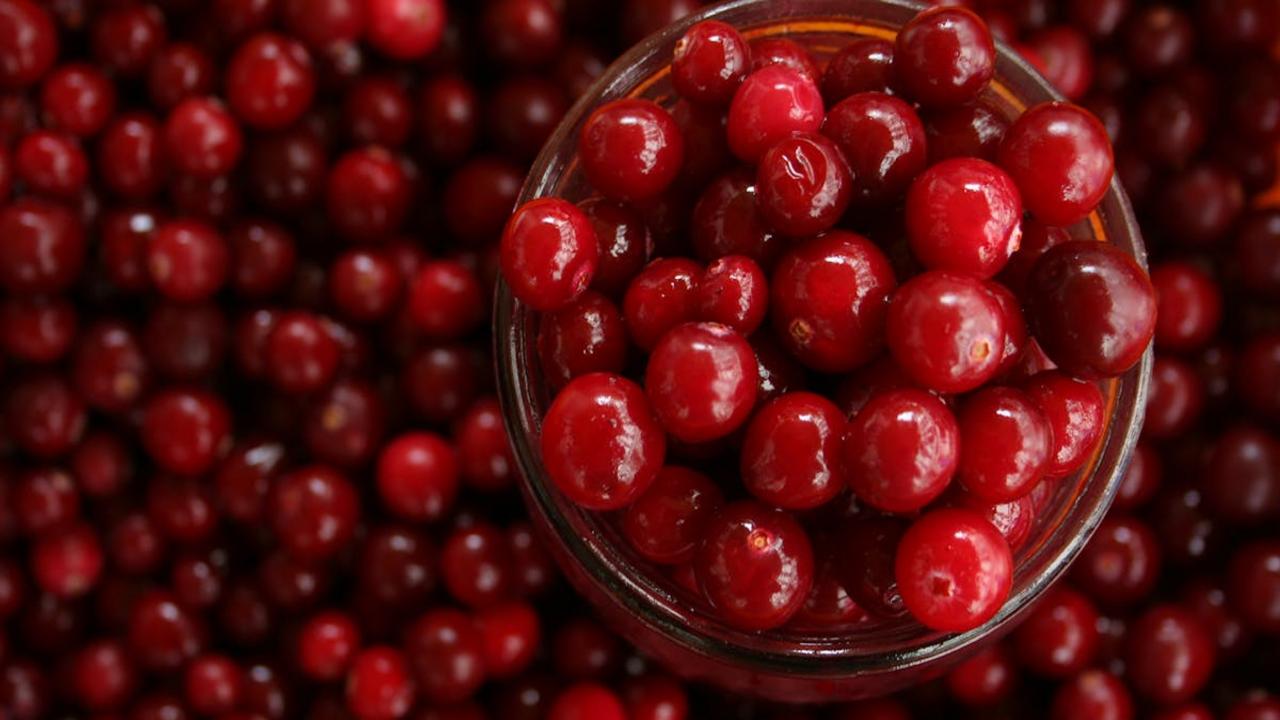
You’ll find cranberries bring a bright, tart punch to your diet while keeping sugar content surprisingly low. These little red berries pack just 4 grams of natural sugar per cup, making them a smart choice for anyone watching their sugar intake. I love adding fresh cranberries to my morning smoothies or baking them into wholesome muffins. They’re rich in vitamin C, E, and K1, plus they contain powerful antioxidants called proanthocyanidins that support urinary tract health.
The best part about cranberries? You can enjoy them year-round! While fresh berries shine during fall and winter months, you’ll find frozen cranberries work just as well in recipes. Just watch out for dried cranberries – manufacturers often add extra sugar to balance their natural tartness. I recommend buying unsweetened dried cranberries or sticking to fresh ones. Try blending them with Greek yogurt and honey for a tangy breakfast parfait, or simmer them with orange zest and a touch of maple syrup for a lower-sugar alternative to traditional cranberry sauce.
Kiwi
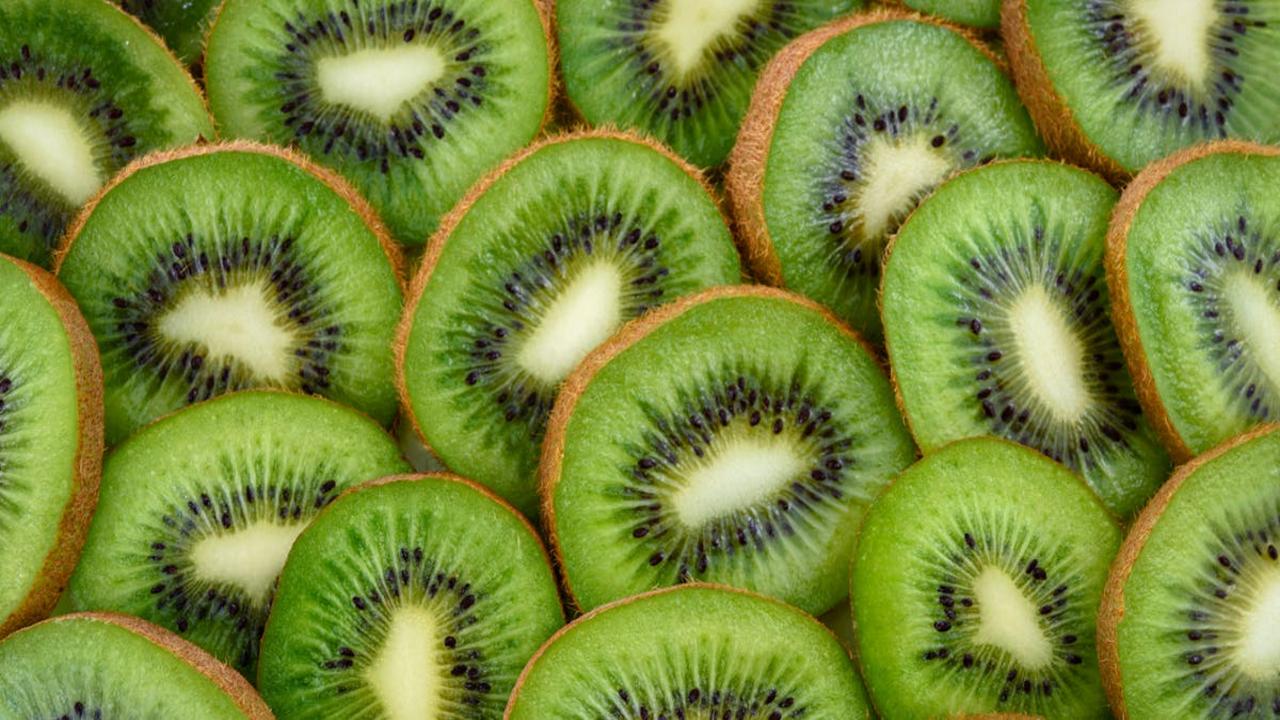
I adore kiwis for their bright green flesh and unique sweet-tart flavor that makes them stand out in any fruit bowl! These fuzzy little powerhouses pack a serious nutritional punch with more vitamin C than oranges – just one kiwi gives you 100% of your daily vitamin C needs. You’ll also find vitamin K, vitamin E, folate, and potassium tucked inside each fruit. The best part? A medium kiwi only contains about 6 grams of sugar, making it a smart choice for anyone watching their sugar intake.
What makes kiwis extra special is their fiber content – both soluble and insoluble types work together to support your digestive health. The tiny black seeds are rich in omega-3 fatty acids, while the flesh contains actinidin, an enzyme that can help break down proteins. I love adding sliced kiwis to my morning yogurt or blending them into smoothies. Pro tip: if you want to speed up the ripening process, place your kiwis in a paper bag with a banana or apple overnight. The natural ethylene gas will work its magic, and you’ll have perfectly ripe kiwis ready to enjoy the next day!
Avocado
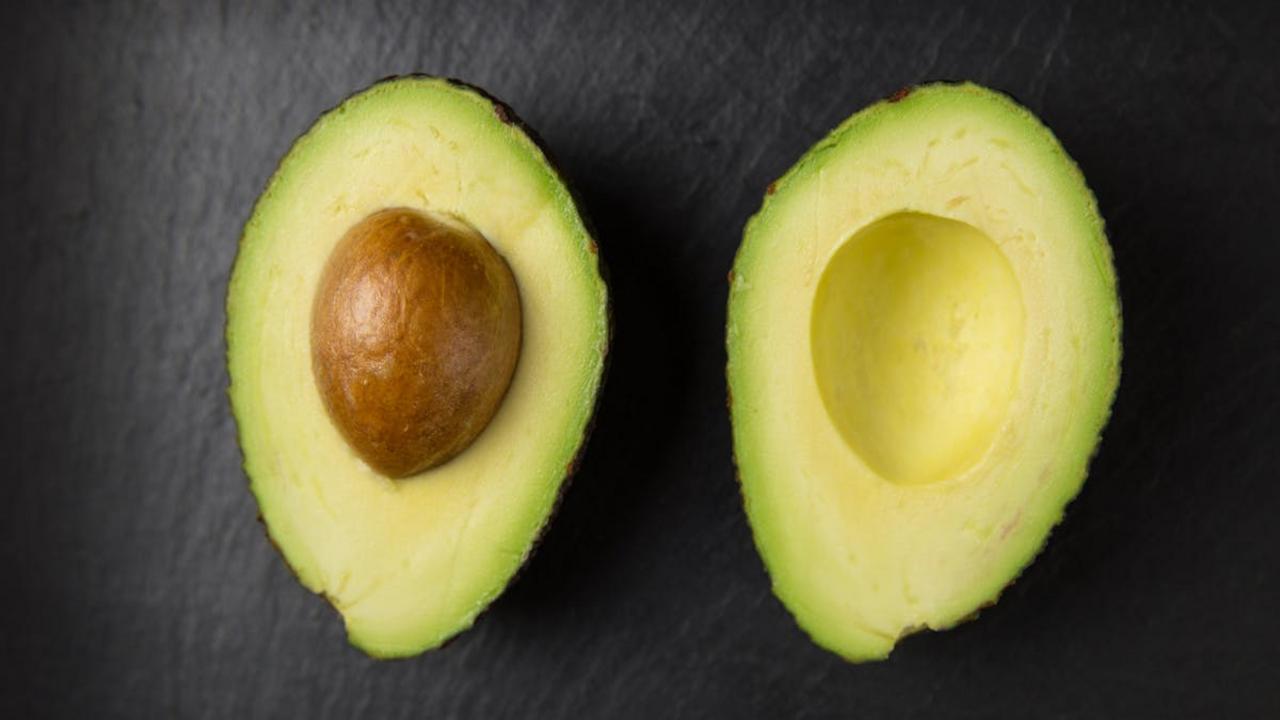
You might think avocados belong in the vegetable category, but these creamy fruits pack an incredible vitamin punch while keeping sugar content super low! A single avocado contains vitamins K, C, E, B6, riboflavin, niacin, and folate. What really makes avocados stand out is their high content of heart-healthy monounsaturated fats, which help your body absorb fat-soluble vitamins more effectively. Plus, you’ll get a good dose of potassium – even more than what you’d find in a banana!
I love adding avocados to my morning toast or blending them into smoothies for extra creaminess without added sugars. With only about 1 gram of sugar per fruit, avocados make a perfect choice for anyone watching their sugar intake while wanting to boost their nutrition. The high fiber content (around 9 grams per avocado) keeps you feeling full longer, making them perfect for breakfast or as a satisfying snack. Remember to pick slightly firm avocados at the store and let them ripen at room temperature for the best flavor and texture.
Lemon
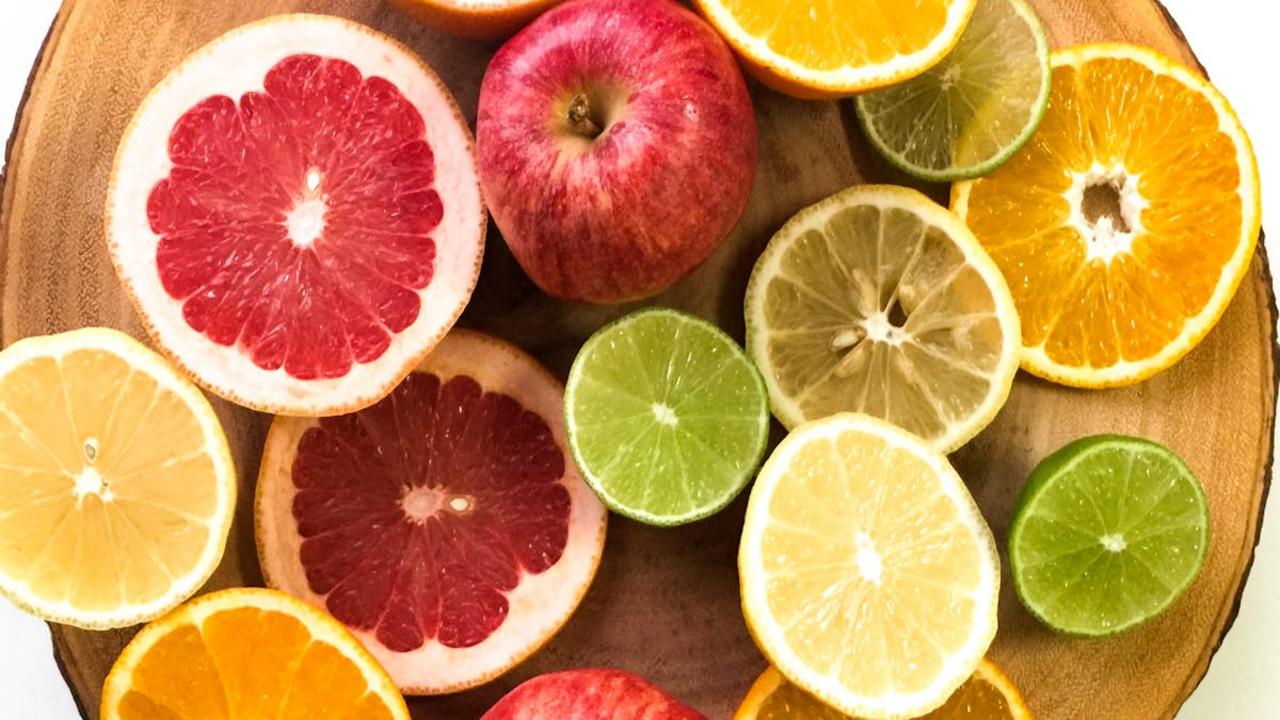
Your trusty lemon brings so much more than just a bright, zesty flavor to your dishes! These yellow citrus fruits pack a serious vitamin C punch – just one medium lemon contains about 31mg, giving you around 51% of your daily needs. I love adding fresh lemon juice to my morning water or squeezing it over salads for an instant boost of antioxidants. With only 3.4 grams of sugar per lemon, you can enjoy that tart, refreshing taste without worrying about your sugar intake.
The beauty of lemons lies in their incredible versatility and health benefits. Beyond vitamin C, they contain potassium, calcium, and compounds called flavonoids that help protect your cells from damage. You can zest the peel into baked goods, blend the juice into smoothies, or create zingy marinades for proteins. My favorite way to use lemons? I mix the juice with olive oil, garlic, and herbs for a quick homemade salad dressing that brightens up any bowl of greens. Plus, the citric acid in lemons can help your body better absorb iron from plant-based foods – a great tip if you follow a vegetarian diet!
Lime

If you want to add a bright, zesty kick to your dishes while getting a healthy dose of vitamin C, grab some limes! These small green citrus fruits pack a serious nutritional punch – just one lime gives you about 20% of your daily vitamin C needs. I love adding fresh lime juice to my morning water or squeezing it over grilled fish for an instant flavor boost. Beyond vitamin C, limes contain beneficial compounds called flavonoids that help protect your cells from damage and support heart health.
The best part about limes is how little sugar they contain compared to other fruits. With only 1.1 grams of sugar per fruit and just 20 calories, you can enjoy their tangy goodness without worrying about your sugar intake. Plus, limes are incredibly versatile in the kitchen – mix them into marinades, add them to smoothies, or use them to create refreshing beverages. A quick tip: roll your lime on the counter with gentle pressure before cutting it open – this simple technique helps release more juice. Keep a few limes in your fruit bowl, and you’ll always have a low-sugar way to brighten up your meals and boost your vitamin intake.
Grapefruit
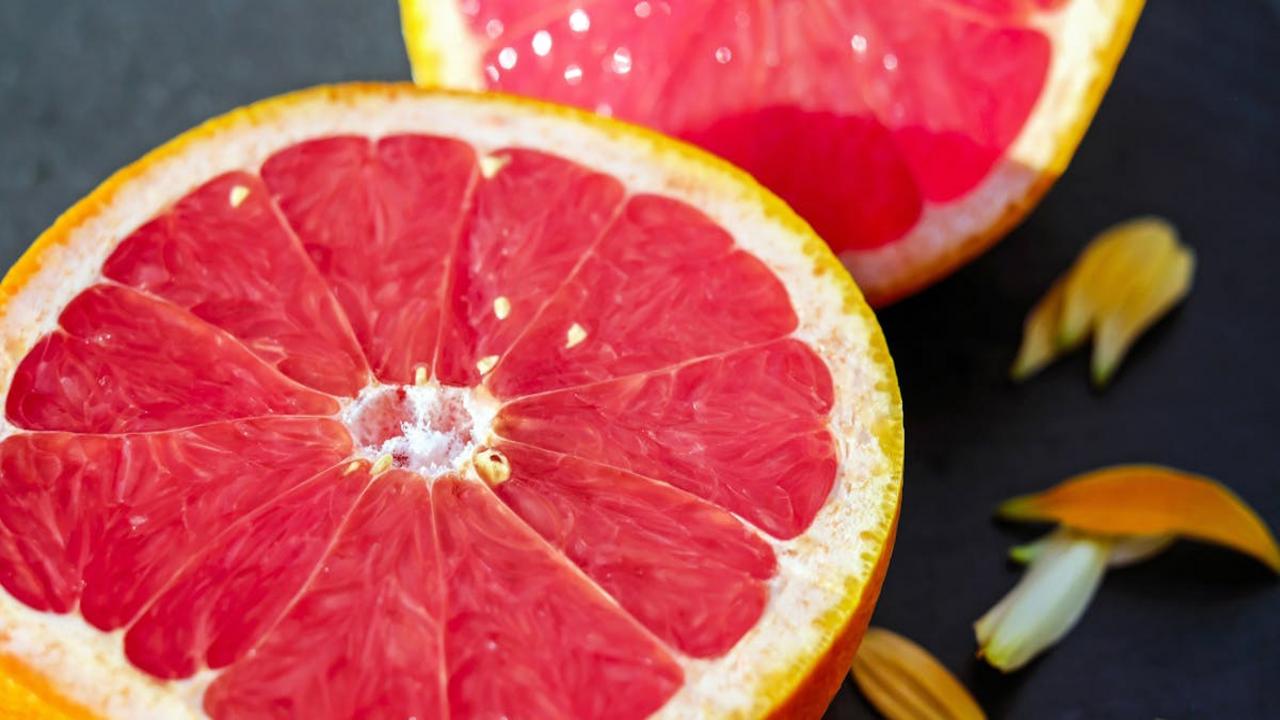
You’ll find grapefruit to be a refreshing citrus powerhouse that makes an excellent addition to your breakfast or snack routine. This vibrant fruit contains a high amount of vitamin C – just half a grapefruit gives you about 64% of your daily requirement! Beyond its vitamin C content, grapefruit packs vitamin A, potassium, and fiber while keeping sugar content moderate at around 8 grams per half fruit. The pink and red varieties also contain lycopene, an antioxidant that can help protect your cells from damage.
I recommend adding grapefruit segments to your morning yogurt bowl or enjoying them plain with a sprinkle of cinnamon for natural sweetness. The fruit’s compounds may interact with certain medications though, so check with your doctor if you take prescriptions regularly. For the best flavor and nutritional benefits, pick grapefruits that feel heavy for their size and have a slight give when you gently squeeze them. Store them at room temperature if you plan to eat them within a week, or keep them in the fridge for up to three weeks.
Watermelon
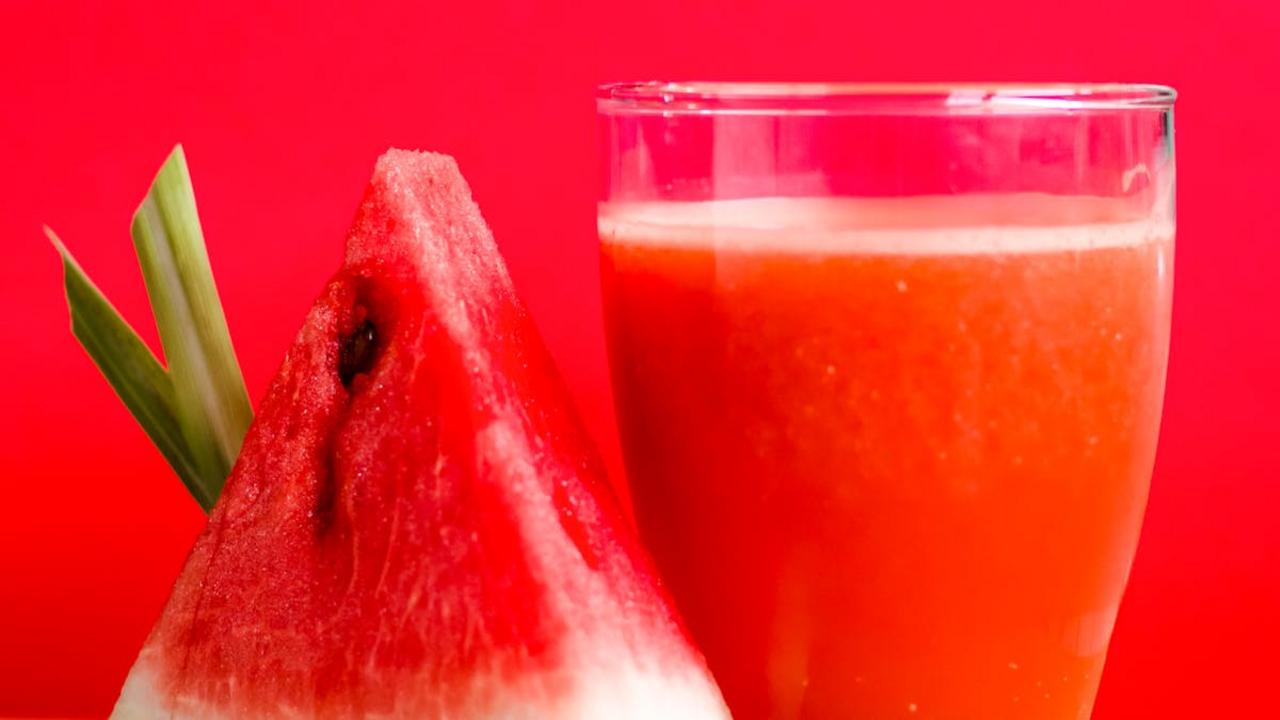
If you’ve ever wondered about the perfect summer snack that packs both hydration and nutrients without loading up on sugar, watermelon should be your go-to fruit! This refreshing treat contains only 9 grams of sugar per cup while offering a rich blend of vitamins A and C, plus heart-healthy lycopene and citrulline. The high water content (92%!) makes it an ideal choice for hot days, helping you stay hydrated while keeping calories low at just 46 per cup.
I love adding watermelon to my morning smoothies or tossing it into summer salads for an extra boost of nutrition. The combination of beta-carotene and vitamin C supports your immune system and promotes healthy skin, while potassium helps maintain proper muscle function. You can blend it into a natural sports drink alternative – the natural electrolytes and L-citrulline compound help reduce muscle soreness after workouts. Plus, the fiber content aids digestion and keeps you feeling satisfied, making it a smart choice for weight management.
Cantaloupe
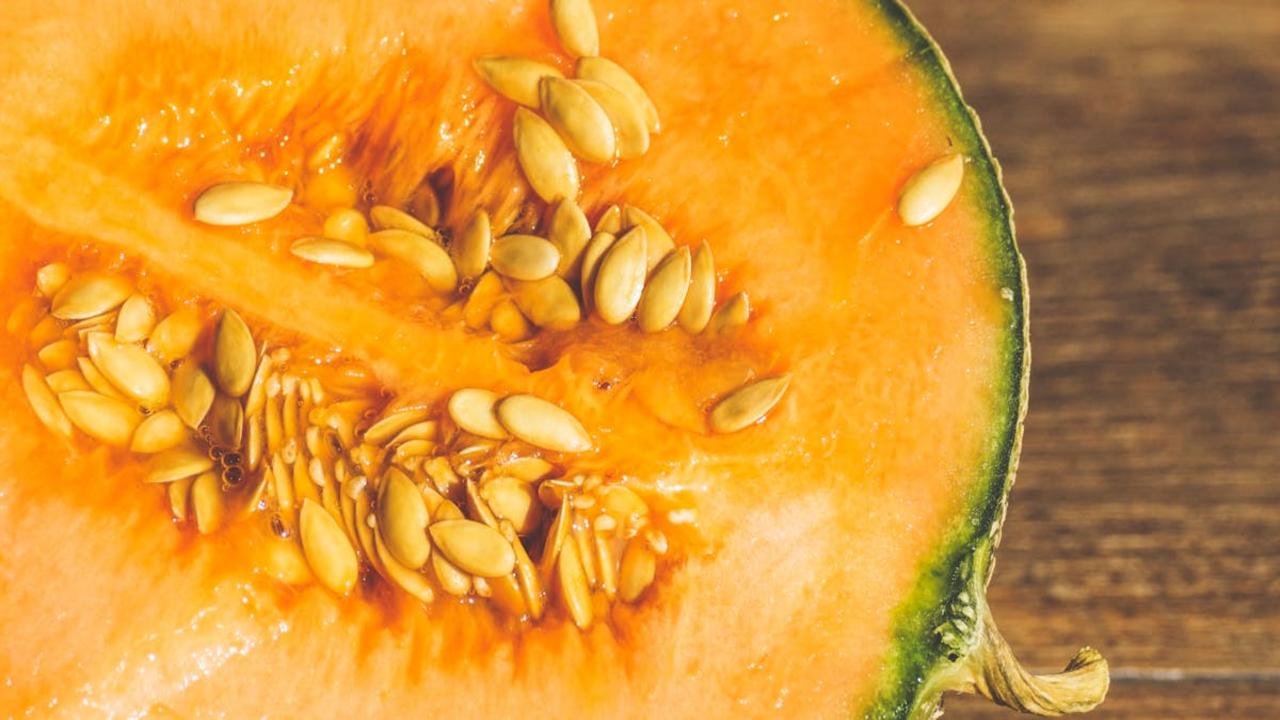
I absolutely adore cantaloupe – this sweet and juicy melon will give you a major nutrition boost while keeping sugar content in check! One cup of cantaloupe contains just 13 grams of natural sugar but packs an incredible 100% of your daily vitamin C needs. The beautiful orange flesh also delivers high amounts of vitamin A, which helps maintain healthy vision and supports your immune system. Plus, you’ll get a good dose of potassium, fiber, and beta-carotene with every refreshing bite.
This melon makes such a fantastic breakfast or snack option, especially during hot summer days. I love cubing fresh cantaloupe and combining it with Greek yogurt and a sprinkle of mint for a light but filling morning meal. The high water content (around 90%) means it helps keep you hydrated too. Just remember to wash the outer rind thoroughly before cutting, even though you won’t eat it – this prevents any bacteria from transferring to the flesh. Select cantaloupes that feel heavy for their size and give off a sweet aroma at the stem end for the best flavor and nutrition.
Papaya
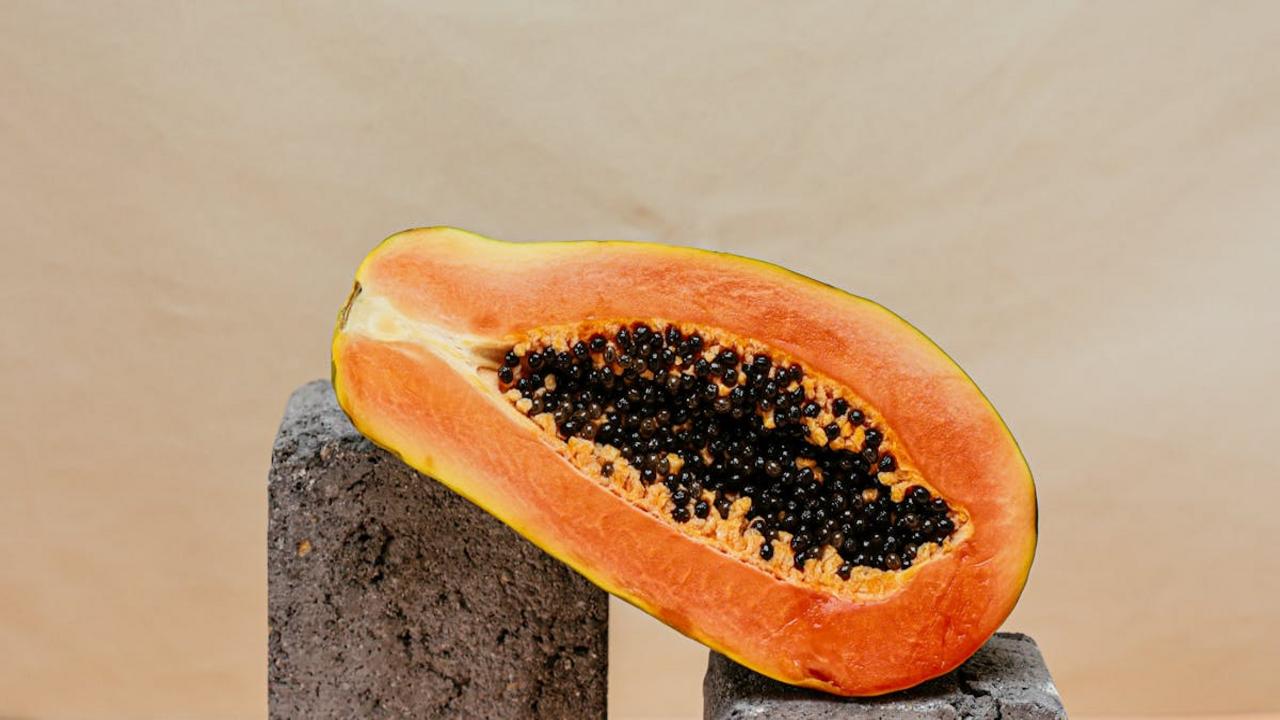
I adore papaya’s vibrant orange flesh and sweet tropical flavor! This juicy fruit contains high amounts of vitamin C – just one cup gives you more than 100% of your daily needs. You’ll find significant amounts of vitamin A, folate, and potassium packed into every bite too. What makes papaya extra special is its digestive enzyme called papain, which helps break down proteins and supports healthy digestion. The black seeds are edible and have a peppery kick that can add zip to salad dressings.
Beyond its impressive vitamin content, papaya stands out for having a relatively low sugar content compared to many other tropical fruits. One cup contains about 11 grams of natural sugar, making it a smart choice if you want to keep your sugar intake in check while still enjoying something sweet. I love adding papaya chunks to morning smoothie bowls or serving them with a squeeze of lime juice for a refreshing snack. The enzymes in papaya also make it great for tenderizing meat – try making a marinade with mashed papaya for extra tender chicken or beef!
Guava
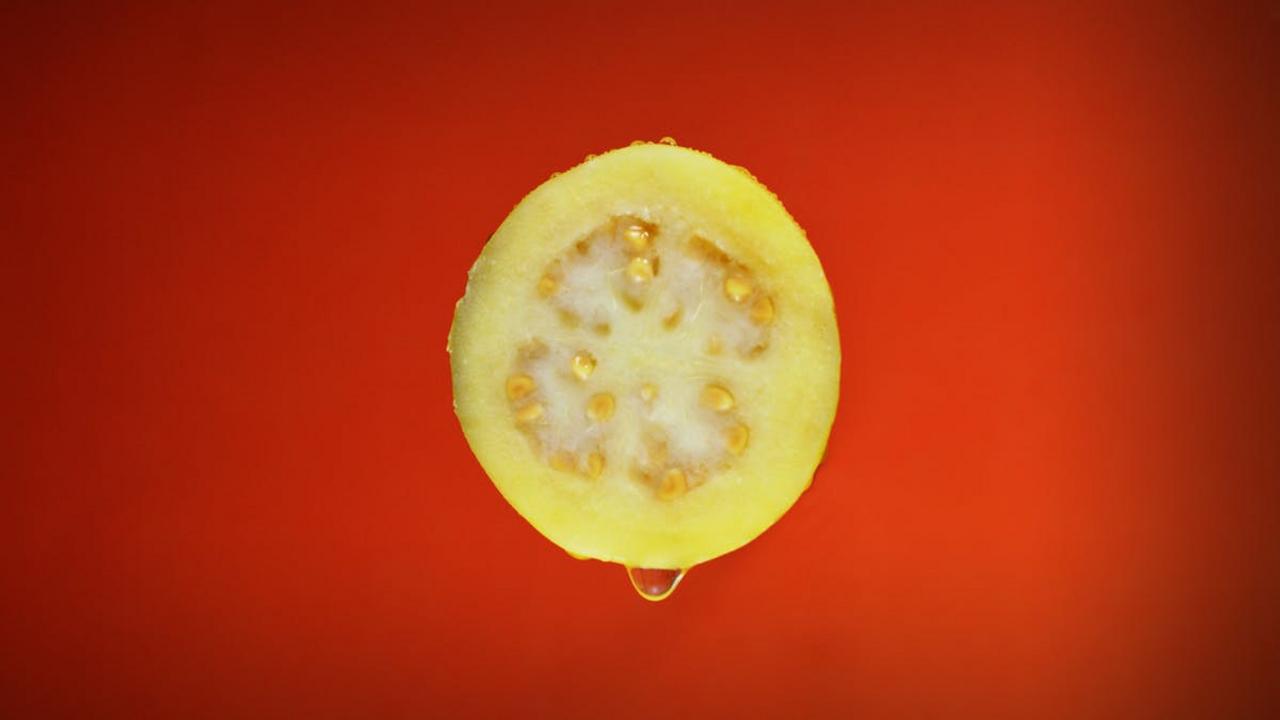
I can’t get enough of guava’s unique sweet-tart flavor and incredible nutritional punch! This tropical fruit stands out as a true vitamin powerhouse, offering you more than 4 times your daily vitamin C needs in just one fruit. You’ll find an impressive array of other nutrients packed inside, including vitamin A, vitamin E, folate, potassium, and copper. The best part? A medium guava contains only 5 grams of natural sugar, making it an excellent choice if you want to keep your sugar intake in check while still enjoying something sweet.
What makes guava extra special is that you can eat the whole fruit – yes, even the rind! The flesh, seeds, and skin all give you a good dose of fiber, which helps slow down sugar absorption and keeps you feeling full longer. I love adding guava slices to my morning yogurt or blending them into smoothies. The fruit works beautifully in both sweet and savory dishes – try it diced in a fresh salsa or cooked down into a tangy sauce for grilled chicken. Just remember to give your guava a gentle squeeze at the store – if it yields slightly to pressure, it’s ready to eat!
Passion Fruit

If you’re looking for a tropical fruit that packs both flavor and nutrition without sending your blood sugar through the roof, passion fruit should be at the top of your list! This small but mighty fruit contains just 17 grams of sugar per 100 grams, while delivering an impressive array of vitamins and minerals. You’ll find significant amounts of vitamin C, vitamin A, and potassium in each serving, plus a good dose of iron and fiber that will help keep your digestive system running smoothly.
I love adding passion fruit to my morning yogurt or blending it into smoothies for an extra boost of antioxidants. The tart-sweet pulp has a unique flavor that transforms ordinary dishes into something special. The seeds are totally edible too – they add a satisfying crunch and contain healthy omega-3 and omega-6 fatty acids. Plus, passion fruit’s high fiber content (12 grams per cup) means it won’t cause rapid spikes in blood sugar levels like some other tropical fruits might. You can enjoy this vitamin-rich fruit guilt-free, knowing you’re giving your body both nutrients and natural sweetness in perfect balance.
Star Fruit

Star fruit (also called carambola) will add a bright pop of color and flavor to your meals while keeping your sugar intake in check! With just 5 grams of sugar per cup, this tropical fruit packs a powerful mix of vitamins C and A, plus a good amount of fiber. I love adding slices of star fruit to my morning smoothie bowls or using them as a pretty garnish for holiday cocktails. The unique star shape you get when you cut it crosswise makes it extra fun to serve to kids who might be picky about trying new fruits.
Beyond its eye-catching appearance, star fruit offers some great health benefits that make it worth adding to your regular fruit rotation. The high antioxidant content helps protect your cells from damage, while its low calorie count (just 28 calories per cup) makes it perfect for weight-conscious eating. You can eat the entire fruit – skin and all – which means you’ll get maximum nutrition from every bite. Just make sure to pick star fruits that are firm and yellow with minimal brown spots for the best flavor and texture.