15 Foods the Ultra-Rich Eat Every Day That Most People Can’t Afford
Money opens doors to foods most of us only see in magazines or high-end restaurant menus. The ultra-rich don’t just eat expensive meals occasionally—they incorporate these rare ingredients into their daily routines like you and I might reach for olive oil or butter.
I’m talking about ingredients that cost more than your monthly grocery budget for a single serving. These aren’t just fancy versions of regular foods; they’re entirely different experiences that require specialized sourcing, careful preparation, and sometimes even legal paperwork to obtain.
From seafood that costs thousands per pound to spices worth more than gold by weight, here are fifteen ingredients the wealthy consume regularly while the rest of us stick to our farmers market finds. Some might shock you with their price tags, others with how they’re harvested or prepared.
Pearl Lobster
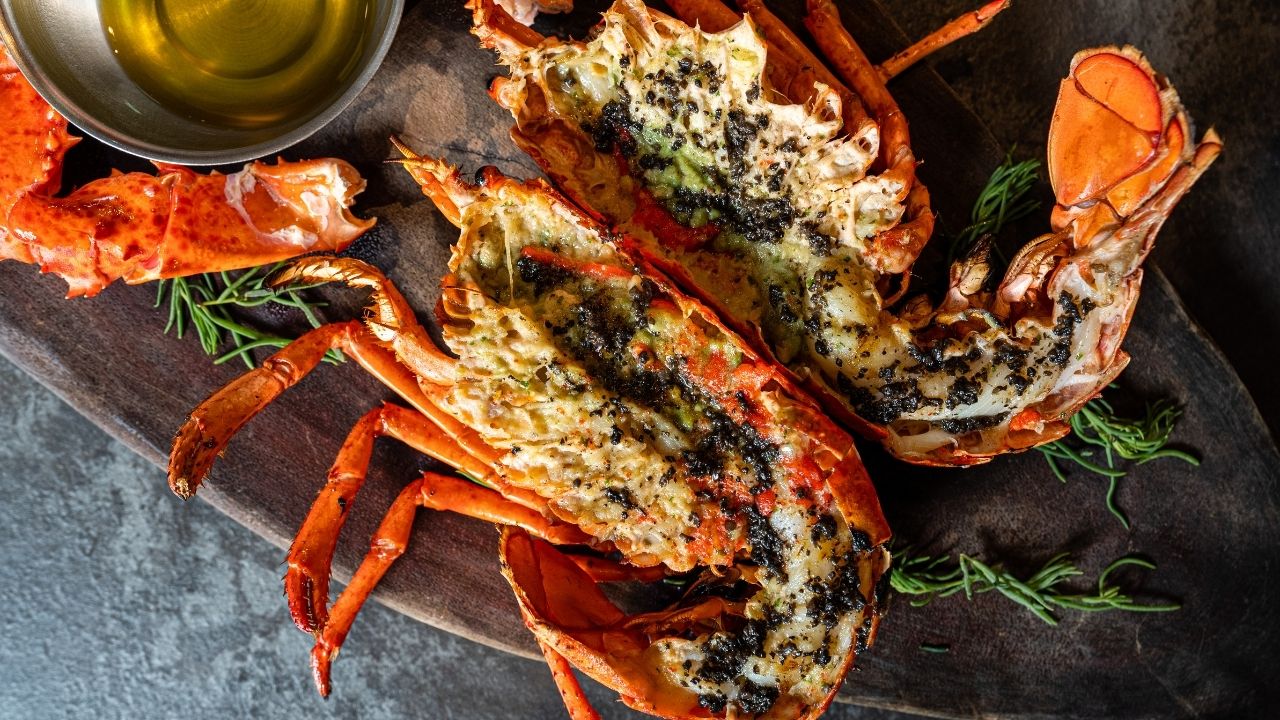
Pearl lobster isn’t your everyday seafood market find—this is the kind of ingredient that makes you stop and reconsider what luxury really means on a plate. We’re talking about lobsters raised in pristine, controlled environments where they’re fed premium diets that enhance their meat’s natural sweetness and that signature pearl-white color. The result? Flesh so tender and buttery that it practically melts the moment it hits your tongue. These crustaceans command astronomical prices because their farming process is meticulous, labor-intensive, and limited to very few producers worldwide. You won’t stumble upon pearl lobster at your neighborhood grocery store—this is strictly high-end restaurant territory or private chef material.
What makes pearl lobster stand out goes beyond just rarity. The texture is different from standard lobster—firmer yet somehow more delicate, with a clean ocean flavor that doesn’t need heavy sauces or complicated preparations to shine. A simple steam with drawn butter, maybe a squeeze of lemon, and you’ve got something extraordinary. For those who can access it, pearl lobster represents the pinnacle of seafood refinement. Most of us will stick with regular lobster for special occasions, and honestly, that’s perfectly fine—good seafood cooked with care and respect always delivers satisfaction. But understanding what pearl lobster brings to the table helps you appreciate why certain ingredients carry premium price tags and why the wealthy seek them out for their dinner tables.
Bird’s Nest Soup
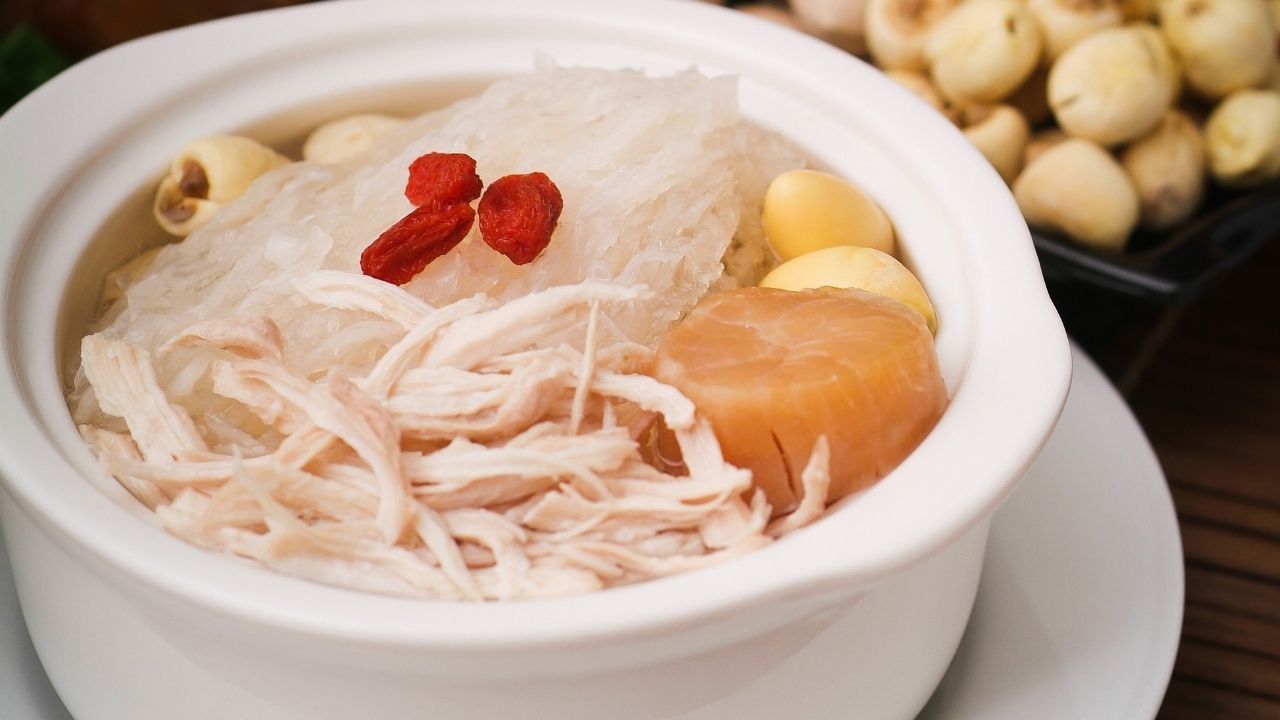
Picture this: a bowl of soup made from the hardened saliva of swiftlets, tiny birds that build their nests in caves across Southeast Asia. Yes, you read that right—saliva. These nests, painstakingly harvested from precarious cliff faces, can cost anywhere from $2,000 to $10,000 per kilogram. The process of collecting them is dangerous work, requiring skilled climbers to scale treacherous heights, and then there’s the meticulous cleaning process that can take hours. The final product? Delicate, translucent strands that dissolve into a gelatinous texture when simmered in broth. Traditional Chinese medicine practitioners have celebrated this ingredient for centuries, claiming it boosts immunity, improves skin health, and promotes longevity—though scientific evidence remains limited.
What strikes me most about bird’s nest soup isn’t just the astronomical price tag, but the stark reality that this delicacy exists in a world apart from everyday cooking. While I spend my time coaxing flavor from humble vegetables and grains, creating nourishing meals that anyone can replicate at home, this soup represents the opposite philosophy. There’s no way to substitute it, no DIY version to attempt in your kitchen, no creative workaround that captures its essence. It’s pure luxury, consumed by those who can afford to pay thousands for a single bowl. The ultra-rich sip this soup regularly, believing in its mystical properties, while most of us will never experience its gelatinous texture or subtle flavor. For me, true nourishment comes from ingredients you can grow, source locally, and prepare with your own hands—not from something so rare and expensive that it becomes almost mythical in nature.
Wagyu Beef
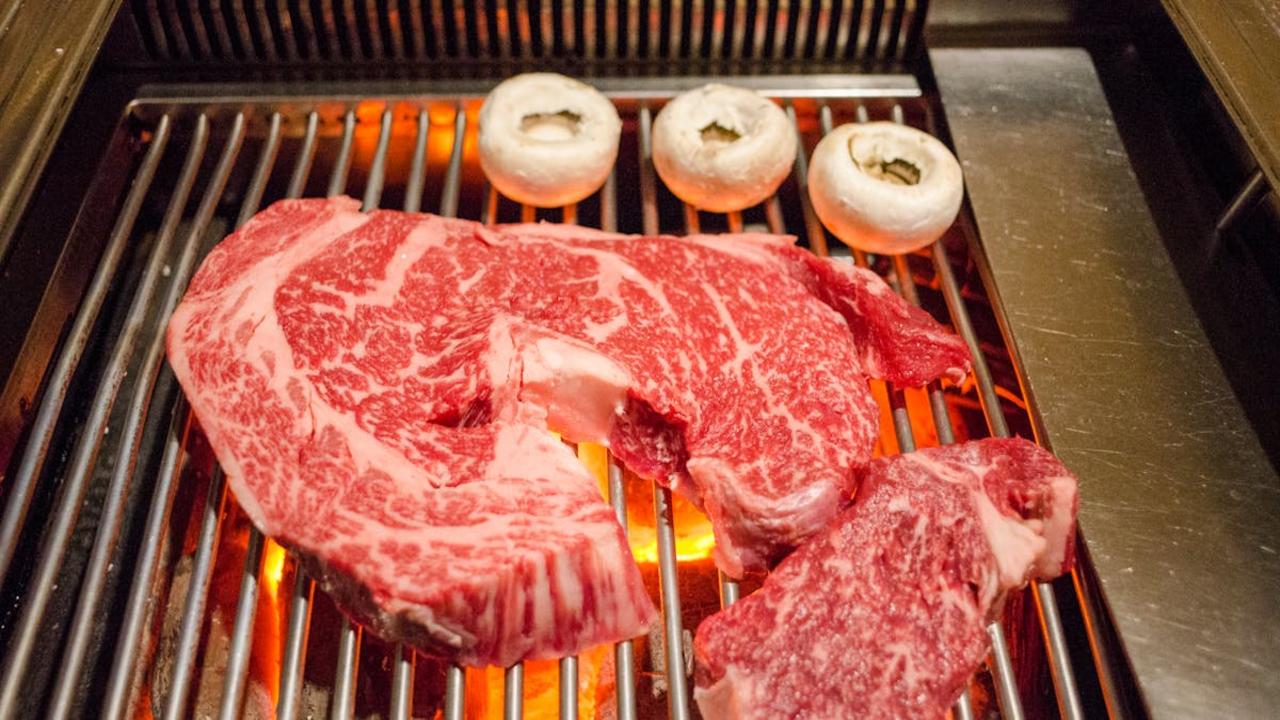
Wagyu beef represents one of the most exclusive proteins money can buy, with authentic Japanese varieties commanding prices that make regular steak nights feel like ancient history. This marbled marvel comes from cattle raised with meticulous care—we’re talking beer massages, specific diets, and breeding standards so strict they’d make your grandmother’s recipe rules look relaxed. The ultra-wealthy don’t just order Wagyu occasionally; they keep it stocked in their homes, paying anywhere from $200 to $500 per pound for the genuine article. That buttery texture and intense marbling you see threading through each cut? That’s what happens when fat distribution reaches levels most beef can only dream about.
The real kicker is how this beef performs in your mouth—it practically melts before you finish chewing, releasing flavors so rich you need just a few ounces to feel satisfied. Rich folks appreciate this because quality beats quantity in their world, and Wagyu delivers on both fronts. While most of us might splurge on a decent ribeye for special occasions, the wealthy serve Wagyu at regular dinner parties, treating it like everyday fare. You can find American Wagyu at slightly lower prices, but authentic A5 Japanese Wagyu remains firmly in luxury territory. The irony? Despite all that fat marbling, Wagyu contains higher levels of heart-healthy monounsaturated fats compared to regular beef, making it simultaneously indulgent and slightly better for you than cheaper alternatives.
Edible Gold
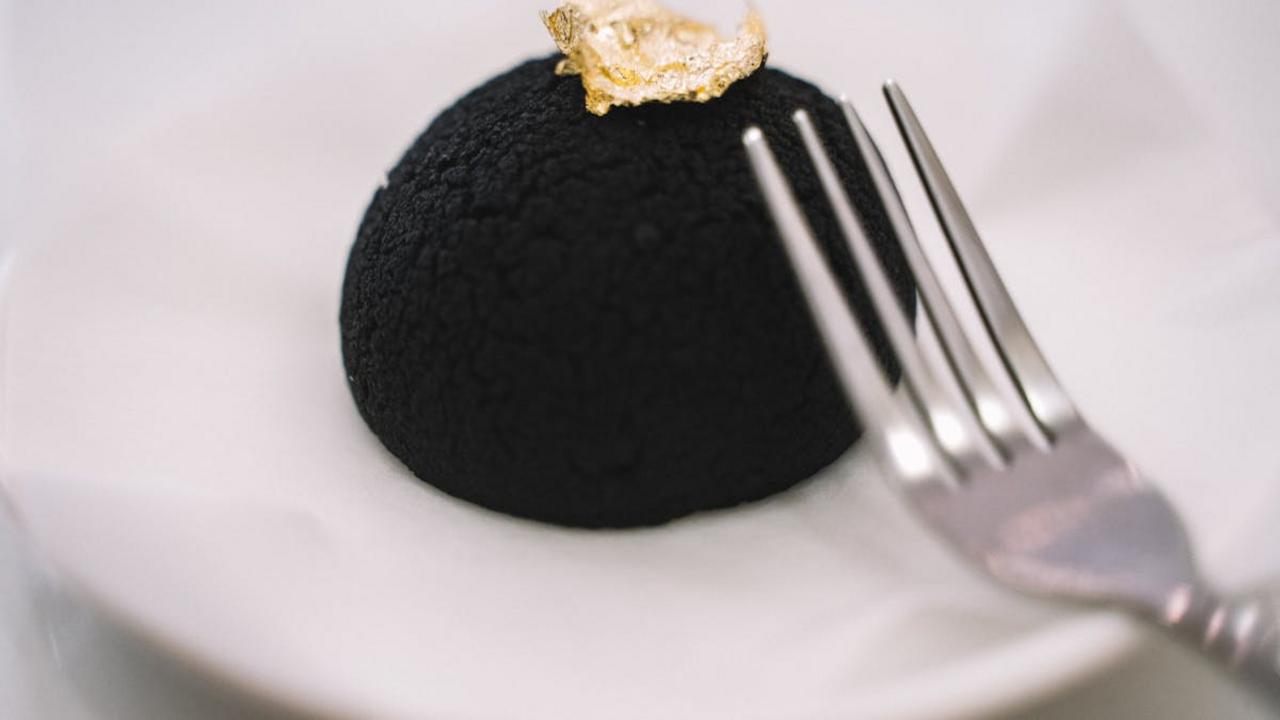
Edible gold might sound like something straight out of a fairytale, but the ultra-rich sprinkle it on their desserts, cocktails, and even main courses as casually as you’d add parsley to a dish. This precious metal comes in delicate flakes or sheets, and yes, it’s completely safe to eat—though it adds zero flavor, zero nutrition, and costs a fortune. A single gram can set you back anywhere from $50 to $300, making it one of the most expensive garnishes money can buy. For wealthy diners, it’s not about taste; it’s about the spectacle, the Instagram moment, the unmistakable signal that they’re dining at a level most people will never reach. You’ll find it topping everything from sushi rolls at exclusive Japanese restaurants to champagne flutes at private yacht parties, transforming ordinary food into edible luxury.
What gets me about edible gold is how it represents pure excess—it’s the ultimate display of wealth with no practical purpose beyond showing off. While I’m all for making food beautiful and celebrating special occasions with thoughtful presentation, there’s something almost absurd about eating actual gold just because you can. That money could buy the finest organic ingredients, support local farmers, or stock an entire pantry with real, nourishing food. The ultra-wealthy aren’t worried about whether their meal tastes good or feeds their body well; they’re focused on creating an experience that screams exclusivity. For the rest of us, that same budget would cover weeks of home-cooked meals made with fresh vegetables, quality proteins, and spices that actually enhance flavor rather than just catch the light.
Fugu Fish
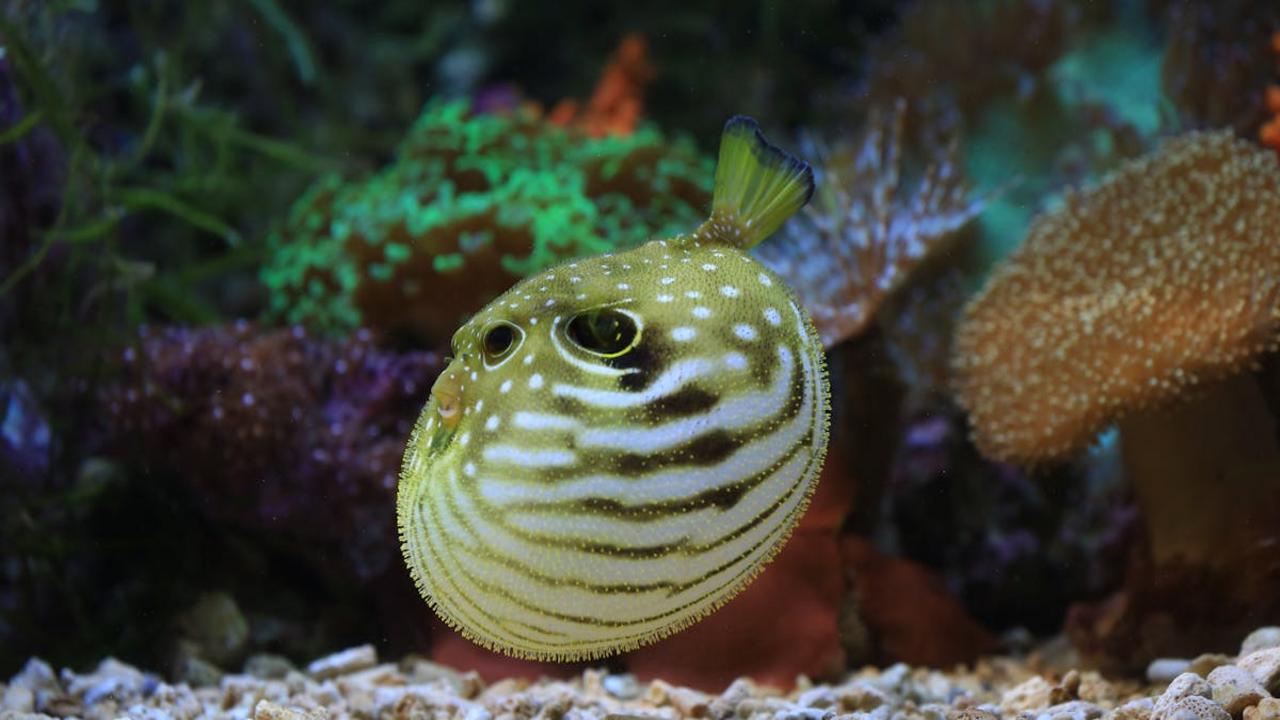
Fugu, the infamous pufferfish from Japan, isn’t just expensive because of its rarity—it’s expensive because eating it wrong can literally kill you. The fish contains tetrodotoxin, a poison 1,200 times more deadly than cyanide, and there’s no antidote. Only specially licensed chefs who’ve trained for years can prepare it, and even then, several people die from fugu poisoning each year in Japan. A single meal at a high-end Tokyo restaurant can set you back $200 to $500, which means most of us will never experience this particular thrill. The ultra-wealthy see it as the ultimate dining adventure, where every bite carries a whisper of danger alongside delicate flavor.
What strikes me most about fugu is how it represents a completely different food philosophy than what I practice in my kitchen. I’m all about cooking that nourishes and sustains life, not dishes that flirt with death for the sake of exclusivity. The taste itself is reportedly quite mild and subtle—almost bland to some palates—which makes you wonder if people are really paying for the flavor or for the bragging rights. There’s something fundamentally at odds with my belief in cooking as an act of care when the ingredient itself could stop your heart. Give me a perfectly fresh mackerel any day, something I can prepare safely at home without needing years of specialized training. The real luxury in cooking isn’t danger—it’s the confidence that comes from understanding your ingredients and knowing how to transform them into something genuinely delicious and life-giving.
Geisha Coffee
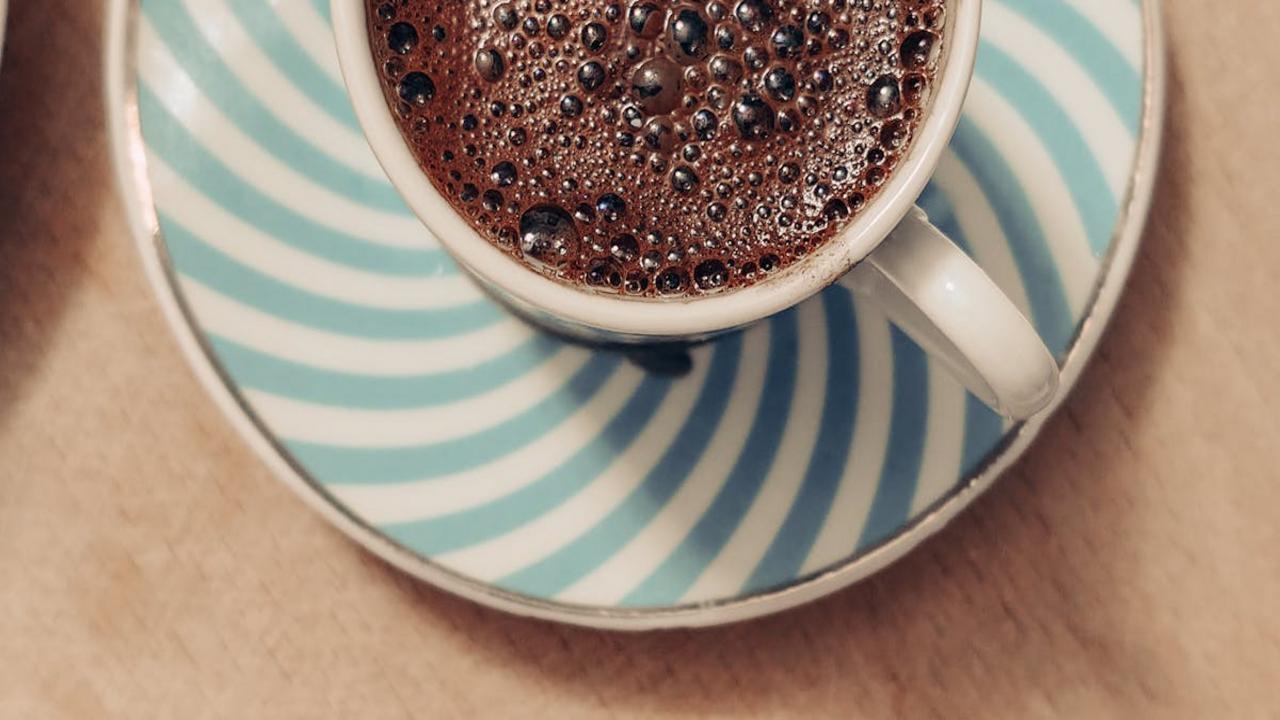
Geisha coffee isn’t just another morning brew—it’s one of the most expensive coffees in the world, with prices reaching hundreds of dollars per pound. Grown primarily in Panama’s high-altitude regions, this varietal produces beans with an extraordinarily complex flavor profile that coffee enthusiasts describe as floral, jasmine-like, and incredibly delicate. The limited growing conditions, meticulous harvesting process, and intense competition among roasters drive prices to levels most people simply can’t justify for their daily caffeine fix. What makes Geisha so special is its lineage—originally from Ethiopia, it thrives only in specific microclimates where the combination of altitude, rainfall, and temperature creates magic in every bean.
The ultra-rich don’t just drink Geisha coffee; they often have relationships with specific farms, securing annual allocations like fine wine collectors. Some wealthy coffee lovers pay thousands for a single bag from award-winning lots that win international competitions. While most of us stick with our $12 grocery store coffee, the wealthy are sipping something that demands attention with every cup—bright, clean flavors that dance across your palate without bitterness or heaviness. It’s not about caffeine at this level; it’s about experiencing something rare and fleeting, knowing that each harvest produces limited quantities. For them, starting the day with Geisha means beginning with something most people will never taste, a luxury that’s simultaneously simple and extraordinarily exclusive.
Bluefin Tuna
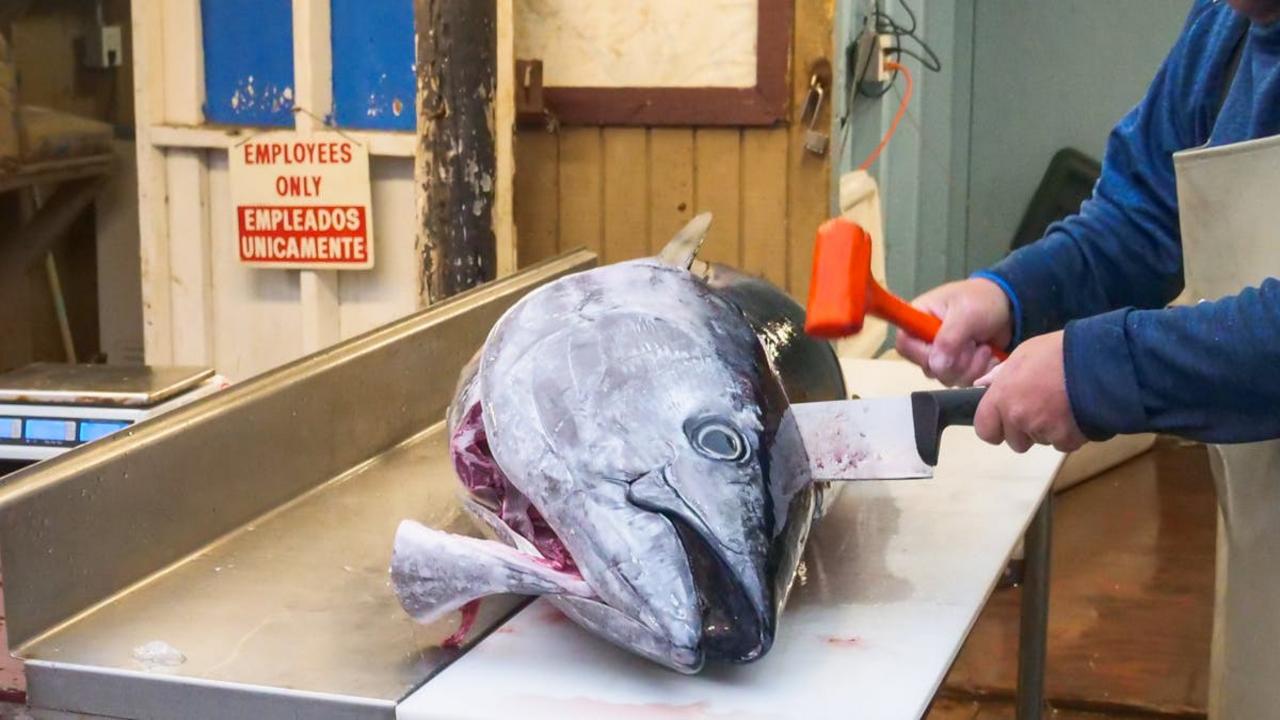
Bluefin tuna commands astronomical prices that put it squarely in the ultra-wealthy’s dining territory. A single fish sold for over three million dollars at Tokyo’s famous Tsukiji fish market, breaking records and making headlines worldwide. What makes this fish so extraordinary? Its buttery, melt-in-your-mouth texture and rich, complex flavor profile set it apart from any other fish you’ll encounter. The best cuts—particularly the prized toro belly sections—contain such perfect marbling that they rival the finest wagyu beef. You’ll find bluefin dominating high-end sushi menus where a single piece can cost more than most people spend on an entire meal. The fish’s deep red flesh, resulting from its constant migration across vast ocean distances, develops an umami intensity that’s simply unmatched.
Beyond taste, bluefin tuna faces serious sustainability concerns that drive its exclusivity even higher. Overfishing has pushed populations to critically low levels, making each fish increasingly precious and expensive. The ultra-rich often have direct connections to exclusive fish markets or private suppliers who reserve the finest specimens. Most of us will never experience true bluefin tuna—what’s labeled as such in regular grocery stores typically comes from less expensive, more sustainable alternatives like yellowfin or albacore. If you’re passionate about ocean conservation while still appreciating exceptional fish, consider supporting sustainable fishing practices and exploring other incredible seafood options. Sometimes the most responsible choice means admiring bluefin from afar while discovering equally delicious alternatives that don’t strain our ocean ecosystems.
Black Truffle
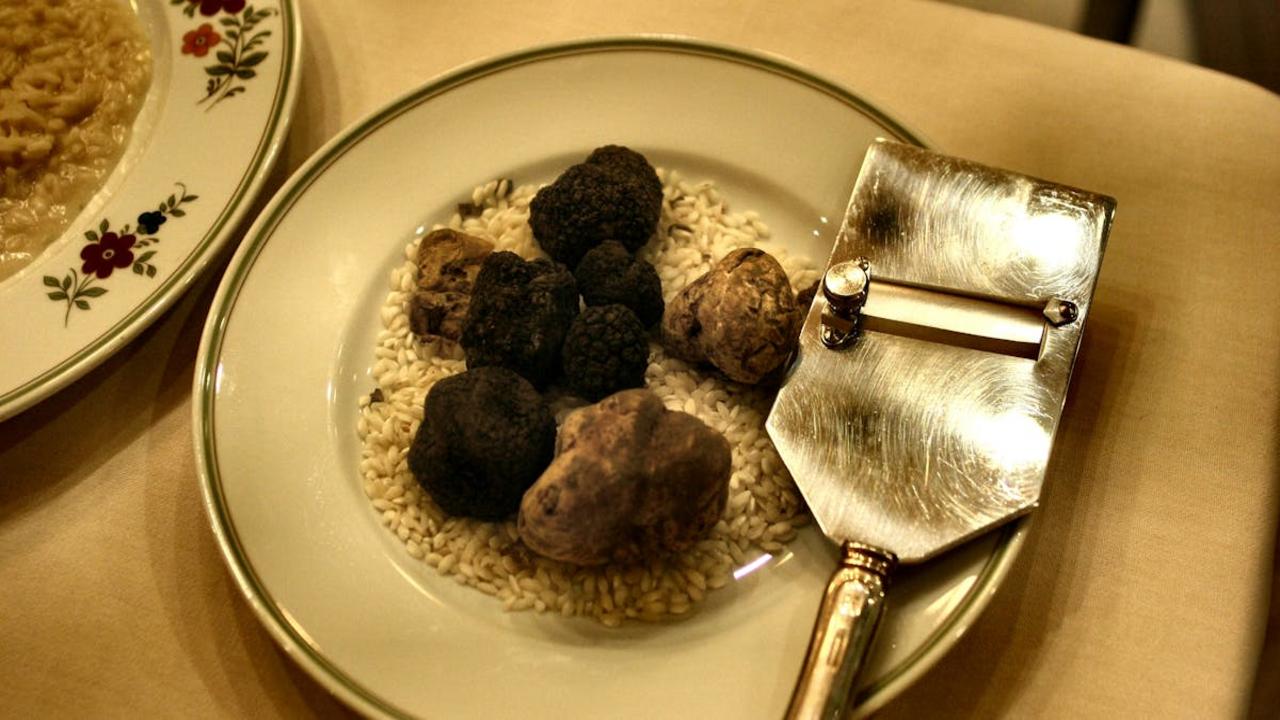
Black truffles command prices that make most ingredients look like pocket change—we’re talking hundreds, sometimes thousands of dollars per pound. These underground fungi grow wild in specific regions of France, Italy, and Spain, requiring specially trained dogs or pigs to sniff them out beneath oak and hazelnut trees. The scarcity alone drives prices sky-high, but it’s really about that intoxicating aroma—earthy, musky, with hints of chocolate and garlic—that transforms even the simplest scrambled eggs into something extraordinary. The ultra-rich shave these black diamonds over pasta, risotto, or buttery potatoes without batting an eye at the cost. Most of us might splurge on truffle oil (which often contains zero actual truffle), but authentic black truffles remain firmly in luxury territory.
What makes black truffles fascinating from a cook’s perspective is how a tiny amount completely changes a dish’s character. You don’t need much—just a few thin shavings release those complex flavors that coat your palate and linger. The wealthy keep them stored in rice or eggs, which absorb the truffle essence, creating two ingredients from one premium purchase. While I champion accessible cooking and avoiding overpriced items, I understand the truffle obsession—it’s one of nature’s most remarkable flavors. For the rest of us, mixing high-quality mushrooms with a touch of truffle salt creates a more budget-friendly alternative that captures some of that earthy magic. The real truffle experience remains a rare treat reserved for special occasions or those whose bank accounts can handle the splurge without flinching.
Iberico Ham
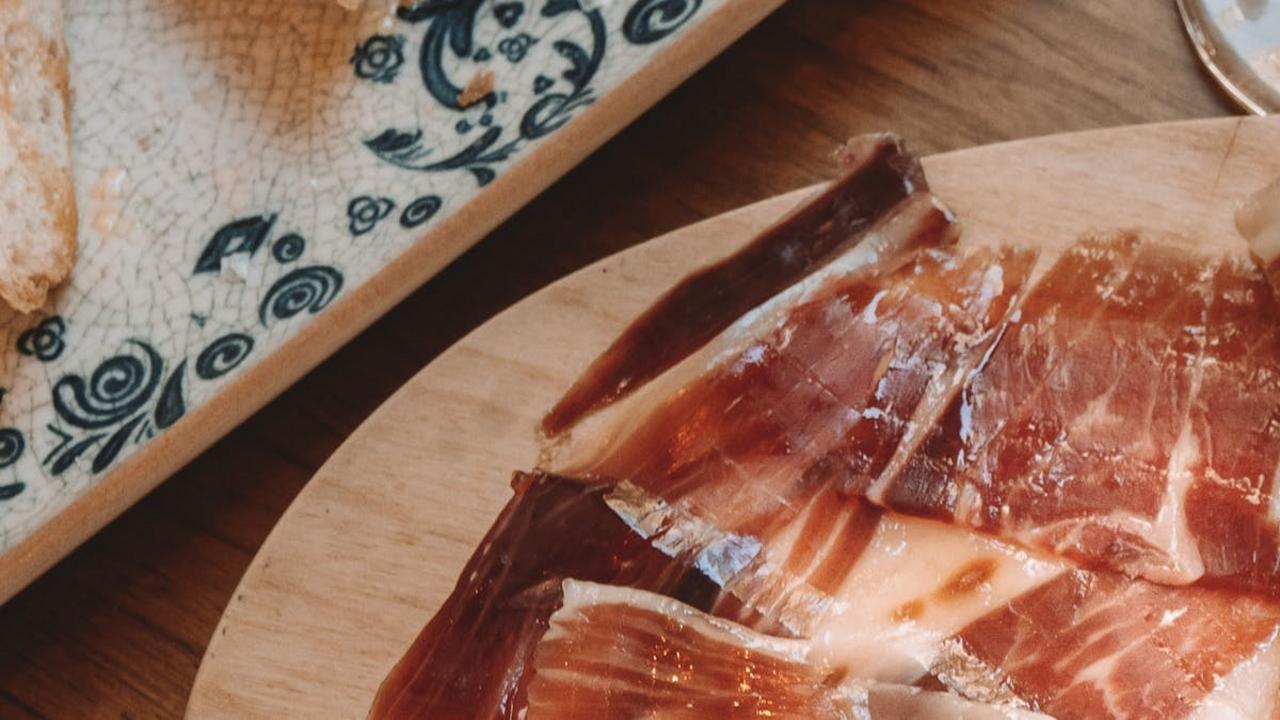
Iberico ham stands as one of the most prized delicacies in the world, and honestly, once you understand what goes into making it, the price tag makes perfect sense. This Spanish treasure comes from black Iberian pigs that roam freely through oak forests, feasting on acorns during the montanera season. The best grade, jamón ibérico de bellota, requires pigs to gain at least 46 kilograms purely from acorns, which infuses the meat with nutty, complex flavors you simply can’t replicate. The curing process stretches anywhere from 24 to 48 months, during which master curers monitor each leg with the kind of attention most people reserve for raising children. You’re looking at several hundred dollars per kilogram for the real deal, and that’s before we even talk about the legendary Cinco Jotas or Joselito brands that can run you twice that amount.
What makes this ham so special goes beyond the feeding regimen—it’s the marbling, the texture, the way each slice melts on your tongue like butter infused with earth and forest. I’ve been lucky enough to taste authentic Iberico ham a few times, and each experience felt sacred, almost meditative. The fat content in these acorn-fed pigs contains high levels of oleic acid, the same heart-healthy fat found in olive oil, which means you’re getting something that’s both indulgent and surprisingly good for you. The wealthy keep this stocked in their pantries because it transforms any gathering into something memorable, whether draped over fresh melon, layered into a simple bocadillo, or served alone with a good Rioja. For most of us, Iberico ham remains a special occasion splurge, a reminder that some foods carry centuries of tradition in every paper-thin slice.
Almas Caviar
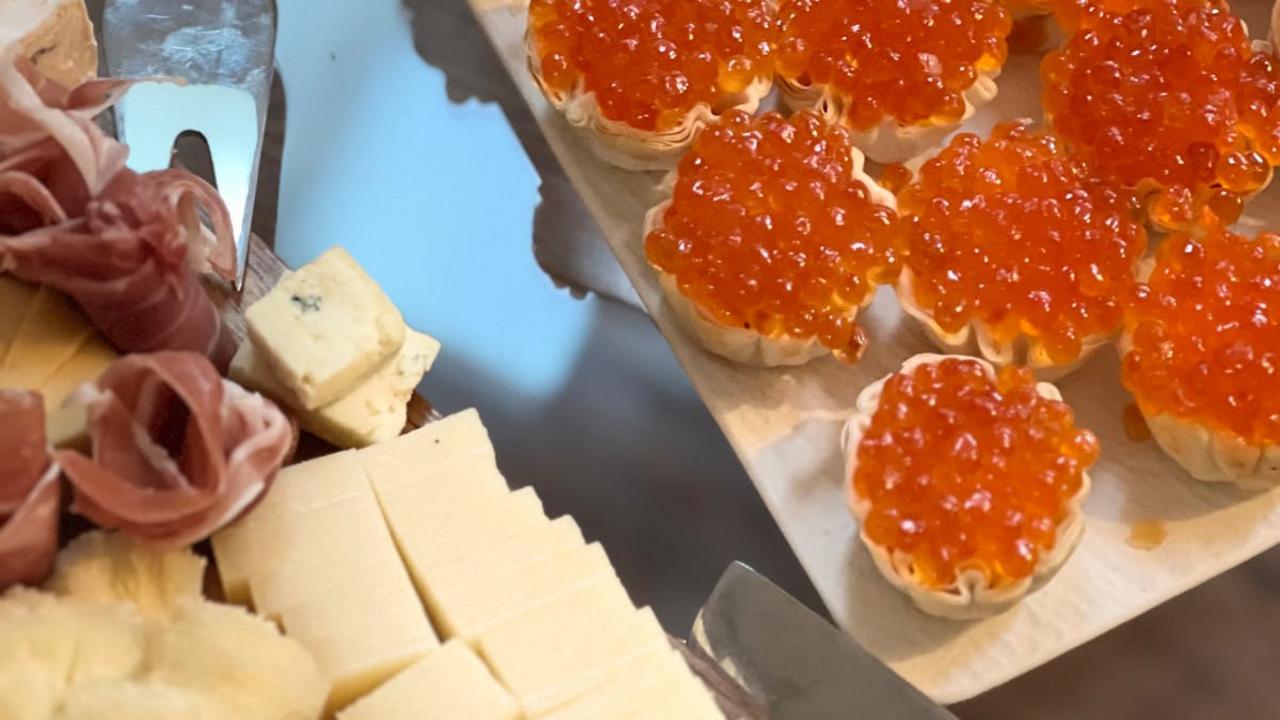
Picture this: a single spoonful of caviar that costs more than most people spend on groceries in a month. That’s Almas caviar for you—the rarest of the rare, harvested from albino beluga sturgeon that can be over 100 years old. These ancient fish swim in the pristine waters of the Caspian Sea, and their eggs possess a pale, almost ethereal quality that ranges from ivory to light gold. The price tag? Expect to pay upwards of $25,000 per kilogram, sometimes packaged in 24-karat gold tins because, well, why not go all the way when you’re already spending that much? The ultra-wealthy seek this delicacy not just for its buttery, nutty flavor but for the sheer exclusivity it represents—a taste that literally takes a century to develop.
What strikes me about Almas caviar is how it represents the extreme end of ingredient sourcing. While I personally champion cooking with accessible, wholesome ingredients that anyone can transform into something special, there’s something fascinating about how the wealthy pursue perfection through rarity and age. The irony isn’t lost on me—the same amount of money could stock an entire kitchen with organic produce, heritage grains, and sustainable proteins that would nourish a family for months. Yet for those who can afford it, Almas offers something money usually can’t buy: genuine scarcity. Only a handful of these albino sturgeons exist, making each serving a literal bite of extinction-level rarity. Whether that justifies the price depends entirely on your values, but there’s no denying the allure of tasting something most humans will never experience.
Matsutake Mushrooms
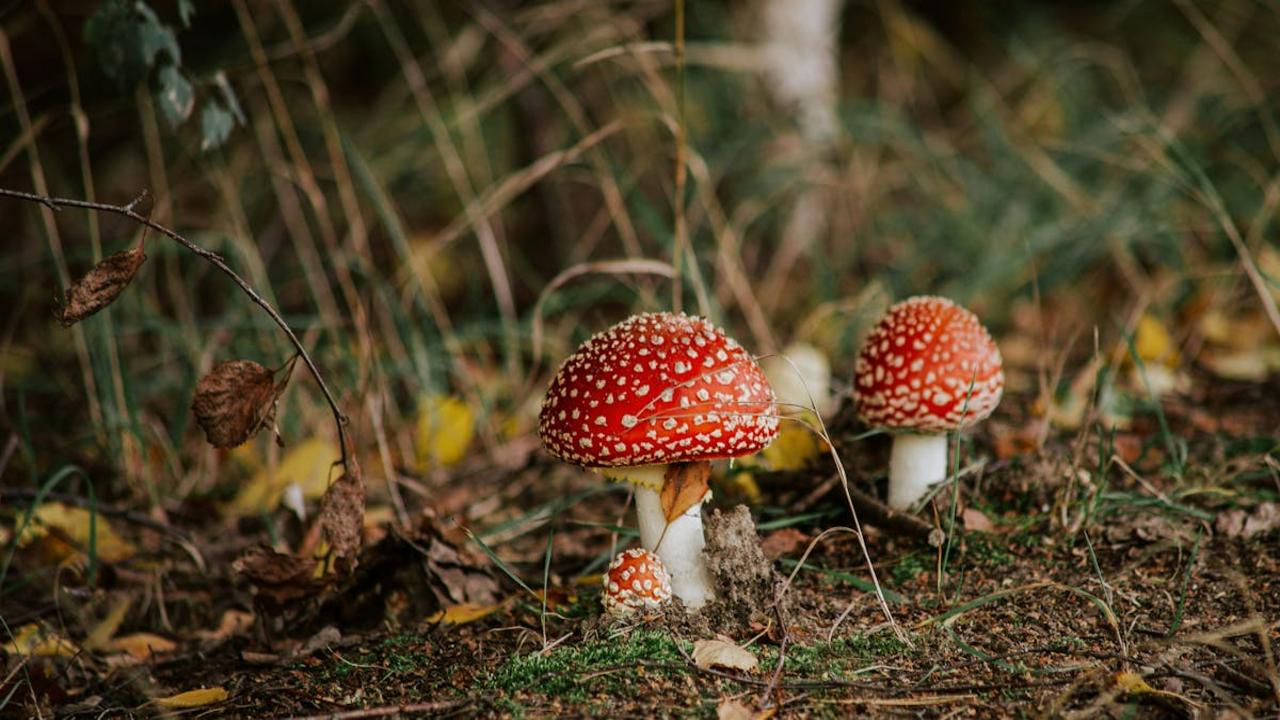
Matsutake mushrooms command prices that can reach $1,000 per pound, making them one of the most expensive ingredients on the planet. These aromatic fungi grow wild in pine forests across Japan, Korea, and parts of North America, and they refuse to be cultivated—which means every single mushroom must be foraged by hand. The scent alone is intoxicating, a spicy-earthy perfume that fills your kitchen the moment you slice into one. In Japanese cuisine, they’re traditionally cooked in simple preparations like clear soups or grilled with a touch of salt, because their distinctive fragrance deserves to be the star. The flavor is complex and slightly piney, with a firm, almost meaty texture that holds up beautifully to heat.
What makes matsutake so expensive isn’t just their scarcity—it’s also their fleeting season and the skill required to find them. Climate change and pine forest decline have made them increasingly rare, driving prices even higher for pristine specimens. I’ve worked with more affordable mushrooms like shiitake and maitake that offer their own earthy magic, but matsutake occupies a category all its own. If you ever get the chance to cook with them, treat them with respect: a simple preparation brings out their best qualities. Think of them gently steamed in sake, tucked into rice as it cooks, or briefly grilled to concentrate that spectacular aroma. For most of us, they’ll remain a once-in-a-lifetime ingredient, but knowing what makes them special helps you appreciate the mushrooms you can afford even more.
Saffron
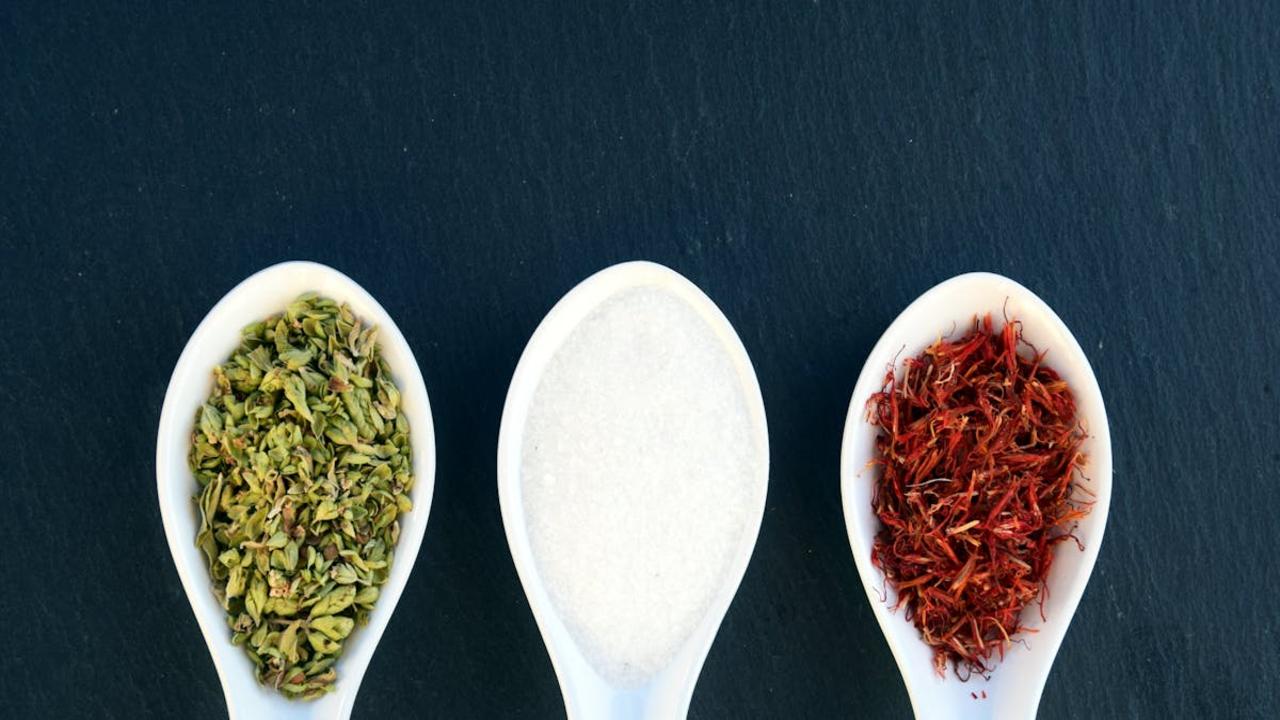
Saffron threads cost more per ounce than gold, and that’s not an exaggeration. The ultra-wealthy sprinkle this precious spice into their daily meals without a second thought, while most of us save it for special occasions—if we use it at all. Each tiny thread must be hand-harvested from crocus flowers at dawn, and it takes around 75,000 flowers to produce just one pound of saffron. The labor alone explains why a single gram can set you back anywhere from $10 to $30, making it one of the world’s most expensive ingredients by weight.
What makes saffron worth the splurge for those who can afford it daily? Beyond its distinctive golden color and earthy-floral flavor, it contains compounds like crocin and safranal that offer genuine health benefits, from mood enhancement to antioxidant properties. The wealthy add it to everything from morning rice porridges to afternoon teas, infusing their meals with both luxury and wellness. For the rest of us, a small pinch goes a long way—steep it in warm water or milk before adding it to your dish to release maximum flavor. That single gram you bought? It’ll last months if you use it wisely, transforming ordinary rice, soups, and even desserts into something extraordinary.
Foie Gras
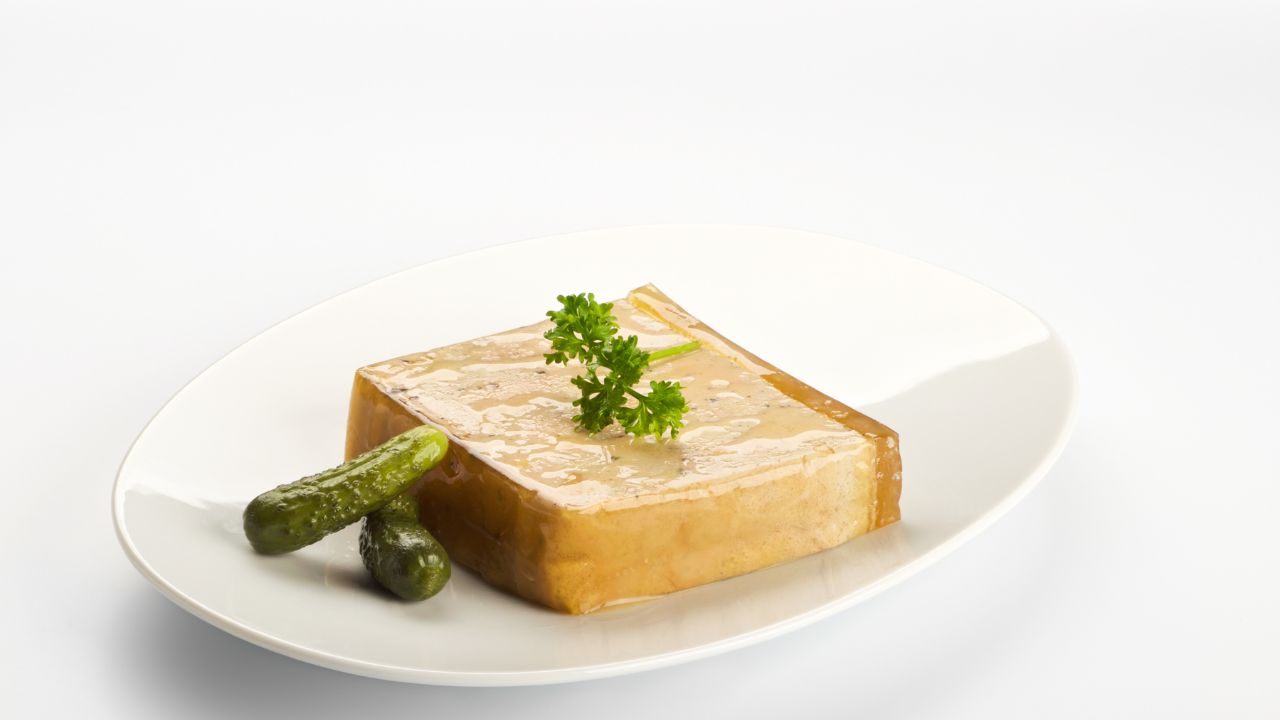
Foie gras sits at the top of the luxury food pyramid, commanding prices that can reach $125 per pound or more. This delicacy—made from the fattened liver of ducks or geese—has been a symbol of opulence since ancient Roman times. The ultra-wealthy serve it at their most exclusive gatherings, often paired with sweet wines and artisanal bread. The production process requires meticulous care and specific feeding techniques that take weeks to perfect. What makes this dish so expensive isn’t just the labor involved; it’s the limited supply and the expertise needed to prepare it correctly. Only a handful of farms worldwide produce truly exceptional foie gras, and the best examples develop a buttery texture that literally melts on your tongue.
While I appreciate the craftsmanship behind traditional preparations, I can’t ignore the controversy surrounding foie gras production. Several countries and cities have banned its sale due to animal welfare concerns, which has only driven up prices in places where it remains legal. The ultra-rich continue to seek it out regardless, viewing it as an irreplaceable component of fine dining. If you’re curious about similar rich, silky textures without the hefty price tag or concerns, consider experimenting with chicken liver pâté elevated with quality butter and cognac. You won’t replicate foie gras exactly, but you’ll capture that luxurious mouthfeel and depth of flavor that makes these dishes so memorable. Sometimes the most satisfying meals come from understanding what makes something special, then finding your own path to achieve that satisfaction.
Kobe Beef
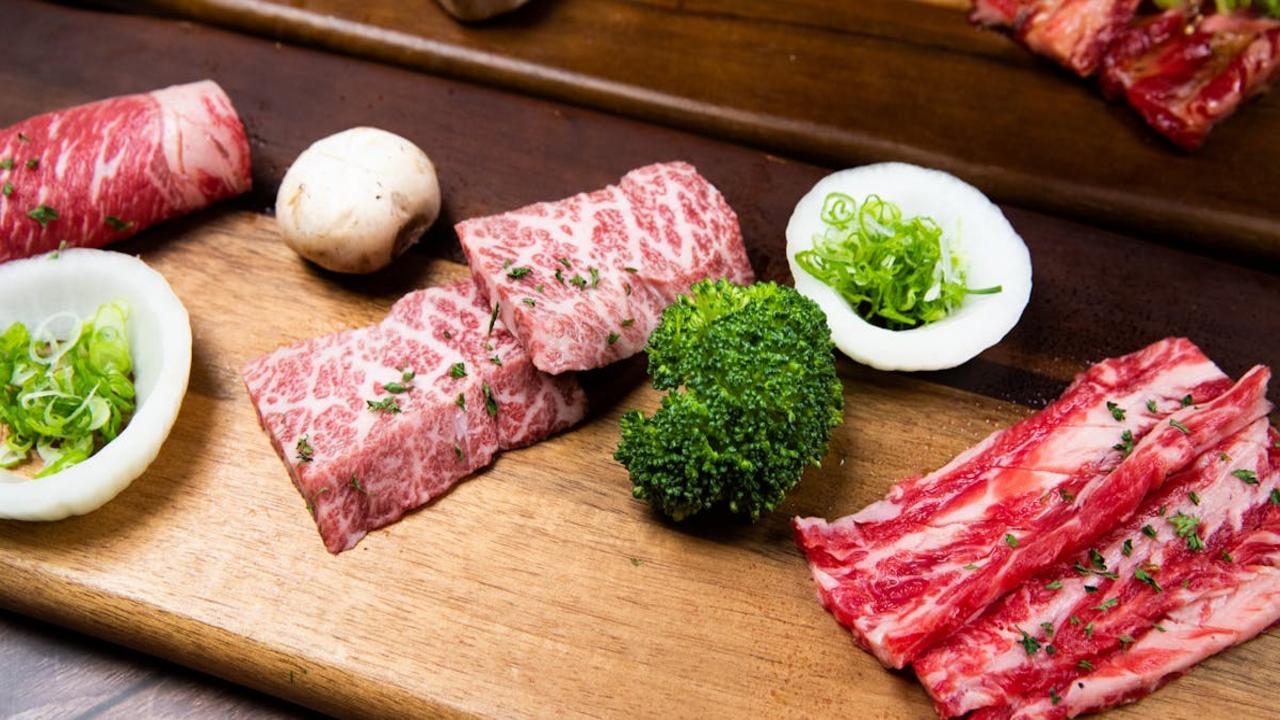
Kobe beef stands as one of the most exclusive and expensive meats in the world, with authentic cuts commanding prices that can reach $200 per pound or more. This Japanese delicacy comes from Tajima-gyu cattle raised in Japan’s Hyogo Prefecture, where strict regulations govern every aspect of their breeding and care. The cattle receive meticulous attention, including specific feeding programs that produce the signature marbling that makes Kobe beef so prized. Only a tiny percentage of beef produced in Japan earns the Kobe designation, and even less makes it to international markets. The ultra-wealthy seek out this beef not just for status, but because its buttery texture and intense flavor create an eating experience unlike any other protein.
What sets Kobe beef apart is its extraordinary fat distribution throughout the muscle tissue, creating a web of intramuscular fat that melts at lower temperatures than regular beef. This means the meat practically dissolves on your tongue, releasing rich, complex flavors that regular steaks can’t match. The cattle’s genetics, combined with traditional raising methods passed down through generations, produce meat with a flavor profile that’s simultaneously rich and delicate. For most people, tasting authentic Kobe beef remains a once-in-a-lifetime experience, if it happens at all. The wealthy who consume it regularly do so because they can access the limited supply and afford the premium pricing that comes with such scarcity and quality.
Caviar
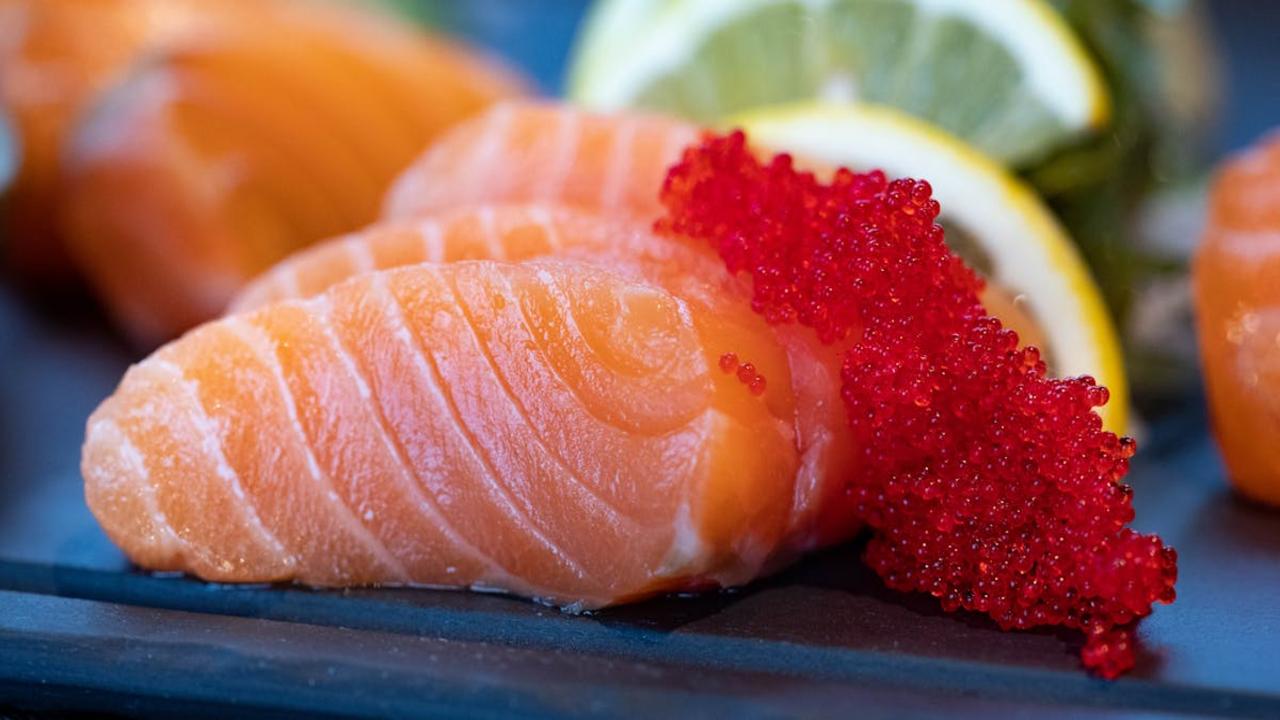
Caviar sits at the top of the luxury food pyramid, and there’s a reason why it carries such a hefty price tag. These salt-cured fish eggs, traditionally harvested from sturgeon in the Caspian and Black Seas, can cost anywhere from $50 to several thousand dollars per ounce, depending on the variety and rarity. Beluga caviar, the most prized type, comes from a fish that takes up to 20 years to mature before producing eggs, making each tiny pearl an investment in patience and exclusivity. The ultra-rich consume caviar regularly, often served on mother-of-pearl spoons to avoid any metallic taste that might interfere with its delicate, briny flavor. While most people might splurge on a small tin for special occasions, wealthy individuals think nothing of incorporating it into their daily breakfast routine, spooned generously onto blinis or scrambled eggs.
What makes caviar so expensive goes beyond just scarcity and labor-intensive harvesting. The best caviars offer a complex flavor profile that’s both buttery and oceanic, with each egg popping gently on your tongue to release its essence. Sustainable farming practices have made some varieties more accessible, but the truly exceptional specimens still command astronomical prices that keep them firmly in the ultra-wealthy category. For those who can afford it, caviar becomes more than just food—it’s a daily reminder of status and refined taste, transforming ordinary meals into moments of pure indulgence that most of us can only imagine.