12 Foods That Split the Nation Love Them or Loathe Them You Decide
Food fights aren’t just for kindergarteners. Some ingredients spark debates so fierce they could tear families apart at the dinner table. You know the ones—those polarizing flavors that make half the room swoon while the other half gags dramatically.
These divisive dishes don’t care about your feelings. They exist in that strange space where passion meets disgust, where one person’s treasure becomes another’s trash. Some folks would defend these foods with their lives, while others wouldn’t touch them with a ten-foot fork.
What makes a food controversial? Sometimes it’s the intense flavor, the unusual texture, or just plain cultural unfamiliarity. Whatever the reason, these twelve troublemakers have earned their reputation as the most debated items in kitchens worldwide. Pick your side—there’s no neutral ground here.
Wasabi
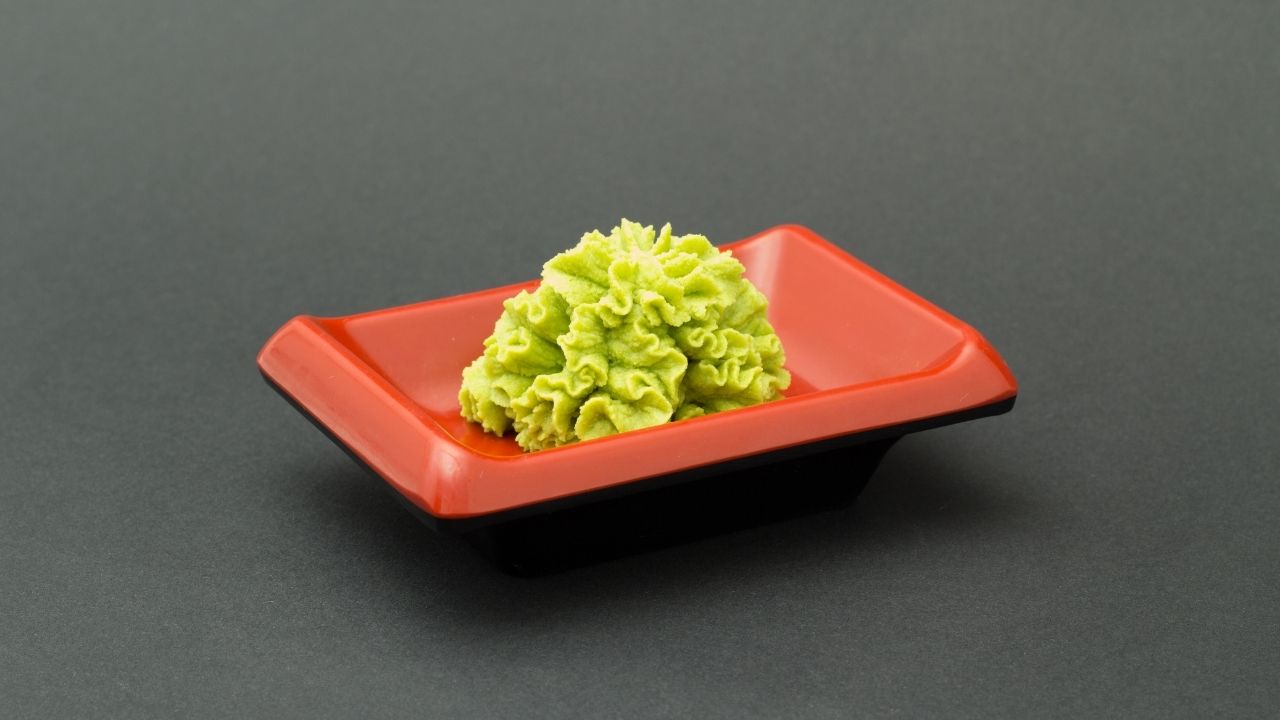
That green paste sitting next to your sushi? It’s basically a flavor grenade waiting to explode in your sinuses. Wasabi is the kind of condiment that doesn’t mess around—one tiny dab too many and you’re experiencing what I call “spicy regret,” that instant nasal burn that makes your eyes water and your brain question every life choice that led to this moment. Real wasabi comes from a Japanese plant that’s notoriously difficult to grow, which is why most restaurants serve a mixture of horseradish, mustard, and green food coloring instead. The genuine article costs about forty dollars per pound and tastes smoother, more complex, and less like inhaling fire through your nose. People either worship this stuff for its intense kick and the way it clears out your entire respiratory system in seconds, or they avoid it like it’s radioactive, pushing that little green mound as far away from their plate as possible.
What makes wasabi such a divisive character is its complete lack of mercy. Unlike other spicy foods that build gradually, wasabi hits you immediately and then vanishes just as fast, leaving behind a slightly sweet aftertaste and the memory of temporary suffering. The wasabi lovers claim this instant intensity enhances their sushi experience, cutting through fatty fish and waking up their palate with each bite. They’ll mix it into soy sauce, smear it on everything, and genuinely enjoy the sinus-clearing sensation. The wasabi haters, meanwhile, treat it like a dangerous substance, carefully scraping away any trace and wondering why anyone would voluntarily inflict nasal pain on themselves. If you’re brave enough to try real wasabi, grate it fresh right before eating—it loses potency within fifteen minutes. Just remember: a little goes a long way, unless you’re the type who enjoys crying into your California roll.
Vegemite
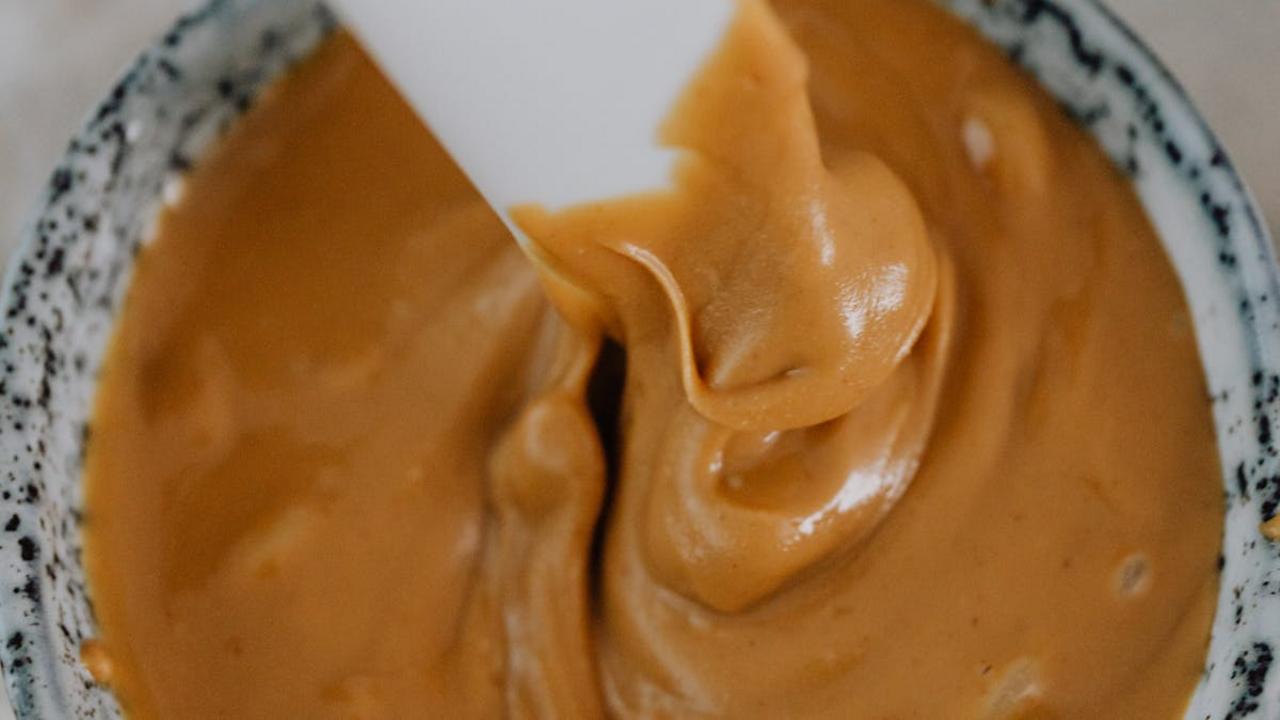
Ah, Vegemite—Australia’s thick, dark, salty spread that seems to function as an international friendship litmus test. This concentrated yeast extract has been dividing breakfast tables since 1922, and honestly, watching someone try it for the first time never gets old. The secret? Australians grow up with this stuff, spreading it whisper-thin on buttered toast like they’re applying precious gold leaf. First-timers, however, tend to slather it on like Nutella, then immediately question every life choice that led them to that moment. The intense umami punch delivers a salty, slightly bitter flavor that’s packed with B vitamins—so at least you’re getting nutritional value while your taste buds stage a protest. Fun fact: during World War II, Vegemite became so synonymous with Australian identity that it was included in soldiers’ rations.
The spread’s polarizing nature stems from its concentrated savory intensity—it’s basically the opposite of what most people expect from a breakfast spread. Love it or hate it, there’s no middle ground with Vegemite. Those who champion it swear by its ability to cure hangovers, add depth to stews and gravies, and provide that nostalgic taste of home. The haters? Well, they compare it to everything from motor oil to something scraped off a tire. If you’re brave enough to try it, remember the golden rule: less is more. Spread your toast with butter first, then add just enough Vegemite to barely tint the surface brown. Pair it with avocado and a poached egg for the full Australian breakfast experience, or stick it in your cheese toastie for an umami bomb that’ll change your sandwich game forever.
Tofu
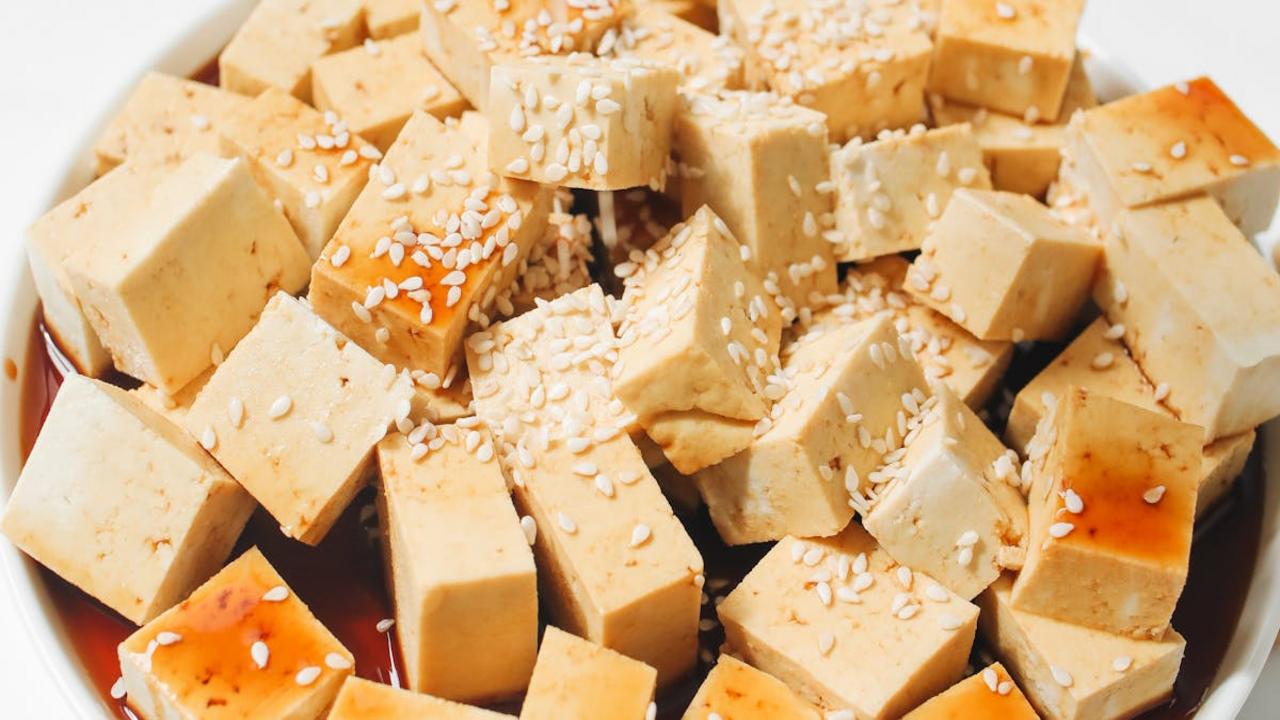
Tofu is the Switzerland of the food world—neutral, unassuming, and somehow able to start arguments at dinner parties. Some people swear by its protein-packed versatility, while others claim it tastes like wet sponge that forgot to have a personality. Made from curdled soy milk (yes, milk can curdle in ways beyond dairy), this ancient Asian staple has been around for over 2,000 years, which means civilizations have been dividing themselves over it since before anyone knew what a food blog was. The texture ranges from silken and wobbly to extra-firm and chewy, giving you options whether you want something that jiggles nervously on your plate or something you could potentially use as a doorstop.
The secret to making tofu actually delicious lies in treating it right—press out the excess water, marinate it like your life depends on it, and cook it until it develops that golden, crispy exterior that makes even skeptics pause mid-rant. Throw cubes into a blazing hot pan with sesame oil, soy sauce, and garlic, and suddenly that bland block transforms into something with actual character. Try it in scrambles for breakfast, grill it for summer barbecues, or toss it into stir-fries where it soaks up every flavor around it like a culinary sponge (the good kind). Whether you’re team tofu or team “absolutely not,” there’s no denying this protein has staying power—both on grocery shelves and in heated debates about what actually counts as real food.
Sardines
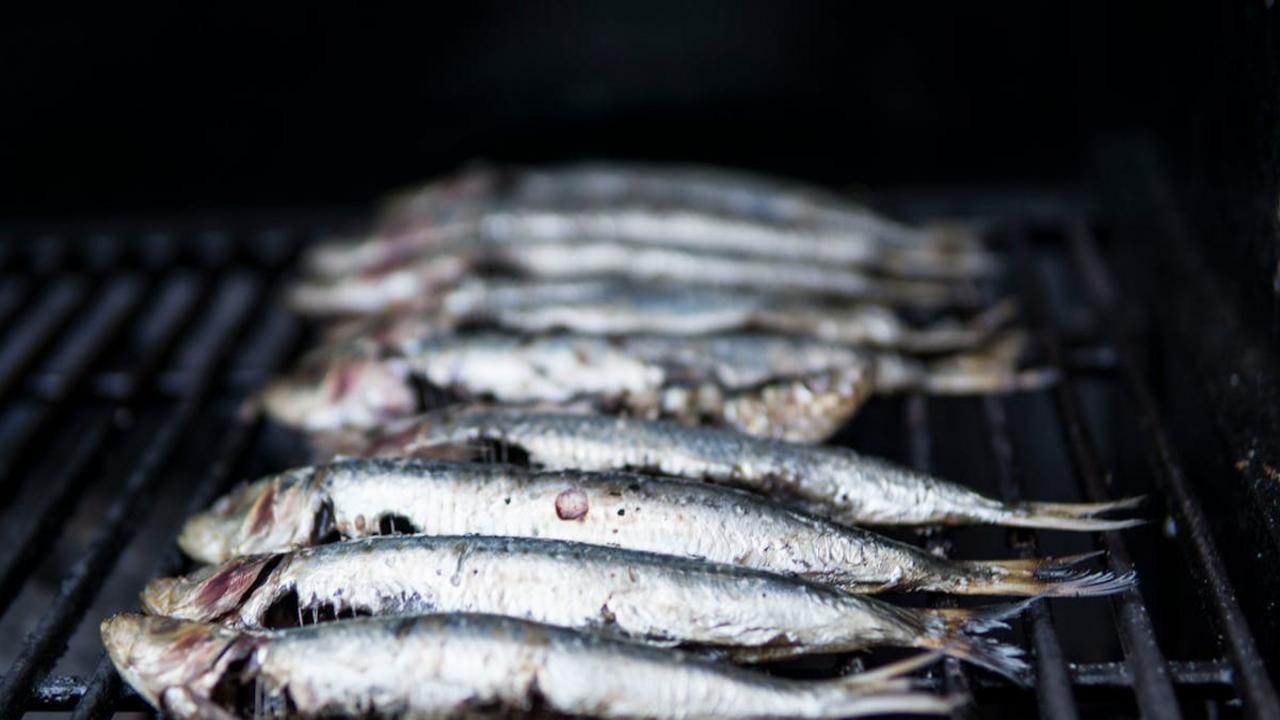
Sardines are the Marmite of the seafood world—people either worship them or run screaming in the opposite direction. These tiny, silvery fish come packed in tins with oil, tomato sauce, or brine, and they’re polarizing for good reason. The smell alone can clear a room faster than a fire alarm, but fans swear by their briny, umami-rich flavor that tastes like the ocean decided to concentrate all its goodness into one little fish. They’re ridiculously nutritious too, loaded with omega-3s, calcium, and vitamin D. Plus, since they’re low on the food chain, they’re one of the most sustainable seafood choices you can make. Some people eat them straight from the tin with crackers, while others mash them into pasta or throw them on toast with a squeeze of lemon.
The thing about sardines is they demand respect—and maybe a breath mint afterward. If you grew up eating them, they’re probably comfort food. If you didn’t, that first bite can feel like a dare. The fishiness is real, the texture is soft and sometimes mushy, and those tiny bones? Yeah, they’re edible, but they freak people out. Still, sardines have a cult following among adventurous eaters who appreciate their bold flavor and the fact that they’re cheap, convenient, and packed with protein. Try them grilled with garlic and herbs if the canned version intimidates you. Fresh sardines are a completely different experience—less intense, more delicate, and absolutely delicious when cooked right. Whether you’re team sardine or team never-again, there’s no denying these little fish pack a punch.
Pineapple on Pizza
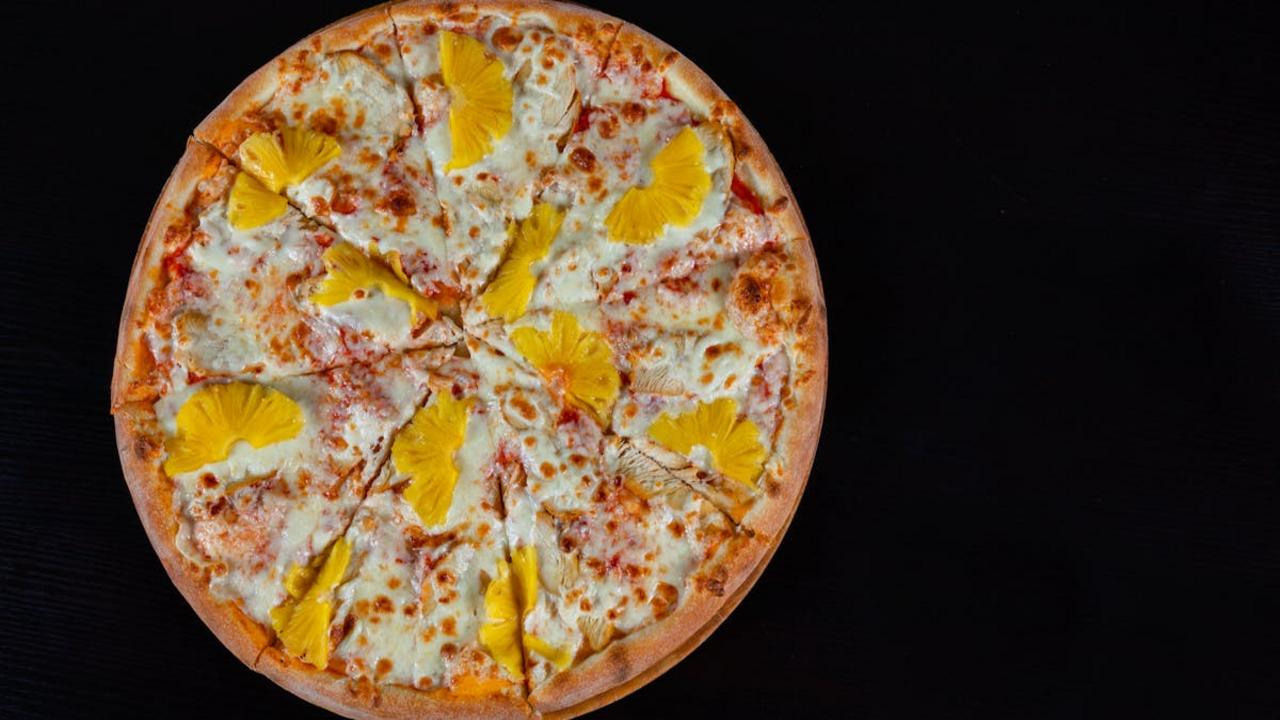
Here’s where the food wars get serious. Pineapple on pizza—the Hawaiian pizza, specifically—has sparked more heated debates than most political elections. Some people stand firm on Team Fruit-Has-No-Place-On-Cheese, while others worship at the altar of sweet-and-salty perfection. You’ve got the anti-pineapple crowd clutching their chests like you just insulted their grandmother, and the pro-pineapple folks defending their choice like it’s a constitutional right. The Canadian invention (yes, a Greek-Canadian restaurateur created it in Ontario in 1962) combines juicy pineapple chunks with ham, mozzarella, and tomato sauce—a combination that makes traditionalists weep into their Margheritas. The sweet tropical fruit creates a burst of brightness against the savory ham and melted cheese, offering a contrast that’s either genius or an absolute abomination, depending on who’s holding the slice.
What makes this dish so polarizing isn’t just the flavor—it’s what it represents. Pineapple pizza challenges everything purists believe about Italian cooking traditions. You’ll hear arguments about fruit temperatures, moisture content ruining the crust, and whether sweetness belongs anywhere near tomato sauce. But here’s the thing: millions of people order Hawaiian pizza every single day, making it one of the most popular varieties worldwide. The tangy-sweet pineapple actually helps cut through rich, fatty toppings, and when caramelized under high heat, those golden chunks develop deeper flavors that transform the entire experience. Whether you’re team pineapple or team never-ever-pineapple, this pizza proves one thing—food preferences are deeply personal, and sometimes the most controversial combinations become the most beloved.
Olives
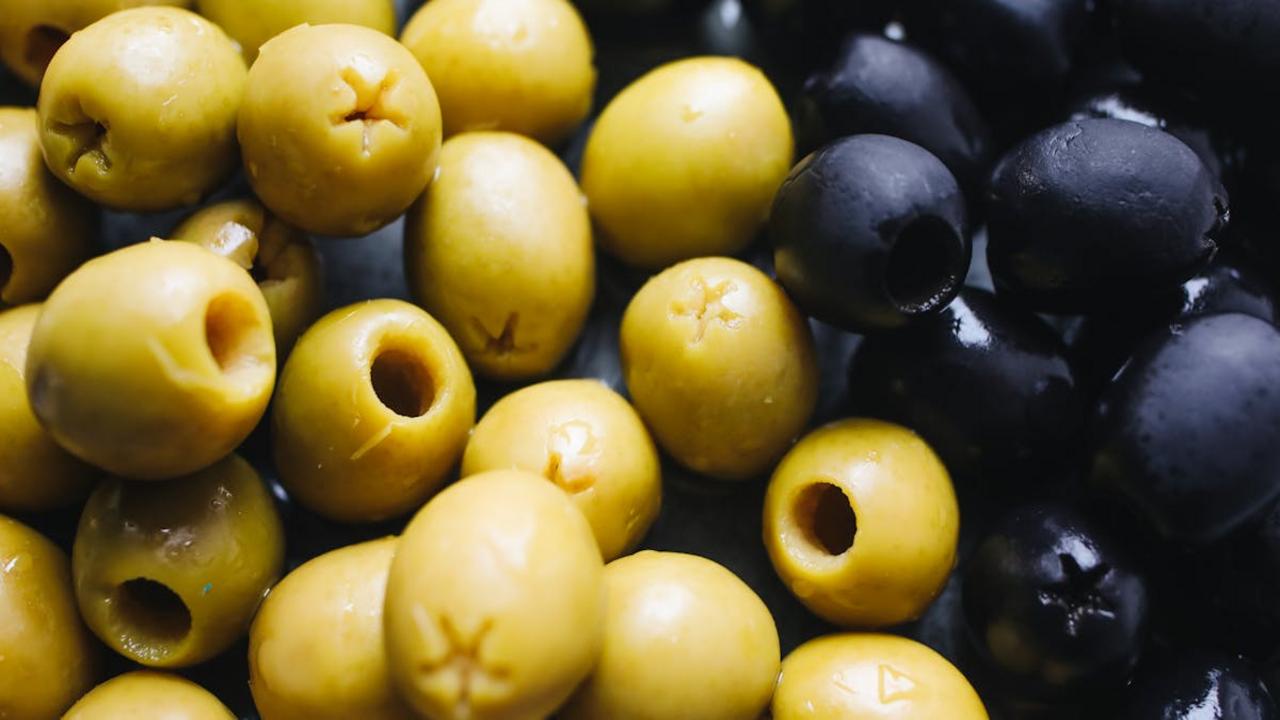
Olives are the Marmite of the Mediterranean, splitting dinner tables faster than a political debate at Thanksgiving. You either worship their briny, sophisticated charm or recoil at their salty, slightly soapy assault on your palate. There’s no middle ground here, folks. The green ones taste like they’ve been pickled in seawater mixed with determination, while the black ones bring a mellower, almost butter-like quality that still manages to offend half the population. What’s wild is that olives straight from the tree are so bitter they’re actually inedible—ancient peoples had to figure out the whole curing process before anyone could even pretend to enjoy them. That’s dedication to a snack that half of us still reject anyway.
The olive debate often centers on texture as much as taste. Those who love them appreciate the firm pop of a good Kalamata or the meaty satisfaction of a Castelvetrano. Haters describe them as “slimy eyeballs” or “ocean-flavored regret.” Here’s the thing: olives have been around for over 6,000 years, which means humans have been arguing about them since before we invented the wheel. Greeks put them in everything, Italians worship them, and Americans mostly encounter them as sad pizza toppings that get picked off and discarded. If you’re an olive skeptic, try them roasted with garlic and herbs—the heat mellows their intensity. If you’re already converted, toss them with feta, lemon zest, and good olive oil for a quick appetizer that’ll make believers out of nobody because people have already made up their minds.
Marmite
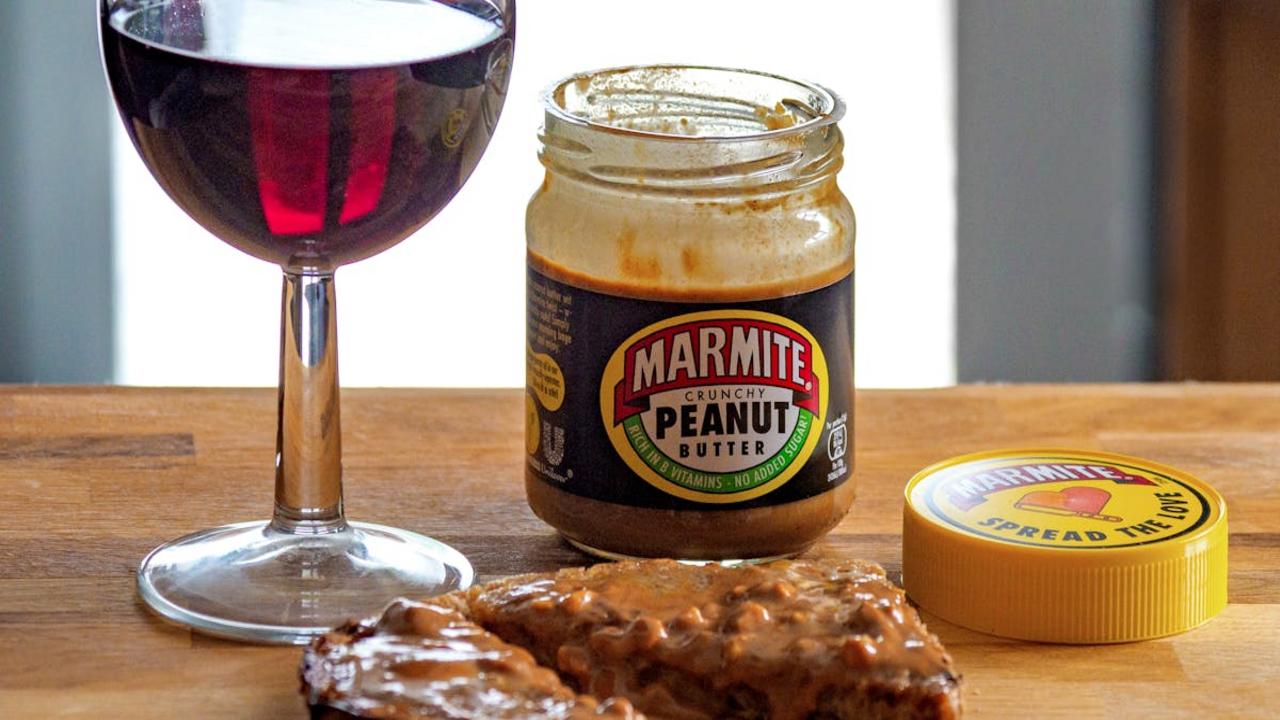
Marmite is the food equivalent of a personality test—you either slather it on toast with evangelical fervor or recoil in horror at the mere sight of the jar. This thick, dark brown yeast extract spread has been splitting British breakfast tables since 1902, and its manufacturer knows it. Their “Love it or Hate it” campaign didn’t just acknowledge the divide; it celebrated it. The stuff is basically concentrated umami in a jar, with a salty, savory punch that hits you square in the face. Made from spent brewer’s yeast (yes, the leftovers from beer production), it’s packed with B vitamins and delivers an intensely distinctive flavor that tastes nothing like anything else on Earth. Some describe it as meaty, others as intensely savory, and haters? Well, they just call it revolting.
What makes Marmite particularly divisive is that there’s no middle ground—nobody casually tolerates it. You’re either spreading it thin on buttered toast every morning or you’ve banished it from your cupboards forever. The British take their Marmite allegiance seriously, defending their position with the passion usually reserved for football teams. New Zealanders have their own version called Vegemite (don’t get them started on the differences), and Australians guard theirs fiercely too. If you’re a Marmite lover, you probably also use it to add depth to stews, gravies, and cheese sandwiches. If you’re a hater, you’re probably gagging right now just reading about it. There’s genuinely no other spread on the planet that provokes such visceral reactions from people who’ve never even tried it.
Durian
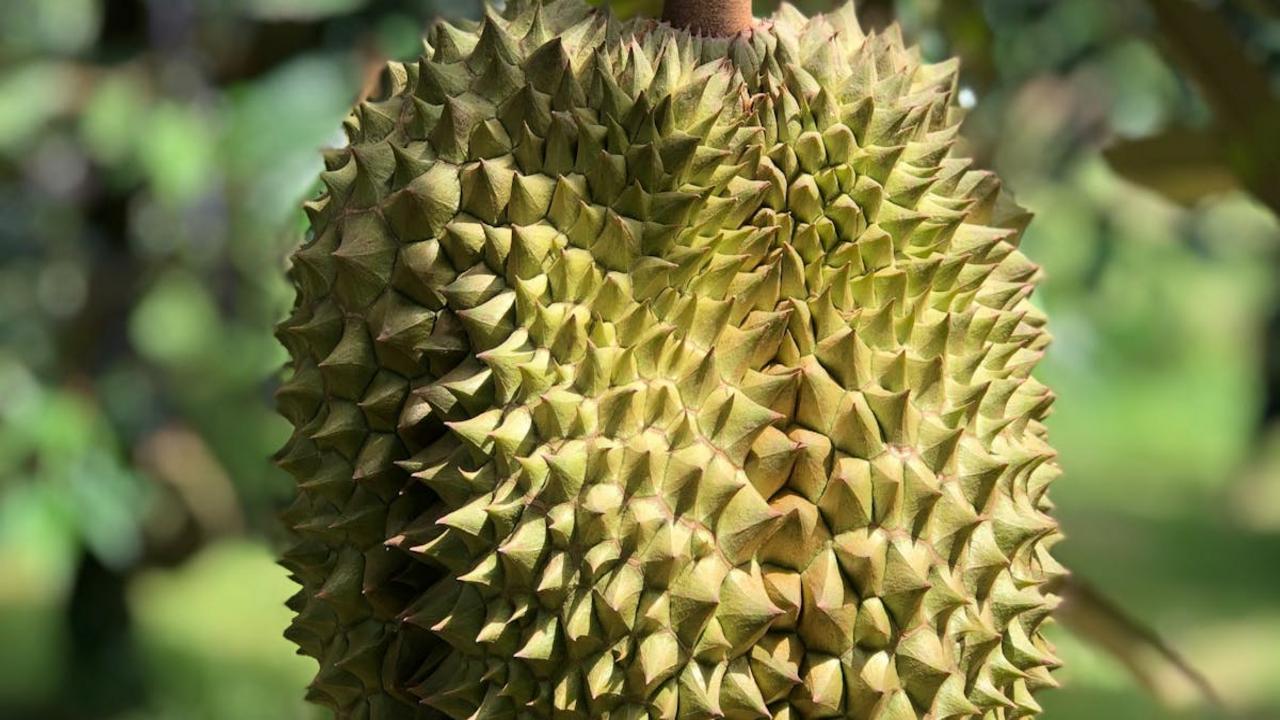
Ah, durian—the fruit that makes people either swoon or sprint in the opposite direction. This spiky Southeast Asian delicacy is infamous for its pungent aroma, which has been compared to everything from rotting onions to gym socks marinated in gasoline. It’s so potent that it’s banned from hotels, airports, and public transportation in countries like Singapore and Thailand. Yet millions of people adore this creamy, custard-like fruit with a passion that borders on obsession. The flavor is often described as a complex blend of sweet, savory, and slightly alcoholic notes—like eating vanilla pudding next to a cheese platter while sipping wine. If you can get past the smell (and that’s a big if), you might discover why durian is called the “King of Fruits” and commands premium prices at markets across Asia.
The divisiveness of durian runs so deep that it splits families, friendships, and entire regions. Some folks will travel hours just to sample the best varieties, like the creamy Musang King or the bittersweet D24. Others can’t even stand being in the same room as one. What makes this fruit so controversial is actually a combination of volatile sulfur compounds that trigger our olfactory receptors in wildly different ways depending on our genetics. Scientists have discovered that some people literally smell different compounds than others when they encounter durian, which explains why your best friend might rave about it while you’re gagging. If you’re brave enough to try it, start with a small piece from a fresh fruit rather than frozen—and maybe have some water nearby. Just don’t say nobody warned you about what comes next.
Cilantro
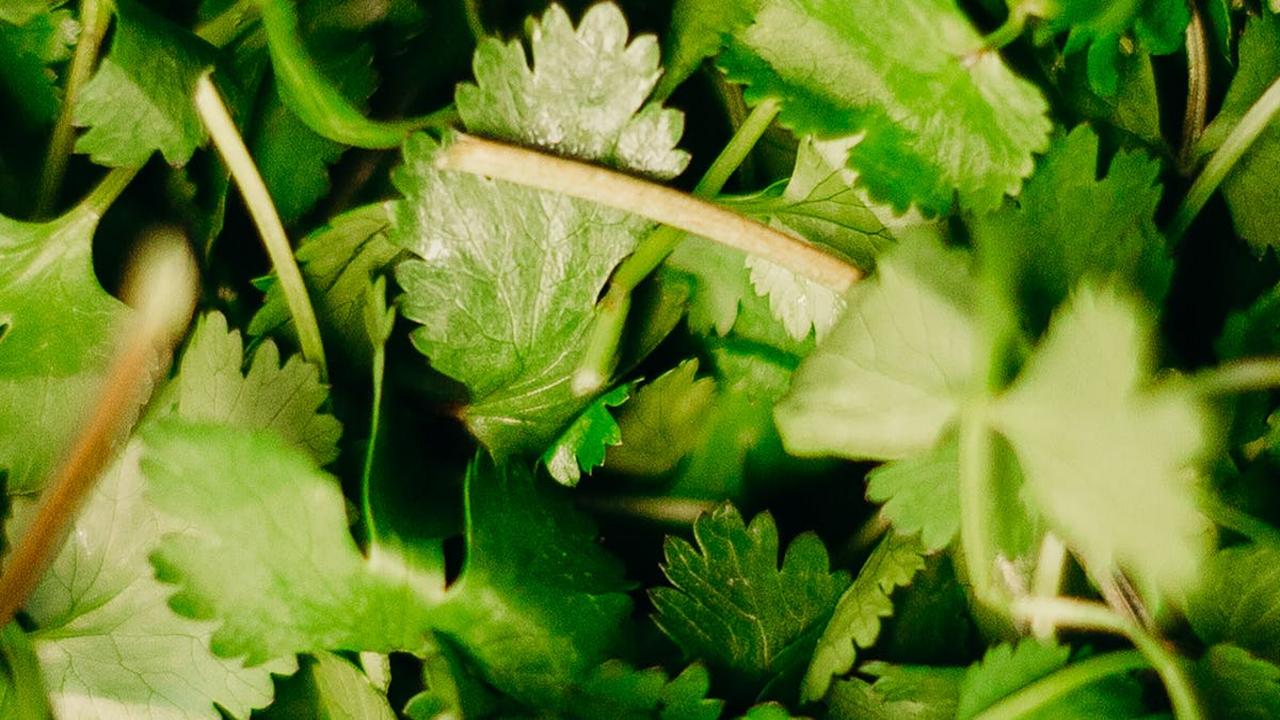
Cilantro stands as the ultimate divider in the food world, and there’s actual science behind this battle. For some people, this bright green herb tastes like sunshine in leaf form—fresh, citrusy, and absolutely perfect on tacos, in salsa, or scattered over a steaming bowl of pho. But for others (roughly 4-14% of the population, depending on ancestry), cilantro tastes like soap. Not “kind of soapy”—full-on Dawn dish detergent. This isn’t about picky eating or dramatic preferences; it’s genetics. A specific gene cluster makes certain people’s taste receptors go haywire when they encounter aldehydes, the chemical compounds that give cilantro its distinctive flavor. Those same aldehydes also happen to be in, you guessed it, soap and lotions.
The cilantro controversy has sparked passionate debates at dinner tables worldwide. Team cilantro can’t imagine guacamole without it, while the cilantro-haters would rather eat plain avocado than risk contamination. Some restaurants have started offering “no cilantro” versions of dishes by default, and online recipe comments sections turn into war zones when this herb appears in ingredient lists. If you’re in the anti-cilantro camp, try substituting parsley mixed with a squeeze of lime juice—it won’t replicate the exact flavor, but it’ll give you that fresh, green element without the soapy nightmare. And if you adore cilantro? Keep throwing handfuls of it into everything while the rest of us watch in horrified fascination.
Brussels Sprouts
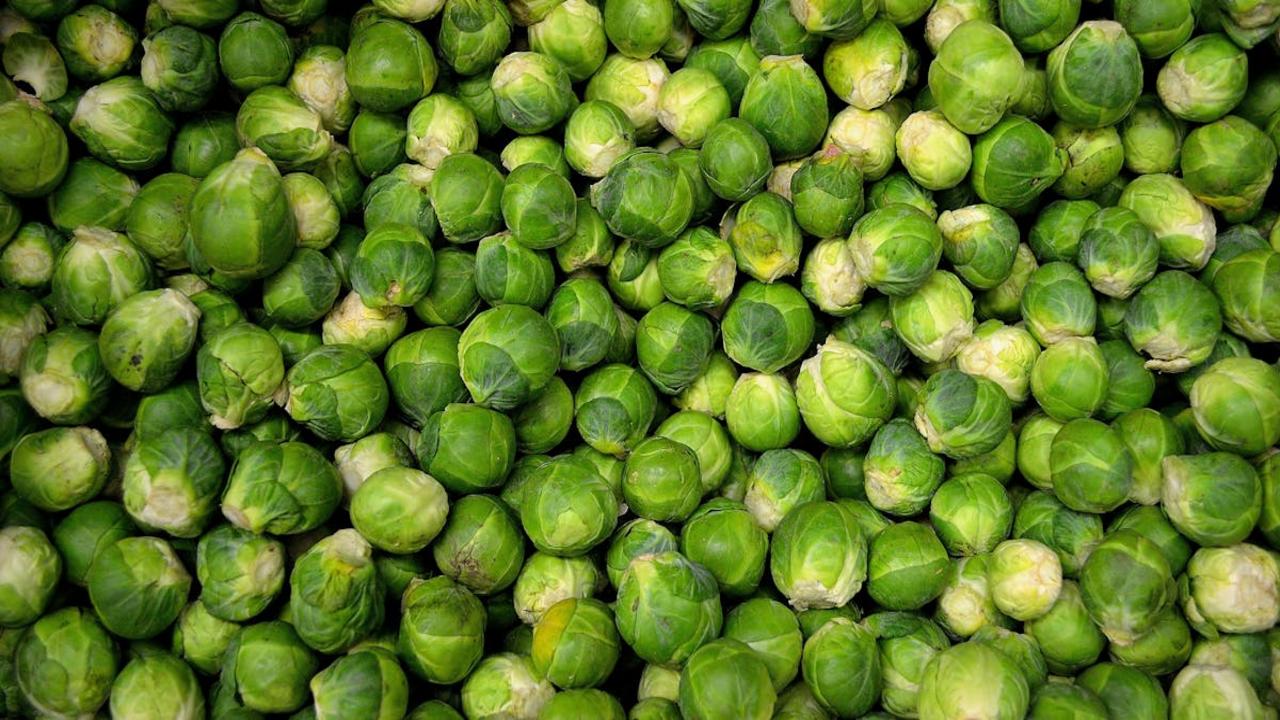
Brussels sprouts are the tiny green orbs that probably traumatized you as a kid when your mom boiled them into mushy, sulfurous little balls of doom. But here’s the thing: these mini cabbages have gotten a serious glow-up in recent years! Restaurants discovered that roasting them with bacon, balsamic glaze, or maple syrup transforms them from cafeteria nightmare into crispy, caramelized nuggets of heaven. They’re packed with vitamin C and K, and fun fact—they’re named after Brussels, Belgium, where they became wildly popular in the 16th century. The problem is, some people still can’t get past that childhood trauma, no matter how much bacon you pile on top.
The great Brussels sprouts divide really comes down to cooking method and genetics. Scientists discovered that about 50% of people have a gene that makes them extra sensitive to the bitter compounds in these vegetables, which explains why your sister gags while you’re happily munching away. If you’re Team Anti-Sprout, try slicing them paper-thin and tossing them raw in a salad with lemon and parmesan—it’s like eating a completely different vegetable. Or go full commitment and pan-fry them until the outer leaves get crispy and charred. Just please, for the love of all things green, don’t boil them until they’re gray and sad. These little guys deserve better than that watery fate.
Black Licorice
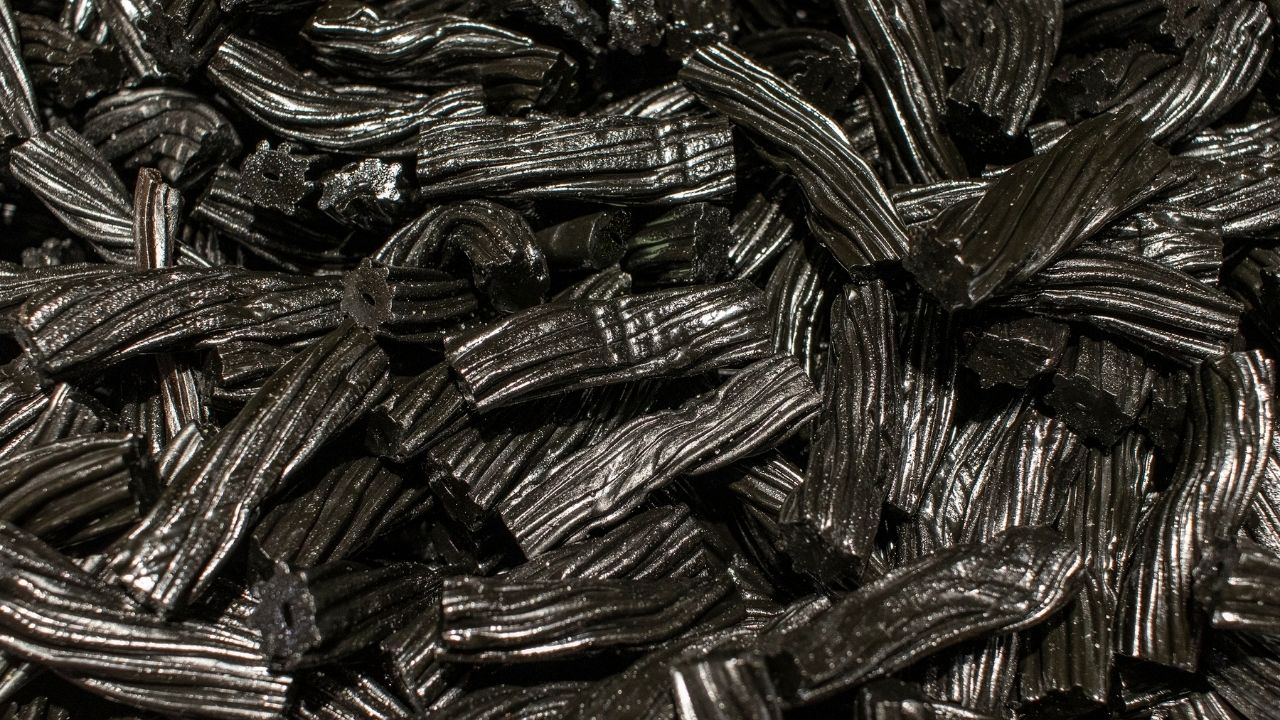
Black licorice is the Marmite of the candy world—you either worship its dark, mysterious depths or recoil in horror at the mere sight of those glossy, jet-black twists. Made from the root of the Glycyrrhiza glabra plant, this polarizing treat has been around since ancient Egypt, where folks chewed it for medicinal purposes. Fast forward to today, and you’ve got die-hard fans hoarding bags of Panda or Good & Plenty while their friends look on in bewilderment. The anise-forward flavor hits differently than anything else in the candy aisle, delivering that distinctive herbal punch that makes some people swoon and others gag. Scandinavians absolutely adore the stuff—seriously, they’ve got salted varieties that’ll blow your mind—while many Americans treat it like it’s actual poison wrapped in cellophane.
The hatred often stems from childhood trauma: remember grabbing what you thought was a chocolate treat only to bite into that unmistakable licorice tang? That moment of betrayal sticks with people forever. But here’s the thing—black licorice contains glycyrrhizin, which can actually mess with your potassium levels if you eat too much, so the FDA warns against going overboard. Those who genuinely love it will tell you about the complex sweetness, the subtle earthiness, and how nothing else scratches that particular itch. They’ll defend their beloved candy against all attackers, proudly declaring their allegiance to Team Black Licorice. Whether you’re a devotee or a detractor, there’s no denying this candy sparks more passionate debates than any other confection out there.
Anchovies

Anchovies are the tiny fish that manage to cause massive drama at dinner tables everywhere. These salty, intensely flavored little creatures show up on pizzas, in Caesar salads, and even dissolved into pasta sauces, where they work their magic without anyone knowing they’re there. The anchovy haters will scrunch their noses and declare them far too fishy, far too salty, and far too everything. The anchovy lovers? They’re busy ordering extra on their Margheritas and sneaking them straight from the tin. There’s truly no middle ground here—you’re either team anchovy or you’re plotting ways to avoid them at all costs.
Here’s the thing about anchovies: they pack an umami punch that’s hard to replicate. That savory, almost meaty depth they bring to dishes has made them a secret weapon in kitchens for centuries. The Romans loved them so much they turned them into garum, a fermented fish sauce that became the ketchup of the ancient world. Today, a single anchovy melted into butter creates a sauce that transforms simple vegetables into something extraordinary. Sure, eating them whole requires a certain boldness—they’re assertive, powerful, and unapologetic. But once you understand their magic, you’ll see why chefs keep these little fish stashed in their pantries, ready to add that mysterious something special to everything from Caesar dressing to beef stew.