15 Foods That Burst With Flavor When You Grow Them at Home
Growing your own food connects you to what’s on your plate in a way supermarkets simply can’t match. The difference in flavor between store-bought and homegrown is mind-blowing – that first bite of a sun-ripened tomato from your garden makes those pale grocery store versions seem like distant relatives.
Your backyard or even a few containers on your balcony can become tiny flavor factories. The secret lies in harvesting at peak ripeness when sugars and nutrients reach their maximum levels. Plus, you skip the long transportation chain that often requires varieties bred for shipping durability rather than taste.
I’ve compiled this list of 15 foods that truly shine when homegrown. These plants reward even novice gardeners with flavors so vibrant and fresh that you’ll question why you ever settled for less. Ready to discover what real food actually tastes like?
Cucumbers
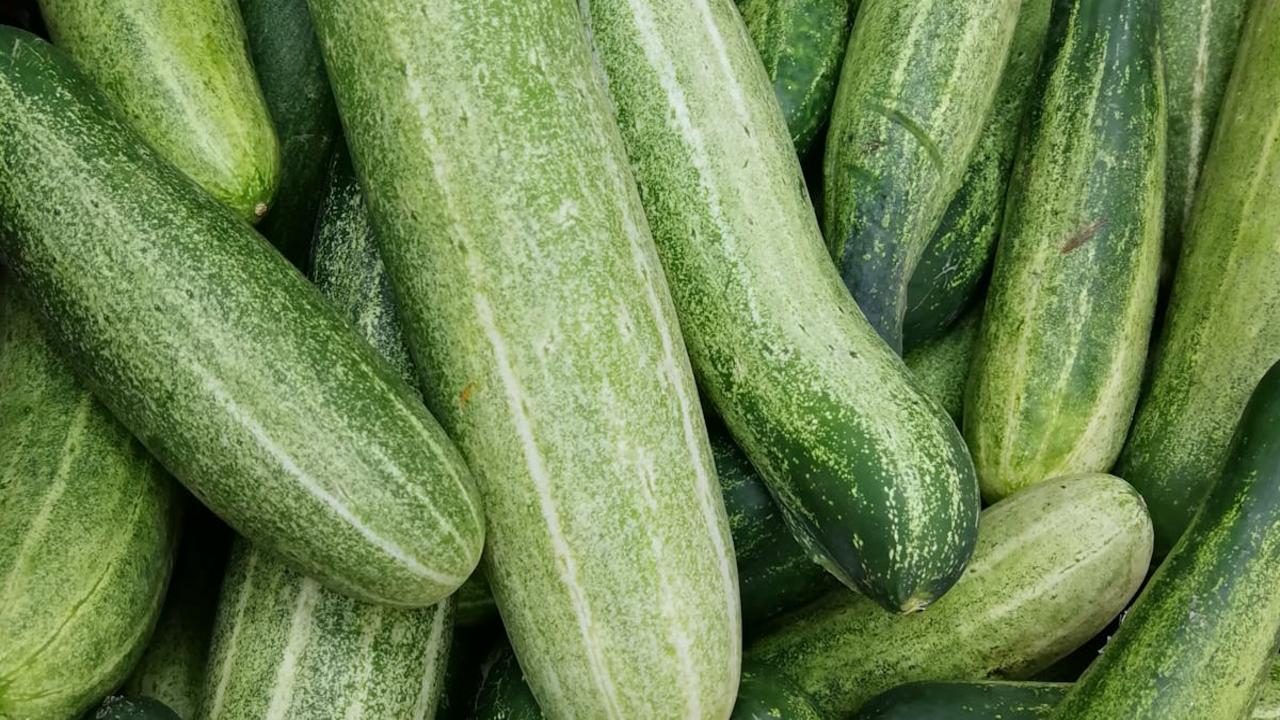
Growing your own cucumbers transforms these humble vegetables from watery afterthoughts into crisp, aromatic gems that sing with fresh garden flavor. Store-bought cucumbers often taste bland and develop that unpleasant waxy coating, but homegrown varieties burst with a clean, bright flavor that makes you understand why Mediterranean and Middle Eastern cooks prize them so highly. I grow both slicing varieties for my Greek-inspired salads and smaller pickling types that I preserve with turmeric and mustard seeds – a technique my grandmother taught me that creates the most incredible golden pickles.
The difference between garden-fresh and grocery store cucumbers becomes obvious the moment you bite into one you’ve grown yourself. That satisfying crunch releases a subtle sweetness and mineral complexity that pairs beautifully with yogurt, mint, and za’atar in my favorite summer mezze bowls. I also love spiralizing fresh cucumbers into noodles for light, cooling meals during hot weather, tossing them with sesame oil, rice vinegar, and chili flakes for an Asian-inspired side dish. Your homegrown cucumbers will stay crisp longer too, maintaining their texture for days rather than turning mushy within hours like their commercial counterparts.
Asparagus
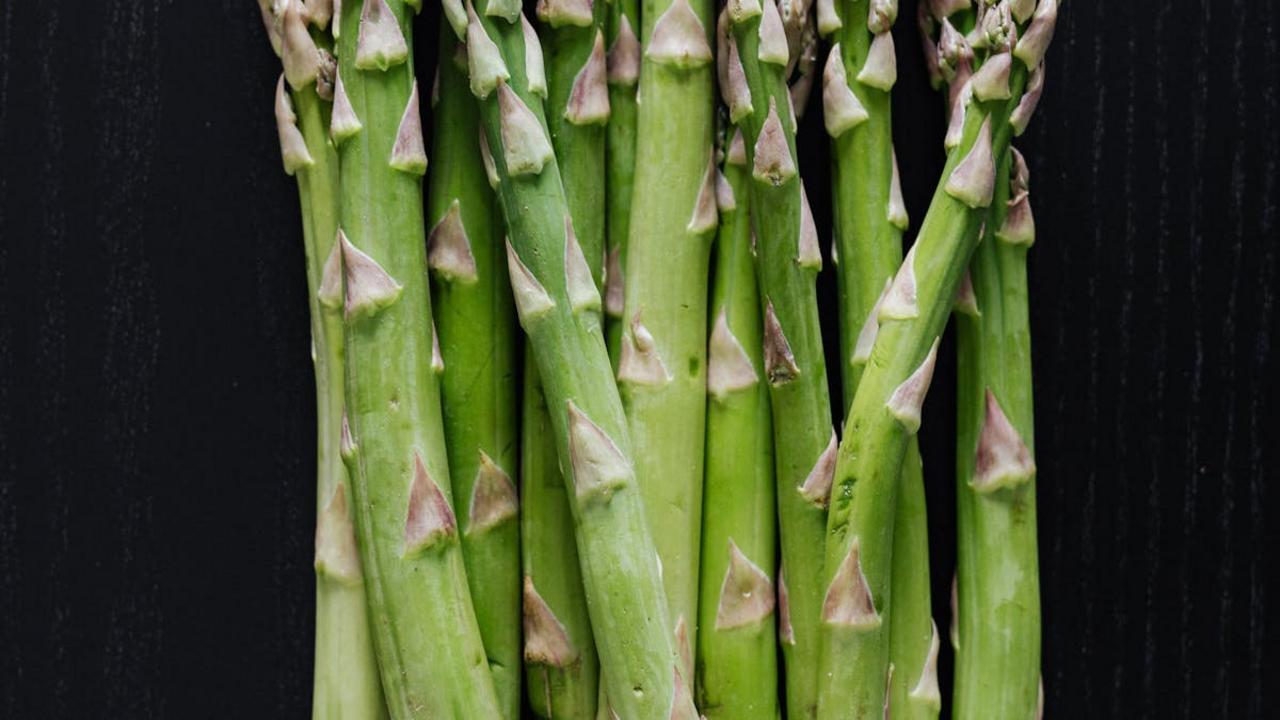
When you bite into a spear of homegrown asparagus, the difference hits you immediately—it’s tender yet crisp, with a sweet, grassy flavor that store-bought versions simply can’t match. I grow purple and green varieties in my garden, and honestly, there’s nothing quite like harvesting those perfect spears in early spring when they’re just peeking through the soil. The key is catching them at the right moment; once they get too tall, they become woody and bitter. I love how versatile fresh asparagus is—you can quickly sauté it with garlic and lemon, toss it into a stir-fry with ginger and soy sauce, or simply roast it with olive oil and a sprinkle of sea salt.
Growing asparagus requires patience since it takes a few years to establish, but once your bed matures, you’ll have decades of harvests ahead of you. I plant mine in rich, well-draining soil and make sure to feed the crowns regularly with compost. What I find magical about asparagus is how it bridges seasons and cuisines—I’ll pickle the thinner spears for Mediterranean-inspired dishes, blend them into creamy soups with coconut milk for an Asian twist, or char them on the grill alongside whatever protein I’m cooking. The flavor is so clean and bright when it’s fresh from your own garden that you really don’t need much to make it shine.
Cherry Tomatoes
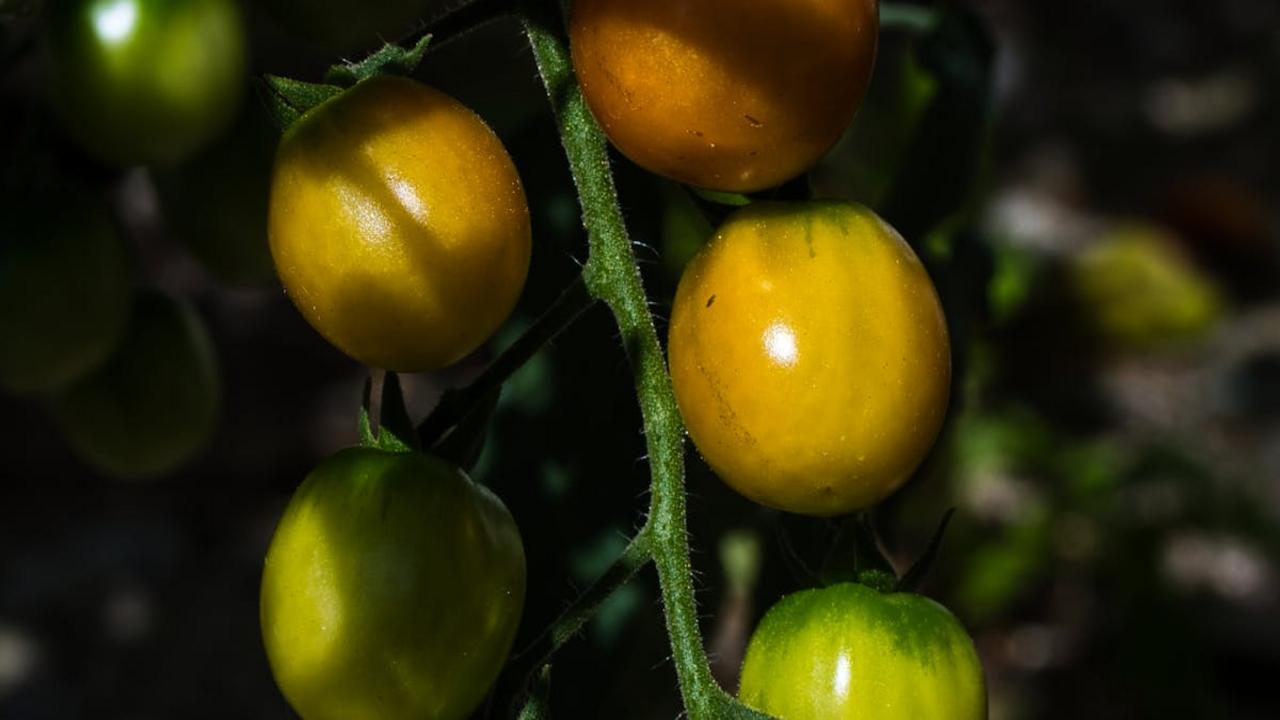
Growing cherry tomatoes in your garden transforms your relationship with these tiny gems forever. The difference between store-bought and homegrown cherry tomatoes feels like comparing a whisper to a symphony. When you bite into a sun-warmed cherry tomato straight from the vine, that perfect balance of sweet and tangy hits your palate with an intensity that makes you wonder why you ever settled for anything less. I grow at least six different varieties each season because each one brings its own personality to my cooking – from the deep, smoky flavor of Black Cherry tomatoes to the bright acidity of Surefire Red.
These little powerhouses work magic in my kitchen throughout the growing season. I toss them whole into pasta dishes where they burst and create instant sauce, or I roast them with olive oil and fresh herbs until they caramelize into concentrated drops of summer. My favorite trick involves halving them and slow-roasting at low heat until they shrivel into jammy, intensely flavored morsels that I store in olive oil for winter cooking. Fresh cherry tomatoes also shine in quick salsas, grain salads, and as the perfect finishing touch for homemade pizza – their natural sugars concentrate beautifully under heat while maintaining that fresh, garden-bright flavor that reminds you exactly why growing your own food matters.
Beans
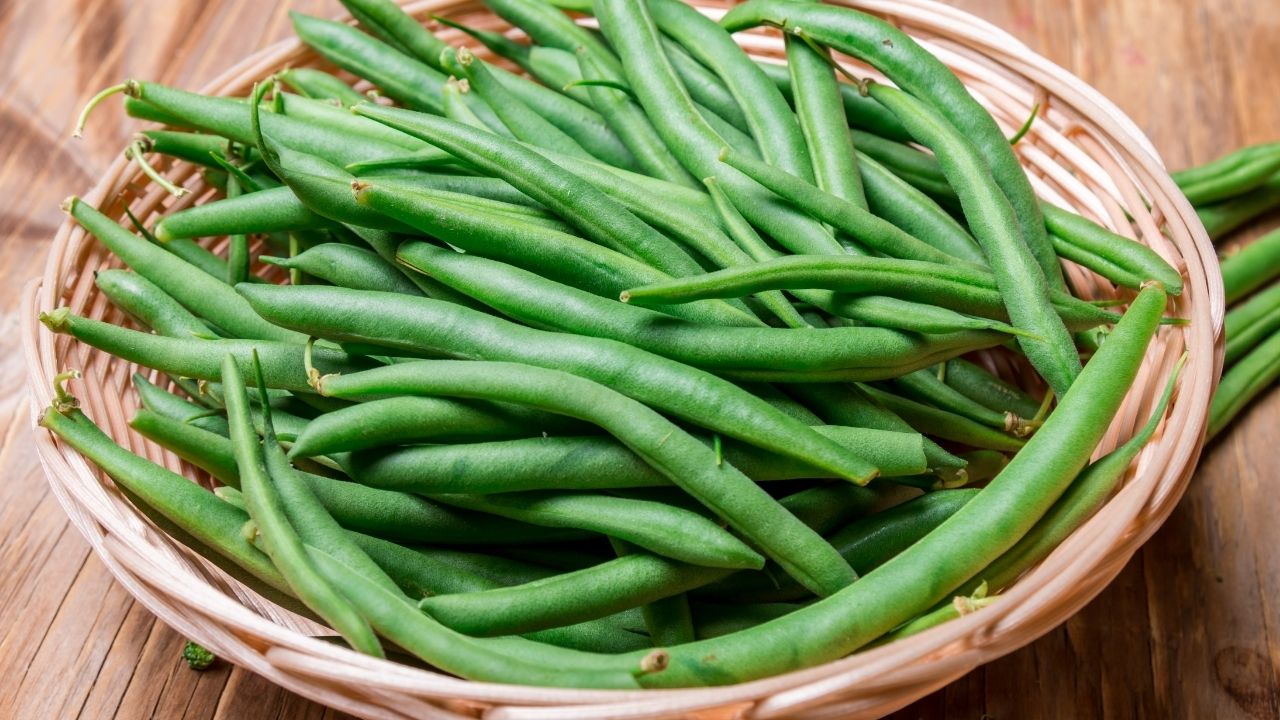
Growing your own beans transforms your cooking in ways you never imagined possible. Fresh beans picked straight from the vine carry a sweetness and tender texture that store-bought varieties simply can’t match. I remember the first time I harvested green beans from my garden – the snap was so crisp, and the flavor so bright and grassy, it made me question everything I thought I knew about this humble vegetable. Whether you choose classic green beans, purple varieties that turn emerald when cooked, or climbing French beans, each type brings its own personality to your plate.
What makes homegrown beans truly special is their versatility in global cooking. You can toss them into a quick stir-fry with garlic and ginger, blanch them for a fresh Mediterranean salad with lemon and herbs, or slow-cook them in a rich tomato base for a comforting North African tagine. The key is picking them young and cooking them minimally to preserve that garden-fresh crunch. I love adding them to my weeknight grain bowls or using them as a colorful base for warm salads. When you grow beans at home, you control the harvest timing, meaning you get to enjoy them at their absolute peak – tender, flavorful, and packed with nutrients your body craves.
Broccoli
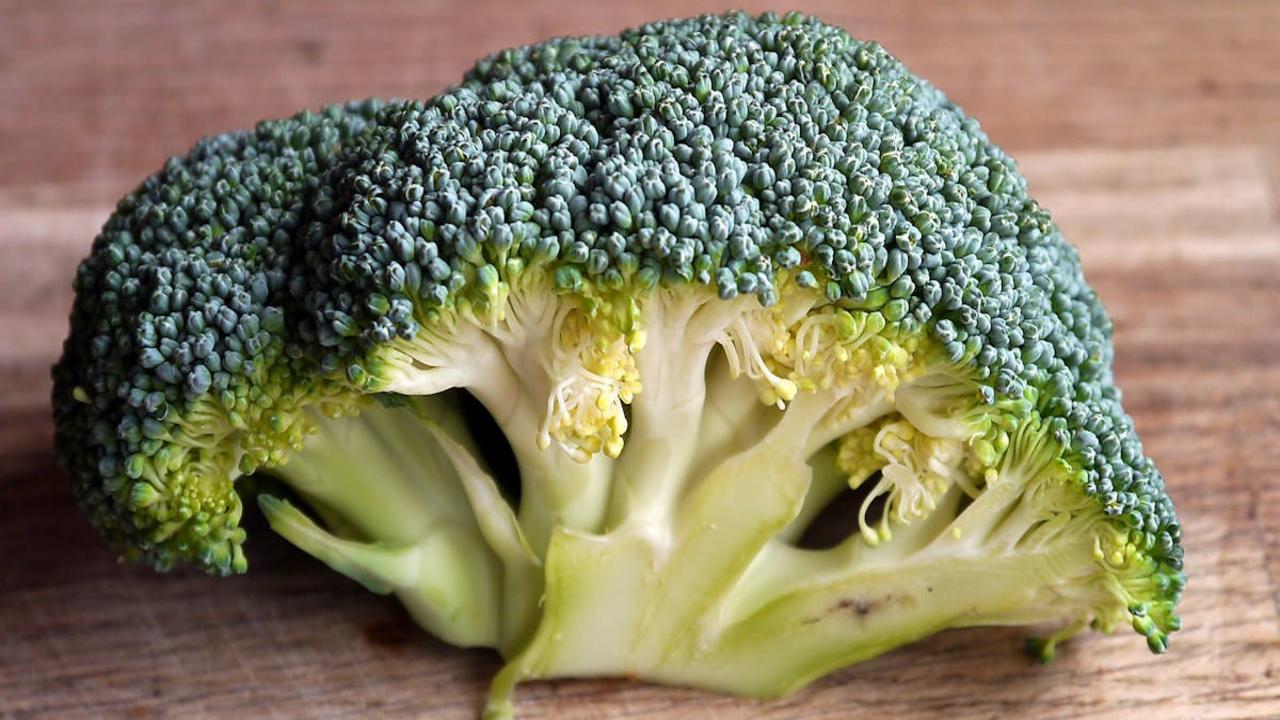
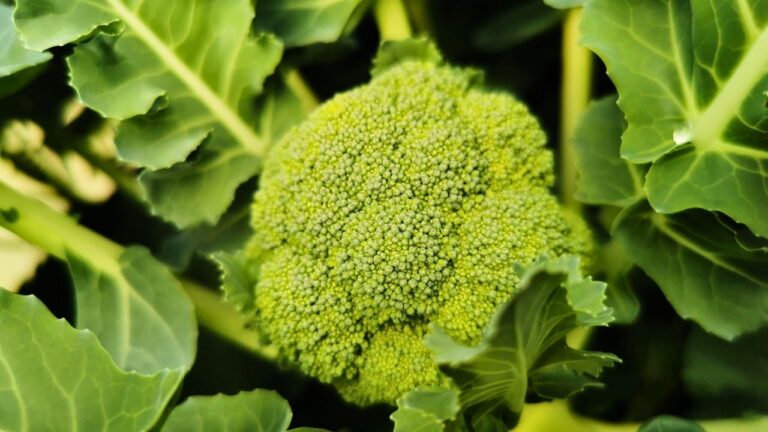
You know that sad, sulfurous smell that fills your kitchen when you overcook store-bought broccoli? Forget everything you think you know about this green powerhouse. When you grow broccoli in your own garden, you’re in for a revelation that will completely transform how you see this misunderstood vegetable. Fresh-picked broccoli has this incredible sweetness and crisp texture that disappears within hours of harvest, which explains why the supermarket version never quite lives up to its potential.
I always tell people to harvest their broccoli heads early in the morning when the florets are tight and the stems snap cleanly. The magic happens in those first few minutes after picking – toss those tender florets with olive oil, garlic, and a pinch of red pepper flakes, then roast them until the edges get slightly charred. The natural sugars caramelize beautifully, creating this nutty, almost buttery flavor that pairs wonderfully with everything from pasta to grilled fish. Don’t forget about those leaves either! They’re incredibly nutritious and taste like a cross between broccoli and collard greens when sautéed with ginger and soy sauce.
Swiss Chard
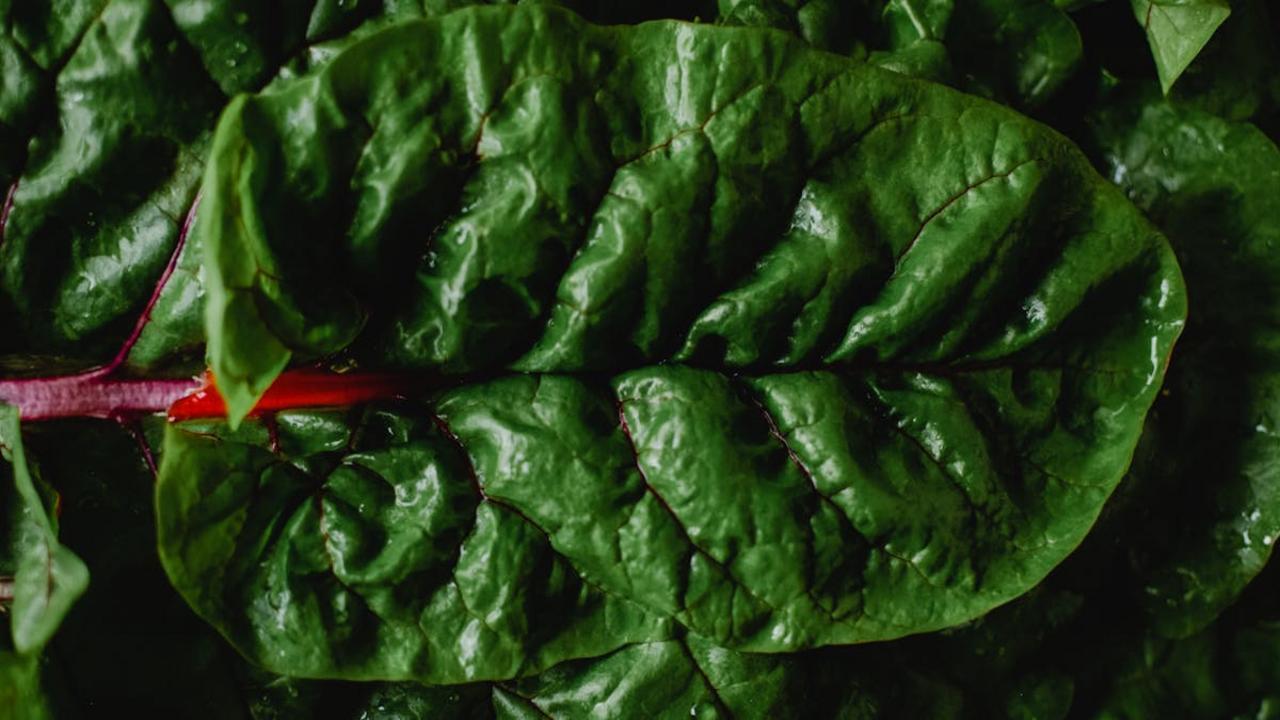
Swiss chard transforms your garden into a rainbow paradise, and trust me, growing this leafy powerhouse at home changes everything about how you cook with greens. Those vibrant stems – scarlet red, sunshine yellow, hot pink, and pristine white – pack more flavor than anything you’ll grab from the grocery store. When you grow chard yourself, you get to harvest those tender baby leaves that practically melt in your mouth, plus those thick, meaty stems that become the star of so many dishes. I love how this plant keeps giving throughout the season, letting you snip what you need while it continues producing fresh growth.
The flavor difference between homegrown and store-bought chard will blow your mind completely. Your garden-fresh leaves have this clean, mineral-rich taste with just a hint of earthiness, while the stems offer a satisfying crunch that holds up beautifully in stir-fries and braises. I’ve learned to treat chard stems like a separate vegetable entirely – they’re incredible sautéed with garlic and ginger, or chopped fine and added to grain bowls for extra texture. The leaves work magic in everything from morning smoothies to evening pasta dishes, and because you’re picking them fresh, they retain all those nutrients that make this green such a nutritional superstar.
Japanese Cucumbers
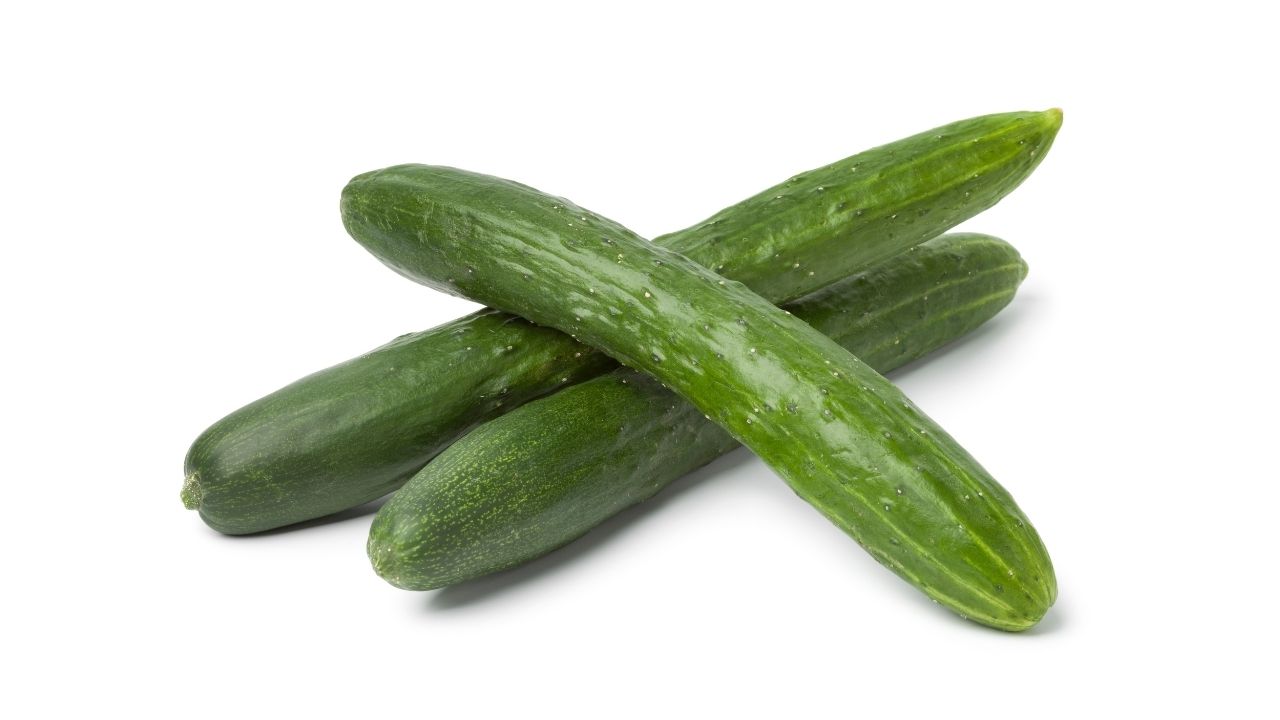
You know that disappointing moment when you bite into a store-bought cucumber and it tastes like crunchy water? Japanese cucumbers grown in your own garden will completely change your perspective on this humble vegetable. These slender, dark green beauties pack an incredible freshness and clean, crisp flavor that commercial varieties simply can’t match. The texture is firmer yet more tender, with thinner skin that never needs peeling and virtually no bitter seeds. I grow these in my garden every summer, and the difference is so dramatic that I actually crave them as snacks – something I never thought I’d say about cucumbers.
What makes homegrown Japanese cucumbers truly special is their versatility in both raw and cooked preparations. I love slicing them thin for quick pickles with rice vinegar and a touch of sugar, or adding them to cold noodle salads where their refreshing quality shines. They’re perfect in sunomono, that classic Japanese cucumber salad, or simply sprinkled with sea salt as a cooling side dish. The flavor is clean and bright without any of the watery blandness you get from grocery store versions. Growing them yourself means you can harvest them at the perfect size – usually when they’re about six to eight inches long – ensuring maximum flavor and that satisfying snap with every bite.
Sugar Snap Peas
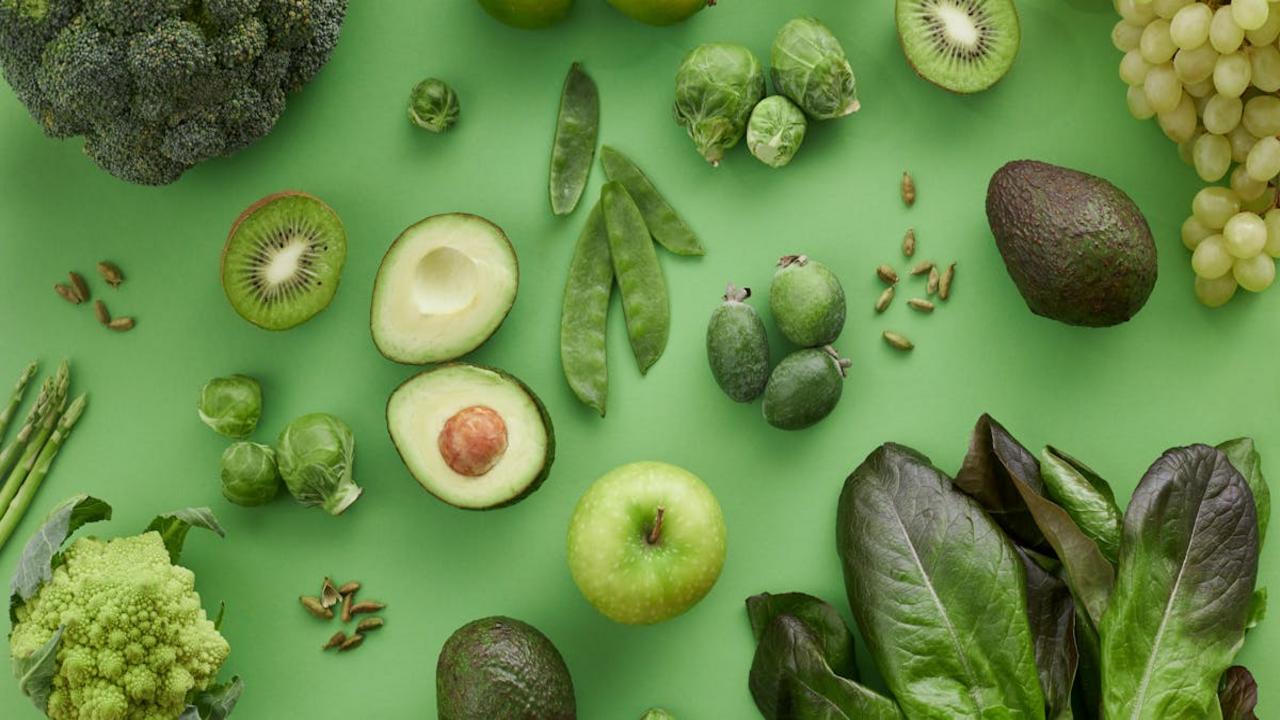
Fresh sugar snap peas from your garden transform into crispy, sweet gems that bear no resemblance to their frozen counterparts. When you grow them yourself, you get to experience that satisfying crunch and natural sweetness that disappears within hours of harvesting. I love how these versatile pods work beautifully in quick stir-fries with garlic and ginger, or simply blanched and tossed with sesame oil and a sprinkle of sea salt. The key is picking them young when the pods are still tender and the peas inside haven’t fully developed.
Growing sugar snap peas requires minimal effort but delivers maximum reward. They thrive in cool weather, making them perfect for early spring and fall gardens. I often plant them alongside climbing beans, creating a natural support system while maximizing garden space. The best part? You can eat everything – pods and all – which means zero waste in your kitchen. Try them raw in salads for that satisfying snap, or quickly sauté them with whatever herbs you have growing nearby. Their natural sweetness pairs wonderfully with mint from the garden, creating fresh combinations that store-bought versions simply cannot match.
Strawberries
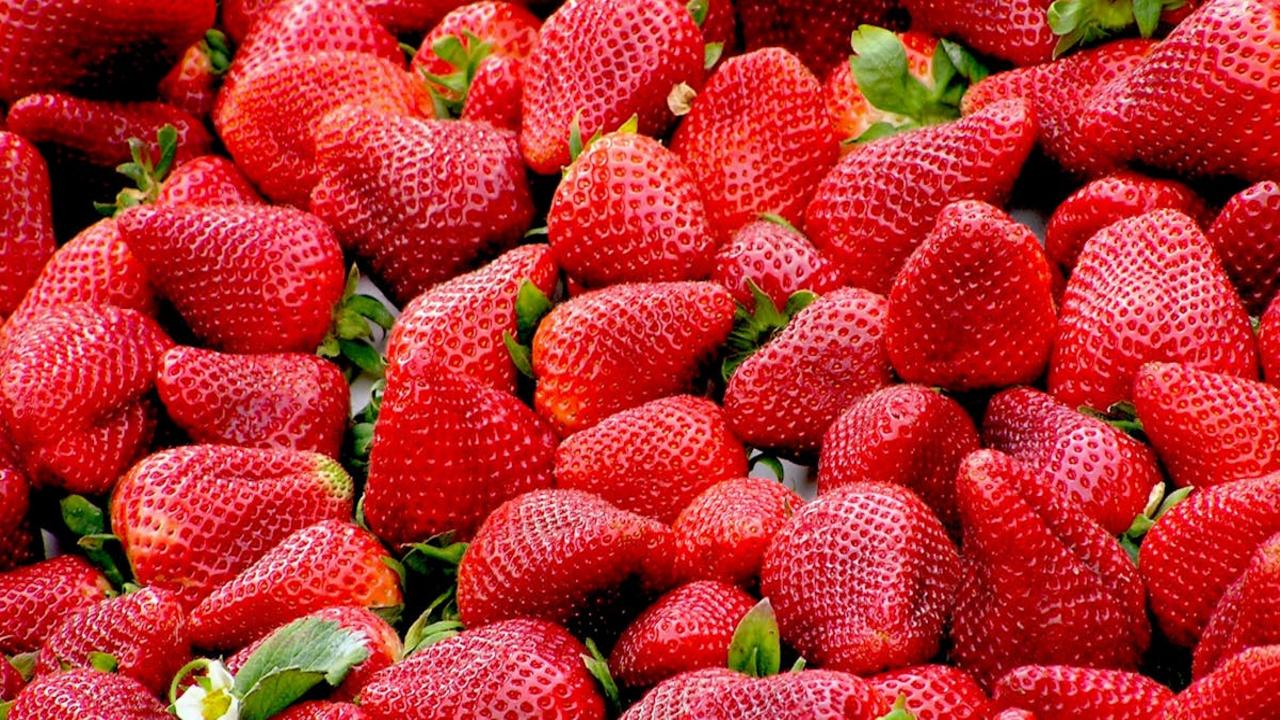
Nothing compares to biting into a sun-warmed strawberry straight from your garden – that burst of concentrated sweetness mixed with just the right amount of tartness will make you wonder why you ever settled for those pale, flavorless supermarket berries. When you grow your own strawberries, you control everything from variety selection to harvest timing, which means you can pick them at absolute peak ripeness when their natural sugars have fully developed. I always plant a mix of June-bearing and ever-bearing varieties in my raised beds, giving me fresh berries from early summer through fall.
Home-grown strawberries transform my cooking in ways I never expected – their intense flavor means I can reduce added sugars in jams, smoothies, and desserts while still achieving that perfect sweetness. I love roasting slightly overripe berries with a touch of balsamic vinegar and fresh thyme to create a complex sauce that pairs beautifully with grilled chicken or goat cheese. The beauty of growing your own means you can experiment with heirloom varieties like ‘Pineberry’ or ‘Purple Wonder’ that bring unique flavor profiles you’ll never find at the grocery store, opening up completely new possibilities for both sweet and savory dishes in your kitchen.
Arugula
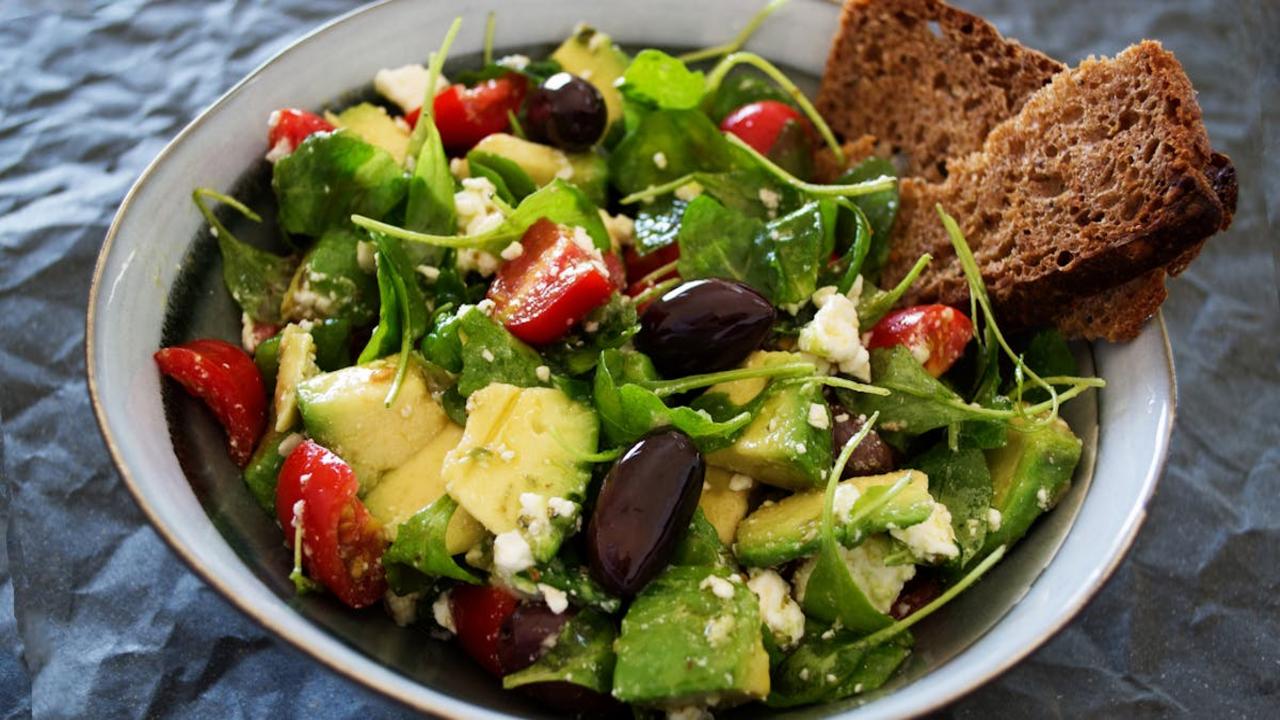
Growing arugula in your own garden transforms this humble green into something extraordinary. Fresh arugula carries a peppery bite that store-bought versions simply can’t match – it’s like comparing a whisper to a bold declaration. I started growing arugula because I wanted that authentic Mediterranean flavor in my salads, and now I can’t imagine my kitchen without a steady supply. The leaves develop their signature spiciness within weeks of planting, and you can harvest them continuously by picking the outer leaves while letting the center keep growing.
What excites me most about homegrown arugula is how it elevates simple dishes into something memorable. Toss freshly picked leaves with warm pasta, olive oil, and parmesan – the heat wilts the arugula just enough to mellow its intensity while preserving that distinctive peppery punch. I love adding it to grain bowls with roasted vegetables or using it as a pizza topping after baking, where it adds a fresh contrast to rich cheese and savory toppings. The beauty of growing your own means you control when to harvest – young leaves offer a milder flavor perfect for delicate dishes, while mature leaves pack more heat for those who crave bold flavors.
Fingerling Potatoes
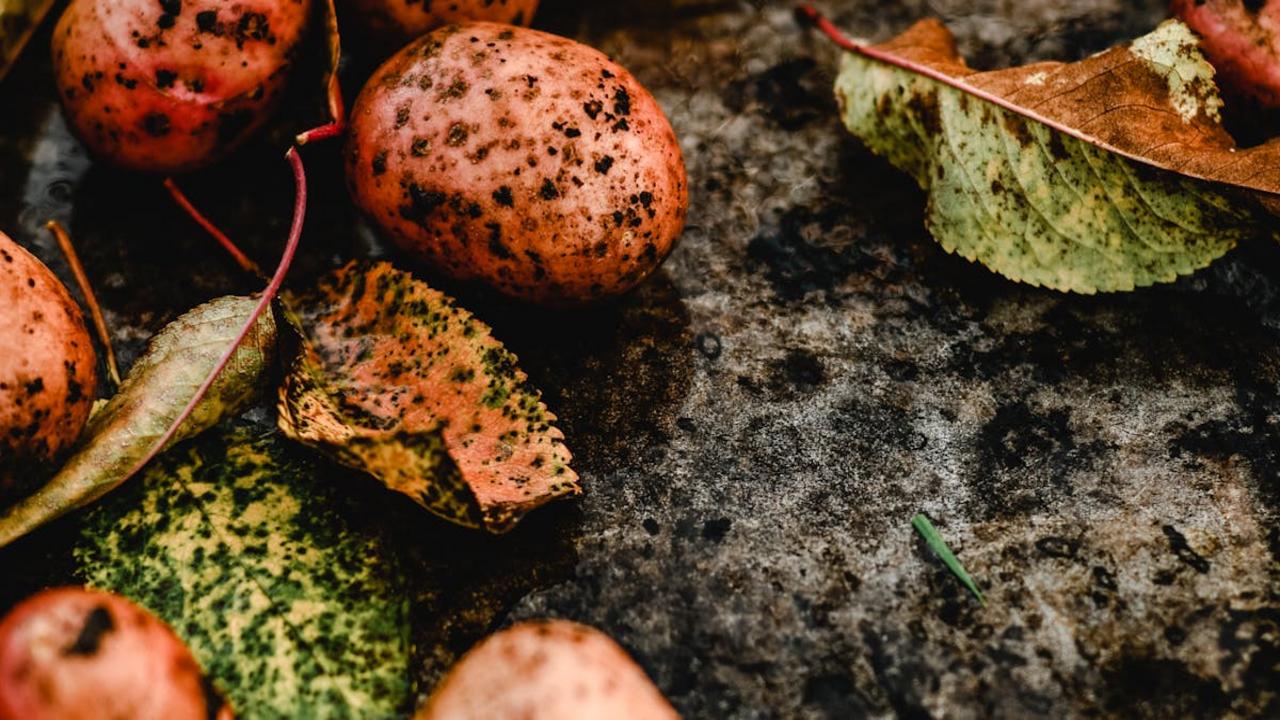
Growing fingerling potatoes in your backyard transforms your relationship with this humble tuber completely. These small, elongated gems develop such concentrated flavor when you pull them fresh from the soil – nothing like those storage potatoes from the grocery store. I plant varieties like Russian Banana and Purple Majesty because they bring colors and textures that make every meal more exciting. The waxy flesh holds together beautifully whether you roast them whole with rosemary and garlic or toss them into warm salads with fresh herbs from your garden.
What amazes me most about homegrown fingerlings is how their thin skins become almost creamy when cooked, requiring no peeling whatsoever. I love smashing them lightly after boiling, then crisping them up in a cast iron skillet with olive oil and whatever spices call to me that day – sometimes za’atar for a Middle Eastern twist, or curry powder for an Indian-inspired side. The natural sugars concentrate during roasting, creating caramelized edges that pair perfectly with simple grilled proteins or become the star of vegetarian grain bowls loaded with seasonal vegetables.
Carrots
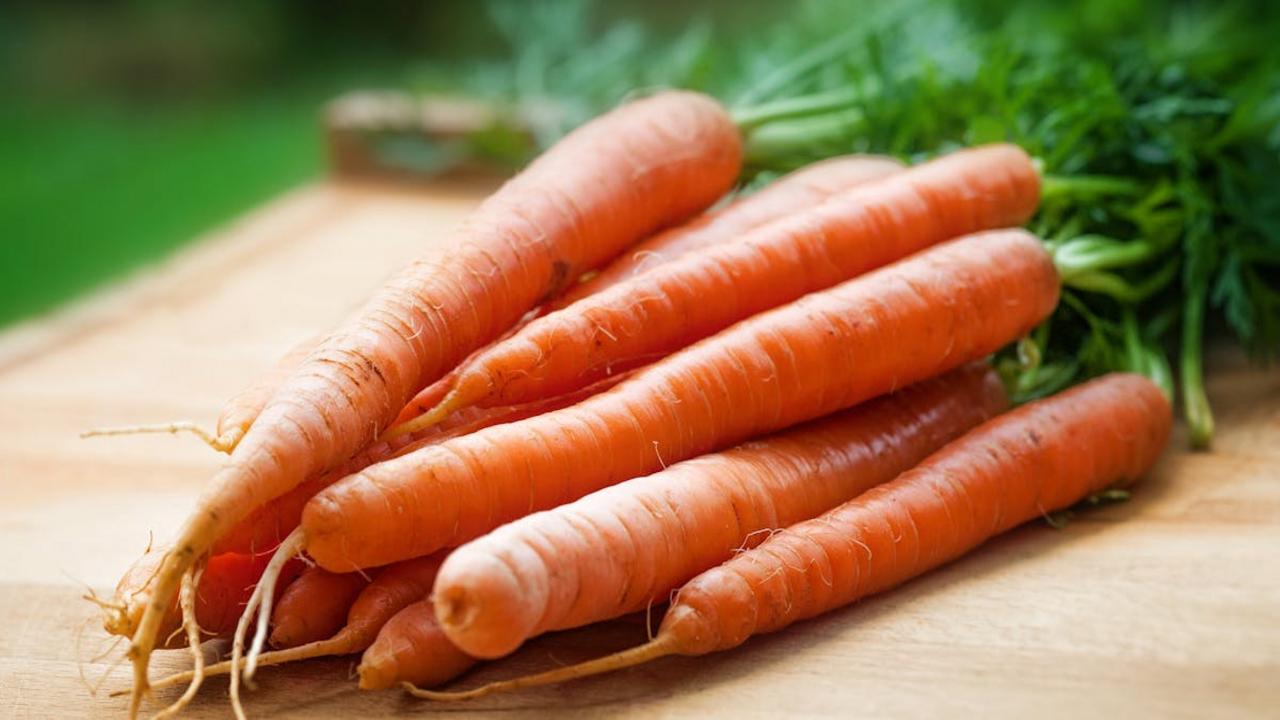
I remember the first time I pulled a carrot from my own soil – the difference was shocking. Store-bought carrots pale in comparison to what you can grow yourself. These homegrown beauties carry an intense sweetness that radiates through every fiber, with an earthy depth that commercial varieties simply can’t match. The texture transforms too, becoming crisp and snappy rather than that sometimes rubbery consistency you find in bags. My garden produces carrots in shades from deep purple to sunny yellow, each variety bringing its own personality to my kitchen.
Growing your own means you control everything from seed to table, and trust me, this makes all the difference in your cooking. I use my freshly harvested carrots in ways that maximize their natural sugars – roasting them whole with just olive oil and herbs, or grating them raw into salads where their sweetness balances bitter greens perfectly. The tops become pesto ingredients or soup bases, nothing goes to waste. These carrots need minimal intervention because their flavor already sings; a simple sauté with ginger and a splash of coconut milk turns them into something restaurant-worthy. When you grow them yourself, you’re not just getting vegetables – you’re getting ingredients that inspire better cooking.
Ground Cherries
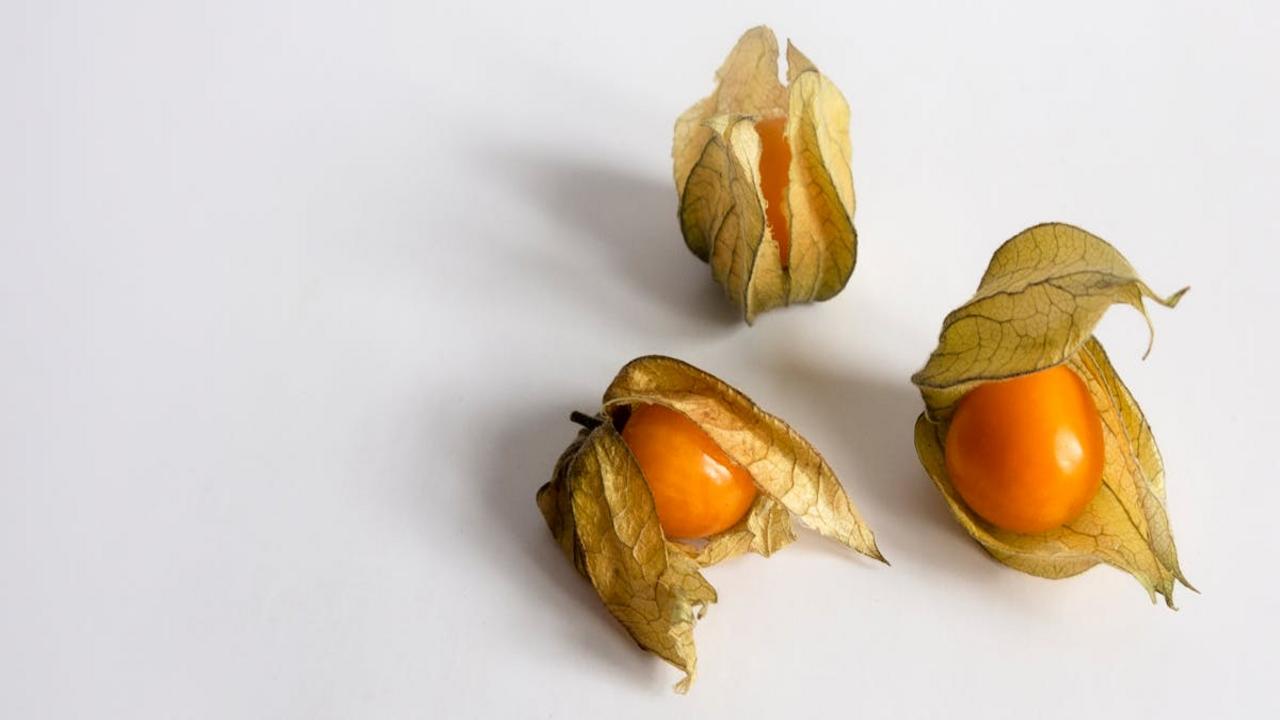
You know that magical moment when you discover a fruit that tastes like it belongs in both a dessert and a savory dish? Ground cherries give you exactly that experience! These golden gems hide inside delicate papery husks, and when you grow them yourself, their flavor reaches heights you simply can’t find in store-bought versions. I love how they develop this perfect balance of tropical sweetness with subtle tomato-like undertones – imagine a cross between a pineapple and a cherry tomato, with hints of vanilla dancing through each bite.
Growing ground cherries transforms your cooking possibilities in ways you never expected. I toss them fresh into grain bowls for bursts of sunshine, blend them into salsas that surprise everyone, and turn them into the most incredible jams that pair beautifully with both sweet and savory dishes. They’re incredibly easy to grow – just plant them like tomatoes and watch them sprawl across your garden, producing hundreds of these little treasures. The best part? You can pick them right off the plant and eat them immediately, or store them in their husks for weeks. Trust me, once you experience the concentrated flavor of homegrown ground cherries, you’ll wonder why more people don’t grow these incredible fruits in their backyards.
Heirloom Tomatoes
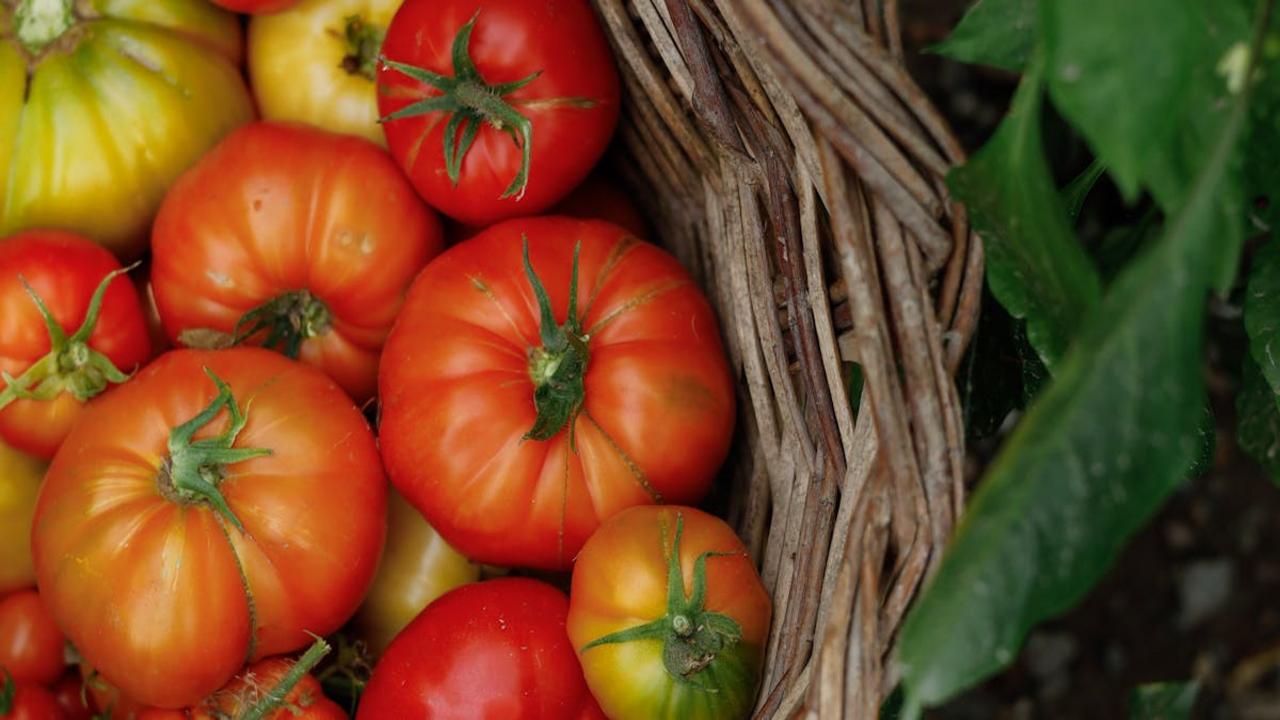
You know that disappointing moment when you bite into a store-bought tomato and get nothing but watery blandness? That changes completely when you grow heirloom varieties in your own backyard. These gorgeous, often oddly-shaped beauties come in colors that would make any artist jealous—deep purples, sunny yellows, striped greens, and reds so vibrant they practically glow. Each variety carries its own personality: Cherokee Purples with their smoky sweetness, Brandywines that practically melt in your mouth, or those stunning Black Krims with their rich, complex flavor that transforms any simple dish into something extraordinary.
Growing your own heirloom tomatoes connects you to generations of gardeners who saved seeds and preserved these incredible varieties. The difference in taste is so dramatic that you’ll never look at grocery store tomatoes the same way again. I love slicing thick rounds of a perfectly ripe Mortgage Lifter (yes, that’s really its name!) and layering them with fresh basil and sea salt—no fancy preparation needed. These tomatoes bring such intense, concentrated flavor that they make everything better: your morning eggs, that simple pasta sauce, or even just eaten warm straight from the vine like nature’s candy. The satisfaction of growing something this delicious yourself? Absolutely priceless.
Fresh Herbs
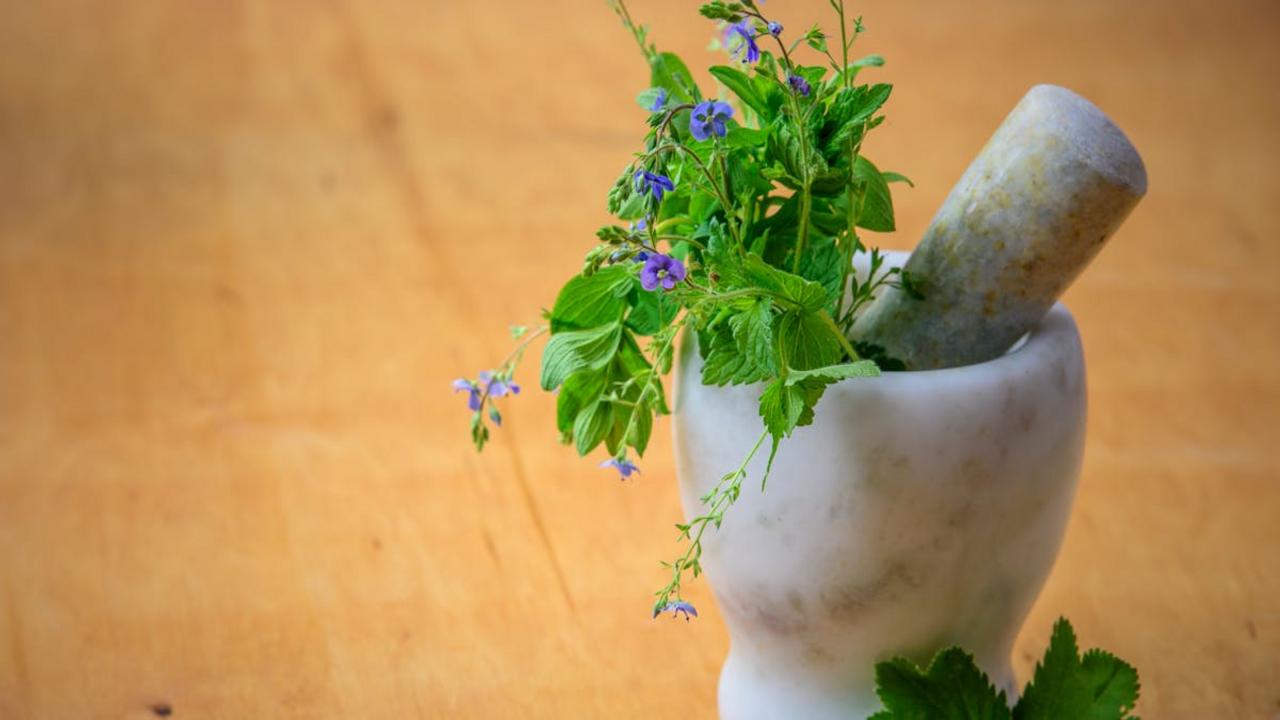
Nothing transforms a simple dish quite like fresh herbs snipped straight from your garden or windowsill. You know that moment when you run your fingers through basil leaves and catch that intoxicating aroma? That’s the magic you’re missing when you rely on dried herbs from the store. Growing your own herbs means you control the flavor intensity—no more wondering how long those dusty bottles have been sitting on the shelf. I keep a rotating collection of herbs growing year-round, from classic Mediterranean varieties like oregano and thyme to more adventurous options like Vietnamese coriander and Mexican mint marigold.
The flavor difference between homegrown and store-bought herbs will shock you. Fresh cilantro from your garden carries bright, citrusy notes that dried versions simply can’t match. Your homegrown rosemary releases pine-like oils that make roasted vegetables sing with Mediterranean warmth. I love how fresh herbs allow me to create global flavors at home—throwing together Thai basil with chili and lime for a quick Southeast Asian-inspired stir-fry, or mixing fresh dill with lemon for a Greek-style yogurt sauce. Plus, you’re avoiding all those plastic containers and reducing food waste since you harvest exactly what you need for each meal.