14 Foods to Skip in Your Kids Meals and Easy Lunchbox Swaps They Will Love
Packing safe, nutritious lunches for your little ones requires more thought than tossing together favorite snacks. Many common foods pose choking hazards or health risks for children, especially those under five. From whole grapes that can block airways to unpasteurized dairy products that harbor harmful bacteria, seemingly innocent ingredients can turn mealtime dangerous.
I’ve learned through years of feeding my own family that knowledge transforms worry into confidence. Understanding which foods to avoid and why helps you make informed decisions without second-guessing every meal. The good news? Simple swaps can keep lunchboxes exciting while prioritizing safety.
Creating wholesome meals from scratch means controlling every ingredient that nourishes your children. These fourteen foods require special attention, but replacing them with safer alternatives doesn’t mean sacrificing flavor or fun. Your kids will love the creative substitutions that keep them healthy and happy.
Citrus fruits for infants
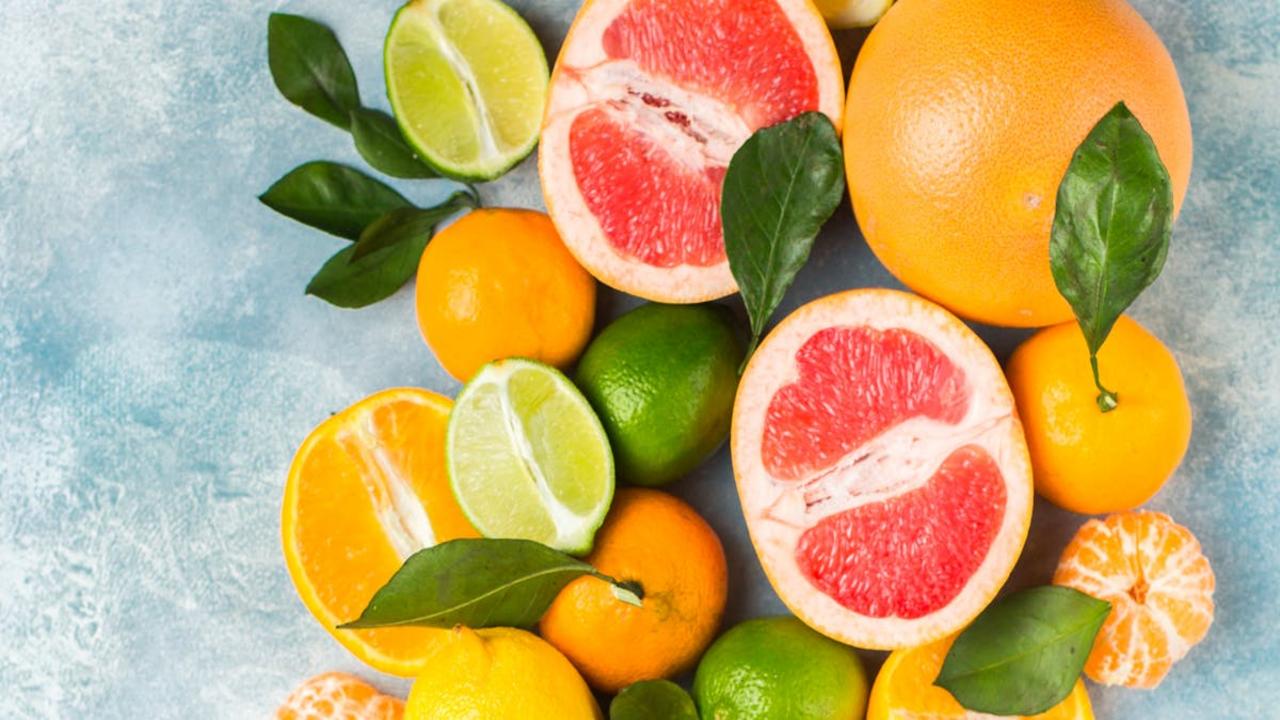
Listen, I know those bright oranges and lemons look perfect for baby’s first foods, but hold off on citrus fruits until your little one hits that 12-month mark. Their tiny digestive systems just aren’t ready for the high acidity levels found in oranges, lemons, limes, and grapefruits. I learned this the hard way with my nephew – one small piece of orange led to an uncomfortable diaper rash and some serious fussiness. The citric acid can irritate their sensitive skin and cause stomach upset, making mealtime a battle nobody wants to fight.
Instead of citrus, I love introducing babies to gentler fruits that still pack incredible flavor and nutrition. Try mashed bananas mixed with a pinch of cinnamon, or steam some sweet apple slices until they’re fork-tender. Pears work beautifully too – I often roast them with a tiny hint of vanilla for natural sweetness. Avocado remains one of my go-to first foods because it’s creamy, mild, and loaded with healthy fats that growing brains need. Once your baby turns one, you can slowly introduce diluted citrus juices and small pieces of peeled orange segments, watching for any reactions along the way.
Canned tuna
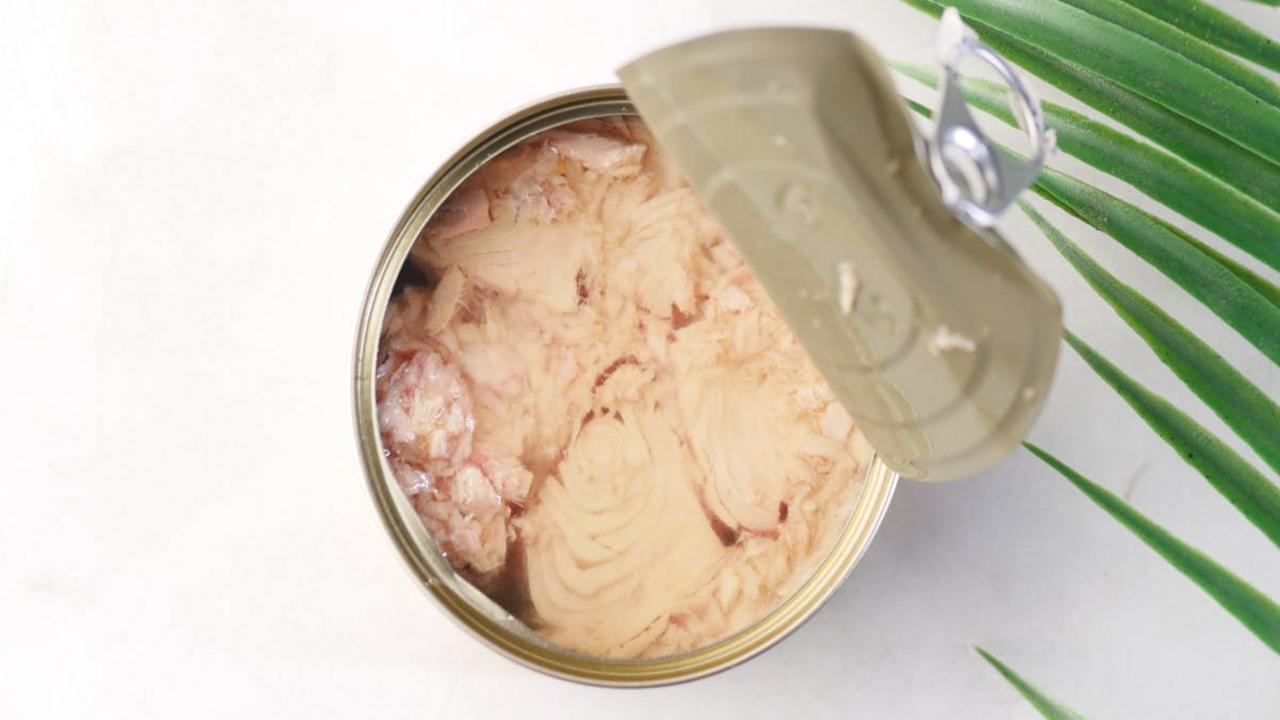
Look, I get it – canned tuna seems like the perfect protein punch for your little one’s lunchbox. But here’s what I’ve learned from years of feeding my family: those convenient cans often pack more mercury than we want our kids consuming regularly. Young developing brains are particularly sensitive to mercury, and many popular tuna varieties like albacore contain higher levels that can accumulate over time. Plus, most canned versions come loaded with sodium and sometimes sketchy preservatives that don’t align with my whole-food philosophy.
Instead, I love making fresh tuna salad using wild-caught salmon or even mashed chickpeas with a touch of kelp flakes for that oceanic flavor kids crave. My go-to swap involves mixing flaked cooked salmon with avocado, a squeeze of lemon, and finely diced cucumber – it’s creamy, protein-rich, and naturally lower in mercury. For an even simpler approach, try white bean salad mashed with olive oil and fresh herbs. Your kids get the same satisfying, spreadable texture they expect, but with cleaner ingredients that actually nourish their growing bodies without the heavy metal concerns.
Unpasteurized milk
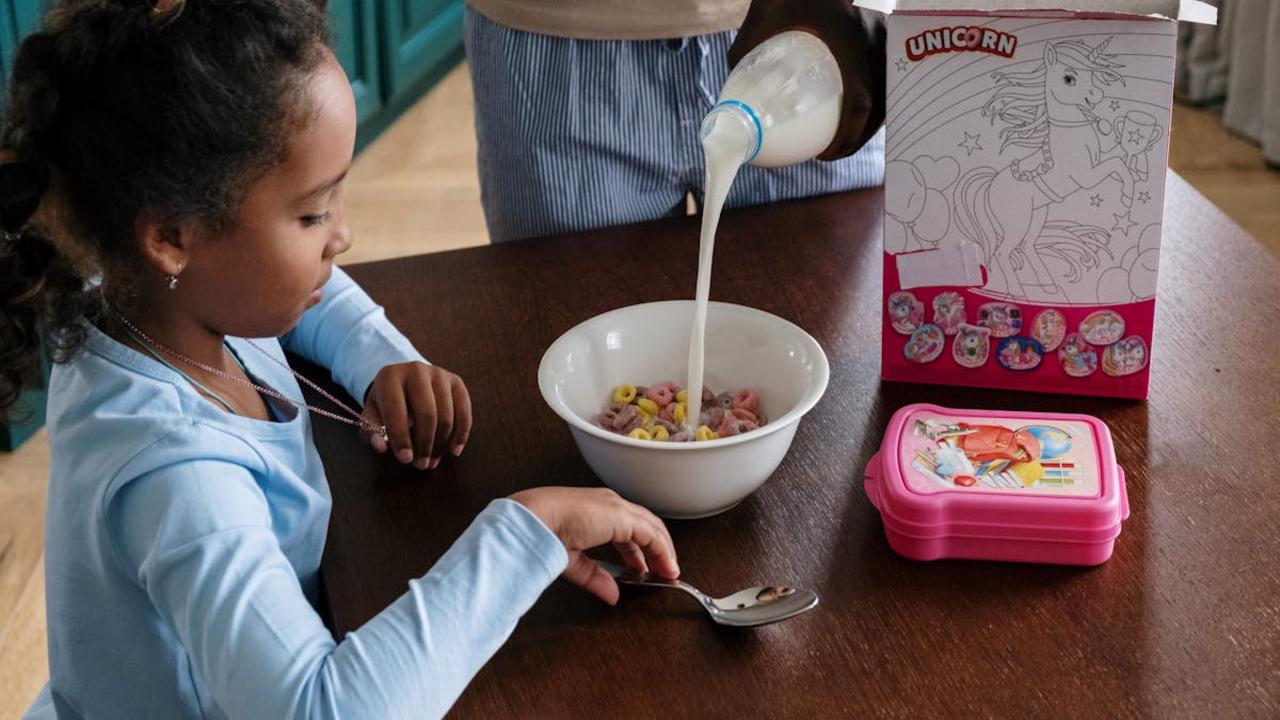
I know the appeal of raw, unpasteurized milk—that creamy richness straight from the farm feels so pure and natural. As someone who champions whole foods and minimal processing, I understand why parents might consider it for their children. However, unpasteurized milk carries serious risks that I simply can’t ignore when packing lunch boxes. Raw milk can harbor dangerous bacteria like E. coli, Salmonella, and Listeria, which can cause severe illness in children whose immune systems are still developing.
Instead, I reach for high-quality organic pasteurized milk or explore plant-based alternatives that bring their own nutritional benefits. Oat milk creates incredibly creamy smoothies, while almond milk pairs beautifully with homemade granola. For something different, try coconut milk in overnight oats with fresh berries—it adds natural sweetness and healthy fats. If you want that farm-fresh taste, look for locally sourced pasteurized milk from small dairies. You get the same wholesome nutrition and support local farmers, but without the health risks that keep me awake at night worrying about my kids’ safety.
Soft cheeses
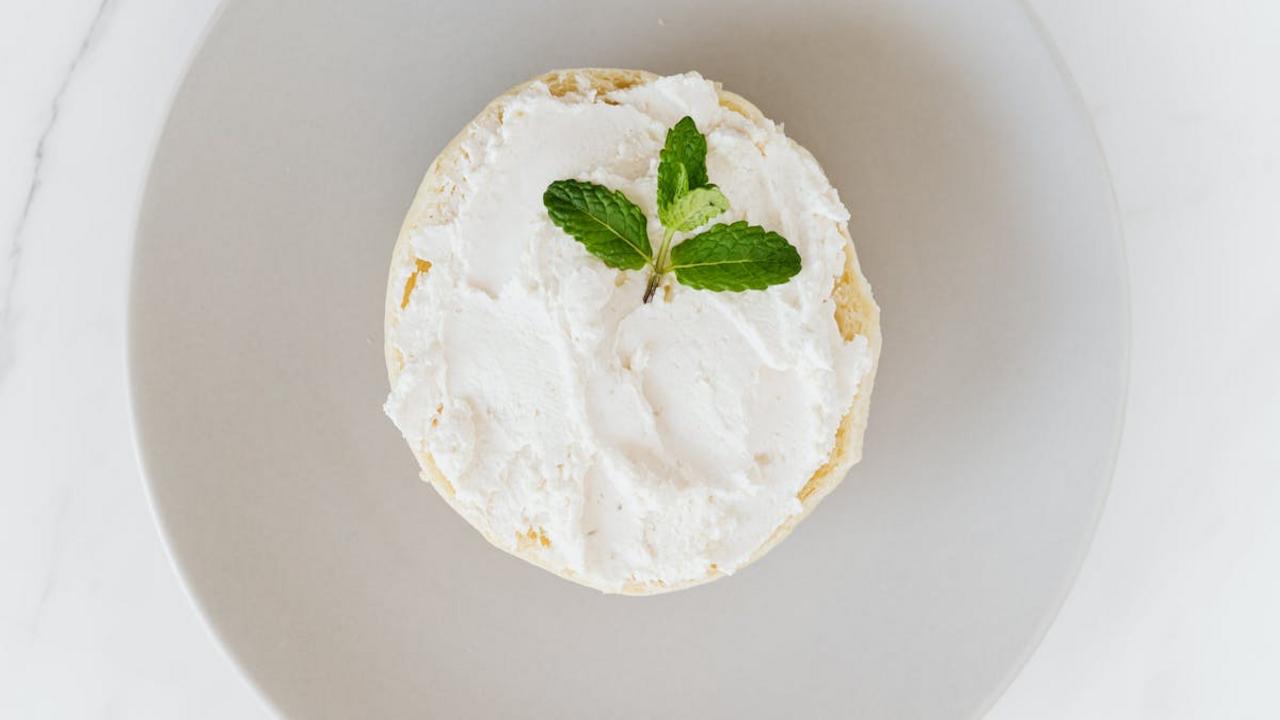
Soft cheeses like brie, camembert, and fresh mozzarella might seem like sophisticated additions to your child’s lunchbox, but they come with some practical concerns that make them less than ideal for school meals. These cheeses require consistent refrigeration to maintain their safety and quality, and most school environments can’t guarantee that cold chain stays intact throughout the day. I’ve seen too many lunch containers come home with that telltale warm, slightly off smell that tells you the cheese has been sitting at room temperature for hours. Beyond food safety, many soft cheeses have strong flavors that young palates find overwhelming, leading to uneaten lunches and hungry kids.
Instead of soft cheeses, reach for firmer options that travel better and appeal more to children’s preferences. Sharp cheddar, gouda, or swiss cheese hold up beautifully at room temperature for several hours and offer familiar flavors most kids enjoy. I love preparing small cubes of aged cheddar with apple slices or whole grain crackers – it’s a combination that feels special without the worry. String cheese or babybel rounds work wonderfully too, since they’re portion-controlled and designed to be shelf-stable for longer periods. These alternatives give you the protein and calcium benefits of dairy while keeping things simple and safe for busy school days.
Dried fruits
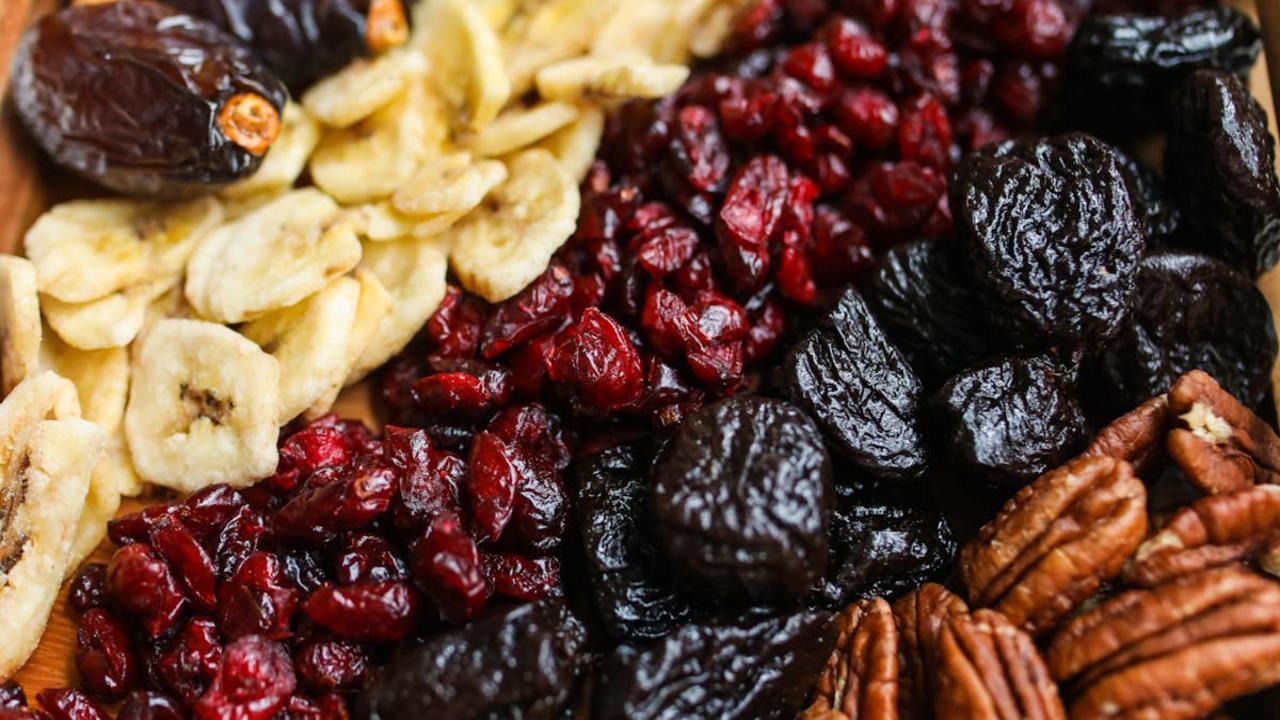
You know what breaks my heart? Watching parents pack those little boxes of dried fruit thinking they’re doing something amazing for their kids, only to discover they’ve just handed them candy in disguise. Most commercial dried fruits get loaded with added sugars, artificial colors, and preservatives that transform what should be nature’s candy into something far from natural. Even the “no sugar added” versions concentrate the natural sugars so intensely that your little ones get a sugar rush that would make a hummingbird jealous. Those chewy, sticky textures also cling to teeth, creating the perfect environment for cavities to party.
Instead of reaching for those processed packets, try making your own fruit leather at home using your dehydrator or even your oven on low heat. Blend fresh mangoes, strawberries, or apples with just a touch of lemon juice, spread thin on parchment, and let time work its magic. Your kids get pure fruit flavor without the sugar crash, and you control every single ingredient that goes into their bodies. For grab-and-go convenience, slice fresh apples and toss them with a sprinkle of cinnamon, or pack fresh grapes and berries that give them natural sweetness plus hydration. Trust me, once they taste real fruit again, those artificial versions won’t stand a chance.
Hot dogs
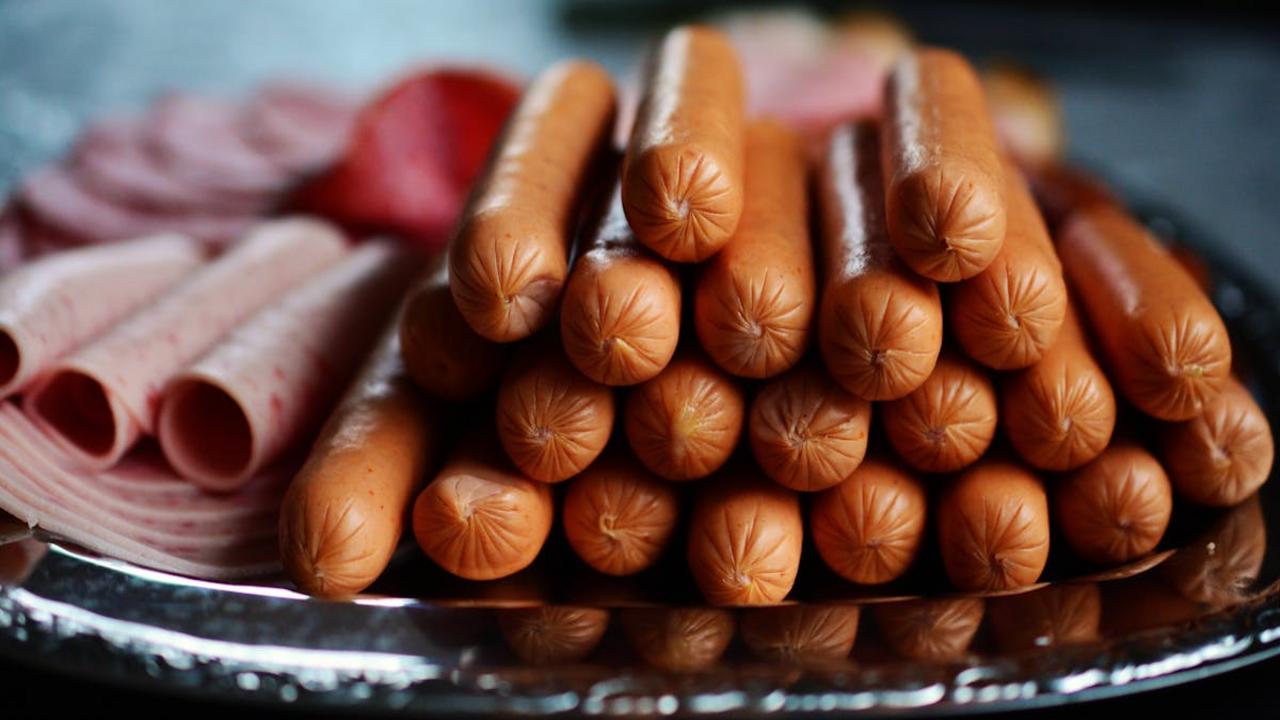
Hot dogs might seem like the ultimate kid-friendly lunch solution, but I want you to know what’s really hiding inside those convenient cylinders. Most commercial hot dogs contain a cocktail of preservatives like nitrates and nitrites, plus excessive sodium that can spike your child’s blood pressure and create unhealthy cravings. The processing methods strip away nutrients while adding fillers, artificial flavors, and chemicals that your growing child’s body simply doesn’t need. I’ve seen too many lunch boxes packed with these processed tubes, and honestly, your kids deserve so much better than mystery meat wrapped in synthetic casings.
Instead of reaching for hot dogs, try making your own mini meatballs using ground turkey or beef mixed with finely chopped vegetables like carrots and zucchini. Roll them into bite-sized portions, bake them until golden, and watch your kids gobble them up! Another fantastic swap involves slicing up some quality chicken sausage made with real ingredients you can pronounce. You can even create fun “hot dog” shapes using seasoned ground meat pressed into silicone molds. These homemade alternatives give you complete control over ingredients while delivering protein your children actually need for proper growth and sustained energy throughout their school day.
Marshmallows
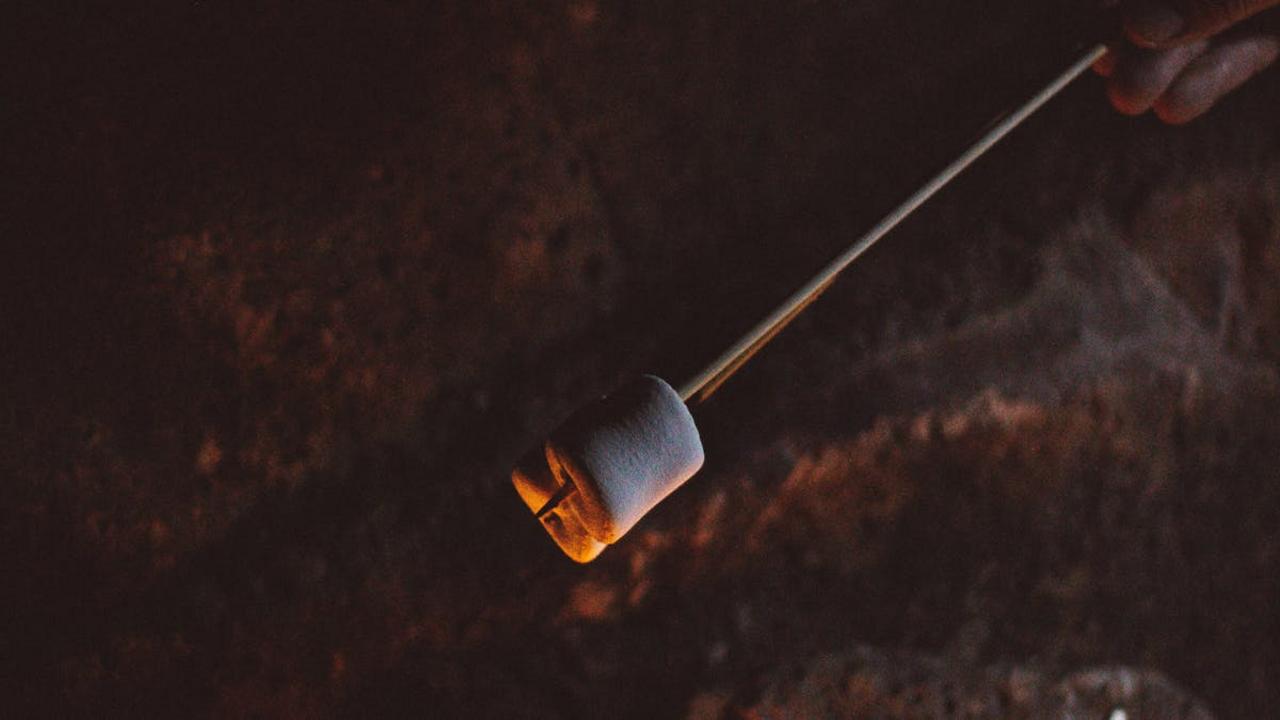
Those fluffy white pillows might look innocent, but marshmallows pack a serious sugar punch that sends your child’s energy levels on a wild roller coaster ride. I see so many parents toss them into lunch boxes thinking they’re harmless treats, but here’s what I discovered after reading countless ingredient labels: most commercial marshmallows contain high fructose corn syrup, artificial colors, and gelatin derived from questionable sources. Your little ones deserve so much better than these processed sugar bombs that offer zero nutritional value and can trigger hyperactivity followed by an inevitable crash.
Instead of reaching for those store-bought marshmallows, try my favorite homemade fruit leather strips made from pureed strawberries and a touch of honey. Roll them up in parchment paper, and watch your kids’ faces light up when they unwrap these naturally sweet treasures. Another winning swap I love making is coconut date balls – simply blend dates with shredded coconut and roll into bite-sized spheres. These alternatives satisfy that sweet craving while providing fiber, vitamins, and sustained energy that keeps your children focused throughout their afternoon classes.
Popcorn

You know how popcorn feels like the perfect grab-and-go snack for little ones? I get it completely! But here’s what I’ve learned through years of packing countless lunchboxes: those fluffy kernels can actually pose a choking hazard for children under four. Even for older kids, popcorn can get stuck in their teeth or cause discomfort if they don’t chew properly. The irregular shapes and hard hulls make it tricky for young mouths to handle safely, and honestly, watching my own little ones struggle with those stubborn kernels between their teeth made me rethink this snack choice entirely.
Instead of popcorn, I’ve discovered some absolutely delicious alternatives that give you that same satisfying crunch without the worry. Puffed rice cakes broken into bite-sized pieces work beautifully – you can even sprinkle them with a tiny bit of nutritional yeast for that cheesy flavor kids crave. Roasted chickpeas seasoned with just a touch of sea salt and paprika create an incredible crunch that disappears in seconds from lunchboxes. My personal favorite swap? Homemade banana chips that I dehydrate myself – they’re naturally sweet, perfectly crispy, and so much more wholesome than anything you’d find in a package. These options give your children that satisfying texture they’re looking for while keeping mealtime safe and stress-free for everyone involved.
Hard candies
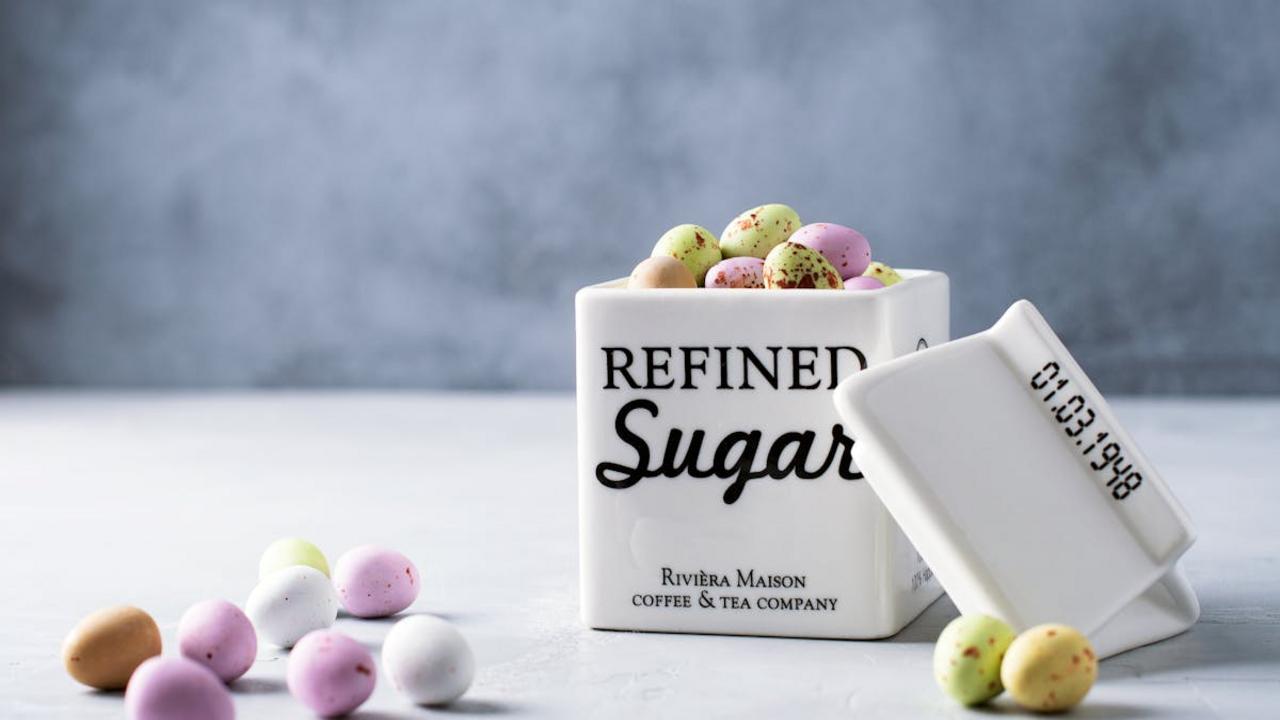
Hard candies might seem like harmless treats, but they’re essentially concentrated sugar bombs that wreak havoc on your child’s teeth and energy levels. These colorful little discs contain artificial colors, flavors, and corn syrup that provide zero nutritional value while creating perfect conditions for tooth decay. Beyond the dental concerns, hard candies cause dramatic blood sugar spikes followed by inevitable crashes that leave kids cranky and unfocused. The sticky residue clings to teeth for hours, feeding harmful bacteria and increasing cavity risk significantly.
Instead of reaching for those processed sugar spheres, try making your own fruit leather using pureed mangoes, strawberries, or apples with a touch of honey. Roll the mixture thin on parchment paper and dehydrate in your oven on low heat until chewy. You can also freeze grapes or berries for a naturally sweet, refreshing treat that satisfies that desire for something special. Homemade energy balls made from dates, nuts, and coconut offer concentrated sweetness with actual nutrients. These alternatives give kids the satisfaction of a sweet treat while nourishing their growing bodies with real food ingredients.
Whole nuts
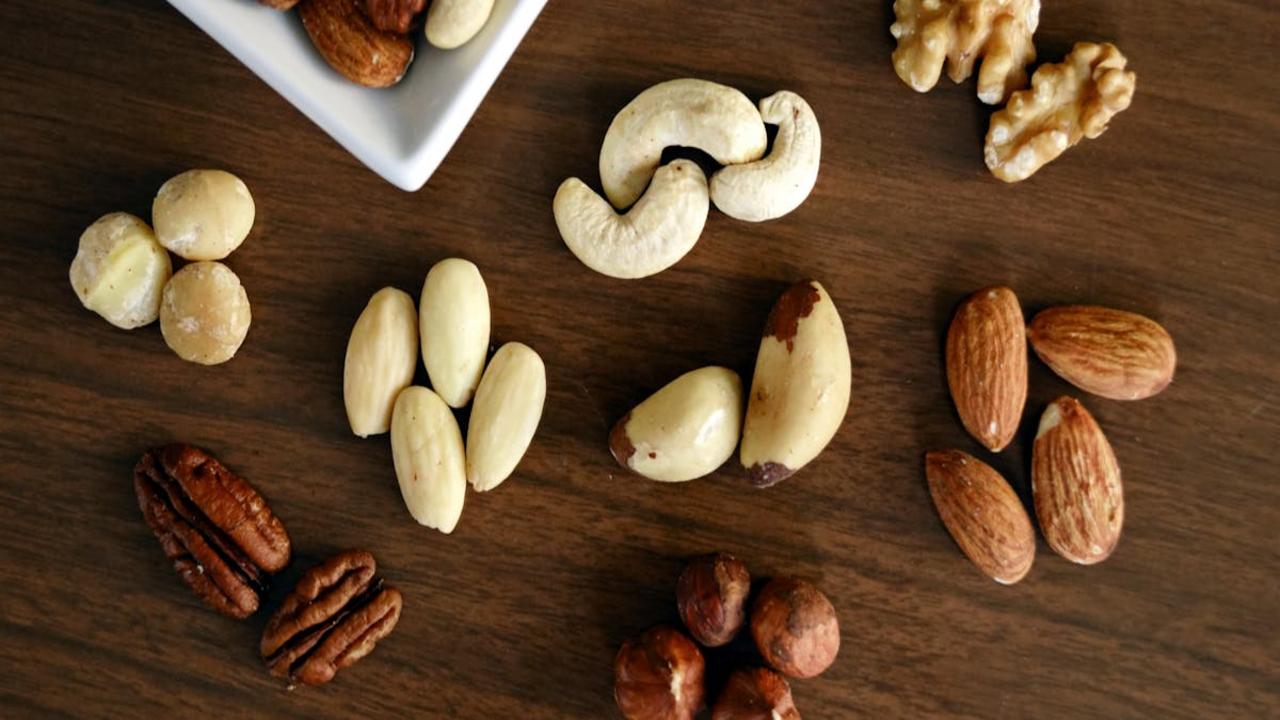
You know how much I love incorporating nuts into our family meals – they’re packed with healthy fats, protein, and nutrients that growing bodies need. But here’s something that stopped me in my tracks when I first became a parent: whole nuts pose a serious choking hazard for children under four years old. Their size and hard texture make them dangerous for little ones who are still developing their chewing skills and coordination. I learned this the hard way during my early days of meal prep, when I mindlessly packed whole almonds for my toddler’s snack box.
The good news? You don’t have to eliminate nuts entirely from your child’s diet. I’ve found incredible success with nut butters – they deliver all those amazing nutrients without the safety concerns. Spread almond butter on whole grain crackers, swirl peanut butter into homemade energy balls, or create a simple tahini dip with honey and cinnamon. For older kids who can handle more texture, finely chopped nuts work beautifully sprinkled over yogurt or mixed into homemade granola. I also love making my own nut “flour” by grinding almonds or cashews – perfect for adding protein to pancakes or muffins while keeping meals safe and delicious.
Cherry tomatoes
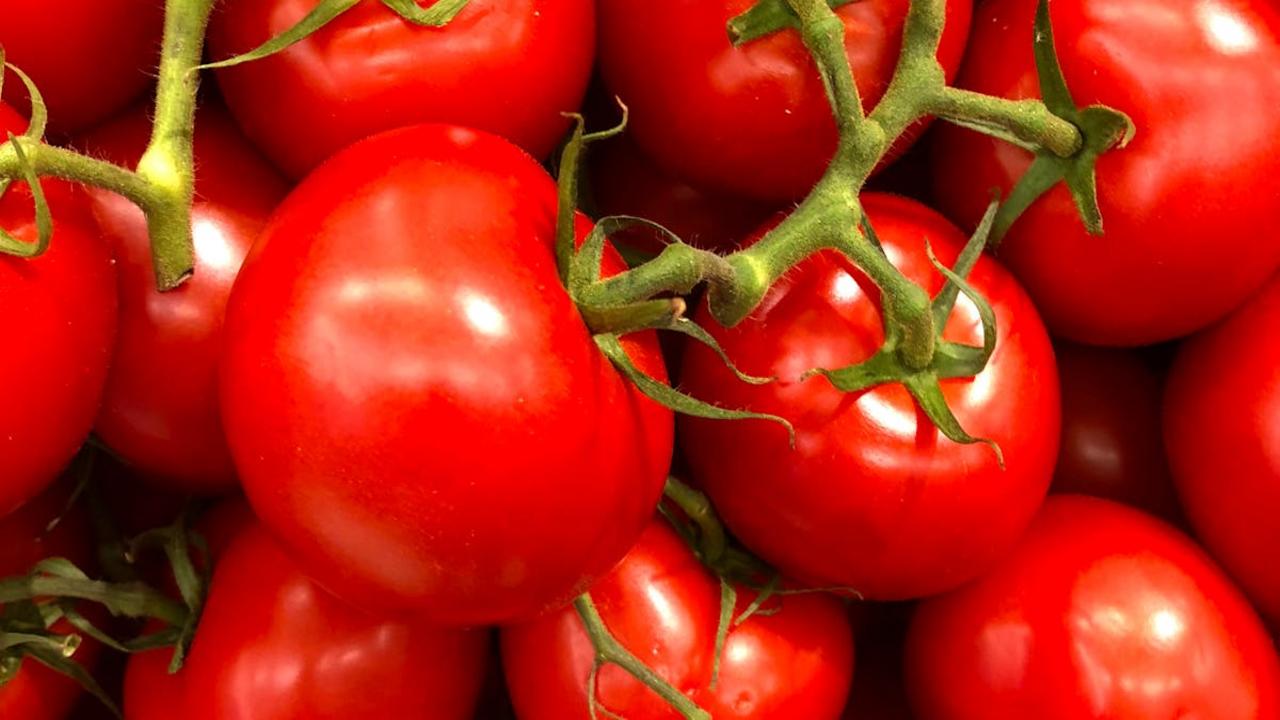
You might think cherry tomatoes are the perfect grab-and-go snack for lunch boxes, but here’s what I’ve learned from years of packing meals for little ones—they can be surprisingly problematic. These tiny beauties pose a serious choking hazard for children under four, and even older kids can struggle with their slippery, round shape. I’ve watched my own nephews try to bite into whole cherry tomatoes only to have them shoot across the table like little red missiles! Beyond safety concerns, cherry tomatoes often come with a hefty pesticide load since their thin skin absorbs chemicals easily, making organic versions pricey for many families.
Instead of tossing whole cherry tomatoes into lunch boxes, I slice them in half or quarters—this simple step eliminates the choking risk while keeping all that sweet, juicy flavor kids love. Even better, try roasting halved cherry tomatoes with a drizzle of olive oil and a pinch of herbs the night before. They become these incredible little flavor bombs that taste like sunshine and make any sandwich or wrap special. For a fun twist, I sometimes stuff hollowed-out cherry tomato halves with cream cheese mixed with fresh herbs—my friend’s daughter calls them “tomato cups” and asks for them weekly! You can also swap in diced regular tomatoes, sun-dried tomatoes (chopped small), or even colorful bell pepper strips for that satisfying crunch and vibrant color.
Raw honey
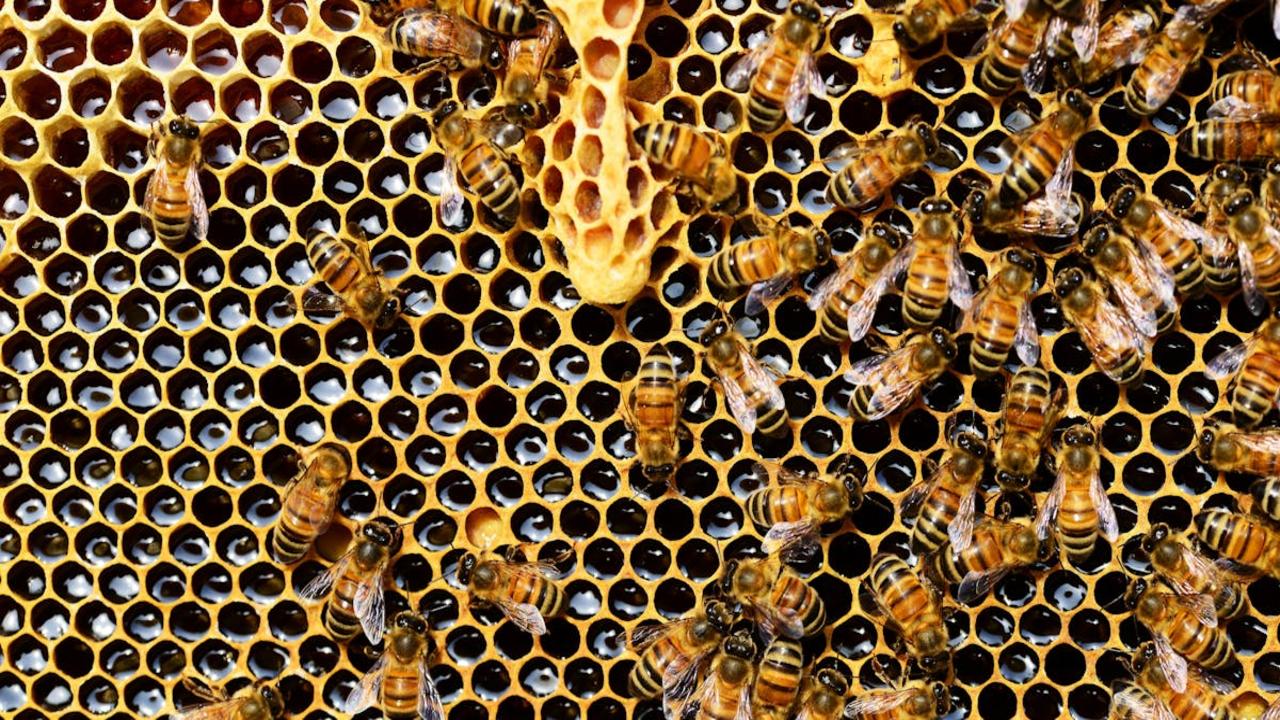
I know honey seems like nature’s perfect sweetener, and I completely understand why you’d want to drizzle it into your little one’s oatmeal or spread it on toast. But here’s something that might surprise you – raw honey isn’t safe for babies under 12 months old. It can contain botulism spores that their developing immune systems can’t handle yet. Even for older kids, raw honey is still quite potent and can be harder on their digestive systems than you’d expect.
Instead of raw honey, try using pasteurized honey for children over one year old – it’s been heated just enough to eliminate those harmful spores while keeping most of the natural sweetness intact. For babies and toddlers, mashed banana or unsweetened applesauce work beautifully as natural sweeteners in their meals. I love mixing a bit of cinnamon with mashed banana to create a sweet spread that kids absolutely adore. You can also try date paste – just blend pitted dates with a splash of warm water until smooth. It’s incredibly sweet naturally and adds a rich, caramel-like flavor that transforms plain yogurt or oatmeal into something special.
Peanut butter
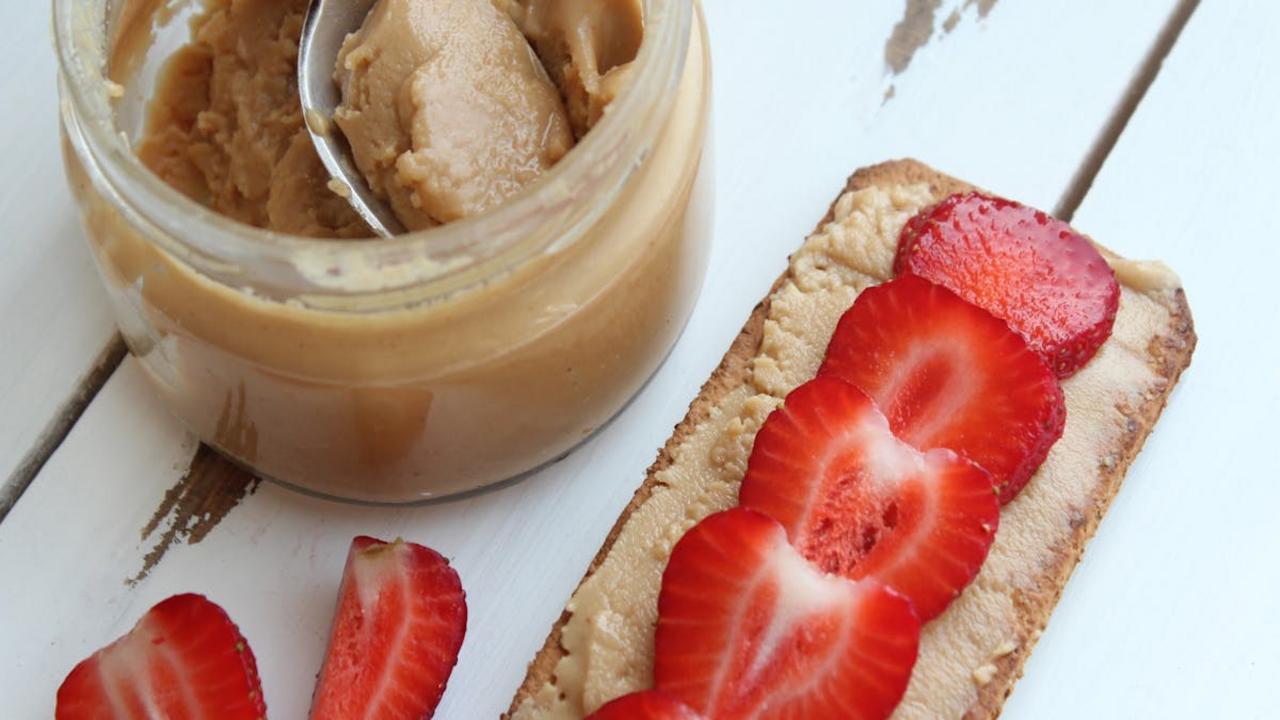
I know what you’re thinking—peanut butter seems like the perfect protein-packed lunch staple! But here’s what many parents don’t realize: most commercial peanut butters hide loads of added sugars, hydrogenated oils, and unnecessary preservatives. These additives can spike your child’s blood sugar and leave them crashing by afternoon. Even brands labeled “natural” often sneak in palm oil or extra salt. When I started reading labels more carefully, I discovered my favorite childhood brand contained more sugar per serving than some cookies!
Instead of reaching for that jar of processed spread, try making your own nut butter at home—it takes just minutes in a food processor with roasted peanuts and a pinch of sea salt. You control every ingredient! For school-safe alternatives, sunflower seed butter works beautifully and tastes remarkably similar. I love mixing tahini with a drizzle of honey for Mediterranean-inspired sandwiches, or spreading mashed avocado with a sprinkle of hemp seeds for healthy fats. These swaps give your kids the same creamy satisfaction while nourishing their growing bodies with real, wholesome ingredients they’ll actually enjoy eating.
Grapes
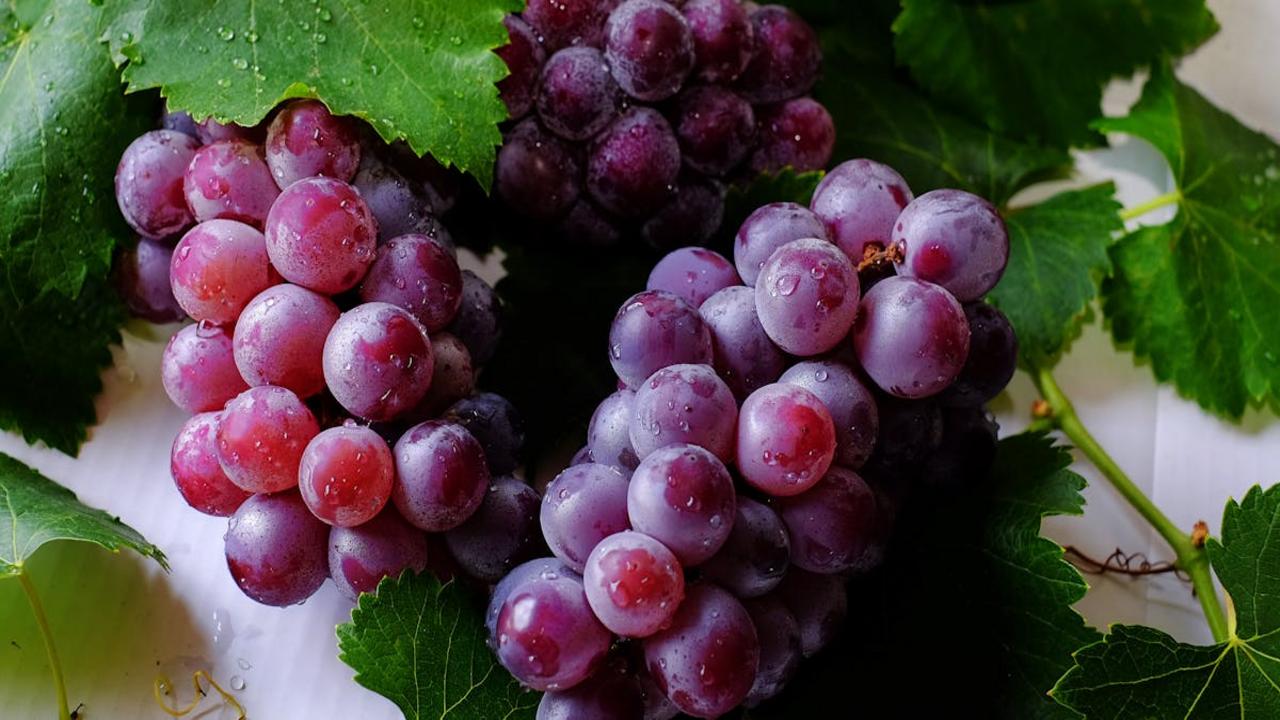
Those perfectly round, sweet grapes might look innocent in your child’s lunchbox, but they’re actually one of the most dangerous choking hazards for young kids. I’ve seen too many parents pack whole grapes without thinking twice, not realizing that their smooth, slippery texture and round shape make them a perfect storm for blocking little airways. Children under four are particularly at risk because they don’t have the molars needed to properly break down these fruits, and their natural instinct is to swallow quickly rather than chew thoroughly.
The good news? You don’t need to ban grapes entirely from your kitchen. I always slice mine lengthwise into halves or quarters before serving them to my little ones – it takes just thirty seconds and transforms them into a safe, enjoyable snack. For lunchboxes, try swapping whole grapes for pre-cut grape pieces, freeze-dried fruit strips, or even better, fresh berries like blueberries or raspberries that naturally come in bite-sized portions. My kids actually prefer the variety, and I love knowing they’re getting the same vitamins and natural sweetness without the worry.