15 Junk Foods to Skip for Smarter Snacking
Your snack choices matter more than you think! Those quick, convenient foods might satisfy cravings temporarily, but they often leave you feeling sluggish afterward. I’ve been there—grabbing whatever looks good when hunger strikes without considering what those foods actually do to my body.
Through years of cooking and developing recipes, I’ve learned that small swaps make huge differences in how you feel. Many popular treats pack unhealthy fats, excessive sodium, and artificial ingredients that offer little nutritional value while adding unnecessary calories to your day.
Ready to make better snacking decisions? I’ve compiled this list of 15 common junk foods worth skipping. For each one, I’ll suggest healthier alternatives that still satisfy those cravings without the guilt. Your body will thank you for these smarter choices!
Milkshakes
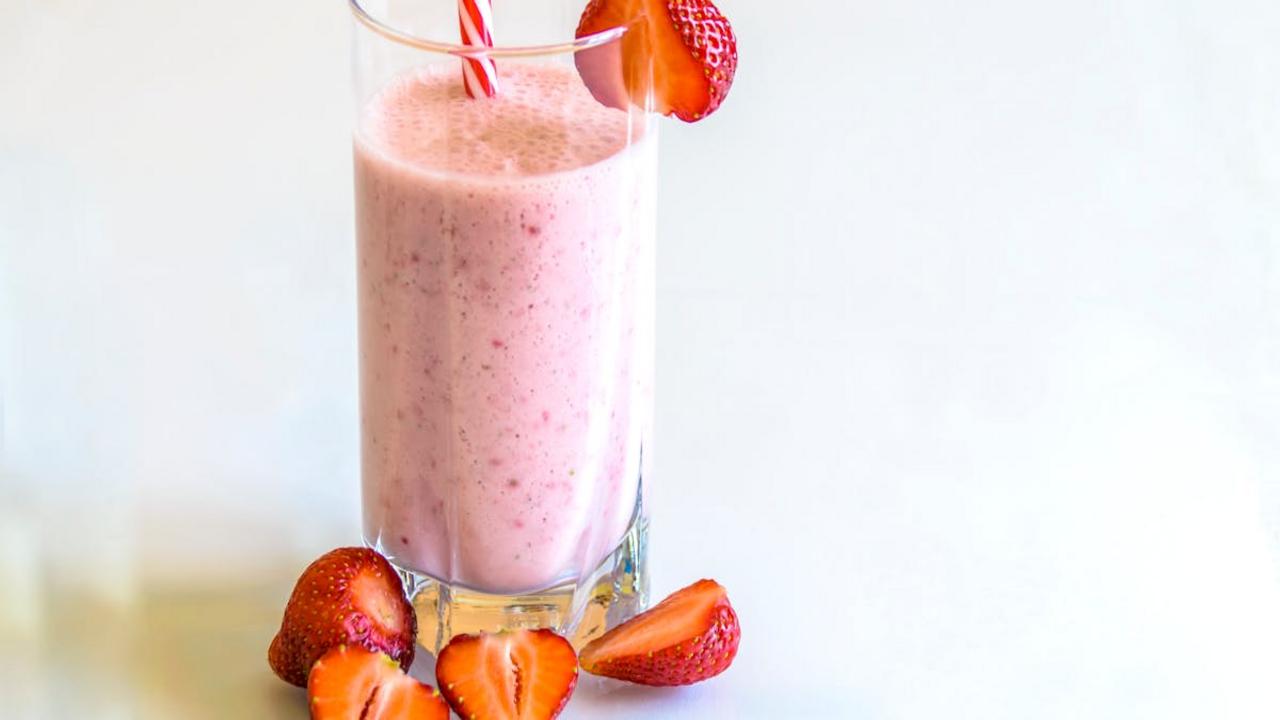
Friend, I know how tempting those thick, creamy milkshakes look behind the diner counter, but trust me on this one – they’re sugar bombs disguised as treats. A typical large milkshake packs anywhere from 700 to 1,200 calories, with most of those coming from refined sugar and saturated fat. We’re talking about what amounts to three or four servings of ice cream blended with whole milk and often topped with whipped cream. Your blood sugar spikes faster than you can say “brain freeze,” and that sugar crash hits you harder than a Monday morning alarm.
Instead of reaching for that processed shake, why not create something beautiful in your own kitchen? I make the most incredible banana “nice cream” shakes using frozen bananas, a splash of plant milk, and a pinch of vanilla. Sometimes I throw in a handful of spinach (you won’t taste it, I promise!), or blend in some Greek yogurt for protein. You get all the creamy satisfaction without the sugar overload, plus you control every single ingredient that goes into your body. Your future self will thank you when you’re not dealing with that inevitable sugar crash an hour later.
Chicken Nuggets
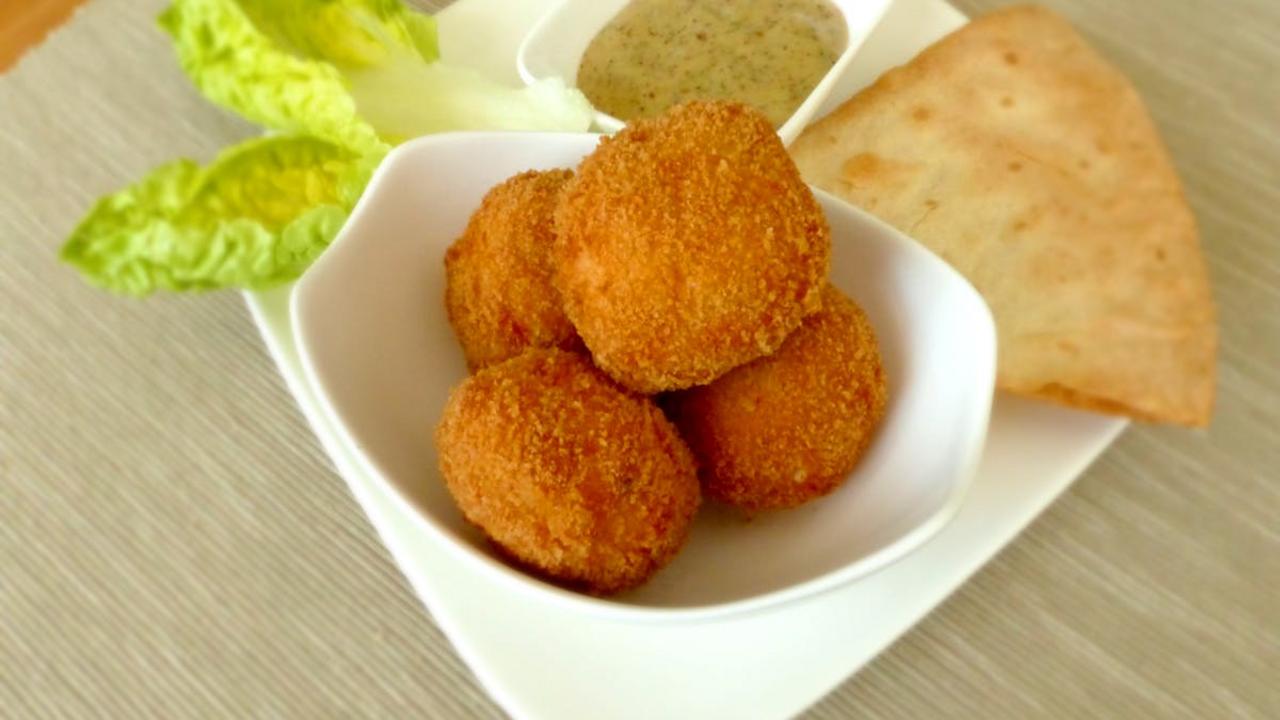
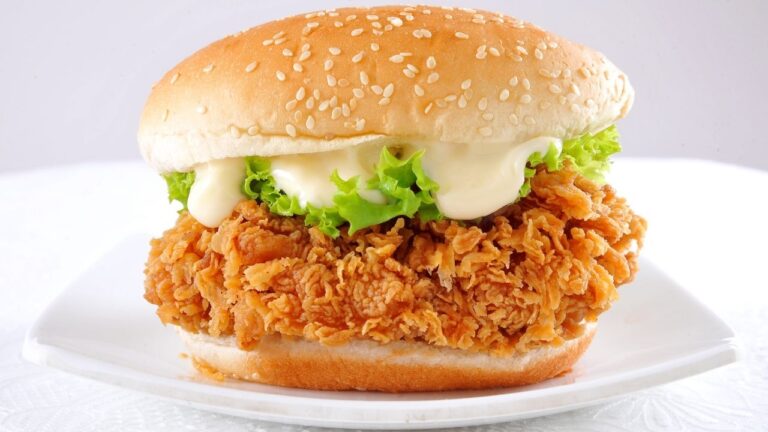
You know those golden, crispy chicken nuggets that seem so convenient when hunger strikes? I used to grab them without thinking twice, but once I started reading labels and understanding what goes into these little bites, everything changed. Most commercial chicken nuggets contain heavily processed chicken that’s been mechanically separated, mixed with fillers, preservatives, and artificial flavors. The breading often includes refined flour, excess sodium, and trans fats that your body simply doesn’t need. What breaks my heart is seeing how far we’ve moved from real chicken – the kind that clucks in farmyards and provides genuine nourishment.
Instead of reaching for those freezer-aisle nuggets, I’ve discovered the pure joy of making them from scratch using actual chicken breast or thighs. You control every single ingredient: real chicken, whole grain breadcrumbs, herbs from your garden, and a light coating of olive oil for that satisfying crunch. My kids absolutely love them, and I love knowing they’re getting protein without the chemical cocktail. The process takes maybe twenty minutes, and you can freeze homemade batches just like store-bought ones. Trust me, once you taste chicken nuggets made with real ingredients, you’ll never want to go back to those mystery-meat versions that dominated your freezer.
Cheeseburgers
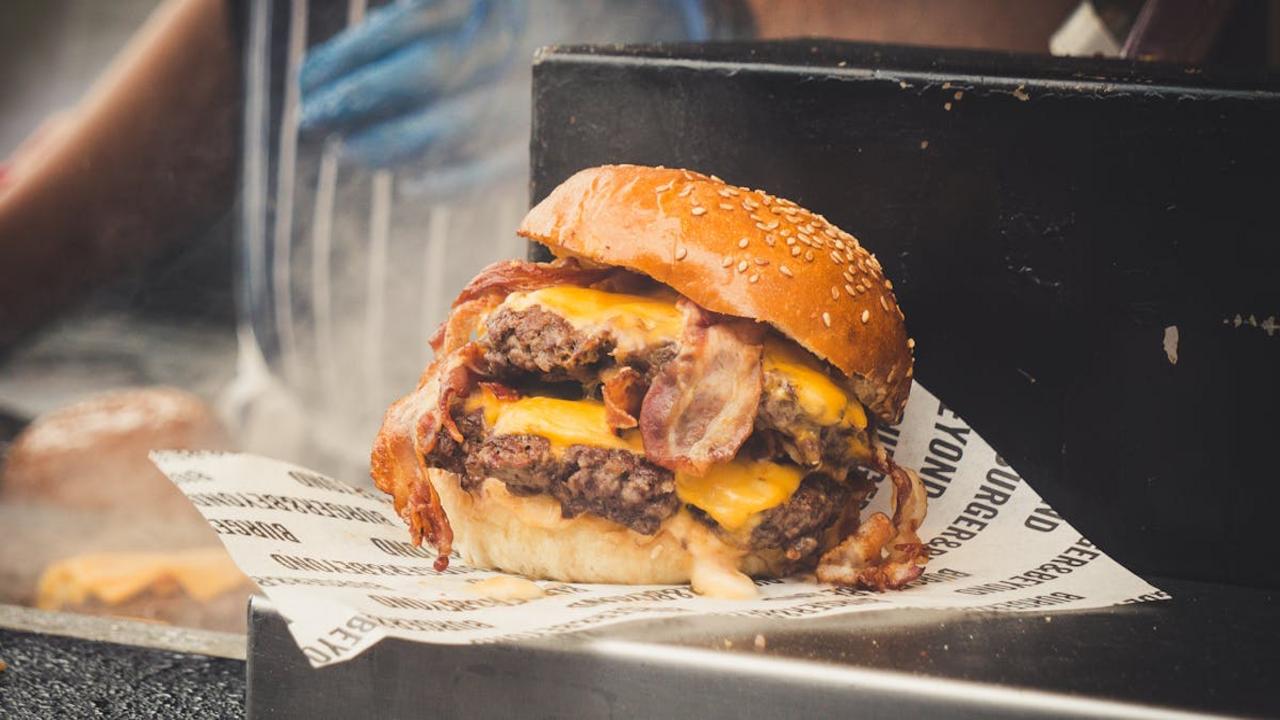
Friend, I get it—cheeseburgers feel like comfort wrapped in a bun, but those fast-food versions pack a nutritional punch you don’t want. Most commercial cheeseburgers contain processed cheese loaded with artificial additives, refined flour buns that spike your blood sugar, and meat patties pumped with preservatives and excess sodium. A single burger can deliver over 800 calories and nearly a full day’s worth of saturated fat, leaving you sluggish and craving more processed food within hours.
Here’s what I do instead: I make my own burger magic at home using grass-fed beef mixed with grated mushrooms for extra umami and fiber. I swap regular buns for whole grain versions or even large portobello caps, and I create my own “cheese” using cashew cream with nutritional yeast and herbs. The difference is incredible—you get all that satisfying burger experience while nourishing your body with real ingredients. Try adding caramelized onions, fresh tomatoes, and avocado slices for healthy fats that keep you satisfied for hours, not minutes.
Sweetened Coffee Drinks

Those fancy coffee shop drinks might taste like liquid dessert, but that’s exactly the problem! I see so many people grab their daily frappuccino or caramel macchiato thinking they’re just having coffee, when really they’re downing what amounts to a milkshake with caffeine. These drinks pack an shocking amount of sugar – we’re talking 50-70 grams in a single serving, which is more than double your daily recommended intake. The combination of high-fructose corn syrup, artificial flavors, and processed dairy creates an inflammatory cocktail that sends your blood sugar on a wild roller coaster ride.
Instead of reaching for these sugar bombs, I make my own coffee drinks at home using real ingredients. Try brewing strong coffee or espresso, then adding a splash of coconut milk, a drizzle of pure maple syrup, and a pinch of cinnamon or cardamom. You get that indulgent flavor without the processed junk, and you can control exactly how sweet you want it. Cold brew with a splash of vanilla almond milk and a tiny bit of raw honey gives you that refreshing cafe experience too. Your wallet and your body will thank you for skipping those $6 sugar bombs that leave you crashing an hour later.
Energy Drinks
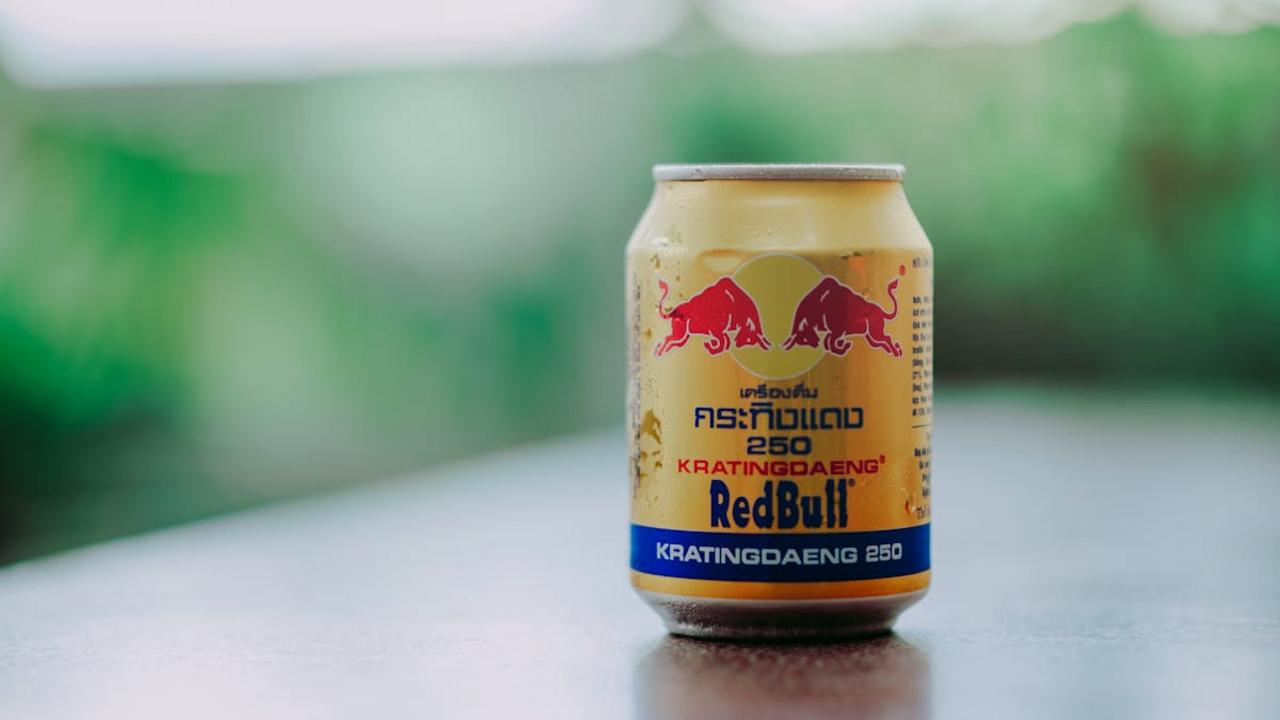
My friend, I see you reaching for that colorful can during your afternoon slump, and I completely understand the temptation. Energy drinks promise instant alertness and superhuman productivity, but what they actually deliver is a chemical cocktail of synthetic caffeine, artificial sweeteners, and mysterious compounds with names you can’t pronounce. These beverages pack anywhere from 50 to 300 milligrams of caffeine per serving – that’s like drinking three cups of strong coffee in one gulp, plus a hefty dose of sugar that sends your blood glucose on a wild rollercoaster ride.
Instead of relying on these processed concoctions, try my go-to afternoon pick-me-up: green tea with a squeeze of fresh lemon and a drizzle of honey, paired with a handful of almonds or a crisp apple with almond butter. This combination gives you natural caffeine alongside sustained energy from healthy fats and fiber. I also love making my own “energy water” by infusing sparkling water with fresh mint, cucumber, and lime – it’s refreshing and invigorating without the crash. Your body deserves real fuel, not synthetic stimulants that leave you more exhausted than before.
Soda

You know that fizzy rush you get from cracking open a cold soda? I get it – we’ve all been there. But here’s what I’ve learned through years of cooking and paying attention to how food affects my body: soda is basically liquid candy masquerading as a refreshing drink. A single 12-ounce can packs around 35-40 grams of sugar, which is more than your body needs for an entire day. That’s like dissolving 8-10 teaspoons of sugar into water and calling it a beverage. Your blood sugar spikes, crashes, and leaves you craving more within an hour.
What really opened my eyes was realizing how soda crowds out better choices from my day. When I’m reaching for that afternoon Coke, I’m missing a chance to hydrate properly with water or treat myself to something genuinely nourishing like sparkling water with fresh lime juice and a splash of pomegranate juice. I started making my own fizzy drinks at home – ginger and turmeric sparkling water, cucumber mint refreshers, or simply adding frozen berries to plain seltzer. These give me that satisfying fizz without the sugar crash, and honestly, they taste more interesting than any soda ever could.
Instant Noodles
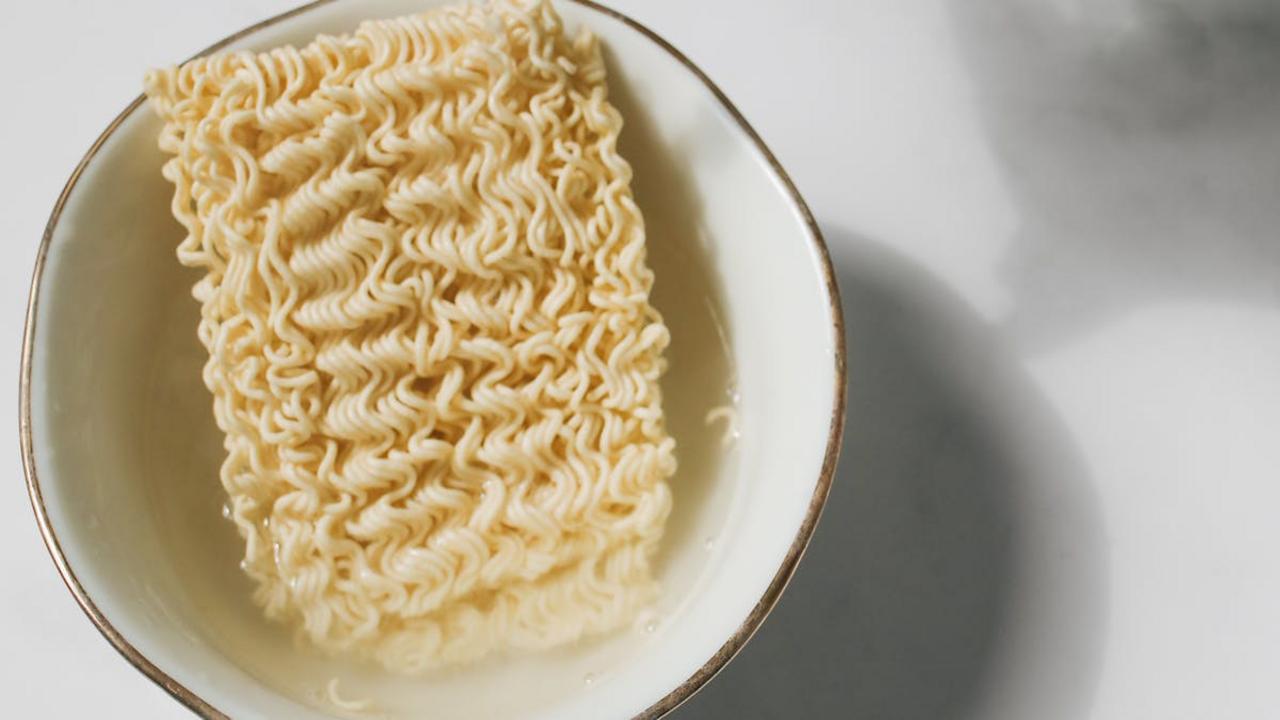
I get it—those colorful packets promise comfort in just three minutes, and sometimes that convenience feels irresistible. But here’s what I’ve learned from years of creating real comfort foods: instant noodles pack more sodium than your body needs in an entire day, often containing over 1,800mg per serving. The flavor packets rely heavily on MSG, artificial colors, and preservatives that mask the lack of genuine nutrition. What really concerns me is how these noodles contain virtually zero protein, fiber, or meaningful vitamins, leaving you hungry again within an hour.
Instead of reaching for that packet, try my five-minute rice noodle trick. Keep some rice vermicelli in your pantry—they cook just as quickly when you pour boiling water over them. Toss them with whatever vegetables you have (frozen peas work perfectly), add a splash of soy sauce, sesame oil, and crack an egg right into the hot noodles for instant protein. You can even keep homemade broth cubes in your freezer made from vegetable scraps. This approach gives you real nourishment, actual flavor, and that same satisfying warmth without the chemical aftertaste or sodium overload that leaves you feeling sluggish.
Microwave Pizza

You know that moment when you’re craving pizza and spot those frozen discs in the freezer aisle? I get it—we’ve all been there. But microwave pizza represents everything I try to steer my family away from in our kitchen. These processed rounds pack an alarming amount of sodium (often over 700mg per serving), artificial preservatives, and ingredients you can’t pronounce. The “cheese” often contains more fillers than actual dairy, while the crust delivers empty calories with zero nutritional value.
Instead of reaching for that cardboard-tasting convenience, I make quick personal pizzas using whole wheat naan or pita bread as the base. Spread some homemade tomato sauce (literally just crushed tomatoes, garlic, and herbs), add real mozzarella, and whatever vegetables you have on hand. Pop it in your toaster oven for 5-7 minutes, and you’ve got something infinitely more satisfying. My kids actually prefer this version now—they love adding their own toppings like roasted bell peppers, fresh basil, or even leftover grilled chicken. It takes the same amount of time but nourishes your body instead of loading it with chemicals.
Hot Dogs

You know, I used to grab hot dogs for quick family barbecues until I really started reading those ingredient lists. These processed meat tubes pack an alarming amount of sodium – we’re talking about 500-700 milligrams per link, which is nearly a third of your daily recommended intake. The real kicker? Most hot dogs contain nitrates and nitrites, preservatives linked to increased cancer risk when consumed regularly. Plus, they’re loaded with saturated fat and offer minimal nutritional value beyond empty calories.
Instead of reaching for that package of processed mystery meat, why not make your own chicken or turkey sausages at home? I mix ground poultry with fresh herbs like sage and thyme, add some fennel seeds for that classic sausage flavor, and form them into patties or links. You control every single ingredient, and the taste is incredibly fresh and satisfying. For an even quicker swap, try grilled portobello mushroom “dogs” seasoned with smoked paprika and garlic – they give you that smoky, savory satisfaction without the processed baggage.
Cotton Candy

I remember watching cotton candy spin at the county fair as a kid, mesmerized by how simple sugar transformed into those wispy pink clouds. But here’s what I wish someone had told me then: cotton candy is literally just sugar—no protein, no fiber, no vitamins, nothing your body can actually use for fuel. One serving packs about 28 grams of pure sugar, which sends your blood glucose skyrocketing faster than you can say “spun sugar.” Your pancreas goes into overdrive trying to manage that sugar rush, and within an hour, you’re crashing harder than a dropped phone.
Instead of reaching for that sticky sweetness, try my favorite naturally sweet alternative: freeze-dried fruit mixed with a tiny pinch of sea salt. I love combining freeze-dried strawberries with a sprinkle of coconut flakes—you get that melt-in-your-mouth texture without the blood sugar rollercoaster. Or make your own “cotton candy” by whipping up some Greek yogurt with a touch of vanilla and freezing it in small portions. Your body will thank you for choosing real nutrients over empty calories, and you’ll satisfy that sweet craving without the inevitable sugar crash that leaves you reaching for more junk food later.
Gummy Bears
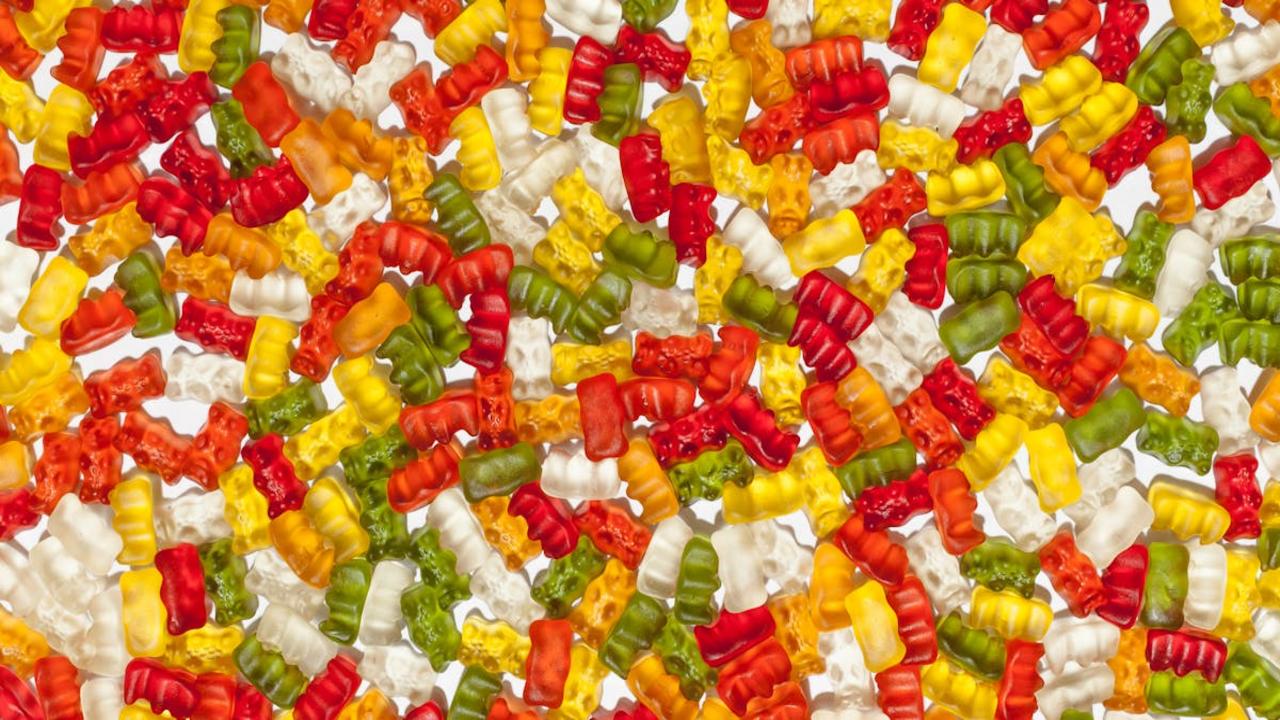
Look, I get it—those colorful little bears seem innocent enough, sitting there in their bright packaging, practically begging you to grab a handful. But here’s what I’ve learned from years of reading labels and creating wholesome snacks in my kitchen: gummy bears are basically sugar bombs wrapped in artificial everything. Each tiny bear contains high fructose corn syrup, artificial colors, and flavors that your body simply doesn’t recognize as real food. When you pop a few in your mouth, you’re getting zero nutrition and a massive blood sugar spike that’ll leave you crashing harder than a dropped soufflé.
Instead of reaching for those processed bears, why not make your own fruit leather at home? I love blending fresh berries with a touch of honey, then dehydrating the mixture until it becomes chewy and naturally sweet. You get that satisfying texture you crave from gummy candy, but with real fruit fiber, vitamins, and antioxidants your body actually wants. Another trick I swear by: freeze grapes or berries for that pop of sweetness that hits the same satisfaction spot. Trust me, once you start making these simple swaps, you won’t miss those artificial bears one bit—and your energy levels will thank you for choosing real food over laboratory creations.
Candy Bars
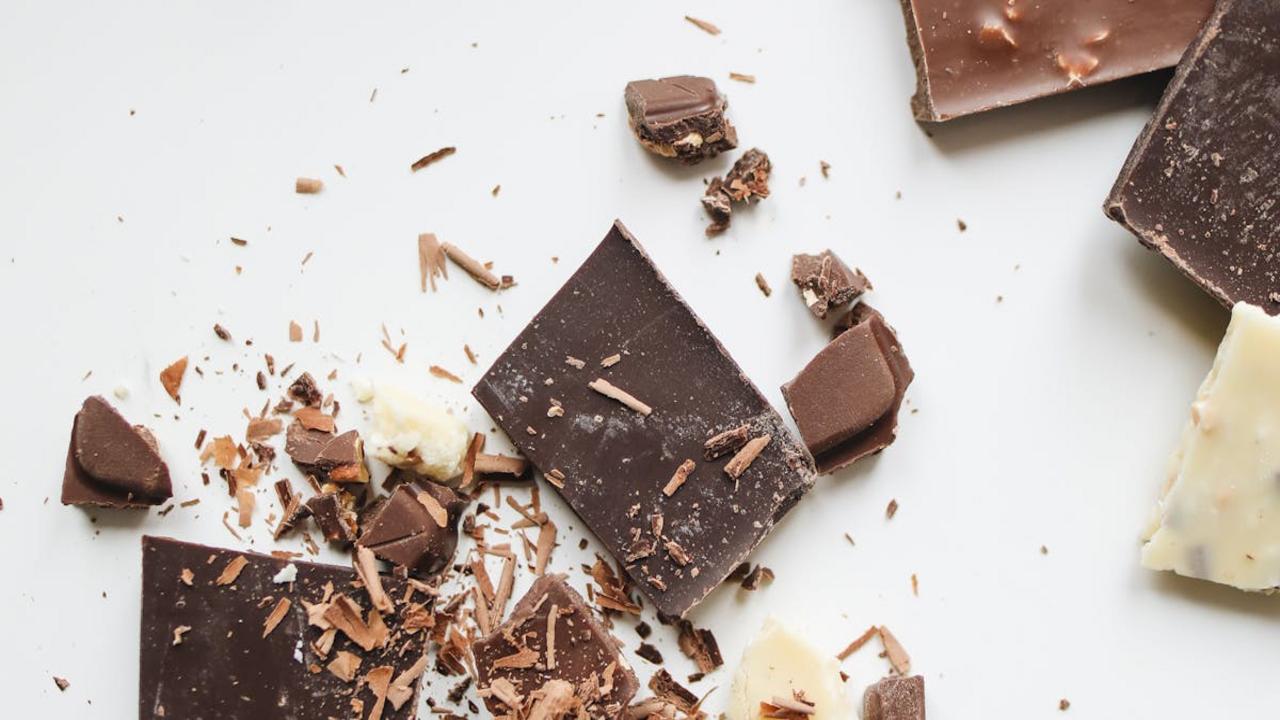
You know that moment when you’re standing in the checkout line, and those colorful candy bars are practically calling your name? I get it—we’ve all been there. But here’s what I’ve learned from years of experimenting in my kitchen: those mass-produced candy bars are basically sugar bombs wrapped in artificial everything. Most contain high fructose corn syrup, hydrogenated oils, and a cocktail of preservatives that your body simply doesn’t recognize as real food. The average candy bar packs around 250 calories with zero nutritional value, sending your blood sugar on a wild roller coaster ride that leaves you crashing harder than before.
Instead of reaching for that processed bar, I’ve discovered something magical happens when you make your own energy bites at home. Mix together dates, nuts, a touch of raw cacao, and maybe some coconut—suddenly you have something that actually nourishes your body while satisfying that sweet craving. I keep a batch of homemade almond butter cups in my freezer, made with just three ingredients: natural almond butter, dark chocolate (the real stuff with 70% cacao or higher), and a pinch of sea salt. They take five minutes to make and give you sustained energy instead of that sugar crash. Your future self will thank you for choosing real ingredients over factory-made substitutes.
Onion Rings
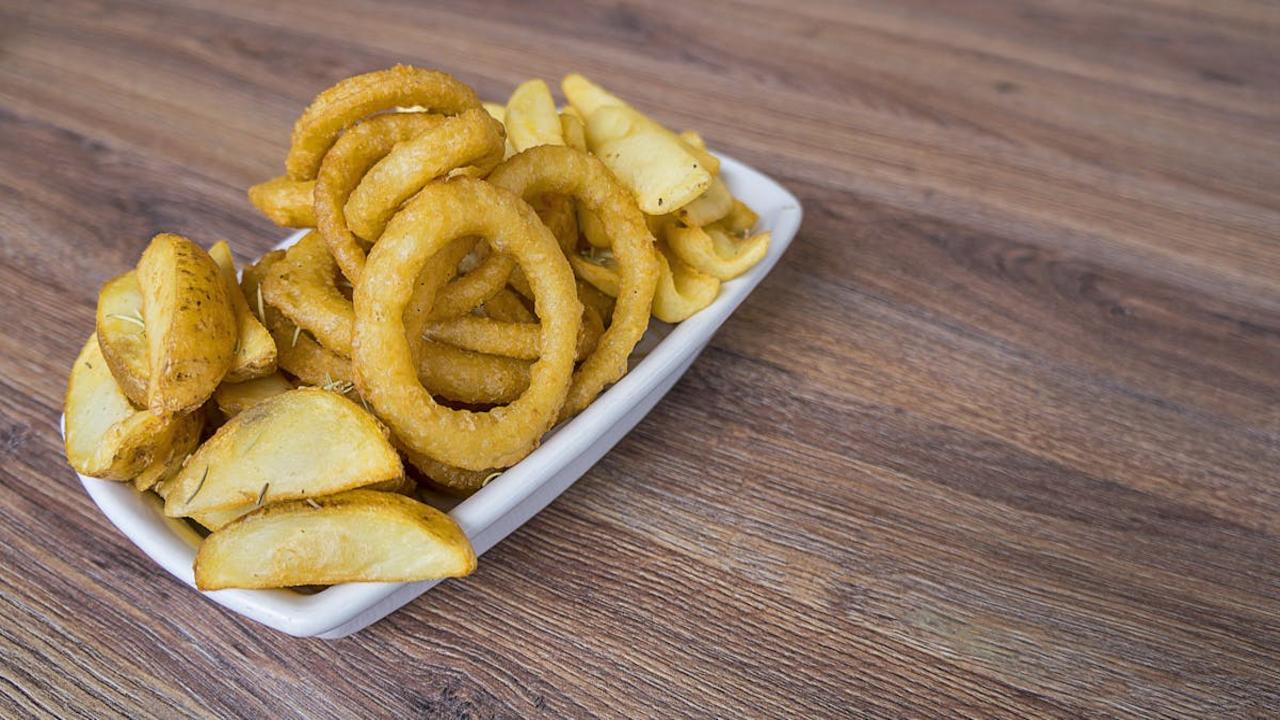
You know that satisfying crunch when you bite into a golden onion ring? I get it – there’s something almost magical about that contrast between the crispy coating and the sweet, tender onion inside. But here’s what happens behind the scenes: most restaurant and frozen onion rings get dunked in heavily processed batters loaded with refined flour, then take a swim in oil that’s been reused countless times. That beautiful golden color often comes from artificial additives, and the sodium content can rival what you’d find in a bag of chips.
Instead of reaching for those pre-made rings, try slicing up some sweet Vidalia onions and creating your own version at home. I make mine with a light coating of chickpea flour mixed with spices like smoked paprika and garlic powder, then bake them until they’re perfectly crispy. You control every ingredient this way – no mystery chemicals, no excessive salt, just pure onion goodness. The natural sweetness of the onion shines through without all that heavy, greasy coating weighing you down. Your body will thank you for choosing whole ingredients over processed shortcuts.
French Fries
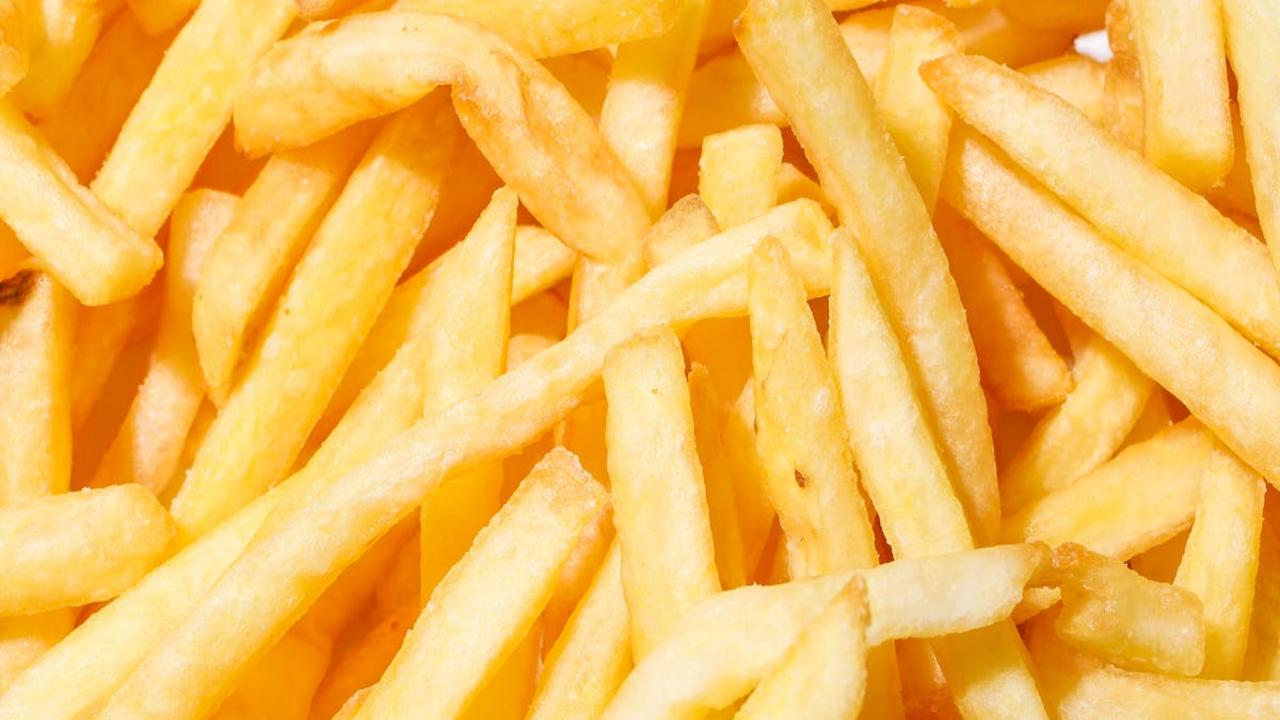
I get it – french fries are basically comfort food royalty, and I’ve been there too, reaching for that crispy golden goodness. But here’s what really opened my eyes: most commercial fries are double-fried in heavily processed oils that have been heated to extreme temperatures repeatedly. This creates trans fats and inflammatory compounds that your body struggles to process. When I learned that a large serving packs around 500 calories with virtually zero nutritional value, I knew I had to find better ways to satisfy that craving.
Instead of completely giving up that satisfying crunch, I started making my own oven-baked sweet potato wedges seasoned with turmeric, paprika, and a touch of coconut oil. You can also try air-fried zucchini sticks or even roasted chickpeas for that salty, crunchy fix. The beauty of cooking at home means you control the oil quality and temperature, plus you’re adding actual nutrients to your plate. My favorite trick is cutting regular potatoes into wedges, tossing them with olive oil and herbs, then roasting at high heat – you get that crispy exterior without the inflammatory oils and excessive processing.
Funnel Cake

You know that magical moment at the county fair when you smell funnel cake frying and your heart skips a beat? I get it completely – that crispy, powdered sugar-dusted spiral calls to all of us. But here’s what I’ve learned from years of creating healthier versions of our favorite treats: traditional funnel cake packs more sugar and refined flour than your body knows what to do with. One serving can contain over 700 calories and 40 grams of sugar, which sends your blood glucose on a roller coaster ride that leaves you crashing harder than you climbed.
Instead of reaching for that deep-fried indulgence, try my weekend project that satisfies the same craving without the sugar overload. I make mini funnel cakes using almond flour, a touch of maple syrup, and cinnamon – then I bake them in the oven until golden. The texture stays wonderfully crispy while cutting the sugar by more than half. You can even top them with fresh berries and a light dusting of coconut sugar for that nostalgic sweetness. Trust me, your future self will thank you for choosing the homemade route that honors both your cravings and your health.