15 European Cities That Belong on Every Foodie’s Bucket List
Food connects us in ways nothing else can. When I think about Europe’s incredible food scene, my mind races through cobblestone streets lined with family-run trattorias, bustling markets overflowing with fresh produce, and tiny bistros where recipes pass down through generations. These cities don’t just serve meals—they tell stories through every bite.
Each destination on this list offers something unique. You’ll discover how simple, whole ingredients transform into extraordinary dishes when prepared with care and tradition. From Spain’s pristine seafood to Italy’s perfect pasta, these places celebrate food the way I believe it should be: honest, fresh, and made from scratch.
Pack your appetite and prepare for pure magic. These fifteen European cities will change how you think about food forever. Whether you’re hunting for the perfect croissant in Paris or savoring authentic paella in Valencia, every meal becomes an unforgettable experience that nourishes both body and soul.
Budapest Hungary

Budapest pulls you into its warmth through markets that smell like paprika and fresh bread, where vendors share stories while wrapping warm lángos in paper. I discovered this city through its food halls – Central Market Hall became my second home during my visit, with stalls overflowing with pickled vegetables, smoked sausages, and those incredible chimney cakes that fill the air with cinnamon. You can taste centuries of history in every bite, from Turkish influences in their pastries to Austrian touches in their schnitzel, all tied together with that distinctive Hungarian soul that makes everything feel like comfort food.
The thermal baths might draw tourists, but locals know the real magic happens in tiny bistros serving goulash that simmers for hours, creating layers of flavor I still try to recreate in my own kitchen. Street food here tells stories – lángos topped with sour cream and cheese, kürtőskalács rolled in sugar and nuts, and those perfect sausages grilled right on street corners. Budapest taught me that the best meals come from understanding a place’s heart, not just its techniques, and every dish reflects this city’s ability to transform simple, honest ingredients into something that nourishes both body and spirit.
Prague Czech Republic
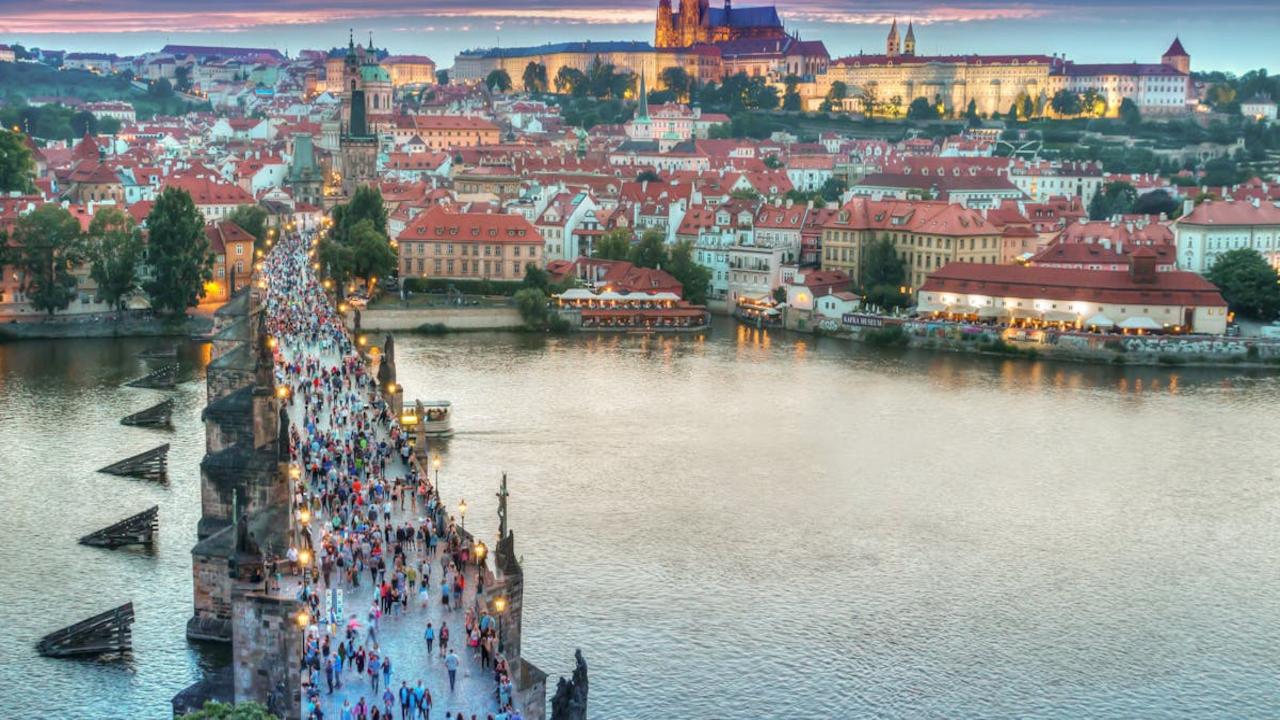
Prague hits differently when you’re wandering through those cobblestone streets with the aroma of fresh bread and roasted meats filling the air. This city serves up comfort food that’ll make your heart sing – think hearty goulash that simmers for hours, tender svíčková (beef sirloin) swimming in creamy vegetable sauce, and those iconic knedlíky dumplings that soak up every drop of flavor. What gets me excited about Czech cuisine is how it transforms simple, honest ingredients into something extraordinary. You’ll find yourself drawn to the local markets where vendors sell fresh root vegetables, wild mushrooms, and artisanal cheeses that form the backbone of traditional dishes.
The beauty of Prague’s food scene lies in its perfect balance between tradition and innovation. While you can still find authentic pork schnitzel and potato pancakes in century-old beer halls, young chefs are reimagining these classics with fresh perspectives. I love how they incorporate seasonal produce and reduce heavy cream without losing that soul-warming quality Czech food is famous for. Don’t miss trying trdelník (sweet pastry) from street vendors, but also seek out the newer restaurants where chefs are creating lighter versions of traditional soups and stews. Prague teaches you that comfort food doesn’t have to be complicated – sometimes the most satisfying meals come from respecting ingredients and letting time work its magic.
Stockholm Sweden
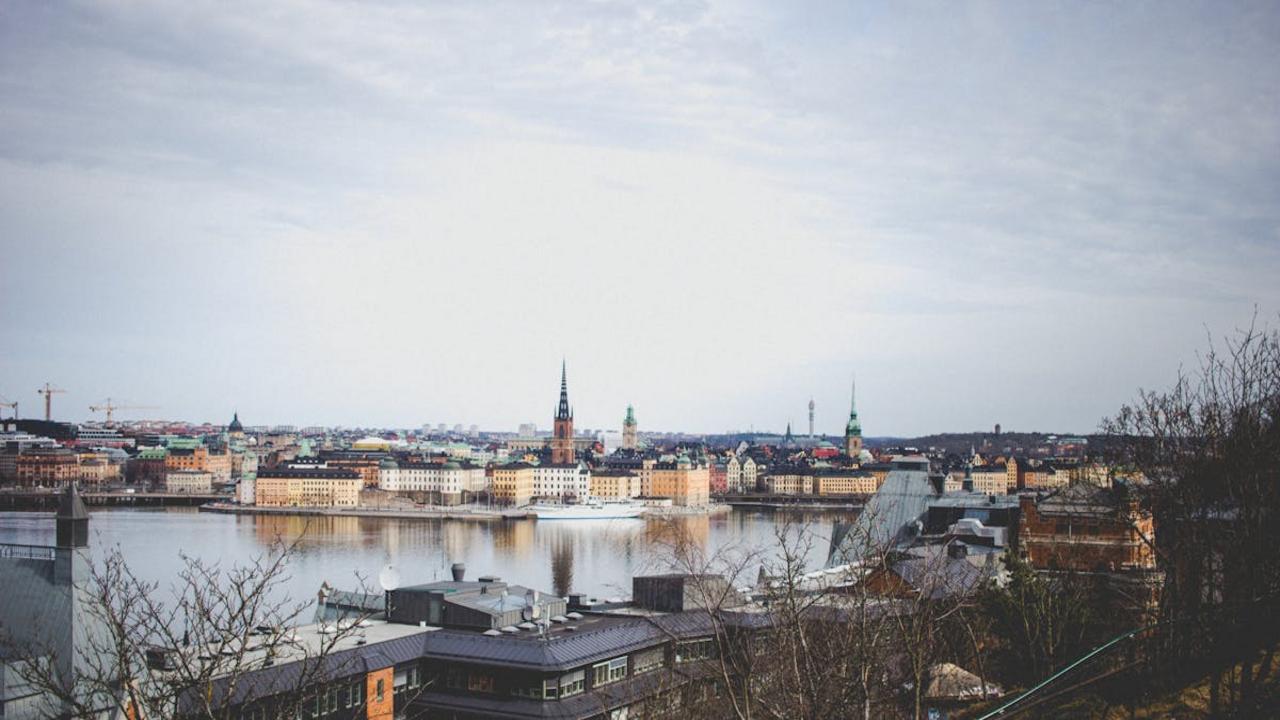
Stockholm transforms Nordic simplicity into something extraordinary, and I can’t get enough of how this city approaches food. You’ll find restaurants here that take humble ingredients like root vegetables, fresh fish, and foraged mushrooms and turn them into dishes that feel both ancient and completely modern. The Swedish commitment to seasonal eating resonates deeply with my own philosophy – they don’t force ingredients to be something they’re not. Instead, they celebrate what nature provides at each moment throughout the year.
What strikes me most about Stockholm’s food scene is how effortlessly it balances tradition with innovation. You can start your day with pristine gravlax and crispy knäckebröd at a neighborhood café, then end it at a Michelin-starred restaurant where chefs reimagine classic Swedish flavors through contemporary techniques. The city’s connection to New Nordic cuisine means every meal feels intentional and pure – no unnecessary additions, just ingredients at their peak potential. Visit during summer when the white nights stretch endlessly, and you’ll understand why Stockholm cooks with such reverence for their brief but brilliant growing season.
Athens Greece

Athens hits differently when you’re wandering through its ancient streets with the scent of grilled souvlaki and fresh herbs filling the air. This city taught me that Mediterranean cooking isn’t just about olive oil and tomatoes—it’s about understanding how simple, quality ingredients can create magic on your plate. You’ll find yourself in tiny tavernas where the owner’s grandmother still makes the spanakopita by hand, layering phyllo so thin you can read through it. The horiatiki salad here will ruin every Greek salad you’ve had before—chunky tomatoes, crisp cucumbers, and that creamy feta that practically melts on your tongue.
What captivates me most about Athenian food culture is how they turn humble ingredients into something extraordinary. Street vendors grill lamb until it’s perfectly charred outside but tender inside, then stuff it into warm pita with tzatziki so fresh you can taste the cucumber and dill dancing together. Head to the Central Market early morning and watch vendors arrange pyramids of olives in every shade imaginable—from deep purple Kalamatas to bright green Halkidikis. The honey here flows like liquid gold, and when drizzled over thick Greek yogurt with crushed walnuts, it becomes a dessert that feels both indulgent and nourishing. Athens shows you that healthy eating doesn’t mean sacrificing flavor—it means celebrating ingredients at their peak.
Valencia Spain

Valencia greets you with the intoxicating aroma of saffron and seafood wafting from countless paellerías across the city. This coastal gem birthed the world’s most famous rice dish, and watching local chefs build paella over open flames feels like witnessing pure culinary magic. The traditional Paella Valenciana contains rabbit, chicken, beans, and that golden thread of saffron that transforms simple ingredients into something extraordinary. You’ll discover that authentic paella requires patience—the socarrat, that coveted crispy bottom layer, develops slowly and rewards those who resist the urge to stir.
Beyond paella, Valencia’s Central Market bursts with Mediterranean treasures that inspire your home cooking adventures. Fresh horchata flows from centuries-old establishments, while vendors display pyramids of ruby-red tomatoes and glossy eggplants that practically beg to be transformed into wholesome meals. The city’s proximity to both mountains and sea creates a unique food culture where mountain herbs meet ocean bounty. Local cooks share their secrets freely—how to select the perfect rice grain, why bomba rice absorbs flavors better than any substitute, and the importance of using real saffron threads rather than powder. This generosity of spirit makes Valencia feel like an extended family kitchen where every meal becomes a celebration.
Bruges Belgium
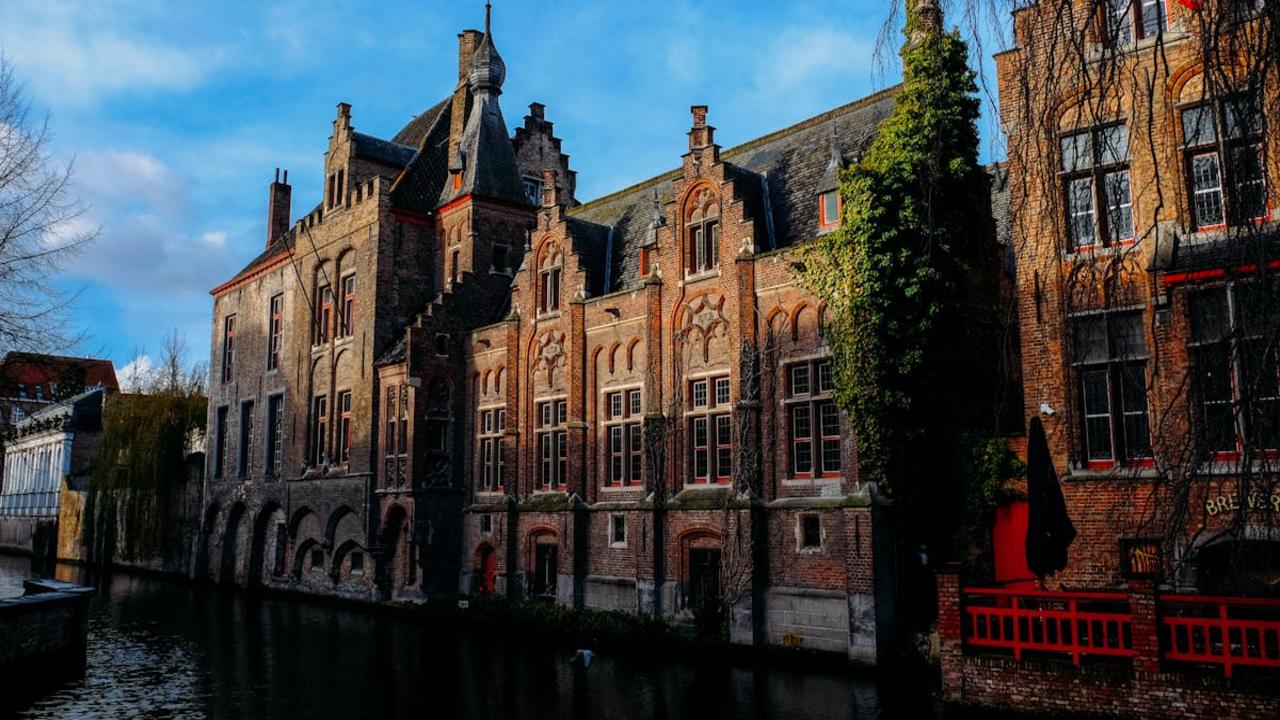
When I think about Bruges, my mind immediately goes to those impossibly perfect medieval streets lined with chocolate shops that smell like pure heaven. This UNESCO World Heritage city transforms every meal into something magical, whether you’re savoring fresh mussels steamed in white wine or biting into the most incredible Belgian waffles topped with local strawberries. The city’s food scene feels refreshingly authentic – family-run chocolatiers still craft pralines by hand using recipes passed down through generations, and the local breweries serve beer that’s been perfected over centuries.
What I love most about Bruges is how the locals approach their ingredients with such respect and simplicity. The famous carbonnade flamande (beef braised in beer) teaches us that slow cooking with quality local beer creates depths of flavor that no shortcuts can match. You’ll discover small bistros where the chef sources vegetables from nearby farms, creating dishes that celebrate the natural sweetness of Belgian endive or the earthiness of winter root vegetables. The city shows us that some of the world’s best food comes from honoring tradition while using the freshest, most wholesome ingredients available – a philosophy I try to bring into my own kitchen every single day.
Porto Portugal
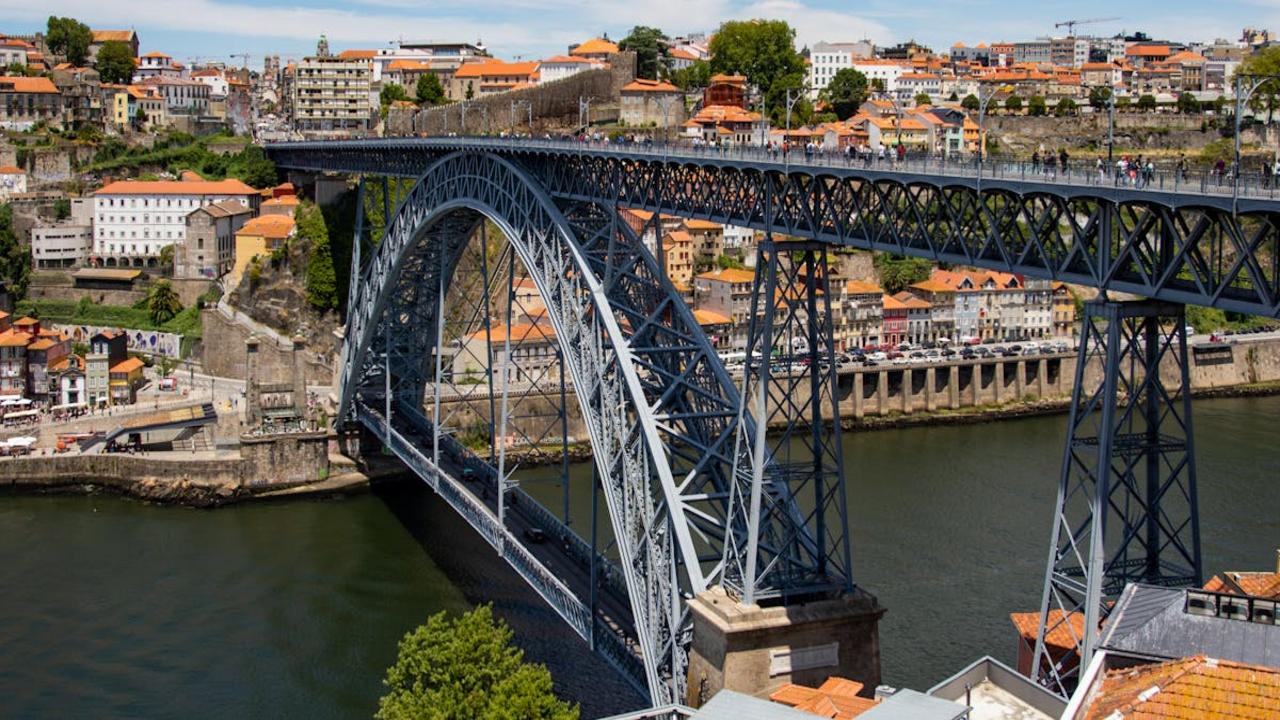
Porto feels like stepping into a food lover’s dream where ancient traditions meet modern innovation in the most beautiful way. You can’t walk through this Portuguese gem without encountering the intoxicating aroma of grilled sardines wafting from tiny tascas or the sweet scent of pastéis de nata fresh from century-old bakeries. The city’s relationship with food runs deep—locals still shop at neighborhood markets where vendors know your family’s preferences, and every meal becomes a celebration of community and connection.
What captivates me most about Porto’s food scene is how it transforms simple, wholesome ingredients into something extraordinary. The francesinha sandwich might look intimidating with its layers of meat and cheese swimming in beer sauce, but it represents the city’s ability to create comfort from humble beginnings. Head to the riverside for grilled fresh fish, or venture into the narrow streets where small restaurants serve tripas à moda do Porto—a hearty tripe stew that locals consider their signature dish. Porto teaches you that the best meals happen when you slow down, share stories, and appreciate how each ingredient tells part of the city’s rich maritime history.
Naples Italy
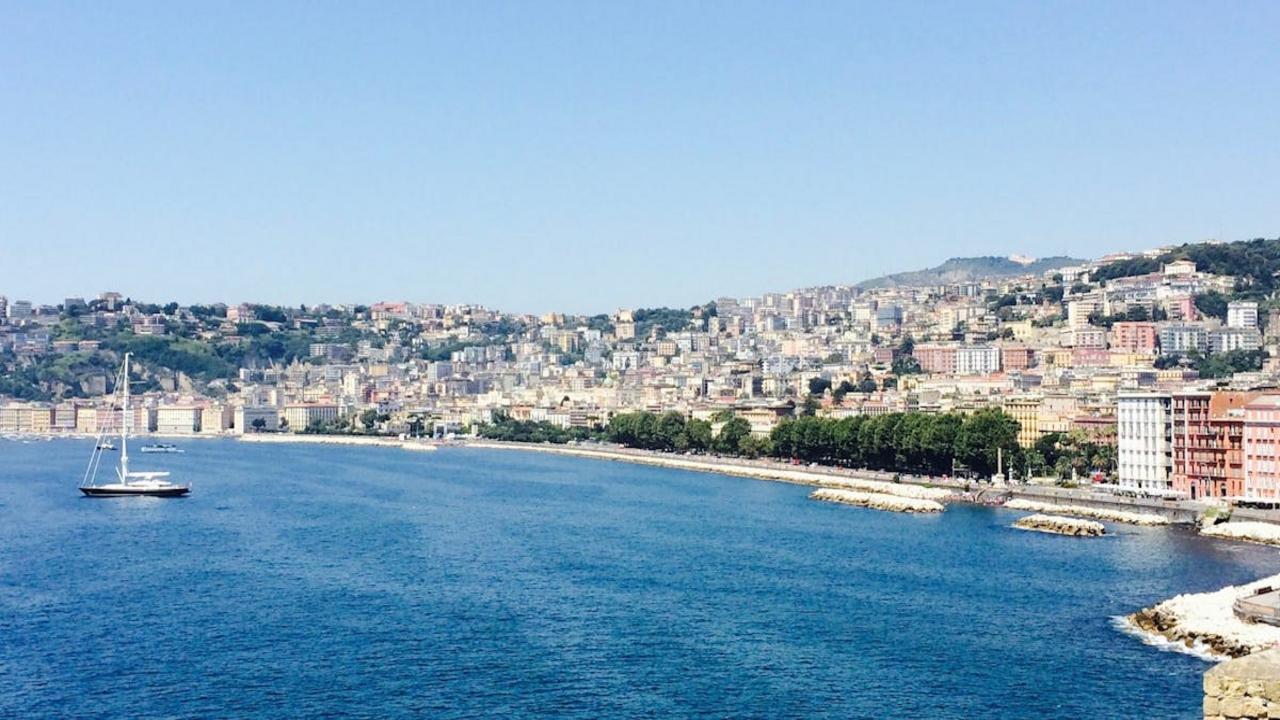
Walking through Naples feels like stepping into my grandmother’s kitchen—if she happened to be Italian and possessed generations of pizza-making secrets. This ancient port city doesn’t just serve food; it creates edible poetry that speaks directly to your soul. You can’t talk about authentic Neapolitan pizza without understanding that here, simplicity reigns supreme. San Marzano tomatoes, buffalo mozzarella, fresh basil, and that perfectly charred crust from wood-fired ovens reaching temperatures I can only dream of in my home kitchen. The locals take their pizza so seriously that UNESCO recognized the traditional pizza-making techniques as an Intangible Cultural Heritage of Humanity.
Beyond pizza, Naples offers street food that makes my heart sing—try the fried pizza montanara or grab some fresh sfogliatelle from a neighborhood bakery. What strikes me most about Neapolitan cooking is how they transform just a few quality ingredients into something transcendent. Their ragù simmers for hours, creating depth that no shortcut can match. The city taught me that great food doesn’t need complexity; it needs patience, respect for ingredients, and love. Every meal here feels like a masterclass in why cooking from scratch matters, and why the simplest dishes often carry the most profound flavors.
Istanbul Turkey

Istanbul grabs you by the soul and never lets go—this city straddles two continents and brings together flavors that will change how you think about food forever. Walking through the Grand Bazaar or down any street corner, you’ll smell the most incredible aromas: fresh bread baking, spices grinding, and that unmistakable scent of döner rotating on spits. I’ve spent countless mornings here watching vendors prepare their mise en place, and every single time I learn something new about building layers of flavor. The way they char eggplant for baba ganoush over open flames, or how they fold phyllo dough for börek—these techniques have completely transformed my own cooking back home.
What makes Istanbul magical for food lovers is how every meal tells a story of cultural fusion. You’ll bite into a döner kebab that perfectly balances tender meat with tangy yogurt and fresh herbs, or sip Turkish tea while nibbling on lokum that melts on your tongue. The breakfast spreads here—called kahvaltı—taught me that starting your day with fresh tomatoes, cucumbers, olives, and multiple cheeses isn’t indulgent, it’s necessary fuel for life. Street food vendors serve up fresh fish sandwiches right off boats at Galata Bridge, and watching them grill whole mackerel with just lemon and salt showed me that the best recipes often require the fewest ingredients. This city will inspire you to cook with more confidence and less fear.
Lyon France

Lyon sits beautifully at the crossroads of French gastronomy, where traditional techniques meet innovation in the most wonderful way. This city birthed the concept of the “bouchon” – intimate bistros serving hearty Lyonnaise specialties that have fed generations of locals and visitors alike. You can wander through the covered markets like Les Halles de Lyon Paul Bocuse, where vendors have perfected their craft for decades, offering everything from perfectly aged cheeses to house-made charcuterie. The quality here inspires my own cooking – seeing how these artisans treat each ingredient with such respect reminds me why I always choose whole, unprocessed foods in my kitchen.
What makes Lyon special isn’t just the famous restaurants (though they’re incredible), but how deeply food connects to daily life here. Families gather at neighborhood bouchons for simple yet extraordinary dishes like coq au vin or quenelles de brochet, made with techniques passed down through generations. I love how Lyon cooks balance richness with freshness – they might serve a decadent saucisson alongside crisp, seasonal vegetables, creating meals that satisfy without overwhelming. This approach influences how I cook at home, always looking for that perfect balance between indulgence and nourishment, using fresh, local ingredients to create meals that bring people together around the table.
Copenhagen Denmark
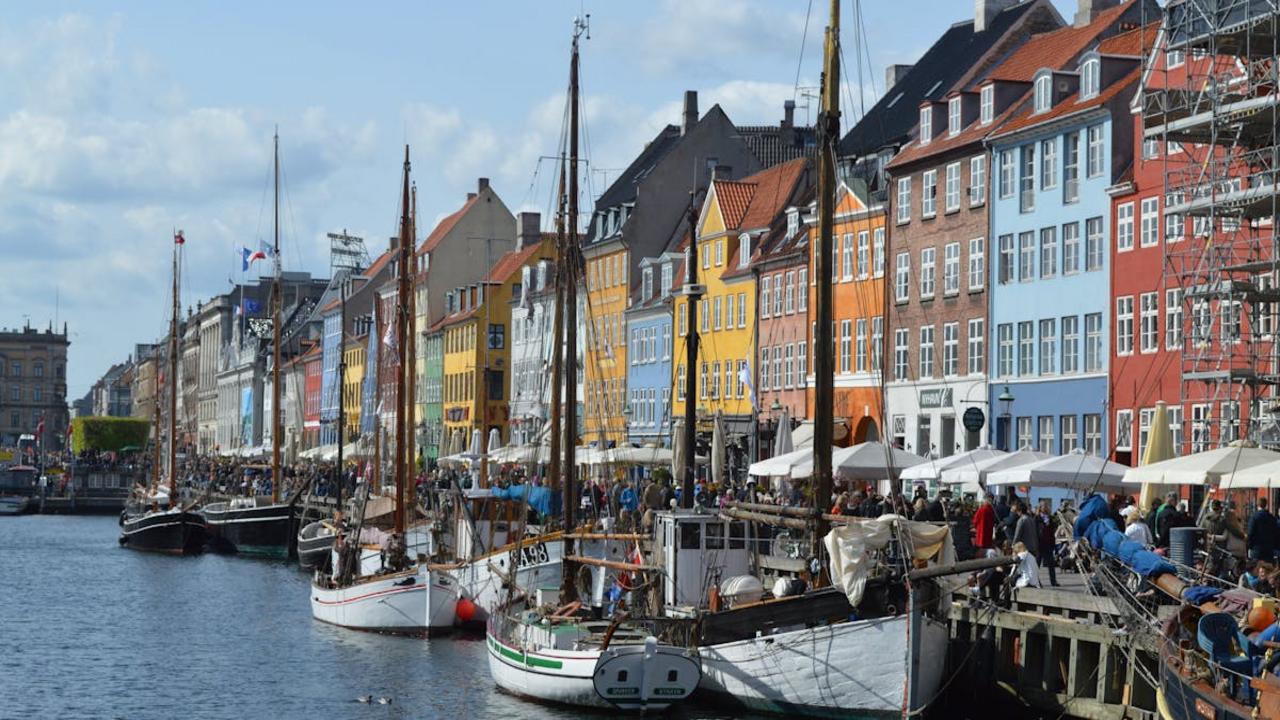
Copenhagen completely changed how I think about Nordic cooking, and I promise you’ll walk away from this city with a new appreciation for clean, seasonal flavors. The Danish capital has transformed itself into a food lover’s paradise where New Nordic cuisine meets incredible farm-to-table practices. You’ll find restaurants that source everything locally – from foraged mushrooms and sea buckthorn to grass-fed beef and just-caught fish from the surrounding waters. What strikes me most is how Copenhagen chefs take simple, pure ingredients and create dishes that feel both innovative and deeply rooted in tradition.
Beyond the famous fine dining spots, you’ll discover an amazing street food scene at places like Reffen, where vendors serve everything from smørrebrød (open-faced sandwiches) topped with pickled herring to modern takes on Danish pastries. The city’s commitment to sustainability really speaks to my heart – many restaurants grow their own herbs and vegetables, and you’ll see composting and zero-waste practices everywhere. I love how Copenhagen proves that healthy, wholesome cooking doesn’t mean sacrificing flavor or creativity. You can actually taste the difference when ingredients come from farms just outside the city, and the way locals celebrate seasonal eating has completely influenced how I approach my own cooking at home.
Bologna Italy
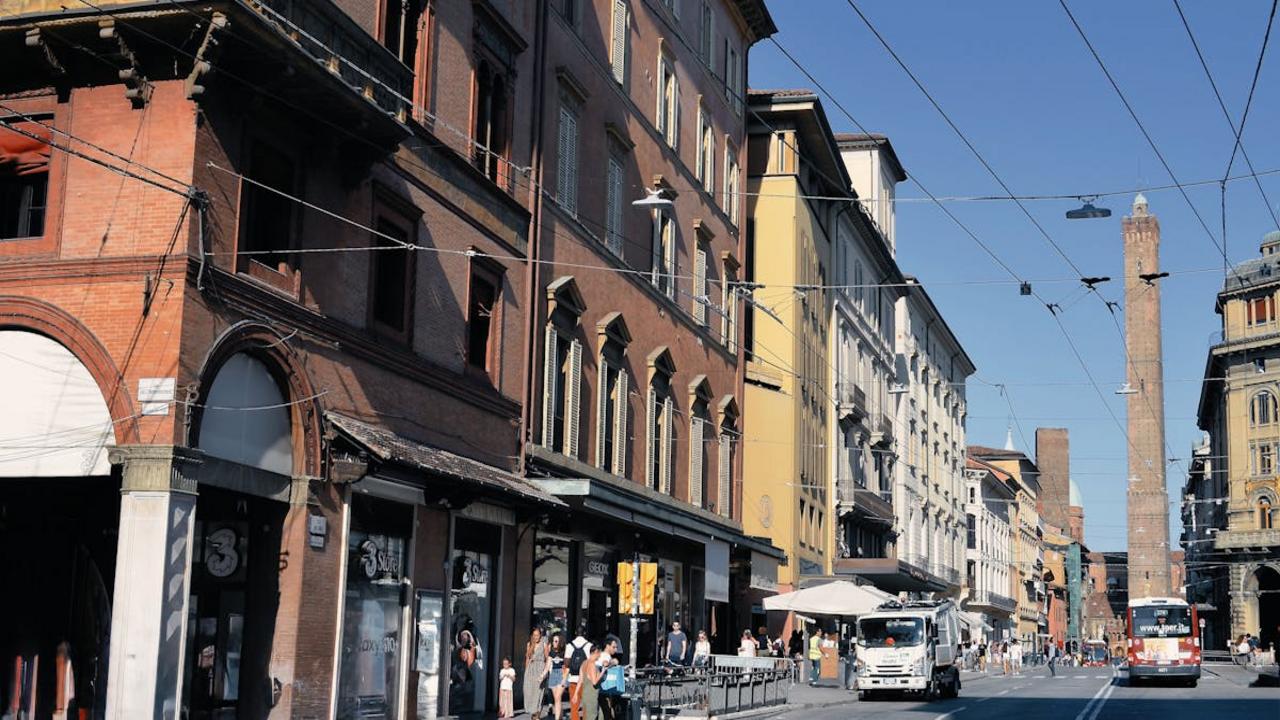
You know that feeling when you bite into something so perfect it makes you close your eyes and sigh? That’s Bologna for you. This northern Italian city doesn’t just make food – it creates edible poetry. Walk through the Quadrilatero market district and watch nonnas hand-rolling tortellini with the precision of master craftspeople. The city birthed ragù Bolognese, but forget everything you think you know about “Bolognese sauce” from chain restaurants. Real ragù simmers for hours with just a whisper of tomato, letting the meat and soffritto build layers of flavor that would make your grandmother weep with joy.
What captivates me most about Bologna is how they turn simple, honest ingredients into something transcendent. Take mortadella – not the processed lunch meat you’re thinking of, but silky, perfumed rounds studded with pistachios that melt on your tongue. Or their fresh egg pasta, rolled so thin you can read through it, yet strong enough to cradle the richest sauces. The locals here understand that great cooking starts with great ingredients treated with respect. Every meal becomes a meditation on how patience and technique can transform the ordinary into the extraordinary. Bologna doesn’t shout about its food scene – it simply feeds you so well you’ll never want to leave.
San Sebastián Spain

Picture this: you’re walking through cobblestone streets where the aroma of grilled seafood mingles with the salty sea breeze, and every corner seems to whisper promises of extraordinary food. San Sebastián transforms how you think about eating – this Basque city holds more Michelin stars per capita than anywhere else in the world, yet some of its most memorable meals happen in tiny pintxos bars where locals gather to share small plates and good conversation. I’ve spent countless evenings here moving from bar to bar, sampling everything from perfectly charred octopus to innovative takes on traditional Basque flavors, and each bite tells a story of tradition meeting innovation.
What captivates me most about San Sebastián is how food becomes a social ritual here. The pintxos culture encourages you to eat with your hands, to try new combinations, and to trust the chef’s vision – much like my approach to cooking at home where intuition guides the process. You’ll discover that the best meals often happen when you abandon rigid plans and simply follow your curiosity from one bar to the next. The city’s commitment to fresh, local ingredients mirrors everything I believe about wholesome cooking: start with the best possible foundation, treat it with respect, and magic happens naturally.
Lisbon Portugal
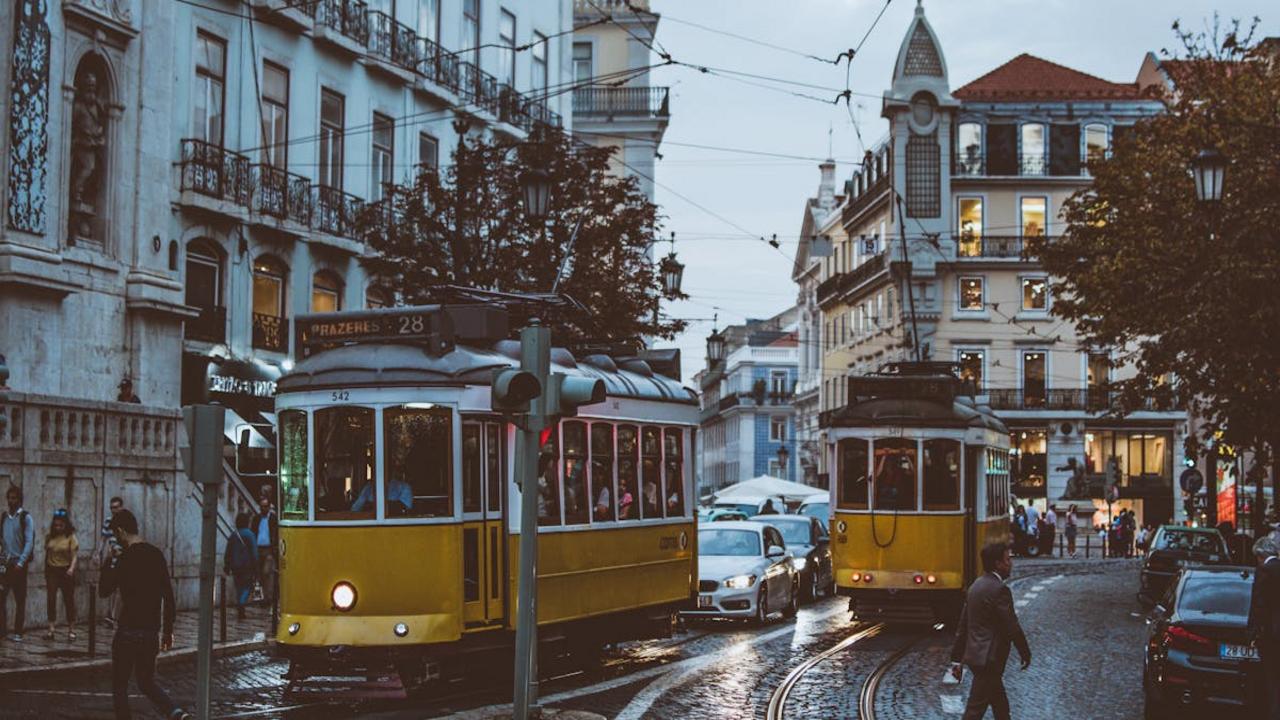
Picture yourself wandering through Lisbon’s cobblestone streets, where the air carries hints of grilled sardines and fresh ocean breeze. This coastal capital has become my go-to inspiration for simple, soul-warming dishes that celebrate the marriage of land and sea. Portuguese cuisine speaks to everything I love about cooking—it’s honest, unpretentious, and built on quality ingredients prepared with care. From the famous pastéis de nata with their impossibly creamy custard centers to robust seafood stews brimming with fresh catches, Lisbon shows you how restraint and technique create magic on the plate.
What captivates me most about Lisbon’s food scene is how effortlessly it balances tradition with innovation. You’ll find neighborhood tascas serving time-honored recipes alongside modern restaurants reimagining Portuguese classics with global touches—exactly the kind of creative approach I bring to my own kitchen. The city’s markets overflow with pristine seafood, vibrant produce, and aromatic herbs that remind you why cooking from scratch matters. Whether you’re savoring grilled octopus drizzled with olive oil or diving into a hearty bowl of caldo verde, every bite connects you to generations of home cooks who understood that great food doesn’t need to be complicated—it just needs to be made with love.
Paris France

Paris draws food lovers like honey draws bees, and I understand why after spending countless mornings at local markets, watching vendors arrange their pristine produce with the same care I put into plating a dish at home. The city taught me that exceptional food starts with exceptional ingredients – something I carry into my own kitchen every day. From the buttery croissants that practically melt in your mouth to the rich, velvety sauces that French cooks seem to create effortlessly, Paris shows you what happens when technique meets passion. I learned to appreciate how French cooking focuses on bringing out the natural flavors of each ingredient rather than masking them with heavy processing.
What strikes me most about Parisian food culture is how it mirrors my own philosophy about cooking from scratch and taking time to savor meals. You’ll find neighborhood bistros where chefs still prepare stocks that simmer for hours, creating depth of flavor that no shortcut can replicate. The outdoor markets overflow with seasonal vegetables, fresh herbs, and artisanal cheeses that inspire me to think differently about simple combinations. Walking through Marché des Enfants Rouges or browsing the stalls at Marché Saint-Germain reminds me why I love cooking – it’s about connecting with your ingredients, understanding their stories, and transforming them into something nourishing and beautiful.