12 Fast Food Secrets Your Favorite Chains Don’t Want You to Know
I’ve always wondered what goes on behind those fast food counters! After talking with former employees and digging through industry reports, I’ve uncovered 12 juicy secrets your favorite chains prefer to keep quiet. From hidden menu hacks at McDonald’s to the real story behind that irresistible Pizza Hut pan crust – these revelations might change how you order your next quick meal.
What you don’t know about your fast food could surprise you! Did you ever question why Wendy’s patties come in that distinctive square shape? Or how KFC guards its famous chicken recipe? I’ve gathered the facts about everything from Taco Bell’s meat standards to those “healthy” Subway options that pack more calories than you’d guess.
Fast food companies work hard to control their image and keep customers coming back. My research exposes the truth about Chicken McNuggets, explains Starbucks’ quirky cup naming system, and reveals how Five Guys creates those amazing fries. I’ve also included important info about food safety at popular spots like Chipotle that every diner deserves to know.
Chipotle Food Safety Protocols

You know how Chipotle bounced back from those food safety incidents a few years ago? Well, they completely transformed their entire operation behind the scenes, and honestly, it’s pretty impressive what they’ve implemented. The chain now requires suppliers to test ingredients multiple times before they even reach restaurants, and every single location follows strict temperature monitoring protocols that would make your grandmother’s food safety habits look casual. They’ve installed new prep procedures where team members wash their hands every 30 minutes, change gloves between different ingredients, and follow a “no bare hand contact” rule with ready-to-eat foods.
What really surprised me during my research was discovering that Chipotle now conducts daily deep cleaning sessions that go way beyond what most fast-casual places do. Every surface gets sanitized with specific solutions, and they’ve created a digital tracking system that monitors food temperatures from delivery trucks to serving lines. The company even hired food safety experts to visit locations unannounced and conduct surprise audits. Sure, these changes mean your burrito might take an extra minute to prepare, but knowing that your cilantro-lime rice was handled with hospital-level cleanliness standards? That’s something I can definitely appreciate as someone who cares about both great flavor and peace of mind.
Five Guys Fresh Cut Fries Method
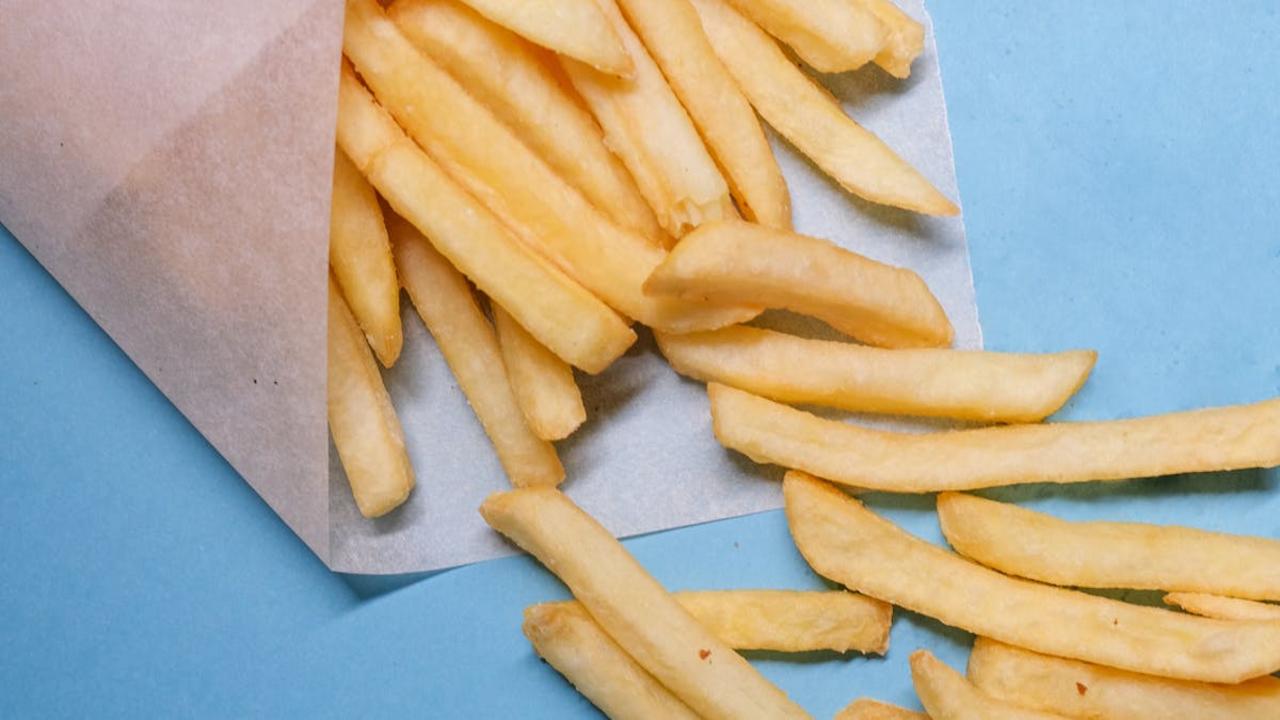
You know that incredible texture and flavor you get from Five Guys fries? Their secret lies in a surprisingly simple but time-intensive process that starts with whole Burbank Russet potatoes. Every morning, crew members hand-cut these potatoes using a specialized press, creating those signature thick-cut strips you love. What makes this method special is that they never freeze their potatoes – instead, they store them in cool, controlled environments and cut them fresh daily. The potatoes arrive with dirt still on them, which the staff washes off before cutting, ensuring maximum freshness and that distinctly earthy potato flavor.
The real magic happens during their two-stage cooking process. First, they blanch the fresh-cut potatoes in peanut oil at a lower temperature, which partially cooks them and creates the perfect foundation. Then, when you place your order, they drop those pre-blanched fries into the fryer again at a higher temperature, creating that golden exterior while keeping the inside fluffy and tender. This double-frying technique, combined with their commitment to never letting cut potatoes sit for more than a day, explains why Five Guys fries have that perfect contrast of crispy outside and creamy inside that keeps you coming back for more.
Why Starbucks Cup Sizes Have Unusual Names
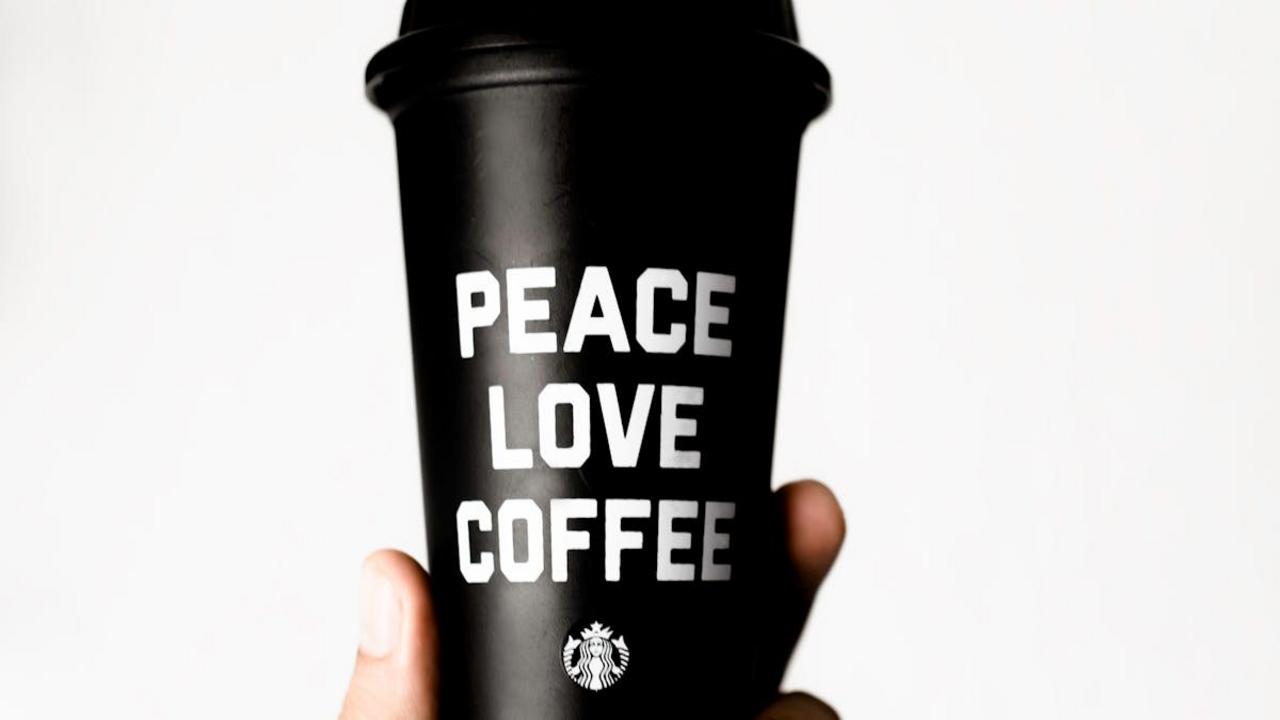
You know that moment when you confidently walk into Starbucks and ask for a “medium coffee,” only to be met with a polite correction about “grande”? Those quirky size names aren’t just corporate marketing – they actually stem from founder Howard Schultz’s deep appreciation for Italian coffee culture. Back in the 1980s, when Schultz was transforming Starbucks from a simple coffee bean retailer into the coffeehouse giant we know today, he wanted to recreate the authentic Italian espresso bar experience he’d fallen for during his travels. The original sizes were Short, Tall, and Grande – simple Italian-inspired terms that made perfect sense in that context.
What many people don’t realize is that the “Short” size still exists on the secret menu, even though most locations don’t display it prominently. When Starbucks introduced the Venti (meaning “twenty” in Italian, for 20 ounces), they kept the traditional naming system rather than switching to small, medium, and large like most American businesses. This decision helps maintain their brand identity and creates that sense of being part of something special – you’re not just ordering coffee, you’re participating in a coffee ritual. While it might feel intimidating at first, once you understand the story behind these names, ordering becomes part of the whole Starbucks experience that keeps millions of customers coming back daily.
Domino’s Pizza Tracking Technology
You know that satisfying moment when you order Domino’s and watch your pizza progress through each stage on their tracker? Well, here’s something that might surprise you – that tracking system isn’t just for show! Domino’s actually uses sophisticated technology that monitors real-time operations in their kitchens. The system tracks everything from prep times to oven temperatures, and yes, it really does know when your pizza moves from “prep” to “bake” to “quality check.” This data helps them optimize their processes, but it also means they’re collecting detailed information about peak ordering times, popular combinations, and customer behavior patterns that go far beyond just keeping you informed about your dinner.
What makes this even more interesting is how Domino’s uses this information to predict demand and manage inventory across their locations. The tracking technology connects to their supply chain systems, helping them anticipate how much cheese, pepperoni, and dough each store will need based on historical ordering patterns. While you’re watching that little progress bar fill up, Domino’s is simultaneously analyzing your preferences alongside thousands of other customers to make business decisions. They know which toppings sell best in your neighborhood, what time most people order on Friday nights, and even how weather affects pizza cravings. It’s like having a crystal ball for pizza prediction!
The Truth About Chicken McNuggets
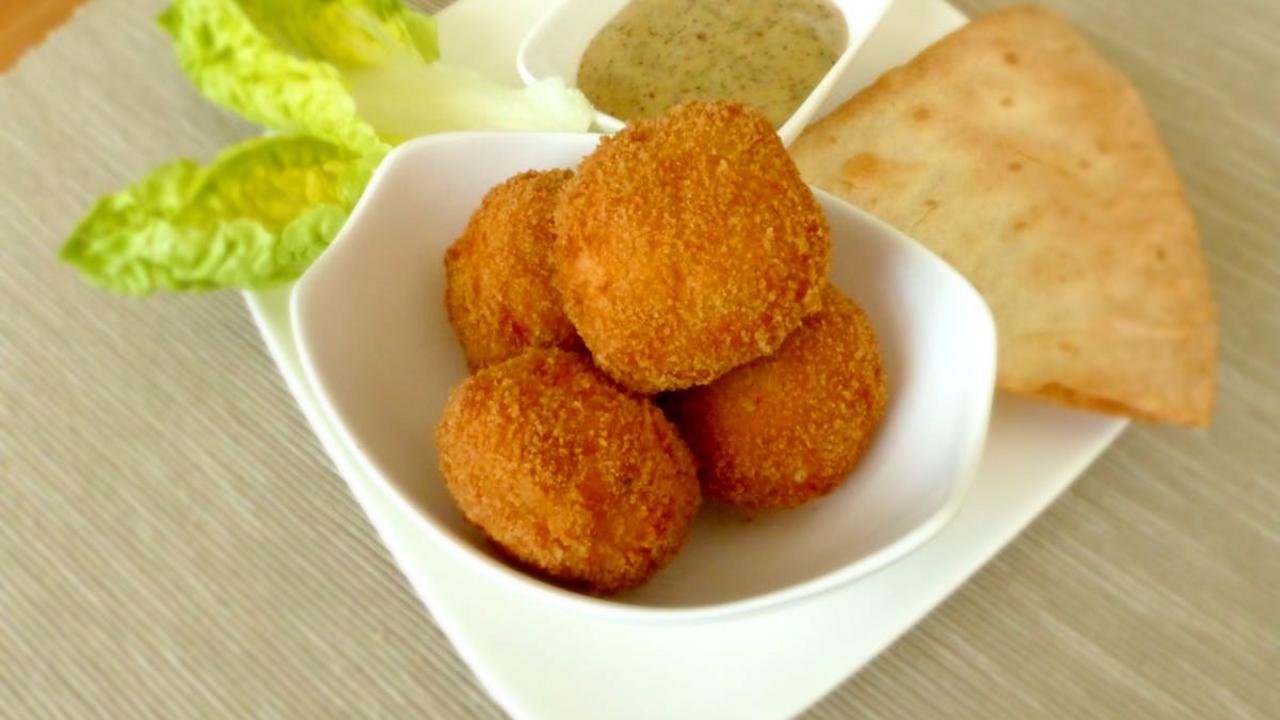
You know those golden, crispy Chicken McNuggets that millions of people love? Here’s what McDonald’s doesn’t advertise on their colorful menu boards: those nuggets contain way more than just chicken. The ingredient list reads like a chemistry textbook, with over 40 different components including dimethylpolysiloxane (yes, the same stuff found in silly putty), tertiary butylhydroquinone as a preservative, and various phosphates. The “chicken” part makes up only about 45% of each nugget, while the rest consists of fillers, binders, and preservatives that help maintain that consistent texture and extended shelf life we’ve all grown accustomed to.
What really surprised me during my research was discovering the nugget-making process itself. McDonald’s creates these bite-sized pieces by grinding up chicken meat into a paste-like consistency, then mixing it with all those additional ingredients before shaping and breading. This explains why every McNugget has that uniform texture – it’s not because they’re cut from whole chicken pieces, but because they’re essentially molded from processed chicken paste. While this method allows for consistent flavor and texture across billions of nuggets served worldwide, it’s quite different from what most people imagine when they think of chicken pieces. Understanding this process helps you make more informed choices about what you’re feeding yourself and your family.
Burger King Flame Broiling Process
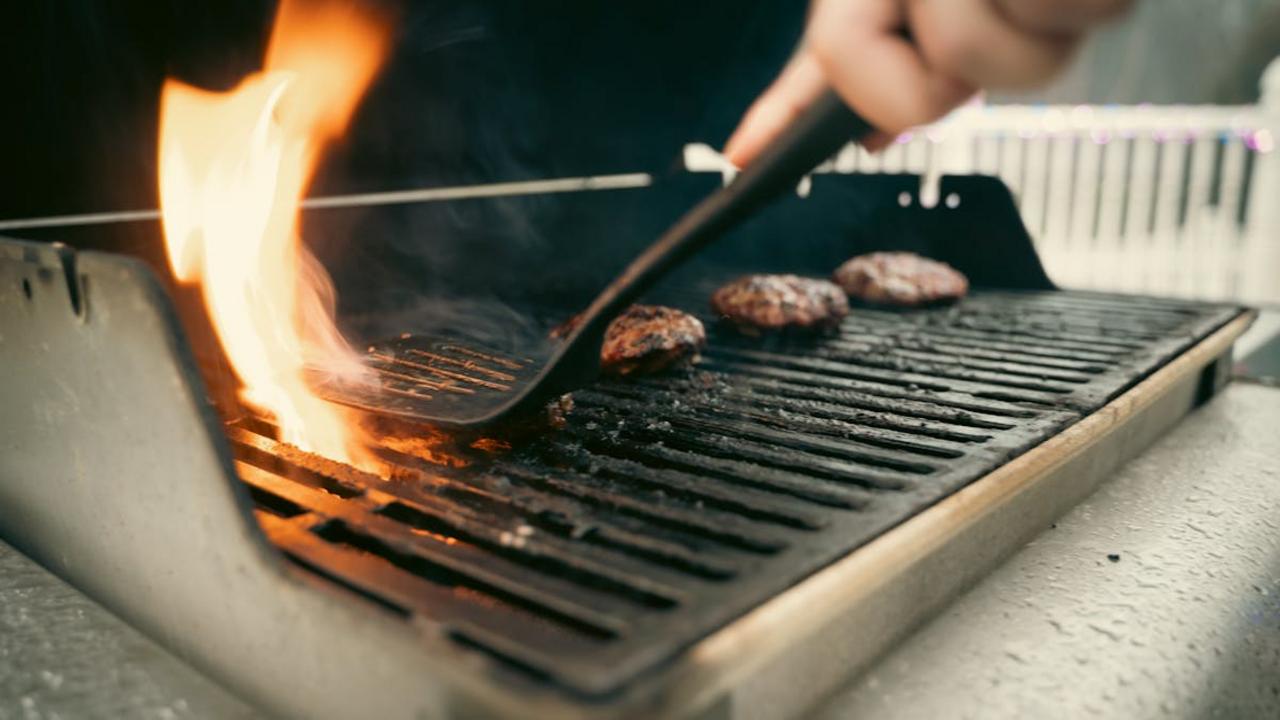
You know that distinctive smoky flavor you get from a Burger King Whopper? Well, here’s something that might surprise you – those famous “flame-broiled” patties don’t actually touch real flames like you’d imagine. Instead, Burger King uses a conveyor system with gas-powered burners that create intense heat from below. The beef patties ride along this moving belt while the burners blast them with high temperatures, creating those signature grill marks and that characteristic taste we all recognize. This automated process allows for consistent cooking times and temperatures across all locations, but it’s quite different from the backyard grilling experience many people picture.
What makes this process interesting from a home cook’s perspective is how it shows us the power of high heat and proper timing. You can recreate similar results in your own kitchen by preheating your grill or cast-iron skillet to very high temperatures before adding your burger patties. The key is getting that initial sear to lock in the juices while creating those beautiful caramelized edges that add so much flavor. Don’t flip your burgers too early – let them develop that golden-brown crust first, just like Burger King’s conveyor system does. This technique works wonderfully for any protein and gives you that restaurant-quality finish right at home.
Hidden Calories in Subway Fresh Options
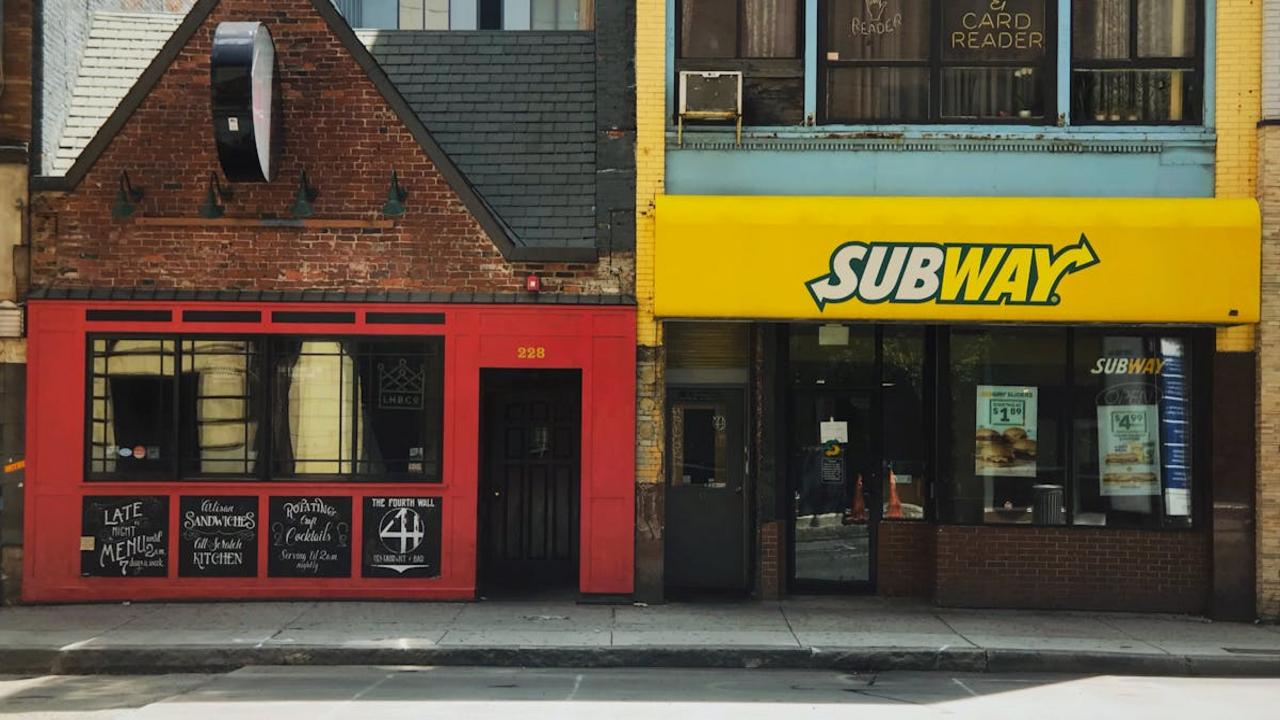
You walk into Subway thinking you’re making the healthiest choice on the block, but those “fresh” menu options might pack more calories than you’d expect! That seemingly innocent 6-inch turkey breast sub can quickly balloon from 280 calories to over 500 when you add cheese, mayo, and oil. The footlong veggie delight sounds virtuous at first glance, but once you factor in the bread, cheese, and dressings, you’re looking at around 460 calories for what many consider a “light” meal. Even their salads can surprise you – the Southwest Chicken Salad clocks in at 350 calories before you add any dressing.
The real sneaky culprits hide in those sauces and add-ons that make your sandwich taste amazing. Ranch dressing adds 110 calories per serving, while that innocent-looking chipotle southwest sauce contributes 100 calories of pure indulgence. The cheese might seem minimal, but it adds 40-50 calories per slice, and most people don’t stop at just one. Your best strategy? Stick to mustard, vinegar, or hot sauce for flavor, load up on actual vegetables like spinach, tomatoes, and peppers, and consider going open-faced with just the bottom bun to cut calories in half while still enjoying that satisfying sandwich experience.
Taco Bell Meat Quality Standards
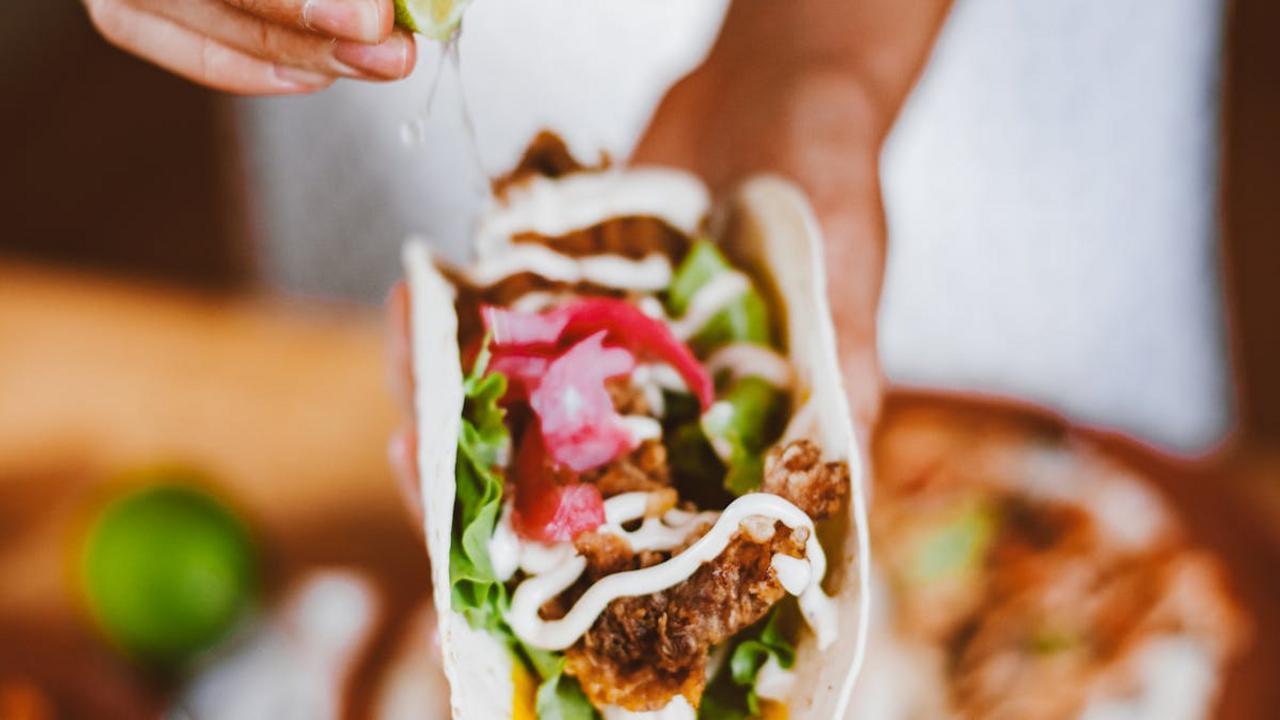
You know that seasoned beef you love in your Crunchwrap Supreme? Here’s something that might catch you off guard: Taco Bell’s “beef” actually contains only 88% real beef. The remaining 12% consists of what they call “signature recipe” – a blend of water, isolated oat product, salt, chili pepper, onion powder, tomato powder, oat fiber, sugar, garlic powder, autolyzed yeast extract, citric acid, caramel color, cocoa powder, silicon dioxide, natural flavors, yeast, modified corn starch, natural smoke flavor, salt, sodium phosphate, less than 2% of beef broth, potassium phosphate, and potassium lactate. That’s quite a list for what most people assume is just ground beef!
Now, before you panic, this mixture isn’t necessarily bad for you – it’s actually pretty standard in the fast food industry. These additives help preserve the meat, maintain consistent flavor, and keep costs down so you can enjoy that $1.99 Beefy 5-Layer Burrito. The real surprise is that Taco Bell is one of the more transparent chains about their ingredients, posting this information openly on their website. If you prefer pure beef at home, try browning ground beef with cumin, chili powder, paprika, and a splash of beef broth – you’ll get that familiar Tex-Mex flavor without all the extras, and your kitchen will smell absolutely amazing.
How KFC Original Recipe Stays Secret
You know that irresistible blend of herbs and spices that makes KFC chicken so addictive? Well, the company guards this recipe like Fort Knox! Only a handful of people worldwide know the complete formula, and they’ve signed agreements so strict that even their own families don’t know what goes into that famous seasoning mix. The recipe lives in a digital safe at KFC’s headquarters in Louisville, Kentucky, and requires two different executives to access it together – neither person can open it alone. This isn’t just marketing hype; it’s genuine corporate security that would make spy agencies jealous.
What makes this secrecy even more impressive is how KFC splits up the production process. Different suppliers create different portions of the spice blend, so no single manufacturer knows the complete recipe. They then ship these components to a central facility where the final mixing happens under tight security. Even former employees who worked closely with the recipe have tried to recreate it over the years, but none have succeeded in matching that exact flavor profile that keeps us coming back. This level of protection means you’ll probably never recreate that exact taste at home – but honestly, that mystery just makes each bite feel more special, doesn’t it?
Why Wendy’s Burgers Are Square
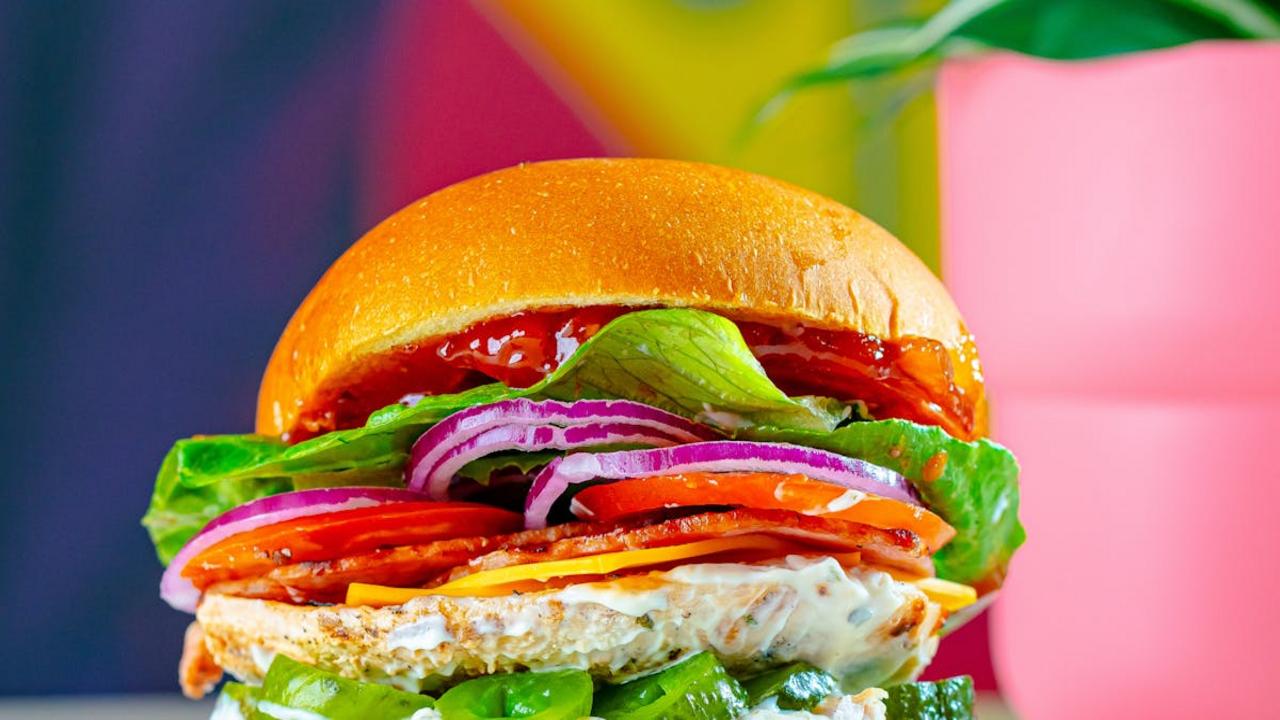
You know that distinctive square shape that makes Wendy’s burgers instantly recognizable? Dave Thomas, Wendy’s founder, didn’t choose this design randomly. He wanted his patties to hang over the edges of the bun, creating that signature look where meat peeks out from all sides. This wasn’t just about aesthetics – it was a clever marketing strategy to show customers they were getting more bang for their buck. When you see those corners of beef jutting out, your brain automatically thinks “bigger portion,” even though the actual weight might be similar to round patties from other chains.
The square shape also serves a practical purpose in the kitchen that most customers never consider. Square patties stack more efficiently during storage and transport, saving precious space in freezers and delivery trucks. Plus, the flat edges cook more evenly on the grill, reducing those pesky hot spots that can make burgers unevenly cooked. Dave Thomas was brilliant – he created a shape that simultaneously made his burgers look more generous, saved money on logistics, and improved cooking consistency. Next time you bite into that square burger, remember you’re experiencing decades of fast-food engineering disguised as a simple design choice!
The Real Story Behind Pizza Hut Pan Pizza
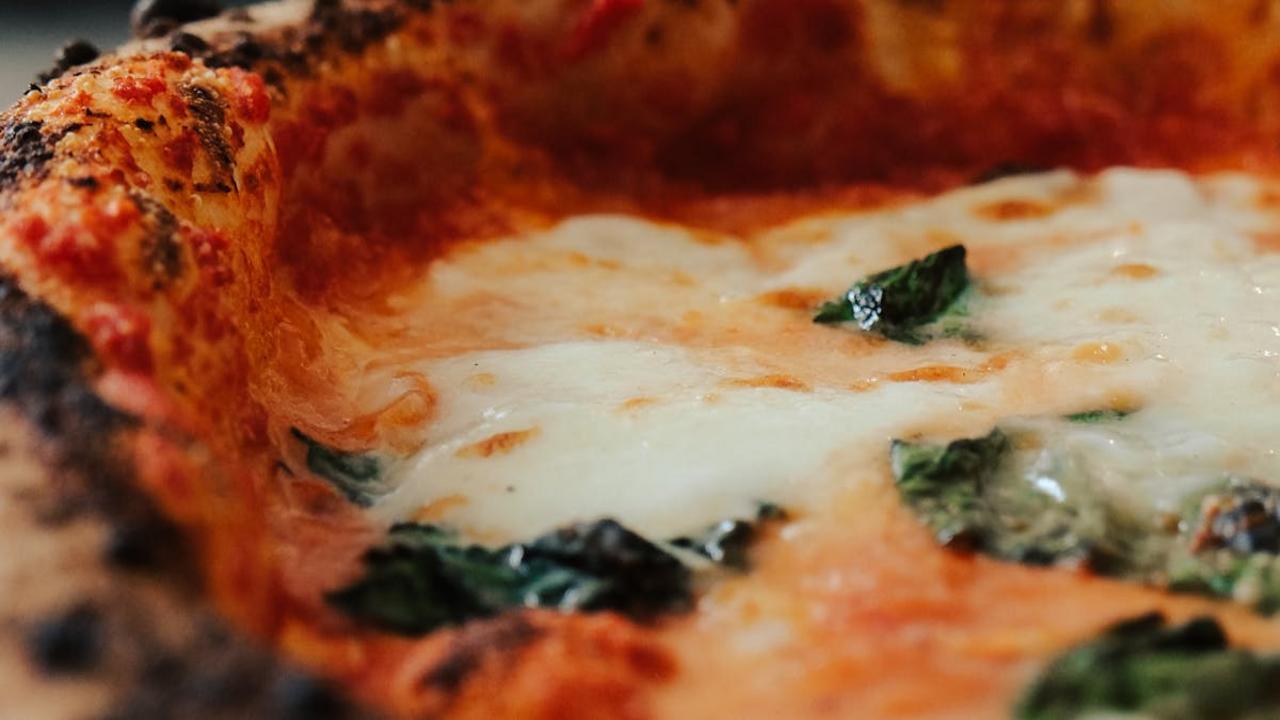
You know that thick, buttery crust that makes Pizza Hut’s pan pizza so irresistible? Here’s something that might surprise you: those pans aren’t just regular pizza pans. Pizza Hut actually uses specially designed blue steel pans that get seasoned with a generous amount of oil before each pizza goes in. This creates that signature golden, crispy bottom and those perfectly puffy edges we all crave. The dough sits in these oiled pans for hours, slowly rising and absorbing all those rich flavors. What makes it even more interesting is that Pizza Hut has been using this exact same method since the 1950s, refusing to change their recipe despite pressure to cut costs.
The secret doesn’t stop at the pan preparation though. Pizza Hut’s dough recipe contains a specific blend of oils and a longer fermentation process than most competitors use. While other chains might rush their dough preparation, Pizza Hut lets theirs develop slowly, creating those complex flavors and that perfect chewy-yet-crispy texture. The company trains their kitchen staff extensively on proper pan preparation because even a small deviation from the process can completely change how your pizza turns out. Next time you bite into that golden crust, you’ll know you’re experiencing a carefully crafted process that’s been perfected over decades of pizza-making expertise.
Secret Menu Items at McDonald’s

McDonald’s has been quietly serving up hidden gems that most customers never hear about, and honestly, it makes me so excited to share these insider secrets with you! The Land, Sea, and Air Burger combines a beef patty, chicken patty, and fish fillet all in one towering creation that will absolutely blow your mind. You can also order the McGangBang (yes, that’s the real name), which features a McChicken sandwich stuffed inside a McDouble. These off-menu creations show just how creative you can get when you know what to ask for, and the best part is that most locations will happily make them if you explain what you want.
Another fantastic secret menu option is the Poor Man’s Big Mac, where you order a McDouble and ask them to add lettuce, Big Mac sauce, and onions – you get that iconic Big Mac flavor for way less money! The Neapolitan Shake mixes vanilla, chocolate, and strawberry shakes together, creating this beautiful tri-colored treat that tastes like childhood memories. Don’t forget about the Apple Pie McFlurry, where they blend apple pie pieces right into your vanilla soft serve. These hidden options prove that McDonald’s employees are often willing to get creative with their ingredients, so don’t be shy about asking for modifications or combinations that sound good to you!