13 Everyday Foods With Surprising Medicinal Powers You Probably Never Knew About
Your kitchen cabinets likely hold more healing potential than you realize! These 13 foods pack powerful medicinal benefits beyond basic nutrition – from inflammation fighters to mood boosters. I’ve spent years incorporating these natural remedies into my cooking, discovering their incredible impact on health.
Many of these ingredients come from traditional healing practices worldwide. Turmeric’s anti-inflammatory properties have made it a staple in my soups, while fermented kefir transformed my gut health. Dragon fruit and camu camu deliver intense vitamin boosts in morning smoothies that my family now requests daily.
You don’t need fancy supplements to support your wellbeing. Adding these accessible foods to your meals gives you both flavor and function. I’ll show you how each one works in your body and simple ways to include them in dishes you already make. Your medicine cabinet might start looking more like your pantry!
Camu Camu
You know that moment when you discover an ingredient that makes you question everything you thought you knew about nutrition? That’s exactly what happened when I first encountered camu camu, a small Amazonian fruit that packs more vitamin C than any other food on Earth. We’re talking about 30 to 50 times more vitamin C than an orange – imagine getting your entire daily requirement from just half a teaspoon of this crimson powder! I started adding it to my morning smoothies after learning about its incredible immune-boosting properties, and honestly, it’s become my secret weapon during cold season.
What fascinates me most about camu camu is how indigenous communities have used it for centuries to treat infections, boost energy, and support overall health – long before modern science caught up to validate these traditional uses. The fruit contains powerful antioxidants called anthocyanins and flavonoids that help reduce inflammation and protect your cells from damage. I love mixing camu camu powder into homemade energy balls with dates and almonds, or stirring it into plain yogurt with a drizzle of honey. The tart, slightly astringent flavor reminds me of cranberries, so it pairs beautifully with sweet fruits in smoothies or even in homemade ice cream for a nutritional boost that doesn’t compromise on taste.
Kefir

You know that tangy, slightly fizzy drink sitting in your fridge right now? That’s liquid gold for your gut health! Kefir contains more than 60 different strains of probiotics – way more than your average yogurt. These beneficial bacteria work overtime to support your digestive system, boost your immune function, and even help regulate blood sugar levels. I’ve been making my own kefir at home for years using those magical little kefir grains, and honestly, the difference in how I feel is remarkable.
What really gets me excited about kefir is how incredibly versatile it is in the kitchen. I blend it into smoothies with fresh berries and a drizzle of honey, use it as a base for creamy salad dressings, or even substitute it for buttermilk in my pancake recipes. The natural fermentation process creates beneficial compounds like kefiran, which has anti-inflammatory properties and may help lower cholesterol. Plus, kefir is packed with protein, B vitamins, and calcium – making it a nutritional powerhouse that your body will thank you for incorporating into your daily routine.
Sumac

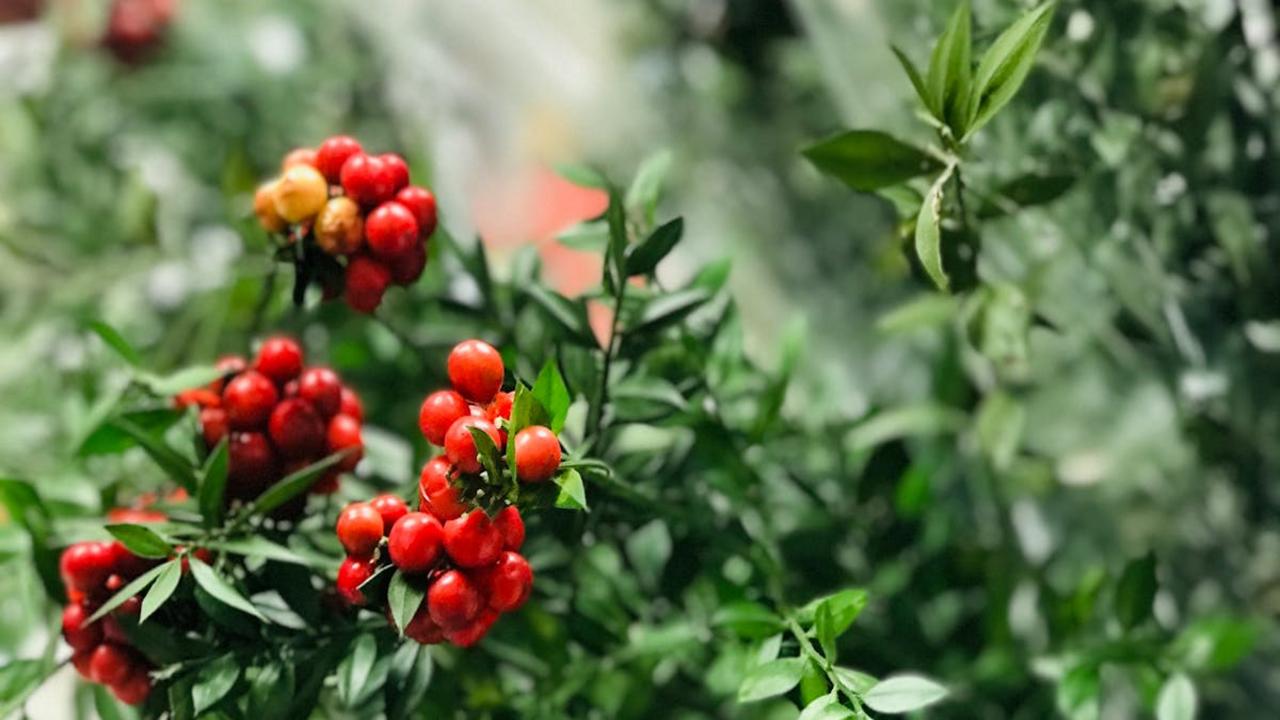
You know that tangy, wine-colored spice that transforms Middle Eastern dishes? That’s sumac, and it’s been quietly working medicinal magic for centuries. This ruby-red powder comes from grinding dried sumac berries, and beyond its gorgeous color and lemony flavor, sumac packs serious antioxidant power. I love sprinkling it over everything from roasted vegetables to grilled meats – it brightens dishes while delivering anti-inflammatory compounds that help your body fight oxidative stress.
What makes sumac so special is its high concentration of tannins and anthocyanins, the same compounds that give red wine its health benefits. These natural chemicals can help regulate blood sugar levels and support cardiovascular health. I keep a jar of sumac on my counter because it’s incredibly versatile – you can dust it over yogurt for a probiotic boost with added medicinal benefits, or mix it into salad dressings for that perfect balance of tart and healthy. The best part? Unlike many medicinal foods that require preparation, sumac works its magic the moment you sprinkle it on your plate.
Natto
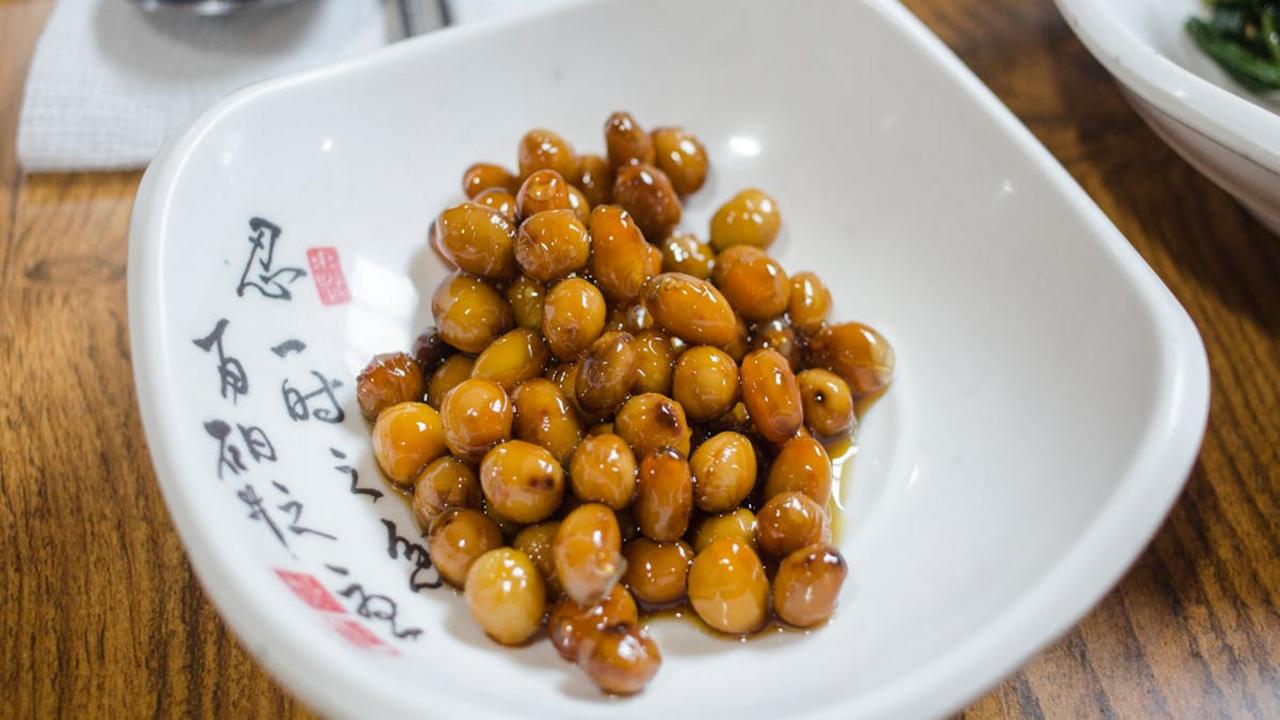
You know that sticky, stringy fermented soybean dish from Japan that makes most people wrinkle their noses? That’s natto, and friend, you’re missing out on one of nature’s most powerful medicinal foods if you’re avoiding it! This funky breakfast staple packs more vitamin K2 than almost any other food on the planet – we’re talking about levels that make your bones practically bulletproof and your heart sing with joy. The fermentation process creates nattokinase, an enzyme that works like magic to dissolve blood clots and keep your cardiovascular system running smoothly. I’ve seen people transform their health just by adding a small serving of natto to their morning routine.
Now, I won’t lie to you – natto takes some getting used to with its unique texture and earthy, almost cheese-like flavor. But here’s my trick: start small and mix it with warm rice, a splash of soy sauce, and some chopped green onions. The fermented soybeans also flood your gut with beneficial probiotics that support digestion and boost immunity in ways that expensive supplements simply can’t match. I’ve learned to appreciate natto’s bold personality, and honestly, knowing that each spoonful is delivering such incredible health benefits makes every sticky bite worth it. Your future self will thank you for giving this ancient superfood a real chance!
Dragon Fruit
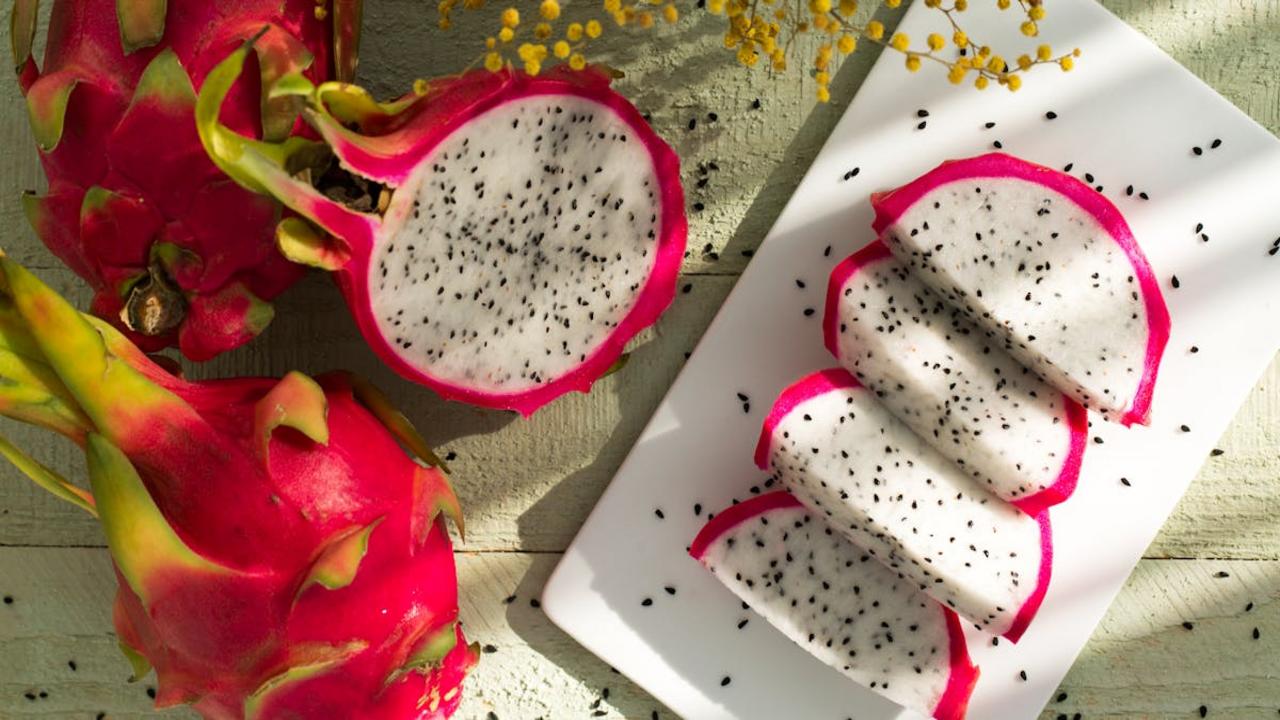
You know that vibrant pink fruit with the spiky exterior sitting in your grocery store’s exotic produce section? That’s dragon fruit, and I promise you it’s worth bringing home for more than just its Instagram-worthy appearance. This tropical beauty packs serious nutritional punch that goes way beyond its striking looks. Dragon fruit contains powerful antioxidants called betalains – the same compounds that give beets their deep red color – which help fight inflammation and support your immune system. The fruit also delivers a hefty dose of vitamin C, actually containing more than oranges, plus iron, magnesium, and B vitamins that your body craves.
What really gets me excited about dragon fruit is how gentle it is on your digestive system while still providing incredible benefits. The tiny black seeds scattered throughout the white flesh contain healthy omega-3 fatty acids, and the fruit’s high fiber content helps regulate blood sugar levels – perfect for those afternoon energy crashes we all know too well. I love adding chunks of dragon fruit to my morning smoothie bowls or mixing it into fresh salsas for fish tacos. The mild, slightly sweet flavor pairs beautifully with lime juice and mint, creating refreshing combinations that make eating healthy feel like a treat rather than a chore.
Amla
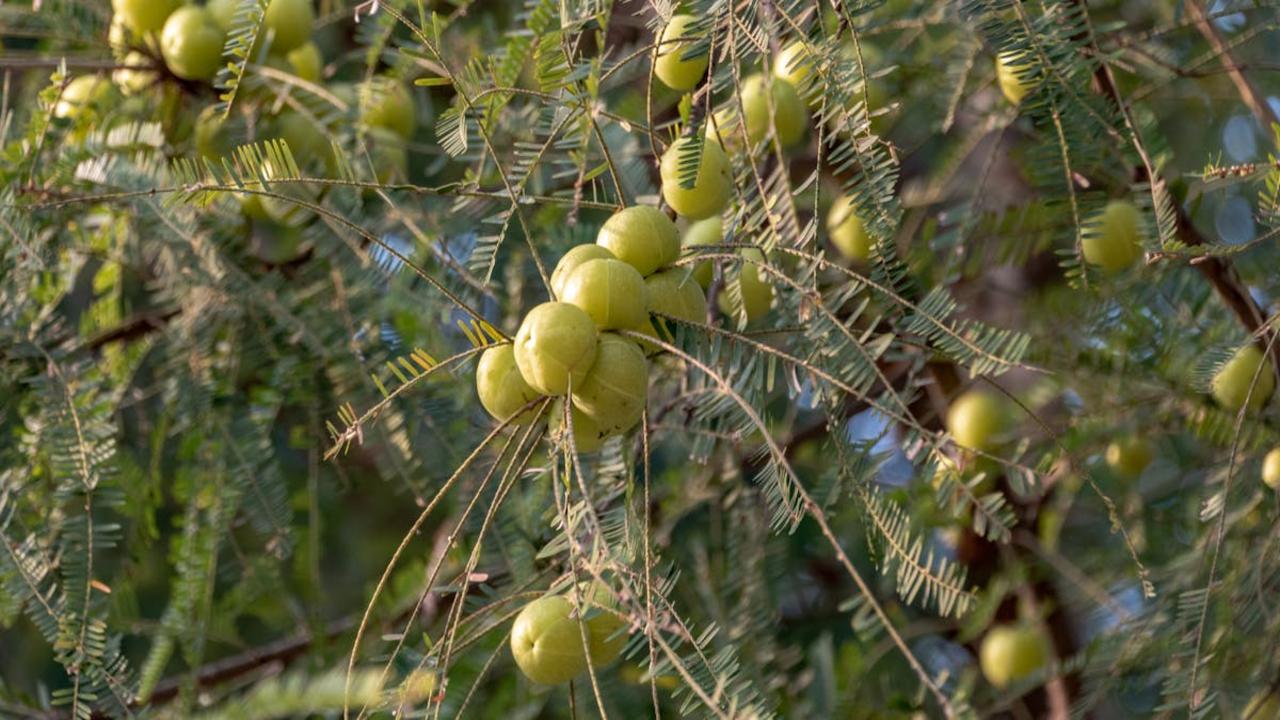
You know that tangy, slightly bitter fruit your Indian neighbor might have mentioned? That’s amla, and trust me, this little green powerhouse deserves a permanent spot in your kitchen. I’ve been cooking with amla for years now, and what started as curiosity turned into complete admiration for this vitamin C champion. One medium amla contains more vitamin C than twenty oranges – imagine that! This translates to incredible immune support, especially during those months when everyone around you seems to be sniffling. I love adding fresh amla to my morning smoothies or making a simple amla chutney that brightens up any meal.
What really gets me excited about amla is how it supports your body’s natural healing processes. The antioxidants in this fruit help protect your liver, support healthy digestion, and even promote beautiful skin and hair from the inside out. In my kitchen, I’ve discovered that amla pairs beautifully with ginger and turmeric in homemade wellness shots, or you can pickle it with mustard seeds for a probiotic-rich condiment that keeps for months. The fresh fruit season is short, but you can find amla powder year-round – just a teaspoon mixed into yogurt or sprinkled over fruit gives you that medicinal boost while adding an interesting tartness that wakes up your palate.
Schisandra Berries
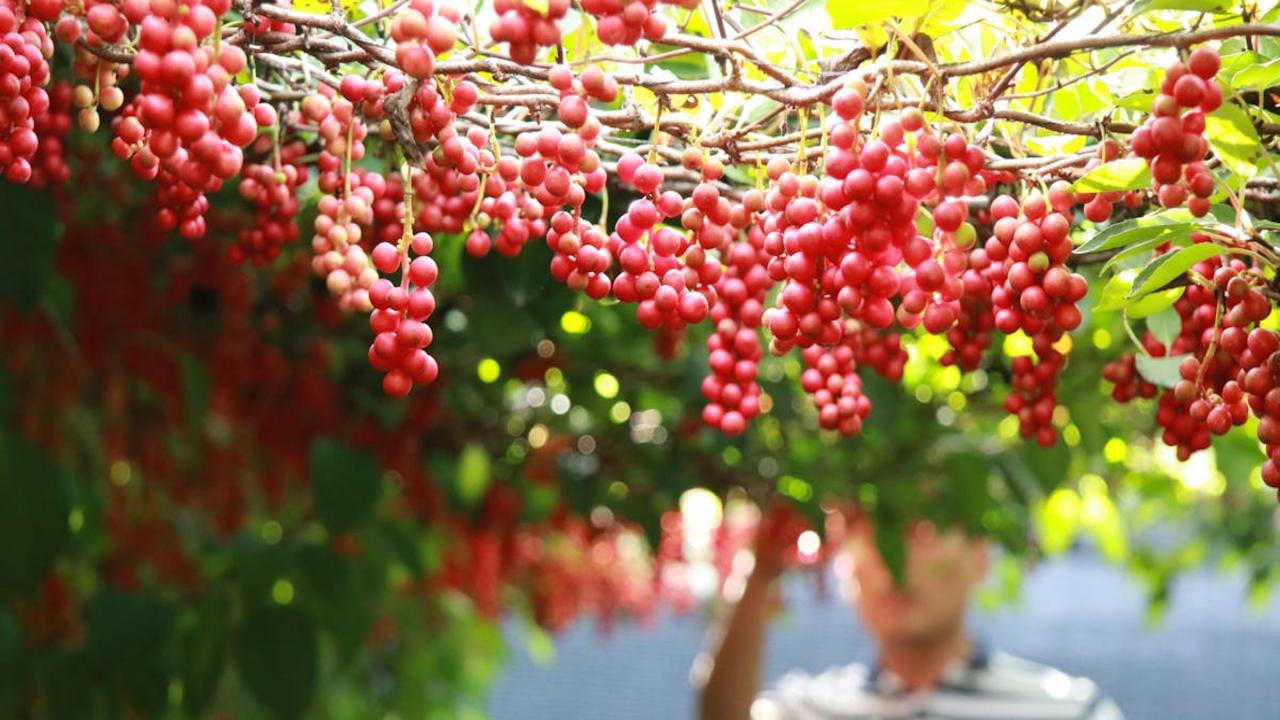
These tiny crimson berries from northern China pack more healing power than most people realize, and I’ve been quietly adding them to my pantry for years now. Schisandra berries taste like a symphony of flavors – sweet, sour, salty, bitter, and pungent all at once, which explains why traditional Chinese medicine calls them “wu wei zi” or “five-flavor fruit.” You can find them dried at Asian markets or health food stores, and they work beautifully in homemade teas, smoothies, or even infused into honey for a unique condiment.
What makes these berries special goes beyond their complex flavor profile – they’re adaptogens that help your body manage stress while supporting liver function and mental clarity. I love simmering a handful in hot water for 15 minutes to create a tonic tea that tastes like concentrated berries with herbal undertones. The compounds in schisandra berries, particularly schisandrin, have been shown to protect the liver from toxins and boost cognitive function. Try adding a teaspoon of dried berries to your morning smoothie or steep them overnight in cold water for a refreshing drink that supports your body’s natural detox processes.
Ashwagandha
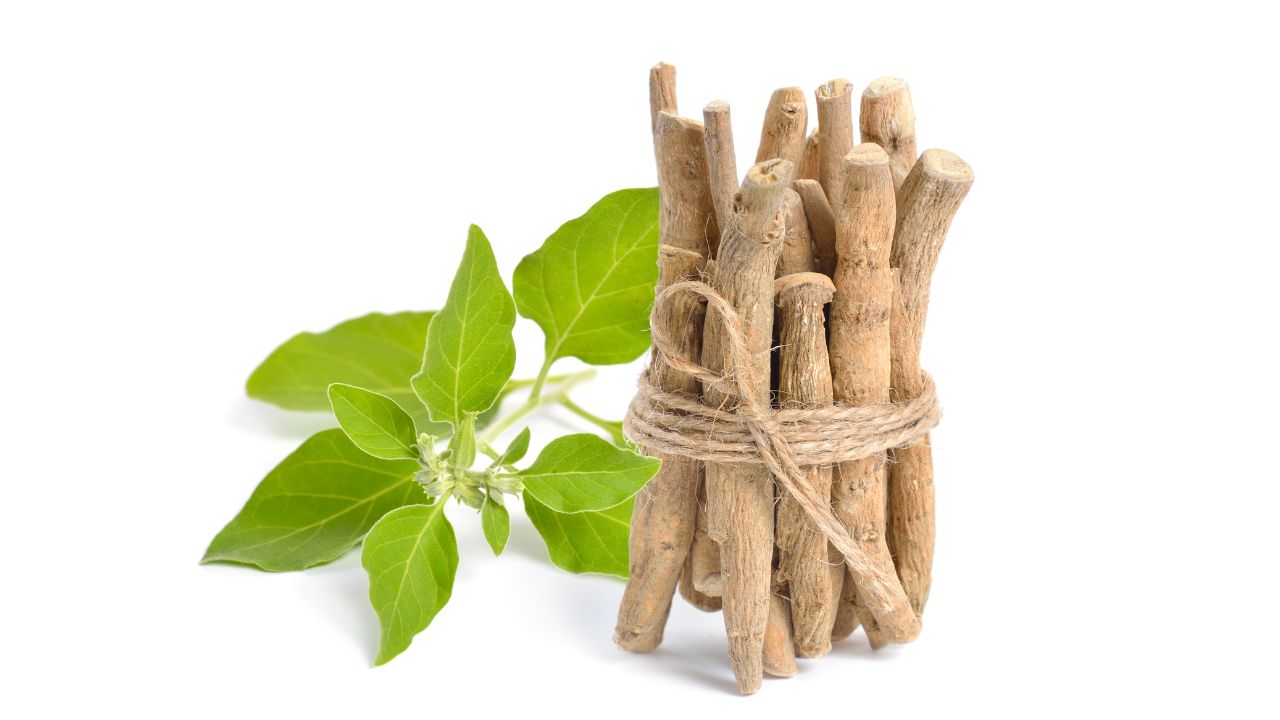
You know, I never expected to find myself stirring ashwagandha powder into my evening golden milk, but here we are! This ancient adaptogenic root has become my secret weapon for those overwhelming days when stress tries to take over my kitchen creativity. I started incorporating this earthy, slightly bitter herb into smoothies and warm drinks after learning about its incredible ability to help your body manage cortisol levels naturally. The taste takes some getting used to – think nutty meets slightly medicinal – but paired with honey, cinnamon, and warm plant milk, it transforms into something genuinely comforting.
What really sold me on ashwagandha was discovering how it supports both energy and sleep quality – two things every busy home cook desperately needs! I blend a teaspoon into my morning smoothies with banana and almond butter to help my body handle daily pressures, then sometimes add it to my nighttime routine with chamomile tea. The research backing its stress-reducing properties is impressive, but honestly, I noticed the difference in my own energy levels within just a few weeks. Now I keep the powder stocked alongside my other pantry staples because good health starts with what we put in our bodies, and this humble root delivers powerful support for our modern, hectic lives.
Sea Buckthorn
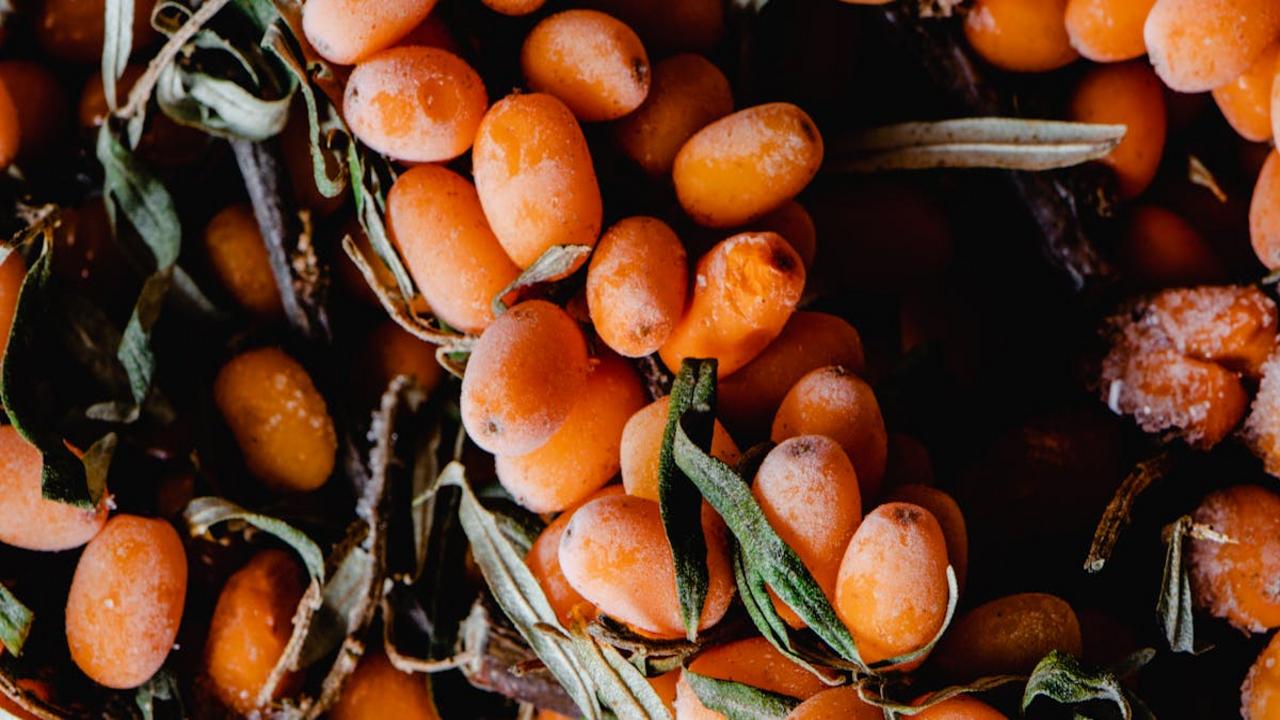
You know those bright orange berries that look almost too vibrant to be real? That’s sea buckthorn, and I’ve been experimenting with this incredible superfruit in my kitchen for years now. These tiny powerhouses pack more vitamin C than oranges—we’re talking about 15 times more! I love adding sea buckthorn juice to my morning smoothies or drizzling the oil over roasted vegetables. The tart, almost citrusy flavor adds such depth to both sweet and savory dishes, and honestly, once you start cooking with it, you’ll wonder how you lived without it.
What really gets me excited about sea buckthorn is its incredible healing properties that go way beyond just vitamin C. This berry contains rare omega-7 fatty acids that support skin health from the inside out—I’ve noticed my skin feels more hydrated since I started incorporating it regularly. The anti-inflammatory compounds help with everything from digestive health to wound healing. I often make a simple sea buckthorn tea by steeping the dried berries, or I’ll blend fresh ones into homemade energy balls with dates and nuts. It’s one of those ingredients that makes me feel like I’m giving my body exactly what it needs while creating something absolutely delicious.
Noni Fruit
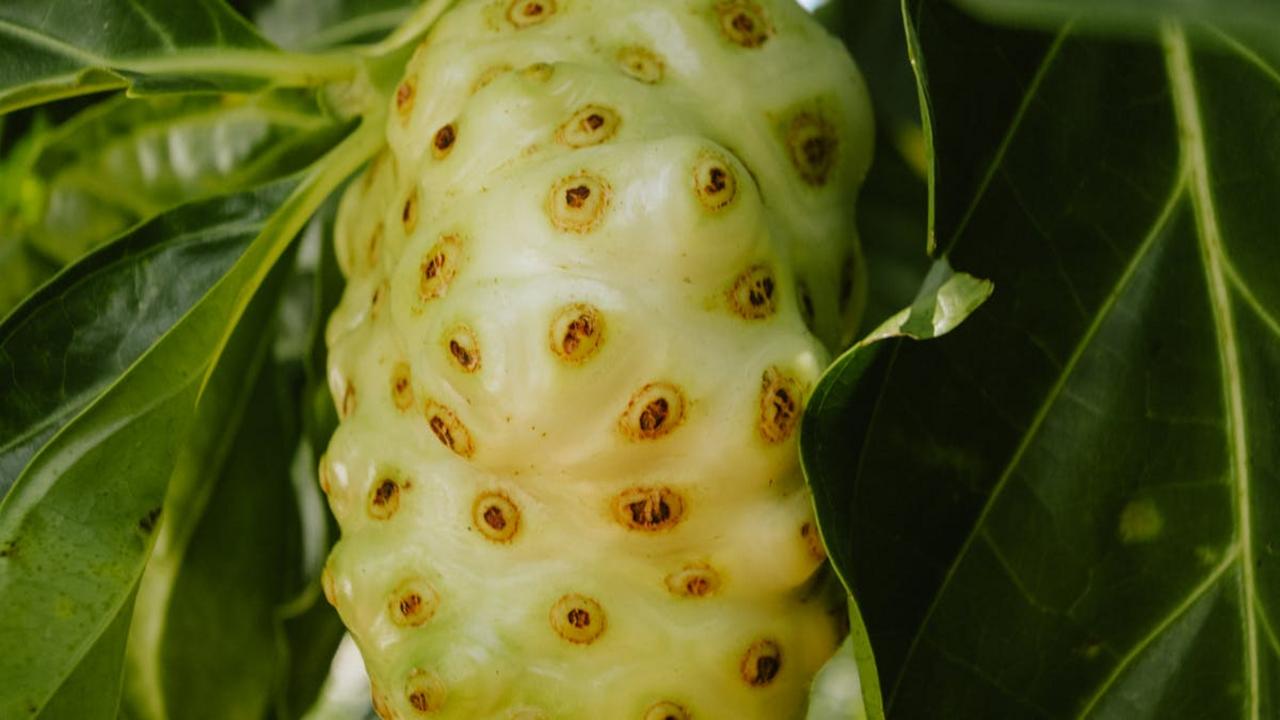
You know that pungent, cheese-like smell that makes you wrinkle your nose? That’s noni fruit saying hello, and trust me, this Southeast Asian powerhouse deserves your attention despite its off-putting aroma. I remember my first encounter with noni at a local market—the vendor practically had to convince me to try it, but I’m so glad she did. This bumpy, yellowish fruit packs an incredible medicinal punch that traditional healers have respected for centuries. Rich in vitamin C, antioxidants, and unique compounds called iridoids, noni supports immune function and fights inflammation throughout your body.
Now, I won’t lie to you—eating fresh noni requires some courage because of that strong flavor and smell. But here’s my secret: I blend small pieces into smoothies with pineapple, mango, and ginger to mask the intensity while keeping all those healing benefits. You can also find noni juice at health food stores, though I always recommend starting with just a tablespoon daily since it’s quite potent. Many people report improved energy levels, better digestion, and enhanced recovery from workouts when they include noni regularly in their routine. Give this unusual fruit a chance, and your body will thank you for introducing it to such a powerful natural medicine.
Moringa

Picture this: you’re walking through a bustling market in West Africa, and vendors call out about the “miracle tree” that grows practically everywhere. That’s moringa for you – a powerhouse leaf that’s been nourishing families for generations, yet somehow flew under the radar in Western kitchens until recently. I started adding these dried leaves to my smoothies after a friend from Nigeria showed me how her grandmother would brew them into tea for everything from joint pain to boosting energy. The earthy, slightly peppery flavor reminds me of a cross between spinach and matcha, and just one tablespoon packs more vitamin C than three oranges.
What makes moringa truly special is how it fights inflammation throughout your body while supporting healthy blood sugar levels – something I noticed when I began sprinkling the powder into my morning oatmeal. The leaves contain compounds called isothiocyanates that work like tiny bodyguards, protecting your cells from damage while helping your liver process toxins more effectively. I love mixing moringa powder into homemade energy balls with dates and almonds, or stirring it into soups just before serving. The beauty of cooking with moringa lies in its versatility – you can add it to practically any dish without overwhelming the flavors, making it an easy way to boost nutrition in your everyday meals.
Reishi Mushrooms

I remember the first time I encountered reishi mushrooms at a local Asian market – these glossy, almost lacquered-looking fungi caught my attention immediately. My grandmother always called them “the mushroom of immortality,” and now I understand why. Reishi contains powerful compounds called triterpenes and beta-glucans that work like tiny warriors in your body, supporting your immune system and helping manage stress levels naturally. I love adding dried reishi powder to my morning smoothies or brewing it into a calming evening tea that tastes earthy and slightly bitter, but in the most comforting way.
What makes reishi truly special is how it adapts to what your body needs – if you’re wired and anxious, it helps you find calm, and if you’re exhausted, it supports gentle energy without the crash. I’ve started incorporating reishi into my cooking beyond just teas and powders. Try simmering whole dried reishi mushrooms in your next bone broth or vegetable stock for hours – they’ll infuse the liquid with their medicinal properties while adding depth. You can also find reishi in supplement form, but I prefer working with the whole mushroom whenever possible, grinding it myself and mixing it into everything from chocolate truffles to savory mushroom risottos.
Turmeric
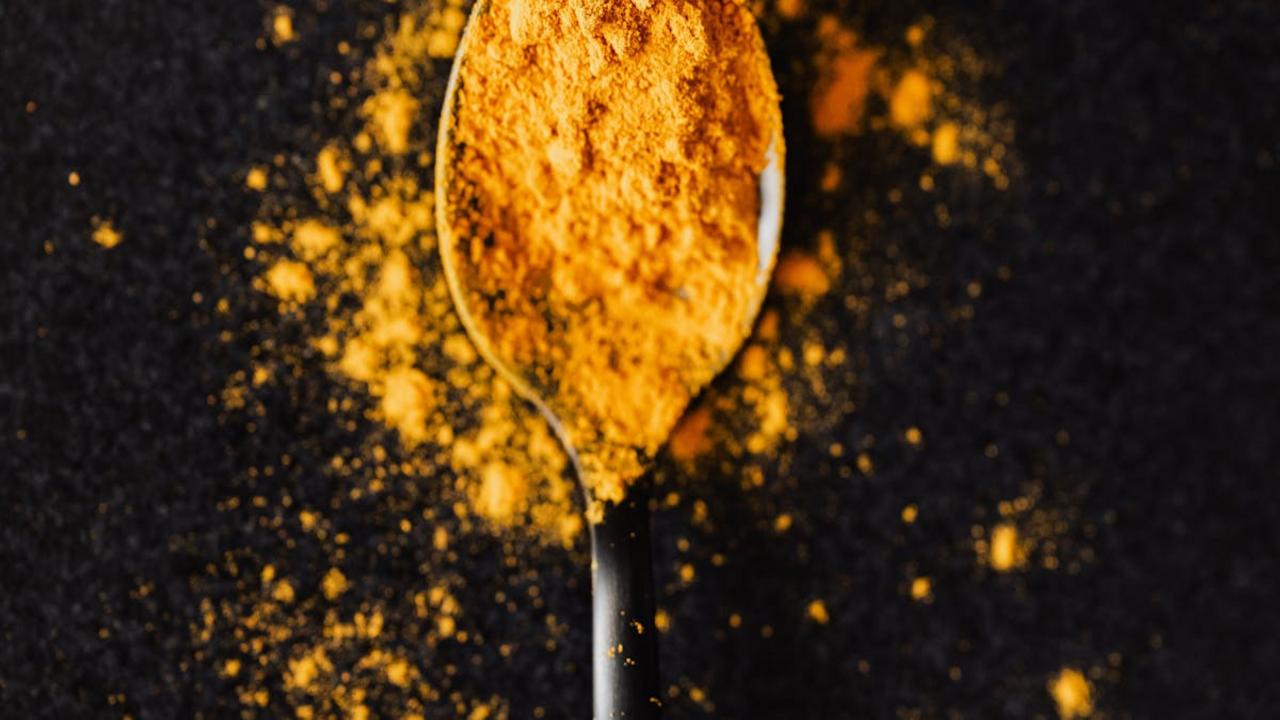
You know that golden spice sitting in your cabinet? That bright yellow powder transforms more than just your curry game—it’s been quietly working magic in kitchens and medicine cabinets across Asia for thousands of years. I keep fresh turmeric root in my fridge at all times because this humble ingredient contains curcumin, a compound so powerful that researchers compare its anti-inflammatory effects to some pharmaceutical drugs. Every time I grate that vibrant root into my morning smoothie or simmer it into a warming dal, I’m not just adding incredible flavor—I’m giving my body a natural weapon against inflammation and oxidative stress.
The beauty of cooking with turmeric lies in how easily it weaves into your daily meals. I love pairing it with black pepper and a touch of coconut oil because these simple additions dramatically increase curcumin absorption in your body. Whether you’re making golden milk before bed, stirring it into scrambled eggs, or creating a fragrant rice pilaf, turmeric brings both healing properties and that distinctive earthy warmth that makes food feel like medicine. Studies show regular turmeric consumption may support joint health, boost immune function, and even protect your brain—all while turning your kitchen into an aromatic sanctuary that feels like pure comfort.