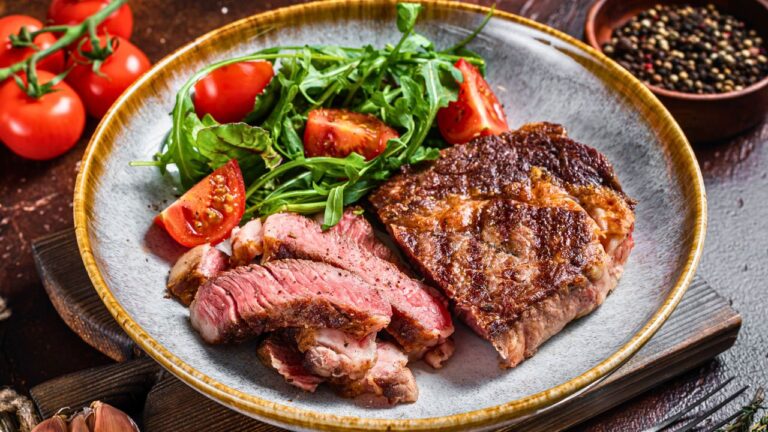
I’m a Vegetarian Hosting a Party. My Partner and Parents Called Me Selfish for Not Serving Meat.
We all know that when you are invited into someone’s home, good manners dictate that you graciously accept what is offered. You eat what is served with a smile, or you politely decline without making a fuss. It’s a simple rule of hospitality that shows respect for your host’s effort and expense.
However, one woman recently took to the internet to share a story that proves not everyone abides by this basic courtesy—and sometimes, the worst offenders are your own family.
The Incident
A woman, who is a vegetarian, was planning a lovely dinner party for a group of friends and family. As the host, she was doing all the cooking and, importantly, paying for all the ingredients herself.
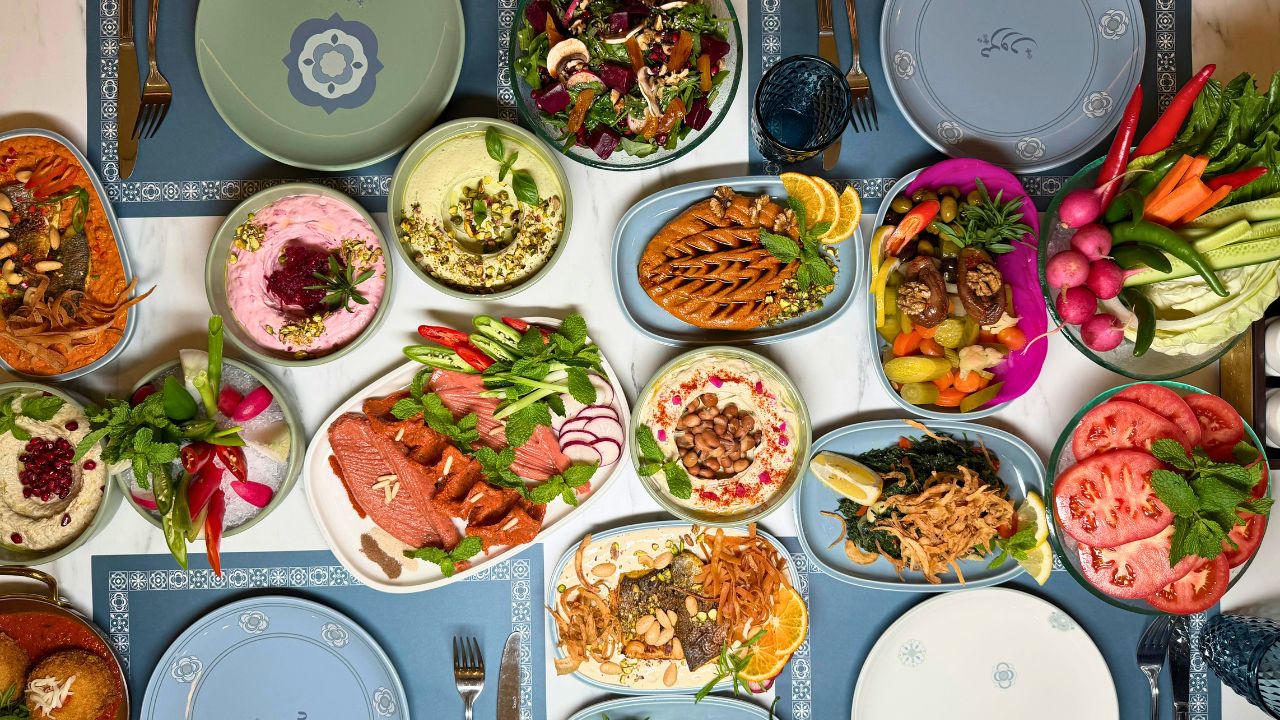
She planned a delicious, entirely vegetarian menu that everyone, including the meat-eaters, could enjoy. It seemed like the perfect, most inclusive way to cater to all her guests.
Her partner, however, had a very different idea of what it means to be a “good host.” He insisted that she must also serve a meat dish to accommodate the omnivores. The hostess was taken aback.
She explained her reasoning perfectly: “Why on earth would I pay to buy ingredients that I (and some of my guests) can’t even eat?” She also wondered, “Is it such an insult for omnivores to go without meat for ONE meal?”
Her partner’s argument was that not serving meat was just as rude as a meat-eater serving nothing but meat to a vegetarian—a comparison that, as she pointed out, makes no sense. Anyone can eat vegetarian food, but the reverse is certainly not true.
To make matters worse, when she shared the dilemma with her parents, they sided with her partner, calling her “self-centered for ‘not thinking of every guest’s comfort’.” She was left feeling confused and unfairly criticized for trying to host a thoughtful get-together in her own home.
The Internet Reacts
When she shared her story, the internet community overwhelmingly came to her defense, expressing disbelief at the audacity of her partner and parents. The reactions quickly sorted into a few distinct camps.
First, there was the “Absolutely Not” crowd, who were furious on the hostess’s behalf. They championed the age-old rule of “my house, my menu.” One commenter put it simply: “You’re hosting, you’re cooking, therefore it’s your choice what is prepared.”
Another pointed out the flawed logic of her family, stating, “You’re serving a universal menu. It may not be their preference but they can all eat it and if they aren’t being ungrateful, even enjoy it.” Many people were baffled by the idea that a meal without meat is somehow incomplete, with one person asking, “Who are these people that can’t go one meal without eating meat?”
A few people played “Devil’s Advocate,” though not in support of the family’s rudeness. This small group suggested that the hostess could give her guests a heads-up about the menu to manage expectations. One person advised, “Let the guests know it will be a vegetarian meal ahead of time. Don’t bamboozle them and you’re in the clear.”
However, others quickly pushed back on this idea, arguing that a delicious meal needs no warning. As one user noted, many people eat vegetarian dishes like macaroni and cheese or pasta with pesto all the time without thinking twice about it.

Finally, there was the “Sensible Solutions” crowd. They offered practical advice, mostly aimed at the woman’s partner. The most popular suggestion was that if he felt so strongly about it, he should take responsibility himself. As one commenter wrote, “OP’s partner can buy and prepare some meat for the occasion if he is so inclined.”
This sentiment was echoed by many who felt it was completely unfair for him to demand extra work and expense from the hostess when he could easily solve the “problem” himself.
The Etiquette Verdict
Let’s be perfectly clear: the hostess was in the right. The role of a good host is to provide a warm, welcoming environment and a meal that their guests can safely eat. By planning a menu that accommodates everyone, including those with dietary restrictions, she was being the opposite of self-centered; she was being exceptionally thoughtful.
It is never the responsibility of a host to cater to every single preference, especially when it goes against their own principles or budget. Her partner and parents were the ones displaying poor manners by criticizing her generosity before a single guest had even arrived.

Your Thoughts
Was the hostess right to stick to her principles, or should she have catered to her meat-eating guests to keep the peace?