10 Must-Have High-Calorie Superfoods Your Dietitian Recommends
You want to gain weight in a healthy way but don’t know where to start? The secret lies in nutrient-dense, calorie-rich superfoods that pack both flavor and benefits. These powerhouse ingredients will help you reach your goals while supporting your overall health and energy levels.
I’ve teamed up with registered dietitians to bring you a carefully selected list of 10 superfoods that deserve a spot in your kitchen. Each one brings its own mix of proteins, healthy fats, complex carbs, vitamins, and minerals – making every calorie count toward your wellness goals.
From creamy avocados to protein-rich quinoa, these foods make it easy to add healthy calories to your daily meals. You’ll find simple ways to incorporate them into breakfast, lunch, dinner, and snacks. Ready to transform your meal plan with these nutritious superstars?
Oats
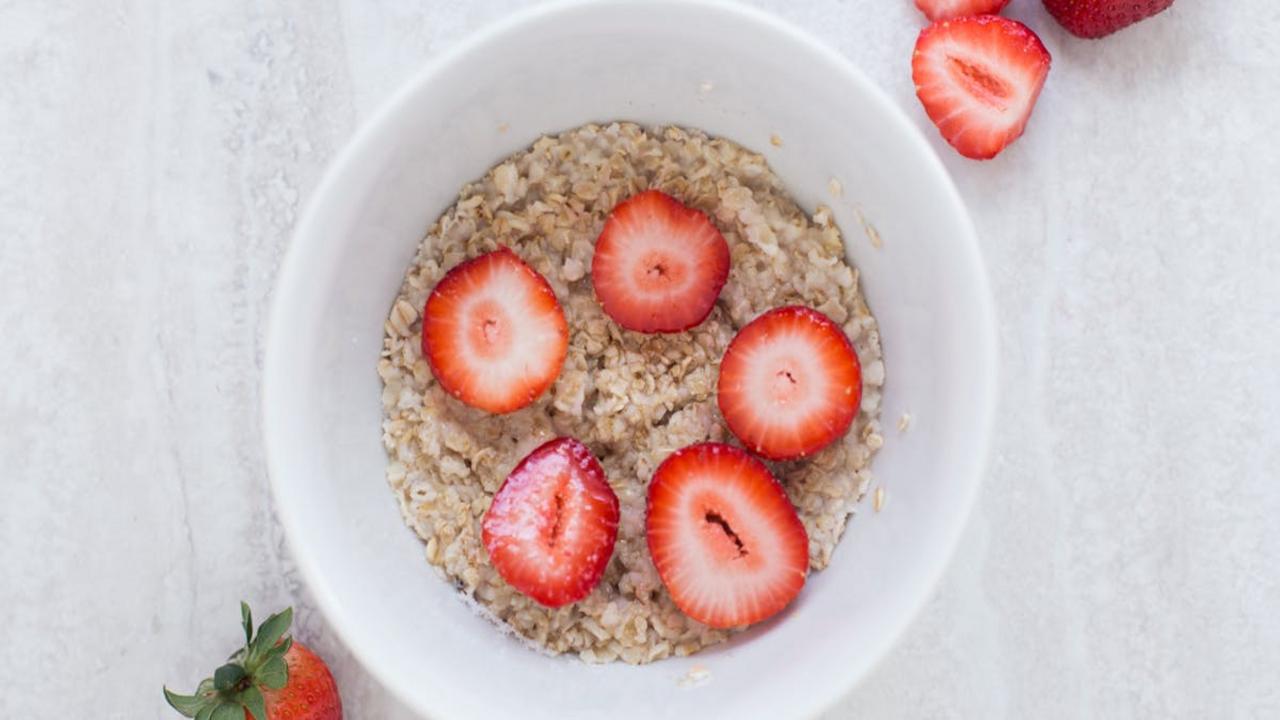
Your morning bowl of oats packs a serious caloric punch while delivering incredible health benefits! One cup of dry oats contains about 307 calories, making it a perfect choice for anyone looking to maintain or gain weight through clean eating. I love how oats give you a steady release of energy throughout the day, thanks to their complex carbohydrates and fiber content. The beta-glucan fiber in oats helps lower cholesterol levels and keeps your blood sugar stable, while the protein content supports muscle maintenance and growth.
You’ll find endless ways to incorporate oats into your daily meals – not just breakfast! Mix them into your protein smoothies for extra thickness and nutrition, bake them into hearty breakfast bars, or blend them into flour for pancakes and muffins. I recommend buying whole grain oats instead of instant varieties, as they retain more nutrients and fiber. Top your oats with nuts, seeds, fresh fruits, and a drizzle of honey to boost both calories and flavor. Your body will thank you for choosing this nutrient-dense, versatile superfood that supports heart health, digestion, and sustained energy levels.
Full-Fat Greek Yogurt
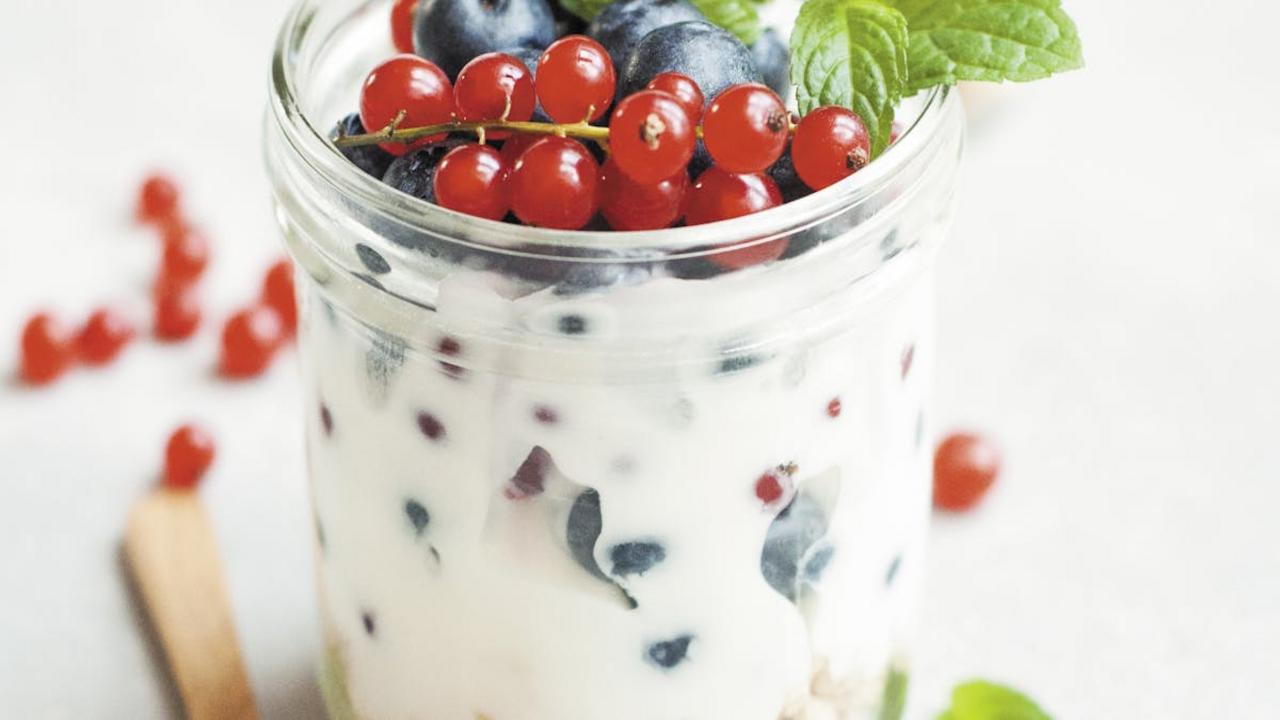
I can’t say enough good things about full-fat Greek yogurt – it’s a protein powerhouse that packs around 190 calories per cup! The rich, creamy texture makes it perfect for breakfast bowls, smoothies, or as a satisfying snack. What makes Greek yogurt stand out is its straining process, which removes extra whey and creates that thick consistency we all love. Plus, it contains twice the protein of regular yogurt while delivering healthy fats that keep you feeling full for hours.
Your gut will thank you for adding Greek yogurt to your daily menu since it’s loaded with beneficial probiotics that support digestive health. The calcium content supports strong bones, while the high protein content helps build and maintain muscle mass. I love mixing mine with honey and fresh berries for breakfast, or using it as a protein-rich substitute for sour cream in savory dishes. Remember to pick the full-fat version – those healthy fats help your body absorb vitamins A, D, E, and K more effectively.
Dark Chocolate

I absolutely love sharing the good news about dark chocolate with my readers! Your favorite sweet treat can actually be a nutrient powerhouse when you pick the right kind. Dark chocolate with 70% or higher cocoa content brings you a rich mix of minerals like iron, magnesium, and zinc, plus it packs a hefty caloric punch at around 170 calories per ounce. The natural compounds called flavonoids in dark chocolate help support heart health and may boost your mood – making it both delicious and beneficial.
Want to get the most from your dark chocolate? Go for organic varieties that list cocoa or cacao as the first ingredient, and stick to a 1-2 ounce serving daily. I recommend adding dark chocolate to your breakfast smoothie bowl, melting it over fresh berries, or enjoying a small square with your afternoon coffee. The healthy fats and fiber will keep you satisfied, while the complex flavor profile gives you a moment of pure enjoyment. Just remember – quality matters, so invest in good dark chocolate and savor every bite!
Olive Oil

I’ve always considered olive oil a kitchen superhero, and your dietitian would totally agree! This golden liquid packs a whopping 120 calories per tablespoon, making it perfect for anyone looking to boost their calorie intake healthfully. The monounsaturated fats in olive oil help your body absorb vitamins A, D, E, and K more effectively, while its anti-inflammatory properties support heart and brain health. I recommend drizzling it generously over your salads, roasted vegetables, or using it as a base for homemade dressings.
Your daily diet should include 2-3 tablespoons of high-quality extra virgin olive oil to reap its full benefits. The rich, peppery flavor adds depth to any dish while delivering a concentrated dose of antioxidants called polyphenols. These compounds fight free radicals in your body and slow down aging processes. I always keep two bottles in my kitchen – one for cooking and another premium option for finishing dishes. Remember to store your olive oil in a cool, dark place to maintain its nutritional value and prevent it from going rancid.
Chickpeas
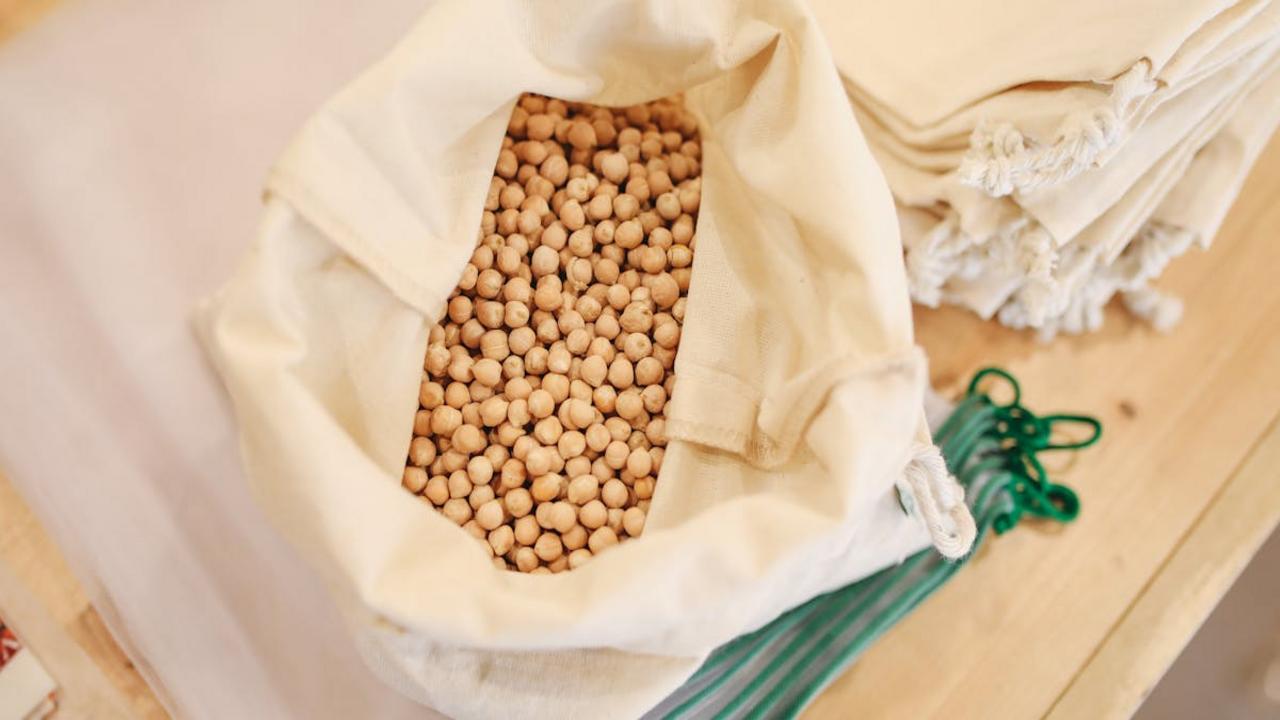
I absolutely adore chickpeas – these little legumes pack a serious caloric punch at around 270 calories per cup while delivering an amazing mix of nutrients. You’ll get generous amounts of protein and fiber that will keep you satisfied for hours, plus important minerals like iron, magnesium, and potassium. The best part? Chickpeas blend perfectly into both savory and sweet recipes. I love adding them to my morning smoothies for extra creaminess and protein, or roasting them with olive oil and spices for a crunchy snack.
Your pantry should always have chickpeas ready to go – they’re incredibly versatile and budget-friendly. Toss them into salads, blend them into creamy hummus, or add them to stews and curries for extra heartiness. The soluble fiber in chickpeas helps maintain steady blood sugar levels and supports heart health by lowering cholesterol. I recommend buying both canned chickpeas for convenience and dried ones in bulk – just remember to soak dried chickpeas overnight before cooking them. The mild, nutty flavor makes chickpeas a perfect protein source for any meal of the day.
Nuts and Nut Butters
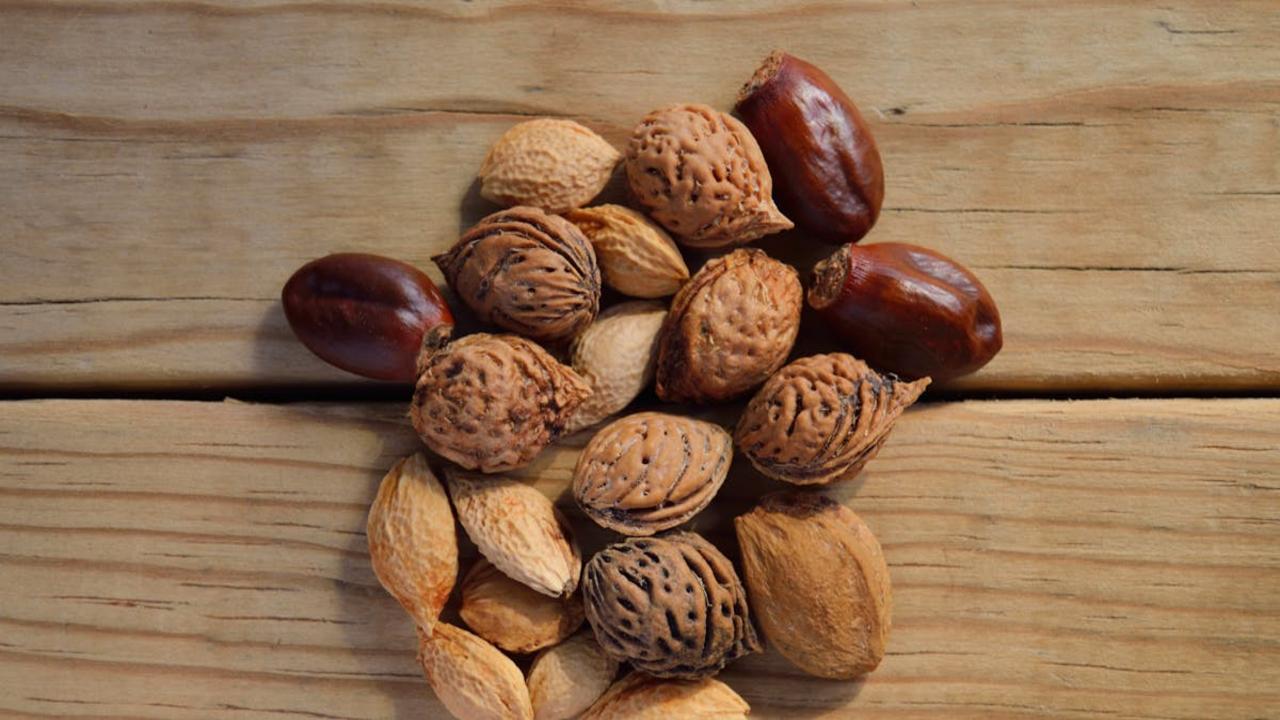
I love recommending nuts and nut butters to anyone looking to add healthy calories to their diet! A single serving of nuts (about 1/4 cup) packs around 170-200 calories, while just two tablespoons of nut butter can give you 190-200 calories. Almonds, walnuts, cashews, and pistachios bring protein, healthy fats, fiber, vitamin E, and minerals like magnesium and zinc to your meals. You can easily add them to your morning oatmeal, blend them into smoothies, or simply grab a handful for a quick snack.
The beauty of nut butters lies in their versatility and rich nutritional profile. Whether you prefer almond, peanut, or cashew butter, you’ll get a concentrated source of nutrients in every spoonful. I suggest spreading nut butter on whole grain toast, mixing it into yogurt parfaits, or using it as a base for homemade energy balls. Just make sure to pick natural versions without added sugars or oils – the ingredient list should only show nuts and maybe a pinch of salt. Your body will thank you for these nutrient-dense calories!
Whole Eggs

I want you to consider adding whole eggs to your daily menu – they pack a powerful 70 calories per piece and contain protein, healthy fats, vitamins A, D, E, K, and B-complex. Your body will thank you for the choline found in egg yolks, which supports brain function and memory. Plus, the protein quality in eggs ranks so high that scientists often use them as the gold standard to measure other protein sources against. You’ll get 6 grams of complete protein per egg, making them a fantastic choice for muscle building and recovery.
Many of my readers ask me about the cholesterol in eggs, but research shows that most people can safely enjoy 1-2 whole eggs daily without worry. I recommend buying organic or free-range eggs from local farms when possible – they often contain higher levels of omega-3 fatty acids and vitamins. You can prepare eggs in countless ways: boiled, scrambled, poached, or baked into your favorite dishes. My go-to breakfast includes two whole eggs with spinach and whole-grain toast for a filling, nutrient-rich start to the day.
Sweet Potatoes

I can’t get enough of sweet potatoes – they’re the perfect high-calorie superfood that will fill you up and boost your health! One medium sweet potato packs around 180 calories and delivers four times your daily vitamin A needs through beta-carotene. The natural sweetness makes them incredibly versatile in both sweet and savory dishes. I love how they keep me satisfied for hours thanks to their complex carbs and fiber content, while providing steady energy without blood sugar spikes.
Your body will thank you for adding sweet potatoes to your meals since they’re loaded with potassium, vitamin C, and antioxidants that support immune health and reduce inflammation. The purple and orange varieties offer different beneficial compounds – the deeper the color, the more nutrients you’ll get. I recommend roasting them with a drizzle of olive oil to enhance nutrient absorption, or adding them to smoothies for a creamy texture. They make an excellent post-workout snack too, helping replenish glycogen stores while supporting muscle recovery.
Quinoa
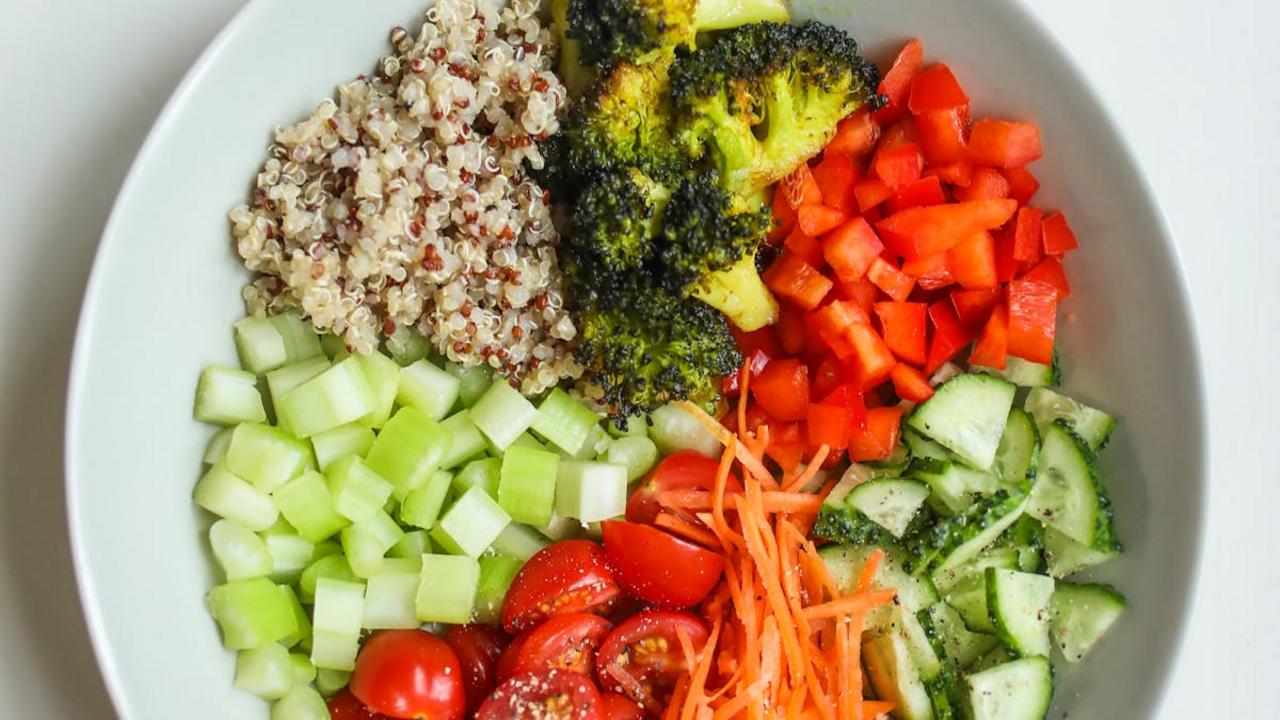
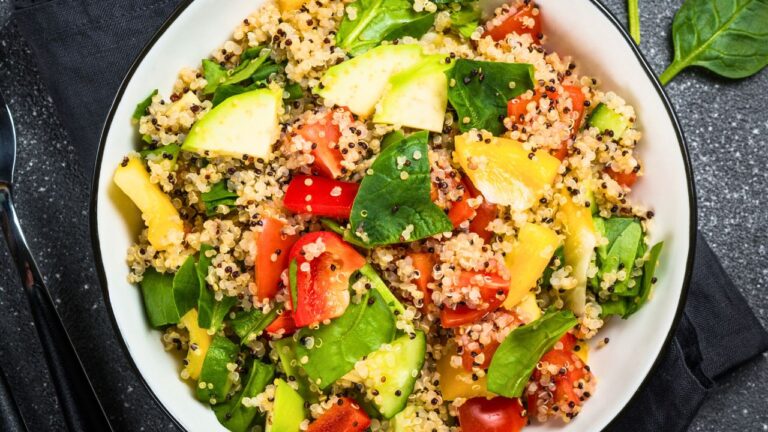
I love recommending quinoa to anyone looking to add more nutrient-dense calories to their diet! This ancient grain (which is actually a seed) packs a powerful 120 calories per 100g serving and brings an impressive complete protein profile to your plate. What makes quinoa stand out is its perfect balance of all nine amino acids your body needs – something rare in plant-based foods. Plus, you’ll get a good dose of fiber, iron, and magnesium with every serving, making it an excellent choice for building a strong foundation for your meals.
The best part about quinoa? Its incredible versatility in the kitchen! You can swap it for rice in your favorite stir-fries, add it to your morning breakfast bowls, or mix it into salads for extra staying power. I keep a big batch of cooked quinoa in my fridge and add it to everything from soups to veggie patties. The mild, nutty flavor works beautifully with both savory and sweet dishes, while its fluffy texture adds a pleasant bite to any meal. Just remember to rinse it well before cooking to remove the natural bitter coating, and you’ll have a perfect batch every time.
Avocado
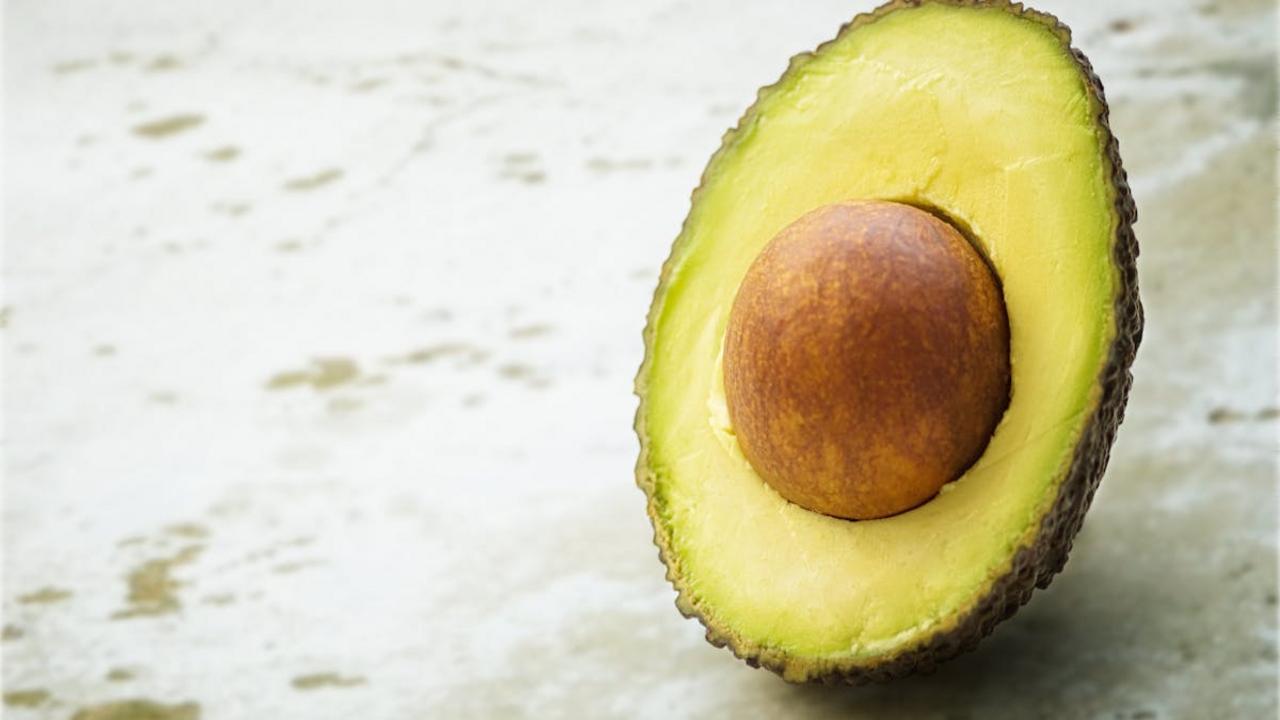
If you want to add healthy calories to your meals, avocados should be your new best friend! These creamy green powerhouses pack about 240 calories per cup and contain heart-healthy monounsaturated fats that keep you satisfied for hours. I love how versatile avocados are – you can spread them on toast, blend them into smoothies, or dice them into salads. Plus, they’re loaded with fiber, potassium, and vitamins K, C, B5, B6, and E, making them a complete nutritional package.
Here’s a pro tip I learned from years of working with avocados: buy them firm and let them ripen at room temperature for 4-5 days. Once they yield slightly to gentle pressure, they’re ready to eat! You can also store ripe avocados in the fridge to slow down the ripening process. The high calorie content, combined with their rich nutrient profile, makes avocados an ideal food for athletes, growing children, and anyone looking to gain weight in a healthy way. I recommend adding half an avocado to your daily meals to boost your calorie intake while getting amazing health benefits.