15 Budget-Friendly Dishes From Around the World People Turn to in Hard Times
Food becomes our anchor during difficult times, and across every continent, families have perfected dishes that stretch ingredients while nourishing both body and spirit. These recipes represent generations of wisdom—transforming simple staples into satisfying meals that bring comfort when resources run thin.
I’ve learned that the most resilient dishes share common threads: they build flavor from minimal ingredients, use affordable grains and legumes as their foundation, and create warmth through technique rather than expensive additions. Each recipe tells a story of resourcefulness and community.
From fragrant rice and beans simmering in Central American kitchens to hearty ugali filling stomachs across East Africa, these fifteen dishes prove that nourishment doesn’t require luxury. They remind us that real cooking magic happens when we work with what we have, creating abundance from simplicity.
Chili with Squash (Native American Tribes)
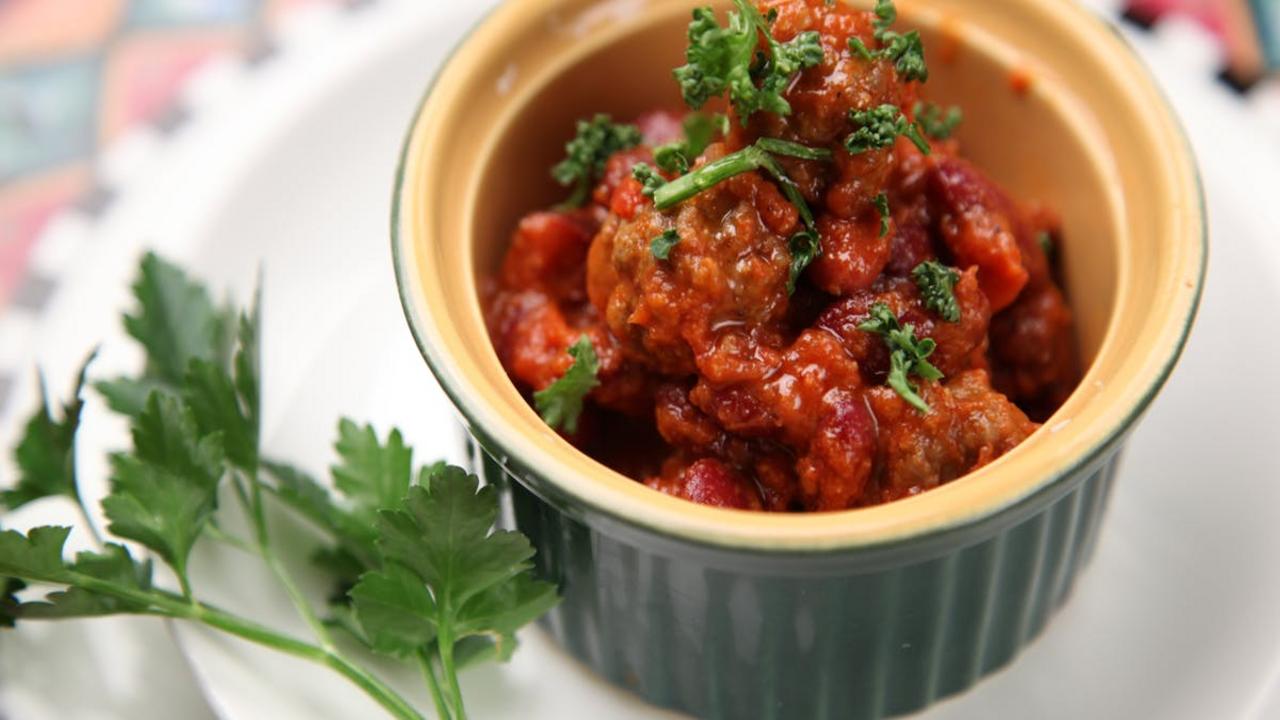
When times got tough for Native American tribes across North America, they turned to this brilliant combination of chili peppers and squash that sustained communities through harsh winters and lean seasons. You can create this hearty, warming dish using whatever winter squash you have on hand – butternut, acorn, or even pumpkin work beautifully. I love how this recipe teaches us that comfort food doesn’t need complicated ingredients or expensive proteins. The natural sweetness of roasted squash balances perfectly with the heat from dried chilies, creating a satisfying meal that fills your belly without emptying your wallet.
Start by roasting chunks of squash until they caramelize slightly, then simmer them with rehydrated dried chilies, onions, and maybe some beans if you have them. The beauty of this dish lies in its flexibility – you can adjust the spice level and add whatever vegetables need using up in your kitchen. I often throw in corn, wild greens, or even leftover grains to stretch the meal further. This recipe connects us to generations of cooks who knew how to make magic from simple, seasonal ingredients, proving that the most nourishing meals often come from the most humble beginnings.
Plantain and Beans (Caribbean)
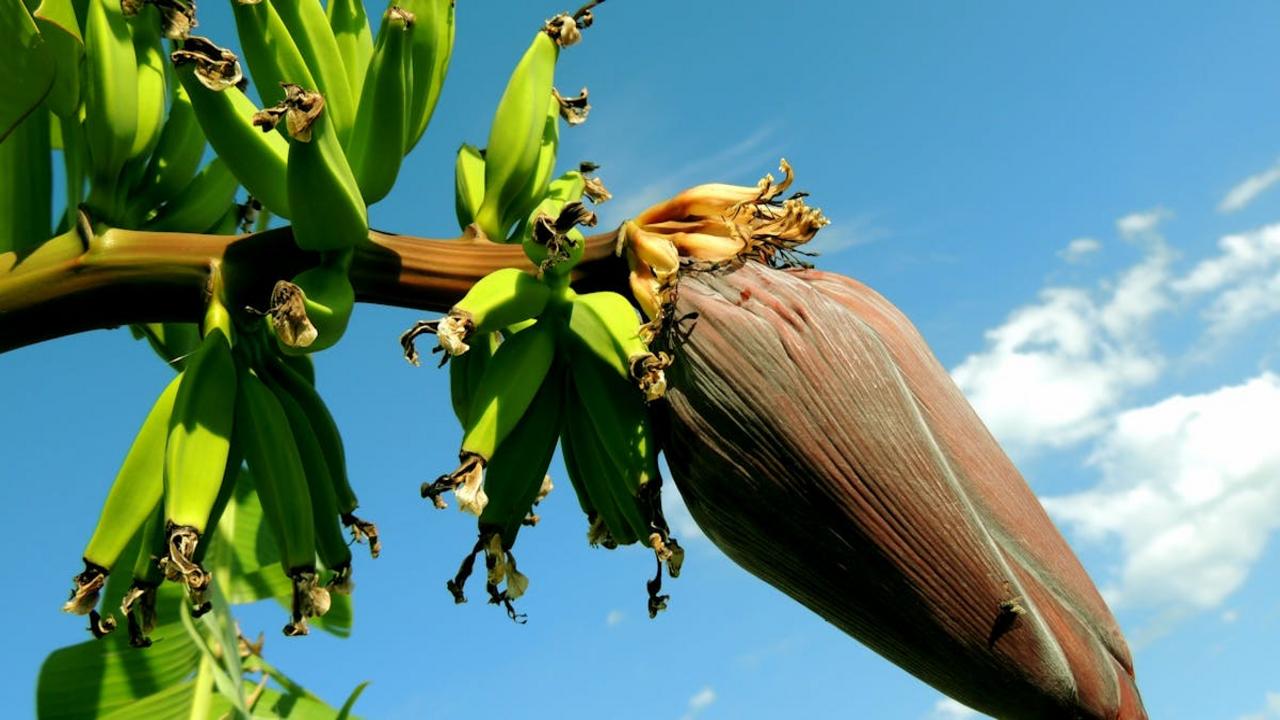
When my Jamaican grandmother would stretch her grocery budget, she’d reach for plantains and beans without hesitation. This Caribbean staple transforms two humble ingredients into something deeply satisfying and nourishing. Green plantains provide the starchy backbone, while red kidney beans or black-eyed peas add protein and fiber. I love how the natural sweetness of plantains balances the earthy beans, creating a complete meal that costs pennies per serving. You can find plantains year-round at most grocery stores, and dried beans require just a bit of planning ahead.
The beauty of this dish lies in its flexibility—you cook it differently depending on what you have available. Sometimes I’ll fry sliced plantains until golden and serve them alongside stewed beans seasoned with scotch bonnet peppers, thyme, and coconut milk. Other times, I’ll cube the plantains and simmer them directly in the bean pot, creating a hearty one-pot meal. Add some garlic, onions, and a splash of coconut oil, and you have something that feeds your family well while keeping your wallet happy. This combination has sustained Caribbean communities for generations, proving that simple ingredients can create the most memorable meals.
Injera with Shiro (Ethiopia)
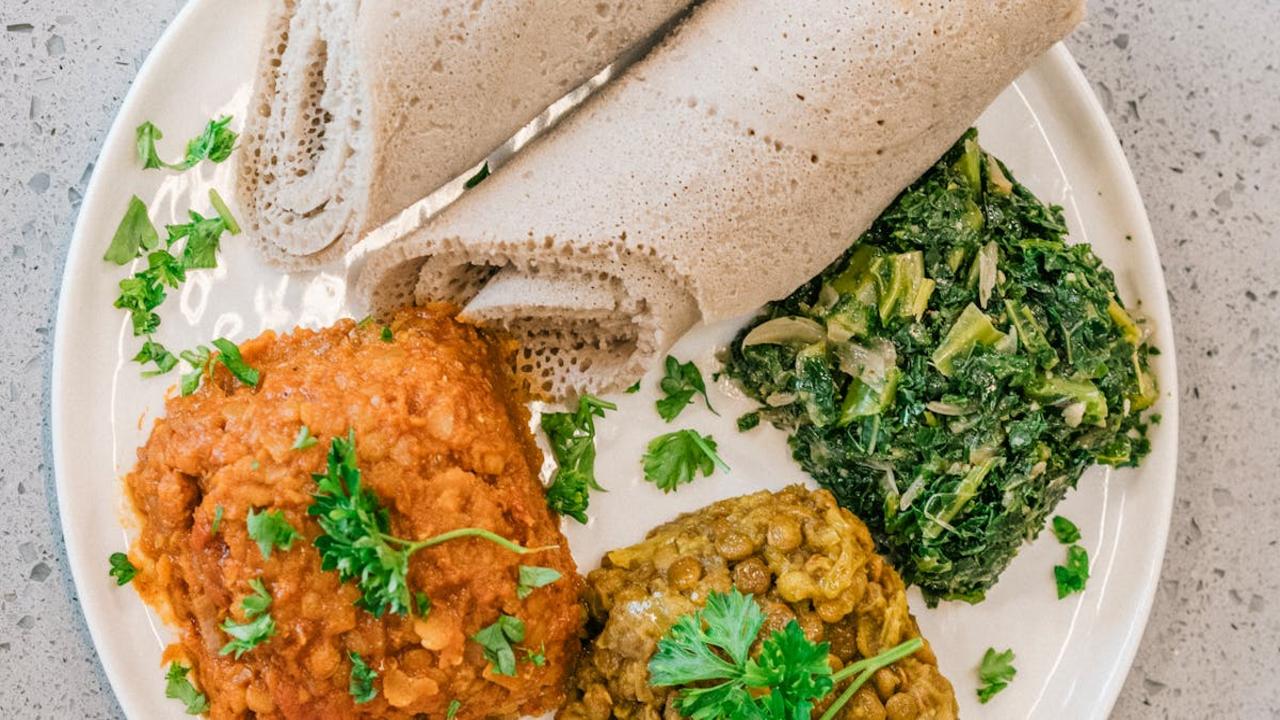
When times get tough in Ethiopia, families turn to injera with shiro—a combination that proves how brilliant simplicity can be. I make my shiro with ground chickpeas or split peas, onions, garlic, and berbere spice blend, creating a thick, warming stew that costs practically nothing but delivers incredible satisfaction. The beauty lies in how these humble legumes transform into something deeply flavorful and nourishing, especially when you let the berbere work its magic with those aromatic spices.
Injera, that spongy sourdough flatbread made from teff flour, serves as both plate and utensil—you tear off pieces and scoop up the shiro directly. I love how this ancient grain creates such a unique texture through natural fermentation, and the slight tang pairs perfectly with the rich, spiced legume stew. This meal represents everything I believe about good food: whole ingredients, minimal processing, maximum nutrition. One batch of shiro feeds a whole family for days, and the injera provides complete proteins when combined with the legumes—nature’s perfect partnership that sustained generations through difficult seasons.
Khichdi (India)
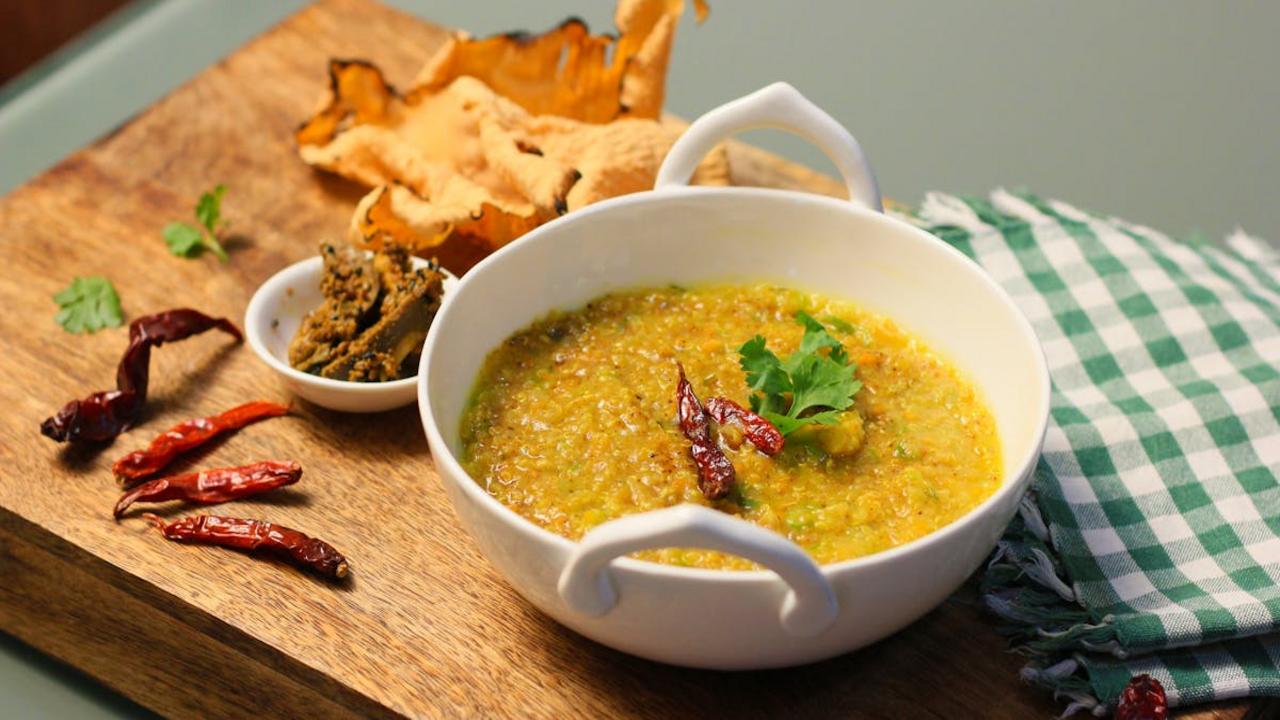
You know that feeling when your kitchen seems bare, but you still need to create something nourishing and satisfying? That’s exactly when khichdi becomes your best friend. This humble Indian dish transforms just rice and lentils into pure comfort magic. I keep bags of yellow moong dal and basmati rice in my pantry specifically for these moments. The beauty lies in its simplicity—you throw everything into one pot with turmeric, ginger, and whatever vegetables you have hiding in your fridge. Onions, carrots, peas, or even leftover greens work perfectly.
What I love most about khichdi is how it adapts to your needs and budget. Some days I make it thick and porridge-like for maximum comfort, other times I keep it fluffy and separate for a lighter meal. A dollop of ghee on top makes everything better, but even without it, this dish delivers complete protein and fills you up completely. During tough times, Indian families have relied on this one-pot wonder for generations because it’s gentle on the stomach, easy to digest, and incredibly affordable. You can feed a family of four for less than the cost of a single restaurant meal, and trust me, the satisfaction runs much deeper.
Barley Soup (Tibet)
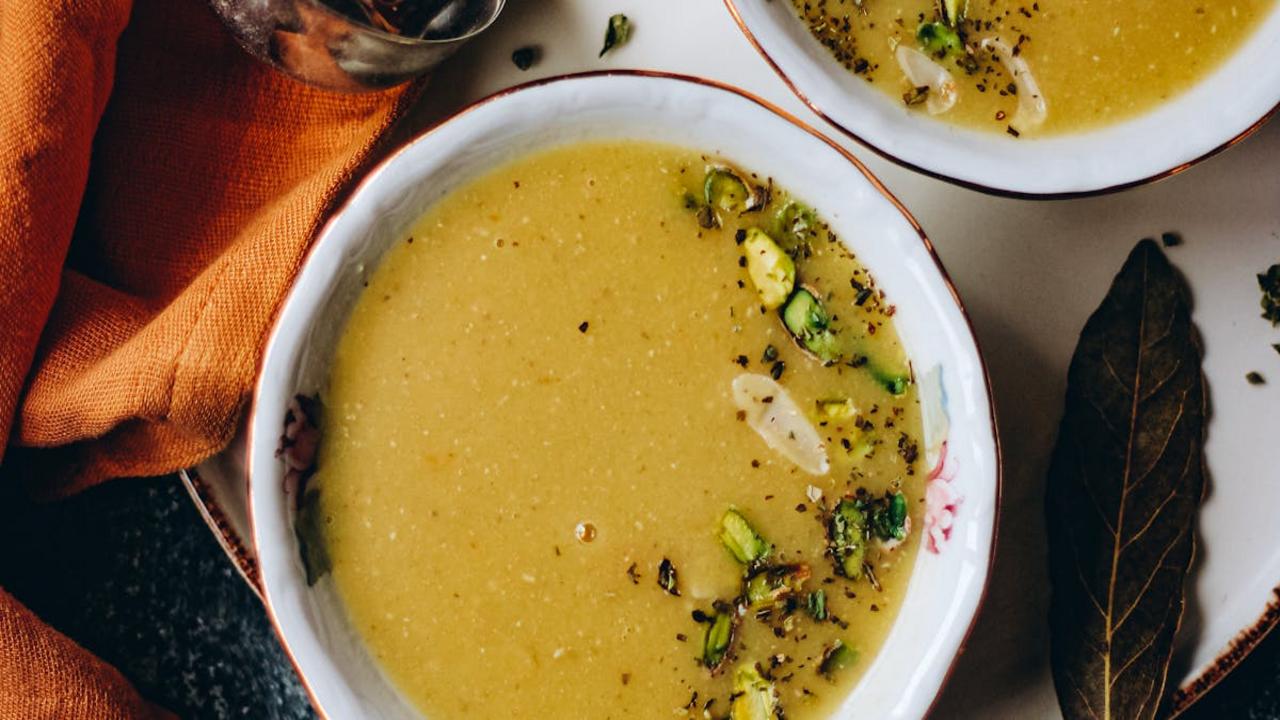
High up in the Tibetan plateau, where winters stretch long and resources stay scarce, barley soup becomes more than just a meal—it transforms into liquid warmth that sustains entire families. I remember the first time I made this humble soup, using pearl barley I found tucked away in my pantry, and discovering how this simple grain creates such incredible comfort. You start with just barley, water, and whatever vegetables you have on hand—maybe some carrots, onions, or potatoes. The beauty lies in its flexibility; dried yak meat traditionally enriches the broth, but I’ve made stunning versions using leftover chicken bones or even keeping it completely plant-based with mushrooms for depth.
What strikes me most about this recipe is how barley slowly releases its starch, creating a naturally thick, satisfying base that fills you completely without requiring expensive ingredients. You simmer everything together for about an hour, letting the barley break down slightly while the vegetables meld into the broth. I often add a pinch of salt, maybe some dried herbs if I have them, but honestly, the grain itself provides such nutty richness that you need very little else. This soup stretches beautifully—add more water and vegetables as needed to feed extra mouths. It keeps well for days, actually improving in flavor as the barley continues absorbing the broth, making it perfect for meal planning during tight budget weeks.
Jollof Rice (West Africa)
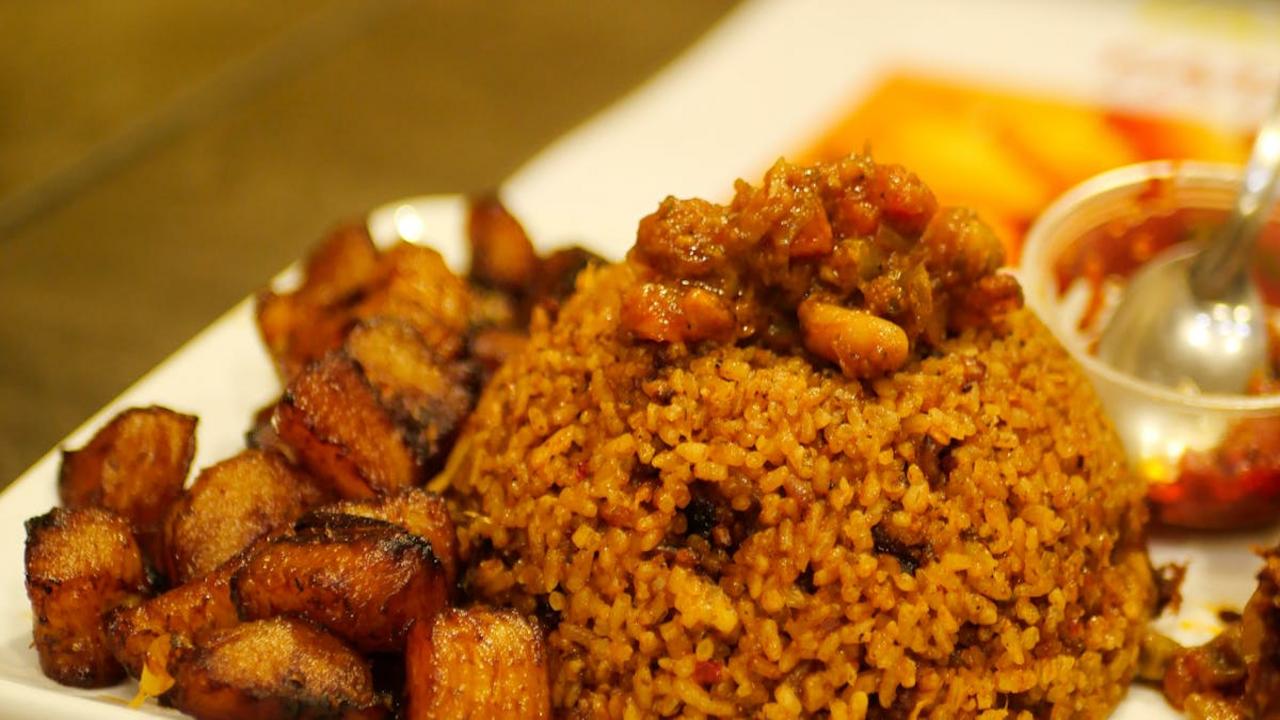
When I first learned to make jollof rice from my Ghanaian neighbor, she taught me something profound: this dish transforms the simplest pantry staples into pure comfort. You start with rice, tomatoes, onions, and whatever protein you can afford—chicken, fish, or even just beans. The magic happens when you build layers of flavor with your base of blended tomatoes, peppers, and onions, slowly cooking until the mixture deepens into that signature reddish-brown color. I love how forgiving this dish is—you can stretch it with extra vegetables, swap expensive proteins for affordable alternatives, and still create something that feeds a crowd.
What makes jollof rice so perfect for tight budgets is its incredible versatility and staying power. I’ve watched families across West Africa turn this single pot into their main meal, complete with nutrients from tomatoes, onions, and whatever vegetables they add. The rice absorbs all those beautiful flavors while the one-pot method saves on fuel costs—a consideration that matters when every penny counts. You can make a large batch that lasts for days, and it actually tastes better the next day when those spices have had time to meld together. This isn’t just food; it’s a celebration that proves you don’t need expensive ingredients to create something truly satisfying.
Thieboudienne (Senegal)
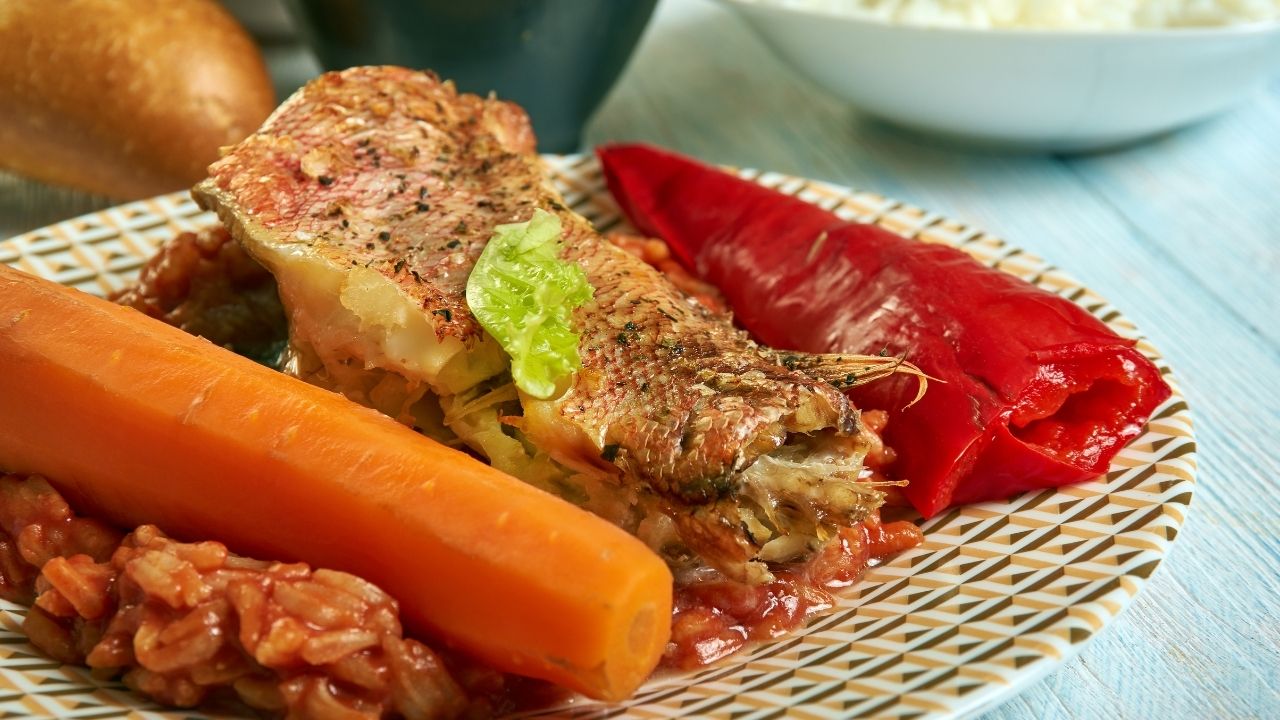
This Senegalese masterpiece holds a special place in my heart because it shows you how a few simple ingredients can create something absolutely magnificent. Thieboudienne—literally meaning “rice and fish”—combines broken jasmine rice with whatever fresh fish you can find, plus a rainbow of vegetables like cabbage, carrots, and okra. What makes this dish extraordinary is the tomato-based sauce that gets its deep, smoky flavor from dried fish and locust beans, ingredients that might sound intimidating but transform this humble meal into something restaurant-worthy.
I love how this dish teaches you to work with what you have while never compromising on flavor. You start by browning your fish with onions and garlic, then build layers of taste with tomato paste, hot peppers, and those magical West African seasonings. The rice cooks directly in this flavorful base, absorbing every bit of that rich, aromatic liquid. When families in Senegal face tough times, they know they can stretch this dish by adding more vegetables and adjusting the fish portions, yet it still delivers that satisfying, soul-warming experience that brings everyone together around the bowl.
Millet Porridge (Sahel Region)
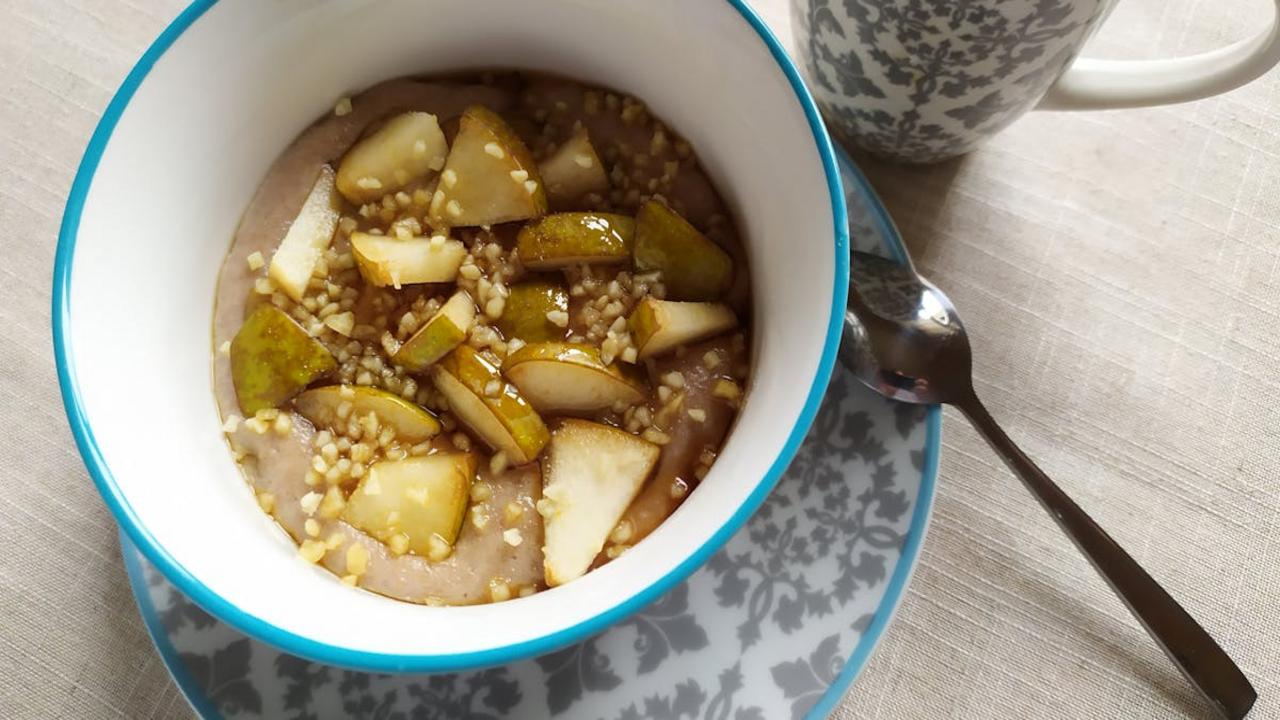
You know those mornings when your pantry feels nearly empty, but you still need to feed your family something nourishing? That’s exactly when millet porridge becomes your best friend. Across the Sahel region of Africa, this humble grain has sustained communities through countless seasons of scarcity and abundance alike. I love how millet transforms from these tiny, unassuming seeds into a creamy, satisfying bowl that fills you up without breaking the bank. The beauty lies in its simplicity – just millet, water, and perhaps a pinch of salt, yet it delivers complete nutrition with protein, fiber, and minerals your body craves.
What makes this dish truly special is how adaptable it becomes based on what you have available. Some days I’ll stir in a spoonful of peanut butter for richness, other times I’ll add dried fruits or a drizzle of honey if the budget allows. During leaner times, the porridge stands beautifully on its own, providing steady energy that carries you through the day. The cooking process itself feels meditative – slowly stirring the grains as they absorb the liquid, watching them bloom into something comforting and whole. This isn’t just food; it’s a reminder that the most powerful dishes often come from the simplest ingredients, prepared with patience and care.
Dal Bhat (Nepal)
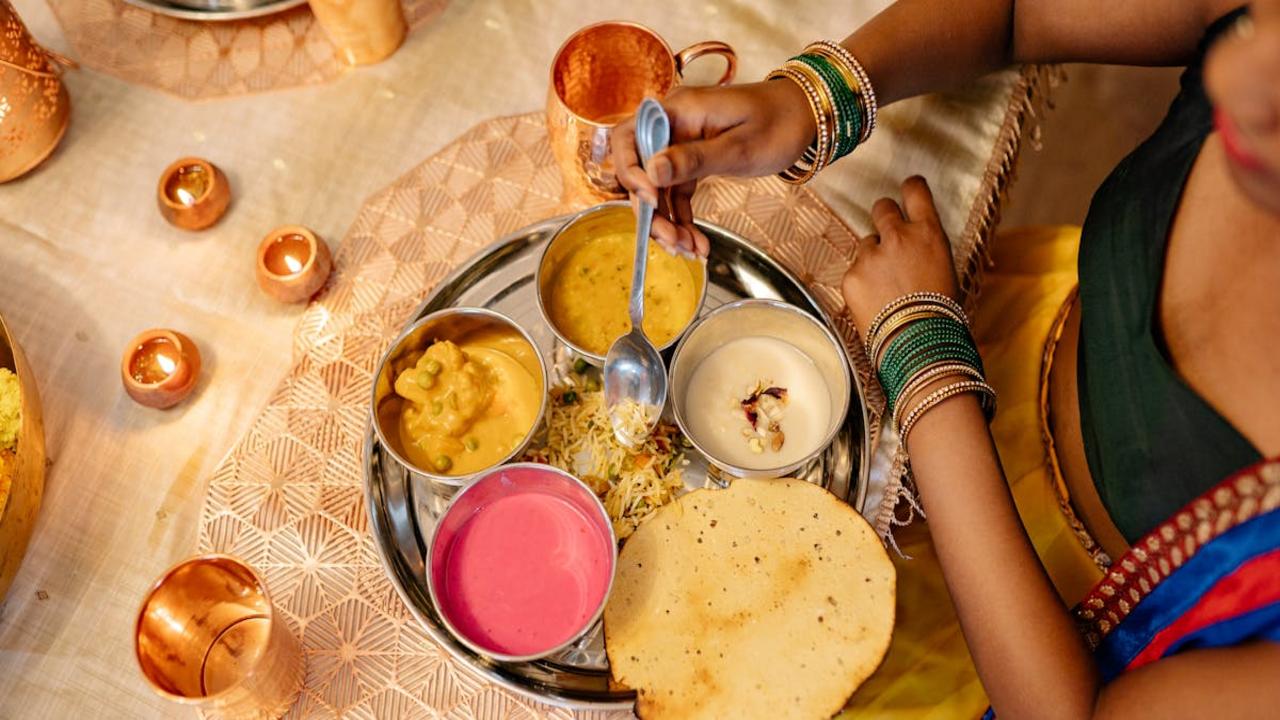
You know that feeling when you open your pantry and wonder how to create something nourishing from the simplest ingredients? That’s exactly where dal bhat shines—this humble Nepalese combination of lentil curry and rice has sustained families through generations, proving that comfort doesn’t require complexity. I make this dish at least twice a week because it’s incredibly forgiving and transforms basic pantry staples into something deeply satisfying. The beauty lies in how you can adapt it to whatever lentils you have on hand—red lentils cook fastest, but yellow or black work beautifully too.
What I love most about dal bhat is how it teaches you to build flavors from the ground up. You start by tempering whole spices like cumin seeds and mustard seeds in oil, then add onions, garlic, and ginger until fragrant. The lentils simmer with turmeric and whatever vegetables need using up—spinach, tomatoes, or potatoes all work wonderfully. Served over steamed rice with a dollop of homemade pickle or yogurt, this complete protein becomes a meal that costs mere cents per serving. It’s the kind of food that reminds you why the best dishes often come from necessity rather than luxury.
Cassava Porridge (Sub-Saharan Africa)
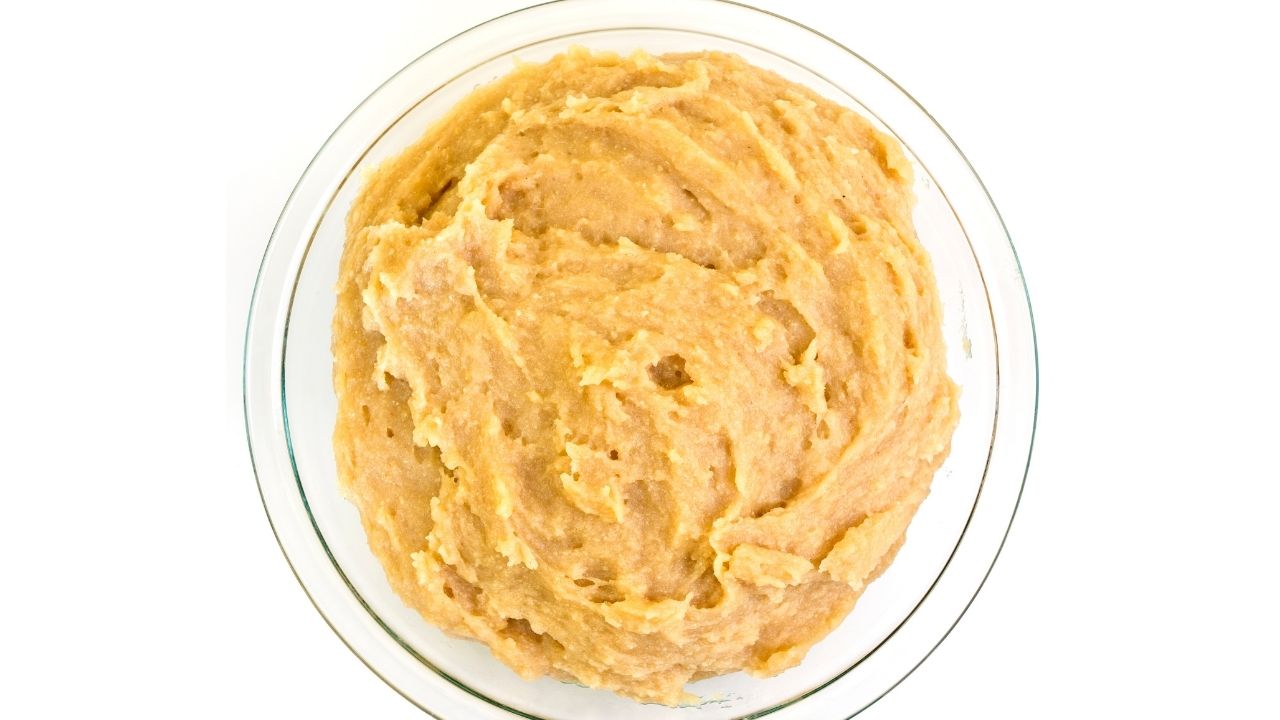
You know what amazes me about cassava porridge? This humble root vegetable becomes pure comfort in a bowl, and it’s been feeding families across Sub-Saharan Africa for generations. I love how versatile cassava is – you can grate it fresh, use dried cassava flour, or even work with frozen cassava if that’s what you have on hand. The beauty lies in its simplicity: just cassava, water, and maybe a pinch of salt, yet it transforms into something so satisfying and nourishing. I’ve made this countless times, and each batch reminds me why simple ingredients often create the most memorable meals.
What makes this dish so special during tough times is how filling and affordable it is. Cassava gives you sustained energy without breaking the bank, and you can stretch it to feed more people by adjusting the water ratio. I like adding a splash of coconut milk if I have it, or stirring in some chopped greens from the garden for extra nutrition. Sometimes I’ll top it with groundnuts or a drizzle of palm oil for richness. The texture becomes creamy and comforting, almost like a warm hug in bowl form. This porridge proves that you don’t need fancy ingredients to create something deeply satisfying – just real food prepared with care.
Lentils and Rice (South Asia)
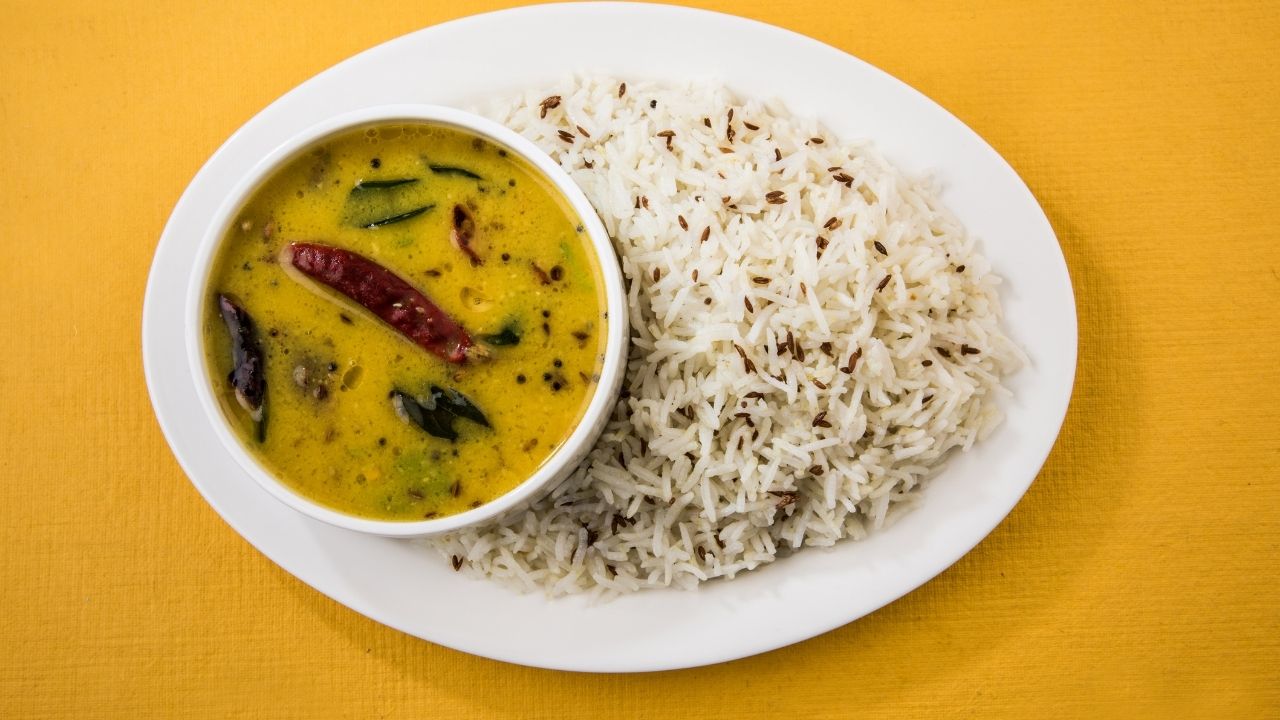
You know what I absolutely adore about dal chawal? This humble combination has fed countless families through tough times, and honestly, it’s one of the most complete meals you can create with just pantry staples. I grew up watching my grandmother transform simple red lentils and basmati rice into something that felt like a warm hug on a plate. The magic happens when you bloom whole spices like cumin seeds and mustard seeds in hot oil, then add turmeric, ginger, and garlic to create that aromatic base that makes your kitchen smell like home.
What makes this dish so brilliant during hard times is how incredibly affordable and nutritious it is – you get complete proteins when you combine lentils with rice, plus fiber, iron, and folate. I love how you can adapt this basic recipe depending on what you have: throw in some spinach if you have it wilting in your fridge, add a tomato for extra tang, or finish with fresh cilantro and a squeeze of lemon. The best part? One pot of dal can stretch to feed a family for days, and it actually tastes better the next day when all those spices have had time to meld together.
Ugali (East Africa)
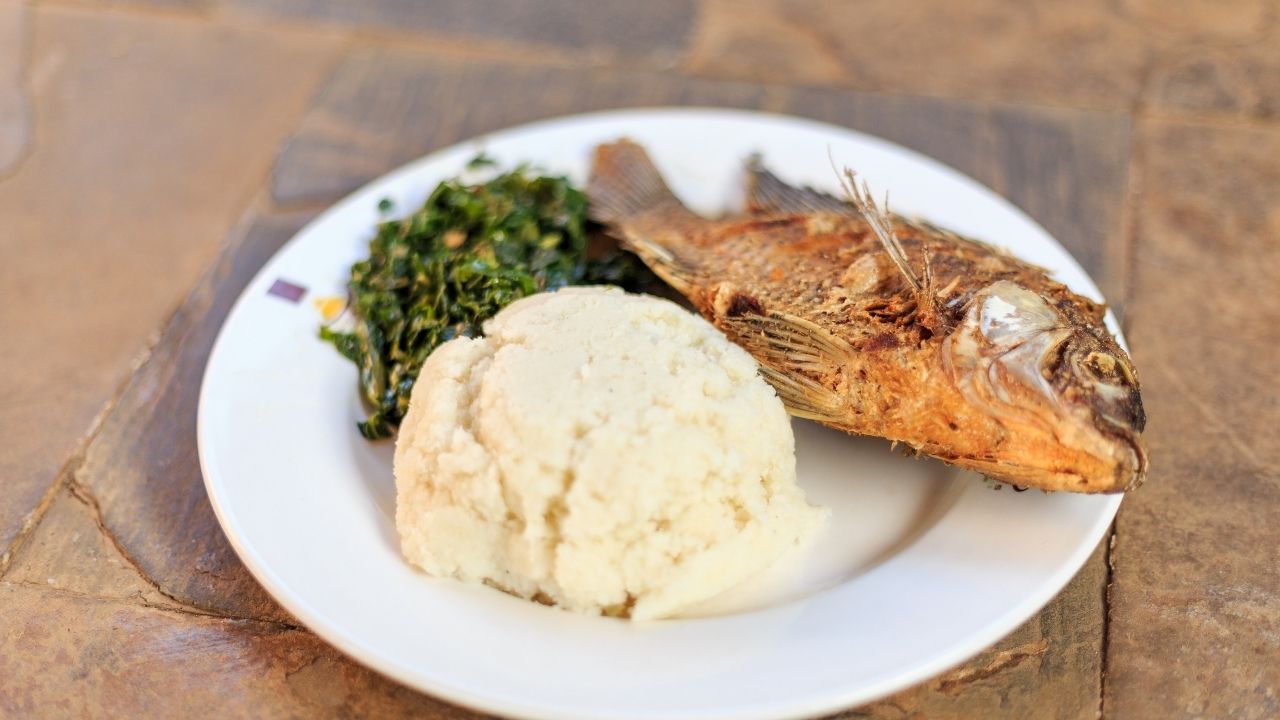
You know what I love about ugali? This simple cornmeal staple proves that the most humble ingredients can create something deeply satisfying and nourishing. I’ve watched families across Kenya, Tanzania, and Uganda gather around steaming portions of this golden porridge-like dish, and it never fails to remind me why food is so much more than sustenance—it’s connection, comfort, and culture rolled into one. When times get tough, ugali becomes the reliable foundation that stretches meals and fills bellies without breaking budgets.
Making ugali requires just white cornmeal and water, yet the technique transforms these basic components into something magical. I stir the mixture constantly over medium heat, watching as it thickens into a smooth, dense consistency that holds its shape when you scoop it with your hands. The beauty lies in its versatility—pair it with sukuma wiki (collard greens), beans, or whatever vegetables you have on hand. I’ve discovered that ugali teaches you patience and mindfulness in the kitchen, requiring your full attention as you work the wooden spoon through the mixture. This isn’t just about feeding people; it’s about creating a canvas for other flavors while honoring the wisdom of generations who understood that real comfort food doesn’t need fancy ingredients—just care, tradition, and the willingness to feed your community with love.
Maíz Tortillas (Mexico)
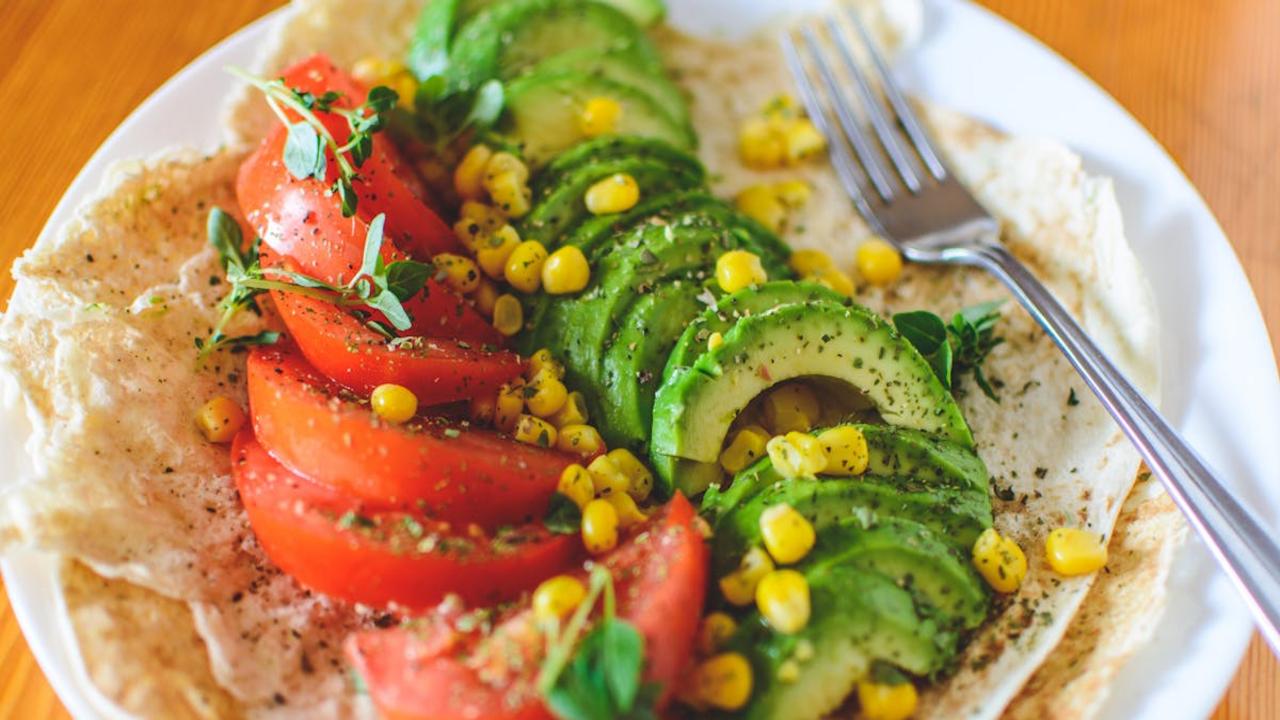
You know what I absolutely love about corn tortillas? They represent everything beautiful about Mexican home cooking – simple ingredients transformed into something that feeds both body and soul. When I first learned to make these from scratch using just masa harina, water, and a pinch of salt, I realized why families across Mexico have relied on this recipe for generations during tough times. The cost per serving is practically nothing, yet the satisfaction you get from pressing that dough and watching it puff on a hot comal is priceless.
I always keep masa harina in my pantry because these tortillas become the foundation for countless meals when money gets tight. You can fill them with whatever you have – beans, leftover vegetables, even just a sprinkle of cheese and salsa. What amazes me most is how this ancient technique of nixtamalization actually makes corn more nutritious than eating it plain. The lime treatment releases bound niacin and increases calcium content, which means you’re getting serious nutrition alongside incredible flavor. Trust me, once you start making fresh tortillas at home, those store-bought ones will never satisfy you again.
Fufu and Egusi Soup (West Africa)
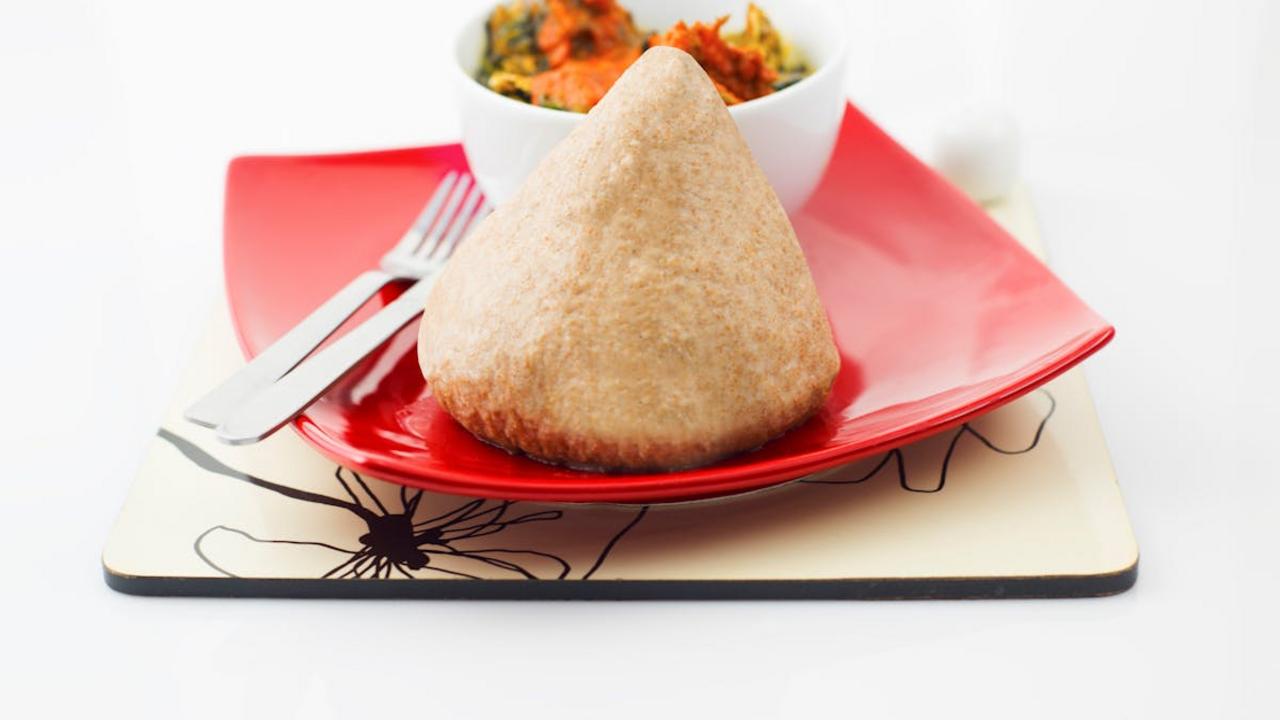
When money gets tight, I turn to one of the most soul-satisfying combinations from West Africa: fufu and egusi soup. This powerhouse duo transforms simple cassava, yam, or plantain into a stretchy, doughy companion that pairs beautifully with a rich soup made from ground melon seeds. You can make fufu from whatever starchy root vegetable costs least at your local market, and the egusi seeds pack serious protein and healthy fats that keep you full for hours. I love how this meal teaches us that comfort food doesn’t need fancy ingredients—just technique and love.
What amazes me about egusi soup is how it stretches a small amount of meat or fish into a feast for the whole family. You brown your protein first, then build layers of flavor with onions, tomatoes, and those precious ground melon seeds that thicken the soup naturally. Add whatever greens you have on hand—spinach, collards, or bitter leaf—and you’ve created a complete meal that costs pennies per serving. The beauty of fufu lies in its simplicity: you cook your starch, pound it smooth, and shape it into balls that become edible spoons for scooping up every drop of that nourishing soup.
Rice and Beans (Central America)
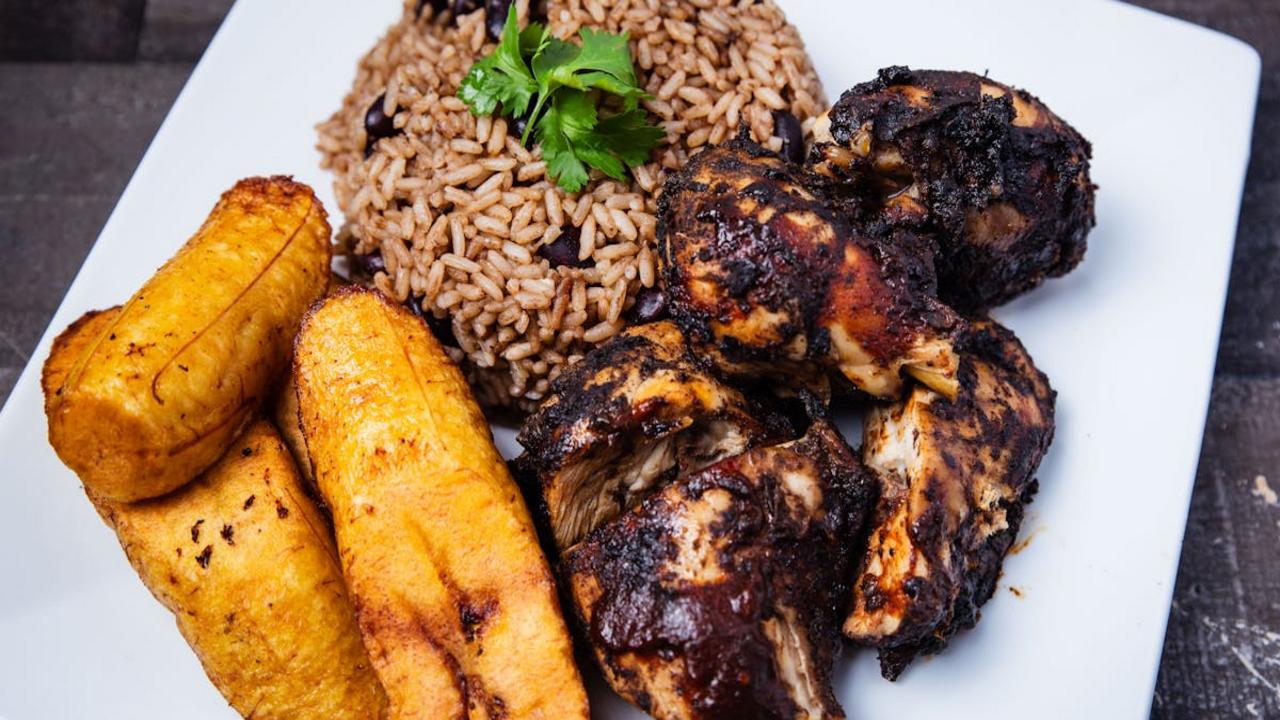
Rice and beans form the heartbeat of Central American kitchens, and I can’t think of a more perfect example of how simple ingredients create magic together. This combination delivers complete protein while costing next to nothing – dried beans and rice bought in bulk can feed a family for weeks. I love how each country puts its own spin on this foundation: Costa Ricans make their beloved gallo pinto with day-old rice, Nicaraguans add coconut milk for richness, and Guatemalans often include a sofrito base of tomatoes and onions. The beauty lies in cooking the beans until they’re creamy and flavorful, then mixing them with perfectly seasoned rice.
What makes this dish so brilliant for tight budgets is its incredible flexibility – you can stretch it with whatever vegetables you have on hand, add a fried egg on top for extra protein, or wrap it in a tortilla for a complete meal. I always keep dried black beans soaking overnight because they cook up so much creamier than canned ones, and the leftover bean liquid becomes a rich cooking base for the rice. The key is building layers of flavor: sauté your onions and garlic until golden, toast the rice briefly, then add that precious bean cooking liquid. This isn’t just survival food – it’s comfort food that happens to be incredibly economical and nutritious.