14 Nuts That Make Cooking Better, Snacking Tastier, and Everything in Between More Delicious
Nuts bring explosive flavors and satisfying textures to your kitchen adventures! Whether you’re sprinkling toasted walnuts over a fresh salad or crushing pistachios for an ice cream topping, these protein-packed powerhouses transform ordinary dishes into memorable meals. Your cooking deserves this simple upgrade that packs maximum impact.
I keep various nuts stocked in my pantry for impromptu snacking and last-minute recipe enhancements. They’ve saved countless meals in my kitchen when dishes needed that extra crunch or flavor dimension. From breakfast to dessert, nuts add nutrition and complexity without complicated techniques.
The versatility of nuts makes them invaluable cooking companions. You can toast them to intensify flavors, crush them into creamy butters, or use them as gluten-free coating alternatives. Each variety offers unique characteristics – some bring richness, others contribute sweetness or earthiness. Your culinary creations will thank you for including these 14 nutritional gems.
Pumpkin Seeds
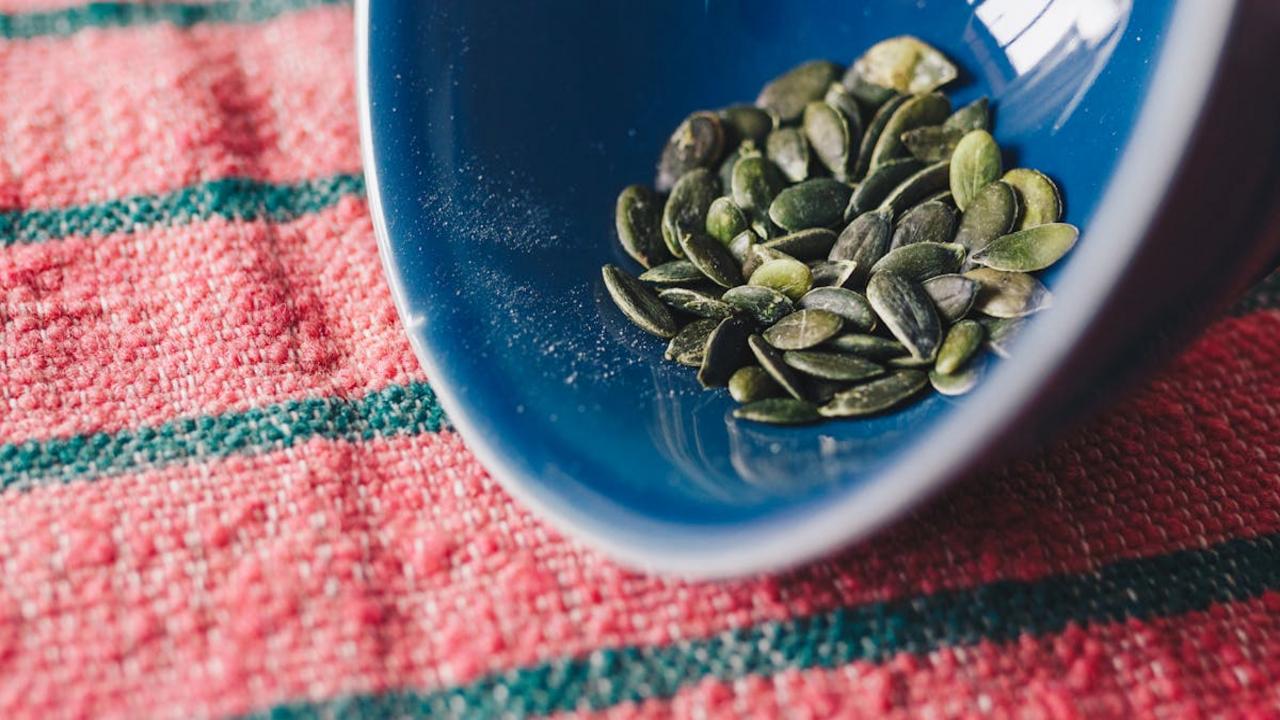
You know those slimy seeds you scoop out of your jack-o’-lantern every October? Stop tossing them in the trash! Pumpkin seeds transform into one of the most satisfying snacks with just a bit of salt and heat. I roast mine with smoked paprika and garlic powder, sometimes adding a drizzle of tahini for that Middle Eastern twist I can’t resist. The seeds become golden and crispy, with a nutty flavor that makes you wonder why you ever bought expensive store-bought versions. Beyond snacking, I toss roasted pumpkin seeds into salads for crunch, blend them into pestos, or grind them into flour for gluten-free baking projects.
What really gets me excited about pumpkin seeds is their nutritional punch – they’re packed with magnesium, zinc, and healthy fats that actually nourish your body. I’ve started keeping a jar of seasoned pumpkin seeds on my counter year-round, buying whole pumpkins specifically for their seeds rather than just the flesh. Try soaking raw seeds in salt water overnight before roasting; this step makes them extra crispy and helps the seasonings stick better. Whether you’re making a warming autumn soup or need a protein-rich topping for your morning yogurt, these little green gems prove that the best ingredients often hide in plain sight.
Sunflower Seeds
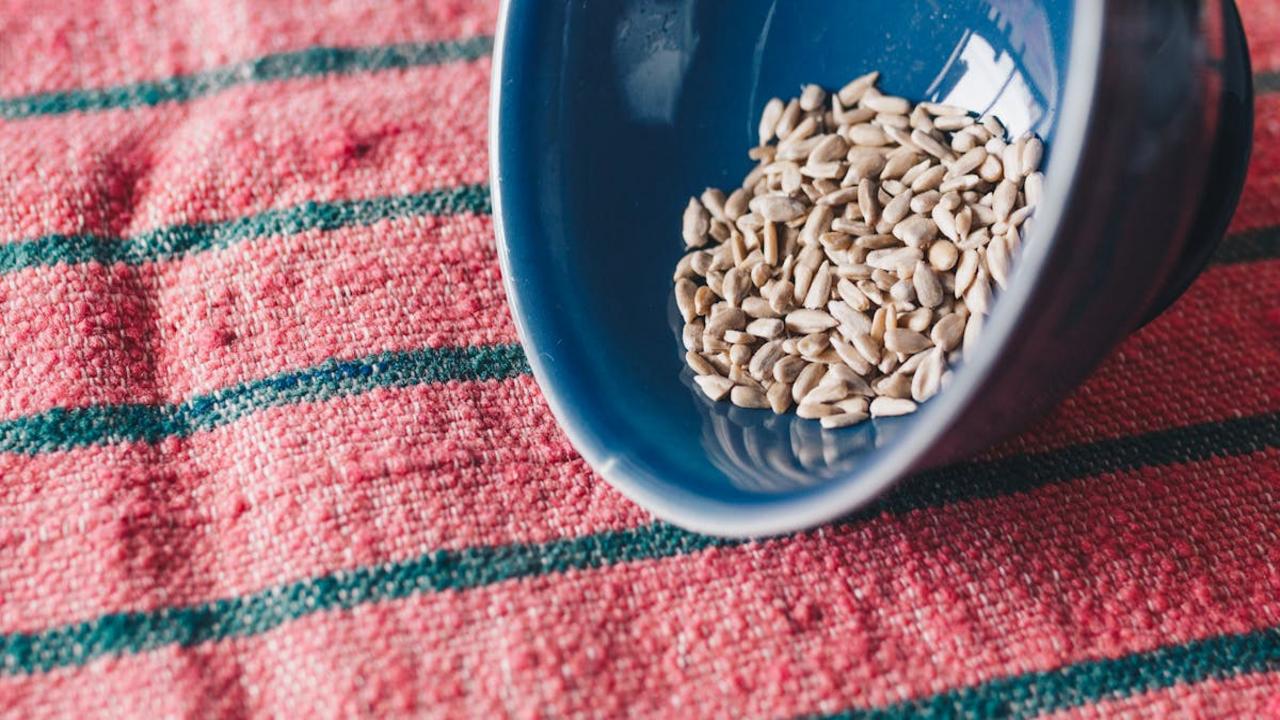
These tiny golden treasures deserve way more attention than they get! I keep jars of raw sunflower seeds in my pantry because they transform ordinary dishes into something special with their buttery, nutty flavor. You can toast them quickly in a dry pan for two minutes to bring out their natural oils, or throw them straight into salads for that perfect crunch. I love grinding them into a paste for homemade sunflower seed butter—it’s creamy, protein-packed, and works beautifully in both sweet and savory applications.
What makes sunflower seeds brilliant is their versatility across global cuisines. I sprinkle toasted ones over Middle Eastern rice pilafs, blend them into Mexican mole sauces for depth, or mix them into Eastern European bread doughs. They’re packed with vitamin E, healthy fats, and magnesium, making them a nutritious addition to your daily cooking routine. Try folding them into homemade granola, grinding them into flour for gluten-free baking, or simply keeping a small bowl on your counter for mindful snacking. Their mild flavor means they play well with both sweet cinnamon and bold spices like cumin or paprika.
Soy Nuts
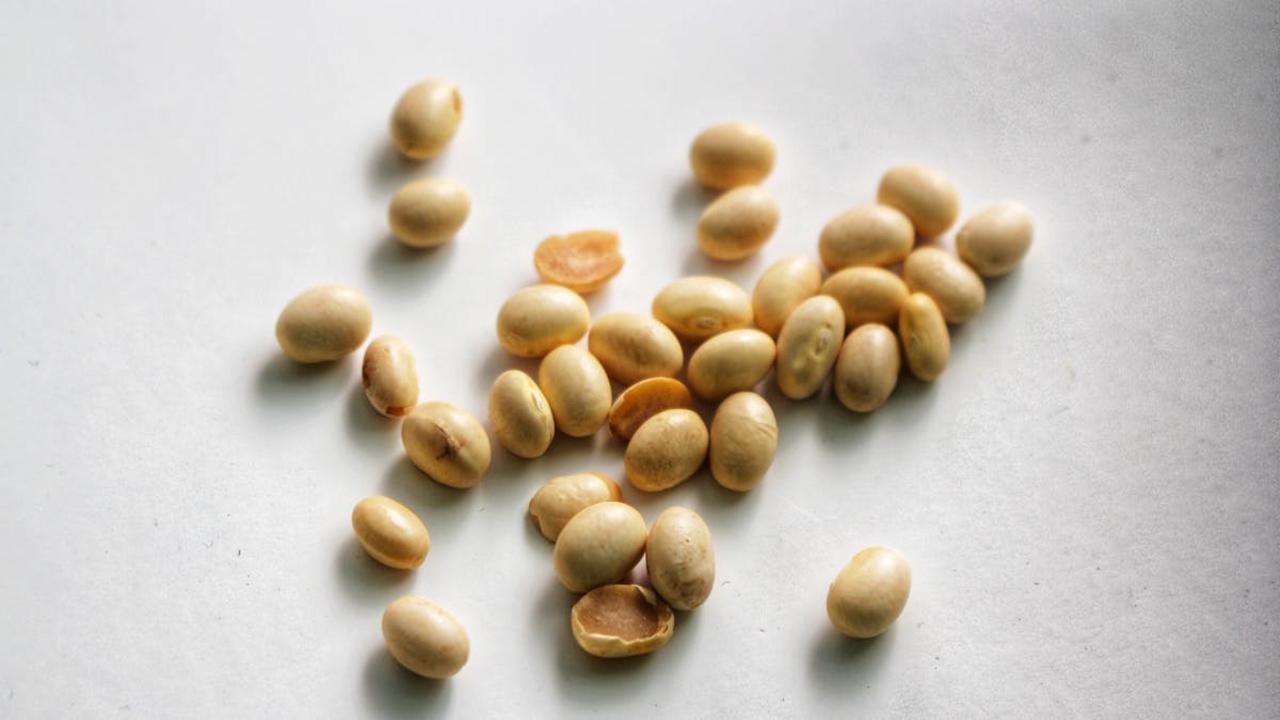
Picture this: you’re craving something crunchy and satisfying, but you want protein that actually fuels your body instead of leaving you sluggish. Soy nuts step up to the plate beautifully here. These roasted soybeans pack an impressive 14 grams of protein per quarter cup, making them my secret weapon for afternoon energy dips. I love how they bridge the gap between healthy snacking and serious nutrition—they’re firm, nutty, and have this wonderful toasted flavor that reminds me of roasted chickpeas but with more substance.
What gets me excited about soy nuts is their incredible versatility in the kitchen. I toss them into grain bowls for extra crunch, grind them into a coarse powder to coat fish or chicken before pan-searing, or throw them into homemade trail mix with dried fruit and dark chocolate chips. They work beautifully in Asian-inspired stir-fries where their hearty texture holds up against bold sauces. Unlike many processed snacks, soy nuts give you clean energy without the crash, and they store forever in your pantry. Keep a jar handy—you’ll find yourself reaching for them more than you expect.
Peanuts
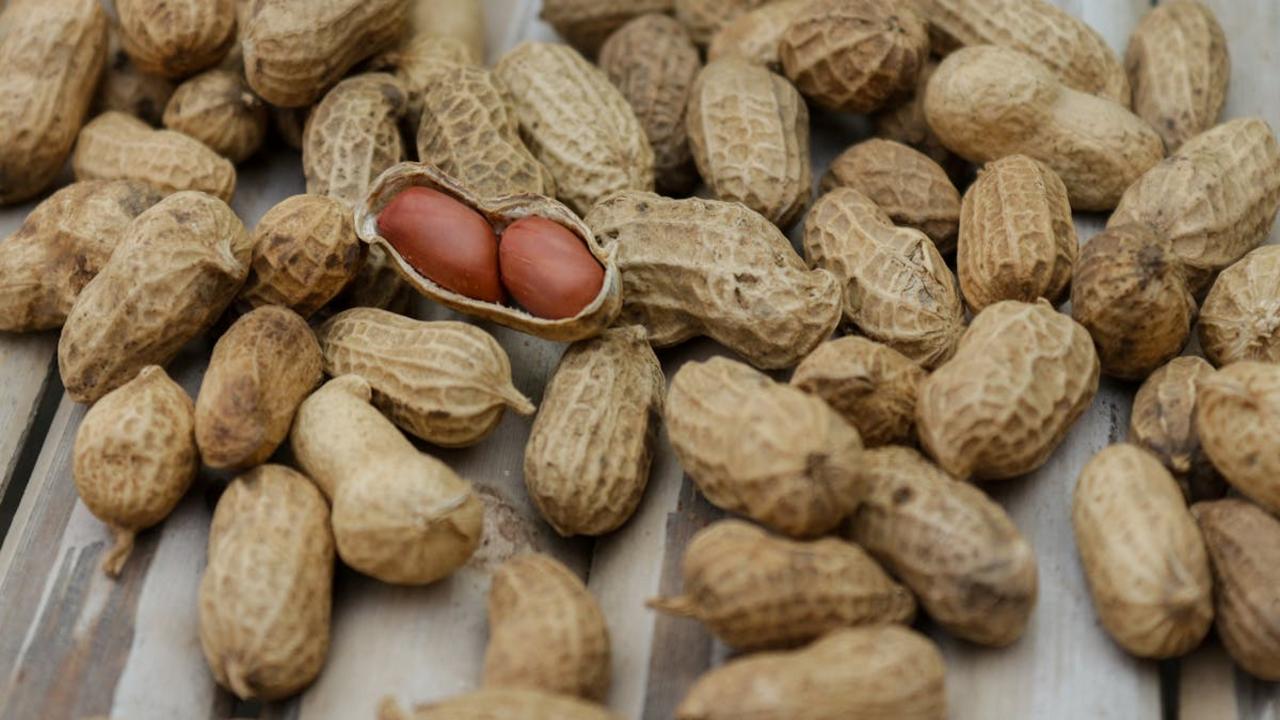
You know what I absolutely adore about peanuts? They’re technically legumes masquerading as nuts, and they bring this incredible earthiness to everything they touch. I keep raw peanuts in my pantry year-round because they’re pure magic when you toast them fresh – that nutty aroma fills your kitchen and transforms simple dishes into something spectacular. Whether I’m grinding them into creamy peanut butter for my morning smoothies or crushing them coarsely for a Thai-inspired salad, peanuts add this satisfying richness that processed alternatives just can’t match.
What really gets me excited about cooking with peanuts is their versatility across different cuisines. I toss them into stir-fries for crunch, blend them into West African groundnut stews for depth, and sprinkle crushed peanuts over roasted vegetables for that perfect textural contrast. They’re packed with protein and healthy fats, making them an incredible whole food ingredient that nourishes while it satisfies. Trust me, once you start buying raw peanuts and preparing them yourself, you’ll never go back to the heavily salted, processed versions – the clean, pure flavor will completely change how you think about this humble legume.
Hazelnuts
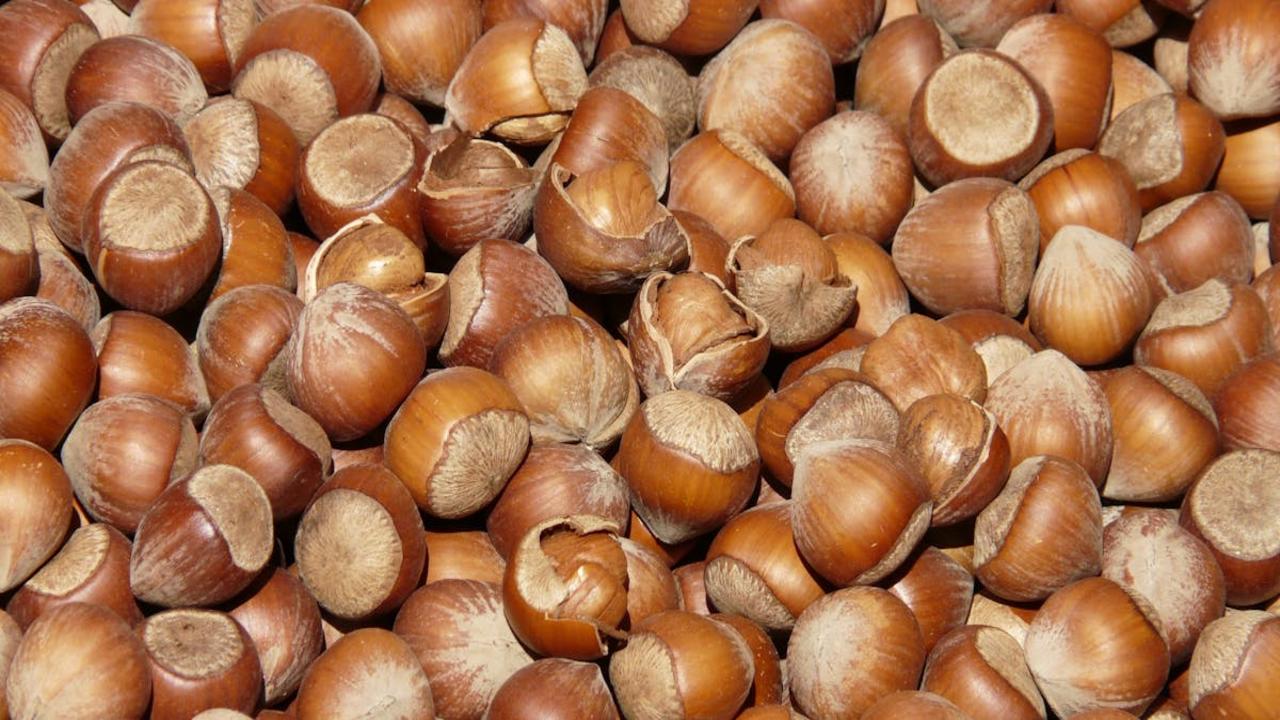
I keep a jar of hazelnuts on my counter because these little gems transform ordinary dishes into something magical. Their rich, buttery flavor pairs beautifully with chocolate—think homemade Nutella or that perfect hazelnut chocolate chip cookie—but don’t stop there. I love toasting them lightly in a dry pan until their skins loosen, then rubbing them in a clean kitchen towel to remove the bitter outer layer. This simple step releases their natural oils and intensifies their nutty sweetness.
Ground hazelnuts become my secret weapon for adding depth to savory dishes too. I fold them into herb crusts for fish, sprinkle them over roasted vegetables, or blend them into pestos for an unexpected twist. In Middle Eastern cooking, they shine in dukkah—that fragrant spice blend I can’t stop making. Fresh hazelnuts work wonderfully in salads, providing satisfying crunch alongside mixed greens and goat cheese. Store them in your refrigerator to maintain freshness, and you’ll always have a healthy snack that beats any processed alternative while adding genuine flavor to your cooking repertoire.
Chestnuts
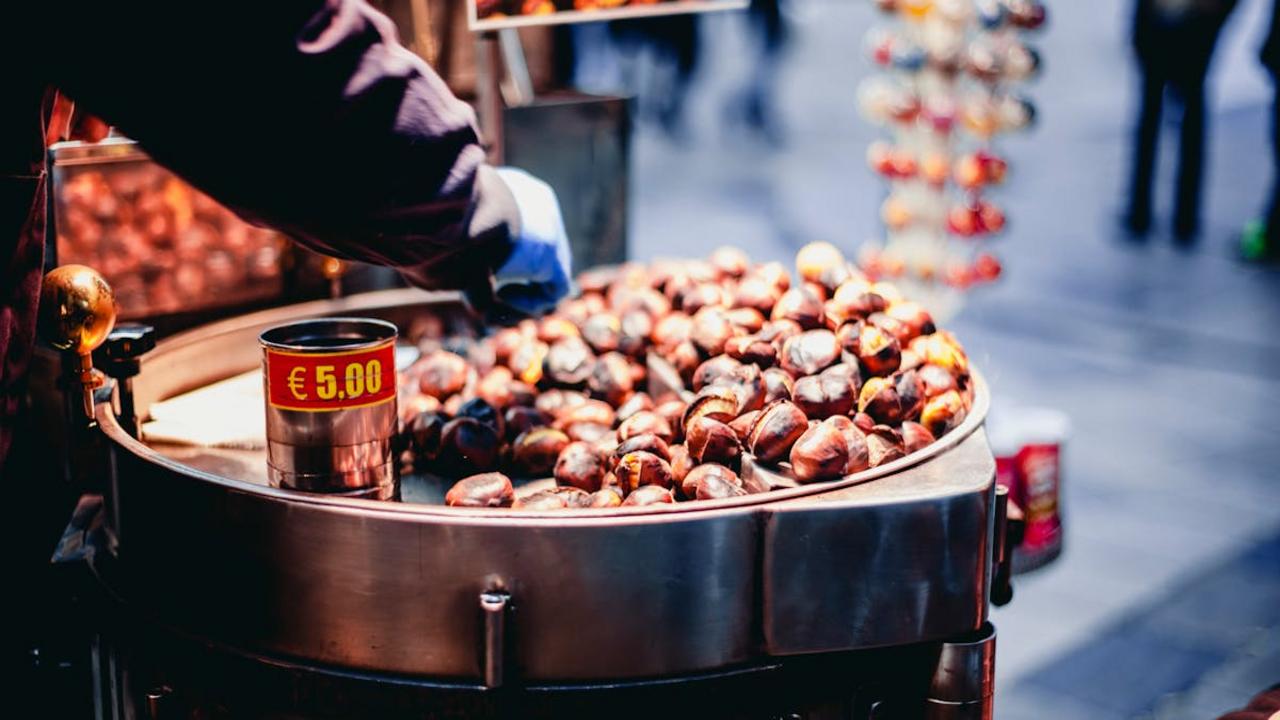
You know those cozy winter evenings when you crave something warm and comforting? Chestnuts become your perfect companion. I discovered their magic during a chilly December when I roasted them over an open flame – their sweet, nutty aroma filled my kitchen like a warm hug. Unlike other nuts, chestnuts contain more starch than fat, making them incredibly versatile for both sweet and savory applications. I love incorporating them into my stuffing recipes, where they add a subtle sweetness that pairs beautifully with herbs like sage and thyme. Their creamy texture when cooked makes them perfect for soups too – I often blend roasted chestnuts into my butternut squash soup for extra depth.
What makes chestnuts special is how they transform ordinary dishes into something memorable. I’ve started adding chopped roasted chestnuts to my grain bowls, where they provide a satisfying contrast to crisp vegetables and tangy dressings. They’re also incredible in desserts – my chestnut flour pancakes have become a weekend favorite, offering a naturally gluten-free option that doesn’t sacrifice flavor. The key to working with chestnuts is proper preparation: score an X on each shell before roasting to prevent them from exploding, then roast at high heat until the shells curl back. Fresh chestnuts should feel heavy and firm – avoid any that rattle when shaken, as they’ve likely dried out inside.
Pine Nuts
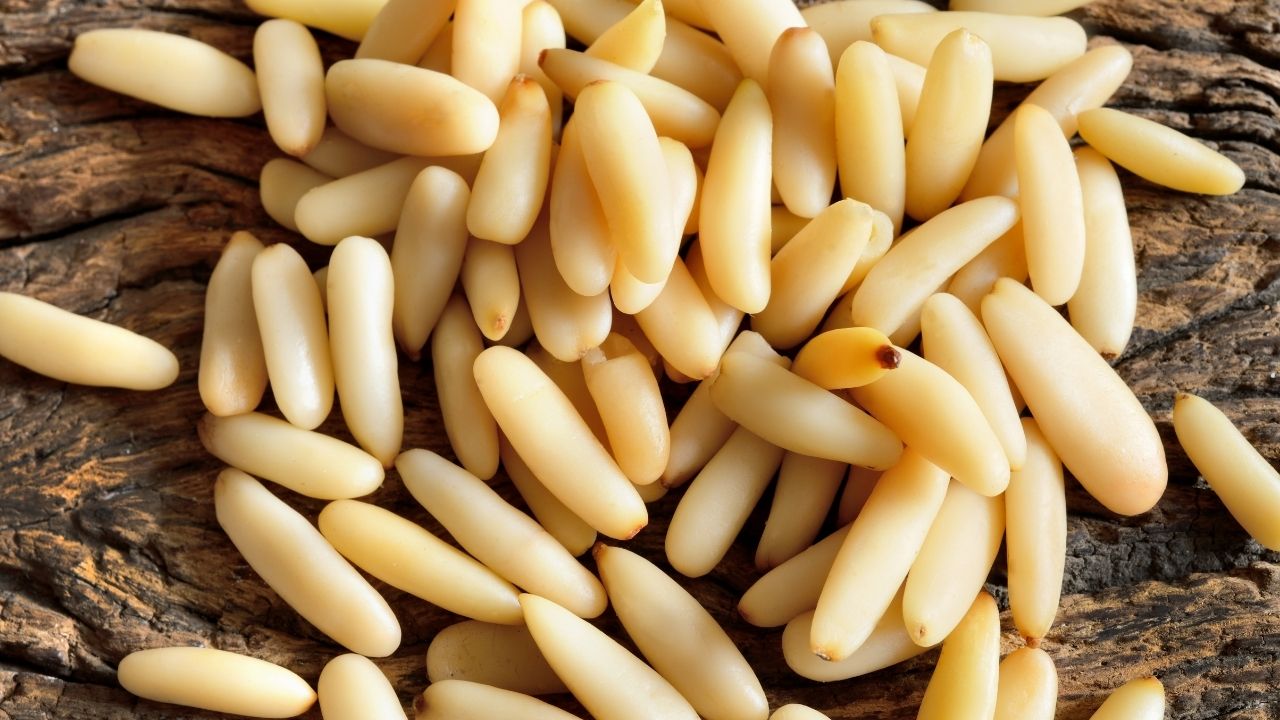
Pine nuts hold a special place in my kitchen because they bring such a unique, buttery richness that transforms simple dishes into something memorable. These tiny treasures from pine cones pack incredible flavor – creamy, slightly sweet, with a delicate nuttiness that works magic in both savory and sweet preparations. I love toasting them lightly in a dry pan until they turn golden; this simple step releases their oils and intensifies their flavor dramatically. You’ll find them starring in classic pesto, where they create that signature creamy texture alongside fresh basil, but I also scatter them over roasted vegetables, fold them into grain salads, or blend them into creamy sauces for pasta.
What makes pine nuts truly special is their versatility across global cuisines – from Mediterranean dishes to Middle Eastern pilafs and even Asian stir-fries. I often add them to my homemade granola or sprinkle them over yogurt with honey for a protein-rich breakfast that feels indulgent. Their soft texture means they don’t need much cooking time, making them perfect for quick weeknight meals. Yes, they’re pricier than other nuts, but a little goes a long way, and their unique flavor profile justifies every penny. Store them in your freezer to prevent rancidity, and always taste before using since their delicate oils can turn bitter if they’re past their prime.
Brazil Nuts
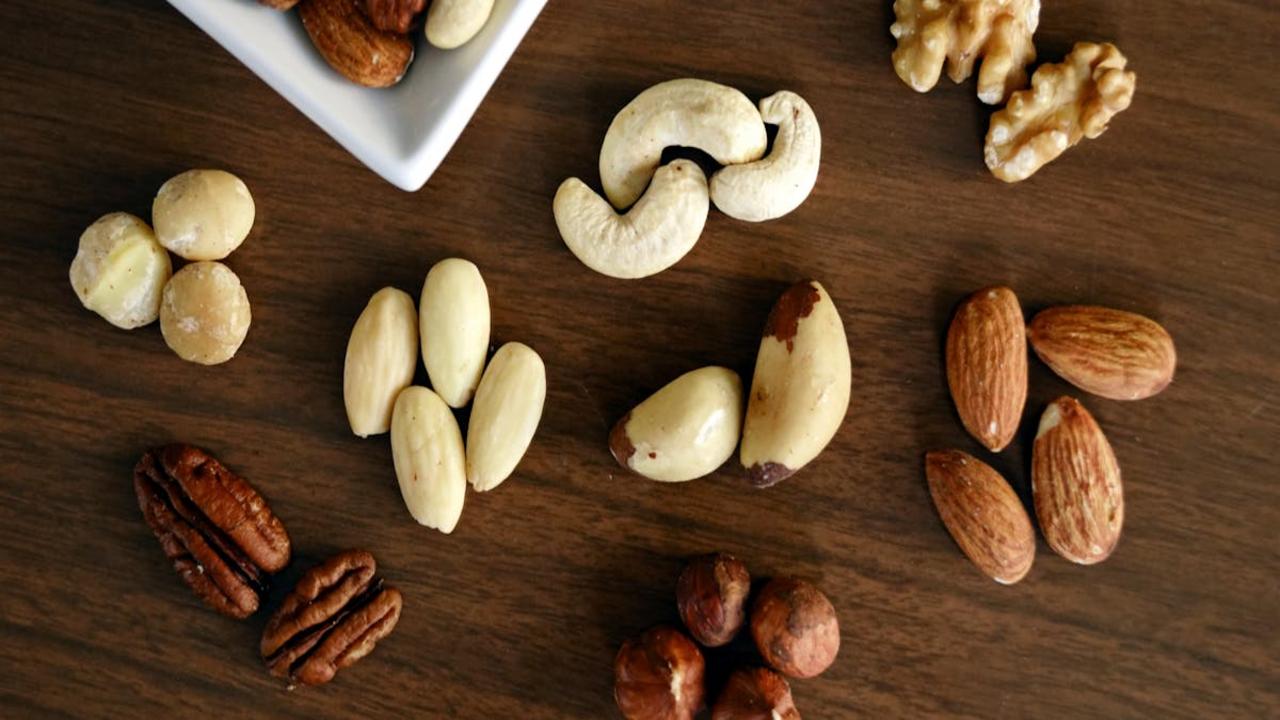
Brazil nuts bring something magical to your kitchen that goes far beyond their impressive size. These South American giants pack more selenium than any other nut – just two or three will give you your entire daily dose of this powerful antioxidant. I love how their rich, creamy texture transforms both sweet and savory dishes. Toss them into your morning granola, blend them into silky plant-based milk, or chop them coarsely for a stunning garnish on roasted vegetables. Their buttery flavor pairs beautifully with chocolate in homemade energy balls, and they create the most incredible nut cheese when soaked and blended with herbs and lemon juice.
What makes Brazil nuts truly special is their versatility in global cooking. I often grind them into flour for gluten-free baking – their natural oils keep cakes moist without any processed additives. They work wonderfully in Brazilian-inspired dishes, adding authentic richness to farofa or pesto verde. For a simple weeknight dinner, I’ll toast them lightly and fold them into quinoa pilaf with dried cranberries and fresh herbs. The key is not to overdo it – their intense flavor means a little goes a long way. Store them in your refrigerator to keep their oils fresh, and always taste before using since they can turn bitter if they’ve been sitting too long.
Macadamia Nuts
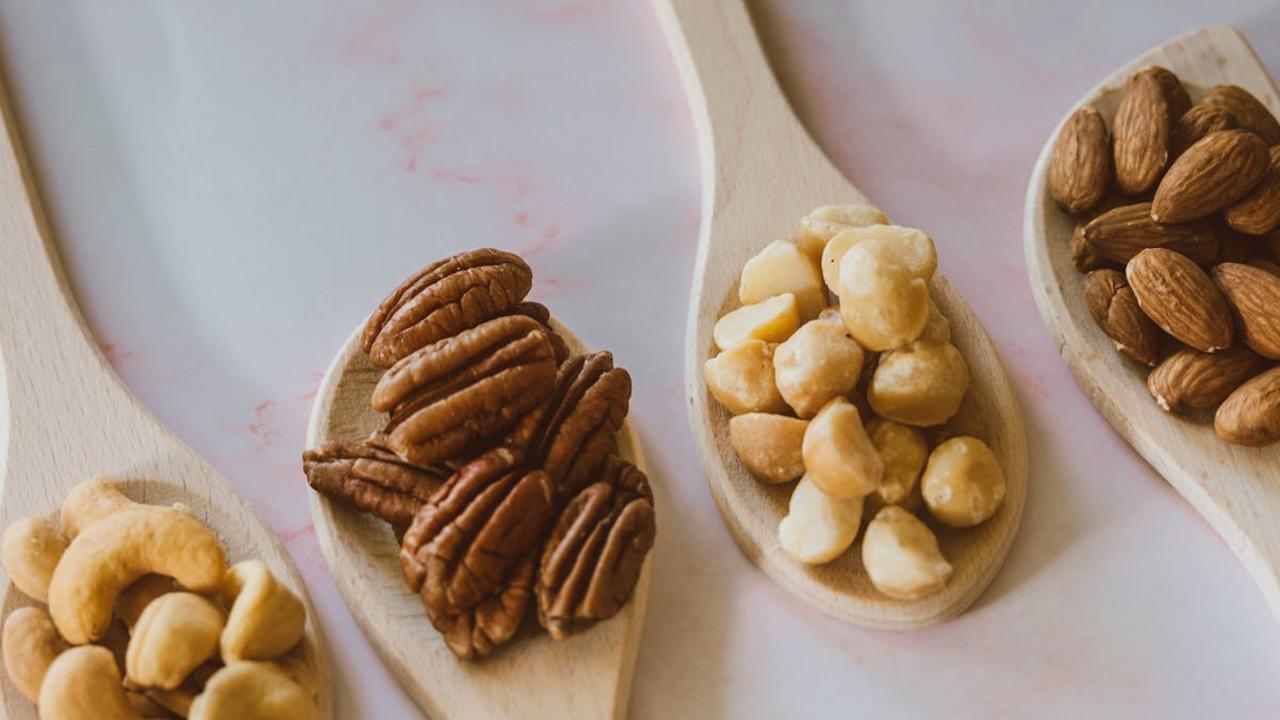
Macadamia nuts hold a special place in my kitchen—they’re like little golden treasures that transform any dish they touch. Originally from Australia but now thriving in places like Hawaii and South Africa, these buttery gems bring an unmatched richness that I can’t get enough of. Their creamy texture and subtle sweetness make them perfect for both sweet and savory applications. I love crushing them coarsely and folding them into my homemade granola, or grinding them into flour for gluten-free baking experiments that always surprise my family.
What makes macadamias truly shine is their versatility in global cooking. I’ve learned to incorporate them into Thai-inspired curry pastes where they add depth without overpowering the spices, and they work beautifully in my take on Italian pesto alongside traditional basil. The high fat content means they stay fresh longer than most nuts when stored properly, and that same richness makes them incredible for creating dairy-free cream sauces. Just soak them overnight, blend with a splash of water, and you have a base that rivals heavy cream for pasta dishes or soups.
Pistachios
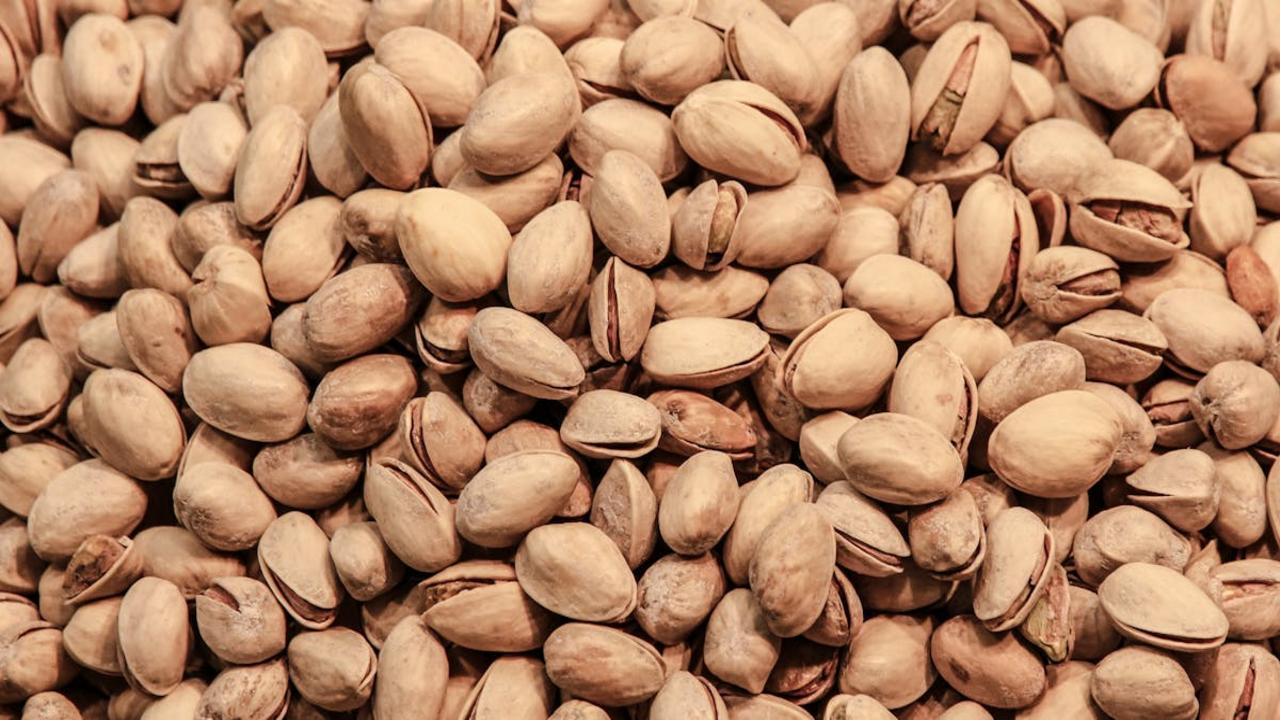
You know those little green gems that crack open with the most satisfying pop? Pistachios bring this incredible earthy sweetness that transforms both sweet and savory dishes in ways I never expected. I reach for them constantly—whether I’m crushing them over my morning yogurt with honey and cardamom, or folding them into a fragrant rice pilaf with saffron and dried apricots. Their natural saltiness means they need minimal seasoning, and that gorgeous green color makes every dish look restaurant-worthy without any extra effort.
What I love most about pistachios is how they bridge different cooking traditions so beautifully. In my Persian-inspired dishes, I’ll grind them into a paste for rich stews, while in Italian-style preparations, I’ll chop them coarsely for pasta with brown butter and sage. They work magic in homemade ice cream, adding both texture and that distinctive nutty flavor that pairs perfectly with rose water or orange blossom. Even as a simple snack, pistachios satisfy in a way that keeps me reaching for real, whole ingredients instead of processed alternatives—and honestly, the ritual of cracking each shell makes eating them feel like a mindful moment in my busy day.
Cashews
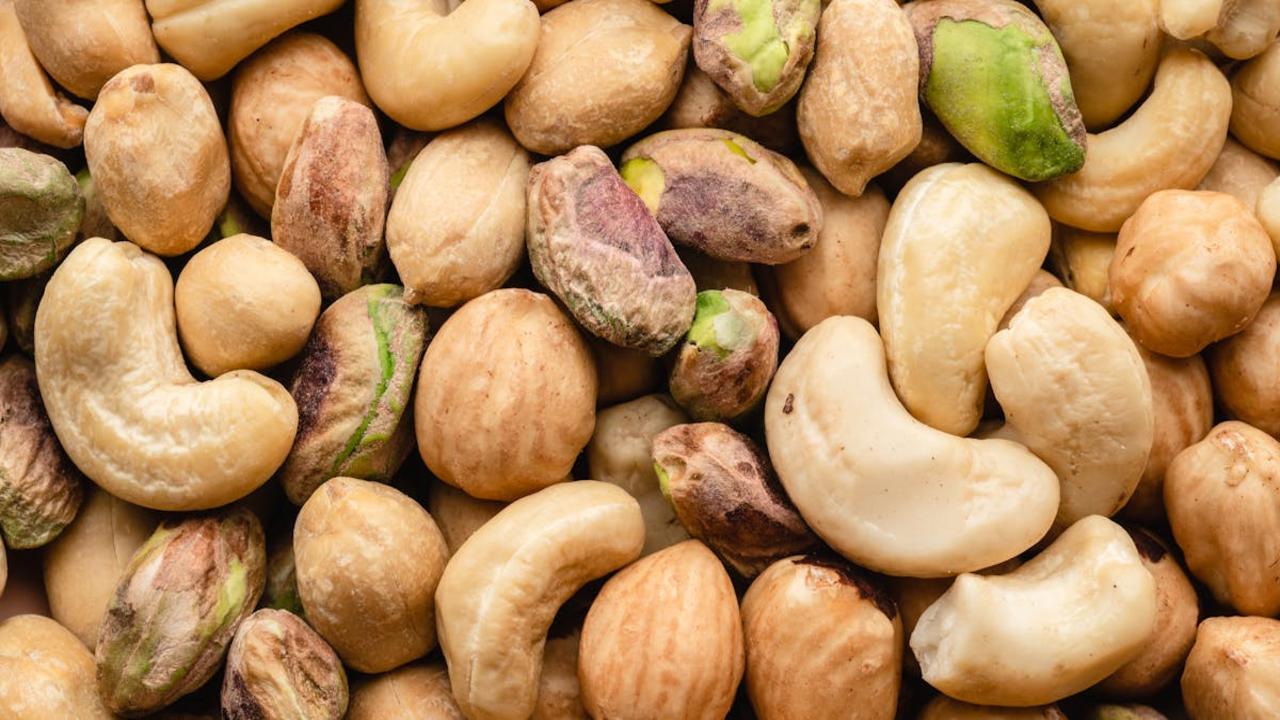
Cashews hold a special place in my kitchen because they transform into whatever you need them to be. I keep them soaked in water overnight for creamy pasta sauces that rival any dairy version, or I blend them into silky smooth cheese alternatives that fool even the most skeptical dinner guests. Their naturally buttery flavor works beautifully in both sweet and savory applications – I’ve made everything from cashew-based ice cream to rich curries where they add body and depth without overwhelming other spices.
What makes cashews truly shine is their ability to bridge different cooking traditions. In Indian cuisine, they create luxurious gravies for dishes like korma, while in Vietnamese cooking, I use them in spring rolls for that perfect crunch. Raw cashews work wonderfully in energy balls with dates and cocoa powder, but toasted ones become the star of stir-fries and grain bowls. Unlike other nuts that can taste heavy, cashews bring richness without the weight, making them perfect for those lighter meals that still need substance and satisfaction.
Pecans
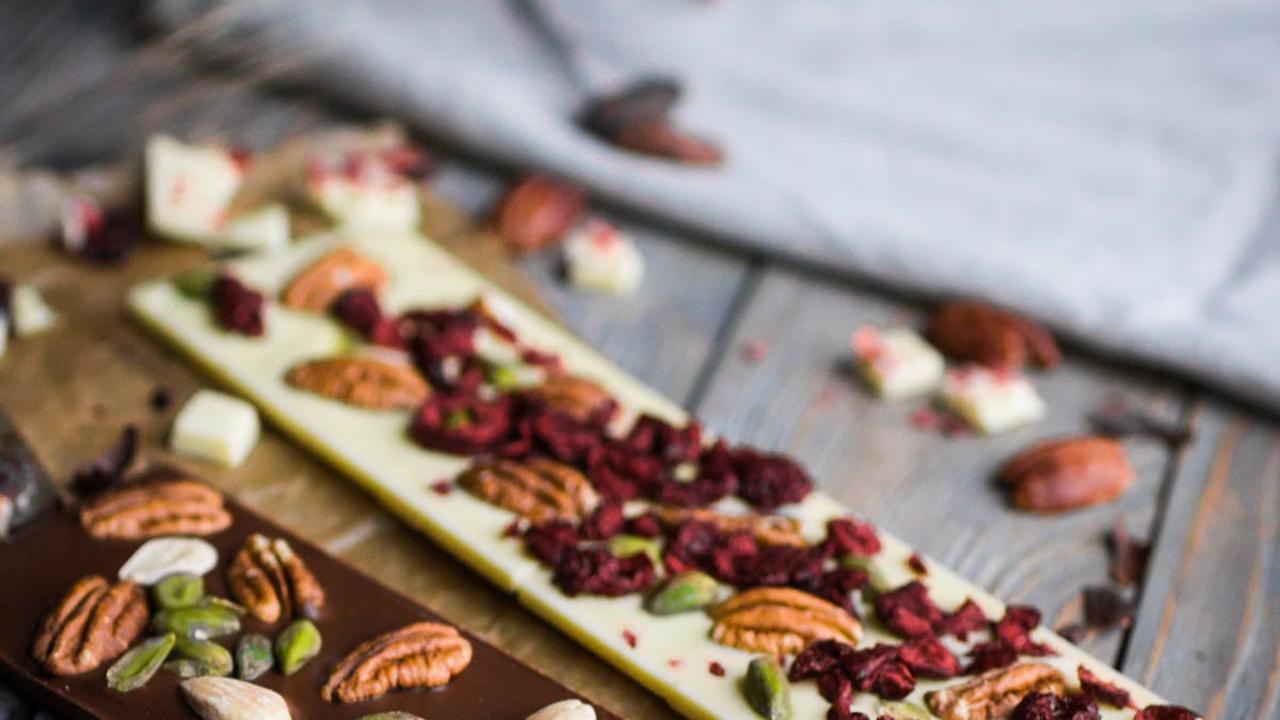
You know that buttery, almost sweet crunch that makes your mouth water just thinking about it? That’s pecans for you! These gorgeous nuts have this incredible ability to transform both sweet and savory dishes without overwhelming them. I reach for pecans when I want to add richness to my grain bowls, especially when I’m working with wild rice or quinoa. They bring this wonderful earthiness that pairs beautifully with roasted vegetables and a drizzle of maple tahini dressing. What I love most about pecans is how they toast up so perfectly – just a few minutes in a dry pan and they become these golden, fragrant gems that smell like pure comfort.
In my kitchen, pecans are my secret weapon for creating depth in unexpected places. I fold them into my morning oatmeal with a pinch of cinnamon and fresh berries, or I’ll crush them up and use them as a coating for baked chicken thighs alongside herbs and a touch of honey. They work magic in homemade granola too, especially when combined with coconut flakes and a hint of vanilla. The natural oils in pecans mean they stay fresh longer than many other nuts, and their creamy texture makes them perfect for blending into dairy-free cheese sauces or nut-based dressings that bring restaurant-quality flavor to your everyday meals.
Walnuts
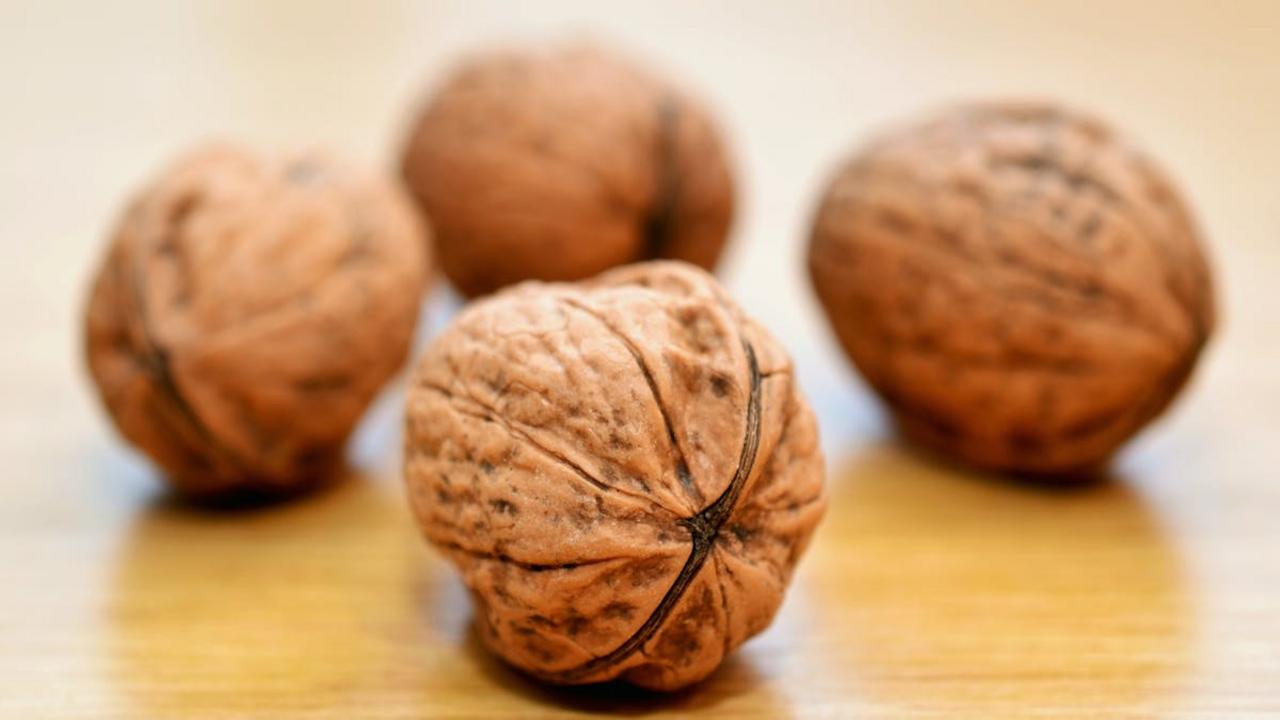
Walnuts bring this incredible earthy richness that transforms both sweet and savory dishes in ways you never expected. I reach for these brain-shaped beauties constantly because they add substance and depth without overwhelming delicate flavors. Their natural oils create the most satisfying texture contrast—whether I’m folding them into my grandmother’s banana bread recipe or scattering them over roasted Brussels sprouts with pomegranate seeds. You can toast them lightly in a dry pan for just two minutes to intensify their nutty character, and suddenly your simple weeknight salad becomes something restaurant-worthy.
What makes walnuts truly special is their versatility across global cuisines and their impressive nutritional profile. I love how they work beautifully in Persian fesenjan stew, Mexican chiles en nogada, and classic French walnut oil vinaigrettes. Their omega-3 fatty acids support heart health while adding protein to plant-based meals. Try grinding them into flour for gluten-free baking, or blend them with herbs for an instant pesto base. Store them in your freezer to prevent their oils from turning rancid, and you’ll always have this powerhouse ingredient ready to elevate everything from morning oatmeal to evening grain bowls.
Almonds
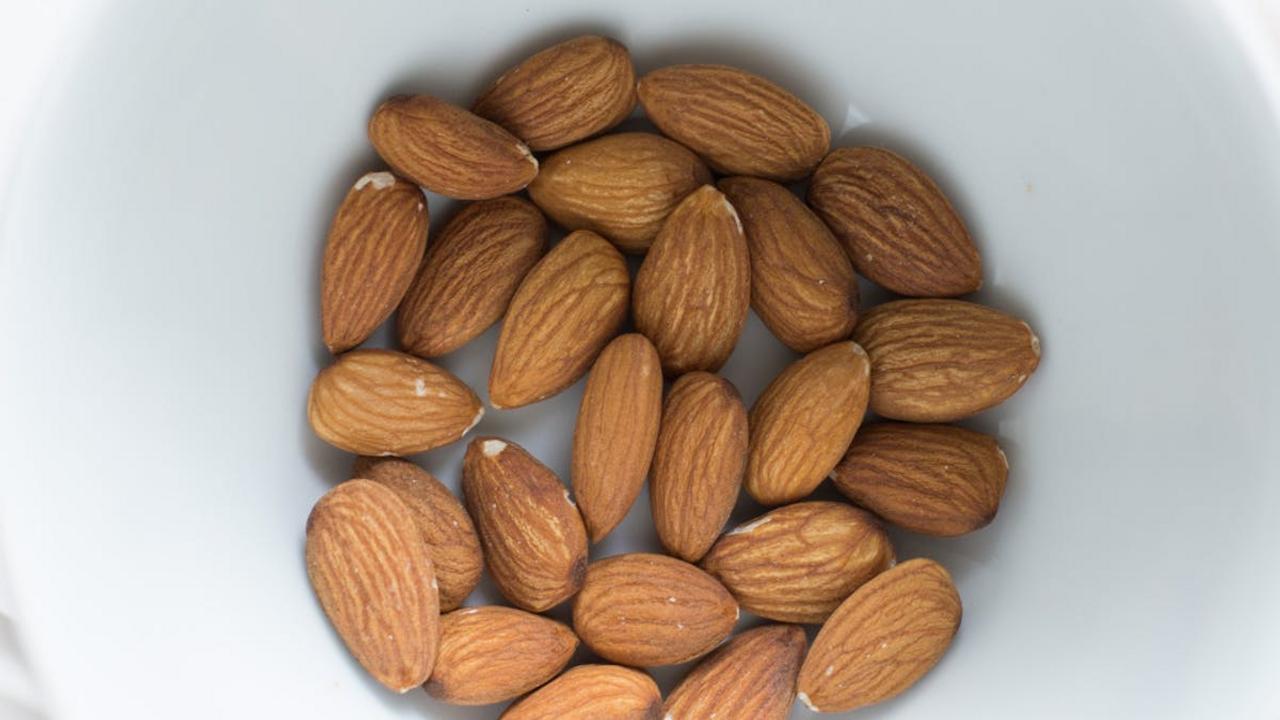
You know that moment when you’re looking at a recipe and it calls for almonds, and you think, “Do I really need these?” Trust me—you absolutely do. Almonds bring this incredible richness and depth that transforms everything they touch. I keep whole almonds, sliced almonds, and almond flour in my pantry because each form serves a different purpose in my cooking. Whole almonds become the perfect crunchy topping for my Moroccan-inspired tagines, while sliced almonds toast beautifully and add texture to grain bowls and salads. The natural oils in almonds create this luxurious mouthfeel that makes even simple dishes feel special.
What I love most about almonds is how they bridge sweet and savory cooking so effortlessly. I’ll throw toasted almonds into my homemade granola with cardamom and rose petals, then use the same nuts to make a creamy sauce for roasted vegetables by blending them with garlic and lemon. Almond flour has become my secret weapon for gluten-free baking—it adds moisture and this subtle nuttiness that wheat flour just can’t match. Plus, soaking almonds overnight and blending them creates the creamiest plant-based milk that puts store-bought versions to shame. These little powerhouses pack protein, healthy fats, and vitamin E, making them the perfect wholesome addition to any meal.