14 Nuts and Seeds That Supercharge Your Heart Health
Your heart deserves the best fuel possible, and nature has packed an incredible array of nutrients into tiny nuts and seeds. These powerful plant-based foods contain omega-3 fatty acids, fiber, and antioxidants that work together to keep your cardiovascular system running strong.
I’ve spent years researching and testing different nuts and seeds in my kitchen, discovering the perfect combinations for heart-healthy snacks and meals. The right mix can lower cholesterol, reduce inflammation, and help maintain healthy blood pressure – all while tasting absolutely delicious.
Ready to give your heart some extra love? From familiar favorites like almonds and walnuts to lesser-known heroes like hemp seeds and Brazil nuts, these 14 nutritional powerhouses will transform your daily diet into a heart-strengthening ritual. The best part? You can easily add them to nearly any meal or enjoy them as simple snacks.
Sesame seeds
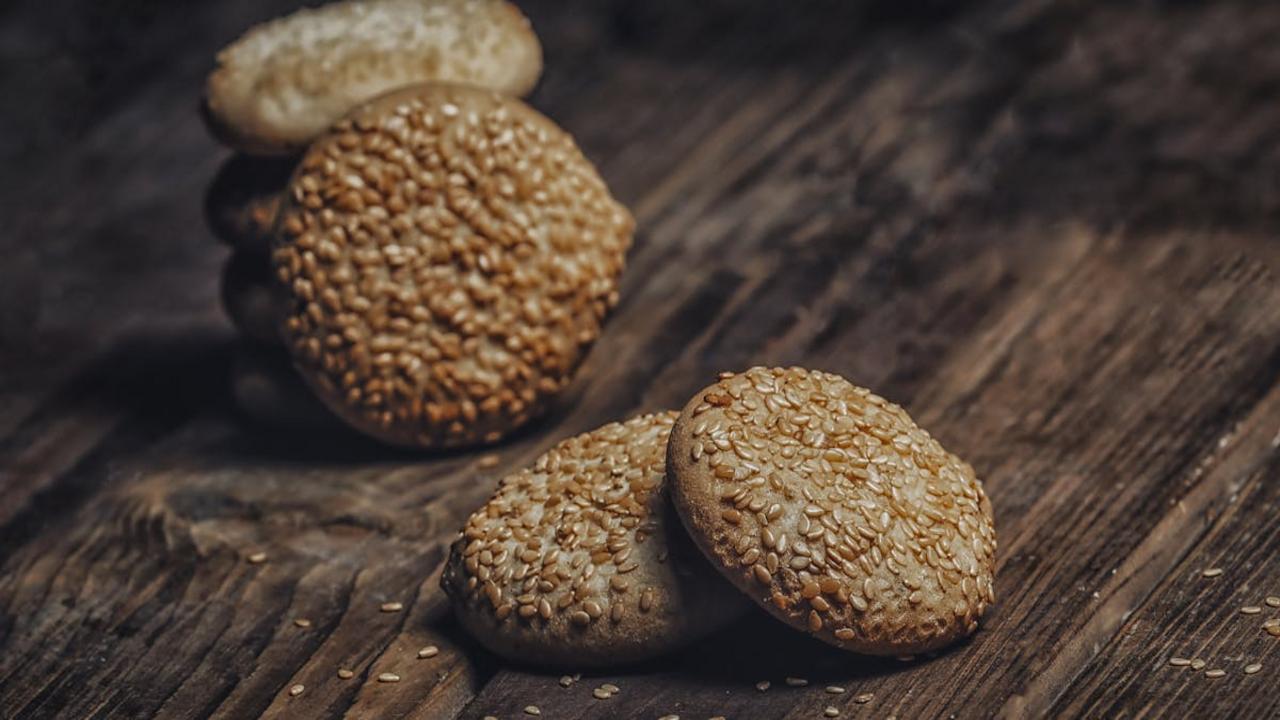
These tiny powerhouses pack an incredible heart-healthy punch! Sesame seeds contain high amounts of lignans and phytosterols – natural compounds that help lower your cholesterol and reduce inflammation in your cardiovascular system. You’ll find both black and white varieties, with black sesame seeds offering slightly higher antioxidant content. I love sprinkling them on salads, stir-fries, or blending them into tahini for a creamy spread that supports your heart health while adding a nutty, rich flavor to your meals.
Your heart will thank you for the impressive array of minerals in sesame seeds, including magnesium, calcium, and iron. The magnesium helps maintain healthy blood pressure levels, while the calcium strengthens your heart muscle function. One of my favorite ways to enjoy these seeds is by making homemade sesame bars – just toast the seeds lightly to enhance their flavor, combine with honey, and shape into bars for a heart-healthy snack. You’ll get about 5 grams of protein and 3 grams of fiber per ounce, making them a filling addition to your daily diet.
Brazil nuts
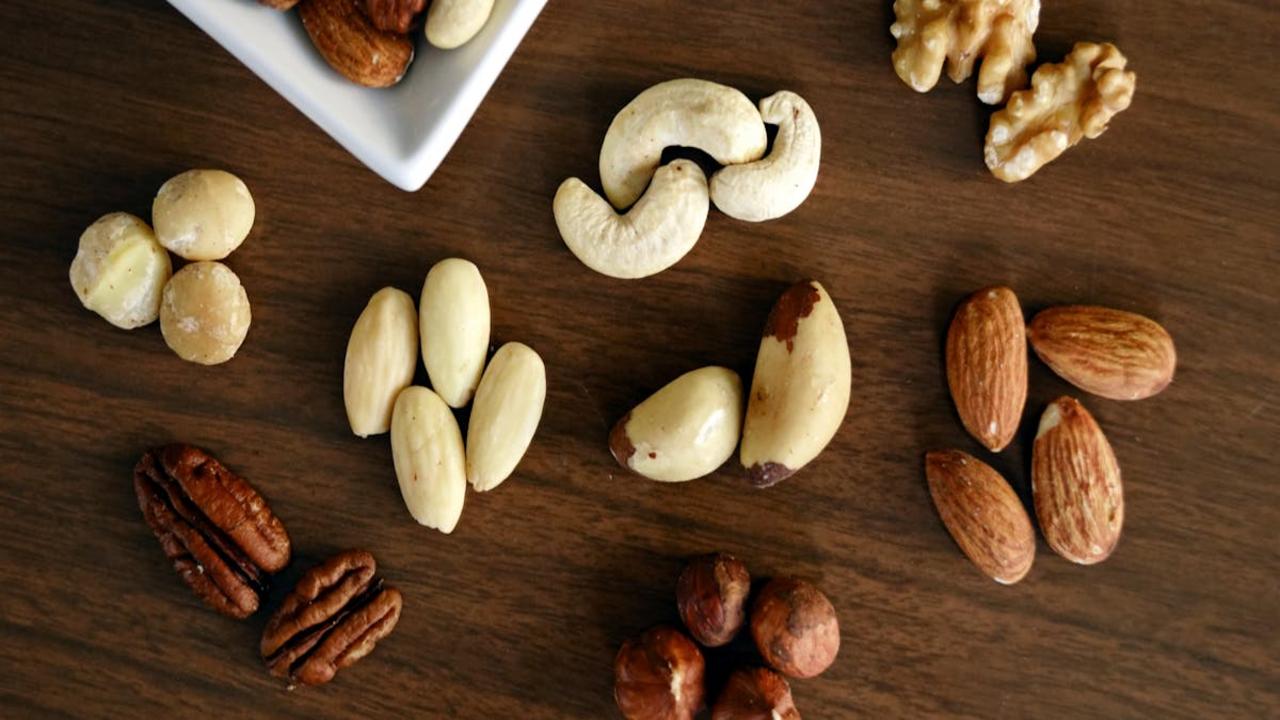
I’ve discovered that Brazil nuts pack an incredible punch when it comes to heart protection! These large, creamy nuts contain more selenium than any other food source – just one Brazil nut gives you your daily requirement. Selenium acts as a powerful antioxidant that helps prevent heart disease by reducing inflammation and oxidative stress. Plus, these nuts contain healthy fats, protein, and minerals like magnesium and zinc that work together to maintain healthy blood pressure and cholesterol levels.
Your heart will thank you for adding Brazil nuts to your daily menu. You can chop them into your morning oatmeal, blend them into smoothies, or snack on 2-3 nuts daily. Just remember not to go overboard – while selenium supports heart health, too much can be harmful. I recommend storing Brazil nuts in an airtight container in the fridge to keep their oils fresh and prevent them from going rancid. Their rich, buttery flavor makes them a delicious addition to homemade trail mix or as a topping for roasted vegetables.
Flax seeds
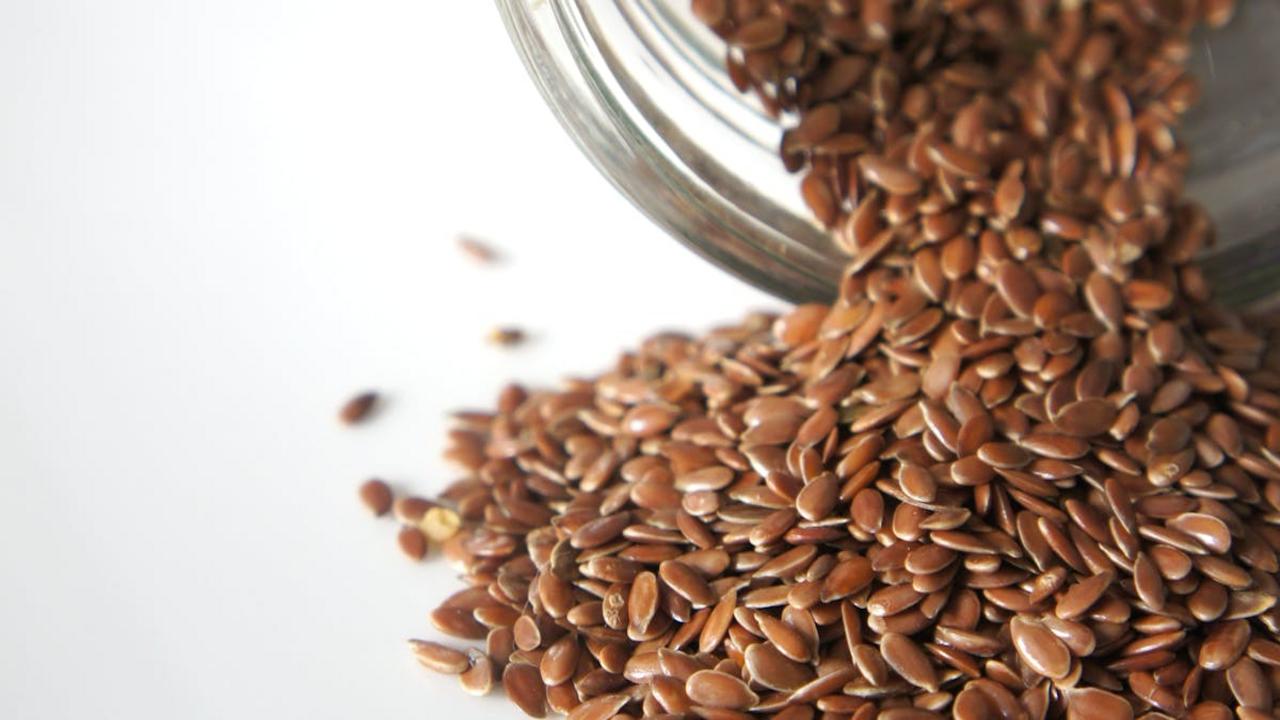
I’ve found flax seeds to be one of the most powerful heart-healthy foods you can add to your daily meals. These tiny brown or golden seeds pack an incredible amount of omega-3 fatty acids – specifically alpha-linolenic acid (ALA) – which directly supports your cardiovascular system. Just two tablespoons of ground flax seeds give you about 3.5 grams of ALA, making them a perfect addition to your morning smoothie, yogurt, or oatmeal bowl. Plus, they’re rich in lignans, natural compounds that can help reduce inflammation and lower blood pressure.
You’ll want to grind your flax seeds before eating them to get the most benefits, since whole seeds can pass through your body undigested. I recommend buying them whole and using a coffee grinder to make fresh ground flax as needed – this keeps the oils from going rancid. Store your whole flax seeds in an airtight container in the fridge, where they’ll stay fresh for up to a year. You can sprinkle ground flax on just about anything – I love adding them to baked goods, pancake batter, or even using them as an egg substitute in vegan recipes by mixing with water to create a gel-like consistency.
Chia seeds
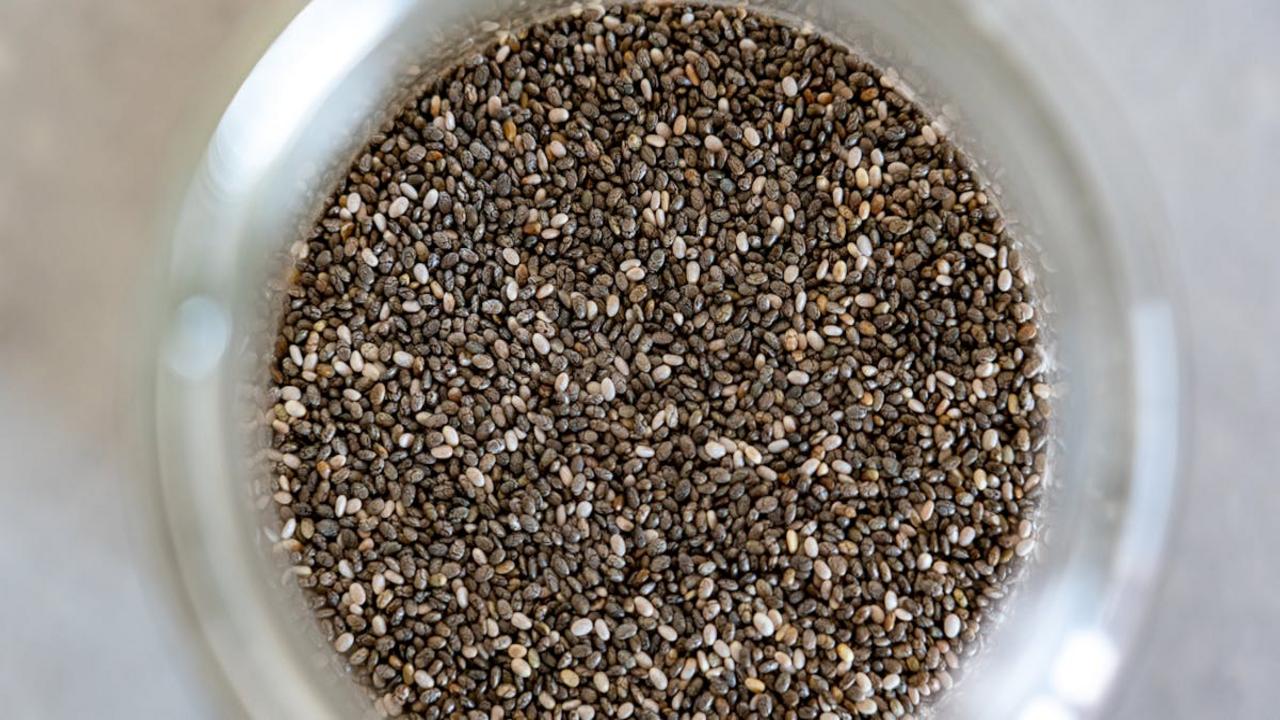
These tiny powerhouse seeds pack a serious heart-health punch! Just two tablespoons of chia seeds give you 5 grams of omega-3 fatty acids, which help reduce inflammation and keep your blood pressure in check. I love how these versatile seeds contain more calcium than milk, gram for gram, plus plenty of fiber and protein. The soluble fiber in chia seeds can help lower your LDL (bad) cholesterol levels while supporting healthy digestion.
You’ll find endless ways to add chia seeds to your daily meals. I sprinkle them on my morning yogurt, blend them into smoothies, or use them as an egg substitute in baking. One of my favorite breakfast tricks is making a simple chia pudding – just mix the seeds with your favorite plant milk and let them work their magic overnight in the fridge. The seeds absorb liquid and create a creamy, nutrient-rich pudding that’ll keep your heart happy and your stomach satisfied until lunch.
Hemp seeds
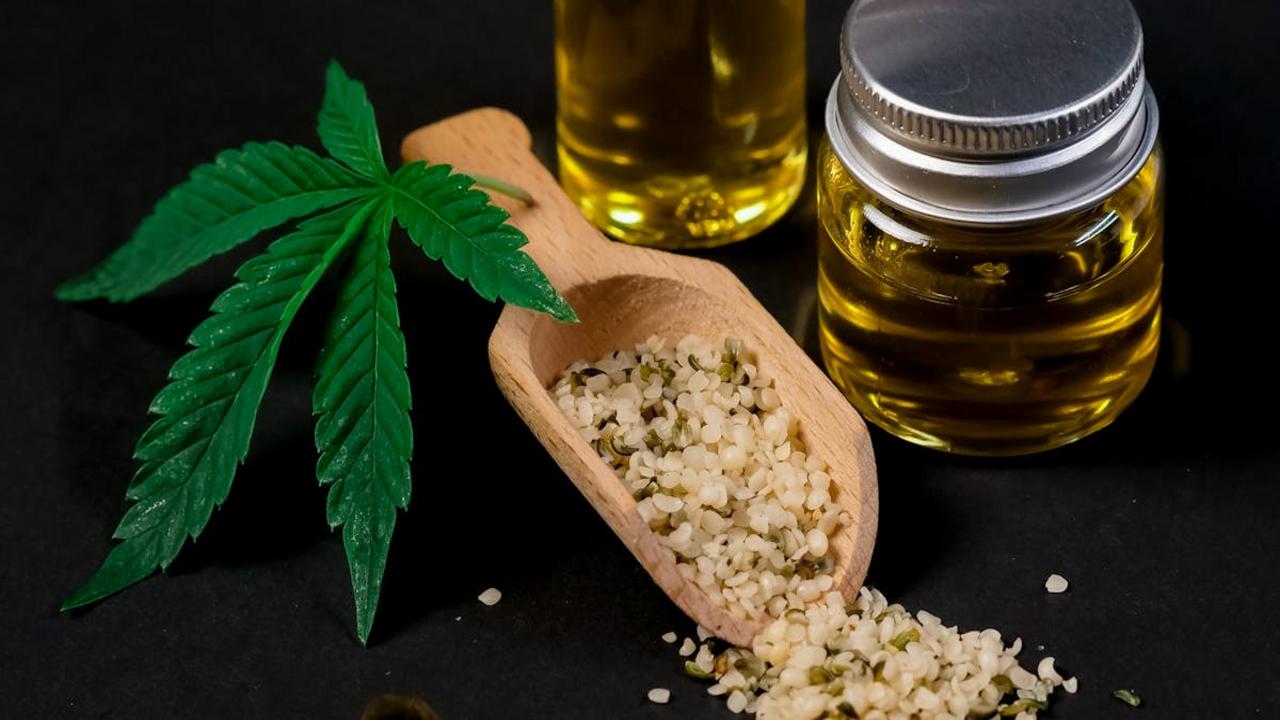
I love adding hemp seeds to my morning smoothie bowls and salads for their amazing heart benefits! These tiny nutritional powerhouses pack a serious omega-3 punch, with a perfect 3:1 ratio of omega-6 to omega-3 fatty acids that helps reduce inflammation in your cardiovascular system. Hemp seeds also contain high levels of arginine, an amino acid that produces nitric oxide in your body to help your blood vessels relax and dilate – this naturally helps maintain healthy blood pressure levels.
You’ll find these little seeds incredibly versatile in your kitchen. Sprinkle them on yogurt, blend them into homemade energy balls, or add them to your baked goods for an extra dose of plant-based protein and fiber. Beyond their heart-healthy fats, hemp seeds give you a good dose of magnesium and zinc, two minerals your heart needs to function properly. The nutty, slightly sweet flavor makes them an easy addition to almost any dish, and their soft texture won’t overpower your recipes.
Sunflower seeds
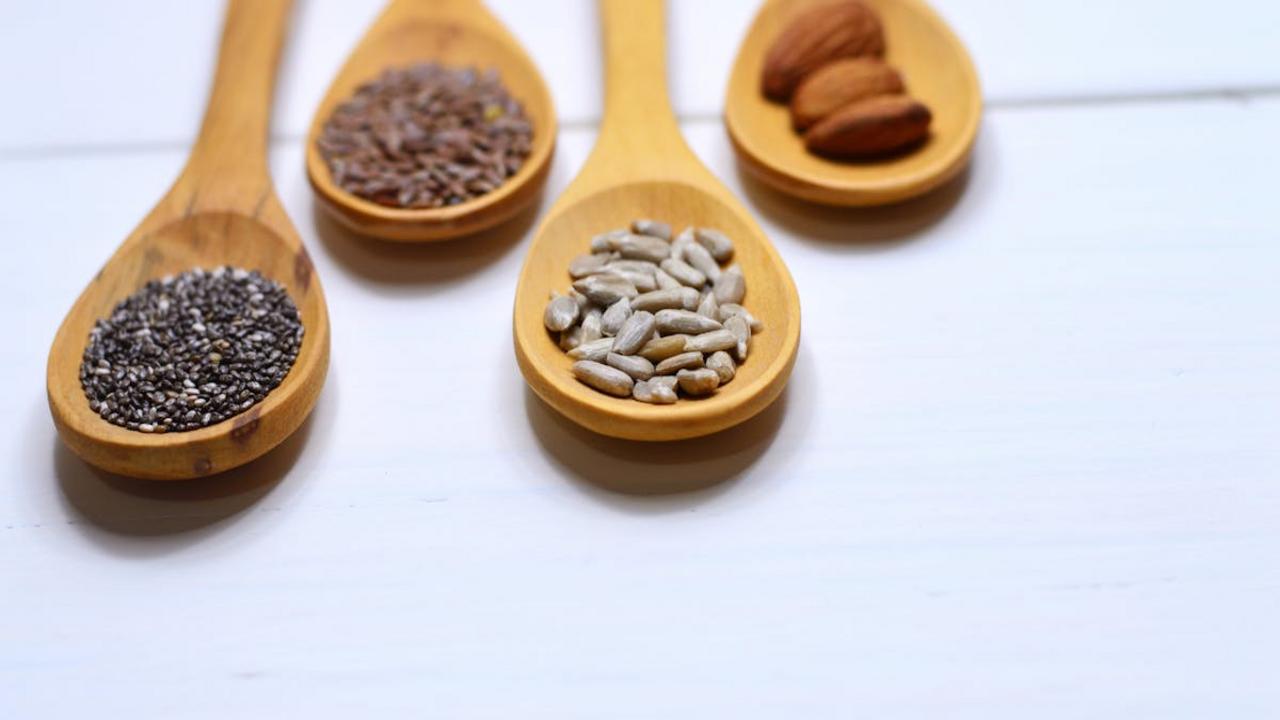
You’ll find more than just a pleasant crunch in a handful of sunflower seeds – these tiny powerhouses pack a mighty punch for your heart health! Rich in vitamin E, an antioxidant that helps prevent inflammation and protects your cardiovascular system, sunflower seeds make an excellent addition to your daily diet. I love sprinkling them on my morning yogurt or tossing them into salads for extra nutrition and texture. The seeds also contain high levels of magnesium, which helps regulate blood pressure and supports healthy heart function.
The healthy fats in sunflower seeds deserve special attention too. These seeds are loaded with monounsaturated and polyunsaturated fats that work to lower bad cholesterol levels while maintaining good cholesterol. You can easily incorporate them into your meals by adding them to homemade trail mix, blending them into smoothies, or using them as a crunchy coating for baked chicken or fish. Just remember to watch your portion size – while sunflower seeds offer amazing benefits, they’re calorie-dense, so stick to about 1-2 tablespoons per serving.
Pumpkin seeds
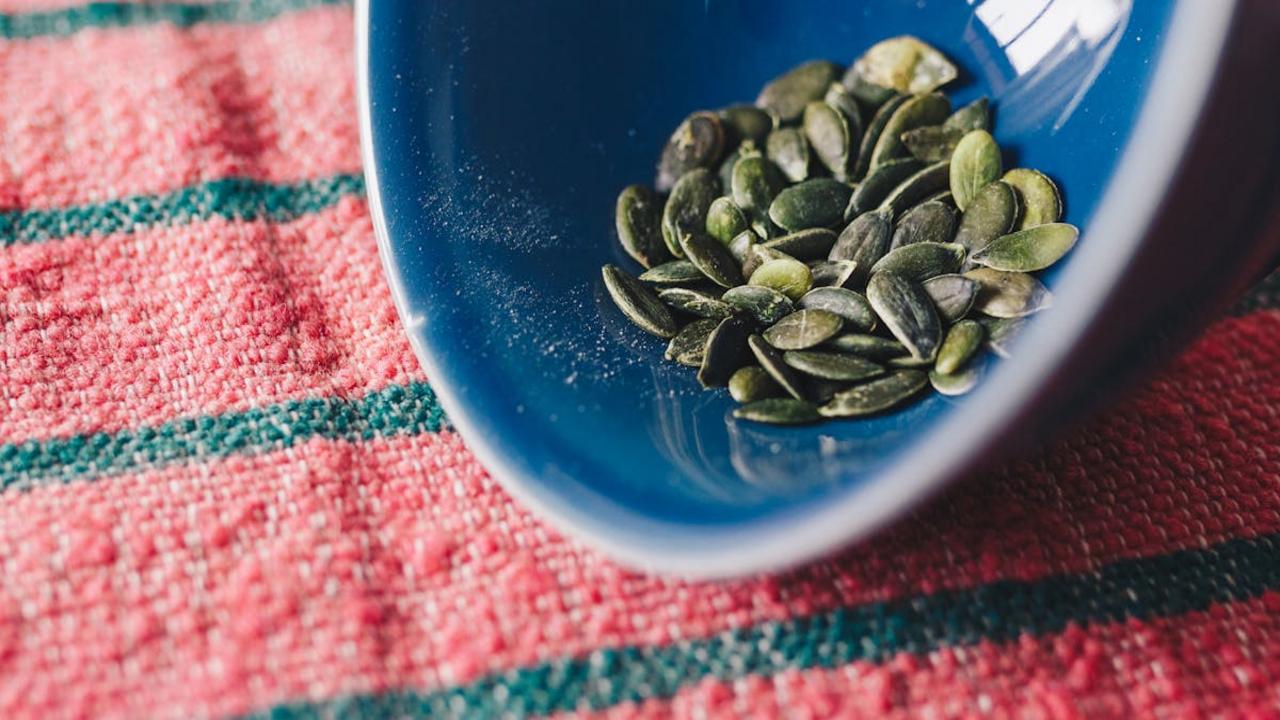
You’ll love what pumpkin seeds can do for your heart! These small but mighty seeds pack a powerful punch of magnesium – a mineral that helps maintain healthy blood pressure and steady heart rhythms. I keep a jar of these crunchy gems on my kitchen counter for easy snacking, and I add them to everything from morning oatmeal to dinner salads. The zinc content in pumpkin seeds also supports your immune system, while their high fiber content helps manage cholesterol levels.
Here’s a fun tip I discovered in my kitchen: lightly toast your pumpkin seeds with a pinch of sea salt to bring out their natural nuttiness. You can sprinkle them on roasted vegetables or blend them into smoothies for an omega-3 boost. These seeds contain plant compounds called phytosterols that actively help reduce “bad” LDL cholesterol. Plus, their rich antioxidant content fights inflammation in your body – a key factor in maintaining heart health. I recommend aiming for a handful (about 1-2 tablespoons) daily to reap their cardiovascular benefits.
Hazelnuts
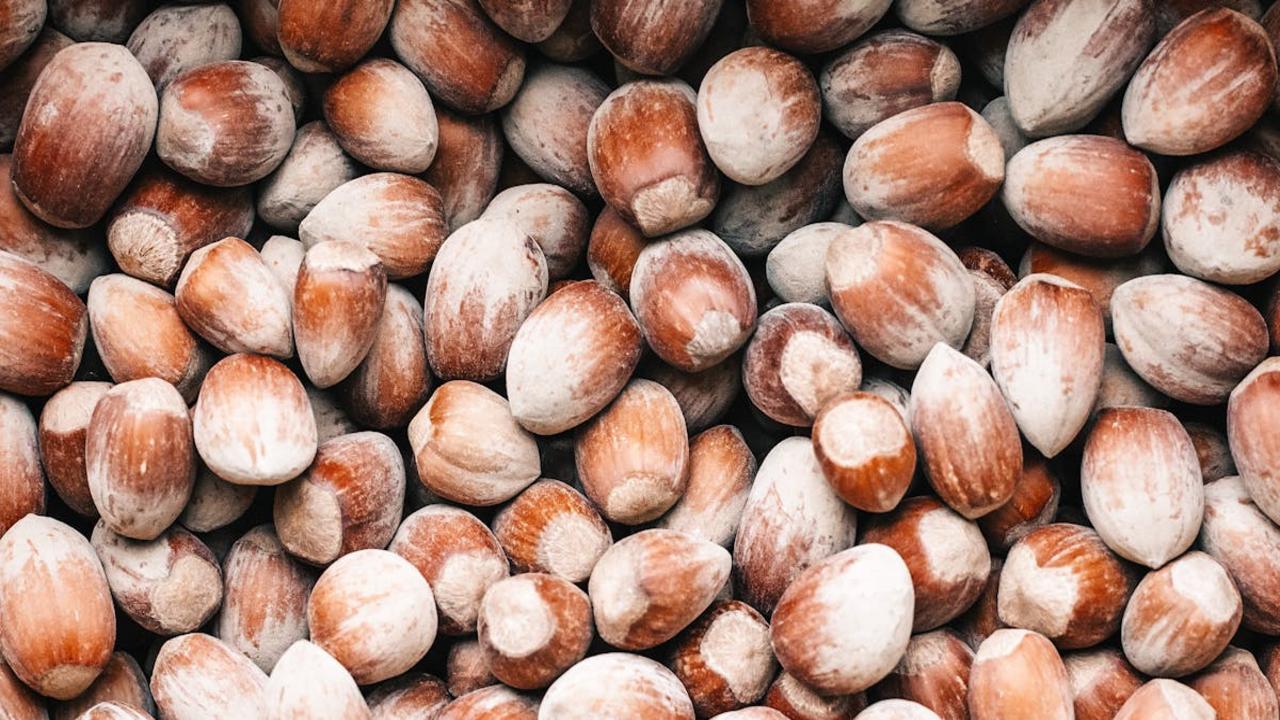
You’ll find a heart-health champion in the humble hazelnut! These round, sweet nuts pack an impressive array of nutrients that your cardiovascular system will thank you for. Rich in oleic acid – the same heart-protective fat found in olive oil – hazelnuts help maintain healthy cholesterol levels and reduce inflammation. They also contain high amounts of magnesium and potassium, two minerals that work together to regulate blood pressure and support proper heart rhythm.
I always keep hazelnuts in my pantry because they’re such versatile little powerhouses. Just one ounce (about 21 kernels) gives you 20% of your daily vitamin E needs – a potent antioxidant that protects your heart’s cells from damage. The fiber content in hazelnuts also helps lower your risk of heart disease by reducing bad cholesterol absorption. You can easily add them to your morning oatmeal, blend them into smoothies, or chop them up for a crunchy salad topping. Your heart will love these nutrient-dense nuts just as much as your taste buds do!
Pecans
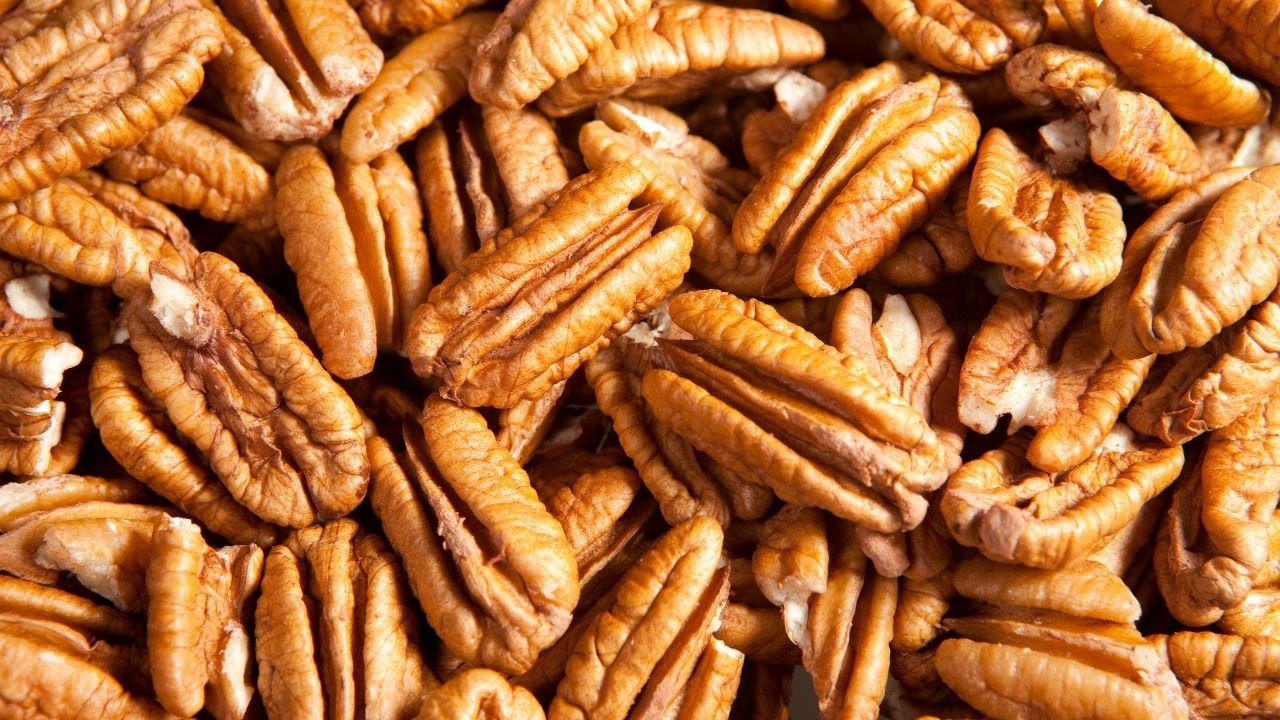
I absolutely adore pecans for their rich, buttery flavor and impressive heart health benefits! These sweet tree nuts pack a powerful punch of monounsaturated fats that help lower bad cholesterol levels while raising good cholesterol. Each handful of pecans gives you a generous dose of fiber, magnesium, and thiamin – nutrients your heart needs to stay strong and healthy. The antioxidants in pecans, particularly gamma-tocopherols, fight inflammation and protect your cardiovascular system from oxidative stress.
You’ll get maximum heart benefits by adding raw or lightly toasted pecans to your daily diet. I love sprinkling them on my morning oatmeal, tossing them into salads, or keeping a small bag in my purse for a quick afternoon snack. Studies show eating just 1-2 ounces of pecans daily can improve your cholesterol profile in as little as 8 weeks. The natural sweetness and satisfying crunch make pecans an easy addition to both sweet and savory dishes – from yogurt parfaits to roasted vegetables. Your heart will thank you for making these nutritious nuts a regular part of your meals!
Pine nuts
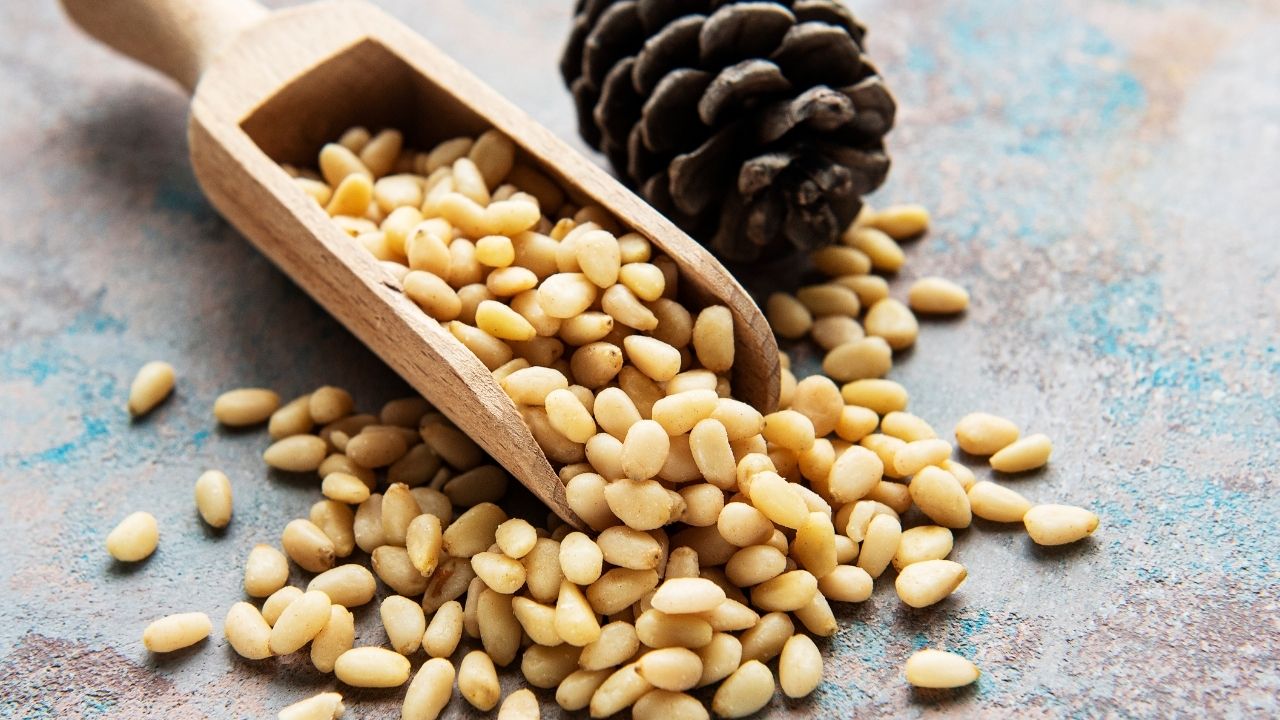
I absolutely adore pine nuts for their uniquely sweet and buttery flavor that can transform any dish into something extra special. These small but mighty nuts pack a powerful punch for your heart health, thanks to their high monounsaturated fat content and impressive levels of magnesium. The combination of these nutrients helps maintain healthy blood pressure and reduces inflammation in your cardiovascular system. Plus, pine nuts contain a specific type of fatty acid called pinolenic acid, which can help curb your appetite and support healthy cholesterol levels.
You’ll find pine nuts adding a delightful crunch to pesto, salads, and roasted vegetables – but don’t limit yourself to just these options! I love tossing them into my morning yogurt or sprinkling them over homemade bread before baking. A quarter cup serving gives you about 23% of your daily magnesium needs, which plays a key role in maintaining your heart rhythm and blood vessel function. Just remember to store them in an airtight container in your fridge or freezer to keep their delicate oils fresh and prevent them from going rancid. Their rich nutrient profile makes them worth every penny of their premium price tag.
Macadamia
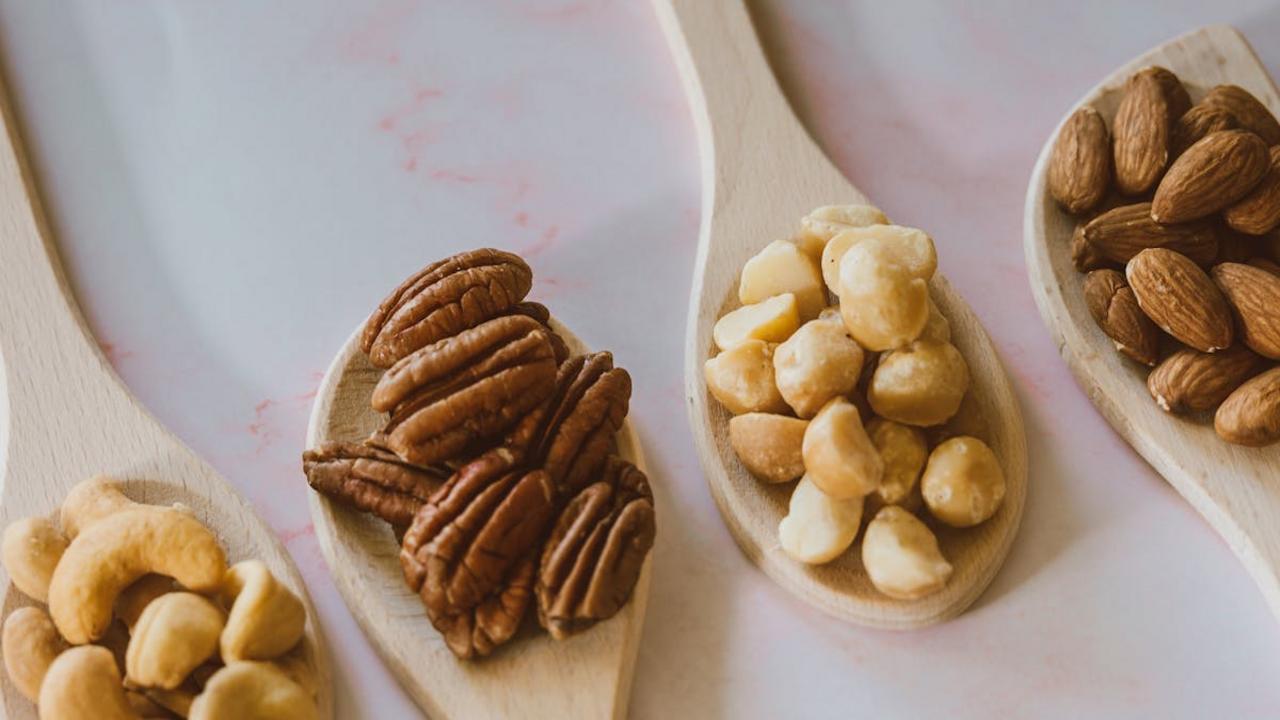
I absolutely adore macadamia nuts for their rich, buttery flavor and impressive heart benefits! These creamy little powerhouses pack a punch with their high content of monounsaturated fats – the same heart-healthy fats you’ll find in olive oil. What makes macadamias stand out is their exceptional levels of omega-7 palmitoleic acid, which can help maintain healthy cholesterol levels and reduce inflammation in your cardiovascular system.
You’ll get more than just heart protection from these Australian natives – macadamias are loaded with minerals like manganese, which supports blood clotting, and thiamin, which helps convert your food into energy. I love adding chopped macadamias to my morning oatmeal or blending them into smoothies for an extra nutritional boost. Just remember to keep portions moderate since these nuts are calorie-dense – a small handful (about 10-12 nuts) makes the perfect heart-healthy snack or recipe addition.
Walnuts
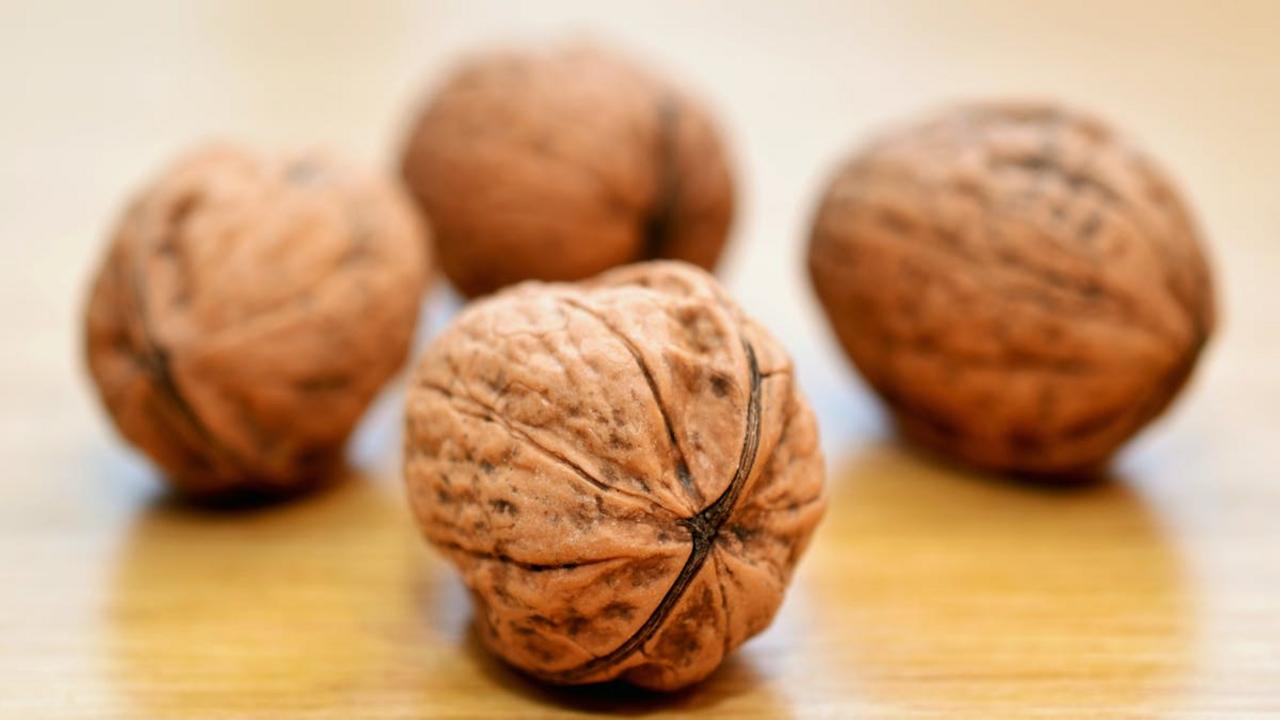
I absolutely love adding walnuts to my daily menu – these brain-shaped nuts pack a powerful punch for your heart! Rich in omega-3 fatty acids, particularly alpha-linolenic acid (ALA), walnuts stand out among other nuts for their exceptional cardiovascular benefits. Just a handful of walnuts each day can help reduce inflammation in your arteries and lower bad cholesterol levels. Plus, they contain L-arginine, an amino acid that makes your artery walls more flexible and less prone to blood clots.
You’ll find walnuts incredibly versatile in your kitchen – I sprinkle them on my morning oatmeal, toss them into salads, or blend them into smoothies for extra nutrition. These nuts also deliver a hefty dose of antioxidants, including polyphenols and vitamin E, which protect your heart cells from damage. Research shows that people who eat walnuts regularly have a 19% lower risk of cardiovascular disease. The best part? Their satisfying crunch and buttery flavor make them a perfect snack that keeps your heart happy and your taste satisfied.
Almonds
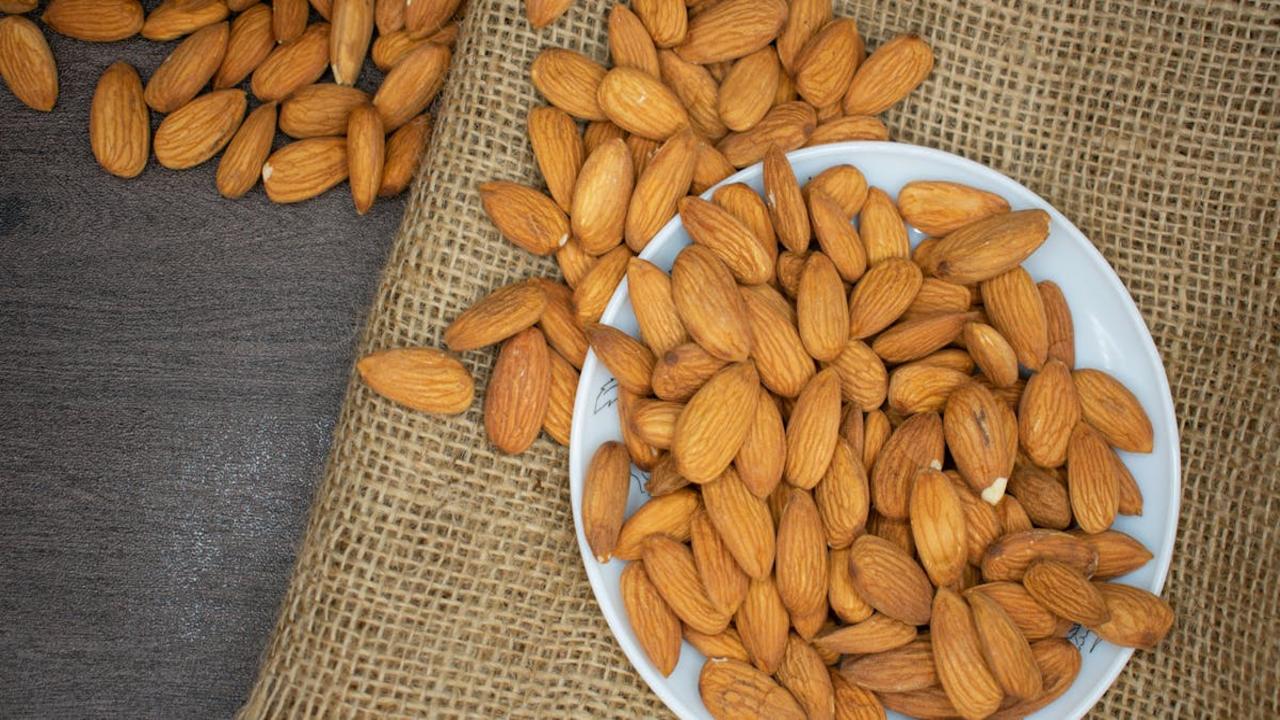
I absolutely adore almonds as a heart-healthy powerhouse! These crunchy nuts pack an impressive array of nutrients that directly support your cardiovascular system. They contain high levels of monounsaturated fats, which help lower bad cholesterol (LDL) while maintaining good cholesterol (HDL) levels. The vitamin E in almonds acts as a strong antioxidant, protecting your heart cells from damage caused by free radicals. Plus, you’ll get a generous dose of magnesium, which helps maintain healthy blood pressure and steady heart rhythm.
You can easily add almonds to your daily meals in so many delicious ways. I love sprinkling sliced almonds on my morning oatmeal or yogurt for extra crunch and nutrition. For a quick afternoon snack, I grab a handful of raw almonds – just 1 ounce (about 23 almonds) provides 6 grams of protein and 3.5 grams of fiber. You can also blend them into smoothies, make your own almond butter, or use almond flour in baking for a heart-healthy twist on your favorite recipes. Remember to choose raw or dry-roasted almonds without added oils or salt to get the most heart benefits!
Pistachios
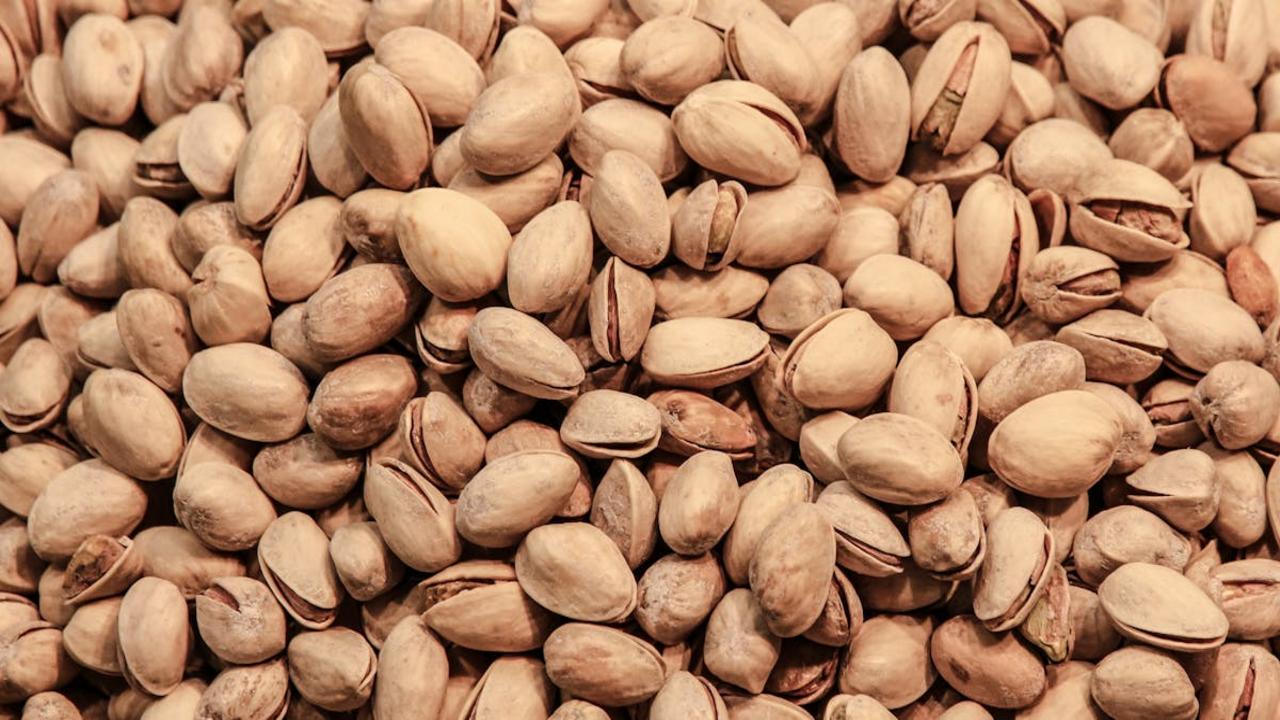
I absolutely love snacking on pistachios – these little green gems pack a powerful punch for your cardiovascular health! Rich in antioxidants, healthy fats, and fiber, pistachios can help lower your bad cholesterol levels while boosting the good ones. What makes them extra special is their high content of lutein and zeaxanthin, two compounds that fight inflammation in your blood vessels. Plus, you’ll get a nice dose of protein, about 6 grams per ounce, making them perfect for maintaining steady energy levels throughout your day.
Here’s a fun fact that always makes me smile – pistachios are one of the lowest-calorie nuts around, and the act of shelling them can actually help you eat more mindfully. I recommend adding them to your morning yogurt, sprinkling them over salads, or mixing them into homemade trail mix with dried fruits. Their distinctive flavor adds depth to both sweet and savory dishes, and research shows eating just a handful daily can improve your blood pressure numbers. Keep a small container in your bag or desk drawer for a quick heart-healthy snack whenever hunger strikes!