14 Delectable Foods to Naturally Lower Your Blood Pressure
Who knew managing blood pressure could be so mouth-wateringly good? From sweet pomegranates to rich dark chocolate, Mother Nature packed some seriously powerful compounds into our favorite foods. The best part? You won’t need any bland “health food” – these 14 foods will make your heart and taste buds equally happy.
Science shows that certain foods contain natural compounds that help relax blood vessels and reduce inflammation. Think of them as your body’s natural pressure release valves. Some work instantly, while others build up their benefits over time – but all of them belong in your regular meal rotation.
Ready for the good news? You probably already love many of these foods. And if you don’t, you’re about to discover some delicious new favorites. From creamy pistachios to bright watermelon, each item on this list pulls double duty as both medicine and treat.
Lentils
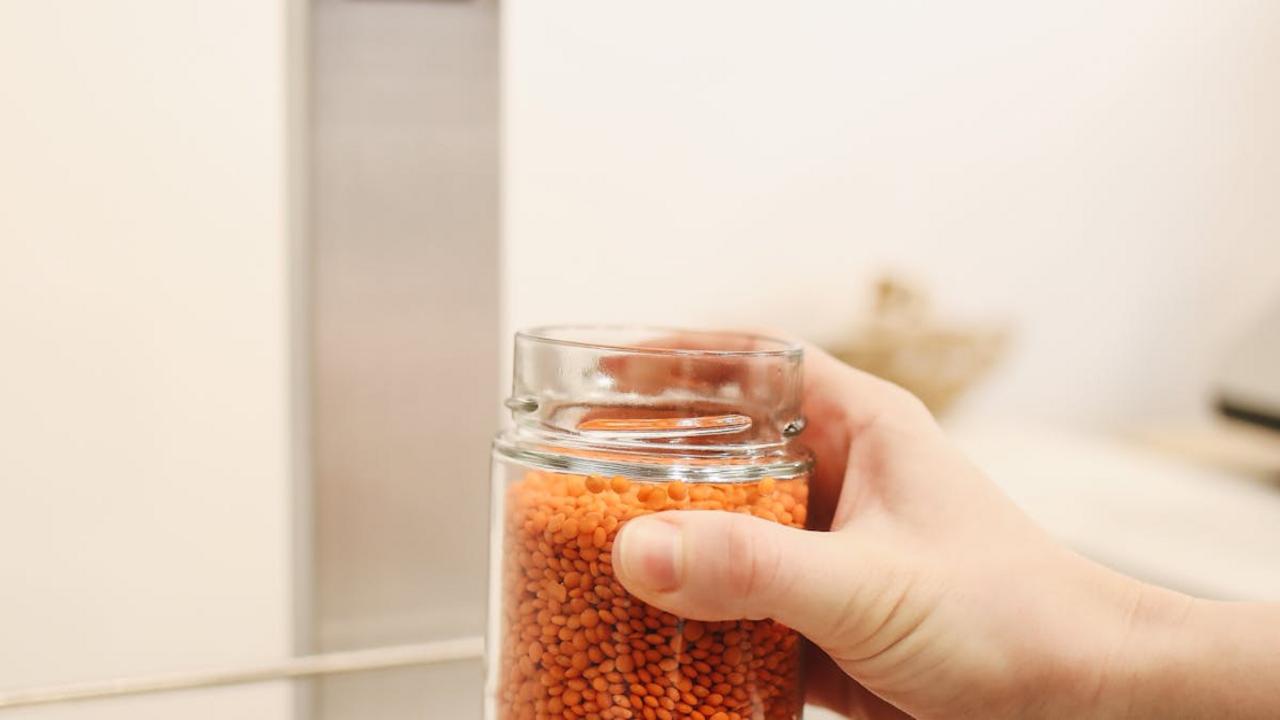
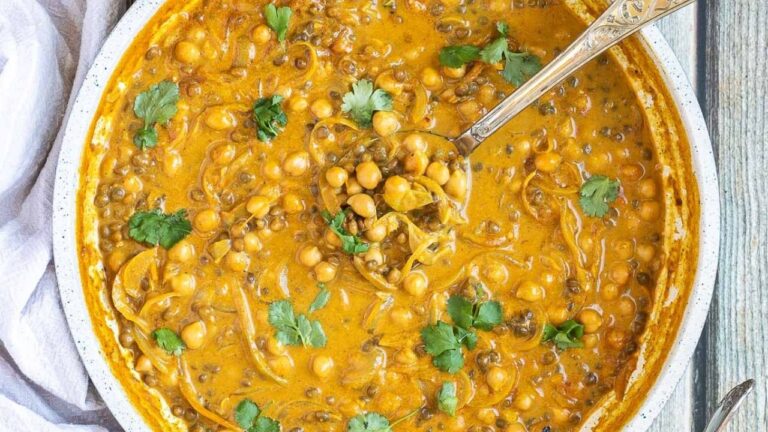
I’ve got a tiny confession – lentils might look like boring little discs, but they’re blood pressure-fighting superheroes in disguise! These protein-packed pulses contain potassium, magnesium, and fiber that work together to reduce your blood pressure naturally. My favorite part? You can grab them for pocket change at any grocery store. Plus, they pack a whopping 9 grams of protein per half cup, making them a budget-friendly alternative to meat.
Want to make lentils your new BFF? Throw them into soups, stews, or whip up a quick dal. I love tossing cooked French green lentils into my salads for extra protein punch, or making a warm Mediterranean bowl with red lentils, roasted veggies, and a sprinkle of feta. Yellow lentils transform into the creamiest soup you’ve ever had – just add some curry spices and coconut milk. They cook up in 20-30 minutes without soaking, perfect for those “I need dinner now” moments we all have!
Oats
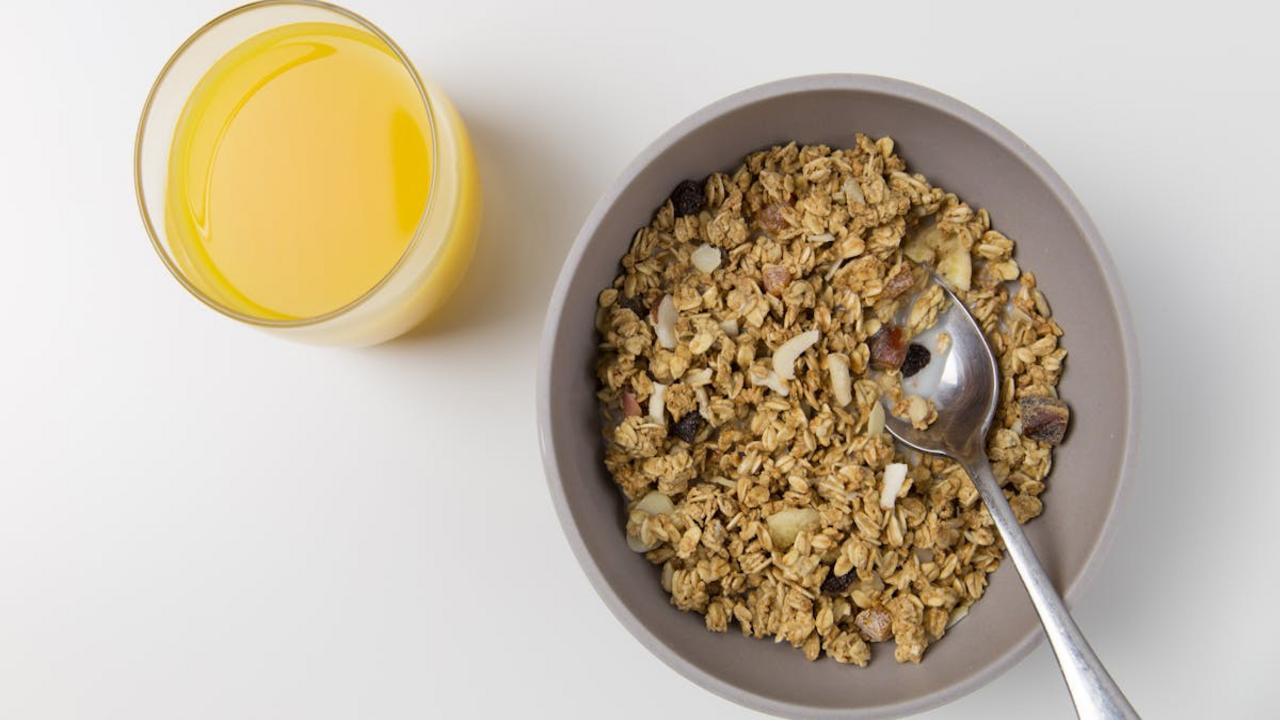
Hey, have you noticed how your grandma was onto something with her morning bowl of oatmeal? Those humble oats pack a serious punch against high blood pressure, thanks to their beta-glucan fiber content. This soluble fiber acts like a sponge, soaking up excess cholesterol and helping your heart work better. Plus, oats contain a unique compound called avenanthramides – try saying that three times fast! These compounds help relax your blood vessels, naturally bringing down that blood pressure reading.
I mix my morning oats with cinnamon, berries, and a dollop of almond butter for an extra heart-healthy boost. The best part? You can prep them a million different ways – from overnight oats to warm and creamy porridge, or even blended into smoothies. Grab the steel-cut variety for maximum benefits – they’re less processed than instant oats and keep you feeling full longer. Your heart will thank you, and your morning routine will never be boring again with these versatile grains in your pantry.
Fermented Foods
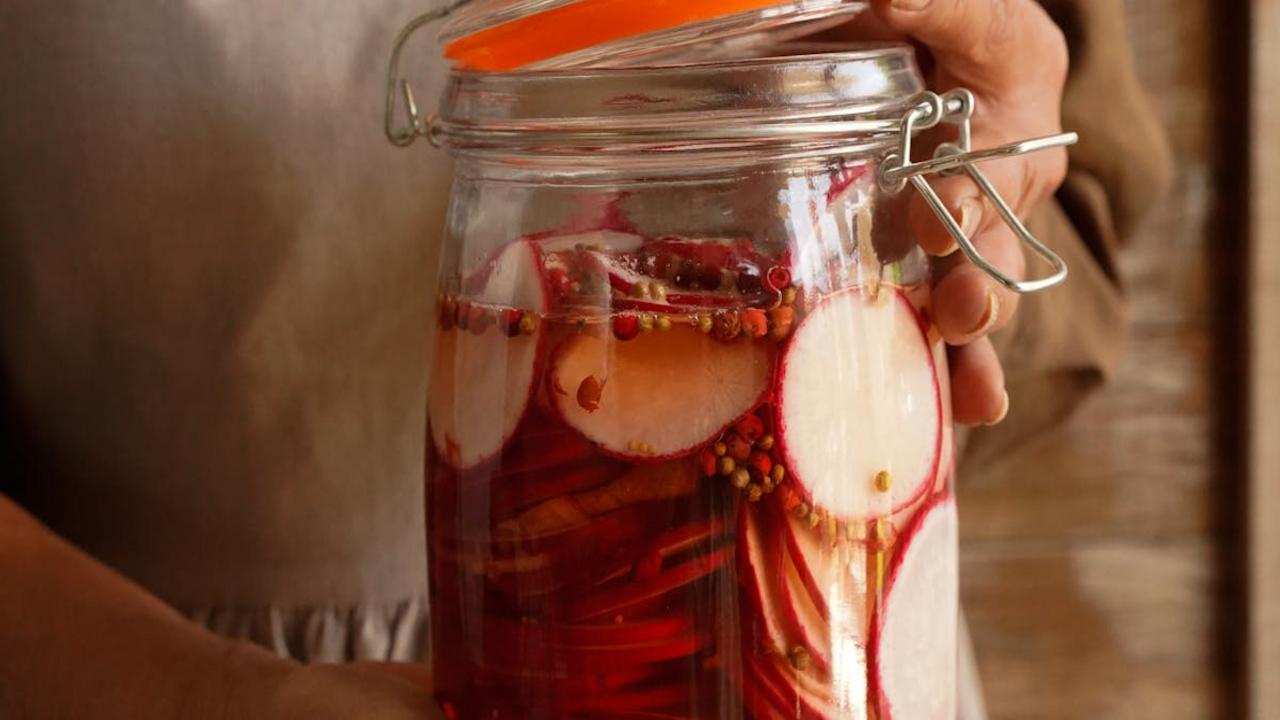
I’ve got a fun fact that’ll make you want to fill your fridge with fermented goodies right now – these tangy treats can drop your blood pressure numbers like magic! The fermentation process creates natural compounds that help relax your blood vessels and improve blood flow. From zippy kimchi to creamy kefir, and the ever-popular kombucha, you’ll find endless ways to add these probiotic powerhouses to your daily menu. Plus, the good bacteria in fermented foods boost your gut health, which directly links to better blood pressure control.
You don’t need to limit yourself to just sauerkraut (though it’s fantastic on a hot dog!). Try mixing Greek yogurt into your morning smoothie, adding fermented pickles to your sandwich, or sipping on some tangy beet kvass. My personal favorite is miso – this Japanese fermented soybean paste adds an incredible umami punch to soups and marinades while working its blood pressure-lowering magic. The best part? These foods are super easy to make at home. Just grab some fresh veggies, salt, and a clean jar, and you’re ready to start your own fermentation adventure!
Garlic
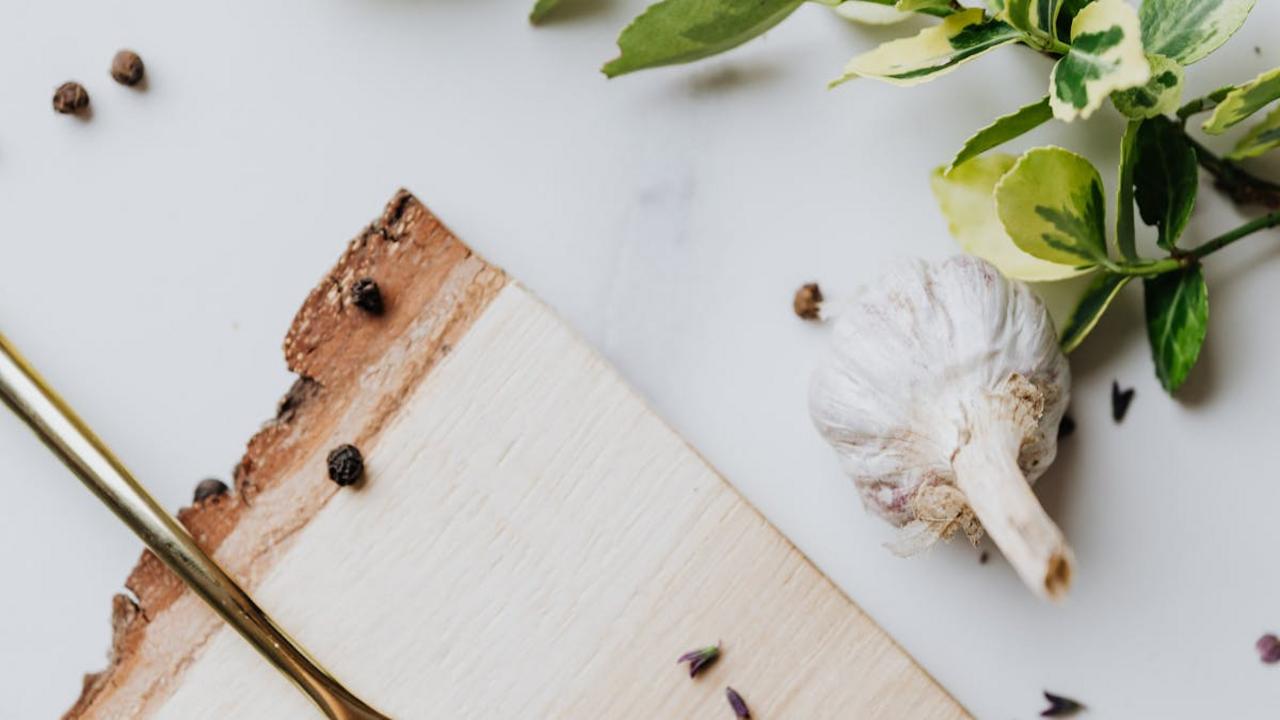
Oh, garlic – my kitchen’s most pungent superhero! This tiny but mighty bulb doesn’t just ward off vampires (and maybe a few first dates); it packs a powerful punch against high blood pressure. Studies show that garlic contains allicin, a compound that relaxes your blood vessels and helps lower blood pressure naturally. I keep a bowl of fresh garlic on my counter at all times, ready to mince into practically everything I cook – from my morning eggs to late-night pasta dishes.
You’ll love how versatile garlic can be in your daily meals. Roast whole bulbs until they’re soft and creamy, then spread the sweet, mellow cloves on whole-grain bread. Add raw minced garlic to your salad dressings or sauté it with vegetables for an instant flavor boost. Pro tip: After chopping garlic, let it rest for 10 minutes before cooking – this allows those beneficial compounds to develop fully. And if you’re worried about garlic breath, munch on fresh parsley or mint afterward – your heart and your dinner companions will thank you!
Hibiscus Tea
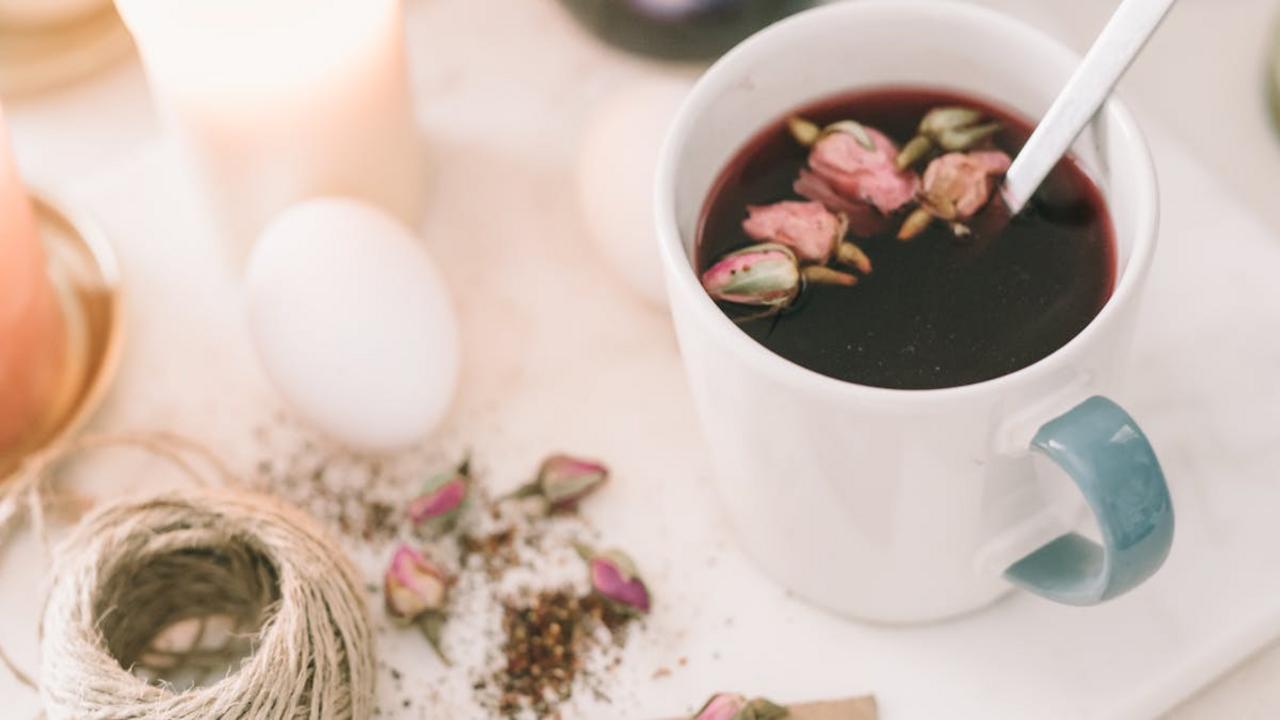
Want to sip your way to better blood pressure? Add a rosy-red cup of hibiscus tea to your daily routine! This tart and tangy drink isn’t just pretty – it packs a powerful punch in naturally lowering blood pressure. The science behind it lies in the anthocyanins and other antioxidants that help your blood vessels relax and maintain healthy blood flow. You’ll find this beautiful brew in most health food stores, and making it couldn’t be simpler – just steep the dried flowers in hot water for 5-10 minutes.
I discovered this crimson-colored gem while traveling through Mexico, where they call it “agua de Jamaica” and serve it ice-cold on hot summer days. Research shows drinking 2-3 cups daily can significantly reduce both systolic and diastolic blood pressure. Mix it with a touch of honey or mint for extra flavor, or blend it into smoothies for a refreshing twist. The best part? Unlike many supplements, this natural remedy actually adds a bright spot of joy to your daily health routine with its vibrant color and zingy flavor.
Kale
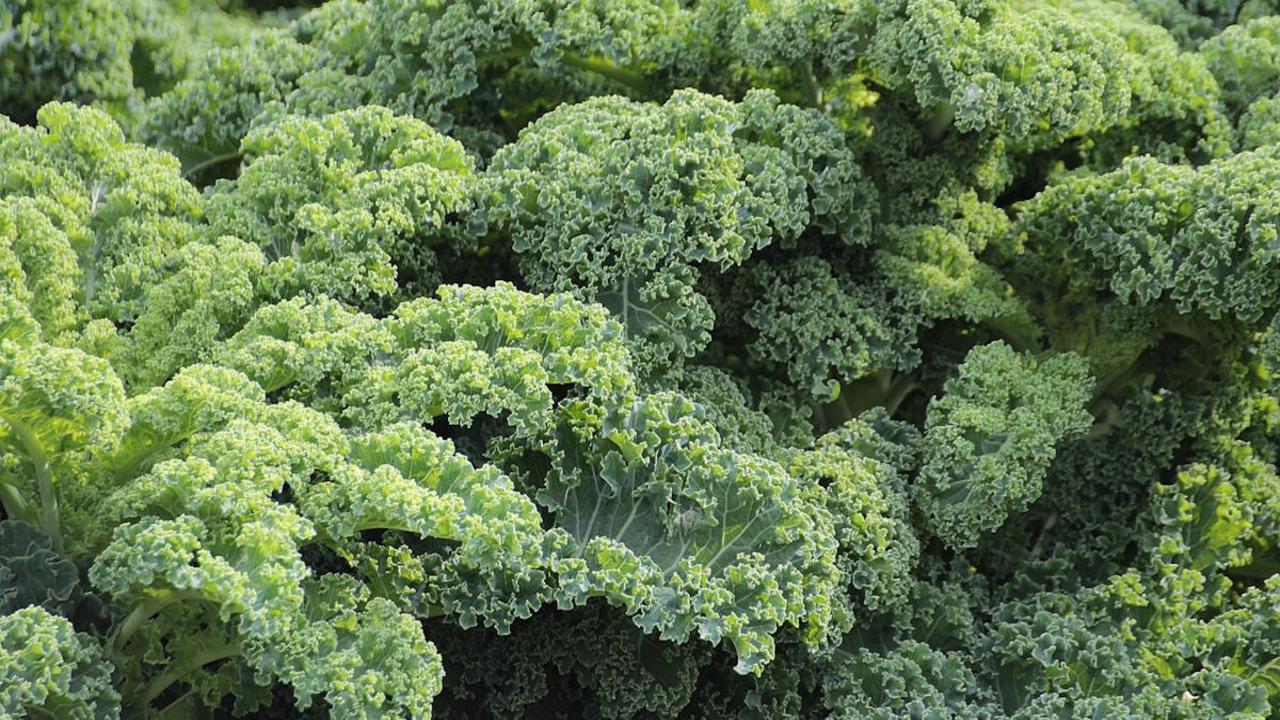
Oh my goodness, let me gush about kale – the superhero of leafy greens that’ll make your blood pressure bow down! This curly, dark green powerhouse packs a serious punch of potassium, magnesium, and fiber – three nutrients that work together like a dream team to keep your blood pressure in check. I grow kale in my backyard garden, and watching these hardy plants survive through frost and snow makes me laugh – they’re basically the Chuck Norris of vegetables, refusing to give up no matter what Mother Nature throws at them!
Want to know my favorite trick for turning kale-skeptics into devoted fans? Massage those leaves! Yes, you read that right – give your kale a mini spa treatment by rubbing it with a bit of olive oil and sea salt. This breaks down the tough fibers and transforms it from borderline rabbit food into a tender, delicious green that’ll make your heart (literally) happy. Toss it into smoothies, bake it into crispy chips, or throw it into your morning omelet – this blood pressure-fighting superstar goes with everything. My nephew now begs for “dinosaur leaves” at dinner, which counts as a major victory in my book!
Celery
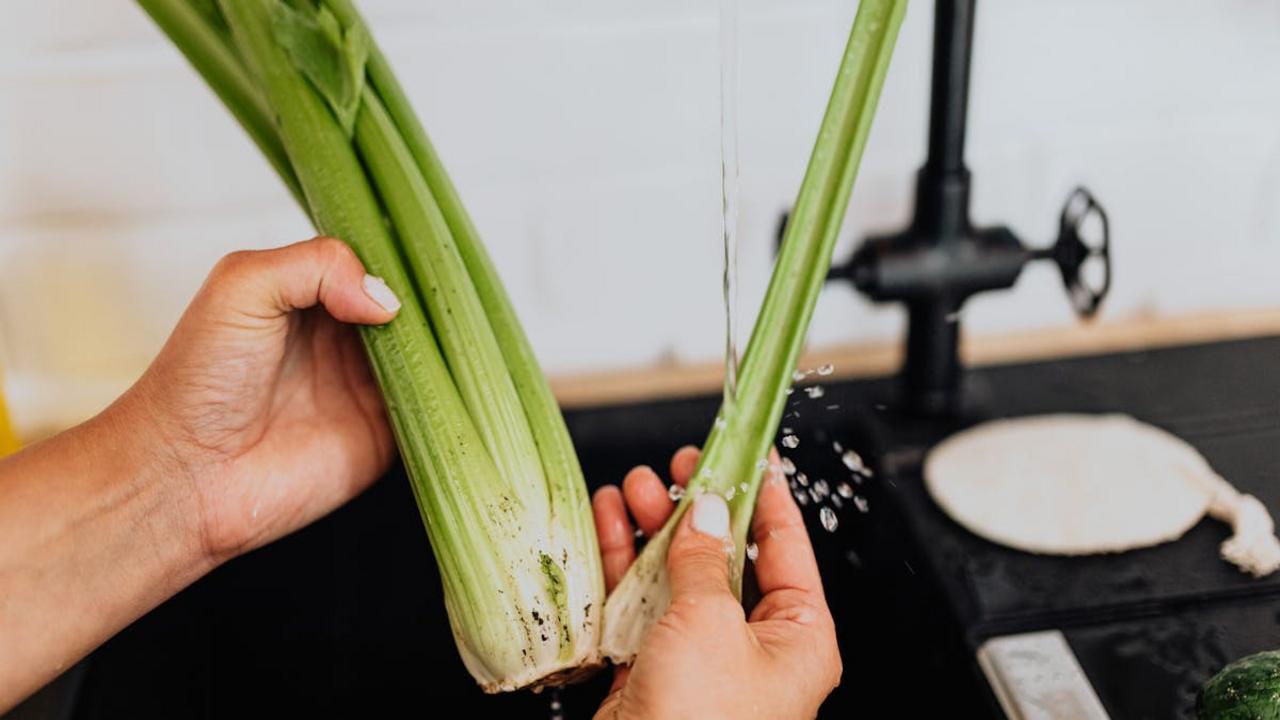
Who knew those crunchy green stalks you love dipping in ranch could help keep your blood pressure in check? Celery packs quite a punch with its natural compounds called phthalides that relax your blood vessel walls and increase blood flow. Each crisp bite delivers potassium, magnesium, and calcium – three minerals your body needs for healthy blood pressure. You’ll get the most benefit from eating about 4 stalks daily, which I find makes a perfect afternoon snack with a schmear of peanut butter.
I’ve discovered celery’s versatility goes way beyond the veggie tray. Dice it into tuna salad, blend it into green smoothies, or toss it into stir-fries for extra crunch. The leaves pack intense flavor – chop them up like herbs to garnish soups or salads. Fun fact: Ancient Romans crowned their athletes with celery wreaths, believing it brought good luck. While I can’t promise wreaths of celery will make you win races, adding this veggie to your daily menu might just help win the battle against high blood pressure!
Watermelon
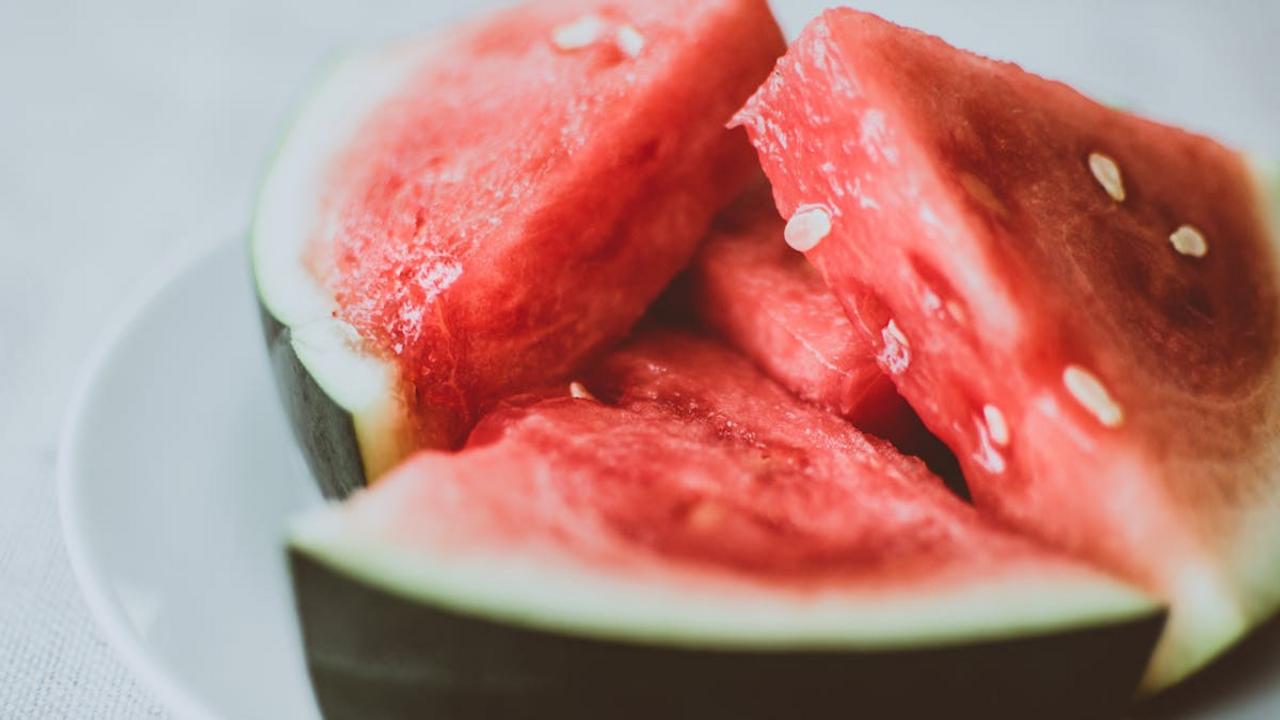
Ah, watermelon – the juicy superstar that’s not just for picnics and seed-spitting contests! This sweet, ruby-red fruit packs a powerful punch against high blood pressure, thanks to its rich L-citrulline content. Your body converts this amino acid into nitric oxide, which helps your blood vessels relax and expand. Plus, watermelon contains potassium and magnesium, two minerals that work together like a dynamic duo to keep your blood pressure in check.
Want to know something cool? Watermelon is 92% water (hence the name!), making it perfect for hydration while naturally lowering your numbers. You can enjoy it straight-up in wedges, blend it into a refreshing smoothie, or try my favorite summer trick – freeze watermelon chunks for a healthy alternative to popsicles. The best part? One cup contains only 46 calories, so you can munch away guilt-free while doing your heart a favor. Just remember to pick a melon that feels heavy for its size and has a yellow spot where it sat on the ground – that’s how you know it’s perfectly ripe!
Kiwi
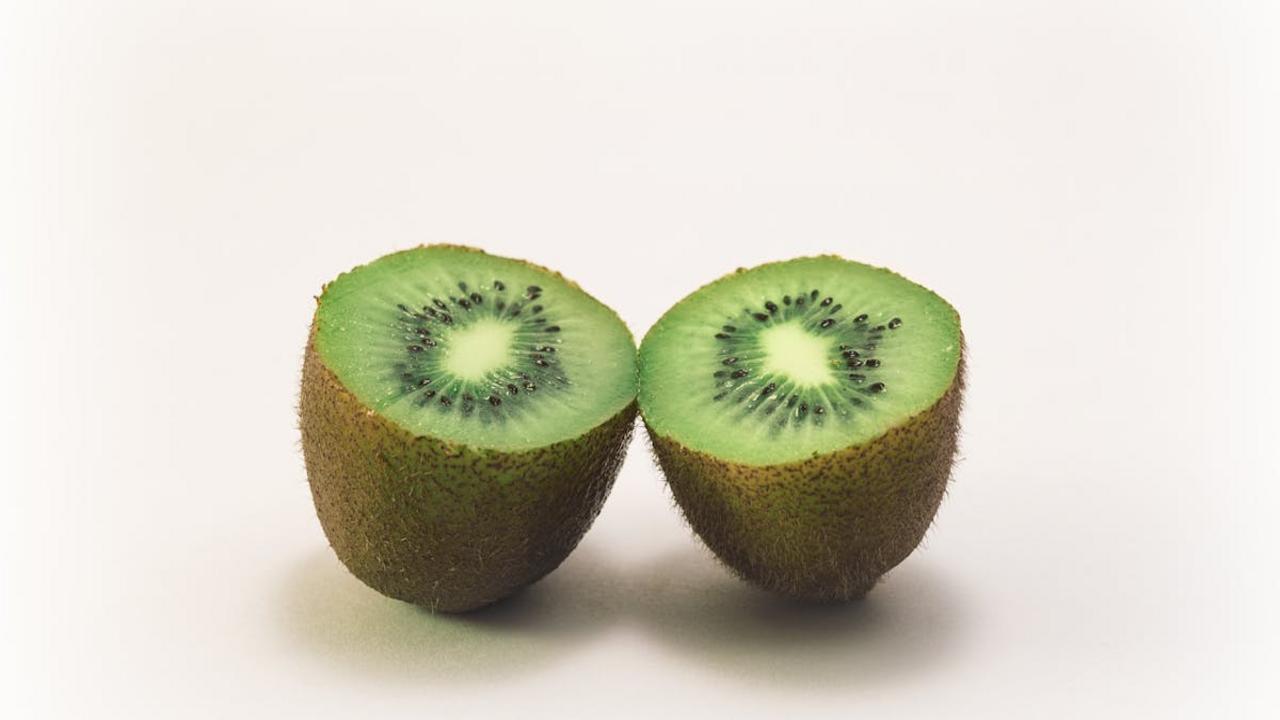
Who would’ve thought this fuzzy little fruit could pack such a powerful punch against high blood pressure? Those adorable kiwis – looking like tiny brown eggs filled with bright green sunshine – actually contain more potassium than a banana! Your blood vessels will thank you for munching on these sweet-tart gems, as their high potassium content helps balance out sodium levels and naturally brings those numbers down. I keep a bowl of these ready-to-eat treats on my kitchen counter, and yes, I’ve totally caught my cat batting them around like tiny tennis balls.
Beyond their blood pressure benefits, kiwis bring an impressive array of other health perks to your plate. Each fuzzy fruit delivers a whopping dose of vitamin C (even more than oranges!), plus fiber and antioxidants that support heart health. You can slice them into your morning yogurt, blend them into smoothies, or do what I do – cut them in half and scoop out that gorgeous green flesh with a spoon. Pro tip: if you’re feeling brave, try eating the skin! It’s completely edible and doubles your fiber intake. Just give it a good scrub first, unless you’re going for that fuzzy-tongue look.
Pistachios
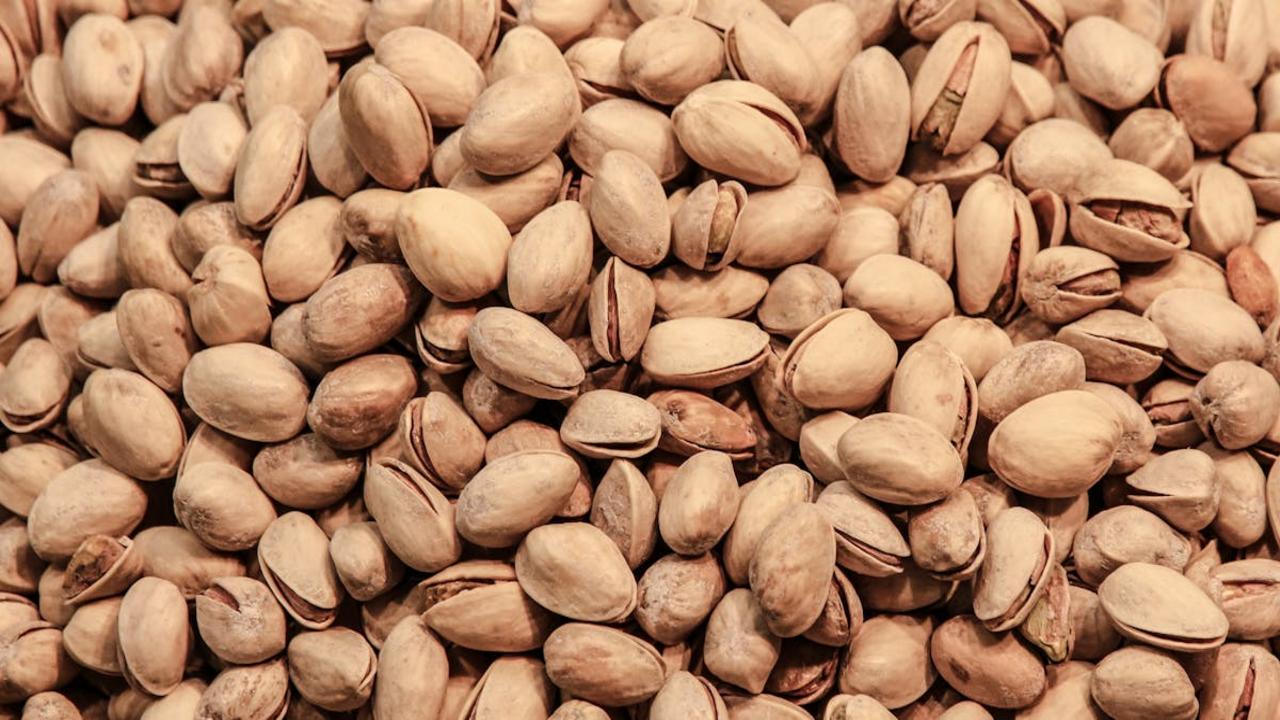
Oh, those gorgeous green gems! I can’t stop munching on pistachios, and now I have the perfect excuse – they pack a powerful punch against high blood pressure. These little nuts contain more potassium than half a banana and are loaded with magnesium, both minerals that help relax your blood vessels. Plus, they’re rich in heart-healthy fats that make your cardiovascular system do a happy dance. Want a fun fact? Pistachios are actually seeds, not nuts, and they grow in clusters like grapes on trees that can live up to 300 years!
I keep a stash of pistachios in my desk drawer for afternoon snacking, and I’ve discovered so many ways to enjoy them beyond plain snacking. Crush them up to coat chicken or fish, sprinkle them over your morning yogurt, or blend them into pesto. My favorite trick? Chop them finely and mix them into dark chocolate bark – it’s like giving your heart a hug while satisfying your sweet tooth. Just stick to about an ounce (around 49 nuts) per serving to keep calories in check while getting all those blood pressure-lowering benefits.
Dark Chocolate
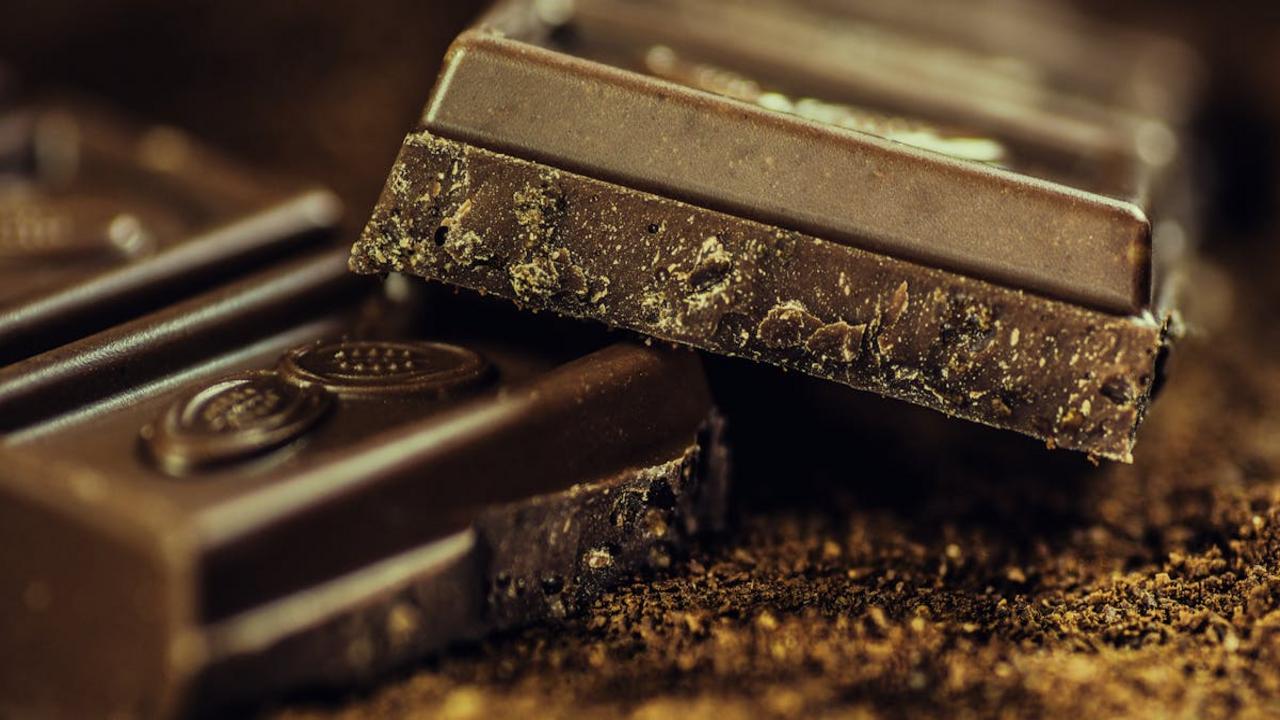
Who knew managing blood pressure could be this decadent? Dark chocolate stands out as a true health hero, packed with flavonoids that help your blood vessels relax and maintain healthy blood flow. I keep a stash of 70% dark chocolate in my desk drawer (okay, maybe multiple stashes) because just one small square delivers those beneficial compounds. The ancient Mayans called cacao “food of the gods,” and they weren’t kidding – this rich, complex treat carries serious cardiovascular benefits beneath its silky-smooth exterior.
Your best bet? Go for dark chocolate with at least 70% cacao content – the higher the percentage, the more blood pressure-lowering compounds you’ll get. The magic happens through nitric oxide, which your body produces when you eat dark chocolate. This compound signals your blood vessels to relax, helping to reduce blood pressure naturally. I recommend savoring a square or two daily, letting it melt slowly on your tongue. The flavors unfold gradually – from bitter to sweet, with hints of fruit, nuts, or even flowers. Just remember to keep portions moderate – about 1-2 ounces per day hits the sweet spot for health benefits without overdoing the calories.
Flaxseeds
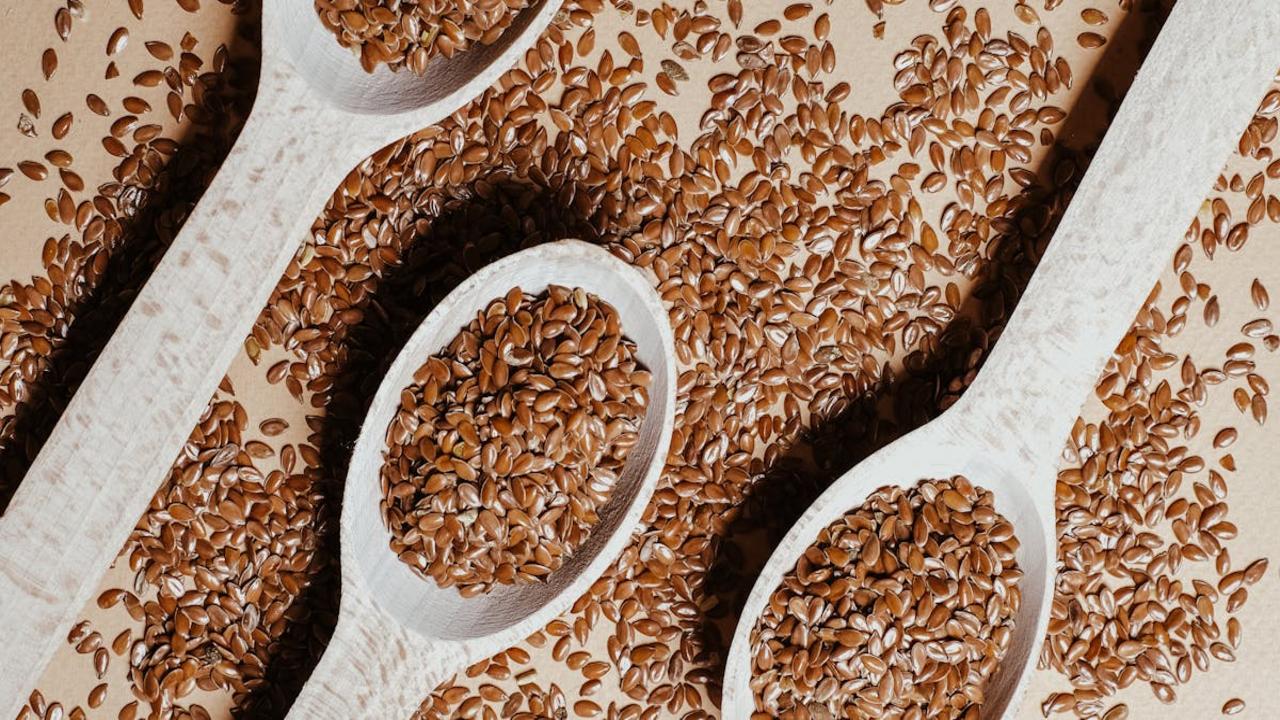
I can’t help but think of flaxseeds as nature’s tiny golden (or brown) powerhouses! These small but mighty seeds pack an omega-3 punch that’ll make your heart do a happy dance. Just two tablespoons of ground flaxseeds daily can help bring down your blood pressure numbers through their rich combo of alpha-linolenic acid and lignans. I love sprinkling them on my morning yogurt or blending them into smoothies – they add this wonderful nutty flavor that makes everything better.
Here’s a fun fact that’ll blow your mind: ancient Egyptians used flaxseeds not just for food, but also to wrap mummies! Talk about a versatile seed. Today, you can easily add these little gems to your diet by mixing them into baked goods, oatmeal, or even using them as an egg substitute in vegan recipes (1 tablespoon ground flax + 3 tablespoons water = 1 egg). Just remember to grind them first – your body can’t break down whole flaxseeds effectively, and they’ll pass right through without giving you any of their blood pressure-lowering benefits!
Pomegranate
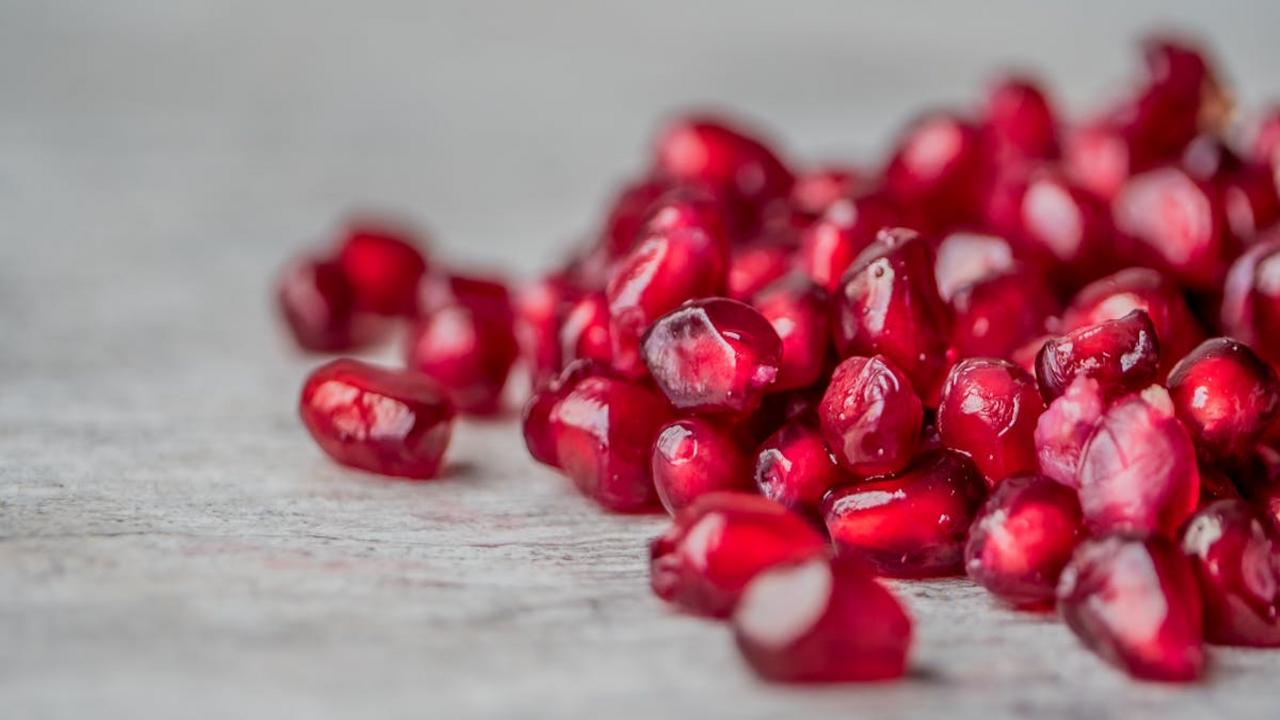
You know what looks like nature’s jewelry box? A pomegranate! Those glistening ruby-red seeds (called arils) pack a powerful punch against high blood pressure. Each juicy burst contains polyphenols and potassium that work together to keep your blood vessels happy and relaxed. I used to think cracking open a pomegranate was like solving a puzzle until my neighbor showed me the “underwater method” – just split it in a bowl of water and the seeds float while the white stuff sinks!
Research shows drinking pomegranate juice daily can reduce systolic blood pressure by up to 5%. The fruit’s natural compounds help your body produce nitric oxide, which opens up your blood vessels for better flow. My favorite winter breakfast? Greek yogurt topped with pomegranate seeds and a drizzle of honey. Or try this quick trick: freeze the arils and pop them in sparkling water for a fancy, heart-healthy mocktail that’ll make you feel like you’re sipping something special at a high-end spa!
Beets
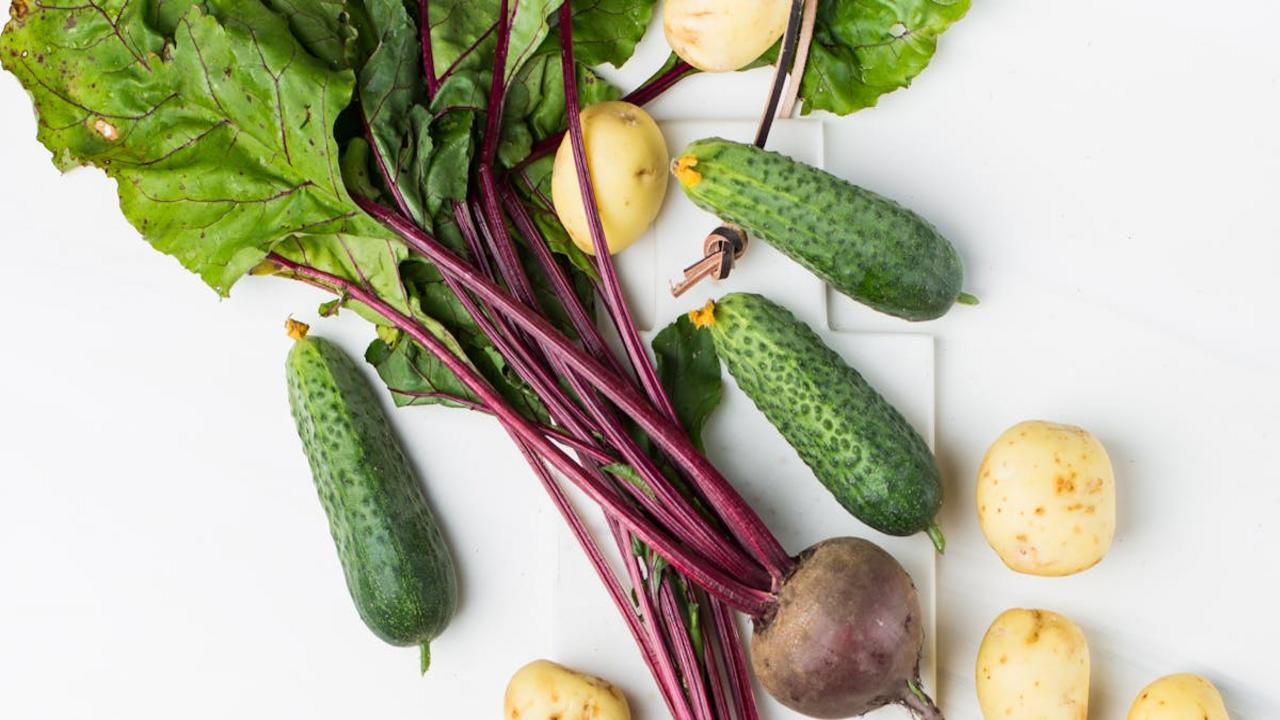
I used to walk right past beets at the grocery store, dismissing them as those weird purple things that stain everything. But here’s the kicker – these vibrant root vegetables are absolute superstars at lowering blood pressure! Their secret weapon? They’re packed with nitrates that your body converts into nitric oxide, which helps your blood vessels relax and expand. Just one cup of beet juice can lower your blood pressure within hours. Plus, you’ll get a hefty dose of potassium, magnesium, and fiber – all natural blood pressure fighters.
You don’t need to drink straight beet juice to reap the benefits (though you totally can). Roast them with olive oil and herbs for a sweet, earthy side dish, grate them raw into salads for extra crunch, or blend them into smoothies with berries to mask their earthiness. My favorite trick? I dice and roast a big batch on Sunday, then add them to grain bowls and sandwiches throughout the week. The natural sweetness of beets pairs perfectly with tangy goat cheese, crunchy walnuts, or fresh oranges. Your heart will thank you, and your plate will look Instagram-worthy with those gorgeous jewel tones.