14 Iconic Foods Worth Adding to Your Bucket List
Listen, I’ve spent years chasing the perfect bite across continents, and trust me—some foods are worth planning entire vacations around. We’re talking about those legendary dishes that make you close your eyes, do a little happy dance, and immediately text your friends about the life-changing experience you just had.
From Mediterranean sea bass that practically melts off the fork to New York cheesecake so rich it should come with a warning label, these fourteen foods represent the holy grail of eating. Each one tells a story—whether it’s a French baker who perfected croissants at 4 AM or a pitmaster who guards their brisket secrets like state classified information.
So grab your stretchy pants and prepare for some serious food envy. These aren’t just meals; they’re edible adventures that’ll have you booking flights and clearing your calendar faster than you can say “extra sauce, please.”
Fresh California Sushi Roll
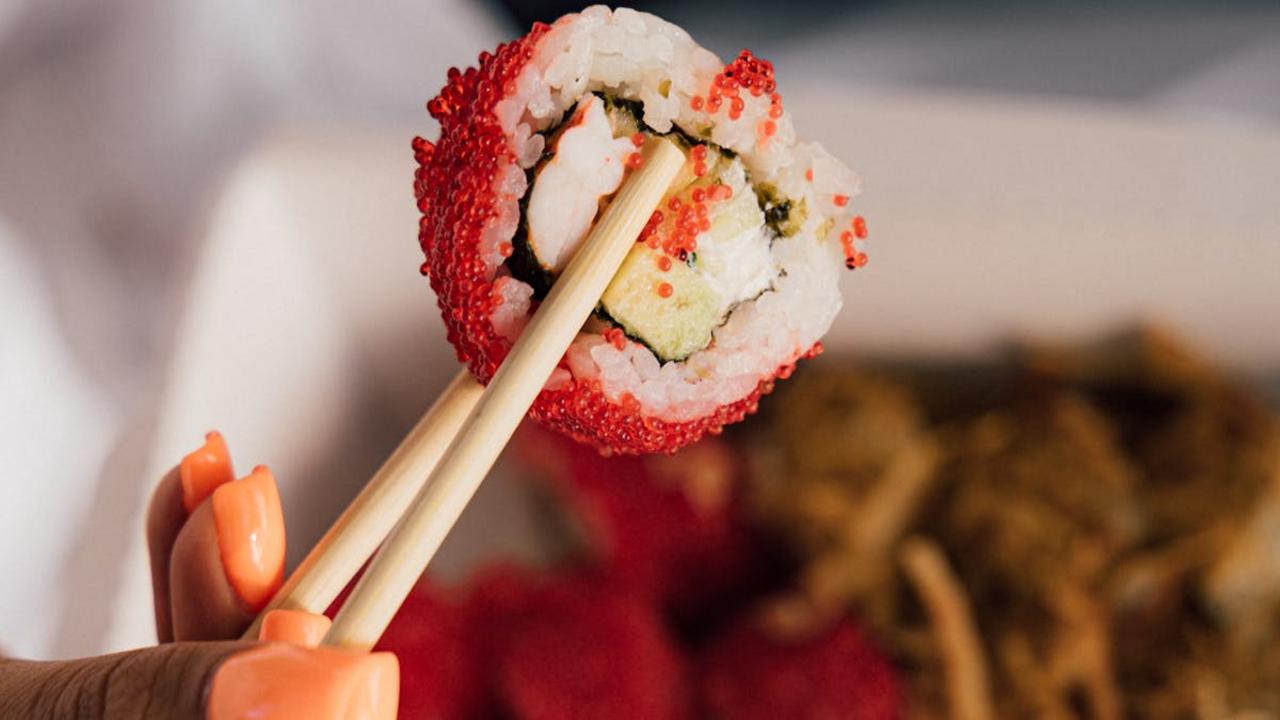
You know that moment when someone mentions “authentic sushi” and immediately dismisses the California roll as some kind of American food crime? Well, those purists can take their pretentious chopsticks and sit down because this inside-out masterpiece deserves serious respect. Born in the 1960s at Tokyo Kaikan in Los Angeles (yes, created by a Japanese chef, thank you very much), this roll changed everything by flipping tradition inside-out—literally. The nori seaweed wraps around the filling while the rice sits on the outside, making it less intimidating for Americans who weren’t ready to bite into what looked like edible pond scum.
Picture this: silky avocado that practically melts on your tongue, sweet imitation crab that’s surprisingly addictive, and crisp cucumber adding that perfect crunch—all wrapped up in perfectly seasoned sushi rice and crowned with a sprinkle of sesame seeds. The genius lies in its simplicity and the way it tricks your mouth into experiencing multiple textures at once. Sure, food snobs might roll their eyes, but this roll single-handedly opened the floodgates for sushi popularity in America. Without it, we might never have gotten adventurous enough to try uni or start arguing about the proper way to eat sashimi. So grab those chopsticks (or your fingers, I won’t judge) and give credit where credit is due to this gateway roll that launched a thousand sushi addictions.
Slow Cooked Beef Brisket
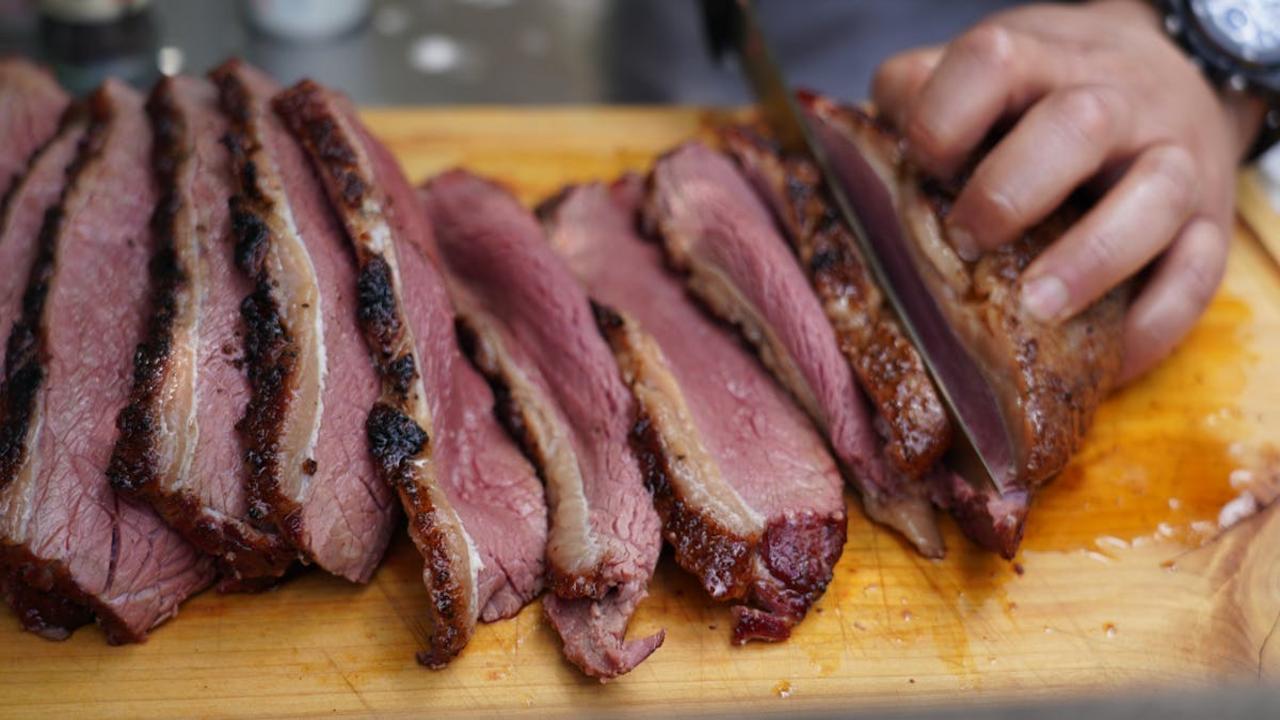
Picture this: you wake up on a Saturday morning, and your house already smells like heaven had a barbecue. That’s the magic of slow-cooked beef brisket, a dish that transforms the toughest cut of meat into something so tender you could cut it with a butter knife. This isn’t just cooking; it’s alchemy. You take what butchers once considered scraps, season it with love and patience, then let time work its magic for 12-16 hours. The result? Meat that falls apart at the gentlest touch, infused with smoky goodness that makes grown adults weep tears of joy.
Here’s what makes brisket truly special: it’s stubborn as a mule until you show it who’s boss with low, slow heat. The secret lies in that beautiful fat cap and those tough muscle fibers that need time to break down into pure, melty perfection. Fun fact: competitive pitmasters guard their brisket recipes more fiercely than state secrets, and some have been known to wake up at 2 AM just to check their smokers. Whether you’re smoking it Texas-style with just salt and pepper, or going Kansas City with a sweet, molasses-heavy rub, brisket teaches you patience in the most delicious way possible. Trust me, your first perfect brisket will ruin you for all other meats.
Handmade Ice Cream
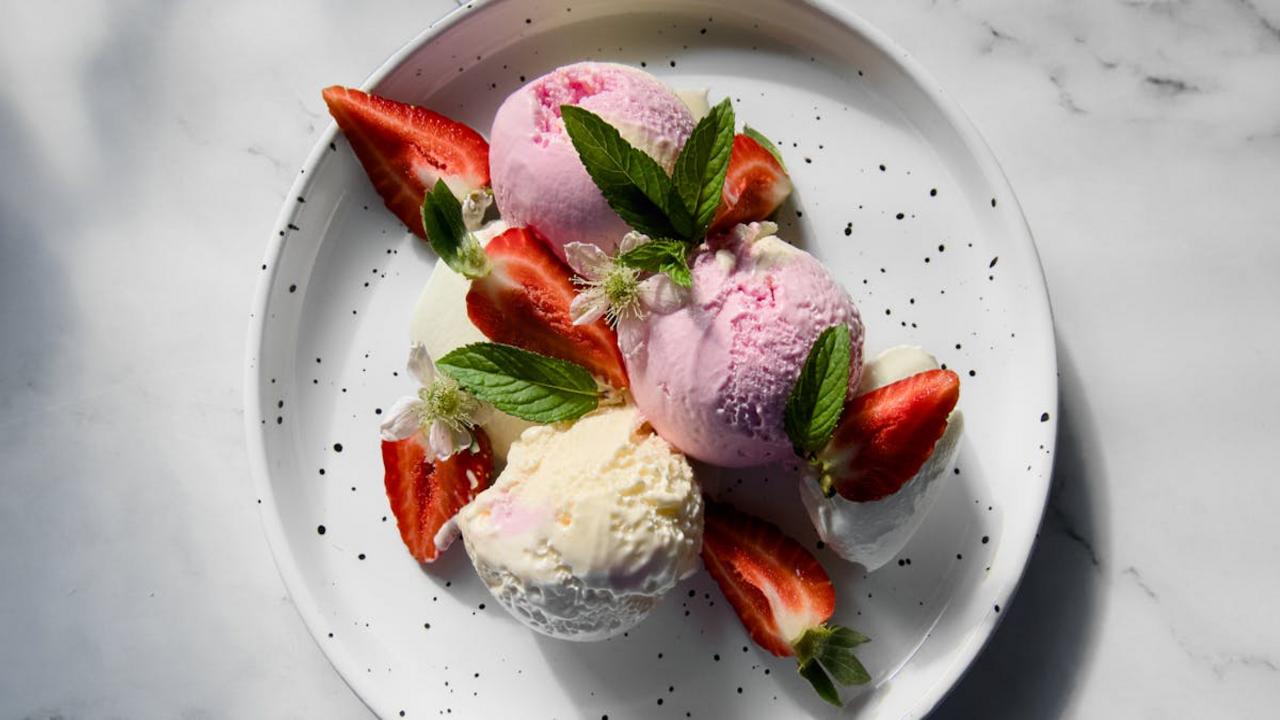
You know that moment when you watch someone actually churn ice cream by hand, and you realize your relationship with frozen desserts has been built on lies? Real handmade ice cream – the kind where someone stands there for twenty minutes working those muscles like they’re training for the Olympics – produces something so ridiculously superior to store-bought that it’s almost insulting to call them the same thing. The texture alone will make you question every pint of Ben & Jerry’s you’ve ever consumed in your pajamas at 2 AM.
Here’s a fun fact that’ll blow your mind: before electric churns existed, families would literally take turns cranking ice cream for hours during social gatherings, which sounds like the most delicious form of medieval torture ever invented. The salt-and-ice method they used drops the temperature so dramatically that cream transforms into this silky, dense masterpiece that melts on your tongue like a cloud made of happiness. Whether you’re watching a street vendor in Italy spin gelato with wooden paddles or visiting that quirky farm stand where the owner still uses her grandmother’s 1940s hand-crank machine, you’re witnessing pure magic happen. Pro tip: always go for the weird flavors – anyone can make vanilla, but it takes real skill to nail lavender honey or brown butter sage.
Classic Fish and Chips
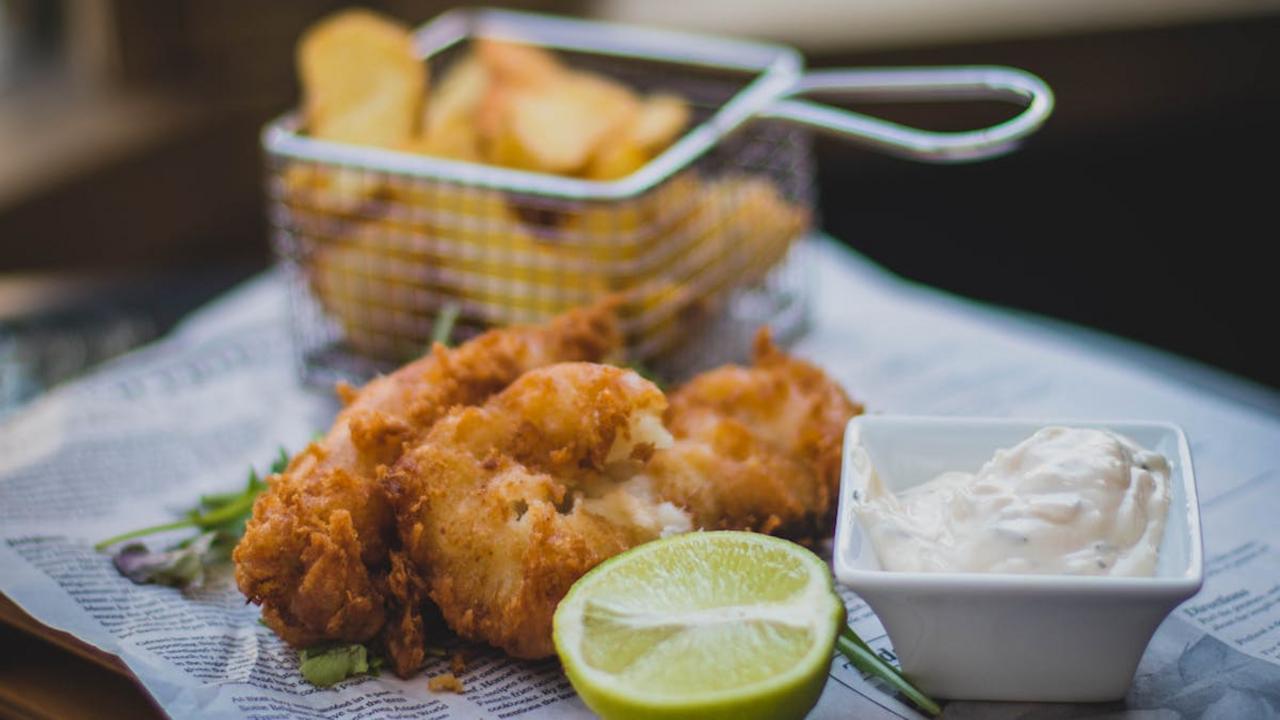
You haven’t truly lived until you’ve stood on a windswept British pier, clutching a newspaper-wrapped parcel of golden fish and chips while seagulls plot their aerial assault on your dinner. This isn’t just food—it’s a full-contact sport where you battle the elements, aggressive birds, and the eternal question of whether to use malt vinegar or go rogue with ketchup. The perfect fish and chips combo features a flaky white fish (cod or haddock, please) encased in batter so crispy it practically sings, paired with chips thick enough to use as edible weapons against hungry tourists.
Here’s a fun fact that’ll make you the hit of your next dinner party: fish and chips actually started as separate street foods until some genius in the 1860s realized they belonged together like peanut butter and jelly, but with more grease and significantly better stories. The dish became so iconic during World War II that Winston Churchill refused to ration it, declaring fish and chips “the good companions” that kept British morale afloat. Pro tip from someone who’s sampled this masterpiece from London to Edinburgh: always ask for “scraps” (those crispy batter bits) and never, ever eat it with a fork unless you want to be politely escorted out of the chippy by a mob of tutting locals.
New York Cheesecake
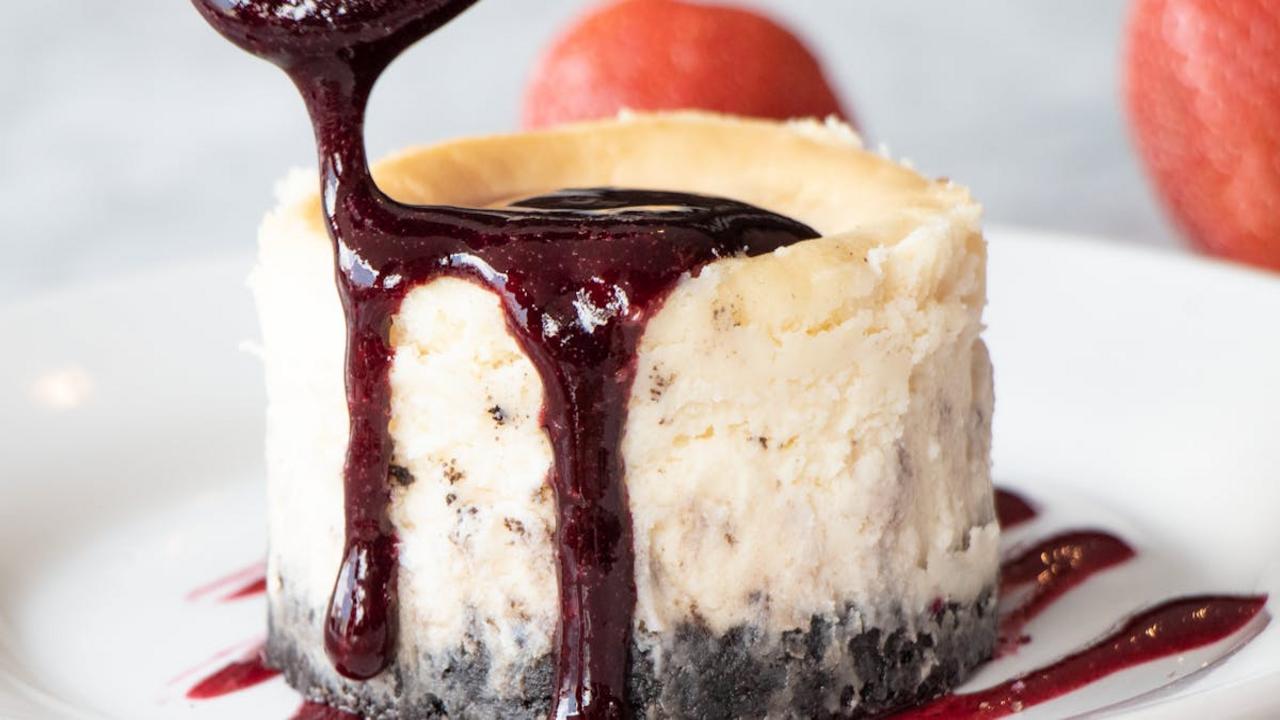
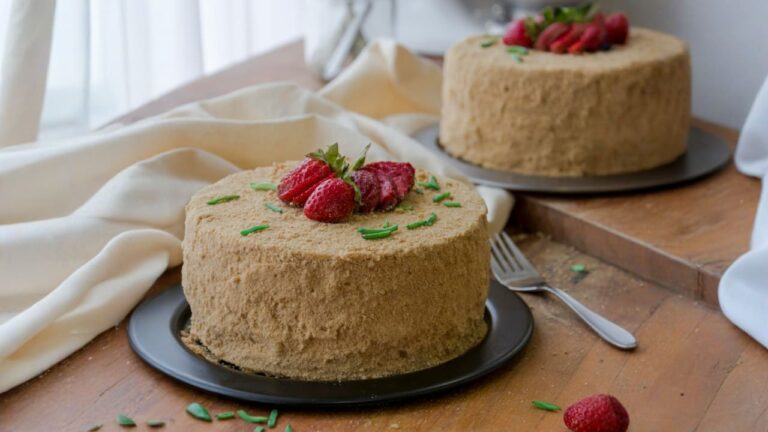
Picture this: you’re sitting in a dimly lit Manhattan diner at 2 AM, and someone slides a slice of New York cheesecake across the table. That first bite hits you like a creamy revelation – dense, rich, and so perfectly tangy that you wonder if clouds are made of cream cheese. This isn’t your grandmother’s fluffy dessert; this is serious business. New York cheesecake demands respect with its towering height, usually standing four inches tall like a delicious skyscraper, and its signature crack-free top that bakers achieve through precise oven temperatures and water baths that would make a spa jealous.
The secret lies in the simplicity – cream cheese, eggs, sugar, and just enough sour cream to make your face do that happy pucker. Junior’s in Brooklyn has been perfecting this formula since 1950, and their recipe remains so closely guarded that employees probably sign contracts written in graham cracker crumbs. Here’s a fun fact: the original cheesecake actually came from ancient Greece, but New Yorkers took one look at that Mediterranean version and said, “Hold my bagel.” They transformed it into the dense, creamy monument we know today, proving once again that New Yorkers don’t just make things bigger – they make them better, one cream cheese pound at a time.
Grilled Ribeye Steak
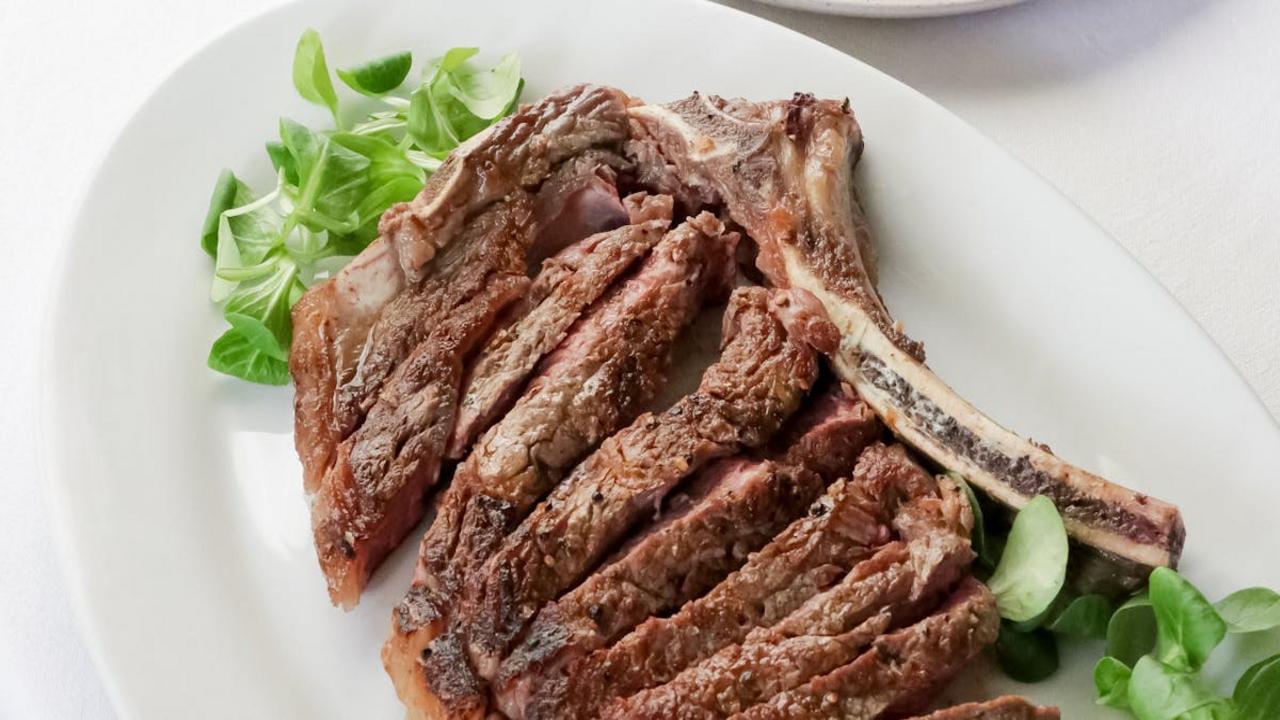
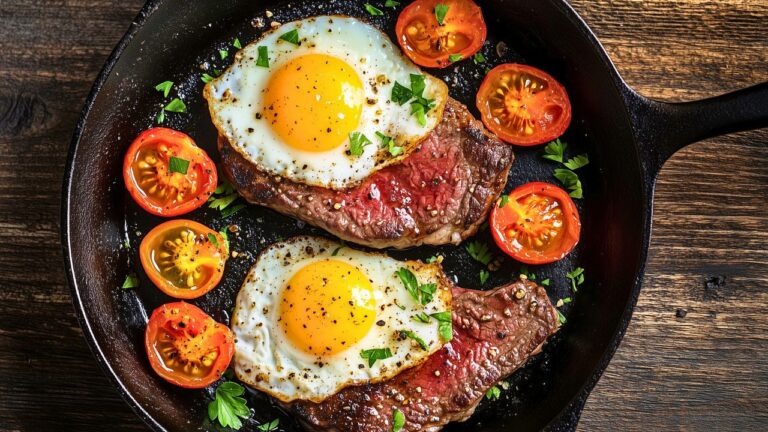
Here’s the thing about ribeye steak: it’s basically the Brad Pitt of the meat world—ridiculously good-looking, universally loved, and guaranteed to make you weak in the knees. This marbled masterpiece comes from the rib section of the cow, where all the magic happens thanks to those gorgeous fat streaks running through the meat like little rivers of flavor. Fun fact: those marbling patterns are so prized that Japanese Wagyu ribeyes get graded like precious gemstones, and some can cost more than your monthly rent. When you slap one of these bad boys on a screaming hot grill, the fat renders into pure liquid gold, basting the meat from the inside out.
Grilling the perfect ribeye is like conducting an orchestra—timing, temperature, and technique all need to work together in beautiful harmony. You want that grill so hot it could probably power a small village, then give your steak a good sear to create that coveted crust while keeping the inside tender and juicy. The USDA recommends cooking beef to 145°F for medium-rare, but honestly, your meat thermometer is your best friend here. Pro tip from someone who’s burned more steaks than I care to admit: let that beautiful piece of beef rest for at least five minutes after grilling, or all those precious juices will run away faster than kids from vegetables. Trust me, patience pays off when you sink your teeth into that first heavenly bite.
Traditional Apple Pie
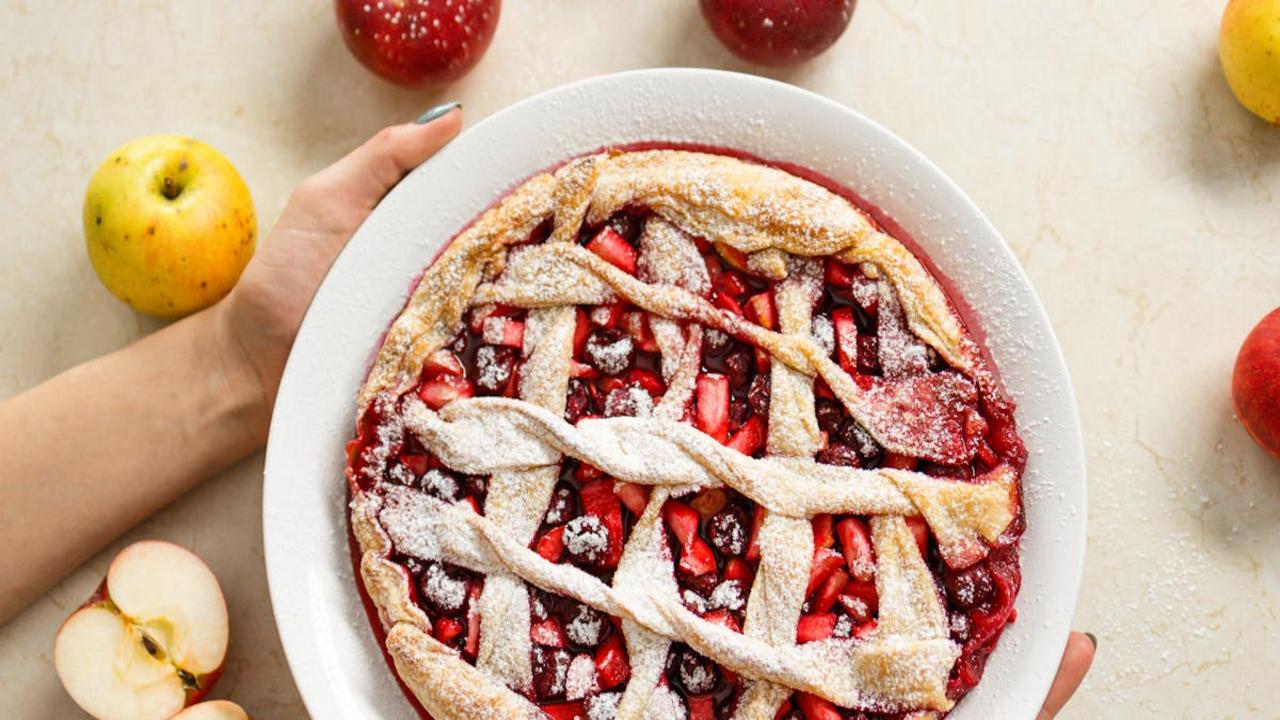
Nothing says “comfort food royalty” quite like a golden-brown apple pie cooling on your windowsill, steam escaping through those perfectly imperfect lattice slits. This American classic has been making people weak in the knees since colonial times, when resourceful bakers discovered that tossing tart apples with cinnamon and sugar, then wrapping the whole mess in buttery pastry, created pure magic. Fun fact: the phrase “as American as apple pie” is hilariously ironic since apples aren’t even native to North America! European settlers brought both the fruit and the recipe, but we Americans perfected the art of making it ridiculously delicious.
The secret to pie perfection lies in choosing the right apple varieties – Granny Smith for tartness, Honeycrisp for sweetness, or mix several types like a mad scientist creating the ultimate flavor bomb. Your crust should shatter at first bite, revealing tender apples swimming in their own caramelized juices, with just enough cinnamon to make your kitchen smell like heaven’s bakery. Skip the store-bought versions that taste like cardboard and disappointment. Instead, roll up your sleeves, flour your countertops, and prepare for the most rewarding kitchen adventure of your life. Serve it warm with vanilla ice cream melting into sweet pools of pure bliss.
Japanese Style Ramen
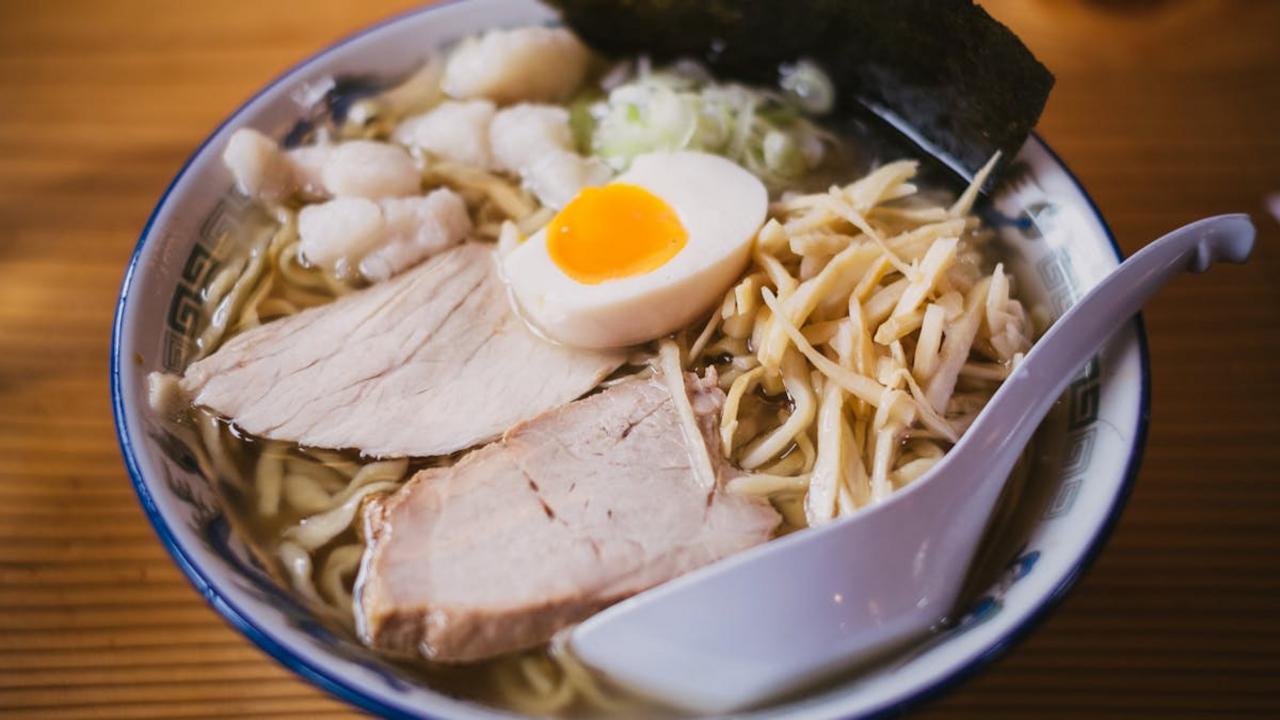
You know that moment when you slurp your first proper bowl of Japanese ramen and suddenly every instant noodle packet you’ve ever eaten feels like a personal betrayal? That’s the magic we’re dealing with here. Real Japanese ramen isn’t just soup with noodles thrown in—it’s an intricate dance of umami that took centuries to perfect. The broth alone can simmer for 20+ hours, extracting every ounce of flavor from pork bones, chicken carcasses, or vegetables until it reaches that silky, soul-warming consistency that makes you want to drink it straight from the bowl (and honestly, no judgment if you do).
Here’s something that’ll blow your mind: there are over 200 distinct regional ramen styles across Japan, each with its own personality quirks. Hakata-style tonkotsu from Fukuoka is rich and creamy like liquid comfort, while Tokyo’s shoyu ramen keeps things clean and salty. Then you’ve got Sapporo’s miso ramen that’ll warm you from the inside out during those brutal winters. The noodles themselves are an science—alkaline water gives them that perfect chewy bounce that pairs beautifully with each specific broth type. Pro tip: never be shy about the slurping! It’s not just acceptable, it’s actually encouraged because it aerates the broth and enhances all those complex flavors hitting your palate.
Fresh Maine Lobster
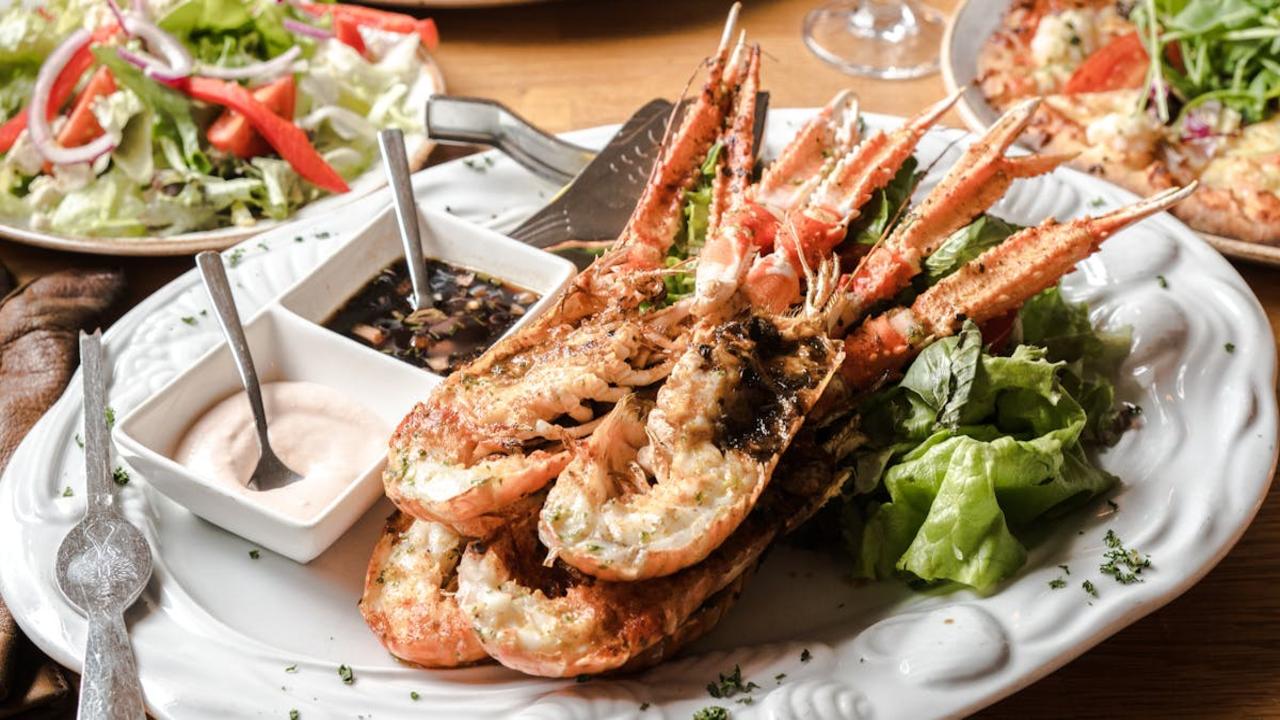
Picture this: you’re sitting on a weathered dock in Bar Harbor, wearing a plastic bib that makes you look like a giant toddler, and you’re about to crack open what might be the most expensive sandwich filling on earth. Fresh Maine lobster isn’t just seafood—it’s a religious experience that converts even the most devoted landlubbers into temporary Mainers. These crimson crustaceans spend their lives scuttling around the cold Atlantic waters, building up sweet, tender meat that’s so good it makes you wonder why anyone bothers with imitation crab. Fun fact: lobsters were once considered peasant food and fed to prisoners so frequently that Massachusetts actually passed laws limiting how often inmates could be served lobster. Talk about a glow-up!
The best way to eat Maine lobster is the messiest way possible—steamed whole with nothing but melted butter and maybe a squeeze of lemon. Sure, you can get fancy lobster rolls or thermidor, but there’s something primal and satisfying about wrestling with claws and crackers, extracting every morsel of meat like you’re solving a delicious puzzle. Pro tip: always ask for extra napkins because you’re going to need them, and don’t be shy about making those embarrassing slurping sounds—it’s practically mandatory. The sweet, briny meat has this incredible texture that’s firm yet tender, and when you dip it in warm butter, you’ll understand why people mortgage their houses for Maine vacation homes. Just remember, a real Maine lobster should be so fresh it practically swam to your plate.
Italian Wood Fired Pizza
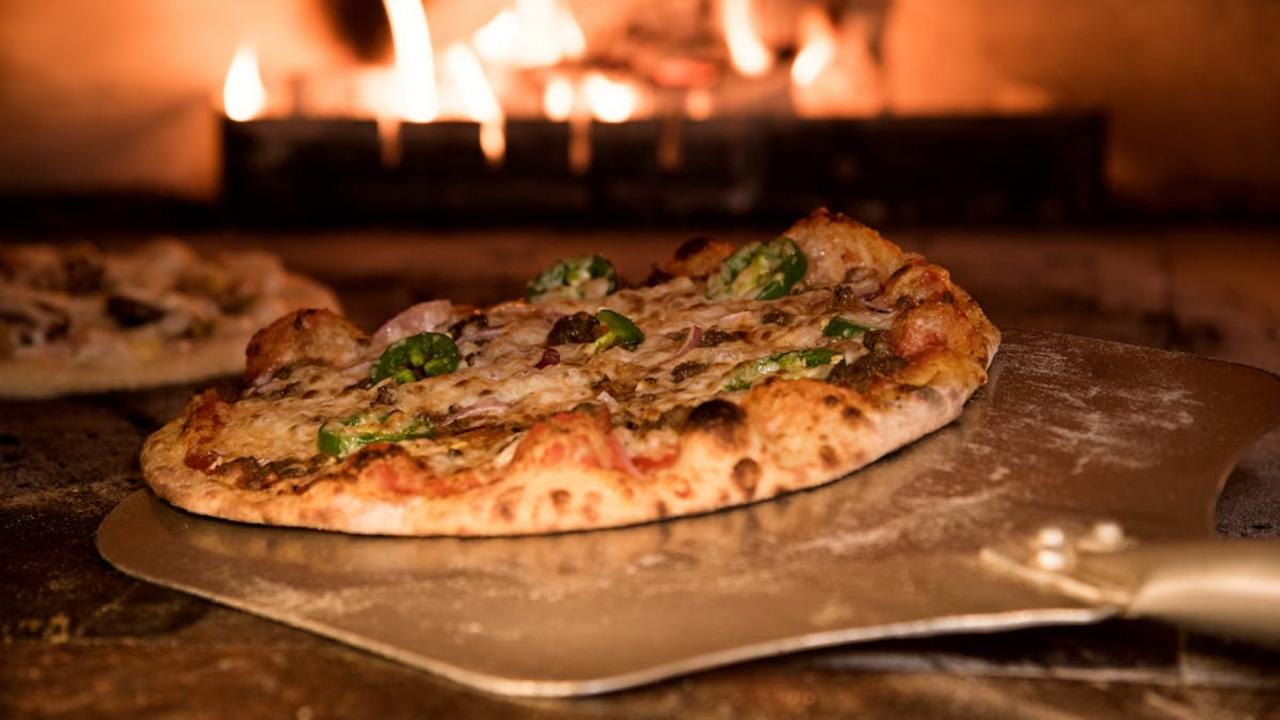
Picture this: you’re standing in a tiny pizzeria in Naples, watching a pizzaiolo toss dough with the confidence of someone who’s been doing this since they could barely reach the counter. The wood-fired oven behind him roars at a scorching 900 degrees Fahrenheit, its flames dancing like they’re putting on a show just for your dinner. This isn’t just pizza – this is the original, the OG, the one that started a global obsession. Neapolitan pizza gets so hot in that blazing oven that it cooks in just 60 to 90 seconds, creating those signature leopard spots on the crust that Instagram dreams are made of.
Here’s what makes your mouth water: the crust puffs up like a perfect pillow around the edges while staying gorgeously thin in the center, creating the ideal vehicle for San Marzano tomatoes, fresh mozzarella di bufala, and basil that’s so fragrant you can smell it from three tables away. The cheese doesn’t just melt – it transforms into these gorgeous, creamy pools that contrast beautifully with the slightly charred, smoky crust. Fun fact: true Neapolitan pizza is so sacred that UNESCO actually protected it as an Intangible Cultural Heritage, which means you’re not just eating dinner, you’re participating in a cultural experience that’s been perfected over centuries. Trust me, once you’ve had the real deal, every other pizza becomes a pale imitation of this Italian masterpiece.
American BBQ Ribs
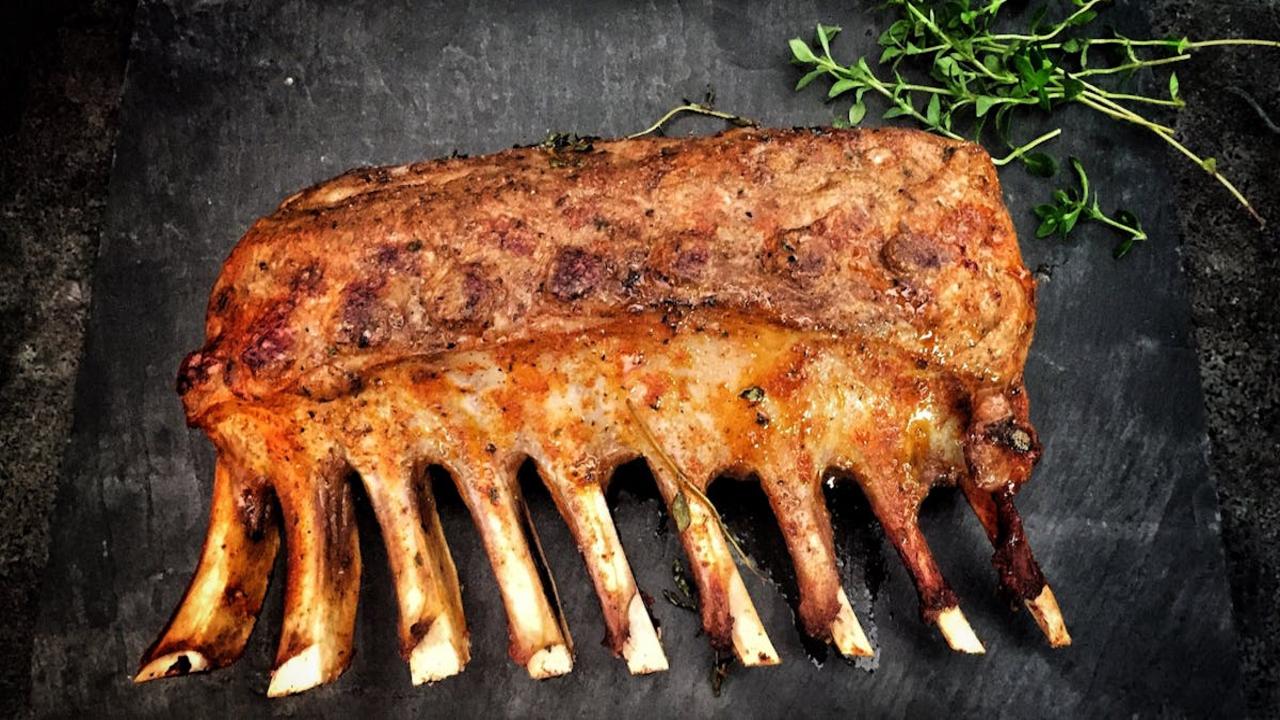
You haven’t truly lived until you’ve gnawed on a properly smoked rack of American BBQ ribs, sauce dripping down your chin like some sort of delicious war paint. These magnificent bones represent the pinnacle of low-and-slow cooking, where pitmasters spend 12-16 hours nursing hunks of pork with nothing but smoke, time, and an almost religious devotion to temperature control. The magic happens around 225°F, where tough connective tissues slowly transform into silky, pull-apart perfection that makes you question every other meal you’ve ever eaten. Kansas City style drowns them in molasses-thick sauce, while Memphis keeps things dry with just a rub, and Texas… well, Texas does whatever Texas wants because they’re Texas.
Here’s a fun fact that’ll make you the hit of your next backyard gathering: the “bark” on properly smoked ribs isn’t burnt meat—it’s actually a beautiful crust formed by the Maillard reaction between proteins and sugars in your rub. Pro tip from someone who’s made rookie mistakes: never, and I mean NEVER, boil your ribs first “to save time.” That’s like washing the Mona Lisa with dish soap. Get yourself a good dry rub (brown sugar, paprika, garlic powder, and cayenne work wonders), slather those babies up the night before, and let your smoker work its magic. Your neighbors will either love you or hate you for the incredible aroma wafting over the fence, but honestly, that’s their problem to solve.
Classic French Croissant
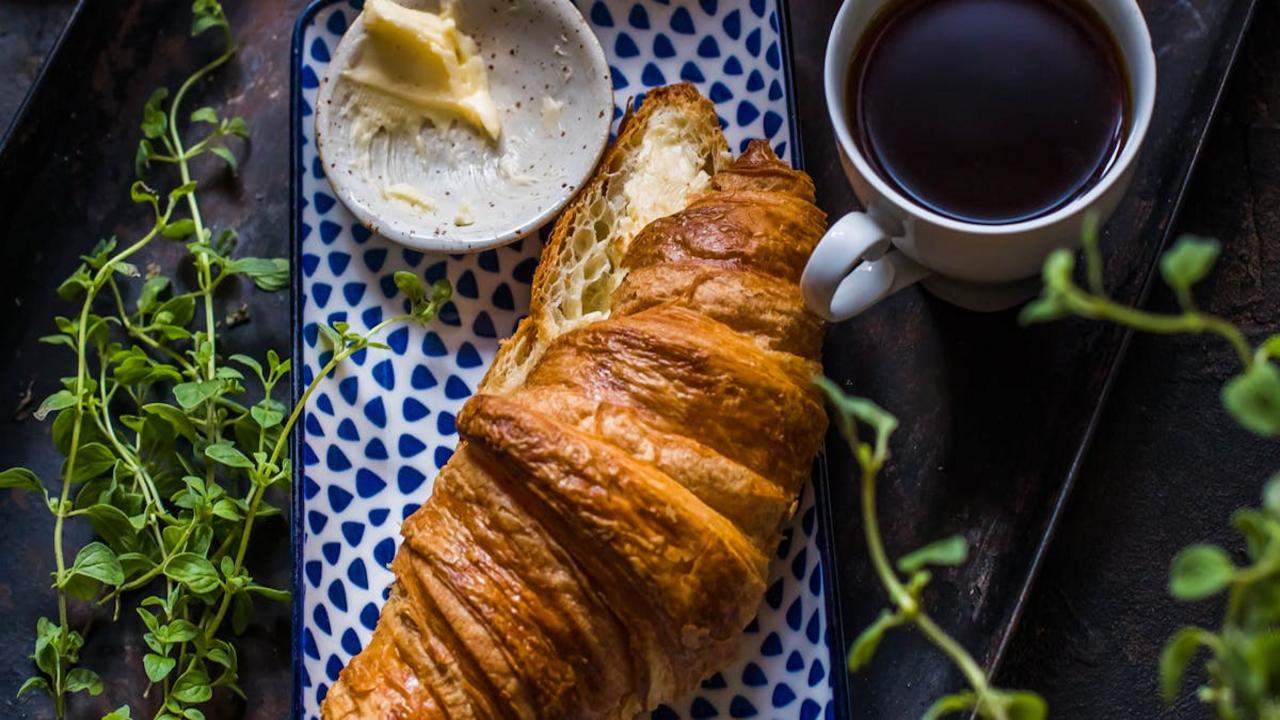
Picture this: you’re strolling down a cobblestone street in Paris at 7 AM, and that buttery, yeasty aroma hits you like a warm hug from your French grandmother (even if you don’t have one). The classic French croissant isn’t just breakfast—it’s an architectural marvel disguised as pastry. Those flaky, golden layers didn’t happen by accident; they’re the result of a technique called lamination, where butter gets folded into dough more times than a yoga instructor’s pretzel pose. Fun fact: a proper croissant contains exactly 81 layers of dough and butter, and if you’re counting fewer than that, you’re probably eating what the French would politely call “bread shaped like a moon.”
Now, here’s where things get deliciously dramatic: authentic croissants should shatter when you bite them, sending buttery shards cascading onto your plate like edible confetti. The French take their croissant etiquette seriously—dunking it in coffee is perfectly acceptable, but adding jam? That’s fighting words in some Parisian cafés. The croissant actually originated in Vienna (plot twist!), but the French perfected it into the buttery masterpiece we know today. Pro tip: if your croissant doesn’t leave your fingers gloriously greasy and your conscience slightly guilty about the amount of butter you just consumed, you haven’t found the real deal yet. Keep searching, my friend—your taste buds will thank you later.
Southern Fried Chicken
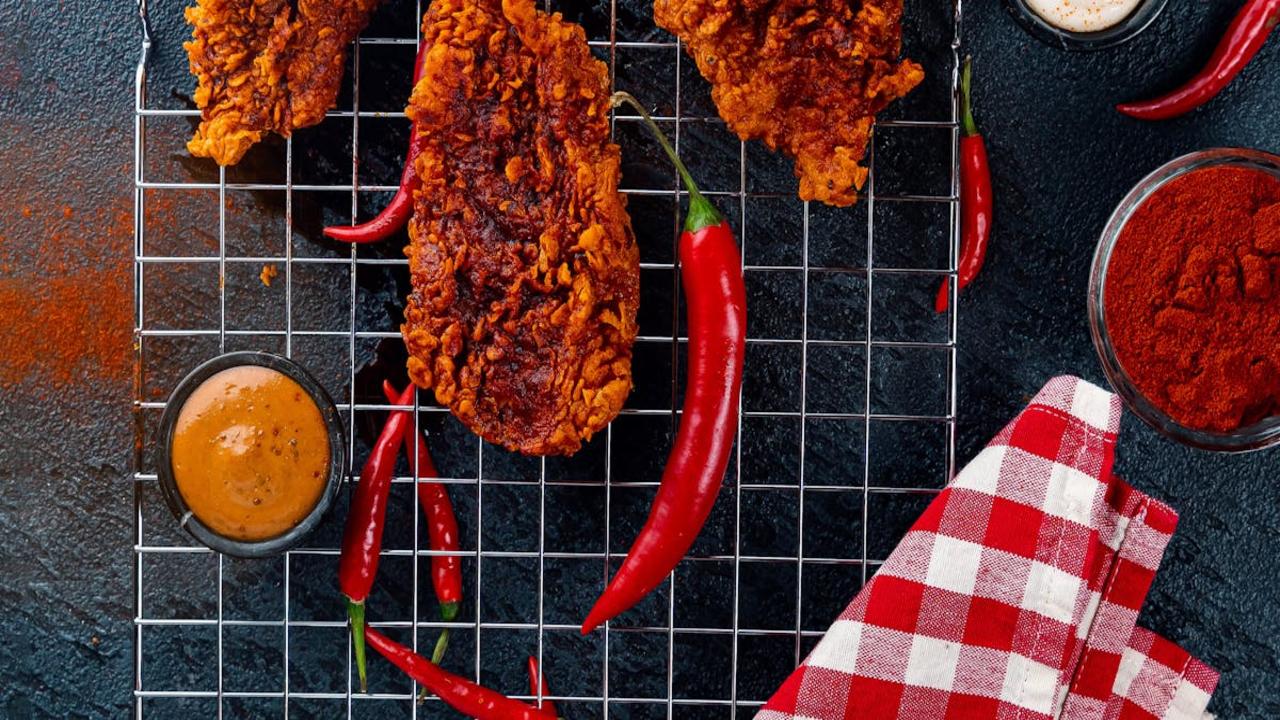
Picture this: you’re sitting on a porch swing somewhere in Georgia, and someone hands you a piece of golden, crispy fried chicken that’s so perfectly seasoned it makes your eyes roll back in pure bliss. Southern fried chicken isn’t just food—it’s a religious experience wrapped in buttermilk batter and fried to perfection. The secret lies in that magical combination of buttermilk marinade (sometimes for 24 hours!), a flour mixture seasoned with everything from paprika to cayenne, and the patience to fry it low and slow until that crust becomes a symphony of crunch.
Here’s something that’ll blow your mind: the technique actually traveled from Scotland to the American South, where enslaved African cooks transformed it into the masterpiece we know today by adding their own spice blends and cooking methods. Now, if you want to make your own, here’s the deal—soak that chicken in buttermilk overnight, season your flour like your life depends on it, and fry at 325°F (not higher, trust me on this one). The chicken should sound like it’s having a conversation with the oil—a gentle bubbling, not an angry sizzle. When done right, you’ll hear that satisfying crunch with every bite, followed by the most tender, juicy meat that practically falls off the bone.
Mediterranean Sea Bass
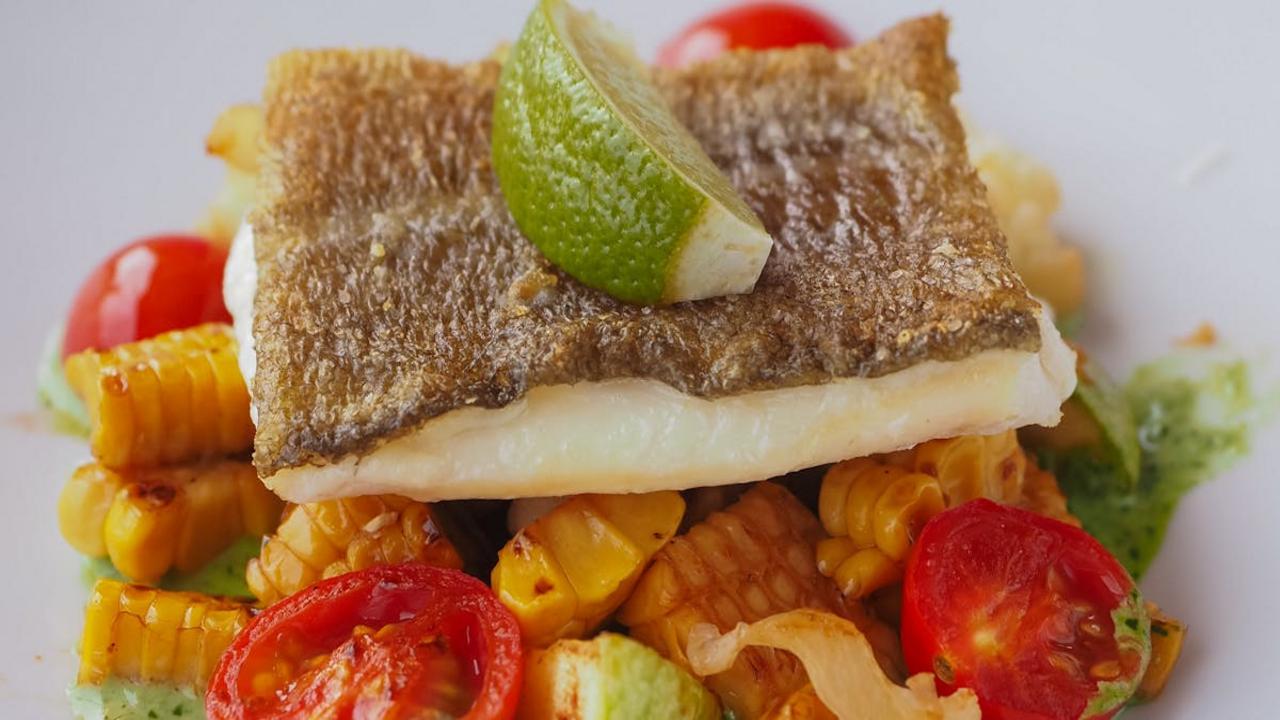
You know that moment when you bite into perfectly cooked fish and your eyes roll back in pure bliss? That’s Mediterranean sea bass for you – the Beyoncé of the fish world, effortlessly elegant and ridiculously talented. This silvery beauty swims the warm waters from Spain to Turkey, developing the kind of delicate, buttery flesh that makes grown adults weep tears of joy. The Greeks call it “lavraki,” and they’ve been grilling it whole with nothing but olive oil, lemon, and oregano since before your great-great-grandmother was born. Fun fact: these fish are so smart they can recognize human faces – which means somewhere in the Mediterranean, there’s probably a sea bass plotting revenge against that fisherman who caught his buddy last Tuesday.
Here’s the thing about cooking Mediterranean sea bass – less is absolutely more. You want to taste the ocean, not your spice cabinet having an identity crisis. Salt-baked preparation is pure theater: you encase the whole fish in coarse sea salt mixed with egg whites, creating what looks like a fishy fossil. When you crack it open at the table (and yes, you must do this dramatically), steam billows out like you’re a magician revealing your greatest trick. The salt crust keeps every ounce of moisture locked in while gently seasoning the flesh. If you can’t find whole sea bass, fillets work beautifully pan-seared with just a whisper of garlic and fresh herbs. Pro tip: the skin should crackle like autumn leaves when done right.