15 Pantry Staples That Stay Fresh for Ages Without a Fridge
Your pantry holds hidden treasures that laugh in the face of expiration dates. While your fridge hums with perishables demanding constant attention, these fifteen champions sit quietly on shelves, aging like fine wine—or at least like very patient ingredients. Rice grains mock time itself, honey crystallizes but never truly spoils, and your grandmother’s sugar bowl contains sweet immortality.
You know that moment when you open a cabinet and find pasta from 2019 that’s still perfectly edible? That’s the magic of shelf-stable foods doing their thing. These pantry powerhouses don’t need temperature control or fancy storage systems—just a cool, dry spot where they can work their preservation magic. Your wallet will thank you for buying in bulk, and your future hungry self will worship you.
From ancient grains that fed civilizations to humble onions that make you cry tears of joy, these ingredients prove that good things really do come to those who wait. Stock up on these pantry legends, and you’ll never face an empty kitchen again. Your emergency dinner game just got infinitely stronger.
Onions
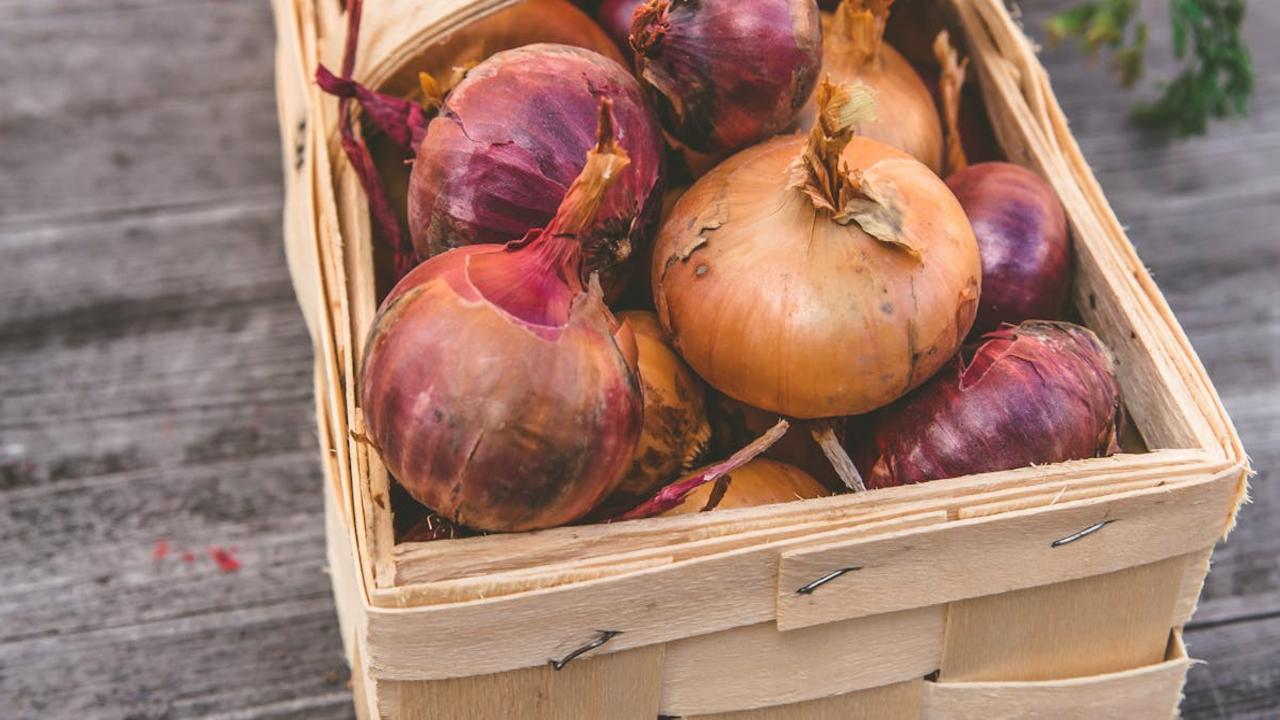
These tear-inducing bulbs deserve a standing ovation for their impressive staying power! Store your onions in a cool, dark, well-ventilated spot (never in plastic bags, which turn them into mushy disasters), and they’ll happily camp out in your pantry for 2-3 months. Sweet onions have shorter tempers and typically last about a month, while their sharper yellow and white cousins can outlast your New Year’s resolutions. Here’s a fun fact that’ll make you the hit of your next dinner party: onions make you cry because they release a compound called syn-propanethial-S-oxide when cut, which reacts with the water in your eyes to form sulfuric acid. Nature’s own little chemistry experiment right in your kitchen!
The storage game gets interesting with onions because they’re surprisingly social creatures with strong opinions about their roommates. Keep them away from potatoes at all costs – potatoes release moisture and gases that make onions sprout and rot faster, turning your pantry into a science experiment gone wrong. I learned this the hard way when I found what looked like an alien invasion in my storage bin. Once you cut into an onion, wrap the unused portion in plastic wrap and refrigerate it, where it’ll stay fresh for about a week. Pro tip: if your onions start sprouting green shoots, don’t toss them! Those green tops work beautifully as scallion substitutes in recipes, giving you bonus flavor points and reducing waste.
Raw Potatoes
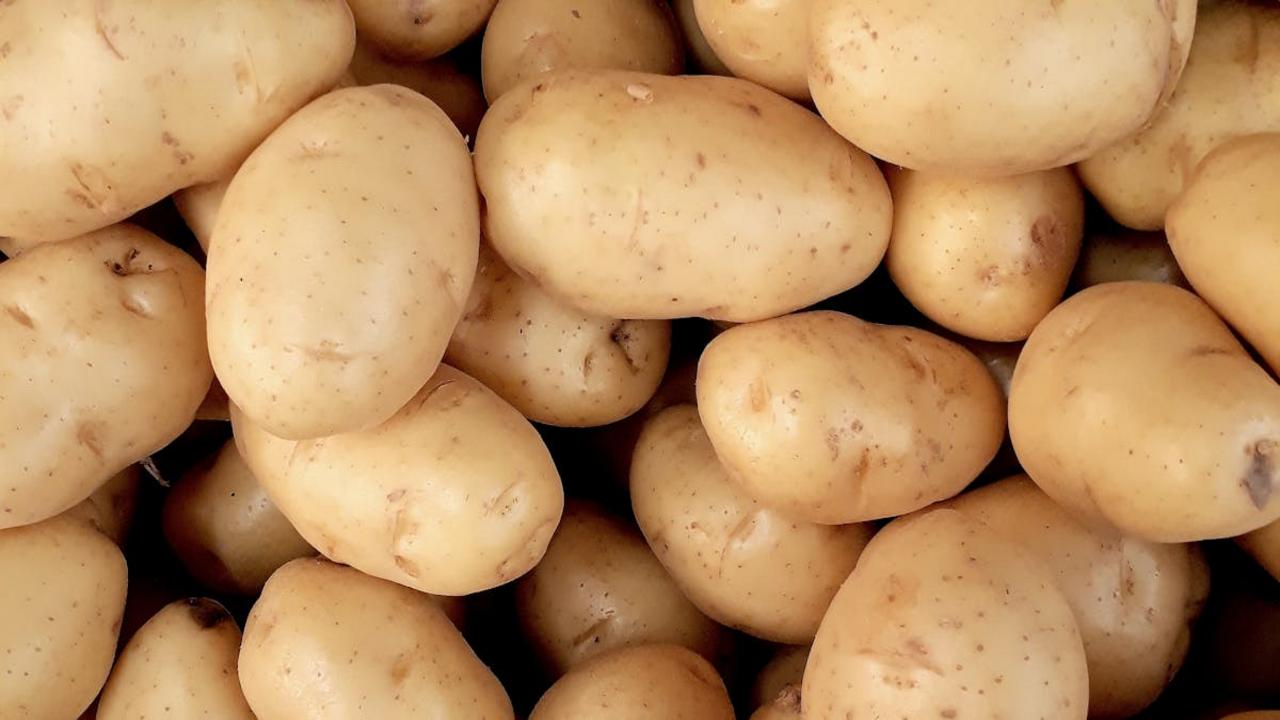
You know what’s absolutely bonkers? Raw potatoes can sit pretty in your pantry for months without turning into science experiments, yet most people treat them like fragile hothouse flowers that need constant refrigeration. Here’s the scoop: these starchy champions actually hate the cold! Stick them in your fridge and they’ll develop this weird sweet taste because the cold converts their starches to sugars. Plus, they’ll get all spotty and sad-looking faster than you can say “french fries.” Instead, give them a cool, dark spot in your pantry – think cave-dwelling hermit vibes – and they’ll reward you with steadfast loyalty for two to three months.
The secret to potato longevity lies in treating them like the introverts they are: no bright lights, no moisture drama, and definitely no plastic bag prisons where they can’t breathe. I keep mine in a paper bag or wooden basket, and honestly, watching them just chill there month after month feels like having the most low-maintenance roommates ever. Pro tip: if you spot any green patches developing, don’t panic – just cut those bits off before cooking. That green color comes from solanine, which sounds scary but really just means your potato got a little too much light and decided to go slightly toxic. Drama queen behavior, really, but totally manageable with a good peeling knife!
Hard Candy

Hard candy sits in your pantry like a sweet little time capsule, practically laughing at expiration dates while other foods wave their white flags in surrender. These sugary gems can outlast your mortgage payments – seriously, archaeologists have found centuries-old candy that’s still technically edible (though I wouldn’t recommend it for your next dinner party). The secret lies in their incredibly low moisture content and high sugar concentration, creating an environment so hostile to bacteria that even the most determined microbes throw in the towel. You know those butterscotch discs your grandmother always had in her purse? They’re probably still good, and they’ve likely traveled more miles than your car.
The beauty of hard candy extends beyond its supernatural shelf life – it transforms your pantry into a pharmacy of sorts. Got a scratchy throat? Reach for honey drops. Need an energy boost during that 3 PM slump? Pop a lemon drop and watch your brain cells do a little happy dance. I keep a stash of peppermints that have been with me through three apartment moves, two job changes, and countless midnight sugar emergencies. They’ve witnessed more life drama than my best friend, yet they remain unchanged, ready to deliver that perfect burst of minty salvation whenever I need it most.
Salt
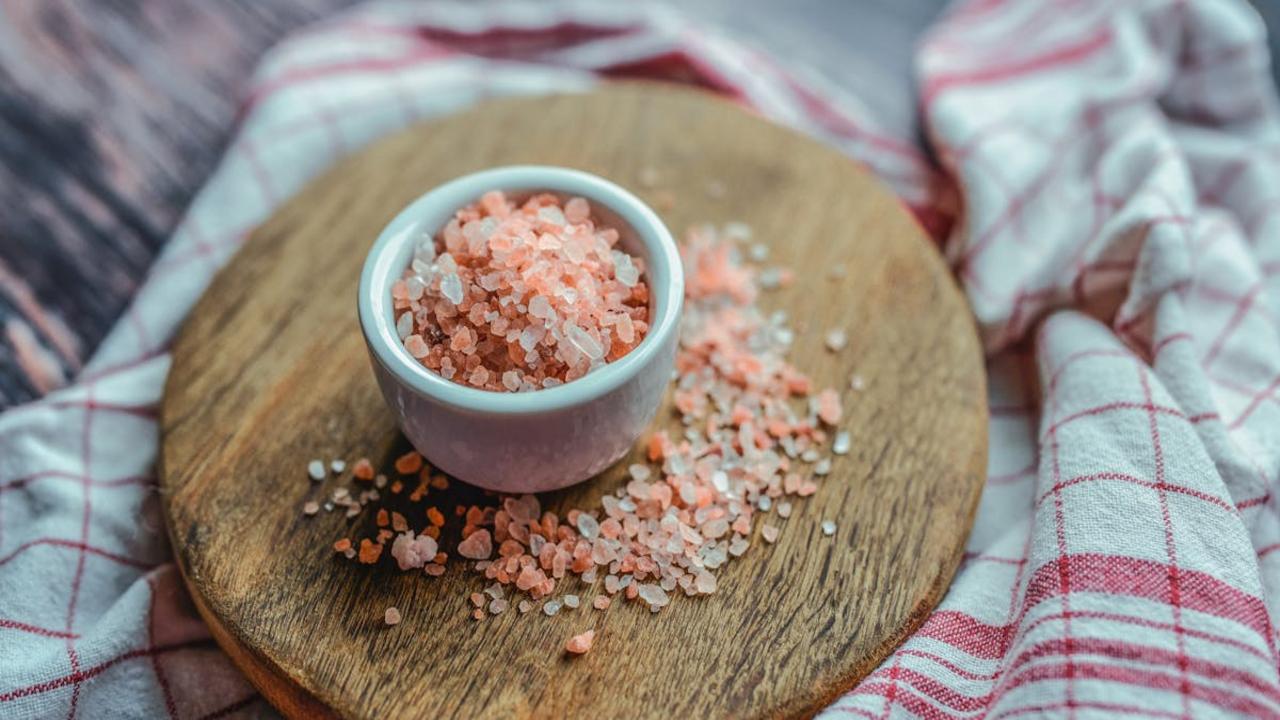
You know that white crystalline friend sitting in your cabinet right now? That humble container of salt has been the ultimate kitchen MVP since before your great-great-grandmother even knew what a refrigerator was. Salt doesn’t just survive without refrigeration – it practically laughs at the concept of expiration dates. This mineral powerhouse can outlast civilizations, literally. Ancient salt deposits found in mines are millions of years old and still perfectly good for seasoning your scrambled eggs. The Romans used to pay their soldiers in salt (hence the word “salary”), and those same crystals would still be perfectly fine to sprinkle on your fries today if we could somehow get our hands on them.
Here’s the beautiful thing about salt: it’s basically immortal in your pantry. Store it in a dry place away from moisture, and it’ll keep indefinitely – we’re talking decades, centuries, maybe even until the sun burns out. I keep mine in an airtight container because humidity can make it clump up like tiny rock formations, but even clumpy salt works just fine once you break it apart. Pro tip: throw a few grains of rice in your salt shaker to absorb any sneaky moisture that tries to crash the party. Whether you’re using table salt, sea salt, kosher salt, or that fancy pink Himalayan stuff, they all share this superpower of never going bad. Your salt will probably outlive your kitchen appliances, your marriage, and possibly your house – now that’s what I call a reliable pantry companion!
Corn Starch

You know that mysterious white powder lurking in your pantry that makes you feel like a kitchen chemist? That’s corn starch, and this humble ingredient deserves way more credit than it gets! This silky smooth powder can sit happily in your cupboard for literally years—we’re talking two to three years past its “best by” date if you store it properly in a cool, dry spot. I once found a container of corn starch in my grandmother’s pantry that was older than my college degree, and it still worked perfectly for thickening her legendary gravy. The secret lies in keeping moisture out, so transfer it from that flimsy cardboard box into an airtight container faster than you can say “slurry.”
But corn starch isn’t just sitting there waiting to thicken your sauces—this little magician has tricks up its sleeve that would make Houdini jealous. Mix it with water and you get oobleck, that weird non-Newtonian fluid that acts like liquid when you pour it but turns solid when you punch it (trust me, it’s oddly satisfying). In the kitchen, corn starch creates the most velvety smooth gravies and sauces without any lumps, plus it gives fried chicken that extra-crispy coating that makes your taste buds do a happy dance. Pro tip: always make a slurry by mixing corn starch with cold liquid before adding it to hot dishes, or you’ll end up with clumps that look like tiny white aliens invaded your dinner.
All Purpose Flour
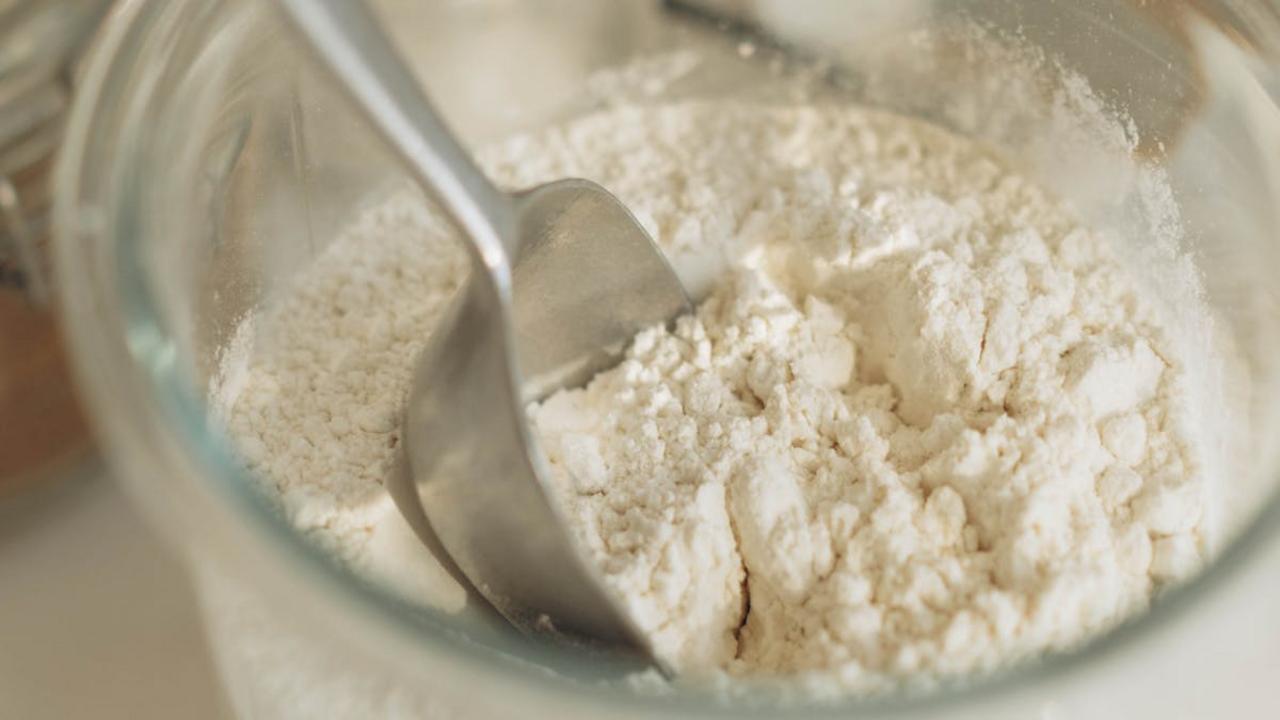
All purpose flour sits in your pantry like that reliable friend who never lets you down – always there when you need a cake at midnight or want to whip up some comfort food after a rough day. This powdery white wonder can hang out in your cupboard for up to eight months without breaking a sweat, and if you store it properly in an airtight container, it might even stick around for a full year. The secret lies in its low moisture content, which basically tells bacteria and mold to take a hike. Fun fact: flour was once so precious that medieval bakers had to take oaths not to adulterate it with sawdust or chalk – talk about commitment to carbs!
You can transform this humble ingredient into everything from fluffy pancakes that make Sunday mornings magical to crispy fried chicken that’ll have your neighbors mysteriously appearing at dinnertime. I once discovered a forgotten bag of flour in my pantry that had been there for ten months, and it still made the most incredible chocolate chip cookies – proving that good things really do come to those who wait (or forget about their baking supplies). Just remember to give it the sniff test before using it; fresh flour should smell neutral and clean, not musty or sour. Store it away from strong-smelling foods because flour absorbs odors faster than your couch absorbs pizza grease stains.
Olive Oil
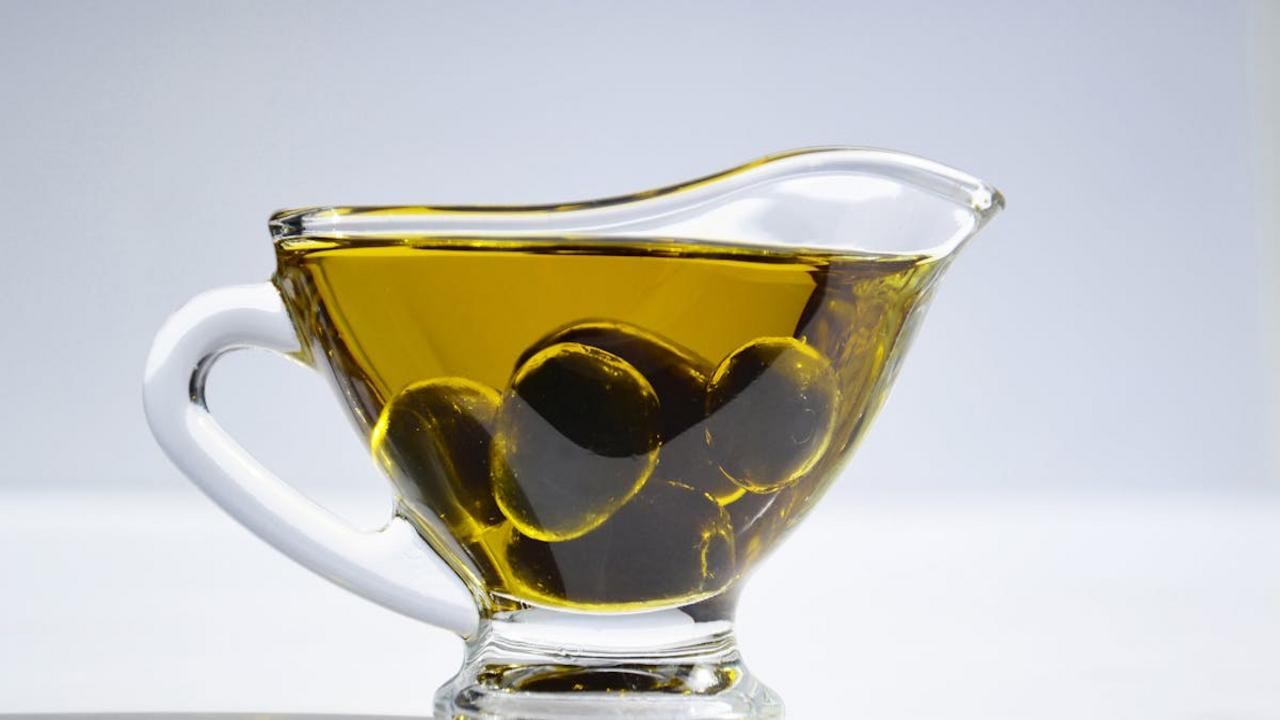
Picture this: you’re standing in your kitchen at midnight, craving something magical, and there it is—your trusty bottle of olive oil, sitting pretty on the counter like it owns the place. This liquid gold doesn’t need refrigeration and can hang out in your pantry for up to two years if you treat it right. Store it away from light and heat (basically, don’t park it next to your stove like I did for three embarrassing years), and you’ll have a reliable cooking companion that never judges your questionable 2 AM food choices. The ancient Greeks called olive oil “liquid gold” for good reason—they weren’t just being dramatic for once.
Here’s something that’ll make you grin: olive oil actually gets better with friends. Drizzle it over crusty bread with a sprinkle of sea salt, and suddenly you’re living your best Mediterranean life without leaving your zip code. Extra virgin olive oil contains natural antioxidants that act like tiny bodyguards, protecting the oil from going rancid too quickly. Pro tip from someone who learned the hard way—buy your olive oil in dark bottles or tins, because light is olive oil’s nemesis. I once bought a clear bottle because it looked fancy, and three months later, my “liquid gold” tasted more like liquid disappointment. Now I stick to the dark bottles and store them in my coolest cabinet, where they wait patiently to transform my simplest meals into something that makes me feel like a kitchen wizard.
Rolled Oats
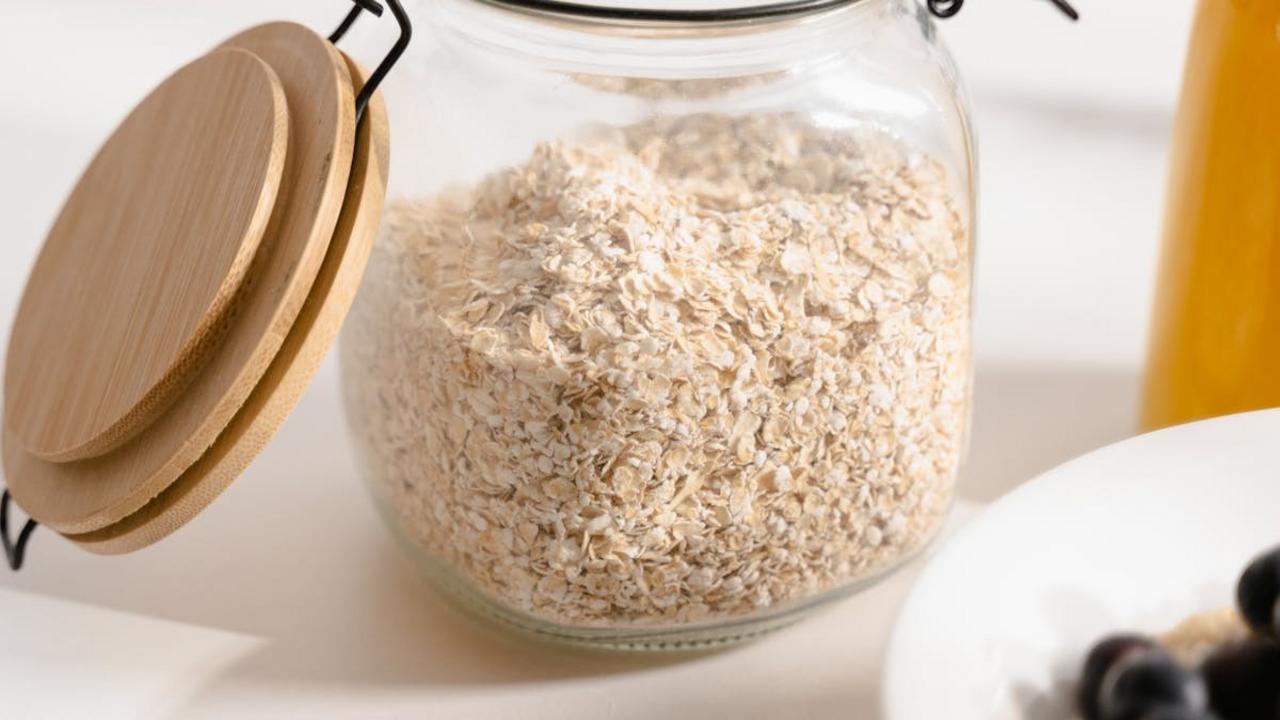
These humble little flakes might look unremarkable sitting in your pantry, but rolled oats pack more staying power than your favorite reality TV show. Stored properly in an airtight container, these breakfast champions can maintain their quality for up to two years without refrigeration – that’s longer than most Hollywood marriages! The secret lies in their low moisture content and natural oils that resist rancidity. I keep mine in a glass jar with a tight lid, and they’ve outlasted three different coffee makers and at least five diet phases.
Beyond their impressive shelf life, rolled oats transform into countless creations faster than you can say “overnight oats.” Toss them into smoothies for thickness, blend them into flour for gluten-free baking, or create the world’s most satisfying bowl of oatmeal topped with whatever treasures your pantry holds. My grandmother swore by adding a handful to her meatloaf for extra moisture and texture – a trick that sounds odd but works like magic. Pro tip: buy them in bulk during sales and store portions in multiple containers. Your future self will thank you during those rushed mornings when cereal boxes mock you with their emptiness.
Dried Beans
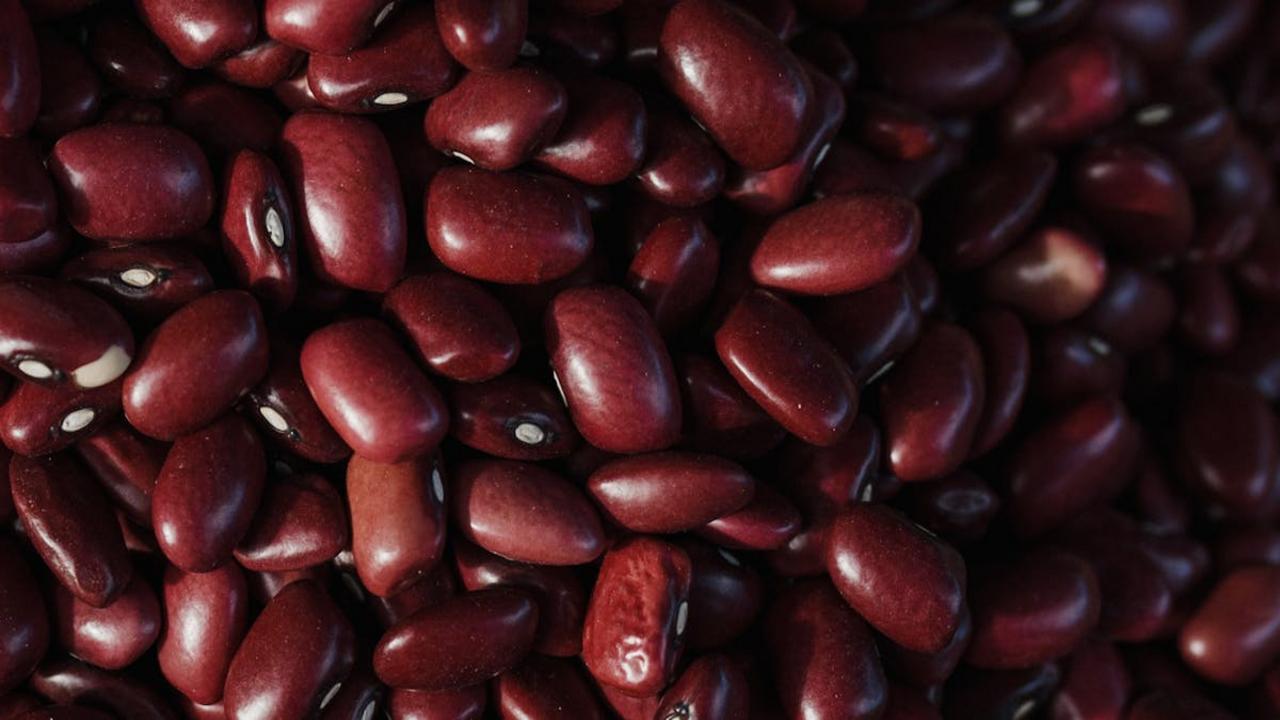
Picture this: you open your pantry door and there they sit like tiny, wrinkled soldiers ready for battle – your dried beans! These humble legumes laugh in the face of expiration dates, staying fresh for up to 10 years when stored properly in airtight containers. I once found a bag of navy beans buried behind my spice rack that had been there since my college days (don’t ask how long ago that was), and they cooked up beautifully into the most satisfying white bean soup. Black beans, kidney beans, chickpeas, lentils – they’re all part of this magical pantry army that transforms from rock-hard pebbles into creamy, protein-packed goodness with just some soaking time and a good boil.
Here’s the kicker: dried beans cost about a third of what canned beans do, and they taste infinitely better because you control the salt and seasonings. Plus, they’re basically edible time capsules – archaeologists have found 4,000-year-old beans that could theoretically still sprout! While I don’t recommend testing ancient legumes, your modern pantry stash will keep you fed through any apocalypse, power outage, or late-night cooking emergency. Just remember to give them a good overnight soak before cooking (except lentils, those speedy little guys cook in 20 minutes flat), and you’ll have the foundation for everything from hearty chili to fancy three-bean salads that’ll make your neighbors jealous.
Coffee Beans
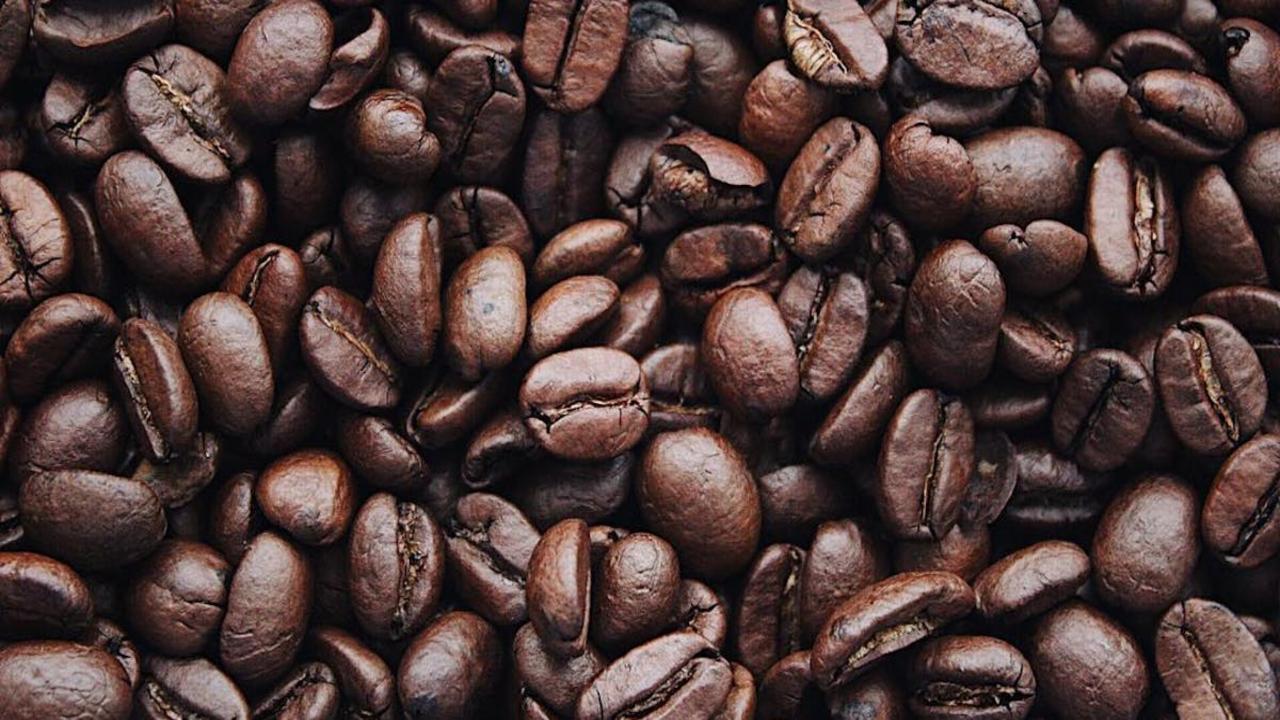
Your morning savior sits quietly in that ceramic jar, plotting your daily resurrection with caffeinated precision. Whole coffee beans are basically tiny time capsules of energy, and they’re surprisingly patient about waiting for their moment to shine. Store them in an airtight container away from light and heat, and these little brown gems will keep their flavor locked up tight for months without breaking a sweat. I once found a forgotten bag of Ethiopian beans tucked behind my flour canister for eight months, and they still brewed up a cup that could wake the dead – though admittedly, they’d lost some of their fancy floral notes and tasted more like “generic coffee shop blend.”
The secret to their longevity lies in their protective shell – those beans are natural fortresses against staleness, unlike their ground counterparts that go stale faster than yesterday’s gossip. Keep them whole until you’re ready to grind, and you’ll preserve those volatile oils that make your coffee sing instead of whimper. Room temperature storage works perfectly fine; your pantry shelf beats the fridge any day since moisture is coffee’s sworn enemy. Pro tip: buy beans with a roast date within the past month if possible, because even though they’ll last ages, fresher beans will give you that “holy cow, this tastes like liquid happiness” moment instead of just “yep, that’s coffee.”
Brown Sugar
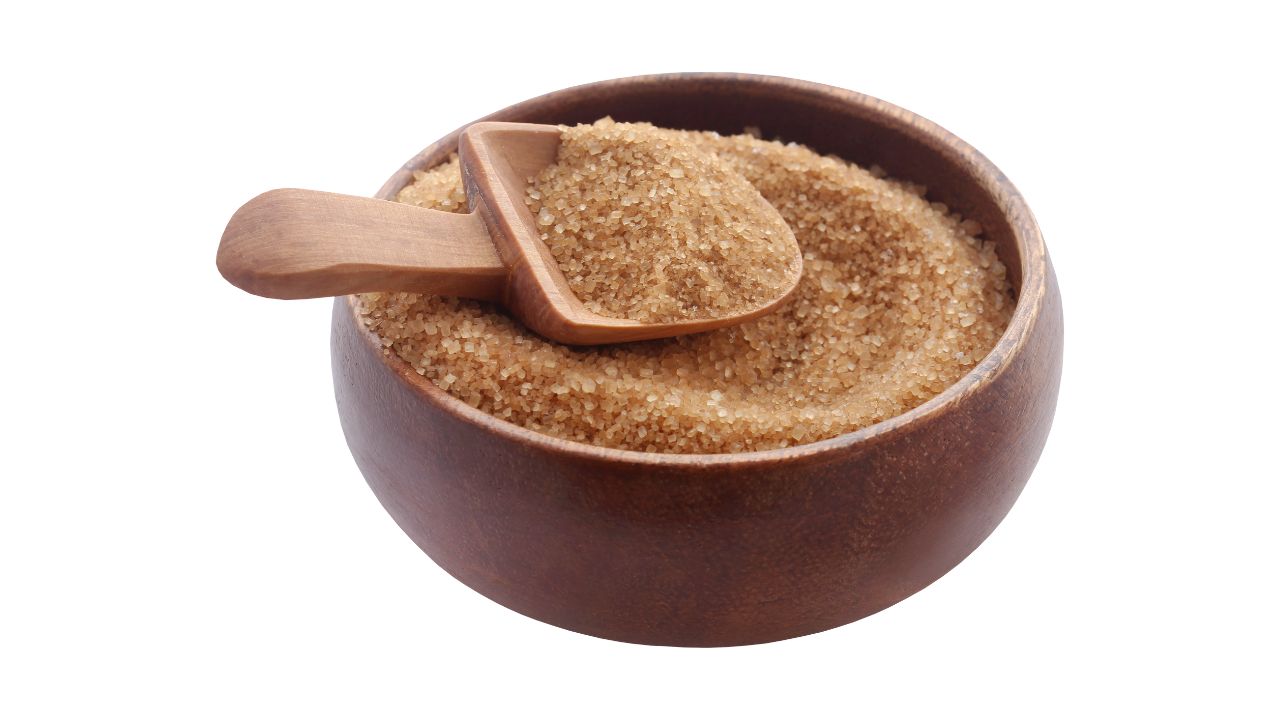
Brown sugar sits in your pantry like that reliable friend who never lets you down – always there when you need sweetness with a little extra personality. Unlike its refined white cousin, brown sugar brings molasses to the party, which not only gives it that gorgeous caramel color but also acts as a natural preservative. You can store this golden treasure in an airtight container for up to two years without worrying about spoilage. The secret lies in keeping moisture out while maintaining just enough humidity to prevent it from turning into a rock-hard brick that could double as a doorstop.
Here’s where brown sugar gets quirky: it has two personalities depending on how much molasses it contains. Light brown sugar plays nice with chocolate chip cookies and oatmeal, while dark brown sugar brings bold, almost smoky notes to barbecue sauces and gingerbread. If your brown sugar does decide to petrify itself (because apparently sugar has commitment issues), don’t panic! Toss a slice of bread or a damp paper towel in the container overnight, and watch the magic happen as your sugar transforms back into its gloriously soft, scoopable self. This pantry superstar doesn’t just survive without refrigeration – it actually prefers room temperature storage where it can maintain its perfect texture for all your baking adventures.
White Sugar
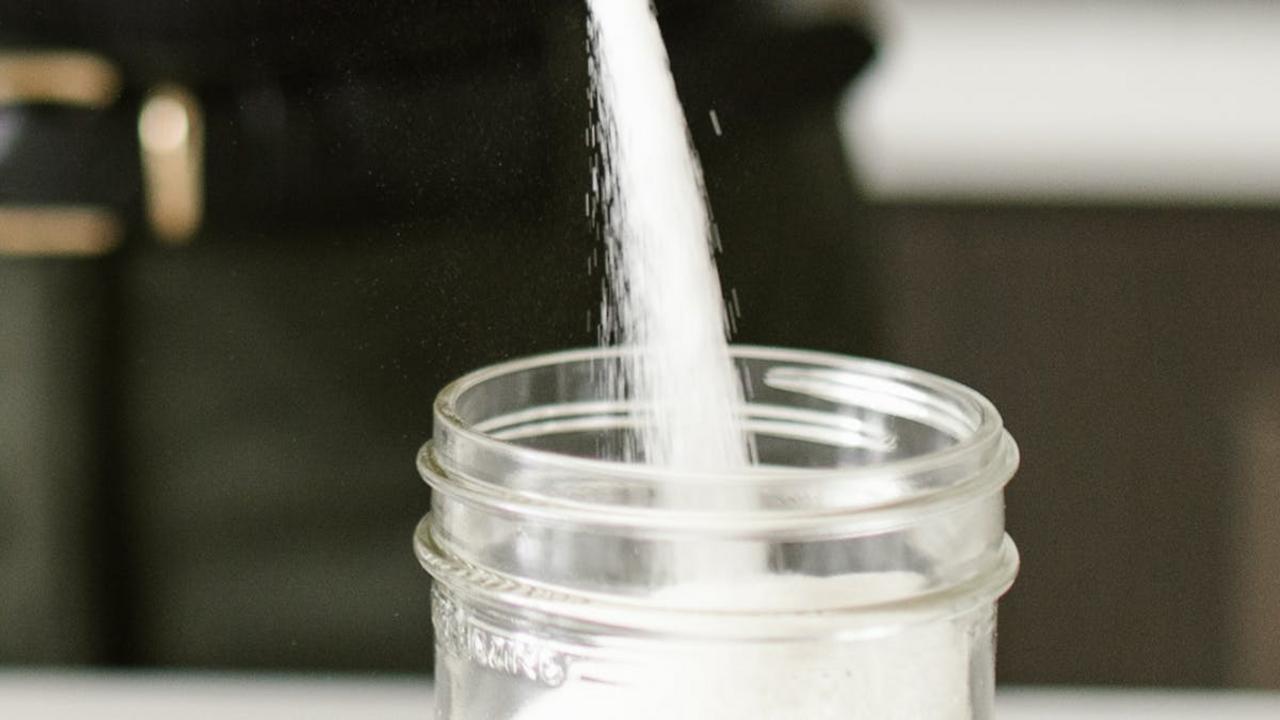
White sugar sits in your pantry like that reliable friend who never changes – literally never changes. This crystalline sweetheart can outlast your mortgage, your car payments, and probably your great-great-grandchildren if stored properly. The secret lies in its molecular structure: sugar crystals create an environment so hostile to bacteria and moisture that microorganisms simply pack up and leave. You could probably find a bag of sugar in an ancient Egyptian tomb and still use it to sweeten your morning coffee (though I wouldn’t recommend the tomb part for hygiene reasons).
Keep your sugar in an airtight container away from humidity, and it becomes practically immortal. Sure, it might clump up if moisture sneaks in, but a few whacks with a fork will restore its granular glory. White sugar doesn’t discriminate – it sweetens everything from your grandmother’s chocolate chip cookies to that experimental pickle-and-peanut-butter sandwich you made at 2 AM (we’ve all been there). The beauty of having this pantry superhero on hand means spontaneous baking sessions are always possible. Whether you’re whipping up emergency birthday cupcakes or need to balance the acidity in your homemade tomato sauce, white sugar stands ready to save the day, decade after decade.
Honey
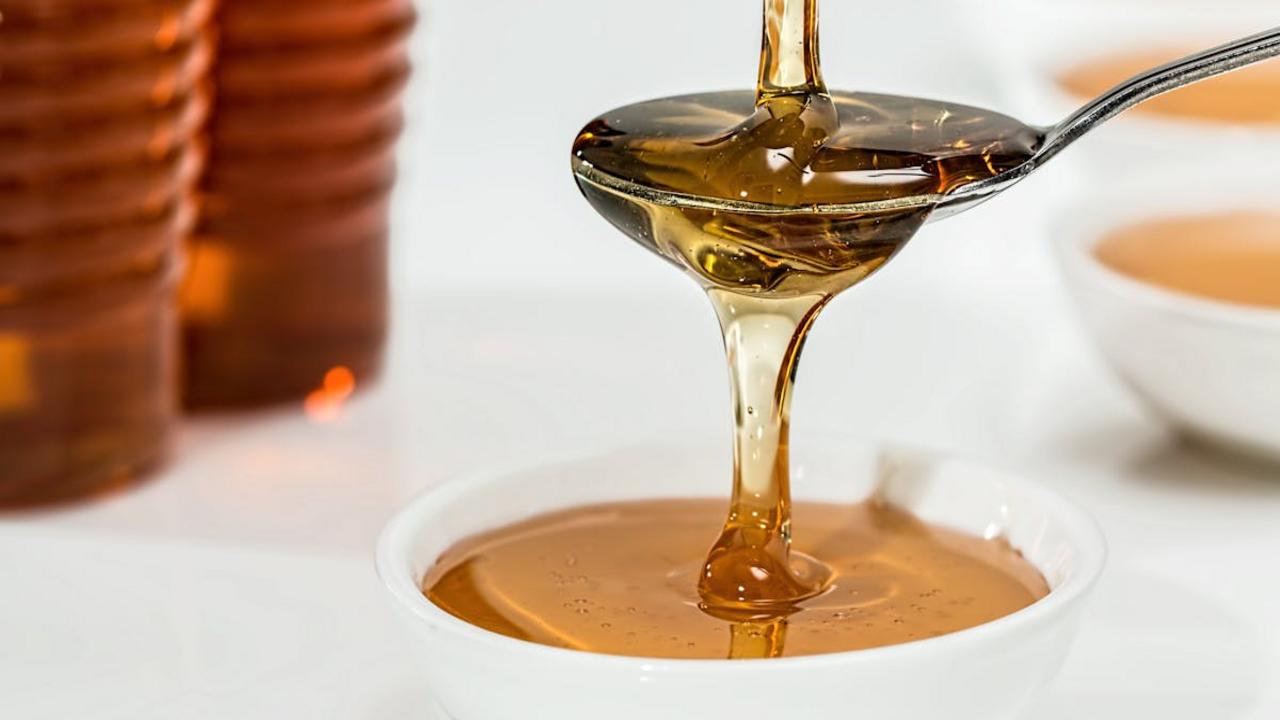
Honey is basically the ultimate pantry show-off – this golden liquid has been sitting pretty in Egyptian tombs for over 3,000 years and still tastes perfectly fine. Archaeologists have actually found pots of honey in ancient pyramids that are completely edible, which makes your three-month-old jar look like a spring chicken. The secret lies in honey’s incredibly low water content and acidic pH, creating an environment where bacteria simply can’t survive. It’s like nature’s own preservation magic trick, except instead of pulling rabbits out of hats, bees are pulling immortality out of flowers.
Your honey might crystallize over time, turning from smooth liquid gold into something that looks like fancy sugar scrub, but don’t panic! This natural process doesn’t mean your honey has gone bad – it just means those glucose molecules are getting cozy with each other. Simply warm the jar in a bowl of hot water, and watch those crystals melt back into silky sweetness. I keep my honey next to my salt and pepper because honestly, what can’t be improved with a drizzle of this liquid sunshine? From morning toast to late-night tea, honey brings that floral sweetness that makes everything taste like a warm hug from a very industrious bee.
Pasta
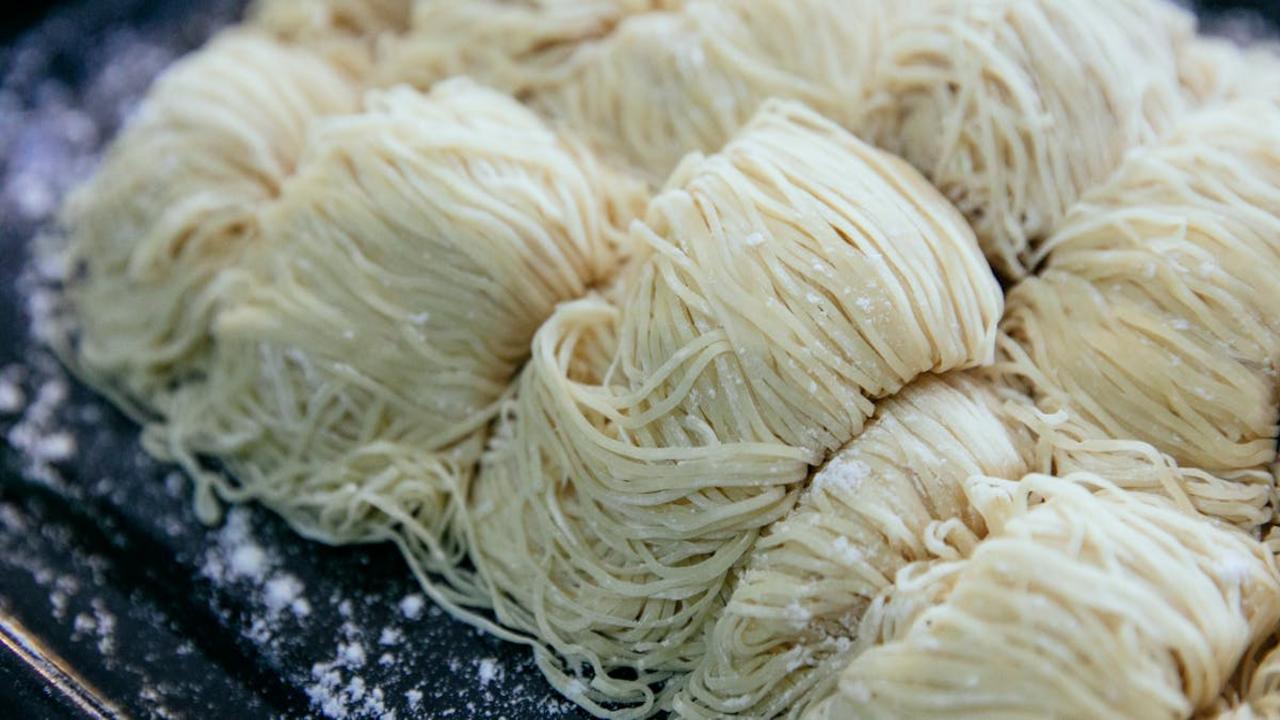
Listen, pasta might just be the most forgiving friend in your pantry. This beautiful carb champion can sit happily on your shelf for two to three years without batting an eyelash – or in this case, without sprouting anything suspicious. The Italians knew what they were doing when they perfected this dried magic, creating something that laughs in the face of time and humidity. Fun fact: the ancient Romans were slurping down pasta-like dishes over 2,000 years ago, and they didn’t have fancy preservation techniques. They just figured out that removing moisture from wheat creates an almost immortal food that’s ready to party whenever you are.
The secret lies in pasta’s bone-dry structure – most varieties clock in at around 10-12% moisture content, which makes bacteria throw up their tiny hands in defeat. Whether you’re hoarding spaghetti, penne, or those adorable bow ties that look like tiny pasta butterflies, they’ll maintain their structural integrity and flavor for years. I once found a box of rigatoni buried behind my baking supplies that was three years past its “best by” date, and it cooked up perfectly al dente. Just store your pasta in airtight containers to keep those pesky pantry moths from crashing the carb party, and you’ll have the foundation for countless midnight meals ready at a moment’s notice.
Rice
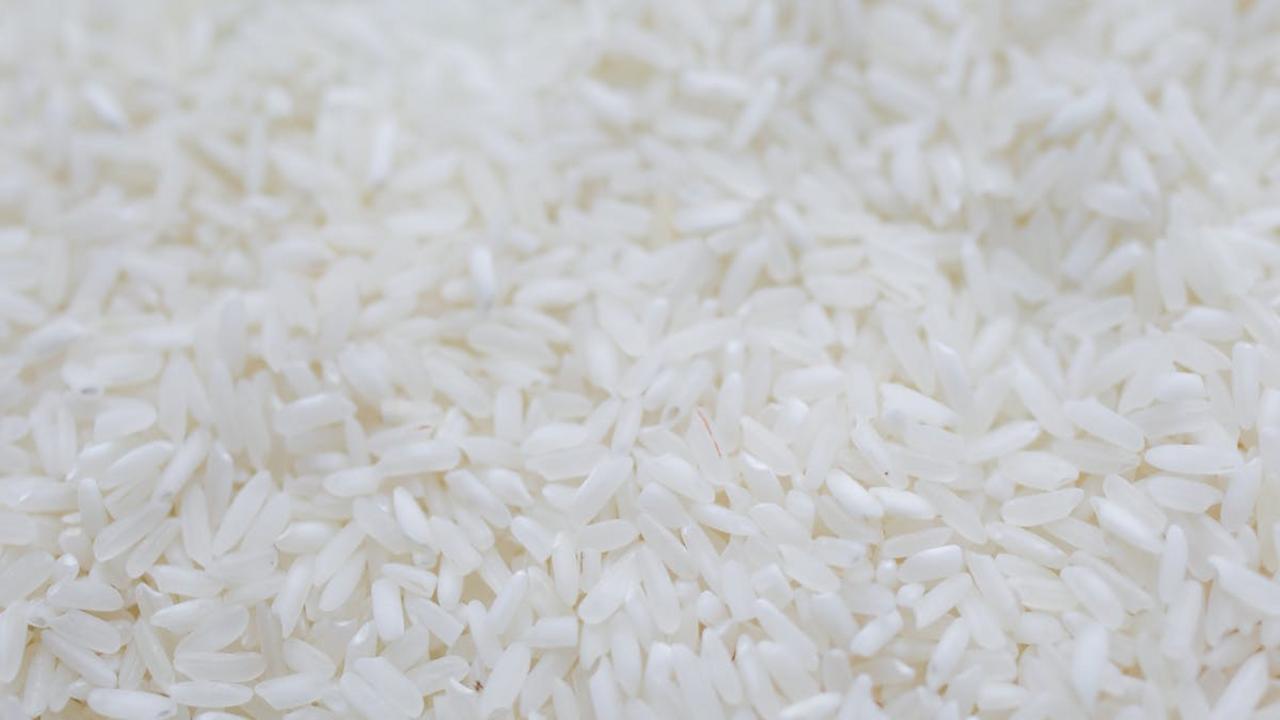
You know what’s absolutely bonkers? Rice can sit in your pantry for literally years without batting an eyelash. White rice, brown rice, jasmine, basmati – they’re all basically the cockroaches of the grain world, surviving apocalyptic pantry conditions while your fresh produce turns into science experiments in the crisper drawer. I once discovered a bag of jasmine rice buried behind my collection of random hot sauces that had been there since 2019, and guess what? Still perfect! The secret lies in rice’s incredibly low moisture content and natural protective hull that basically tells bacteria and pests to buzz off.
Here’s the kicker though – different types of rice have different shelf lives, and it’s not what you’d expect. White rice can hang out for 4-5 years easy because it’s been stripped of its oil-containing bran layer (yeah, that’s why brown rice is healthier but also why it goes rancid faster). Brown rice, wild rice, and other whole grain varieties will still last 6 months to 2 years if stored properly in airtight containers. Pro tip from someone who’s made every rice storage mistake possible: keep it in sealed containers away from light and heat, and toss in a bay leaf or two to deter any creepy crawlies who think they’ve found paradise. Your future hangry self will thank you when you can whip up perfect rice at 2 AM without a grocery run.