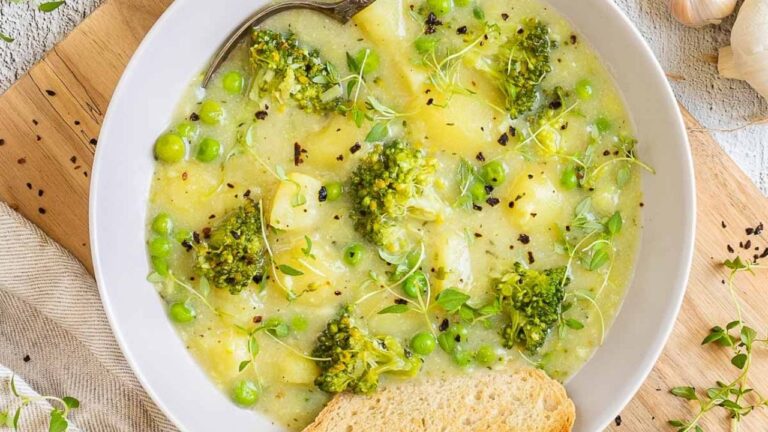
10 Must-Try Cuisines From Around the World to Add to Your Weekly Menu
Your kitchen routine needs a serious shake-up, and I’ve got just the fix. While you’ve been rotating between the same three dinner options, entire continents have been perfecting flavor combinations that’ll make your Tuesday night spaghetti weep with envy. From fermented kimchi that practically dances on your tongue to Ethiopian injera bread that doubles as both plate and utensil, the world’s been busy creating edible magic.
Here’s the thing about international food: it’s like having a passport without the jet lag. You can transport yourself to bustling Seoul street markets or sun-drenched Mediterranean coastlines, all while wearing your favorite pajamas. Each cuisine tells a story through spices, techniques passed down through generations, and ingredients you never knew existed.
Ready to turn your weekly menu into a globe-trotting adventure? These ten cuisines will transform your dining table into the most exciting restaurant in town. Your taste buds are about to thank you, and your Instagram followers will definitely notice the upgrade. Let’s dive into this delicious world tour, one bite at a time.
Ethiopian Cuisine
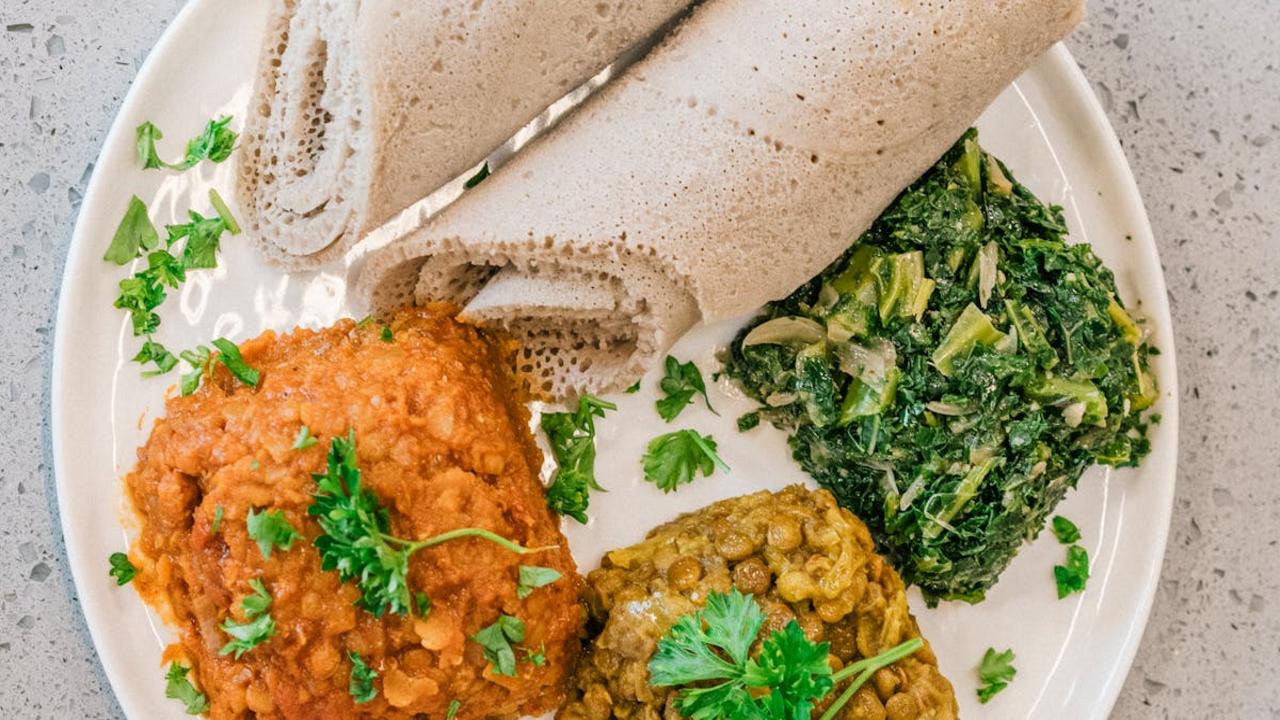
Picture this: you’re sitting cross-legged on a woven basket, no utensils in sight, and about to eat with your hands from a communal platter that looks like edible art. Welcome to Ethiopian dining, where injera bread doubles as your plate, napkin, and eating tool all rolled into one magnificently spongy creation. This fermented flatbread has a texture that’s part pancake, part yoga mat, and it’s made from teff, an ancient grain so tiny that a single grain weighs less than a poppy seed. The bread’s slightly sour tang perfectly balances the rich, complex stews called “wot” that pile on top like colorful mountains of flavor.
Ethiopian food isn’t just spicy—it’s an orchestra of heat conducted by berbere, a spice blend containing up to twenty different ingredients that takes three days to prepare properly. Doro wot, the national dish, transforms humble chicken into something so spectacular that Ethiopian families traditionally serve it only on special occasions. Here’s a fun fact: Ethiopians count meals differently than we do—they consider raw meat a perfectly normal Tuesday dinner, and coffee ceremonies can last three hours because they roast, grind, and brew the beans three separate times. Your weekly menu desperately needs this communal, hands-on dining experience that turns every meal into a social event where sharing isn’t just polite—it’s literally impossible to avoid.
Lebanese Cuisine
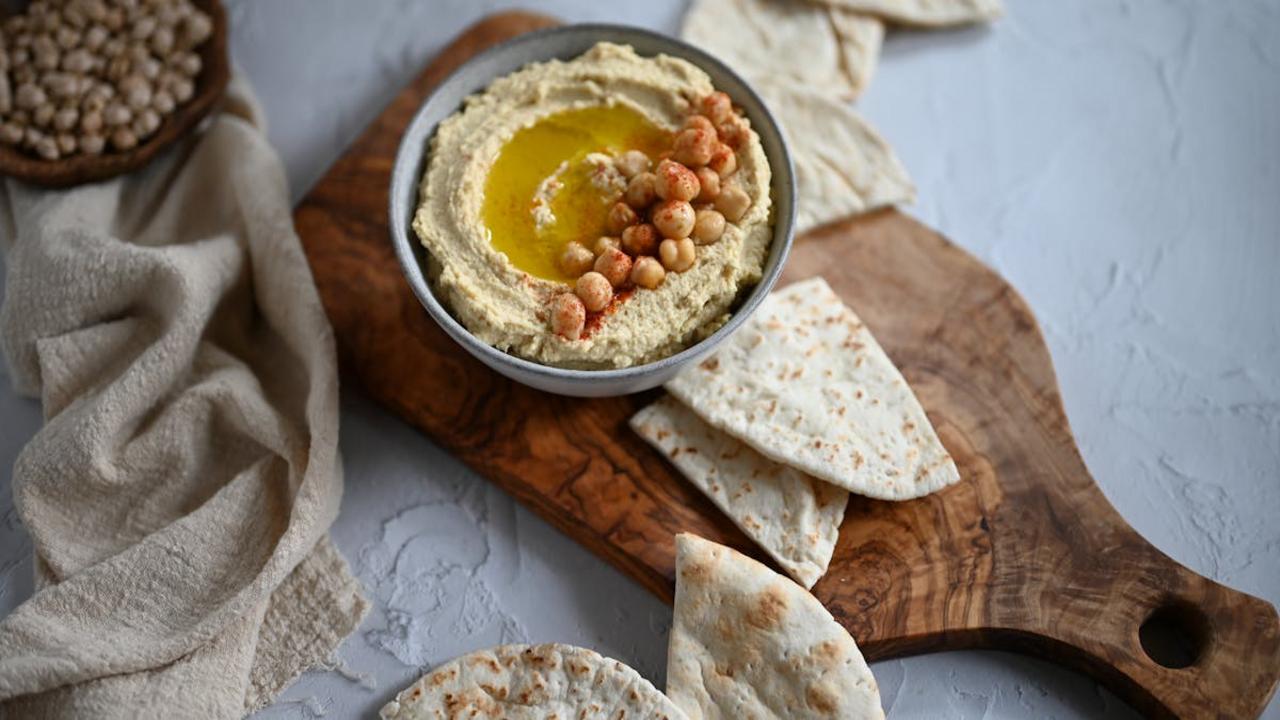
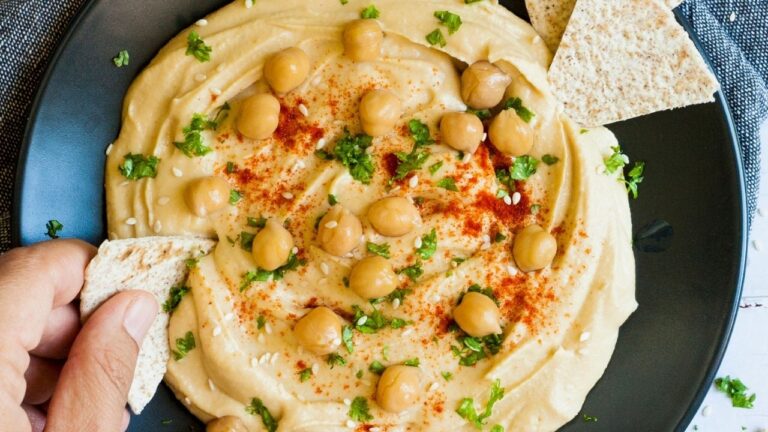
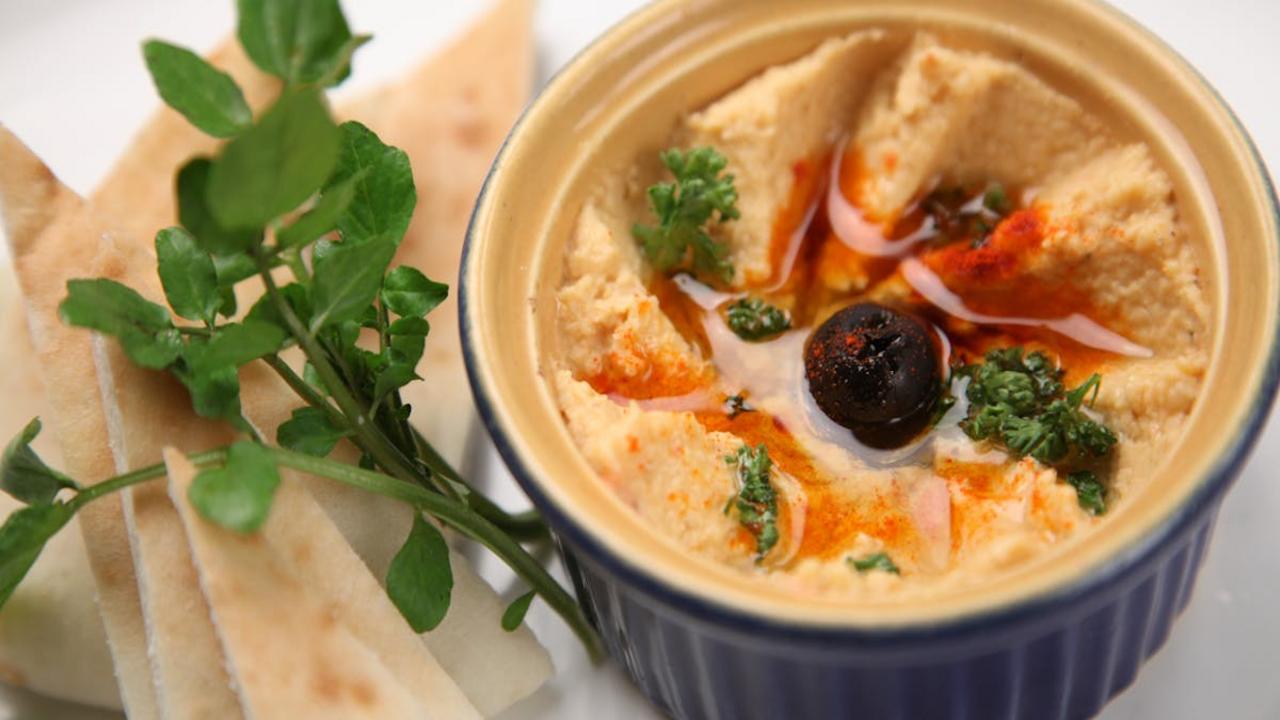
Lebanese food is basically the Mediterranean’s greatest hits album, and trust me, every track is a banger. Picture this: you walk into a Lebanese restaurant and suddenly you’re faced with more dips than a Super Bowl party – hummus, baba ganoush, muhammara, and labneh all vying for your attention like eager puppies. The beauty of Lebanese cooking lies in its generous spirit; mezze platters arrive at your table looking like edible art installations, complete with warm pita bread that’s practically begging you to scoop up every last morsel. And here’s a fun fact that’ll blow your mind: Lebanese people invented tabbouleh, which means they basically created the world’s first superfood salad before kale even knew it was cool.
Now, if you want to bring some Lebanese magic to your weekly menu, start with fattoush – it’s like a regular salad that went to finishing school and learned how to party. Crispy pita chips dance with fresh vegetables and sumac (a tangy spice that tastes like lemony fairy dust), creating a texture symphony in your mouth. For your main event, try making kibbeh, these football-shaped beauties filled with spiced meat that Lebanese grandmothers shape with the precision of sculptors. Pro tip: Lebanese cooking is all about layering flavors, so don’t be shy with the garlic, lemon, and olive oil – they’re the holy trinity that makes everything taste like sunshine on a plate.
Spanish Cuisine
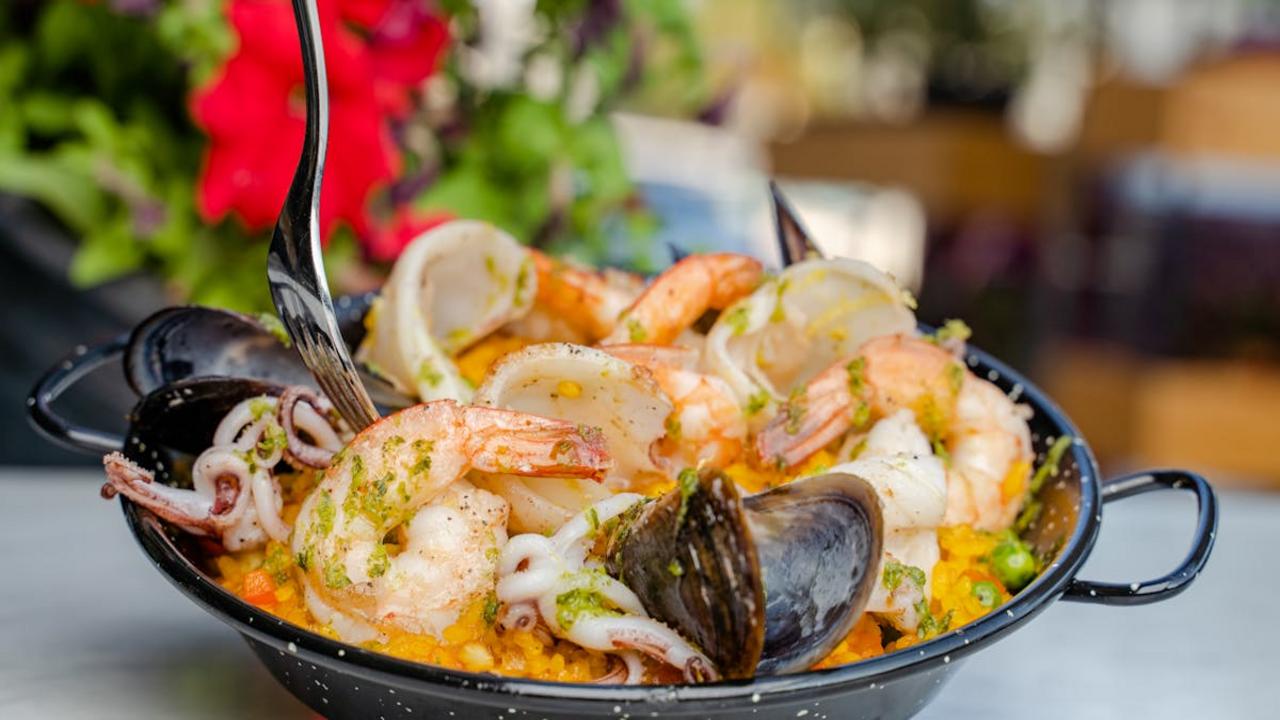
Picture this: you’re sitting in a sun-drenched plaza in Seville, and someone places a plate of paella in front of you that’s roughly the size of a small satellite dish. The saffron-tinted rice glistens like edible gold, studded with plump shrimp, tender chicken, and mussels that look like they just whispered secrets from the Mediterranean. This is Spanish food at its finest—bold, generous, and completely unapologetic about taking up space on your table and in your heart. Spanish cooking doesn’t mess around with portion control or subtle flavors; it grabs you by the shoulders and shouts “¡Olé!” directly into your mouth.
What makes Spanish food so irresistible is how it turns simple ingredients into pure magic through sheer confidence and technique. Take jamón ibérico, for instance—these pigs literally spend their days munching on acorns in oak groves, living better than most Instagram influencers, which creates meat so buttery and complex it makes regular ham weep with envy. Or consider the genius simplicity of patatas bravas, where humble potatoes get dressed up in spicy tomato sauce and become the star of every tapas spread. Fun fact: Spanish people typically eat dinner at 10 PM, which means they’ve perfected the art of keeping their energy up with endless small plates and excellent wine. Start your Spanish adventure with a simple tortilla española—just eggs, potatoes, and olive oil transformed into something that’ll make you question everything you thought you knew about comfort food.
Thai Cuisine
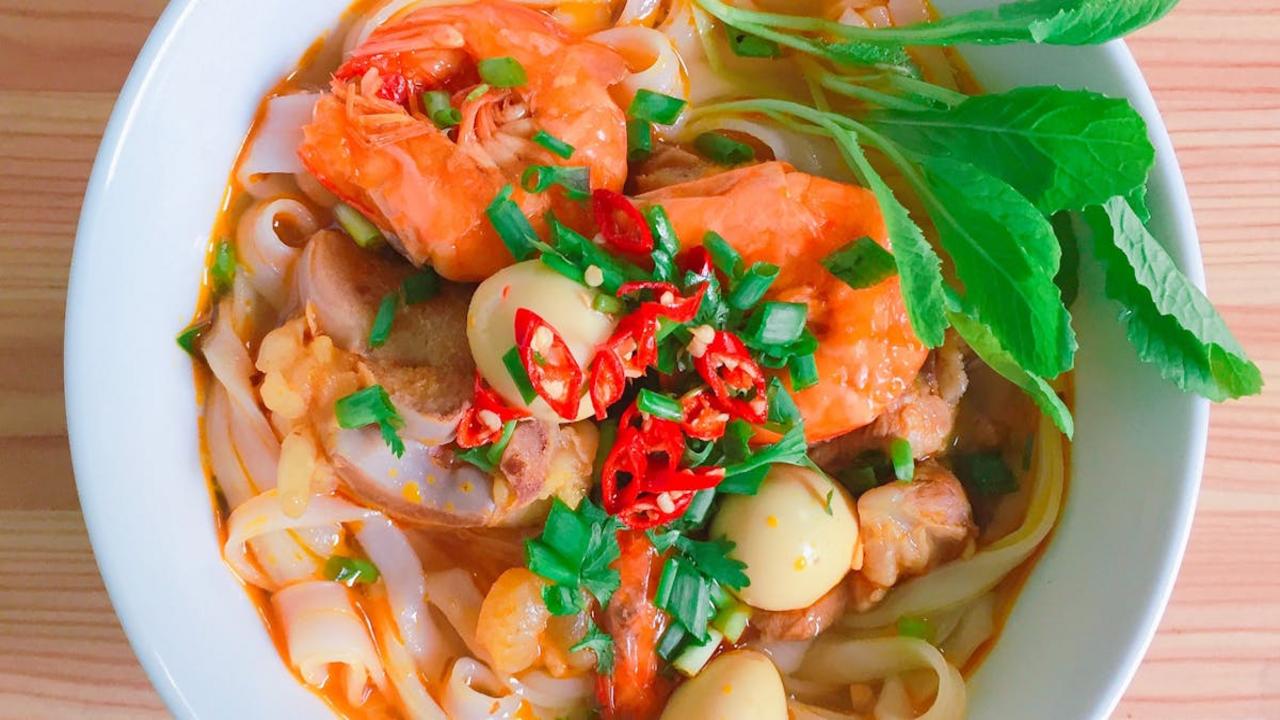
Thai food hits different, and I mean that in the most spectacular way possible. This cuisine masters the art of balance like a tightrope walker who moonlights as a chemist. Sweet, sour, salty, spicy, and bitter flavors dance together in perfect harmony, creating dishes that make your mouth do a happy little jig. Take Pad Thai, for instance – those tamarind-kissed rice noodles with their perfect chew, tossed with shrimp or tofu, bean sprouts, and crushed peanuts that add the most satisfying crunch. Fun fact: authentic Pad Thai should never be bright red from ketchup (yes, some places commit this crime), but rather a beautiful caramel color from palm sugar and tamarind paste.
Tom Yum soup deserves its own standing ovation for being simultaneously comforting and electrifying. The lemongrass, kaffir lime leaves, and galangal create an aromatic symphony that clears your sinuses while warming your soul. Here’s something wild: Thai chilies are about 50 times hotter than jalapeños, yet somehow Thai cooks wield them with such precision that the heat enhances rather than destroys. Green curry, red curry, massaman curry – each one tells a different story on your plate. Pro tip: always order Thai spice level “medium” on your first visit, because their “mild” might still send you reaching for that glass of coconut milk faster than you can say “som tam.”
Nordic Cuisine
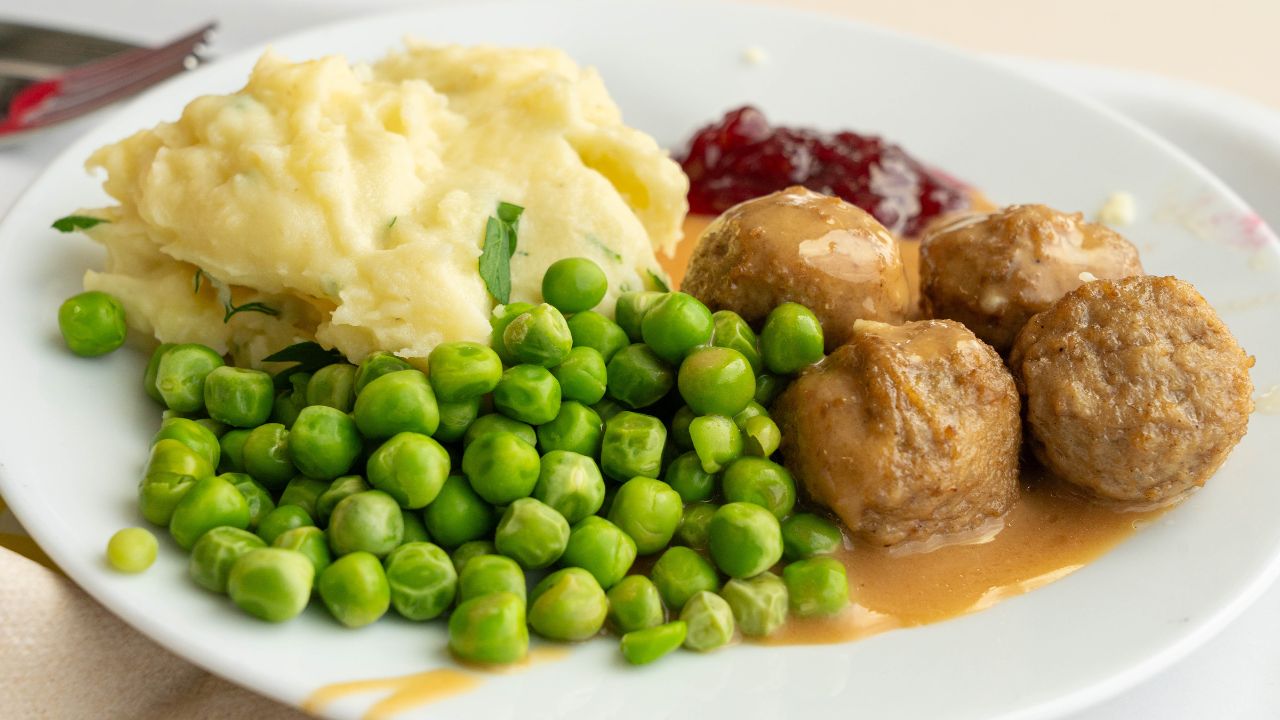
Picture this: you’re sitting in a cozy cabin while snow swirls outside, and someone serves you fermented shark that smells like ammonia mixed with old gym socks. Welcome to Nordic cuisine, where Vikings once ruled and apparently decided that regular food was for weaklings! But don’t let hákarl (that infamous Icelandic shark) scare you away from this fascinating food culture. Nordic cooking celebrates the harsh beauty of Scandinavia through preservation techniques that would make your grandmother weep with pride. We’re talking about smoking, curing, pickling, and fermenting everything from fish to vegetables, creating flavors so complex they’d make a sommelier dizzy.
The real magic happens when you discover dishes like Swedish meatballs swimming in lingonberry sauce, Danish smørrebrød (open-faced sandwiches that are basically edible art), or Norwegian lefse – a potato flatbread so buttery and soft it feels like a warm hug from your Norse ancestors. Here’s a fun fact: Norwegians eat approximately 44 pounds of fish per person annually, which explains why they’re so good at preparing salmon in seventeen different ways. Try making gravlax at home by burying salmon in salt, sugar, and dill for three days – yes, you literally bury it like treasure, and the results are absolutely worth the wait. The Nordic philosophy of hygge (cozy contentment) isn’t just about lighting candles; it’s about gathering around simple, honest food that connects you to the rugged landscape and rich traditions of the North.
Vietnamese Cuisine
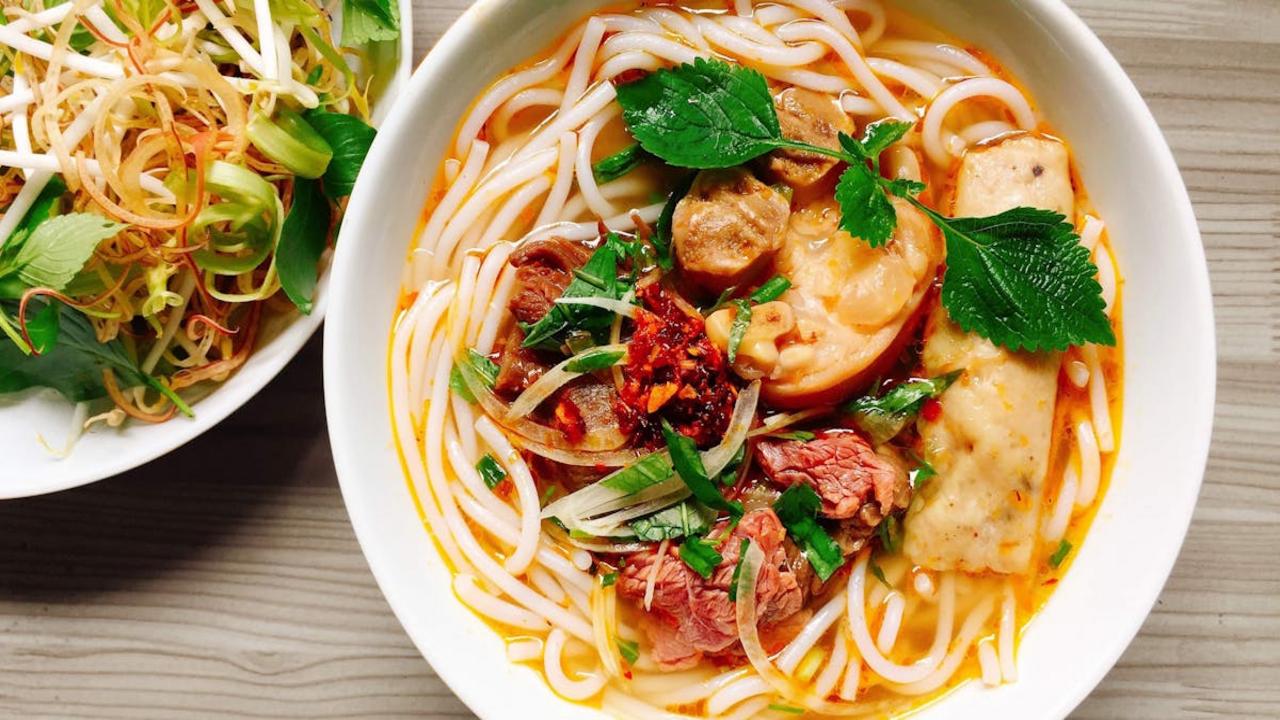
Vietnamese food is like that friend who shows up to every party with the perfect outfit – fresh, balanced, and somehow making everyone else look a little overdressed. Picture this: you’re slurping pho at 7 AM (because that’s when Vietnamese people actually eat it, not at midnight after questionable life choices), and suddenly you understand why this soup has conquered the world. The secret lies in the aromatics – star anise, cinnamon, and cardamom dance together in a broth that’s been simmering longer than your last relationship lasted. Fun fact: pho actually originated in northern Vietnam in the early 1900s, and the name comes from the French word “feu” as in pot-au-feu, because colonialism left its mark even on soup pronunciation.
But pho is just the opening act in Vietnam’s food show. Banh mi sandwiches prove that the French baguette can absolutely handle Vietnamese flavors without having an identity crisis – crispy bread stuffed with pickled vegetables, cilantro, and your protein of choice creates the perfect handheld meal. Then there’s fresh spring rolls (goi cuon) wrapped in rice paper so thin it’s practically see-through, filled with herbs that taste like they were picked five minutes ago. Vietnamese cooks treat herbs like other cuisines treat salt – generously and without apology. Mint, cilantro, Thai basil, and dill appear in almost every dish, turning your dinner plate into an aromatic garden party where everyone’s invited and nobody leaves hungry.
Indian Cuisine
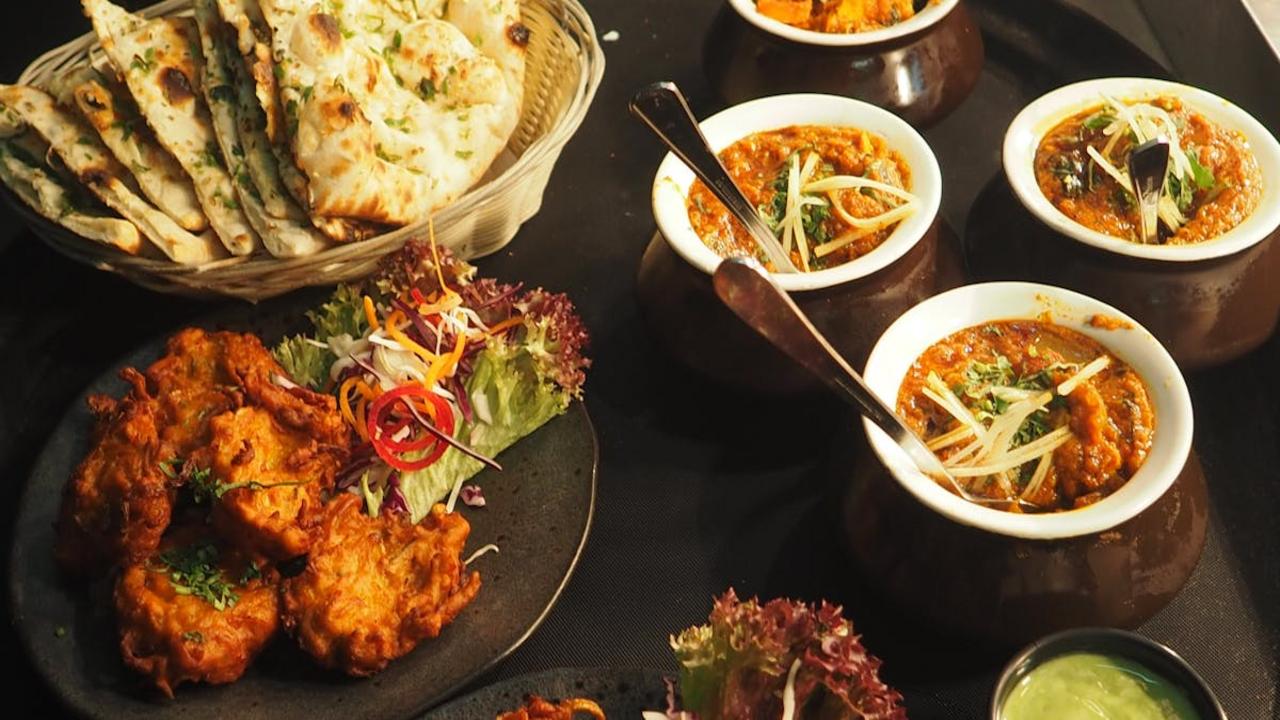
Picture this: you’re sitting in your kitchen, and suddenly the most incredible aroma wafts through the air—cardamom, cumin, turmeric, and garam masala dancing together like they’re at the world’s best spice party. That’s Indian food for you! This incredible cuisine spans a subcontinent with over 1.4 billion people, so naturally, it’s as diverse as a Bollywood musical cast. From the creamy, tomato-rich curries of the north to the coconut-kissed dishes of Kerala in the south, Indian food will make your regular Tuesday night dinner feel like a festival. Fun fact: India grows more spices than any other country in the world, and they’ve been perfecting this aromatic magic for over 5,000 years—talk about experience!
Start your Indian adventure with something approachable like butter chicken (because honestly, anything with “butter” in the name is already winning), paired with fluffy naan bread that’s perfect for scooping up every last drop of sauce. Or try dal, a comforting lentil dish that’s basically the Indian equivalent of a warm hug—simple, satisfying, and surprisingly easy to make at home. Here’s a secret: most Indian households cook with a pressure cooker, which cuts cooking time in half and makes those tough lentils creamy perfection. Don’t be intimidated by the long spice lists; you can buy pre-made spice blends like garam masala to get started, then gradually build your collection as your confidence grows.
Korean Cuisine
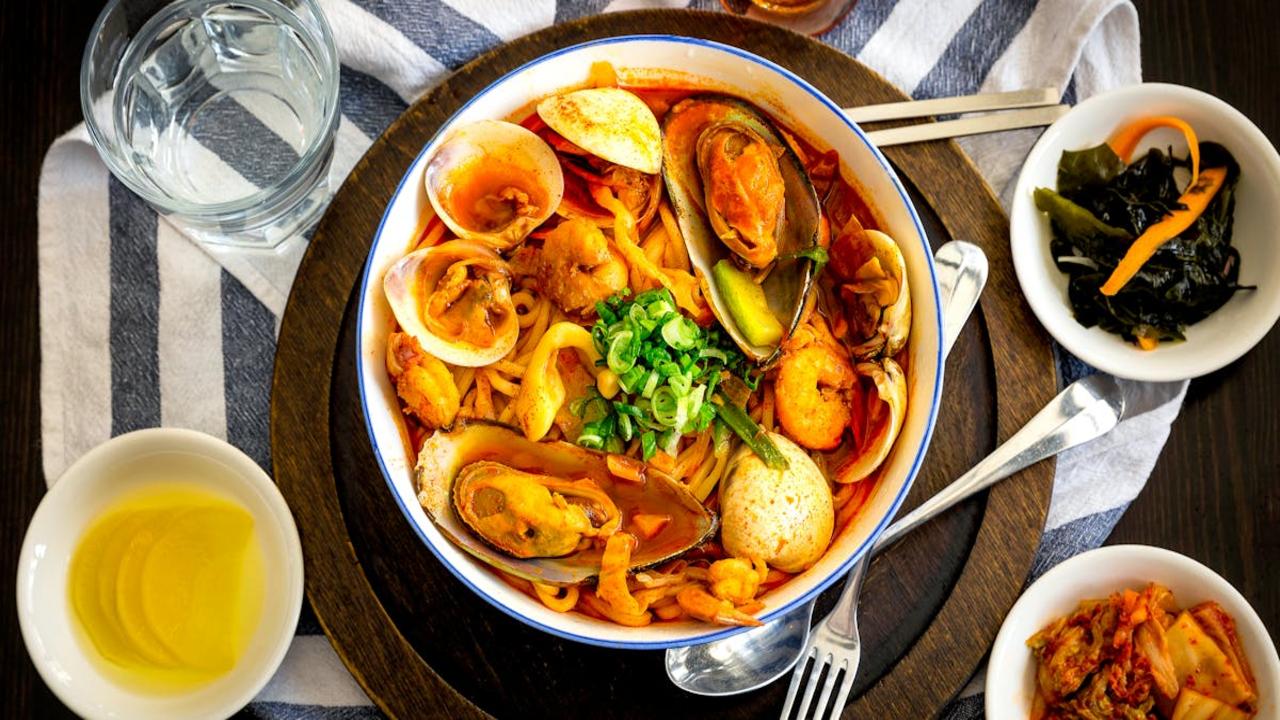
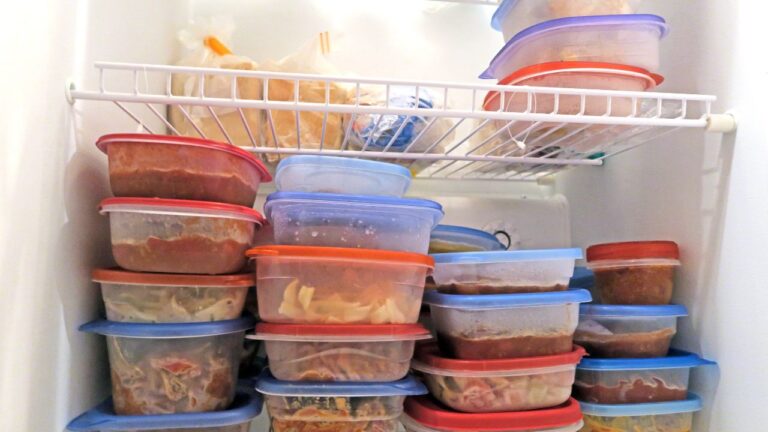
Korean food hits different, and I’m not just talking about the gochujang-induced sweat dripping down your forehead after a particularly ambitious bite of kimchi jjigae. This cuisine has mastered the perfect balance of spicy, sour, sweet, and umami that makes your mouth do a little happy dance with every spoonful. The fermentation game here is absolutely legendary – Koreans have been fermenting vegetables for over 2,000 years, turning humble cabbage into the superstar kimchi that now graces trendy restaurant menus worldwide. Fun fact: the average Korean household keeps about 40 different varieties of kimchi in their fridge at any given time, which explains why Korean refrigerators are basically kimchi museums.
But Korean cuisine goes way beyond the fermented cabbage fame. You’ve got bulgogi that literally translates to “fire meat” (honestly, could there be a better name?), bibimbap that turns eating into an interactive art project where you get to mix everything together like a delicious rainbow explosion, and Korean fried chicken that makes KFC weep tears of inadequacy. The secret weapon? Double-frying technique that creates a crust so impossibly crispy it sounds like bubble wrap popping when you bite into it. Plus, banchan culture means you’re basically getting a free appetizer buffet with every meal – those little side dishes keep coming like magic, and suddenly you’re full before your main course even arrives, but somehow you keep eating anyway because everything is just too good to stop.
Japanese Cuisine
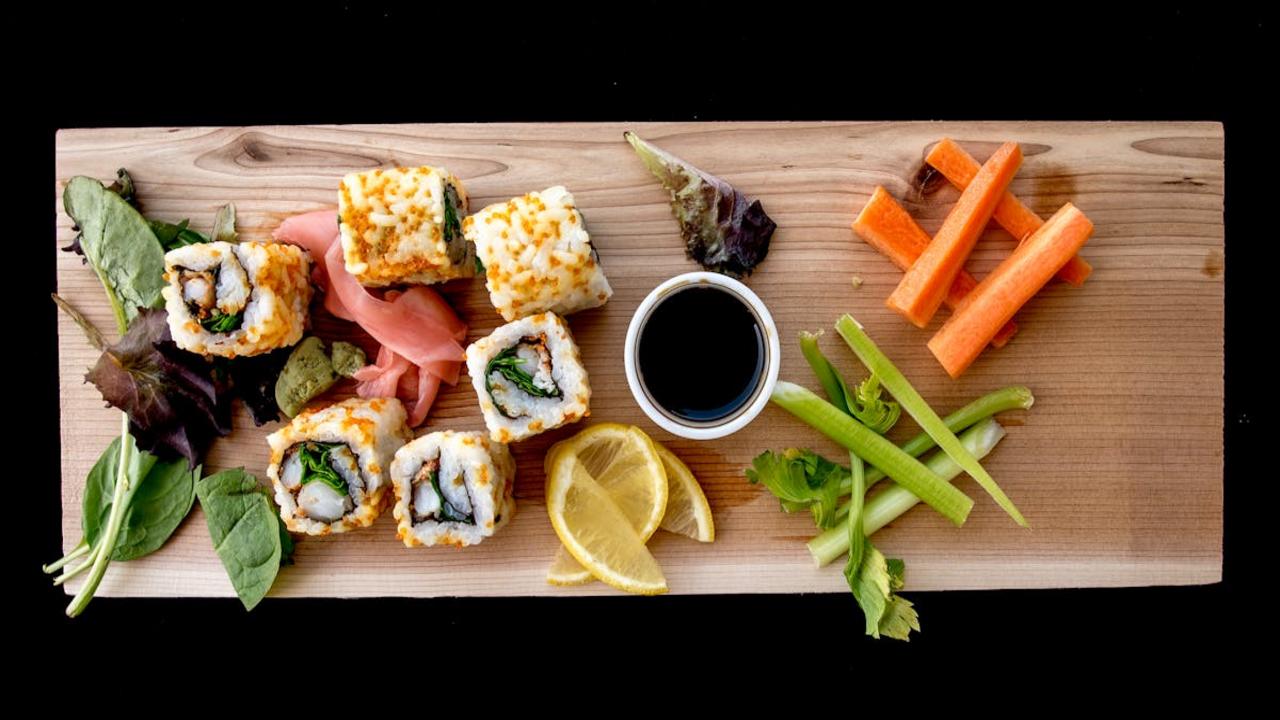
You know that friend who somehow makes everything look effortless? That’s Japanese food in a nutshell. One minute you’re slurping ramen like it’s your job (and honestly, it should be), and the next you’re attempting to eat sushi with chopsticks while trying not to look like you’re performing surgery. Fun fact: wasabi isn’t actually green horseradish – real wasabi comes from a finicky plant that costs more per pound than your monthly rent and loses its punch faster than a celebrity scandal. Most of what we call “wasabi” is just mustard powder with green food coloring, but don’t worry, your burning sinuses can’t tell the difference.
Japanese cooking revolves around this beautiful concept called “umami” – that mysterious fifth taste that makes your mouth water before you even know why. Think of it as the food equivalent of that perfect song that hits different every single time. Start simple with a weeknight miso soup (just dissolve miso paste in hot water and throw in some tofu and seaweed), or try your hand at onigiri – rice balls that look deceptively simple but require the patience of a monk and hands that apparently don’t burn. Pro tip: wet your hands with salted water first, unless you enjoy rice glued to your palms like some kind of carb-based craft project gone wrong.
Mediterranean Cuisine
Picture this: you’re sitting on a sun-drenched terrace overlooking the azure waters of the Aegean Sea, and someone slides a plate of perfectly grilled octopus drizzled with golden olive oil in front of you. That’s Mediterranean cuisine in a nutshell—food that makes you want to quit your job and become a professional beach lounger. This isn’t just about throwing some feta cheese on everything and calling it a day (though honestly, that’s not a terrible strategy). Mediterranean cooking celebrates the holy trinity of olive oil, fresh herbs, and vegetables that actually taste like vegetables, not cardboard pretending to be nutrition.
Here’s something wild: people in the Mediterranean region live longer than pretty much anyone else on the planet, and scientists think it’s because they eat like every meal is a small celebration. They load up on fish that’s so fresh it probably swam to shore voluntarily, tomatoes that burst with flavor, and enough garlic to ward off vampires from three countries away. Try making a simple Greek salad this week—chunky cucumbers, ripe tomatoes, red onions, olives, and a slab of feta that would make Zeus weep with joy. Drizzle it with good olive oil and red wine vinegar, and suddenly your Tuesday dinner feels like a vacation you can actually afford.