14 Exotic Fruits That Taste Incredible and Belong on Your Foodie Bucket List
Ready to shake up your fruit bowl? I’ve gathered 14 extraordinary fruits from around the world that will transform your snacking routine. From the vibrant pink dragon fruit to the notoriously pungent durian, each of these treasures offers flavors you simply can’t find in typical grocery store options.
You don’t need a plane ticket to experience these global delights! Many specialty markets now carry these once-rare fruits, making your next food adventure just a shopping trip away. The creamy custard apple, tangy passion fruit, and sweet lychee will introduce your palate to entirely new flavor dimensions.
Adding these fruits to your bucket list connects you with food traditions from tropical regions worldwide. Each fruit carries its own story, distinctive growing method, and unique way to eat it. Try one new exotic fruit each month, and you’ll discover favorite flavors you never knew existed!
Cherimoya
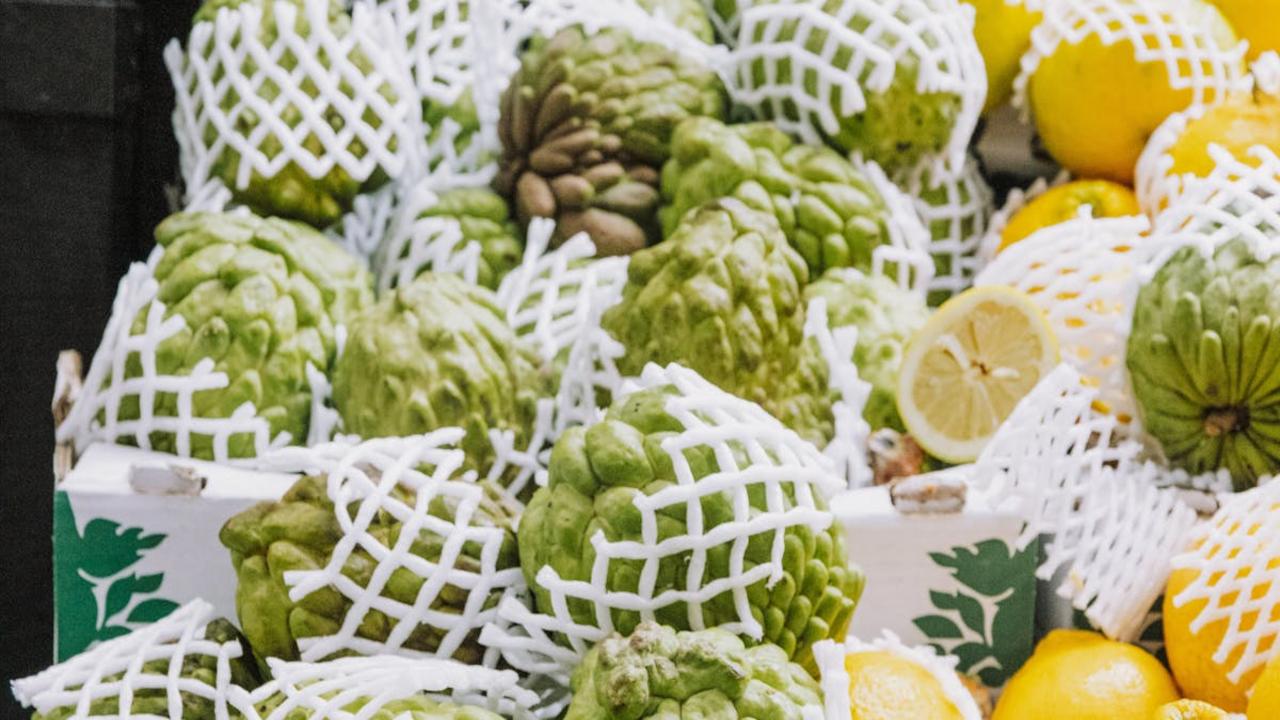
You know that moment when you bite into something so creamy and sweet that it stops you in your tracks? That’s exactly what happens with cherimoya, often called “custard apple” for good reason. This heart-shaped tropical treasure from South America delivers a flavor that’s like a perfect blend of banana, pineapple, and vanilla ice cream all rolled into one incredible package. The flesh is impossibly smooth and custard-like, making each spoonful feel like dessert straight from nature’s kitchen.
Finding cherimoya might take a little detective work since it’s still relatively rare in most grocery stores, but specialty markets and Latin American grocers often carry them. Choose fruits that give slightly to gentle pressure – they should feel soft but not mushy. The green, scaly exterior might look intimidating, but don’t let that fool you. Simply cut it in half, scoop out the creamy white flesh with a spoon, and remove the large black seeds as you go. I love eating cherimoya chilled on its own, but it also makes an amazing addition to smoothies or fruit salads when you want to add something truly special.
Feijoa
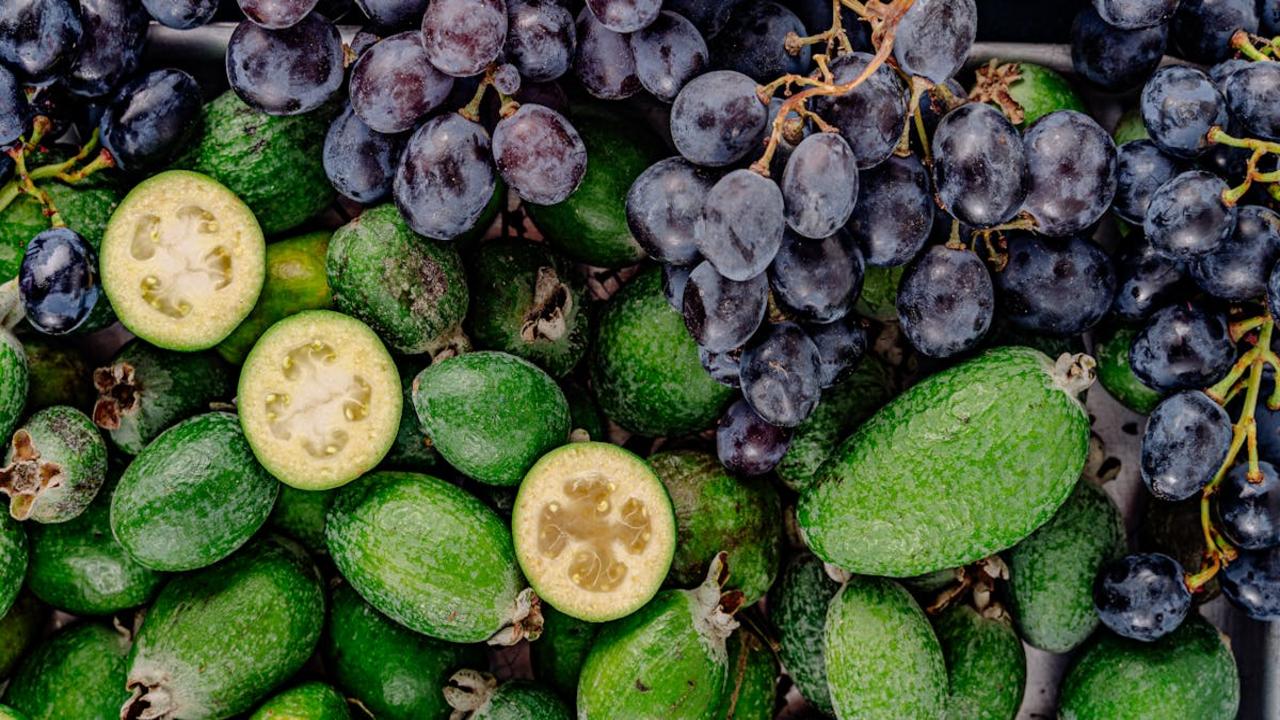
Picture a fruit that tastes like a tropical vacation mixed with your grandmother’s homemade guava jam – that’s feijoa for you! This green, egg-shaped wonder from South America brings together the sweet fleshiness of pineapple with hints of mint and strawberry. You’ll find the texture surprisingly grainy yet creamy, almost like eating a perfectly ripe pear that decided to take on exotic flavors. The skin stays edible too, though most people prefer scooping out the aromatic flesh with a spoon.
Feijoa works beautifully in both sweet and savory dishes, making it incredibly versatile for your kitchen experiments. Try blending it into smoothies for an instant tropical upgrade, or fold chunks into yogurt with a drizzle of honey. The fruit also shines in baked goods – feijoa muffins or crumbles will fill your home with the most incredible fragrance. You can even make a quick salsa by dicing feijoa with red onion, cilantro, and lime juice to serve alongside grilled fish or chicken. The natural sweetness balances beautifully with tangy or spicy elements, giving you endless possibilities to create memorable meals.
Custard Apple
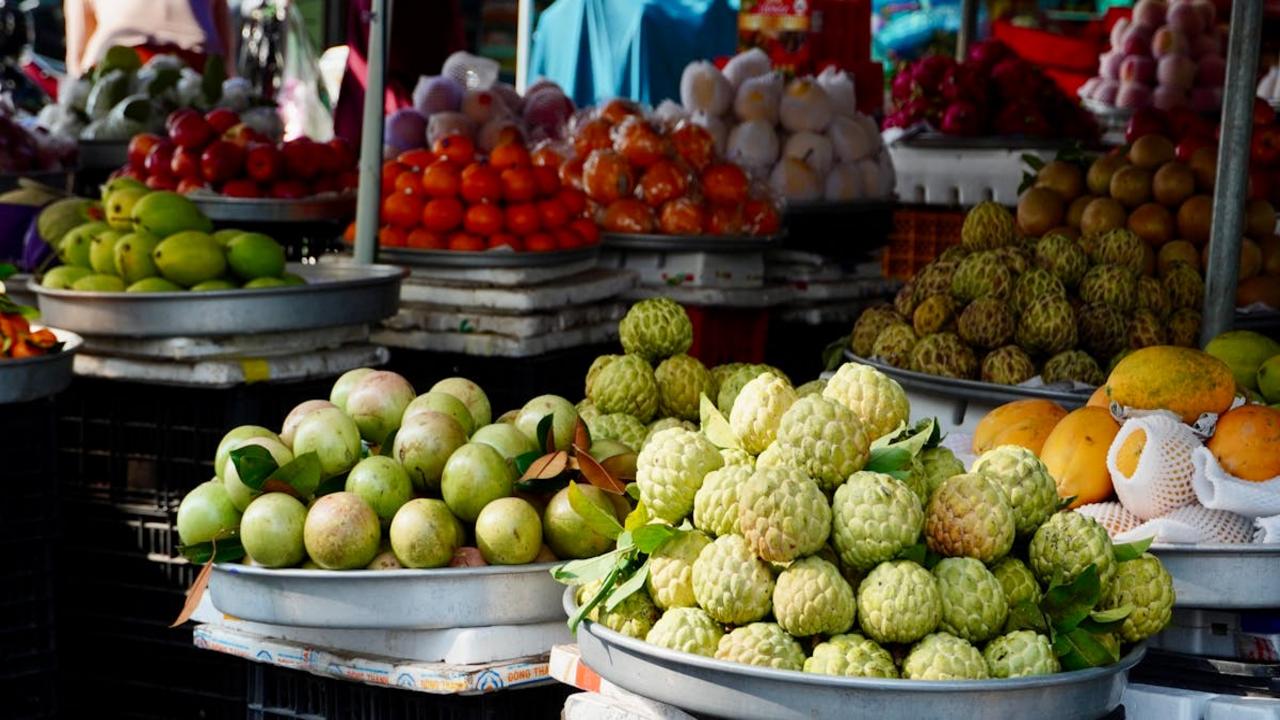
You know that moment when you bite into something so creamy and sweet it feels like dessert? That’s exactly what happens with custard apple, also known as sugar apple or sweetsop. This tropical treasure has bumpy, green skin that might look intimidating at first, but trust me – what’s inside is pure magic. The flesh is incredibly soft and custard-like (hence the name!), with a flavor that combines vanilla, banana, and pineapple all rolled into one incredible package. Native to the Americas but now grown throughout tropical regions, this fruit literally tastes like nature’s own crème brûlée.
Getting to the good stuff requires a bit of technique, but it’s totally worth it. Simply cut the fruit in half and scoop out the creamy segments with a spoon, being careful to remove the large black seeds as you go. I love eating custard apple straight up as a healthy dessert alternative, but you can also blend it into smoothies, make ice cream, or even use it in tropical fruit salads. The texture is so rich and satisfying that a small portion goes a long way. Plus, you’re getting a good dose of vitamin C, fiber, and antioxidants while treating yourself to something that tastes absolutely divine.
Breadfruit
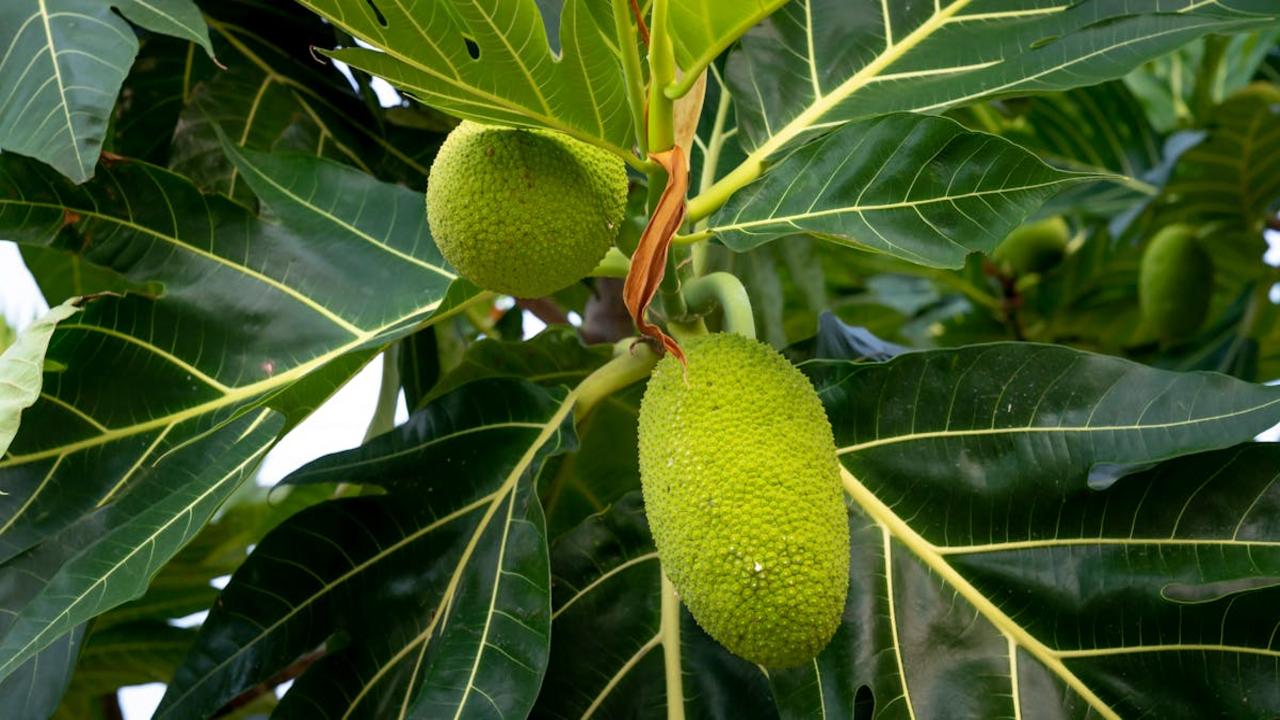
Picture a green, football-sized fruit with bumpy skin that transforms into something absolutely magical when you cook it. Breadfruit might look intimidating at first glance, but trust me – this tropical treasure from the Pacific Islands deserves a spot in your kitchen. When ripe, the flesh becomes creamy and starchy, with a flavor that sits beautifully between potato and fresh bread. I love how versatile this fruit can be – you can roast it, boil it, fry it, or even turn it into flour for baking adventures.
What makes breadfruit so special is its incredible nutritional profile packed with vitamin C, potassium, and fiber. The texture changes dramatically depending on how you prepare it, which means you get to experiment with different cooking methods. Try slicing it thick and roasting with herbs for a side dish that rivals any potato preparation, or mash it with coconut milk for a creamy, tropical twist on comfort food. The best part? Breadfruit keeps you satisfied longer than many other fruits, making it perfect for hearty meals that nourish your body and soul.
Guava
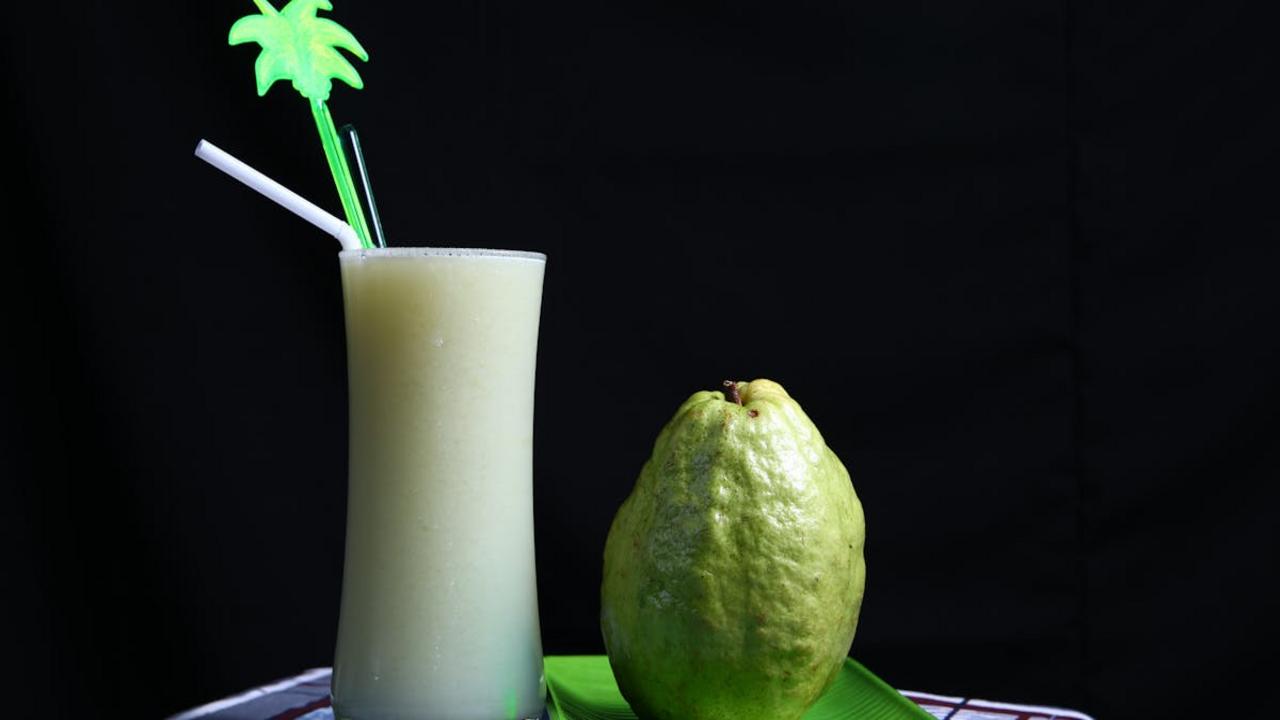
Guava brings such a beautiful surprise to anyone who tries it for the first time! This tropical gem has a sweet, floral fragrance that hits you before you even take a bite. The flesh can range from white to deep pink, and the flavor is like a perfect marriage between a pear and a strawberry with hints of citrus. You can eat the entire fruit, including the skin, which makes it incredibly convenient for snacking. The texture is soft and creamy, almost custard-like, with tiny edible seeds that add a pleasant crunch.
What makes guava truly special is its incredible nutritional profile – it packs more vitamin C than oranges and contains powerful antioxidants that support your immune system. You can enjoy guava fresh, blend it into smoothies, make it into jams, or even add it to savory dishes for a tropical twist. I love slicing it thin and adding it to salads or yogurt bowls for a burst of natural sweetness. The versatility is amazing – from agua fresca to guava paste for cheese pairings, this fruit adapts beautifully to both sweet and savory applications.
Soursop
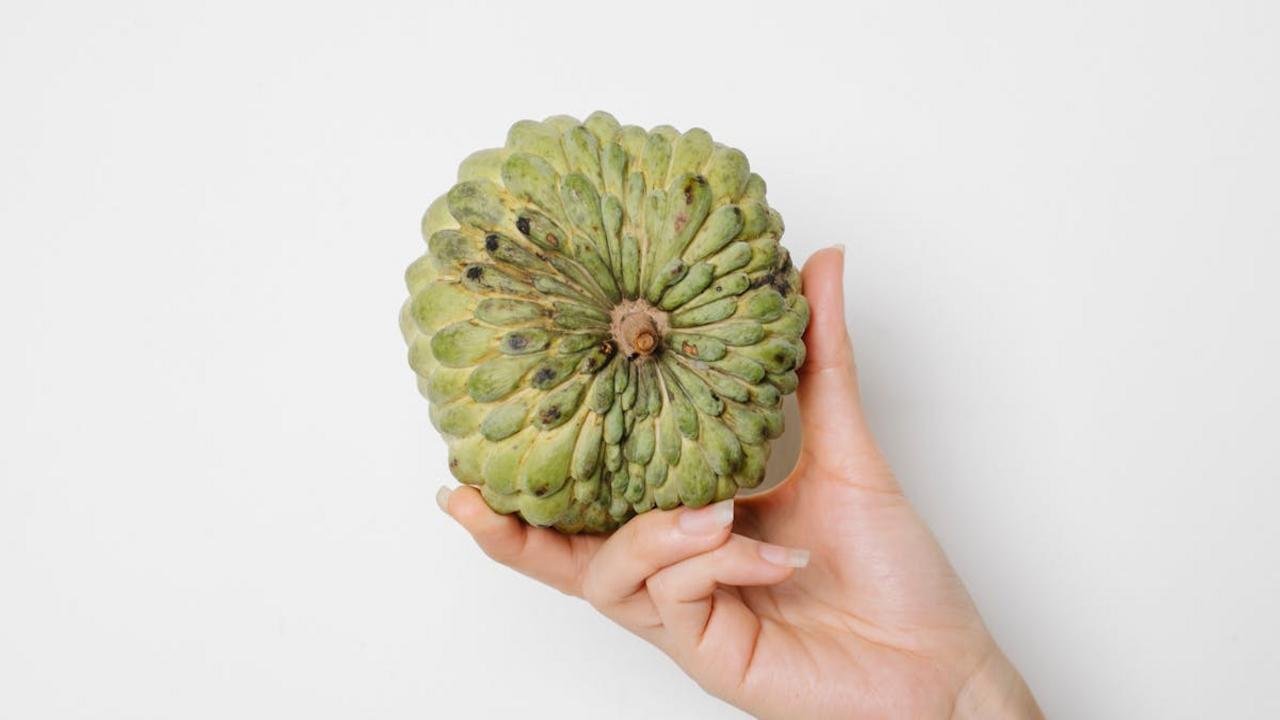
Picture this: you’re holding what looks like a prehistoric green heart covered in soft spikes, and inside lies one of the most heavenly fruit experiences you’ll ever have. Soursop, also known as graviola, brings together the tropical sweetness of strawberry and pineapple with subtle notes of coconut and banana. The creamy, custard-like flesh melts on your tongue, delivering a flavor so unique that you’ll wonder why this incredible fruit isn’t sitting in every grocery store across America. Native to the Caribbean and Central America, soursop has been treasured by tropical communities for generations.
Beyond its extraordinary taste, soursop packs serious nutritional power that makes it worth seeking out at specialty markets or international grocers. This spiky beauty delivers high doses of vitamin C, fiber, and potassium while staying naturally low in calories. You can blend the pulp into smoothies, make refreshing agua frescas, or simply eat it fresh with a spoon like nature’s own ice cream. Just remember to remove the large black seeds before enjoying! The fruit’s natural sweetness means you won’t need added sugars in most recipes, making it perfect for anyone looking to satisfy their sweet tooth while nourishing their body.
Durian
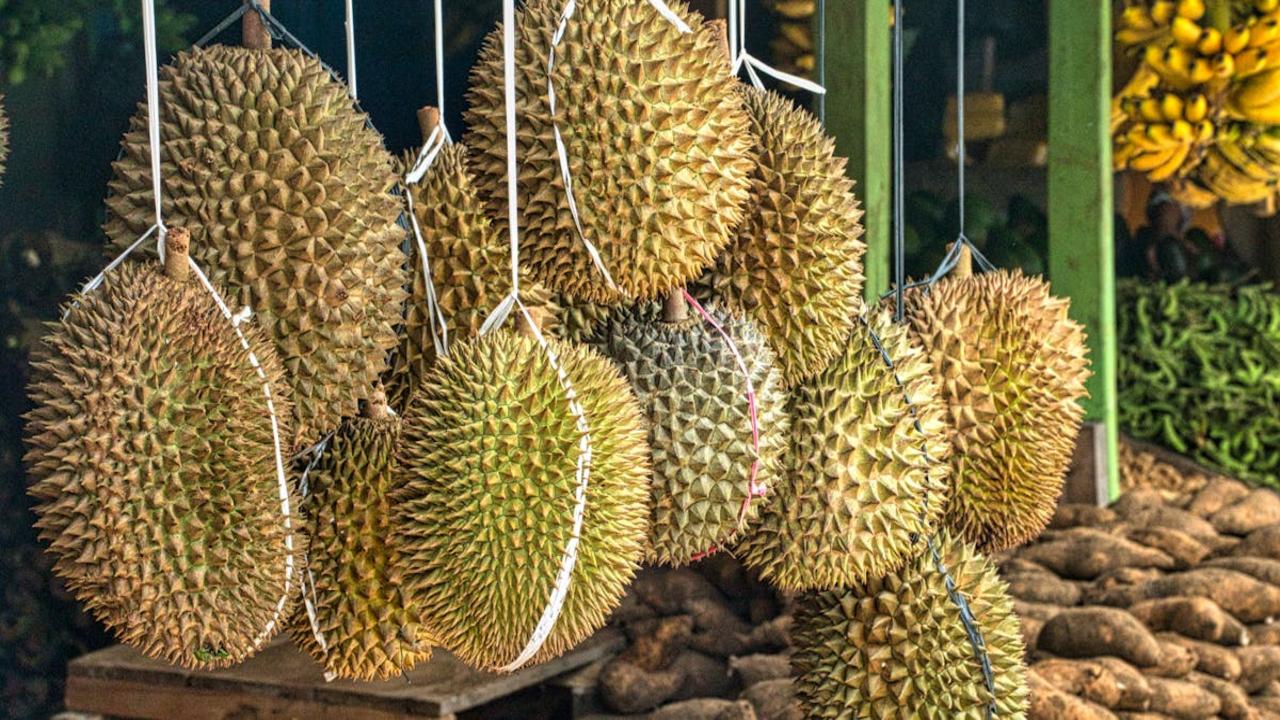
You know that saying about not judging a book by its cover? Well, durian takes that wisdom to a whole new level! This spiky, football-sized fruit from Southeast Asia has earned quite the reputation for its incredibly pungent aroma – some describe it as a mix of onions, turpentine, and raw sewage. I know, I know, that doesn’t sound appetizing at all! But here’s the thing: millions of people across Thailand, Malaysia, and Indonesia absolutely adore this fruit, calling it the “king of fruits” for good reason.
Once you get past that initial shock to your senses, durian reveals its true magic inside those intimidating spikes. The creamy, custard-like flesh has an incredibly complex flavor profile that’s sweet, nutty, and almost caramel-like, with hints of vanilla and almond. Think of the richest, most decadent dessert you’ve ever had – that’s durian for you! It’s packed with healthy fats, vitamin C, and potassium too. My advice? Start with frozen durian or durian ice cream if you’re feeling nervous about trying the fresh fruit. Many people find the cold temperature tones down the smell while still giving you that incredible flavor experience. Trust me, once you develop a taste for durian, you’ll understand why people travel thousands of miles just to enjoy the best varieties!
Jackfruit
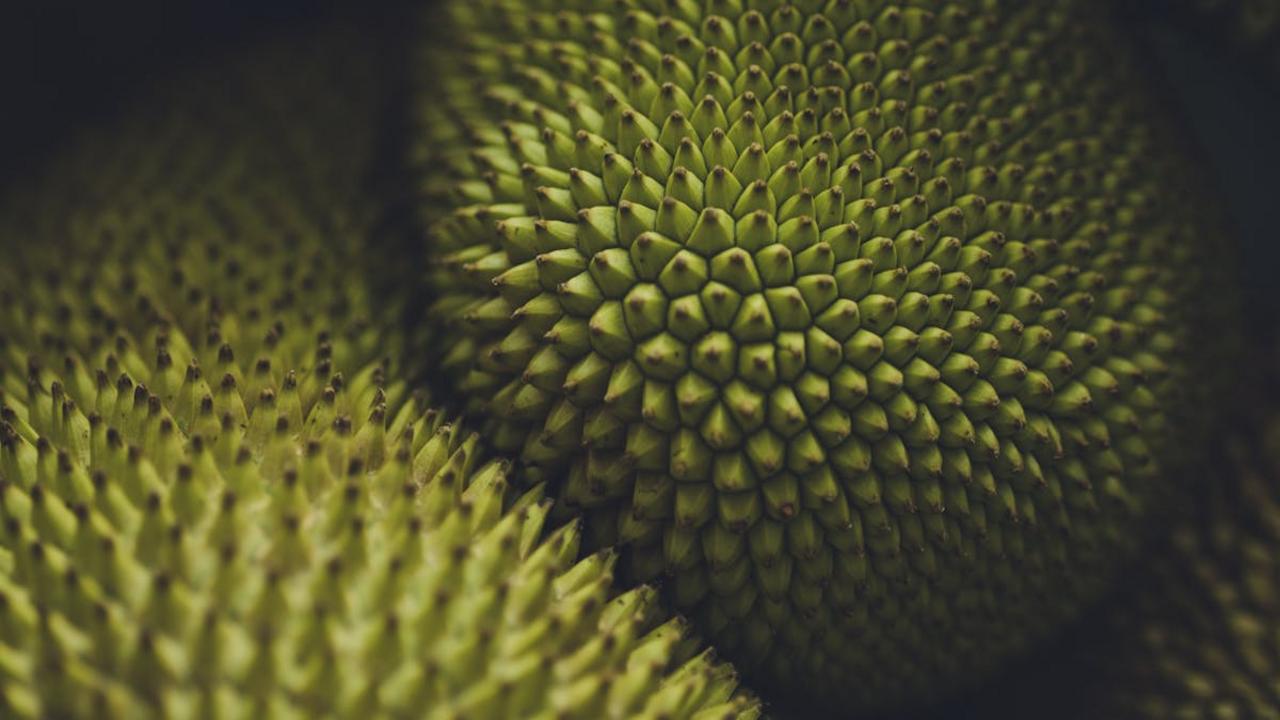
Picture the largest tree-borne fruit in the world hanging from branches like nature’s own treasure chest – that’s jackfruit for you! This spiky green giant can weigh up to 80 pounds and grows throughout Southeast Asia, where families have been enjoying its sweet, tropical goodness for centuries. When you crack open a ripe jackfruit, you’ll discover golden pods that taste like a magical blend of banana, pineapple, and mango all rolled into one. The texture is wonderfully chewy and satisfying, making each bite feel like a tropical vacation in your mouth.
What makes jackfruit truly special is its incredible versatility – young, unripe jackfruit has a meaty texture that works beautifully in savory dishes, while the ripe fruit shines in desserts and smoothies. You can find canned jackfruit in most grocery stores now, making it super easy to experiment with both sweet and savory preparations. Try shredding the young fruit for plant-based tacos or curry, or blend the ripe pods into ice cream and puddings. Rich in fiber, vitamin C, and potassium, this remarkable fruit proves that healthy eating never has to be boring!
Star Fruit
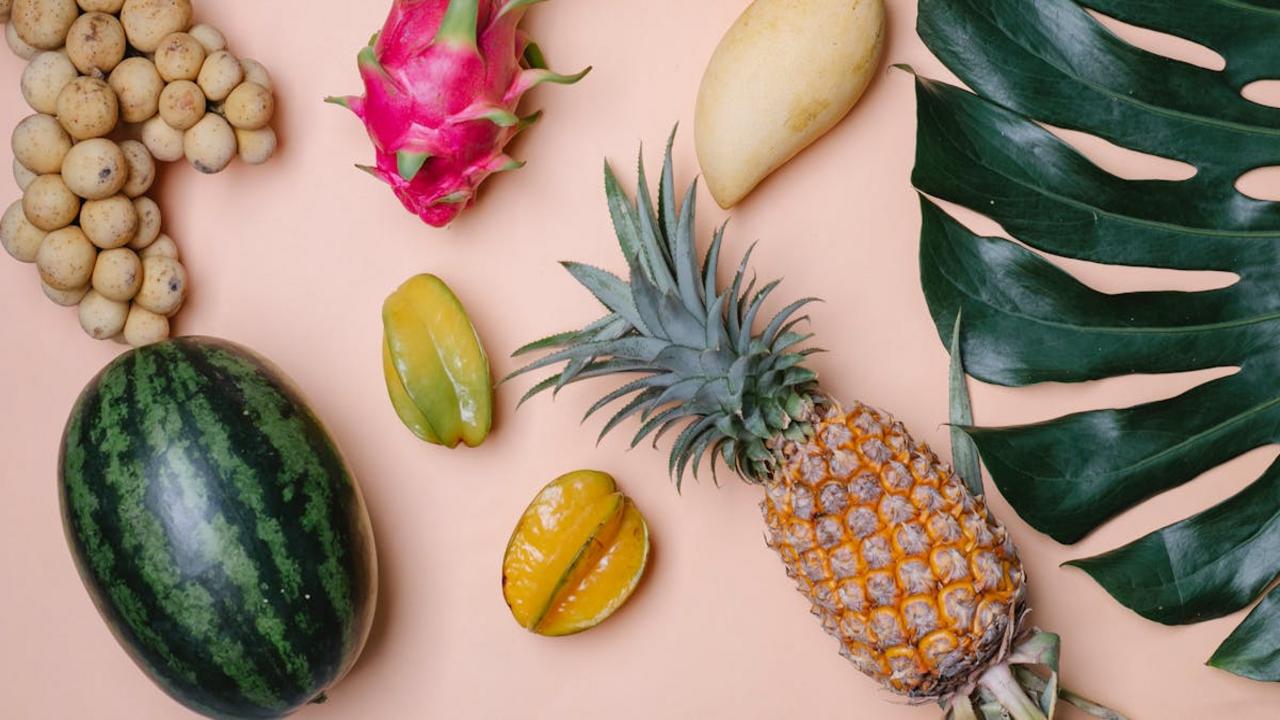
Star fruit, also known as carambola, is one of those magical fruits that makes you smile just by looking at it. When you slice this golden-yellow beauty crosswise, each piece reveals a perfect five-pointed star shape that’s almost too pretty to eat. The thin, edible skin means no peeling required – just rinse, slice, and enjoy! Native to Southeast Asia, this tropical gem has been winning hearts worldwide with its crisp texture that’s somewhere between an apple and a grape. You can find star fruit in most grocery stores year-round, though peak season runs from late summer through winter.
The flavor profile of star fruit is refreshingly unique – imagine a cross between a mild citrus fruit and a sweet apple with just a hint of floral notes. Some varieties lean more tart while others are deliciously sweet, so don’t give up if your first taste isn’t love at first bite. I love adding star fruit slices to fruit salads for that wow factor, or floating them in sparkling water for an elegant drink. They’re also fantastic in smoothies, where they add natural sweetness without overpowering other flavors. Rich in vitamin C and fiber, star fruit makes healthy eating feel like a celebration!
Rambutan
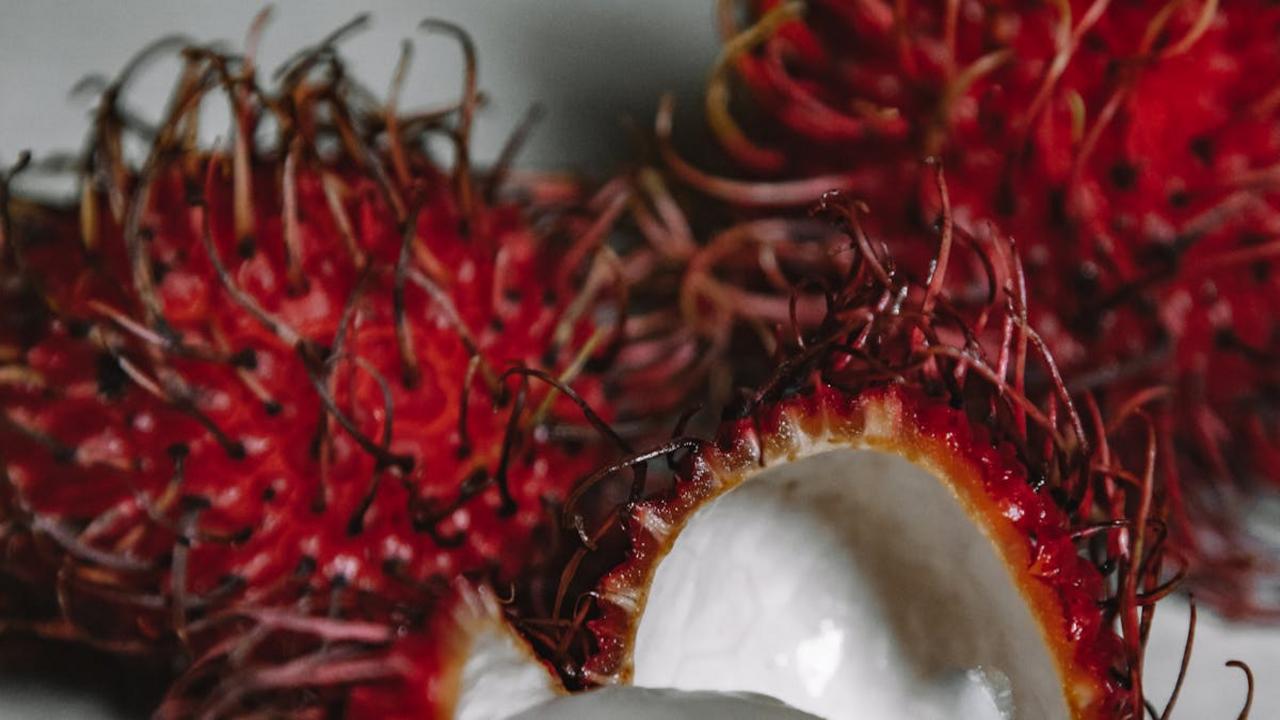
Picture a lychee wearing a punk rock hairdo – that’s exactly what rambutan looks like! This spiky red fruit from Southeast Asia might look intimidating at first glance, but don’t let those hairy spines fool you. Once you crack open that wild exterior, you’ll discover translucent, juicy flesh that’s incredibly sweet and floral. The texture reminds me of grapes, but with a more delicate, almost perfumed flavor that dances on your tongue. I love how rambutan surprises people – it’s like nature’s own little gift wrapped in the most unexpected packaging.
Finding rambutan can feel like a treasure hunt, but Asian markets and specialty stores often stock them during peak season from May through October. When you’re selecting these beauties, look for bright red skin with green-tipped spines – that’s your sign they’re perfectly ripe. Simply use your fingernail to crack the skin, and the fruit practically pops out on its own. I recommend eating them fresh and chilled for the best experience, though they also make fantastic additions to fruit salads or tropical smoothies. Just remember to remove the seed before eating – it’s not harmful, but it doesn’t taste great!
Mangosteen
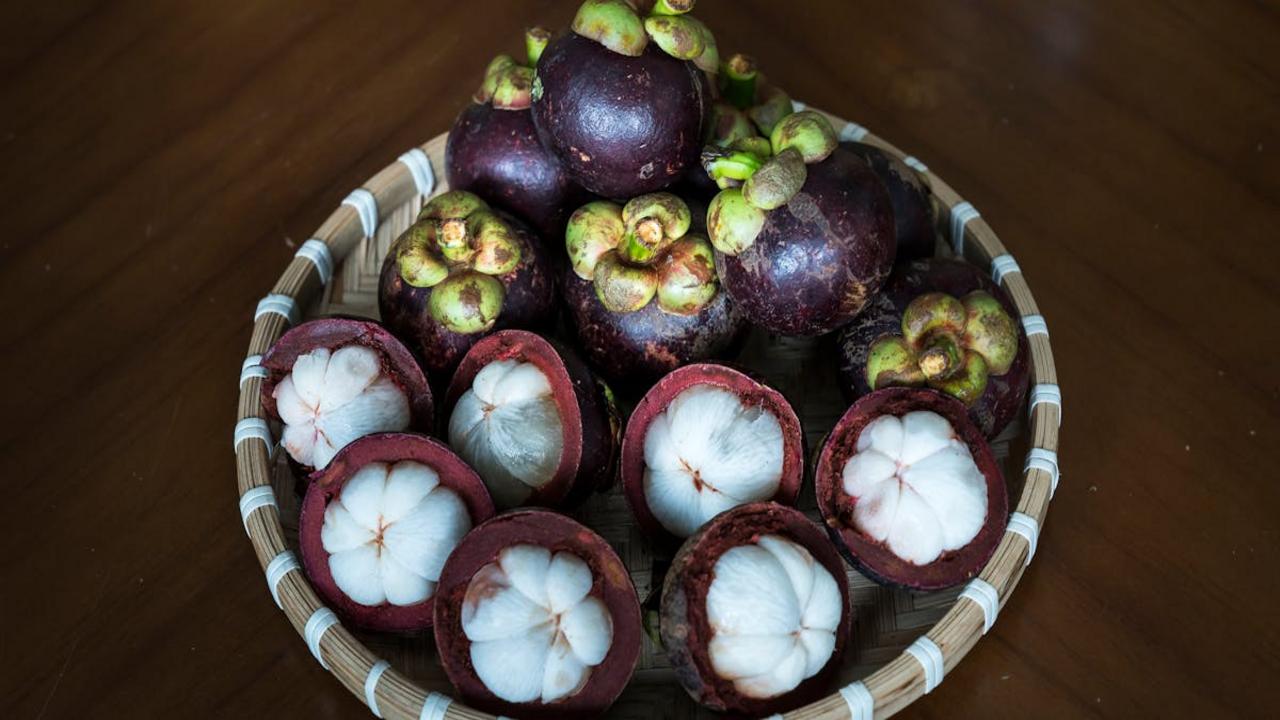
If you’ve never tried mangosteen, you’re missing out on what many consider the queen of tropical fruits! This purple-skinned beauty from Southeast Asia hides incredibly sweet, white flesh segments inside that taste like a perfect blend of peach, pineapple, and citrus with floral notes. The thick, dark rind protects delicate fruit sections that practically melt in your mouth, delivering a flavor so unique and refreshing that it’s become legendary among fruit lovers worldwide.
Finding fresh mangosteen can be tricky since it’s highly perishable and doesn’t travel well, but specialty Asian markets sometimes carry them during peak season. The fruit is packed with antioxidants and vitamin C, making it both delicious and nutritious. When you do get your hands on one, gently squeeze the rind until it cracks, then twist it open to reveal the pristine white segments inside. Each bite offers pure tropical bliss that will have you searching for more – just be prepared to pay premium prices for this exotic treasure!
Lychee
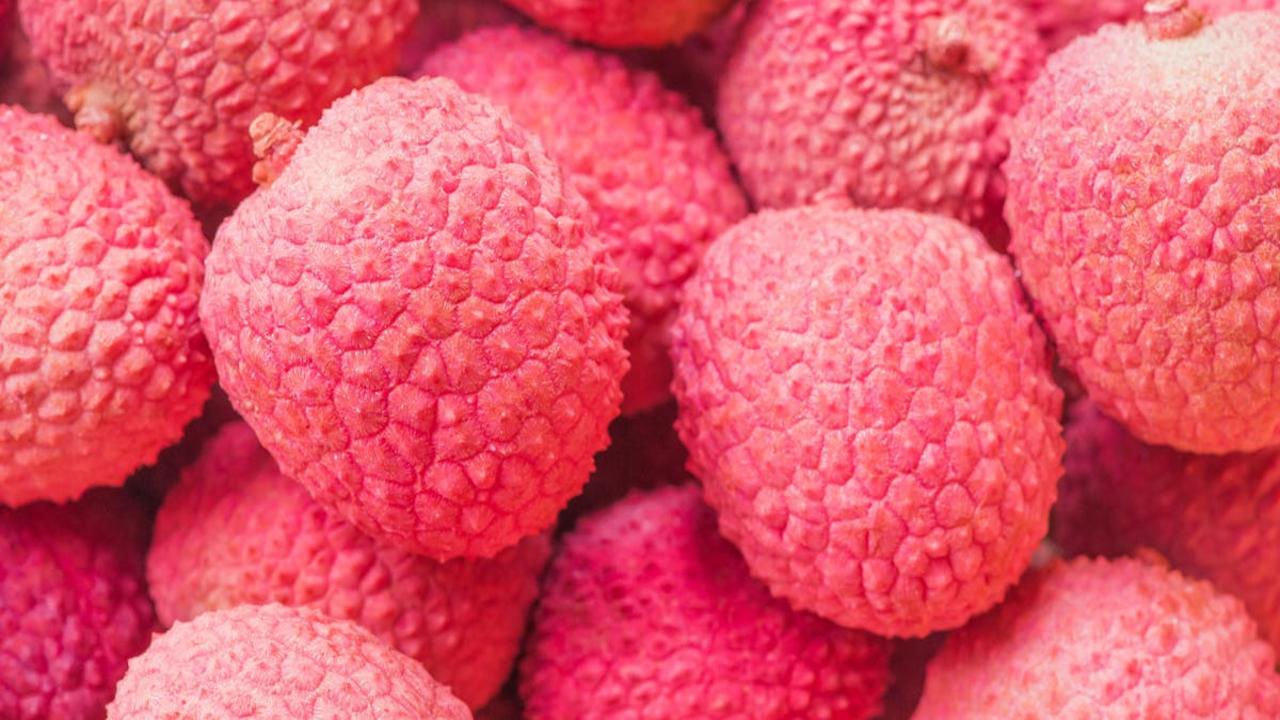
Picture peeling away a bumpy, rose-colored shell to reveal a translucent, pearl-like fruit that’s sweet, floral, and absolutely divine – that’s lychee for you! This tropical gem from Southeast Asia brings a unique combination of grape-like sweetness and delicate rose notes that will make your mouth water. The texture hits that perfect spot between firm and juicy, giving you the most satisfying bite that’s both refreshing and indulgent at the same time.
You can find fresh lychees in most Asian markets during summer months, though canned versions work beautifully in smoothies and desserts year-round. I love adding fresh lychees to fruit salads where their exotic sweetness plays perfectly with mangoes and berries. Try freezing them for a natural sorbet-like treat, or muddle them into cocktails for an instant tropical upgrade. Don’t toss that pit either – you can plant it and potentially grow your own lychee tree! The fruit pairs wonderfully with coconut, lime, and mint, making it perfect for both sweet treats and savory Asian-inspired dishes.
Passion Fruit
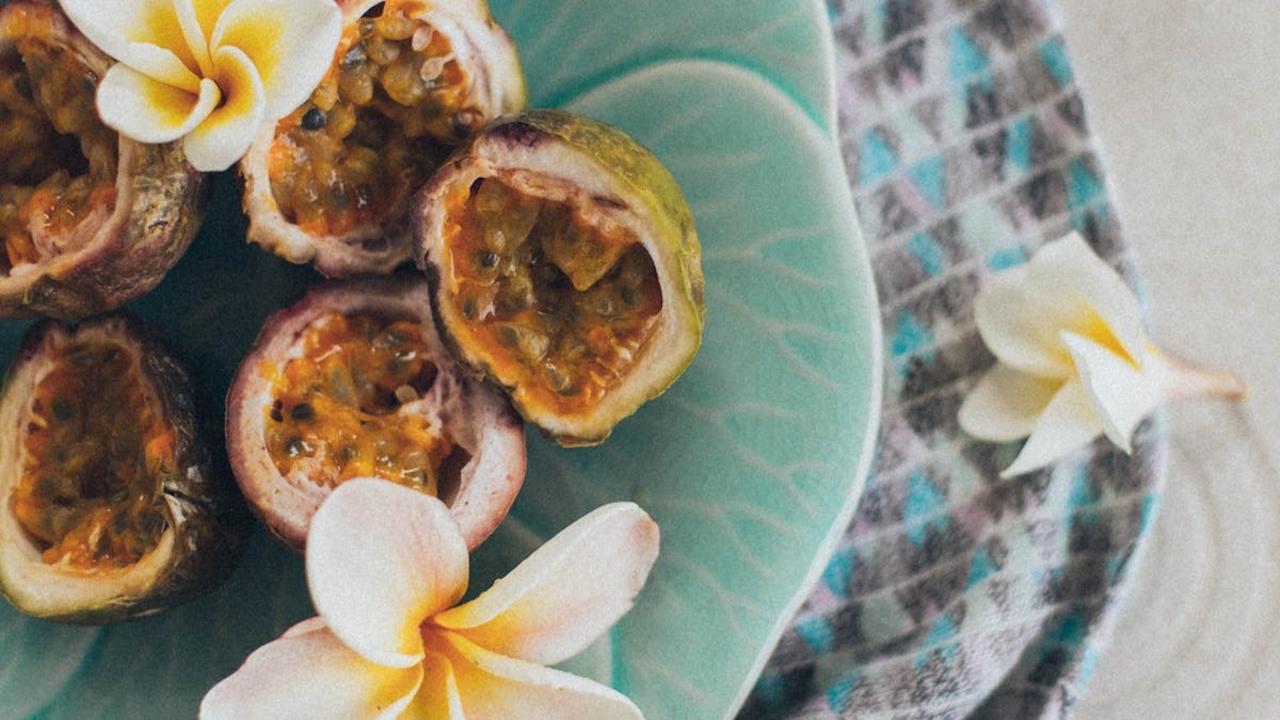
Passion fruit is one of those magical little orbs that completely transforms your kitchen experience once you discover its incredible flavor. This wrinkled, purple-skinned gem might look unremarkable from the outside, but crack it open and you’ll find an aromatic treasure trove of golden, seed-filled pulp that delivers an intense tropical punch. The flavor hits you with bright acidity balanced by floral sweetness – it’s like sunshine concentrated into liquid form. You can scoop the pulp directly with a spoon for an instant exotic treat, or strain out the seeds if you prefer a smoother texture for drinks and desserts.
What makes passion fruit so exciting for home cooks is its incredible versatility in both sweet and savory applications. I love whisking the pulp into yogurt parfaits, drizzling it over vanilla ice cream, or mixing it into sparkling water for a refreshing afternoon drink. The pulp also makes an outstanding marinade base for fish or chicken, adding that perfect tangy brightness that cuts through rich flavors. You’ll find passion fruit in most Latin American markets and increasingly in regular grocery stores – look for fruits that feel heavy and have slightly wrinkled skin, which indicates ripeness and maximum flavor development.
Dragon Fruit
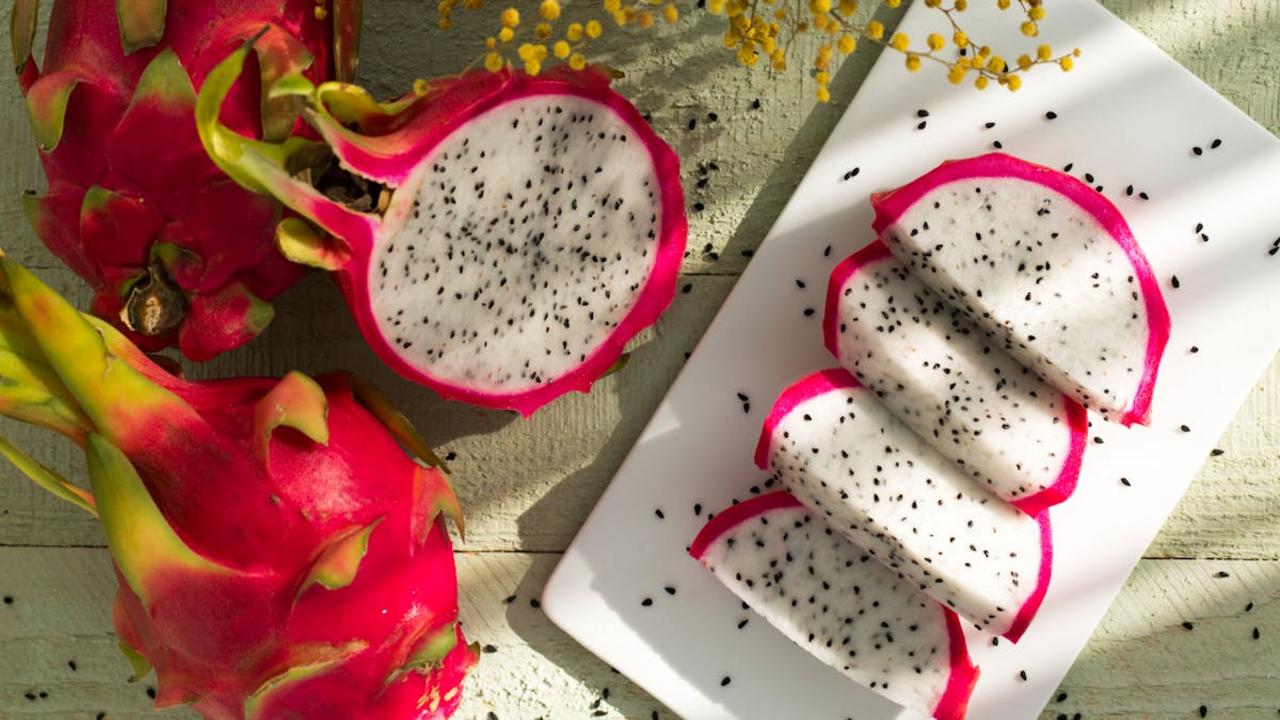
Dragon fruit might look like something straight out of a fantasy novel with its vibrant pink skin and dramatic spiky exterior, but inside you’ll discover one of nature’s most refreshing treats. The white flesh dotted with tiny black seeds has a texture similar to kiwi but with a much milder, subtly sweet flavor that’s often described as a cross between pear and watermelon. Native to Central America but now grown throughout Southeast Asia, this stunning fruit is as Instagram-worthy as it is delicious. You can find dragon fruit in most well-stocked grocery stores these days, and it’s surprisingly affordable for such an exotic-looking specimen.
What makes dragon fruit truly special is how incredibly hydrating and nutritious it is – packed with vitamin C, iron, and antioxidants while being naturally low in calories. You can eat it simply by cutting it in half and scooping out the flesh with a spoon, or get creative by adding chunks to smoothie bowls, fruit salads, or even grilling it lightly for a unique dessert. The seeds are completely edible and add a pleasant crunch, so don’t worry about removing them. Pro tip: choose fruits that give slightly when pressed and have bright, evenly colored skin without too many brown spots for the best eating experience.