12 Bucket-List Foods You’ll Wish You Tried Before 40
Your twenties were for ramen and cereal dinners, your thirties for discovering you actually enjoy vegetables. But here’s the thing—there’s a whole universe of weird, wonderful foods out there that most people never even know exist. I’m talking about ingredients that sound made-up but taste like magic.
Some of these foods have been feeding entire civilizations for centuries while we’ve been stuck eating the same twelve things on repeat. Others are so bizarre they’ll make your grocery store adventures feel like treasure hunts. From fruits that taste like chocolate pudding to beans that smell like cheese (in a good way, I promise), these ingredients will completely rewire your understanding of what food can be.
Consider this your edible bucket list—twelve foods that’ll make you the most interesting person at dinner parties and expand your palate in ways you never imagined possible. Trust me, your future forty-year-old self will thank you.
Black Sapote
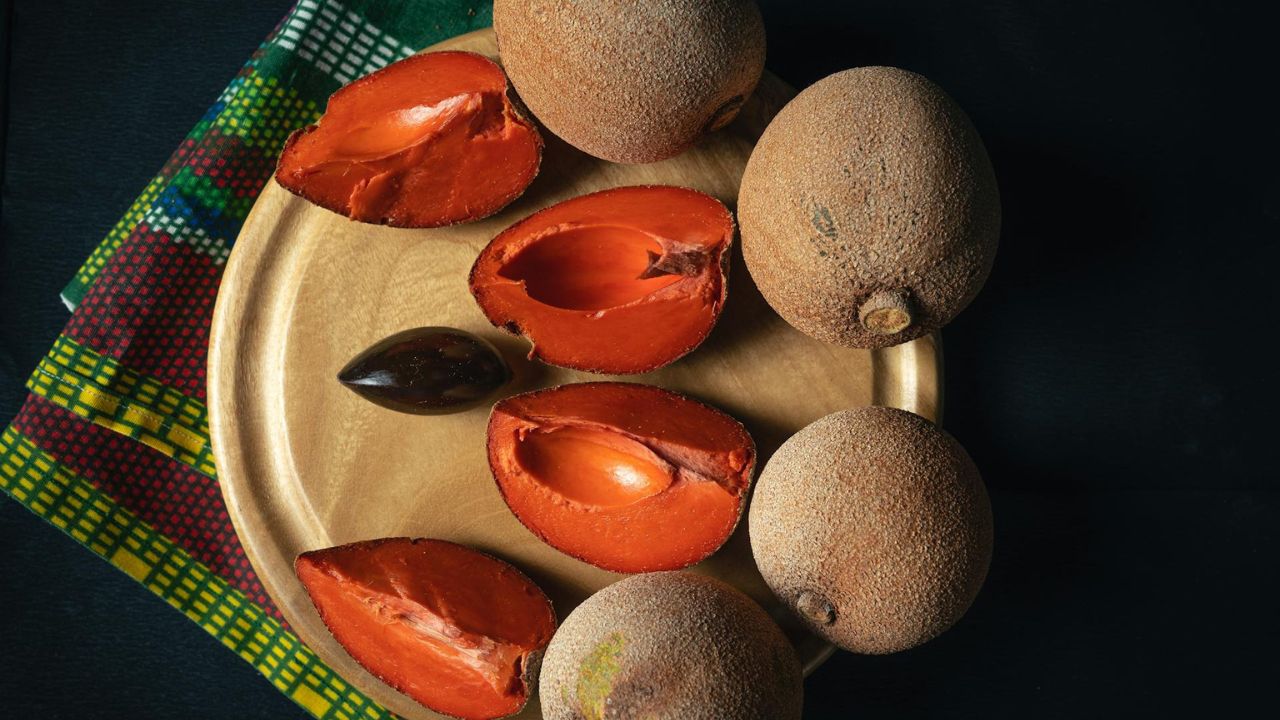
Meet the black sapote, nature’s most convincing chocolate pudding impersonator! This sneaky little fruit from Central America looks like a green tomato on the outside, but crack it open when it’s ripe and you’ll swear someone replaced your fruit with dessert. The creamy, dark flesh tastes remarkably like chocolate pudding mixed with hints of vanilla and caramel. Indigenous communities have been enjoying this “chocolate pudding fruit” for centuries, and honestly, they’ve been keeping one of the world’s best-kept secrets from the rest of us.
Here’s the kicker – this magical fruit contains zero actual chocolate but delivers all the satisfaction without the guilt. You can literally eat it straight with a spoon like pudding, blend it into smoothies, or use it as a healthier base for desserts that will fool even the most discerning sweet tooth. The trick is patience; you need to wait until the fruit feels soft and the skin turns almost black-green. Rush the process and you’ll bite into something that tastes more like a sad, bitter disappointment than dessert. Trust me, good things come to those who wait, especially when chocolate pudding grows on trees!
Pomelo
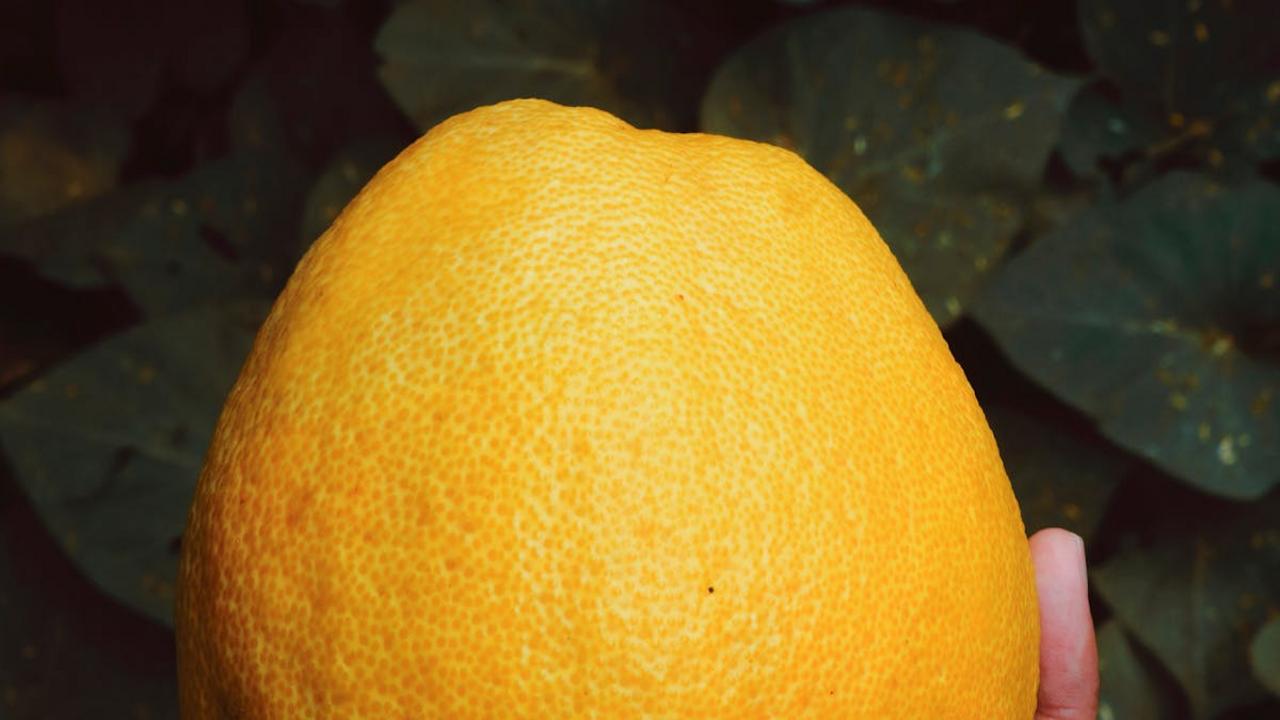
Picture a grapefruit that hit the gym, bulked up, and decided to become the gentle giant of the citrus world – that’s pomelo for you! This magnificent beast can weigh up to four pounds and looks like nature’s version of a beach ball covered in bumpy yellow-green skin. Don’t let its intimidating size fool you; pomelos are the sweetest, most approachable members of the citrus family. While grapefruits can assault your mouth with bitter tartness, pomelos whisper sweet nothings with just a hint of floral notes that make you wonder why you’ve been settling for regular citrus all these years.
Peeling a pomelo becomes an almost meditative experience – you’ll need both hands and some patience as you work through that thick, spongy pith that’s practically begging to become compost. Once you break through to the treasure inside, you’ll discover segments the size of orange slices with flesh so tender it practically falls apart in your mouth. Southeast Asians have been enjoying pomelos for centuries, often sprinkling them with salt and chili powder for a sweet-spicy-salty party that’ll make your regular fruit salad weep with envy. Pro tip: buy one that feels heavy for its size and gives slightly when you press the skin – trust me, there’s nothing sadder than a dry pomelo that promised so much.
Chayote
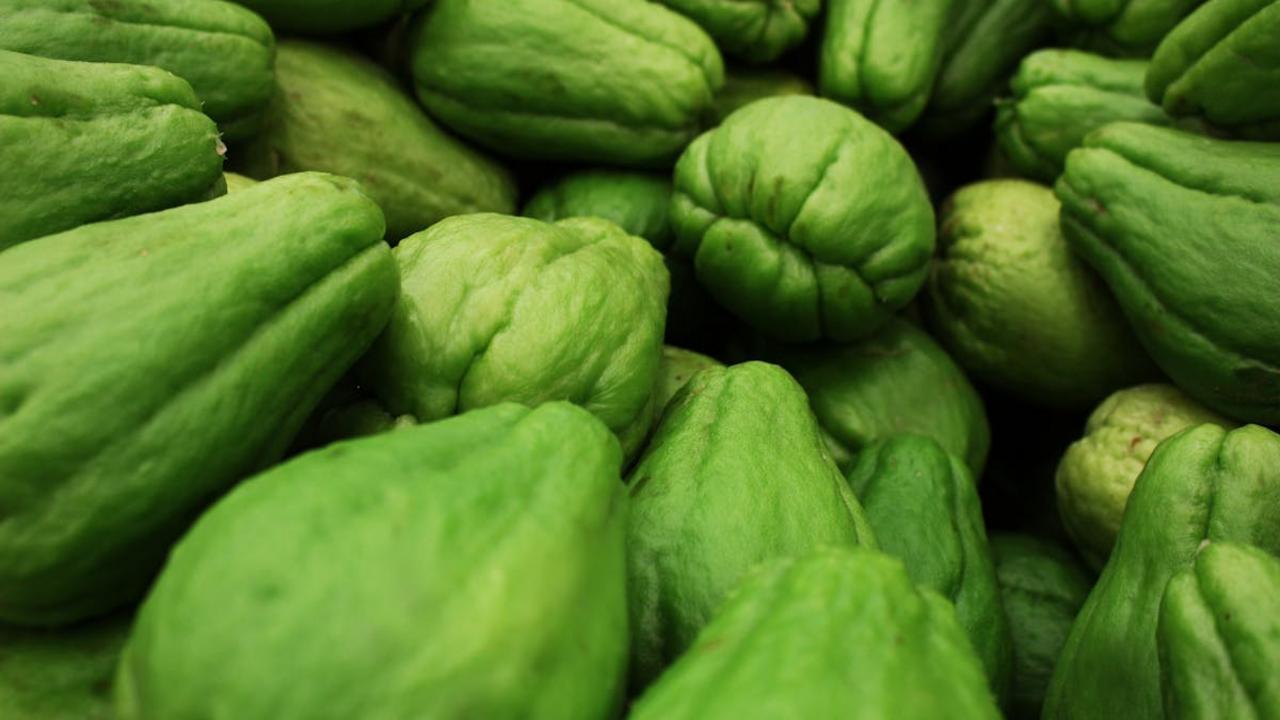
Meet chayote, the vegetable that looks like a green alien baby had a romantic encounter with a pear. This wrinkly, pale green oddball hails from Central America and has been confusing grocery shoppers worldwide for decades. You might spot it hiding in the produce section, camouflaged among the squash, wondering why nobody ever picks it up. Here’s the thing about chayote – it’s like the Switzerland of vegetables, completely neutral in flavor but incredibly versatile. The texture sits somewhere between a cucumber and a potato, which sounds weird but works brilliantly.
Don’t let its bland reputation fool you – chayote becomes a flavor sponge that absorbs whatever seasonings you throw at it. Try stuffing it with chorizo and cheese, then baking until tender, or slice it thin for a refreshing slaw with lime and chili. The coolest part? You can eat the entire thing – skin, seed, and all. In fact, that large seed in the center is considered a delicacy in many cultures, with a nutty flavor reminiscent of almonds. Pro tip: always handle chayote with gloves or prepare to deal with a sticky sap that’ll make your hands feel like you’ve been wrestling with tree bark. Trust me on this one – I learned the hard way during my first chayote adventure.
Teff
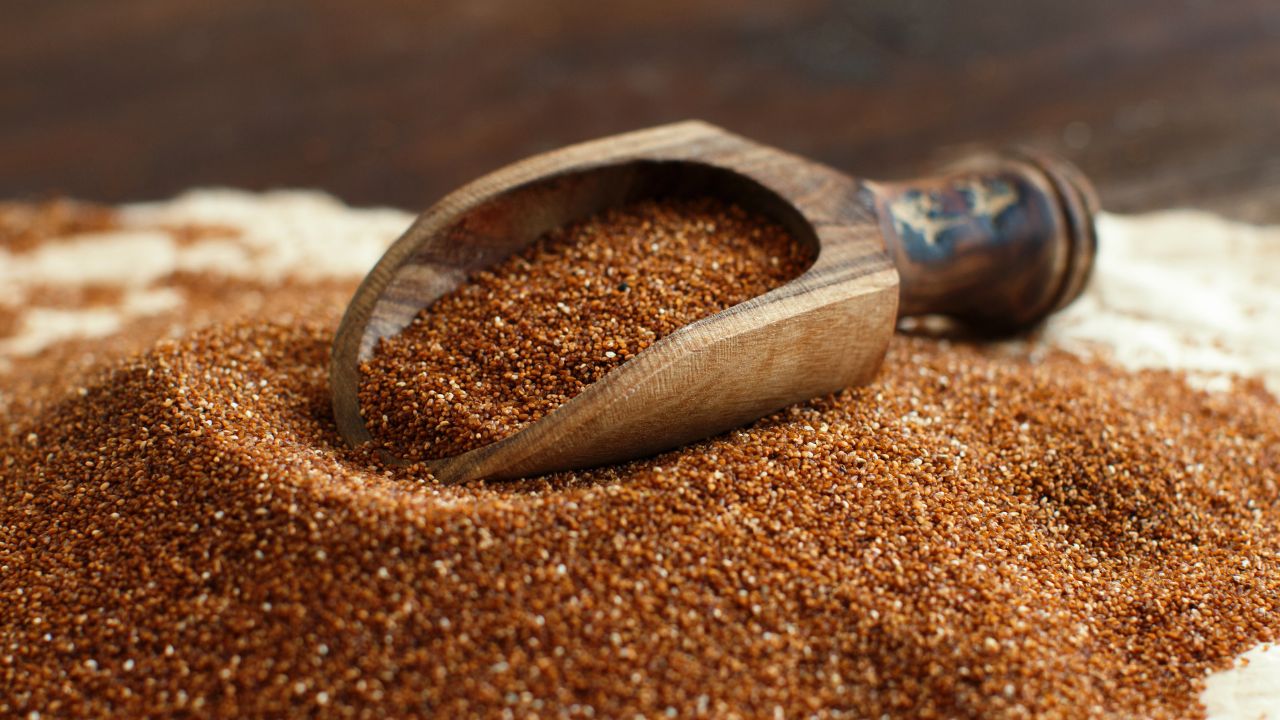
You know that moment when you bite into something and your brain goes, “Wait, where has this been all my life?” That’s exactly what happened when I first encountered teff, Ethiopia’s tiny powerhouse grain that’s about the size of a poppy seed but packs more nutritional punch than your typical CrossFit enthusiast. This microscopic marvel contains all nine essential amino acids, making it a complete protein that laughs in the face of quinoa’s overpriced monopoly on health food stores. Plus, it’s naturally gluten-free, so your celiac friend can finally stop giving you the sad puppy eyes at brunch.
The coolest part about teff? It’s the secret ingredient behind injera, that spongy Ethiopian flatbread that doubles as your plate and utensil during traditional meals. Picture eating your dinner off edible bread that soaks up all those incredible spicy stews – it’s like nature’s version of an edible bowl, but way more sophisticated than those sad lettuce cups you’ve been forcing yourself to eat. You can cook teff like porridge for breakfast, toss it into salads for crunch, or even use teff flour for pancakes that’ll make your weekend mornings feel fancy. Trust me, once you discover this tiny grain’s nutty, slightly sweet flavor, you’ll wonder why anyone bothered with boring old rice.
Perilla Leaves
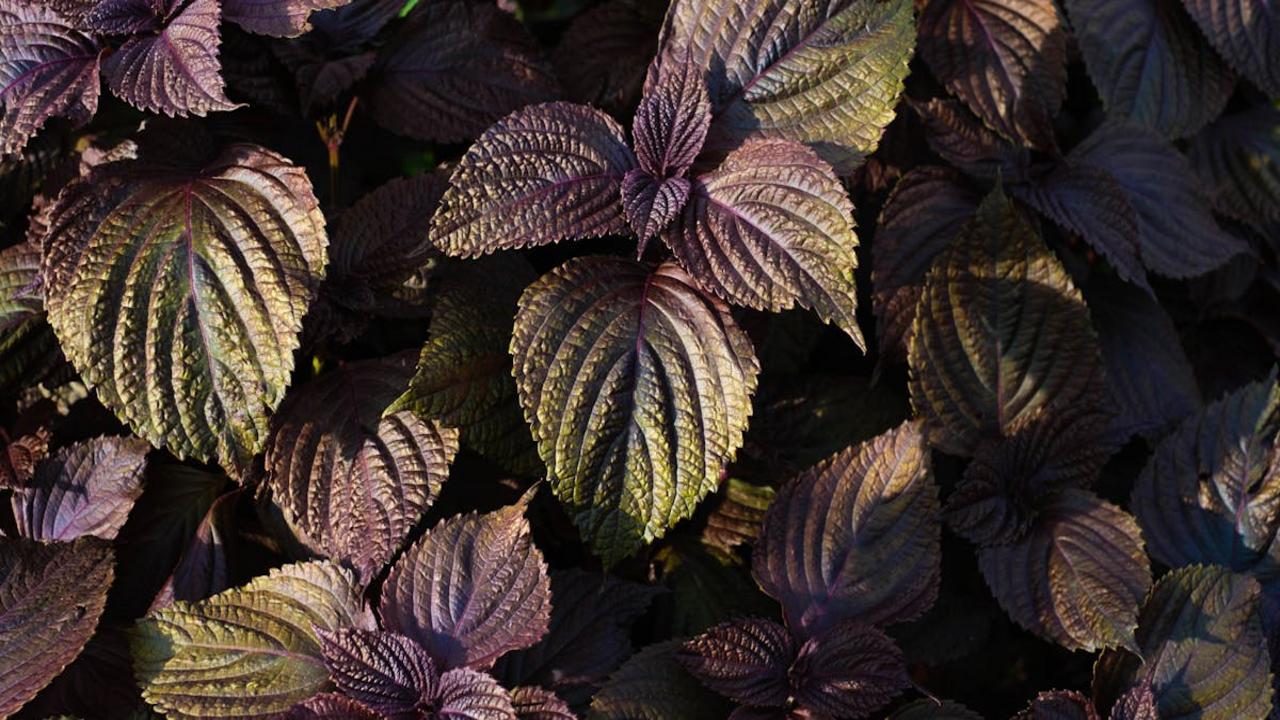
Picture this: you’re at a Korean barbecue joint, happily wrapping your bulgogi in lettuce like a civilized human being, when your dining companion grabs what looks like a ruffled green leaf and declares it’s the real MVP of the wrap game. Meet perilla leaves – the herb that makes mint jealous and basil question its life choices. These beautiful, serrated leaves pack more personality than your most dramatic friend, delivering a complex flavor that dances somewhere between licorice, cinnamon, and that indefinable “something special” that makes you go back for thirds. Koreans call them “ggaennip,” and they’ve been using these flavor powerhouses for centuries in everything from kimchi to tempura.
What makes perilla leaves absolutely genius is their versatility – they’re like the Swiss Army knife of the herb world, but way prettier and infinitely more delicious. You can pickle them (trust me, pickled perilla will change your sandwich game forever), use them fresh in salads, or my personal favorite: stuff them with a spicy meat mixture and pan-fry them until crispy. The leaves have this incredible ability to cut through rich, fatty foods while adding their own mysterious depth. Fair warning though – once you discover the magic of wrapping your Korean barbecue in these beauties instead of boring old lettuce, there’s no going back. Your regular herb garden will never look the same again.
Natto
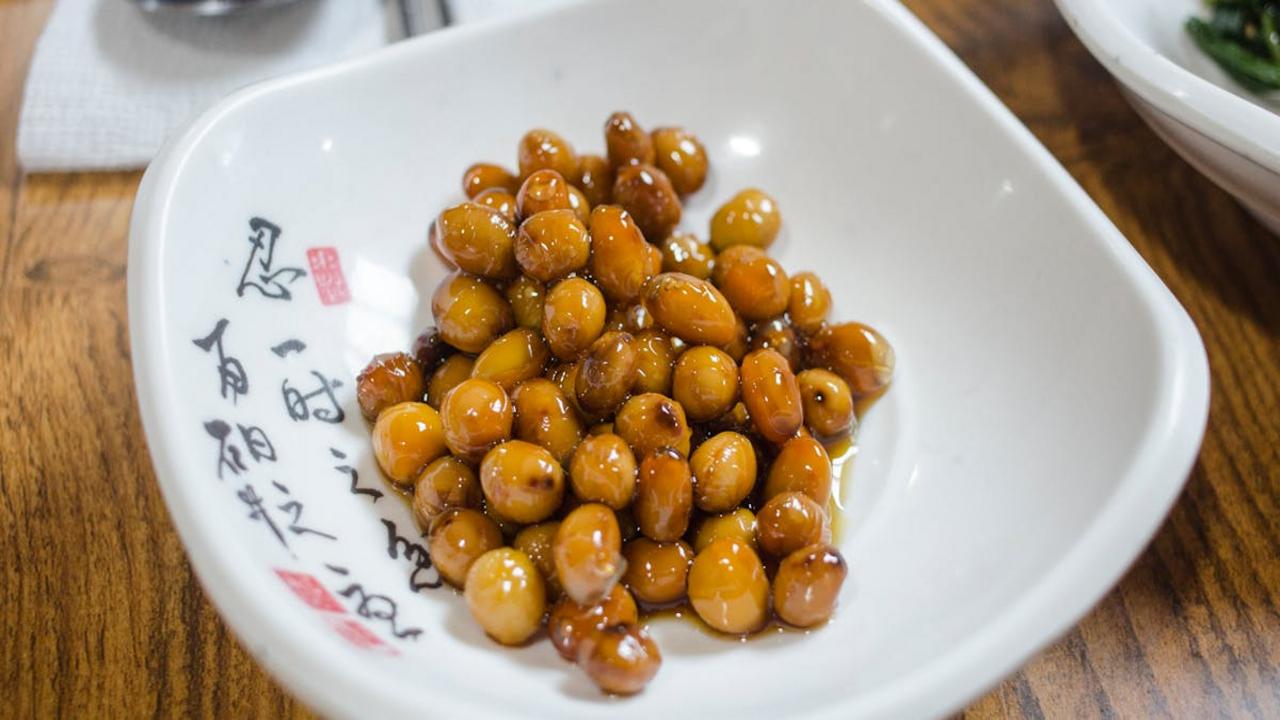
Listen, I’m not going to sugarcoat this one for you – natto looks like tiny beans covered in spider webs, smells like a gym sock convention, and has the texture of something you’d scrape off your shoe. But here’s the plot twist that’ll blow your mind: this fermented soybean powerhouse is basically the Japanese fountain of youth, packed with more probiotics than a health food store’s entire supplement aisle. Made by introducing Bacillus subtilis bacteria to boiled soybeans and letting them party for 24 hours, natto creates those infamous sticky strings that stretch longer than your patience when trying to eat it gracefully.
The secret to conquering natto? Start small and work your way up – mix it with hot rice, add some soy sauce and mustard, then pretend you’re brave enough to Instagram it. Japanese folks have been demolishing this stuff for breakfast for over 1,000 years, and they’re laughing all the way to their century-long lifespans while we’re over here afraid of stringy beans. Pro tip: the stirring ritual is real – give it 50 clockwise stirs to activate maximum stringiness and prepare yourself for an adventure your mouth won’t forget. Sure, your first bite might make you question every life choice that led you to this moment, but stick with it because natto doesn’t just grow on you – it rewires your entire definition of delicious.
Finger Limes
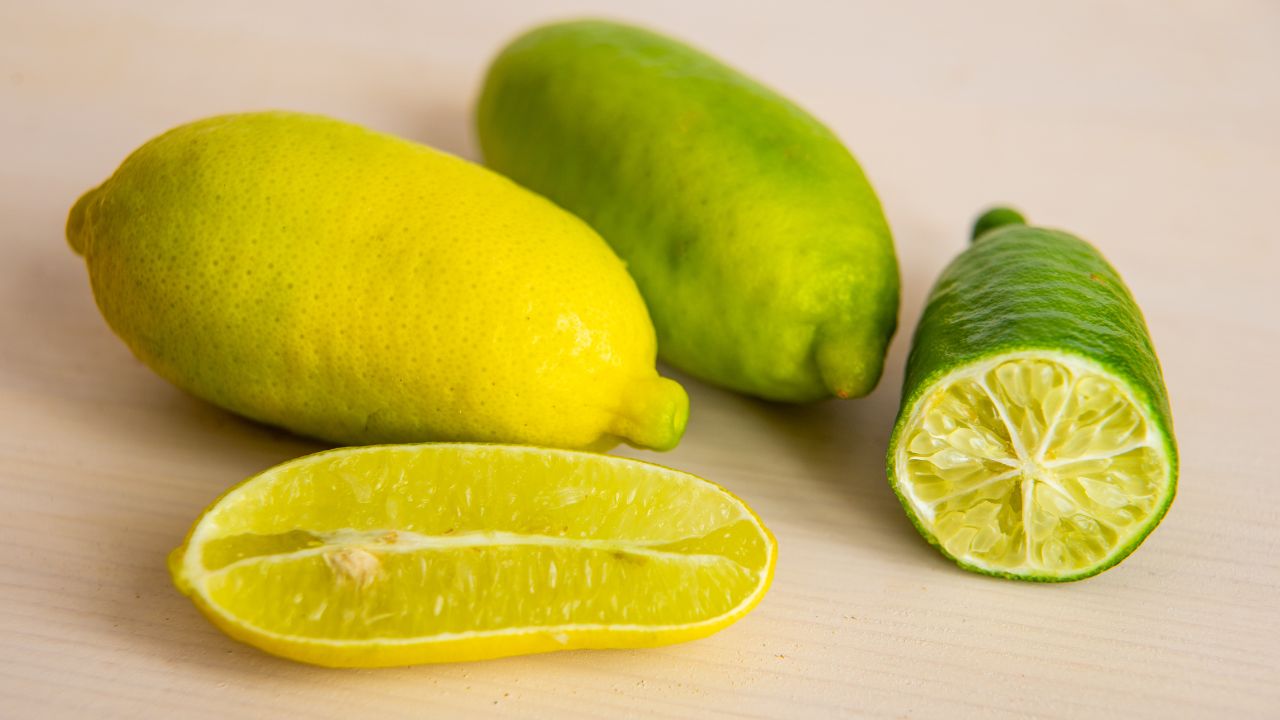
Picture tiny lime-colored caviar pearls that pop on your tongue like nature’s own edible confetti—that’s the magic of finger limes! These Australian natives look like miniature pickles from the outside, but crack one open and you’ll discover hundreds of translucent vesicles that burst with intense citrus flavor. I discovered these little gems at a fancy restaurant in Melbourne, where the chef sprinkled them over oysters like the world’s most expensive garnish. The waiter called them “citrus caviar,” and honestly, I thought he was being pretentious until that first pop hit my palate. The texture alone will make you question everything you thought you knew about citrus fruits.
These quirky fruits come in colors ranging from pale yellow to deep burgundy, and each variety offers a slightly different flavor profile—some lean more toward lime, others toward lemon or even orange. You can find them at specialty grocery stores or order them online, though be prepared to pay premium prices for what’s essentially nature’s Pop Rocks. They’re perfect for adding drama to cocktails, elevating simple fish dishes, or just eating straight from the fruit like the citrus addict you’re about to become. Fair warning: once you start adding these little flavor bombs to everything, your regular limes will seem tragically boring by comparison.
Black Garlic
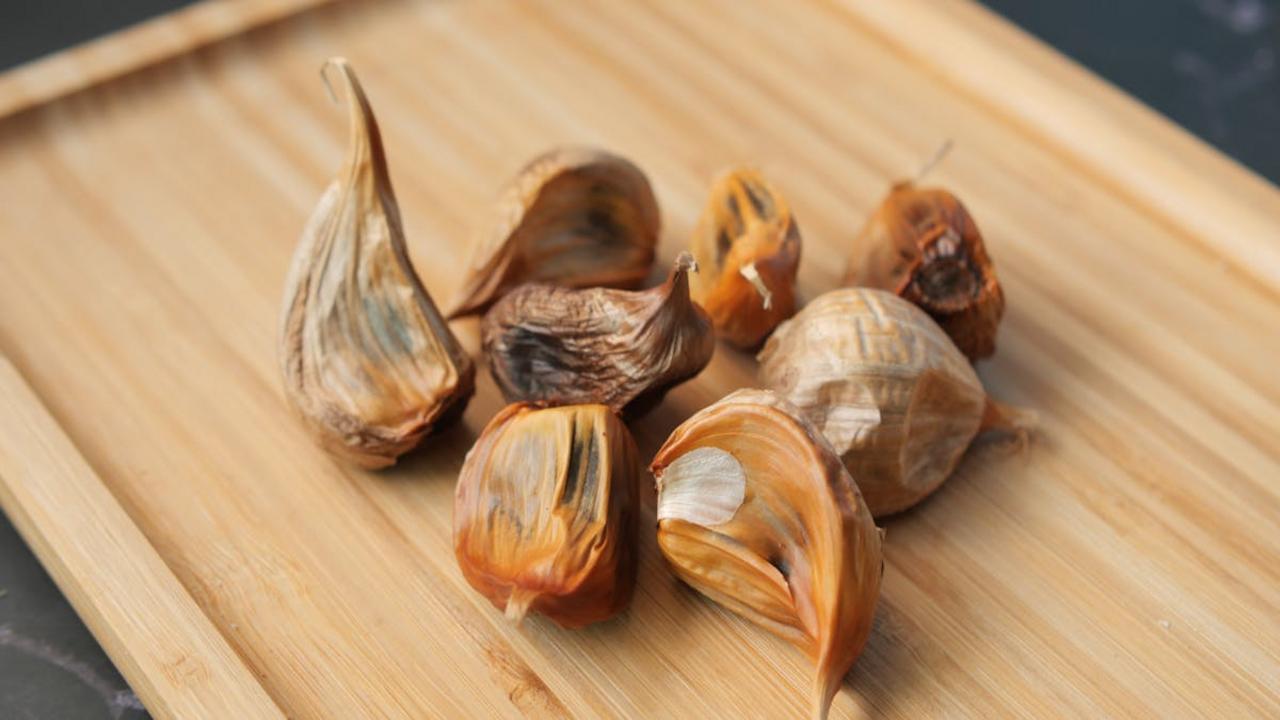
Picture regular garlic’s mysterious, gothic cousin who went through a dramatic transformation and came back looking like something from a Tim Burton movie. Black garlic starts life as ordinary white bulbs, then gets pampered in a humidity-controlled environment for weeks until it turns completely black and develops the texture of soft, chewy dates. The process transforms those sharp, pungent cloves into something that tastes like a cross between molasses, balsamic vinegar, and umami-rich soy sauce – basically nature’s own flavor bomb that makes everything taste more sophisticated.
Korean and Japanese chefs have been keeping this secret weapon in their back pockets for centuries, but Western kitchens are finally catching on to what they’ve been missing. You can spread this jet-black gold on crusty bread like the world’s fanciest jam, toss it into pasta sauces for instant depth, or blend it into salad dressings that’ll make your friends demand the recipe. The best part? Zero cooking skills required – just pop those midnight-colored cloves straight into your mouth or mash them up however you please. Fair warning though: your fingers will look like you’ve been fingerprinting suspects for the FBI, but trust me, it’s totally worth the temporary goth manicure.
Watercress
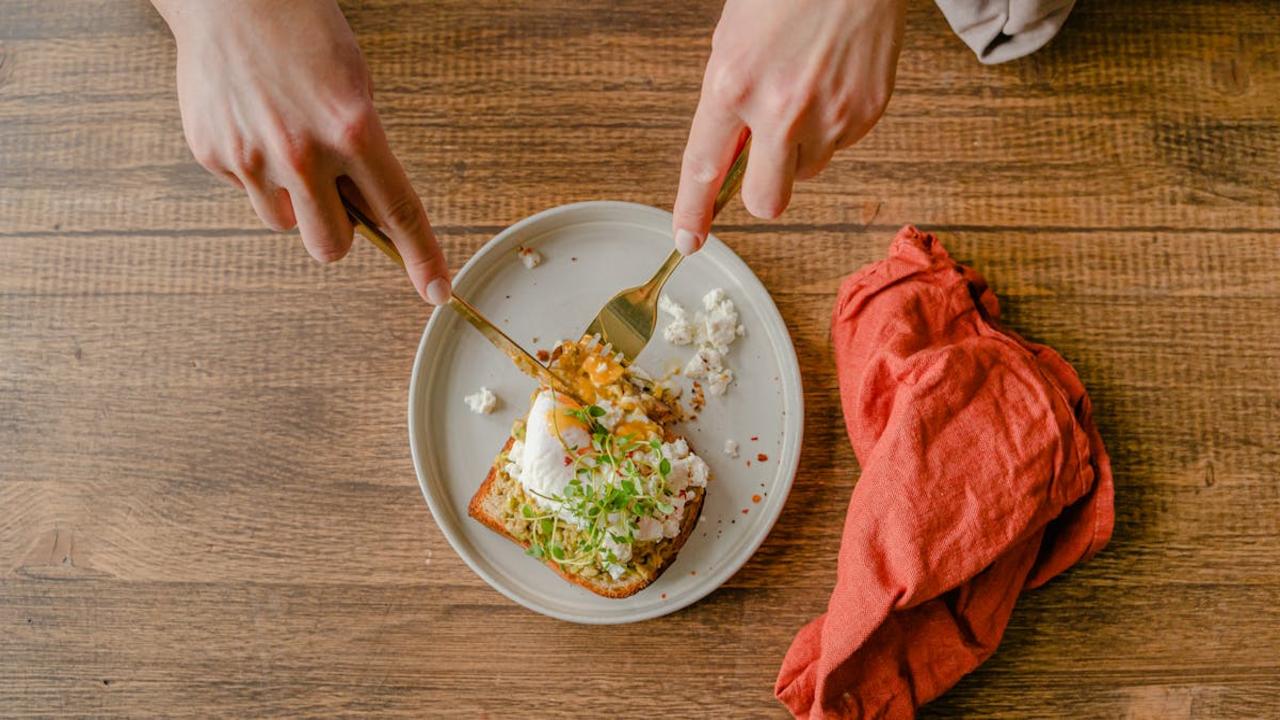
You know that feeling when you bite into something so peppery and bright it makes your sinuses tingle? That’s watercress saying hello! This leafy green looks innocent enough—like parsley’s wild cousin who spent too much time at a punk rock concert—but pack a surprisingly bold punch that’ll wake up every corner of your mouth. I discovered this feisty little green during a picnic in England, where locals casually munched on watercress sandwiches like they were eating air. One bite and I understood why Napoleon called it “the food of kings”—this stuff doesn’t mess around when it comes to flavor.
Here’s the kicker: watercress officially holds the title of “world’s most nutritious food” according to the CDC, beating out kale, spinach, and basically every other superfood that’s been hogging the spotlight. It grows naturally in streams and springs, which explains why it tastes like it’s been drinking pure mountain water its whole life. Toss it into salads for an instant flavor upgrade, blend it into soups for a sophisticated kick, or do what the Brits do and slap it between buttered bread for the most unexpectedly satisfying sandwich of your life. Pro tip: eat it within a day or two of buying it—watercress wilts faster than your motivation on Monday morning, but when it’s fresh, it’s absolutely magical.
Sunchokes
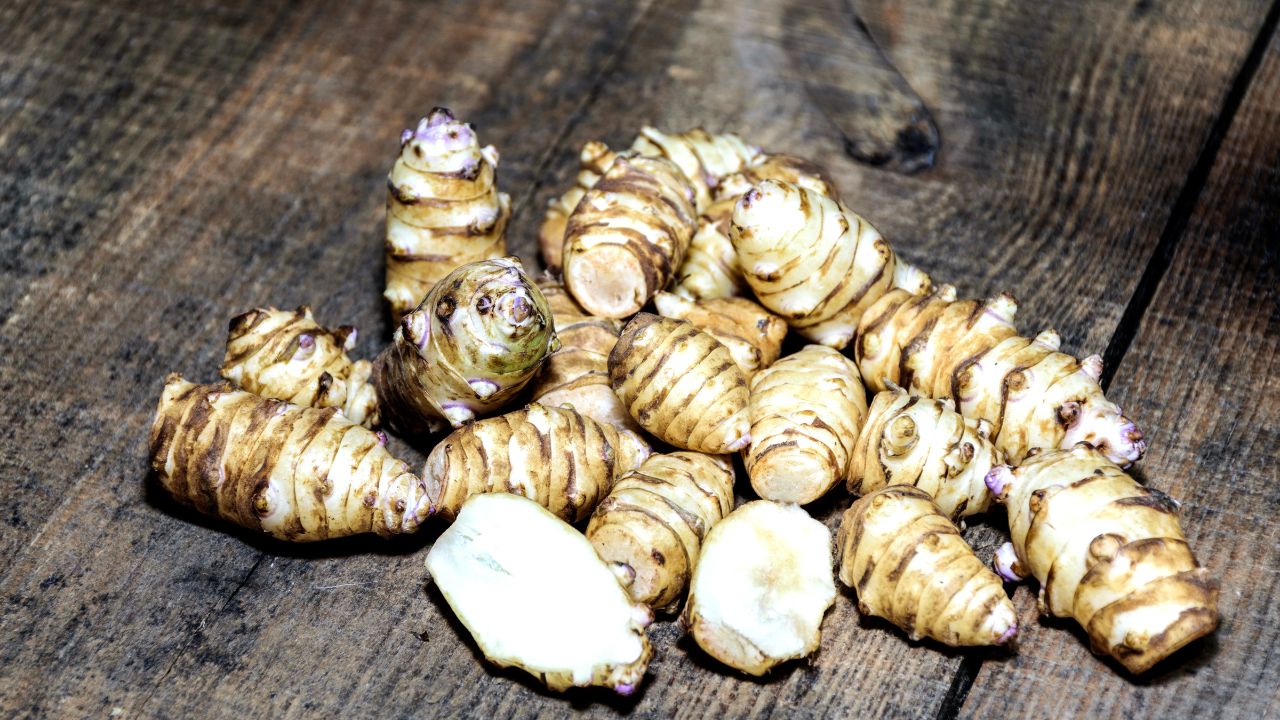
You know that friend who changes their name three times and still somehow confuses everyone at parties? Meet the sunchoke, also called Jerusalem artichoke, which is neither from Jerusalem nor related to artichokes. This knobby, ginger-looking tuber is actually a North American sunflower root that French explorers somehow confused with Italian sunflowers (girasole became “Jerusalem” – classic linguistic telephone game). These crunchy, sweet vegetables taste like a cross between a water chestnut and a potato, with a nutty finish that’ll make you wonder why grocery stores hide them in the “weird vegetable” corner.
Here’s where sunchokes get interesting – and I mean bathroom-interesting. They contain inulin, a fiber that your digestive system treats like a science experiment, earning them the unfortunate nickname “fartichokes.” But don’t let that scare you away! Start with small portions and your gut will adapt. Try them roasted with olive oil and thyme (they caramelize beautifully), or slice them paper-thin for salads where they add an amazing crunch. Pro tip: scrub them well but skip the peeling – that skin contains most of the nutrients, and honestly, life’s too short to peel knobby vegetables. Your future self will thank you for discovering these before some food blogger makes them trendy and triples the price.
Lupin Beans
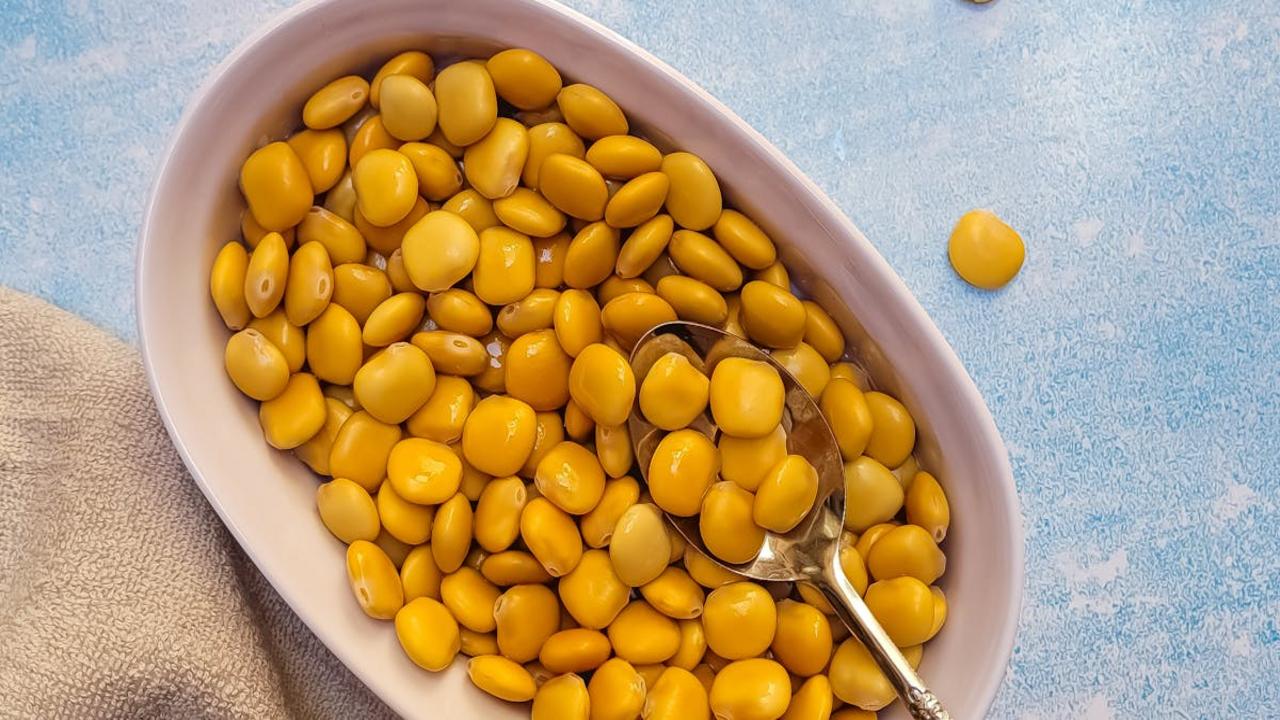
Picture this: you’re wandering through a Mediterranean market, and suddenly you spot these bright yellow, wrinkled little pods that look like they’ve been sunbathing too long. Meet lupin beans – the snack that’s been keeping Greeks, Italians, and Portuguese folks happy for centuries while the rest of us were completely oblivious. These protein-packed powerhouses contain more fiber than your morning oat bran and boast a nutty flavor that’s somewhere between edamame and a really good chickpea. The best part? They’re naturally gluten-free and low in carbs, making them the perfect guilt-free munchie for your next Netflix binge.
Here’s where things get interesting: eating lupin beans is like solving a tiny puzzle with your teeth. You pop the whole bean in your mouth, bite down gently to crack the tough outer skin, then use your tongue to slide out the creamy yellow treasure inside – it’s oddly satisfying in a way that’ll have you reaching for another handful before you know it. In Italy, they call them “lupini” and sell them from street carts soaked in brine, while in Australia, they’re the trendy new flour alternative that’s sneaking into everything from pasta to protein bars. Fair warning though: if you’re allergic to peanuts, these little guys might not be your friend – they’re related and can cause similar reactions.
Jackfruit
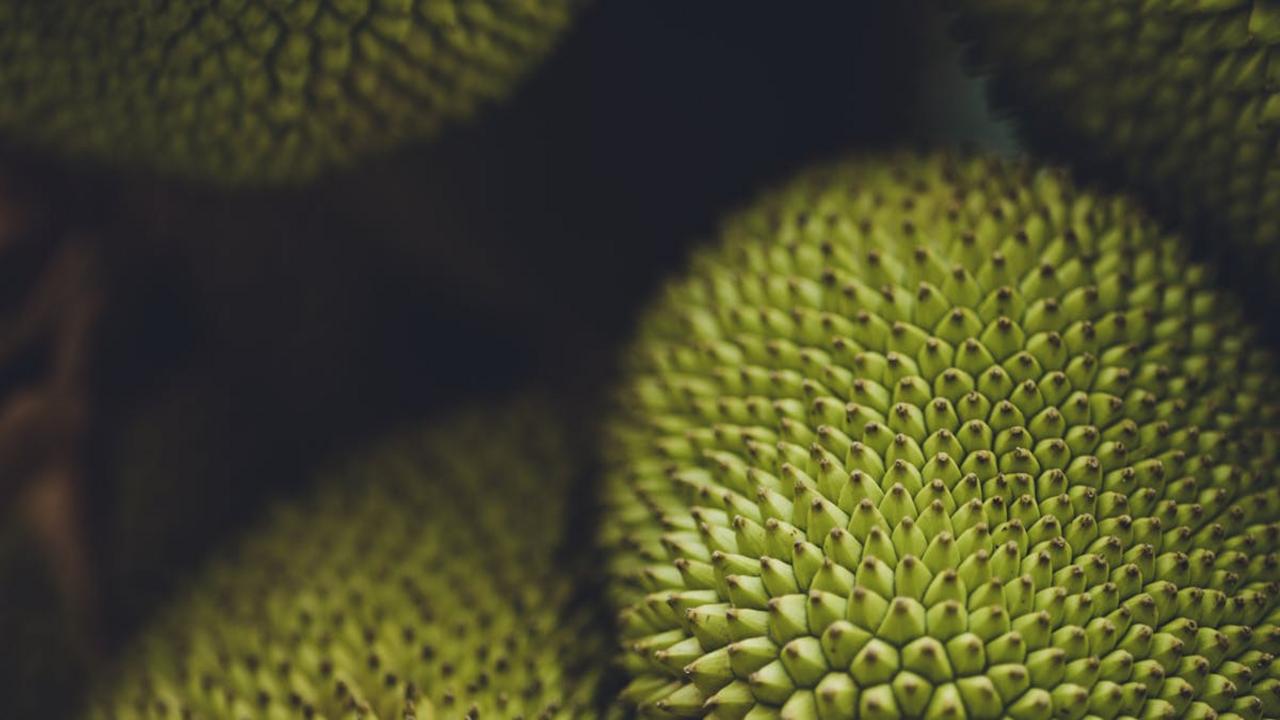
Picture this: you’re strolling through an Asian market when suddenly you spot what looks like a prehistoric football covered in medieval armor spikes. That’s jackfruit, and it’s about to blow your mind! This massive fruit can weigh up to 80 pounds – seriously, you could use it as a workout weight before eating it. The smell hits you first: sweet, funky, and oddly reminiscent of rotting onions mixed with bubble gum. Don’t let that scare you away though, because inside that intimidating exterior lies one of nature’s most versatile treasures.
Young jackfruit has become the darling of the vegan world because its stringy texture mimics pulled pork so convincingly that even carnivores do double-takes. I once served jackfruit tacos to my meat-loving brother-in-law, and he devoured three before asking what kind of “exotic pork” I’d used. Meanwhile, ripe jackfruit tastes like a tropical party in your mouth – imagine pineapple, mango, and banana having a sweet, fragrant baby. Pro tip: buy it pre-cut unless you own a machete and have serious upper body strength. Trust me, wrestling with a whole jackfruit is an Olympic sport you don’t want to attempt in your kitchen!