14 Everyday American Foods You Wouldn’t Have Found A Century Ago
Your kitchen pantry tells a story of innovation that would amaze cooks from 1924. Most foods you grab without thinking didn’t exist when your great-grandparents prepared their daily meals. They made everything from scratch because convenience foods simply weren’t available yet.
Food companies transformed American eating habits through clever marketing and mass production techniques. What started as laboratory experiments became household staples that redefined how families approached mealtime. These processed creations promised speed and simplicity for busy modern life.
I prefer cooking with whole ingredients, but understanding this food evolution helps us appreciate both convenience and quality. Knowing these products’ recent origins reminds us that fresh, homemade alternatives often taste better and nourish our bodies more completely than their packaged counterparts.
American Singles Cheese
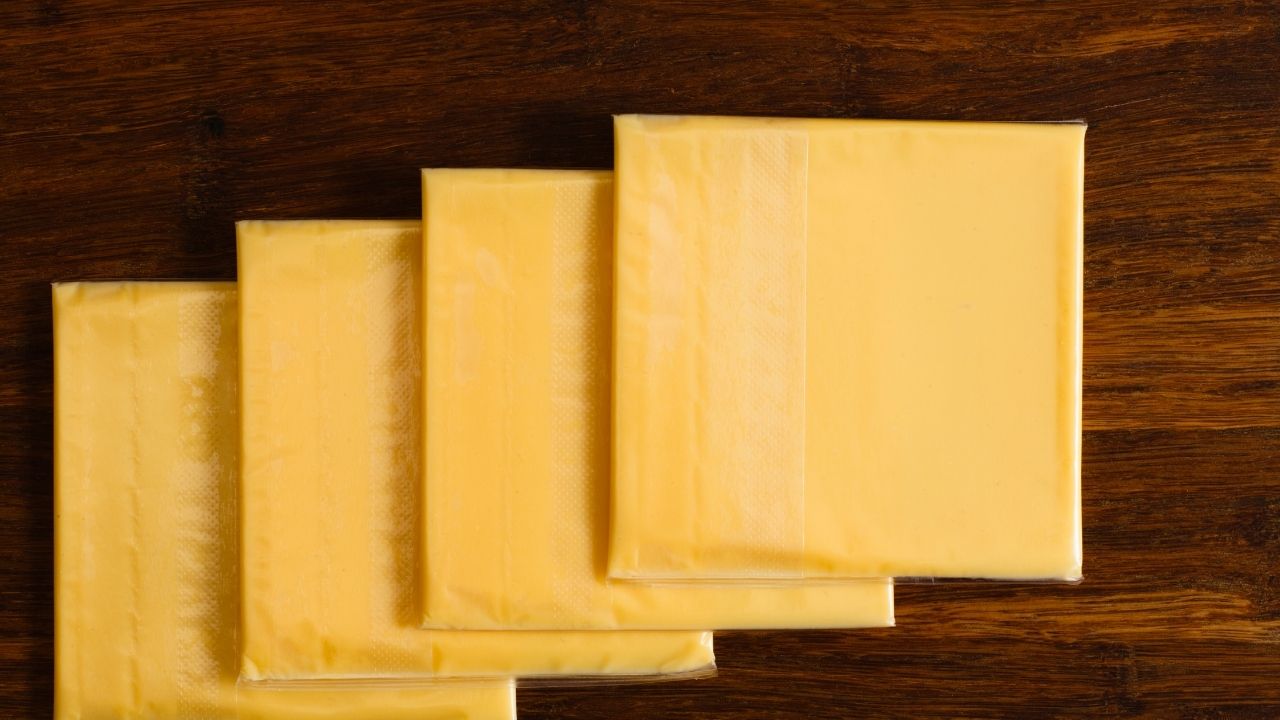
You know what I find absolutely wild? This plastic-wrapped, individually-packaged cheese that somehow became synonymous with American comfort food didn’t exist until 1950! Kraft revolutionized how we think about cheese convenience when they introduced these perfectly square slices, but honestly, as someone who grew up making cheese from scratch with my grandmother, I have to shake my head a little. The process involves taking real cheese, melting it down with emulsifiers and preservatives, then reshaping it into those uniform squares that barely resemble the original dairy product.
Now, I’m not here to completely bash processed cheese – I get that it melts beautifully and has its place in certain nostalgic recipes – but I always encourage you to try making your own cheese blends at home instead. Take some good cheddar, add a splash of cream and maybe some herbs, then melt it gently for sandwiches or burgers. You’ll get that same creamy texture without all the additives, and the flavor? So much richer and more complex. I love experimenting with different cheese combinations – maybe some smoked gouda mixed with sharp white cheddar, or even adding a touch of nutritional yeast for that umami depth. Your homemade version will taste infinitely better than anything that comes pre-wrapped in plastic.
Cool Whip
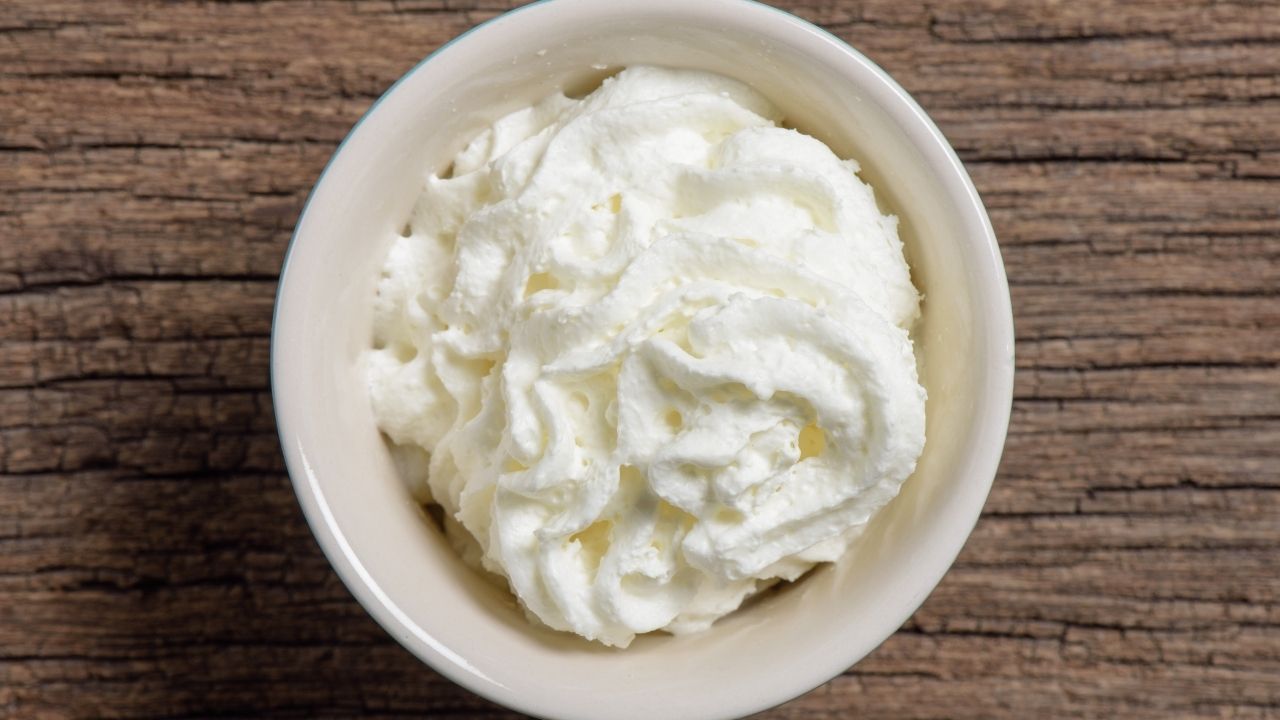
When Cool Whip hit grocery store shelves in 1967, it changed how Americans thought about dessert toppings forever. This non-dairy whipped topping promised convenience that traditional heavy cream couldn’t match – no whipping required, longer shelf life, and that perfectly uniform texture every single time. But here’s what gets me: while Cool Whip solved the “convenience problem,” it created something entirely different from what our great-grandmothers knew as whipped cream.
I remember discovering the ingredient list on Cool Whip years ago and feeling genuinely surprised. Water, hydrogenated vegetable oil, high fructose corn syrup, and a handful of stabilizers create that familiar fluffy texture we grew up with. Now, I’m not here to shame anyone’s dessert choices – we all have our comfort foods! But once you experience the pure joy of whipping fresh cream with just a touch of vanilla and maybe some maple syrup, you understand what we traded for that convenience. These days, I keep my stand mixer handy because making real whipped cream takes maybe three minutes, and the flavor difference will absolutely transform your strawberry shortcake or hot chocolate experience.
Pop Tarts
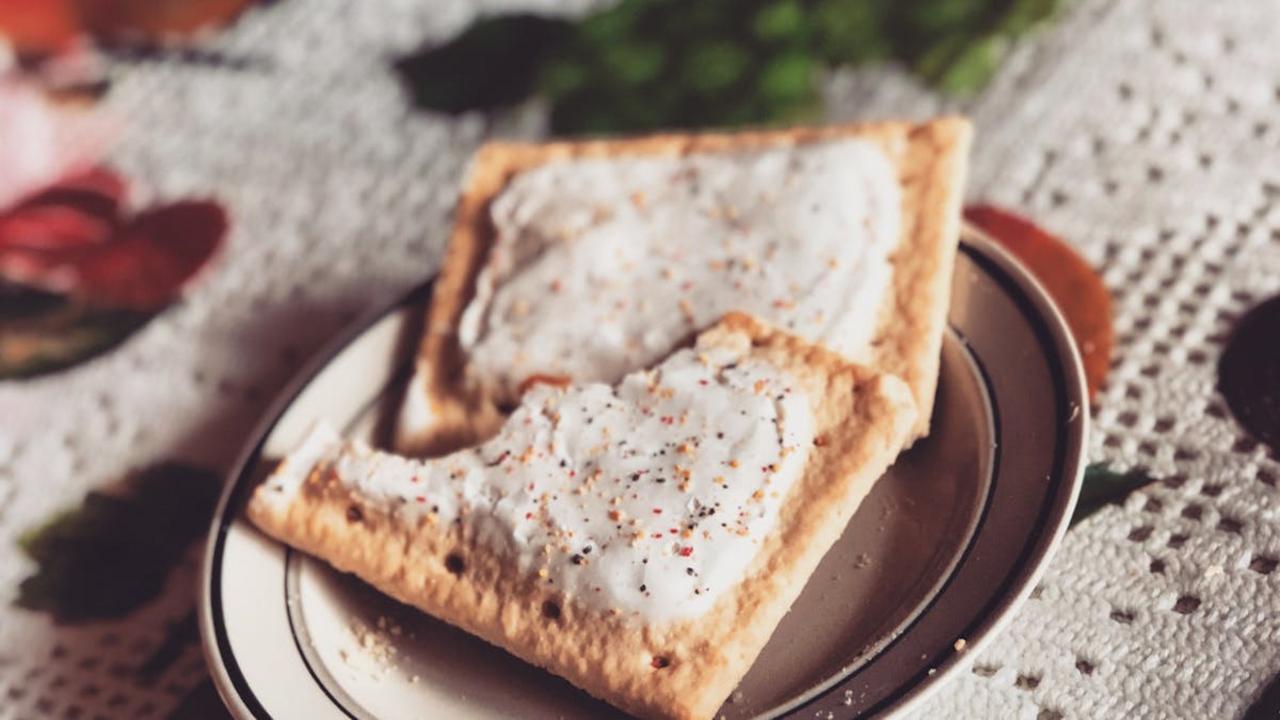
Picture breakfast in 1920—you’d wake up to oatmeal, eggs, or maybe some toast with jam if you were lucky. Fast-forward to 1964, and Kellogg’s dropped something revolutionary into American kitchens: the Pop Tart. These rectangular pastries filled with sweet filling and topped with frosting changed morning routines forever. I remember my first encounter with them as a kid, thinking someone had figured out how to put cake in a toaster. The concept was brilliant in its simplicity—grab, toast, eat, and you’re out the door.
Now, I won’t pretend Pop Tarts align with my philosophy of cooking from scratch and avoiding processed foods. These little rectangles pack more preservatives and artificial ingredients than I’d normally recommend. But I understand their appeal—they solved a real problem for busy families. Instead of reaching for the store-bought version, I’ve started making homemade breakfast pastries with whole wheat flour, real fruit preserves, and natural sweeteners. You get that same grab-and-go convenience, but with ingredients you can actually pronounce. The magic happens when you realize you can recreate childhood favorites using wholesome ingredients that nourish your body.
Veggie Burgers
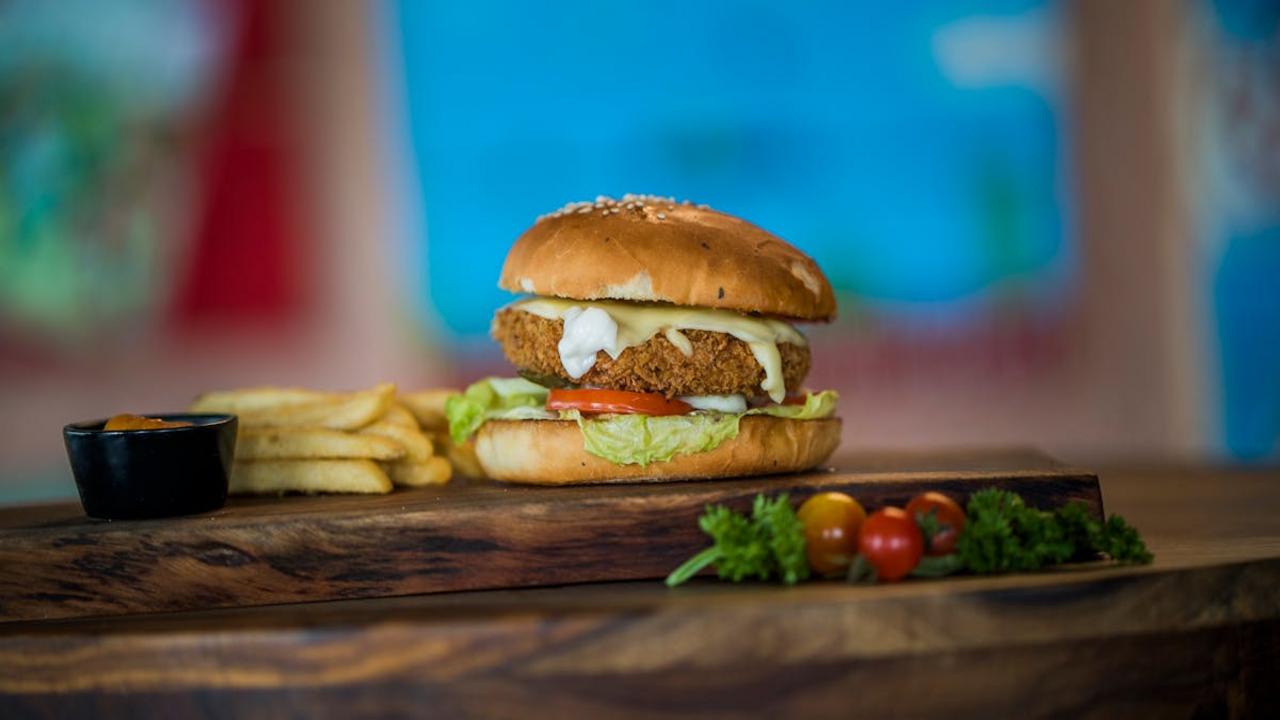
You know what blows my mind? A century ago, the idea of making a burger from plants would have seemed absolutely wild to most Americans. Back then, meat was king, and vegetables were just the supporting cast on your dinner plate. The concept of grinding up beans, grains, and vegetables to create something that could stand proudly between two buns? That was science fiction territory. Traditional American kitchens focused on hearty meat-and-potato meals, and the notion of intentionally choosing plants over meat for the main course was practically unheard of.
Fast forward to today, and I’m constantly amazed by how creative we’ve become with plant-based patties. I love experimenting with black beans, quinoa, mushrooms, and sweet potatoes to create burgers that don’t try to mimic meat but celebrate vegetables in their own right. The beauty lies in building layers of flavor – maybe some smoky cumin, fresh herbs, or even a surprising touch of miso paste. What started as a niche health food has transformed into a mainstream movement where you can find veggie burgers everywhere from backyard barbecues to fast-food chains. It’s incredible how we’ve learned to transform humble ingredients into something so satisfying and nourishing.
Chicken Nuggets
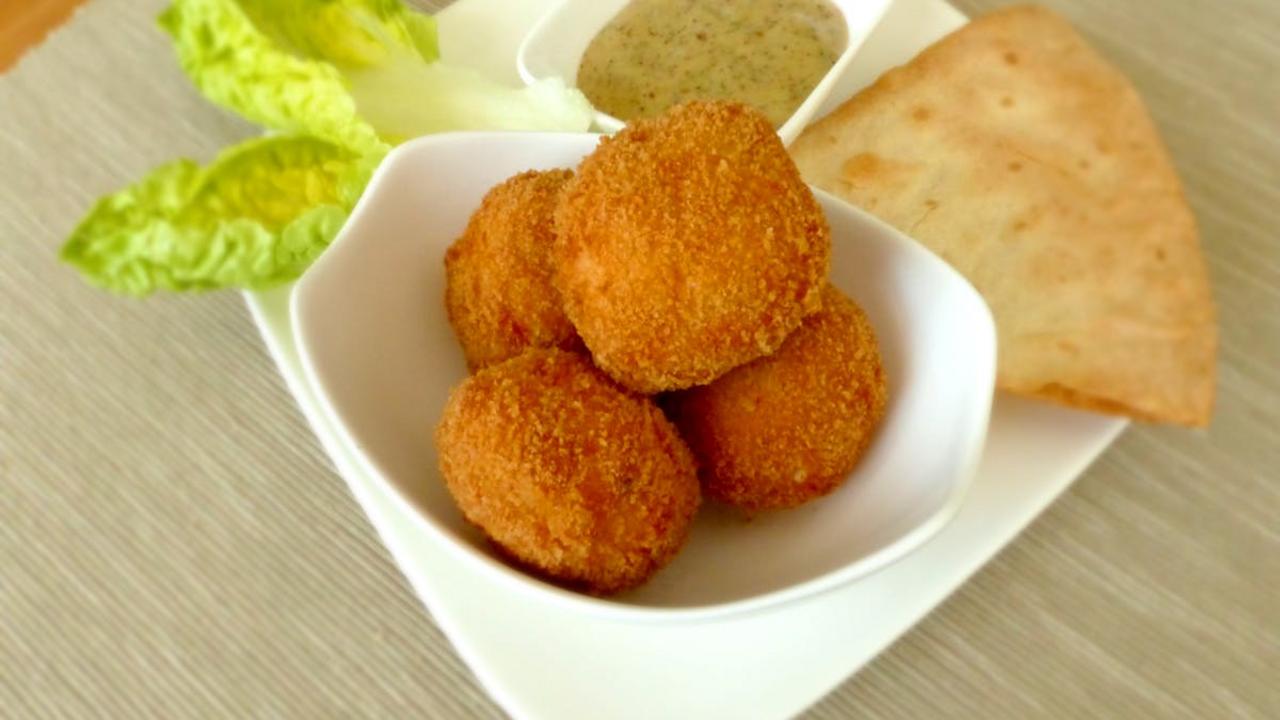
You know what’s wild? Those golden, crispy chicken nuggets your kids beg for at every restaurant didn’t exist until the 1950s. Before then, chicken came whole or in clear-cut pieces—drumsticks, thighs, breasts. The idea of grinding up chicken meat, forming it into bite-sized shapes, and coating them in seasoned breading was purely a product of modern food processing. Robert C. Baker, a food science professor at Cornell University, created the first chicken nugget in 1963, revolutionizing how we think about chicken preparation and making it infinitely more kid-friendly.
Now, I’m all for making food accessible and fun for children, but here’s where I get excited about the homemade version. When you make nuggets from scratch, you control every single ingredient—real chicken breast or thigh meat, your own blend of spices, maybe some panko mixed with crushed cornflakes for extra crunch. Skip the mysterious fillers and preservatives that fill commercial versions. I love adding a pinch of smoked paprika and garlic powder to my coating, sometimes even mixing in some parmesan cheese. Your family gets that same satisfying crunch and flavor, but with wholesome ingredients you can actually pronounce. Plus, kids absolutely love helping with the dipping and coating process—it becomes a fun kitchen activity rather than just another processed meal.
Energy Drinks

You know, when I think about energy drinks, I can’t help but shake my head at how far we’ve drifted from natural energy sources our great-grandparents would have recognized. These neon-colored concoctions didn’t exist until the 1960s, and they didn’t really take off in America until Red Bull arrived in 1997. Before that, people got their afternoon boost from coffee, tea, or maybe a piece of fresh fruit. I remember my grandmother telling me how she’d reach for an apple and some nuts when she needed energy for her evening chores – simple, whole foods that actually nourished her body.
What troubles me most about energy drinks is how they’ve become a substitute for addressing the root causes of fatigue. Instead of looking at sleep, nutrition, or stress levels, we reach for a can loaded with synthetic caffeine, artificial colors, and chemicals I can barely pronounce. In my kitchen, I prefer creating natural energy boosters – maybe a green smoothie with spinach, banana, and a touch of ginger, or my favorite afternoon pick-me-up: golden milk with turmeric and a hint of honey. These drinks work with your body’s natural rhythms rather than forcing an artificial spike that inevitably leads to a crash. Your body deserves fuel that actually feeds it, not just tricks it into temporary alertness.
Tater Tots
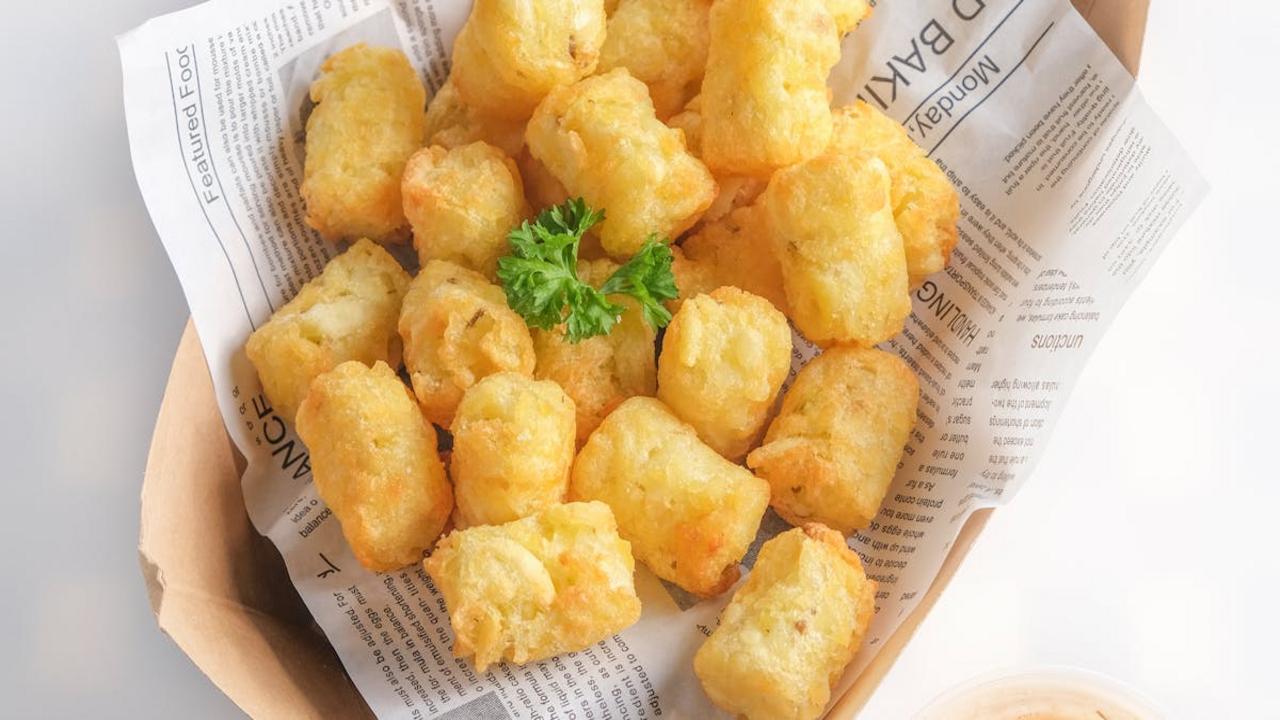
You know, when I think about comfort food that screams “America,” tater tots definitely make the list. These crispy little golden cylinders didn’t exist until 1953, when the Ore-Ida company figured out what to do with leftover potato shavings from their French fry production. Brothers F. Nephi Grigg and Golden Grigg turned waste into pure genius, creating these bite-sized bundles of joy that would become a cafeteria staple and diner favorite across the country.
Now, I’m always about making things from scratch in my kitchen, and homemade tater tots are surprisingly simple to create. I grate russet potatoes, squeeze out excess moisture, season with salt, pepper, and maybe some garlic powder, then shape them into those familiar cylindrical forms before baking until crispy. The beauty of making your own means you control the ingredients – no mysterious preservatives or additives. I sometimes add finely chopped herbs or even a bit of nutritional yeast for extra flavor. They’re perfect as a side dish or even as a base for loaded breakfast bowls topped with fresh vegetables and a poached egg.
Instant Coffee
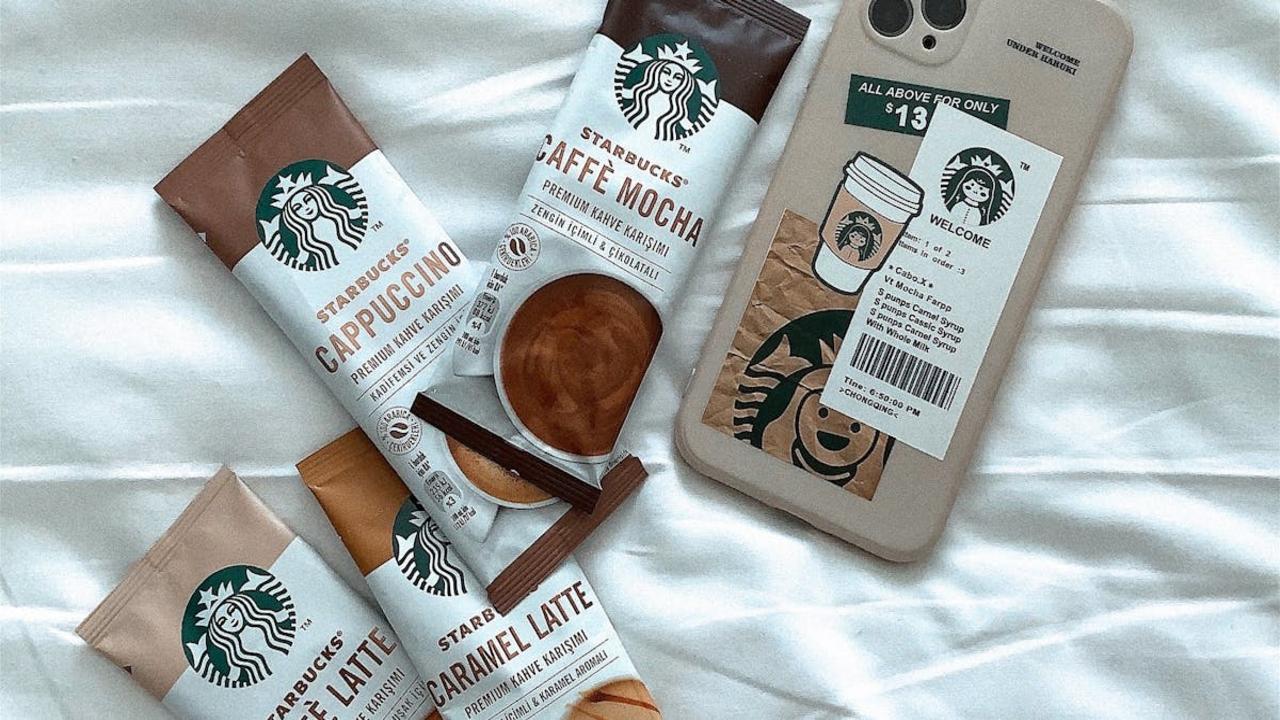
You know, instant coffee gets such a bad rap these days, but I find its story absolutely fascinating! Back in 1901, when Japanese scientist Satori Kato first patented his powdered coffee process, Americans were still grinding beans by hand and brewing their morning cup the traditional way. The real breakthrough came during World War I, when soldiers overseas desperately needed their caffeine fix without the luxury of proper brewing equipment. Suddenly, this convenient powder became a lifeline, transforming how we think about our daily ritual.
Now, I’m typically the guy who champions cooking from scratch and avoiding processed foods, but instant coffee taught me something important about innovation born from necessity. While I still prefer my freshly ground beans for that perfect morning brew, I can’t deny the genius behind creating something that could travel anywhere and still deliver that familiar comfort. Today’s instant coffee has come so far from those early wartime versions – some specialty brands actually freeze-dry single-origin beans that rival your favorite coffee shop. Sometimes the most unexpected innovations reshape our entire food culture, reminding us that convenience doesn’t always mean compromising on quality when done thoughtfully.
Frozen Pizzas

Picture this: your great-grandmother opening her icebox in 1924, searching for a quick dinner solution, and finding… absolutely nothing that resembled today’s frozen pizza aisle. The first frozen pizza didn’t appear until 1957, when the Celentano Brothers introduced their innovation to American grocery stores. Before this convenience revolution, pizza remained largely confined to Italian-American neighborhoods, and the idea of storing a complete meal in your freezer for months would have seemed like pure fantasy.
Now, I know what you’re thinking – frozen pizza gets a bad reputation among us home cooks who prefer creating magic from scratch. But here’s my take: understanding this food’s history helps us appreciate how far we’ve come in convenience, while also recognizing what we might be missing. Those early frozen pizzas opened doors for busy families, yet they also marked the beginning of our relationship with heavily processed convenience foods. Today, I encourage you to use that same innovative spirit the Celentano Brothers had, but apply it to your own kitchen. Make your pizza dough on Sunday, freeze individual portions, and top them with fresh ingredients during the week. You get the convenience without sacrificing the wholesome, nourishing qualities that make food truly satisfying.
Sliced Bread
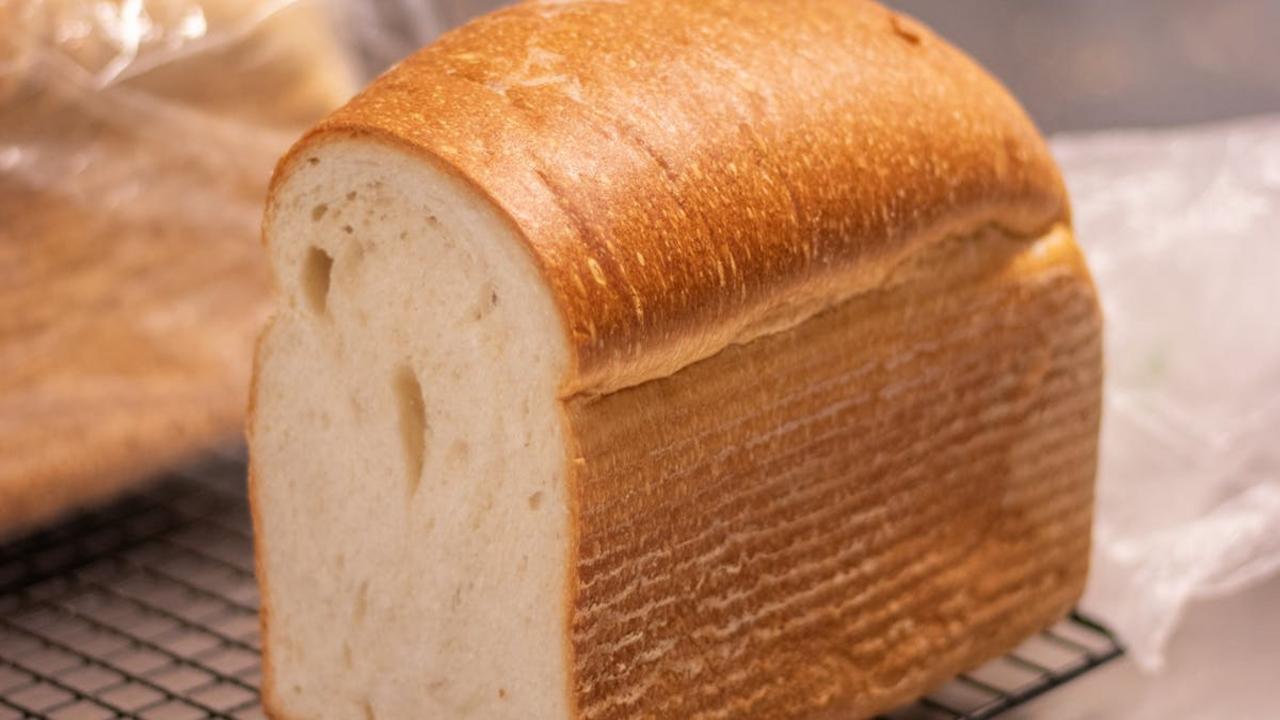
You know that phrase “the greatest thing since sliced bread”? Well, here’s something that might surprise you—sliced bread only became a thing in 1928 when Otto Frederick Rohwedder invented the first bread-slicing machine. Before that, families bought whole loaves and sliced them at home with a knife. I always think about how this simple innovation completely changed breakfast routines across America. Suddenly, making toast became effortless, and sandwiches could be perfectly uniform. The convenience factor was revolutionary for busy households trying to get everyone fed and out the door.
Now, as someone who believes in making food from scratch, I have mixed feelings about this innovation. Sure, sliced bread made life easier, but it also marked the beginning of our relationship with pre-packaged convenience foods. When you slice your own bread at home, you control the thickness, you keep it fresher longer, and there’s something deeply satisfying about that ritual. I encourage you to try baking your own sourdough or whole grain loaves—the aroma fills your kitchen, and you know exactly what ingredients went into your family’s daily bread. Plus, you can slice it thick for French toast or thin for delicate tea sandwiches, depending on your mood.
Cheetos

Picture this: you walk into any corner store today and grab that iconic orange bag of Cheetos, but rewind just one hundred years and Chester Cheetah didn’t exist. These cheese-dusted puffs first appeared in 1948 when Charles Elmer Doolin stumbled upon corn puffs at a San Antonio gas station. He bought the recipe for $100, and Frito-Lay transformed those humble beginnings into the snack empire we know today. What started as a simple corn-based treat became an American obsession that now coats our fingers in that unmistakable orange dust.
As someone who champions cooking from scratch and minimizing processed foods, I have mixed feelings about Cheetos. While they represent incredible food innovation and bring joy to millions, they also highlight how far we’ve moved from whole ingredients. Instead of reaching for that orange bag, I love making my own cheese crisps using real aged cheddar, nutritional yeast, and a touch of paprika for that familiar orange hue. You can bake thin slices of cheese until crispy, or blend cashews with turmeric and garlic powder for a homemade cheese dust that satisfies that same craving while nourishing your body with actual nutrients.
TV Dinners

You know, when I think about TV dinners, I can’t help but shake my head at how far we’ve moved from real cooking. These compartmentalized aluminum trays didn’t exist until 1953, when Swanson created them as a way to use up leftover Thanksgiving turkey. The concept was revolutionary for busy families – pop one in the oven, and dinner was ready in under an hour. But here’s what gets me: we traded the simple joy of preparing fresh meals for the convenience of processed, preservative-laden food that barely resembled actual cooking.
I get it – life moves fast, and sometimes you need quick solutions. But instead of reaching for those frozen compartments filled with mystery ingredients, why not batch cook on Sundays? I make large portions of curry, roasted vegetables, and grains that I can mix and match throughout the week. You get the same convenience without sacrificing your health or your connection to real food. Trust me, once you taste a home-cooked meal made with fresh spices and wholesome ingredients, those TV dinners will seem like a poor substitute for the nourishment your body actually craves.
Instant Ramen
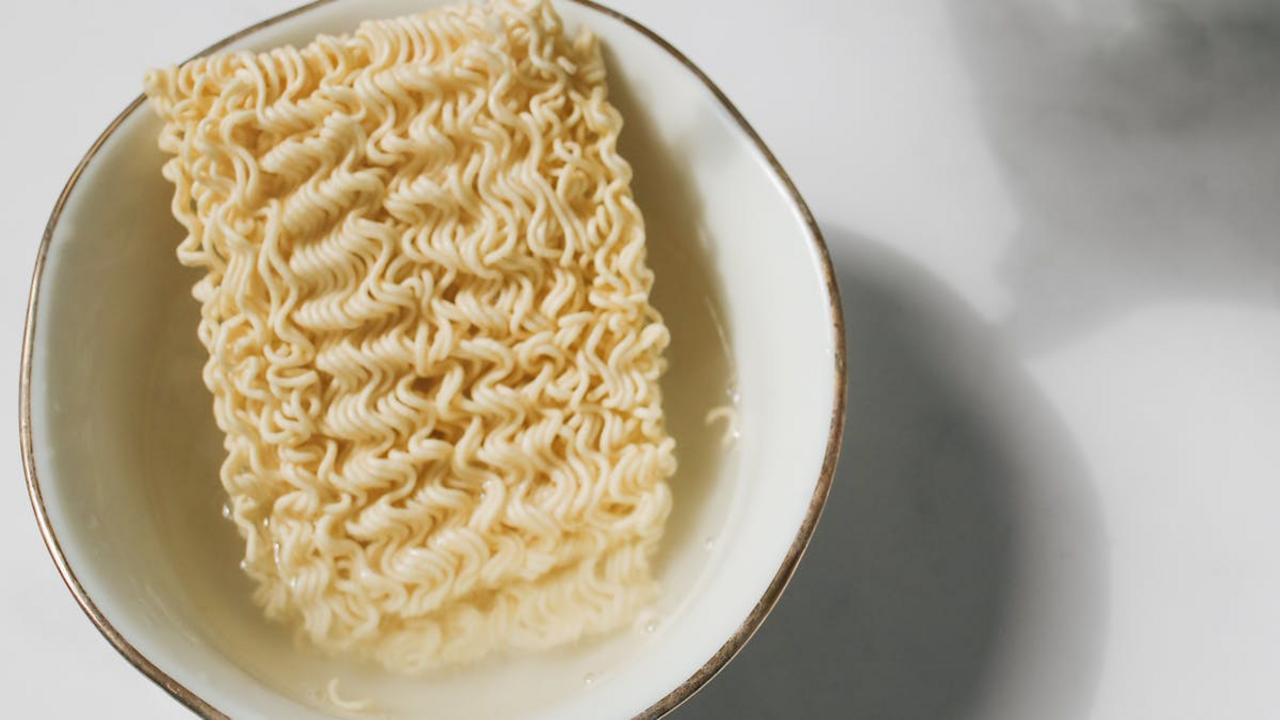
You know, when I think about instant ramen, I can’t help but smile at how this quick-fix noodle bowl has become such a staple in American kitchens. Back in the 1920s, your great-grandparents would have been completely puzzled by those little foam cups and flavor packets. This Japanese innovation didn’t make its way to American grocery stores until 1972, and honestly, it changed everything for busy families and college students everywhere. What started as Momofuku Ando’s brilliant solution to post-war hunger in Japan became America’s go-to comfort food for anyone needing a hot meal in three minutes flat.
Now, I’m all about cooking from scratch, but I also understand that sometimes life gets crazy and you need something fast. Instead of reaching for those sodium-packed flavor packets, try this: cook your instant noodles in bone broth, crack in a fresh egg during the last minute, and toss in whatever vegetables you have hanging around—maybe some spinach, mushrooms, or leftover roasted sweet potato. A drizzle of sesame oil and a sprinkle of everything bagel seasoning transforms this processed convenience food into something that actually nourishes your body. Your wallet stays happy, your stomach gets fed, and you’ve just turned a college dorm room staple into a real meal that would make your ancestors proud.
Ranch Dressing
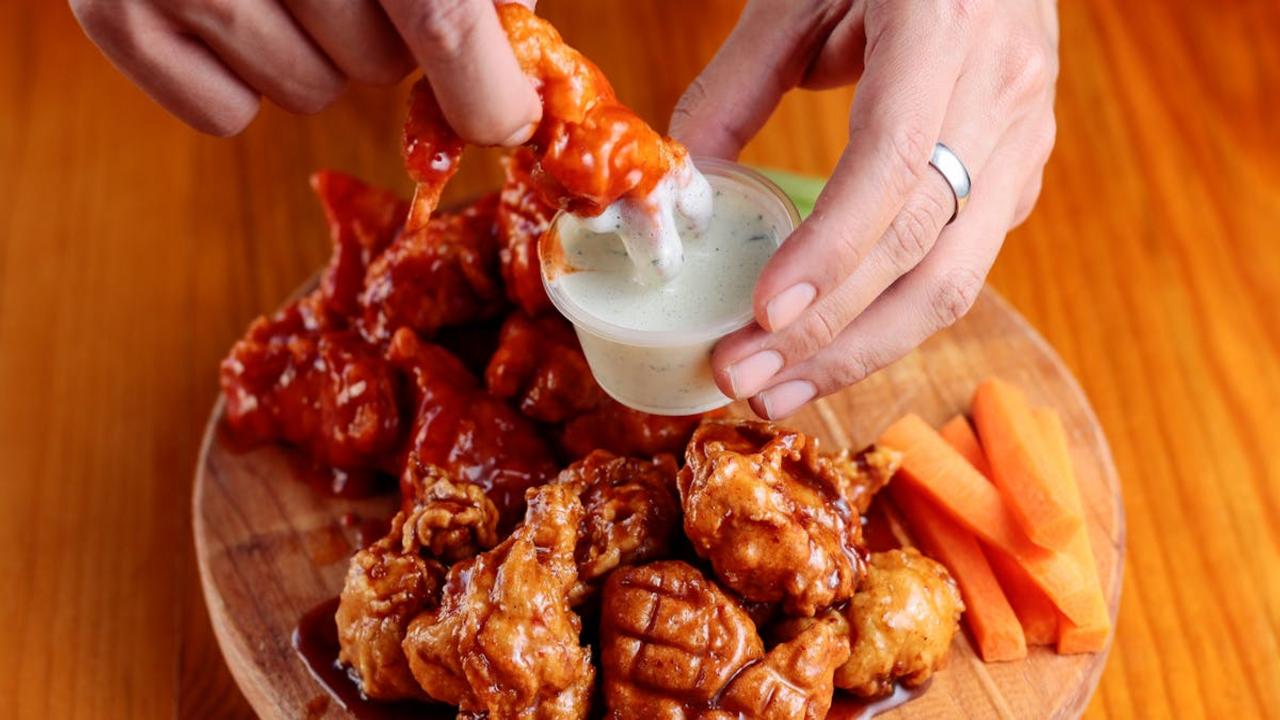
You know, it’s wild to think that ranch dressing didn’t exist until 1972! Steve Henson created this now-ubiquitous condiment at his dude ranch in California, mixing buttermilk, mayonnaise, and a blend of herbs and spices that would eventually become America’s favorite salad dressing. What started as a simple way to dress salads for ranch guests has become so popular that we put it on pizza, wings, vegetables, and pretty much anything that sits still long enough. The fact that something so deeply woven into our food culture is younger than most of our parents really puts things in perspective.
As someone who loves creating fresh, wholesome versions of popular foods, I find ranch fascinating because the original recipe was actually quite simple and made from real ingredients. Instead of reaching for the processed packets filled with artificial flavors and preservatives, I make my own version using fresh herbs like dill, chives, and parsley, combined with tangy buttermilk and good-quality mayonnaise. The homemade version tastes brighter and more vibrant than anything from a bottle, and you control exactly what goes into your body. Plus, making it fresh means you can adjust the flavors to your liking – more garlic, extra herbs, or a squeeze of lemon for brightness.