I Gave My Nephew a Ladle of Spinach. She Screamed for 5 Hours Because It Wasn’t a Full Meal.
There is a simple truth we all learn about keeping the peace: good fences make good neighbors. This wisdom is doubly true when your neighbors are your own family, living right under the same roof. Setting clear boundaries is often the secret ingredient to a happy home.
However, one woman recently shared a story online that proves some family members believe boundaries are made to be broken, especially when it comes to the kitchen. Her tale of a carefully portioned lunch turned into a full-blown family feud, all over a single serving of spinach.
The Incident
This woman lives in a large, multigenerational house, but it’s not one big commune. Her family—herself, her husband, and their toddler—occupy their own apartment on the bottom floor, complete with a separate entrance and kitchen. They pay rent and utilities, maintaining a distinct household from her in-laws, sister-in-law, and nephew, who live on the floor above.
One afternoon, she prepared a simple, portioned lunch for her little family of three. She made just enough, with no plans for guests. At the same time, her father-in-law was in his own kitchen preparing a meal for his four-year-old grandson. But as children often do, the little boy saw what his cousin was having—spinach—and decided he wanted that instead.
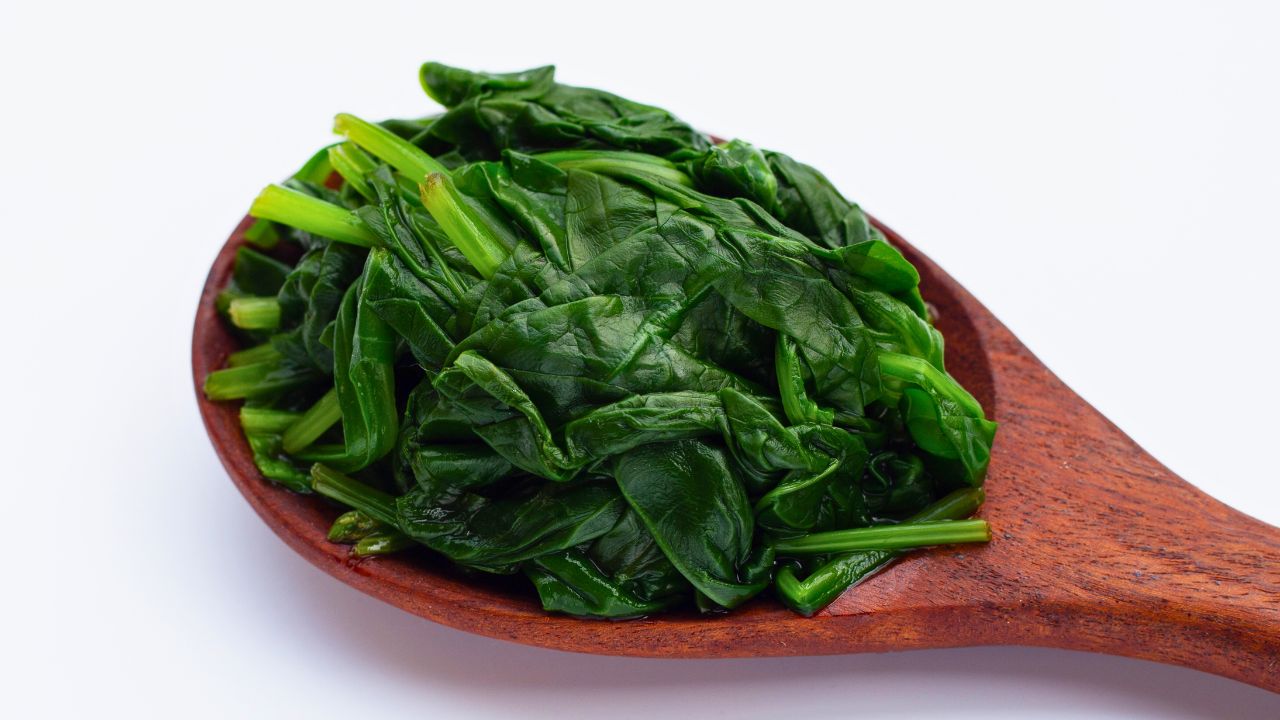
Being a gracious aunt, the woman gave her nephew a ladle of the spinach, taking it from her husband’s portion. The kicker? The little boy didn’t even eat it.
This small act of kindness, however, was not enough for her mother-in-law. After the meal, she confronted the young woman, telling her that “ethically and morally,” she should have served both children the same full meal.

The woman was stunned, feeling judged for not anticipating the needs of a child who wasn’t her responsibility and already had a meal being prepared for him. When her father-in-law stepped in to defend her, the mother-in-law erupted, starting an argument that devolved into five straight hours of screaming that, she said, could be “heard across half the village.”
The Internet Reacts
When she shared her story, people online had plenty to say, and they quickly formed a few distinct camps.
The first, and largest, was the “Absolutely Not” crowd. These readers were appalled on the woman’s behalf, pointing out the hypocrisy and entitlement of the mother-in-law. One commenter put it bluntly: “She pays rent and all utilities for her own floor. That makes her a tenant, not a cook or babysitter for the parents or sister household.”
Another zeroed in on the real problem, stating, “The issue is grandma thinks OP should be prepping extra food for OPs nephew on any given whim.” They saw this not as a simple misunderstanding, but as a power play and a complete disregard for the established household rules.
Then there was the “Devil’s Advocate” camp, who tried to see things from a different perspective. They argued that the spirit of multigenerational living is about sharing and helping one another. One person asked, “Literally what is the point in having this living arrangement if you don’t help each other every now and then?”
Another focused on the child’s point of view, noting, “I don’t think children so young can understand the boundaries that the adults have… It must be so confusing for your nephew.” This group felt that a little more flexibility could have prevented the entire conflict.

Finally, there was the “Pointed Questions” crowd. These folks didn’t offer advice so much as they highlighted the unfairness of the situation with sharp, insightful questions. Their comments were designed to make one think about the double standards at play.
The most powerful question was a simple one directed at the mother-in-law’s logic: “Does your husband’s sister also morally and ethically prepare extra food for your daughter?” The answer, as the woman clarified, was a firm no. In fact, she is the one who prepares food for her nephew when her in-laws watch her daughter.
The Etiquette Verdict
Let’s be perfectly clear: this mother-in-law’s behavior was completely out of line. The daughter-in-law was not just polite; she was generous. She shared food she had carefully portioned for her own family, even though another meal was already being made for her nephew. To be lectured and then subjected to a five-hour screaming fit over a ladle of unwanted spinach is beyond the pale. It’s not about ethics or morals; it’s about control and a lack of respect.
The golden rule of multigenerational living is that shared walls do not erase personal boundaries. Each family unit deserves the autonomy to manage its own home, finances, and meals. Expecting one person to become the default cook for all is an unfair burden, not a benefit of family living.
What Do You Think?
Was this a simple misunderstanding that got out of hand, or was the mother-in-law’s reaction a sign of a much deeper problem?
Ready for the next level of insight? Discover more in my latest article here.