14 Eco-Friendly Kitchen Upgrades That Slash Waste and Elevate Every Meal
Making your kitchen more eco-friendly goes beyond buying organic ingredients – it’s about creating lasting changes that benefit both your cooking and our planet. Small adjustments to your kitchen setup and daily habits can dramatically reduce waste while improving the quality of every dish you make.
I’ve discovered that sustainable kitchen practices actually make cooking more enjoyable and food taste better. From switching to reusable items to starting a compost bin, these practical upgrades will transform how you cook, store, and prepare meals. The best part? You’ll save money while creating less waste.
These 14 simple but impactful changes will help you build a more sustainable kitchen that works better for you and the environment. Each upgrade is designed to seamlessly fit into your existing routine while enhancing your cooking experience and reducing your environmental footprint.
Keep a Well Organized Refrigerator
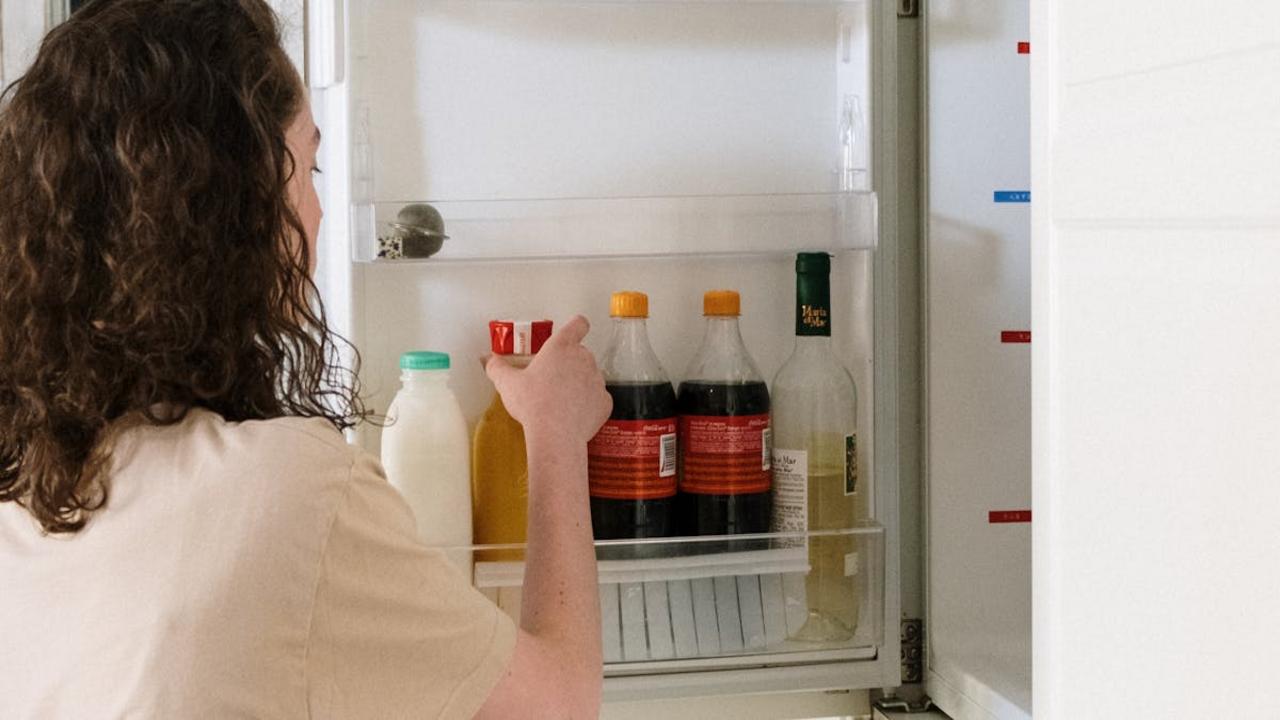
Listen, your refrigerator layout can make or break your food waste goals. I keep my fridge organized with clear bins and labels, which helps me track what I have and use ingredients before they spoil. The top shelf holds ready-to-eat foods and leftovers where I can see them clearly. The middle shelves store dairy, eggs, and condiments, while the bottom shelf contains raw meats in sealed containers to prevent cross-contamination. I dedicate the crisper drawers to fruits and vegetables, keeping them separate since some produce emits gases that can speed up ripening.
This organization system has totally transformed how I cook and reduced my food waste by about 40%. I can quickly scan my inventory before grocery shopping, preventing duplicate purchases. Plus, having everything visible reminds me to incorporate ingredients into meals before they go bad. I keep a whiteboard on the fridge door listing perishable items and their use-by dates, which helps me plan meals strategically. The clear bins also make it easy to do a quick weekly clean-out, wiping down surfaces and checking for any items that need using up right away.
Use Glass Storage Containers
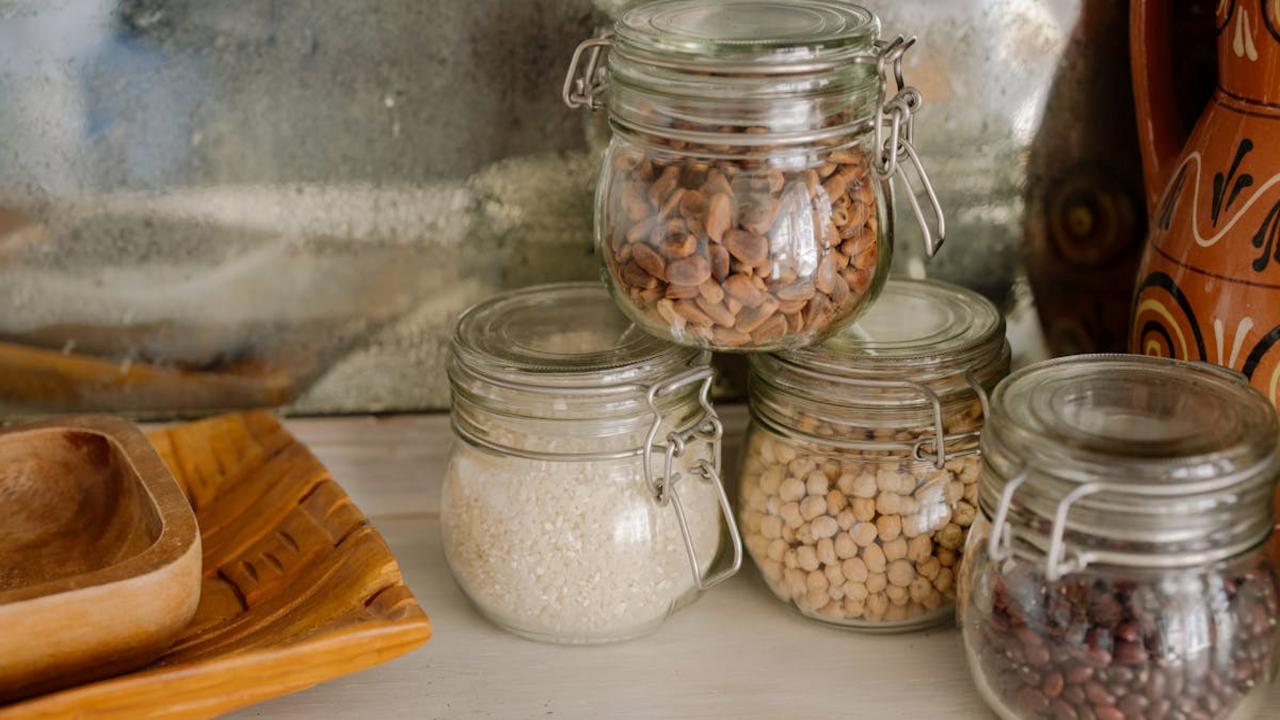
I switched to glass storage containers in my kitchen years ago, and I’ll never go back to plastic. Glass containers keep your ingredients fresher longer and prevent food waste since you can clearly see what’s inside. The airtight seals lock in freshness while keeping out moisture and unwanted odors. Plus, you won’t have to deal with those stubborn tomato sauce stains or lingering curry smells that plague plastic containers.
Glass containers make meal prep so much smoother – you can take them straight from fridge to microwave to table without transferring foods between multiple containers. I especially love using them for storing homemade sauces, marinades, and dressings since glass won’t absorb or react with acidic ingredients. My favorite sustainable hack? Repurpose glass jars from pasta sauce and pickles into storage containers. Just clean thoroughly, remove labels, and you’ve got free food storage that helps reduce waste. Glass containers cost more upfront but pay for themselves by lasting practically forever.
Properly Maintain Kitchen Equipment
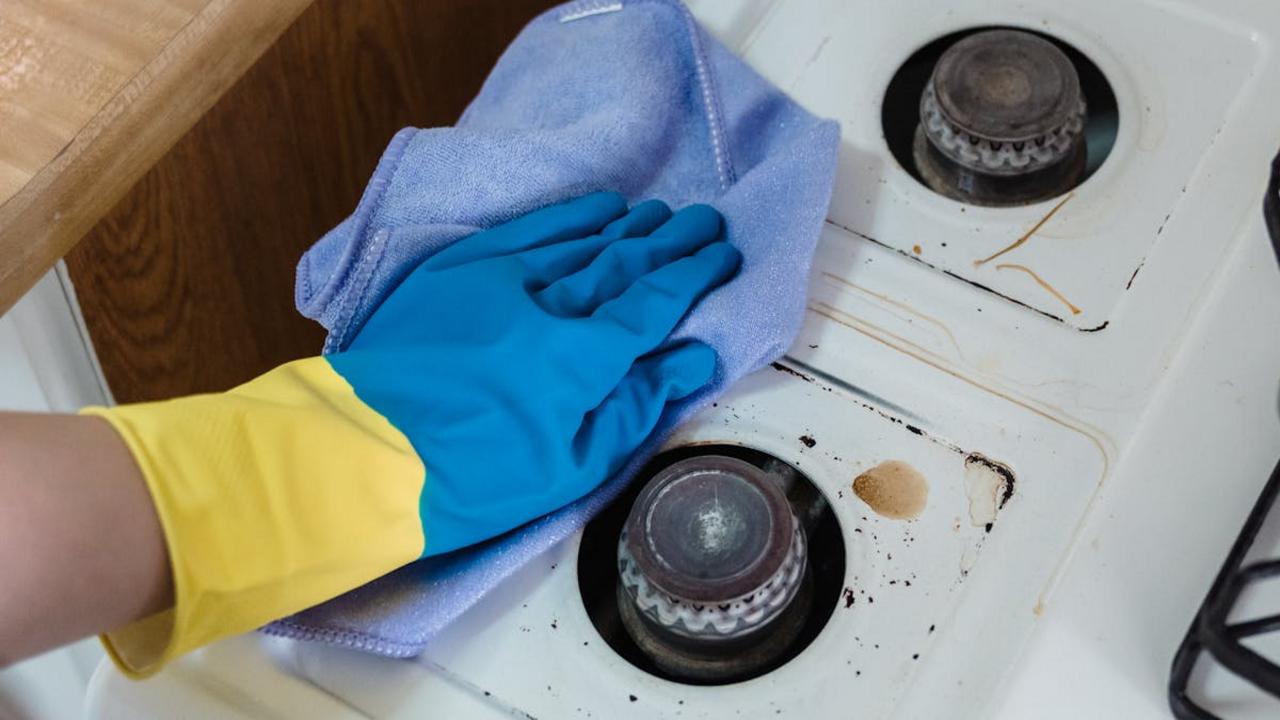
I’ve learned through years of cooking that taking good care of your kitchen equipment makes every meal better and reduces waste. By keeping your knives sharp, you’ll avoid bruising herbs and vegetables, helping them stay fresh longer in storage. Clean and calibrate your oven regularly to prevent temperature fluctuations that could burn or undercook food. Deep clean your refrigerator coils annually to help it run efficiently, keeping food at optimal temperatures and preventing spoilage.
Set up a simple maintenance schedule for your appliances – it will save you money and resources in the long run. Oil your wooden cutting boards monthly to prevent warping and bacteria growth. Descale your coffee maker and kettle every three months to avoid mineral buildup that affects performance and taste. Check and replace refrigerator door seals if they’re worn to maintain proper temperature. Replace water filters in ice makers and water dispensers as recommended by the manufacturer to keep water clean and appliances running smoothly. These small actions add up to less food waste and better-tasting meals.
Save Vegetable Scraps for Stock
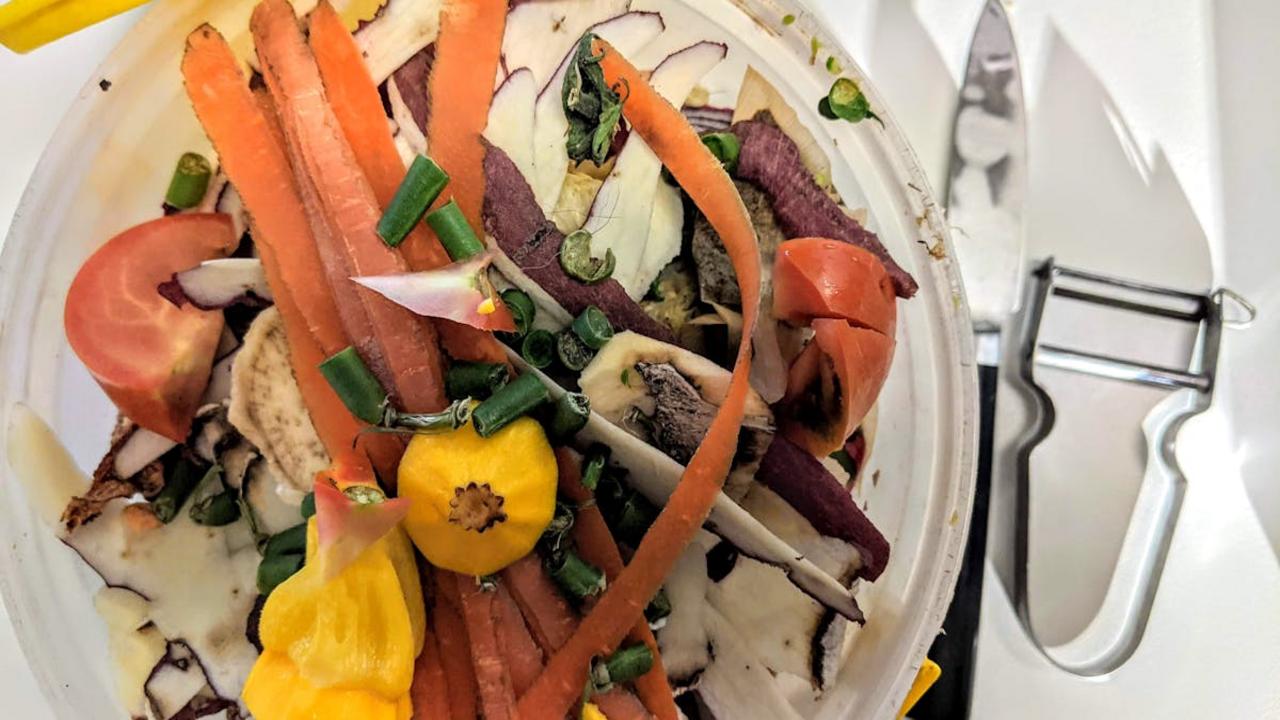
You know those carrot tops, onion skins, and celery ends you usually toss out? Keep them! I store all my vegetable scraps in a large freezer bag and add to it throughout the week. Once the bag fills up, I throw everything into a pot with water, herbs, and a bay leaf to make the most flavorful homemade stock. The depth and richness you get from these “scraps” beats any store-bought broth, plus you’ve turned what would have been waste into liquid gold for soups, stews, and risottos.
Your freezer bag can hold almost any vegetable remnants – mushroom stems, herb stalks, tomato cores, corn cobs, and even apple peels work beautifully. Just avoid anything too bitter like Brussels sprouts or cabbage. I simmer my stock for 2-3 hours until it reduces and concentrates all those natural flavors. Strain, portion into containers, and freeze for up to 6 months. Not only will you reduce food waste, but you’ll also save money and create a foundation for countless nourishing meals. Plus, the satisfaction of making something from “nothing” feels amazing!
Plan Meals in Advance
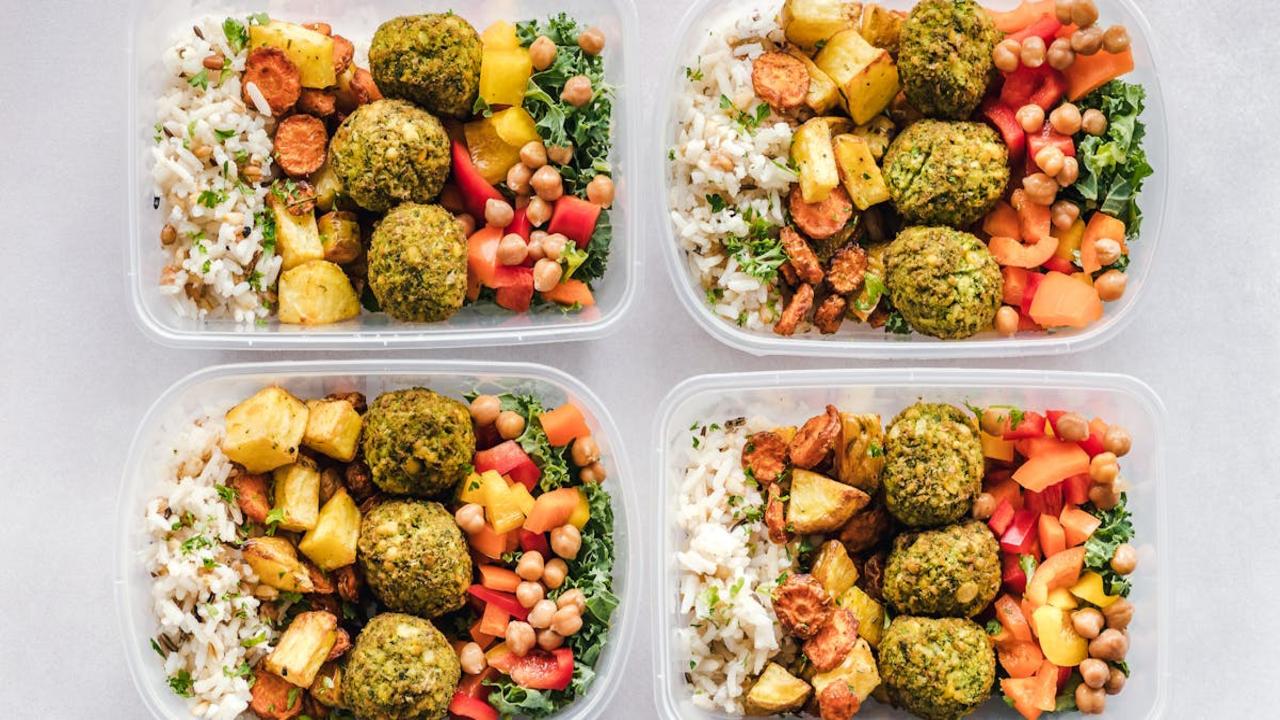
You’ll transform your kitchen into a zero-waste powerhouse by mapping out your meals ahead of time. I learned this game-changing habit from my grandmother, who never let a single vegetable go bad in her fridge. Start by writing down your weekly menu, considering ingredients that can work across multiple dishes. For example, fresh herbs bought for Monday’s pasta can brighten up Wednesday’s soup and Friday’s salad. This simple practice helps you buy exactly what you need and reduces those last-minute takeout orders that often come with excess packaging.
Get your meal planning groove on by taking inventory of what’s already in your pantry and fridge before shopping. Keep a magnetic notepad on your fridge to jot down items as they run low – this prevents overbuying duplicates. I recommend prepping ingredients like chopped vegetables in bulk on weekends, storing them in reusable containers. Pro tip: organize your fridge with “eat first” labels on items nearing their peak freshness. Your wallet will thank you as you watch your grocery bills shrink and your cooking become more intentional and waste-free.
Reduce Water Consumption

I’ve discovered some clever ways to cut down water use in my kitchen without compromising the quality of my meals. Installing a water-efficient faucet aerator can reduce your sink’s flow by up to 50% while maintaining strong water pressure for washing produce and dishes. You can also keep a large bowl in your sink to catch excess water while rinsing fruits and vegetables – I use this collected water for my herb garden and houseplants instead of letting it go down the drain.
Another water-saving trick I swear by is keeping a pitcher of filtered water in the fridge instead of running the tap until it gets cold. For dishwashing, I fill one sink basin with hot soapy water for washing and the other with clean water for rinsing rather than leaving the tap running. These simple changes have cut my kitchen water usage dramatically without affecting how I cook or clean. Plus, the money saved on water bills can go toward buying more high-quality ingredients for my recipes.
Use Natural Cleaning Products

I’ve transformed my kitchen cleaning routine by ditching chemical-laden products for natural alternatives that work just as effectively. My go-to cleaning solution combines vinegar, lemon juice, and baking soda – this powerhouse trio tackles grease, grime, and bacteria without leaving harmful residues on your cooking surfaces. You’ll notice an immediate difference in how your kitchen feels and smells, plus you’ll save money by making these simple cleaners at home. Mix equal parts water and vinegar in a spray bottle, add fresh lemon juice for extra degreasing power, and keep baking soda handy for tough stains.
Natural cleaning products protect both your health and the environment. By avoiding harsh chemicals, you’ll prevent toxic substances from entering waterways and reduce plastic waste from store-bought cleaners. I recommend keeping castile soap, tea tree oil, and hydrogen peroxide in your eco-friendly cleaning arsenal. Castile soap works wonders on dishes and countertops, tea tree oil adds natural antimicrobial properties to your homemade cleaners, and hydrogen peroxide disinfects without harsh bleach. Your food will taste better too, since there’s no chemical residue lingering on your prep surfaces.
Grow Your Own Herbs
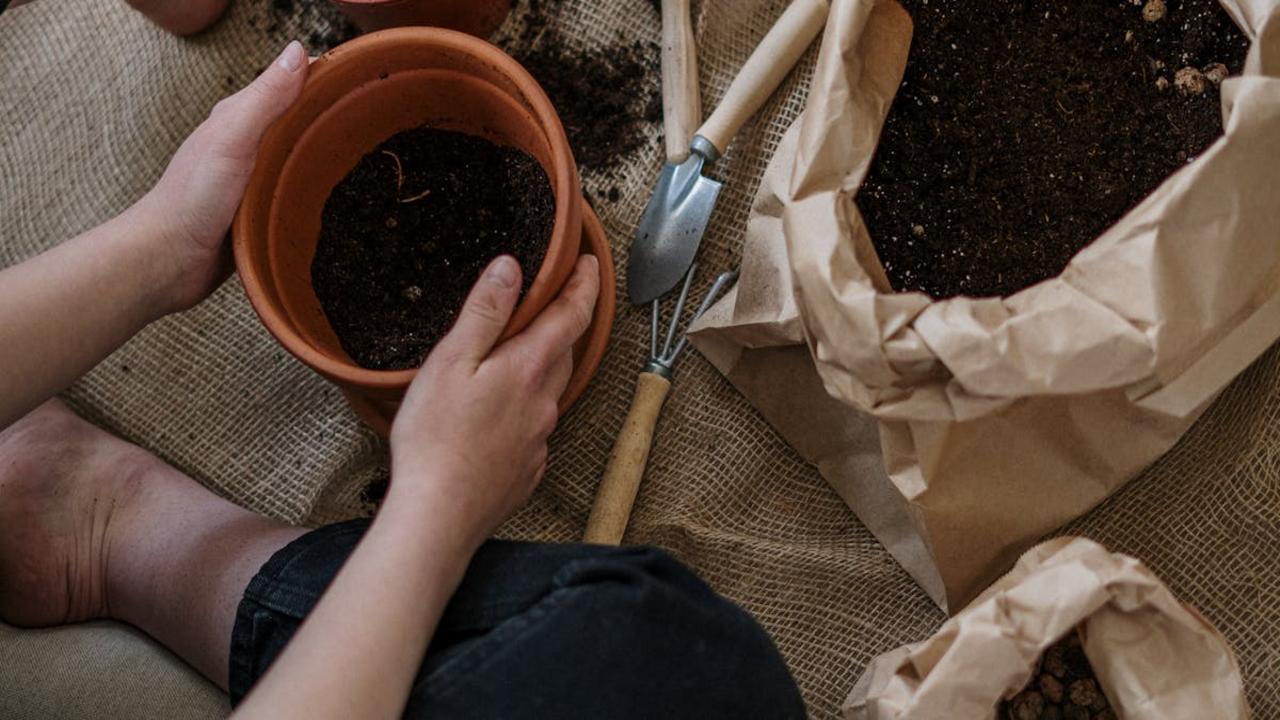
You’ll transform your kitchen into a mini garden paradise by growing fresh herbs right on your windowsill or countertop. A small herb garden brings life to your cooking space while giving you instant access to fragrant basil, cilantro, mint, and other herbs whenever you need them. I keep my favorites in recycled mason jars filled with rich soil – they look beautiful, reduce plastic packaging waste from store-bought herbs, and save money in the long run.
Growing your own herbs creates a direct connection between your food and its source. You’ll notice how much more flavorful dishes become when you snip fresh herbs straight from the plant versus using dried versions. Start with hardy varieties like rosemary, thyme, and oregano, which thrive indoors with minimal care. Just give them plenty of sunlight, proper drainage, and regular watering. The satisfaction of adding homegrown herbs to your meals while reducing your environmental footprint makes this upgrade truly special.
Choose Package Free or Bulk Shopping
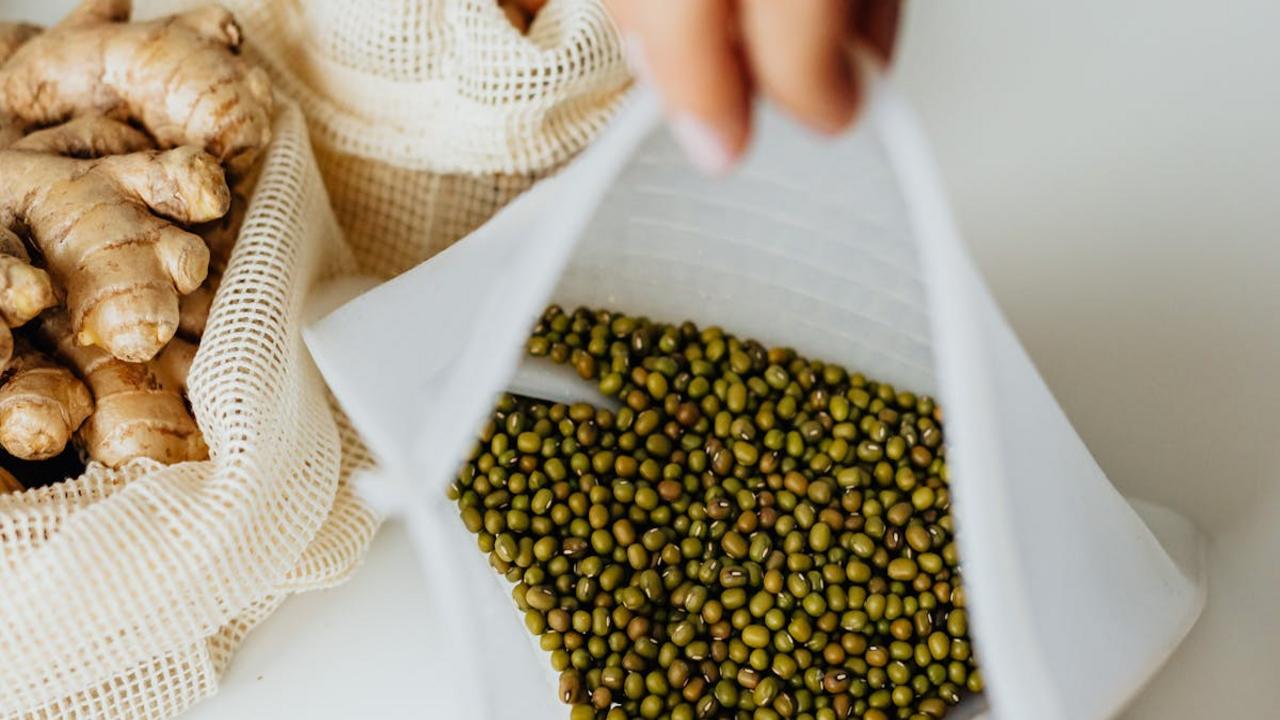
I transformed my kitchen into a zero-waste zone by switching to package-free and bulk shopping – and you can too! Your local bulk store will become your new best friend, where you’ll fill reusable containers with grains, nuts, spices, oils, and other pantry staples. Bring your own jars, bags, or containers to eliminate single-use packaging completely. You’ll save money buying exactly what you need while reducing plastic waste that would otherwise end up in landfills.
The quality of bulk ingredients often surpasses their packaged counterparts since stores typically have higher turnover rates, meaning fresher products. I love how bulk shopping connects me directly with my ingredients – I can see, smell, and sometimes even sample before buying. My favorite finds include local honey, freshly ground nut butters, and organic dried fruits. Remember to label your containers with the item name and tare weight before filling them up. Soon you’ll wonder how you ever shopped with all that unnecessary packaging!
Buy Local and Seasonal Produce

I’ve transformed my kitchen into a zero-waste zone by making local and seasonal produce the star of my meals. You’ll get the freshest ingredients while supporting nearby farmers and reducing the environmental impact of long-distance food transport. Shopping at farmers’ markets or joining a CSA (Community Supported Agriculture) program connects you directly with growers, giving you access to just-picked vegetables and fruits that pack more nutrients and flavor than items shipped across the country.
Your cooking will naturally align with nature’s rhythms when you cook with seasonal ingredients – juicy tomatoes in summer, hearty squash in fall, and tender asparagus in spring. This approach not only minimizes packaging waste but also saves money since produce costs less during peak growing seasons. I keep a local growing calendar on my fridge to track what’s in season, helping me plan meals around the most sustainable options. The bonus? These fresh ingredients need minimal preparation to shine in your dishes.
Store Food Properly to Reduce Waste
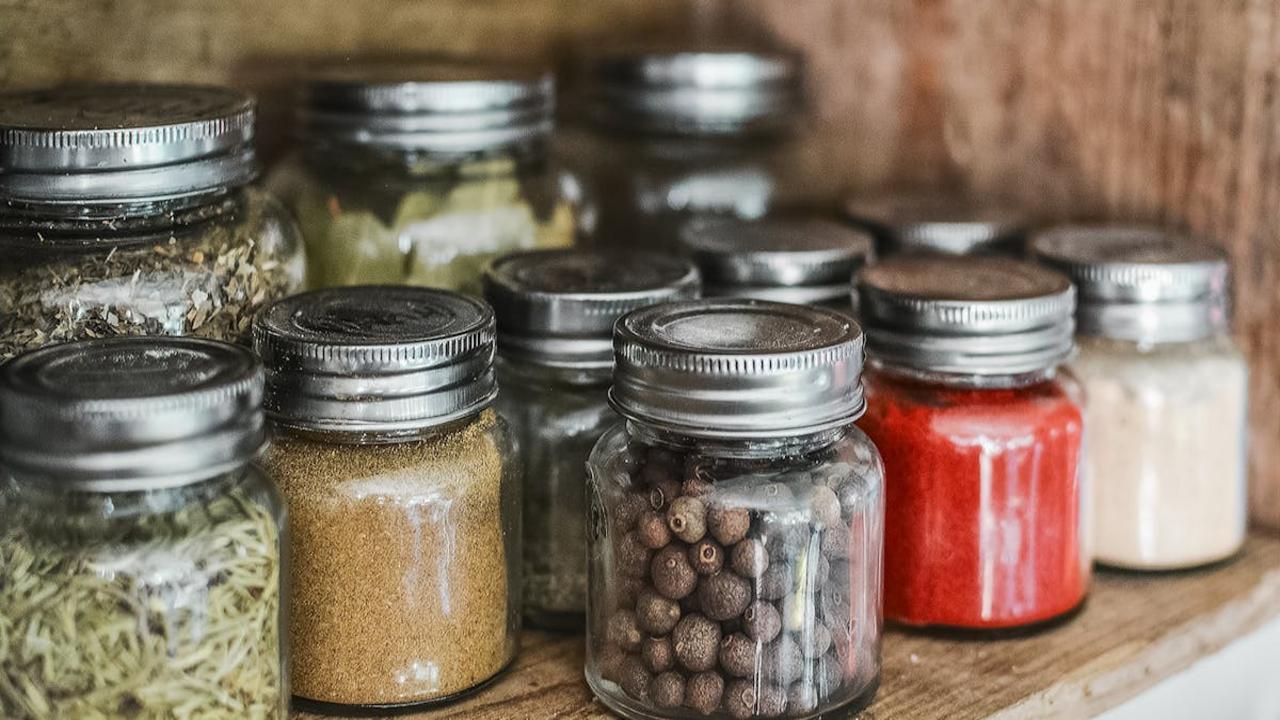
Your kitchen storage habits make a huge difference in keeping food fresh and reducing waste. I learned through years of cooking that proper food storage goes beyond tossing things in containers – it’s about understanding each ingredient’s needs. Keep your herbs fresh by trimming the stems and placing them in water like flowers, covered with a plastic bag. Store mushrooms in paper bags to prevent moisture buildup, and keep potatoes and onions separate in cool, dark spots to prevent early sprouting. For leafy greens, wash and dry them thoroughly, then wrap in slightly damp paper towels before placing in an airtight container.
Get smart with your fridge organization too! Place dairy on upper shelves where temperature stays consistent, raw meats on the bottom shelf to prevent drips, and arrange items by expiration date. Keep an “eat soon” section at eye level for items needing quick use. I swear by clear glass containers – they help me see exactly what I have and prevent forgotten foods from turning into science experiments in the back of my fridge. These simple storage tweaks will help your ingredients last longer, save you money, and reduce your environmental impact by cutting down on food waste.
Use Energy Efficient Appliances

I’ve found that upgrading to energy-efficient kitchen appliances makes a huge difference both for the planet and your monthly bills. Your old fridge from 2010 could be guzzling twice or three times more electricity than a modern ENERGY STAR certified model. The same goes for dishwashers, ovens, and microwaves – newer models run much leaner on power while still giving you excellent performance. My electric bill dropped by 30% after I switched to all energy-efficient appliances in my kitchen.
Beyond the cost savings, these appliances often come with smart features that help you cook better meals. My induction cooktop heats up instantly and gives me perfect temperature control for delicate sauces. The new convection oven circulates heat more evenly, which means perfectly baked bread and roasted vegetables every time. My energy-efficient dishwasher uses less water but cleans more effectively with its targeted spray zones. You’ll notice the difference in both your cooking results and your utility bills – it’s a win-win investment that keeps paying off year after year.
Start a Compost System
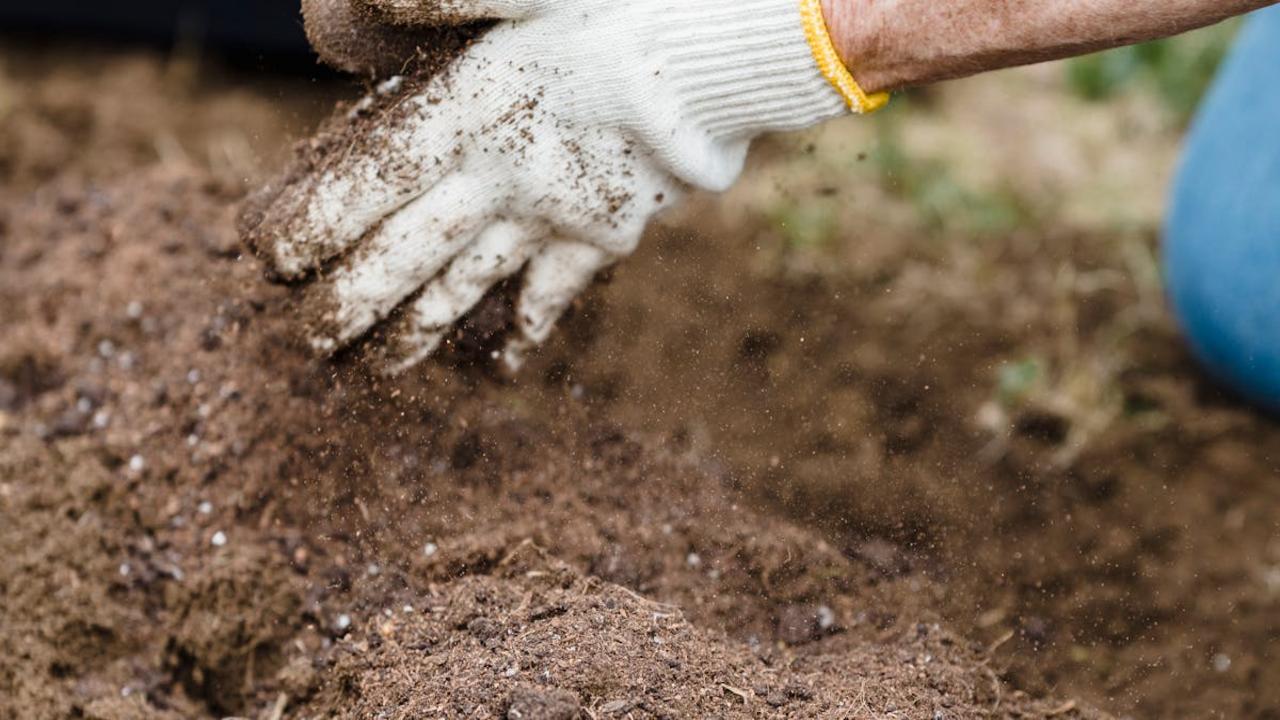
Starting your own compost system will revolutionize how you deal with kitchen scraps while creating nutrient-rich soil for your garden. I keep a small countertop bin for collecting vegetable peels, coffee grounds, eggshells, and fruit remnants throughout the day. Once it fills up, I transfer everything to my backyard tumbler composter where the magic happens. The process becomes second nature after a few weeks, and you’ll notice a significant reduction in your household waste.
Your compost will need a good mix of “green” materials (fruit and veggie scraps, coffee grounds) and “brown” materials (dry leaves, newspaper, cardboard) to break down properly. I recommend a ratio of roughly 3 parts brown to 1 part green. Turn your compost pile weekly to add oxygen and speed up decomposition. Within a few months, you’ll have dark, crumbly compost ready to enrich your garden soil. Plus, you’ll feel great knowing your kitchen waste now serves a purpose instead of heading to the landfill.
Swap Single Use Items for Reusable Alternatives

I transformed my kitchen into a waste-free zone by ditching single-use products, and you can too! Start by replacing paper towels with a set of washable cotton cleaning cloths – I keep a drawer full of different colors, using specific ones for counters, dishes, and spills. Switch out plastic wrap and foil with reusable beeswax wraps or silicone covers that create airtight seals on bowls and containers. You’ll save money while keeping unnecessary trash out of landfills.
Look at your daily kitchen habits to find more swap opportunities. Trade disposable coffee filters for a metal mesh one, plastic produce bags for cotton mesh versions, and paper napkins for cloth napkins in fun patterns. I love using mason jars and glass containers with snap-on lids for storing leftovers instead of disposable plastic bags. My favorite upgrade was getting a set of Swedish dishcloths – they’re super absorbent, washable, and replace dozens of paper towel rolls each year. These simple switches make cooking more sustainable without sacrificing convenience.