14 Sensational Food Experiences Bringing Cultures and People Together Worldwide
Food brings us together in beautiful ways across every culture and corner of the world. From sharing hot pots in Japan to brewing coffee in Ethiopian ceremonies, these meaningful food traditions create bonds between family, friends, and even strangers. They remind us that breaking bread together means so much more than just eating – it’s about connection, community, and carrying forward cherished customs.
I’ve witnessed firsthand how a simple meal can bridge cultural gaps and spark genuine friendships. Whether you’re passing banchan dishes around a Korean table or joining a Kenyan nyama choma grilling session, these shared food moments make everyone feel like family. The warmth and generosity shown through food transcends any language barriers.
These 14 unique food traditions showcase how different cultures welcome others to their table. Each one offers a window into local customs while creating spaces for real human connection. Through these shared meals and drinks, we learn, laugh, and grow closer together – one bite and sip at a time.
Traditional Moroccan Mint Tea Service
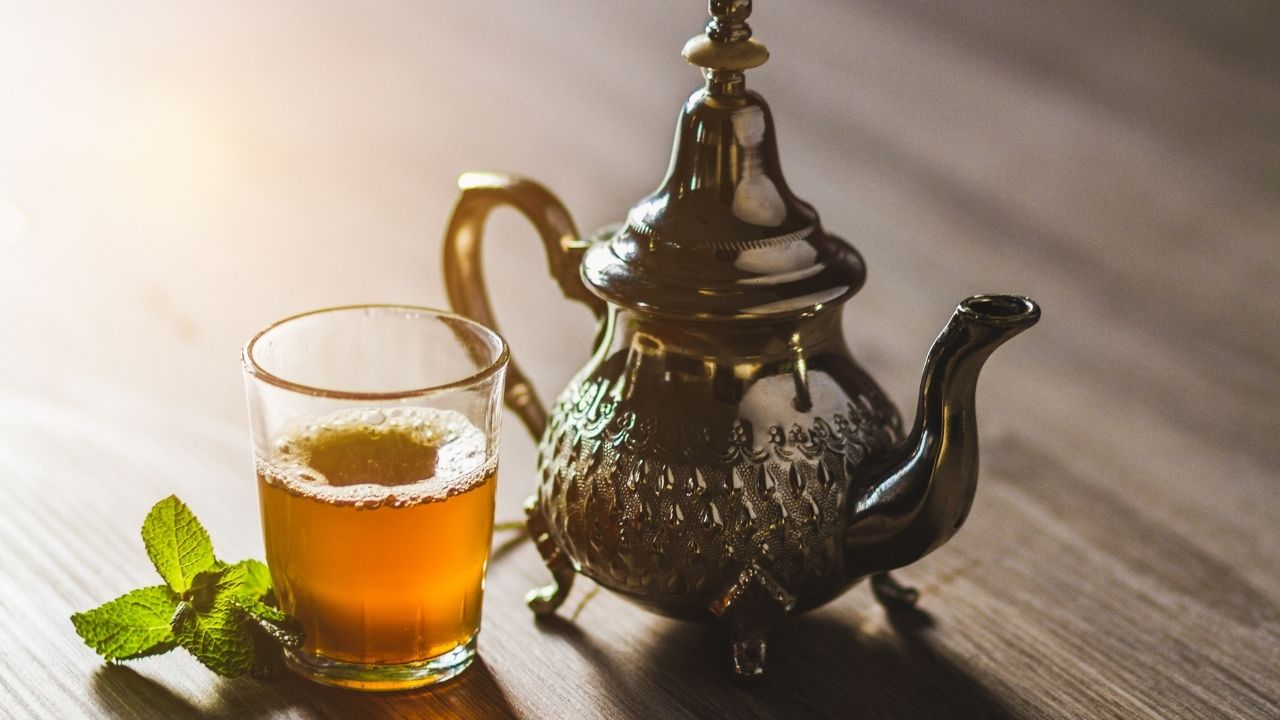
I’ve witnessed countless Moroccan families gather around the ritual of mint tea service, where the pure magic happens in the careful preparation and shared moments. The host gracefully pours the tea from a silver pot held high above tiny, ornate glasses, creating a frothy top layer while mixing the fresh mint leaves, green tea, and sugar. This beautiful custom goes beyond just serving tea – it’s about welcoming guests, showing hospitality, and taking time to connect with loved ones.
The authentic preparation method requires multiple pours between pot and glass to achieve the perfect blend and temperature. Each glass gets filled just halfway, allowing the aromatic steam to rise and fill the room with sweet mint fragrance. My Moroccan friend Amira taught me how the amount of sugar varies by region – in the south, they prefer it extremely sweet, while northern areas opt for a more subtle sweetness. Every sip brings warmth, comfort, and a reminder to slow down and savor both the drink and the company.
Indian Paan Sharing Traditions
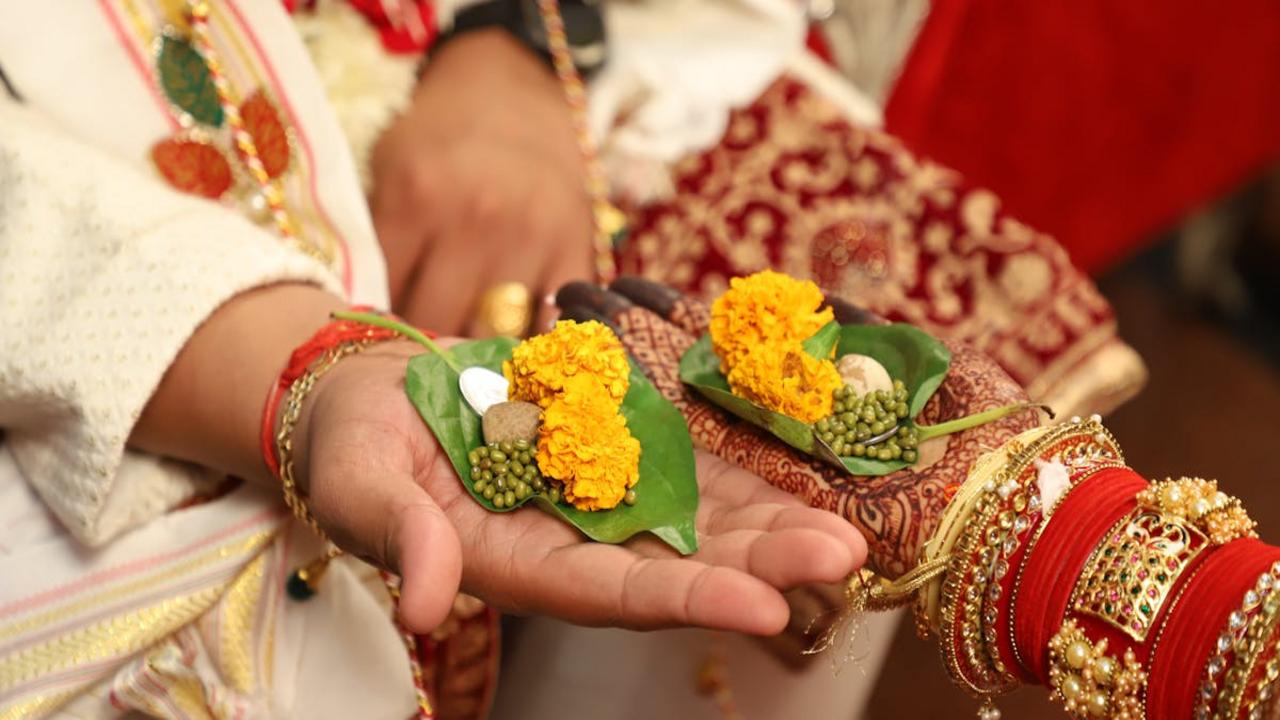
The ritual of sharing paan in India brings together families, friends, and even strangers in a beautiful display of hospitality and community. As an after-meal refreshment, paan combines betel leaves with areca nuts, slaked lime paste, and various sweet or savory fillings that create a unique mouth-freshening treat. From weddings to family gatherings, the act of making and distributing paan becomes a social centerpiece where people gather, chat, and bond while the skilled paan-wallah (maker) expertly crafts each personalized parcel.
You’ll find paan culture deeply woven into India’s social fabric, where sharing this simple yet meaningful treat strengthens relationships and creates lasting memories. The tradition teaches us to slow down, connect, and appreciate the small moments of joy found in sharing food with others. Watch a seasoned paan-wallah fold those heart-shaped betel leaves with quick, precise movements – it’s mesmerizing! They’ll customize each paan to your preference, adding ingredients like rose petal jam, fennel seeds, or candied fruits before securing it with a clove pin. This centuries-old custom continues to bring people together through its perfect blend of flavors, textures, and social connection.
Mexican Tamaladas (Tamale Making Parties)
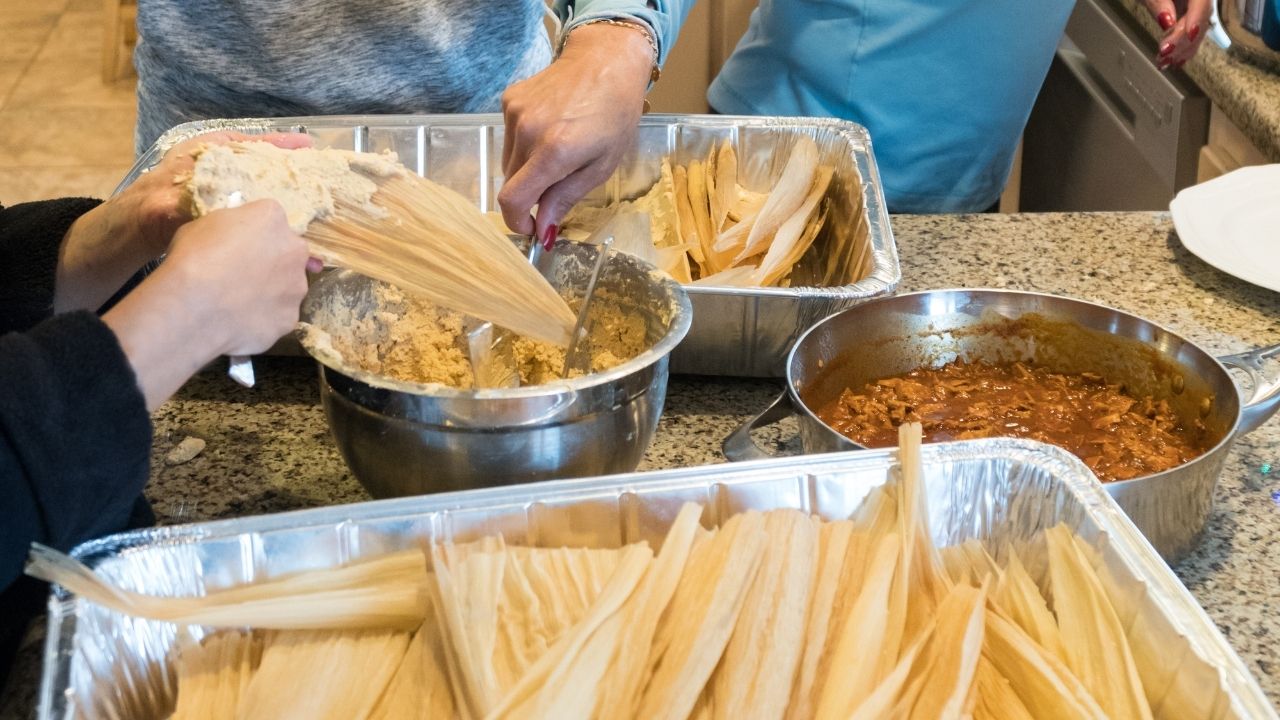
Nothing brings Mexican families together quite like a tamalada – the joyful gathering where loved ones unite to make tamales from scratch. I’ve witnessed firsthand how these spirited parties turn what could be hours of solo work into a celebration filled with stories, laughter, and countless helping hands. Everyone takes on different roles: some spread masa (corn dough) onto corn husks, others fill them with savory meats or sweet fruits, while the seasoned cooks supervise the proper wrapping technique. The shared experience creates bonds that stretch beyond the kitchen, passing down cherished family recipes through generations.
The magic happens not just in the tamales themselves, but in the rhythm of conversation that flows naturally as hands work in unison. You’ll hear grandmothers sharing tales of tamaladas past, children learning the importance of proper masa consistency, and friendly debates about whether chicken or pork makes the best filling. The reward comes hours later when everyone gathers to taste the fruits of their labor – steaming hot tamales paired with warm atole or Mexican hot chocolate. These gatherings prove that food preparation itself can be just as meaningful as the final meal.
Pacific Islander Kava Circles
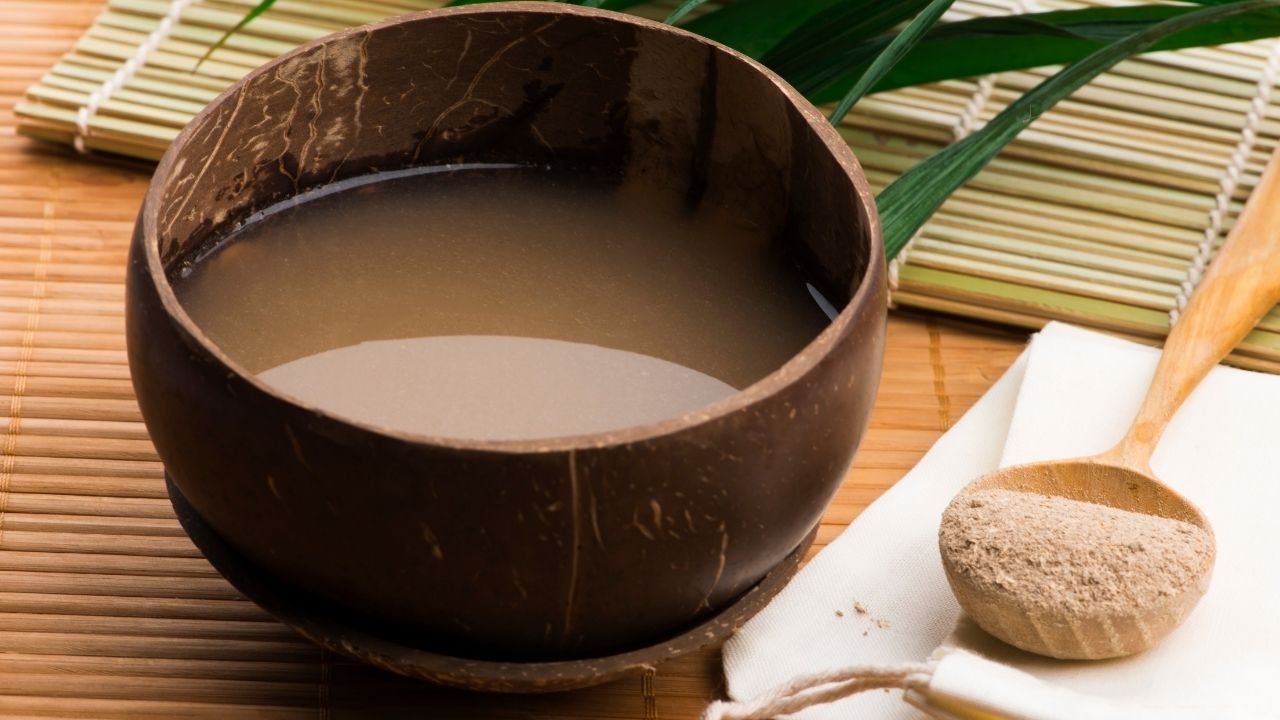
I’ve had the joy of participating in traditional Pacific Islander kava circles, where drinking this earthy root beverage brings people together in a deeply meaningful way. In Fiji, Vanuatu, and other Pacific nations, friends gather in a circle on woven mats, sharing a coconut shell filled with kava – a drink made from the ground root of the kava plant mixed with water. The ritual follows specific protocols, with participants clapping once before accepting the shell, drinking it completely, then clapping three times to show gratitude.
The kava circle creates a warm, inviting space for storytelling, problem-solving, and building genuine connections. While the drink has a mild numbing effect on your mouth and brings gentle relaxation, the true magic lies in how it breaks down social barriers. During my visits to these ceremonies, I’ve witnessed profound conversations unfold naturally, with locals and visitors bonding over shared stories and laughter. The tradition reminds us that sometimes the simplest gatherings – just people sitting together, passing a ceremonial drink – can create the most powerful human connections.
Chinese Tea Ceremonies for Marriage Proposals
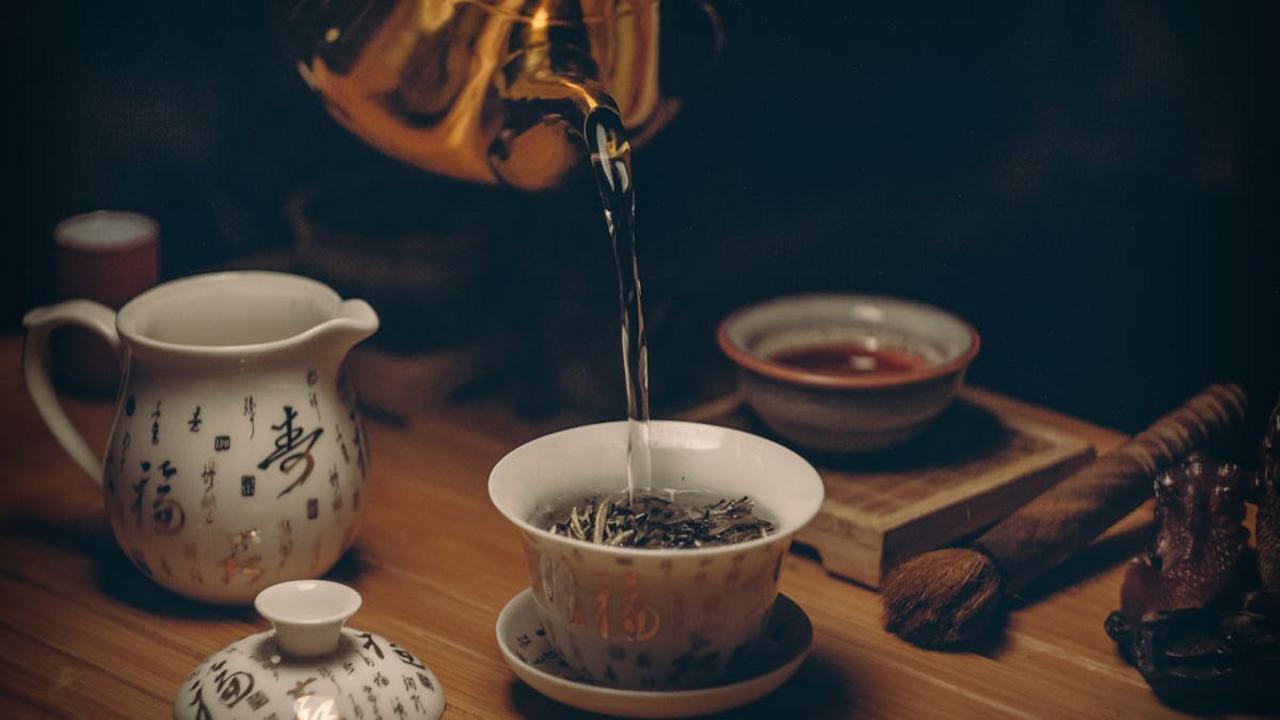
In Chinese culture, a traditional tea ceremony transforms a marriage proposal into an intimate celebration of love and respect. The bride and groom-to-be kneel before their parents, serving them carefully brewed tea in ornate cups while sharing their intentions to marry. The specific tea, often a premium oolong or jasmine variety, carries deep significance, with each ingredient symbolizing harmony, prosperity, and lasting devotion. The parents then give their blessing by drinking the tea and presenting red envelopes filled with gifts or money to the couple.
The ceremony extends beyond just serving tea – it represents the joining of two families through precise rituals and meaningful gestures. You’ll notice thoughtful details like the tea set’s placement, the order of serving (starting with the groom’s parents), and even how participants hold their cups. The sweet treats served alongside, like lotus seeds and red dates, add layers of meaning about fertility and sweetness in marriage. This beautiful tradition continues to thrive in modern Chinese weddings, connecting generations through shared cups of fragrant tea.
Bedouin Coffee Bonding Rituals
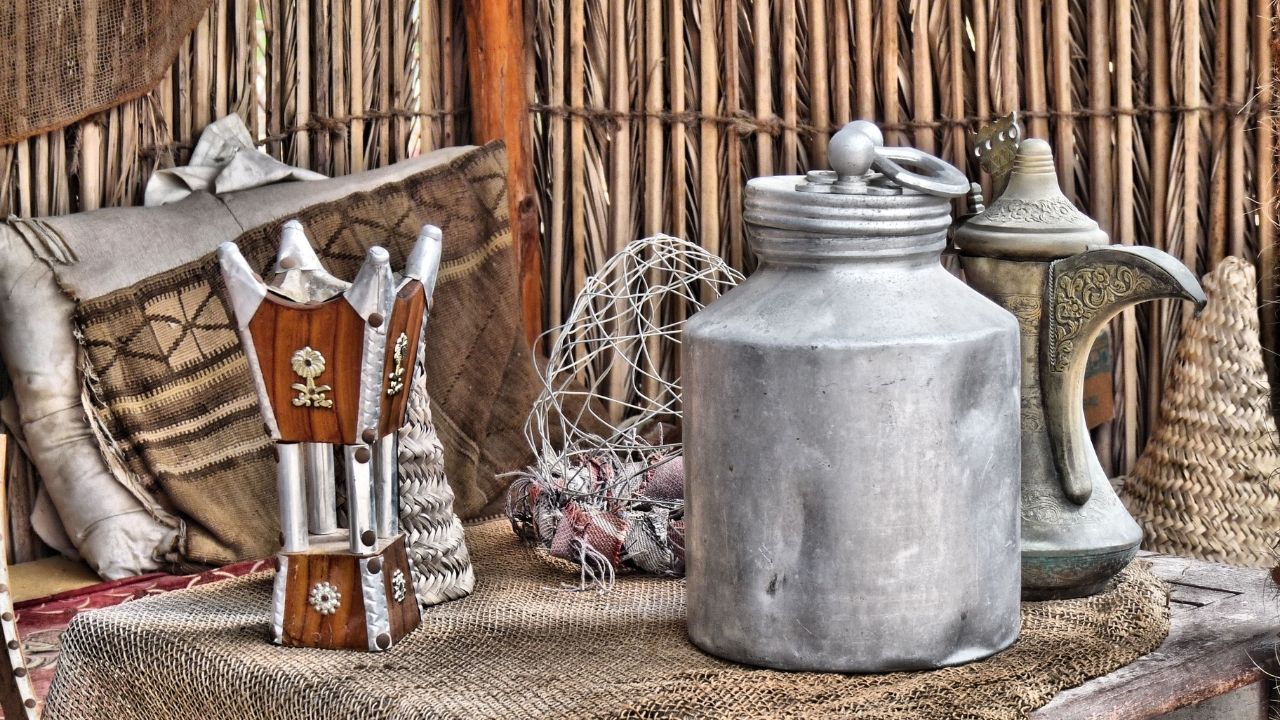
I’ve had the incredible privilege of experiencing authentic Bedouin coffee ceremonies, where the preparation and sharing of coffee goes far beyond just drinking a beverage – it’s a sacred social ritual that brings people together. The process starts with roasting green coffee beans in a mihbaj (long-handled pan) over an open fire, releasing rich aromas that signal to nearby families that coffee and connection await. The host then grinds these freshly roasted beans in a brass mortar and pestle, creating a rhythmic sound that’s been part of Bedouin tradition for centuries.
The coffee itself, known as “gahwa,” carries deep cultural significance – refusing a cup can be seen as rejecting someone’s hospitality. The small cups are only filled one-third full and passed around clockwise, starting with the most senior guest. What makes this ritual truly special is how it creates an intimate space for storytelling, problem-solving, and strengthening community bonds. Each gathering follows precise customs – you should accept at least one cup but no more than three, and gently shake your cup when you’re finished. Through these coffee ceremonies, I’ve witnessed how ancient traditions continue to nurture meaningful connections in modern times.
Japanese Hot Pot (Nabe) Gatherings
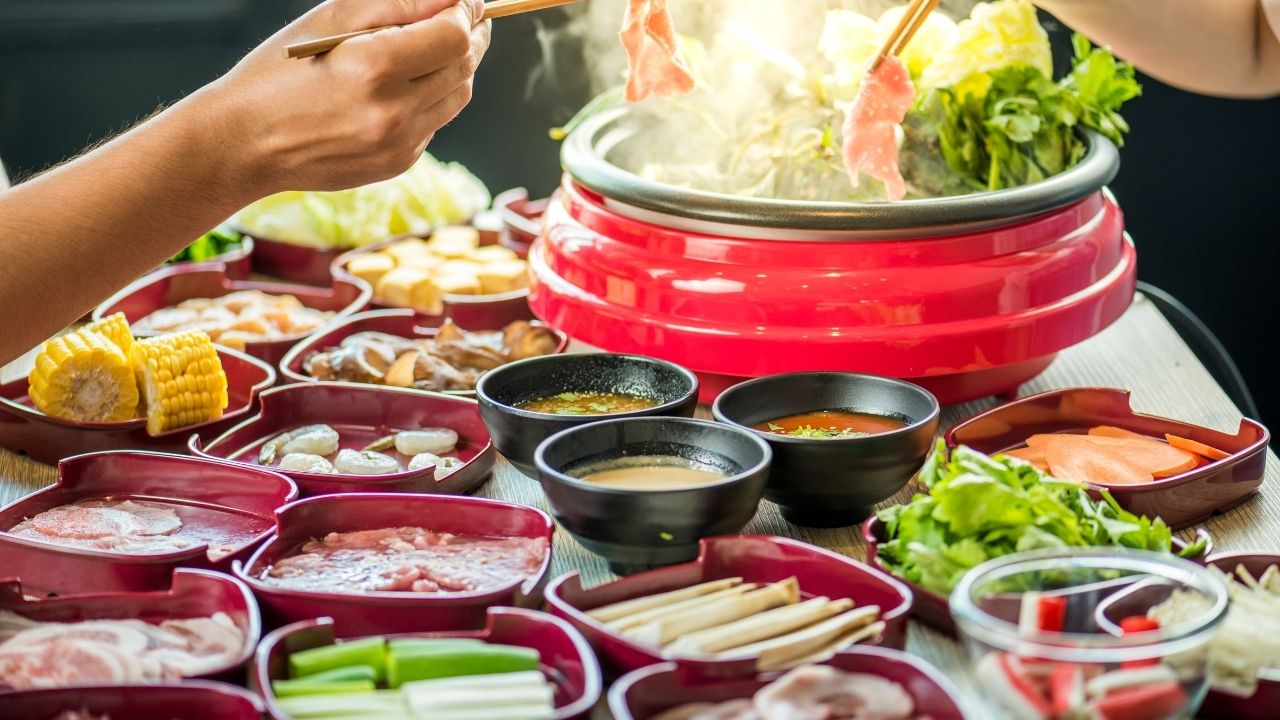
I’ve found Japanese hot pot (nabe) gatherings to be the ultimate comfort food experience that brings people together. Picture yourself around a simmering pot filled with savory broth, fresh vegetables, mushrooms, tofu, and thinly sliced meats cooking right at your table. The magic happens as everyone adds their favorite ingredients to the communal pot, creating a personal combination of flavors. The interactive nature of nabe makes dinner feel like a celebration – you chat, cook, and share stories while waiting for your ingredients to reach the perfect tenderness.
My favorite part about nabe is its adaptability to different dietary preferences and seasonal ingredients. In winter, I love adding hearty root vegetables and warming spices to the broth, while summer calls for lighter broths and fresh greens. You can make it vegetarian with mushrooms and vegetables, or add seafood and meat for a protein-rich meal. The best part? The broth becomes more flavorful as the meal progresses, making that final bowl of soup the most treasured moment of the gathering. Don’t forget the ponzu and sesame dipping sauces – they add an extra layer of satisfaction to every bite.
Swedish Fika Social Breaks
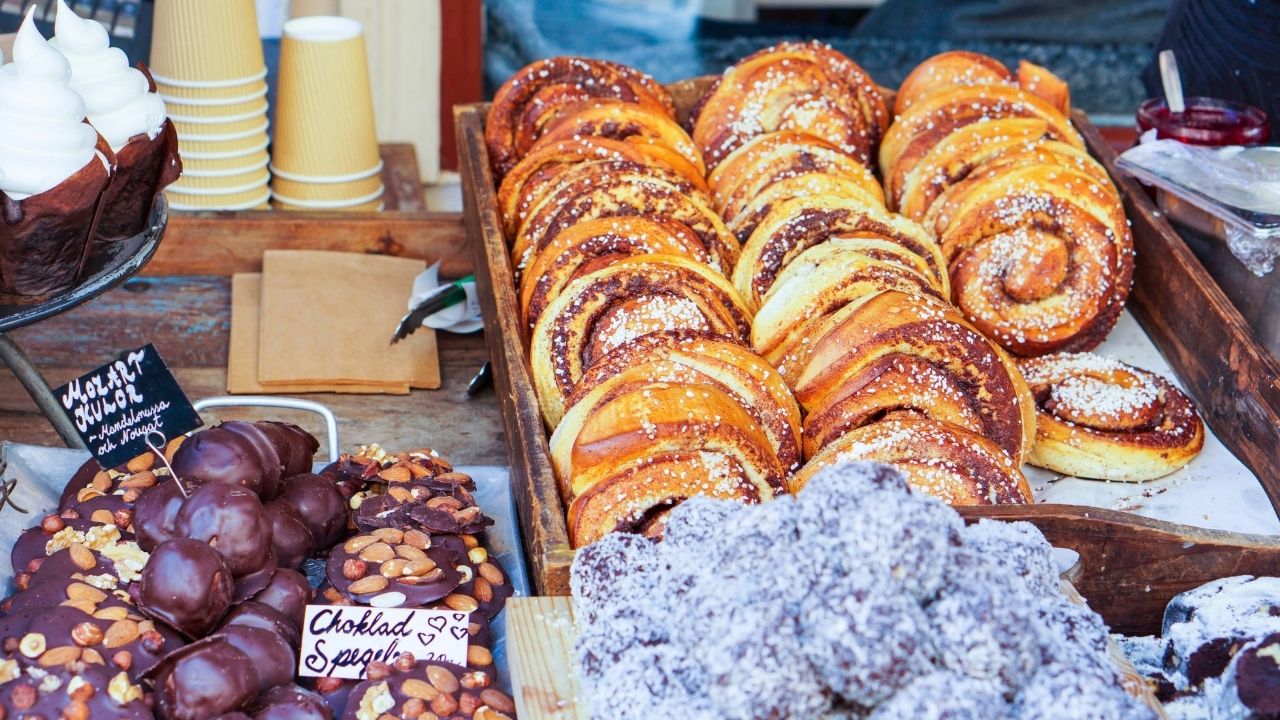
I absolutely adore the Swedish tradition of Fika – it’s so much more than just having coffee and pastries! This cherished daily ritual brings people together to pause, connect, and share sweet treats like buttery cardamom buns (kardemummabullar), sticky chocolate balls (chokladbollar), and flaky cinnamon rolls (kanelbullar). The magic happens when you slow down with friends or colleagues, setting aside phones and deadlines to focus on meaningful conversations over steaming cups of strong coffee and homemade baked goods.
What makes Fika truly special is how it prioritizes human connection in our fast-paced world. Swedish workplaces build these breaks right into the daily schedule, often twice a day, because they understand that stepping away from tasks to bond with coworkers creates a happier, more productive environment. I’ve incorporated this beautiful custom into my own life by hosting weekly Fika gatherings where I serve my grandmother’s Swedish cookie recipes alongside fresh-brewed coffee. The simple act of breaking bread together opens hearts and minds while celebrating the timeless pleasure of good company.
Malaysian Open House During Festivals
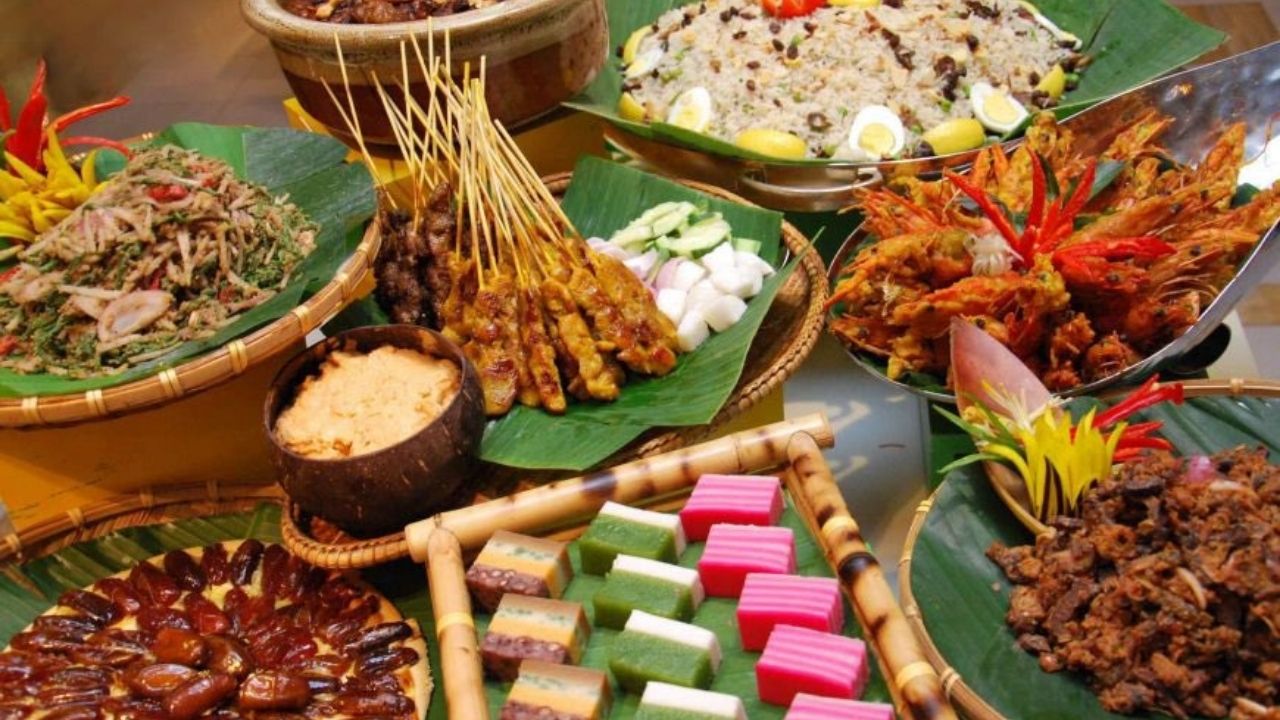
I’ve experienced the incredible warmth of Malaysian hospitality during their “open house” tradition, where families throw their doors wide open during major festivals like Eid al-Fitr (Hari Raya Aidilfitri), Chinese New Year, and Deepavali. Friends, neighbors, and even strangers can walk in to share homemade dishes, creating genuine connections across Malaysia’s diverse ethnic groups. You’ll find tables laden with rendang, lemang (bamboo-cooked rice), curry puffs, and colorful kuih-muih (traditional sweets) – each dish telling its own story of cultural heritage.
The beauty of Malaysian open houses lies in their ability to break down barriers through food sharing. I’ve watched Muslim families serve Chinese guests their homemade pineapple tarts during Eid, while Chinese households prepare halal dishes for their Muslim friends during Lunar New Year. This beautiful exchange of food and friendship has become a cornerstone of Malaysian identity, showing how sharing meals can build lasting bonds between communities. No invitation needed – just bring your appetite and readiness to make new friends!
Georgian Supra Feasts with Tamada Toastmaster
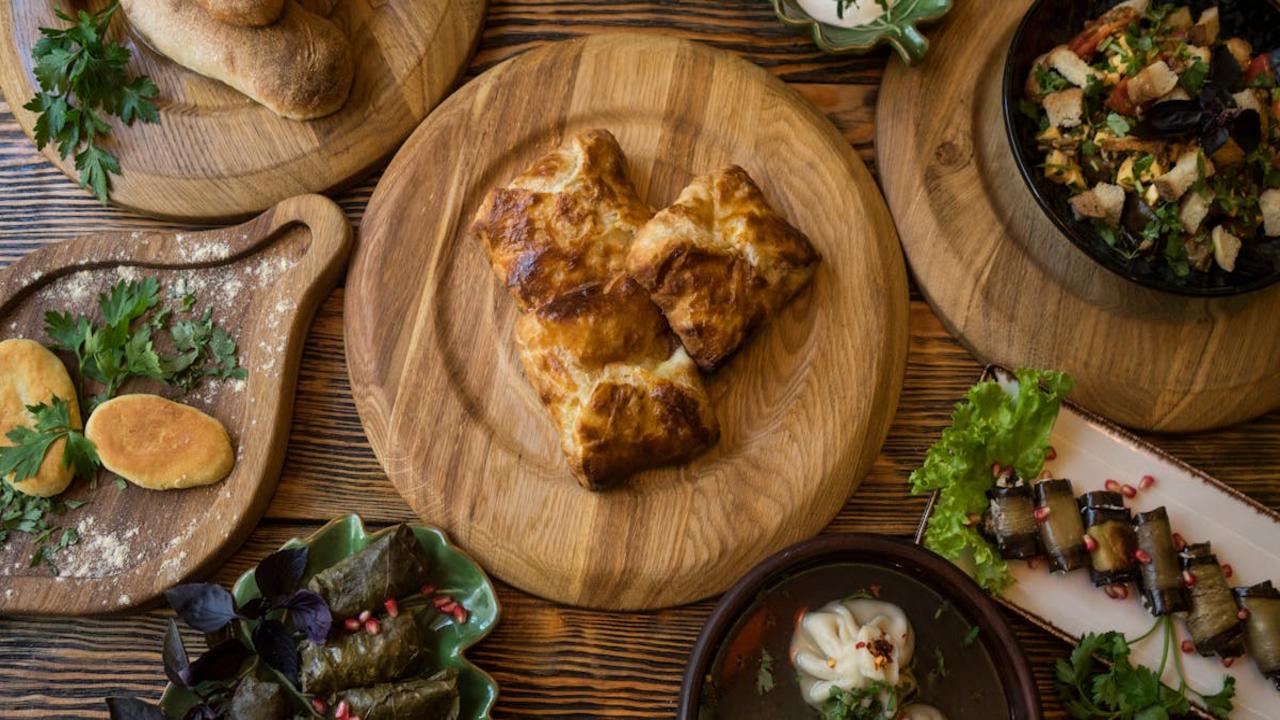
Picture yourself at a traditional Georgian supra feast, where the table overflows with khachapuri (cheese-filled bread), juicy khinkali dumplings, and tender mtsvadi (grilled meat skewers). The heart of these grand feasts lies with the tamada – a charismatic toastmaster who guides guests through meaningful toasts celebrating family, friendship, and life’s precious moments. I’ve witnessed how these gatherings transform strangers into lifelong friends, with the tamada creating an atmosphere of warmth and connection through carefully crafted words and perfectly timed toasts.
The tamada holds deep knowledge of Georgian traditions and expertly balances the evening’s flow, making sure everyone participates in the toasting ritual. Between bites of spiced walnut-laden dishes and sips of amber wine from qvevri (clay vessels), guests share stories and wisdom passed down through generations. The feast becomes a beautiful dance of flavors, emotions, and cultural exchange that can stretch for many joyful hours. This cherished Georgian tradition proves how sharing food and meaningful conversation can bridge any cultural gap and create lasting bonds among people from all walks of life.
Korean Banchan Sharing Culture
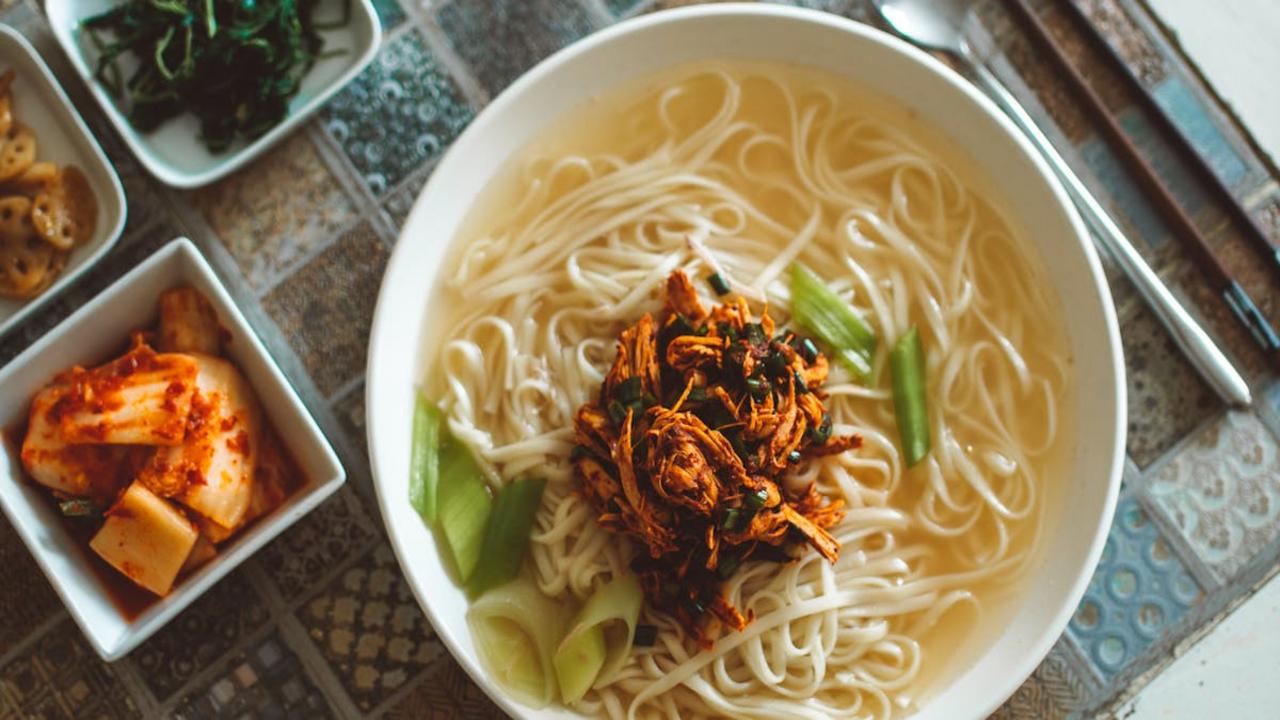
I absolutely adore how Korean banchan creates beautiful moments of connection between people at the table. These small side dishes transform every meal into a vibrant celebration of flavors and community. From crunchy kimchi to seasoned spinach and marinated mushrooms, each little plate adds its own personality to the spread. The joy comes from passing dishes around, mixing and matching bites, and discovering new favorite combinations together.
The magic of banchan lies in its ability to turn any meal into an interactive feast. Picture a table filled with colorful dishes – maybe some spicy cucumber salad, pan-fried fish cakes, or braised potatoes – where everyone reaches across to share and sample. This tradition breaks down barriers as people naturally start talking about which banchan they prefer or recommending certain combinations. Even with just rice and a few well-chosen banchan, you’ll find yourself creating memories through food that go far beyond simple eating.
Ethiopian Coffee Ceremonies
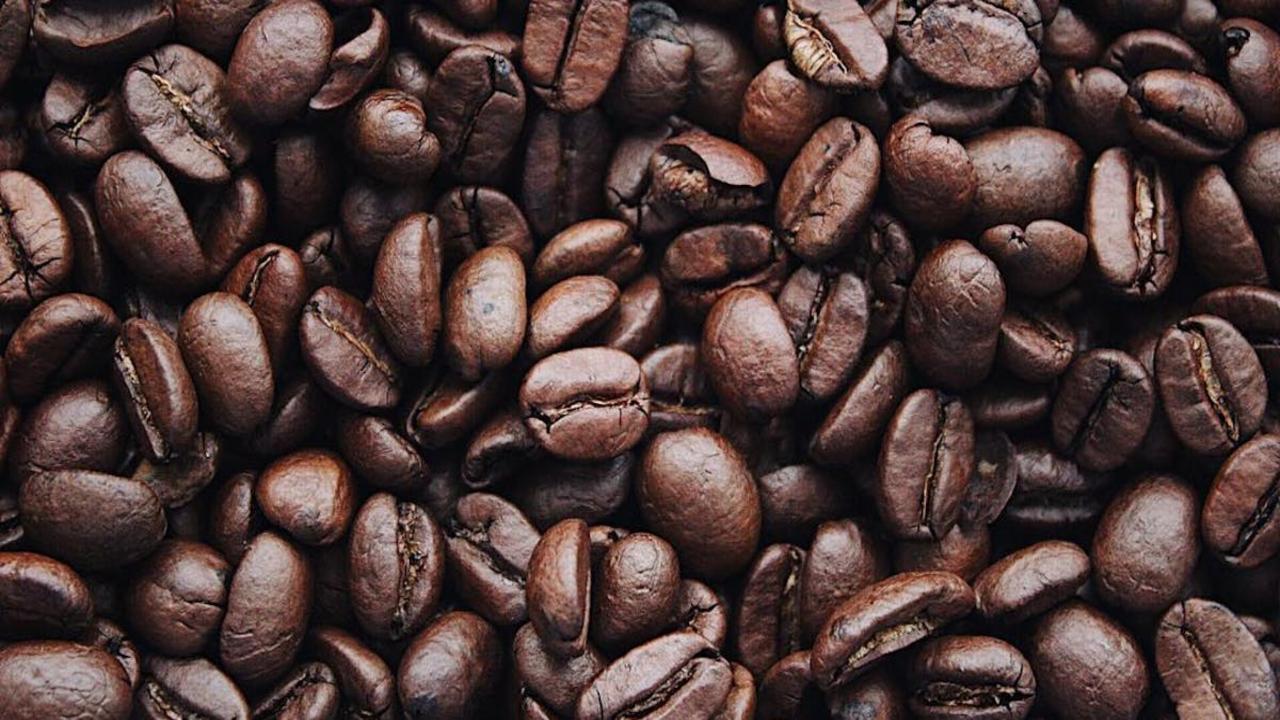
I’ve found Ethiopian coffee ceremonies to be one of the most meaningful rituals in global food culture. You’ll find these intimate gatherings last up to three hours, where friends and family come together to watch fresh coffee beans roasted over hot coals, releasing their intoxicating aroma throughout the room. The host grinds the beans by hand and brews them in a traditional clay pot called a jebena, serving the rich coffee in small cups called cini to guests three times – each round growing slightly weaker but equally significant.
The ceremony goes far beyond just drinking coffee – it’s a cherished social occasion where people strengthen bonds and share news. The host burns frankincense while laying fresh grass on the floor, creating an atmospheric setting. Guests often enjoy snacks like popcorn or roasted barley while the coffee preparation unfolds. What moves me most is how this centuries-old tradition continues bringing people together, encouraging them to slow down and truly connect. The first round is called “Abol,” the second “Tona,” and the third “Baraka” – meaning “blessing.” Refusing an invitation or leaving before the third round is considered impolite.
Nyama Choma Communal Grilling in Kenya
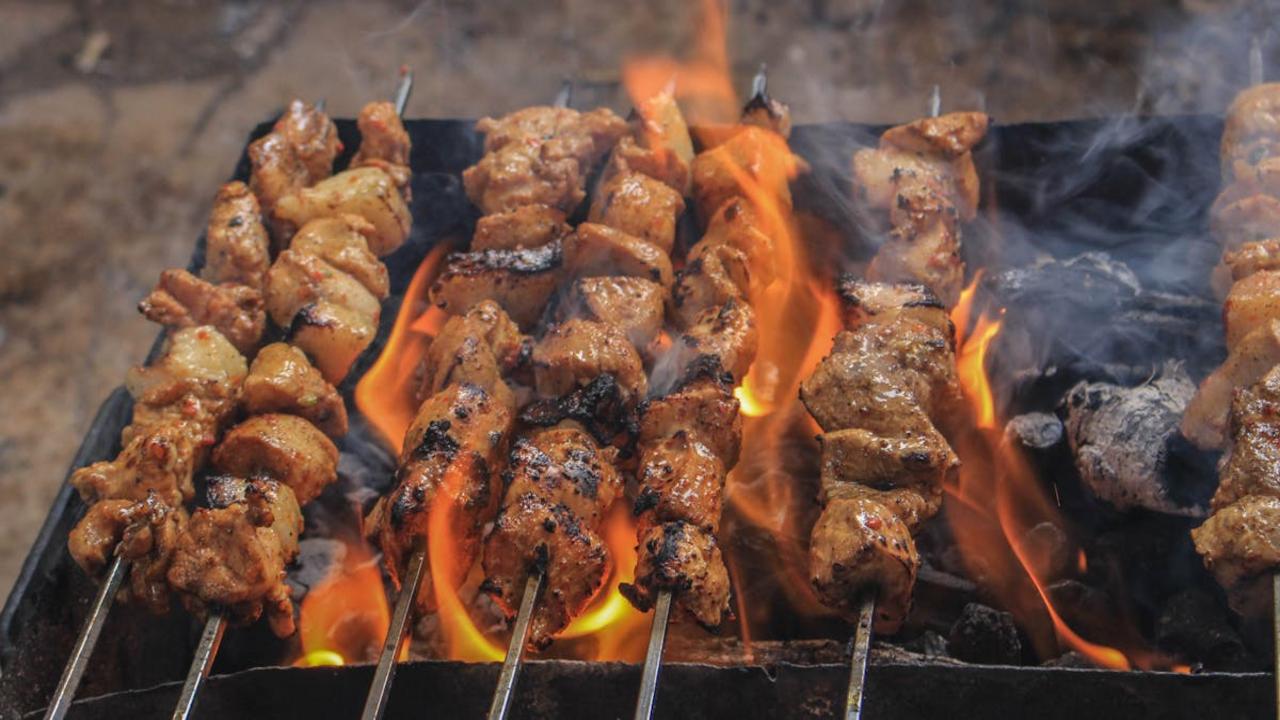
The heart of Kenyan social gatherings beats around the nyama choma grill, where families and friends gather to share perfectly grilled meat and lively conversation. This cherished tradition brings people together as they huddle around smoking charcoal grills, watching chunks of goat, beef, or lamb transform into tender, smoky delicacies. The meat marinates in simple seasonings – just salt, pepper, and sometimes curry powder – letting the true flavors shine through while the fat drips and sizzles on hot coals.
I love how nyama choma creates instant community – everyone gravitates toward the grill master, offering opinions on doneness and sharing stories while waiting for their portion. You’ll always find traditional accompaniments like kachumbari (a fresh tomato and onion salad) and ugali (a firm cornmeal porridge) served alongside. The beauty lies in its simplicity – just good meat, good company, and the primal satisfaction of gathering around fire to break bread together. My Kenyan friends taught me that nyama choma isn’t just about the food – it’s about creating connections that last long after the coals cool down.
Shared Mate Drinking Circles in Argentina
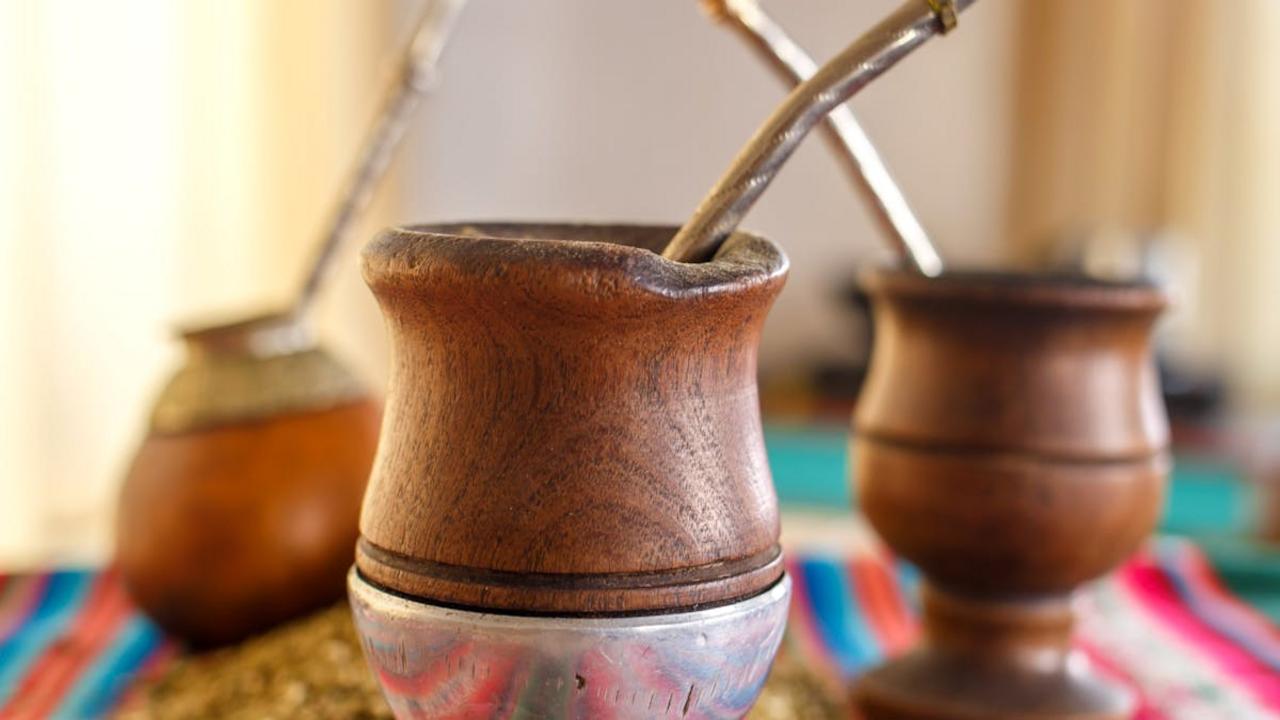
Nothing brings people together quite like sharing mate in Argentina. This cherished ritual involves passing around a traditional gourd filled with yerba mate tea, sipped through a metal straw called a bombilla. You’ll find friends, family, and even strangers forming circles in parks, homes, and offices, each person taking turns drinking from the same mate gourd. The practice creates an instant bond – a moment to pause, chat, and connect while enjoying the naturally caffeinated beverage that fuels daily life across the country.
The rules and etiquette of mate circles showcase the deep cultural significance of this tradition. As a guest, you should know never to say “thank you” until you’re finished drinking, as this signals you don’t want any more. The cebador (server) carefully prepares each round, maintaining the perfect temperature and yerba mate ratio. Watch how Argentinians light up when sharing stories over mate – their enthusiasm for this social custom mirrors the warmth you’ll experience in these intimate gatherings that blur the lines between host and guest, making everyone feel like family.