10 High-Calorie Foods Dietitians Love For Flavorful, Satisfying Meals
Forget everything you know about “diet food” – we’re talking about the calorie-dense superstars that nutritionists actually recommend! These aren’t your typical lettuce-and-sadness meals. We’re diving into foods so rich and satisfying, they’ll make you question why anyone ever thought eating cardboard was the path to health.
Here’s the plot twist: higher calories don’t automatically equal nutritional villain. Some of the most nutrient-packed foods on the planet happen to pack serious caloric punch. Think creamy avocados that contain more potassium than bananas, or dark chocolate that’s basically medicine disguised as dessert.
Your metabolism craves substance, not starvation. These ten powerhouse ingredients prove you can eat well, feel full, and still maintain your health goals. Ready to discover why dietitians are obsessed with these calorie champions?
Oats
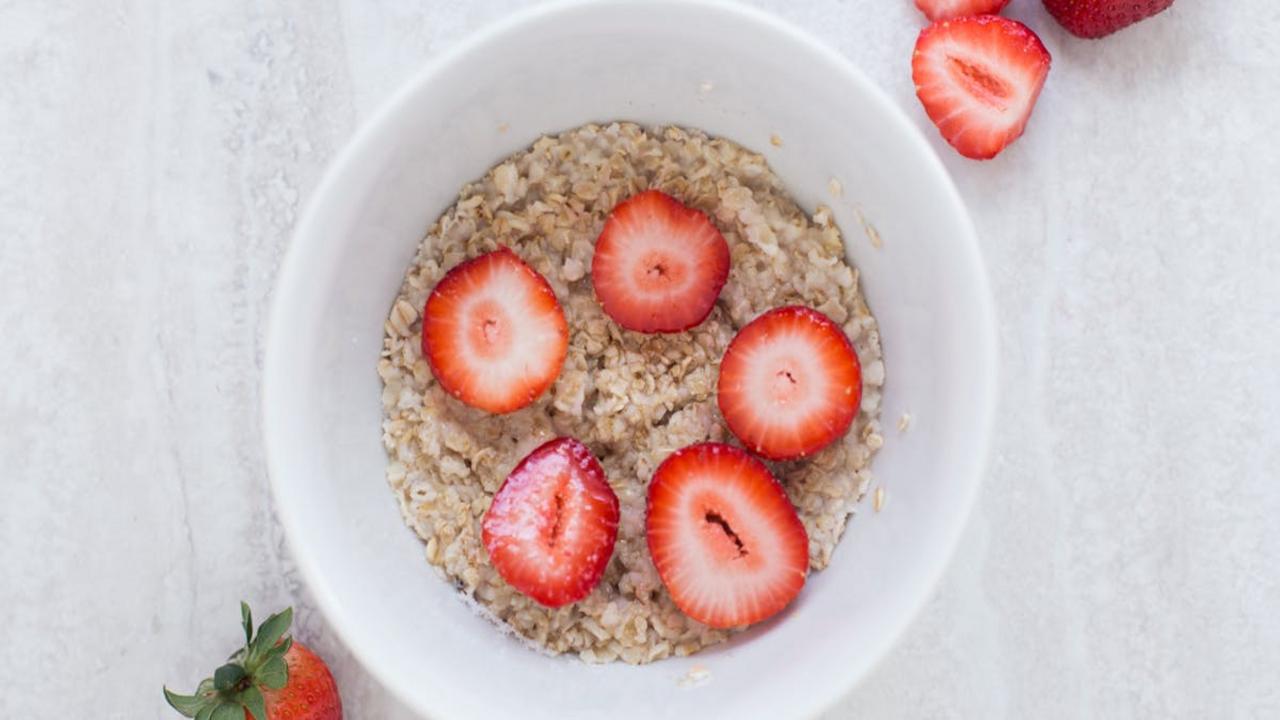
Listen, I used to think oats were about as exciting as watching paint dry on a Tuesday morning. Boy, was I wrong! These humble little grains pack around 300 calories per cooked cup and come loaded with fiber that’ll keep you satisfied longer than a Netflix binge session. The best part? Oats contain beta-glucan, a type of soluble fiber that actually helps lower cholesterol levels while making you feel like you’ve eaten a proper meal instead of cardboard. Steel-cut oats take longer to cook but have this amazing chewy texture that makes every spoonful feel substantial, while rolled oats cook faster and absorb flavors like tiny sponges desperate for adventure.
Here’s where oats get really fun – they’re basically the chameleon of breakfast foods. Toss in some chopped apples, cinnamon, and a drizzle of maple syrup, and suddenly you’re eating apple pie for breakfast (legally!). Want something more decadent? Mix in cocoa powder, peanut butter, and sliced bananas for what I like to call “dessert disguised as health food.” The Scots have been onto something for centuries with their traditional porridge, often adding a pinch of salt that brings out the natural nuttiness of the grain. Pro tip: cook your oats in milk instead of water for extra creaminess and calories that actually serve a purpose beyond just existing on your plate.
Full-Fat Greek Yogurt
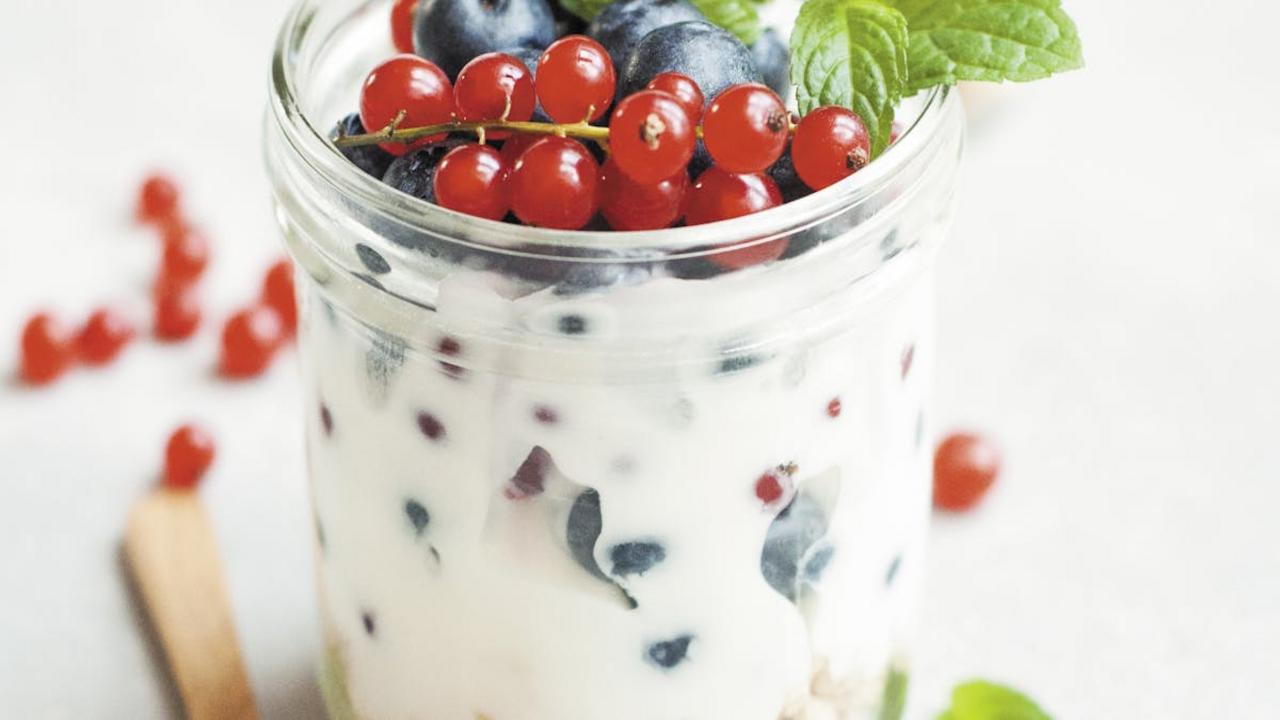
Listen, I know what you’re thinking – Greek yogurt is that sad, chalky stuff you choke down for protein points, right? Wrong! Full-fat Greek yogurt is basically the dairy world’s equivalent of a warm hug from your grandmother. This creamy powerhouse packs around 150-200 calories per cup, but every single calorie works overtime to keep you satisfied for hours. The fat content transforms what could be a boring snack into something genuinely indulgent, with a richness that makes you forget you’re eating something “healthy.”
Here’s a fun fact that’ll blow your mind: authentic Greek yogurt gets strained three times, which concentrates the protein and creates that trademark thick texture you can practically stand a spoon in. I like to think of it as regular yogurt that went to the gym and got seriously buff. Try mixing it with honey and crushed walnuts for a dessert that tastes like cheesecake had a health-conscious makeover, or use it as a base for creamy pasta sauces that won’t leave you reaching for snacks an hour later. Pro tip: freeze it with berries in popsicle molds for what I call “adult ice cream” – your inner child will thank you, and your waistline won’t hold a grudge.
Dark Chocolate
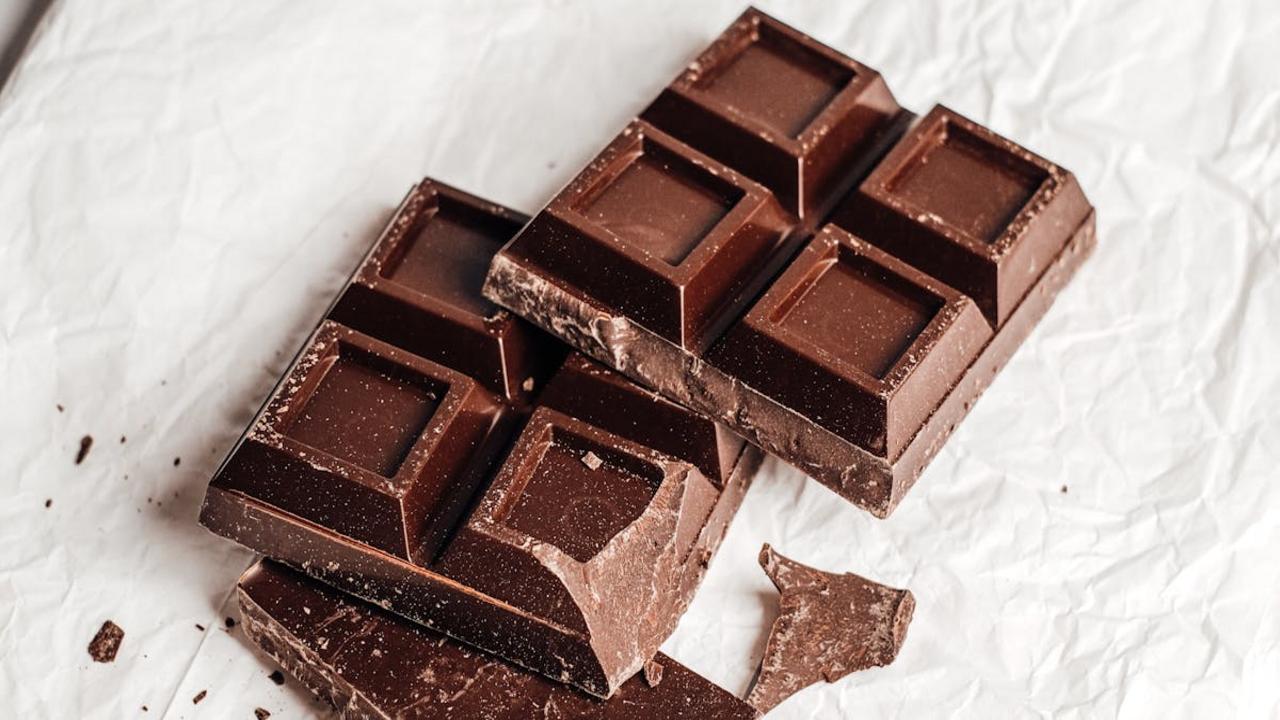
Here’s something that’ll make your dietitian friends do a happy dance: dark chocolate isn’t just allowed on a healthy eating plan—it’s practically prescribed! We’re talking about the real deal here, folks—70% cacao and above, not that candy-bar imposter sitting in your office vending machine. A single ounce of quality dark chocolate packs around 170 calories of pure, unapologetic indulgence, loaded with antioxidants that make blueberries jealous and magnesium that your stressed-out muscles desperately crave. Fun fact: the Aztecs considered cacao so precious they used it as currency. Imagine paying your rent in Godiva bars!
The beauty of dark chocolate lies in its ability to satisfy your sweet tooth while actually doing your body favors. Those flavonoids aren’t just fancy science words—they’re busy little compounds that help your heart pump happier and your brain think clearer. Plus, here’s the kicker: dark chocolate is so intensely flavorful that two squares will leave you more satisfied than an entire milk chocolate bar. Try melting a square over fresh strawberries, stirring chunks into your morning oatmeal, or creating the ultimate power snack by pairing it with almonds and dried cherries. Your taste receptors will throw a party, and your waistline won’t hold a grudge!
Olive Oil
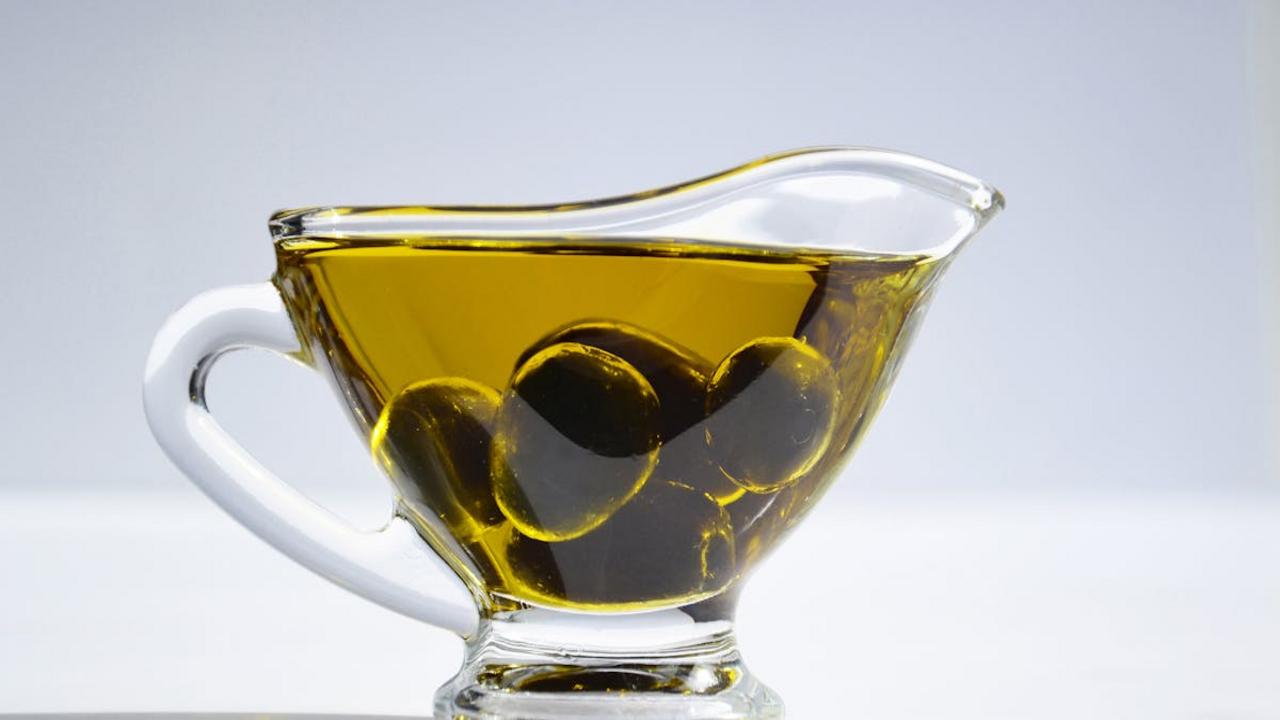
You know that golden liquid sitting in your pantry? The one that costs more than your morning coffee but makes everything taste like it came straight from a Mediterranean villa? That’s olive oil, and dietitians practically worship this stuff for good reason. At 120 calories per tablespoon, it’s basically liquid gold that transforms boring vegetables into something you’d actually want to eat. I once watched my Italian neighbor drizzle extra virgin olive oil on literally everything – salads, bread, pasta, even ice cream (okay, maybe not ice cream, but she was passionate about it). The woman lived to 97 and had skin smoother than a baby’s bottom, so clearly she was onto something magical.
Here’s the wild part: olive oil doesn’t just add calories, it helps your body absorb fat-soluble vitamins like A, D, E, and K. Think of it as your digestive system’s personal assistant, making sure nothing good goes to waste. Plus, those monounsaturated fats are basically tiny superheroes fighting inflammation in your body. I love making a simple vinaigrette with olive oil, lemon juice, and whatever herbs are threatening to go bad in my fridge. Drizzle it over roasted vegetables or use it to cook your morning eggs – suddenly you’ve added 200-300 calories of pure flavor without even trying. Pro tip: buy the good stuff and store it in a dark place, because olive oil is basically a diva that hates light and heat.
Chickpeas
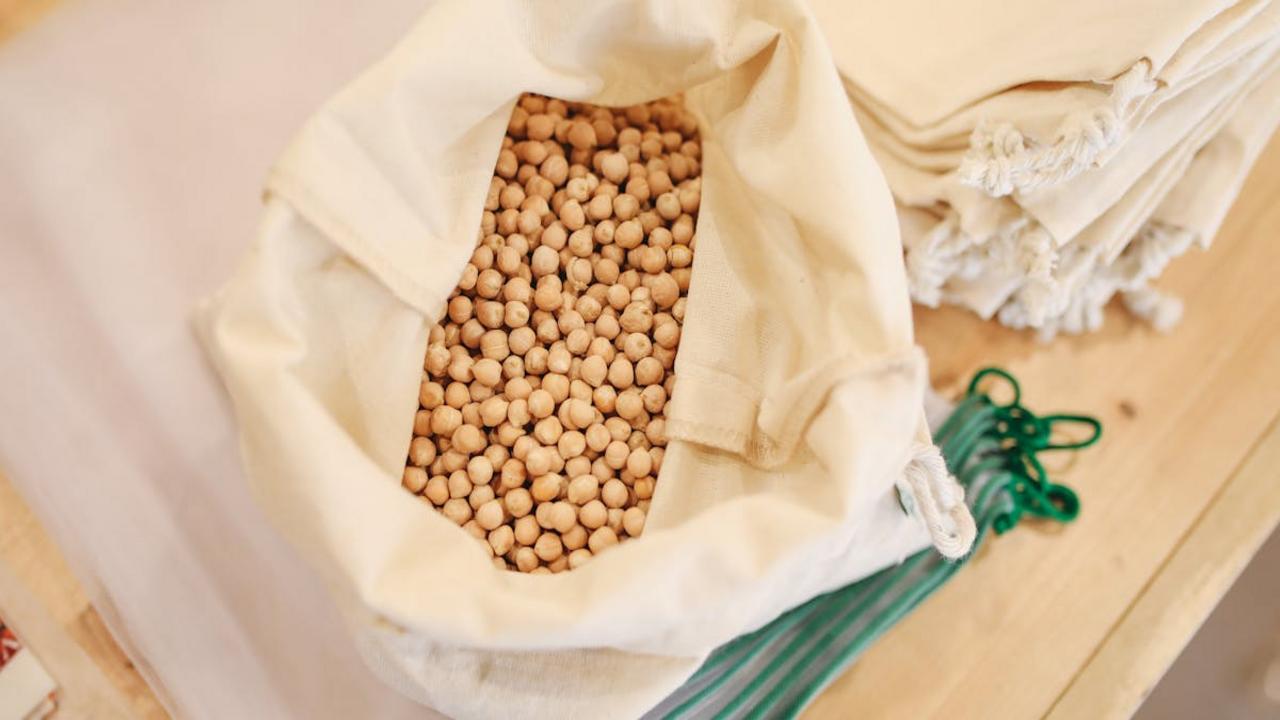
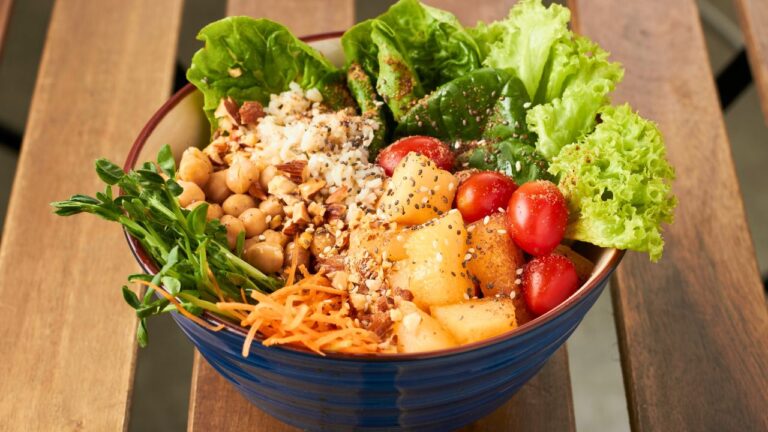
Meet the humble chickpea – that bumpy, beige little powerhouse that’s been quietly conquering plates across the globe for over 7,000 years. You know what’s wild? These protein-packed gems clock in at around 270 calories per cup, but here’s the kicker: they’re so ridiculously satisfying that you’ll feel like you just ate a three-course meal. I once watched my neighbor demolish an entire can of roasted chickpeas while binge-watching Netflix, and she swore she felt fuller than after Thanksgiving dinner. These fiber-rich champions contain all nine amino acids, making them a complete protein that’ll keep you energized longer than your favorite coffee shop’s triple shot.
The beauty of chickpeas lies in their chameleon-like personality – they’ll transform into whatever flavor profile you throw at them. Toss them with olive oil and za’atar for a Mediterranean vibe, or go full Indian with some turmeric and garam masala for a curry that’ll make your kitchen smell like heaven. Here’s my favorite lazy-day trick: drain a can, pat them dry, coat with your favorite spice blend, and roast at 400°F for 20 minutes until they’re crispy on the outside and creamy inside. They’re basically nature’s answer to expensive protein bars, except they actually taste good and won’t break your budget. Plus, fun fact: chickpeas can grow in drought conditions, making them the ultimate survivor food that happens to be absolutely delicious.
Nuts and Nut Butters
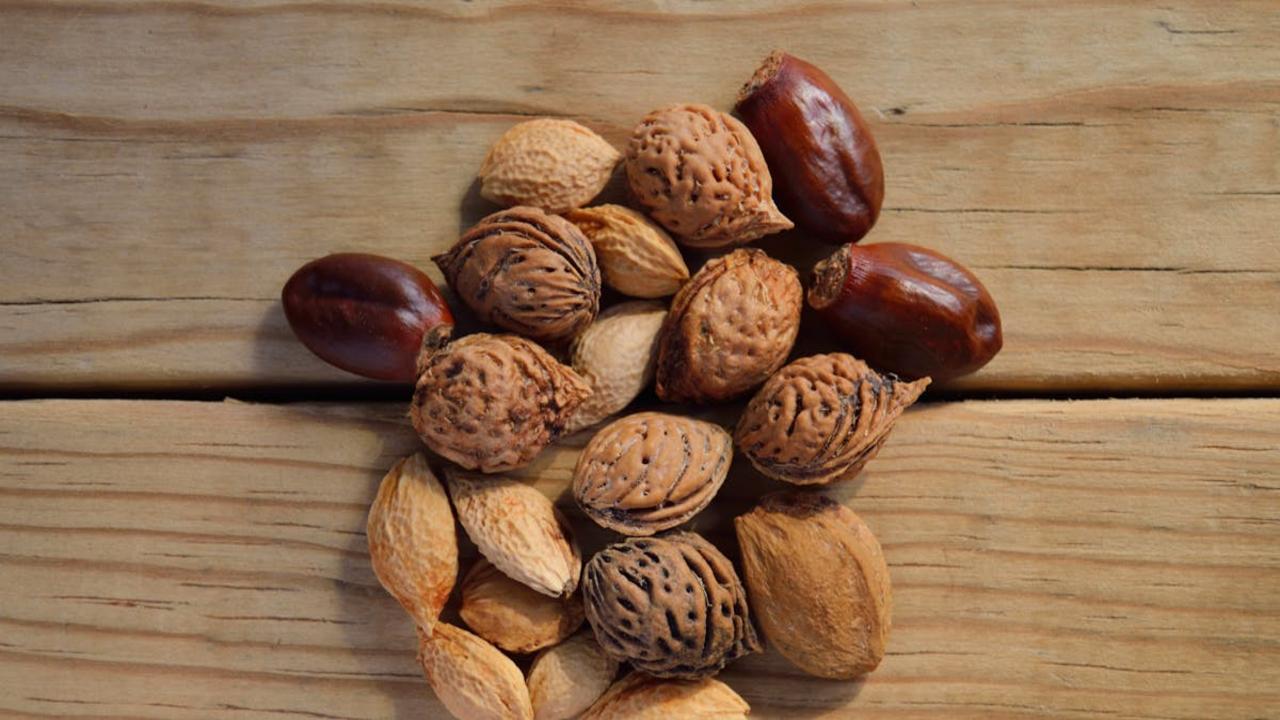
Picture this: you’re standing in your kitchen at 3 PM, stomach growling like an angry bear, staring into your pantry with that glazed look of someone who’s contemplated eating cereal for the third time today. Then your eyes land on that jar of almond butter sitting there like a creamy, calorie-dense superhero ready to save your afternoon. Nuts and nut butters pack an impressive 160-200 calories per ounce, making them the perfect little powerhouses for anyone trying to add satisfying weight to their meals without feeling like they’re forcing down bland protein bars.
Here’s what makes these crunchy gems absolutely brilliant: they’re basically nature’s candy that happens to come loaded with healthy fats, protein, and fiber. A single tablespoon of peanut butter contains about 95 calories and enough staying power to keep you satisfied until dinner. Fun fact – Americans consume over 700 million pounds of peanut butter annually, which means we’re collectively spreading our way through enough nut butter to fill about 35 Olympic swimming pools! Try swirling almond butter into your morning oatmeal, tossing walnuts into your salad for that perfect crunch, or my personal favorite trick: spreading cashew butter on apple slices and pretending it’s a health food while secretly knowing you’re eating dessert.
Whole Eggs
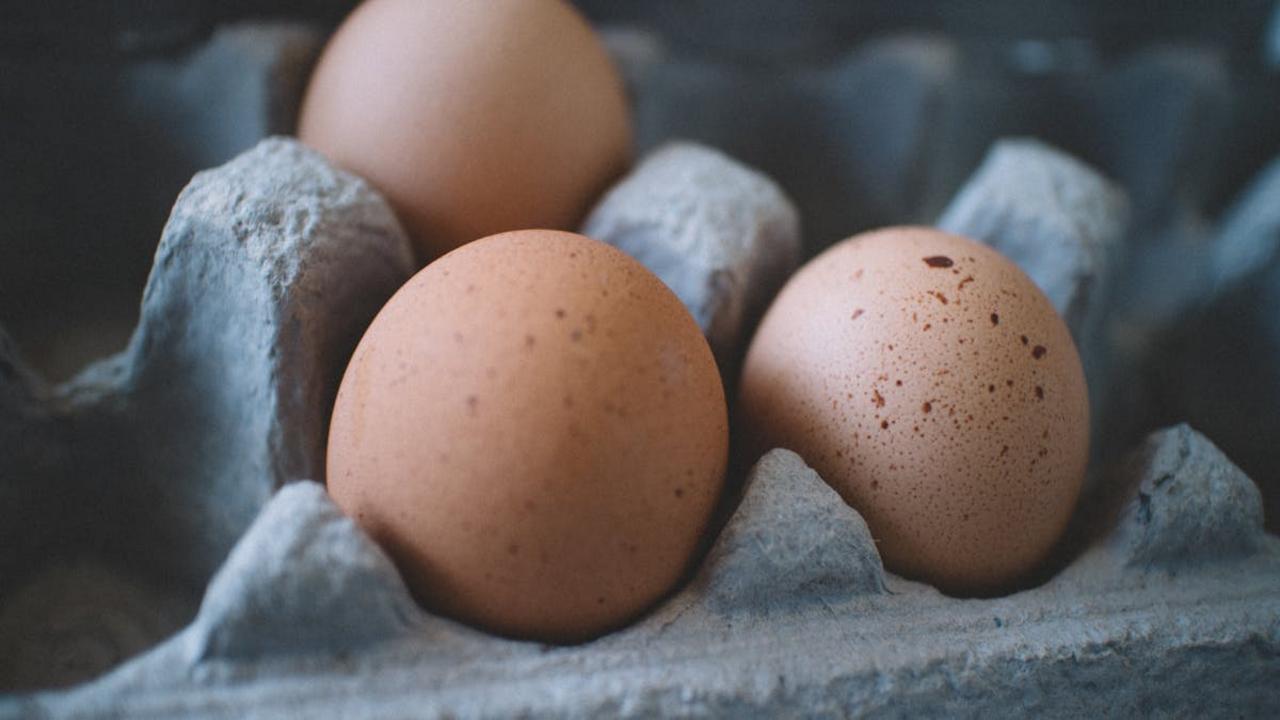
You know that friend who always gets a bad rap but secretly rocks your world? Meet the whole egg – nature’s perfectly packaged protein bomb that dietitians have been defending for decades. At roughly 70 calories per large egg, these golden orbs pack more nutritional punch than a heavyweight boxer. The yolk, once demonized faster than a reality TV villain, contains choline for brain health, lutein for your peepers, and enough healthy fats to keep you satisfied until your next meal. Fun fact: fresh eggs can actually stand up straight in water because their whites are so thick and bouncy – try that party trick next time you’re showing off your grocery haul!
Here’s where eggs get seriously impressive: they contain all nine essential amino acids, making them a complete protein that your muscles practically high-five you for eating. Whether you scramble them with leftover vegetables, hard-boil a dozen for grab-and-go snacks, or whip up a veggie-packed frittata that feeds your family for days, eggs adapt to your cooking style like a culinary chameleon. Pro tip from someone who’s cracked thousands of these beauties – room temperature eggs whip up fluffier, cook more evenly, and won’t crack your pan with thermal shock. Plus, at about a dollar per half-dozen, they’re basically edible gold that won’t break your budget or your diet goals.
Sweet Potatoes
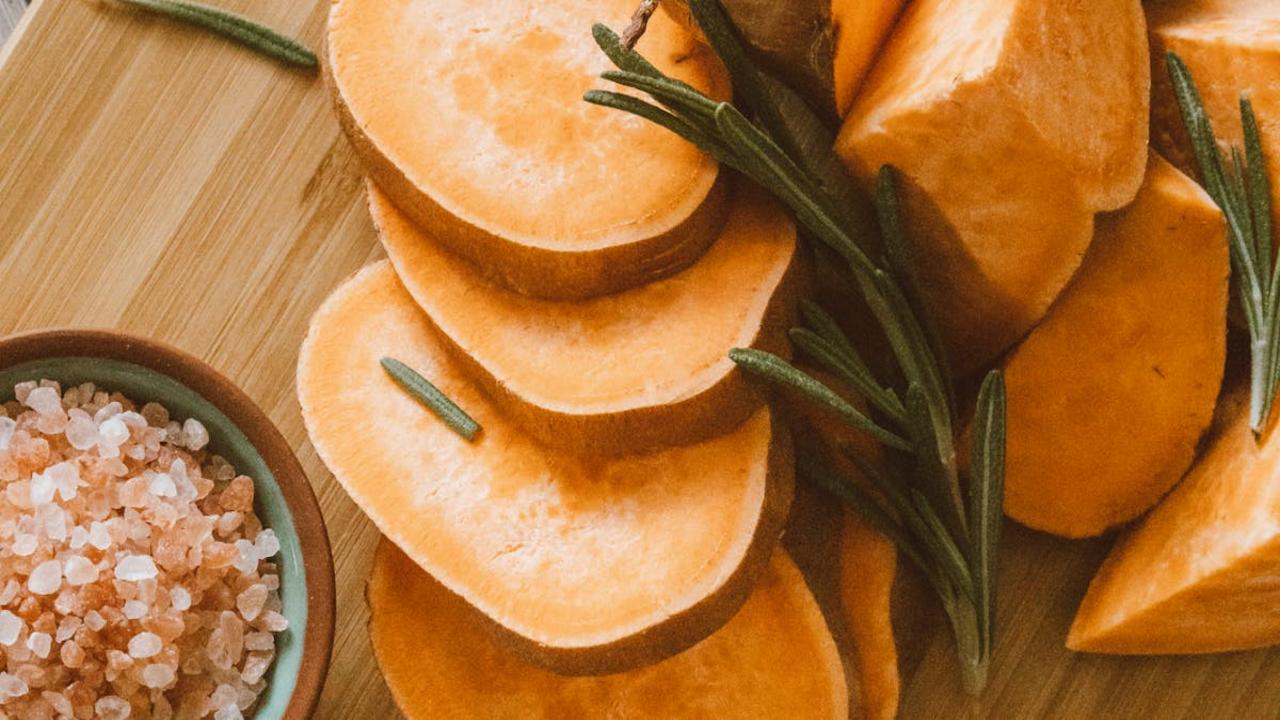
Sweet potatoes are basically nature’s candy disguised as a vegetable, and I’m here for every orange-fleshed bite! These underground gems pack around 100 calories per medium spud, but don’t let that number scare you off – they’re loaded with beta-carotene, fiber, and enough natural sweetness to make your dessert cravings do a happy dance. Fun fact: despite their name, sweet potatoes aren’t actually potatoes at all – they’re roots from the morning glory family, which explains why they’re so much more exciting than their boring white cousins.
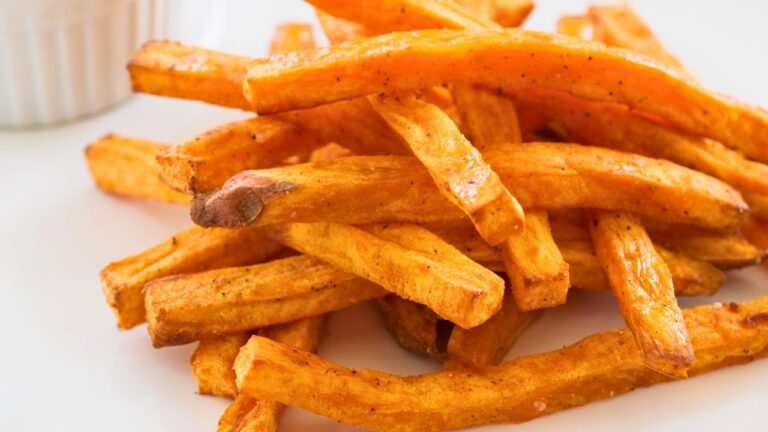
The beauty of sweet potatoes lies in their incredible versatility – you can roast them until they’re caramelized perfection, mash them with a dollop of butter for the ultimate comfort food, or even spiralize them into “noodles” that’ll fool nobody but taste amazing anyway. I once knew someone who ate them for breakfast, lunch, AND dinner for a week straight (don’t ask why), and honestly, I respect the commitment. Whether you’re stuffing them with black beans and avocado for a Mexican-inspired feast or turning them into fries that actually satisfy your soul, sweet potatoes prove that healthy eating doesn’t have to taste like punishment.
Quinoa
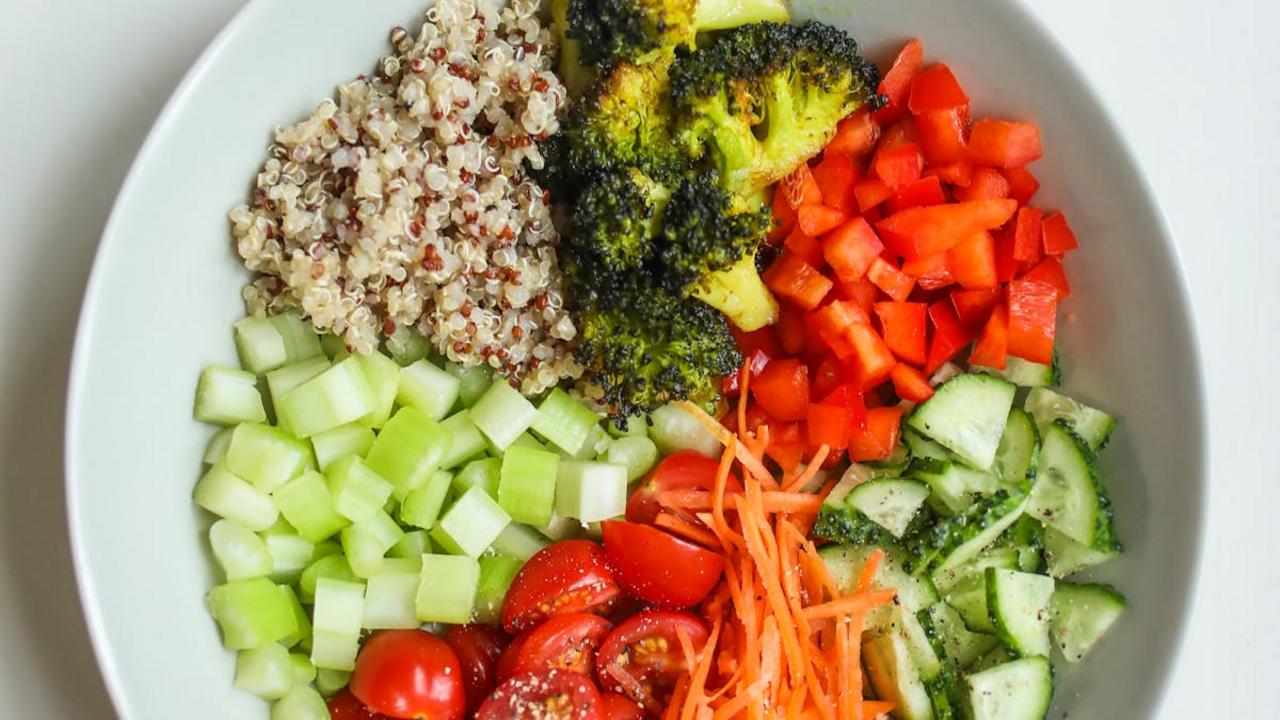
Picture this: you’re staring at what looks like tiny, translucent pearls in your grocery cart, wondering if you’ve accidentally grabbed fish eggs instead of a grain. Welcome to quinoa, the ancient superfood that’s been fooling people for centuries! This little powerhouse from the Andes Mountains packs about 220 calories per cooked cup, but here’s the kicker – it’s technically not even a grain. It’s actually a seed that’s related to spinach and beets, which explains why your quinoa sometimes tastes slightly earthy. The Incas called it “chisaya mama,” meaning “mother of all grains,” and honestly, they weren’t wrong about treating this stuff like royalty.
What makes quinoa absolutely brilliant is its complete protein profile – all nine amino acids packed into those tiny spheres like nature’s own multivitamin. I love how it goes from looking like bird food to fluffy, popcorn-like goodness once you cook it properly. Pro tip: always rinse quinoa before cooking unless you enjoy the bitter taste of saponins, the natural coating that makes it taste like you’re eating soap. Mix cooked quinoa with roasted vegetables, nuts, and a lemony dressing for a satisfying meal that’ll keep you full for hours. Or throw it into your morning smoothie bowl – yes, really! – for extra protein and a delightful crunch that’ll make your breakfast infinitely more interesting than another boring bowl of oatmeal.
Avocado
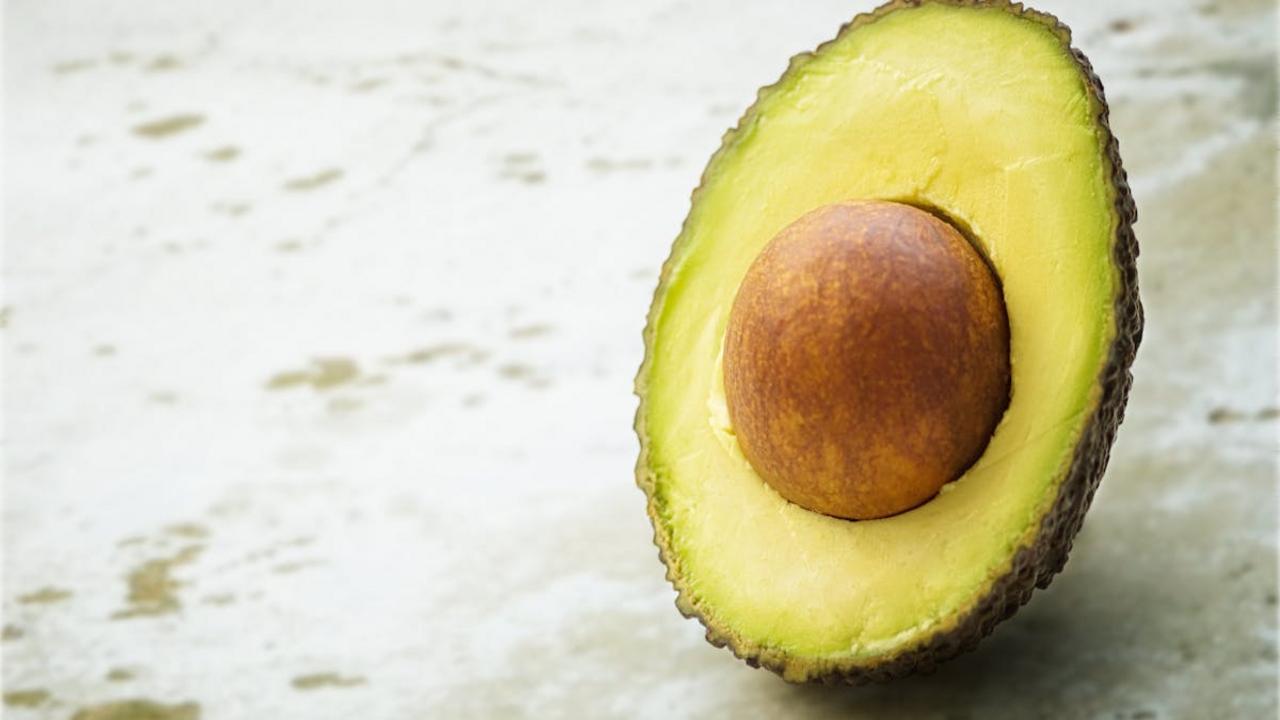
You know that creamy green goddess sitting pretty in your fruit bowl? That avocado packs around 320 calories per fruit, and honestly, every single calorie is worth celebrating. While other foods apologize for their richness, avocados strut around like they own the place – and frankly, they do. These buttery beauties contain more potassium than bananas (take that, yellow competition!), healthy monounsaturated fats that make your brain do happy dances, and enough fiber to keep your digestive system humming along like a well-oiled machine. Fun fact: avocados are technically berries, which means you can absolutely justify that avocado toast as “having fruit for breakfast” – you’re welcome for this life-changing revelation.
The magic happens because avocados transform any boring meal into something Instagram-worthy and incredibly satisfying. Smash one onto sourdough with a sprinkle of everything bagel seasoning, or blend it into smoothies for instant creaminess without dairy drama. My personal favorite trick? Adding diced avocado to scrambled eggs creates this ridiculously luxurious texture that makes you feel like you’re dining at a fancy brunch spot, even when you’re standing in your kitchen wearing yesterday’s pajamas. These green wonders also play matchmaker beautifully – they help your body absorb fat-soluble vitamins from other foods, so tossing avocado into your salad actually makes those leafy greens work harder for you.