14 Delicious Protein Picks That Skip Meat and Dairy
Finding protein without meat and dairy isn’t just possible—it’s delicious! I’ve discovered incredible plant-based protein sources that keep my meals exciting and my body fueled. Whether you’re vegan, dealing with allergies, or simply mixing up your protein routine, these 14 options deliver serious nutrition without compromising flavor.
My kitchen adventures led me to experiment beyond beans and lentils (though I love those too!). From quinoa bowls that power my mornings to seitan that mimics meat textures perfectly, these ingredients have transformed how I cook. You’ll find options that work in everything from quick weeknight dinners to impressive weekend meals.
Each of these protein picks brings something unique to your table—nutritional yeast adds cheesy flavor without dairy, while hemp seeds pack protein into smoothies without changing the taste. I’ve included protein content details and simple cooking tips for each option to help you incorporate them into meals you already love.
Pumpkin Seeds
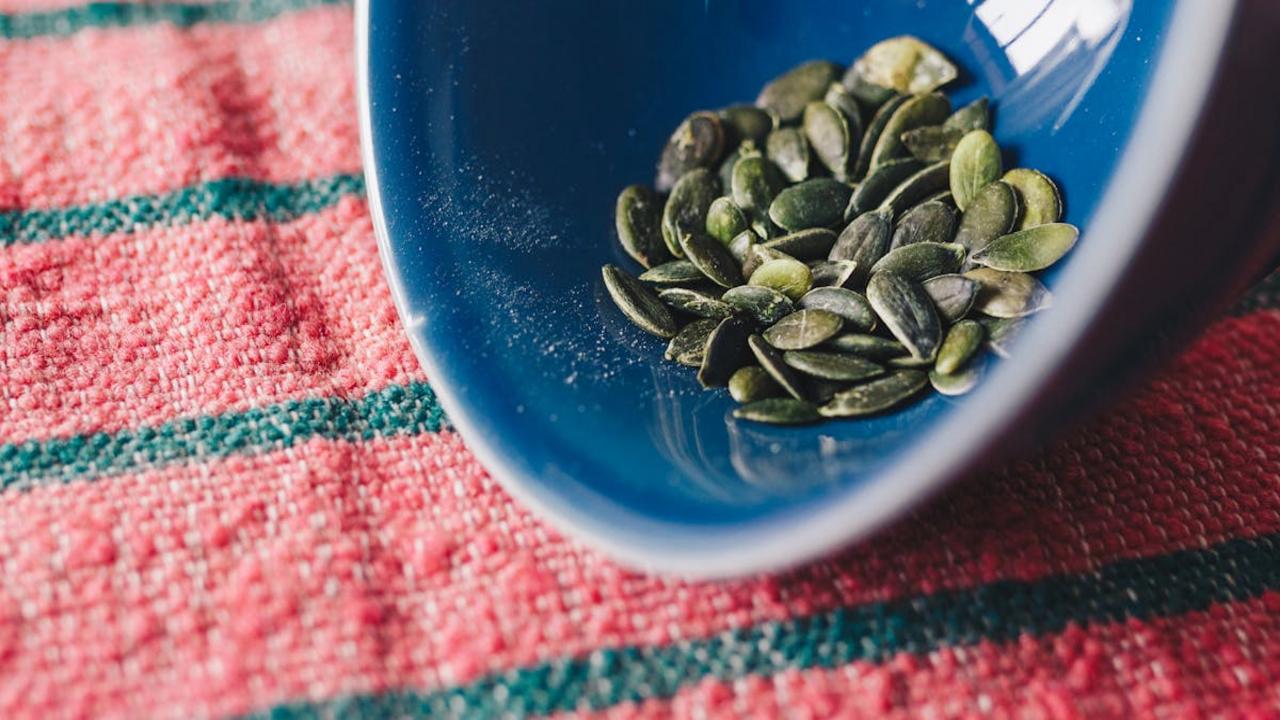
I always save pumpkin seeds when I carve jack-o’-lanterns or roast butternut squash for dinner. These little green gems pack an impressive 9 grams of protein per ounce, making them one of nature’s most concentrated plant-based protein sources. You can buy them hulled at the store, but I prefer preparing my own – there’s something deeply satisfying about transforming what most people throw away into a nutritious snack. I toss them with olive oil, sea salt, and whatever spices call to me that day: cumin and paprika for a smoky kick, or cinnamon and maple syrup for something sweet.
Beyond their protein punch, pumpkin seeds bring healthy fats, magnesium, and zinc to your meals. I sprinkle them over salads for crunch, blend them into pestos instead of pine nuts, or grind them into flour for gluten-free baking experiments. My favorite discovery happened when I added toasted pumpkin seeds to my morning smoothie bowl – they create this wonderful nutty richness that pairs beautifully with banana and cocoa powder. Keep a jar of seasoned pumpkin seeds in your pantry, and you’ll never lack for a quick protein boost that actually tastes incredible.
Lupini Beans
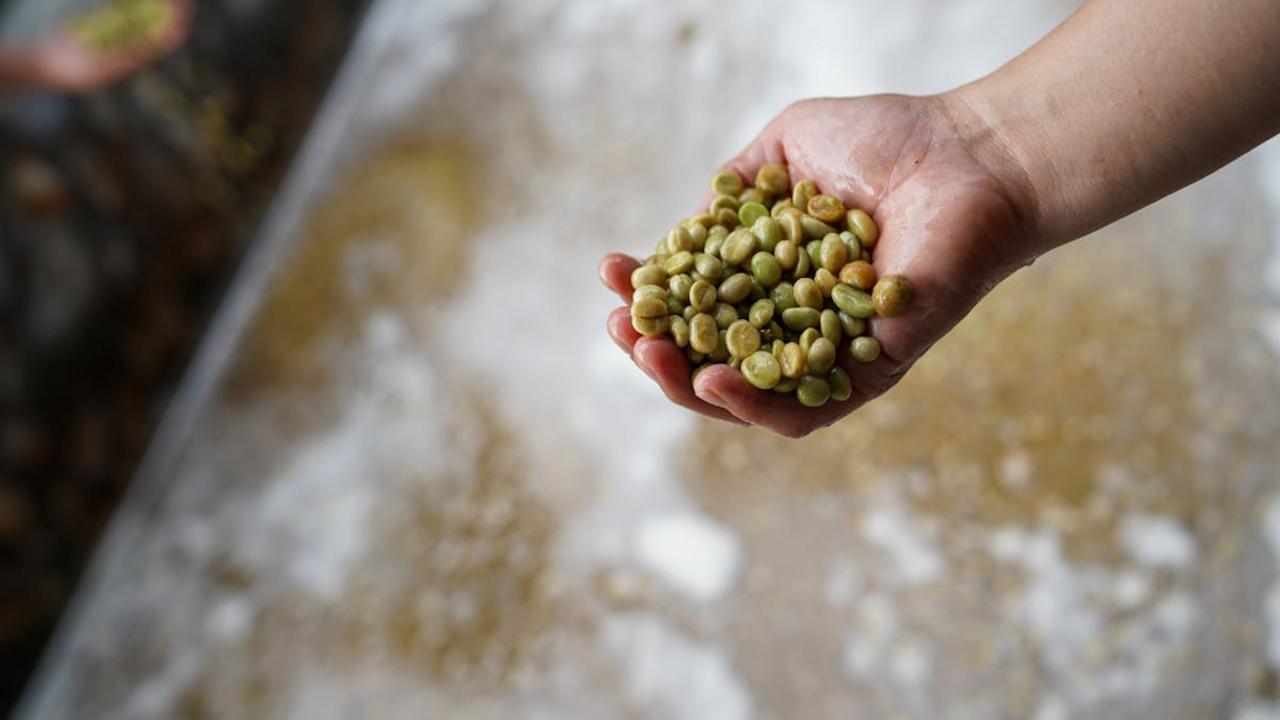
You know those mysterious yellow beans sitting in jars at Mediterranean delis? Those are lupini beans, and they’re about to become your new protein obsession. I discovered them during a late-night snack hunt at my local Italian market, and honestly, they changed everything I thought I knew about plant-based proteins. These little powerhouses pack an incredible 26 grams of protein per cup – that’s more than most meats! What makes them special is their uniquely firm, almost cheese-like texture that holds up beautifully in salads, grain bowls, and even as a simple snack with olive oil and herbs.
Now, here’s where it gets interesting – lupini beans require a bit of patience since they need proper preparation to remove their natural bitterness. I like to think of this process as part of their charm, almost like a slow food meditation. You soak them, then gently simmer until tender. The reward? A creamy, nutty bean that absorbs flavors like a dream. I toss them into my weekend grain salads with fresh herbs and lemon, or blend them into a surprisingly smooth hummus that rivals any chickpea version. Their mild flavor makes them incredibly versatile – they work just as well in a hearty Mediterranean stew as they do pickled and served alongside crusty bread.
Black Rice
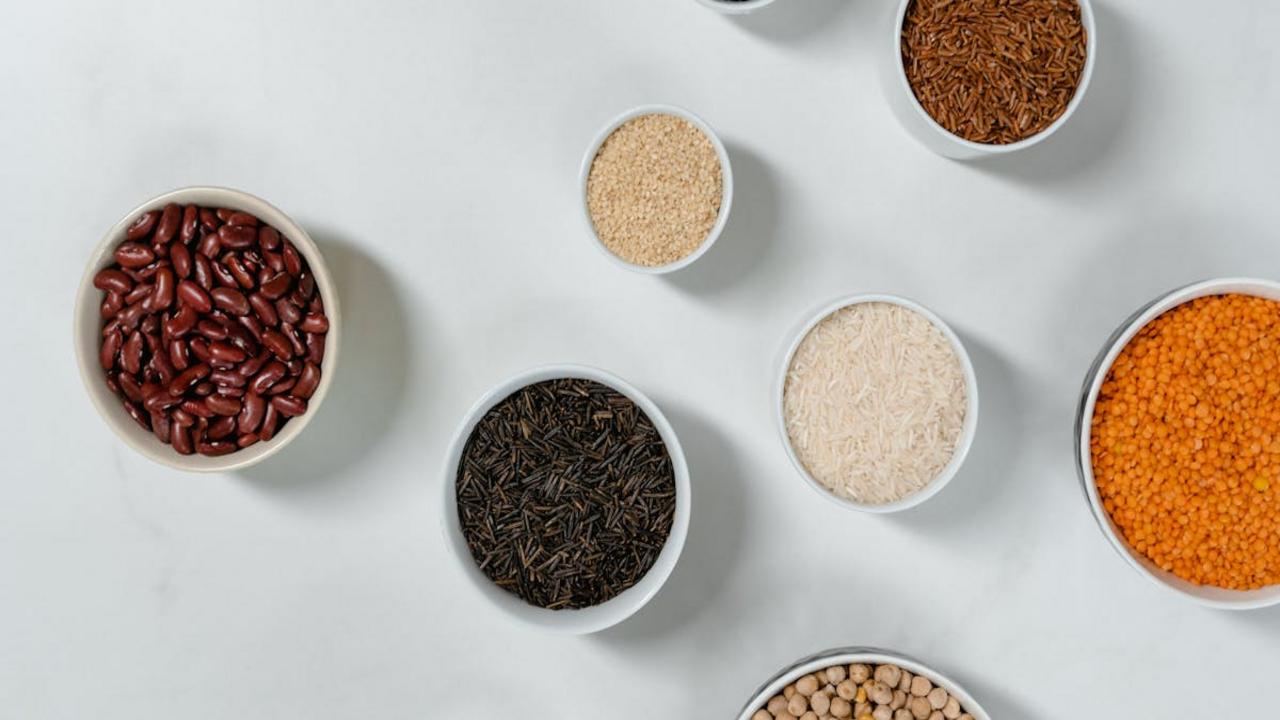
You know that moment when you discover an ingredient that completely shifts your perspective on what healthy eating can look like? Black rice did exactly that for me. This stunning grain, sometimes called forbidden rice because it was once reserved for Chinese royalty, packs an impressive 5 grams of protein per cooked cup. But here’s what really gets me excited – it’s loaded with anthocyanins, the same antioxidants that make blueberries so powerful. The deep purple-black color isn’t just beautiful; it signals serious nutritional density that your body craves.
I love how black rice transforms any dish into something special. Whether I’m making a warm breakfast bowl topped with coconut milk and fresh fruit, or creating a savory pilaf with roasted vegetables and herbs, this grain brings an earthy, slightly nutty flavor that grounds the entire meal. The texture is wonderfully chewy yet tender, and unlike brown rice, black rice never feels heavy or overwhelming. My favorite trick is cooking it like pasta in plenty of salted water, then draining it – this method gives you perfectly fluffy grains every time. Try stirring it into your next Buddha bowl or using it as a base for grain salads.
Chia Seeds
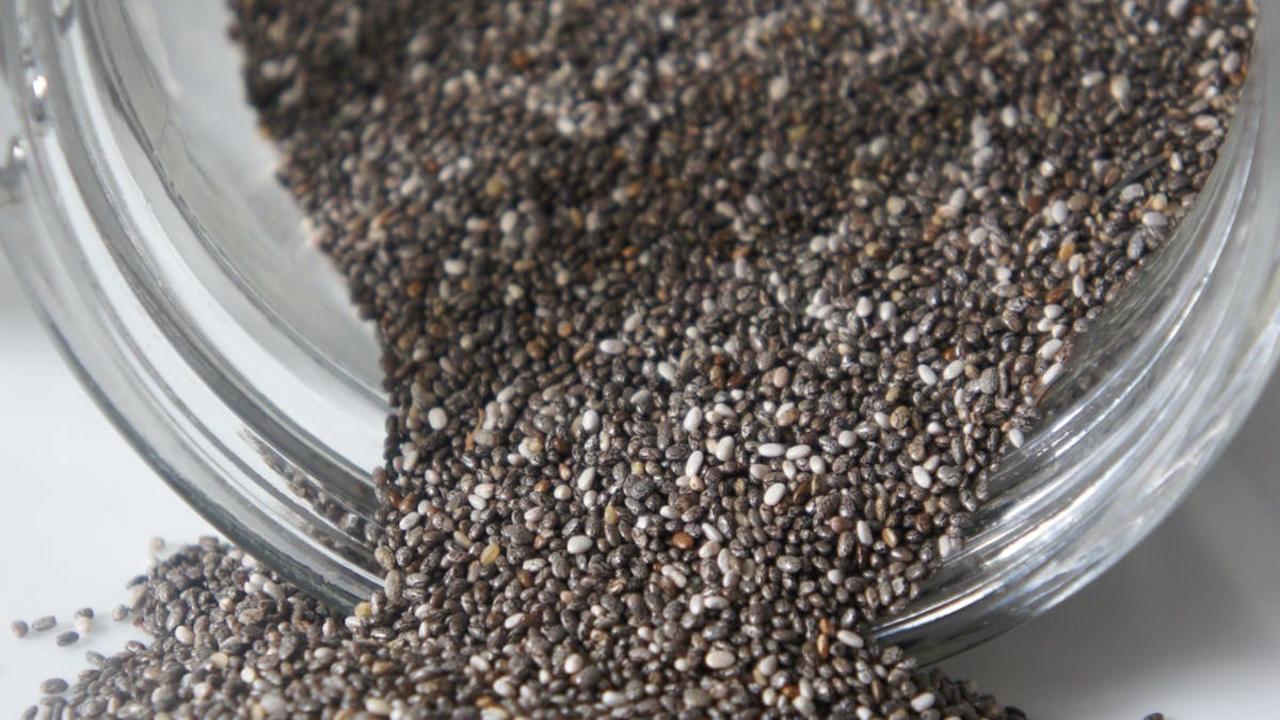
These tiny black and white seeds pack an incredible protein punch that will surprise you – about 4 grams per 2 tablespoons! I keep jars of chia seeds in my pantry because they transform into something magical when mixed with liquid. Within minutes, they develop a gel-like coating that creates the most satisfying pudding texture. You can mix them with plant milk, coconut cream, or even fresh fruit juice to create breakfast puddings that rival any dessert.
What I love most about chia seeds is their neutral flavor that adapts to whatever you pair them with. I often stir them into my morning smoothies for extra thickness and staying power, or sprinkle them over salads for a delightful crunch. Try soaking them overnight with vanilla almond milk and a touch of maple syrup, then top with fresh berries and chopped nuts for a breakfast that feels indulgent but nourishes your body completely. They’re also fantastic mixed into homemade granola or energy balls when you need portable protein on busy days.
Nori
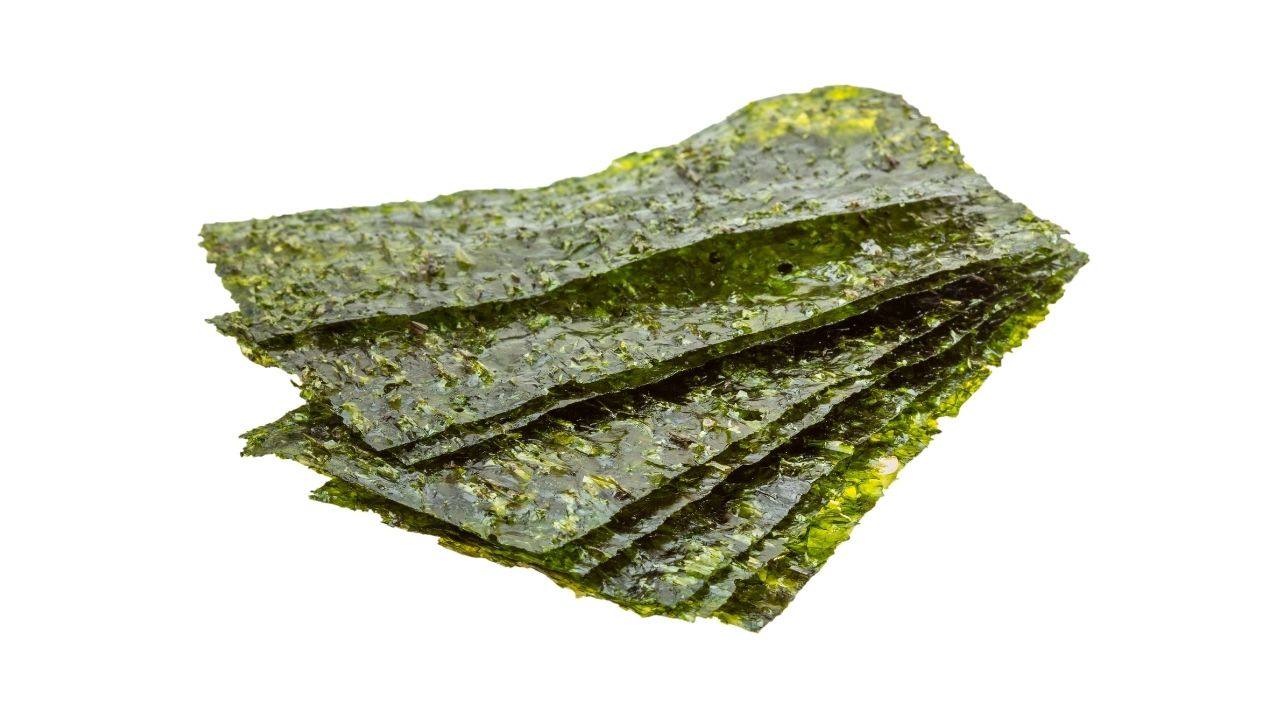
You know that crispy, dark green sheet wrapping your favorite sushi roll? That’s nori, and it’s about to become your new protein-packed obsession. This sea vegetable brings an impressive 6 grams of protein per sheet, plus it’s loaded with vitamin B12—something most plant foods can’t claim. I love how nori adds that umami-rich, oceanic flavor that transforms simple dishes into something extraordinary. The best part? You don’t need to master sushi rolling to enjoy it.
I’ve been experimenting with nori beyond the sushi counter, and the results keep surprising me. Try tearing sheets into salads for an instant flavor boost, or grind them into a seasoning salt that elevates roasted vegetables. One of my go-to tricks is wrapping nori around avocado slices with a sprinkle of sesame seeds for a quick, protein-rich snack. You can even blend it into soups or use it as a natural flavor enhancer in grain bowls. This mineral-rich seaweed connects us to the ocean’s bounty while delivering serious nutritional value in the most unexpected ways.
Amaranth
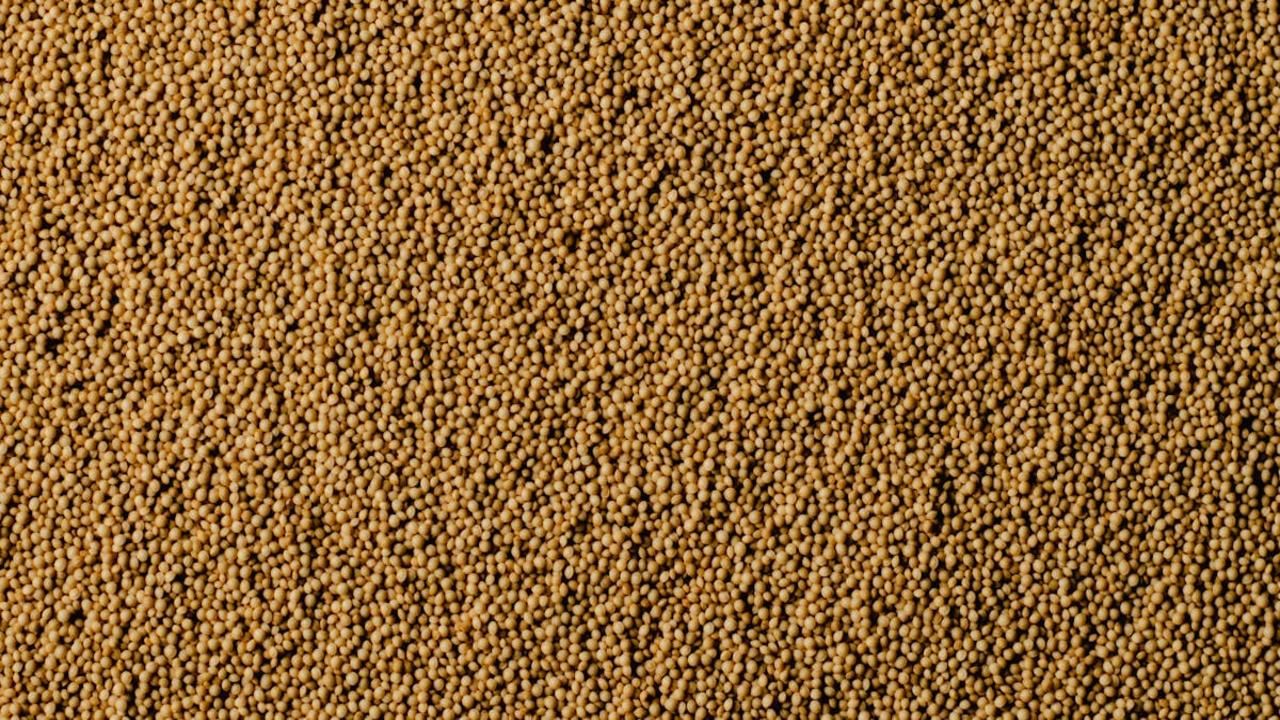
You know how sometimes you discover an ingredient that makes you wonder why it took you so long to find it? That’s exactly what happened when I first cooked with amaranth. This tiny powerhouse seed contains all nine essential amino acids, making it a complete protein that rivals quinoa but brings its own unique personality to your kitchen. I love how versatile amaranth is—you can cook the whole seeds into a creamy porridge, pop them like miniature popcorn for a crunchy topping, or grind them into flour for your baking adventures.
What really excites me about amaranth is how it connects us to ancient foodways while solving modern nutritional needs. This seed sustained civilizations in Mexico and Peru for thousands of years, and now it can transform your weeknight dinners too. Try simmering amaranth with coconut milk and cinnamon for breakfast, or stir the cooked grains into soups where they naturally thicken the broth while adding protein. The nutty, slightly earthy flavor pairs beautifully with both sweet and savory preparations—I often mix cooked amaranth with roasted vegetables and herbs for a satisfying grain bowl that keeps me full for hours.
Buckwheat
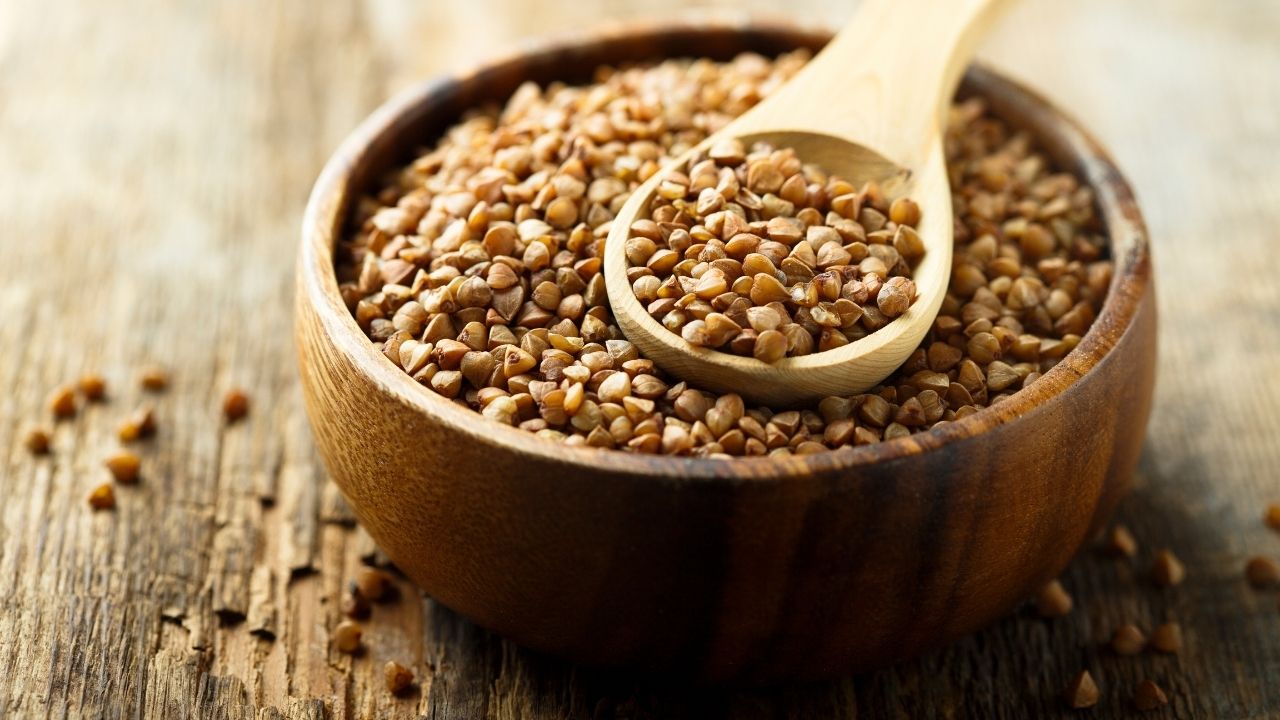
Buckwheat might sound like wheat, but it’s actually a seed that comes from a flowering plant related to rhubarb. This gluten-free powerhouse packs about 6 grams of complete protein per cooked cup, meaning it contains all nine amino acids your body needs. I love how buckwheat brings an earthy, nutty flavor that transforms simple dishes into something special. You can toast raw buckwheat groats in a dry pan for a few minutes to intensify that nuttiness before cooking them like rice.
What makes buckwheat brilliant is its versatility across different cuisines. Japanese soba noodles showcase buckwheat’s delicate texture, while Eastern European kasha brings comfort food vibes with caramelized onions and mushrooms. I often cook buckwheat groats with vegetable broth instead of water, then fold in roasted vegetables and fresh herbs for a satisfying grain bowl. You can also grind raw buckwheat into flour for pancakes that have more character than regular wheat versions. The mineral content is impressive too—buckwheat provides magnesium, copper, and manganese that support your energy production and bone health.
Edamame
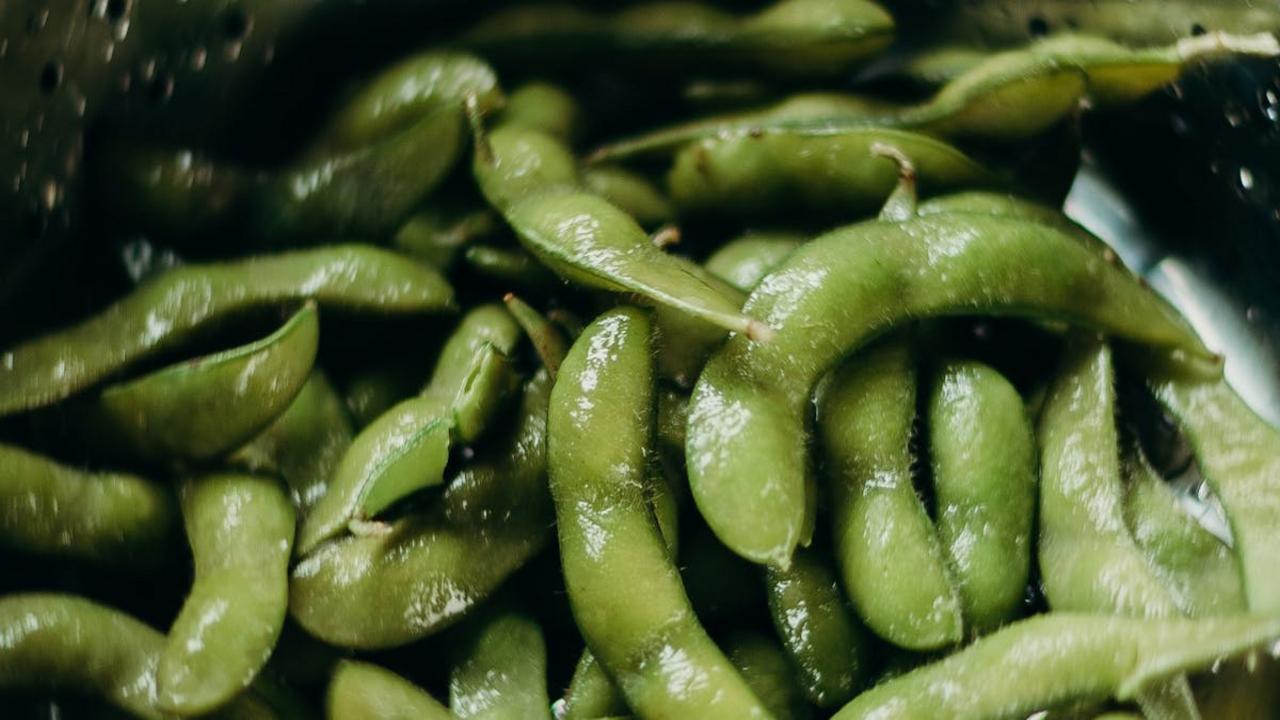
You know those vibrant green pods sitting quietly in the freezer section? Those little powerhouses pack 17 grams of protein per cup, making them one of my favorite go-to ingredients when I want something satisfying without the heaviness. I started buying edamame in bulk after discovering how incredibly versatile these young soybeans are—they work beautifully in everything from grain bowls to quick weeknight stir-fries. What I love most is their naturally buttery flavor and satisfying bite that makes you feel like you’re eating something substantial.
Beyond the classic steamed-and-salted preparation, I’ve been experimenting with edamame in ways that might surprise you. Try blending shelled edamame into a creamy pasta sauce with garlic and lemon, or toss them into your morning scrambled tofu for extra protein and color. I’ve even made a surprisingly good hummus substitute by pureeing them with tahini and fresh herbs. The beauty of edamame lies in how effortlessly they absorb the flavors around them while maintaining their own distinct character—they’re like that friend who fits into any group while still being completely themselves.
Tempeh
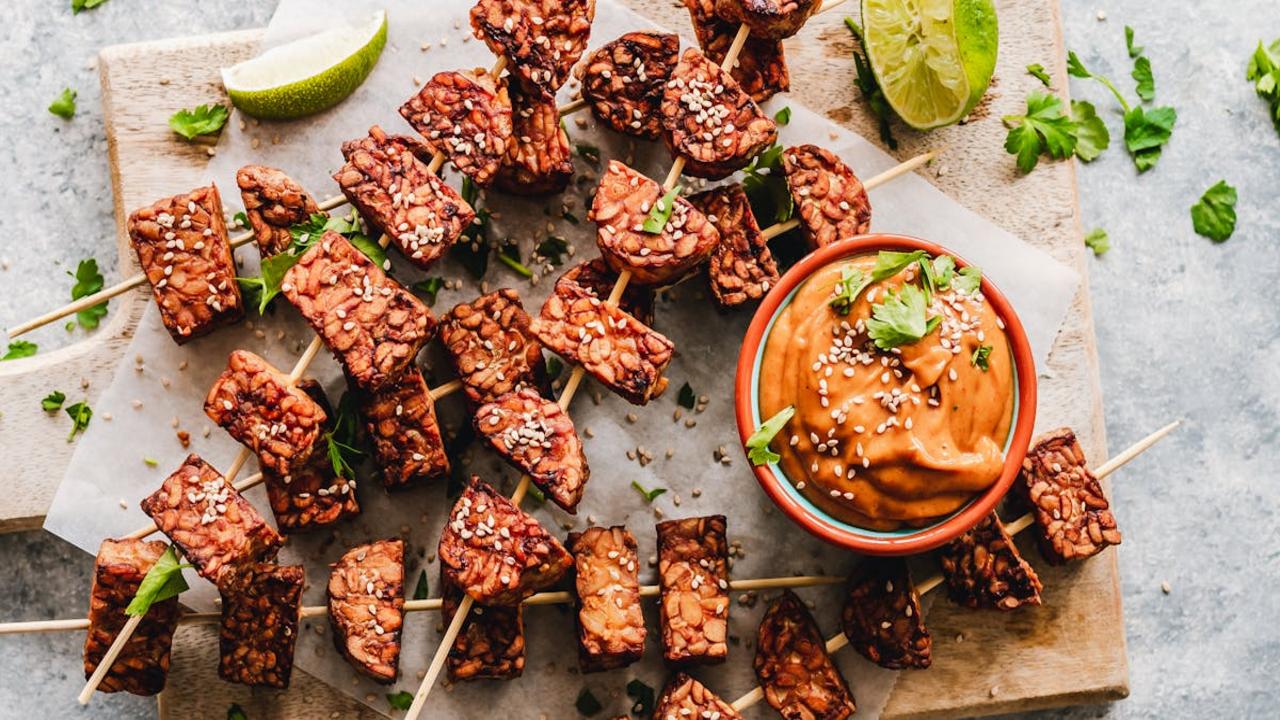
Tempeh holds a special place in my kitchen, and I think once you get to know this Indonesian wonder, it’ll find a permanent spot in yours too. Made from fermented soybeans bound together by a natural mycelium, tempeh brings a nutty, earthy flavor that’s completely different from tofu. What I love most is how this fermentation process creates a dense, chewy texture that actually gets better the more you work with it. At around 15-19 grams of protein per 3-ounce serving, tempeh doesn’t just fill you up—it nourishes you with probiotics, fiber, and a complete amino acid profile.
My favorite way to prepare tempeh is to steam it first for about 10 minutes, which mellows any bitter notes and opens up the texture for marinades. Then I slice it thin and pan-fry until golden, creating crispy edges that soak up whatever sauce I’m making. Whether I’m crumbling it into a spicy Indonesian sambal, adding strips to Vietnamese banh mi, or tossing cubes into a hearty curry, tempeh adapts beautifully to bold flavors while maintaining its satisfying bite. The beauty of cooking with tempeh is that it rewards patience—the longer you marinate it, the more complex and delicious your final dish becomes.
Seitan
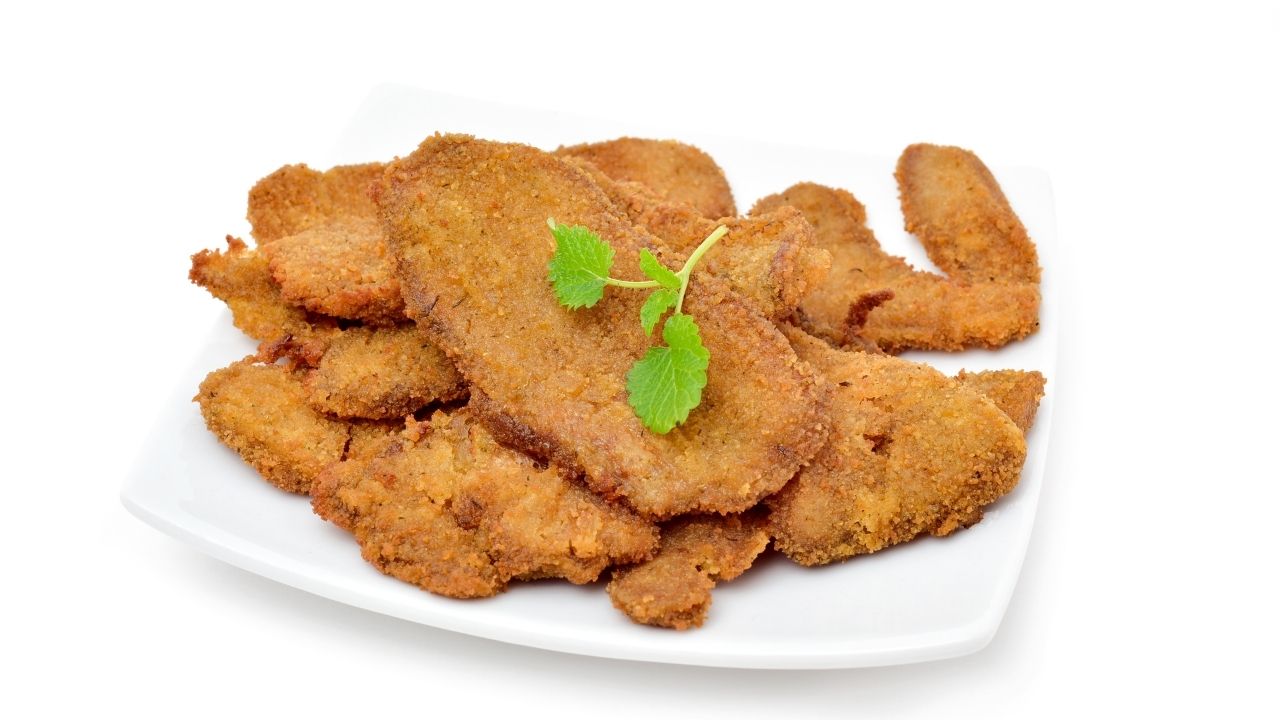
You know what gets me excited about seitan? This chewy, protein-packed wonder transforms humble wheat gluten into something that satisfies like no other plant-based protein can. I remember the first time I made seitan from scratch in my kitchen – kneading that dough, watching it develop that perfect texture, then simmering it in a fragrant broth loaded with soy sauce, ginger, and garlic. The result was this beautifully dense, meaty protein that absorbed every single flavor I threw at it. With about 25 grams of protein per serving, seitan doesn’t just fill you up; it gives your body exactly what it needs to thrive.
What I love most about working with seitan is how it becomes whatever you want it to be. Slice it thin for stir-fries where it soaks up those bold Asian sauces, or chunk it up for hearty stews where it adds substance and depth. I’ve seasoned mine with everything from Mediterranean herbs to smoky paprika and cumin for Middle Eastern-inspired dishes. The beauty lies in making your own – you control every ingredient, avoiding those processed store-bought versions packed with questionable additives. Sure, it takes a bit of time and patience, but watching that simple wheat gluten transform into something so satisfying and nourishing? That’s the magic of cooking from scratch that never gets old.
Hemp Seeds
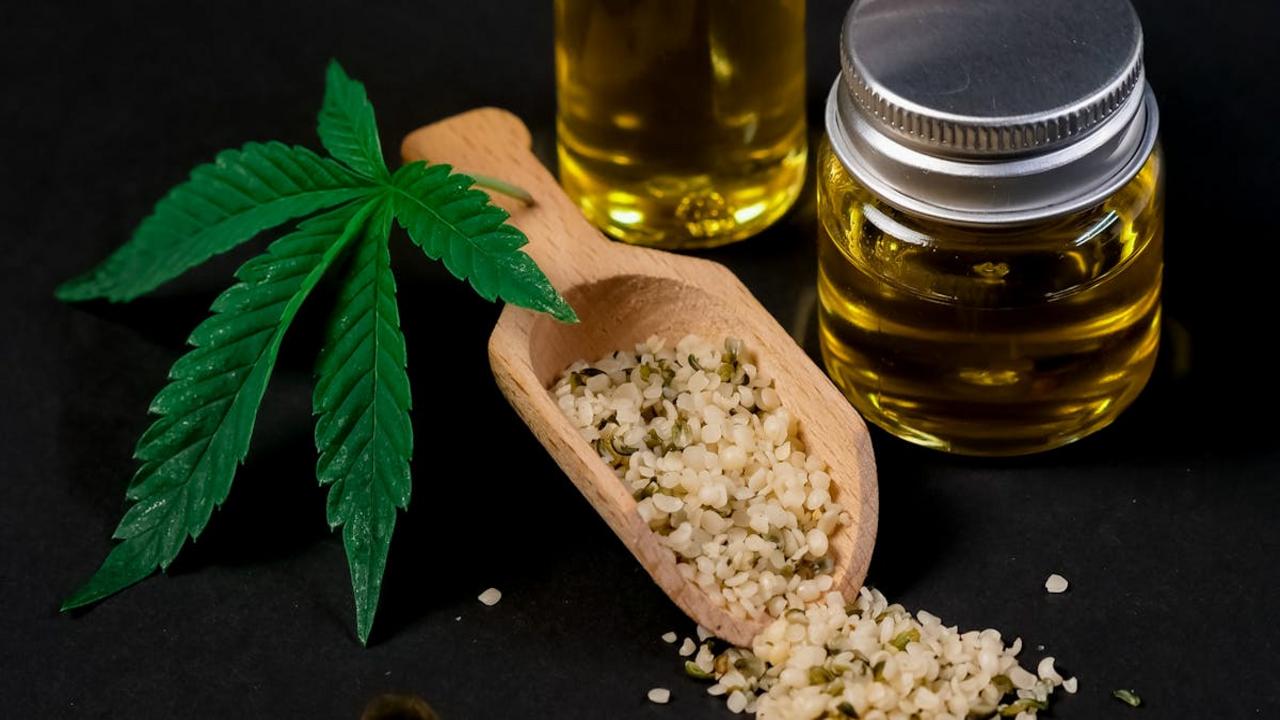
You know what I love about hemp seeds? They’re like tiny nutritional powerhouses hiding in plain sight! These small, nutty gems pack about 10 grams of complete protein per 3-tablespoon serving, plus they bring healthy omega fatty acids to your plate. I keep a jar on my counter because they work magic in both sweet and savory dishes. The flavor reminds me of sunflower seeds with a subtle earthiness that never overpowers other ingredients.
I sprinkle hemp seeds over everything from morning smoothie bowls to roasted vegetables at dinner. They add incredible texture to homemade granola and create the most satisfying crunch when mixed into salad dressings. My favorite trick? Blending them into cashew cream for an extra protein boost that makes dairy-free sauces incredibly rich and satisfying. Hemp seeds don’t need any preparation – just open the container and scatter them wherever you want that perfect combination of nutrition and nutty flavor.
Nutritional Yeast
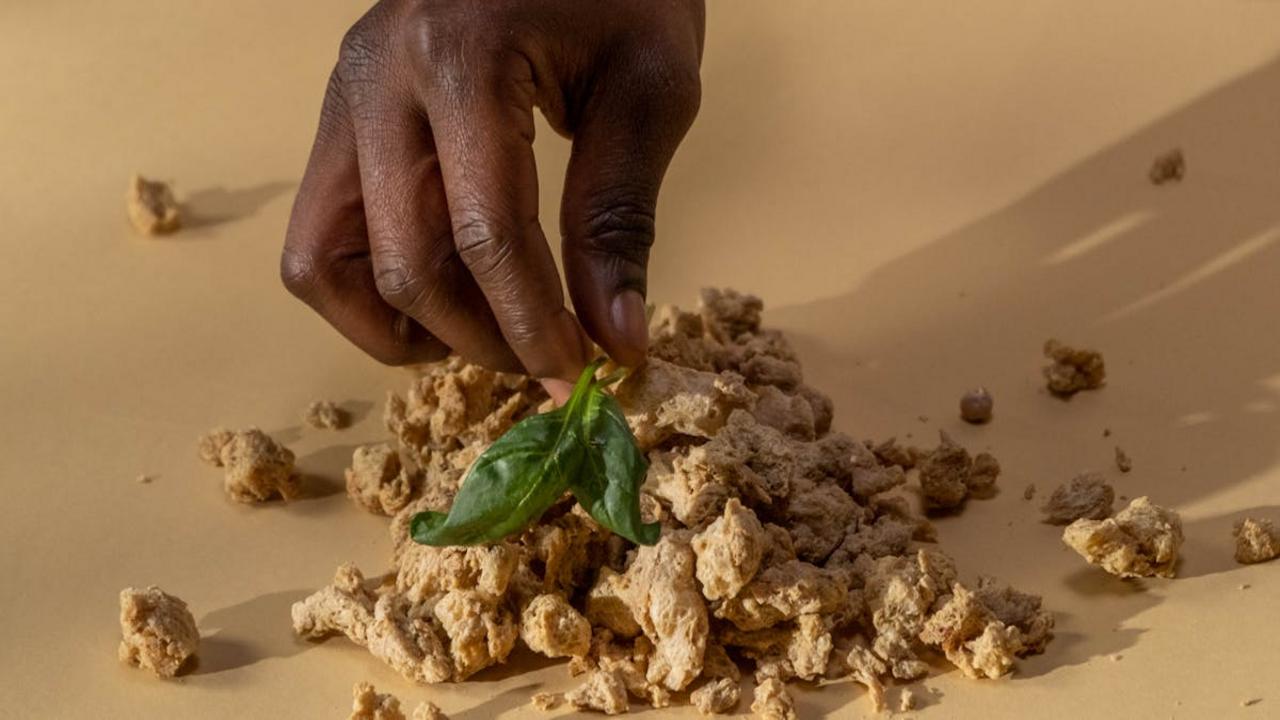
I stumbled upon nutritional yeast during my early days of experimenting with plant-based cooking, and honestly, this golden flaky powder has become one of my most treasured pantry staples. You know that rich, nutty, almost cheesy flavor that makes you close your eyes and smile? That’s nutritional yeast working its magic. I sprinkle it generously over roasted vegetables, blend it into creamy sauces, and fold it into my homemade pasta dishes. What makes this ingredient so special is its incredible protein content—about 14 grams per quarter cup—plus it’s loaded with B vitamins that your body craves.
The beauty of nutritional yeast lies in how it transforms simple ingredients into something extraordinary. I love whisking it into cashew cream for an instant cheese-like sauce, or mixing it with herbs and garlic powder to create the most amazing seasoning blend for popcorn. My friends always ask what my secret is when I serve them my creamy mushroom risotto or that perfectly golden mac and cheese alternative—it’s always this humble yellow powder doing the heavy lifting. The protein quality is complete too, meaning it contains all nine amino acids your body needs, making it perfect for anyone looking to boost their protein intake naturally.
Spirulina
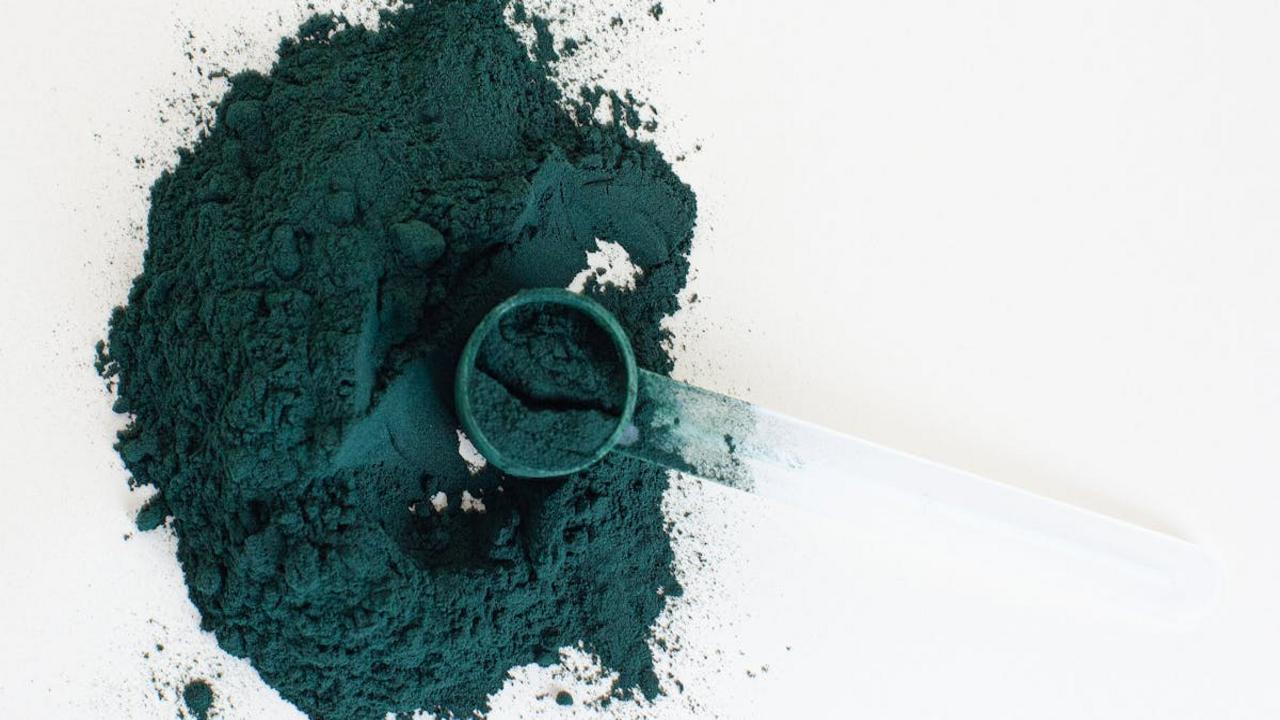
You know that vibrant blue-green powder sitting in health food stores? That’s spirulina, and I’m here to change how you think about this nutritional powerhouse. With about 8 grams of complete protein per tablespoon, this ancient algae delivers all nine amino acids your body needs. I started adding spirulina to my morning smoothies after discovering how easily it blends with tropical fruits like mango and pineapple – the sweetness completely masks any oceanic notes while creating the most gorgeous emerald color.
What makes spirulina special goes beyond protein content. This superfood brings iron, B vitamins, and antioxidants to your plate in concentrated form. I love mixing it into energy balls with dates, coconut, and a touch of vanilla, or stirring it into coconut yogurt with fresh berries. Start with just half a teaspoon if you’re new to spirulina – your palate will adjust, and soon you’ll appreciate how this simple addition transforms ordinary recipes into nutrient-dense creations that fuel your body beautifully.
Quinoa
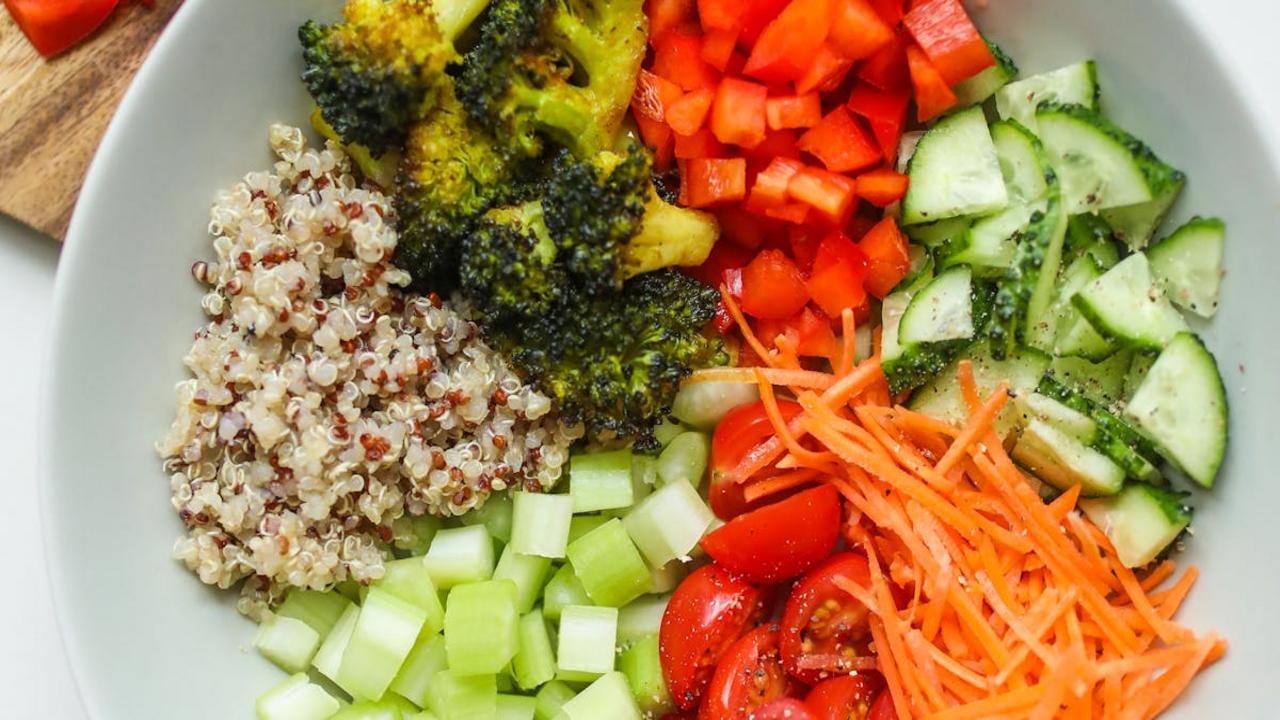
I remember the first time I cooked quinoa—I was skeptical about this tiny seed that everyone kept calling a superfood. But once I learned to treat it right, rinsing it thoroughly to remove that bitter coating and toasting it lightly in the pan before adding liquid, everything changed. This ancient Andean grain contains all nine amino acids your body needs, making it a complete protein powerhouse that rivals any meat. With about 8 grams of protein per cooked cup, quinoa becomes the perfect foundation for satisfying bowls that keep you full for hours.
What I love most about quinoa is how it adapts to whatever flavors you throw at it. Cook it in vegetable broth instead of water, add some turmeric and ginger for a golden pilaf, or mix it with fresh herbs and lemon for a Mediterranean twist. I often batch-cook quinoa on Sundays, then transform it throughout the week—folding it into breakfast porridge with cinnamon and fruit, tossing it with roasted vegetables for lunch, or mixing it with black beans and avocado for dinner. The nutty texture and mild flavor make it incredibly versatile, and unlike many processed protein alternatives, quinoa gives you fiber, iron, and magnesium along with those complete proteins.