15 Foods You Should Skip Ordering Abroad for Authentic Local Flavor
Traveling means taking culinary risks, but some foods might not just disappoint your quest for authentic flavors—they could leave you hugging the hotel toilet instead of exploring local sights. I’ve learned this lesson firsthand after a regrettable encounter with street vendor ice in Bangkok that turned my dream vacation into a nightmare of Imodium and missed temple tours.
The truth about international dining? Smart travelers know which foods carry higher contamination risks in regions with different food safety standards. Your foodie adventure shouldn’t end with food poisoning, especially when simple choices can keep you healthy without sacrificing the authentic experience.
Consider this your survival guide to eating abroad without spending your trip in the bathroom. From raw seafood dangers to the surprising risks of fresh salads, I’ve compiled the riskiest foods based on conversations with travel doctors, food safety experts, and my own hard-won wisdom from 30+ countries. Skip these items and you’ll actually get to enjoy those bucket-list destinations!
Lukewarm Soups
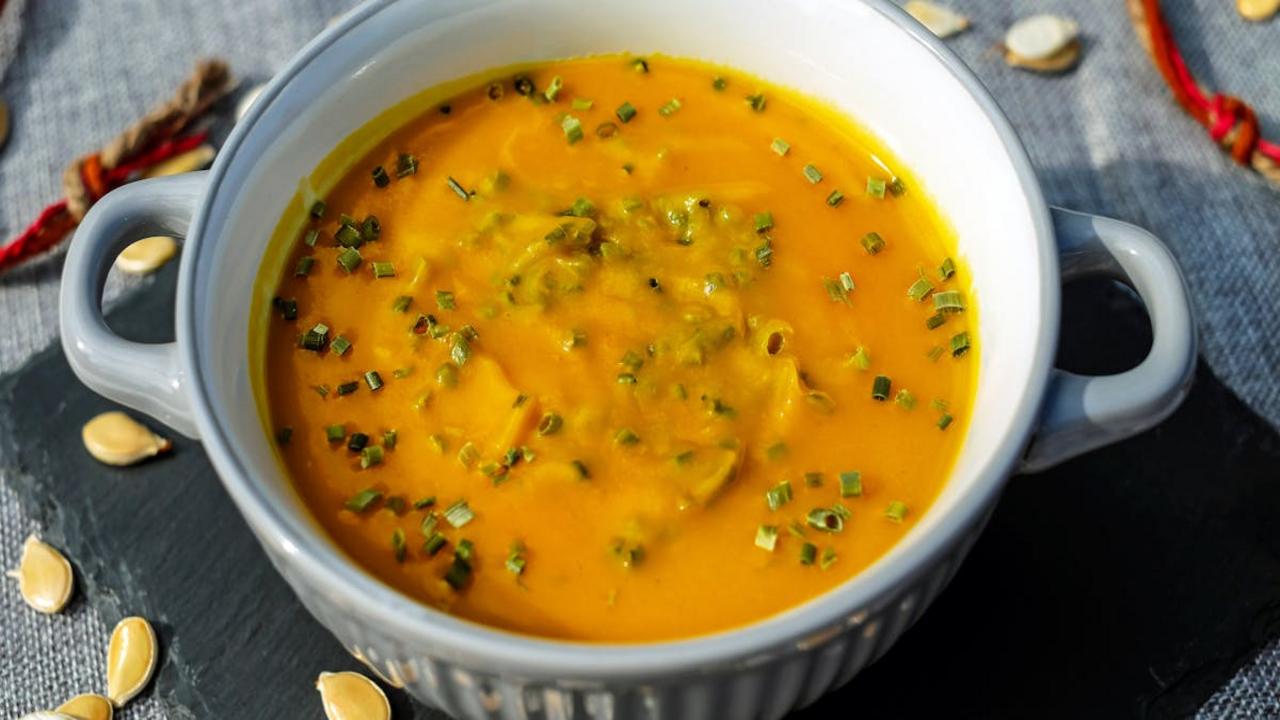
Picture this: you’re sitting in a charming bistro in Paris, eagerly awaiting your French onion soup, only to receive what feels like dishwater masquerading as a gourmet experience. Lukewarm soup is the culinary equivalent of a handshake from someone with sweaty palms—technically functional, but deeply unsatisfying. The thing about soup is that temperature isn’t just a preference; it’s the difference between a soul-warming experience and a disappointing reminder that your meal has been sitting under heat lamps longer than your last relationship lasted.
Here’s a fun fact that might make you reconsider that tepid bowl: proper soup temperature should hit around 165°F (74°C) to be considered safe and satisfying. When soup sits at lukewarm temperatures, bacteria throw their own little party in your bowl, and trust me, you don’t want an invitation to that gathering. Instead of ordering that questionable soup, ask your server if they can guarantee it’s piping hot, or better yet, watch for restaurants where you can see steam rising from other diners’ bowls. Your stomach will thank you, and you’ll avoid the universal disappointment of sipping what essentially amounts to flavored water with commitment issues.
Unpeeled Fruits
Picture this: you’re wandering through a bustling market in Bangkok, and a vendor hands you a gorgeous mango, skin gleaming like it just stepped out of a fruit spa. Your first instinct might be to bite right in, but hold your horses! That beautiful peel could turn your exotic getaway into an intimate relationship with your hotel bathroom. While locals have built up immunity to the bacteria and microorganisms that call fruit skins home, your pampered digestive system hasn’t received the memo. Street vendors often rinse produce with local tap water that might contain unfriendly microbes your stomach considers party crashers.
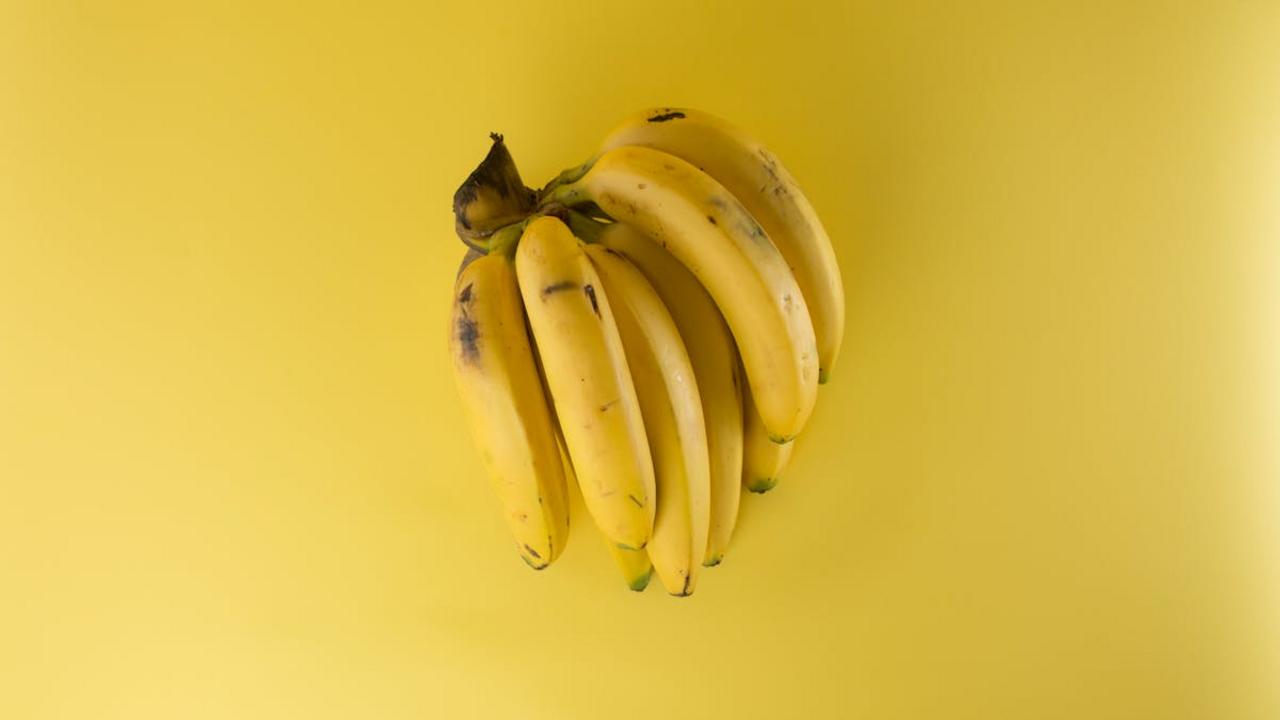
Smart travelers know the golden rule: “Peel it, boil it, or forget it.” This doesn’t mean you should skip fruit entirely – that would be tragic! Instead, choose fruits you can peel yourself like bananas, oranges, or mangoes. Watch locals demonstrate the proper peeling technique for exotic fruits like dragon fruit or rambutan – it’s like getting a free cooking class with your snack. Pro tip: carry a small knife or ask vendors to peel fruits fresh in front of you. Your digestive system will thank you, and you’ll still get to experience those incredible tropical flavors without the unwanted adventure of food poisoning ruining your vacation photos.
Shellfish
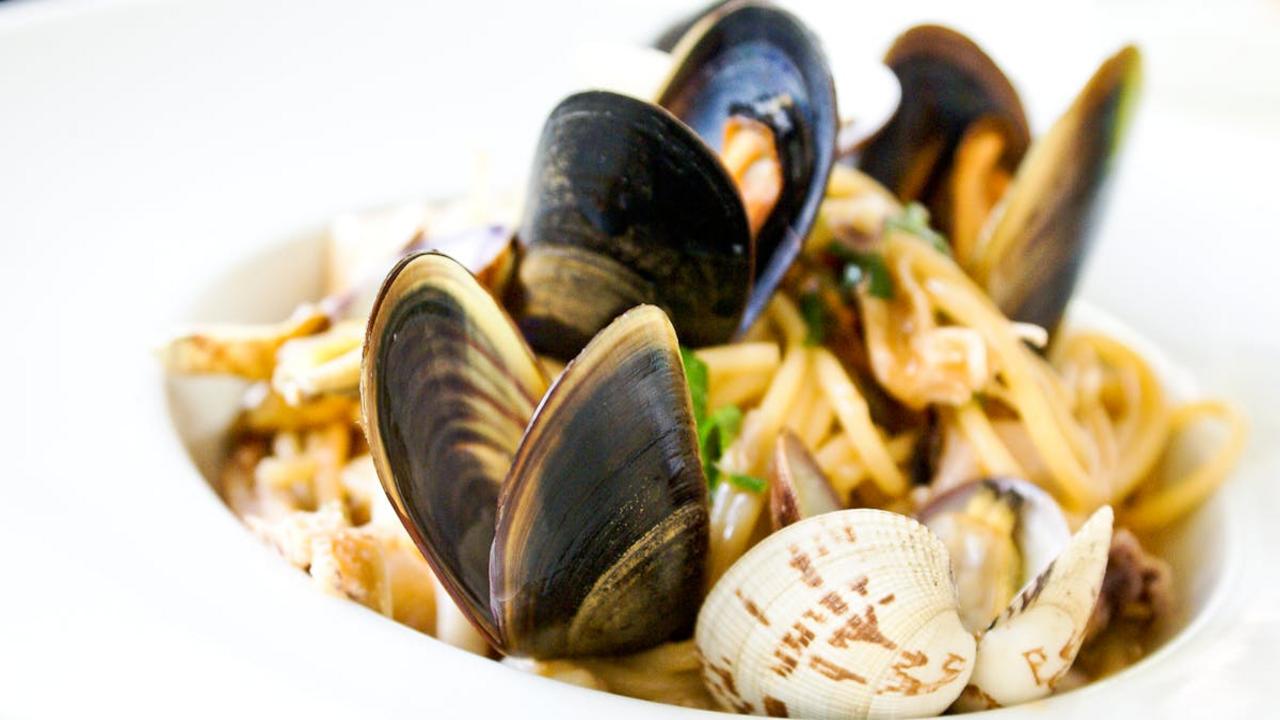
Picture this: you’re sitting at a beachside restaurant in Thailand, and the waiter enthusiastically points to the “fresh lobster” on the English menu. Here’s the thing—that crustacean probably traveled farther than you did to get there! Most tourist-friendly restaurants import their shellfish because locals often prefer different varieties or preparation methods. In many coastal cultures, people favor smaller, local shellfish species that visitors have never heard of, prepared in ways that would make your grandmother’s clam chowder recipe weep with envy. The “safe” shrimp scampi you order might be perfectly fine, but you’re missing out on the mind-blowing experience of trying mantis shrimp in Vietnam or percebes (gooseneck barnacles) in Spain.
The real kicker? Shellfish spoil faster than a celebrity marriage, and you want the good stuff caught that morning, not something that’s been playing freeze tag in a shipping container. Local fishermen know exactly which rocks hide the best oysters and when the tide brings in the sweetest scallops. Skip the familiar and ask your server what the fisherman’s daughter would eat—you might discover sea snails that taste like ocean candy or tiny crabs that locals crack open with their teeth. Sure, it might look weird on your Instagram story, but your mouth will thank you for the adventure, and you’ll have a story that’s actually worth telling at dinner parties.
Raw Sprouts
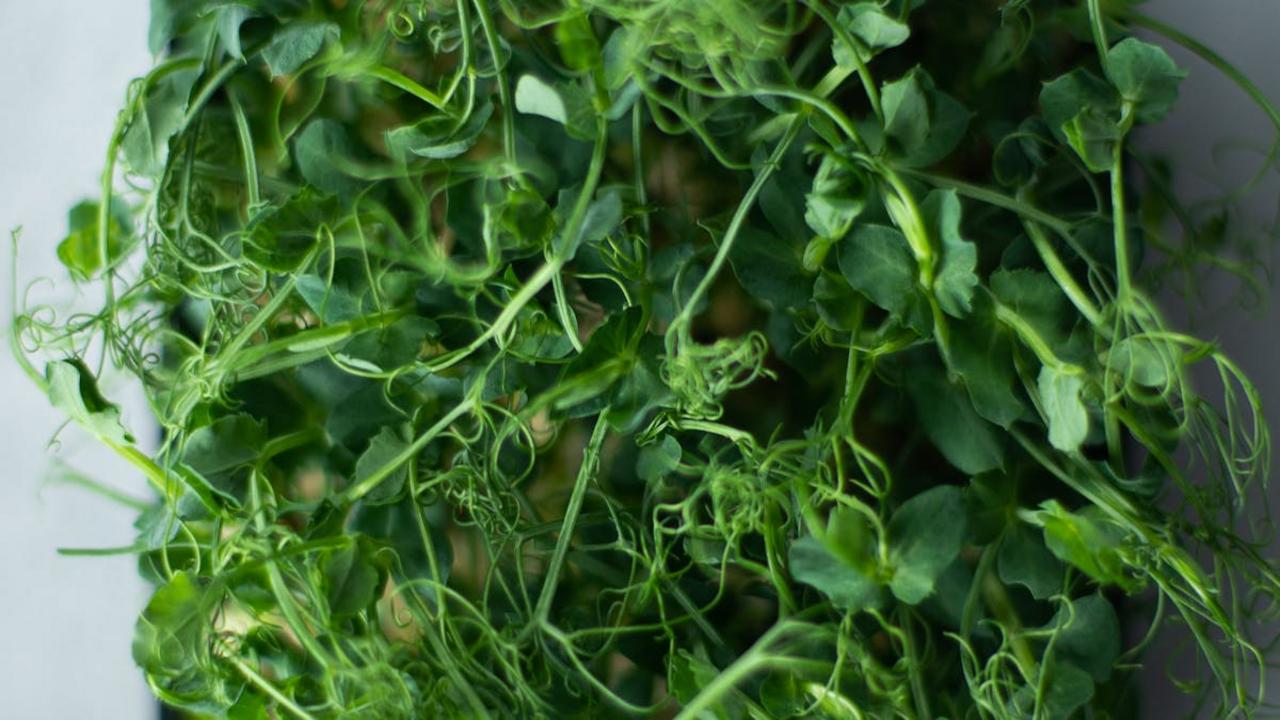
Listen, I get it – those innocent-looking alfalfa sprouts sitting pretty on your salad seem like the epitome of healthy eating. But here’s the thing: raw sprouts are basically bacteria’s favorite vacation resort. These little green guys grow in warm, humid conditions that make E. coli and Salmonella absolutely giddy with excitement. What makes this even more frustrating is that sprouts don’t represent authentic local flavor anywhere – they’re just a modern health food trend that somehow wiggled its way onto restaurant menus worldwide.
You want to know what’s really wild? The seeds used for sprouting can harbor nasty bacteria for months, just waiting for the perfect moment to multiply into a full-blown food safety nightmare. Even a single contaminated seed can turn an entire batch into trouble. Instead of risking your vacation on these crunchy little rebels, ask your server what locally grown greens they recommend. You’ll discover regional vegetables you never knew existed, and your stomach will thank you for skipping the potential three-day hotel room imprisonment. Trust me, food poisoning abroad hits different when you don’t know where the nearest pharmacy is!
Reheated Rice
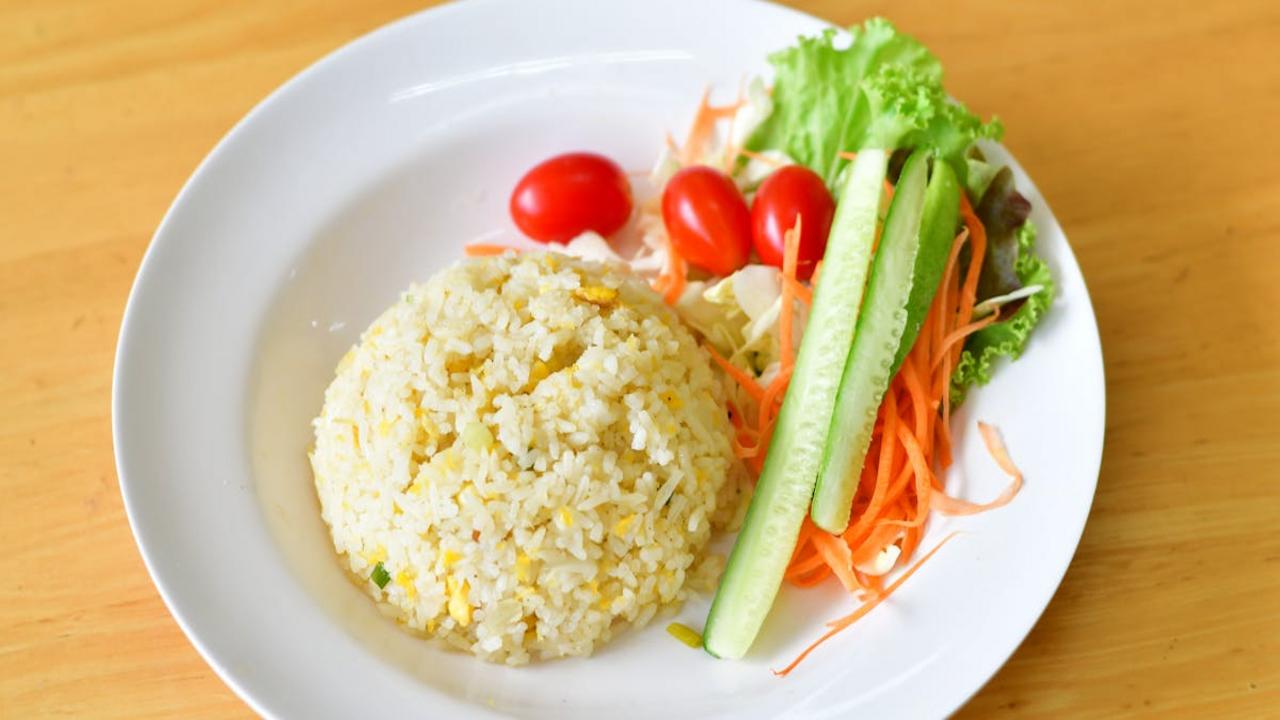
Picture this: you’re sitting in a charming little restaurant in Bangkok, eagerly anticipating that perfect plate of pad thai, when out comes a suspicious-looking portion of rice that’s clearly seen better days. That telltale dry, clumpy texture and slightly off smell? That’s your cue to politely push it aside and order something fresh. Reheated rice isn’t just a disappointment for your palate – it’s actually a potential health hazard that can harbor nasty bacteria called Bacillus cereus, which loves to multiply in rice that’s been sitting around at room temperature like an unwanted party guest who won’t leave.
Here’s the thing about rice: it’s meant to be fluffy, aromatic, and freshly steamed, not sad and chewy like yesterday’s leftovers. Smart travelers know that authentic local spots always serve rice that’s been prepared fresh throughout the day, not scraped from some mystery container in the back of the kitchen. Instead of settling for subpar starch, ask your server if they can prepare fresh rice or better yet, skip the plain rice entirely and go for a local specialty like coconut rice in Thailand or biriyani in India. Your stomach will thank you, and you’ll actually experience how rice is supposed to taste when it’s treated with the respect it deserves!
Fresh Salads
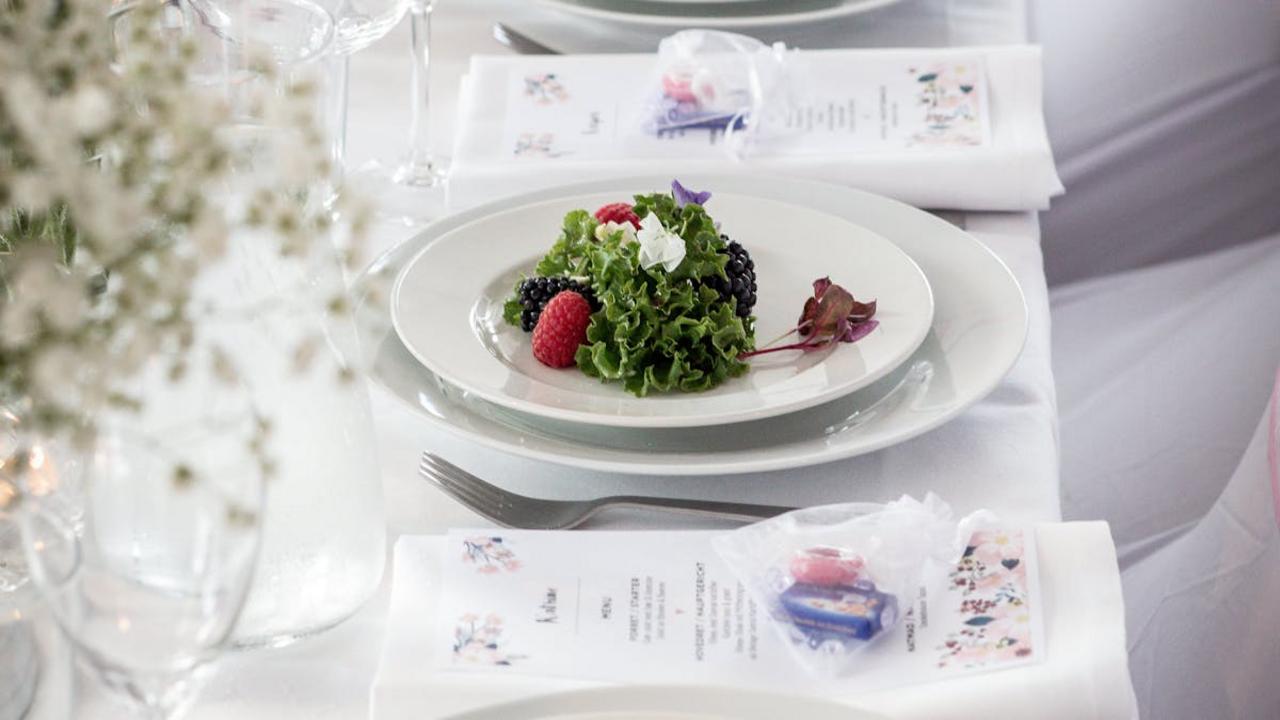
Listen, I get it—you’re trying to be healthy while traveling, and that crisp garden salad looks like a safe bet on the menu. But here’s the thing: ordering a basic mixed greens situation in places like Italy, Thailand, or Mexico is like going to a rock concert and asking for elevator music. You’re missing the entire point! These countries have incredible local dishes that will blow your mind, and you’re sitting there munching on iceberg lettuce like you’re at a suburban chain restaurant. In Italy, skip the sad salad and grab some fresh burrata with tomatoes, or in Thailand, forget the Western greens and go for som tam—that spicy green papaya salad that’ll make your mouth sing opera.
Plus, let’s talk practicality here. Fresh salads often mean raw vegetables washed in local water, which might not agree with your tourist stomach. I learned this the hard way in Bali when I thought I was being so virtuous ordering a “healthy” salad, only to spend the next day intimately acquainted with my hotel bathroom. Meanwhile, my friend who went full local with the nasi goreng was out exploring temples while I was googling “nearest pharmacy.” Raw leafy greens can harbor bacteria that your home-country gut isn’t prepared for, so why risk it when you could be savoring authentic local flavors that are both safer and infinitely more delicious?
Room Temperature Buffets
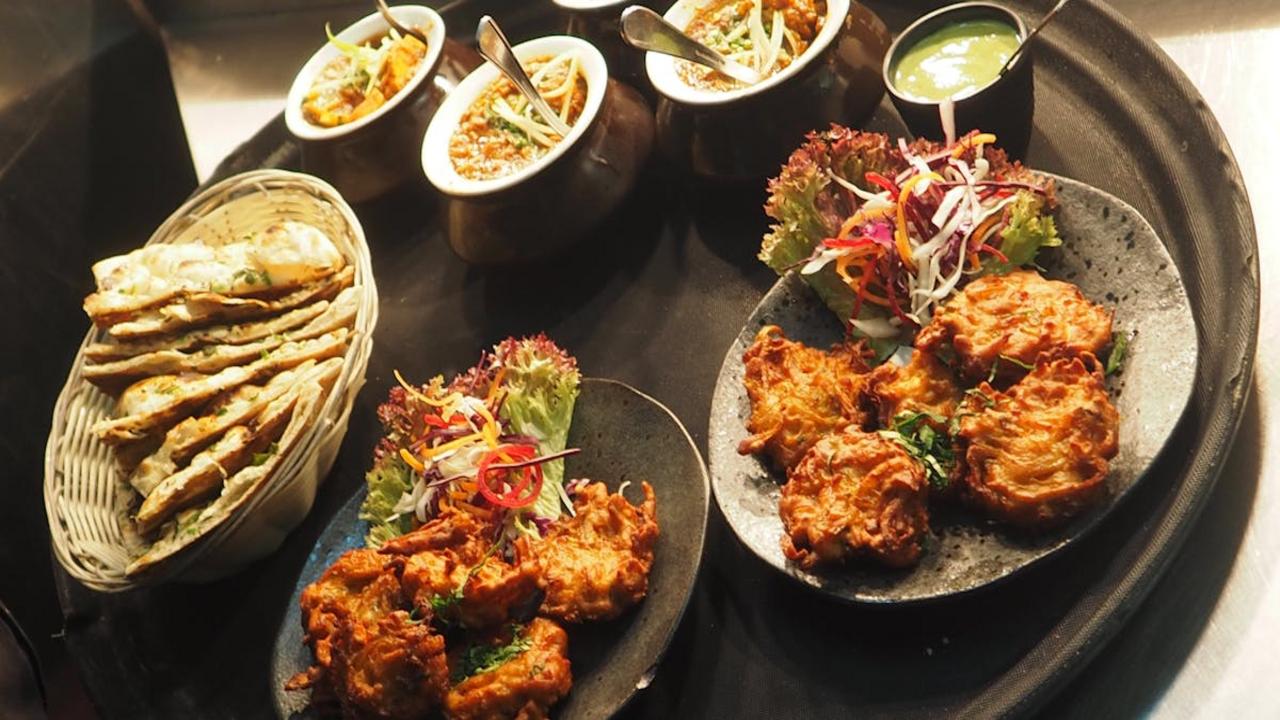
Listen, I get it – you see that sprawling buffet with fifty different dishes and your eyes light up like you’ve discovered buried treasure. But here’s the thing about those room temperature buffets that have been sitting under fluorescent lights for who-knows-how-long: they’re basically the opposite of authentic local flavor. Picture this: you’re in Thailand, and instead of hitting up that bustling street cart where the vendor is literally grilling pad thai right in front of you, you’re standing in a hotel lobby staring at lukewarm spring rolls that taste like they graduated from Bland University with a PhD in Disappointment.
The real kicker? Most locals wouldn’t touch those buffets with a ten-foot chopstick! While you’re loading up on mystery meat that’s been doing the temperature tango between warm and cold, the actual food scene is happening three blocks away where grandmothers are hand-pulling noodles and spice vendors are grinding fresh curry paste. Fun fact: food safety experts say that the “danger zone” for bacterial growth is between 40-140°F, and guess where most buffet food likes to hang out? Yep, right in that sweet spot. Skip the sad, wilted lettuce and congealed sauces – your stomach and your travel memories will thank you for seeking out the sizzling, made-to-order magic instead.
Bush Meat
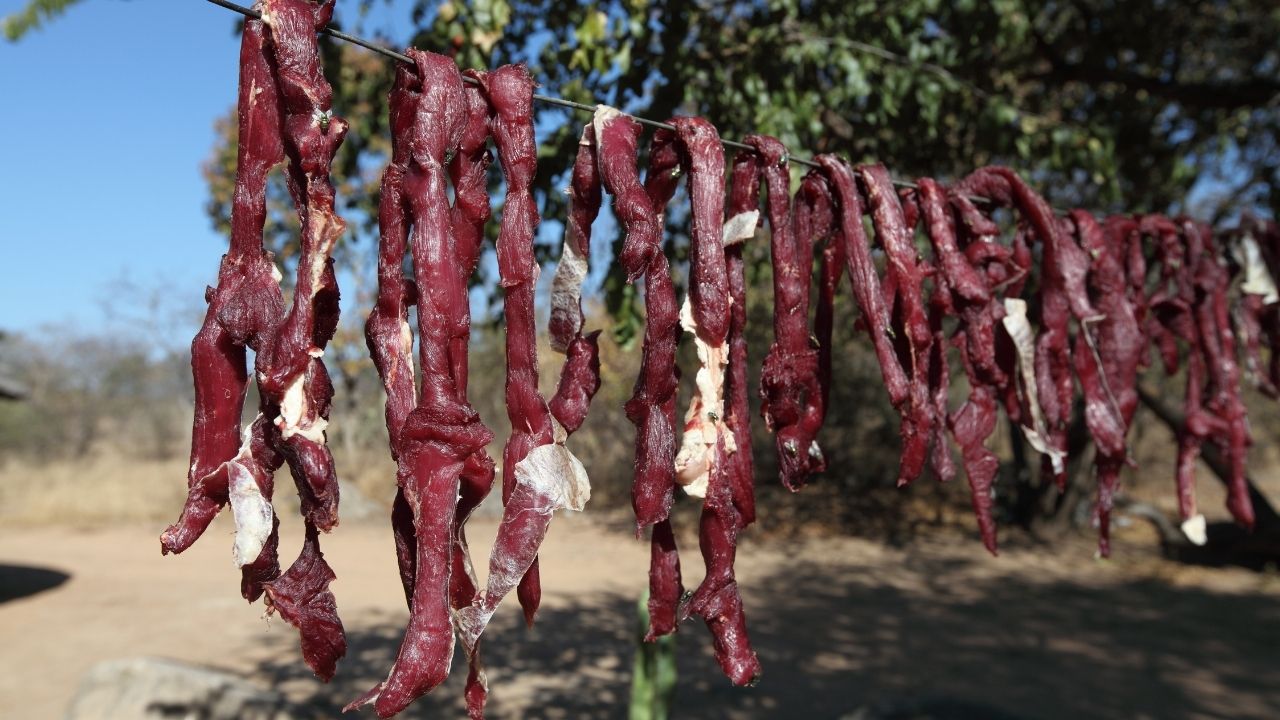
Listen, I get it – you want the full authentic experience when you travel, right down to that mysterious meat skewered over an open flame at a roadside stand. But here’s where I draw the line faster than a vegetarian at a barbecue convention: bush meat. This isn’t just about being squeamish (though I absolutely am when it comes to eating animals I’ve only seen in nature documentaries). We’re talking about wild animals hunted from forests – everything from antelope and monkeys to more exotic creatures that definitely weren’t meant for your dinner plate.
Beyond the obvious “yikes” factor of potentially munching on endangered species, bush meat carries some serious health risks that’ll make your travel insurance company weep. We’re talking about diseases that can jump from animals to humans faster than you can say “food poisoning.” Plus, the hunting and trading of bush meat often contributes to wildlife population decline, and nobody wants their vacation souvenir to be guilt about contributing to ecological problems. Stick to the local chicken, fish, or beef – trust me, there are plenty of incredible authentic dishes that won’t require a medical evacuation or a hefty dose of existential dread.
Uncooked Eggs
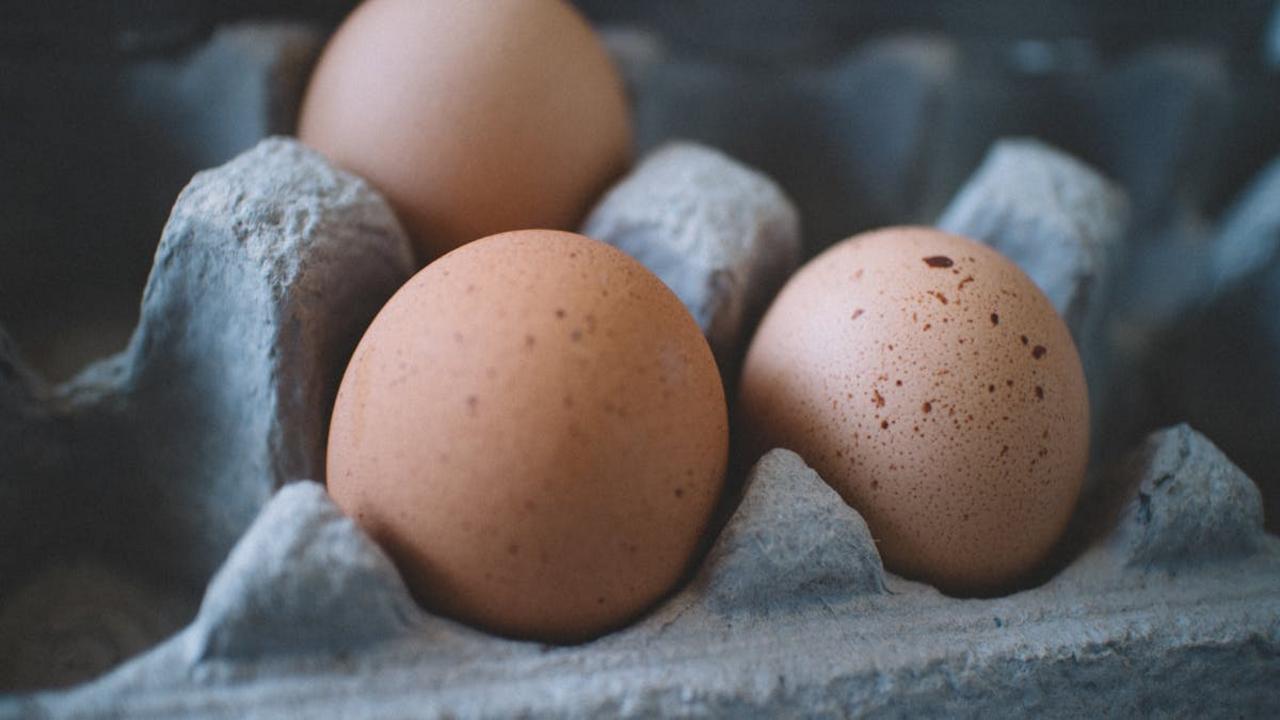
Look, I get it – you’ve seen those Instagram photos of silky carbonara or heard whispers about authentic eggnog that’ll change your life forever. But here’s the thing about raw eggs abroad: they’re basically playing Russian roulette with your vacation plans. While your grandmother’s mayonnaise recipe might work perfectly fine back home, different countries have wildly different food safety standards. Japan treats their eggs like precious gems, pasteurizing and dating them with military precision, but that roadside café in rural Thailand? Maybe not so much. You don’t want to spend three days of your precious vacation time having intimate conversations with a foreign toilet because you couldn’t resist that “authentic” tiramisu.
The bacteria situation gets even more interesting when you factor in climate and storage conditions. Salmonella absolutely loves warm, humid environments – basically half the world’s most exciting travel destinations. I once watched a friend order fresh Caesar salad in Cambodia, confident that her iron stomach could handle anything. Spoiler alert: it couldn’t. She missed two days of temple hopping because she underestimated the power of local bacteria meeting unpasteurized eggs. Save the raw egg adventures for countries with strict refrigeration chains and food safety regulations. Your future self will thank you when you’re exploring markets instead of mapping out every bathroom location in a five-mile radius.
Tap Water

Hold up there, intrepid traveler! Before you confidently stride up to that café counter in Bangkok or Delhi and ask for a tall glass of the local H2O, pump the brakes. Tap water might seem like the ultimate authentic experience – after all, what’s more local than the water flowing through the city’s pipes? But here’s the thing: your digestive system hasn’t spent decades building up immunity to the specific bacteria cocktail that locals have been sipping since childhood. While you’re dreaming of saving money and reducing plastic waste, your stomach is potentially gearing up for a rebellion that could sideline your entire vacation.
Now, I’m not trying to scare you into only drinking imported French spring water (though that would be deliciously ironic). The reality is that water treatment standards vary wildly around the globe, and what’s perfectly safe for someone who grew up there might send you running for the nearest pharmacy faster than you can say “traveler’s tummy.” Smart travelers stick to bottled water, boiled water, or water that’s been properly purified. Your adventure stories should be about discovering incredible street food and hidden gems, not about that memorable three-day stint you spent getting acquainted with your hotel bathroom. Trust me, sealed bottles are your friends – they’re the difference between Instagram-worthy food adventures and regrettable digestive disasters.
Raw Fish
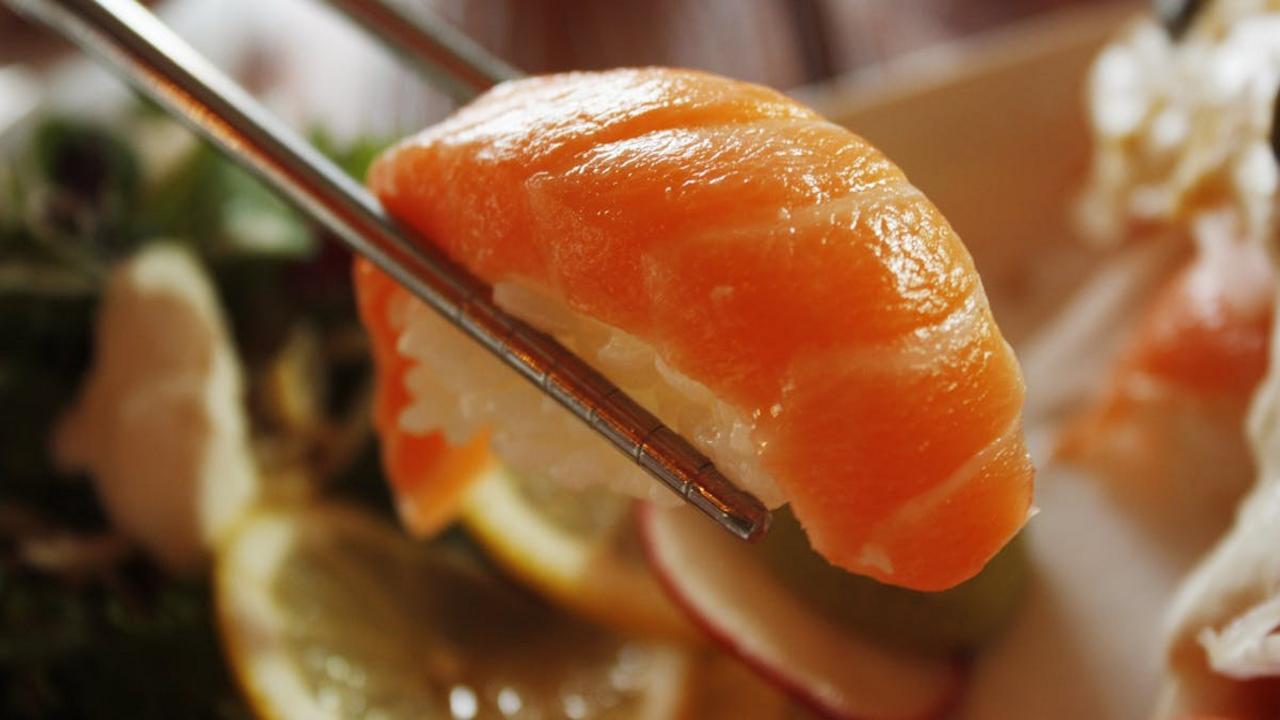
Listen, I get it – you see that gorgeous platter of ruby-red tuna or glistening salmon at a seaside restaurant in Thailand, and your Instagram finger starts twitching. But here’s the thing about raw fish abroad: unless you’re sitting in a reputable sushi joint in Tokyo or a trusted ceviche spot in Lima, you’re basically playing gastrointestinal roulette. The locals aren’t avoiding raw fish because they’re boring – they know something you don’t. Most coastal cultures have their own brilliant ways of “cooking” fish without heat (hello, citric acid in ceviche!), but that random beach shack probably isn’t following the same rigorous standards as your neighborhood omakase spot.
The real kicker? Different countries have wildly different regulations about fish handling and storage. What passes for “sushi-grade” varies dramatically from place to place, and that beautiful yellowtail might have been sitting at room temperature longer than your last Netflix binge. Instead of risking a week-long romance with your hotel bathroom, ask locals what they actually eat raw. In Peru, try proper ceviche from a busy spot (high turnover means fresh fish). In Japan, stick to places where you can see the chef’s knife skills in action. Your stomach will thank you, and you’ll discover that sometimes the most authentic experience isn’t the most obvious one.
Unwashed Fresh Fruits
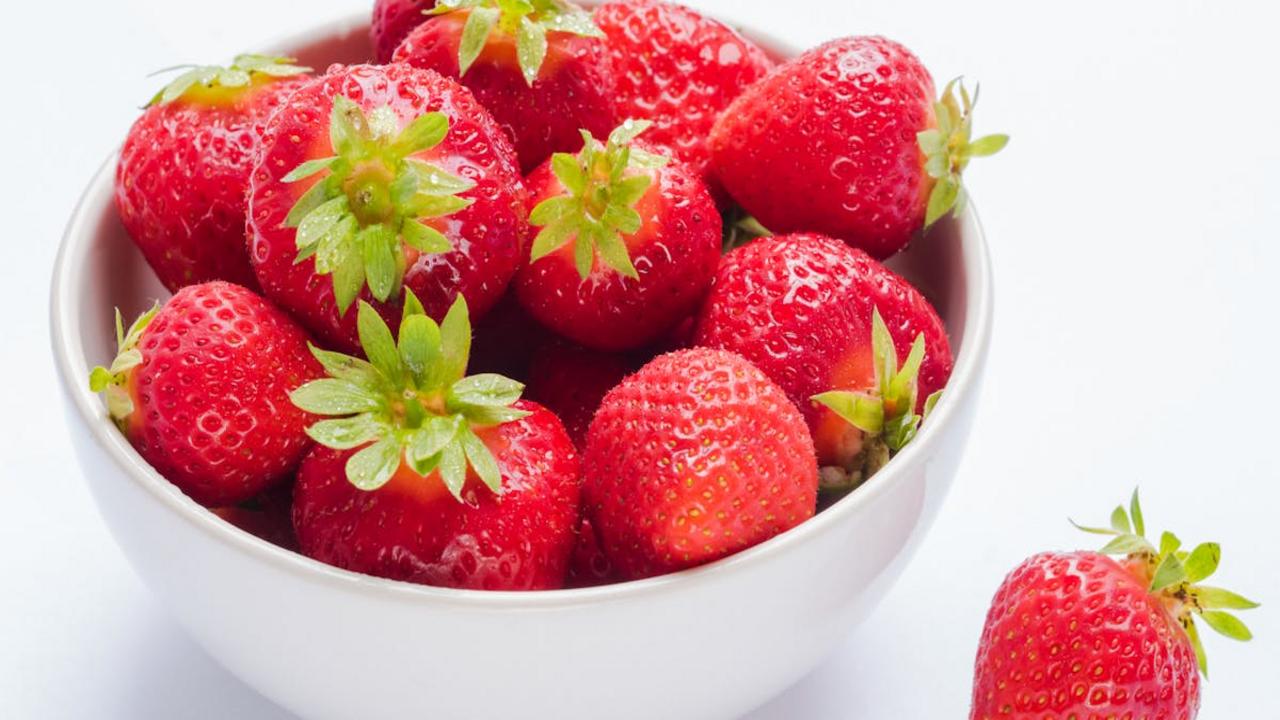
Picture this: you’re wandering through a bustling market in Bangkok, and those gorgeous mangoes are practically singing your name. But hold up there, fruit fanatic! Those beautiful, Instagram-worthy specimens might be harboring more than just sweet, juicy goodness. Street vendors often display their produce for hours without proper washing, and that apple you’re eyeing could be wearing a cocktail of dust, exhaust fumes, and who knows what else. I once watched a tourist bite into a perfect-looking pear in Morocco, only to spend the next three days getting intimately acquainted with their hotel bathroom. Not exactly the authentic experience they were hoping for!
The thing is, your stomach bacteria are like that friend who never left your hometown – they’re perfectly content with familiar territory but panic when introduced to foreign microorganisms. While locals have built up immunity to their regional bacteria through years of exposure, your digestive system is basically a tourist itself. Smart travelers know the golden rule: if you can’t peel it yourself, skip it. Bananas, oranges, and coconuts become your best friends abroad because nature gave them their own protective packaging. Save the adventurous fruit sampling for places where you can wash everything thoroughly, or stick to cooked fruit desserts that have been heated to bacteria-killing temperatures.
Street Vendor Ice

Look, I get it – that towering glass of fresh lime agua fresca from the corner vendor looks absolutely divine after you’ve been trudging through sweltering markets all morning. The ice cubes glisten like little diamonds of relief, promising sweet salvation from the heat. But here’s the thing about street vendor ice: it’s basically playing Russian roulette with your digestive system. That innocent-looking frozen water often comes from questionable sources, and unless you fancy spending your vacation bonding intimately with bathroom tiles, you might want to skip it. I learned this lesson the hard way in Bangkok when what I thought was premium crushed ice turned out to be my ticket to three days of regret.
The real kicker? You’re missing out on the authentic local experience by reaching for that icy shortcut. Street vendors in Thailand serve their som tam at room temperature because that’s how locals eat it – the flavors actually pop better when they’re not numbed by ice. In Mexico, genuine horchata doesn’t need ice to be refreshing; it’s naturally cool and creamy. Instead of risking your health for watered-down drinks, ask for beverages “sin hielo” (without ice) or stick to hot options like fresh tea or coffee. Your stomach will thank you, and you’ll discover that many traditional drinks were designed to be perfectly refreshing without any frozen assistance.
Unpasteurized Dairy Products
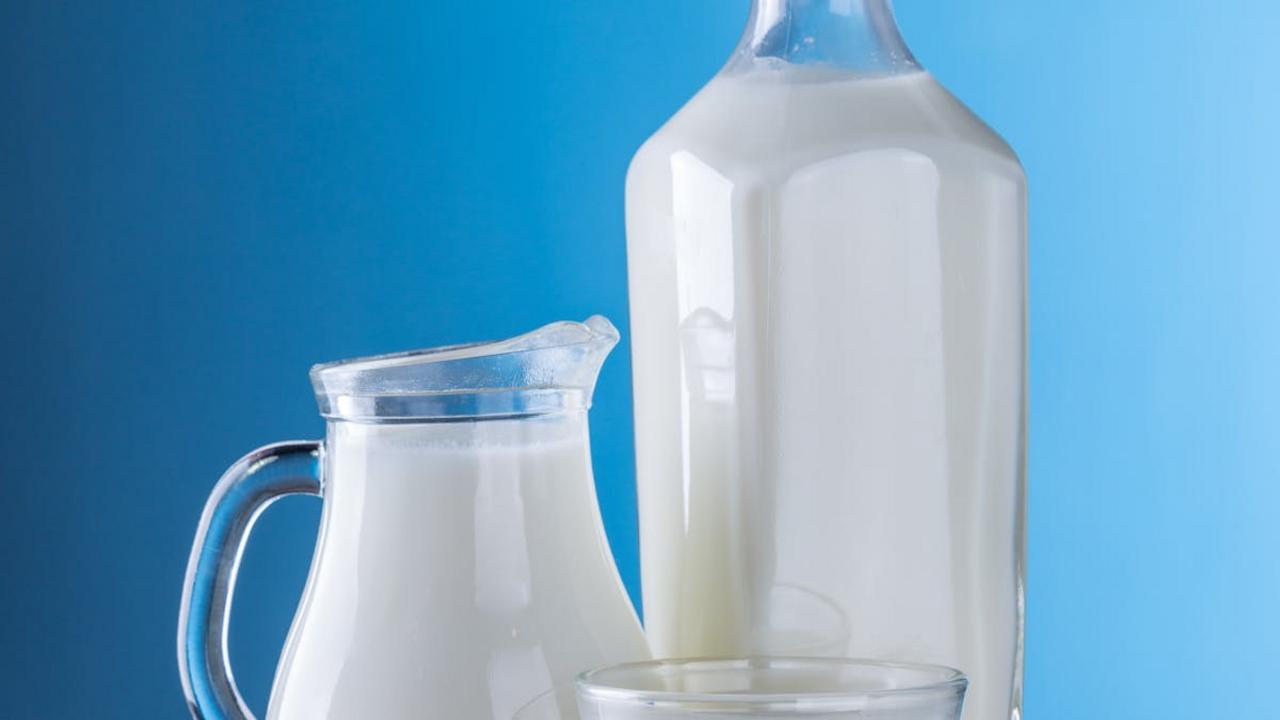
Listen, I get it – you want that authentic European cheese experience, complete with wheels of Roquefort so pungent they could wake the dead and creamy Camembert that oozes personality. But here’s the thing about unpasteurized dairy: your stomach might throw a rebellion that makes the French Revolution look like a tea party. Raw milk cheeses and fresh dairy products can harbor bacteria like Listeria, E. coli, and Salmonella – microscopic party crashers that turn your romantic getaway into a bathroom-bound nightmare. Your digestive system isn’t necessarily equipped to handle the bacterial populations that locals have been building immunity to since childhood.
Now, I’m not saying you should completely avoid that gorgeous cheese platter calling your name from the French market. Instead, stick to well-aged hard cheeses (aging kills most harmful bacteria), or ask your hotel concierge for reputable shops with high turnover. Fun fact: the longer a cheese ages, the safer it becomes – so that two-year-old Parmigiano-Reggiano is your friend, while that fresh mozzarella di bufala might be plotting against you. Save the raw milk adventure for when you’re back home and can recover in peace, surrounded by your own toilet paper and familiar pharmacies.
Raw Oysters
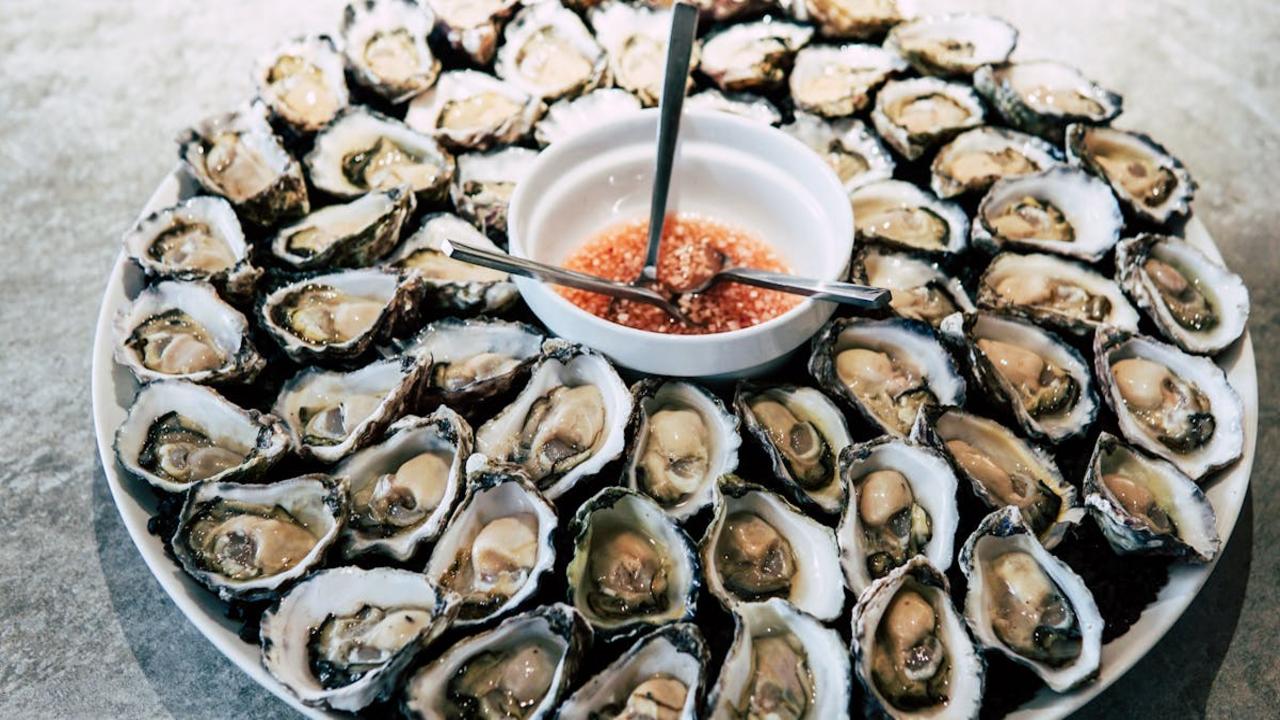
You know that moment when you’re sitting at a beachside restaurant in Thailand, and the server slides a platter of glistening raw oysters toward you? Stop right there, friend! While those briny beauties might look tempting, ordering raw oysters abroad can turn your vacation from “Instagram-worthy adventure” into “bathroom-bound nightmare” faster than you can say “food poisoning.” The thing about oysters is they’re basically oceanic vacuum cleaners, filtering gallons of water daily and concentrating whatever happens to be floating around – including bacteria that your home-country stomach has never met and definitely doesn’t want to.
Here’s the kicker: different countries have wildly different standards for water quality and shellfish handling. What passes for “fresh” in one place might make you question every life choice that led you to that moment. Instead of risking it, go for the grilled or steamed versions – you’ll still get that oceanic flavor without playing Russian roulette with your digestive system. Plus, many coastal cultures have incredible cooked oyster preparations that tourists completely miss because they’re fixated on the raw stuff. Trust me, discovering Vietnamese grilled oysters with scallions and peanuts beats spending three days hugging a hotel toilet any day of the week!