14 Buffet Dishes Even Top Chefs Refuse to Touch
I know buffets look tempting with their endless rows of food choices, but not everything on those steam tables deserves a spot on your plate. After years of cooking professionally and learning from master chefs, I’ve discovered which dishes can be risky business at buffets – both from a food safety and quality standpoint.
Temperature control makes or breaks buffet food safety. Hot foods need to stay above 140°F and cold items below 40°F to prevent bacterial growth. Many buffets struggle to maintain these temperatures consistently, especially during busy service periods. This creates perfect conditions for foodborne illness in certain dishes.
My experience has taught me to be extra cautious with seafood, dairy-based items, and foods that require precise cooking temperatures. I’ll share exactly which 14 dishes make professional chefs think twice before grabbing a plate at the buffet line. These insights will help you make smarter choices during your next buffet visit.
Ice Cream Bar
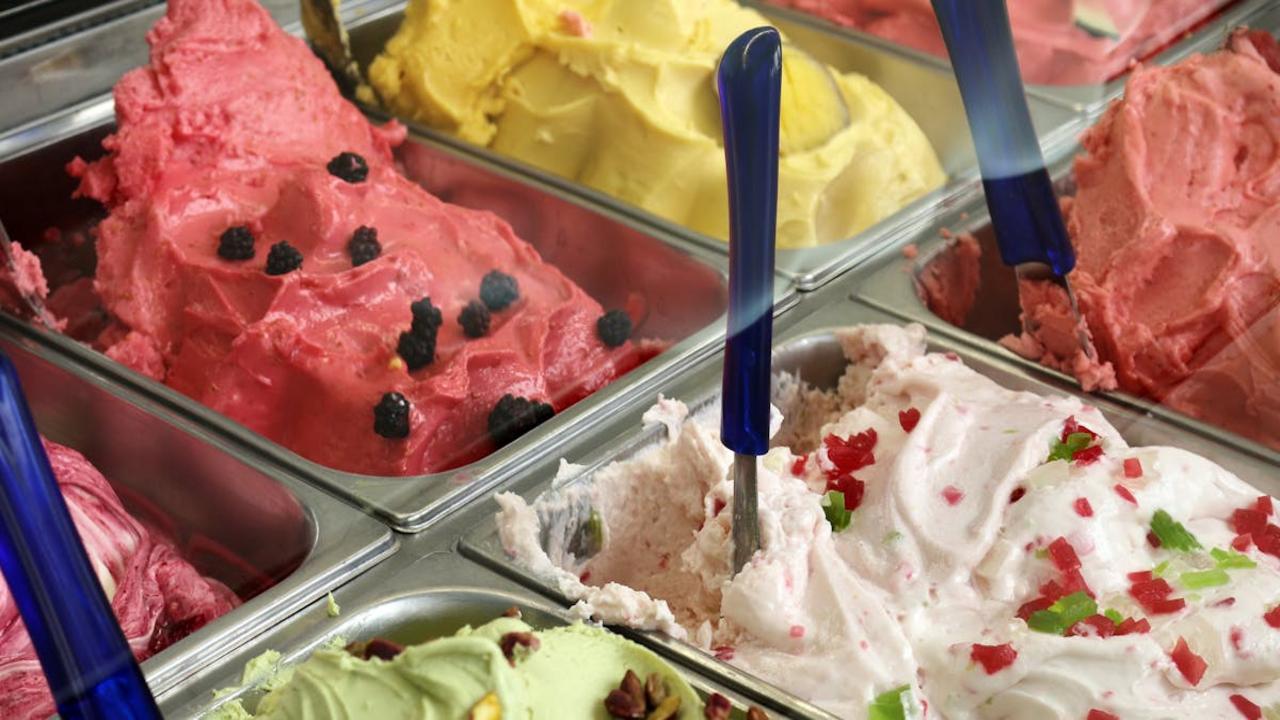
I notice many buffet-goers making a beeline for the ice cream bar, but this popular dessert station often raises red flags for professional chefs. The constant opening and closing of freezer doors, combined with extended exposure to warm air, creates a cycle of partial thawing and refreezing. This temperature fluctuation forms ice crystals throughout the ice cream, destroying its smooth, creamy texture. Plus, the ice cream often sits out for hours, increasing the risk of harmful bacteria growth.
The toppings at buffet ice cream bars bring additional concerns. Those candy pieces, sprinkles, and fruit chunks typically sit uncovered in room temperature containers all day. Many people touch the serving spoons or accidentally drop them into the toppings, spreading germs. The sauces also become crusty and develop an unpleasant film after prolonged exposure. I recommend skipping the buffet ice cream bar and treating yourself to fresh ice cream from a dedicated shop or making your own at home with quality ingredients.
Crab Legs
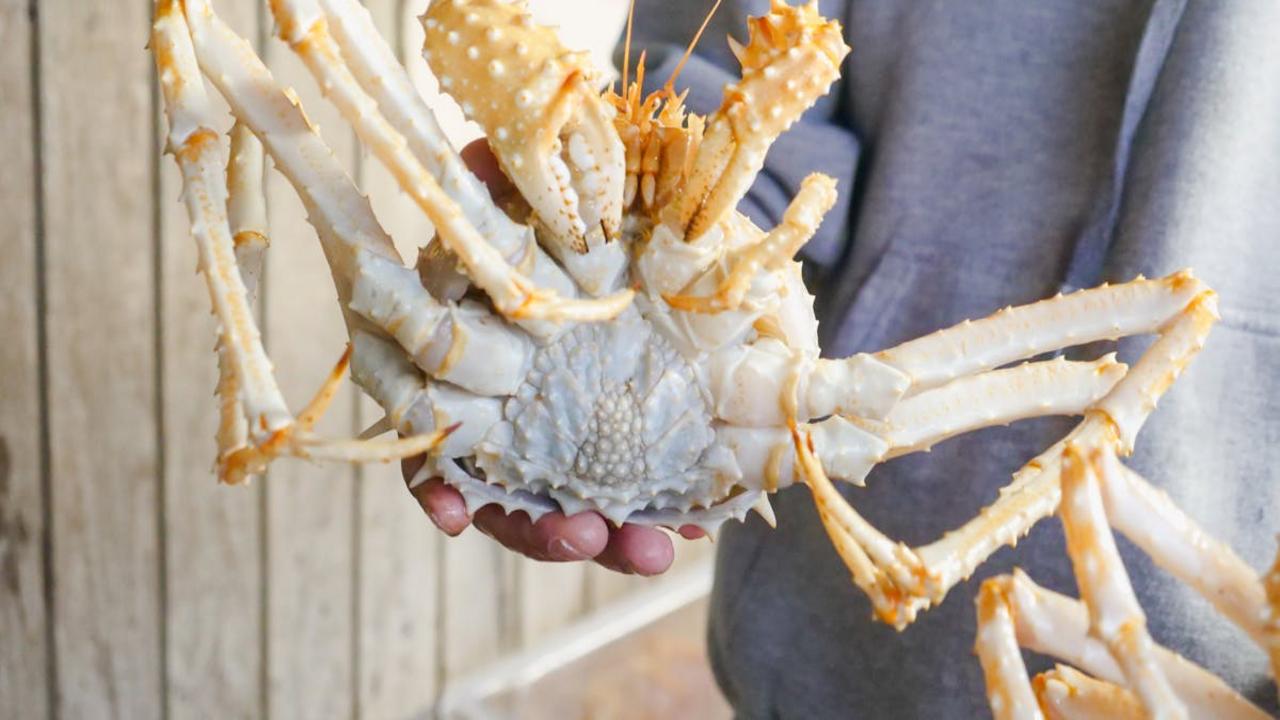
I skip crab legs at buffets because they often sit out too long in warming trays, making the meat rubbery and less sweet than freshly steamed ones. The extended heat exposure can dry out the flesh, leaving you with a disappointing experience that doesn’t match the premium price tag. Many buffets also serve frozen crab legs that haven’t been properly thawed or heated, resulting in uneven temperatures – hot on the outside but still icy in the middle.
You’ll get much better value and quality by ordering crab legs at a dedicated seafood restaurant or preparing them at home. The constant reheating at buffets also affects the natural briny flavors and delicate texture that make crab meat so special. Plus, the tools provided for cracking them are usually flimsy plastic ones that make accessing the meat frustrating. Save your crab cravings for places that specialize in fresh seafood and can prepare it properly.
Bread Pudding
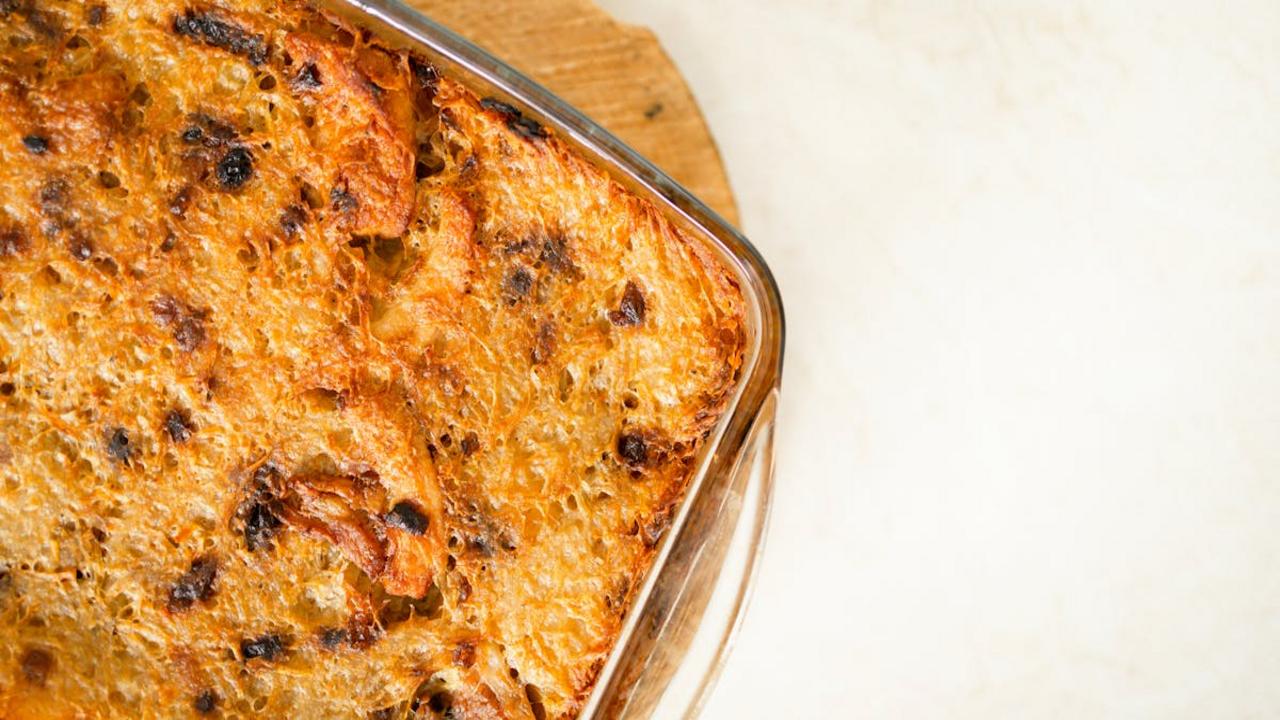
I’ll never grab bread pudding from a buffet line, no matter how tempting those cinnamon-sugar aromas might seem. The issue lies in temperature control – bread pudding needs precise warmth to maintain its custardy texture. At buffets, it often sits too long under heat lamps, turning a once-silky dessert into a dry, rubbery mess. Plus, since bread pudding contains eggs and dairy, bacteria can multiply quickly if the temperature drops below safe serving levels, making it a risky choice.
Making bread pudding at home gives you total control over quality and freshness. You can select rich brioche or challah bread, steep your custard with premium vanilla beans, and serve it immediately while the texture remains perfect. I recommend adding warm bourbon sauce or fresh berries right before serving. Skip the buffet version and save this comforting dessert for your own kitchen, where you can guarantee both safety and that heavenly bread pudding consistency we all crave.
Mac and Cheese
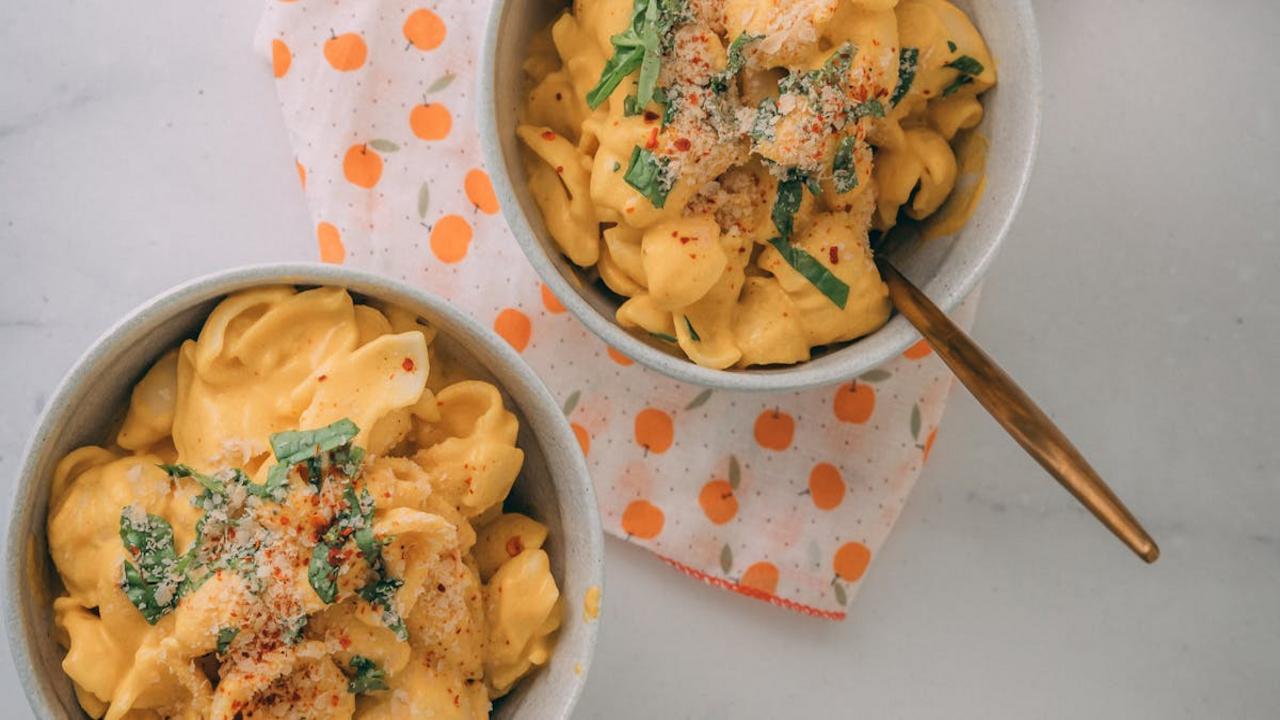
I’ve seen many mac and cheese disasters at buffets over the years, and I’ll be direct – I skip this comfort food classic every time. The problem lies in how quickly this dish deteriorates under heat lamps. The once creamy, smooth cheese sauce often separates into an oily mess, while the pasta turns mushy and clumps together. Even high-end restaurants struggle to maintain the right consistency in their buffet mac and cheese, no matter how premium their initial ingredients or preparation methods are.
You’ll notice most buffet mac and cheese develops that dreaded skin on top – a rubbery layer that forms as the cheese cools and re-heats repeatedly. The dish typically sits out for hours, becoming dry and crusty around the edges while the center remains a soupy pool. This makes portion control tricky and creates an uneven eating experience. Instead, I recommend making this beloved dish at home where you can control the temperature and timing perfectly. Your stovetop version will give you that ideal cheese pull and creamy texture that buffet versions just can’t match.
Roast Beef at Carving Station
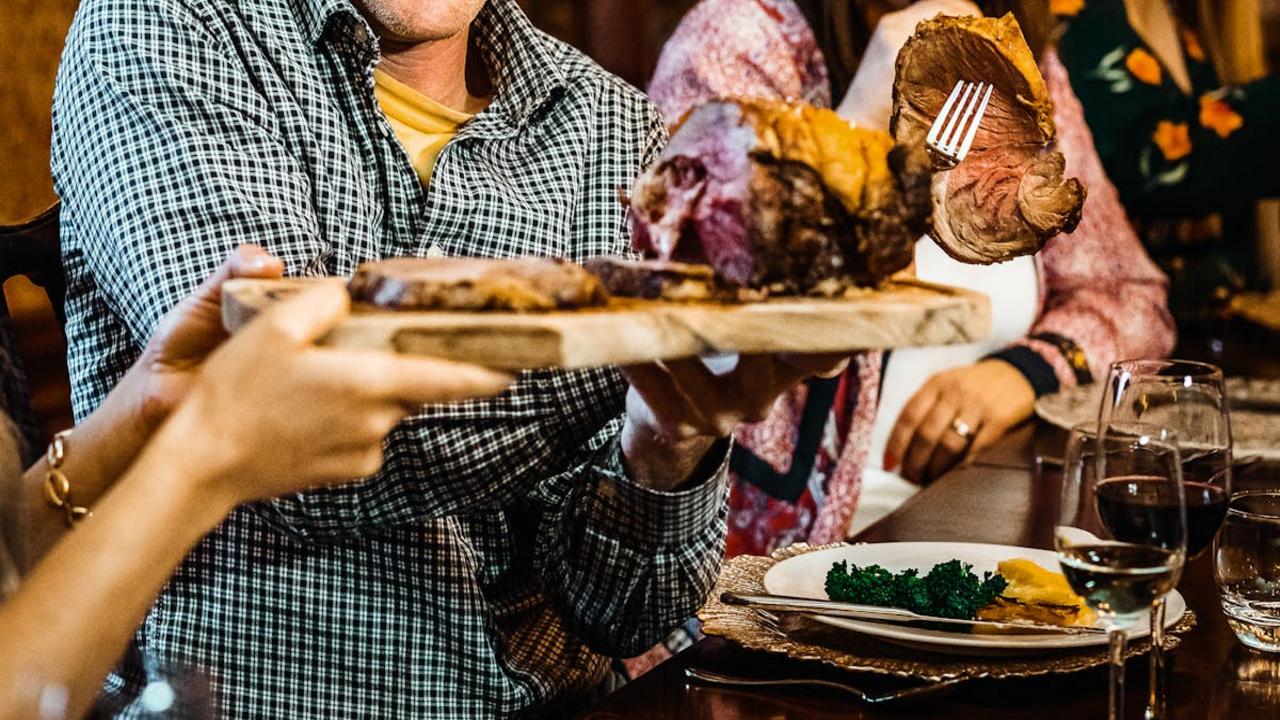
I won’t touch roast beef at buffet carving stations because of temperature control issues. The meat often sits out for extended periods under heat lamps that can dry it out or create inconsistent cooking temperatures. Most concerning is when I see the same piece of meat sitting there for hours, getting continuously reheated and potentially entering the dangerous temperature danger zone between 40-140°F where bacteria multiply rapidly. Even if the staff follows proper procedures, the quality and texture deteriorate significantly over time.
The preparation method also raises red flags for me. Many buffets use lower-quality cuts of beef and mask it with heavy seasoning or gravy. I’ve noticed the meat is frequently overcooked to ensure food safety, resulting in tough, chewy pieces that lack the tenderness and juiciness you’d expect from properly prepared roast beef. If you want quality roast beef, I recommend ordering it fresh from a restaurant’s main menu or preparing it at home where you can control the cooking process and serving temperature.
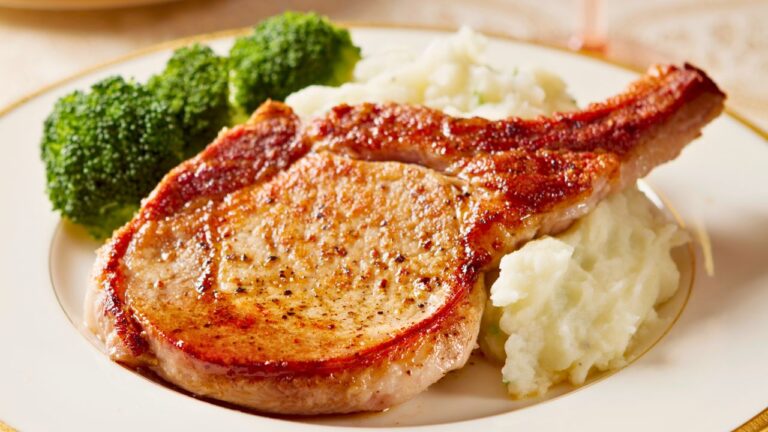
Mashed Potatoes
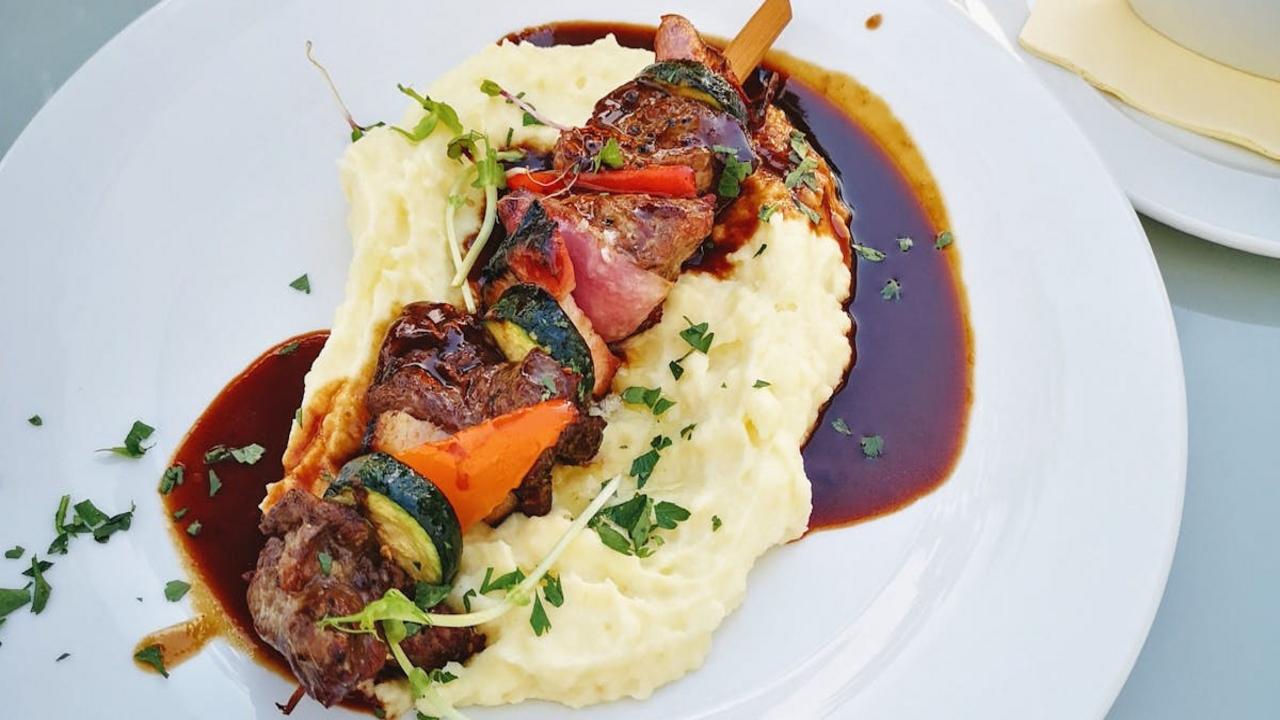
I’ll be straight with you – mashed potatoes at a buffet make me deeply skeptical. As someone who takes pride in creating velvety, cloud-like mashed potatoes from scratch, I know firsthand how quickly they can turn gluey and unappetizing when held at serving temperature for hours. The starch molecules continue breaking down, transforming what should be fluffy comfort food into a dense, paste-like consistency. Plus, many buffets use instant potato flakes or cut corners with inadequate amounts of butter and cream, resulting in a bland, artificial-tasting side dish.
My professional advice? Skip the buffet mashed potatoes and make them fresh at home instead. Start with Yukon Gold or Russet potatoes, boil them until tender, then mash while still hot with plenty of warm butter and cream. Season generously with salt and white pepper. This simple method guarantees silky, flavorful mashed potatoes that actually spark joy when you eat them. The buffet version will only leave you disappointed, wondering why you wasted precious plate space on subpar spuds.
Cream Based Soups
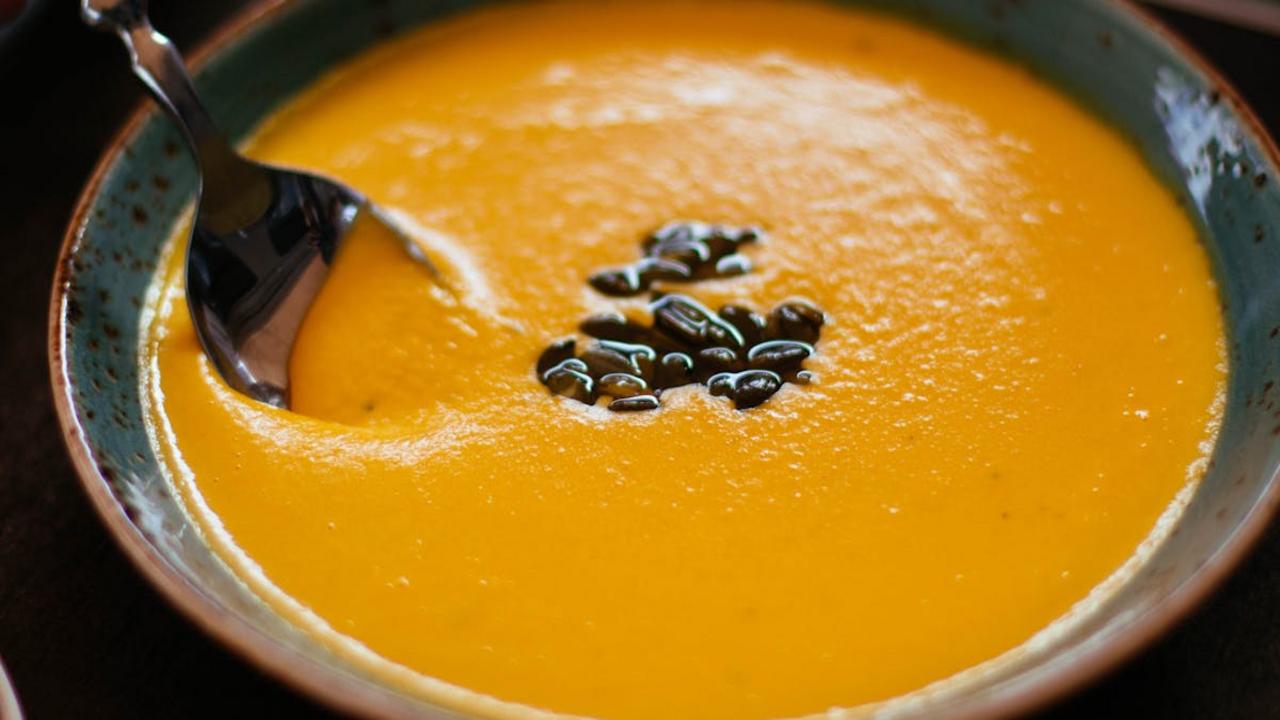
I need to warn you about cream-based soups at buffets – they can be risky business! These soups require precise temperature control to stay safe and tasty. After sitting out for hours, bacteria can multiply rapidly in the dairy base, especially if the temperature drops below 140°F. Plus, that once-smooth, velvety texture often breaks down into an unappetizing separated mess. I’ve seen far too many cream soups turn grainy and develop that dreaded skin on top during extended buffet service.
The real problem lies in how buffet operators handle these soups throughout service. Many establishments struggle to maintain consistent temperatures as they repeatedly add fresh soup to partially empty containers. This temperature fluctuation creates the perfect environment for bacterial growth. Instead of risking it with cream soups, I recommend going for broth-based options like vegetable, chicken noodle, or minestrone. These clear soups hold up much better in buffet conditions and will give you a safer, more enjoyable dining experience.
Mussels and Clams
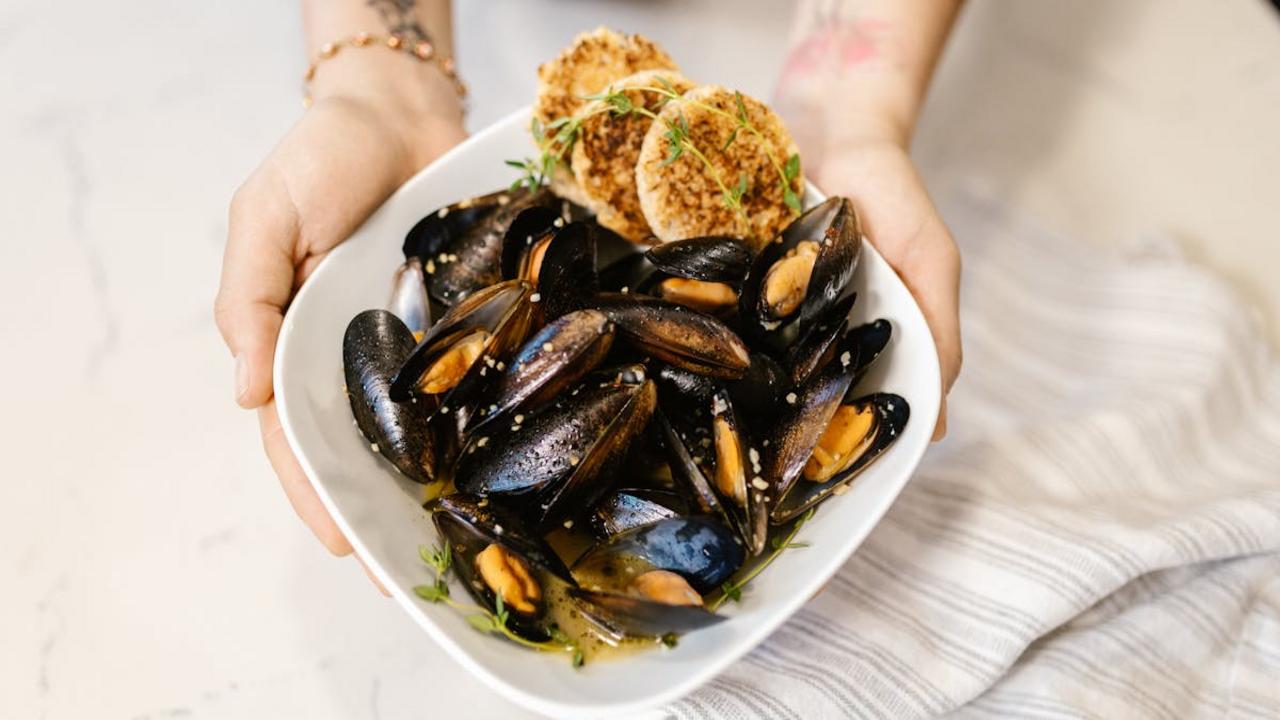
I’ll never forget watching my grandmother carefully inspect every mussel and clam at buffets before letting anyone eat them. Her years working in restaurants taught her that shellfish needs impeccable handling and proper temperature control. At buffets, these mollusks often sit out too long at questionable temperatures, creating perfect conditions for dangerous bacteria growth. Many of my chef friends outright refuse to touch buffet mussels and clams, knowing how quickly they can spoil and cause severe food poisoning.
Beyond the safety concerns, buffet shellfish rarely tastes fresh or maintains the right texture. Fresh mussels and clams should smell like the ocean and have a tender, succulent bite. But at buffets, they typically become rubbery and overcooked from extended heat exposure. The broth they sit in turns murky and loses its bright flavors. I recommend saving your shellfish cravings for restaurants where you can watch them prepare it fresh or better yet, make them at home where you control the quality and cooking process.
Fresh Fruit Display
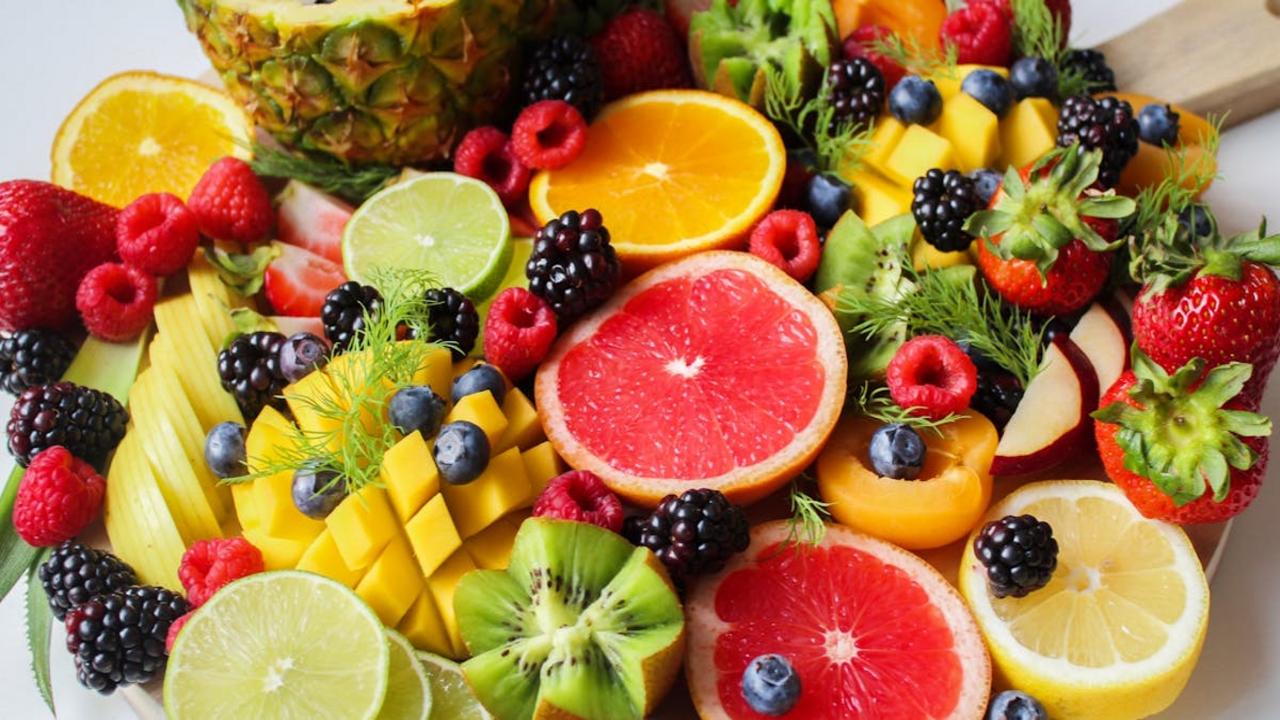
I cringe whenever I see those beautiful fruit displays at buffets, especially during hot summer days. While those colorful arrangements look stunning, the fruit sits out for hours at room temperature, becoming a magnet for bacteria and fruit flies. Plus, many buffets don’t properly wash their fruit before putting it out, and countless hands have touched those tongs and serving utensils throughout service.
Another red flag is how buffets often mix fresh-cut fruit with canned varieties to cut costs, resulting in an inconsistent texture and flavor experience. The fruit’s natural sugars start breaking down after sitting out, making pieces mushy and less appetizing. I recommend skipping the fruit display altogether and opting for whole fruits you can peel yourself, or waiting until you get home to enjoy fresh fruit from your own kitchen where you control the cleanliness and quality.
Chicken Wings
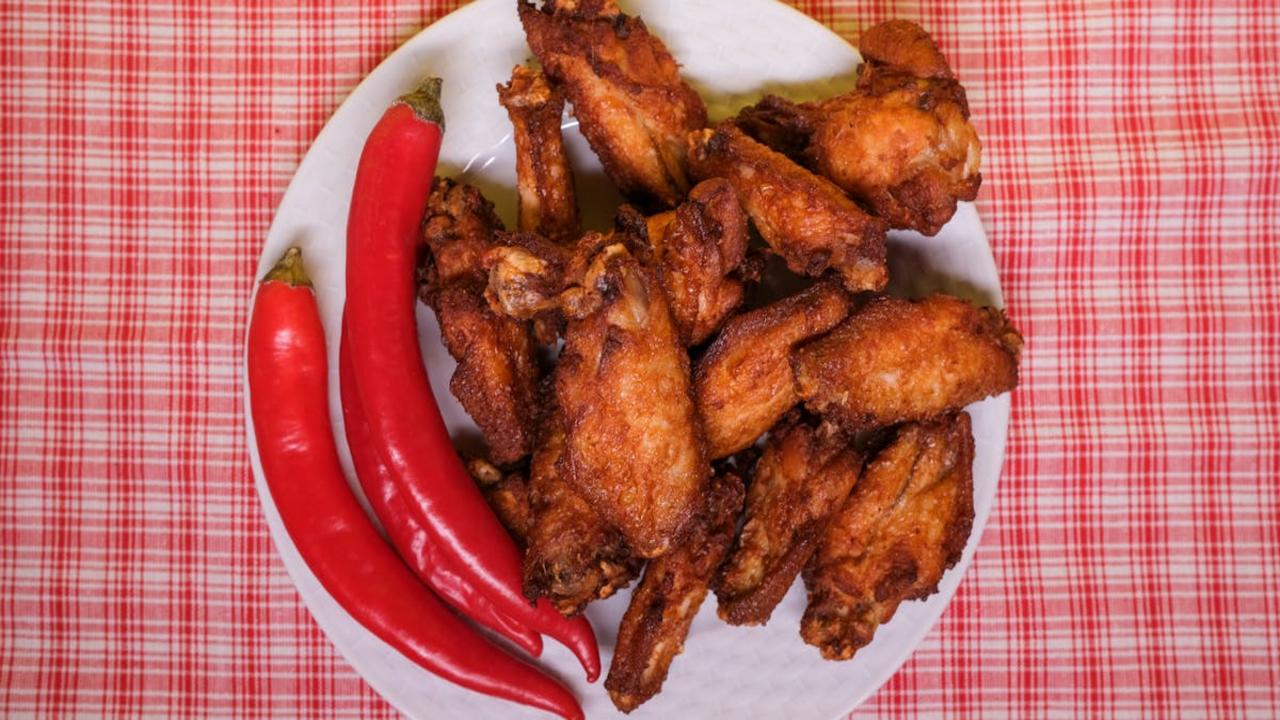
I avoid chicken wings at buffets because they often sit under heat lamps for too long, making them rubbery and dry. The texture becomes chewy and unpleasant, losing that satisfying crispy exterior we all love in properly cooked wings. Plus, most buffet wings stay lukewarm at best, which creates ideal conditions for bacterial growth. As someone who makes wings at home regularly, I know they need to go straight from the fryer or oven to your plate for the best taste and safety.
Another issue with buffet wings is the sauce situation. Those saucy wings get soggy quickly, while dry-rubbed ones form an unappetizing crust after sitting out. The sauces also tend to congeal and separate over time under the heat lamps. I recommend making wings at home where you can control the cooking process and serve them immediately. You’ll get that perfect crunch, juicy meat, and fresh sauce that makes wings such a beloved dish. Your home-cooked wings will taste better and keep you safer than taking chances at a buffet.
Mixed Green Salad
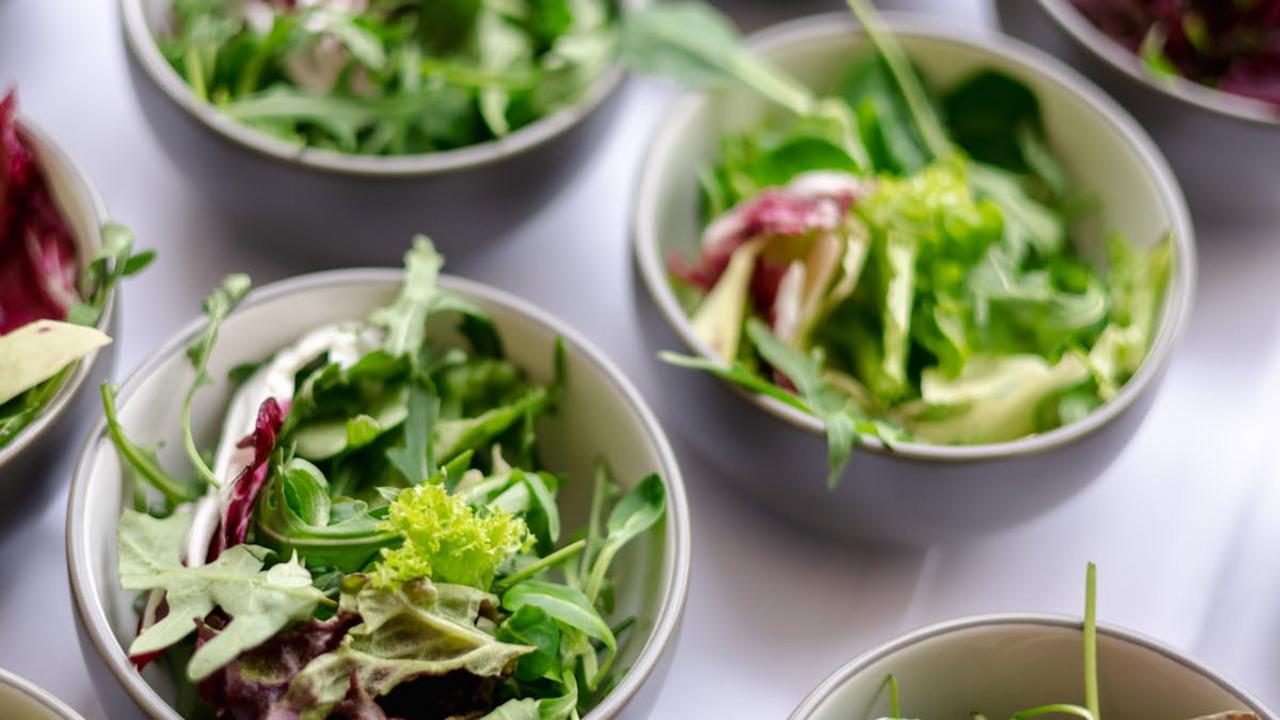
I’ve seen countless mixed green salads at buffets that make me cringe – wilted lettuce drowning in watery dressing that’s been sitting out far too long. The reality is that leafy greens start deteriorating the moment they’re dressed, and buffet salads often sit for hours under harsh lighting and fluctuating temperatures. Raw greens are particularly susceptible to bacterial growth when not properly chilled, making them a risky choice even at high-end establishments.
My professional advice? Skip the pre-dressed mixed greens and opt for heartier salad options like grain-based or roasted vegetable salads that hold up better over time. If you must have fresh greens, look for stations where they toss salads to order or keep components separate. I always tell my cooking students that a properly made salad should be dressed right before eating – never hours ahead. The difference in taste, texture and food safety is significant. Your best bet is choosing ingredients that can withstand extended buffet display times.
Shrimp Cocktail
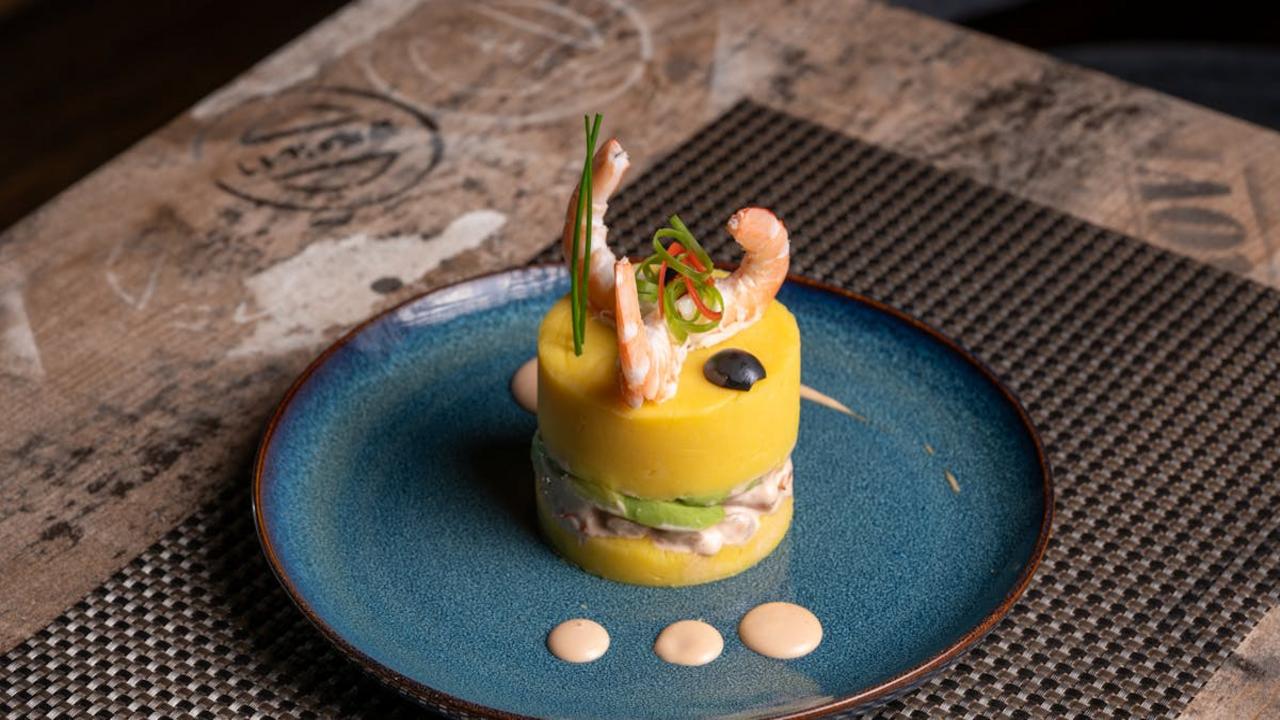
I’ll be honest with you – I keep my distance from buffet shrimp cocktails, and many chefs I know do the same. Temperature control makes or breaks seafood safety, and those cocktail platters often sit out way too long. Raw or pre-cooked shrimp need consistent refrigeration below 40°F to prevent dangerous bacteria growth. Even with ice beds underneath, the top layers of a shrimp display can warm up fast, especially when the buffet gets busy and serving spoons constantly disturb the carefully arranged pieces.
The quality of buffet shrimp also raises red flags for me. Many places use frozen, lower-grade shrimp that lack the sweet, clean flavor of fresh ones. Plus, you can’t tell how long they’ve been thawed or how many times the platter has been topped off with new shrimp mixed in with the old. I recommend enjoying shrimp cocktail at restaurants where you can order it fresh or making it at home where you control the sourcing and handling. Buy from trusted seafood vendors, cook immediately, and serve right away for the best taste and food safety.
Scrambled Eggs
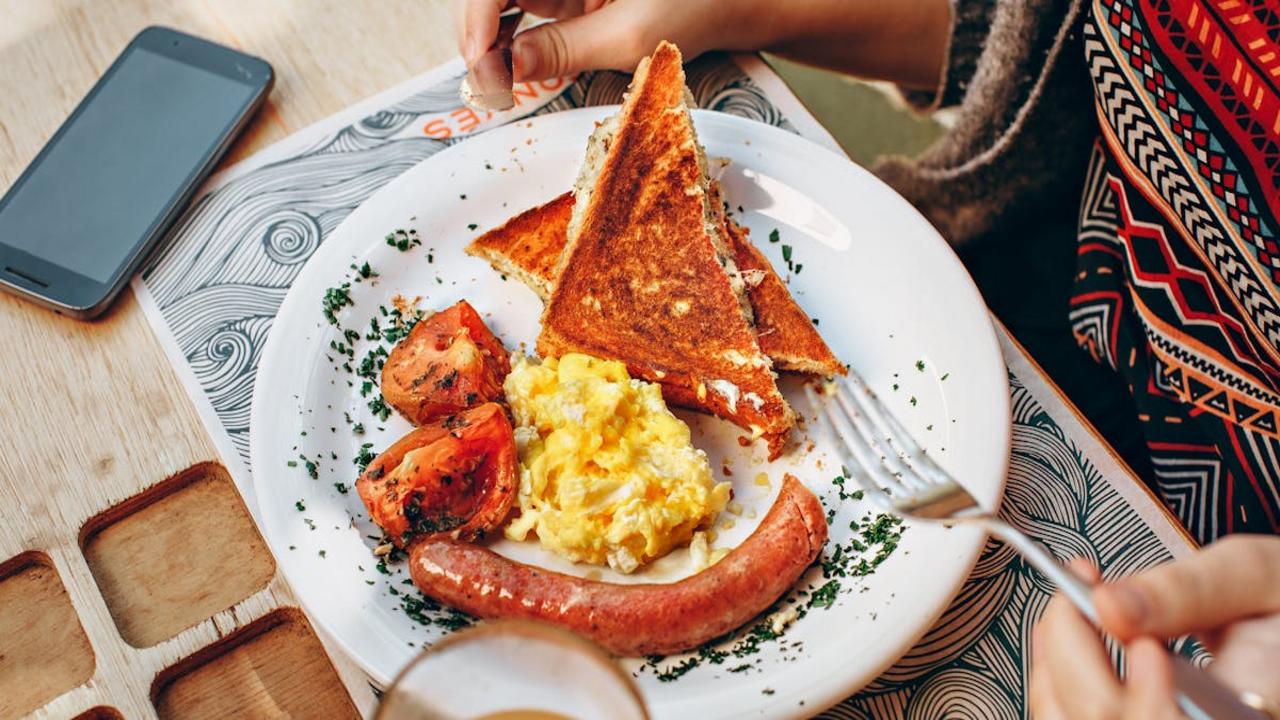
I’ve seen too many buffet scrambled eggs turn into sad, rubbery masses sitting under heat lamps for hours. The problem lies in the cooking method – large batches of eggs cooked way ahead of time simply can’t maintain their soft, creamy texture. Those buffet eggs often end up dry, overcooked, and separated, with that unappetizing greyish liquid pooling around them. Even high-end hotels struggle to keep scrambled eggs at their best when preparing them in massive quantities.
You’ll want to skip these buffet scrambled eggs and make them fresh at home instead. The key to perfect scrambled eggs is cooking them low and slow, with constant attention and gentle stirring. I recommend whisking your eggs with a splash of milk or cream, seasoning well, and cooking them in a pan over medium-low heat while continuously folding them until they’re just set but still slightly glossy. This gives you that ideal soft, pillowy texture that mass-produced buffet eggs simply can’t achieve.
Sushi Rolls
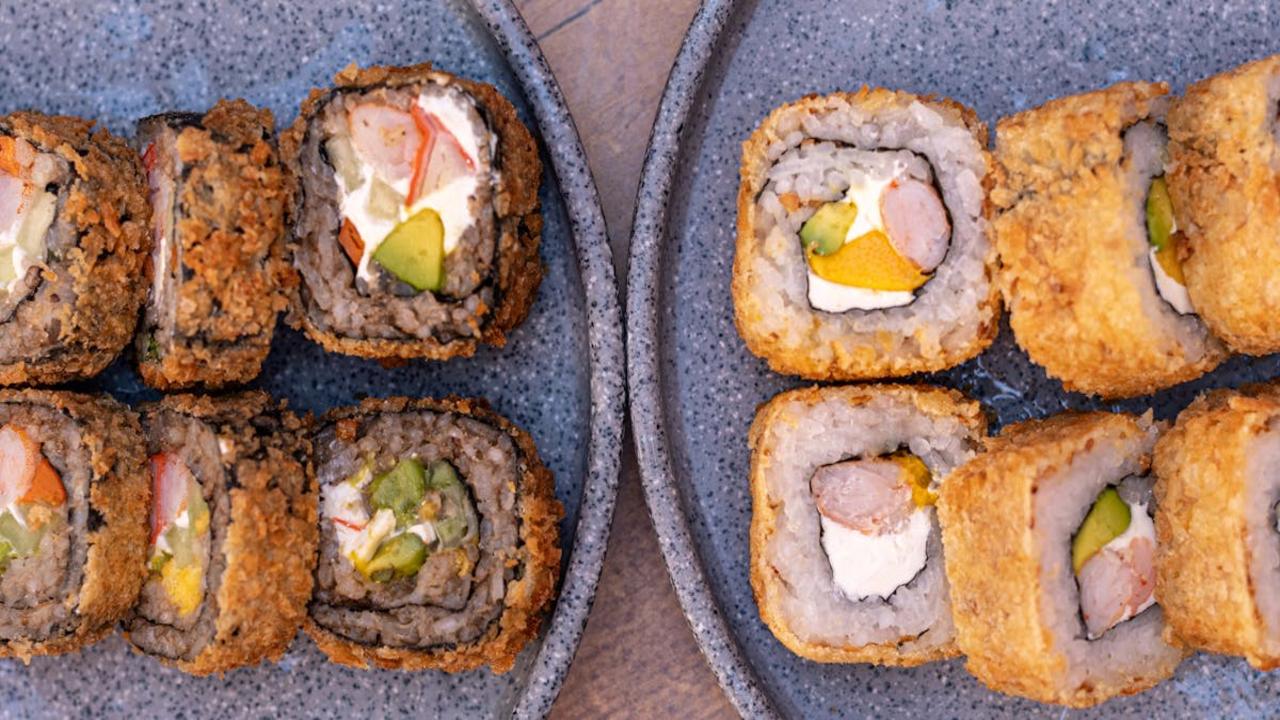
I need to be completely honest with you – sushi rolls from a buffet make me nervous, especially when they sit out for hours at room temperature. As someone who has worked closely with raw fish and seafood, I know firsthand how quickly bacteria can multiply in these conditions. The rice in buffet sushi often becomes hard and dry while the nori wrapper gets chewy and tough. Plus, many buffets use lower-quality fish that might not meet the strict standards needed for safe raw consumption.
Your best bet is to skip the buffet sushi rolls and head to a reputable sushi restaurant where chefs prepare each roll fresh to order. A skilled sushi chef maintains proper temperature control and uses high-grade fish that’s been properly stored and handled. The difference in quality, texture, and safety between fresh-made sushi and buffet versions is dramatic. If you really want sushi from a buffet, stick to fully cooked options like tempura rolls – but honestly, I’d recommend saving your sushi cravings for places that specialize in it.