14 Bucket List Street Foods to Taste Around the World
Street food connects us to the heart of every culture. Each bite tells a story of tradition, innovation, and the beautiful chaos of cooking with minimal equipment yet maximum flavor. I’ve spent years recreating these global favorites in my own kitchen, discovering how simple, fresh ingredients transform into extraordinary experiences.
What fascinates me most about street food is its honesty. No fancy plating or complicated techniques—just pure, unadulterated taste that speaks directly to your soul. These vendors master their craft through repetition, turning basic ingredients into magic that keeps locals coming back daily.
From New York’s iconic hot dogs to Singapore’s creative ice cream sandwiches, these fourteen street foods represent humanity’s shared love for accessible, delicious meals. Each dish offers a window into local ingredients, cooking methods, and the ingenuity born from feeding people quickly, affordably, and memorably.
Grilled Cheese Canada
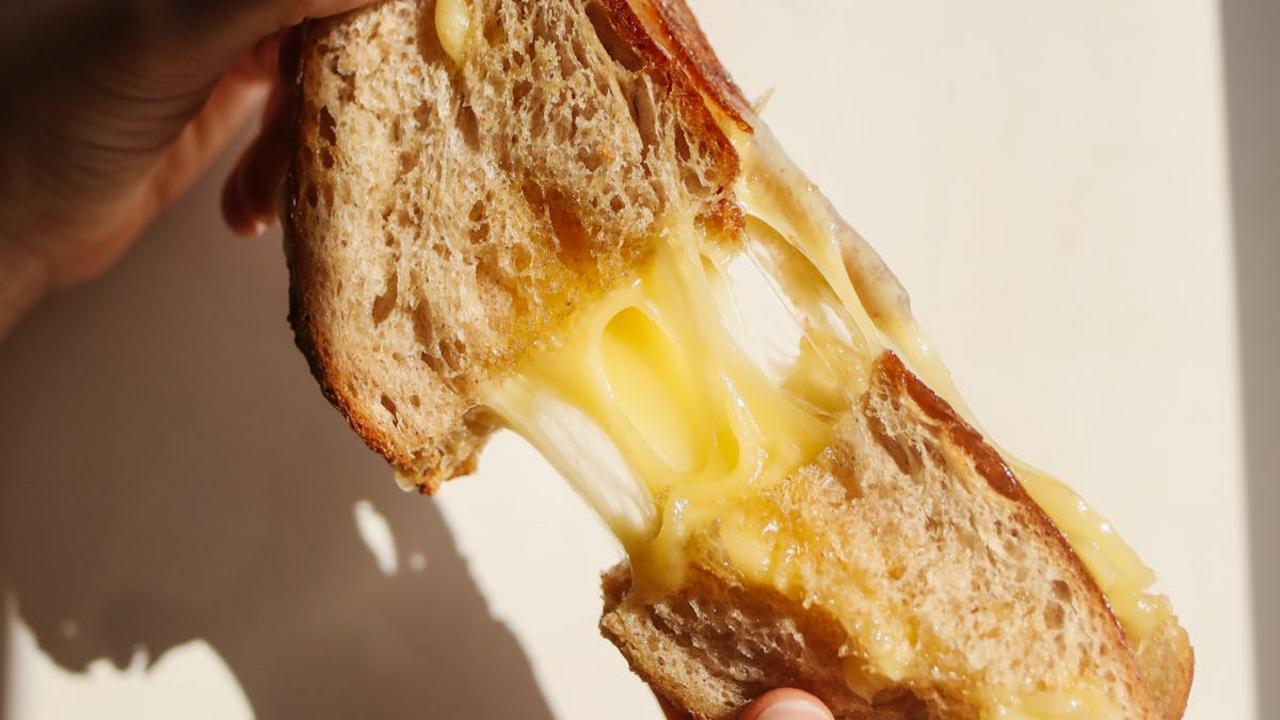
You know that feeling when comfort meets perfection? That’s exactly what happens when you bite into Canada’s take on grilled cheese. While our neighbors to the south might claim ownership, Canadians have quietly perfected this simple sandwich into something truly special. I’m talking about thick-cut sourdough bread, real butter (none of that processed stuff), and a blend of aged Canadian cheddar with creamy Havarti that melts into golden, stretchy heaven. What sets the Canadian version apart is the attention to quality ingredients—local dairies producing cheese that actually tastes like something, and bakeries that still make bread the old-fashioned way.
Making one at home transforms your kitchen into a cozy refuge. Start with day-old bread because it holds up better and creates that perfect crispy exterior. I always butter the outside generously and use a cast-iron pan over medium-low heat—patience is everything here. The magic happens slowly as the cheese melts completely while the bread turns golden brown. Pair it with a bowl of homemade tomato soup made from scratch with San Marzano tomatoes, fresh basil, and a splash of cream. This isn’t just food; it’s a warm hug that reminds you why simple, wholesome ingredients prepared with care always win over fancy processed alternatives.
Falafel Egypt
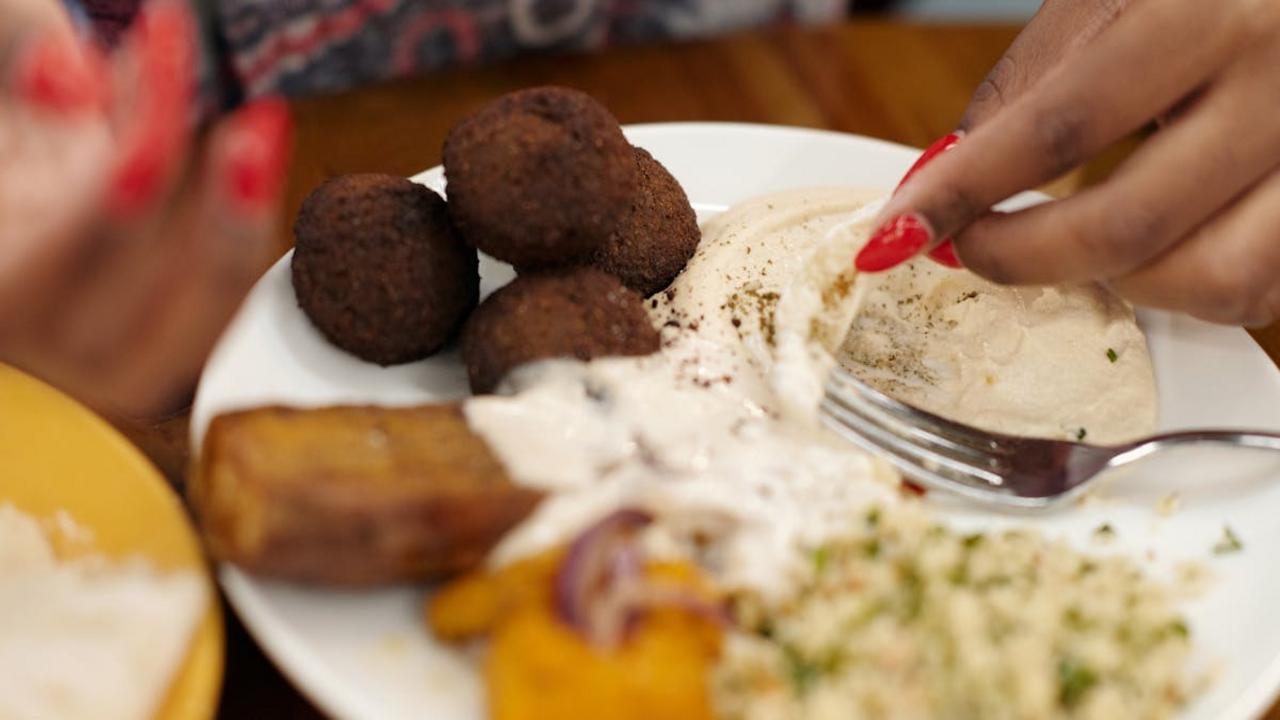
You know what gets me excited about Egyptian falafel? It’s completely different from what most people think they know about this beloved street food. While Lebanese and Middle Eastern versions use chickpeas, Egyptian ta’meya builds its magic around dried fava beans, creating these emerald-green beauties that taste absolutely incredible. I remember the first time I made authentic Egyptian falafel at home—grinding those soaked fava beans with fresh herbs, garlic, and spices until the mixture turned this gorgeous bright green color. The texture becomes so much lighter and fluffier than chickpea versions, with this incredible earthy flavor that just sings.
Street vendors across Cairo and Alexandria serve these crispy gems straight from bubbling oil, usually stuffed inside warm pita bread with tahini, pickled vegetables, and a generous sprinkle of cumin. What I love most about making falafel at home is how the process connects you to thousands of years of Egyptian cooking tradition. You soak those fava beans overnight, then grind them with parsley, cilantro, onions, and warming spices like coriander and cumin. No processed ingredients needed—just pure, wholesome foods transformed into something magical. The key is getting that oil temperature just right so they puff up golden and crispy outside while staying tender inside. Trust me, once you taste authentic Egyptian falafel, you’ll understand why this street food has captured hearts for millennia.
Ice Cream Sandwiches Singapore

Picture this: you’re walking down a bustling Singapore street when you spot an uncle with his colorful cart, slicing thick slabs of rainbow bread and filling them with scoops of creamy ice cream. This isn’t your typical ice cream sandwich – it’s Singapore’s beloved ice cream sandwich, or “ice cream bread” as locals call it. The vendor takes a hefty slice of rainbow-colored bread (think Wonder Bread’s tropical cousin) or sometimes even a crispy wafer, then loads it with generous scoops of flavors like durian, red bean, or classic vanilla. What makes this treat special isn’t just the unusual bread-ice cream combo, but how the soft, slightly sweet bread creates this perfect contrast against the cold, creamy filling.
I love how this simple street food represents Singapore’s approach to comfort food – taking familiar ingredients and creating something completely unexpected yet absolutely satisfying. The beauty lies in its simplicity: fresh ingredients, no artificial preservatives in sight, just honest flavors that work together in ways you wouldn’t initially imagine. When you bite into one, the bread softens slightly from the ice cream’s coldness, creating this amazing texture that’s both familiar and surprising. You can find these vendors throughout Singapore’s hawker centers and street corners, each uncle having his own way of assembling this frozen masterpiece. It’s proof that sometimes the most memorable dishes come from the most unassuming combinations.
Sweet Corn Brazil
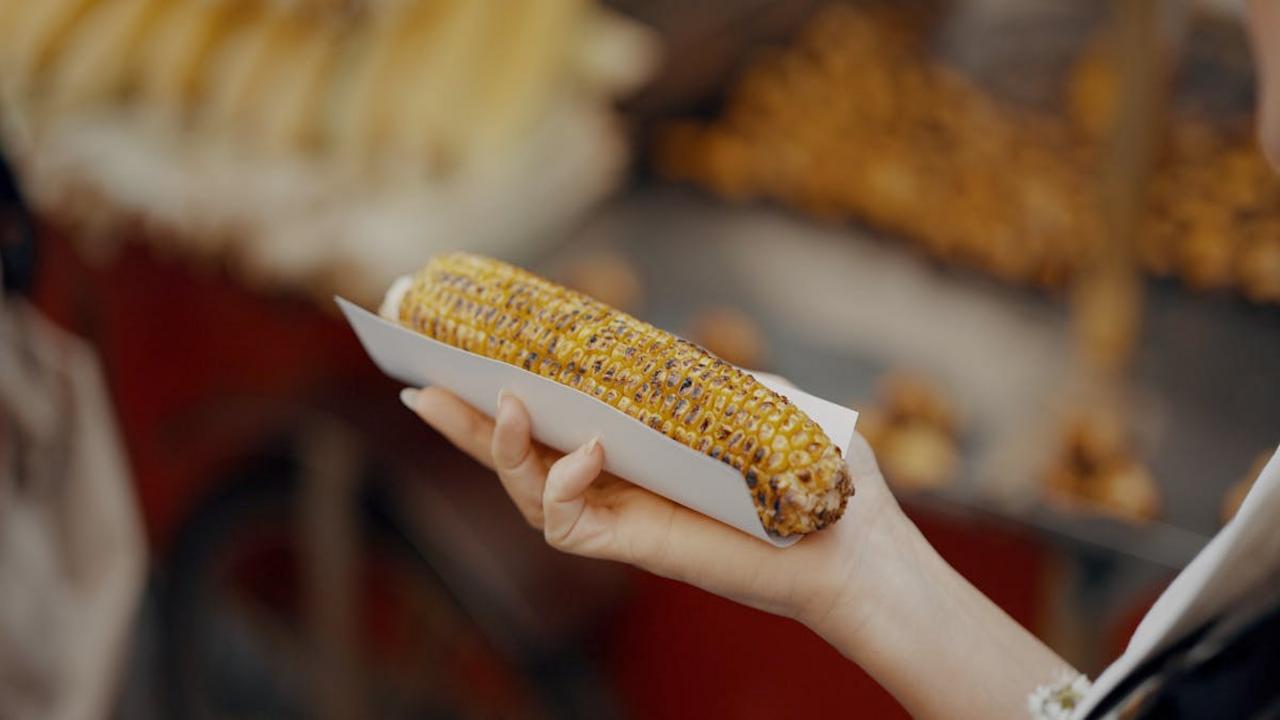
Picture me wandering through São Paulo’s bustling streets on a warm evening, drawn by the smoky aroma of charcoal grills and the cheerful calls of street vendors. That’s where I first encountered Brazil’s beloved milho assado—sweet corn grilled to perfection and slathered with rich, creamy butter that melts into every kernel. The vendors char these golden cobs over glowing coals until the kernels develop those beautiful caramelized spots, creating a natural sweetness that pairs beautifully with the salty butter they brush on top.
What captivates me most about Brazilian street corn is its pure simplicity—just corn, butter, and fire working together to create something magical. You can recreate this wholesome treat at home by grilling fresh corn cobs over medium-high heat, turning them regularly until they develop those signature char marks. Brush generously with real butter (never margarine!) and sprinkle with coarse sea salt for that authentic Brazilian touch. This clean, unprocessed approach to street food reminds me why the best recipes often require the fewest ingredients—when you start with quality corn and treat it with respect, you don’t need fancy additions to make it shine.
Dumplings China
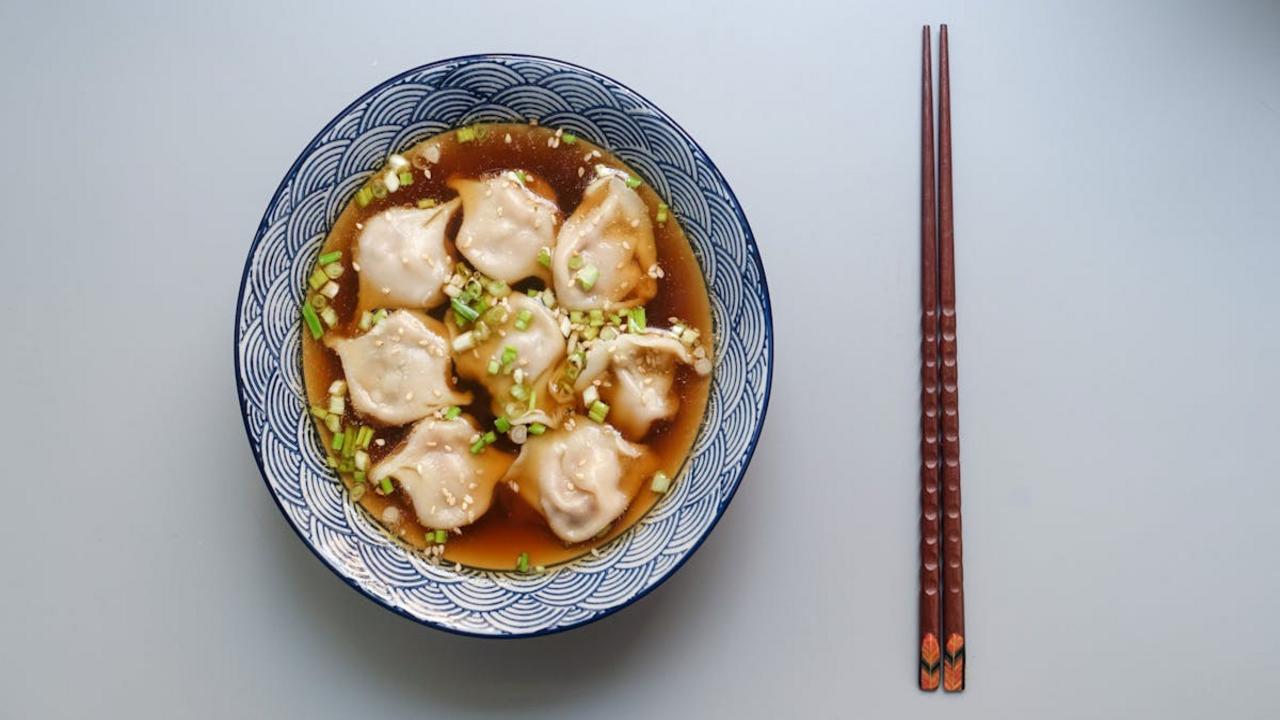
Picture me standing in a bustling Beijing hutong at dawn, steam rising from bamboo baskets as vendors prep their morning batch of xiaolongbao. These little soup dumplings taught me that the most extraordinary foods often come in the simplest packages. Chinese dumplings represent thousands of years of culinary wisdom wrapped in delicate, hand-pleated parcels. From the thin-skinned elegance of Shanghainese soup dumplings to the hearty, thick-wrapped jiaozi from northern China, each region puts its own spin on this beloved street food. I’ve learned that making dumplings at home becomes a meditative practice – rolling dough, creating filling, and folding each piece with intention.
What fascinates me most about dumplings is how they mirror my own cooking philosophy: fresh, whole ingredients transformed into something greater than their parts. The filling might be simple pork and cabbage, but add fresh ginger, scallions, and a touch of sesame oil, and magic happens. Street vendors across China serve these beauties steamed, boiled, or pan-fried, each method creating different textures and flavors. When you bite into a proper xiaolongbao, that burst of savory broth reminds you why some foods transcend mere sustenance – they connect us to place, tradition, and the pure joy of eating something made with care.
Churros Spain
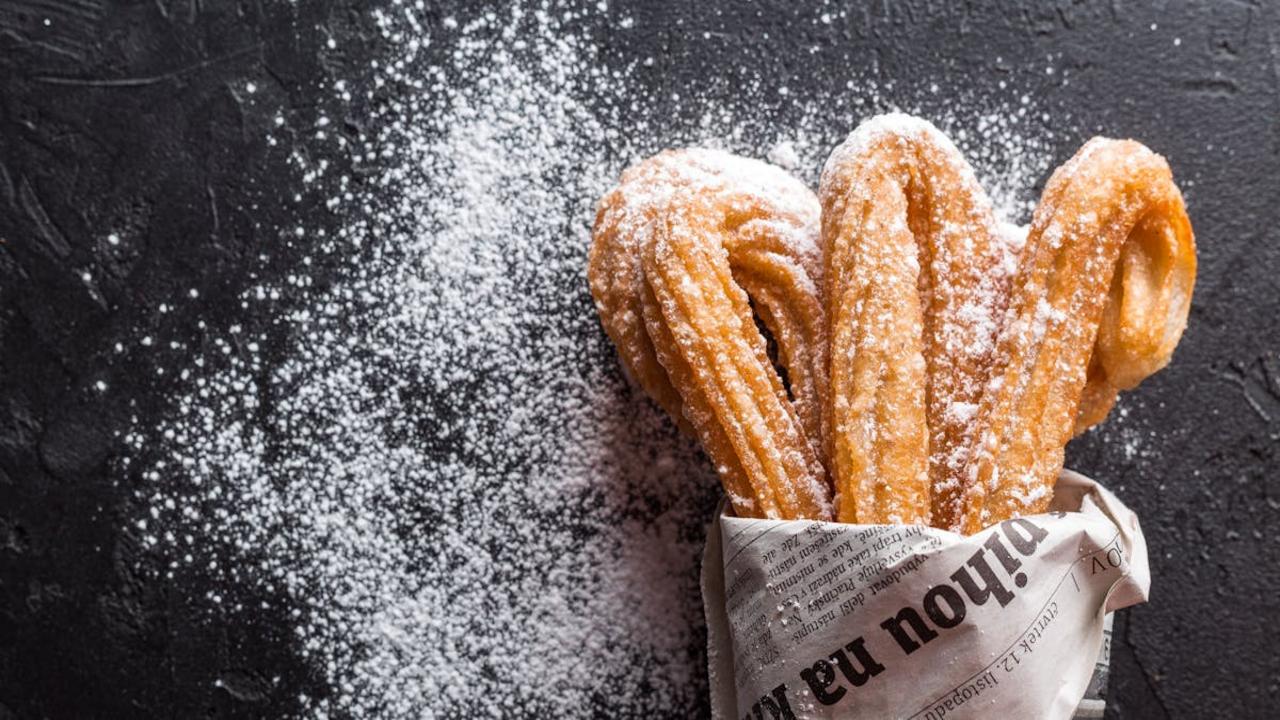
Picture this: you’re wandering through a bustling Spanish market at dawn, and that intoxicating aroma of fried dough and cinnamon hits you like a warm hug. That’s your first encounter with authentic churros, and trust me, nothing compares to experiencing them in their homeland. These golden, ridged batons of joy represent everything I love about street food – they’re simple, made from basic pantry staples, yet absolutely magical when done right. Spanish churros differ from their international cousins because they’re typically unsweetened in the dough itself, relying on that generous coating of sugar and cinnamon for sweetness.
What makes Spanish churros truly special is their dedication to freshness and simplicity. You’ll find vendors using just flour, water, salt, and sometimes a touch of olive oil – ingredients that would make any home cook’s heart sing. The magic happens in that piping hot oil and the immediate roll in coarse sugar mixed with fragrant cinnamon. I always encourage people to try making these at home because the process teaches you so much about working with simple dough and achieving that perfect crispy exterior while maintaining a tender, slightly chewy interior. Pair them with thick, rich hot chocolate for dunking, and you’ve got a breakfast that connects you directly to centuries of Spanish food culture.
Kebabs Turkey
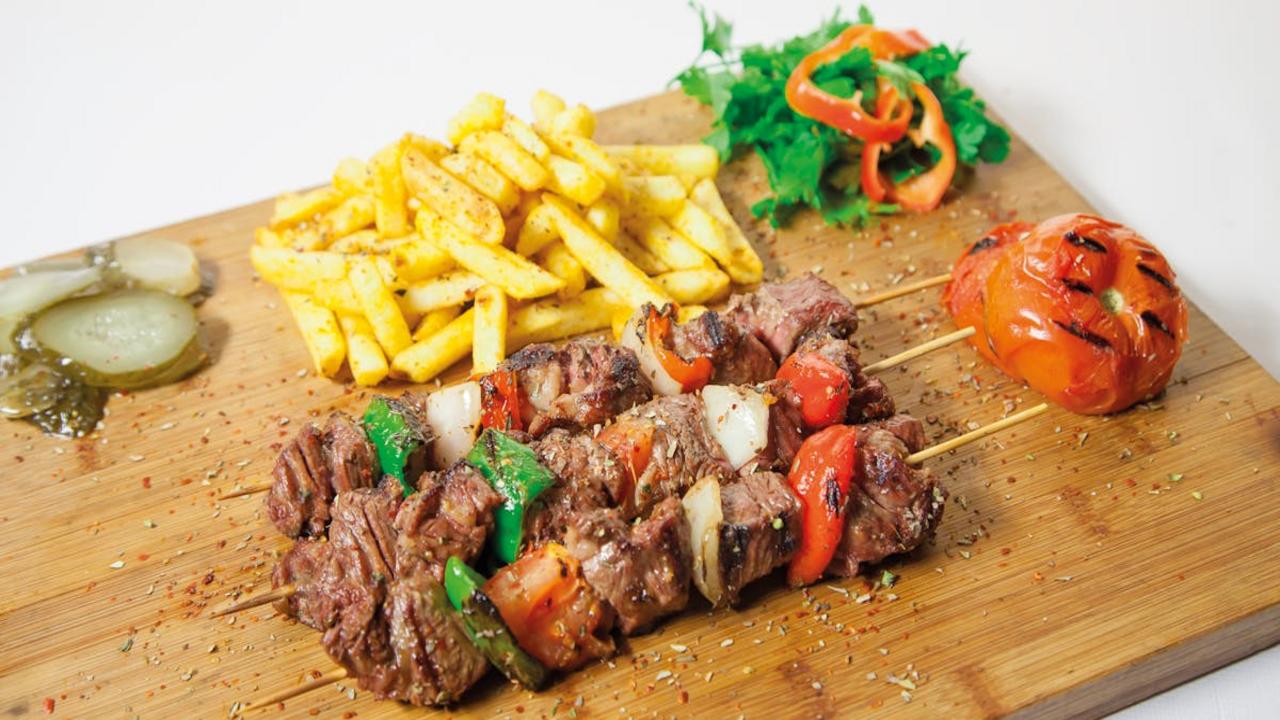
Picture yourself walking through Istanbul’s bustling streets at midnight, and you’ll understand why Turkish kebabs hold such magic. The sizzle of marinated meat hitting hot coals creates an orchestra that draws you in from blocks away. I’ve spent countless evenings recreating that perfect balance of smoky char and tender interior in my own kitchen, and what strikes me most is how Turkish cooks transform simple ingredients into something extraordinary. They marinate chunks of lamb, beef, or chicken in yogurt, olive oil, and a careful blend of spices like sumac, paprika, and cumin. This isn’t just seasoning – it’s chemistry that breaks down tough fibers while building layers of flavor.
The beauty of Turkish kebabs lies in their honest simplicity and the ritual surrounding them. You can make incredible versions at home using a grill pan or even your oven broiler. I always tell people to focus on the marinade timing – give your protein at least four hours, but overnight transforms everything. Serve them wrapped in warm flatbread with fresh herbs, sliced onions, and a dollop of garlicky yogurt sauce. The Turks know that great food brings people together, and there’s something deeply satisfying about sharing these smoky, fragrant skewers with friends. Each bite delivers that perfect contrast of crispy edges and juicy centers that makes Turkish street food legendary worldwide.
Noodles Thailand
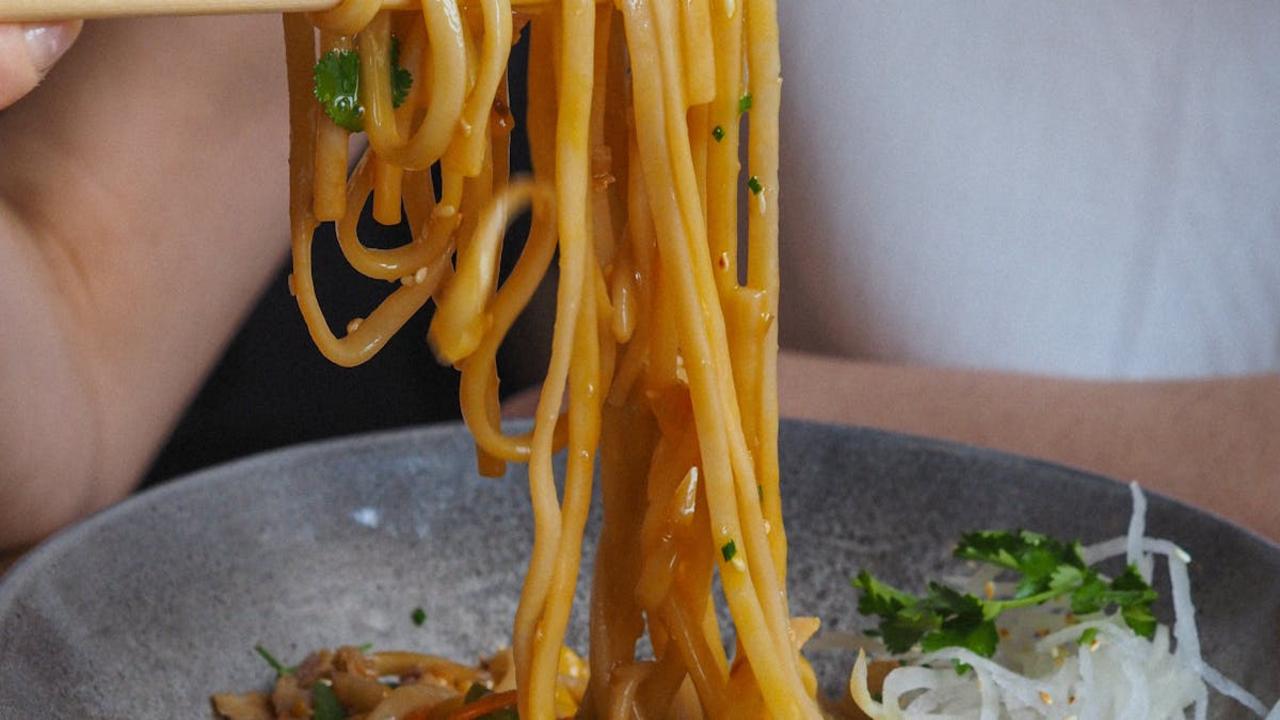
Thailand’s street-side noodle stalls offer some of the most soul-satisfying bowls you’ll ever encounter, and I promise you, once you experience authentic Thai noodles from a bustling street vendor, your relationship with noodles will never be the same. Picture this: steam rising from enormous pots, the rhythmic clang of metal spoons against woks, and vendors who’ve perfected their recipes through generations of practice. Whether it’s the tangy, fish sauce-rich broth of boat noodles or the sweet-savory dance of pad see ew with its wide rice noodles kissed by dark soy sauce, each bowl tells a story of balance that Thai cooks understand intuitively.
What I find most inspiring about Thai noodle culture is how vendors create complex flavors using fresh, whole ingredients—no shortcuts or processed seasonings needed. Watch a vendor toss thin rice noodles with fresh bean sprouts, crushed peanuts, lime juice, and palm sugar, building layers of flavor that hit every note your palate craves. The beauty lies in their approach to seasoning each bowl individually, adjusting fish sauce, chilies, and lime based on what the dish needs in that moment. You can learn so much from their intuitive cooking style—how they taste, adjust, and create harmony between salty, sweet, sour, and spicy elements until each spoonful delivers pure comfort.
Sushi Rolls Japan
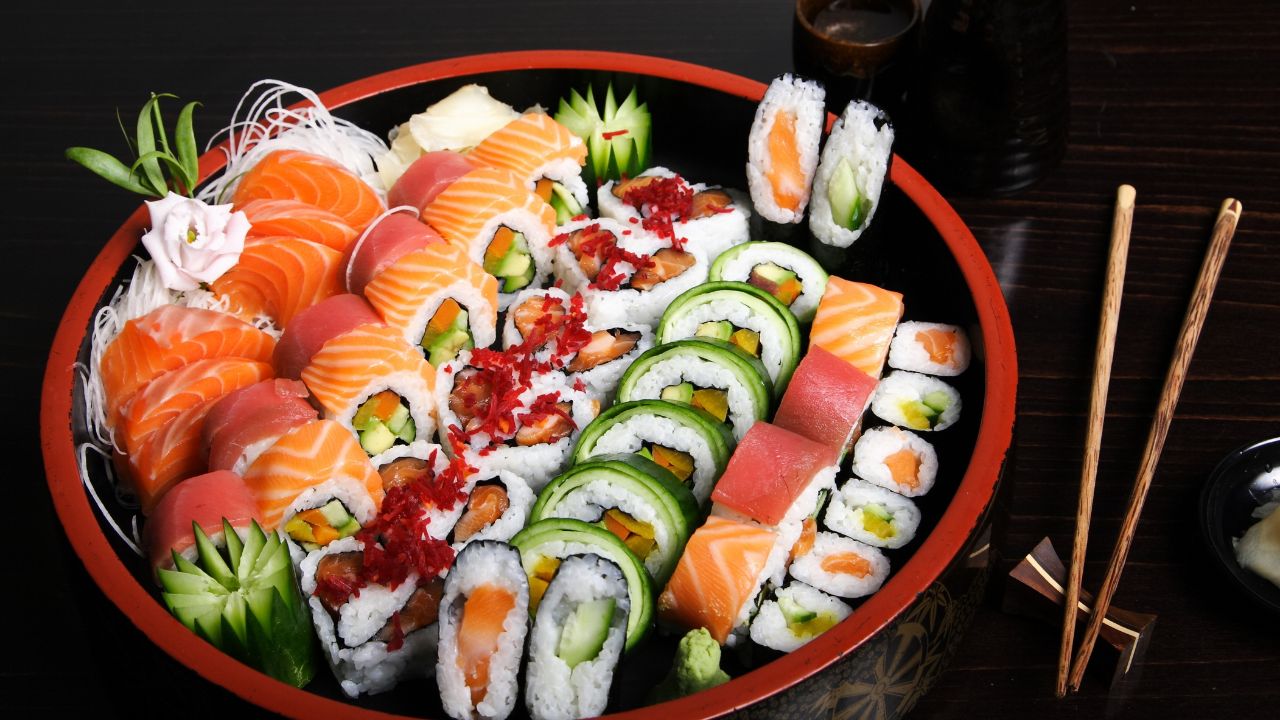
You know what gets me excited about sushi rolls? They’re like edible love letters from Japan, wrapped in perfect little parcels that tell stories of centuries-old traditions meeting modern creativity. When I first started making sushi at home, I thought I needed special equipment and years of training. Wrong! All you need is good sushi rice (properly seasoned with rice vinegar, sugar, and salt), fresh nori sheets, and whatever fillings speak to your heart. I love experimenting with unexpected combinations – maybe some roasted sweet potato with avocado, or fresh cucumber with pickled radish. The beauty lies in the balance of textures and flavors, each bite delivering something different yet harmonious.
What really draws me to sushi rolls is how they represent everything I believe about cooking from scratch. You control every ingredient, from the quality of your fish to the type of vegetables you include. No mysterious additives or processed fillers – just pure, wholesome ingredients rolled together with intention. The meditative process of spreading rice, arranging fillings, and rolling everything tight reminds me why I fell into cooking in the first place. Plus, once you master the basic technique, you can create endless variations that reflect your own flavor preferences and dietary needs. Whether you’re making traditional California rolls or inventing your own fusion creations, sushi rolls prove that the best food comes from your own hands and imagination.
Tacos Mexico
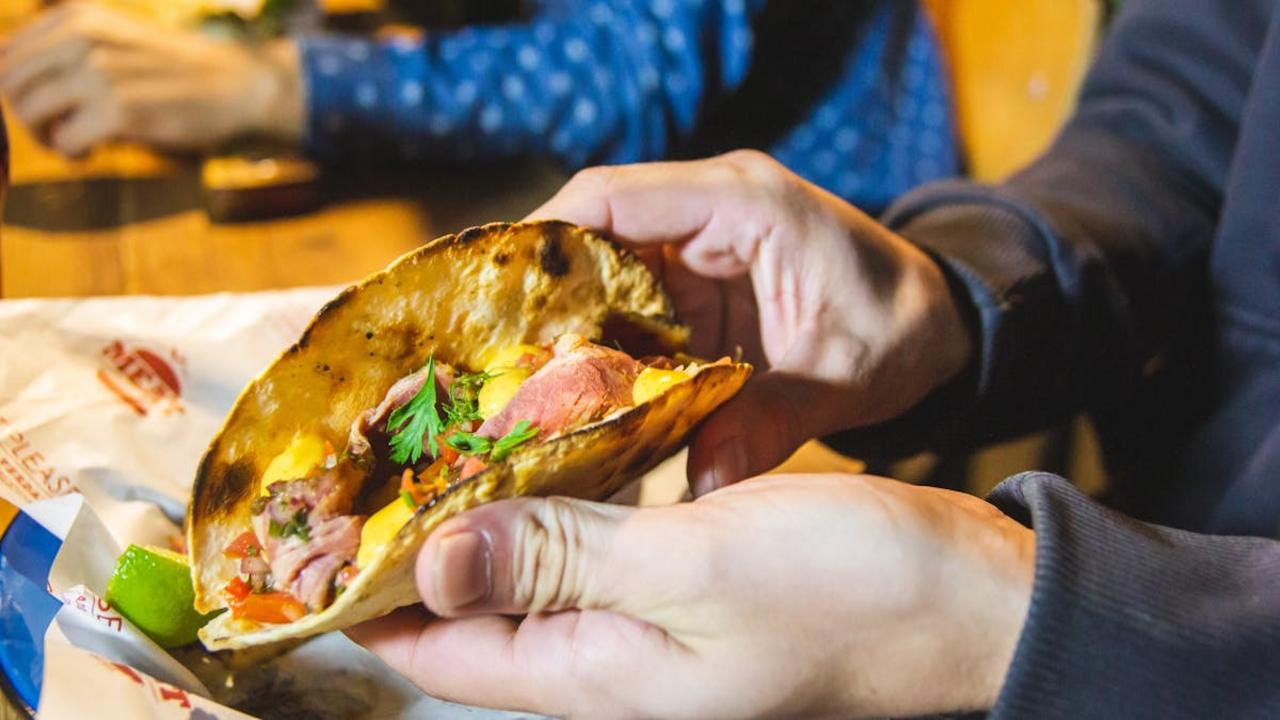
You know, there’s something magical that happens when you bite into an authentic Mexican taco – it’s like the whole country unfolds in your mouth. I’ve spent countless hours watching abuelitas work their magic at street stalls, and what strikes me most is how they transform just a few simple ingredients into something extraordinary. The corn tortillas, pressed fresh and still warm, become the canvas for whatever filling speaks to them that day. Whether it’s carnitas that’s been slow-cooking since dawn, or al pastor spinning on a vertical spit with pineapple crowning the top, each taco tells a story of tradition passed down through generations.
What I love most about making tacos at home is how they celebrate the beauty of fresh, unprocessed ingredients. You start with masa harina and water – that’s it – and suddenly you have tortillas that put any store-bought version to shame. The fillings become your playground: maybe some grilled fish with cabbage slaw and lime, or black beans with roasted vegetables and fresh cilantro. I always keep it simple with the toppings – diced onions, chopped cilantro, a squeeze of lime, and maybe some salsa verde if I’m feeling fancy. The magic happens when these humble ingredients come together, creating layers of flavor and texture that make you understand why tacos have become Mexico’s gift to the world.
Pizza Slices Italy
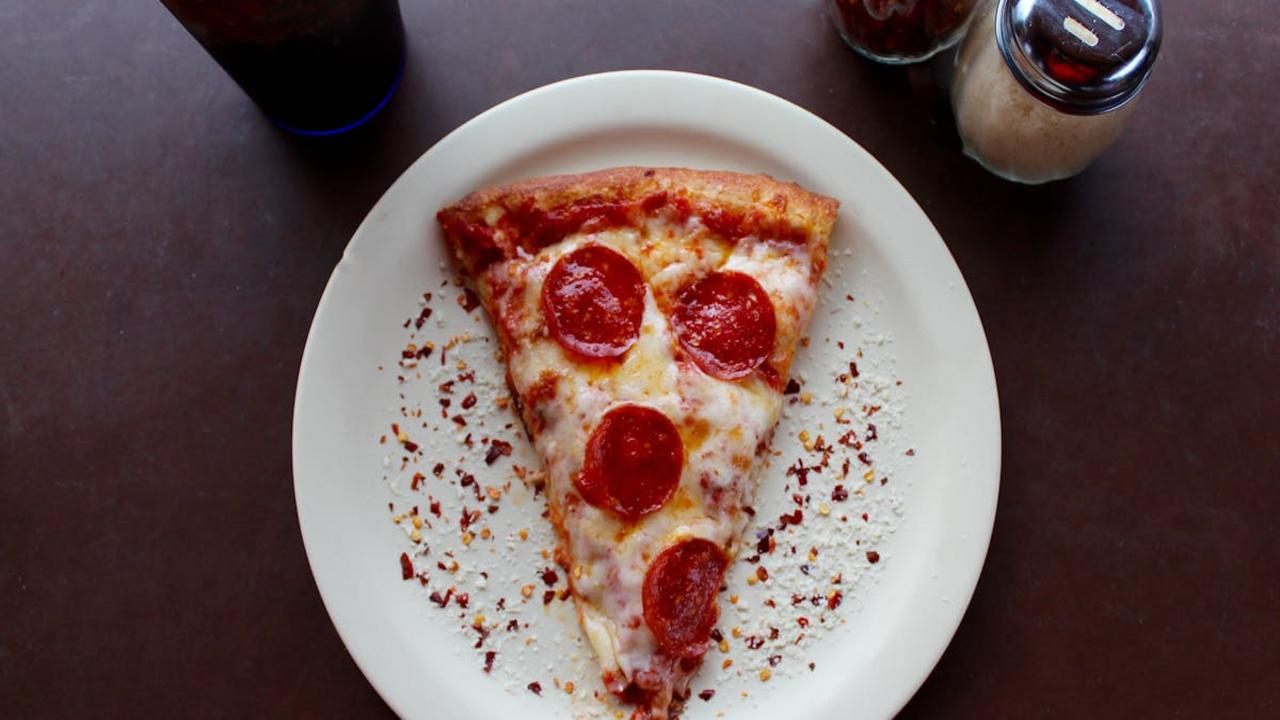
You know what gets me excited about Italian street food? It’s how a simple pizza slice can transport you straight to the cobblestone streets of Rome or Naples. When I think about authentic Italian pizza al taglio, I’m reminded that the best street food doesn’t need fancy packaging or complicated presentations. What you get is pure, honest flavor built on a foundation of quality ingredients – San Marzano tomatoes, fresh mozzarella, fragrant basil, and dough that’s been given time to develop its character. The magic happens in those wood-fired ovens where temperatures soar and create that perfect balance between a crispy bottom and a tender, airy crust.
What I love most about grabbing pizza from a Roman pizzeria is watching the pizzaiolo work their craft – stretching dough with practiced hands, spreading sauce with just the right touch, and knowing exactly when each slice reaches perfection. You pay by weight, which means you can sample different varieties without commitment, and trust me, you’ll want to try everything from classic Margherita to seasonal toppings that reflect what’s fresh at the market. The experience teaches you that great street food isn’t about speed or convenience alone – it’s about maintaining traditions that have fed communities for generations while keeping things beautifully simple and deeply satisfying.
Crepes France
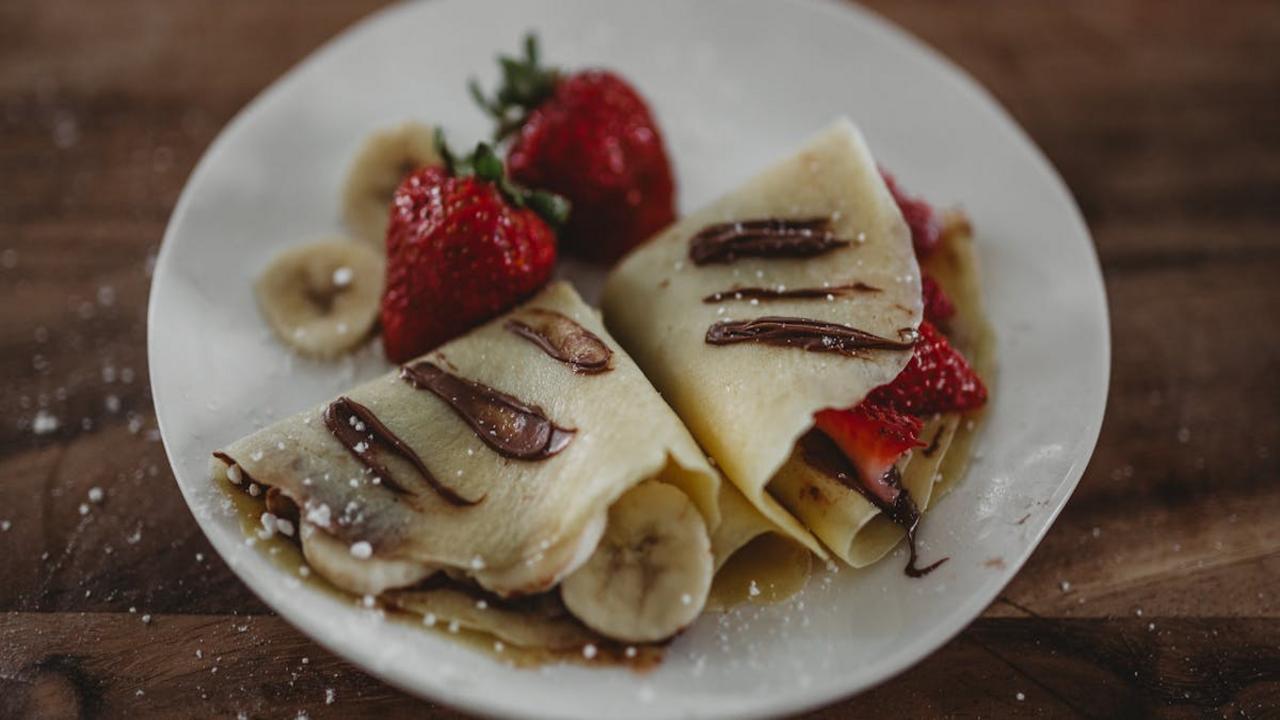
Picture this: you’re strolling down a cobblestone street in Paris, and the sweet aroma of vanilla and butter draws you to a small cart where golden crepes sizzle on a round griddle. These paper-thin pancakes represent everything I love about French street food – simplicity that transforms basic ingredients into pure magic. Made with just flour, eggs, milk, and a pinch of salt, crepes prove that you don’t need fancy equipment or exotic ingredients to create something extraordinary. I’ve been making these at home for years, and watching that batter spread across my hot pan never gets old – it’s like painting edible art right in your kitchen.
What makes crepes so special is their incredible versatility and the way they bring people together. Whether you choose the classic Nutella and banana combination from a street vendor or go savory with ham and cheese, each bite delivers comfort and joy. In my own kitchen, I love experimenting with buckwheat flour for a nuttier flavor and filling them with fresh berries and a drizzle of honey for my family. The beauty lies in their simplicity – no preservatives, no processed ingredients, just pure wholesome food that connects you to centuries of French tradition. When you make them fresh, you control every ingredient, creating something far more nourishing than any store-bought alternative.
Fish and Chips UK
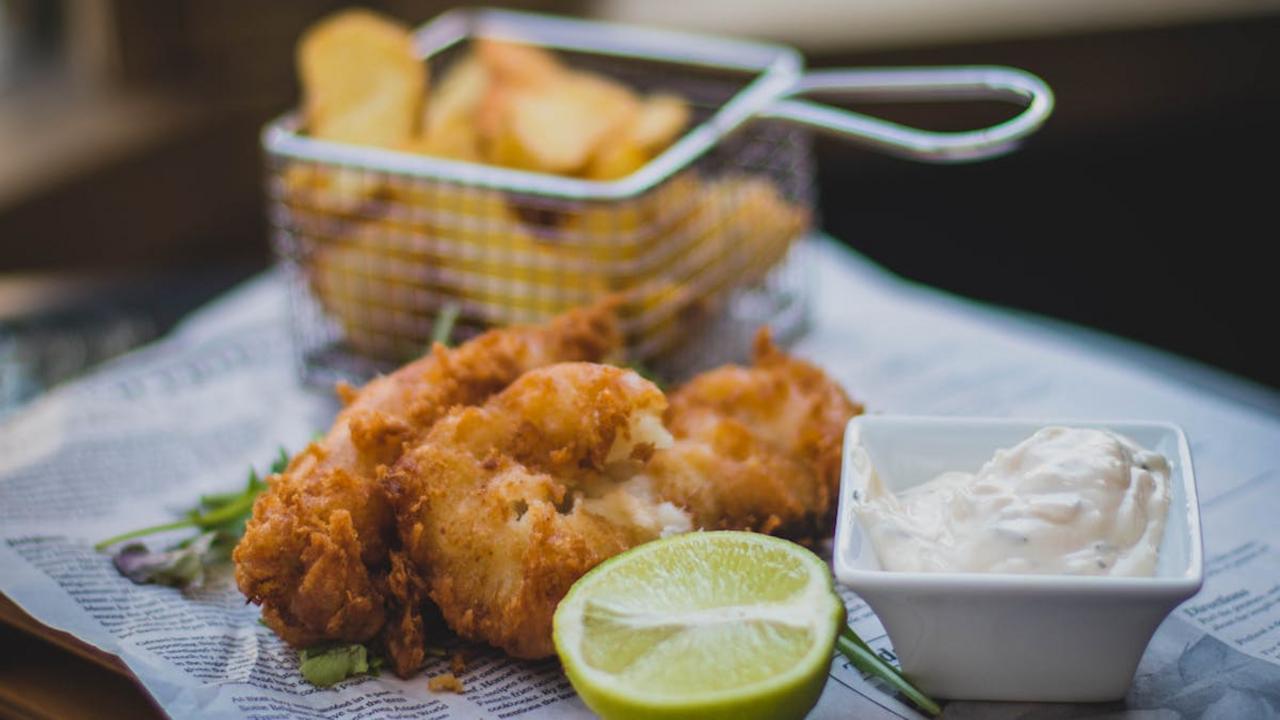
You know that moment when you’re walking down a British high street and catch a whiff of golden, crispy batter mixed with the tang of malt vinegar? That’s your cue to follow your nose straight to the nearest chippy. Fish and chips represents pure comfort food genius – fresh cod or haddock wrapped in a light, beer-battered coat that shatters between your teeth, paired with thick-cut chips that are fluffy inside and crispy outside. The British perfected this combination back in the 1860s, and honestly, they got it absolutely right the first time.
What I love most about authentic fish and chips is how simple ingredients create something magical. The fish batter uses just flour, beer, and a pinch of salt – no fancy additives needed. Those chunky chips get double-cooked for maximum fluff factor, and the whole experience gets elevated with mushy peas, pickled onions, and that generous splash of vinegar that makes everything sing. Skip the tourist traps and find a proper local chippy where they’re still hand-cutting potatoes and sourcing fresh fish daily. Trust me, wrapped in yesterday’s newspaper and eaten straight from the paper while sitting on a seaside bench – that’s when fish and chips transcends from street food to pure British poetry.
Hot Dogs USA
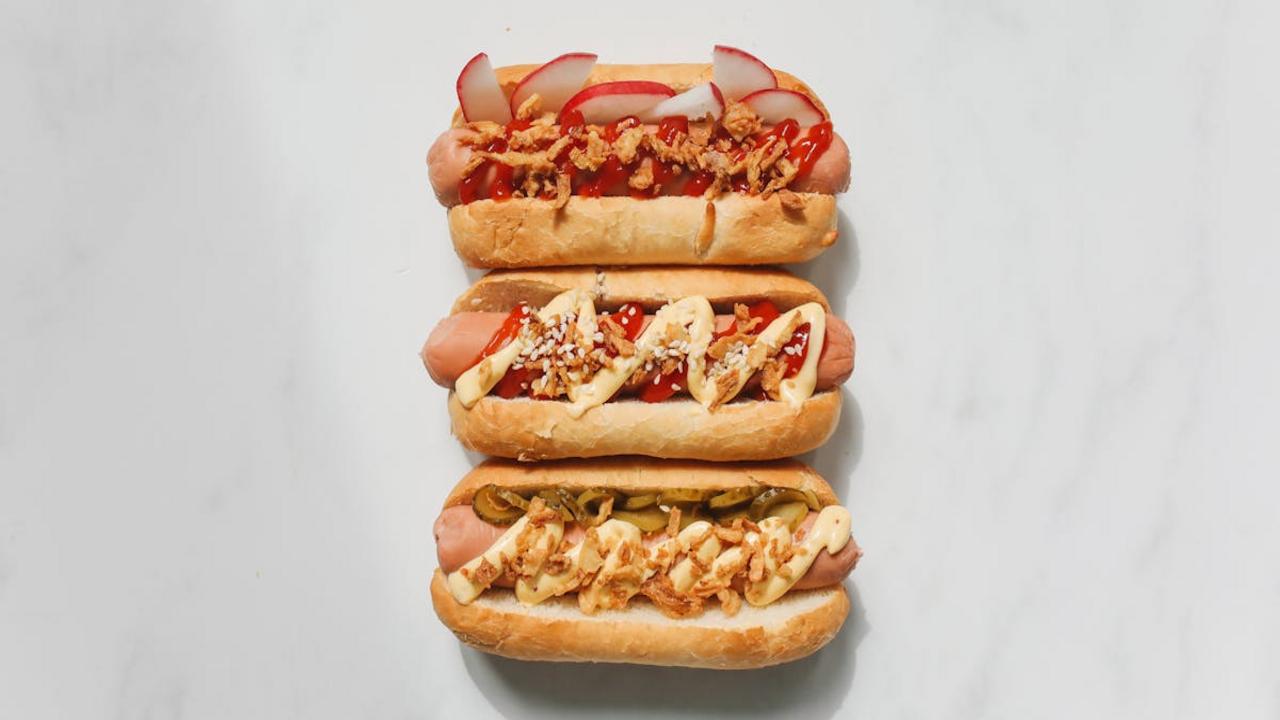
You know what gets me excited about American hot dogs? They’re the perfect canvas for creativity, just like my favorite cooking projects at home! Sure, you can grab a basic frankfurter from any corner vendor, but the real magic happens when you start thinking beyond the bun. I love making my own version using grass-fed beef or even plant-based alternatives, then loading them up with fresh toppings that actually nourish your body. Think sauerkraut for probiotics, avocado for healthy fats, and maybe some pickled jalapeños I’ve been fermenting on my kitchen counter.
The beauty of hot dogs lies in their regional personality – each city puts its own spin on this American classic. Chicago’s famous dog comes loaded with yellow mustard, chopped onions, bright green relish, and a pickle spear, while New York keeps it simple with mustard and kraut. When I recreate these at home, I swap processed ingredients for whole food alternatives. Instead of artificial relish, I quick-pickle fresh cucumbers with apple cider vinegar. Rather than store-bought buns full of preservatives, I bake my own using whole grain flour. This way, you get all that nostalgic comfort food satisfaction while actually feeding your body something good.