12 Exotic Fruits You Need to Try and Creative Ways to Cook with Them
Exotic fruits bring incredible flavors and vibrant colors to your kitchen, transforming ordinary meals into extraordinary experiences. These tropical treasures offer unique textures and tastes that can completely change how you approach cooking and snacking.
From the creamy sweetness of cherimoya to the bold intensity of durian, each fruit on this list provides distinct nutritional benefits and cooking possibilities. You can blend them into smoothies, bake them into desserts, or incorporate them into savory dishes for unexpected flavor combinations.
Ready to expand your fruit horizons? These twelve exotic varieties will inspire you to experiment with new recipes and discover fresh ways to nourish your body. Each fruit comes with simple preparation tips and creative cooking ideas that make trying something new feel completely achievable.
Cherimoya
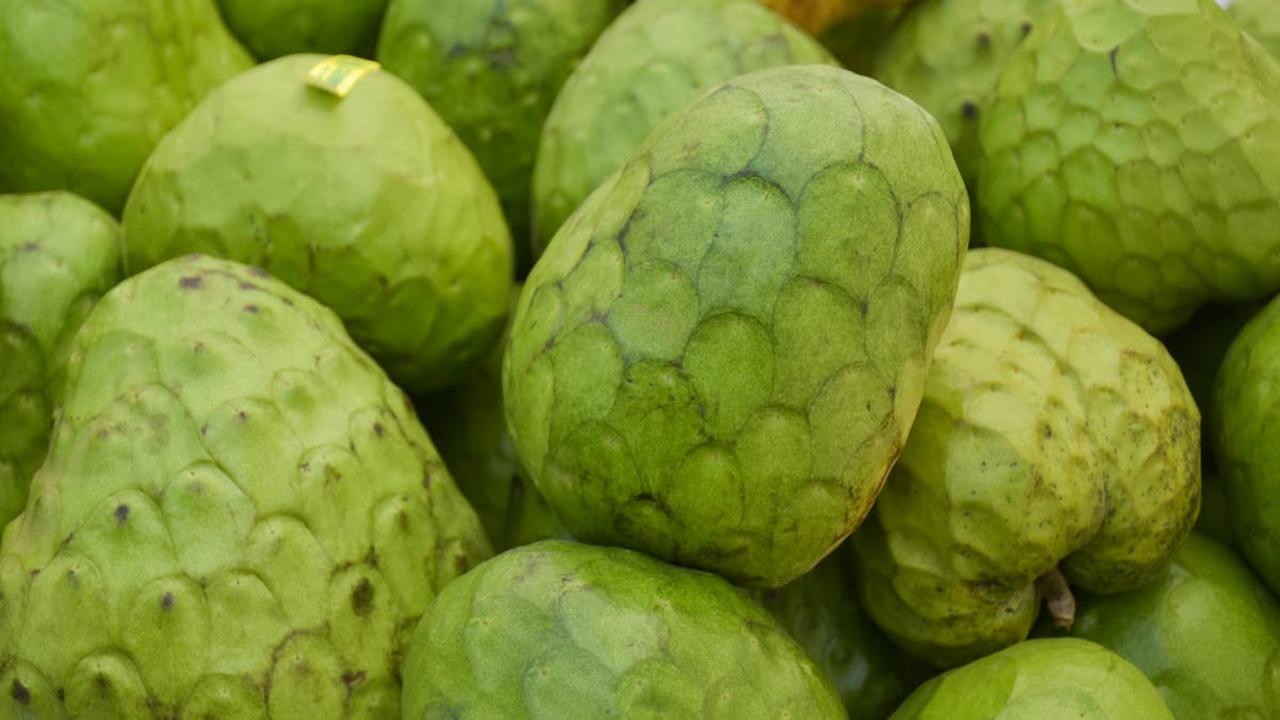
Picture this: you’re holding what looks like a green, scaly heart in your hands, and inside lies one of the most incredible flavor experiences you’ll ever encounter. Cherimoya, often called the “custard apple,” delivers a taste that’s like vanilla ice cream had a beautiful romance with a ripe banana and a hint of pineapple. The creamy, white flesh practically melts on your tongue, and honestly, I can’t think of a more perfect naturally sweet treat. You’ll find this South American gem in specialty stores from fall through spring, and trust me, it’s worth seeking out.
Getting creative with cherimoya in your kitchen opens up so many delicious possibilities! I love scooping out the flesh and blending it into smoothies – it creates the most luxurious, creamy texture without needing any dairy. You can also fold chunks into your morning yogurt, blend it into homemade ice cream, or even use it as a natural sweetener in baked goods. One of my favorite tricks is making a simple cherimoya mousse by whipping the flesh with a splash of lime juice and a touch of honey. Just remember to remove those large black seeds before eating, and always choose fruits that give slightly to gentle pressure.
Kumquat
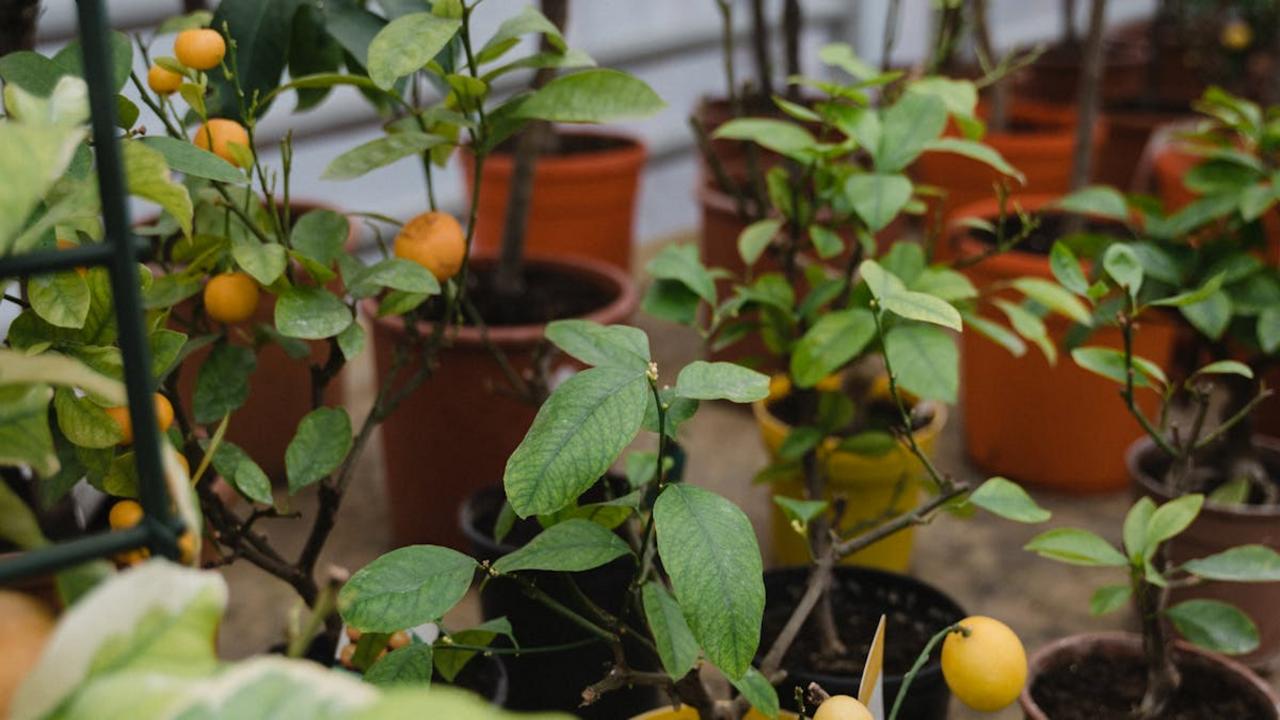
These tiny golden gems pack a punch that’ll surprise you – kumquats are one of the few citrus fruits you can pop straight into your mouth, skin and all! Unlike their larger citrus cousins, kumquats have sweet, edible peels that balance beautifully with their tart flesh. I love how they flip the script on what you expect from citrus – that initial sweetness hits first, followed by a bright, tangy finish that makes your mouth water for more. You can find them from November through March, and they’re absolutely perfect for adding both visual appeal and bold flavor to your dishes.
My favorite way to cook with kumquats is making a quick pan sauce for chicken or pork – just slice them thin, sauté with shallots and a splash of white wine, and you’ve got restaurant-quality flavor in minutes. They also shine in baked goods like muffins or scones, where their natural oils infuse the batter with incredible fragrance. For something different, try making kumquat marmalade or pickle them for a tangy condiment that transforms boring sandwiches into something special. Don’t overlook their potential in savory applications either – they’re fantastic in grain salads, roasted with vegetables, or even muddled into cocktails for a citrusy twist.
Soursop
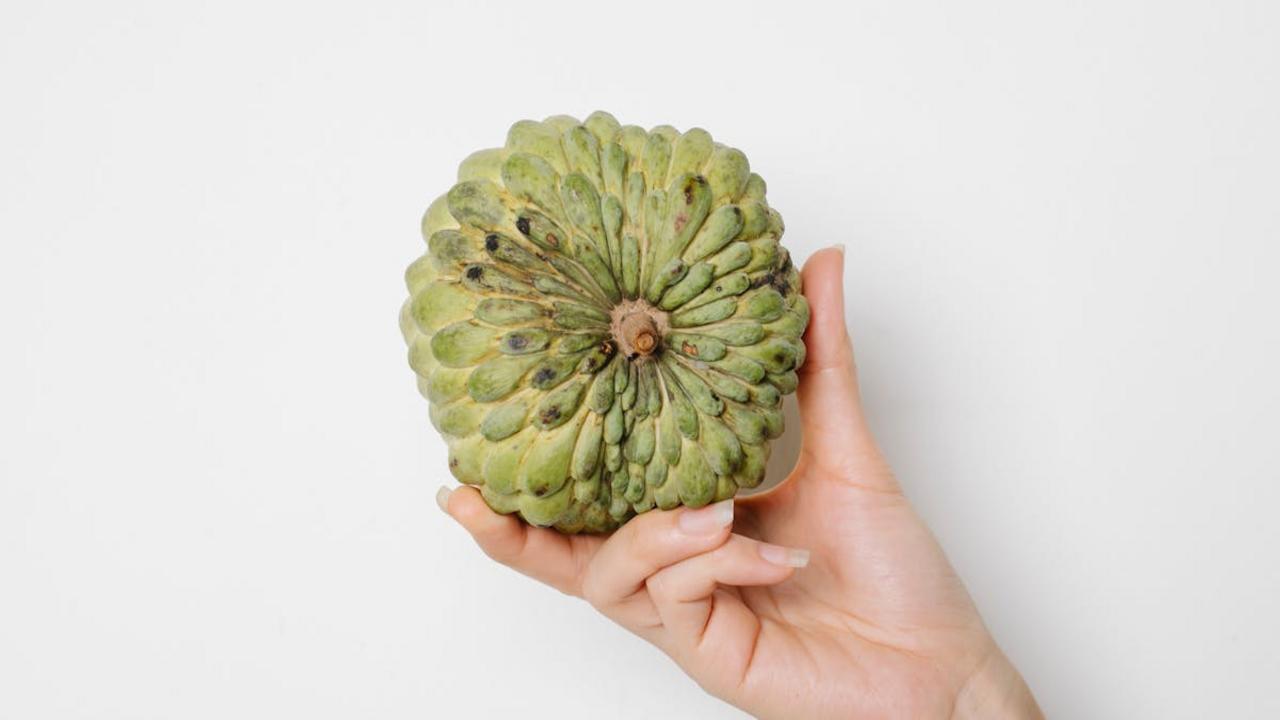
Soursop brings tropical paradise right to your kitchen with its spiky green exterior hiding creamy white flesh that tastes like a beautiful blend of strawberry, pineapple, and citrus with hints of coconut. This heart-shaped fruit from Central and South America offers incredible versatility – you can scoop out the soft pulp and enjoy it fresh, or transform it into smoothies, ice creams, and refreshing beverages. The texture reminds me of custard apple, but soursop has its own unique personality that makes every bite feel like a mini vacation.
Getting creative with soursop opens up amazing possibilities in your kitchen! Blend the pulp into creamy smoothie bowls topped with granola and fresh berries, or freeze it into popsicles for hot summer days. You can make soursop cheesecake by incorporating the pureed fruit into your favorite recipe, creating a tropical twist that guests will remember long after dessert ends. The fruit also works beautifully in agua frescas – just blend the flesh with water, lime juice, and a touch of honey for the most refreshing drink you’ll ever sip.
Durian
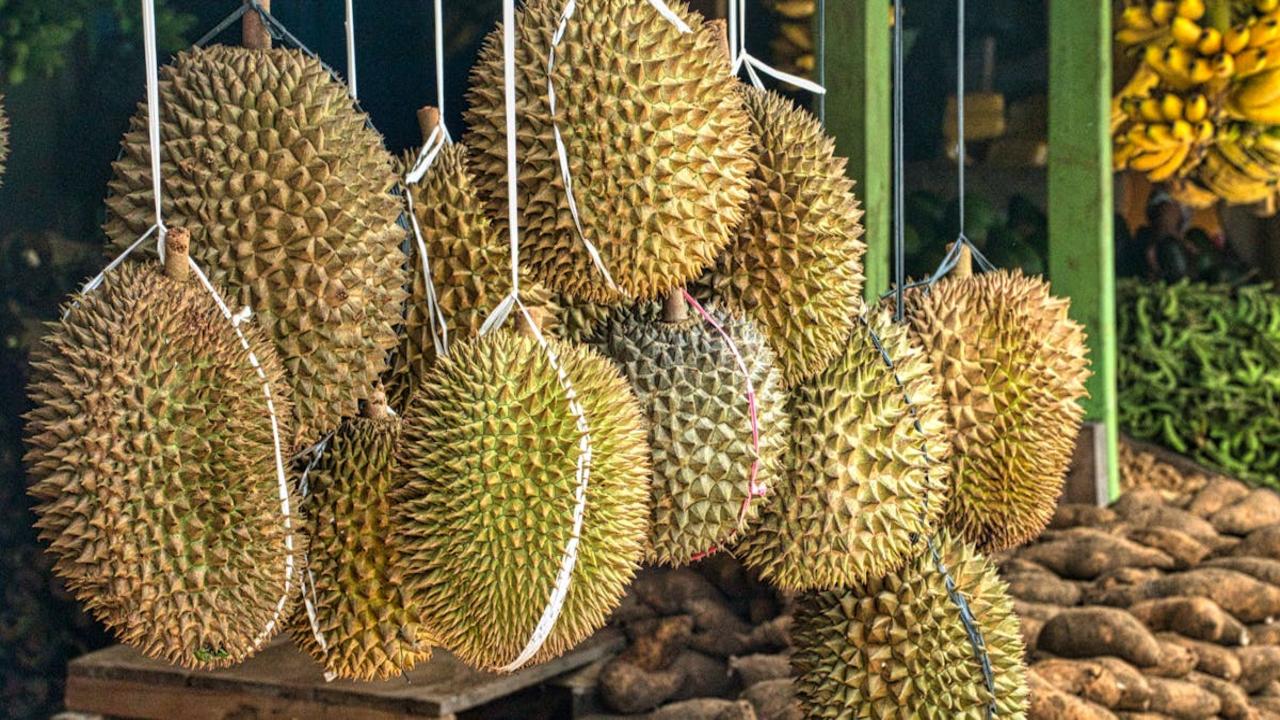
Meet the durian – Asia’s most notorious fruit that people either absolutely adore or can’t stand! This spiky, football-sized tropical wonder from Southeast Asia carries a reputation for its incredibly pungent aroma, which some describe as a mix of onions, turpentine, and raw sewage. But don’t let that scare you away! Inside that intimidating exterior lies custard-like flesh with a complex flavor profile that combines sweet, savory, and slightly sulfurous notes. Think rich vanilla custard meets aged cheese with hints of caramel – it’s truly unlike anything you’ve ever tasted.
If you’re brave enough to bring durian into your kitchen, start small and work in well-ventilated spaces. Fresh durian makes incredible ice cream, smoothies, and traditional Asian desserts like durian sticky rice or Filipino halo-halo. You can also find frozen durian pulp, which has a milder scent and works beautifully in cheesecakes, mousses, and even savory dishes like durian curry. Try blending it with coconut milk for a tropical smoothie, or fold it into whipped cream for an adventurous dessert topping. Remember to store any leftovers in airtight containers – your family will thank you!
Rambutan
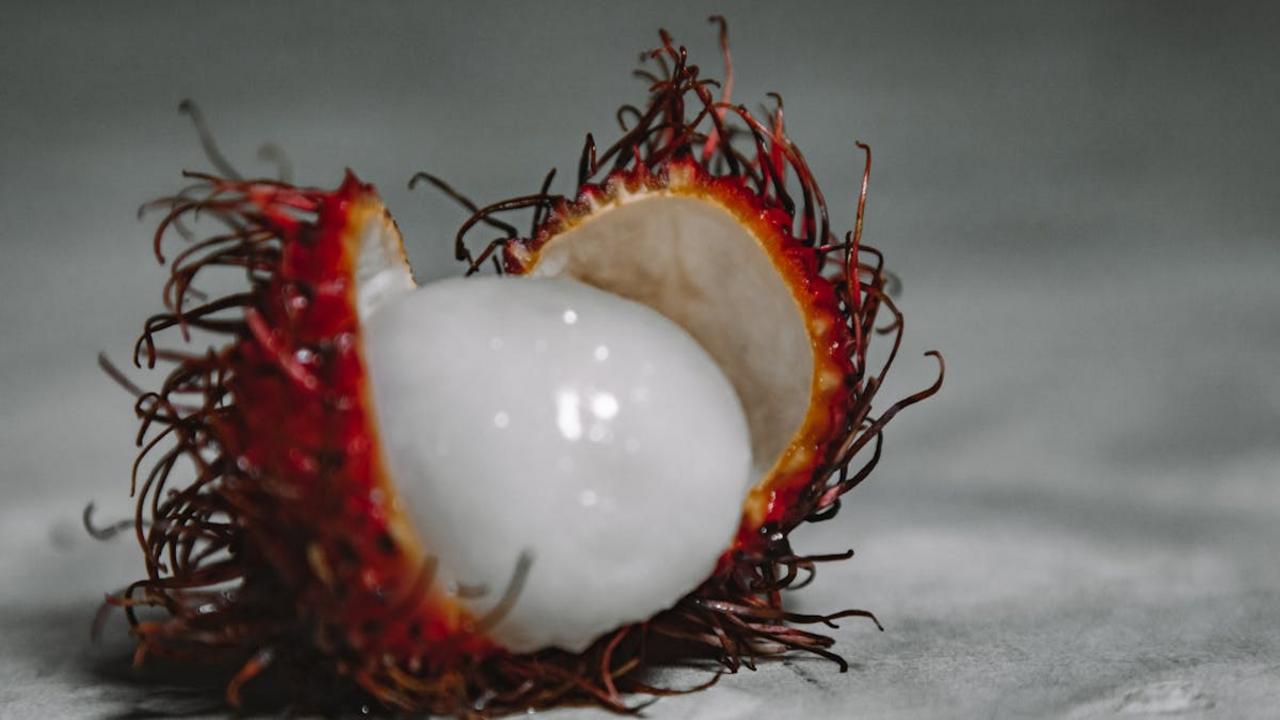
Picture a lychee that decided to get a punk rock makeover – that’s rambutan for you! This spiky-haired fruit from Southeast Asia looks intimidating on the outside, but crack open that fuzzy red shell and you’ll discover translucent, juicy flesh that tastes like a sweet cross between grapes and lychee. The name literally means “hairy” in Malay, which makes perfect sense once you see those wild spikes. Don’t let the appearance scare you off – rambutans are incredibly refreshing and pack a solid punch of vitamin C, copper, and antioxidants that your body will thank you for.
Getting creative with rambutan in your kitchen opens up so many fun possibilities! I love adding the peeled fruit to tropical fruit salads or blending them into smoothies for that perfect sweet-tart balance. They make incredible additions to Thai-inspired dishes – try tossing them into a spicy papaya salad or using them in a fresh spring roll with mint and cilantro. For something totally different, simmer peeled rambutans in coconut milk with a touch of palm sugar and lime juice to create a simple yet elegant dessert sauce that pairs beautifully with vanilla ice cream or panna cotta. You can even pickle the young, less sweet ones for a tangy condiment that brightens up grilled meats.
Jackfruit
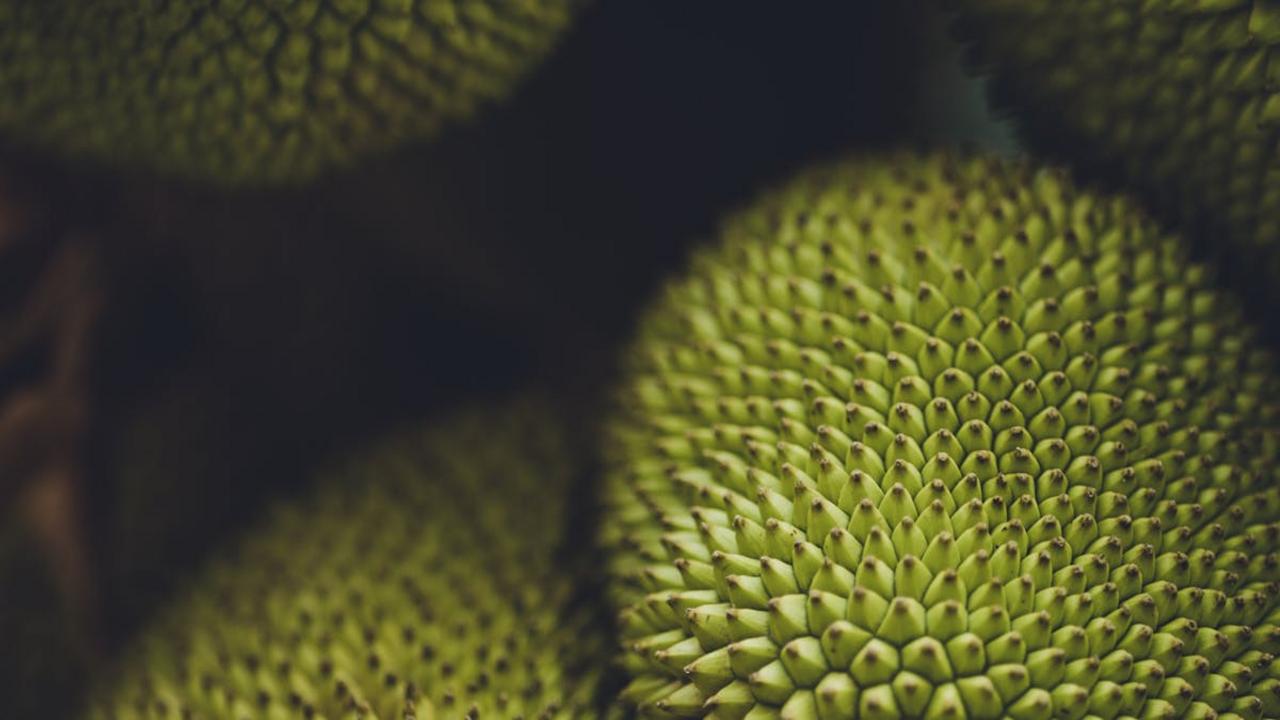
Meet jackfruit, the tropical giant that’s been quietly revolutionizing plant-based cooking! This massive fruit can weigh up to 80 pounds and grows directly from tree trunks, creating quite the spectacular sight. Native to South and Southeast Asia, jackfruit boasts a sweet, tropical flavor with hints of pineapple, mango, and banana when ripe. The unripe version offers something completely different – a neutral, meaty texture that’s become the darling of vegetarian kitchens worldwide. You can find jackfruit fresh at Asian markets, though canned versions work perfectly for most recipes and save you the intimidating task of breaking down this colossal fruit.
Young, unripe jackfruit transforms into incredible pulled “pork” sandwiches, tacos, and curry dishes. Simply drain canned young jackfruit, shred it with a fork, and sauté with your favorite barbecue sauce or spices. The fruit absorbs flavors beautifully, making it perfect for bold seasonings like smoked paprika, cumin, and garlic. Ripe jackfruit works wonderfully in smoothies, desserts, and tropical fruit salads – just remove the seeds and blend the sweet flesh with coconut milk for an instant tropical treat. Pro tip: those large seeds inside are edible too! Boil them for 20 minutes and enjoy them like chestnuts, or roast them with a sprinkle of salt for a protein-rich snack.
Mangosteen
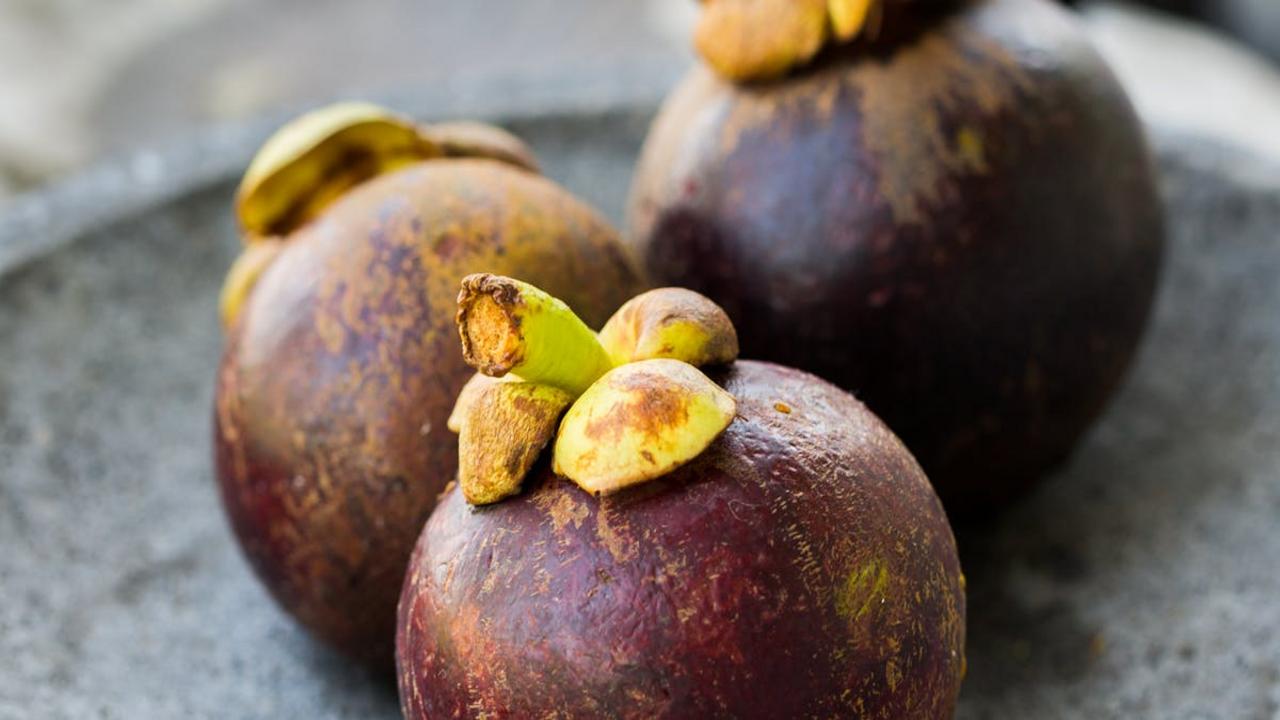
Meet the mangosteen – nature’s little treasure that’ll make you wonder why you haven’t tried it sooner! This purple-skinned beauty from Southeast Asia hides snow-white segments inside that taste like a perfect blend of peach, pineapple, and citrus with floral notes. Don’t let the thick, dark rind intimidate you – just press gently until it cracks open to reveal the gorgeous fruit inside. Each segment melts on your tongue with incredible sweetness balanced by just enough tartness to keep things interesting.
While mangosteen shines brightest eaten fresh, you can transform it into amazing desserts and drinks that’ll impress everyone at your dinner table. Try folding the segments into vanilla panna cotta or whipping up a mangosteen sorbet that captures all those tropical flavors. For something truly special, muddle the fruit into sparkling water with mint for a refreshing mocktail, or blend it into smoothie bowls with coconut and lime. The fruit also makes incredible jam – just simmer the segments with a touch of sugar and lemon juice until they break down into a gorgeous pink spread perfect for toast or yogurt bowls.
Starfruit

Picture this gorgeous golden fruit that looks like nature’s own star cookie cutter went to work! Starfruit, also called carambola, brings tropical sunshine straight to your kitchen with its unique ridged shape and translucent flesh. When you slice this beauty crosswise, you get perfect little stars that make any dish instantly Instagram-worthy. The flavor hits you with a delightful sweet-tart combo that reminds me of a cross between green grapes and citrus, with just a hint of apple crispness. You can eat the entire fruit – skin and all – making it one of the most convenient exotic fruits around.
I love tossing starfruit slices into fruit salads where they add both visual drama and bright acidity that balances sweeter fruits beautifully. Try grilling thick starfruit slices for about 2 minutes per side and serving them alongside fish or chicken – the caramelized edges create an amazing sweet-savory contrast. You can also blend starfruit into smoothies for natural tartness, or muddle a few pieces in sparkling water for the most refreshing drink ever. For something special, I like to make starfruit salsa with diced fruit, red onion, cilantro, and lime juice – it’s absolutely perfect with grilled shrimp or fish tacos and brings such bright, tropical vibes to your dinner table.
Lychee
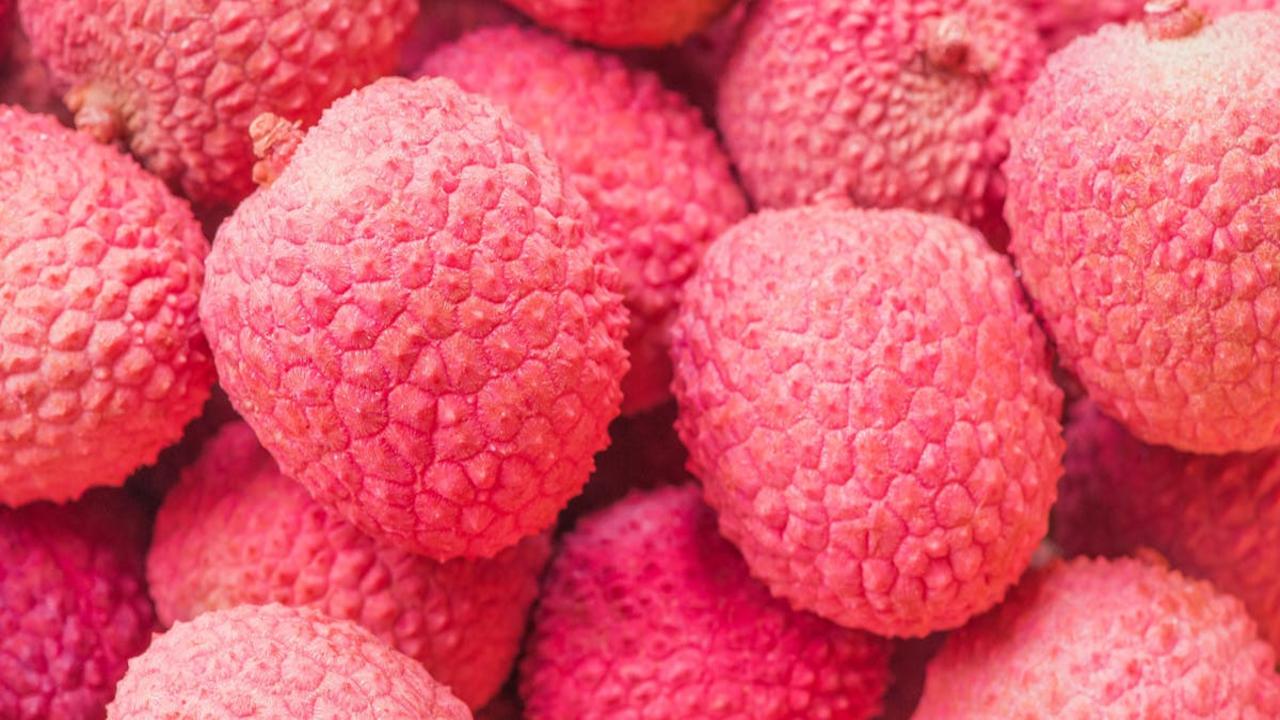
Picture a fruit that looks like a pink golf ball covered in bumpy skin, but inside holds the sweetest surprise you can imagine. Lychee brings a floral sweetness that reminds me of roses mixed with grapes, wrapped in translucent white flesh that practically melts in your mouth. This Asian treasure has been winning hearts for centuries, and once you crack open that tough exterior, you’ll understand why. The texture feels similar to a firm grape, but the flavor profile is completely unique – sweet, perfumed, and refreshing all at once.
I love adding fresh lychee to summer salads with arugula and goat cheese for a sweet contrast, or tossing them into fruit salsas that pair beautifully with grilled fish or chicken. You can also simmer lychees in a simple syrup with ginger and lime to create an incredible sorbet base, or muddle them into cocktails for an exotic twist on your favorite drinks. Try freezing whole lychees and blending them into smoothies – they add natural sweetness and create the most gorgeous pale pink color. For something different, I sometimes sauté lychees briefly with a touch of honey and serve them over vanilla yogurt or alongside roasted pork tenderloin.
Guava
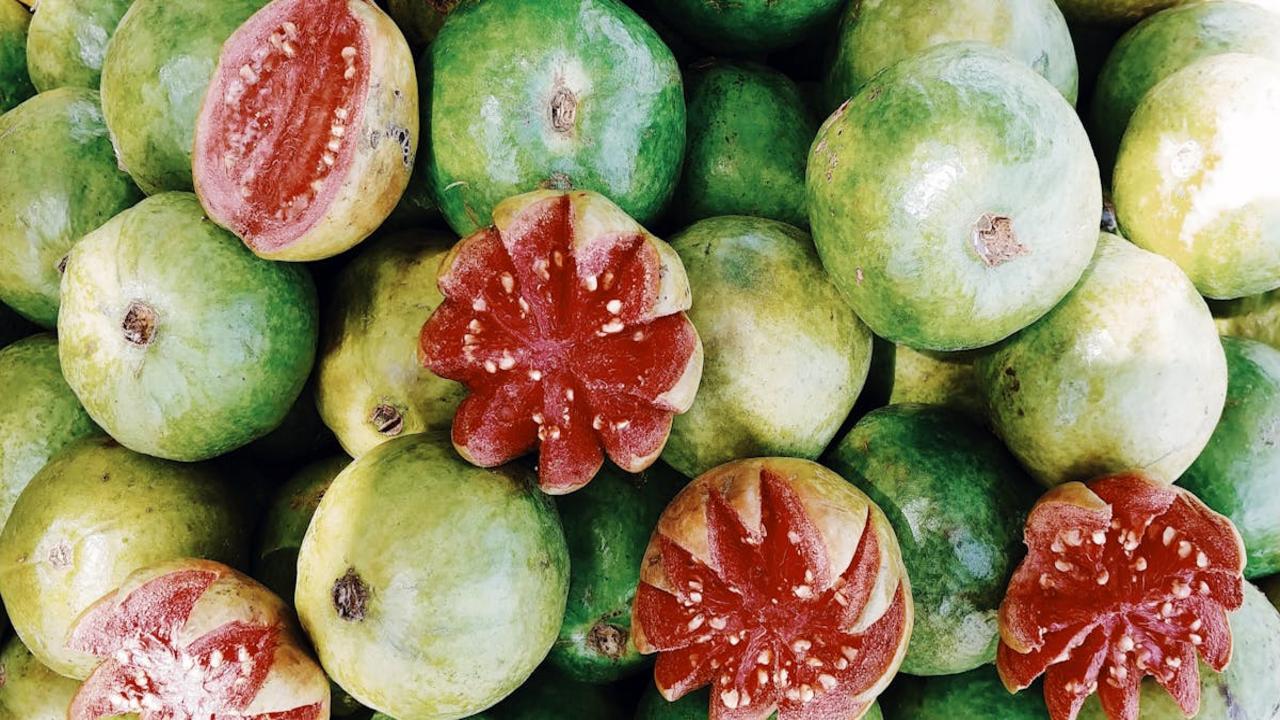
Guava brings a tropical sweetness that instantly transforms any dish into something special. This pink-fleshed beauty offers a unique flavor that dances between strawberry and pear, with a fragrant aroma that fills your kitchen the moment you slice it open. Rich in vitamin C and antioxidants, guava supports your immune system while satisfying your sweet cravings naturally. You can find this gem in most Latin American markets, and trust me, once you try it fresh, you’ll understand why it’s beloved across tropical regions worldwide.
Fresh guava shines in smoothies, where its creamy texture creates the most luxurious drinks without needing any dairy. Try blending it with coconut water and lime for a refreshing afternoon treat, or fold diced guava into yogurt for a protein-packed breakfast. For something more adventurous, simmer guava with a touch of honey to create a gorgeous pink sauce that pairs beautifully with grilled chicken or pork. You can also bake sliced guava into muffins or quick breads, where its natural sweetness reduces the need for added sugar while creating the most incredible tropical flavor.
Passion Fruit
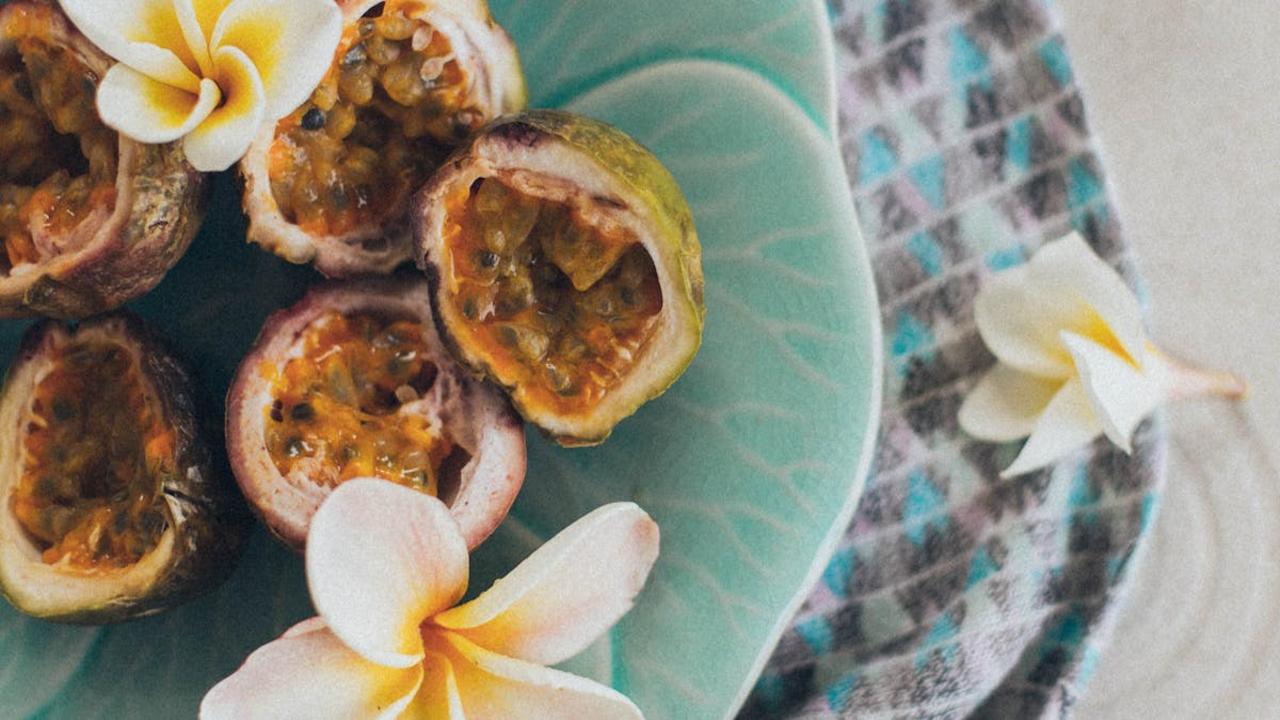
Passion fruit brings an intense tropical punch that will completely transform your kitchen adventures! This wrinkled, egg-shaped gem might look unassuming from the outside, but crack it open and you’ll discover a fragrant treasure trove of golden pulp dotted with crunchy black seeds. The flavor hits you immediately – a perfect balance of sweet and tart that’s both refreshing and deeply satisfying. You can find passion fruit in most grocery stores year-round, though peak season runs from late summer through winter.
The beauty of passion fruit lies in its incredible versatility. Scoop out that gorgeous pulp and swirl it into yogurt for breakfast, blend it into smoothies, or create show-stopping desserts like passion fruit cheesecake or panna cotta. I love making a simple passion fruit vinaigrette by whisking the pulp with olive oil, honey, and a splash of lime juice – it transforms any salad into something special. For a refreshing summer treat, freeze the pulp in ice cube trays and add them to sparkling water or cocktails. The seeds are completely edible and add a delightful crunch, so don’t strain them out unless your recipe specifically calls for it!
Dragon Fruit
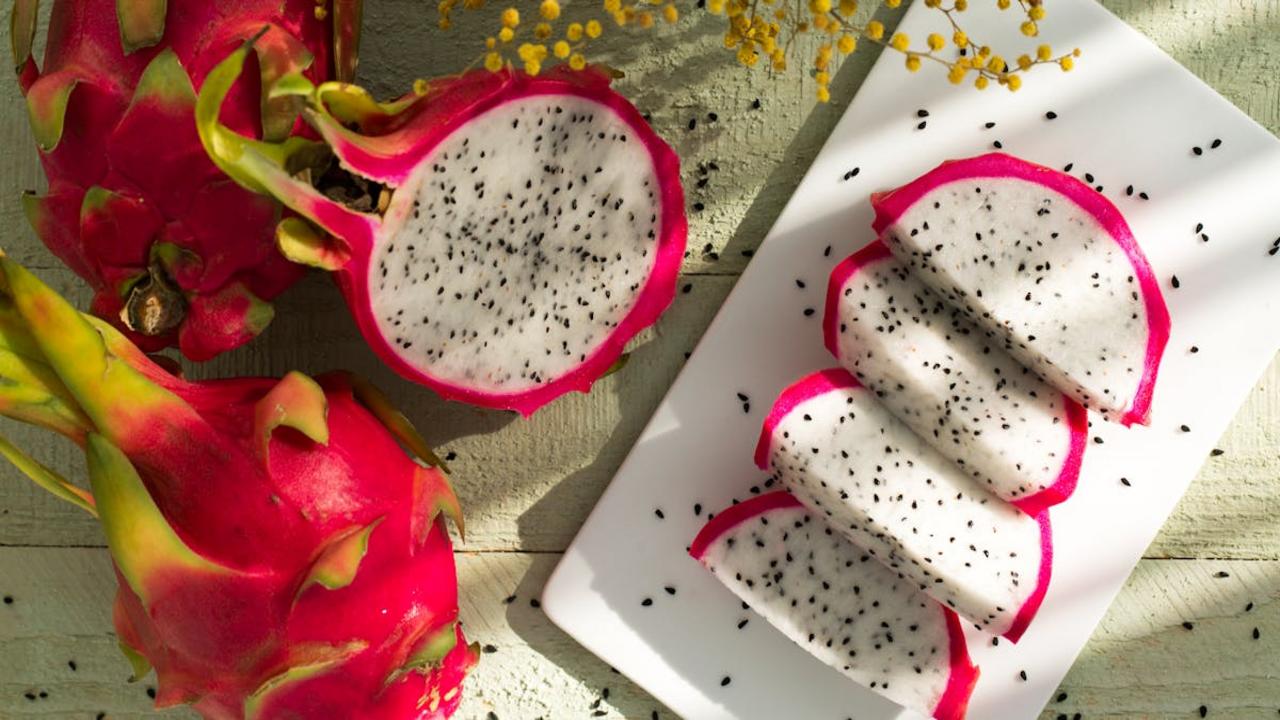
Dragon fruit looks like something straight out of a fantasy novel with its bright pink skin and dramatic green scales, but don’t let its alien appearance fool you – this tropical beauty is surprisingly mild and refreshing. The white flesh dotted with tiny black seeds has a subtle sweetness that reminds me of a cross between kiwi and pear, with a wonderfully crisp texture that’s perfect for hot summer days. You’ll find dragon fruit packed with vitamin C, antioxidants, and fiber, making it a fantastic addition to your healthy eating routine. The best part? It’s incredibly easy to prepare – just slice it in half and scoop out the flesh with a spoon.
Dragon fruit shines in smoothie bowls where its mild flavor won’t compete with other ingredients, and those gorgeous black seeds add a delightful crunch that’s similar to poppy seeds. I love dicing it into fruit salads for a pop of color, or freezing chunks to blend into refreshing popsicles on scorching days. For something more adventurous, try grilling thick slices lightly with a drizzle of honey and lime – the heat concentrates the flavors beautifully. Dragon fruit also makes an stunning garnish for cocktails or can be pureed into a vibrant sauce for desserts. Don’t throw away the colorful skin either – it makes gorgeous natural bowls for serving other tropical fruits!