14 Deliciously Unexpected Ways Food Unites People Worldwide
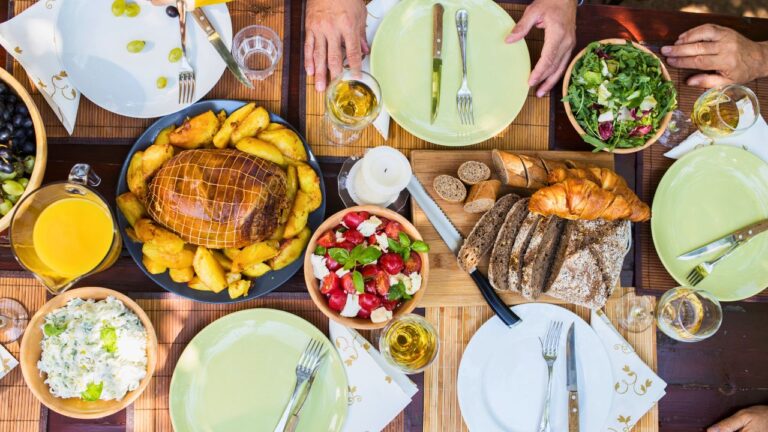
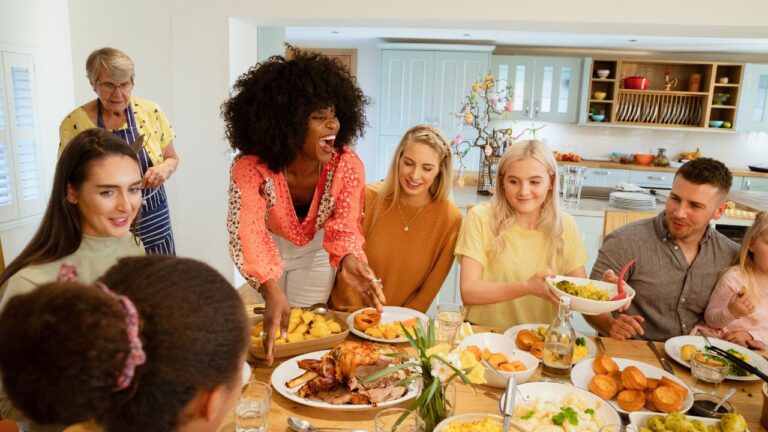
Food brings us together in ways nothing else can. From Argentina’s mate circles to Kenyan nyama choma grills, we bond over shared plates with strangers who quickly become friends. These rituals aren’t just about filling stomachs—they’re about filling hearts and building communities bite by delicious bite.
What fascinates me most is how these food traditions break boundaries. In Malaysia, homes open to everyone during festivals, while in Georgia, elaborate supras led by a tamada toastmaster turn dinner into theater. Swedish fika breaks remind us that pausing for coffee and conversation matters more than our busy schedules.
The magic happens in the details—Japanese families huddled around steaming nabe pots, Mexican families laughing through tamale-making parties, or the careful preparation of Moroccan mint tea. These 14 food rituals show us that across oceans and borders, we’re remarkably similar in our hunger for connection alongside our hunger for food.
Traditional Moroccan Mint Tea Service
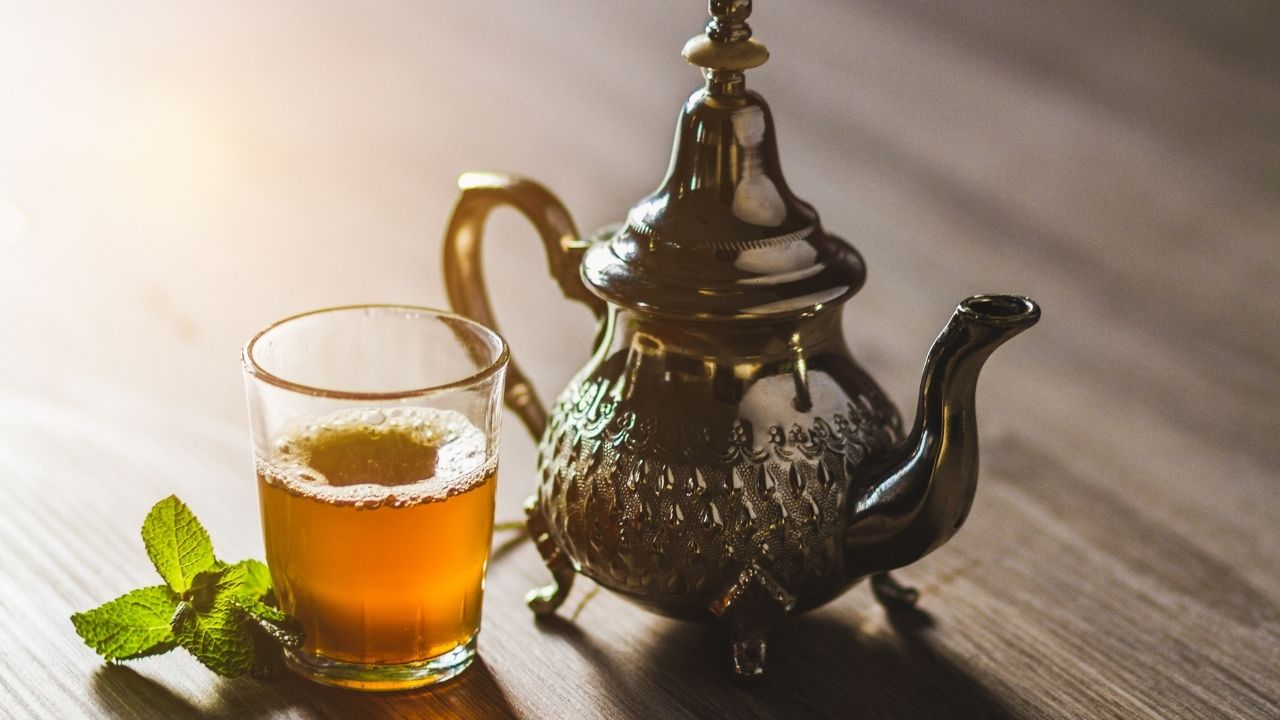
Picture this: you’re sitting cross-legged on a vibrant carpet in Marrakech, and your host appears with a gleaming silver teapot held high above tiny glasses adorned with gold rim details. The theatrical pour from an impressive height isn’t just showing off – it creates the perfect foam that Moroccans consider absolutely non-negotiable for proper tea service. This gravity-defying technique also aerates the tea, mixing the sweet green tea base with fresh mint leaves and generous amounts of sugar. The ritual repeats three times minimum because, according to Moroccan wisdom, the first glass is “gentle like life,” the second is “strong like love,” and the third is “bitter like death.” You can’t refuse without causing serious social offense, so prepare your stomach for a sugar rush that could power a small village.
What makes this tea ceremony truly magical is how it transforms strangers into family members within minutes. Moroccans will invite absolutely anyone – tourists, neighbors, business partners, or that random person who helped them carry groceries – to share tea and conversation. The preparation itself becomes a meditative performance where the tea maker’s skill gets judged not just by taste, but by the height of their pour and the thickness of the resulting foam. Fun fact: traditional Moroccan households go through about 12 pounds of sugar monthly just for tea service! The ceremony can stretch for hours, with endless refills and animated discussions about everything from soccer matches to philosophical debates. You’ll leave feeling like you’ve gained seventeen new best friends and a serious caffeine addiction.
Indian Paan Sharing Traditions
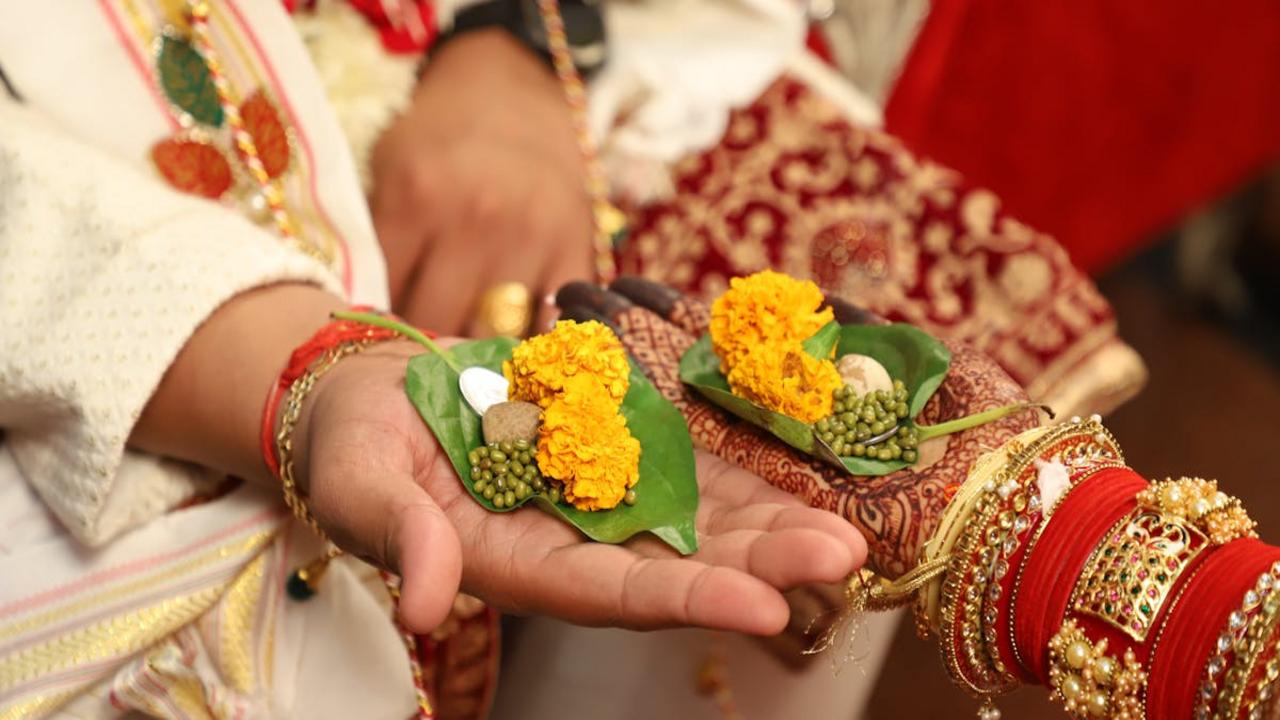
Picture this: you’re at an Indian wedding, stuffed beyond belief from the feast, when your aunt appears with a silver tray of emerald-green betel leaves wrapped around mysterious fillings. “Take paan!” she insists, and suddenly you’re part of a tradition that’s been bringing people together for over 5,000 years. These little parcels aren’t just after-dinner mints on steroids – they’re edible peace offerings that seal deals, mark celebrations, and turn strangers into friends. The betel leaf cradles a symphony of ingredients: crushed areca nuts for that gentle buzz, fragrant cardamom, rose petals, sweet gulkand, and sometimes a pinch of tobacco for the brave souls.
What makes paan sharing absolutely magical is the ritual itself. Watch any paan-wallah (the vendor) at work, and you’ll witness pure artistry – hands flying as they customize each creation based on your preference, folding the leaf into a perfect triangle that you must pop into your mouth whole. The social rules are sacred: you never refuse paan when offered, and sharing your box creates instant bonds. I’ve seen business deals sealed over sweet meetha paan and marriage proposals accepted with a shy nibble of the betel leaf. The red-stained smiles afterward? That’s not embarrassment – that’s the mark of someone who just participated in one of humanity’s oldest friendship rituals, complete with a natural high and breath fresher than any mint could provide.
Mexican Tamaladas (Tamale Making Parties)
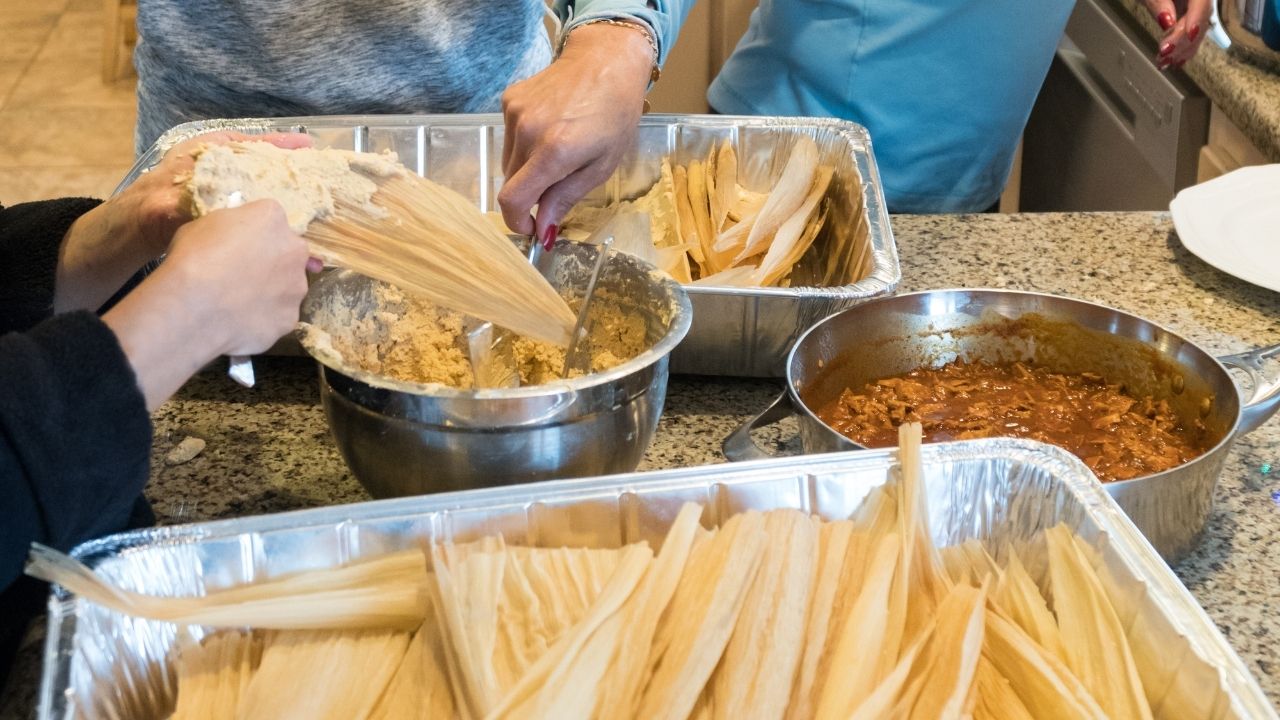
Picture this: your abuela’s kitchen at 5 AM, masa dough splattered across every surface, and three generations of women gossiping while their hands work magic with corn husks. Welcome to the beautiful chaos of a tamalada! These tamale-making marathons transform what could be a tedious solo cooking project into the most anticipated family event of the year. You’ll find aunts arguing over the perfect masa consistency (hint: it should float when you drop a ball in water), cousins sneaking bites of filling, and someone’s boyfriend getting relegated to husk-soaking duty because he clearly can’t be trusted with the delicate assembly process.
The genius of tamaladas lies in their assembly-line efficiency – one person spreads masa, another adds filling, someone else wraps, and the designated expert ties each bundle with strips of corn husk. But here’s the kicker: making tamales solo would take forever, but with ten people chatting and laughing? You’ll have hundreds ready for the steamer before lunch. These gatherings happen year-round but peak during Christmas season, when families gather to prepare dozens (sometimes hundreds) of tamales to freeze and gift. Pro tip: always volunteer for masa duty – it’s the easiest job, plus you get first dibs on testing the seasoning!
Pacific Islander Kava Circles
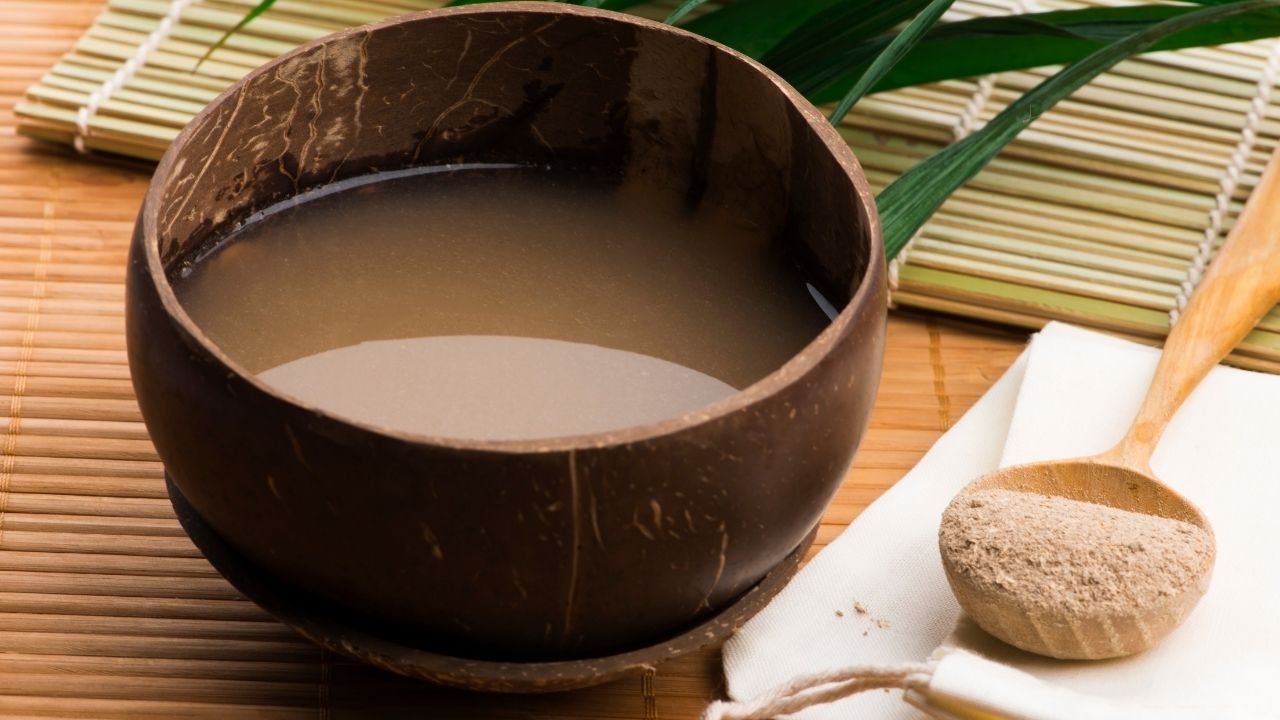
Picture this: you’re sitting cross-legged on woven mats under a canopy of stars, surrounded by friendly faces sharing stories and laughter while passing around a coconut shell filled with muddy-looking liquid that tastes like dirt mixed with pepper. Welcome to the kava circle, where Pacific Islanders have been building community bonds for over 3,000 years! This traditional drink, made from the ground roots of the Piper methysticum plant, might look unappetizing and numb your tongue faster than a dentist’s novocaine, but it creates connections that last lifetimes. In Fiji, Tonga, Samoa, and Vanuatu, refusing kava isn’t just rude – it’s practically social suicide.
The magic happens in the ritual itself: everyone sits in a perfect circle, the tanoa (wooden bowl) takes center stage, and you clap once before receiving your bilo (coconut cup), then three times after downing the earthy brew in one gulp. No sipping allowed – that’s amateur hour! The drink’s mild sedative effects relax inhibitions and create what locals call “good vibes,” turning strangers into friends and settling disputes between neighbors. Fun fact: kava ceremonies are so sacred that in some islands, talking during preparation is forbidden, and women traditionally couldn’t participate (though thankfully, many communities now welcome everyone). Whether you’re sealing business deals in Suva or celebrating weddings in Nuku’alofa, the kava circle transforms any gathering into a genuine cultural exchange where stories flow as freely as the ancient brew itself.
Chinese Tea Ceremonies for Marriage Proposals
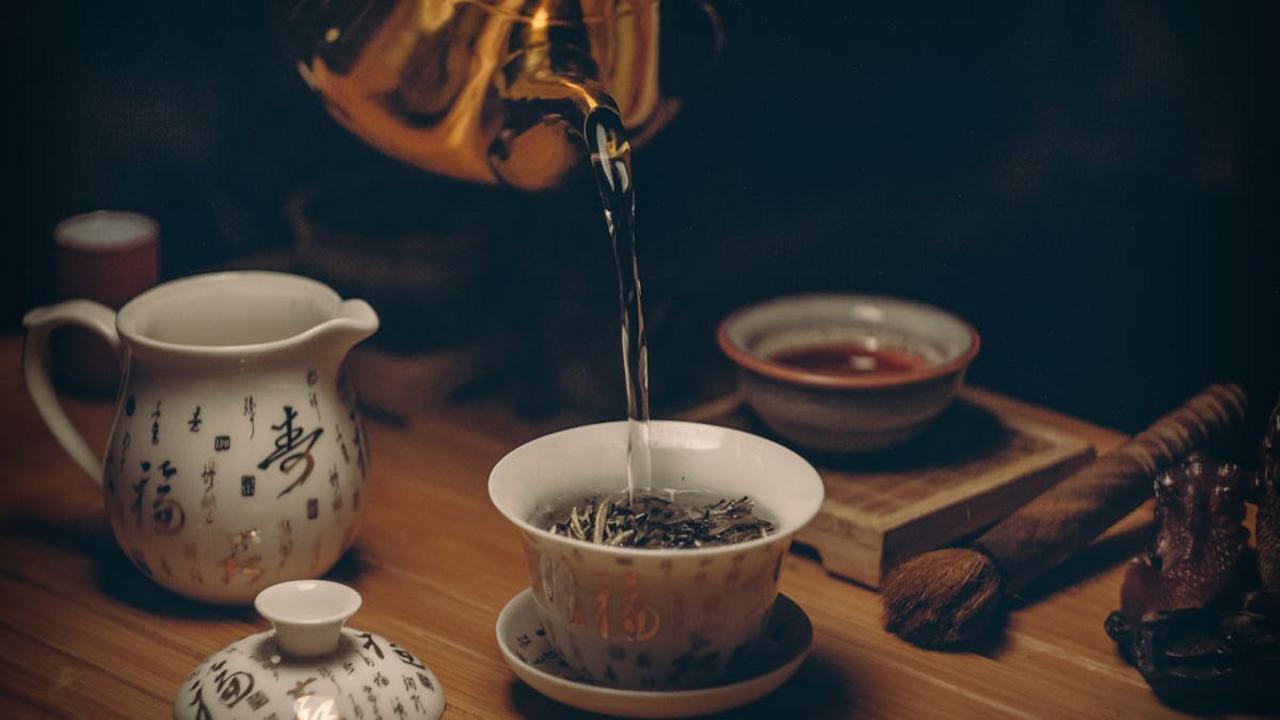
Picture this: you’re nervously fidgeting with a diamond ring in your pocket, but instead of dropping to one knee in a restaurant, you’re about to perform an ancient Chinese tea ceremony that could make or break your romantic future. In traditional Chinese culture, serving tea to your beloved’s parents isn’t just polite—it’s the ultimate relationship test that’s been brewing for thousands of years. The groom-to-be must demonstrate his respect, sincerity, and worthiness by preparing and serving tea with perfect technique, while the parents decide whether to accept the ceremonial drink and, by extension, welcome him into their family.
The beauty lies in the details: the type of tea matters (oolong shows sophistication, while jasmine tea represents purity), the temperature must be precise, and even how you hold the teapot speaks volumes about your character. One friend told me her father-in-law deliberately waited five agonizing minutes before accepting the tea, claiming he needed to “properly assess the aroma” while her boyfriend’s hands trembled with the teacup. If the parents drink the tea and offer red envelopes filled with money in return, congratulations—you’ve just gotten engaged Chinese-style! This ritual transforms a simple beverage into liquid courage, turning nervous suitors into family members one perfectly brewed cup at a time.
Bedouin Coffee Bonding Rituals
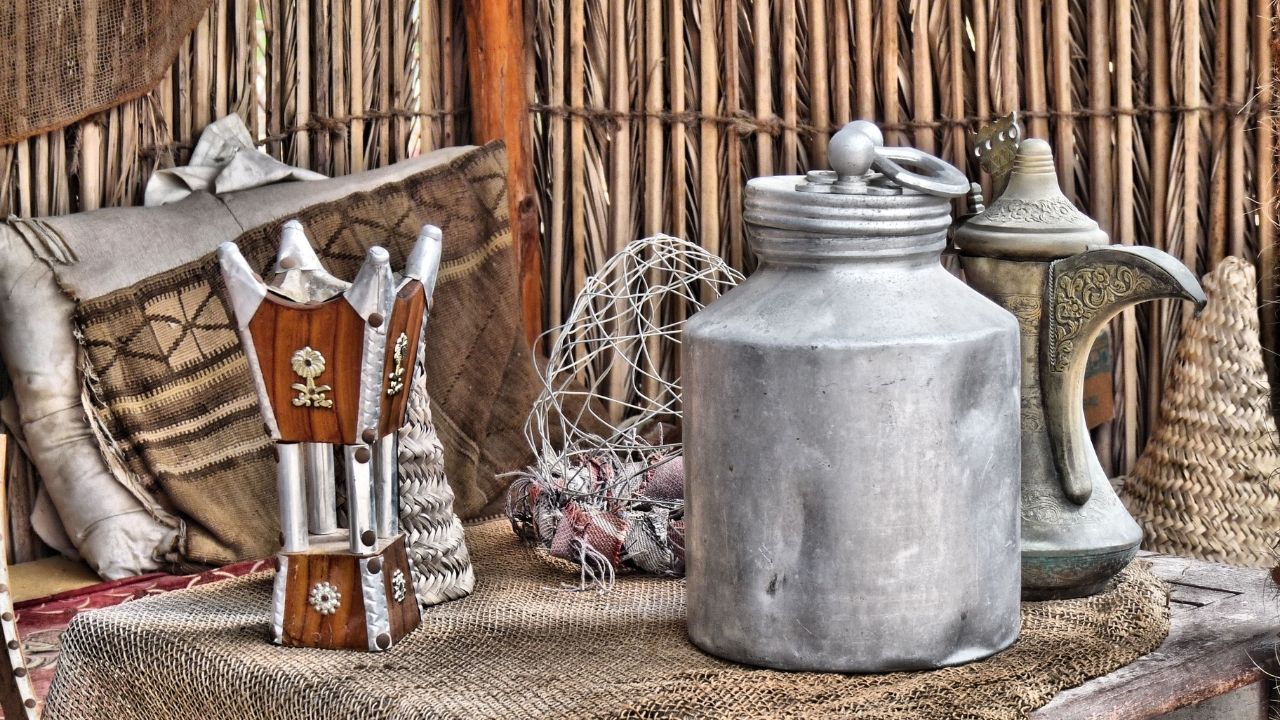
Picture this: you’re wandering through the Arabian desert, sand between your toes, when suddenly you catch the most incredible aroma wafting from a nearby tent. That’s qahwa calling your name – traditional Bedouin coffee that transforms complete strangers into lifelong friends faster than you can say “more sugar, please.” The Bedouins have turned coffee preparation into an intricate dance of hospitality that makes your local barista look like an amateur. They roast green coffee beans over an open fire right in front of guests, grinding them by hand in a brass mortar called a mukbasha. The rhythmic pounding creates a musical beat that announces to the entire camp that coffee time is about to begin.
Here’s where things get beautifully complicated: refusing this coffee isn’t just rude – it’s practically a diplomatic incident! The eldest guest receives the first cup, and everyone must drink at least three small servings (any fewer suggests you didn’t enjoy the host’s hospitality). The coffee itself tastes nothing like your morning latte – it’s unsweetened, cardamom-spiced, and served in tiny handleless cups that you’ll probably drop at least once. But here’s the magic: while sipping this liquid gold, barriers dissolve, stories flow, and business deals get struck. Bedouin families have been sealing marriages, resolving disputes, and welcoming travelers through these coffee ceremonies for centuries. The whole ritual can take hours, and nobody minds because time moves differently when you’re building relationships one tiny cup at a time.
Japanese Hot Pot (Nabe) Gatherings
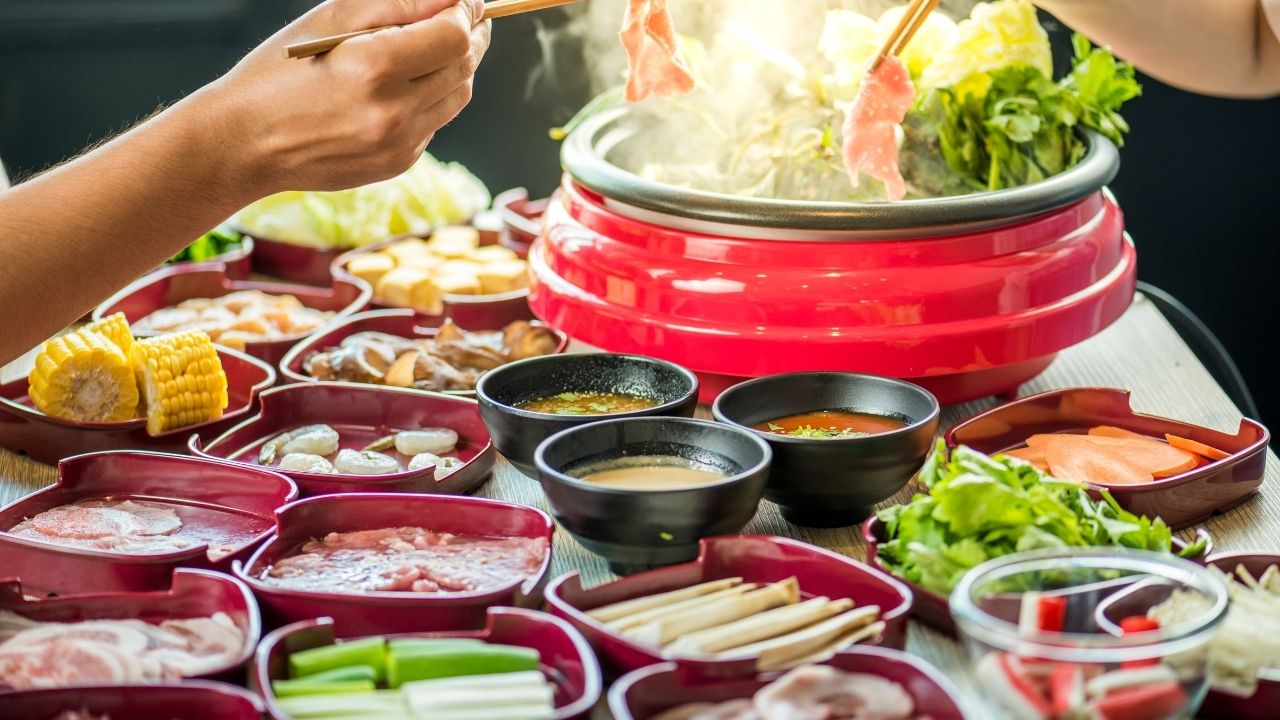
Picture this: you’re huddled around a bubbling cauldron of savory broth with friends, chopsticks clashing like tiny swords as everyone fights over the last piece of perfectly tender beef. That’s nabe for you – Japan’s answer to turning dinner into a full-contact sport! This communal cooking tradition transforms any ordinary evening into an interactive feast where the pot becomes the star and everyone’s a supporting actor. You’ll find yourself strategically positioning vegetables like a chess master, timing your tofu drops with military precision, and secretly judging your friend who always hoards the mushrooms.
What makes nabe absolutely genius is how it forces people to slow down and actually talk to each other – revolutionary concept, right? The beauty lies in the chaos: different ingredients cook at different speeds, so you’re constantly negotiating, sharing, and laughing as someone inevitably drops their prized morsel back into the bubbling depths. From the rich, fatty goodness of shabu-shabu to the fiery kick of kimchi nabe, these gatherings create bonds stronger than superglue. Pro tip: always bring extra ingredients because nabe has this magical ability to make people hungrier than they thought possible, and trust me, you don’t want to be the person who runs out of dumplings!
Swedish Fika Social Breaks
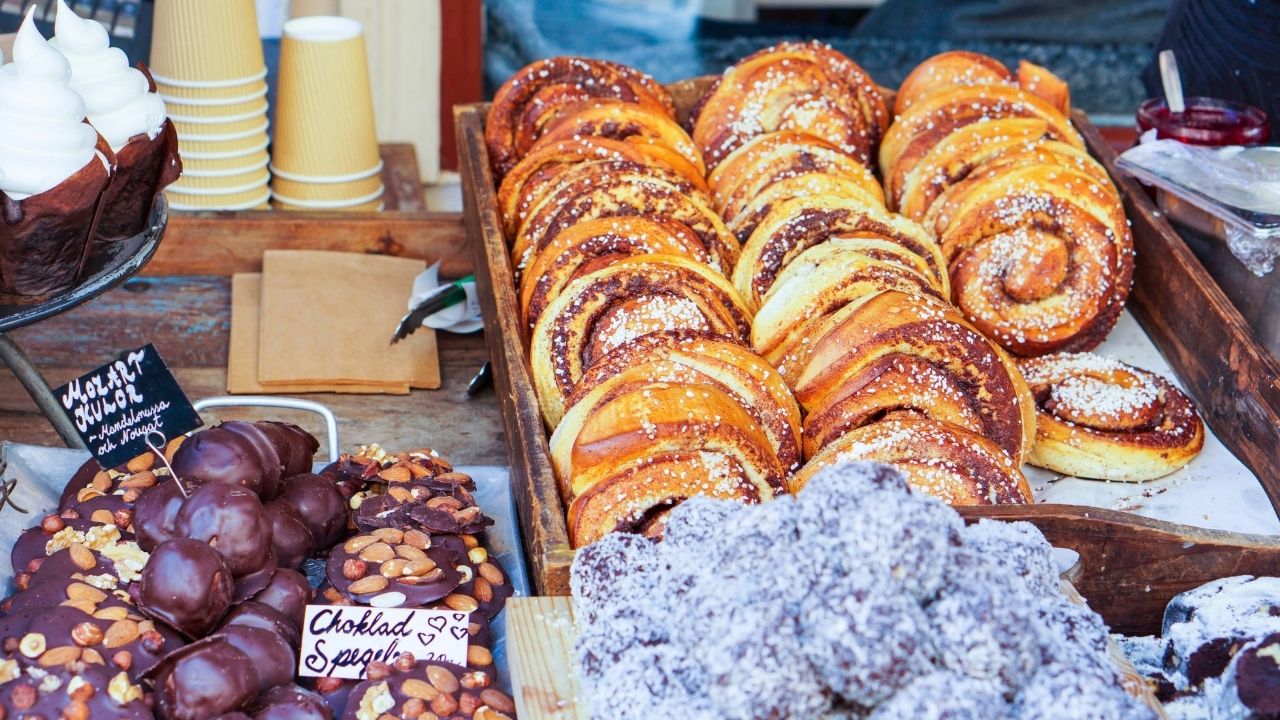
Picture this: it’s 3 PM in Stockholm, and suddenly the entire country collectively puts down their work and says, “Time for fika!” This isn’t just a coffee break—it’s a sacred Swedish ritual that transforms ordinary afternoons into moments of pure social magic. You grab your favorite mug, slice up some cinnamon buns or cardamom cookies, and sit down with colleagues, friends, or family for what might be the most civilized tradition on Earth. The Swedes have turned procrastination into an institution, and honestly, we should all take notes. During fika, you’re not allowed to discuss work stress or check your phone obsessively—you just exist in the moment with good company and even better pastries.
What makes fika absolutely brilliant is how it forces people to slow down and actually connect with each other in our hyperconnected world. You can’t rush through a proper fika any more than you can speed-eat a warm kanelbulle (cinnamon bun) without burning your tongue. Swedish workplaces practically mandate these breaks, recognizing that productivity skyrockets when people take time to bond over coffee and sweets. The beauty lies in its simplicity: brew some strong coffee, set out whatever treats you have on hand, and create space for genuine conversation. Whether you’re sharing gossip with your grandmother or getting to know new coworkers, fika builds bridges one coffee cup at a time, proving that sometimes the best way to bring people together is to simply stop everything else and share a snack.
Malaysian Open House During Festivals
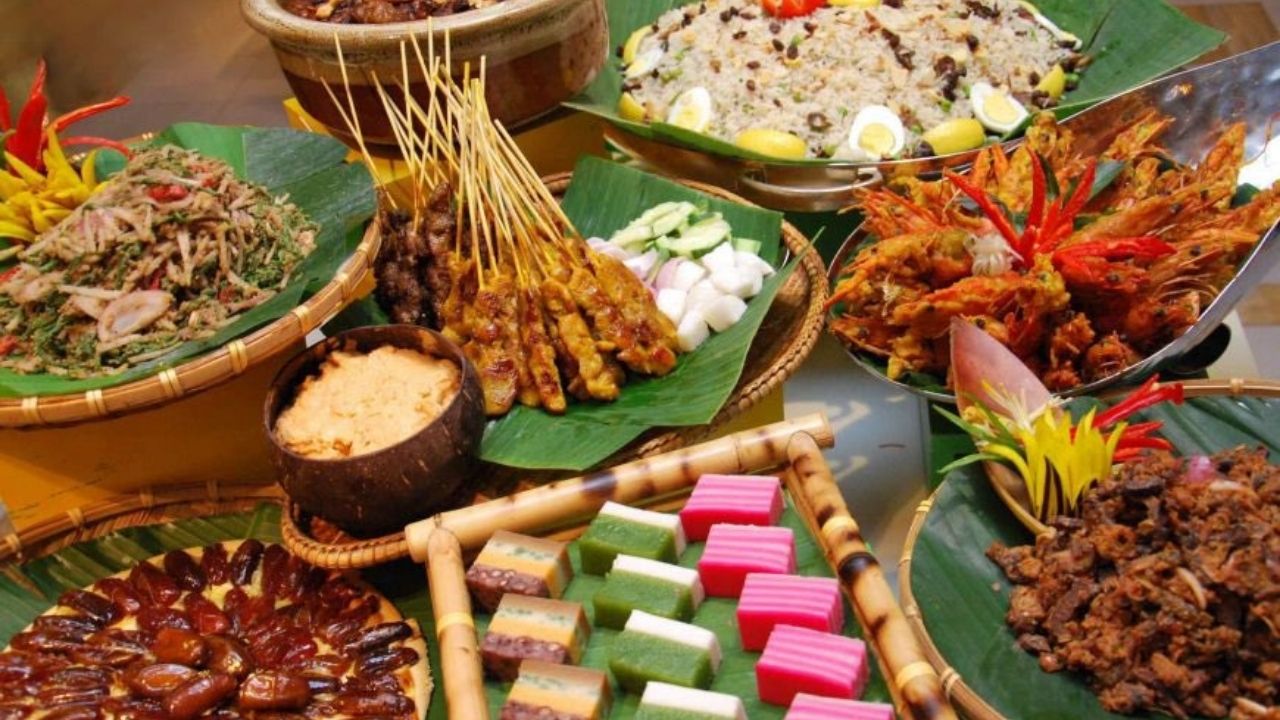
Picture this: you’re wandering through a Malaysian neighborhood during Hari Raya, Chinese New Year, or Deepavali, and suddenly every door swings wide open like some magical food portal. That’s the beautiful chaos of Malaysian Open House, where “stranger danger” gets tossed out the window faster than you can say “laksa.” Families literally invite everyone – neighbors, colleagues, random folks walking by – into their homes for a feast that’ll make your stretchy pants grateful you wore them. I once watched a Chinese auntie stuff a Malay uncle’s tupperware with so many pineapple tarts, he needed help carrying it to his car!
The genius of Open House lies in its delicious democracy. You’ll find Indian curry sitting pretty next to Chinese dumplings while Malay rendang mingles with everyone at the buffet table like the popular kid at school. Hosts spend weeks preparing mountains of food because turning someone away hungry would be a social catastrophe worse than wearing socks with sandals. The unwritten rule? You must eat at every house you visit, even if you’re already bursting from the previous five stops. It’s like a neighborhood food crawl where everyone’s your temporary family member, and saying “I’m full” is basically fighting words. Trust me, bring loose pants and a flexible stomach – you’ll need both!
Georgian Supra Feasts with Tamada Toastmaster
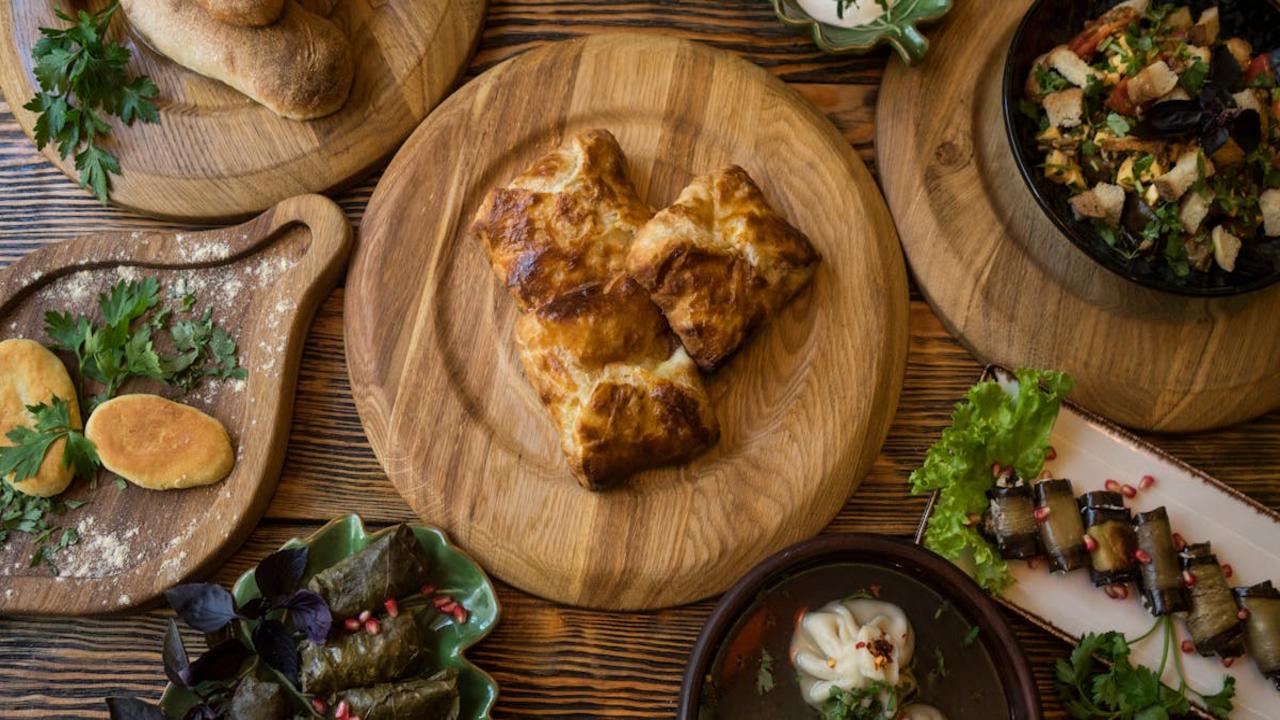
Picture this: you’re sitting at a Georgian supra table that groans under the weight of khachapuri (cheese-filled bread boats), khinkali (soup dumplings that require ninja-level eating skills), and enough wine to float a small yacht. But here’s where things get wonderfully weird – you can’t just dig in like a ravenous tourist. Oh no, my friend, you must wait for the tamada, Georgia’s designated toastmaster who wields more power than a wedding DJ. This person controls the entire evening with elaborate toasts that can last longer than some Hollywood acceptance speeches, covering everything from your grandmother’s bunions to world peace.
The tamada tradition turns every Georgian feast into a beautiful chaos of storytelling, tears, laughter, and strategic wine consumption. You’ll hear toasts so moving they’d make Shakespeare weep, followed immediately by someone’s uncle recounting that time he wrestled a bear (probably fictional, definitely entertaining). The genius lies in how this ritual forces strangers to become family – you simply cannot remain distant when someone’s raising their horn cup and declaring your friendship eternal while slightly tipsy on Saperavi wine. By the third toast, you’re practically Georgian yourself, and by the seventh, you’re planning to move to Tbilisi and open a khinkali cart.
Korean Banchan Sharing Culture
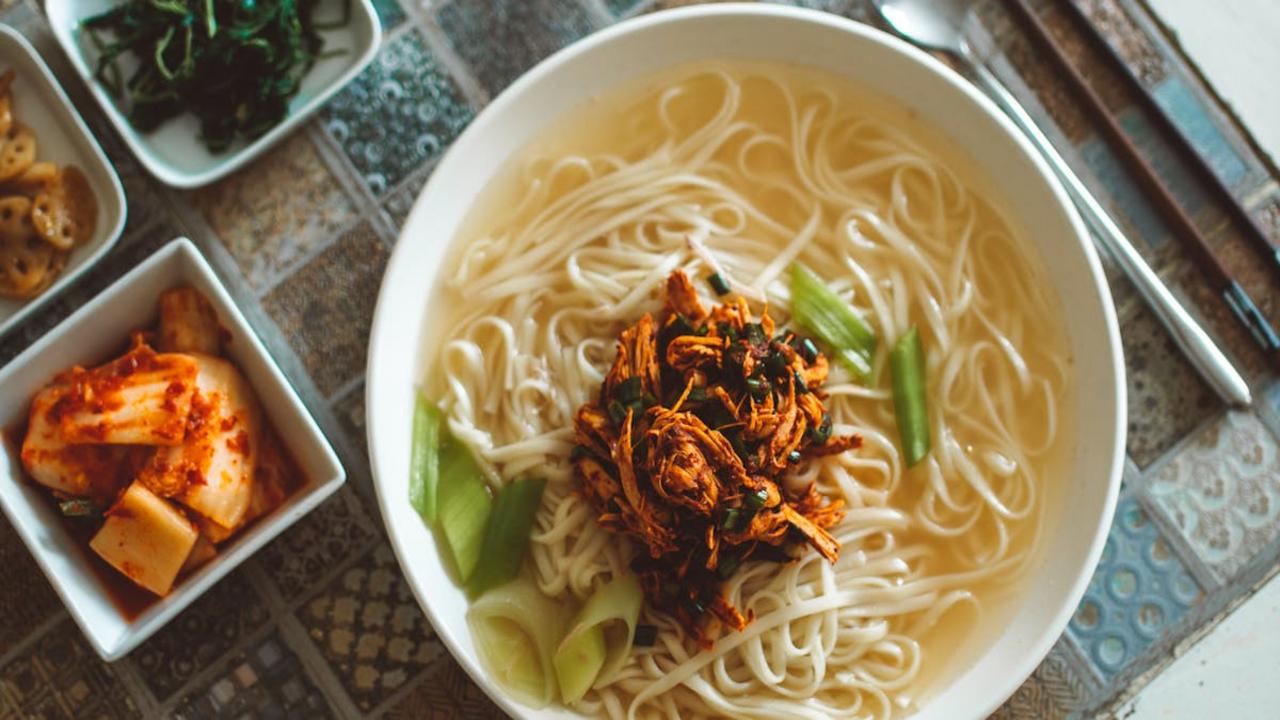
Picture this: you sit down at a Korean restaurant, order one dish, and suddenly the table transforms into a colorful mosaic of tiny bowls filled with pickled radishes, seasoned spinach, marinated bean sprouts, and at least six other mysterious but irresistible side dishes. Welcome to the wonderful world of banchan, where sharing isn’t just encouraged—it’s basically mandatory! These little plates of heaven come free with every meal, and here’s the kicker: everyone at the table dips into the same bowls with their personal chopsticks. Your Western dining etiquette just packed its bags and headed for the hills, but trust me, this communal eating style will make you question why we ever bothered with individual portions in the first place.
Banchan creates this beautiful dining democracy where kimchi becomes the great equalizer and fermented vegetables spark conversations between strangers. Korean families often prepare dozens of banchan varieties on Sundays, storing them in the fridge for the week ahead—think meal prep, but with more personality and significantly more garlic. The magic happens when you realize that sharing these pickled, seasoned, and fermented treasures breaks down barriers faster than you can say “gochujang.” Watch any Korean family meal unfold, and you’ll witness the choreographed dance of chopsticks reaching across the table, grabbing bites of this and that, creating connections one shared morsel at a time. Nobody leaves hungry, nobody eats alone, and somehow, those tiny bowls manage to feed both body and soul.
Ethiopian Coffee Ceremonies
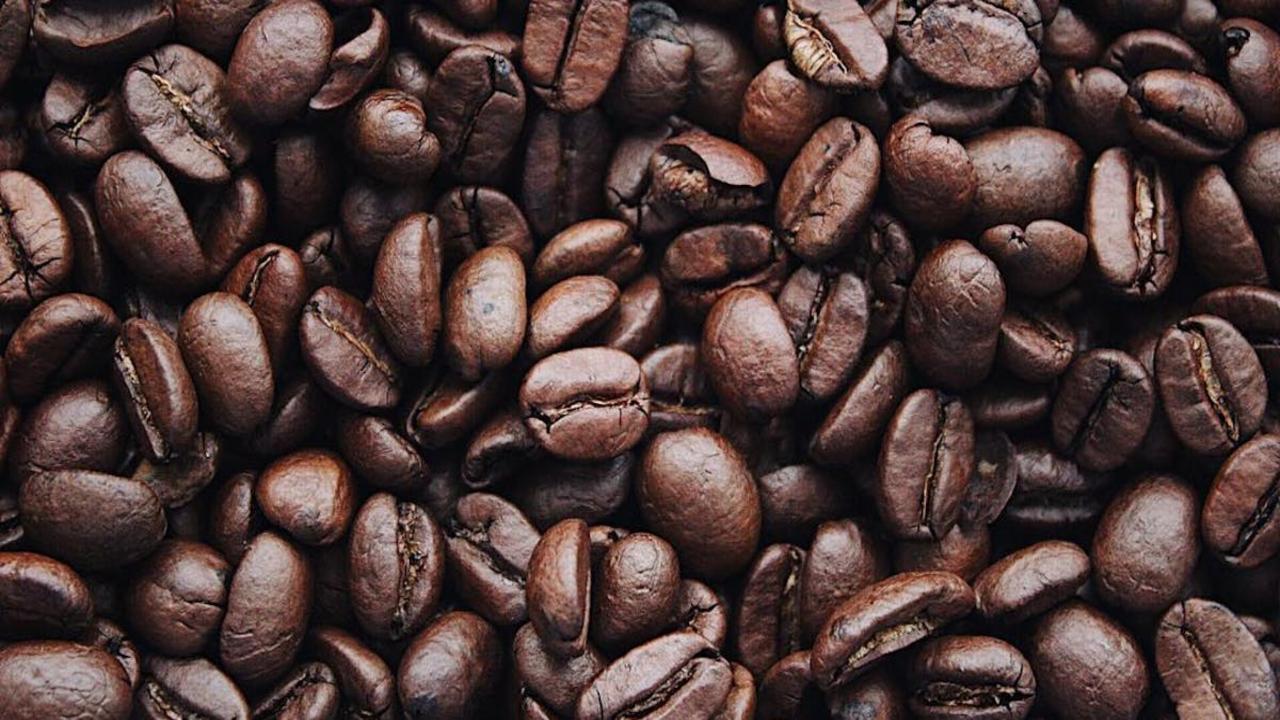
If you think your morning coffee routine is sacred, wait until you meet Ethiopia’s coffee ceremony – a ritual so elaborate it makes your French press look like amateur hour. Picture this: green coffee beans roasting over an open flame while frankincense smoke curls through the air, creating an atmosphere that’s part kitchen magic, part spiritual awakening. The host, usually a woman dressed in traditional white cotton, transforms these humble beans into liquid gold through a process that takes hours, not minutes. She’ll wash the beans, roast them until they’re crackling and aromatic, then grind them by hand with a mortar and pestle called a “mukecha.” The whole neighborhood knows when someone’s brewing because that intoxicating aroma travels for blocks, acting like an edible dinner bell.
Here’s where things get beautifully complicated: this isn’t just about caffeine – it’s about community building disguised as beverage preparation. Three rounds of coffee are served (called abol, tona, and baraka), each weaker than the last, giving everyone plenty of time to gossip, solve world problems, and bond over shared cups. The ceremony can stretch for hours, and leaving early is considered ruder than showing up to a wedding in flip-flops. Children learn patience by watching, elders share wisdom between sips, and neighbors drop everything to join in. Fun fact: Ethiopia is coffee’s birthplace, and legend says a goat herder discovered it when his flock got hyperactive after munching on coffee cherries. Now that’s what I call a origin story worth celebrating over a perfectly brewed cup!
Nyama Choma Communal Grilling in Kenya
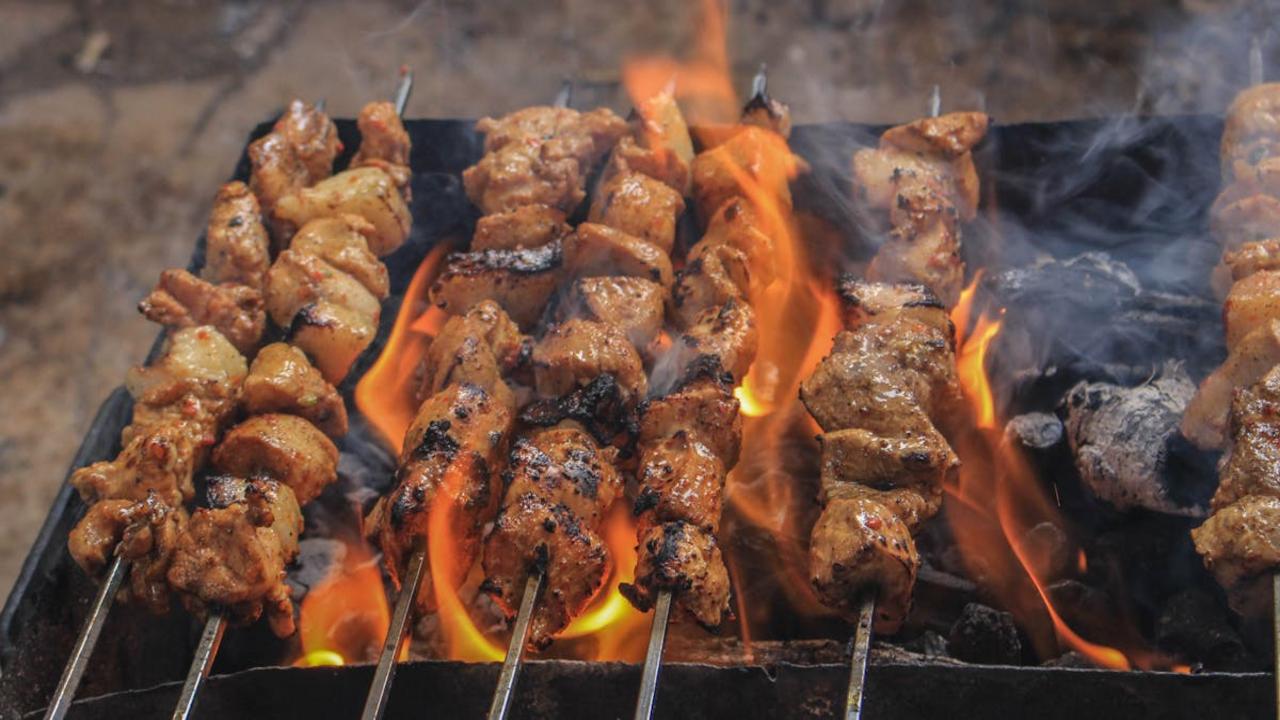
Picture this: you’re standing around a blazing charcoal fire in Kenya, watching chunks of succulent goat meat slowly transform into golden-brown perfection while your new friends argue passionately about the proper marinating technique. Welcome to nyama choma, which literally translates to “roasted meat” but means so much more than your average backyard barbecue. This isn’t just grilling – it’s a social institution where strangers become family over perfectly charred beef, goat, or chicken. The magic happens when someone suggests splitting the cost of a kilo of meat, and suddenly you’re part of an impromptu feast that could last hours.
What makes nyama choma special isn’t the fancy equipment (spoiler alert: there isn’t any) but the ritual itself. You’ll find groups of friends pooling their money, selecting their meat together, and then standing around the grill like it’s a campfire telling stories. The meat gets served on brown paper with ugali, kachumbari (a fresh tomato-onion salad), and cold Tusker beer. Here’s the beautiful part: nobody leaves hungry or alone. Whether you’re a broke university student or a wealthy businessman, everyone contributes what they can, and everyone eats. It’s democracy with a side of perfectly seasoned protein, and honestly, more countries should adopt this approach to weekend socializing.
Shared Mate Drinking Circles in Argentina
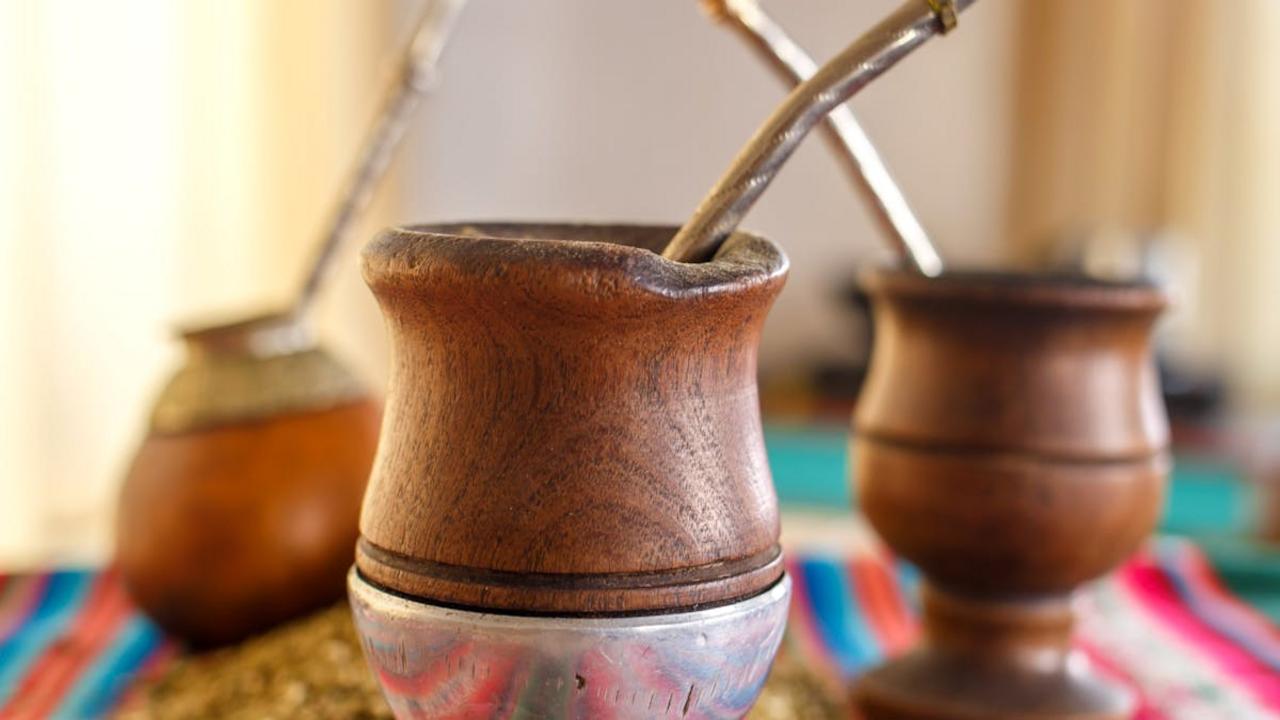
Picture this: you’re sitting in a Buenos Aires park when someone hands you a hollowed-out gourd filled with bitter green tea and a metal straw that looks like it belongs in a chemistry lab. Welcome to mate culture, where sharing isn’t just caring—it’s practically mandatory! This isn’t your grandmother’s tea party; mate drinking follows strict social rules that would make Emily Post jealous. The cebador (mate preparer) fills the gourd, sips first to test the temperature, then passes it clockwise around the circle. You drink all the liquid, say “gracias” when you’re done (which means you’re finished for good), and pass it back. Skip the “thank you” and you’ll keep getting refills until your bladder surrenders!
What makes mate circles magical isn’t just the caffeine kick that puts Red Bull to shame—it’s the democratic nature of the ritual. Doesn’t matter if you’re a CEO or a street sweeper; everyone shares the same straw, the same gourd, the same moment of connection. Argentines consume around 5 kilograms of mate per person annually (that’s more than coffee consumption in most countries!), and they’ll pack their mate kit before their underwear when traveling. I’ve watched business deals get sealed over mate, family arguments resolved, and strangers become friends—all because someone offered to share their gourd. The bitter taste might make you wince initially, but stick around long enough and you’ll discover that mate isn’t just a drink; it’s liquid friendship served hot.