13 Timeless Cooking Techniques That Will Revive Your Culinary Game
Traditional cooking methods carry deep wisdom passed down through generations. I’ve discovered how these time-tested techniques transform simple ingredients into extraordinary meals. From the slow magic of Dutch ovens to the patient craft of bread kneading, these methods bring out flavors and textures you just can’t get from modern shortcuts.
While fancy gadgets fill kitchen stores, mastering these 13 fundamental techniques will make you a more confident and skilled cook. Each method opens up new ways to create nourishing food from raw ingredients. Plus, there’s something deeply satisfying about making butter from cream or preserving summer’s bounty through canning.
I’ve gathered these techniques to help you build a strong cooking foundation. Whether you’re new to scratch cooking or looking to expand your skills, these methods will serve you well. They’ll give you the tools to create wholesome meals while connecting to cooking traditions that have stood the test of time.
Home Canning
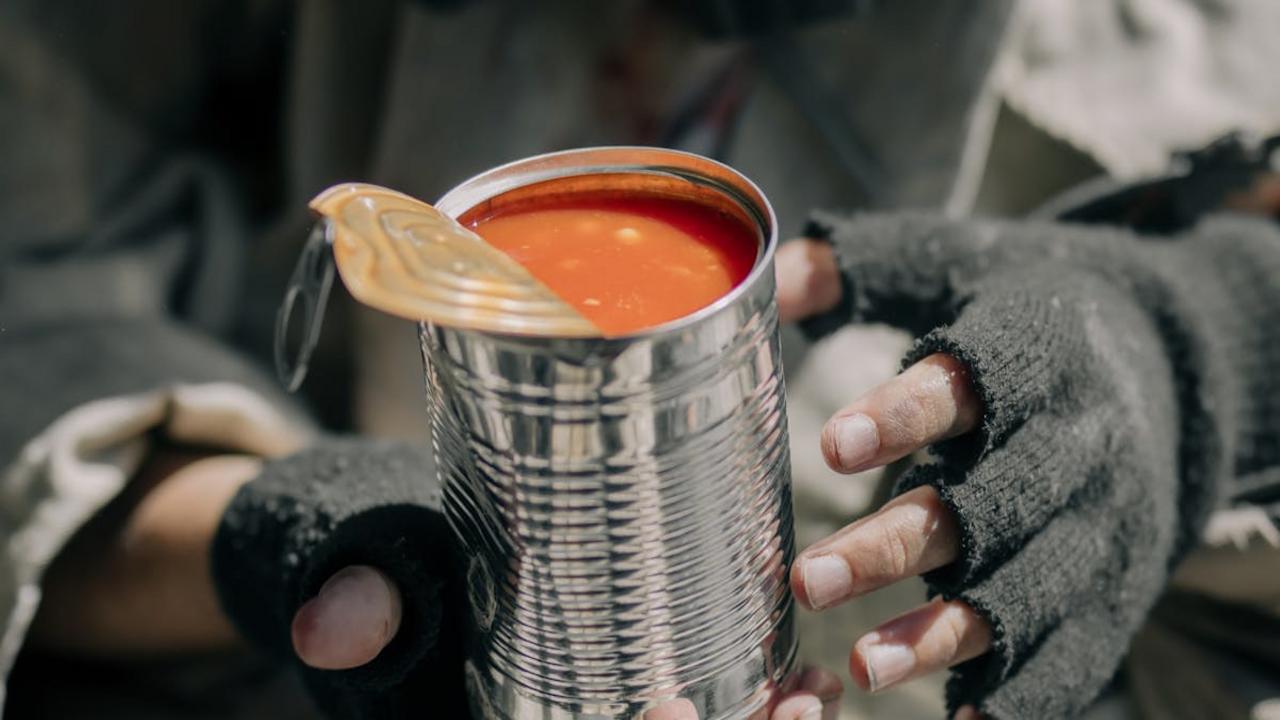
Home canning brings me so much joy – there’s nothing quite like preserving fresh, seasonal ingredients to enjoy throughout the year. I learned this time-honored technique from my grandmother, who taught me how to safely process everything from tomatoes and pickles to jams and fruit butters. The key is following proper safety protocols with clean, sterilized jars and lids, maintaining the right pH levels, and processing for the correct amount of time to prevent spoilage and ensure food safety.
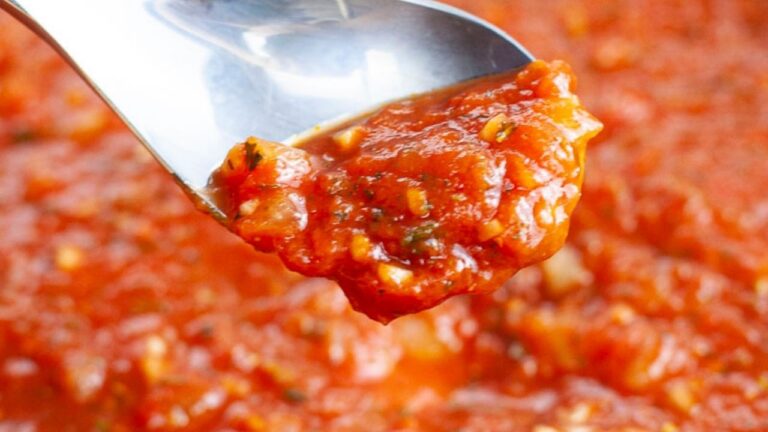
You’ll need basic equipment like mason jars, new lids, a large pot or pressure canner, jar lifters, and a funnel to get started. I recommend beginning with high-acid foods like pickles or jams since they’re more forgiving for beginners. Once you master the fundamentals, you can move on to pressure canning low-acid foods like vegetables and meats. The satisfaction of opening a jar of home-canned tomato sauce or peach preserves in the middle of winter makes all the effort worthwhile. Plus, you’ll know exactly what ingredients went into your preserved foods without any additives or preservatives.
Slow Simmering
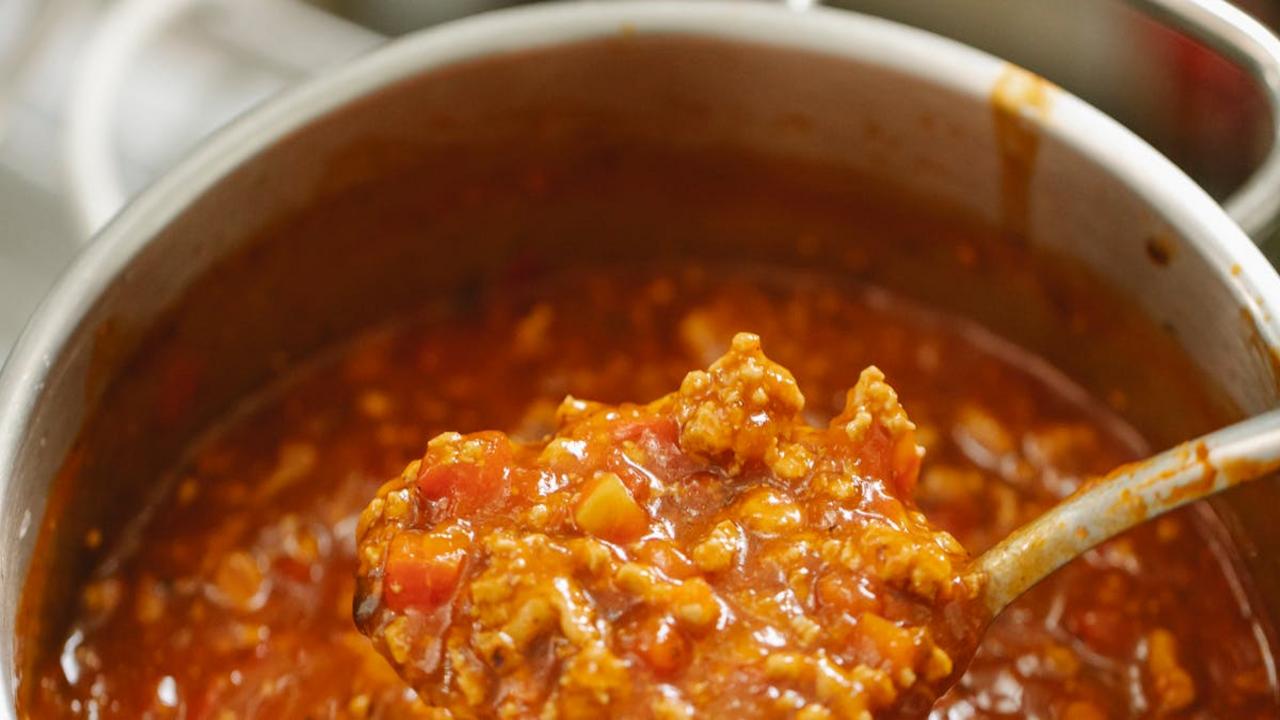
The magic of slow simmering transforms tough cuts of meat and hearty vegetables into tender, flavor-packed dishes that will make your kitchen smell amazing. I’ve learned through years of cooking that keeping your pot at a gentle bubble – where you see only a few bubbles breaking the surface every few seconds – creates the perfect environment for flavors to develop and meld together. You’ll want to maintain this consistent, low temperature throughout the cooking process, which can range from 30 minutes for some vegetables to several hours for tougher meats.
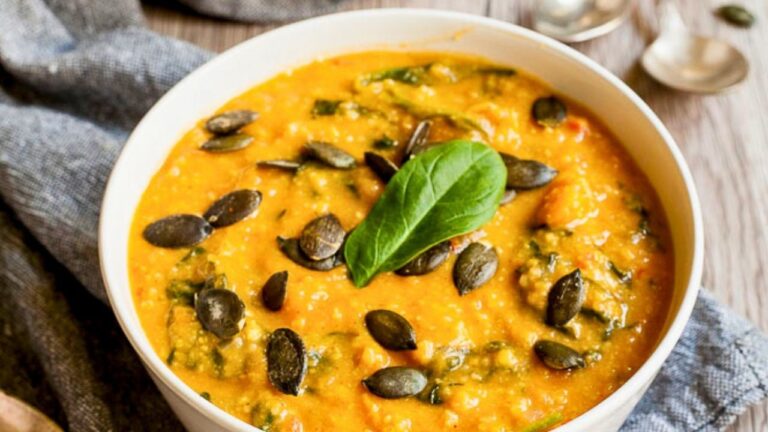
My favorite slow-simmered dishes include rich bone broths, deeply flavorful curries, and traditional stews that remind me of my grandmother’s cooking. The technique works by gradually breaking down collagen in meats into gelatin, while also allowing vegetables to release their natural sugars and starches into the cooking liquid. For best results, start with cold liquid and bring it up to temperature slowly. Keep the lid slightly ajar to prevent the liquid from reducing too quickly, and stir occasionally to ensure even heat distribution. The patience required for slow simmering will reward you with dishes that feature complex flavors and melt-in-your-mouth textures.
Hearth Cooking

You can bring the rustic charm of hearth cooking into your modern kitchen by adapting its principles. I’ve found that creating a makeshift hearth setup transforms everyday dishes into extraordinary meals – simply lay a cast iron skillet or Dutch oven directly on hot coals in your fireplace or outdoor fire pit. The radiant heat and subtle smokiness infuse your food with incredible depth, whether you’re roasting vegetables, baking bread, or slow-cooking stews. The variable heat zones naturally created by the fire give you perfect control for different cooking methods.
My favorite hearth cooking technique involves banking coals around my Dutch oven and placing some on the lid to create an even heat distribution. This mimics the authentic hearth cooking environment our ancestors used for centuries. The results are remarkable – meats become fork-tender with a beautiful crust, beans develop rich, complex flavors, and breads bake with perfect golden crusts. You’ll discover that this back-to-basics approach connects you more deeply with your food while producing outstanding results that modern appliances simply can’t replicate.
Hand Kneading Bread
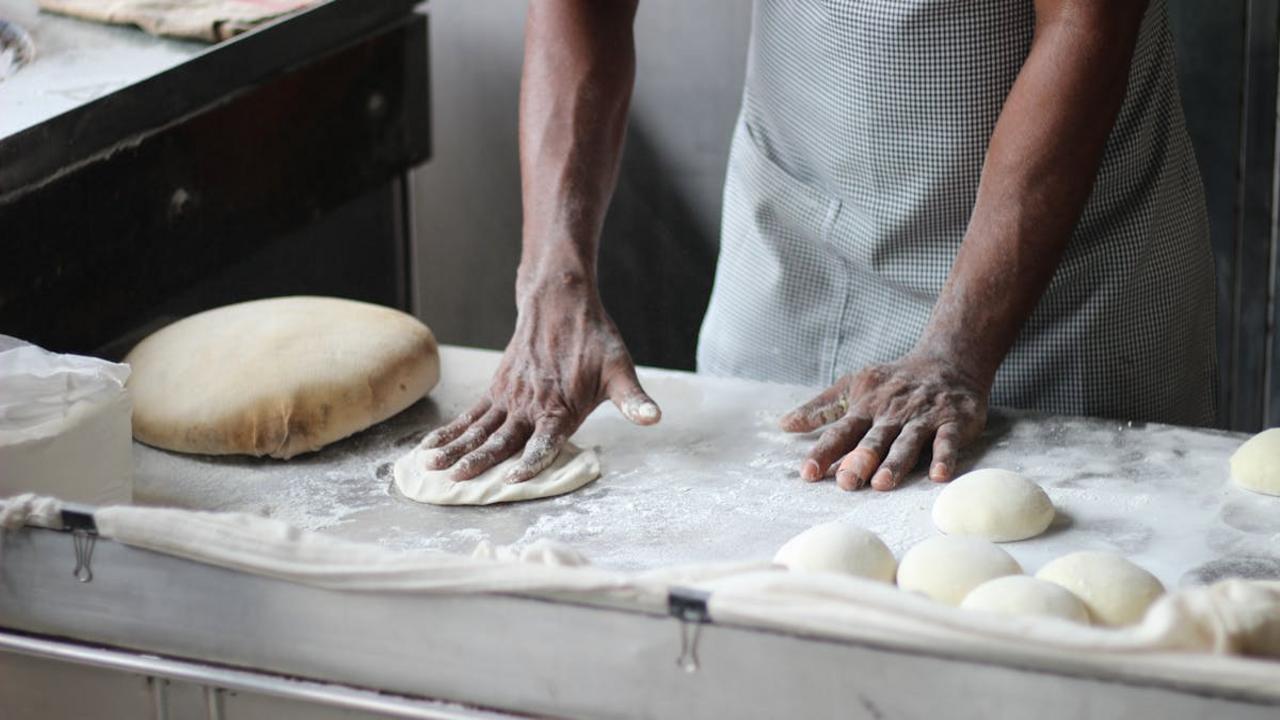
I’ll never forget the therapeutic rhythm of hand-kneading my first loaf of bread – pushing, folding, and watching the dough transform under my fingers. While stand mixers make bread-making convenient, hand-kneading connects you deeply to your dough. You’ll learn to feel exactly when the gluten develops and your dough reaches that perfect smooth, elastic stage. Plus, the manual process gives you total control over the dough’s texture and helps prevent over-kneading, which can make bread tough.
The technique itself remains beautifully simple: press the heel of your hand into the dough, fold it over, give it a quarter turn, and repeat. Keep a steady rhythm for 8-10 minutes until the dough feels smooth and bounces back when pressed. Add flour sparingly – just enough to prevent sticking. Your patience and effort will reward you with bread that has exceptional texture and flavor. The satisfaction of pulling a golden-brown loaf from the oven, knowing your own hands created it from start to finish, makes the process worthwhile every time.
Fermentation
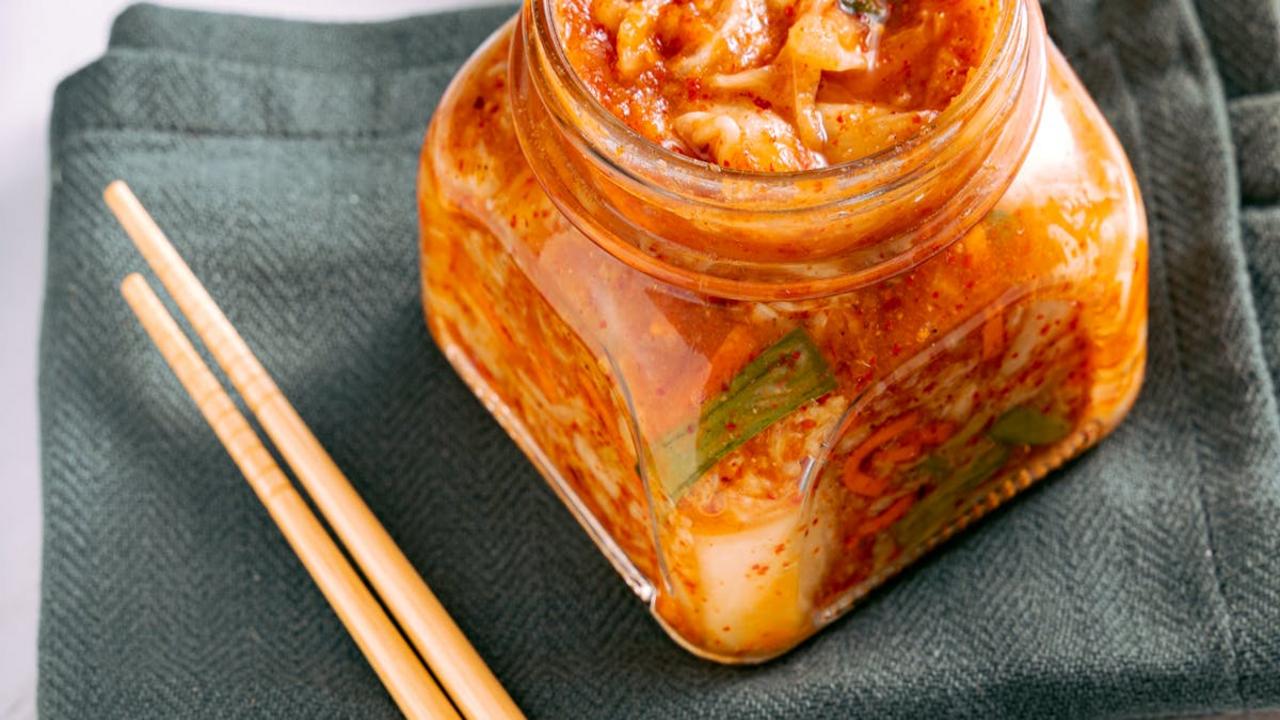
I got hooked on fermentation after watching my grandmother transform simple cabbage into tangy, probiotic-rich sauerkraut in her kitchen. This ancient preservation method brings out complex flavors while creating beneficial bacteria that support gut health. You can start with basic vegetable ferments like kimchi or pickled carrots – just combine your produce with salt brine in clean jars and let the natural microorganisms work their magic. The process feels almost meditative as you prep, pack, and patiently wait for nature to do its thing.
Beyond vegetables, you’ll find endless fermentation possibilities in your kitchen. Try making your own sourdough starter from flour and water, brew fizzy kombucha tea, or create creamy homemade yogurt. The best part? Once you understand the basic principles of creating the right environment for beneficial bacteria, you can experiment with different ingredients and flavors. I recommend starting with small batches and taking notes on fermentation times and temperatures. Your future self will thank you for developing this skill that transforms ordinary ingredients into nutrient-rich, deeply flavorful foods.
Root Cellaring
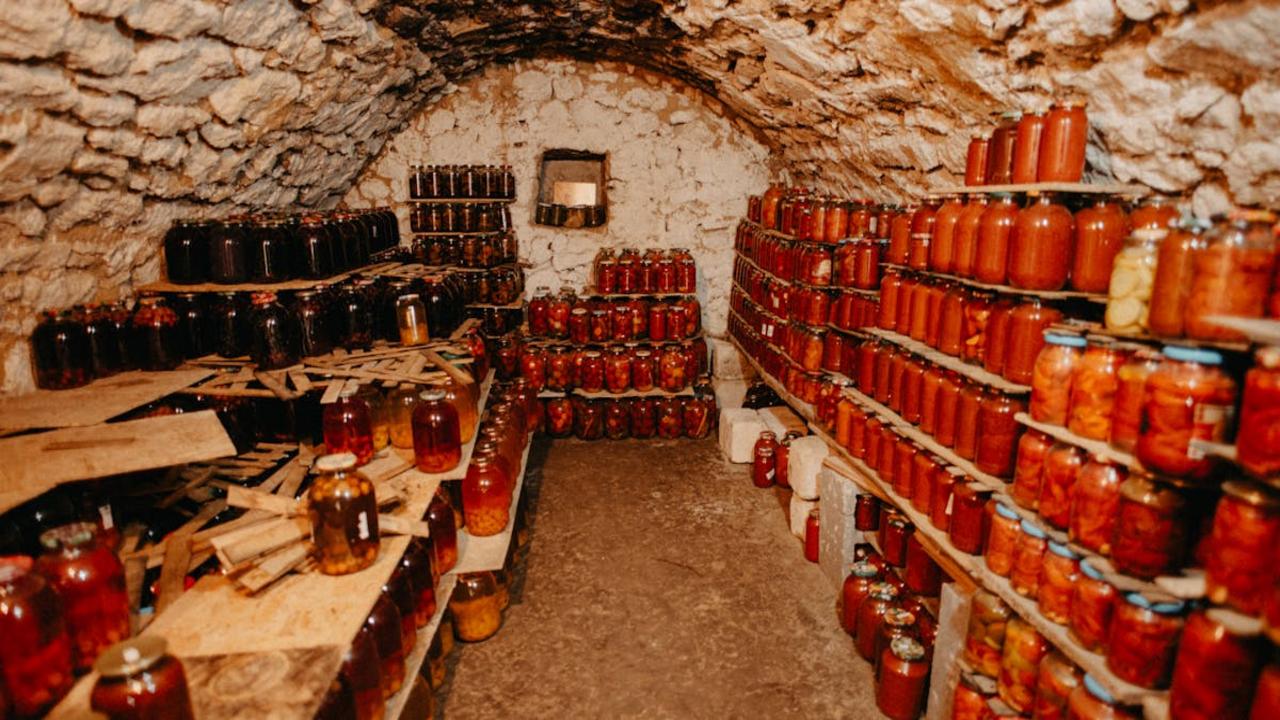
Root cellaring brings back the wisdom of our grandparents who kept their produce fresh through winter without refrigeration. You can transform any cool, dark basement corner into a natural storage space for root vegetables, apples, and hardy greens. The ideal conditions include temperatures between 32-40°F (0-4°C) and 85-95% humidity. I keep my potatoes, carrots, beets, and onions in separate ventilated boxes with layers of clean sand or sawdust – this prevents them from touching while maintaining the right moisture level.
Beyond saving money on groceries, root cellaring connects you to natural food preservation cycles. Your vegetables stay crisp and flavorful for months without using electricity. Start small with a few wooden crates in your basement, and monitor temperature and humidity with basic tools. Layer root vegetables carefully, check them weekly for any soft spots, and remove anything that shows signs of decay. The satisfaction of pulling out fresh carrots or firm potatoes in the middle of winter makes the effort worthwhile, and your cooking maintains that garden-fresh quality long after harvest season ends.
Home Butter Making
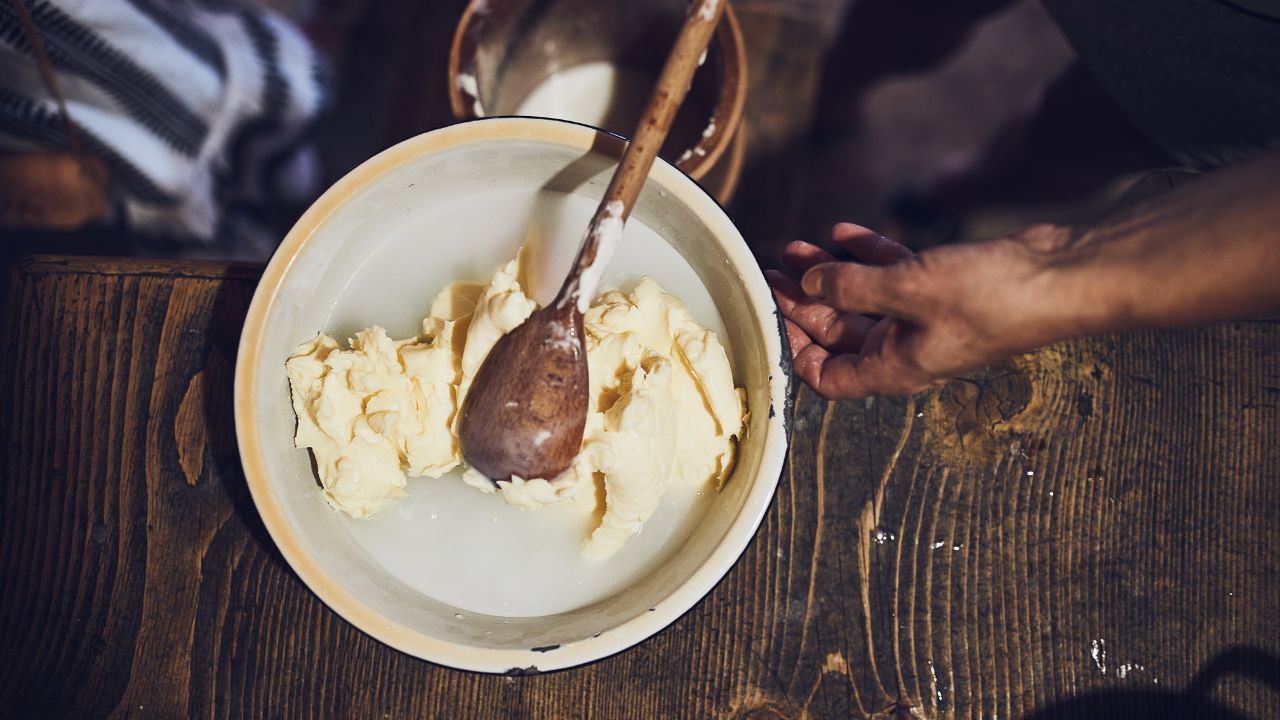
Making your own butter at home will transform how you think about this kitchen staple. With just heavy cream and a stand mixer (or mason jar if you want an arm workout!), you can create fresh, rich butter in under 15 minutes. The process is simple – whip cold cream until it separates into butter and buttermilk. Once the solids form, strain the buttermilk, rinse the butter in cold water, and knead out any remaining liquid. You’ll end up with pure, additive-free butter that puts store-bought versions to shame.
The real magic happens when you start experimenting with flavored compound butters. Mix in fresh herbs, roasted garlic, honey, or even citrus zest to create custom blends for different dishes. I love adding crushed black pepper and thyme to slather on steaks, or mixing in finely chopped fresh basil and sun-dried tomatoes for an Italian-inspired spread. The buttermilk byproduct is also perfect for pancakes, biscuits, or marinades. Once you master basic butter-making, you’ll never want to go back to the commercially produced stuff.
Cast Iron Cooking
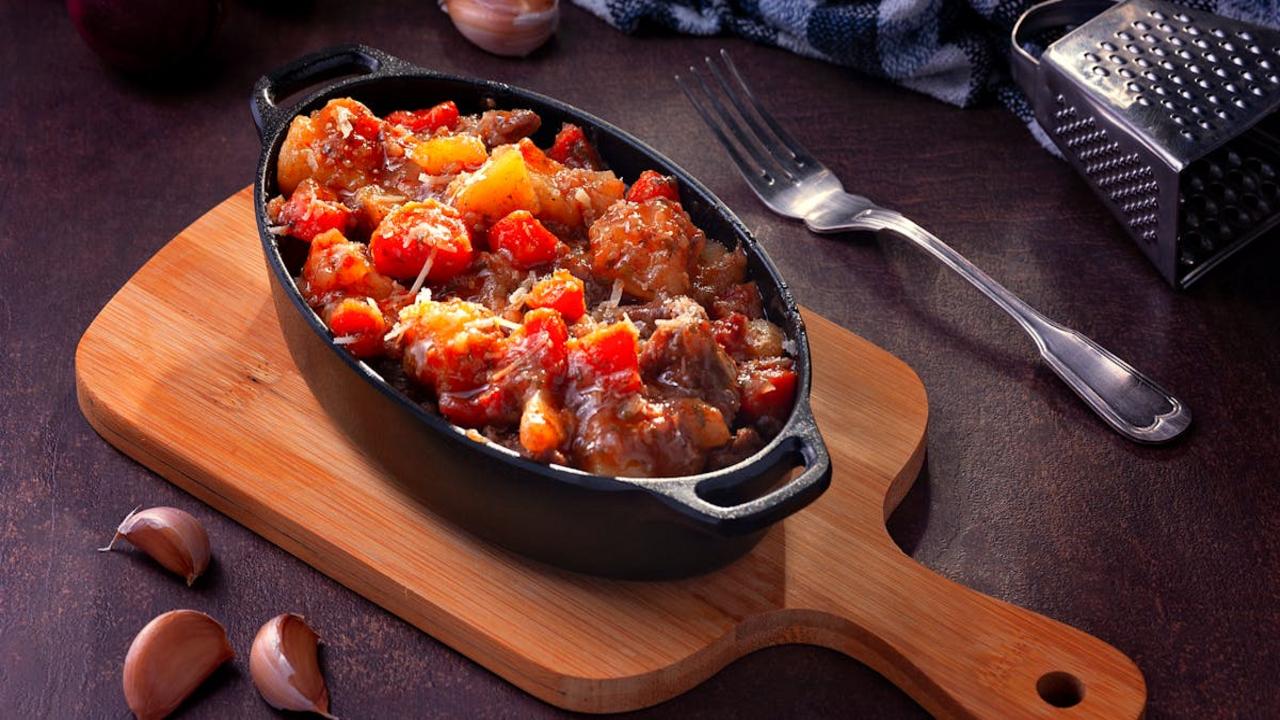
I absolutely adore my cast iron skillet – it’s the workhorse of my kitchen that just keeps getting better with time. The magic of cast iron lies in its natural non-stick surface that builds up through regular cooking, known as seasoning. This remarkable cooking surface adds deep, rich flavors to everything from perfectly seared steaks to golden cornbread. Your cast iron will become more non-stick with each use, making it an investment that pays delicious dividends for generations.
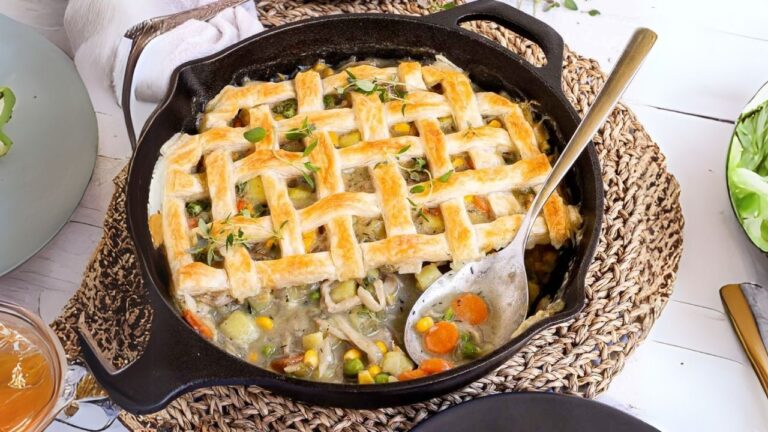
The key to cast iron success starts with proper care. After cooking, clean your pan with hot water (no soap needed), dry it thoroughly, and apply a thin coat of oil. Heat it briefly on the stove or in the oven to lock in the seasoning. Store it in a dry place, and you’ll have a reliable cooking companion that handles high heat beautifully, moves seamlessly from stovetop to oven, and adds a wonderful depth of flavor to your dishes. I recommend starting with simple recipes like skillet cornbread or pan-seared chicken to build your confidence with this incredible tool.
Stone Grinding
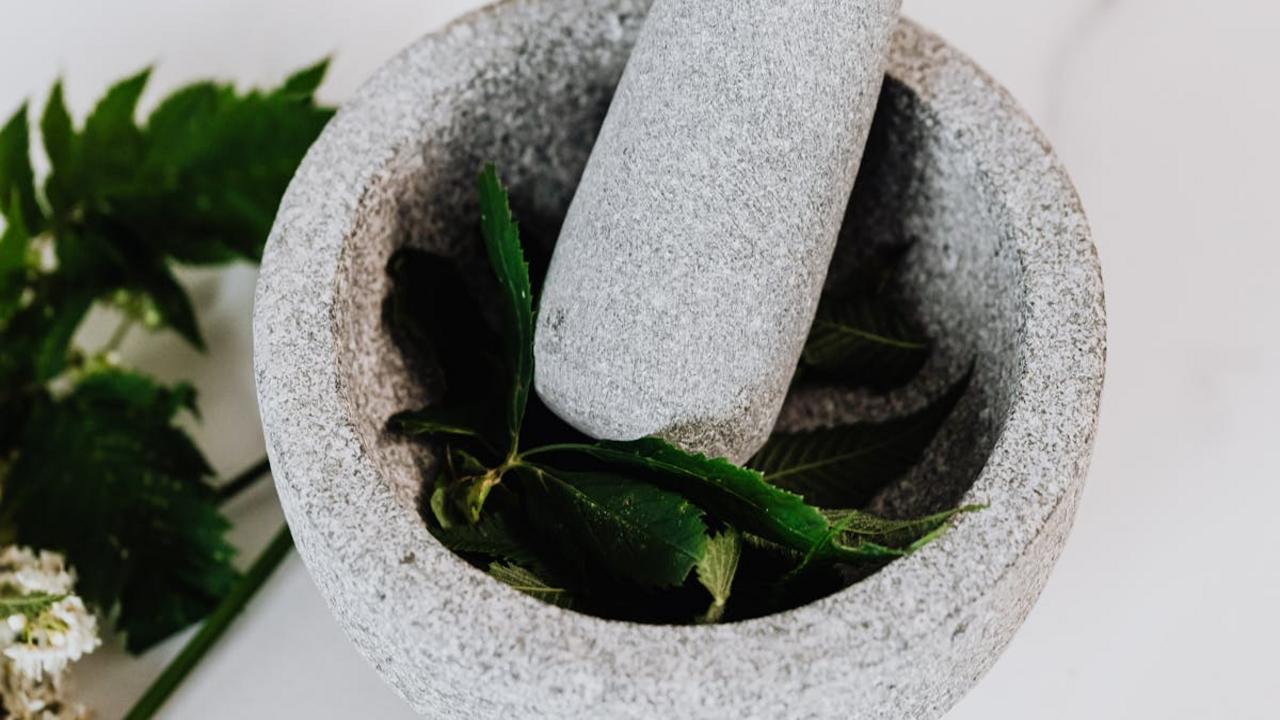
I’ll never forget the first time I used a stone grinder in my kitchen – the aroma of freshly ground spices filled the air and transformed my cooking completely. Stone grinding allows you to extract deeper, more complex flavors from whole spices compared to pre-ground versions. This ancient technique breaks down ingredients slowly, preserving natural oils and preventing heat damage that can occur with electric grinders. You’ll notice the difference immediately in dishes like curry pastes, chutneys, and traditional Mexican moles.
Getting started with stone grinding requires just two basic tools: a grinding stone (metate) and a hand stone (mano). While it takes a bit more physical effort than electric alternatives, the control and connection to ingredients make it worthwhile. I recommend starting with smaller batches of dry spices like cumin or coriander seeds. Once comfortable, move on to wet ingredients for pastes and sauces. The texture and depth of flavor you’ll achieve will make you wonder why you ever relied on pre-ground spices before.
Pickling
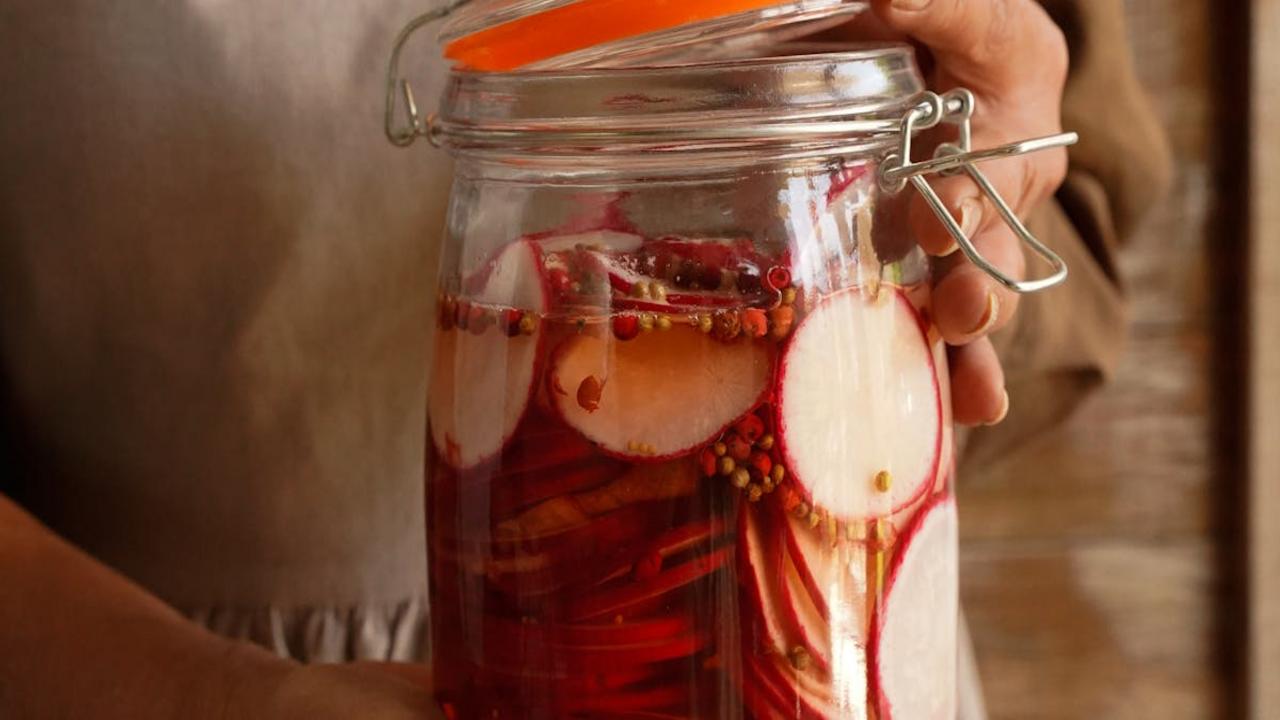
I’ll never forget the first time I watched my grandmother transform a basket of fresh cucumbers into crispy dill pickles that lasted us through winter. Pickling gives you the power to preserve vegetables and fruits while creating bold, tangy flavors through fermentation. You’ll need just a few basic ingredients: vinegar, salt, sugar, and your choice of spices like dill, garlic, or peppercorns. The technique works on almost anything – from classic cucumber pickles to creative combinations like pickled watermelon rind or spicy carrots.
The magic of pickling lies in understanding the right ratios of vinegar to water and getting your brine temperature just right. Start with thoroughly cleaned jars and fresh produce, then mix your pickling liquid according to your recipe. For quick pickles, you can enjoy them within 24 hours, while traditional fermented pickles need several weeks to develop complex flavors. I recommend beginning with small batches of quick pickles to learn the basics before moving onto long-term preservation methods. Once you master this technique, you’ll have delicious pickled vegetables ready to brighten up sandwiches, salads, and charcuterie boards year-round.
Food Drying
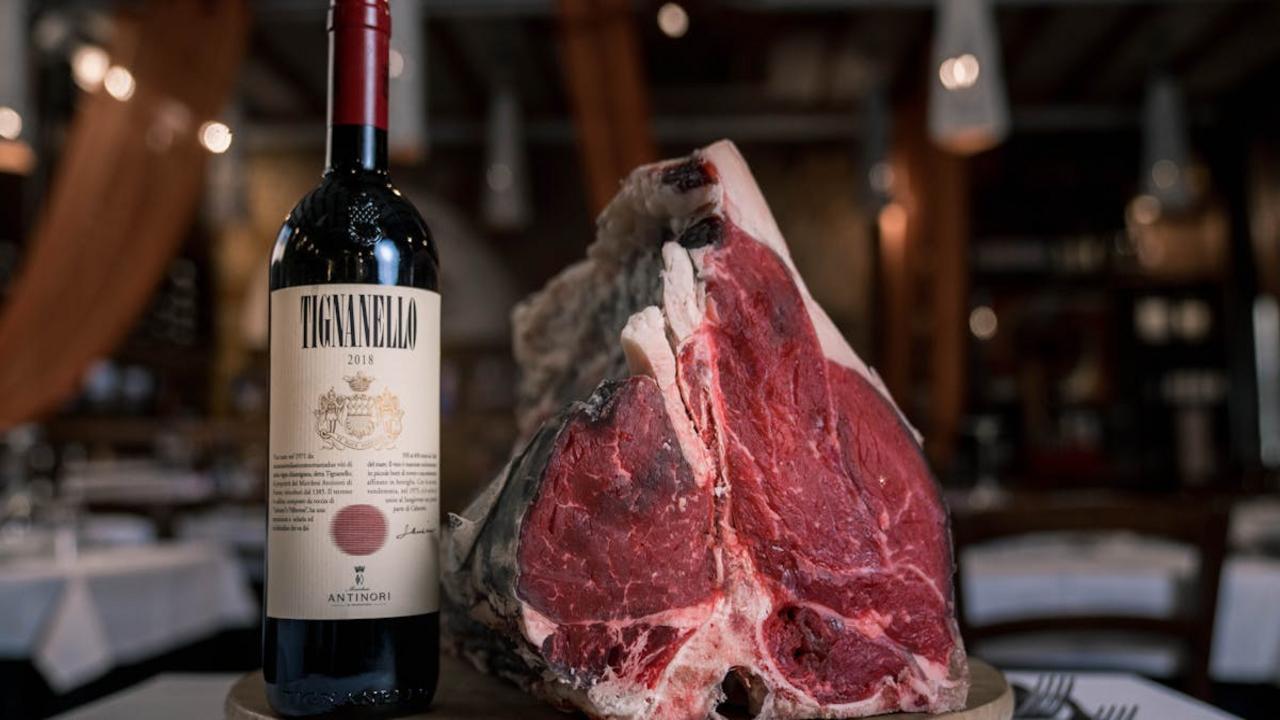
I learned food drying from my grandmother, who preserved summer’s bounty without refrigeration. You can dry fruits, vegetables, herbs, and even meats to create shelf-stable ingredients that pack intense flavors. Start with clean, ripe produce sliced uniformly thin. Remove any blemishes or bruised parts. You’ll want good air circulation, low humidity, and temperatures between 130-140°F for most foods. A food dehydrator gives you the most control, but you can also use your oven on its lowest setting with the door cracked open.
Think beyond basic dried apples or beef jerky! I love making dried tomatoes packed with umami for winter sauces, mushroom powder to add depth to soups, and fruit leather from seasonal berries. The key is removing enough moisture to prevent spoilage while retaining nutrients and flavor compounds. Check your food periodically – it should feel leathery and dry but still slightly pliable, not brittle. Store your dried goods in airtight containers away from light and heat. With proper drying and storage, these preserved ingredients will keep for months while adding concentrated flavor to your cooking.
Meat Smoking
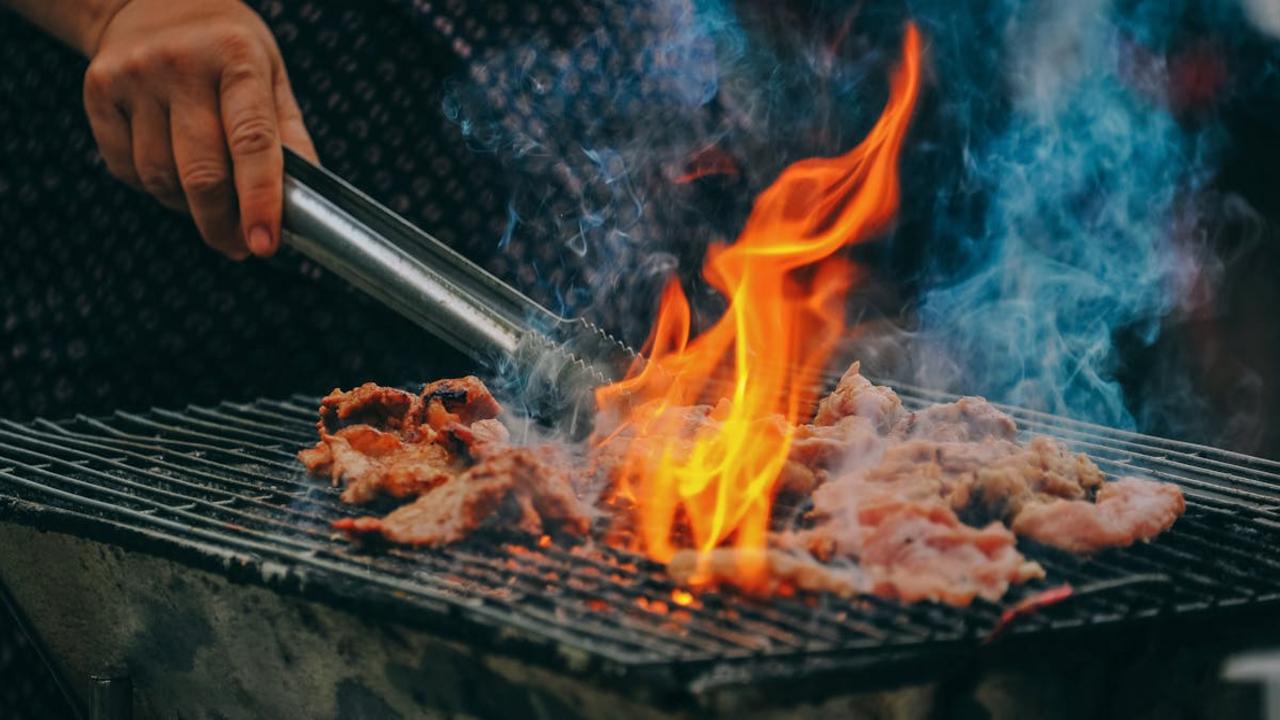
I absolutely adore smoking meat – it transforms even budget-friendly cuts into tender, flavorful masterpieces that will make your guests think you’ve been cooking all day (well, technically you have!). The key lies in maintaining a consistent low temperature, usually between 200-250°F, while infusing your meat with aromatic wood smoke. My go-to woods include hickory for beef, apple for pork, and cherry for poultry. The smoke ring – that beautiful pink layer just under the surface – becomes your badge of honor among fellow barbecue enthusiasts.
Start by giving your meat a good dry rub and letting it sit overnight in the fridge – this builds a foundation of flavor that the smoke will enhance. Keep your smoker’s water pan full to maintain moisture and prevent your meat from drying out. Remember, you can’t rush this process – brisket might take 12-15 hours, while ribs need 5-6 hours to reach that perfect tenderness. I’ve learned through many smoking sessions that patience truly pays off. If you’re new to smoking, start with chicken or pork shoulder – they’re more forgiving and will help you build confidence with this technique.
Dutch Oven Cooking
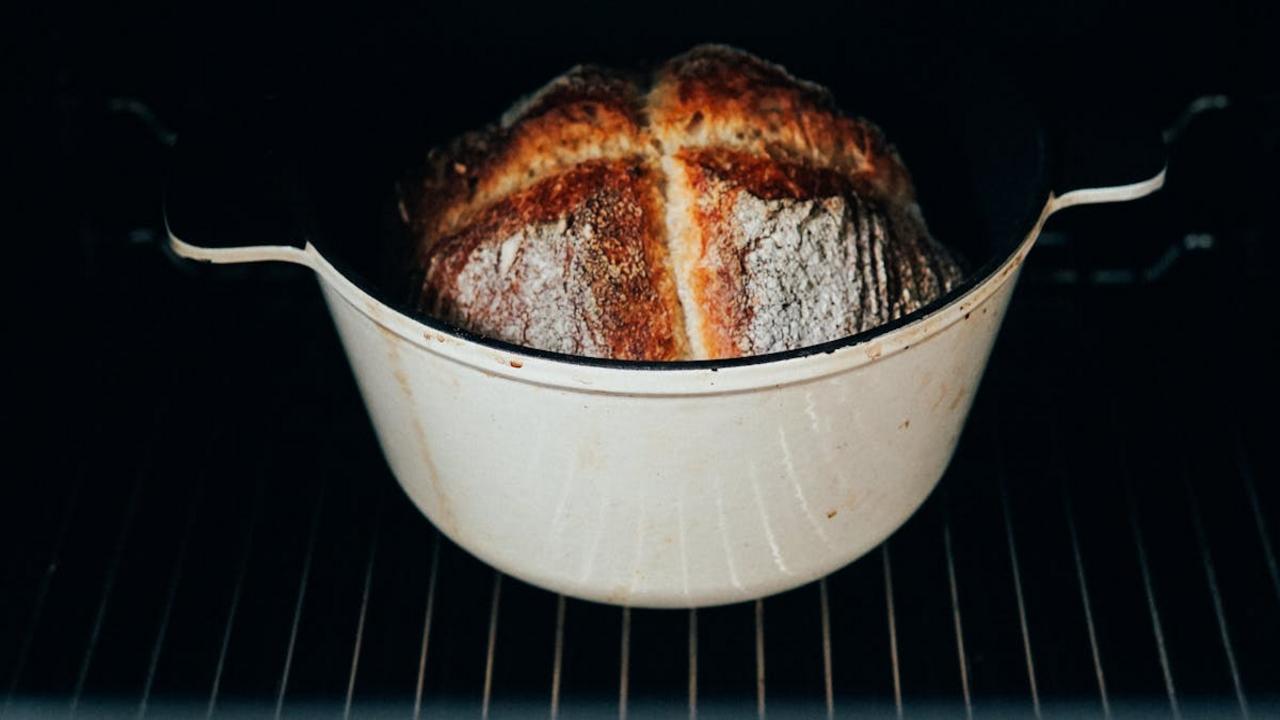
Your Dutch oven can become your most dependable kitchen companion once you understand its versatility. I’ve discovered that this heavy-bottomed pot creates the most tender braised meats, crusty sourdough bread, and rich stews you’ll ever make at home. The thick walls and tight-fitting lid trap moisture perfectly, while the even heat distribution prevents hot spots that could burn your food. You’ll notice how the constant circulation of heat and steam transforms tough cuts of meat into melt-in-your-mouth dishes.
Start by searing your proteins right in the Dutch oven – the high sides prevent oil splatters and the wide bottom gives plenty of room for browning. Then add your aromatics, liquids, and other ingredients before transferring the whole pot to the oven. The magic happens during the long, slow cooking process where flavors meld and intensify. I love using my Dutch oven for no-knead bread too – the heavy lid creates the perfect steamy environment for a crispy crust. Clean-up is always simple since most Dutch ovens have an enamel coating that prevents sticking.