13 Surprising Flavor-Packed Foods to Use More Often
Your pantry deserves more than the same rotation of ingredients. Hidden gems from around the world can transform everyday cooking into something extraordinary—without complicating your process. These thirteen foods bring bold flavors and remarkable benefits that’ll change how you think about nourishing yourself and your family.
I’ve spent years experimenting with ingredients that initially seemed unfamiliar, discovering how they fit naturally into simple meals. What started as curiosity became a genuine shift in how I cook. These aren’t trendy add-ins you’ll use once and forget—they’re legitimate staples that enhance everything from morning smoothies to evening stir-fries.
Each ingredient here offers distinct character and substance. Whether you’re looking to expand your flavor palette or simply want more from your meals, these foods deliver. They’re accessible, versatile, and deserve regular spots in your kitchen. Start with what speaks to you, then watch how quickly they become indispensable.
Camu Camu
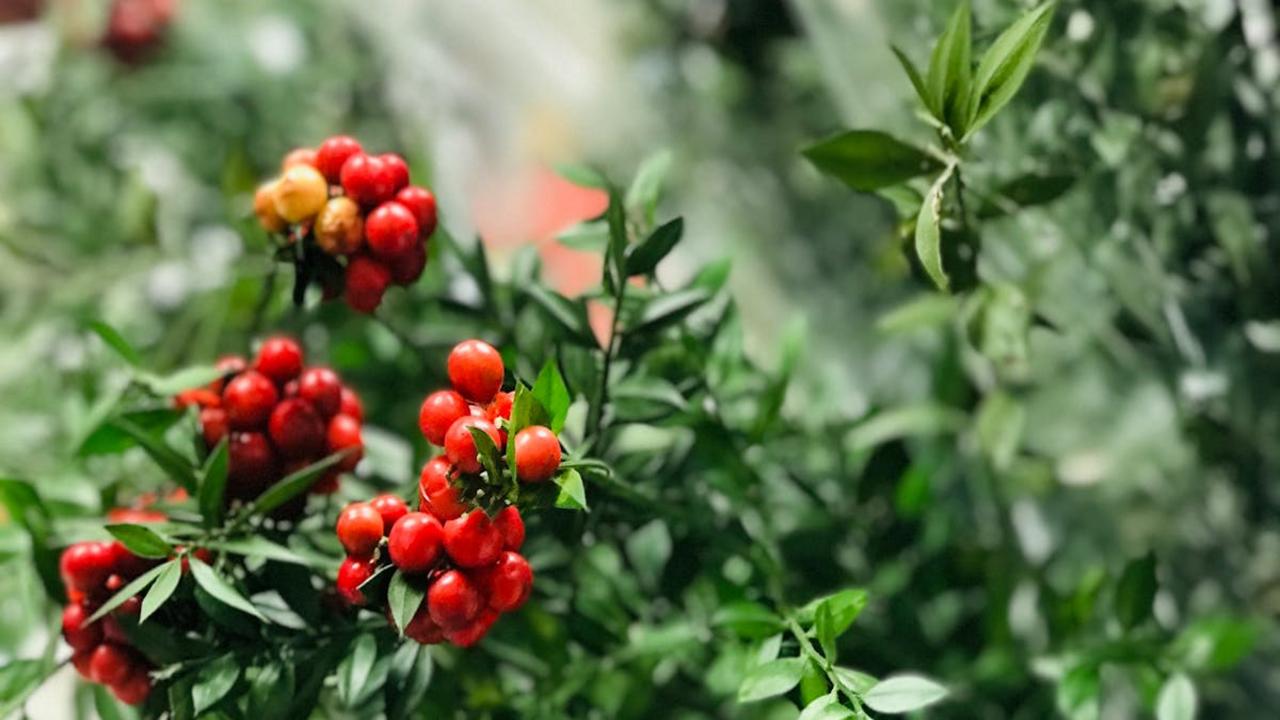
If you’re looking for a vitamin C powerhouse that goes beyond the usual suspects, camu camu deserves a spot in your pantry. This tart berry from the Amazon rainforest packs more vitamin C than oranges could ever dream of—we’re talking about 30 to 60 times more per serving. The flavor hits you with an intense sourness that’s almost electric, which means you won’t be eating these berries straight like candy. Instead, think of camu camu powder as your secret weapon for adding depth to smoothies, yogurt bowls, or even homemade energy balls. I blend a teaspoon into my morning banana smoothie with a touch of honey, and that bright, tangy kick wakes everything up without overwhelming the other flavors. The tartness plays beautifully against sweet fruits, creating this balanced complexity that keeps your taste buds engaged.
Beyond the vitamin boost, camu camu brings this subtle fruity undertone that reminds me of cherries mixed with citrus—it’s distinctive without being aggressive. I’ve started whisking small amounts into salad dressings where that sour note complements vinegar and olive oil perfectly, adding an unexpected layer that makes people ask what’s different about the dressing. You can also stir it into chia pudding or sprinkle it over fresh fruit salads where its tartness cuts through sweetness naturally. Start with just a quarter teaspoon and work your way up because this berry means business when it comes to flavor intensity. The powder stores well in your fridge and lasts for months, making it an easy addition to your routine once you figure out how much punch you prefer in your dishes.
Kefir

Kefir brings a tangy, probiotic punch that transforms everything it touches. This fermented milk drink is thicker than yogurt and far more versatile than most people realize. Pour it into smoothies for instant creaminess, use it as a marinade for chicken to tenderize the meat while adding complex flavor, or whisk it into salad dressings for a refreshing twist. The living cultures in kefir give your gut health a serious boost while delivering that distinctive sour note that balances sweet and savory dishes beautifully. Unlike regular milk, kefir won’t curdle when heated gently, making it perfect for creamy soups and sauces.
I keep kefir in my fridge constantly because it solves so many kitchen problems. Need a quick breakfast? Blend kefir with frozen berries and honey. Want to make fluffy pancakes? Swap out buttermilk for kefir in any recipe. The fermentation process breaks down lactose, so even people who struggle with dairy often tolerate kefir better than milk. You can make your own at home with kefir grains, which multiply endlessly and cost nothing after your initial purchase. Store-bought works great too—just check the label for live active cultures and minimal added sugar. Once you start cooking with kefir regularly, you’ll wonder how you ever managed without this flavor-packed powerhouse.
Sumac

If you haven’t tried sumac yet, you’re missing out on one of the most vibrant, tangy spices in your pantry. This deep burgundy powder comes from dried sumac berries and brings a bright, lemony punch to anything it touches. Think of it as your shortcut to adding acidity without reaching for citrus—though it’s more complex than that, with subtle floral notes and a hint of astringency that makes dishes pop. I keep a jar within arm’s reach because it transforms the simplest ingredients into something special. Sprinkle it over roasted vegetables, mix it into yogurt-based dips, or dust it over grilled chicken right before serving. The color alone makes your plate look like a restaurant creation.
What makes sumac particularly brilliant is how it bridges flavors without overpowering them. You can be generous with this spice—it won’t punch you in the face like some others might. I add it to salad dressings for depth, fold it into rice dishes for brightness, and even rim the edge of cocktail glasses for an unexpected twist. It’s particularly magical with fatty foods like lamb or avocado, where its tartness cuts through richness beautifully. The Middle Eastern tradition of using sumac in za’atar and fattoush salad shows its versatility, but don’t stop there. Try it on popcorn, scrambled eggs, or even fresh fruit for a sweet-tart combination that’ll make you rethink what seasoning can do.
Natto
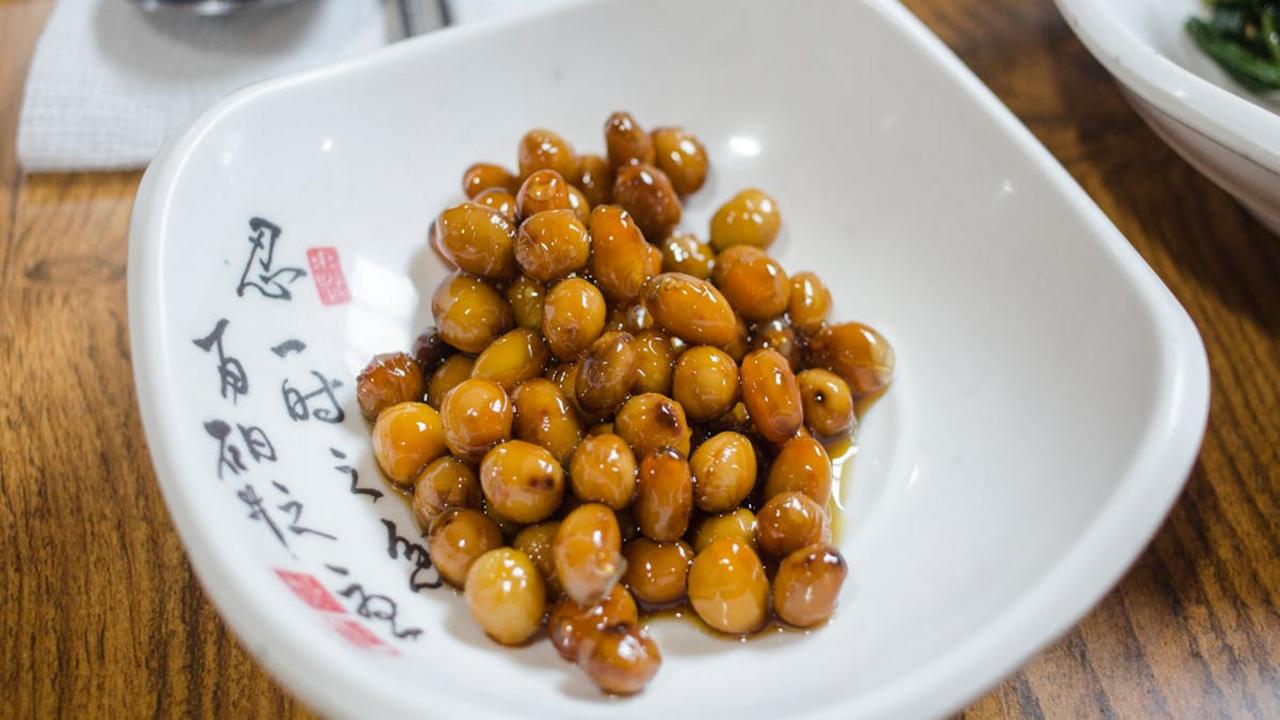
Natto gets a bad reputation for its sticky texture and pungent aroma, but this fermented soybean dish delivers incredible umami depth that transforms simple meals into something memorable. Mix it with soy sauce, mustard, and green onions over steamed rice for a traditional Japanese breakfast that’s protein-rich and surprisingly satisfying. The fermentation process creates probiotics that support gut health while developing complex flavors that grow on you with each bite. Don’t let the stringy consistency throw you off—those long strands mean the beans were properly fermented, releasing beneficial bacteria and enzymes your body will thank you for.
Start incorporating natto into your cooking gradually if you’re new to it. Stir small amounts into fried rice, mix it with scrambled eggs for added richness, or blend it into miso soup for extra body and nutrition. The fermented soybeans contain vitamin K2, which supports bone health, plus they’re packed with plant-based protein that keeps you full longer. Buy natto in small containers from Asian markets, and store extras in your freezer—they’ll keep for months. Once you get past the initial hesitation, natto becomes one of those ingredients you reach for regularly, adding layers of savory complexity to everyday dishes while boosting their nutritional value.
Dragon Fruit
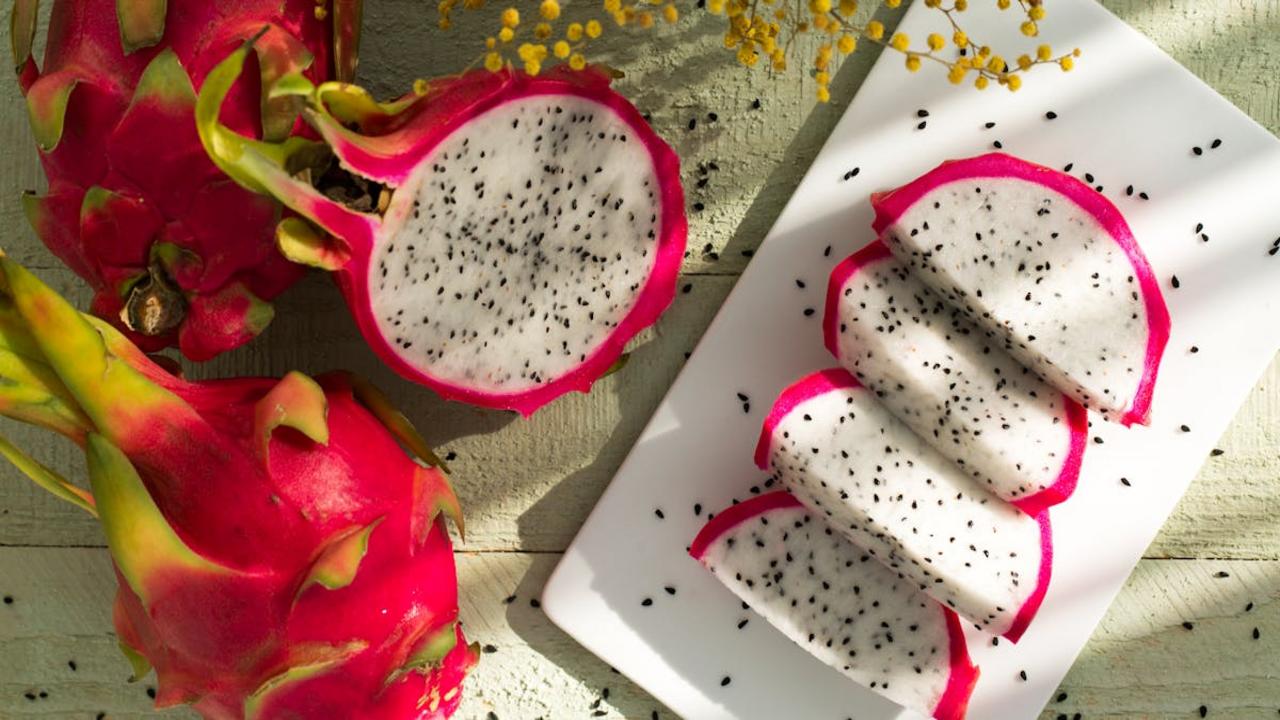
Dragon fruit isn’t just Instagram-worthy—it’s a powerhouse that deserves a regular spot in your kitchen. This vibrant tropical fruit, with its shocking pink skin and speckled white or magenta flesh, brings a subtle sweetness that’s incredibly versatile. I’ve been tossing it into smoothie bowls, blending it into agua frescas, and even grilling slices alongside fish tacos. The flavor is mild, almost like a cross between kiwi and pear, which means it won’t overpower other ingredients but adds this beautiful, almost floral note that makes everything feel more special. Plus, it’s loaded with antioxidants, vitamin C, and fiber—your body will thank you for making this swap from processed breakfast bars.
What really excites me about dragon fruit is how it transforms simple dishes into something memorable without requiring complicated techniques. Try dicing it into salsas with mango and jalapeño, or freeze chunks for the most gorgeous pink smoothies you’ve ever made. I’ve even stirred the puréed fruit into chia pudding overnight, creating this stunning breakfast that tastes clean and fresh. The seeds add a satisfying crunch too, giving texture to whatever you’re making. Don’t be intimidated by its exotic appearance—just slice it in half, scoop out the flesh with a spoon, and start experimenting. It’s one of those ingredients that makes healthy eating feel effortless and exciting rather than restrictive.
Amla
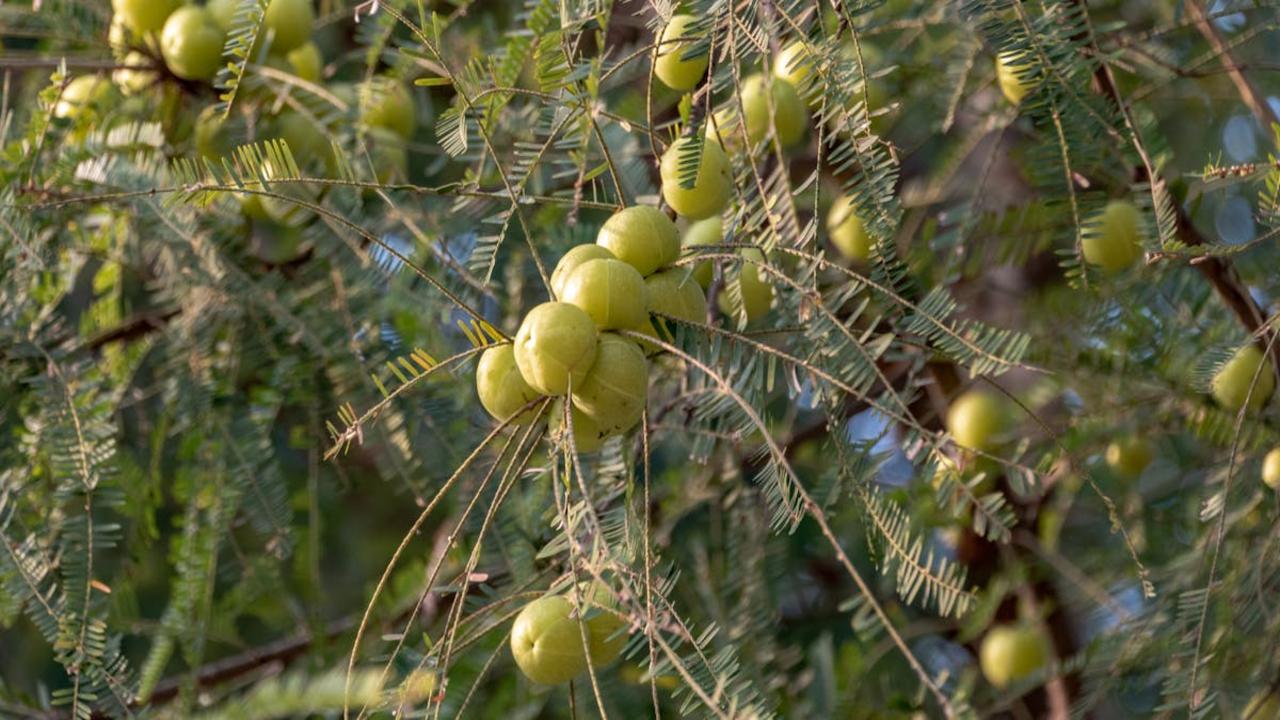
Amla, also known as Indian gooseberry, is a tart, vitamin C-packed powerhouse that deserves a permanent spot in your pantry. This small green fruit brings an intense sourness that can transform both sweet and savory dishes with just a pinch. I keep dried amla powder on hand because it adds complexity to chutneys, marinades, and even smoothies without overwhelming other flavors. The fresh fruit itself looks unassuming but packs such a punch that one berry can make your entire mouth pucker—in the best way possible. Indians have used amla for centuries in Ayurvedic medicine and home cooking, and once you understand how to balance its tartness, you’ll reach for it constantly.
The beauty of amla lies in its versatility and health benefits rolled into one ingredient. Try mixing amla powder into your morning yogurt with honey and cardamom for a probiotic-rich breakfast that wakes up your system. You can also simmer fresh or dried amla with jaggery and spices to create a tangy-sweet preserve that pairs beautifully with roasted meats or spread on warm flatbread. The high vitamin C content means it acts as a natural preservative, so homemade chutneys with amla stay fresh longer in your fridge. If you’re making dal or lentil soups, a teaspoon of amla powder stirred in at the end brightens the entire pot without adding extra salt. This humble fruit connects you to ancient food traditions while giving modern dishes an unexpected zing that keeps people guessing at your secret ingredient.
Schisandra Berries

Schisandra berries pack a wild, complex punch that most home cooks haven’t experienced yet. These tiny red fruits from traditional Chinese medicine carry all five flavor profiles at once—sweet, sour, salty, bitter, and umami—which sounds impossible until you taste them yourself. I started adding dried schisandra berries to my morning smoothies and tea blends, and they’ve completely changed how I think about layering flavors in everyday cooking. The berries work beautifully in both sweet and savory applications, adding depth to homemade syrups, marinades, and even salad dressings where their tartness cuts through rich ingredients.
You can find dried schisandra berries at most health food stores or Asian markets, and they’re incredibly versatile once you bring them home. Try simmering a tablespoon in your next pot of rice or quinoa for a subtle flavor boost, or steep them with ginger and lemon for a restorative afternoon drink. The berries also make an excellent addition to homemade granola or energy balls, where their unique taste profile adds intrigue without overwhelming other ingredients. Start with small amounts—their intensity builds quickly—and experiment with incorporating them into your regular rotation of whole foods and minimally processed ingredients.
Ashwagandha
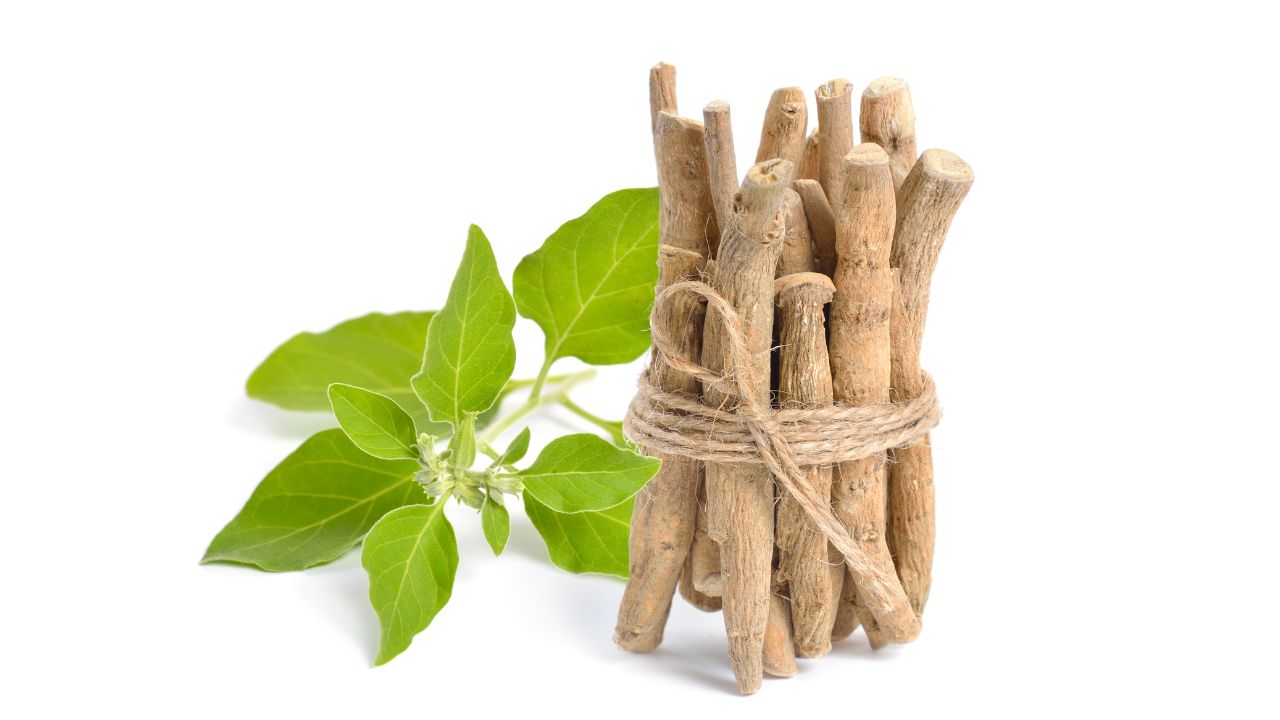
This ancient adaptogenic herb brings an earthy, slightly bitter taste that transforms warm drinks and smoothies into something deeply grounding. I started adding a small pinch to my morning golden milk about a year ago, and now I can’t imagine starting my day without it. The flavor profile sits somewhere between roasted nuts and dark chocolate with a subtle herbal finish that pairs beautifully with honey, cinnamon, and cardamom. Beyond its distinctive taste, ashwagandha has been used in Ayurvedic cooking for thousands of years to support overall wellness and balance.
You’ll want to start with just a quarter teaspoon since the flavor can dominate if you’re heavy-handed. Mix it into oat milk lattes, blend it with banana and dates in your morning shake, or stir it into warm almond milk with turmeric and black pepper before bed. I’ve even experimented with adding tiny amounts to energy balls made with dates, nuts, and cacao—the earthy notes actually enhance the chocolate flavor. The key is treating ashwagandha like you would any strong spice: respect its intensity, balance it with complementary flavors, and give yourself time to appreciate how it changes your everyday drinks into something more intentional and nourishing.
Sea Buckthorn
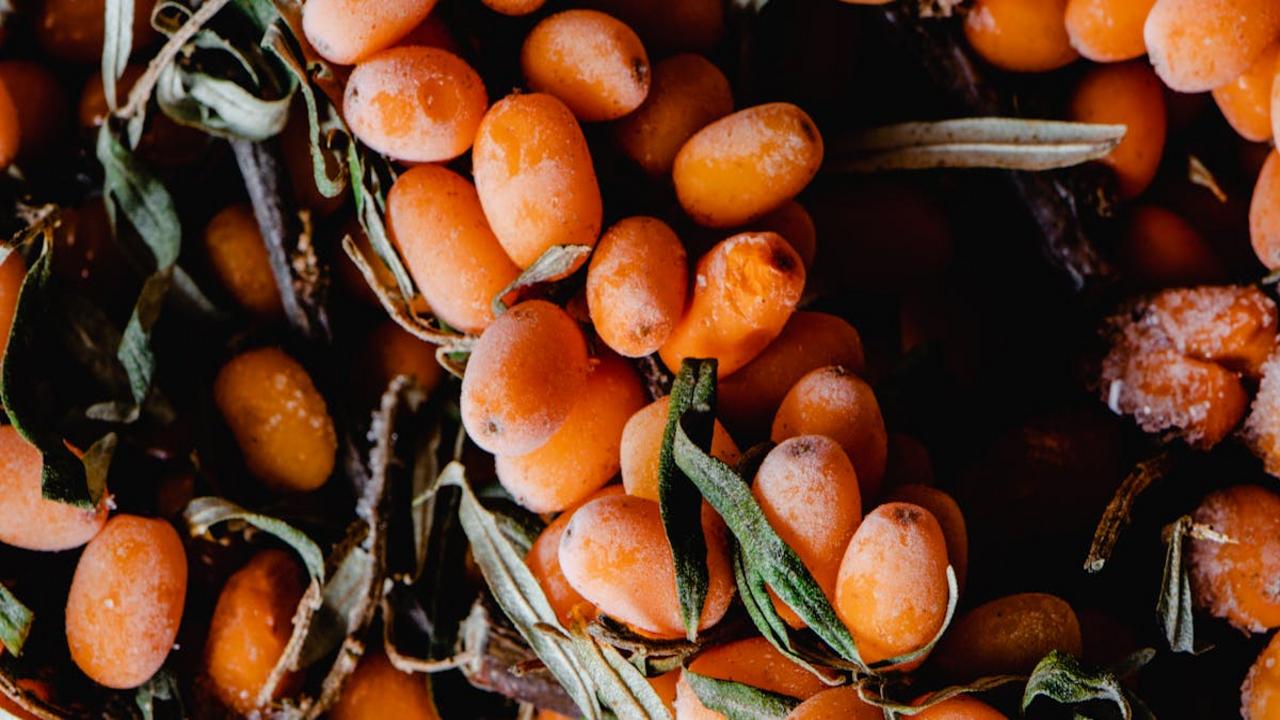
Sea buckthorn berries pack a serious punch with their bright orange color and intensely tart, almost tropical flavor that sits somewhere between passion fruit and sour orange. These tiny berries grow on thorny shrubs across Asia and Europe, and they’re loaded with vitamin C—actually containing more than most citrus fruits. I started using sea buckthorn after discovering it at a farmers market, and now I keep frozen berries and juice in my kitchen year-round. The taste is bold and tangy, so you’ll want to balance it with something sweet or rich. Try stirring sea buckthorn juice into smoothies with banana and mango, or mix the berries into yogurt with honey for breakfast. The juice also makes incredible salad dressings when whisked with olive oil and a touch of maple syrup.
What really excites me about sea buckthorn is how it transforms both sweet and savory dishes. I’ve folded the berries into muffin batter with white chocolate, and they create this amazing tart-sweet contrast that keeps you reaching for another bite. For dinner, I reduce sea buckthorn juice with shallots to make a glaze for roasted chicken or salmon—the acidity cuts through rich proteins beautifully. You can find sea buckthorn products at health food stores or online, typically sold as frozen berries, juice, or powder. Start with small amounts since the flavor is concentrated, then adjust to your preference. This berry doesn’t just add nutrition to your cooking; it brings a completely unique flavor profile that makes ordinary dishes feel special and new.
Noni Fruit
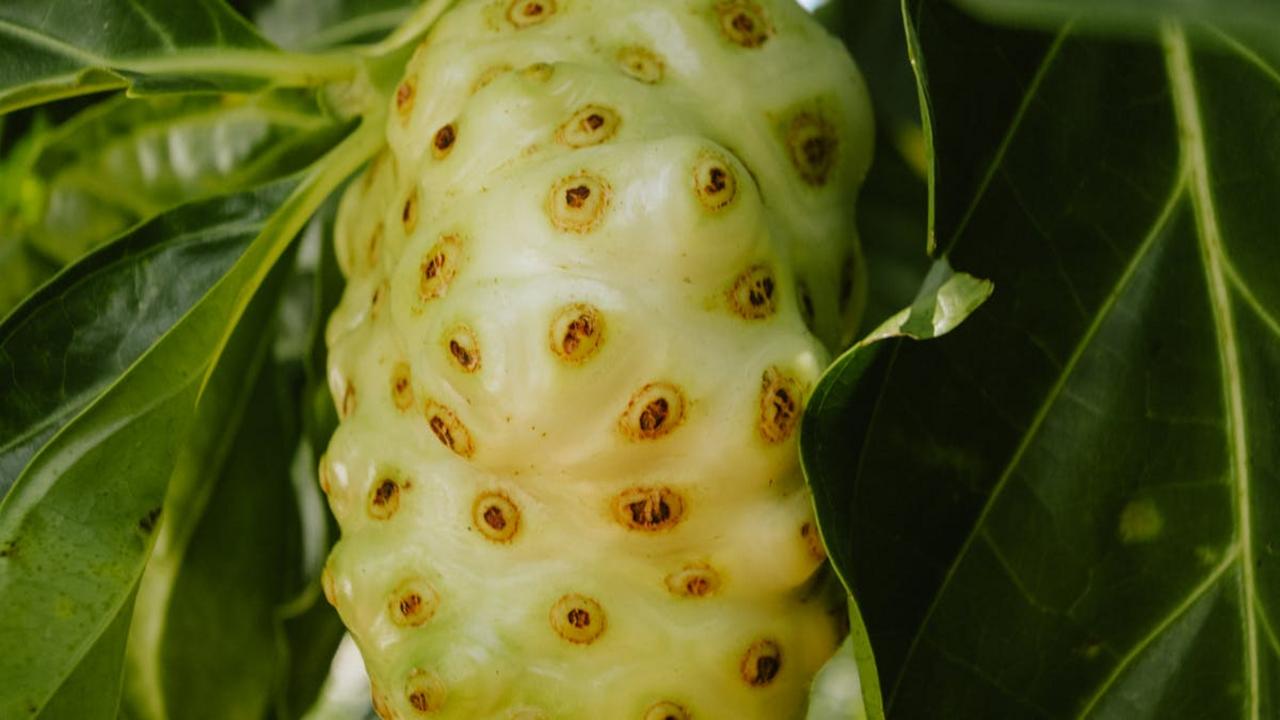
If you’ve never tried noni fruit, prepare yourself for one of nature’s most polarizing flavors. This bumpy, pale green fruit has a reputation that precedes it—some say it smells like gym socks or old cheese when ripe. But here’s what I want you to know: beneath that funky exterior lies a powerhouse of flavor that can transform your cooking in unexpected ways. The taste is complex—earthy, bitter, with hints of fermented fruit and a savory undertone that works beautifully in both sweet and savory applications. I’ve been using noni in my kitchen for years now, and it’s become my secret weapon for adding depth to dishes that need something more than the usual suspects.
The key to cooking with noni is understanding that you don’t need much. A small amount goes a long way, and it pairs surprisingly well with coconut milk, ginger, and citrus. I love blending a bit of noni puree into smoothies with pineapple and banana—the tropical fruits balance out its intensity while the noni adds an earthy complexity you just can’t get anywhere else. For savory dishes, try adding diced noni to curries or stews during the last few minutes of cooking. The fruit breaks down beautifully and contributes a umami-rich quality that makes everyone ask what your secret ingredient is. Start small, trust your instincts, and don’t let the initial smell scare you off—this fruit has so much to offer once you get to know it.
Moringa

Moringa powder has been sitting in my pantry for years, and honestly, it deserves more spotlight than it gets. This green powder comes from the dried leaves of the moringa tree, native to parts of Africa and Asia, and it packs an incredible nutritional punch—loaded with vitamins A, C, and E, calcium, potassium, and protein. What draws me to moringa is its earthy, slightly grassy flavor that works beautifully in both sweet and savory dishes without overpowering them. I’ve whisked it into smoothies with mango and banana, stirred it into soups right before serving, and even mixed it into salad dressings with lemon and olive oil. The color it brings is this gorgeous, vibrant green that makes everything look fresh and alive.
Start with just half a teaspoon if you’re new to moringa—the flavor can be a bit intense if you go overboard, but once you get the hang of it, you’ll find yourself reaching for it more often. I love adding it to my morning oatmeal or yogurt bowls, where its earthy notes balance perfectly with sweet fruits and a drizzle of honey. You can also blend it into homemade energy balls with dates, nuts, and coconut—they become these little powerhouses of nutrition that keep you going through busy afternoons. The best part about cooking with moringa is knowing you’re adding something genuinely wholesome to your meals, something that comes straight from nature without any processing or artificial additives.
Reishi Mushrooms

Reishi mushrooms bring an earthy, slightly bitter depth that transforms broths and teas into something truly restorative. I started adding these dried mushrooms to my soups after discovering how they mellow out during long simmering, releasing a complex umami that makes even simple vegetable stocks taste like they’ve been cooking for hours. Break a piece into your next batch of bone broth or vegetable stock, and watch how it adds layers of savory richness without overwhelming other ingredients. The texture softens completely, so you can either strain them out or leave them in for added nutrition.
What makes reishi special is its ability to enhance without dominating—think of it as a background singer that makes the whole performance better. I keep a jar of dried reishi in my pantry and toss a small piece into rice while it cooks, which gives the grains a subtle earthiness that pairs beautifully with ginger-soy glazed vegetables or miso-based dishes. Start with just a small amount since the flavor can be intense, but once you understand how it works with your cooking, you’ll find yourself reaching for it more often. The mushroom’s woody notes complement garlic, ginger, and scallions particularly well, making it perfect for Asian-inspired dishes where depth matters more than showiness.
Turmeric
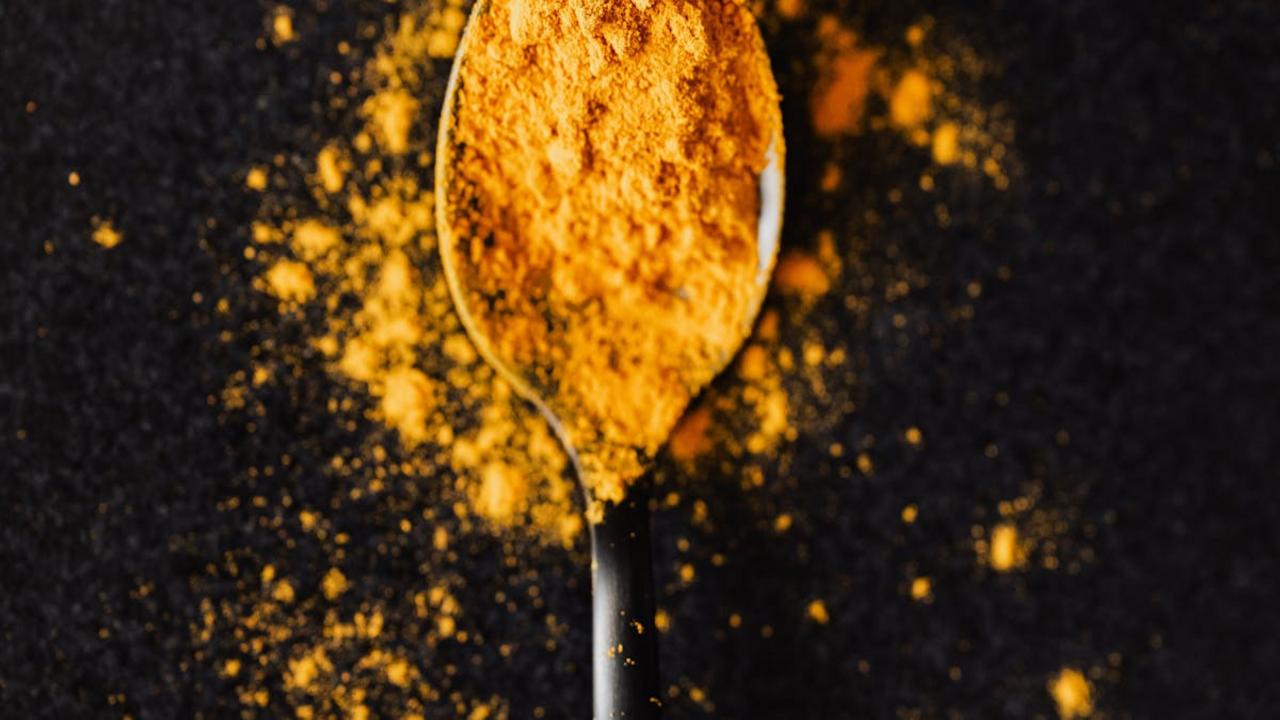
Turmeric does more than add a golden hue to your dishes—it brings an earthy, slightly bitter warmth that transforms everything from rice to roasted vegetables. I keep a jar of this vibrant spice within arm’s reach because it pairs beautifully with so many ingredients. Try adding a teaspoon to your scrambled eggs along with black pepper, which actually helps your body absorb turmeric’s beneficial compounds. The combination creates a savory depth that makes breakfast feel special without any extra effort.
Beyond the usual curry applications, turmeric works wonders in unexpected places. Stir it into your morning smoothie with ginger and mango for an anti-inflammatory boost that tastes tropical rather than medicinal. I also love mixing turmeric with olive oil, garlic, and lemon juice to create a marinade for chicken or fish—the result is tender, flavorful protein with a gorgeous color. Even a pinch in your soup or stew base adds complexity without overwhelming other flavors. The key is using fresh turmeric root when you can find it, though the ground version remains my everyday staple for its convenience and concentrated flavor.