My Wife Refuses to Attend My Grieving Mother’s Traditional Polish Dinner. She Thinks the Optional Dress Code Is ‘Rude.’
When we marry someone, we don’t just marry them; we marry their entire family, quirks, traditions, and all. It’s a package deal, filled with memories and the occasional get-together that requires a bit of grace. Most of us understand that being part of a family means showing up, especially when it truly matters.
However, one man recently shared a story online about his new wife, who seems to believe that supporting her in-laws comes with too many strings—or in this case, an optional dress code she just couldn’t stomach.
The Incident
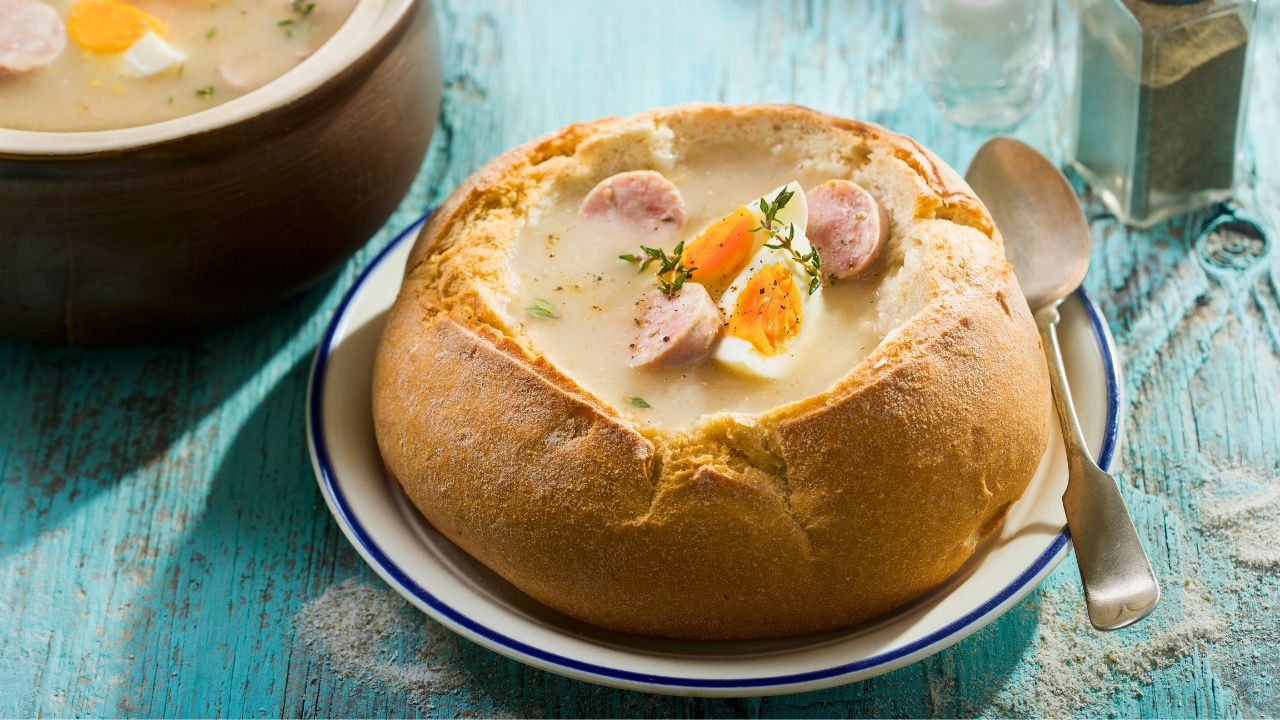
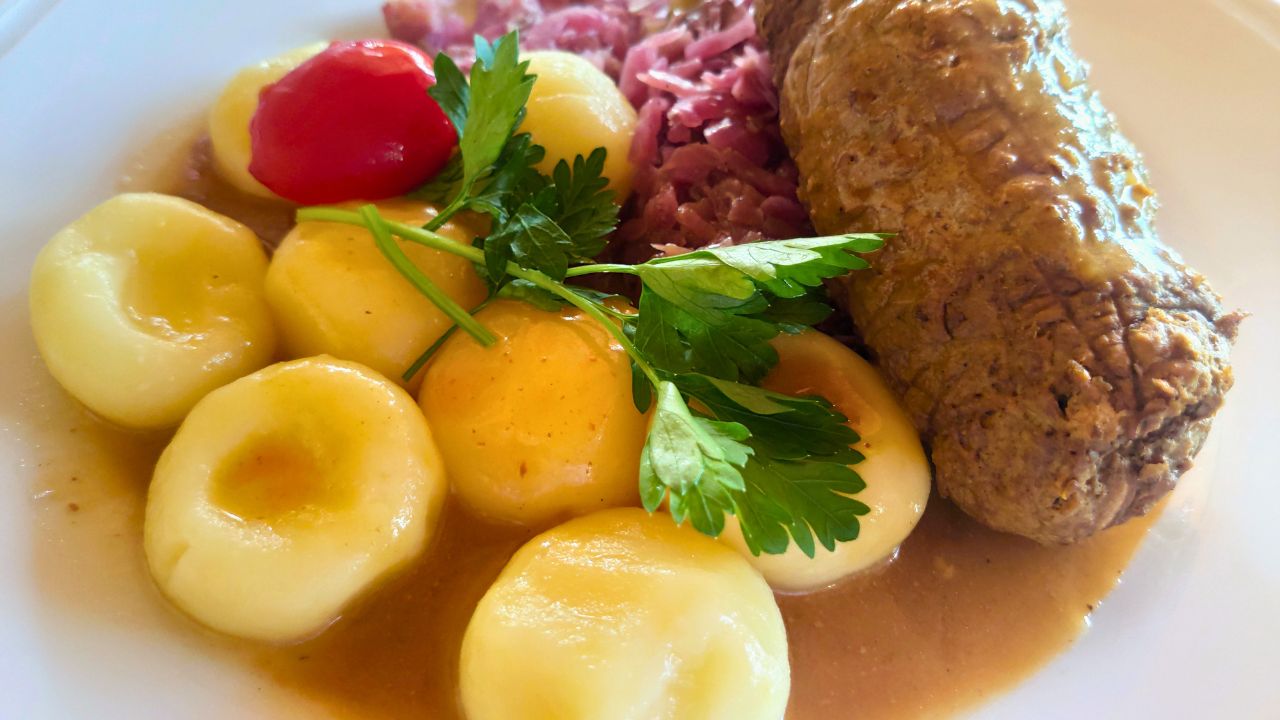
A young man of 28 explained that his Polish mother hosts a beautiful, traditional dinner each year. She lovingly prepares cultural dishes and wears traditional clothing as a sweet tribute to her late husband, who passed away when their son was just a baby. He always told her how beautiful she looked in those outfits.
The dinner is held on the anniversary of his death, a day when the man’s mother is understandably heartbroken and needs her son’s comfort. While guests are welcome to wear anything they like, most choose to don culturally appropriate attire as a fun way to participate in the theme of remembrance and heritage.
His new wife, however, refuses to attend. She called the themed dinner “rude” and claimed it was designed to make people feel “uncomfortable.” The husband patiently explained that the dress code was completely optional and that his mother wouldn’t mind if she wore a “garbage bag.” But the wife then changed her argument, saying she would feel “excluded” for being the only one not dressed up.
When her husband offered the simplest solution—that she could stay home while he went to support his grieving mother—she became furious with him. To make matters worse, she accused him of “supporting misogyny” simply because traditional Polish clothing, like most clothing around the world, has different styles for men and women.
The Internet Reacts
The internet, as you can imagine, had plenty to say, and very few people were on the wife’s side. Readers quickly sorted themselves into a few distinct camps.
The first was the “Absolutely Not” Crowd, who were appalled by the wife’s lack of compassion. One commenter put it bluntly: “This is a dinner you have once a year on the anniversary of your dad’s death? And she not only won’t attend for your sake, but she doesn’t want you to attend?”
Another added, “This is exactly what family does! Some things we may not love… We do them to show support for people we value more than our own little hang-ups.” The sentiment was clear: a loving partner shows up, no questions asked.
Next came the “There’s More to the Story” Crowd. While no one excused her behavior, the husband’s later update did provide a little context. The wife, an only child, admitted she was “super overwhelming” meeting his large family.
She also revealed that past experiences with relatives pressuring her to be “more ladylike” made her misinterpret her mother-in-law’s kind gestures, like sharing recipes. This doesn’t make her actions right, but it does paint a picture of a young woman struggling with insecurity.

Finally, there was the “Call It What It Is” Crowd. Many readers felt the wife’s excuses were just a smokescreen for deeper issues. They saw her behavior as controlling. “She is trying to isolate and manipulate you. Not okay,” one person warned.
Another astutely pointed out the flaw in her logic: “So…it’s only misogynist for her to wear Polish female clothes, but American female clothes are okay? This isn’t about misogyny, that’s just a useful catchall she pulled out of her hat.” This camp believed the wife’s real goal was to control her husband and keep him from his family.
The Etiquette Verdict
Let’s be perfectly clear: marriage is a partnership built on mutual support, respect, and compassion. On the anniversary of a loved one’s passing, the only appropriate response is to offer comfort and solidarity. To pick a fight over an optional dress code on such a somber occasion is not just poor etiquette; it’s a profound lack of kindness.
The theme of the dinner was love and remembrance. By making it about her own discomfort, the wife showed a shocking level of self-centeredness. The golden rule here is simple: you support your family through their grief, full stop.
Your Thoughts
It’s good that the couple eventually talked things through, but the incident reveals a deep rift. Is the wife’s insecurity a valid reason for her behavior, or was she simply being selfish and disrespectful?