13 Delicious Kitchen Blunders That Invented the World’s Most Iconic Dishes
Some of the world’s most beloved foods weren’t born from careful planning or meticulous recipe testing. They happened because someone made a mistake, ran out of an ingredient, or accidentally knocked something over. These happy accidents turned into legendary dishes that define comfort food today.
What’s amazing is how these blunders remind us that cooking doesn’t have to be perfect. Sometimes the best meals come from improvising, experimenting, and rolling with whatever happens in your kitchen. These stories prove that creativity often springs from necessity and a willingness to try something unexpected.
From crispy chips to frozen treats, these accidental inventions changed how we eat forever. Each one started with someone who didn’t give up when things went wrong. Instead, they tasted their mistake and discovered something wonderful. Get ready to meet the delicious disasters that became icons.
Corn Flakes
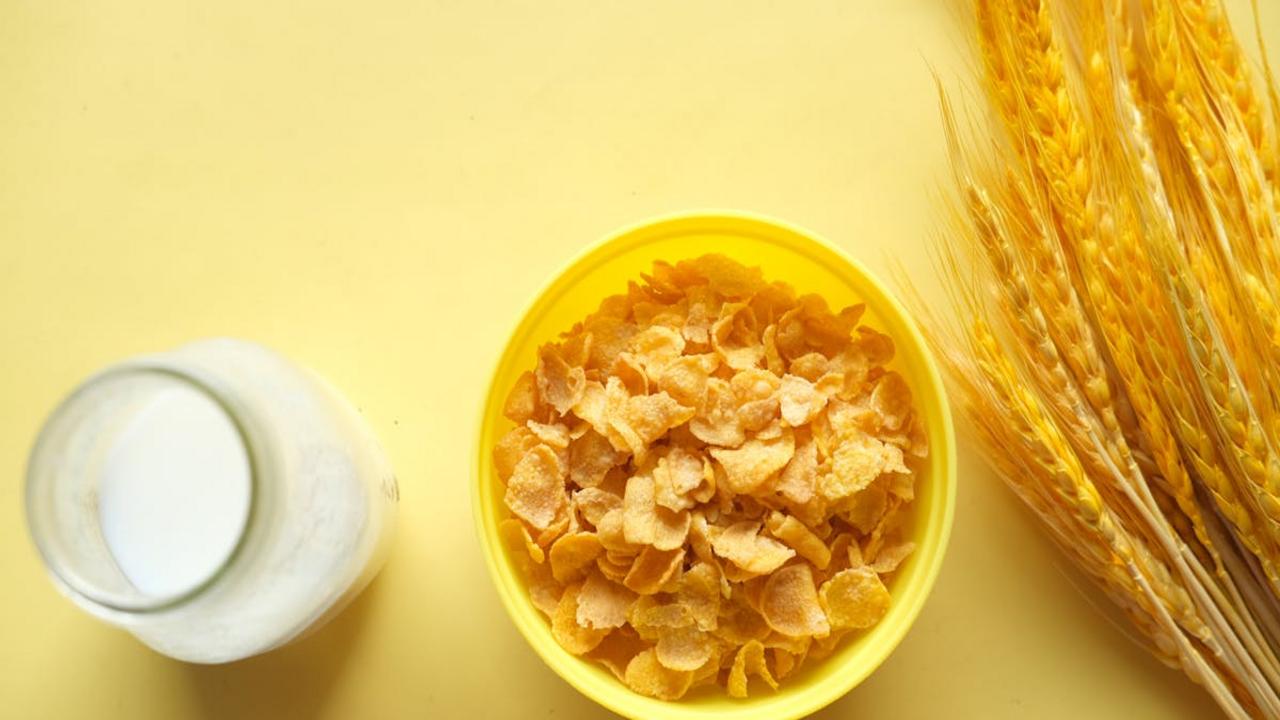
Picture this: two brothers running a health sanitarium in the late 1800s, trying to create a bland, digestible bread for their patients. Dr. John Harvey Kellogg and his brother Will accidentally left a pot of boiled wheat sitting out too long, and instead of tossing it, they decided to roll it anyway. The result? Flaky, crispy pieces that were way more interesting than any bread they’d planned. After some experimentation with corn instead of wheat, they stumbled onto something that would change breakfast forever. What started as a mistake in timing became the foundation of a cereal empire that’s still going strong today.
The brothers initially created these flakes for health reasons, believing a grain-based diet would promote wellness among their patients. But here’s where it gets interesting: Will saw the commercial potential and added sugar to make them more appealing to the masses, much to his brother’s dismay. That decision transformed a health food into a breakfast staple that millions of people reach for every morning. Sometimes the best discoveries happen when we’re not afraid to pivot from the original plan. This accidental invention proves that staying flexible and open to unexpected results can lead to something far bigger than we ever imagined. Your kitchen experiments might just be the next big thing!
Potato Chips
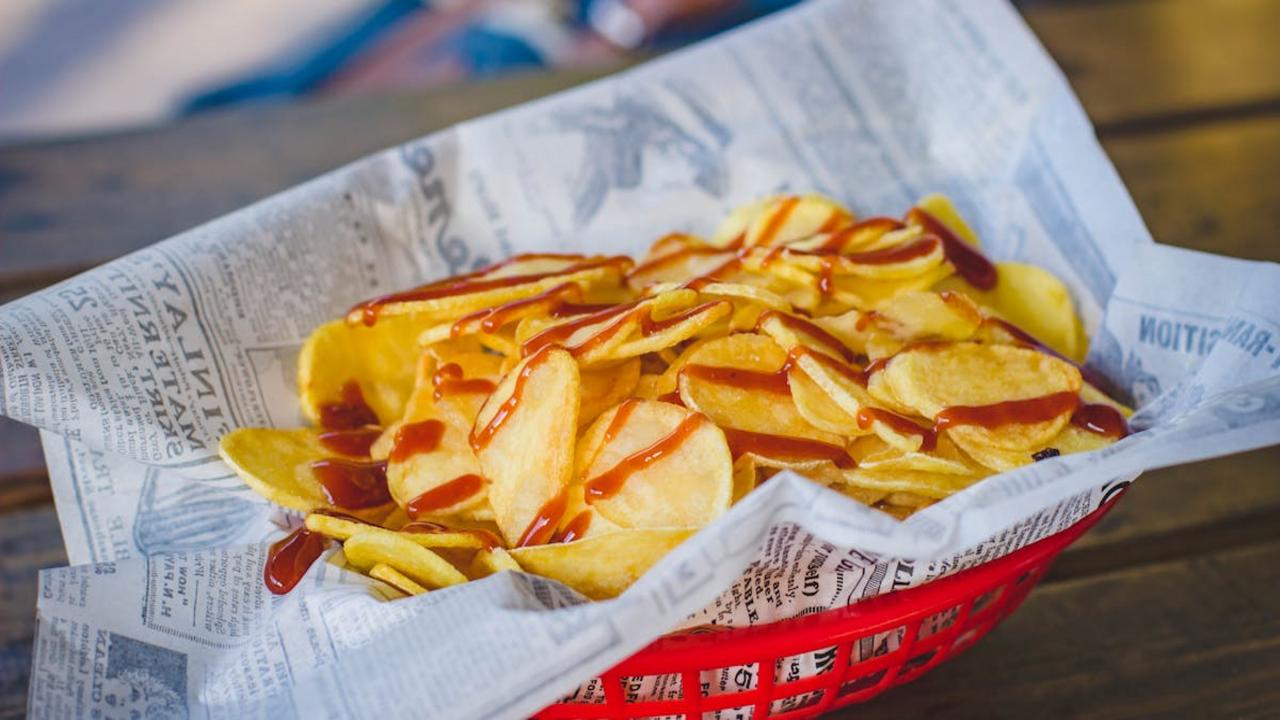
Picture this: a chef so fed up with a complaining customer that he creates one of America’s most addictive snacks purely out of spite. That’s exactly what happened in 1853 at Moon’s Lake House in Saratoga Springs, New York. Chef George Crum was having a rough day when railroad magnate Cornelius Vanderbilt kept sending back his fried potatoes, insisting they were too thick and soggy. Instead of taking the criticism gracefully, Crum decided to teach this demanding diner a lesson. He sliced the potatoes paper-thin, fried them until they were impossibly crispy, and doused them with salt. His petty revenge backficked spectacularly because Vanderbilt absolutely loved them, and other diners started requesting “Saratoga Chips” too.
What began as an act of kitchen rebellion transformed into a multibillion-dollar industry that shows no signs of slowing down. Those thin, crispy, salty slices became an instant sensation among resort visitors, and soon other restaurants were copying the recipe. By the early 1900s, potato chips were being mass-produced and sold in bags across the country. Today, Americans consume more than 1.5 billion pounds of potato chips annually, making them one of the most popular snacks worldwide. So next time you tear open a bag of chips, remember you’re enjoying the delicious result of one chef’s gloriously snarky moment. Who knew that a little kitchen sass could create something so universally beloved?
Buffalo Wings
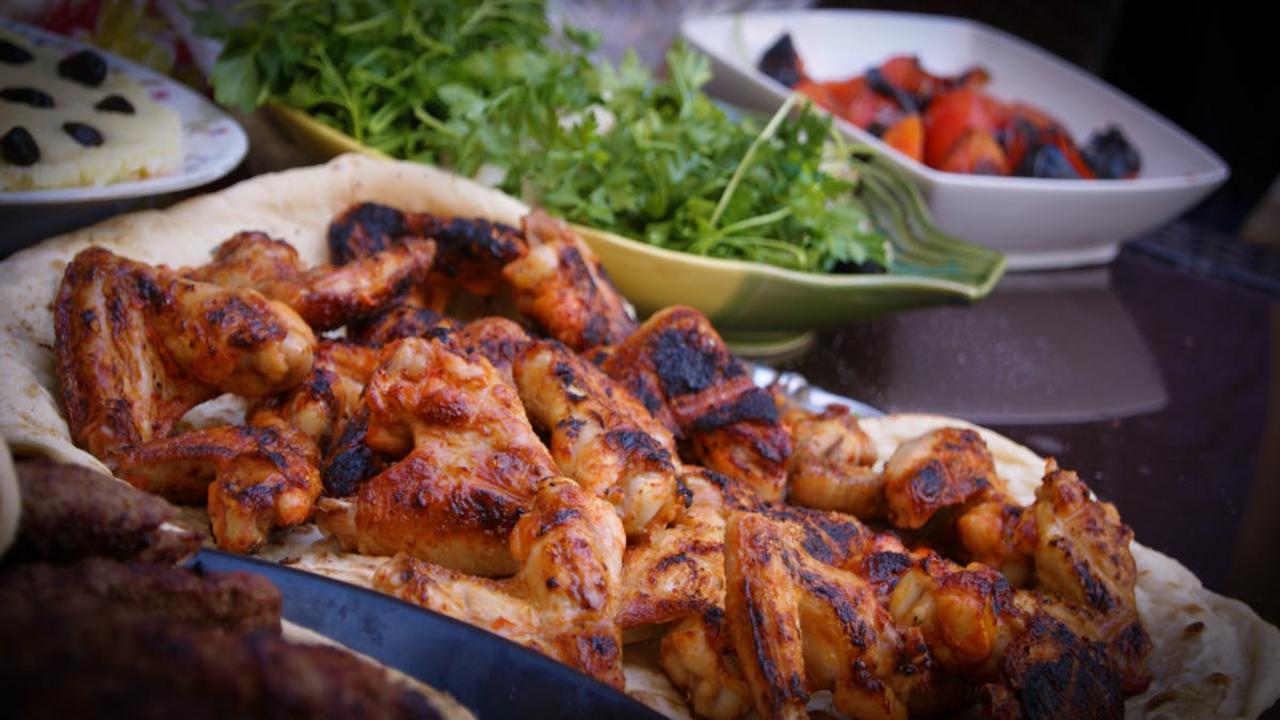
The iconic Buffalo wing was born out of pure improvisation in 1964 at the Anchor Bar in Buffalo, New York. Teressa Bellissimo found herself with a surplus of chicken wings—which were typically discarded or used for stock back then—and her son Dominic arrived with hungry friends late one Friday night. Instead of sending them away empty-handed, she quickly deep-fried the wings, tossed them in a mixture of hot sauce and butter, and served them with celery sticks and blue cheese dressing on the side. What started as a quick solution to feed unexpected guests turned into one of America’s most beloved bar foods and game-day staples.
This spontaneous creation revolutionized how we think about chicken wings. Before that fateful night, wings were considered throwaway parts of the chicken, something you’d never dream of serving to guests. Now, Buffalo wings have become a billion-dollar industry, with restaurants dedicated entirely to this spicy, crispy dish. The genius lies in the simplicity—crispy fried chicken coated in tangy hot sauce creates an addictive combination that keeps people coming back. Whether you prefer them mild, medium, or blazing hot, Buffalo wings prove that sometimes the best recipes come from thinking on your feet and making the most of what you’ve got in your kitchen.
Ice Cream Cone

Picture this: It’s 1904 at the St. Louis World’s Fair, and an ice cream vendor runs out of dishes during a sweltering hot day. Panic sets in as customers line up, eager for a cool treat. Next to him, a waffle vendor named Ernest Hamwi sees the predicament and quickly rolls one of his warm waffles into a cone shape. The ice cream vendor plops a scoop on top, and boom—the ice cream cone is born! What started as a desperate solution to a dish shortage became one of the most beloved food inventions in history. This happy accident changed how we enjoy frozen desserts forever, making them portable, fun, and mess-free.
Before this brilliant mistake, ice cream was served exclusively in bowls or glasses, which meant you had to sit down to enjoy it. The cone revolutionized the ice cream experience, giving people the freedom to walk around while savoring their favorite flavors. Today, whether you prefer a classic sugar cone, a crispy waffle cone, or a sturdy cake cone, you’re celebrating a mistake that happened over a century ago. Next time you’re licking melted ice cream dripping down the sides of your cone on a hot summer day, thank that quick-thinking waffle vendor who saw an opportunity where others saw only chaos. Sometimes the best inventions happen when we’re forced to think outside the box—or in this case, outside the bowl!
Champagne

Picture this: a 17th-century monk named Dom Pérignon frantically trying to stop wine bottles from exploding in his cellar. The bubbles weren’t supposed to be there! Back then, winemakers in the Champagne region of France considered those fizzy fermentations a massive problem, not a party starter. The cold winters would halt fermentation, and when spring arrived, the yeast woke up inside sealed bottles, creating carbonation that sent corks flying and glass shattering everywhere. Dom Pérignon actually spent years trying to eliminate these bubbles, viewing them as a flaw that ruined perfectly good wine.
But here’s where the magic happened: the French court absolutely loved these sparkling wines, bubbles and all! What winemakers saw as a disaster, nobles saw as delightful and celebratory. Eventually, producers stopped fighting the fizz and started perfecting it instead. They developed stronger bottles, better corks, and techniques to control the carbonation process. Now, champagne represents luxury, celebration, and success around the globe. Every time you pop a bottle at midnight on New Year’s Eve or toast to a special occasion, you’re celebrating what was once considered a winemaking failure. Those rebellious bubbles transformed into liquid gold, proving that sometimes the best things in life happen when we stop resisting and start appreciating happy accidents. Dom Pérignon’s name now graces one of the most prestigious champagne brands in existence!
Chimichangas
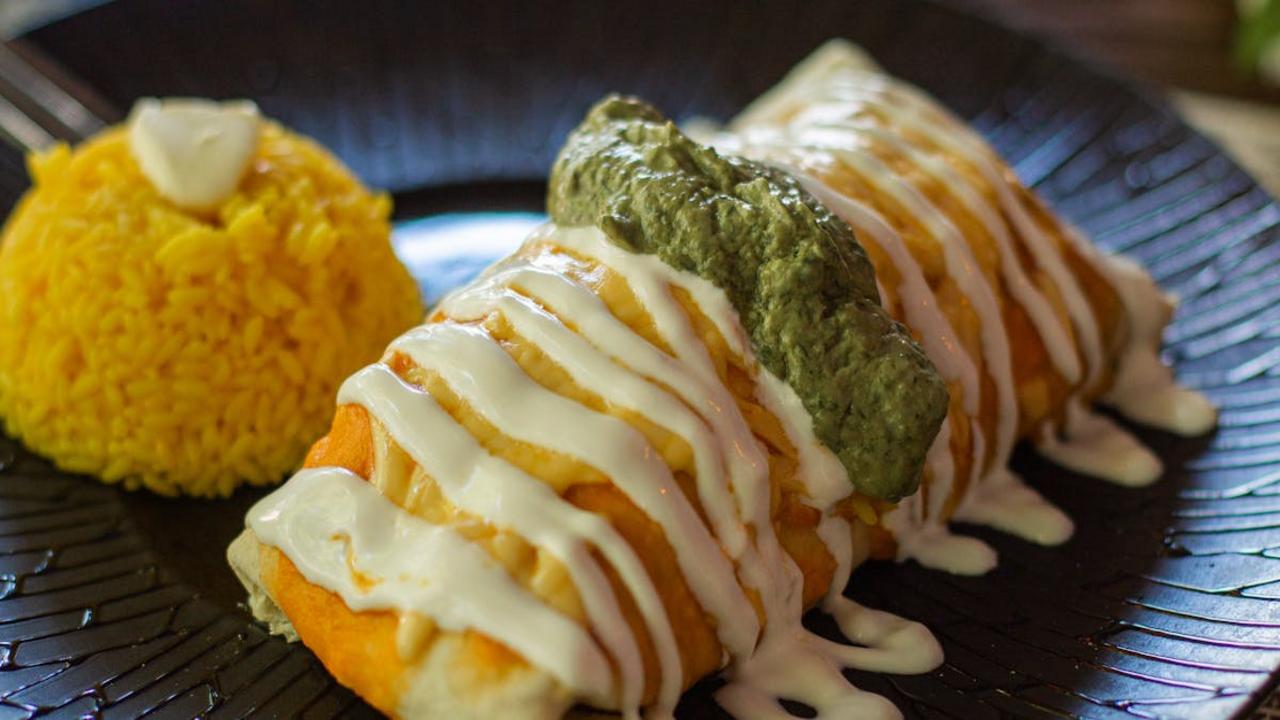
Picture this: a busy kitchen in Arizona, hot oil sizzling away, and someone accidentally drops a burrito straight into the deep fryer. Instead of panicking, that quick-thinking cook pulled out what would become one of the most beloved Tex-Mex creations ever. The chimichanga was born from this happy accident, giving us that perfect combination of crispy exterior and savory filling that makes your mouth water just thinking about it. The name itself allegedly came from a censored curse word the cook shouted when the burrito hit that hot oil, turning a potential disaster into something absolutely delicious.
What makes this mistake so brilliant is how it transformed the humble burrito into something entirely new. That deep-fried shell creates an irresistible crunch that regular burritos just can’t match, sealing in all those wonderful flavors while adding a golden, crispy texture. You can fill your chimichanga with anything from shredded chicken and black beans to ground beef with peppers and onions, then top it with fresh salsa, guacamole, and a dollop of sour cream. The beauty of this accidental invention is its versatility and how it proves that sometimes the best dishes come from unexpected moments in the kitchen. Next time you’re cooking and something goes sideways, remember that you might just be one mistake away from creating something incredible.
Sandwich
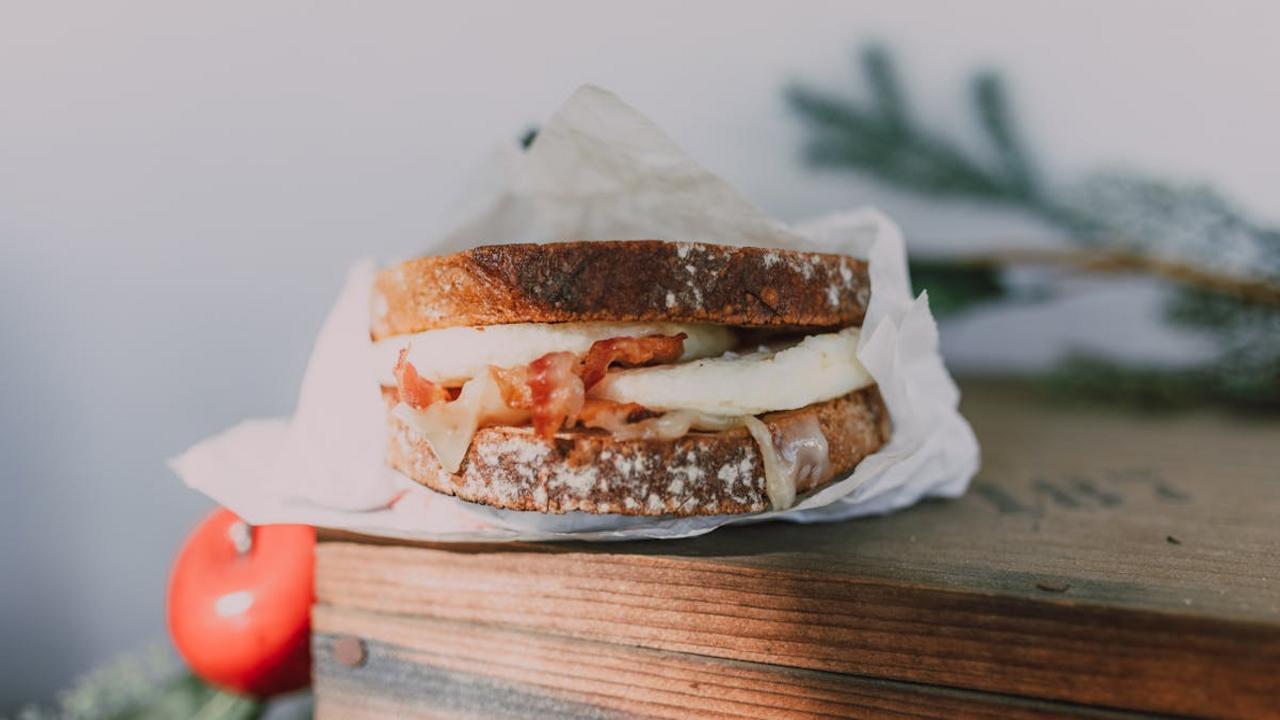
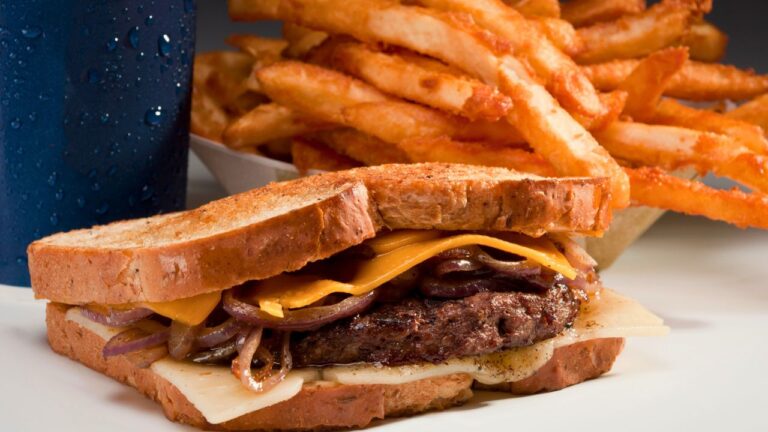
The sandwich owes its existence to an 18th-century British nobleman who simply refused to leave the gambling table. John Montagu, the 4th Earl of Sandwich, was so absorbed in his card games that he demanded his servants bring him meat tucked between two slices of bread so he could eat without interrupting play or getting his cards greasy. What started as a convenient solution for a dedicated gambler quickly caught on among his peers, and before long, everyone was ordering “the same as Sandwich.” This accidental invention transformed how people ate meals on the go, creating one of the most versatile and beloved foods worldwide.
Today, the sandwich has evolved far beyond its humble gambling-den origins into countless variations across every culture and cuisine. From Vietnamese banh mi to Cuban medianoche, from American BLTs to Italian paninis, this simple concept of filling between bread has become a canvas for creativity and flavor. You can pack yours with grilled vegetables and hummus for a wholesome lunch, layer it with lean proteins and fresh greens for a balanced meal, or keep it classic with your favorite combination. The beauty of the sandwich lies in its simplicity and adaptability—it’s proof that sometimes the best inventions come from pure convenience rather than careful planning.
Nachos
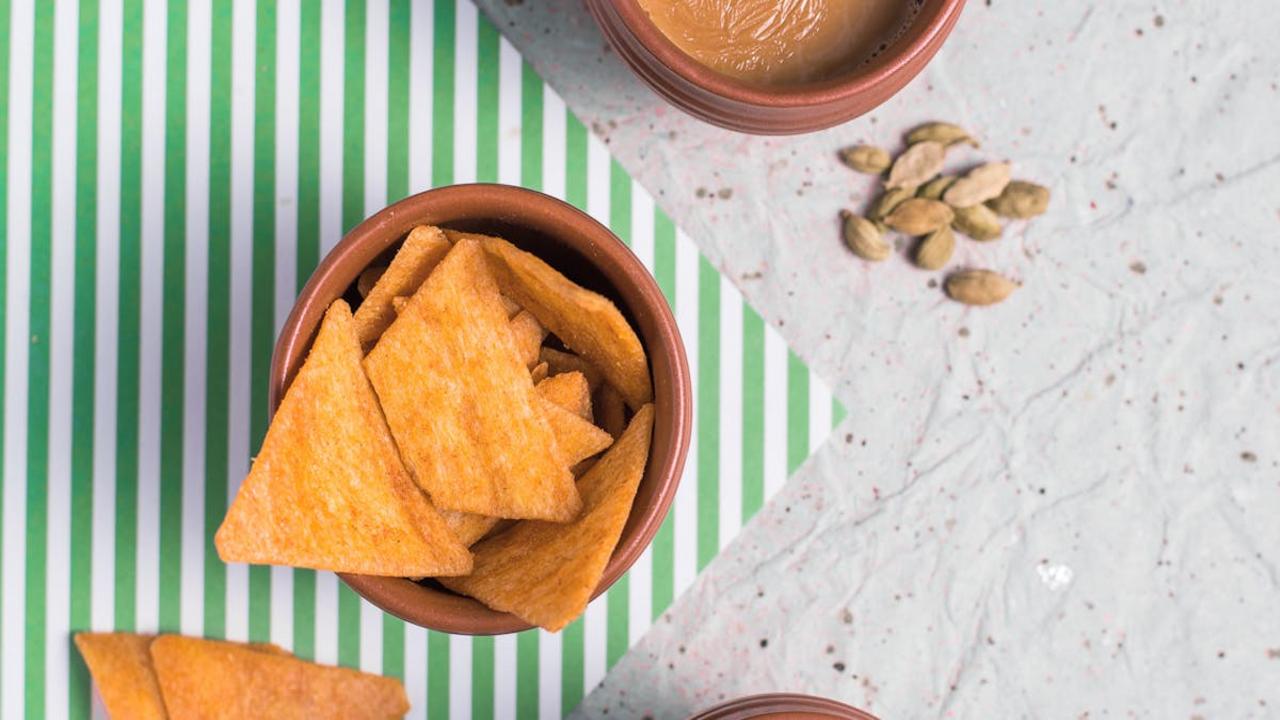
Picture this: it’s 1943 in Piedras Negras, Mexico, and a group of hungry U.S. military wives walks into a restaurant after closing time. The maître d’, Ignacio “Nacho” Anaya, finds himself in a bind with no chef around. Instead of turning them away, he grabs what’s available in the kitchen—tortillas, cheese, and jalapeños—and creates something entirely new. He cuts the tortillas into triangles, fries them until crispy, tops them with shredded cheddar, and adds sliced jalapeños before popping the whole thing under the broiler. The women absolutely love it, and when they ask what this magical creation is called, Nacho names it after himself: “Nacho’s Especiales.”
What started as an improvised snack became a worldwide phenomenon that you can now find everywhere from sports stadiums to fancy restaurants. The original recipe was beautifully simple, but nachos have evolved into endless variations—loaded with pulled pork, drizzled with queso, piled high with guacamole and sour cream. The genius of Nacho’s invention lies in its accessibility and adaptability. You can make them as basic or elaborate as your heart desires, using whatever ingredients you have on hand. Next time you’re hosting friends or just need a quick snack, remember that this beloved dish came from one person’s willingness to work with what was available and create something special for unexpected guests. Sometimes the best recipes aren’t planned—they’re born from spontaneity and resourcefulness.
Worcestershire Sauce
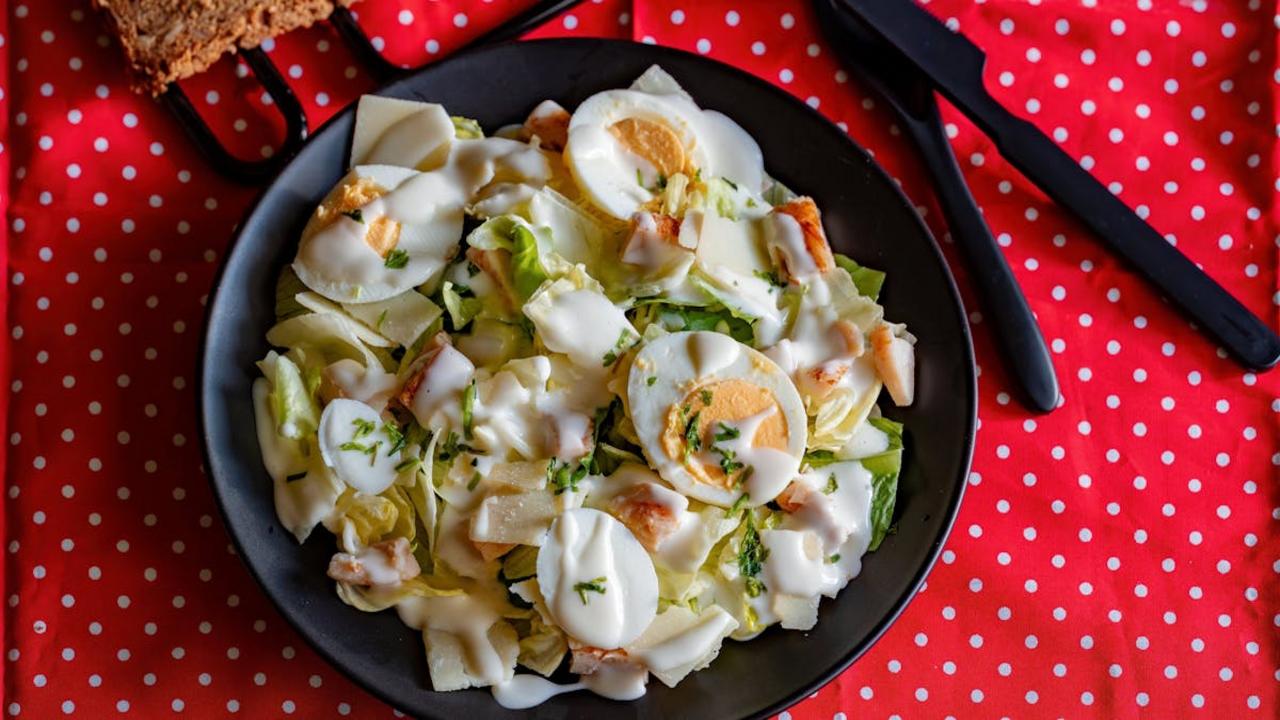
What if someone told you that one of the world’s most distinctive condiments came from a recipe gone horribly wrong? Worcestershire sauce was born in the 1830s when two chemists, John Wheeley Lea and William Henry Perrins, tried to recreate an Indian recipe for a nostalgic British nobleman. They mixed up a batch based on his memories, tasted it, and immediately decided it was absolutely disgusting. The pair shoved the barrel into their cellar and forgot about it completely, assuming they’d wasted their time and ingredients on a total failure.
Years later, while cleaning out their storage space, they stumbled upon that forgotten barrel and decided to give it another taste before tossing it out. Surprise! The mixture had fermented and aged into something completely different—a complex, savory sauce with layers of flavor they never imagined possible. That accidental aging process transformed vinegar, molasses, anchovies, tamarind, and various spices into the tangy, umami-rich condiment we now splash on everything from steaks to Bloody Marys. Today, Lea & Perrins Worcestershire sauce follows nearly the same recipe, and it still ages for eighteen months before hitting store shelves. Sometimes the best things really do come to those who wait—even if that wait was completely unintentional!
Popsicles
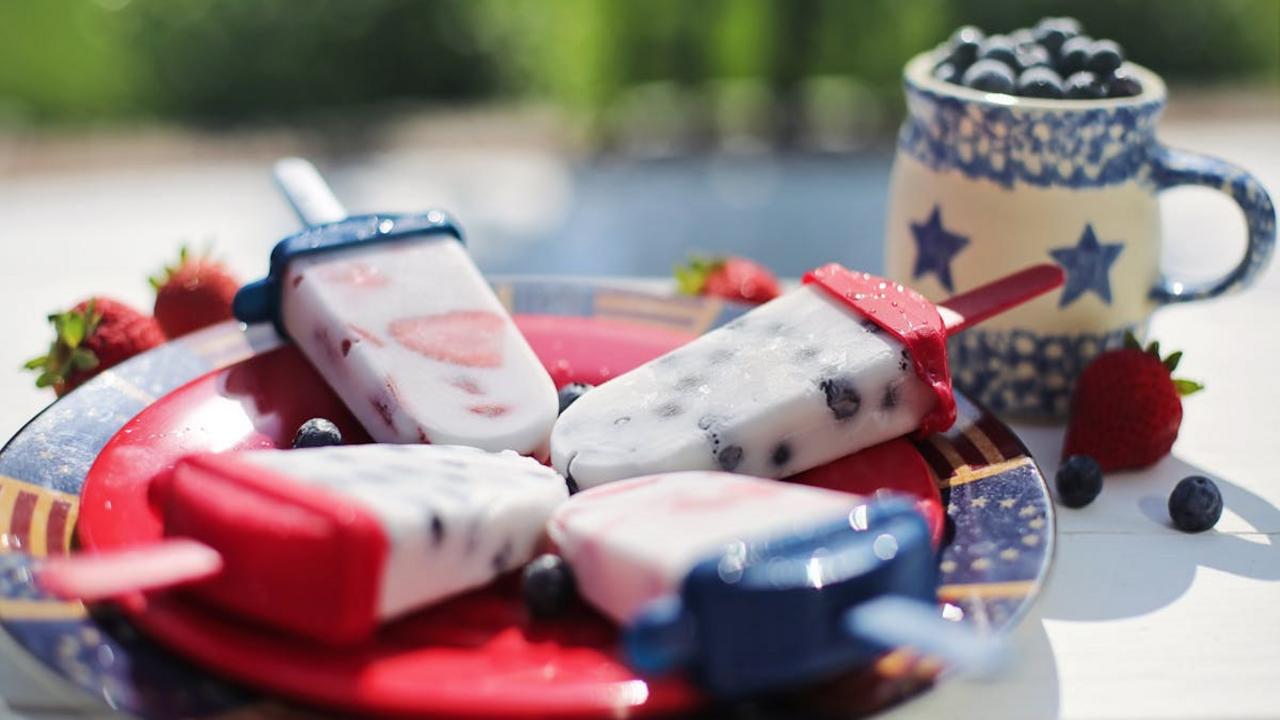
Picture an 11-year-old boy in San Francisco, 1905, accidentally leaving a cup of soda water with a stirring stick on his porch overnight. The temperatures dropped, the liquid froze, and Frank Epperson woke up to discover something magical: a frozen treat on a stick. He called it the “Epsicle,” though it would eventually become the popsicle we know and love today. This wasn’t a planned invention—just a kid being forgetful at exactly the right moment. Sometimes the best discoveries happen when you’re not even trying, and this frozen accident became one of summer’s most beloved refreshments.
What started as a childhood mistake turned into a business venture 18 years later when Epperson finally patented his creation. His own kids called them “Pop’s ‘sicles,” which stuck and gave us the name we use today. The beauty of popsicles is their simplicity: freeze your favorite juice or blend fresh fruit with a bit of water, pour it into molds, add sticks, and wait. You’re essentially recreating that serendipitous moment from over a century ago. From classic orange to exotic mango-chili combinations, popsicles prove that sometimes the most refreshing treats come from pure, happy accidents that children stumble upon.
Chocolate Chip Cookies
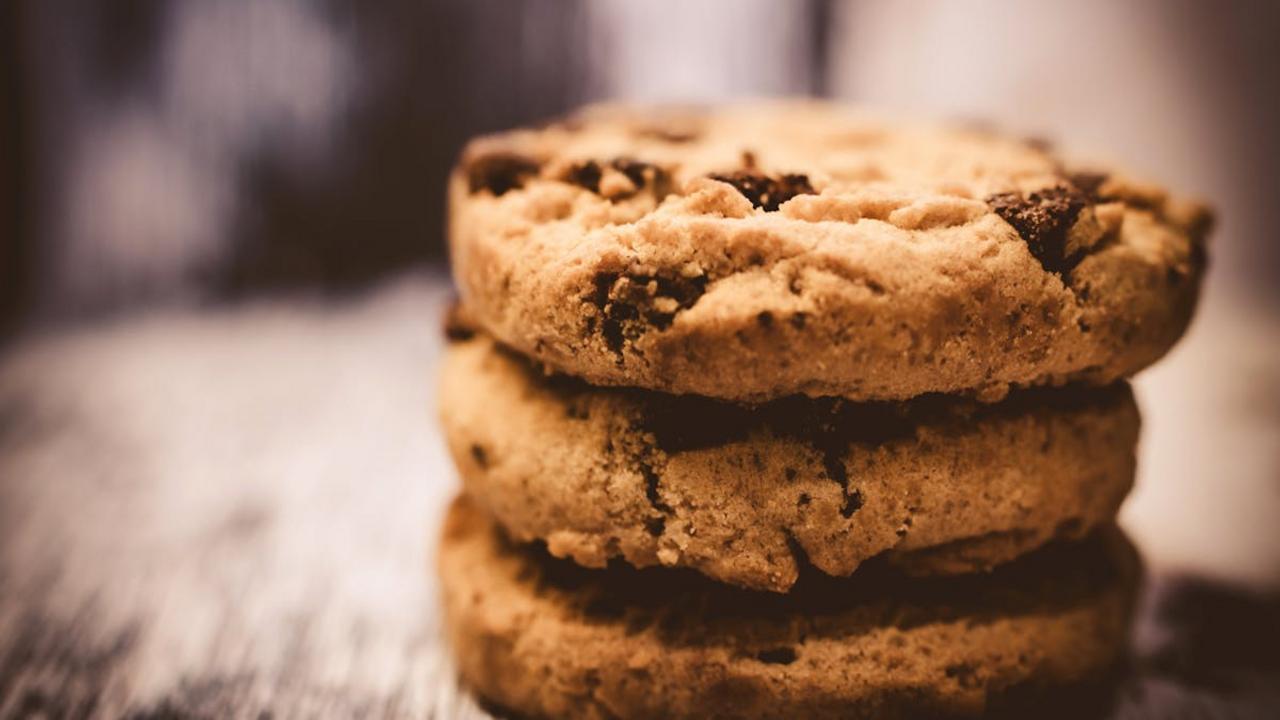
Ruth Wakefield never intended to create America’s most beloved cookie when she chopped up a Nestlé chocolate bar and tossed the chunks into her butter cookie dough back in 1938. She ran the Toll House Inn in Massachusetts and assumed the chocolate would melt completely throughout the batter, creating chocolate cookies. Instead, the pieces softened but held their shape, creating pockets of melty chocolate goodness that guests went absolutely wild for. Ruth thought she’d made a mistake, but her guests begged her to make more of those “chocolate crunch cookies.” That happy accident turned into a phenomenon that changed home baking forever.
What makes this story even better is how it became a household staple. Nestlé caught wind of the recipe’s popularity and struck a deal with Ruth, printing her recipe on their chocolate bar packages in exchange for a lifetime supply of chocolate. Smart move on both sides! The Toll House cookie recipe became so famous that Nestlé eventually created chocolate chips specifically for baking, making it easier for home cooks to recreate Ruth’s accidental masterpiece. Today, you can’t walk into an American home without finding someone who has their own “secret” version of this classic recipe. Ruth’s mistake gave us more than just a cookie—it gave us a tradition that brings families together in kitchens across the country, proving that sometimes the best recipes come from unexpected moments of improvisation.
Tarte Tatin
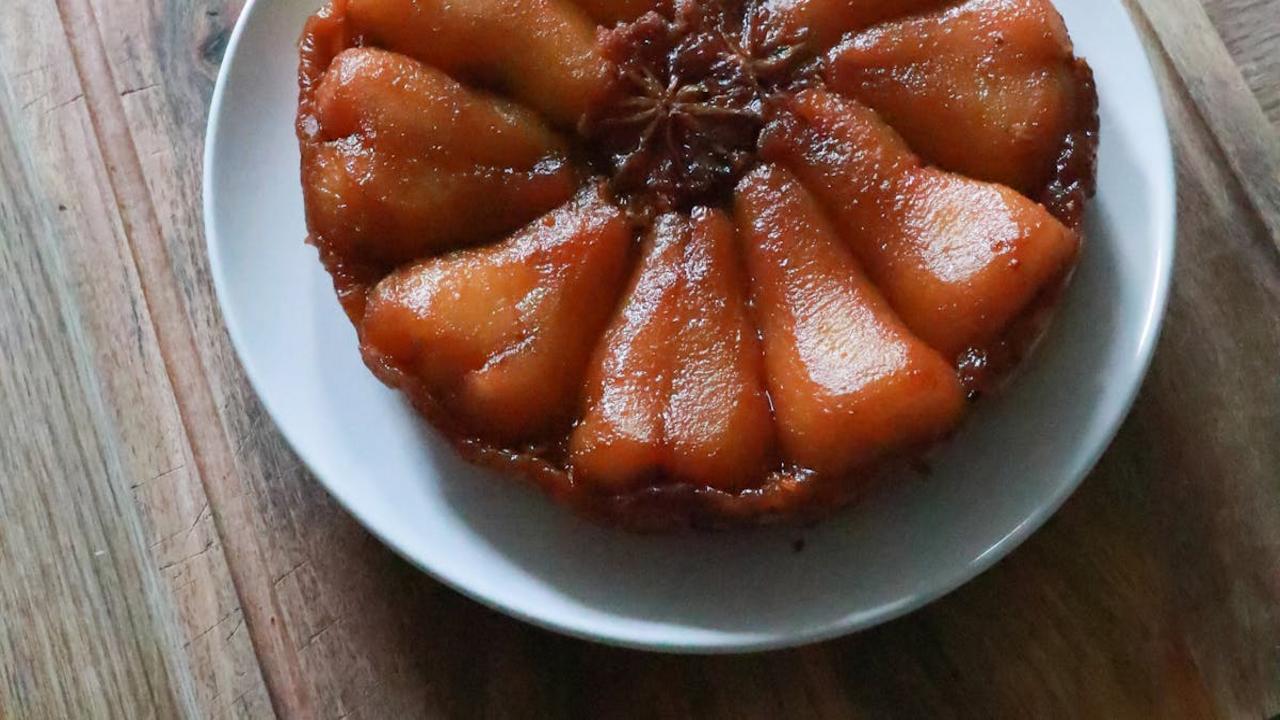
Picture this: you’re in a bustling French kitchen in the 1880s, trying to save an apple pie that’s gone completely sideways. That’s exactly what happened to the Tatin sisters at their hotel in Lamotte-Beuvron. Stéphanie Tatin was making a traditional apple tart when she realized she’d started cooking the apples in butter and sugar without laying down the pastry first. Instead of tossing the whole thing and starting over, she made a brilliant save by placing the pastry on top of the caramelizing apples and shoving it in the oven. When it came out, she flipped it upside down, creating an accidental masterpiece with gorgeous caramelized apples on top.
Now you’ve got one of France’s most beloved desserts, born from pure kitchen panic. The mistake turned into magic because those apples cooked directly in butter and sugar developed an incredible caramel that soaked into the pastry. Every time you make a Tarte Tatin at home, you’re recreating that same wonderful accident. The best part? You can use this upside-down technique with pears, peaches, or even tomatoes for a savory version. Just remember to use a good oven-safe skillet, keep your caramel at medium heat so it doesn’t burn, and have confidence when you flip it onto your serving plate. That moment of flipping is always a little nerve-wracking, but the golden, glossy result makes it totally worth it.
Caesar Salad
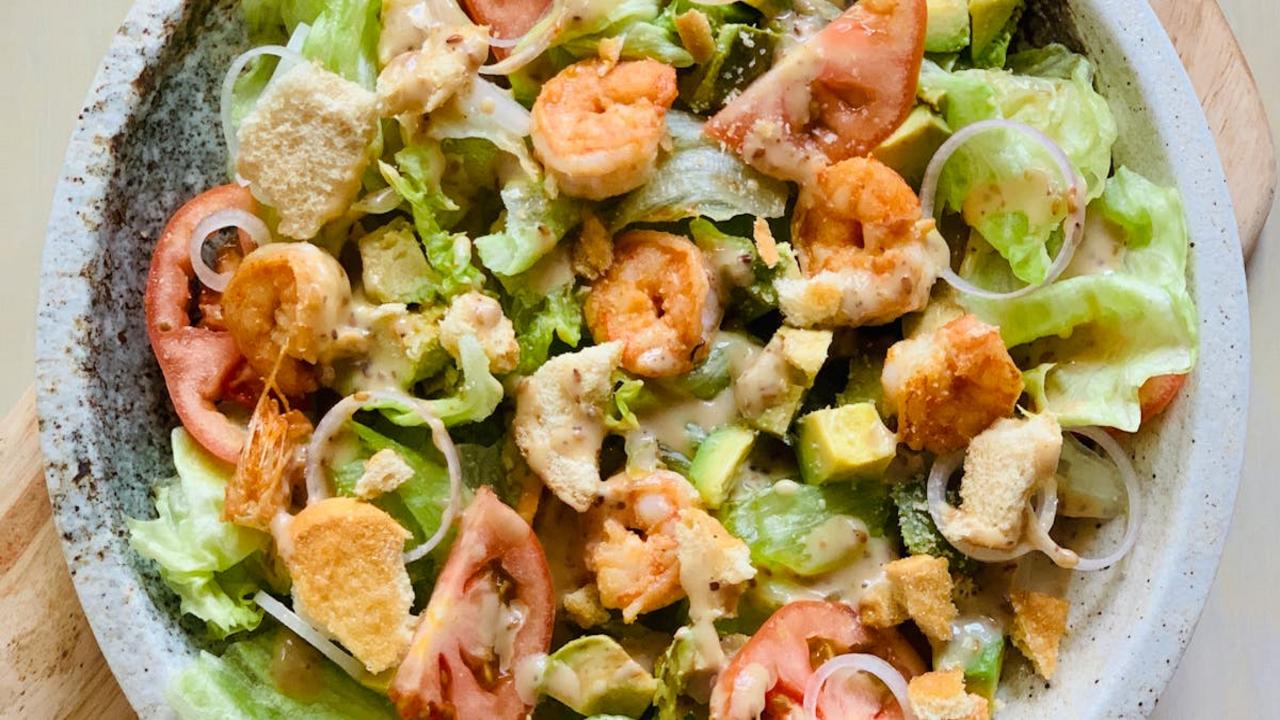
Picture this: It’s Fourth of July weekend in 1924, and Caesar Cardini’s restaurant in Tijuana is absolutely packed. The kitchen’s running dangerously low on supplies, and hungry customers keep flooding in. Caesar looks at what’s left in his pantry—romaine lettuce, some eggs, parmesan cheese, garlic, olive oil, and day-old bread. Instead of turning people away, he decides to make something special right at their tables, turning scarcity into showmanship. He tosses those simple ingredients together tableside, creating drama out of desperation. That improvised salad became one of the most beloved dishes in restaurant history, proving that sometimes the best recipes come from having almost nothing to work with.
What makes this story even better is that Caesar’s original version didn’t include anchovies—that came later from creative cooks who wanted to amp up the flavor. The egg was coddled, not raw, and the dressing was meant to lightly coat each leaf, not drown it. Caesar’s daughter Rosa actually recalled watching her father prepare it, insisting he’d be horrified by how restaurants serve it today with heavy, gloppy dressing and bacon bits. But that’s the beauty of accidental inventions—they take on lives of their own. You can make your own version at home by whisking together coddled eggs, fresh lemon juice, minced garlic, quality olive oil, and freshly grated parmesan. Toss it with crisp romaine and homemade croutons for a salad that’s light, bright, and so much better than anything from a bottle.