10 Hearty Regional US Favorites You’ll Wish Were on Every Menu
America’s regional food scene reads like a delicious love letter written in gravy and sprinkled with local pride. While you can find generic chain restaurants coast to coast, the real magic happens in those tucked-away diners and family kitchens where generations have perfected dishes that never made it to the big leagues.
These ten comfort food champions deserve way more recognition than they get. Each one tells the story of a community, often born from immigrant traditions mixed with American ingenuity and whatever ingredients happened to be cheap and plentiful at the time.
From Buffalo’s beef-soaked sandwich royalty to Ohio’s breakfast meat mystery, these dishes prove that the best food stories happen far from fancy restaurants. Your next road trip just got a whole lot more interesting – and significantly more caloric.
Michigan Coney Dogs
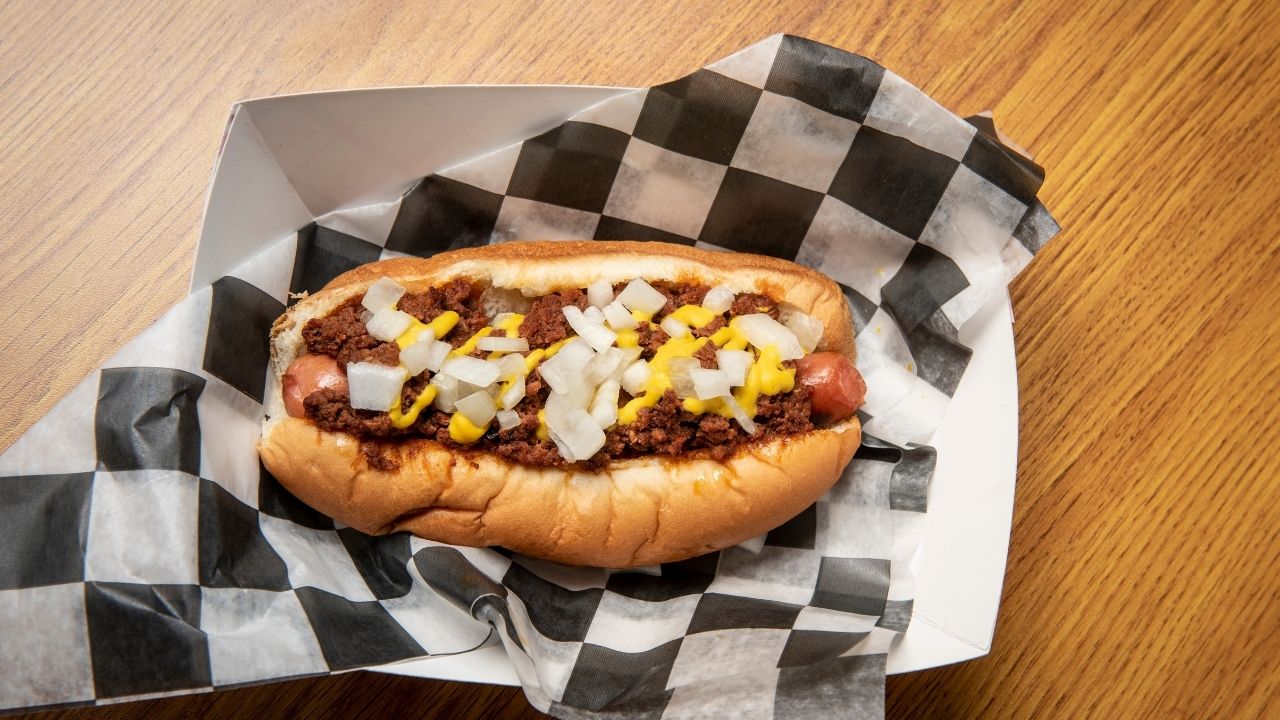
Picture this: you’re standing in a Detroit diner at 2 AM, slightly tipsy from Tigers game celebrations, and someone slides the most beautiful hot dog creation across the counter. That’s your first Michigan Coney Dog experience, and trust me, it changes everything. This isn’t your ballpark frank drowning in ketchup – we’re talking about an all-beef hot dog nestled in a steamed bun, smothered in a secret chili sauce that’s more savory than spicy, topped with diced white onions and a generous sprinkle of yellow mustard. The chili recipe varies by establishment, but the best versions have been simmering for decades, passed down through Greek immigrant families who made Detroit their home.
Here’s the kicker: Michigan Coney Dogs aren’t actually from Michigan originally – they trace back to Greek immigrants who adapted their homeland flavors for American palates. The real magic happens in those iconic Coney Island restaurants scattered throughout Detroit, where the grill never stops and the chili pot bubbles like a savory cauldron. Lafayette Coney Island and American Coney Island sit right next to each other downtown, creating the greatest food rivalry since pizza wars began. Pro tip: order yours “loaded” and watch the counter person work their magic with lightning speed, creating a masterpiece that somehow stays intact despite looking like it should collapse under its own delicious weight.
Coal Region Pierogies
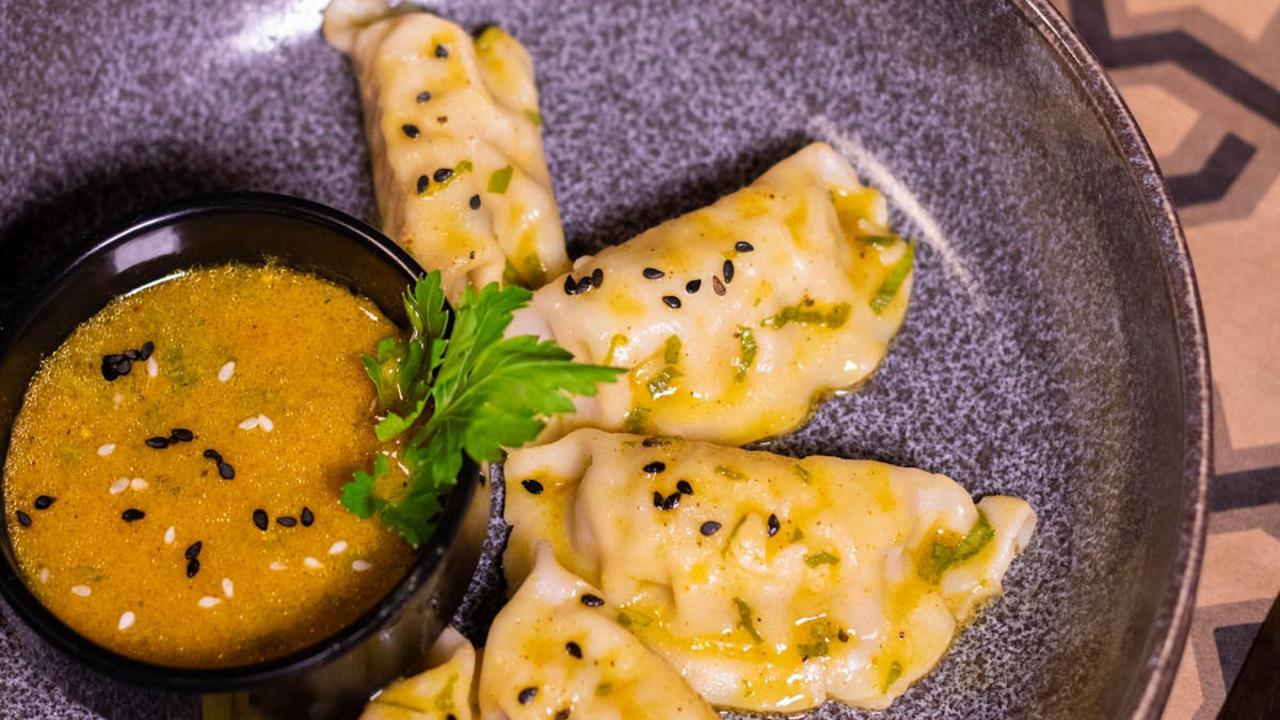
You haven’t lived until you’ve experienced the magic of Coal Region pierogies, those pillowy pockets of perfection that transformed Polish immigrant cuisine into pure Pennsylvania gold. Born in the coal mining towns of northeastern Pennsylvania, these dumplings became the ultimate comfort food for hardworking families who needed something hearty, filling, and absolutely delicious after long days underground. Unlike their daintier Eastern European cousins, Coal Region pierogies pack a serious punch – they’re bigger, bolder, and stuffed with everything from classic potato and cheese to sauerkraut, mushrooms, and even sweet fruit fillings that’ll make you question everything you thought you knew about dinner dessert boundaries.
What makes these beauties truly special is the ritual surrounding them. Every family has their secret technique, whether it’s grandma’s particular way of crimping the edges or the exact ratio of butter to onions for the perfect topping. You’ll find them at church fundraisers, fire hall dinners, and local diners where they’re served swimming in caramelized onions with a side of applesauce and sour cream. Pro tip: if you’re ever driving through places like Shenandoah or Mount Carmel, follow the pierogy signs like they’re treasure maps – these coal patch towns still guard some of the most authentic recipes, passed down through generations of families who understand that sometimes the best things in life come wrapped in a simple dough pocket.
Johnny Marzetti
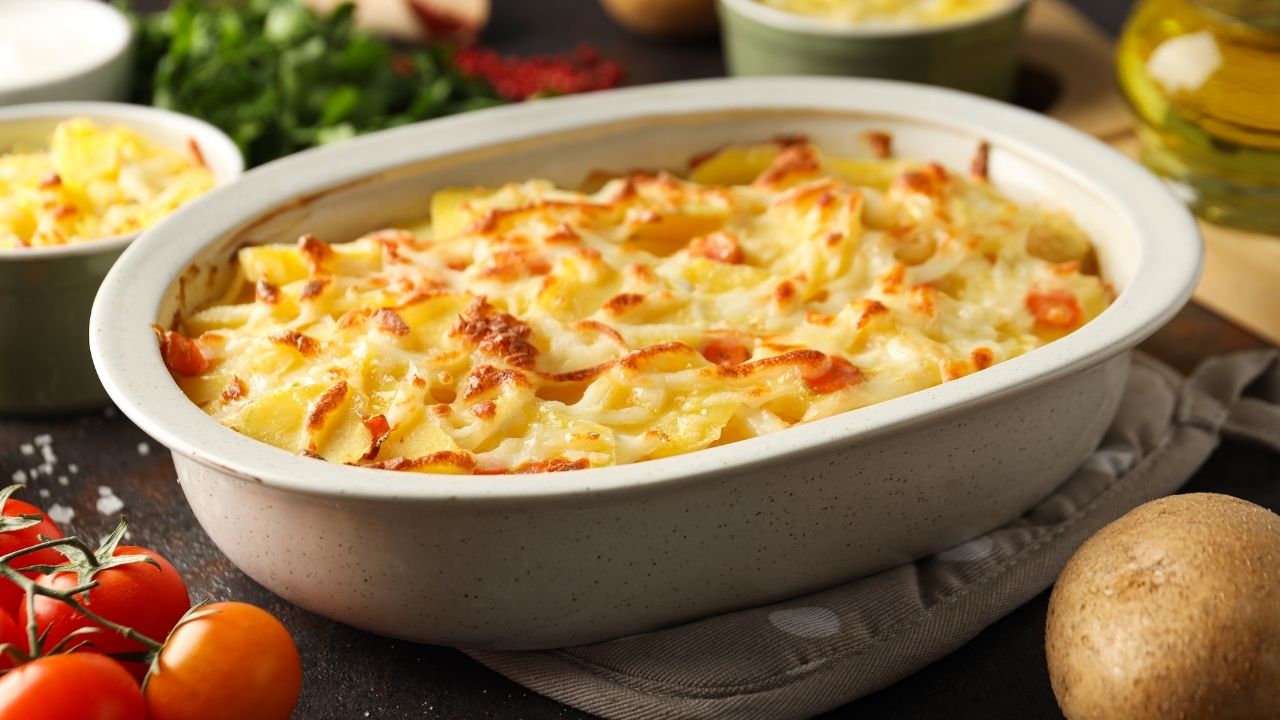
You know that friend who throws together whatever’s in their fridge and somehow creates magic? That’s exactly how Johnny Marzetti came to be in Ohio, and honestly, we should all bow down to Teresa Marzetti for this stroke of genius. Back in 1920, this Italian immigrant restaurant owner looked at her leftover ground beef, noodles, cheese, and tomato sauce and thought, “Why not dump it all in a casserole dish?” The result? A dish so beloved that Ohioans still fight over whose grandmother made it best. Named after her brother-in-law Johnny, this hearty masterpiece became the unofficial comfort food of the Buckeye State, showing up at church potlucks, school cafeterias, and family dinners across Ohio like some sort of delicious urban legend.
Picture this: wide egg noodles swimming in a rich tomato sauce with perfectly seasoned ground beef, all topped with a blanket of melted cheese that gets golden and bubbly in the oven. Some families add mushrooms, others throw in green peppers, and the truly adventurous might sneak in some Italian sausage alongside the beef. What makes Johnny Marzetti special isn’t just the ingredients – it’s the pure comfort factor. This is the kind of dish that feeds a crowd without breaking the bank, tastes even better the next day, and somehow manages to be both sophisticated enough for adults and kid-friendly enough that even the pickiest eaters clean their plates. Ohio knows what it’s doing with this one.
City Chicken
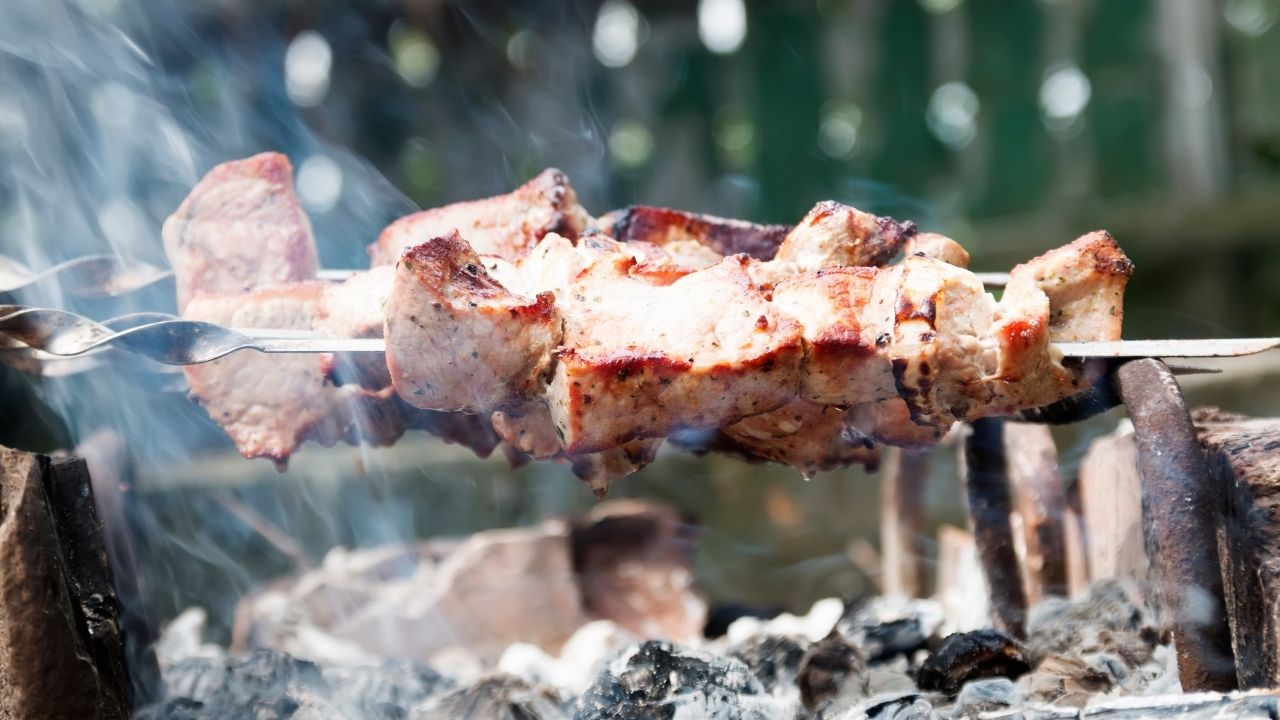
Despite its name, City Chicken contains absolutely zero poultry—and honestly, that’s probably the most perfectly Midwestern thing about it. This Depression-era creation from Ohio, Pennsylvania, and surrounding regions involves skewering chunks of pork and veal (sometimes just pork) on wooden sticks, coating them in seasoned flour and breadcrumbs, then frying or baking until golden. The meat gets tender and juicy while the coating becomes wonderfully crispy, creating a dish that somehow manages to be both humble and satisfying. The “chicken” moniker supposedly came from the fact that actual chicken was too expensive during tough economic times, so resourceful home cooks made do with cheaper cuts of meat that could be shaped and prepared to resemble chicken drumsticks.
You’ll find City Chicken gracing tables at church suppers, family reunions, and cozy diners throughout the Rust Belt, where it’s served alongside mashed potatoes and green beans like the comfort food champion it truly is. The preparation requires patience—those meat chunks need time to become fork-tender—but the payoff is incredible. Some families guard their coating recipes like state secrets, adding everything from paprika to garlic powder to create their signature version. While you might scratch your head at first bite wondering why anyone would call this “chicken,” one forkful of that crispy exterior giving way to succulent meat will make you understand why this quirky dish has survived nearly a century of changing food trends.
Frito Pie
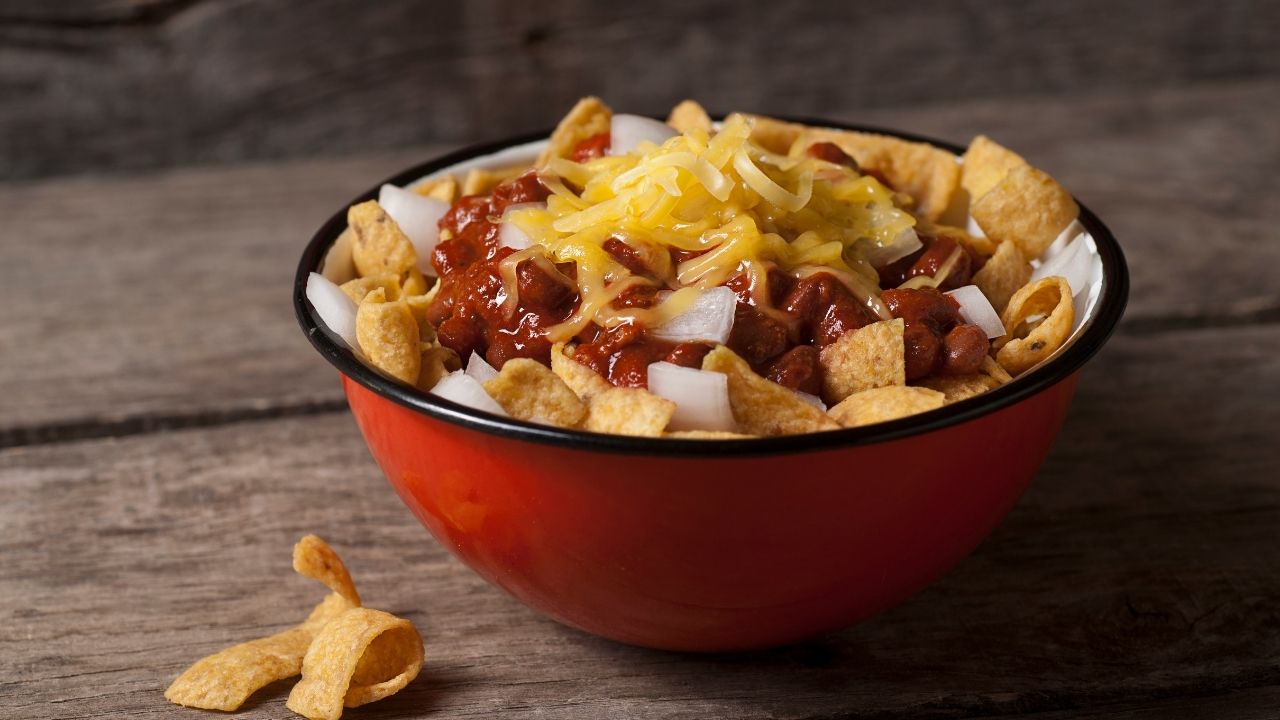
Picture this: you’re at a high school football game in New Mexico, and someone hands you a bag of Fritos corn chips that’s been split open and loaded with chili, cheese, and onions. That’s Frito Pie in its most authentic form – a dish so brilliantly simple that it makes you wonder why fancy restaurants haven’t figured out this level of genius yet. The beauty lies in eating straight from the chip bag, creating a perfect handheld meal that requires zero dishes and maximum satisfaction. New Mexico claims ownership of this masterpiece, though Texas puts up a fierce fight for bragging rights, and honestly, both states deserve credit for recognizing that sometimes the best innovations happen when you’re just trying to feed hungry people quickly.
What makes Frito Pie absolutely magical is how it transforms humble ingredients into something greater than the sum of its parts. The salty crunch of corn chips creates the perfect vessel for thick, meaty chili, while melted cheese binds everything together in gooey harmony. You can dress it up with jalapeños, sour cream, or diced tomatoes, but purists insist that the holy trinity of Fritos, chili, and cheese is all you need. The dish gained such legendary status that it landed in the Smithsonian’s National Museum of American History – yes, a snack food made from a chip bag now sits alongside artifacts of American culture. Try making your own by splitting open a single-serving Fritos bag, ladling in hot chili, sprinkling shredded cheese on top, and adding your favorite toppings before diving in with a plastic fork.
Pork Roll
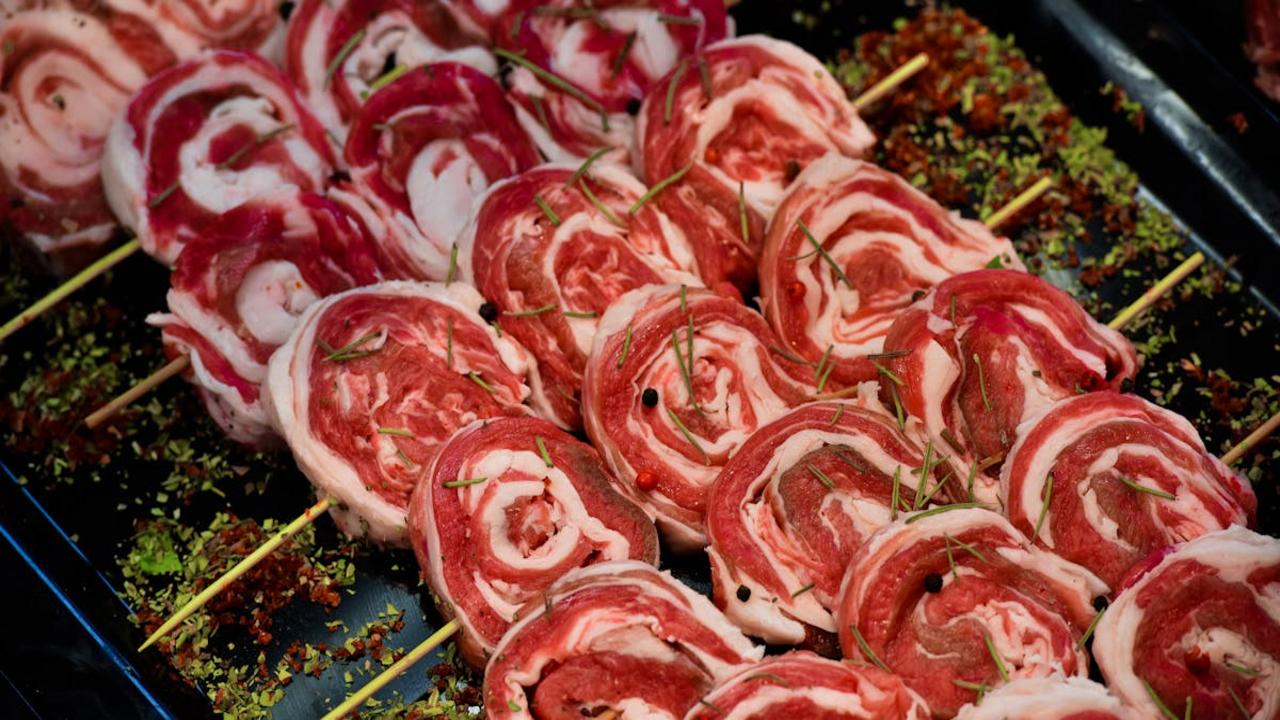
Picture this: you’re standing in a New Jersey diner at 7 AM, and the person next to you orders something called “pork roll, egg, and cheese on a kaiser.” Your brain does a double-take because what exactly IS pork roll? Well, my friend, you’ve just encountered one of the Garden State’s most fiercely defended food treasures – a mysterious, salty, processed meat cylinder that somehow became the unofficial breakfast mascot of New Jersey and parts of Pennsylvania. This cylindrical wonder, also known as Taylor Ham in North Jersey (and yes, people will fight you over the proper name), gets sliced into rounds, griddled until the edges curl up like little meat flowers, and nestled between bread with eggs and cheese.
The beauty of pork roll lies in its complete refusal to apologize for what it is – unapologetically processed, wonderfully salty, and absolutely perfect when you need something substantial to fuel your morning. Created in 1856 by John Taylor in Trenton, this pink mystery meat has survived over 150 years by being exactly what busy people need: fast, filling, and ridiculously satisfying. The edges get crispy and caramelized while the center stays tender, creating this amazing textural contrast that makes your morning sandwich infinitely more interesting than boring old bacon. Sure, it might look like oversized bologna to outsiders, but locals know that pork roll represents something bigger – it’s comfort food that doesn’t pretend to be fancy, and sometimes that’s exactly what your soul needs on a Tuesday morning.
Goetta
Picture this: German immigrants arrive in Cincinnati with their beloved recipes, but they can’t find the right sausage casings. What do they do? They get creative and birth goetta – a glorious mashup of ground pork, beef, and steel-cut oats that’s equal parts breakfast sausage and comfort food genius. This Cincinnati specialty looks like a humble brown brick, but don’t let appearances fool you. Once you slice it thick and fry it until the edges turn golden and crispy while the center stays creamy, you’ve got breakfast magic that locals guard more fiercely than their chili recipes.
You’ll find goetta in practically every Cincinnati diner, where old-timers order it with eggs and toast like it’s the most natural thing in the world. The secret lies in that unusual oat addition – it gives goetta a texture that’s part patty, part polenta, and entirely addictive. Some families have been making their own for generations, slow-cooking the mixture for hours until it reaches that perfect consistency. Try explaining goetta to someone who’s never had it, and you’ll sound like you’re describing some mythical creature: “Well, it’s meat and oats, but it’s crispy and creamy, and…” Just trust me on this one – Cincinnati knows what it’s doing.
Mississippi Pot Roast
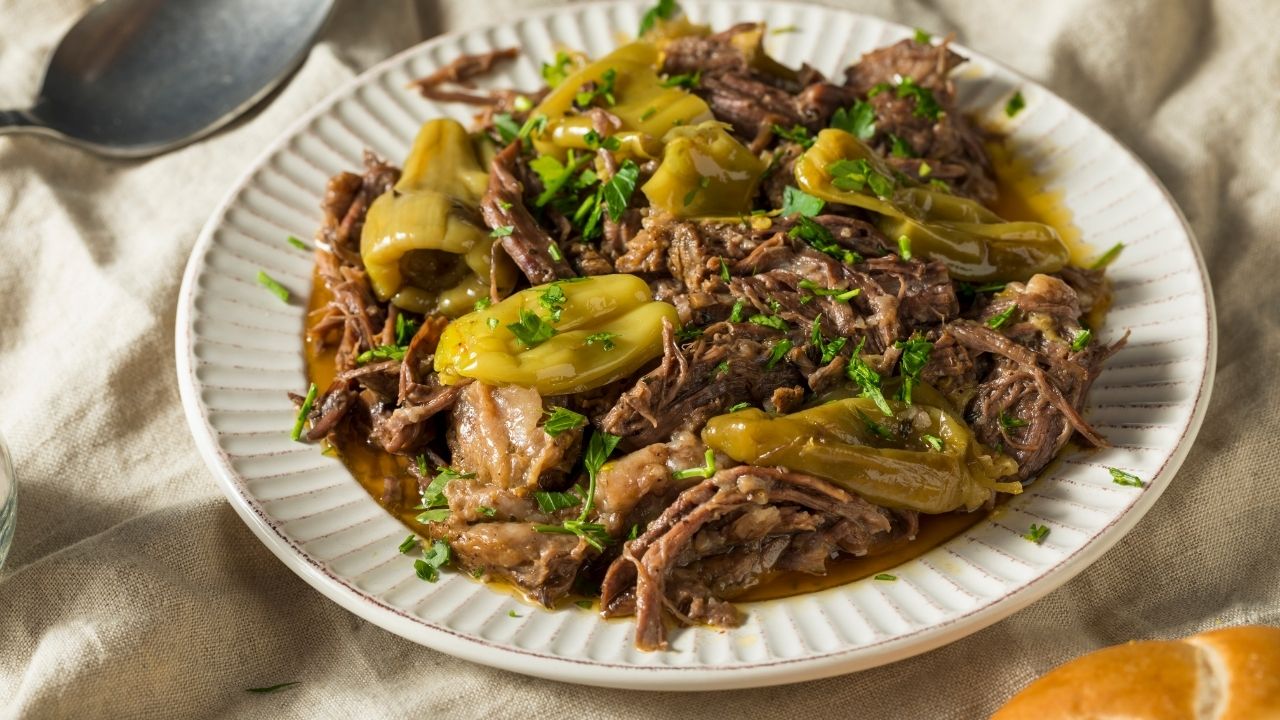
You know that moment when someone’s grandmother drops a recipe bomb so simple yet so devastatingly delicious that it breaks the internet? That’s exactly what happened with Mississippi Pot Roast, and honestly, we should all send thank-you cards to Robin Chapman from Ripley, Mississippi, who created this magical concoction back in the 1990s. This isn’t your fancy Sunday dinner roast that requires seventeen ingredients and a culinary degree—nope, this beauty needs just five things: chuck roast, ranch dressing mix, au jus gravy mix, butter, and pepperoncini peppers. The genius lies in its ridiculous simplicity, and the fact that you literally dump everything into a slow cooker and walk away makes it the ultimate “set it and forget it” masterpiece.
What makes this roast absolutely legendary is how those tangy little pepperoncini peppers transform an ordinary chuck roast into something that’ll make you question every other pot roast you’ve ever eaten. The combination of ranch and au jus packets might sound like a college dorm room experiment gone wrong, but trust me on this—it creates a gravy so rich and flavorful that you’ll want to drink it straight from a mug. The meat falls apart like butter, and that briny kick from the peppers cuts through the richness perfectly. Social media went absolutely bonkers for this recipe a few years back, and restaurants across the South started adding their own versions to menus because sometimes the simplest things really are the most brilliant.
Hot Brown
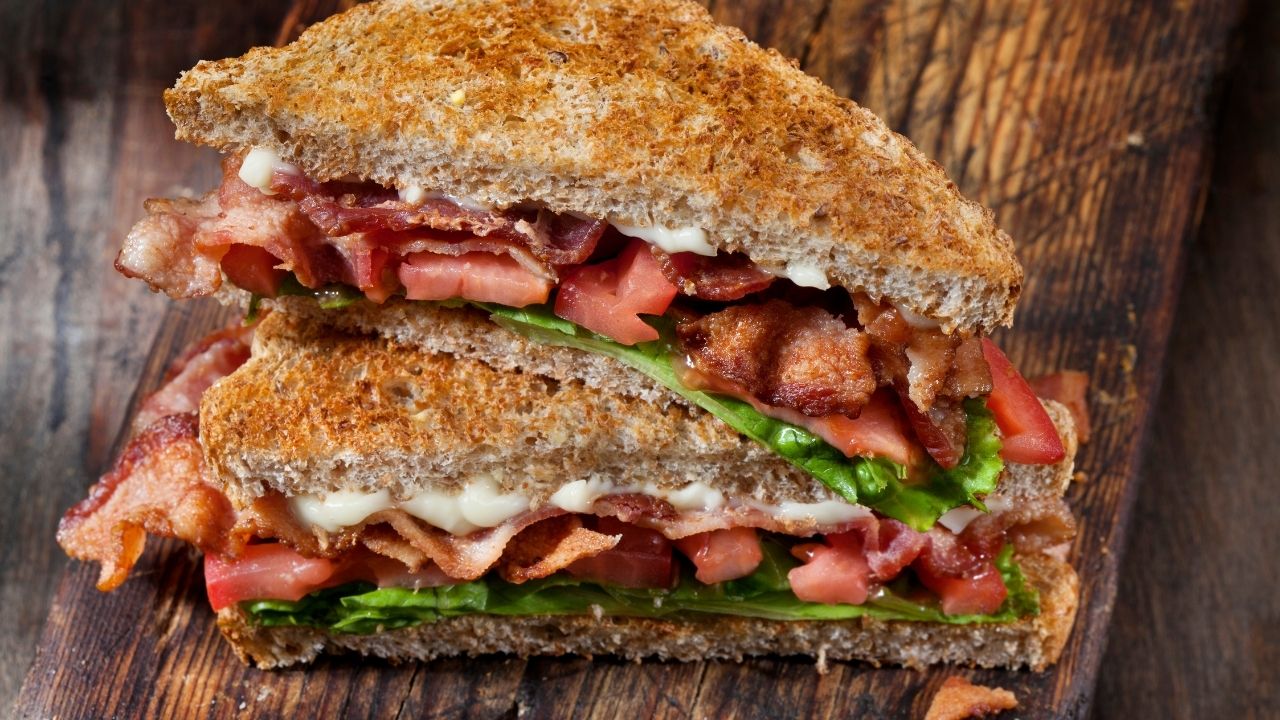
Picture this: you’re in Louisville, Kentucky, circa 1926, and some genius at the Brown Hotel decides that regular old turkey sandwiches just aren’t fancy enough for their late-night supper club crowd. Enter the Hot Brown – an open-faced masterpiece that’s basically Thanksgiving dinner having a wild party with Mornay sauce. This glorious creation starts with thick slices of toast, gets piled high with roasted turkey, then drowns in a rich, creamy cheese sauce before getting broiled until bubbly and golden. They crown it with crispy bacon and fresh tomatoes because apparently, someone understood that life’s too short for boring food.
What makes me absolutely giddy about the Hot Brown is how it turned leftovers into luxury dining. The original chef, Fred Schmidt, basically looked at turkey scraps and said, “Hold my bourbon, I’m about to make this spectacular.” The dish became so popular that people would drive hours just to experience this cheesy, bacony wonder. You can easily make your own version at home – just don’t skimp on the Mornay sauce (it’s basically a fancy white sauce with Parmesan cheese), and for the love of all things holy, use real bacon, not those sad imitation bits. Trust me, once you’ve experienced the Hot Brown’s perfect marriage of comfort and sophistication, you’ll wonder why every menu doesn’t feature this Kentucky treasure.
Beef on Weck
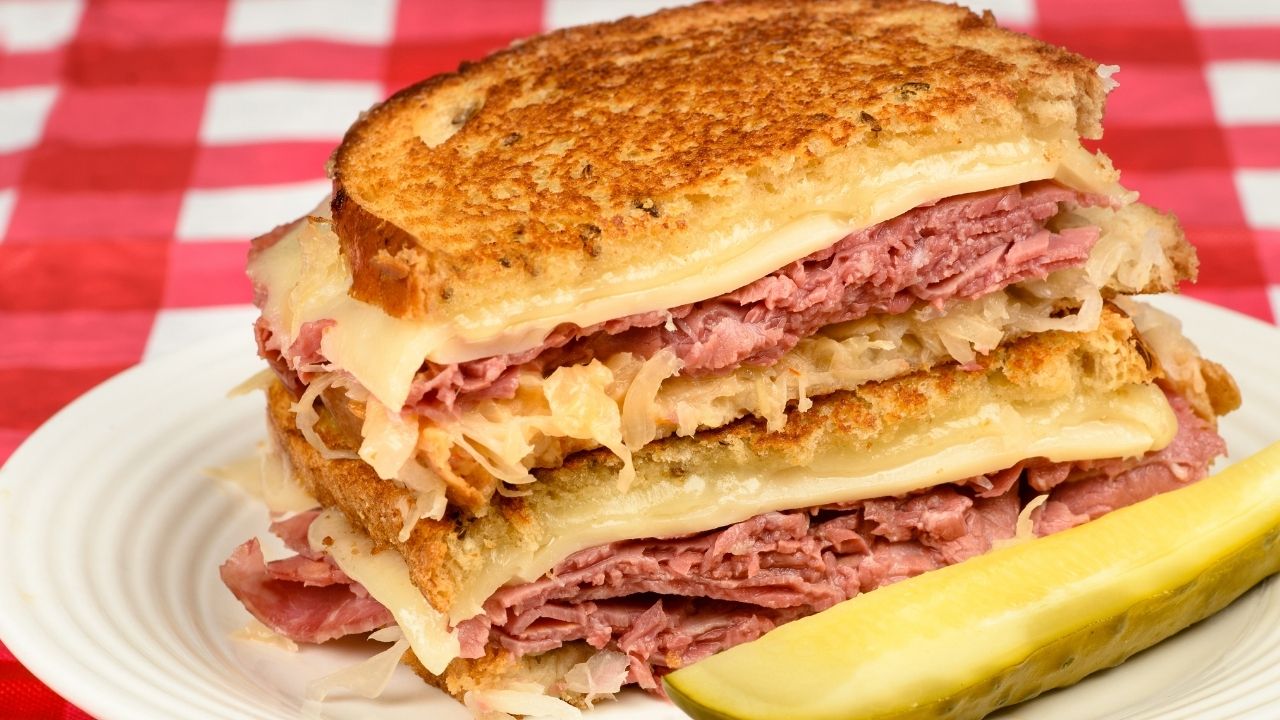
Buffalo, New York has given us chicken wings, sure, but their real secret weapon is beef on weck—a sandwich so magnificently simple it’ll make you question why the rest of America hasn’t caught on. Picture this: thin-sliced roast beef piled high on a kummelweck roll (that’s caraway seeds and coarse salt crusted on top, for the uninitiated), served with horseradish that’ll clear your sinuses faster than a Buffalo blizzard. The roll gets a quick dip in the beef’s natural juices, creating a gloriously messy masterpiece that requires at least three napkins and zero shame.
What makes this sandwich legendary isn’t just the beef—though the tender, pink-centered roast beef is pretty spectacular. It’s that kummelweck roll, originally brought over by German immigrants who clearly knew what they were doing in the bread department. The caraway seeds add an earthy bite while the pretzel salt creates the perfect savory crunch. You’ll find the best versions at places like Schwabl’s, where they’ve been slicing beef since 1837 and treat each sandwich like a sacred ritual. Pro tip: don’t even think about asking for mayo or lettuce—purists will give you the stink eye, and honestly, you don’t need anything else when perfection is already between two halves of seeded, salted heaven.