12 Hidden Superfoods You’ve Probably Never Heard Of With Big Health Benefits
Looking to boost your wellness game? I’ve discovered 12 amazing superfoods that haven’t hit mainstream popularity yet but pack incredible nutritional benefits. From nutrient-dense Moringa leaves to protein-rich Amaranth seeds, these foods offer exceptional health properties while adding exciting new flavors to your kitchen.
You won’t find most of these gems in regular grocery stores, but they’re worth seeking out at specialty markets or online shops. Each brings something unique – Chlorella cleanses, Baobab fights inflammation, and Teff delivers sustainable energy. I’ve incorporated these into my weekly meals and noticed real differences in my energy and health.
The beauty of these superfoods lies in their versatility. Sprinkle Sacha Inchi on salads, blend Lucuma into smoothies, or cook Fonio as a quinoa alternative. Small additions to your diet can yield significant health improvements – and I’ll show you exactly how to use each one effectively.
Camu Camu
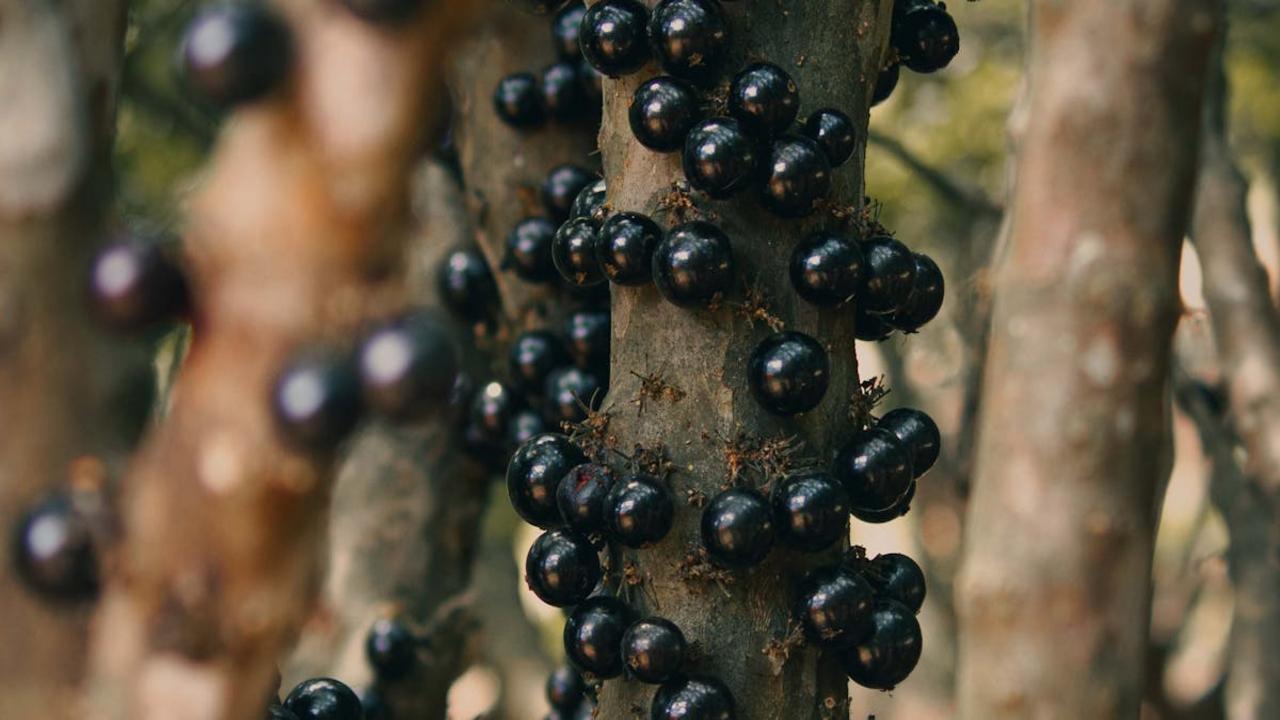
Picture this: you’re wandering through an Amazon rainforest market, and someone hands you a small, cherry-like fruit that contains more vitamin C than 60 oranges combined. That’s camu camu for you – nature’s most concentrated source of this immune-boosting powerhouse. I first discovered this Peruvian superfruit through a friend who brought back dried powder from her travels, and honestly, the tart, almost sour punch caught me completely off guard. But here’s what made me a believer: just one teaspoon of camu camu powder delivers about 1,180% of your daily vitamin C needs, making it an incredible addition to my morning smoothie routine.
What I love about working with camu camu is how it transforms ordinary recipes into nutritional goldmines without overwhelming the flavors. The powder blends beautifully into yogurt bowls, homemade energy bars, and even salad dressings where its tangy profile adds brightness. Beyond the massive vitamin C content, camu camu brings potent antioxidants, anti-inflammatory compounds, and natural mood-supporting properties to your table. I keep a jar in my pantry year-round because a little goes such a long way – perfect for those winter months when fresh citrus gets expensive and you need that extra immune support. The best part? You’re getting all these benefits from a whole food source rather than synthetic supplements.
Gac Fruit
Your morning ritual might become significantly more expensive in 2025, and I’m talking about that precious cup of coffee that starts your day. Arabica coffee beans, which make up about 60% of global coffee production, face mounting pressure from climate change, labor shortages, and supply chain disruptions. Brazil and Colombia, two major producers, have experienced irregular weather patterns that directly impact crop yields. When I think about how coffee connects us to farmers thousands of miles away, it reminds me why supporting fair trade becomes so important during these uncertain times.
If you’re like me and can’t imagine mornings without that perfect brew, now’s the time to get creative with your coffee routine. Consider buying whole beans in bulk when prices dip, then store them properly in airtight containers away from light and heat. I’ve started exploring different brewing methods like cold brew concentrate, which uses more beans upfront but yields multiple servings. You can also stretch your coffee budget by mixing high-quality arabica with a small portion of robusta beans, creating a blend that maintains flavor while reducing costs. Remember, investing in a good grinder and learning proper extraction techniques means you’ll need fewer beans to achieve that rich, satisfying cup you crave.
Teff
You know that creamy, green goodness we’ve grown to depend on for our morning toast and weekend guacamole? Well, brace yourself – avocados might become a luxury item in 2025. Climate change continues to wreak havoc on major growing regions like California and Mexico, where unpredictable weather patterns and water shortages are forcing farmers to make tough decisions. Add shipping costs and labor shortages to the mix, and you’re looking at prices that could make your wallet weep every time you reach for that perfectly ripe avocado.
But here’s what I’ve learned from cooking around the world – there are brilliant alternatives that can give you similar richness and nutrition. Try mashing ripe bananas with a pinch of lime juice and sea salt for toast, or blend cashews with lemon juice for that creamy texture in salads. I’ve even started using pureed white beans mixed with olive oil and herbs as an avocado substitute in wraps. Sure, it’s not exactly the same, but these swaps keep your meals interesting and your budget happy while still delivering that satisfying, wholesome feeling we crave.
Sea Buckthorn
You know that golden bottle of pure maple syrup sitting in your pantry? That liquid gold might become actual gold next year. Climate change has been wreaking havoc on maple trees across North America, with unpredictable temperature swings disrupting the delicate tapping season. When warm days and freezing nights don’t align perfectly, sap production plummets. Add rising labor costs and increased demand for natural sweeteners, and you’re looking at prices that could make your Sunday pancakes feel like a luxury breakfast.
Here’s what I do to stretch my maple syrup without sacrificing flavor: I create my own blends by mixing pure maple syrup with honey or date syrup in a 1:1 ratio. This gives you that rich maple complexity while cutting costs in half. For everyday cooking, I save the good stuff for finishing touches and use these blends in marinades, salad dressings, and baked goods. You can also make maple-infused simple syrup by combining equal parts water, sugar, and a splash of real maple syrup – perfect for cocktails and coffee drinks that still carry that distinctive maple warmth.
Chlorella
You know that satisfying crack when you split open a pistachio shell? That sound might become a lot more precious in 2025. These vibrant green gems have already seen their prices climb steadily, and with ongoing droughts in California—where most of America’s pistachios grow—we’re looking at potential shortages that could send costs soaring. I’ve watched pistachio prices fluctuate wildly over the years, and right now, all signs point to these nuts becoming a luxury item rather than your go-to snack.
Here’s what I love about pistachios beyond their addictive crunch: they’re incredibly versatile in the kitchen. I grind them into a creamy paste for Middle Eastern-inspired desserts, toss chopped ones into my homemade granola, and use them to crust fish fillets for a beautifully textured dinner. If prices do spike next year, consider buying them in bulk when they’re on sale and storing them in your freezer—they keep beautifully for months. You can also stretch their impact by using them more strategically: instead of mindlessly snacking on handfuls, save them for recipes where their distinctive flavor really shines, like in a Persian rice pilaf or sprinkled over roasted vegetables.
Fonio
Your beloved dark chocolate bars and morning cocoa might become luxury items sooner than you think. Cacao prices have been climbing steadily, and 2025 could see them reach heights that make your favorite 70% dark chocolate feel like an indulgence rather than a pantry staple. Climate change has hit major cacao-growing regions hard, with Ghana and Côte d’Ivoire – which produce about 60% of the world’s cacao – facing severe weather patterns that devastate crops. Add supply chain disruptions and increased global demand for premium chocolate, and you’ve got a perfect storm brewing in your baking aisle.
But here’s what I want you to know: you don’t have to give up on chocolate entirely. Start experimenting with carob powder as a substitute in your baking – it brings natural sweetness and works beautifully in energy balls and homemade granola. Consider buying cacao in bulk when you find good deals, and store it properly in airtight containers away from heat and light. I’ve been stretching my cacao further by making my own chocolate blends with roasted nuts and seeds, creating rich, complex flavors that satisfy that chocolate craving while using less of the expensive stuff. Think of it as an opportunity to become more creative with your sweet treats rather than a limitation.
Lucuma
I’ve watched wild caught salmon prices climb steadily over the past few years, and 2025 might be the year this protein powerhouse becomes a true luxury item. Climate change continues to impact salmon runs, while overfishing concerns have led to stricter regulations that limit supply. Add rising fuel costs for fishing boats and increased demand for sustainable seafood, and you’re looking at a perfect storm for price hikes. What used to be my go-to weeknight dinner protein now requires careful budgeting and planning.
But here’s what I’ve learned from cooking with salmon for years – a little goes a long way if you know how to stretch it. I often buy a whole side when it’s on sale, portion it into individual servings, and freeze what I won’t use immediately. Try mixing flaked cooked salmon into grain bowls, pasta dishes, or even scrambled eggs for breakfast. One fillet can easily feed two people when you pair it with hearty vegetables and whole grains. The key is treating salmon as the star ingredient it deserves to be, rather than just another piece of fish on your plate.
Baobab

Picture this: you’re wandering through an African market when you stumble upon a fruit that looks like it fell from another planet. That’s baobab for you – the “tree of life” fruit that’s been nourishing communities across Africa and Australia for thousands of years. I discovered this incredible superfood during my travels, and now I keep baobab powder stocked in my pantry like a secret weapon. The fruit has this amazing tangy, citrusy flavor that reminds me of a cross between grapefruit and vanilla, making it perfect for smoothies, yogurt bowls, and even homemade energy bars.
What makes baobab truly special goes beyond its unique taste – this fruit packs more vitamin C than oranges, more potassium than bananas, and incredible amounts of fiber that support your digestive health. I love mixing a tablespoon of baobab powder into my morning smoothie or stirring it into homemade salad dressings for that perfect acidic kick. The powder dissolves beautifully and adds natural sweetness without any processed sugars. Plus, baobab contains powerful antioxidants and prebiotic fiber that feed the good bacteria in your gut, making every spoonful a step toward better health.
Sacha Inchi
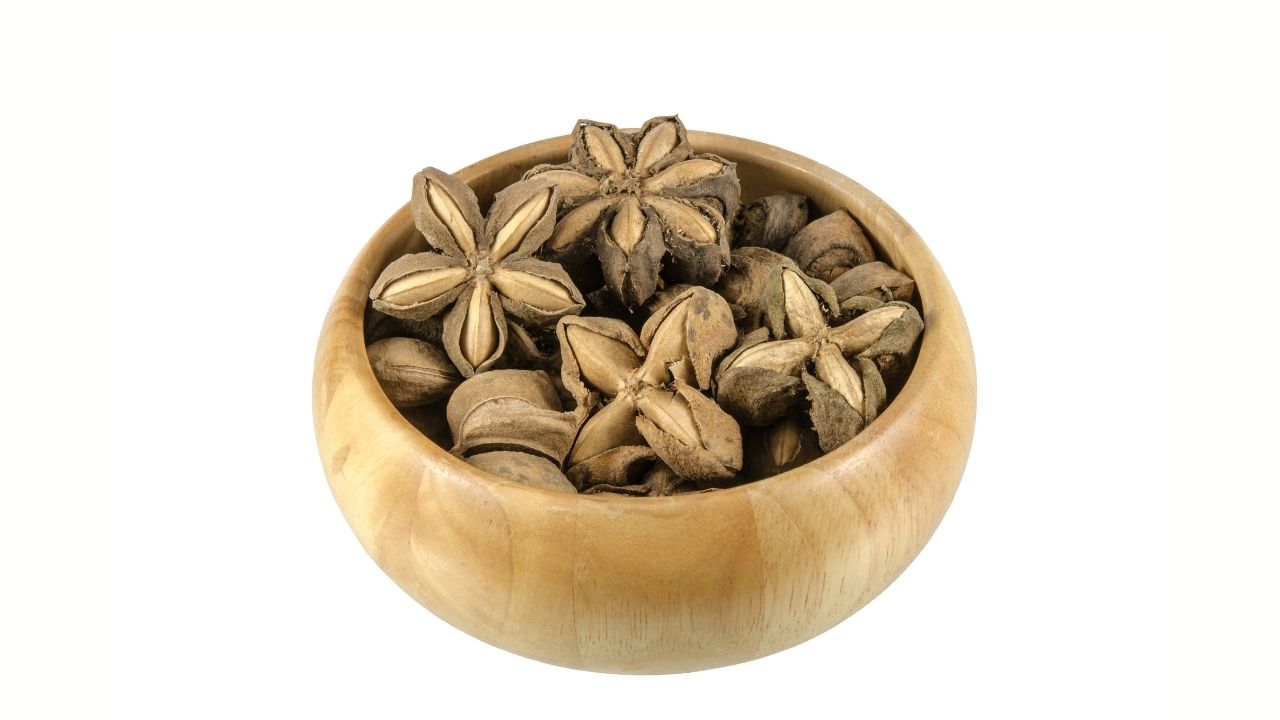
You know that feeling when you discover an ingredient that makes you wonder how you lived without it? That’s exactly what happened when I first encountered sacha inchi seeds during a trip to Peru. These star-shaped pods contain seeds that pack more omega-3 fatty acids than salmon – seriously! The locals call them “Inca peanuts,” and after one taste, I understood why they’ve been treasured for centuries. The nutty, slightly earthy flavor reminds me of a cross between sunflower seeds and almonds, with a satisfying crunch that makes them perfect for snacking or adding texture to dishes.
What really gets me excited about sacha inchi is how versatile these little powerhouses are in the kitchen. I love toasting them lightly in a dry pan to bring out their natural oils, then sprinkling them over salads or mixing them into homemade granola. The oil pressed from these seeds has become my secret weapon for finishing dishes – just a drizzle over roasted vegetables or into smoothies adds incredible richness and those precious omega-3s your body craves. Plus, with complete proteins and anti-inflammatory compounds, sacha inchi supports everything from brain health to glowing skin, making every meal feel like an act of self-care.
Chokeberry (Aronia)
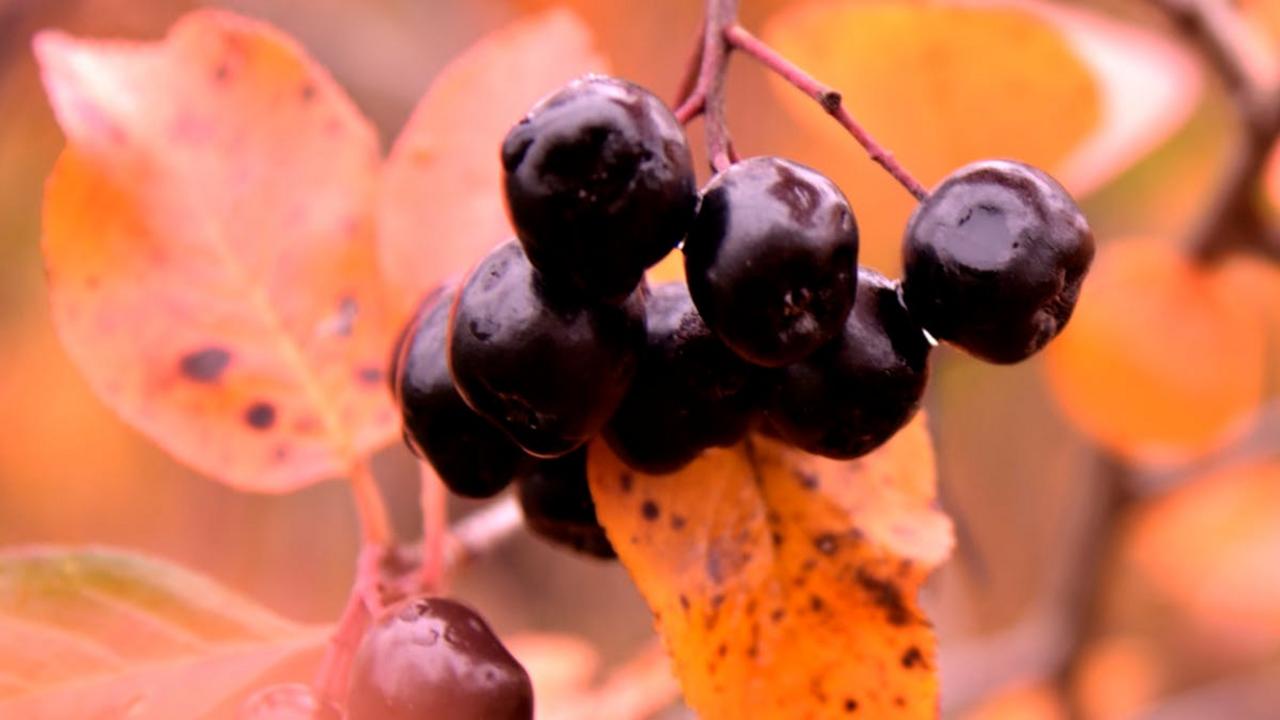
You know how sometimes the most powerful ingredients hide behind the most unassuming names? That’s exactly what happens with chokeberries – these dark purple-black gems pack more antioxidants than blueberries, cranberries, and even pomegranates combined. I started working with aronia berries after discovering them at a local farmer’s market, and honestly, their intense tartness reminded me of the bold flavors I grew up with in my grandmother’s kitchen. Don’t let the “choke” part scare you – while they’re definitely astringent when raw, they transform into something magical when you cook with them.
These little powerhouses contain anthocyanins and proanthocyanidins that support heart health and may help regulate blood sugar levels. I love incorporating dried aronia berries into my morning granola or blending fresh ones into smoothies with banana and a touch of maple syrup to balance their intensity. They also make incredible jams and sauces that pair beautifully with both sweet and savory dishes – try them in a glaze for roasted chicken or mixed into your next batch of muffins. The key is treating them like you would cranberries, but with even more respect for their bold character.
Amaranth
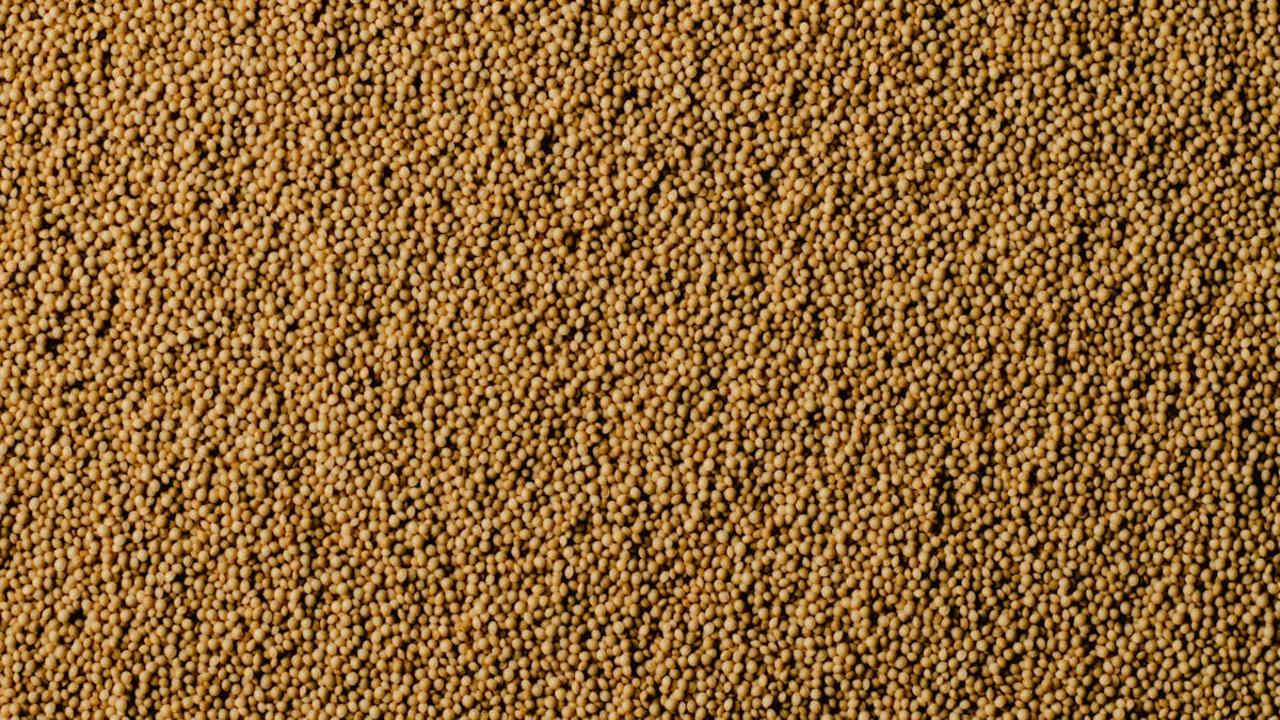
Friend, amaranth has been quietly sitting in health food stores while we chase after trendy grains, but this ancient powerhouse deserves your attention right now. I started cooking with amaranth after my grandmother mentioned how her mother used to pop the seeds like tiny kernels of corn, and that memory sparked my curiosity. This gluten-free pseudocereal packs more protein than quinoa—we’re talking complete protein with all nine amino acids your body needs. The mineral profile reads like a nutritionist’s dream: iron, magnesium, phosphorus, and manganese all packed into these tiny seeds that cook up creamy and nutty.
What I love most about amaranth is how adaptable it becomes in your kitchen. You can cook the whole seeds into a porridge that rivals any oatmeal, or pop them in a dry pan for a crunchy topping that transforms salads and yogurt bowls. I often grind amaranth into flour for my pancakes and bread recipes—it adds this subtle earthiness that pairs beautifully with cinnamon and vanilla. The leaves are edible too, and they taste like a cross between spinach and chard, perfect for quick stir-fries or adding to soups. This grain connects you to ancient civilizations while supporting your modern health goals, and honestly, that’s the kind of ingredient that makes cooking feel meaningful.
Moringa
3