13 Clever Ways to Eat Organic Without Blowing Your Grocery Budget
Want to eat organic without emptying your wallet? You absolutely can! Many people think organic foods are too expensive, but with some smart shopping and planning, you can fill your cart with healthier options while keeping costs down. I’ve discovered these 13 budget-friendly strategies that help my family eat clean without financial strain.
Organic food offers fewer pesticides, no artificial preservatives, and often more nutrients than conventional alternatives. The benefits extend beyond your health to support sustainable farming practices and local economies. But those benefits shouldn’t come with financial stress or guilt about your grocery budget.
From shopping seasonal produce to growing your own herbs, these practical tips will transform how you shop, cook, and eat. You’ll learn which organic items deserve your dollars and where you can save without compromise. Ready to make organic eating part of your everyday life without the premium price tag? These strategies will show you how.
Plan Weekly Meals
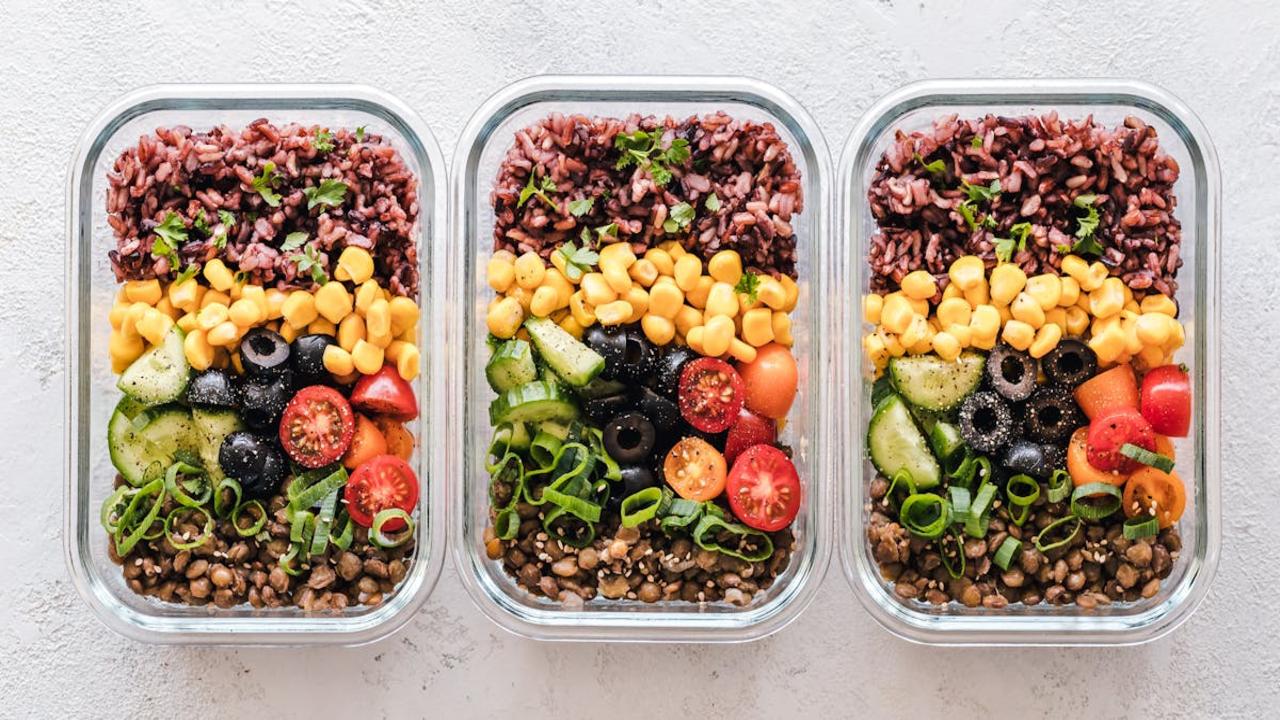
Picture this: you’re standing in the grocery store, overwhelmed by organic prices, grabbing whatever looks good without a clear plan. Sound familiar? I’ve been there too! Weekly meal planning transforms your organic shopping from a budget-busting free-for-all into a strategic mission that saves you serious money. When you map out your meals ahead of time, you buy only what you need, avoid impulse purchases, and make every organic dollar count. Plus, you’ll discover creative ways to stretch expensive organic ingredients across multiple dishes throughout the week.
Start by choosing one day each week to plan your upcoming meals and create a detailed shopping list. Check what you already have in your pantry, then build meals around seasonal organic produce that’s naturally more affordable. I love planning meals that share common ingredients – like using organic chicken in Monday’s stir-fry, Wednesday’s soup, and Friday’s salad. This approach prevents food waste while maximizing your organic investment. Keep a running list of successful budget-friendly organic meals so you can rotate favorites and streamline future planning sessions. Trust me, this simple habit will revolutionize both your grocery budget and your weeknight dinners!
Cook from Scratch

Making your meals from the ground up transforms your grocery budget in ways that might surprise you! When you buy whole ingredients instead of pre-made products, you’re getting so much more bang for your buck. That bag of organic flour will make dozens of pancakes, while a single box of organic pancake mix costs nearly the same but feeds your family just a few times. The same logic applies to everything from salad dressings to pasta sauces – those little jars and bottles add up fast, but their homemade counterparts cost pennies per serving.
I know what you’re thinking: “Who has time for all that chopping and mixing?” But here’s the beautiful truth – scratch cooking doesn’t mean spending hours in the kitchen every day. Start simple with things like basic vinaigrettes, homemade granola, or slow-cooker soups that practically make themselves. Once you get into the rhythm, you’ll discover that whipping up a batch of muffins or preparing a big pot of beans becomes second nature. Plus, you control every single ingredient that goes into your food, which means cleaner eating and knowing exactly what’s nourishing your body. Your wallet and your health will thank you!
Choose Whole Foods

When you’re shopping organic on a budget, whole foods become your best friends in the produce aisle. I’m talking about fruits, vegetables, grains, and legumes in their most natural form – no fancy packaging or processing involved. These unprocessed gems typically cost significantly less than their packaged counterparts because you’re not paying for marketing, elaborate branding, or manufacturing processes. Think raw almonds versus almond butter, whole carrots versus baby carrots in bags, or dried beans versus canned ones. The price difference can be dramatic, and you get the bonus of knowing exactly what you’re putting in your body.
Here’s where the magic happens in your kitchen: whole foods give you complete control over flavors and preparation methods. You can transform basic organic ingredients into multiple meals throughout the week. Those organic sweet potatoes? Roast them for dinner, mash them for breakfast hash, or spiralize them into noodles for lunch. Buying whole organic chickens instead of pre-cut pieces saves money while providing you with breast meat for stir-fries, thighs for slow cooking, and bones for making rich, nourishing stock. This approach turns grocery shopping into an adventure where you discover new ways to stretch your dollar while creating delicious, wholesome meals that make your kitchen smell amazing.
Buy Frozen Organic

Frozen organic produce is your secret weapon for maintaining a healthy, budget-friendly kitchen year-round! I know what you’re thinking – frozen can’t possibly be as good as fresh, right? Well, here’s the beautiful truth: frozen organic fruits and vegetables are picked at peak ripeness and flash-frozen within hours, locking in all those precious nutrients and vibrant flavors. This means you’re getting maximum nutritional bang for your buck, often at a fraction of the cost of fresh organic produce.
The savings add up quickly when you stock your freezer with organic frozen berries, spinach, broccoli, and mixed vegetables. You’ll never waste money on wilted greens or overripe fruit again! I love keeping bags of frozen organic spinach on hand for smoothies, soups, and pasta dishes – it’s ready in seconds and costs significantly less than fresh organic bunches. Plus, you can buy in bulk when sales hit, giving you access to organic nutrition even during off-seasons when fresh prices soar. Your wallet and your family’s health will thank you for making this simple switch!
Check Clearance Sections

Smart shoppers know that clearance sections hide some of the best organic deals in the grocery store! You’ll often find perfectly good organic produce, dairy, and packaged goods marked down significantly because they’re approaching their sell-by dates. I make it a habit to scan these areas first during every shopping trip – you’d be amazed at what treasures you can discover. Last week, I scored organic yogurt containers for half price and organic bell peppers that were still crisp and beautiful, just because they had a day or two left before their peak freshness date.
The key to clearance shopping success is having a flexible meal plan and knowing how to use ingredients quickly. When you spot marked-down organic items, think about how you can incorporate them into meals within the next day or two. Those discounted organic greens make perfect smoothie additions, and that marked-down organic chicken can become tonight’s dinner special. You can also freeze many clearance finds to extend their life – organic berries, bread, and even some vegetables freeze wonderfully. This strategy requires a bit more spontaneity in your cooking, but it keeps your organic eating goals realistic and your wallet happy.
Shop Store Brand Organic

Store brand organic products have become absolute game-changers for budget-conscious shoppers who refuse to compromise on quality. Major retailers like Whole Foods, Target, Kroger, and Walmart have developed their own organic lines that offer the same certification standards as name brands but at significantly lower prices. You’ll find these gems throughout the store – from 365 Everyday Value at Whole Foods to Simply Balanced at Target – and they’re typically 20-30% cheaper than their branded counterparts. The best part? These products undergo the same rigorous USDA organic certification process, so you’re getting identical quality without paying for fancy packaging and marketing campaigns.
I love how store brands have made organic eating accessible to so many more families. Start by swapping your regular staples like pasta, canned beans, frozen vegetables, and pantry basics for the store’s organic versions. You’ll quickly notice the savings add up without sacrificing the organic standards you care about. Many store brands even offer unique products you won’t find elsewhere, giving you more variety in your organic choices. Don’t let brand loyalty hold you back from trying these budget-friendly options – your wallet and your health will thank you for making this simple switch.
Compare Store Prices

You know what I discovered during my weekly grocery runs? Different stores can have wildly different prices for the same organic products! I make it a habit to check at least three different grocery stores in my area, and the savings can be absolutely amazing. Last week, I found organic spinach for $2.99 at one store while another was charging $4.49 for the exact same brand. That’s a 50% difference! I keep a simple notes app on my phone where I jot down prices for my regular organic staples like eggs, milk, and produce. This way, I always know where to head for the best deals on my favorites.
Don’t forget to check out different types of stores too – I’ve found incredible organic bargains at warehouse clubs, discount chains, and even some gas station markets that surprised me with their selection. Some stores run weekly sales on organic items, so I plan my meals around what’s discounted that week. I also love comparing unit prices rather than package prices, especially for bulk items like organic grains and beans. This simple price-checking habit has easily saved me $20-30 per week on my organic grocery bill, and those savings really add up over time. Trust me, spending just 10 minutes comparing prices before you shop will make your organic food budget stretch so much further!
Grow Your Own Food

Starting your own organic garden transforms your backyard into a treasure trove of fresh, chemical-free produce that costs just pennies per serving. You don’t need acres of land to make this happen – even a small balcony or sunny windowsill can support herbs, lettuce, tomatoes, and peppers. I love how growing your own food connects you directly to what you eat, and there’s something magical about watching tiny seeds develop into dinner ingredients right before your eyes.
Begin with easy-to-grow favorites like basil, spinach, and radishes, which mature quickly and provide immediate satisfaction for new gardeners. Container gardening works wonderfully for apartment dwellers, while raised beds maximize space efficiency in smaller yards. The upfront investment in seeds, soil, and basic tools pays for itself within weeks, and you’ll soon discover that homegrown tomatoes taste infinitely better than store-bought versions. Plus, you control exactly what goes into your soil, ensuring your family enjoys the purest organic produce possible.
Focus on Seasonal Produce
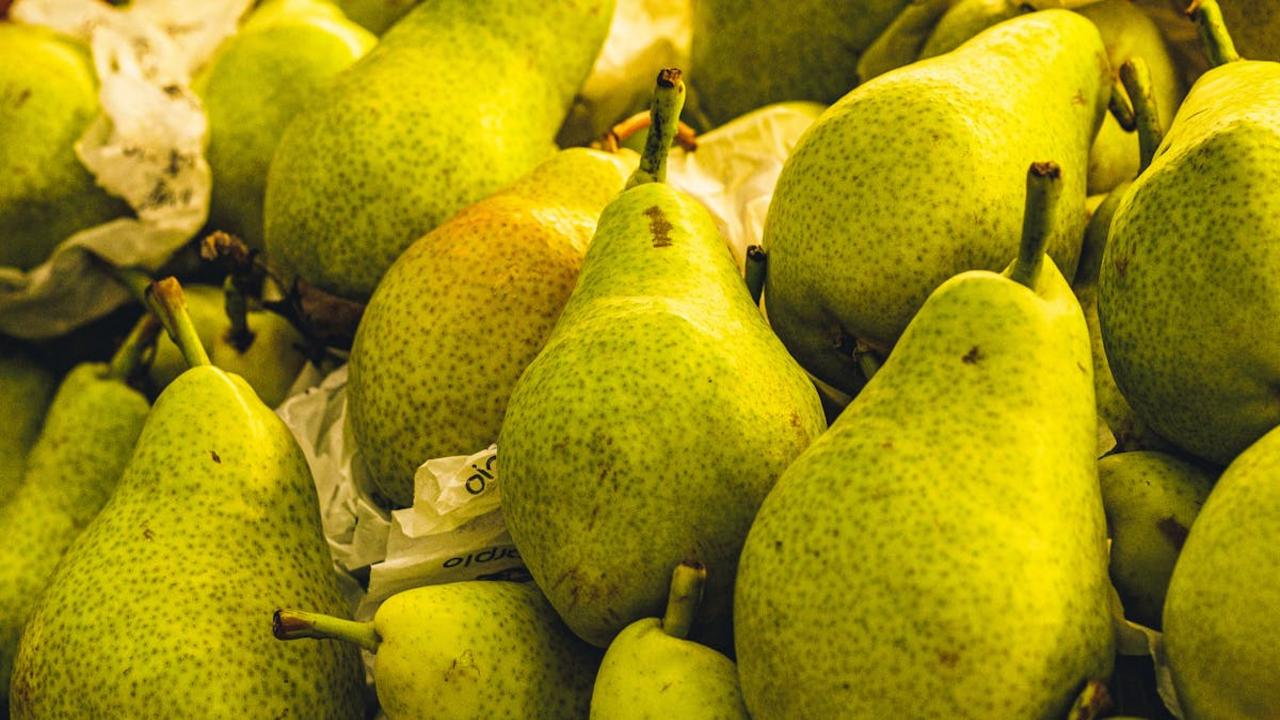
Shopping for organic produce during peak season becomes your secret weapon for saving money while eating healthy. When fruits and vegetables are naturally abundant, prices drop significantly – even for organic options. I love hitting up my local farmers market in summer when organic tomatoes cost half what they do in winter, or stocking up on organic apples during fall harvest time. You’ll notice organic strawberries in June cost dramatically less than those shipped from distant places in January. This approach means you’re getting the freshest, most nutrient-dense produce at the best prices.
Building your meal planning around seasonal availability transforms how you cook and eat throughout the year. I find myself getting excited about spring asparagus, summer zucchini, fall squash, and winter citrus – each season brings its own delicious possibilities. Try planning weekly menus based on what’s currently growing in your region, then preserve extras through freezing, canning, or dehydrating for later use. This strategy keeps your grocery bills manageable while ensuring you always have organic ingredients on hand. Plus, eating seasonally connects you more deeply with natural rhythms and introduces variety that keeps your meals interesting and nutritionally balanced year-round.
Prioritize the Dirty Dozen

You know what makes my grocery shopping so much smarter? Focusing on the Dirty Dozen list! This incredible resource from the Environmental Working Group shows you exactly which fruits and vegetables carry the heaviest pesticide loads. Think of it as your personal roadmap to getting the biggest bang for your organic buck. When you concentrate your organic spending on items like strawberries, spinach, kale, peaches, pears, nectarines, apples, grapes, bell peppers, cherries, blueberries, and green beans, you’re making every dollar count toward reducing your family’s pesticide exposure.
Here’s the beautiful thing about this strategy – you can still enjoy conventional produce for everything else! Items on the Clean Fifteen list, like avocados, sweet corn, pineapple, onions, and papaya, naturally have lower pesticide residues, so you can save money by buying them conventional. I love how this approach gives you control over your budget while still prioritizing your health. Print out the current Dirty Dozen list and keep it in your wallet or phone – trust me, it becomes second nature after a few shopping trips, and you’ll feel so confident knowing you’re making informed choices that protect both your family and your finances.
Buy in Bulk

Buying organic ingredients in bulk can slash your grocery bill while keeping your pantry stocked with wholesome staples. I love heading to stores like Costco, Sam’s Club, or local co-ops where you can find amazing deals on organic grains, nuts, seeds, and dried fruits. The key is focusing on non-perishable items that you actually use regularly – think quinoa, brown rice, rolled oats, and almonds. You’ll often pay 30-50% less per pound compared to buying smaller packages, and these ingredients form the backbone of so many healthy meals.
Don’t worry about having massive amounts of food going to waste! You can split bulk purchases with friends, family, or neighbors to make the quantities more manageable for your household. I’ve organized bulk buying groups in my neighborhood where we coordinate orders and divide everything up – it’s become a fun monthly tradition that saves everyone money. Store your bulk organic goods in airtight containers to maintain freshness, and label them with purchase dates. This strategy works particularly well for baking ingredients, breakfast cereals, and cooking staples that you know you’ll use within 6-12 months.
Join a CSA Program

Community Supported Agriculture (CSA) programs offer one of the smartest ways to get fresh, organic produce while keeping your grocery budget happy. When you join a CSA, you’re essentially buying a share of a local farm’s harvest for the season. This means you’ll receive a weekly or bi-weekly box filled with whatever the farm is growing – from crisp lettuce and juicy tomatoes to root vegetables you’ve never tried before. The best part? You’re getting these organic goodies at wholesale prices, often saving 30-50% compared to what you’d pay at the grocery store.
I love how CSA programs connect you directly with the farmers growing your food, creating a relationship that goes beyond just buying groceries. You’ll discover seasonal eating in the most natural way possible, learning to cook with whatever shows up in your box each week. Sure, you might get six pounds of zucchini in August (hello, zucchini bread season!), but that’s part of the fun. Many CSA programs also offer add-ons like fresh eggs, raw honey, or homemade bread, making it a one-stop shop for wholesome, locally-grown ingredients that nourish both your family and your community.
Shop at Farmers Markets
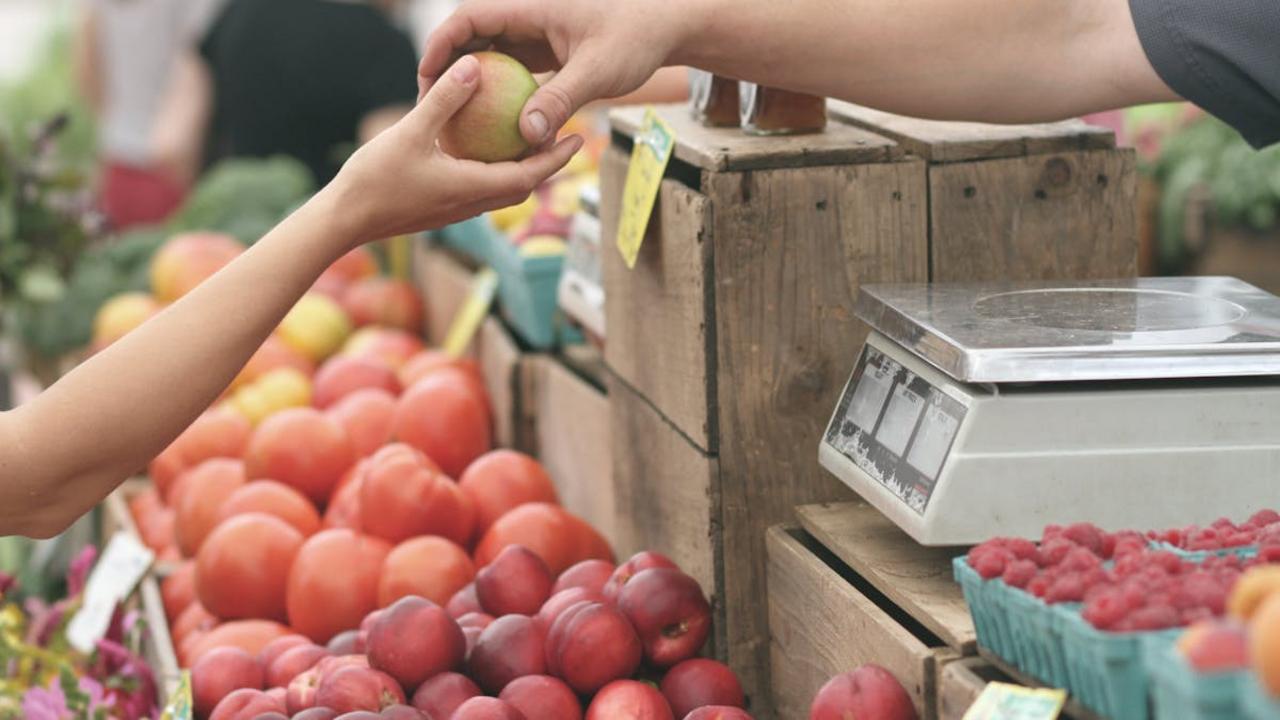
Farmers markets offer some of the freshest organic produce you’ll find, often at prices that beat the grocery store. I love wandering through these vibrant spaces because you’re buying directly from the people who grew your food. This means no middleman markup, and farmers often price their goods competitively to move their inventory quickly. Plus, you can chat with growers about their farming practices and learn which vendors truly grow organically, even if they haven’t gone through expensive certification processes.
The key to maximizing your farmers market budget is timing and strategy. Visit near closing time when vendors want to clear out their remaining produce – you’ll often score amazing deals on perfectly good vegetables and fruits. Don’t be shy about buying in bulk with friends or neighbors, especially for items like apples or tomatoes that you can preserve. Many farmers offer discounts for larger purchases, and you can split the bounty with others. Build relationships with your favorite vendors too – they’ll often set aside the best picks for regular customers and let you know about upcoming deals.