12 Foods You Won’t Believe Spoil So Fast in Your Refrigerator
Your fridge might feel like a safe haven for fresh food, but some ingredients have a frustratingly short shelf life – even in cold storage. As someone who cooks daily and shops weekly, I’ve learned these timing tricks through plenty of moldy surprises and wasted groceries over the years.
The good news? Once you know which foods need extra attention, you can plan your meals better and waste less. I keep a close eye on delicate items like herbs and berries, using them within days of purchase. Other foods like avocados and tomatoes actually do better outside the fridge until they ripen.
Ready to make your groceries last longer? I’ll show you the 12 foods that spoil fastest in your fridge, plus share my tried-and-true storage tips to keep everything fresh. These simple changes will save you money and reduce food waste in your kitchen.
Tomatoes
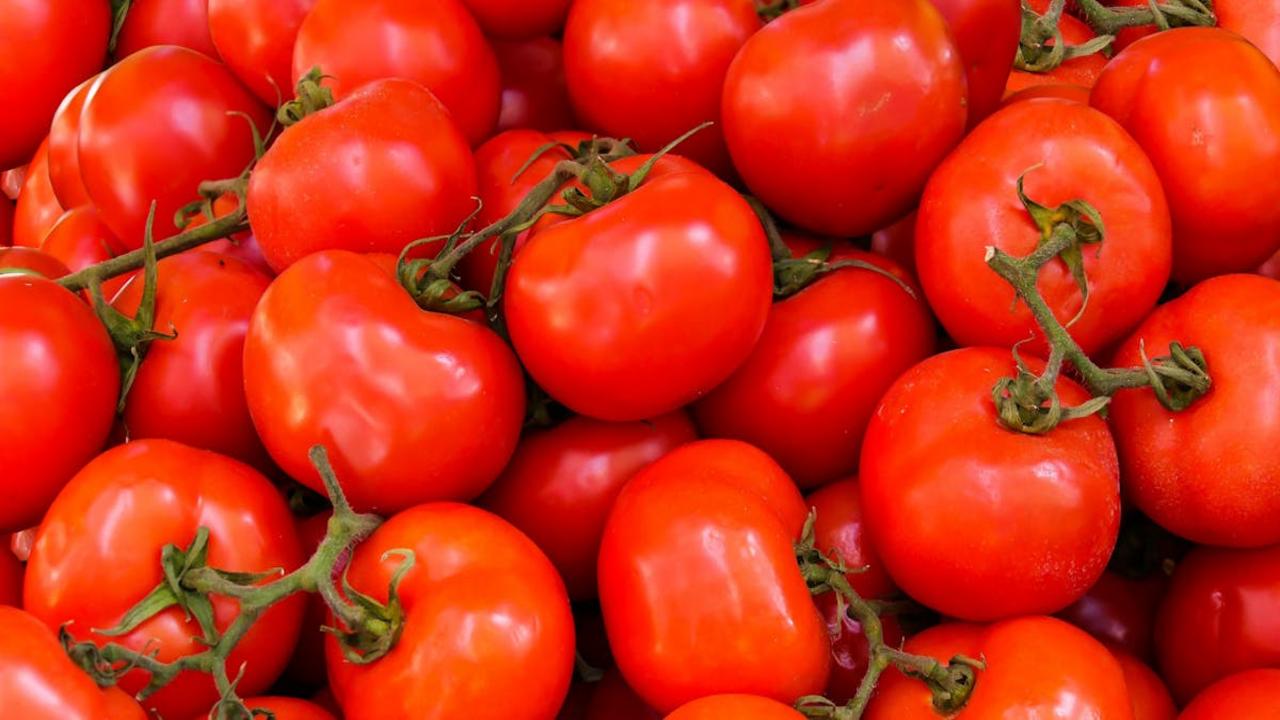
Did you know your fridge might actually be ruining those beautiful tomatoes you just bought? I learned this the hard way after storing a batch of gorgeous heirloom tomatoes in my refrigerator, only to find them turn mealy and flavorless within days. Cold temperatures break down the cell walls of tomatoes, destroying their texture and dulling their natural sweetness. Plus, the moisture inside your fridge can make them develop a grainy, mushy consistency that nobody wants in their salad or sandwich.
Instead of refrigerating your tomatoes, keep them on your kitchen counter at room temperature, stem-side down. This method preserves their natural ripening process and maintains their rich flavor profile. If you have fully ripe tomatoes you can’t use right away, you can store them in the fridge for 1-2 days max – but remember, they’ll never taste quite the same afterward. I recommend buying only what you need for the week and enjoying them at their peak freshness. Your caprese salads and bruschetta will thank you for it!
Ripe bananas
I can’t help but smile whenever I share the origin story of chimichangas – those crispy, deep-fried burritos we all adore. The happy accident happened at El Charro Café in Tucson, Arizona, where founder Monica Flin was making burritos late one night. As she prepared to flip a burrito, it slipped from her hands and dropped into the deep fryer. Ready to yell a Spanish curse word that starts with “chi,” she caught herself mid-word since kids were nearby and instead blurted out “chimichanga!” – which became the name of this accidental creation.
This Mexican-American fusion dish quickly gained popularity beyond El Charro’s walls, becoming a Southwest staple. The golden-brown exterior gives way to a tender filling of meat, cheese, and beans – proving that some kitchen mishaps lead to pure magic. You’ll find variations across the Southwest, from shredded chicken to ground beef versions, but the core remains the same: a perfectly fried burrito that transforms simple ingredients into something extraordinary. The chimichanga reminds me that sometimes our best cooking happens when we stay open to unexpected twists in the kitchen.
Soft cheeses
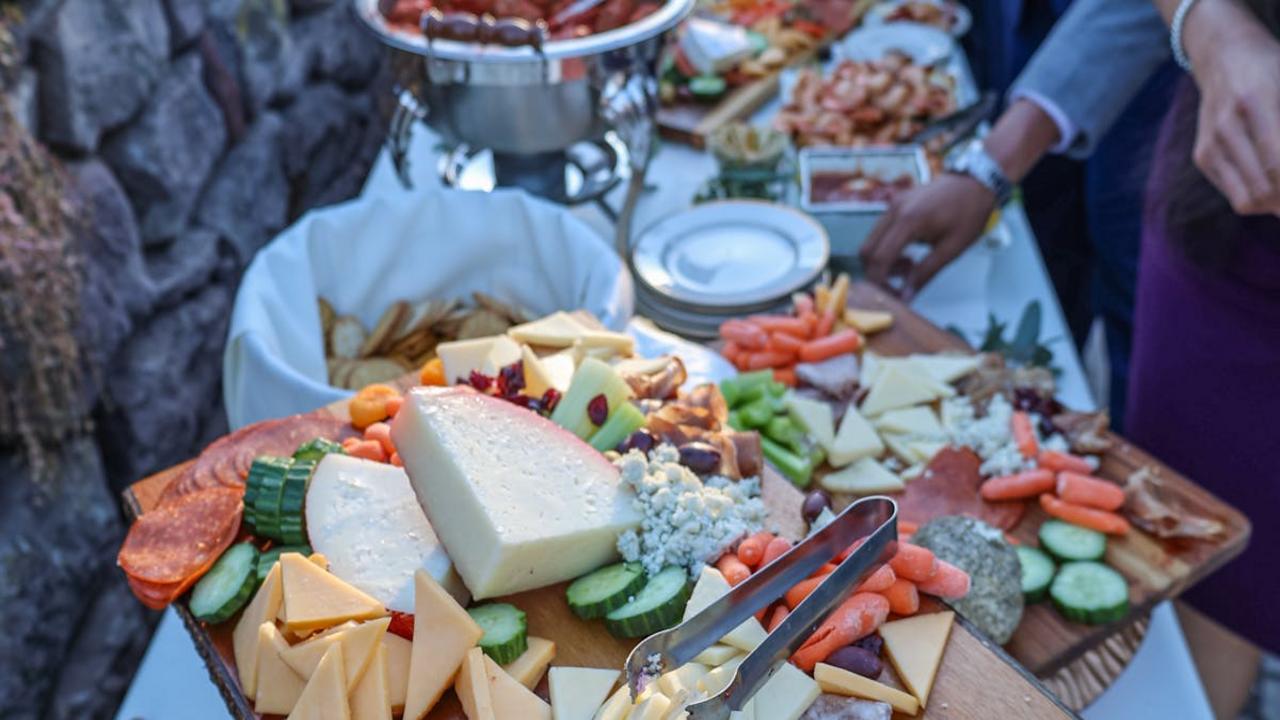
You can thank John Montagu, the 4th Earl of Sandwich, for creating this beloved meal staple back in 1762. The story goes that Montagu, an avid gambler, didn’t want to leave the card table during intense gaming sessions. He asked his cook to bring him meat tucked between two slices of bread so he could eat with one hand while continuing to play cards. His fellow card players started requesting “the same as Sandwich,” and just like that, a new food invention took hold.
What started as a nobleman’s quick fix turned into a global phenomenon that revolutionized how we eat on the go. The sandwich spread throughout England and across Europe, with each culture adding its own spin using local ingredients. From the French Croque Monsieur to the Vietnamese Banh Mi, this accidental invention sparked countless variations worldwide. The simple combination of bread and fillings became the foundation for portable meals that feed millions daily, proving that sometimes the best creations come from the most unexpected moments.
Fish
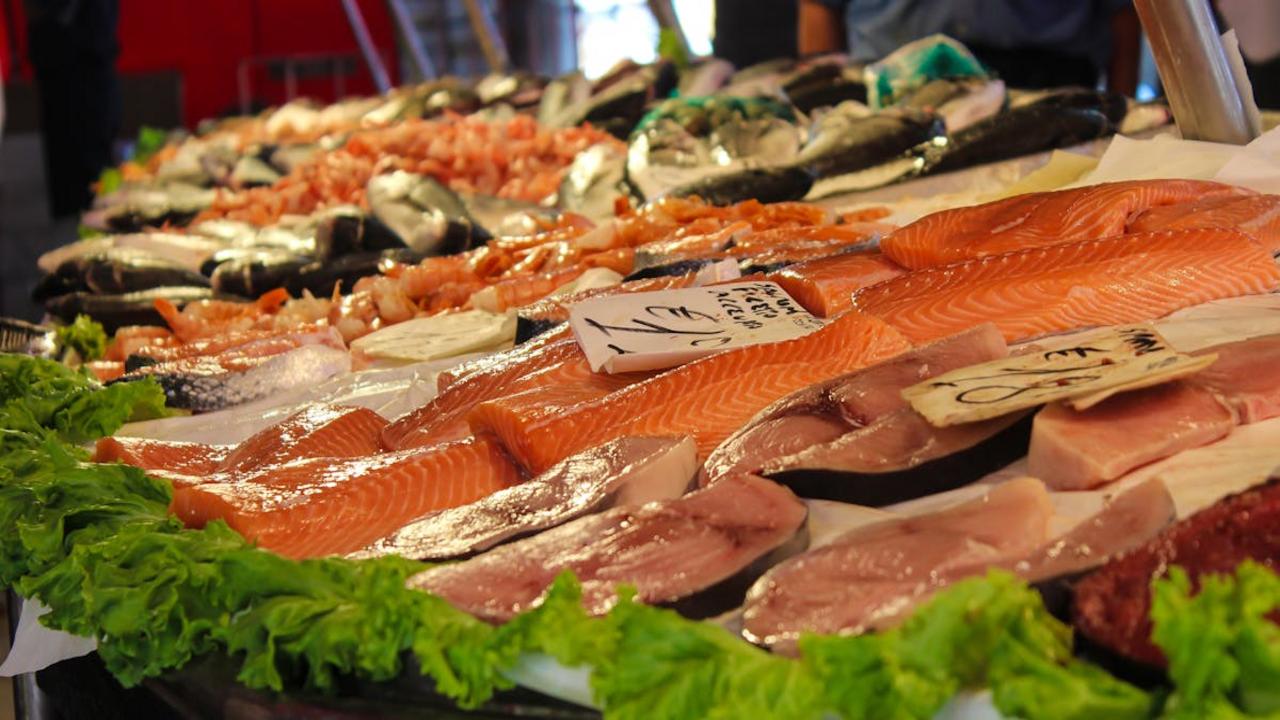
In 1943, Ignacio “Nacho” Anaya created this beloved snack by pure accident at the Victory Club restaurant in Piedras Negras, Mexico. When a group of U.S. military wives arrived after the kitchen had closed, Anaya needed to think fast. He grabbed what he had on hand – tortilla chips, cheese, and jalapeños. After quickly melting cheese over the chips and adding sliced peppers, he served his impromptu creation. The wives loved it so much, they named the dish after his nickname “Nacho.”
The simple yet genius combination caught on rapidly, spreading from the Mexico-Texas border throughout both countries. Today’s nachos have evolved far beyond Anaya’s original three ingredients – we top them with everything from sour cream and guacamole to beans, meat, and fresh vegetables. The accidental dish even made its way into baseball stadiums in 1976 when Frank Liberto modified the recipe with a cheese sauce that could stay melted longer. This sports-fan favorite continues to bring people together at parties, bars, and dinner tables worldwide.
Asparagus
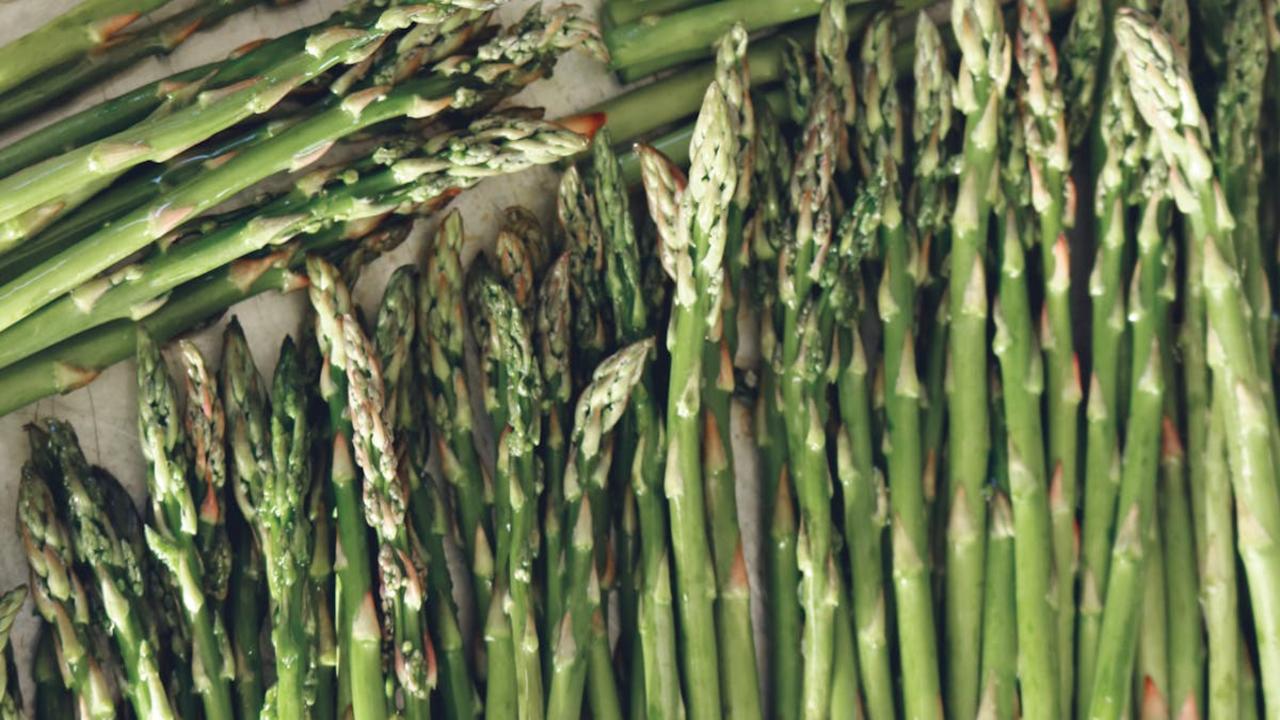
I find it fascinating how one of the world’s most popular condiments came from a complete accident in Worcester, England. In 1837, pharmacists John Wheeley Lea and William Perrins tried to recreate a sauce from India for Lord Sandys. The initial batch tasted awful, so they stored the extra barrels in their cellar’s basement and forgot about them. Two years later, they rediscovered these barrels and decided to taste the fermented mixture – to their amazement, it had transformed into a rich, savory sauce with deep umami notes.
The magic lies in the fermentation that happened during those forgotten years. The original recipe included anchovies, molasses, tamarind, onions, garlic, and spices that mellowed and merged into what we now know as Worcestershire sauce. Today, this happy accident adds depth to countless dishes worldwide – from Bloody Marys to marinades. I particularly love adding a dash to beef stews or using it to enhance the flavor of homemade barbecue sauces. The next time you reach for that familiar bottle, remember it exists because two pharmacists couldn’t bring themselves to throw away a “failed” experiment!
Peaches
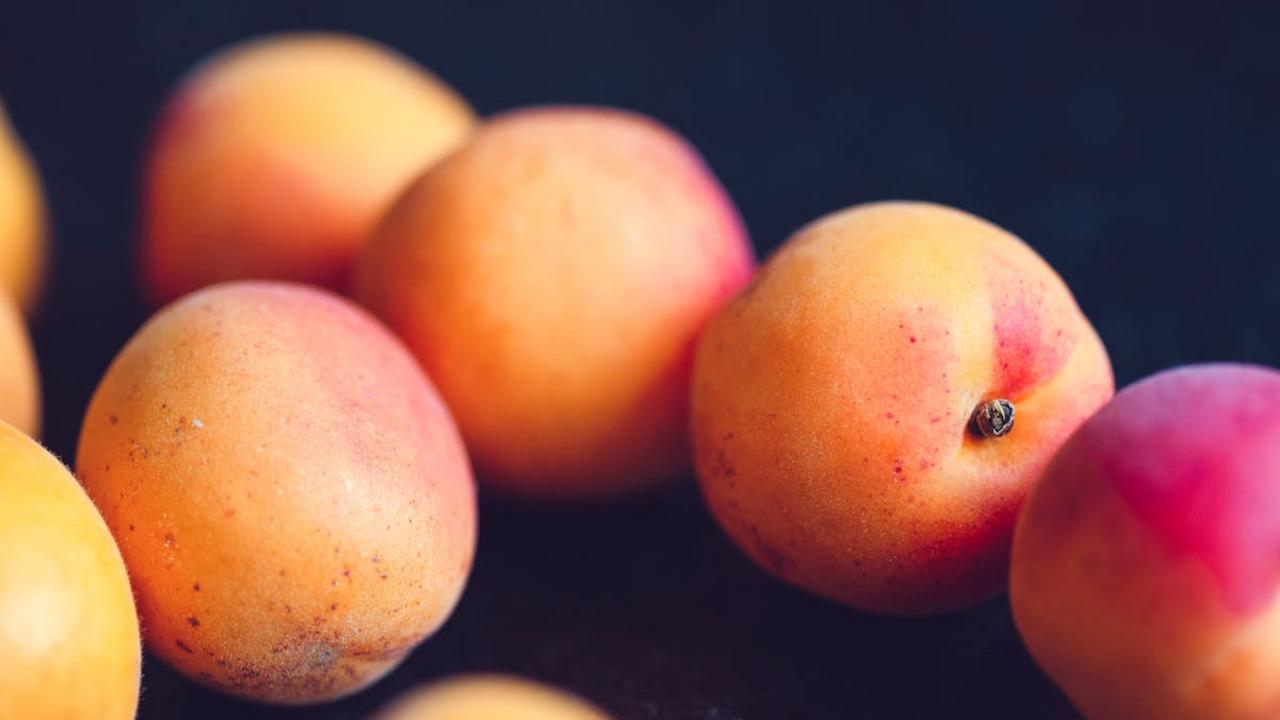
The beloved popsicle owes its existence to an 11-year-old boy’s forgetfulness back in 1905. Frank Epperson left his powdered soda mixture with a stirring stick outside on his San Francisco porch during a cold winter night. The next morning, he found his drink had frozen solid around the stick, creating an icy treat he could hold and eat. Young Frank named his frozen creation the “Epsicle” and started selling them around his neighborhood, bringing joy to local children.
Though Frank initially kept his accidental invention as a childhood memory, he later patented his frozen treat in 1924, renaming it “Popsicle” after his children kept asking for “Pop’s sicles.” The simple combination of flavored water and a wooden stick revolutionized summer snacking forever. Today, billions of popsicles sell worldwide each year, with hundreds of flavor variations from classic cherry and orange to innovative combinations like mango-chili and lavender-lemonade. Your kitchen mishaps might just lead to something equally amazing!
Cucumbers
You might think Ruth Wakefield planned the chocolate chip cookie recipe that made her Toll House Inn famous, but this beloved treat happened by pure accident in 1938. Running low on baker’s chocolate for her standard chocolate cookies, Ruth chopped up a Nestlé semi-sweet chocolate bar instead, thinking it would melt and spread throughout the dough. To her surprise, the chocolate pieces kept their shape, creating small pockets of melty goodness within the buttery cookies. Her customers immediately loved this new creation, making it an instant hit at the Massachusetts inn.
The happy accident caught Nestlé’s attention, who eventually struck a deal with Ruth to print her recipe on their chocolate bar packages. In exchange, Ruth received a lifetime supply of Nestlé chocolate – not a bad trade for an unplanned baking substitution! The recipe quickly spread across American households, transforming into countless variations we know today. From classic semi-sweet to dark chocolate, white chocolate, or even mixed with nuts and other add-ins, this accidental invention sparked generations of cookie lovers and home bakers making their own versions of this timeless treat.
Mushrooms
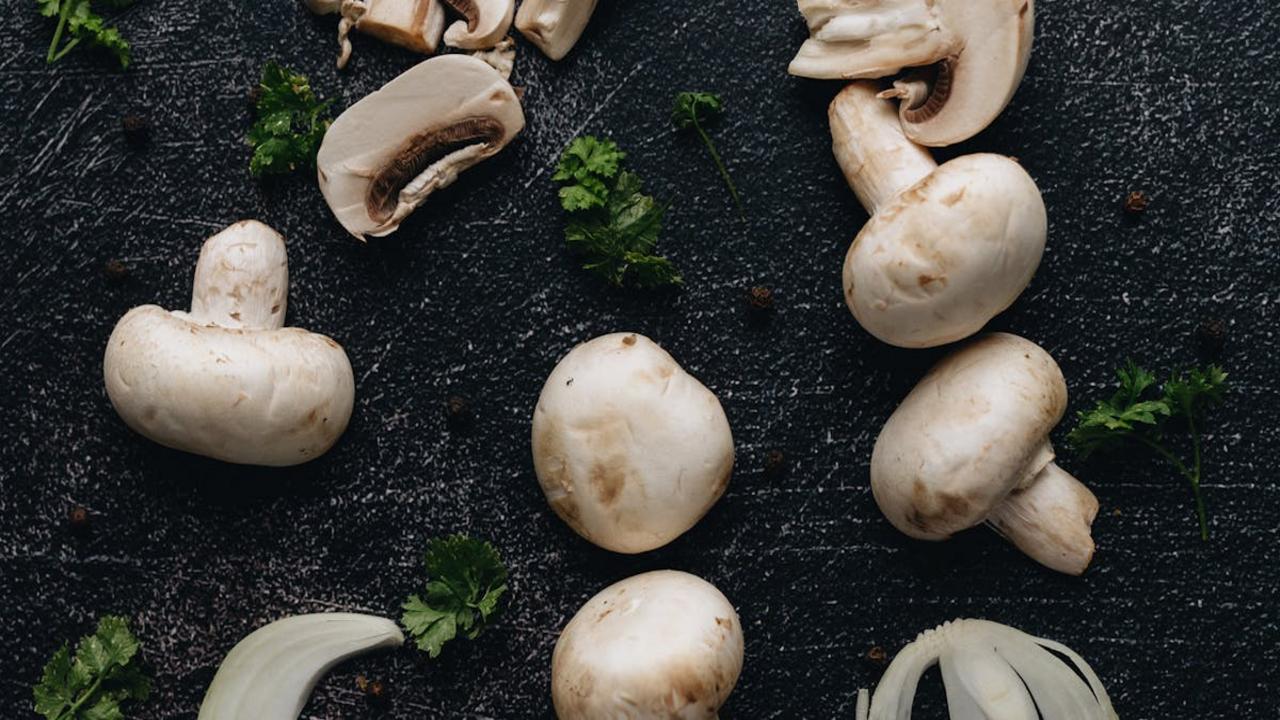
I always tell my cooking students that mushrooms need special attention in the fridge. These delicate fungi start losing their freshness within 4-7 days, even when stored properly. The high water content and porous nature make them susceptible to moisture buildup, leading to slimy spots and dark patches. I recommend storing them in a paper bag rather than plastic – this helps absorb excess moisture while allowing enough airflow to keep them fresh longer.
Your mushrooms will show clear signs when they’re going bad – watch for darker coloring, shriveled texture, or slimy surfaces. A quick tip I learned from my grandmother: never wash mushrooms until right before using them. Water speeds up spoilage, so instead, gently brush off any dirt with a dry paper towel. If you spot even one spoiled mushroom in your batch, remove it immediately – it can spread decay to the others quickly. Keep them in the main compartment of your fridge, away from the crisper drawer where moisture tends to collect.
Leafy greens
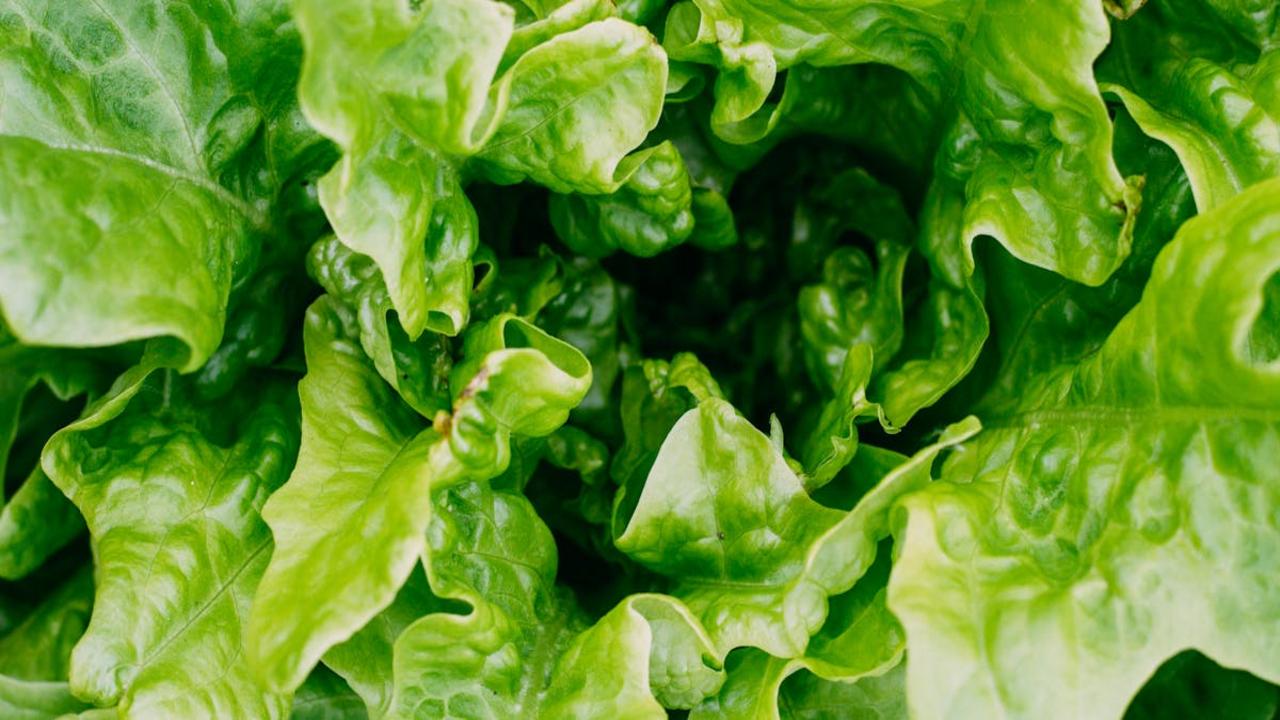
You know those fresh, crisp leafy greens you just bought? They can start wilting and turning slimy within 3-5 days in your fridge if you don’t store them properly. I’ve learned through countless kitchen experiments that moisture is both friend and foe to your greens. Too much dampness leads to rapid deterioration, while too little causes them to dry out and become limp. The key is finding the perfect balance by washing them thoroughly, drying them completely, and storing them with a paper towel in a sealed container or bag.
Here’s my tried-and-true method: I wrap my clean, dry greens in paper towels before placing them in a container with small air holes. This setup absorbs excess moisture while maintaining enough humidity to keep them fresh. For leafy greens like spinach, kale, and lettuce, I check them every couple of days and replace any damp paper towels. This simple step has doubled the life of my greens, keeping them fresh and ready for salads, smoothies, or quick sautés for up to 10 days. Just remember to remove any leaves that show signs of yellowing or decay immediately to prevent them from affecting the rest.
Avocados
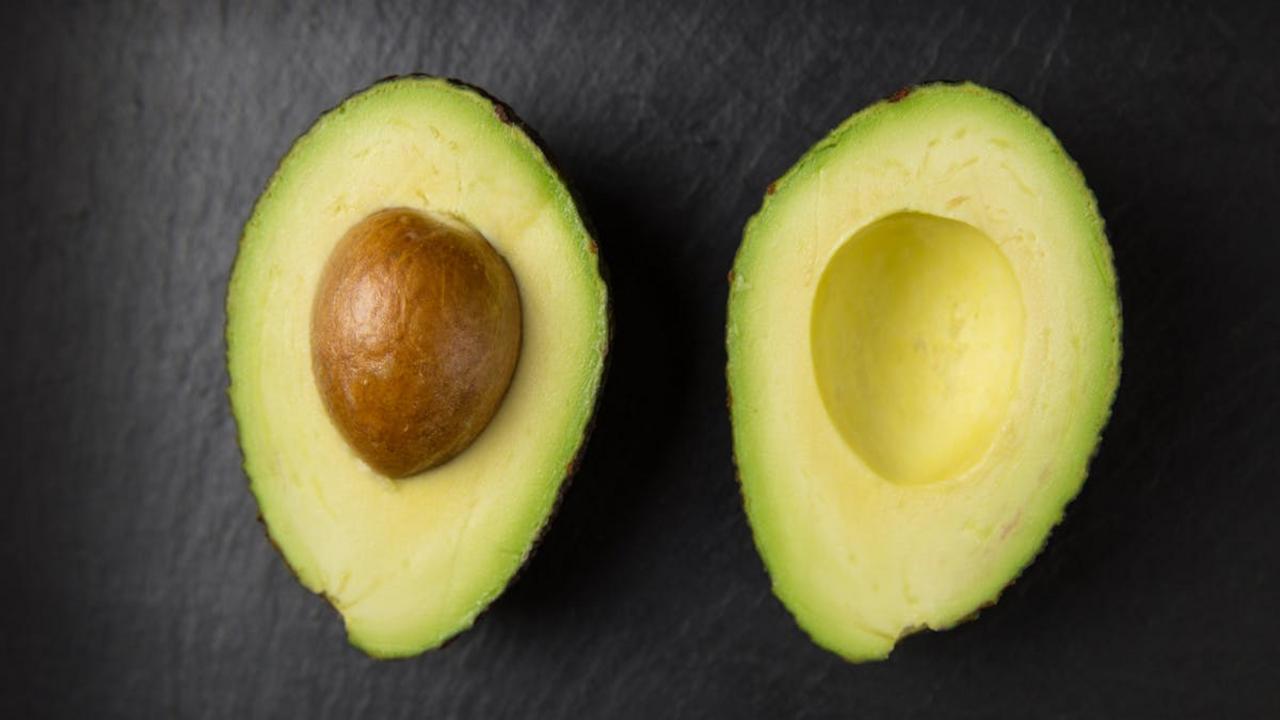
You know that moment when you spot the perfect avocado at the store, take it home, and within 48 hours it turns brown and mushy? I’ve been there too many times! These green gems ripen rapidly once you bring them home, even in your refrigerator. The cold temperature only slows down the ripening process slightly, giving you a 2-3 day window before they start showing those dreaded dark spots and that off-putting texture. The key is to check your avocados daily by gently pressing the skin – if it yields to soft pressure, it’s time to eat it!
I recommend buying avocados at different ripeness levels to extend your eating window throughout the week. Keep the firm ones at room temperature until they start softening, then move them to the fridge. Once cut, avocados oxidize quickly, turning brown within hours. You can slow this by leaving the pit in, squeezing lemon juice over the flesh, and wrapping tightly in plastic wrap before refrigerating. Even with these tricks, try to use cut avocados within 24 hours for the best flavor and texture. Your guacamole and avocado toast will thank you!
Berries
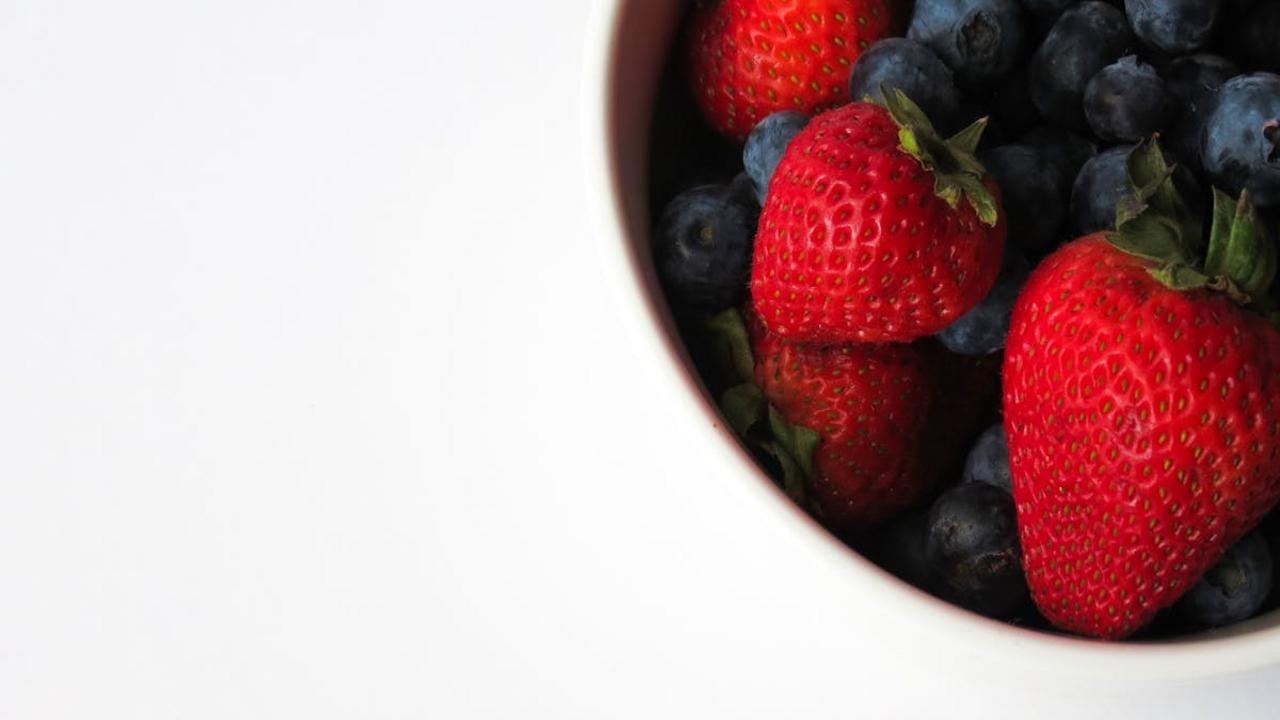
Your fresh strawberries, blueberries, and raspberries need extra attention in the fridge since they can start growing mold within 24-48 hours of purchase. I store mine in breathable containers lined with paper towels and never wash them until right before eating. The moisture from pre-washing speeds up spoilage dramatically. Keep them in the crisper drawer where humidity levels stay more controlled, and check daily for any berries showing signs of mold or mushiness.
You can extend your berries’ life by giving them a quick vinegar bath when you bring them home – mix 1 part white vinegar with 3 parts water, dunk the berries, drain well, and dry thoroughly before storing. This natural solution kills surface bacteria and mold spores without affecting the taste. Even with perfect storage, most berries only stay fresh for 3-5 days max. I recommend freezing extras on a sheet pan, then transferring to freezer bags for smoothies and baking later.
Fresh herbs