12 Fine Dining Plates That Aren’t Worth the Price Tag
We’ve all splurged on fancy restaurant meals hoping for an unforgettable experience, only to leave feeling a bit disappointed by certain dishes that didn’t live up to their hefty price tags. From gold-dusted desserts to basic pasta marked up several times over, some menu items simply don’t justify their cost.
I’ve spent years reviewing restaurants and trying countless high-end dishes, and I’ve noticed a pattern of overpriced items that keep appearing on fine dining menus. These dishes often rely more on prestige and presentation than actual flavor and satisfaction. The markup on some of these items would shock you!
Here’s my candid breakdown of 12 common fine dining dishes you should skip. I’ll share what makes each one overpriced and suggest better alternatives to order instead. Save your money for truly special dishes that deliver both exceptional taste and value.
Marked Up Everyday Pasta Dishes

I’ve seen too many fine dining restaurants charge $45+ for basic pasta dishes you could make at home for a fraction of the cost. While quality ingredients matter, marking up simple spaghetti with tomato sauce or fettuccine alfredo by 800% doesn’t make sense. These pasta dishes often contain the same ingredients you’d find at your local grocery store – regular dried pasta, basic sauce components, and perhaps a sprinkle of herbs. The only difference? The fancy plating and the restaurant’s prestigious name on the menu.
The most frustrating part is that many home cooks can create these exact dishes with minimal effort and basic kitchen skills. A box of high-quality pasta costs around $3-4, and premium ingredients for classic sauces run about $10-15 total. Even with imported Italian pasta and top-shelf olive oil, you’ll spend far less than the restaurant price. Skip the overpriced pasta dishes at upscale venues and invest in quality ingredients to make restaurant-worthy pasta in your own kitchen. Your wallet will thank you, and you’ll gain valuable cooking experience along the way.
Simple Mixed Green Salads
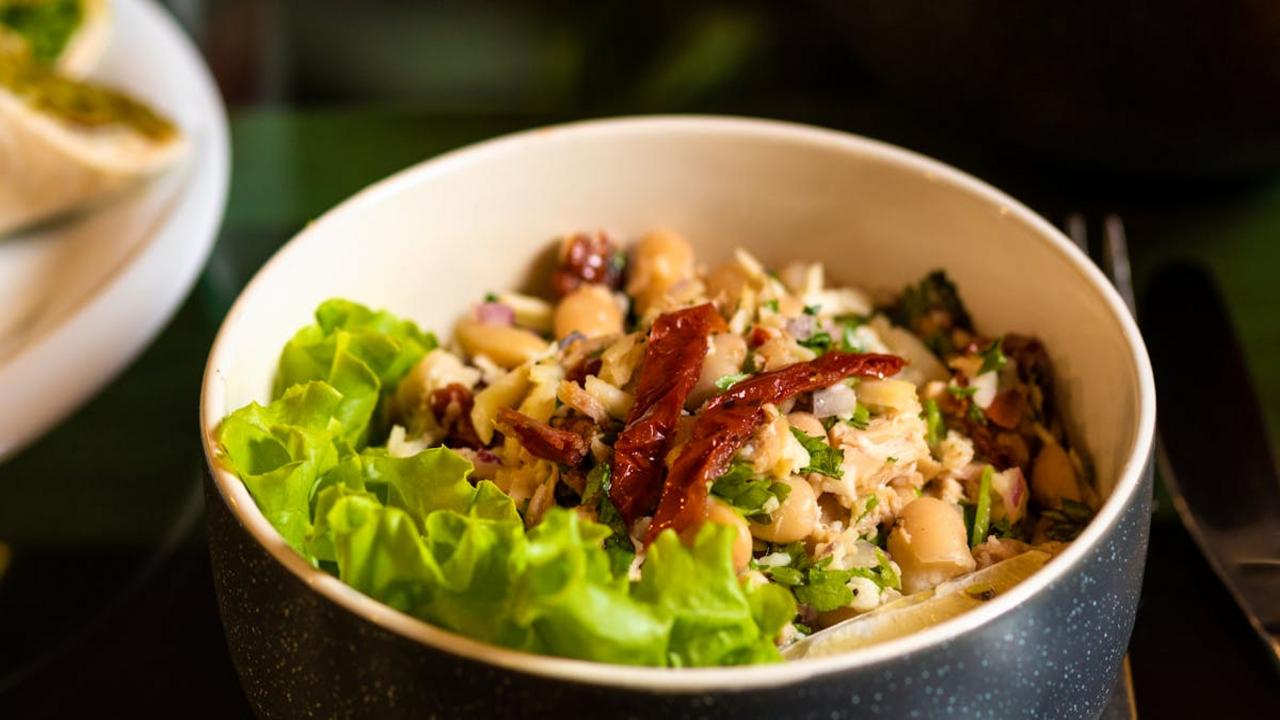
I’ve seen countless fine dining menus charging $18-25 for basic mixed green salads that you could easily make at home for under $5. Many high-end restaurants will dress up these simple greens with fancy descriptions like “hand-picked local lettuces” or “artisanal vinaigrette,” but at the end of the day, you’re still paying premium prices for a bowl of lettuce, maybe some shaved carrots, and a light dressing. The markup on these basic salads can reach up to 800% – money you could spend on more exciting menu items.
While fresh, quality ingredients matter in a salad, there’s no justification for the excessive pricing of mixed greens at upscale establishments. I recommend skipping the overpriced starter salad and instead ordering a more unique appetizer that showcases the chef’s creativity and technical skills. Or better yet, make your own gorgeous salad at home with fresh produce from your local farmers market – you’ll get more generous portions and can experiment with fun add-ins like nuts, fruits, or homemade dressing without the astronomical markup.
Plain Grilled Chicken Breast
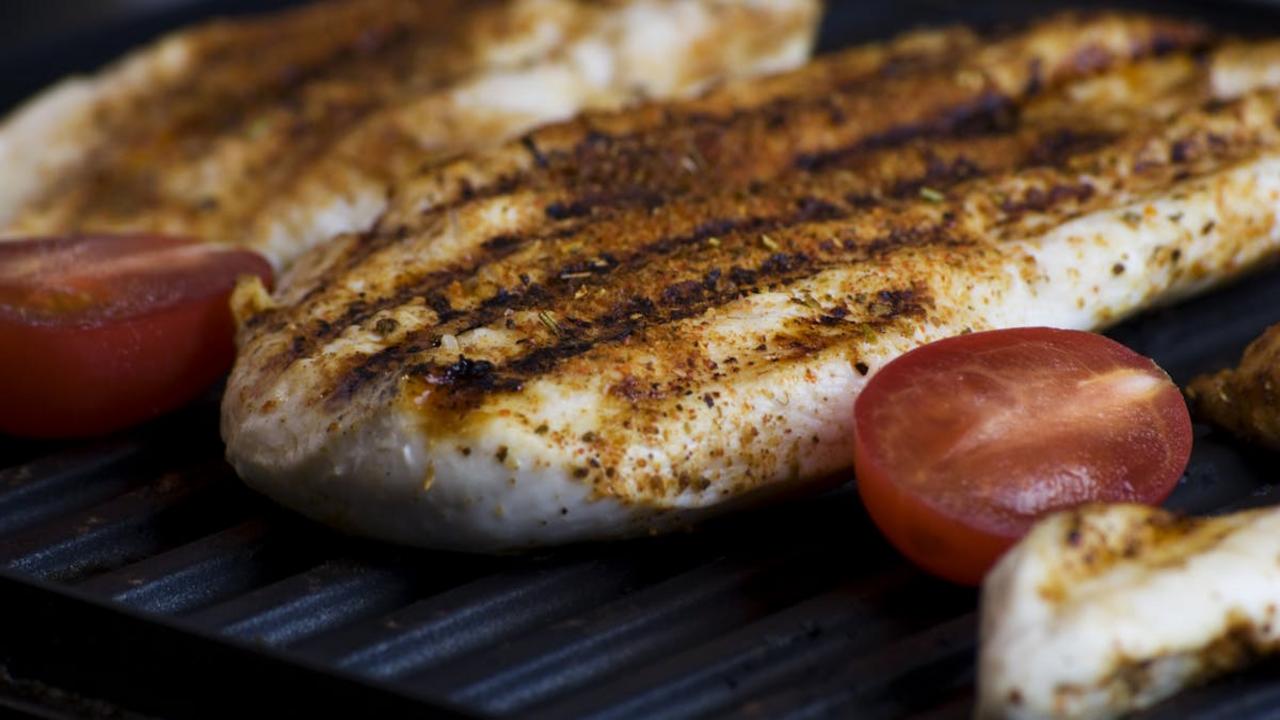
I’ve seen plain grilled chicken breast on many high-end restaurant menus, often priced at $35 or more just because they claim it’s “premium” quality. Here’s the truth – no matter how fancy the restaurant or how special they say their chicken is, a simple grilled breast doesn’t justify that price tag. The preparation method remains basic – seasoned with salt and pepper, then grilled. You can make an equally good version at home for about $4-5 per serving.
What really gets me is how some upscale places try to dress up this humble dish with a sprig of herbs or a tiny drizzle of olive oil to justify the inflated cost. While quality ingredients matter, chicken breast is still chicken breast. The markup on this dish can reach 800% or more in fine dining establishments. Save your money and cook this simple protein at home instead. Put that saved cash toward trying a truly unique dish that showcases a chef’s creativity and technical skills.
Caviar
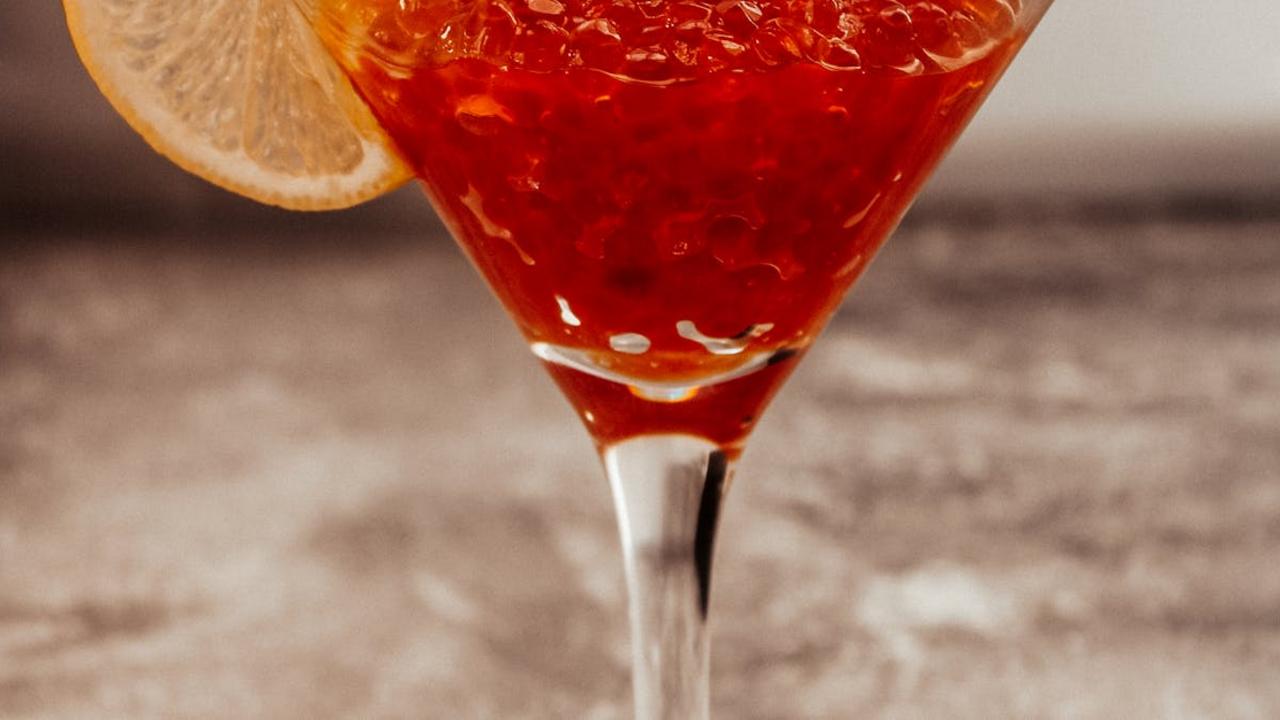
I’ve seen many people splurge hundreds or even thousands of dollars on caviar at upscale restaurants, but I’ll be honest – you’re often paying for pure status rather than exceptional flavor. While quality caviar can offer a unique briny richness, many fine dining establishments mark up their caviar selections by 300-400%, turning a $200 tin into an $800 menu item. The reality is that you can buy premium sturgeon roe from reputable sources and enjoy it at home for a fraction of the restaurant price.
Many restaurants serve caviar with unnecessary fancy accompaniments like mother of pearl spoons, gold leaf, and elaborate garnishes that drive up the cost without adding meaningful value to your experience. The traditional simple presentations with blini, chopped egg, and crème fraîche work best to showcase the caviar’s natural flavor. Skip the overpriced restaurant portions and host your own caviar tasting at home – you’ll get more bang for your buck and can focus on truly appreciating this luxury ingredient without the marked-up fuss of fine dining theatrics.
Chocolate Lava Cake
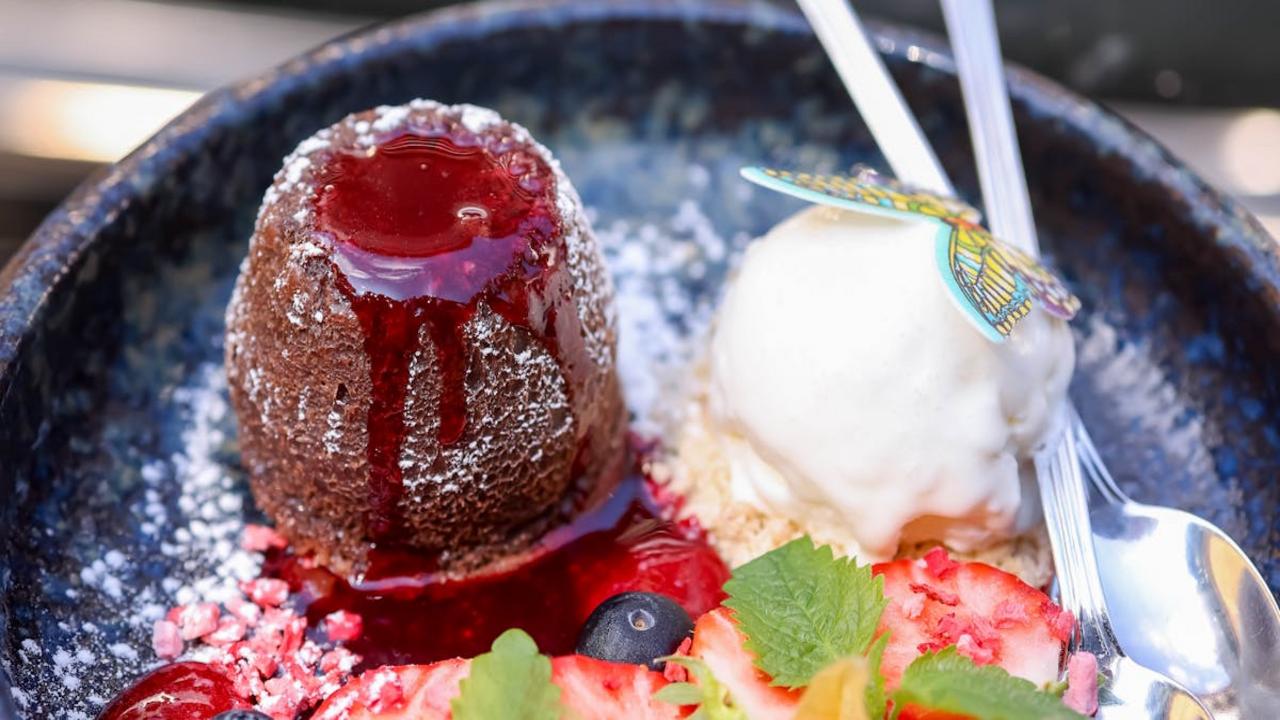
The chocolate lava cake has become a predictable staple on upscale dessert menus, with many restaurants charging $15-20 for what’s basically a simple chocolate cake with an undercooked center. While I adore a good chocolate dessert, this trendy item often fails to justify its hefty price tag. The preparation method involves basic pantry ingredients like chocolate, butter, eggs, and flour – items that cost just a few dollars total. You can make several perfect lava cakes at home for the price of one at a fancy restaurant.
Many fine dining establishments try to elevate this dessert by adding gold leaf, premium vanilla ice cream, or exotic fruit compotes to rationalize the high cost. However, these additions don’t change the fact that the dessert itself remains fundamentally simple. The “wow factor” of the flowing chocolate center has lost its novelty since its popularity peaked in the 1990s. I recommend saving your money and making this crowd-pleasing dessert at home – you’ll get the same indulgent experience without the inflated restaurant markup.
Basic Risotto
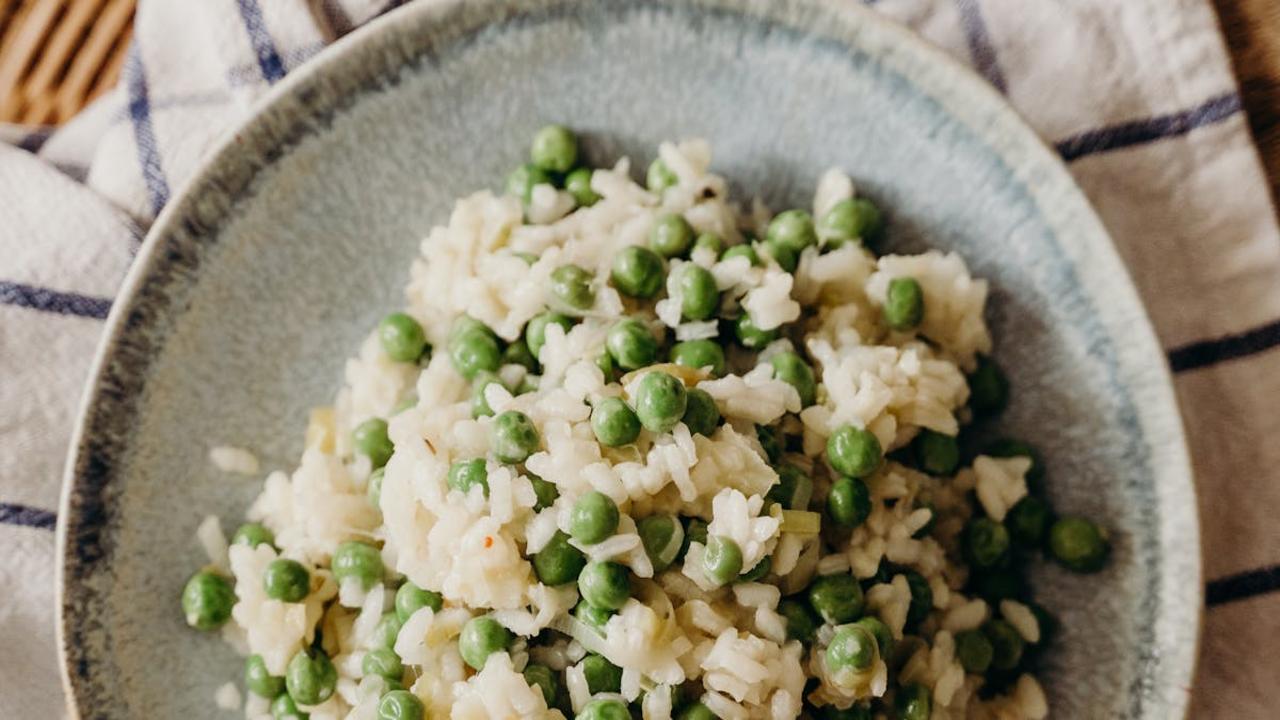
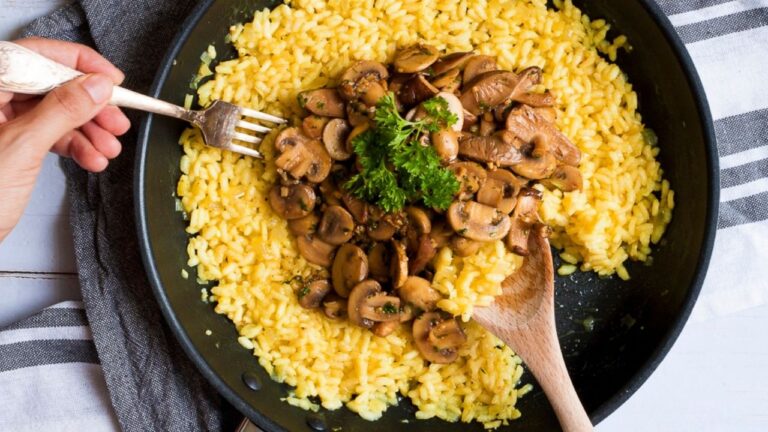
I’ve noticed many upscale restaurants charging $35-45 for a simple risotto dish that costs under $5 to make at home. While this Italian comfort food needs attention and care during cooking, the ingredients remain humble – arborio rice, stock, wine, and parmesan cheese. The markup on this dish can reach 800% or more, making it one of the most overpriced items you’ll find on fine dining menus.
You’ll often spot fancy additions like truffle oil or wild mushrooms trying to justify the high price point, but these ingredients don’t significantly increase the base cost. The truth? Basic risotto preparation takes about 20-25 minutes of stirring and adding stock gradually – a process any home cook can master with practice. Instead of spending $40 on a restaurant portion, buy quality ingredients and make a big batch at home that’ll feed 4-6 people for the same price.
Imported Bottled Water

I’ve seen high-end restaurants charge $12-20 for imported bottled water like Voss, Evian, or Fiji, but here’s the truth – you’re paying a huge markup for water that isn’t meaningfully different from quality filtered tap water. Many blind taste tests have shown that most people can’t tell the difference between premium bottled water and regular filtered water. The carbon footprint of shipping water across the globe makes this luxury item even harder to justify from an environmental perspective.
Your best bet? Skip the fancy water and go for the complimentary filtered water that most fine dining establishments offer. Many upscale restaurants now use advanced filtration systems that produce clean, great-tasting water right on site. If you want to get fancy, ask for a slice of lemon or cucumber to add a natural flavor boost. You’ll save money and help reduce plastic waste – a win-win that lets you focus your budget on the actual food experience instead.
Deconstructed Classic Dishes
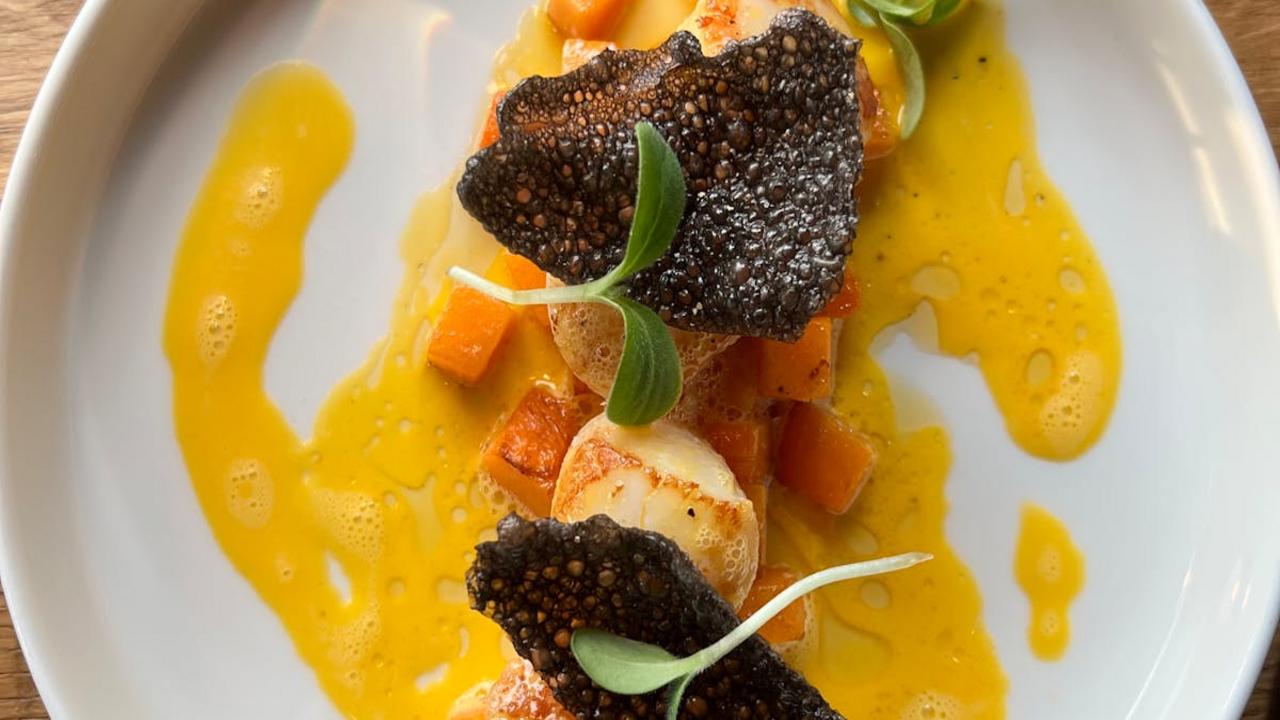
I’ve seen my fair share of deconstructed dishes at high-end restaurants, where chefs take familiar comfort foods and break them down into scattered components across the plate. While the presentation might look artistic, you’ll often pay $40 or more for what’s basically a disassembled version of a $15 dish. Take the deconstructed apple pie – instead of a warm, perfectly baked slice, you get individual dollops of apple compote, crumbled pie crust, and vanilla ice cream spread across the plate. The flavors remain the same, but you lose the magic of how these ingredients work together.
The same goes for other classics like deconstructed lasagna or Caesar salad – you’re paying premium prices for the novelty rather than improved taste. I’ve found these dishes often leave diners confused about how to eat them properly and missing the original version’s comfort factor. While I appreciate creative cooking techniques, breaking down beloved dishes into separate elements doesn’t enhance the dining experience. Your money would be better spent on traditionally prepared dishes where ingredients unite to create those memorable flavors we all know and love.
Gold Leaf Anything
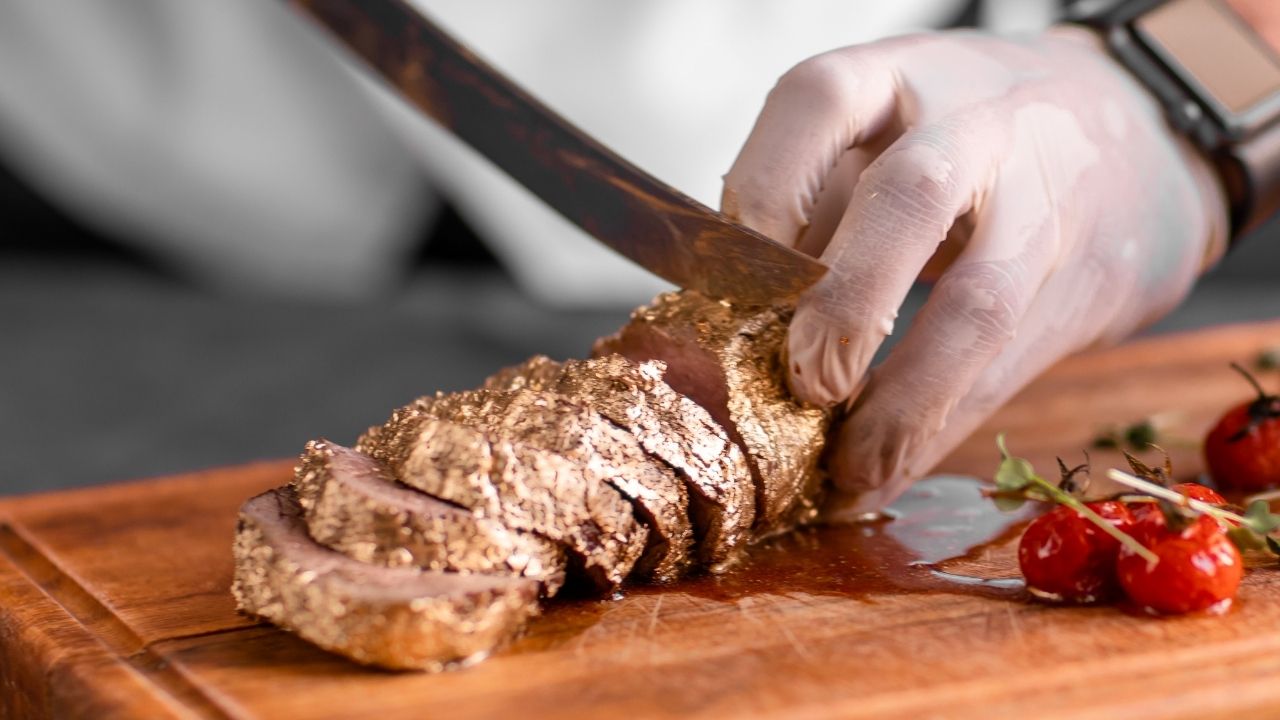
I need to have a heart-to-heart with you about the gold leaf trend that keeps showing up on fancy restaurant menus. While it looks stunning on social media, this ultra-thin edible metal adds zero flavor or texture to your dish – it’s purely for show. At $15-45 per dish just for the gold garnish, you’re paying a premium price for something that will pass right through your system without adding any nutritional value. I’ve seen everything from gold-dusted ice cream to gold-flaked sushi, and I can’t help but think how that money could buy so many actually delicious ingredients instead.
What many diners don’t know is that edible gold leaf is incredibly cheap for restaurants to buy in bulk – we’re talking pennies per sheet. Yet they mark it up astronomically just because it sparkles. Next time you see a menu item “elevated” with gold leaf, ask yourself if you want to pay extra for pure aesthetics. I’d much rather spend my money on high-quality fresh ingredients, expert preparation techniques, and innovative flavor combinations that will create a truly memorable dining experience. The gold leaf trend is more about Instagram likes than genuine culinary value.
Lobster Mac and Cheese
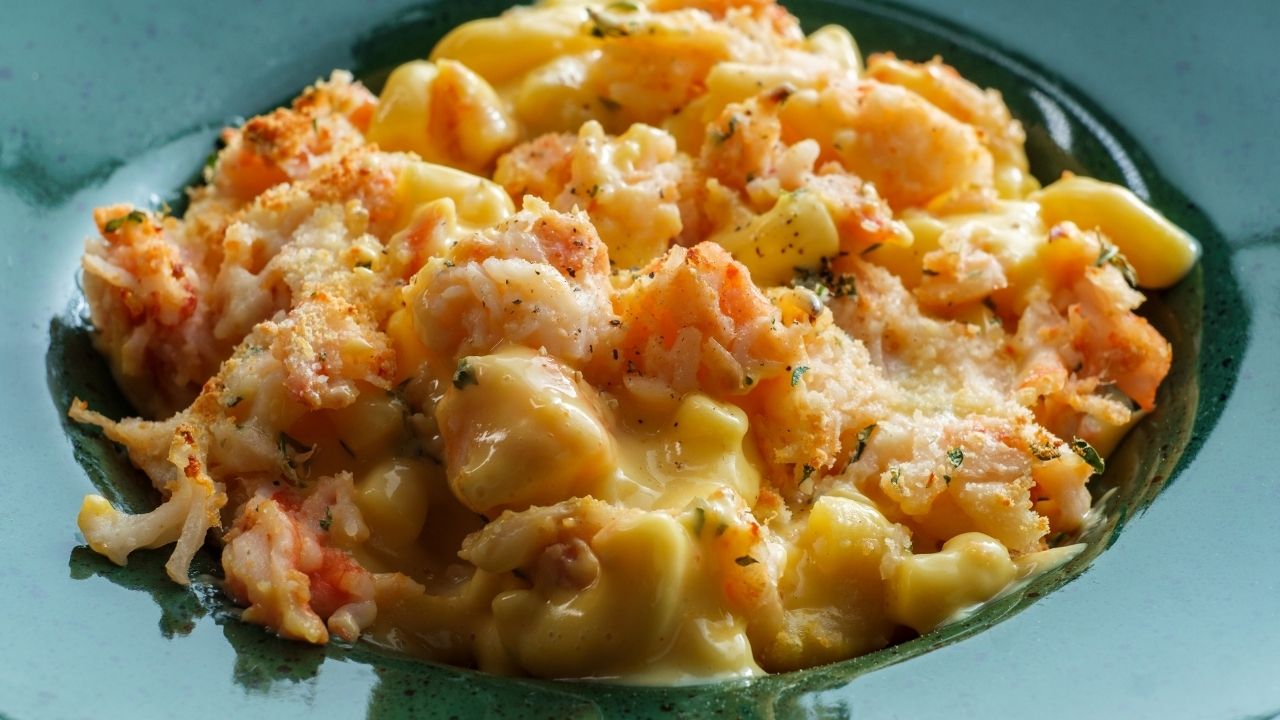
I’ll be honest with you – lobster mac and cheese at fancy restaurants often carries a $40+ price tag that will make your wallet cry. While the combination of luxurious lobster and comfort food sounds amazing, most high-end spots simply toss a few small pieces of lobster into regular mac and cheese and call it gourmet. The lobster meat frequently gets lost among heavy cheese sauce and overcooked pasta, making it hard to justify spending three times more than a regular mac and cheese dish.
You can make a much better version at home for a fraction of the cost. Buy fresh lobster tails, make a creamy cheese sauce with high-quality cheddar and gruyere, and fold in perfectly cooked pasta. The key is keeping the lobster chunks large enough to actually taste them in each bite. Many restaurants seem to forget that simplicity works best with this classic combo – no need for truffle oil, breadcrumbs, or other fancy add-ins that only mask the star ingredients. Save your money and create this indulgent dish in your own kitchen instead.
Wagyu Sliders
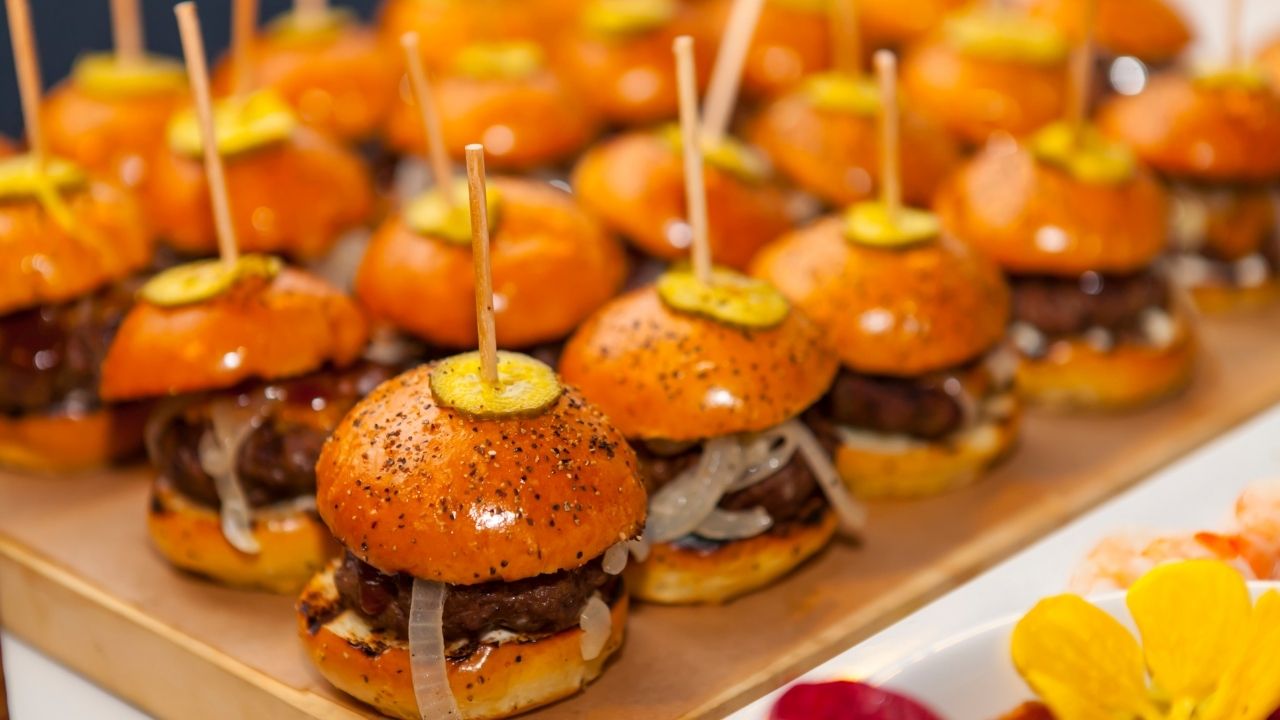
I’ve seen high-end restaurants charge $75-100 for Wagyu sliders, but here’s the truth: you’re paying a premium price for a downgraded experience. While authentic Wagyu beef deserves recognition for its rich marbling and buttery texture, grinding this exceptional meat into mini burgers completely defeats its purpose. The unique characteristics that make Wagyu special – those intricate fat patterns and tender muscle fibers – get lost in the grinding process.
You’ll get the same satisfaction from regular high-quality ground beef in slider form, which costs a fraction of the price. Think about it: the small size of sliders means you can’t really savor the meat’s texture, and the added toppings often mask the beef’s natural flavors. Many restaurants use this menu item as a marketing tactic, banking on the Wagyu name to justify inflated prices. Save your money and order Wagyu as a proper steak instead, where you can truly appreciate its remarkable qualities.
Truffle Pasta
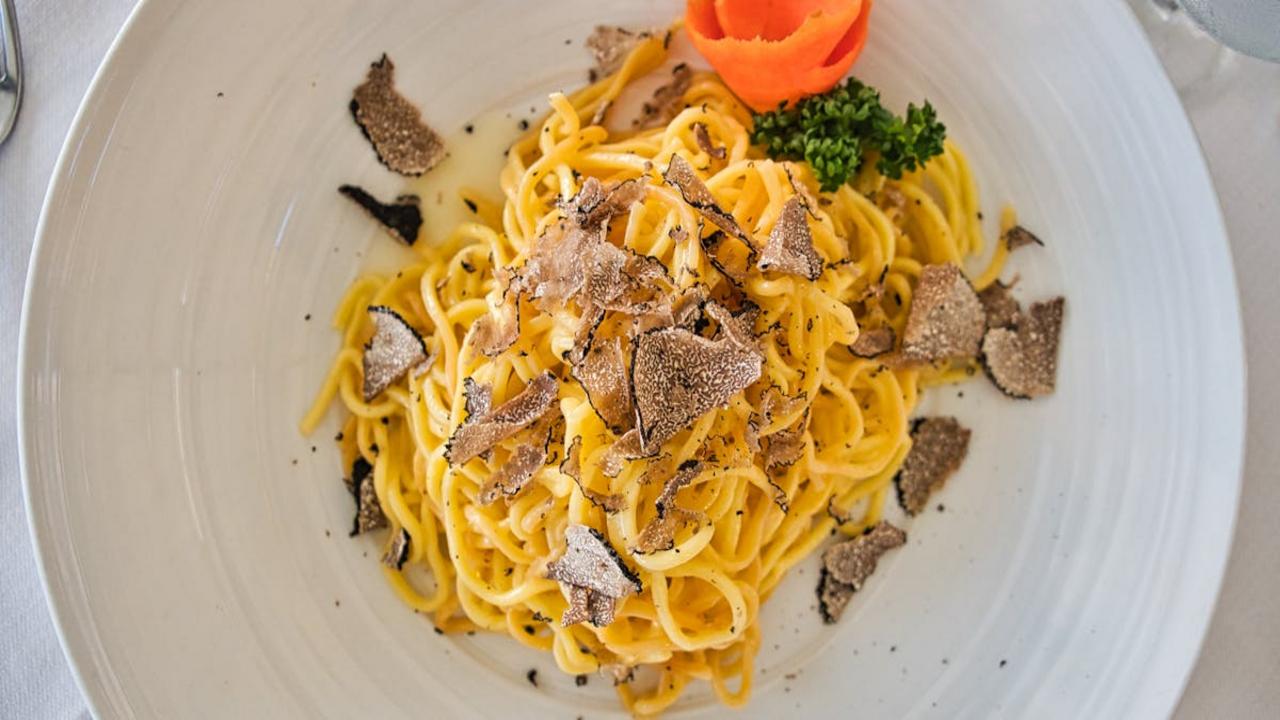
I’ve seen countless high-end restaurants charge astronomical prices for truffle pasta, marking it up simply because it contains the word “truffle.” The truth? Many fine dining spots use truffle oil instead of fresh truffles – and most truffle oils don’t contain any real truffles at all! They’re made with synthetic compounds that mimic truffle flavor. You’re paying premium prices for what’s basically regular pasta with artificial flavoring.
While real truffles deserve their luxury status due to their rarity and intense flavor, that $45 plate of truffle pasta probably contains less than $2 worth of truffle oil. You can make an equally good (or better) pasta dish at home with quality ingredients like wild mushrooms, fresh herbs, and real Parmigiano-Reggiano cheese. Skip the overpriced truffle pasta at fancy restaurants and invest in learning to cook with genuine ingredients – your wallet and taste buds will thank you!