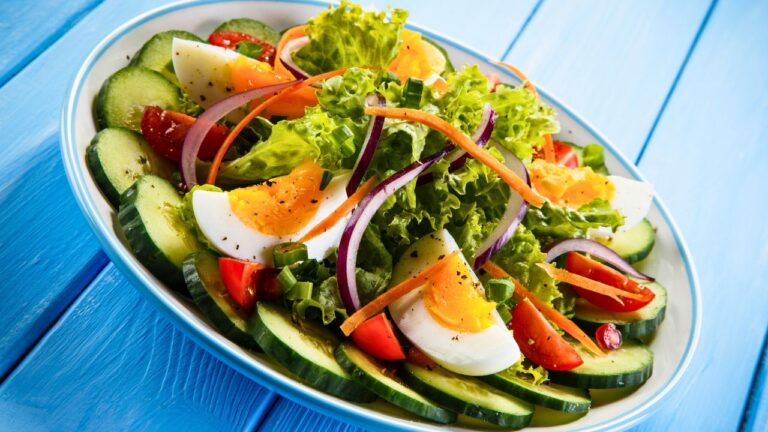
12 Eating Habits Chefs Use to Maximize Flavor Every Day
Ever wondered how chefs create incredible flavors with seemingly simple ingredients? The secret lies not just in their techniques but in their daily eating habits. Professional chefs develop routines that train their palates and keep their senses sharp, allowing them to bring restaurant-quality flavors to every meal.
From incorporating omega-3 rich foods to timing complex carbohydrates strategically, these culinary pros maintain specific eating patterns that enhance their ability to detect subtle flavor differences. They don’t just cook differently – they eat differently too, making conscious choices that support both creativity and consistency in the kitchen.
I’ve gathered 12 eating habits from professional chefs that you can adopt in your own life. These approachable practices will transform how you experience food, making each bite more satisfying without complicated recipes or fancy ingredients. Ready to eat like a chef and discover a whole new world of flavor?
Green tea consumption

You know what’s fascinating? Professional chefs don’t just sip green tea for its health benefits – they drink it strategically to keep their palates sharp and clean throughout those marathon cooking sessions. The subtle astringency in green tea acts like a natural palate cleanser, washing away lingering flavors from previous tastings so they can accurately season and adjust dishes with fresh perspective. Many chefs I’ve spoken with swear by keeping a warm cup nearby during prep work, taking small sips between tasting different components of their dishes.
What really amazes me is how green tea’s natural compounds actually enhance your ability to detect subtle flavors and aromas. The antioxidants in green tea can help maintain the sensitivity of your taste receptors, which is why seasoned cooks often reach for it instead of coffee during long cooking sessions. I’ve started doing this myself when I’m developing new recipes at home, and the difference is remarkable! You’ll notice how much more nuanced your seasoning becomes when your palate stays fresh and alert. Plus, that gentle caffeine boost keeps you focused without the jittery feeling that might make your hand shake while you’re doing delicate knife work or plating.
Seasonal fruit and vegetable variety
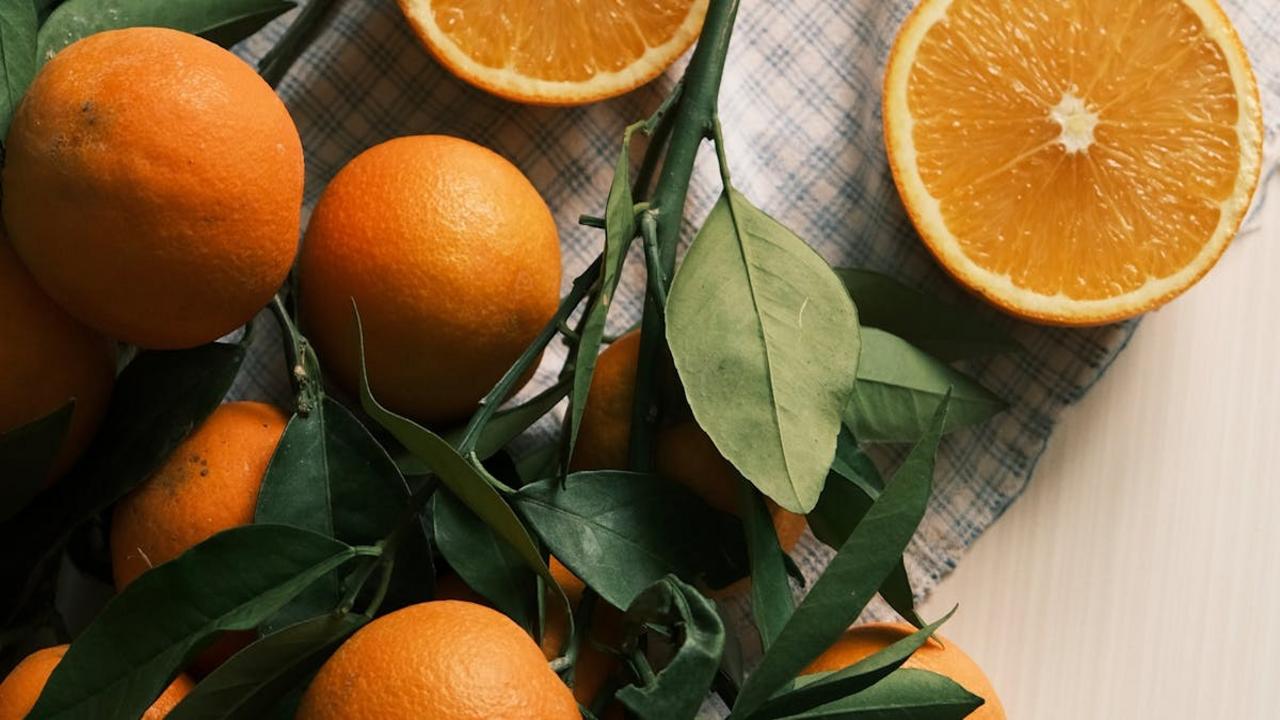
Professional chefs know that timing makes all the difference when selecting produce. They shop with the seasons because fruits and vegetables picked at their peak deliver incredible flavors that simply can’t be replicated. Spring asparagus has that crisp snap and bright green taste, summer tomatoes burst with juicy sweetness, fall butternut squash offers rich, nutty warmth, and winter citrus brings sharp, zesty brightness. Your local farmers market becomes your best friend once you start thinking like a chef – those vendors know exactly what’s at its absolute best right now.
Building your meals around what’s currently in season transforms your cooking from good to extraordinary. You’ll notice how much more vibrant your dishes taste when you swap out-of-season strawberries for fresh winter pears, or choose hearty root vegetables over summer zucchini during colder months. Seasonal eating also saves you money since in-season produce costs less and lasts longer in your kitchen. Start by planning one meal each week around whatever looks most beautiful at your grocery store or farmers market – you’ll develop an intuitive sense for what’s at its peak and your family will taste the difference immediately.
Hydration with mineral-rich water

You know that moment when you sip perfectly seasoned soup and wonder why it tastes so much better than your homemade version? Professional chefs understand that great flavor starts with the foundation—and that includes the water they use for cooking. Mineral-rich water contains natural salts like calcium, magnesium, and potassium that actually enhance the taste of everything you cook. These minerals help carry flavors more effectively and can make your pasta water, rice, soups, and even your morning coffee taste more vibrant and complex.
I’ve noticed such a difference since switching to filtered mineral water for my cooking projects! The minerals act as natural flavor enhancers, helping ingredients shine brighter without adding extra salt or seasonings. Try using mineral water for cooking grains, making broths, or even blanching vegetables—you’ll be amazed at how much more depth your dishes develop. Many professional kitchens invest in quality water filtration systems because they know this simple swap can transform ordinary ingredients into something special. Your taste buds will thank you for this small but mighty upgrade that costs practically nothing but delivers restaurant-quality results right in your home kitchen.
Sufficient protein distribution throughout the day

Professional chefs understand that spreading protein intake across meals isn’t just about hitting daily targets—it’s about maintaining steady energy and sharp focus throughout those demanding kitchen shifts. You’ll notice experienced cooks always include a protein source in their breakfast, whether it’s eggs scrambled into their morning hash, Greek yogurt topped with nuts, or even leftover roasted chicken tucked into a breakfast wrap. This strategic approach keeps their blood sugar stable and prevents that mid-morning crash that can derail prep work and slow down service.
Smart protein distribution also maximizes flavor development in your cooking throughout the day. When you start with protein-rich breakfasts, your palate stays more sensitive to subtle seasonings and complex flavors. Try incorporating 20-25 grams of protein into each meal—think salmon for lunch, lentils in your afternoon snack, and lean beef or tofu for dinner. This steady approach helps your body better absorb amino acids while keeping your energy consistent, so you can taste and adjust seasonings with precision. Your cooking will become more intuitive as your energy remains steady, allowing you to trust your instincts and create more flavorful, balanced dishes.
Consistent meal timing

Professional chefs swear by eating at regular intervals throughout the day, and there’s solid science behind this practice that goes beyond just maintaining energy levels. When you eat at consistent times, your digestive system operates like a well-oiled machine, producing the right enzymes and stomach acid exactly when your body expects food. This synchronized approach means you’ll actually taste and appreciate flavors more intensely because your palate is primed and ready. Think of it like training your taste receptors to be at their peak performance during meal times – you’re setting yourself up for maximum flavor impact with every single bite.
Beyond the biological benefits, consistent meal timing helps you approach food with intention rather than desperation. When you’re not frantically hungry, you make better choices about what to eat and how to prepare it. You’ll find yourself taking time to properly season dishes, letting marinades work their magic, and actually savoring each component of your meal. Many chefs eat small, frequent meals every 3-4 hours to maintain this steady rhythm, which keeps their palates sharp and their decision-making clear. Try establishing your own eating schedule and watch how it transforms not just your hunger patterns, but your entire relationship with flavor and food enjoyment.
Limiting refined sugar intake

Professional chefs know that reducing refined sugar doesn’t mean sacrificing sweetness—it means getting smarter about where that sweetness comes from. You’ll find that many top kitchens rely on natural alternatives like maple syrup, honey, or date paste to add depth and complexity that white sugar simply can’t match. These natural sweeteners bring their own unique flavor profiles to dishes, creating layers of taste that make your food more interesting and satisfying. The key is understanding that refined sugar often masks other flavors rather than enhancing them, so by cutting back, you actually allow the natural flavors of your ingredients to shine through.
When you start reducing refined sugar in your cooking, you’ll discover how much more you can taste everything else on your plate. Fresh fruits become your best friend for adding natural sweetness to both savory and sweet dishes—think caramelized onions in your pasta sauce or a touch of grated apple in your salad dressing. Professional chefs also use spices like cinnamon, vanilla, and cardamom to create the illusion of sweetness without adding any sugar at all. This approach trains your palate to appreciate subtle flavors and makes every meal more dynamic and memorable.
Mediterranean diet pattern adherence

Professional chefs consistently turn to Mediterranean diet principles because they know this approach delivers maximum flavor while supporting health. You’ll notice how top kitchens prioritize olive oil as their primary cooking fat, load up on fresh herbs like basil and oregano, and build meals around seasonal vegetables and lean proteins. This isn’t just about following a trendy diet – it’s about understanding that ingredients like tomatoes, garlic, lemon, and fresh fish create natural flavor combinations that have satisfied people for thousands of years.
What makes Mediterranean eating so appealing to chefs is how it celebrates ingredients at their peak. You can transform simple meals by drizzling good olive oil over roasted vegetables, adding a handful of fresh herbs to your pasta, or finishing dishes with a squeeze of bright lemon juice. Chefs know that when you build your meals around whole foods – think grilled fish with herbs, colorful salads with nuts and cheese, or hearty grain bowls topped with olives – you create dishes that taste incredible without needing heavy sauces or complicated techniques. This approach gives you permission to keep things simple while still creating restaurant-quality flavors at home.
Complex carbohydrates timing

Professional chefs know that timing complex carbohydrates correctly can transform your dishes from ordinary to extraordinary. Unlike simple starches that cook quickly, complex carbs like whole grains, legumes, and root vegetables need proper scheduling to develop their full flavor potential. I always start my quinoa, brown rice, or lentils first because they require longer cooking times to break down their fiber structures and release those nutty, earthy notes we love. Smart chefs plan their mise en place around these ingredients, giving them the head start they deserve.
The magic happens when you layer flavors during the extended cooking process. Add aromatics like garlic, herbs, or spices early so they infuse throughout the grains, creating depth you simply can’t achieve by seasoning at the end. I’ve learned that toasting quinoa or rice in a dry pan for two minutes before adding liquid creates an incredible nutty foundation that elevates any dish. This technique also helps prevent mushy textures while building complex flavors that make people wonder what your secret ingredient is. Your perfectly timed complex carbs become the flavorful backbone that ties your entire meal together beautifully.
Dark chocolate consumption

Professional chefs know that a small square of high-quality dark chocolate isn’t just an indulgent treat – it’s actually a powerful tool for enhancing your palate throughout the day. When you enjoy dark chocolate with at least 70% cacao content, you’re training your taste receptors to appreciate complex, nuanced flavors. The rich, slightly bitter notes help reset your palate between dishes and sharpen your ability to detect subtle differences in ingredients. Many kitchen professionals reach for a piece after tasting particularly rich or creamy dishes to cleanse their palate before moving on to the next creation.
Beyond its palate-cleansing properties, dark chocolate contains compounds that can actually boost your sensitivity to different flavors. The natural antioxidants and minerals found in quality cacao help maintain healthy taste receptors, while the complex flavor profile – featuring notes of fruit, nuts, and earth – keeps your palate engaged and alert. Smart chefs often keep a bar of single-origin dark chocolate in their kitchen toolkit, breaking off small pieces throughout their cooking sessions. This simple habit helps them stay more attuned to the flavors they’re building in their dishes, leading to more balanced and delicious results in everything they create.
Mindful eating practices

Professional chefs know that slowing down transforms every bite into a flavor revelation. When you eat mindfully, you give your senses time to fully process the complex layers of taste, aroma, and texture in each dish. This practice allows you to detect subtle seasonings, appreciate the balance between sweet and savory elements, and notice how different ingredients complement each other. Chefs often take small bites, chew slowly, and pause between forkfuls to let flavors develop on their palate. You can adopt this same approach by putting your fork down occasionally, taking deep breaths while eating, and focusing entirely on the food in front of you rather than distractions like phones or television.
The magic happens when you engage all your senses during meals. Before taking your first bite, chefs smell their food deeply, observe its colors and presentation, and even listen to the sizzle or crunch. This multi-sensory approach primes your brain to extract maximum flavor from every mouthful. Try closing your eyes while tasting new dishes – you’ll be amazed how much more you notice about the seasoning, cooking techniques, and ingredient quality. This heightened awareness helps you become a better cook too, since you’ll develop a more refined palate and understand how different preparation methods affect taste. Your meals become more satisfying when you truly pay attention to them.
Fermented foods for gut-brain axis support

Professional chefs understand that fermented foods like kimchi, sauerkraut, and miso paste don’t just add incredible depth to dishes—they also support your gut health in ways that directly impact your mood and mental clarity. The probiotics in these foods work behind the scenes to strengthen the connection between your digestive system and your brain, which explains why you feel more balanced and energized after eating a bowl of homemade ramen with fermented bean paste or a crisp salad topped with tangy pickled vegetables.
Smart cooks keep a rotating selection of fermented ingredients in their kitchen because they know these powerhouse foods serve double duty. You can transform a simple stir-fry into something extraordinary by adding a spoonful of kimchi, or turn basic roasted vegetables into a probiotic-rich side dish with a drizzle of apple cider vinegar. Start small by incorporating one fermented food into your daily meals—maybe some yogurt with breakfast, kombucha with lunch, or a few forkfuls of sauerkraut alongside dinner. Your gut will thank you, and your brain will feel the difference within just a few weeks of consistent consumption.
Regular omega-3 fatty acid consumption
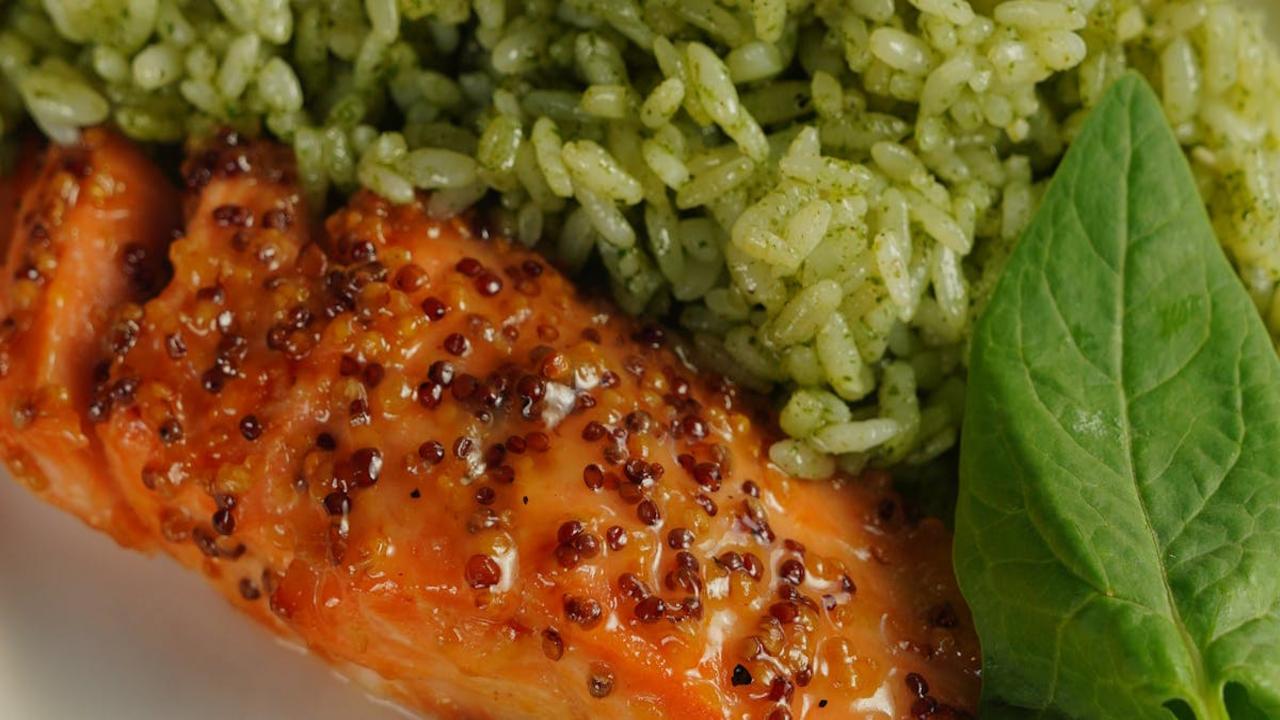
Professional chefs know that omega-3 fatty acids do more than support heart health – they actually boost your ability to detect and appreciate complex flavors. These powerful fats help maintain the health of your taste receptors and support proper nerve function, which means you can pick up on subtle notes in dishes that others might miss. When you regularly include omega-3 rich foods like salmon, walnuts, chia seeds, and flaxseed oil in your meals, you’re giving your palate the tools it needs to truly shine. I love how this creates a beautiful cycle: the better you can taste your food, the more motivated you become to cook with fresh, high-quality ingredients.
Smart chefs make omega-3 consumption a daily habit by incorporating these foods naturally into their cooking routine. You can drizzle walnut oil over roasted vegetables, sprinkle chia seeds into your morning smoothie, or simply cook with fatty fish twice a week. The anti-inflammatory properties of omega-3s also help reduce any inflammation in your mouth and nasal passages that might dull your senses. This means you’ll notice the difference between good olive oil and great olive oil, or pick up on the floral notes in your favorite honey. Your enhanced flavor perception will make every meal more satisfying and inspire you to experiment with new ingredients and combinations.