15 Post-Workout Food Ideas You’ll Actually Want to Eat
Your post-workout meal matters as much as the workout itself. The right foods repair muscles, restore energy, and help your body bounce back faster. I’ve discovered these 15 options that not only fuel recovery but actually taste good when you’re hungry after breaking a sweat.
Many athletes grab processed protein bars out of convenience, but your body craves real nutrition after exercise. Simple whole foods provide the perfect combination of proteins, carbs, and anti-inflammatory compounds that support healing and growth. Plus, these natural options satisfy your hunger without artificial ingredients.
From sweet fruits like cherries and watermelon that fight muscle soreness to protein powerhouses like Greek yogurt and fish, this list offers something for every workout style. I’ve included options you can prep ahead and others you can throw together in minutes when you’re tired but need nourishment fast.
Walnuts
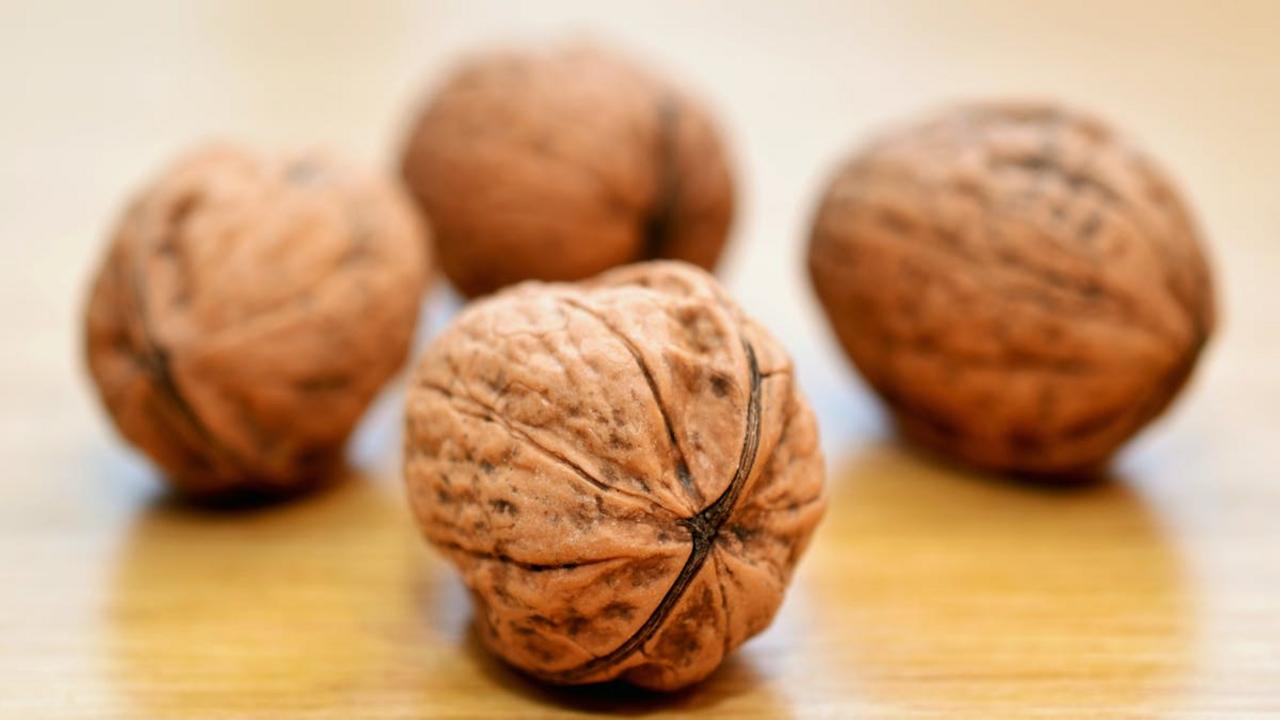
You know what makes me smile? Grabbing a handful of walnuts after a good workout session. These brain-shaped beauties pack such a nutritional punch that I keep them stocked in my kitchen year-round. Rich in omega-3 fatty acids and plant-based protein, walnuts help your muscles recover while fighting inflammation naturally. I love how they give you that satisfying crunch without any of the processed nonsense you find in most post-workout snacks.
My favorite way to enjoy them is straight from the shell – there’s something meditative about cracking each one open with your hands. Sometimes I’ll toss them into a quick smoothie with banana and oat milk, or sprinkle them over Greek yogurt with a drizzle of honey. During my travels through the Mediterranean, I learned to pair walnuts with fresh figs and a touch of goat cheese – pure magic for refueling your body. They’re one of those ingredients that work beautifully on their own or transform any simple dish into something special.
Beets
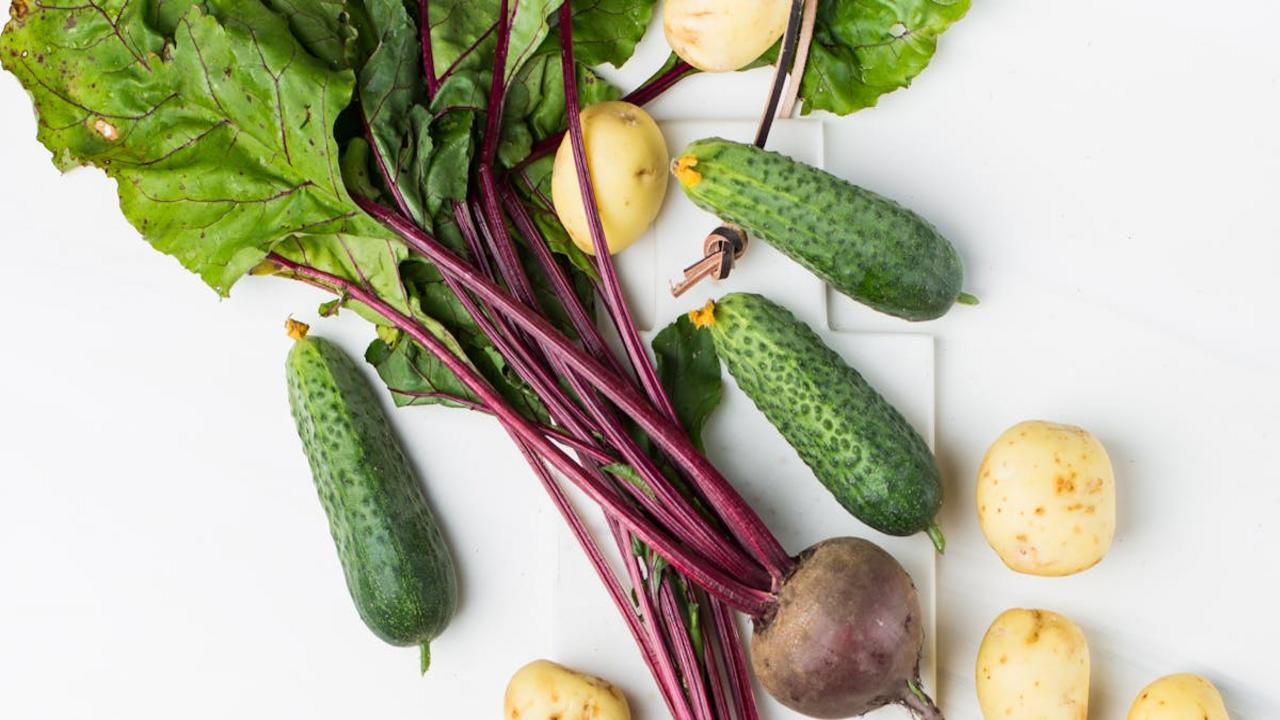
Trust me, beets deserve a spot on your post-workout plate, and I’m not talking about those jarred pickled ones from the grocery store. Fresh roasted beets bring an earthy sweetness that pairs beautifully with creamy goat cheese, toasted walnuts, and a drizzle of balsamic reduction. When you roast them whole in foil with a touch of olive oil and sea salt, something magical happens – their natural sugars concentrate while that sometimes intimidating “dirt-like” flavor mellows into pure comfort. I love wrapping them individually and letting the oven work its magic at 400°F for about an hour until they’re fork-tender.
What makes beets perfect for recovery goes beyond their gorgeous ruby color that stains everything in sight (wear gloves, seriously). They’re packed with nitrates that help improve blood flow and oxygen delivery to tired muscles, plus they contain betalains – those natural compounds responsible for their vibrant hue that also fight inflammation. I often toss roasted beet wedges with fresh herbs from my garden, maybe some mint or dill, and serve them alongside quinoa or farro for a satisfying bowl that feels both nourishing and indulgent. Pro tip: save those leafy greens attached to the beets – they’re incredible sautéed with garlic and add another layer of nutrition to your recovery meal.
Fish
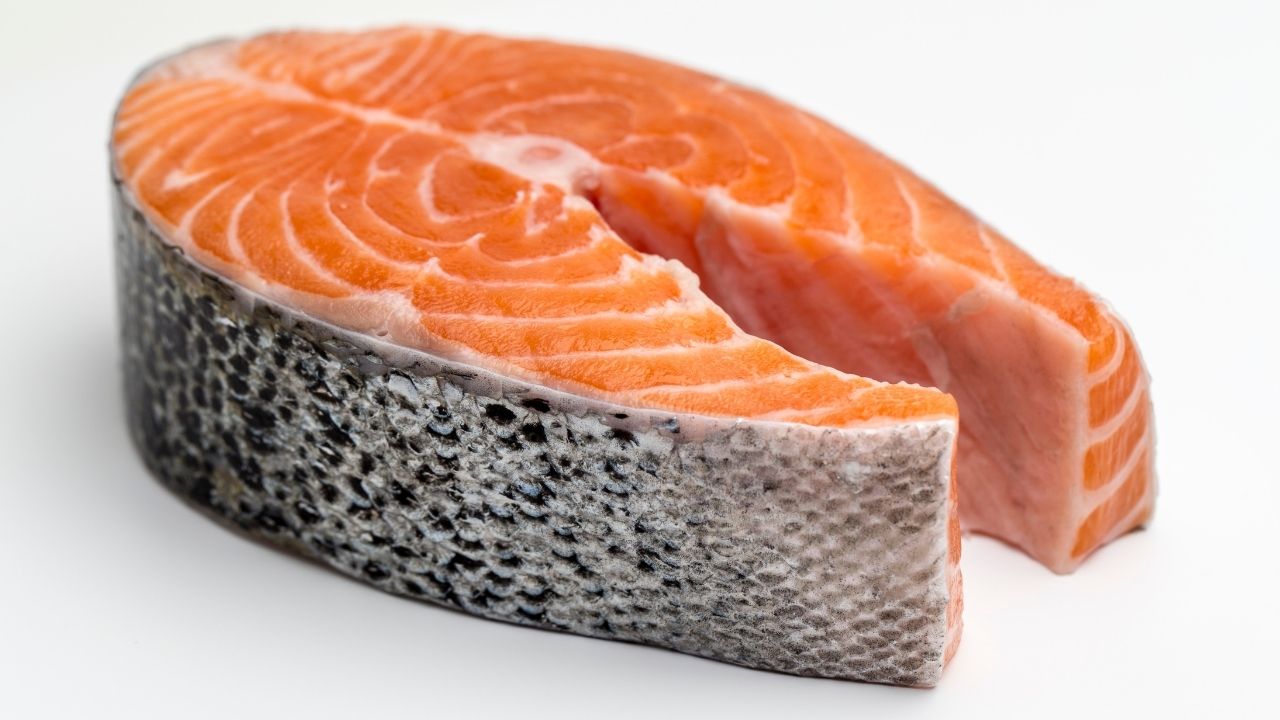
Fish transforms into the perfect post-workout companion when you need protein that doesn’t weigh you down. I reach for salmon, mackerel, or even simple white fish like cod because they deliver complete proteins your muscles crave while bringing those omega-3 fatty acids that fight inflammation from your training session. The beauty of fish lies in how quickly it cooks and how willingly it absorbs whatever flavors you throw at it. A piece of salmon with turmeric, ginger, and lime takes maybe ten minutes from pan to plate, giving you restaurant-quality recovery fuel without the fuss.
What I love most about cooking fish after workouts is how you can prep it ahead and still get amazing results. I’ll marinate portions in miso paste mixed with rice vinegar and a touch of honey, then keep them ready in the fridge for those days when I stumble home exhausted from the gym. Pan-sear for three minutes per side, and you have flaky, flavorful protein that pairs beautifully with steamed vegetables or a simple quinoa salad. The natural oils in fish help your body absorb fat-soluble vitamins while providing the building blocks your muscles need to repair and grow stronger.
Spinach
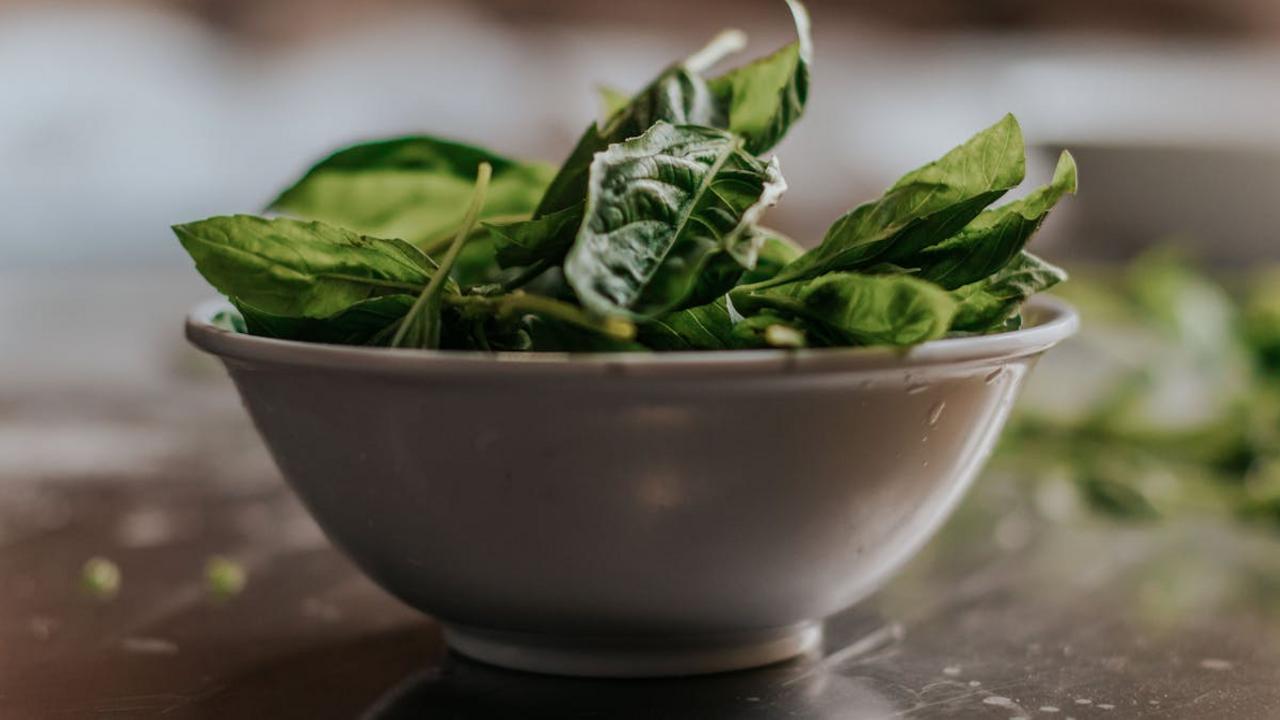
Spinach transforms from that leafy green you grudgingly ate as a kid into your post-workout superhero when you know how to treat it right. I throw handfuls of fresh baby spinach into my recovery smoothies with frozen mango, coconut milk, and a squeeze of lime—the tropical flavors completely mask any earthy notes while you’re getting a serious dose of iron and folate to help your muscles repair themselves. The beauty of spinach lies in how it disappears into almost any dish while quietly delivering nutrients your body craves after a tough session.
My favorite way to showcase spinach after workouts is in a warm sauté with garlic, lemon, and a pinch of red pepper flakes, served alongside scrambled eggs or grilled chicken. You can also blend it into homemade pesto with nuts and olive oil, creating a protein-rich sauce that turns plain pasta or quinoa into something satisfying and restorative. The magnesium in spinach helps with muscle function and reduces cramping, while the nitrates support healthy blood flow—exactly what your body needs to bounce back stronger. Don’t overthink it; just get those greens in however feels good to you.
Pineapple

Fresh pineapple becomes your post-workout hero with its natural sweetness and incredible enzyme power. I keep chunks ready in my fridge because bromelain, that magical enzyme hiding in every juicy bite, works wonders for reducing muscle inflammation after those tough training sessions. You don’t need fancy recovery drinks when nature gives you this tropical powerhouse that actually tastes like vacation in a bowl.
I love pairing pineapple with Greek yogurt and a sprinkle of coconut flakes for the perfect protein-carb combo, or blending it into smoothies with spinach and ginger for an anti-inflammatory boost that doesn’t taste like medicine. The natural sugars help replenish your glycogen stores while the vitamin C supports your immune system when your body needs extra care. Trust me, your muscles will thank you for choosing this sweet, refreshing option over processed recovery bars that taste like cardboard with artificial flavoring.
Bone Broth

I brew bone broth in my kitchen like my grandmother did—slow, patient, and with complete faith in the process. You simmer those bones for hours, sometimes a full day, watching the liquid transform into liquid gold that your muscles desperately need after a tough workout. The collagen breaks down into gelatin, giving your joints the building blocks they crave, while the minerals seep out to replenish what you’ve sweated away. I love adding ginger, turmeric, and a splash of apple cider vinegar to mine—these additions help extract more nutrients and give the broth a warming complexity that makes recovery feel like self-care.
What makes bone broth brilliant for post-workout recovery is how your body absorbs it. Unlike processed protein powders, this wholesome liquid delivers amino acids in their most natural form, supporting muscle repair without any artificial additives. I keep mason jars of cooled broth in my refrigerator, ready to heat up after morning runs or evening yoga sessions. You can sip it straight from a mug like the most nourishing tea, or use it as a base for a quick soup with leftover vegetables. The sodium content naturally replaces electrolytes, while the protein helps your muscles rebuild stronger than before.
Greek Yogurt
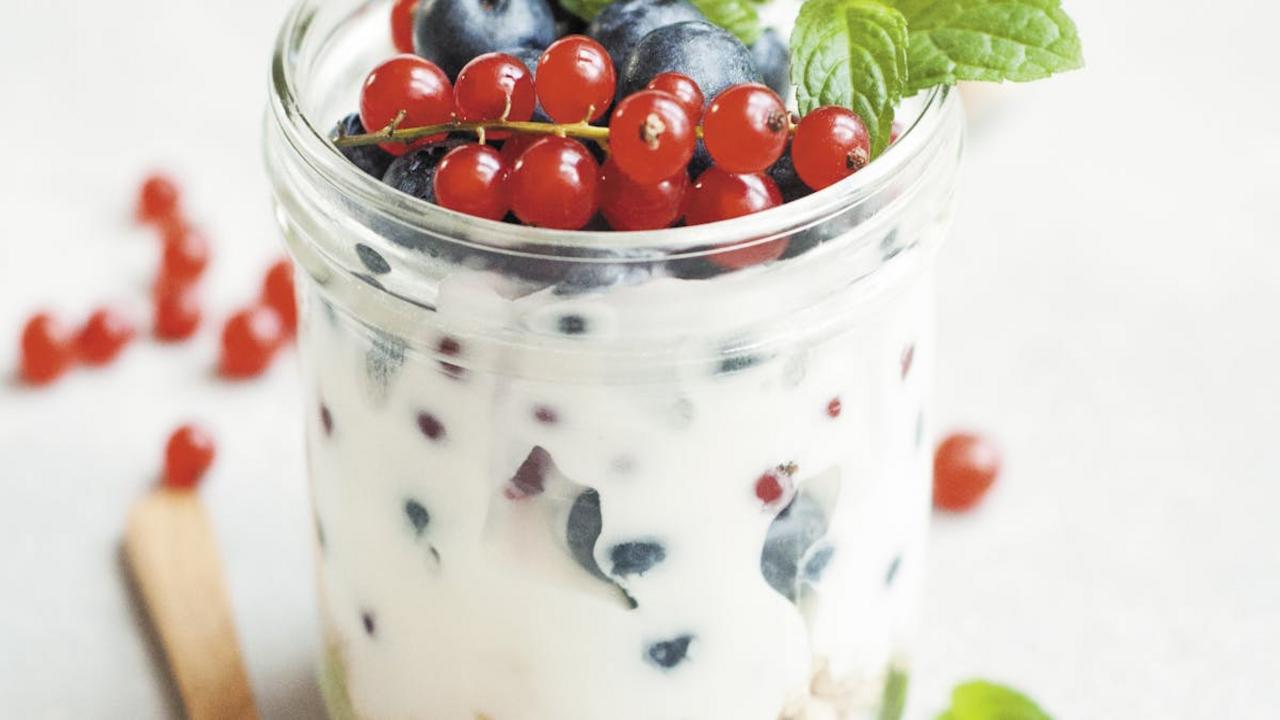
Greek yogurt becomes your post-workout hero when you need something that satisfies both your hunger and your body’s recovery needs. I reach for this creamy powerhouse because it packs nearly double the protein of regular yogurt—around 15-20 grams per serving—making it perfect for muscle repair after those intense training sessions. The thick, velvety texture feels indulgent while delivering probiotics that support your digestive health, something I learned to appreciate during my own fitness routine.
Transform plain Greek yogurt into something exciting by swirling in fresh berries, a drizzle of honey, and a sprinkle of chopped nuts or granola you made yourself. I love mixing it with a spoonful of almond butter and cinnamon for a protein-rich treat that tastes like dessert. You can even go savory—mix it with herbs, garlic, and a squeeze of lemon to create a Mediterranean-inspired dip for fresh vegetables. The beauty of Greek yogurt lies in its versatility; it adapts to whatever flavors you crave while consistently delivering the nutrients your recovering muscles desperately need.
Turmeric

You know that golden spice sitting in your cabinet? Turmeric deserves a starring role in your post-workout recovery routine. I’ve been adding this vibrant root to everything from smoothies to roasted vegetables, and the anti-inflammatory benefits make it perfect for soothing those worked muscles. The active compound curcumin helps reduce exercise-induced inflammation while supporting your body’s natural healing process. I love grating fresh turmeric into coconut milk with a pinch of black pepper – the pepper actually helps your body absorb more of turmeric’s goodness.
My go-to post-gym treat is a creamy turmeric latte made with oat milk, a touch of honey, and warming spices like cinnamon and ginger. It tastes like liquid sunshine and feels incredibly nourishing after a tough workout. You can also blend turmeric into fruit smoothies – it pairs beautifully with mango and pineapple, masking any earthiness while delivering serious nutritional benefits. Fresh turmeric works wonderfully in stir-fries with vegetables and lean protein, creating colorful, anti-inflammatory meals that your recovering muscles will thank you for. The key is starting with small amounts and building up your tolerance to this powerful spice.
Ginger Root

Fresh ginger root brings that perfect zing your post-workout meal needs, and I always keep a knob of it in my kitchen because it works magic on tired muscles. The natural compounds in ginger help reduce inflammation while adding incredible depth to both sweet and savory dishes. I love grating it fresh into smoothies with pineapple and coconut water, or mincing it into a quick stir-fry with whatever vegetables I have on hand. The warming sensation ginger creates actually helps improve blood circulation, which means better recovery for your hardworking muscles.
What I find beautiful about ginger is how it transforms simple ingredients into something extraordinary – a plain chicken breast becomes restaurant-worthy when you marinate it with fresh ginger, garlic, and a splash of soy sauce. You can also brew fresh ginger tea by simmering thin slices in water for ten minutes, then adding honey and lemon for a soothing post-workout drink. The best part? A little goes a long way, so one piece of fresh ginger root will last you weeks, making it both economical and incredibly versatile for your recovery nutrition arsenal.
Cottage Cheese
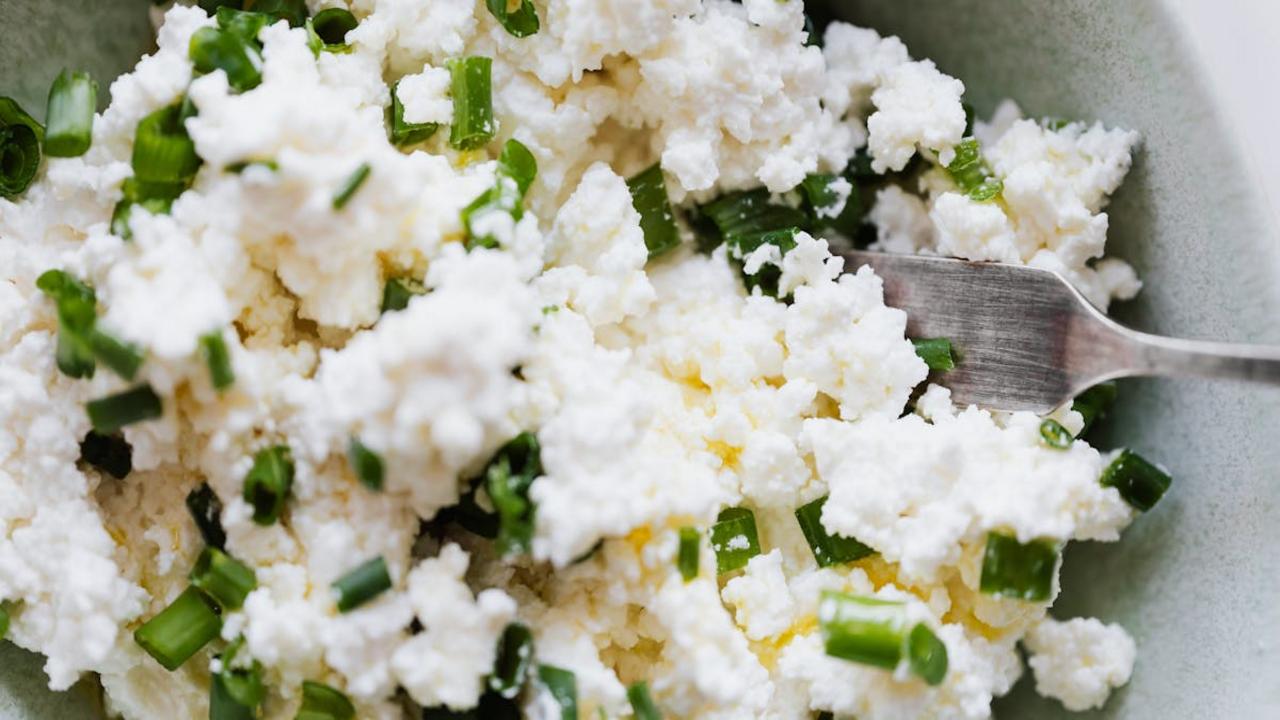
I know what you’re thinking—cottage cheese feels like diet food from the ’80s, right? But hear me out! This protein powerhouse has made a serious comeback in my kitchen, and once you start experimenting with it, you’ll wonder why you ever dismissed it. With around 14 grams of protein per half-cup serving, cottage cheese gives your muscles exactly what they need after a tough workout. I love mixing mine with a drizzle of honey and crushed pistachios, or going savory with everything bagel seasoning and cherry tomatoes.
The beauty of cottage cheese lies in its versatility—you can transform it into something completely different with just a few simple additions. Try blending it smooth with vanilla extract and a touch of maple syrup for an instant protein pudding, or fold it into scrambled eggs for extra creaminess and protein. I’ve even used it as a base for savory dips, mixed with herbs and garlic. The key is buying the full-fat version—it tastes infinitely better and keeps you satisfied longer. Your post-workout self will thank you for choosing something this nourishing and adaptable.
Pomegranate
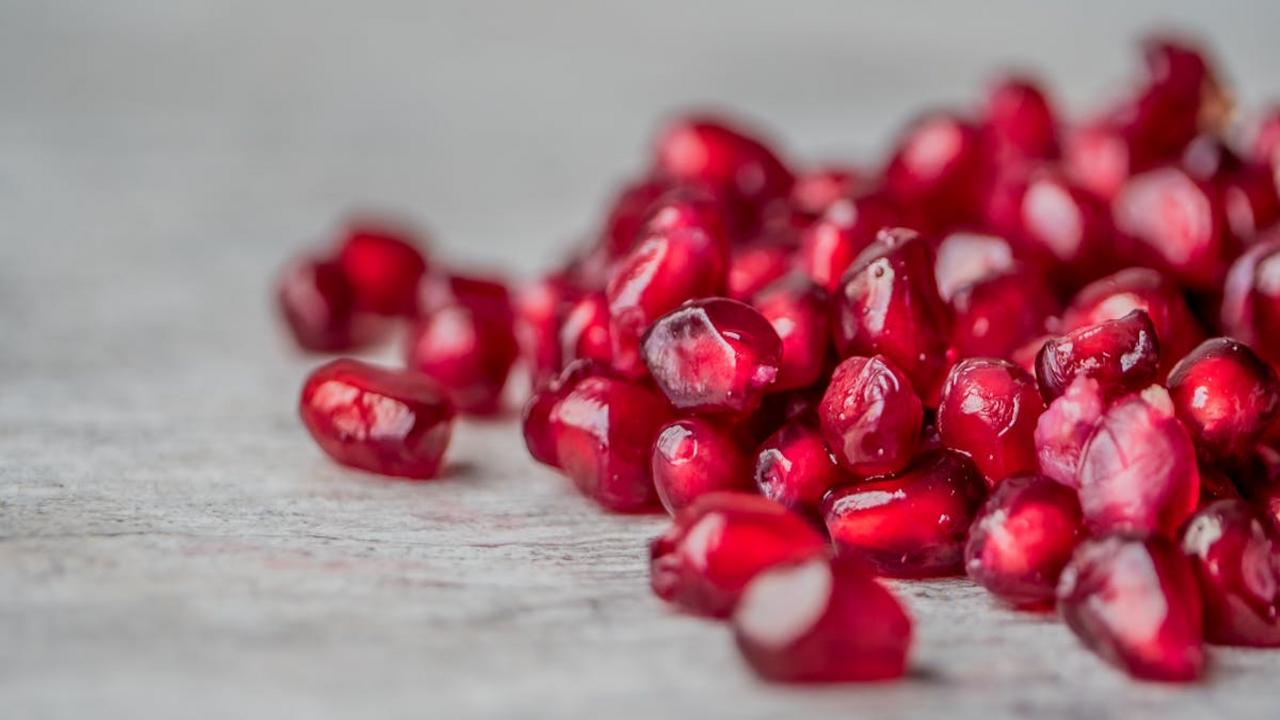
Picture this: you’ve just crushed your morning workout, and your body craves something that feels both refreshing and restorative. Pomegranate seeds burst with that perfect sweet-tart flavor that makes your mouth sing while delivering exactly what your muscles need. These ruby jewels pack serious antioxidant power – we’re talking anthocyanins and punicalagins that help reduce exercise-induced inflammation. I love keeping a bowl of fresh seeds in my fridge because they’re ready to sprinkle over Greek yogurt, blend into smoothies, or eat straight from a spoon. The natural sugars help replenish your glycogen stores without any processed nonsense.
What really gets me excited about pomegranates is how they bridge the gap between recovery fuel and pure eating pleasure. You can toss the seeds into a post-workout quinoa salad with cucumber and mint, or blend the juice with coconut water for a homemade sports drink that actually tastes incredible. I often muddle a handful of seeds at the bottom of my water bottle – it creates this gorgeous pink drink that makes hydration feel like a celebration. The fiber content keeps you satisfied longer than typical post-workout snacks, and that satisfying pop between your teeth makes every bite an experience worth savoring.
Watermelon
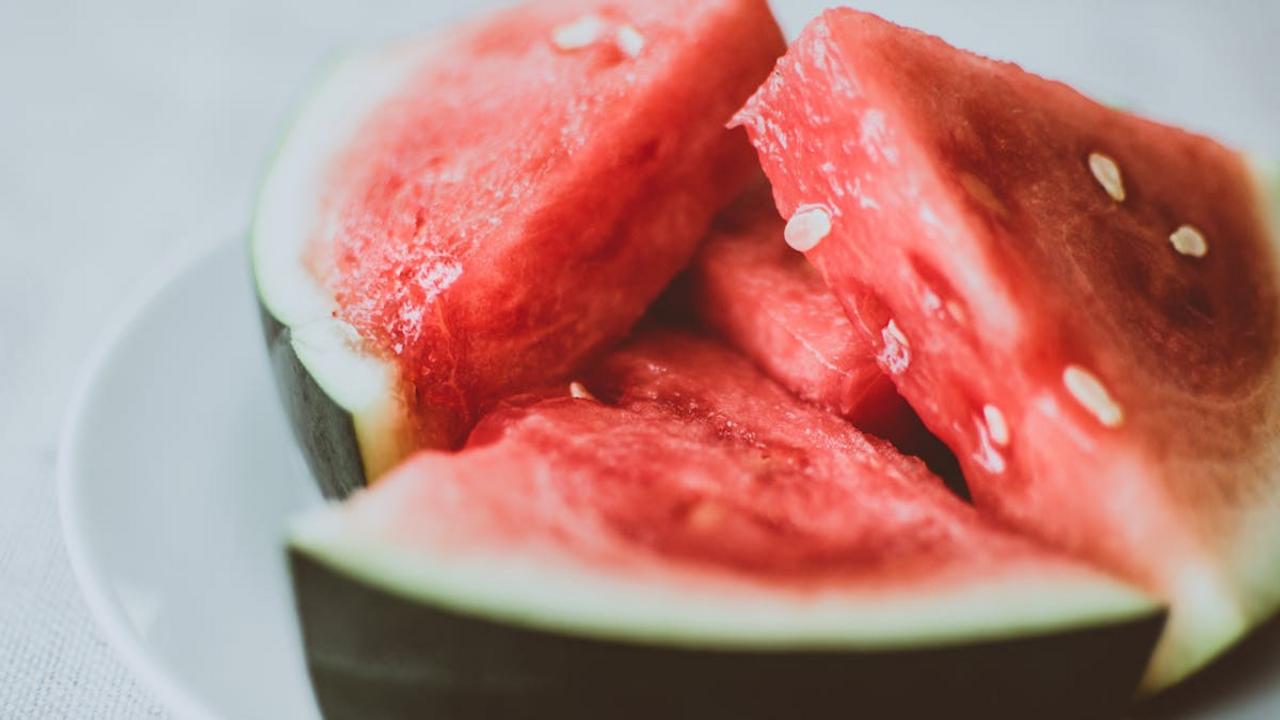
You know that feeling when you’re dripping with sweat after a tough workout and your body is screaming for something refreshing? That’s exactly when watermelon becomes your best friend. This gorgeous pink fruit isn’t just nature’s candy – it’s packed with natural electrolytes and has an incredibly high water content that helps you rehydrate faster than you’d imagine. I keep chunks of watermelon in my fridge year-round because there’s something magical about biting into those juicy, sweet pieces when your muscles are tired and your energy is depleted.
What makes watermelon particularly brilliant for post-workout recovery is its natural sugars that help replenish your glycogen stores without any processed nonsense. I love combining it with a pinch of sea salt and fresh mint leaves – the salt helps with sodium replacement while the mint adds this cooling sensation that feels like a spa treatment for your mouth. Sometimes I’ll blend it into a quick smoothie with coconut water and a squeeze of lime, creating this incredibly hydrating drink that tastes like vacation in a glass. The beauty of watermelon is its simplicity – no complicated preparation needed, just pure, wholesome refreshment when your body needs it most.
Kiwi
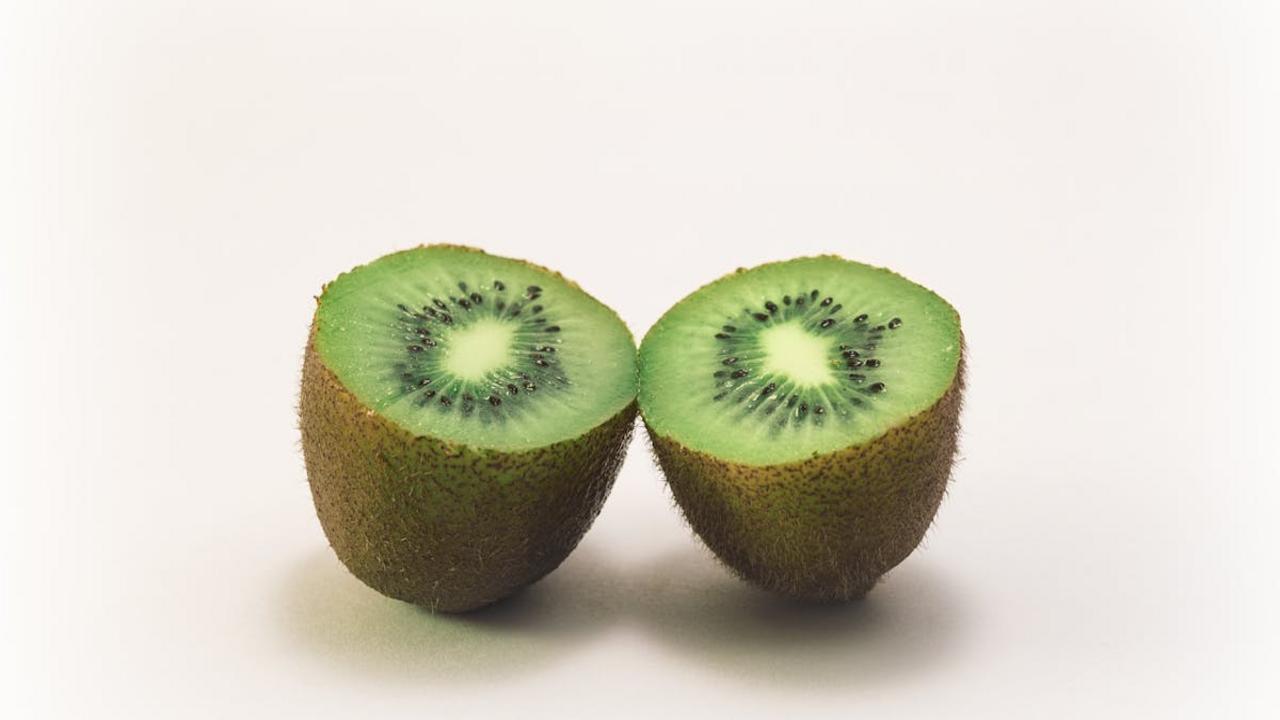
You know that fuzzy little fruit sitting in your kitchen? Don’t underestimate it! Kiwi packs more vitamin C than oranges and brings a perfect balance of sweet and tart that makes your post-workout snack feel like a treat rather than a chore. I love how this unassuming fruit delivers potassium for muscle recovery while keeping things light and refreshing. The natural enzymes in kiwi actually help your body process protein more efficiently, making it an ideal companion after strength training sessions.
Here’s my favorite way to enjoy kiwi after workouts: slice it up and pair with Greek yogurt and a drizzle of honey, or blend it into a green smoothie with spinach and banana. The texture contrast when you bite into those tiny black seeds adds such satisfying crunch! I’ve started keeping a few kiwis on my counter to ripen perfectly – when they give slightly to gentle pressure, they’re ready to fuel your recovery. Trust me, once you start reaching for kiwi instead of processed snacks, your body will thank you for the natural energy boost.
Sweet Potatoes

Sweet potatoes have become my go-to post-workout fuel, and honestly, I can’t understand why more people don’t reach for these orange gems after a tough session. These naturally sweet tubers pack complex carbohydrates that your muscles desperately crave, plus they’re loaded with potassium to help your body recover from all that sweating. I love roasting them whole in the oven with just a sprinkle of sea salt—no fancy preparation needed. The natural sugars caramelize beautifully, creating this incredible depth of flavor that satisfies both your nutritional needs and your sweet cravings.
What makes sweet potatoes brilliant for post-workout meals is their versatility. You can mash them into smoothies for a creamy, naturally sweet base, or slice them thin and bake them into crispy chips that actually nourish your body instead of depleting it. My favorite way lately involves stuffing them with black beans, avocado, and a squeeze of lime—this combination gives you the perfect balance of carbs, healthy fats, and protein. The fiber keeps you satisfied for hours, and the beta-carotene supports your immune system when it’s working overtime to repair those muscle fibers. Trust me, your body will thank you for choosing whole foods over processed recovery bars.
Cherries
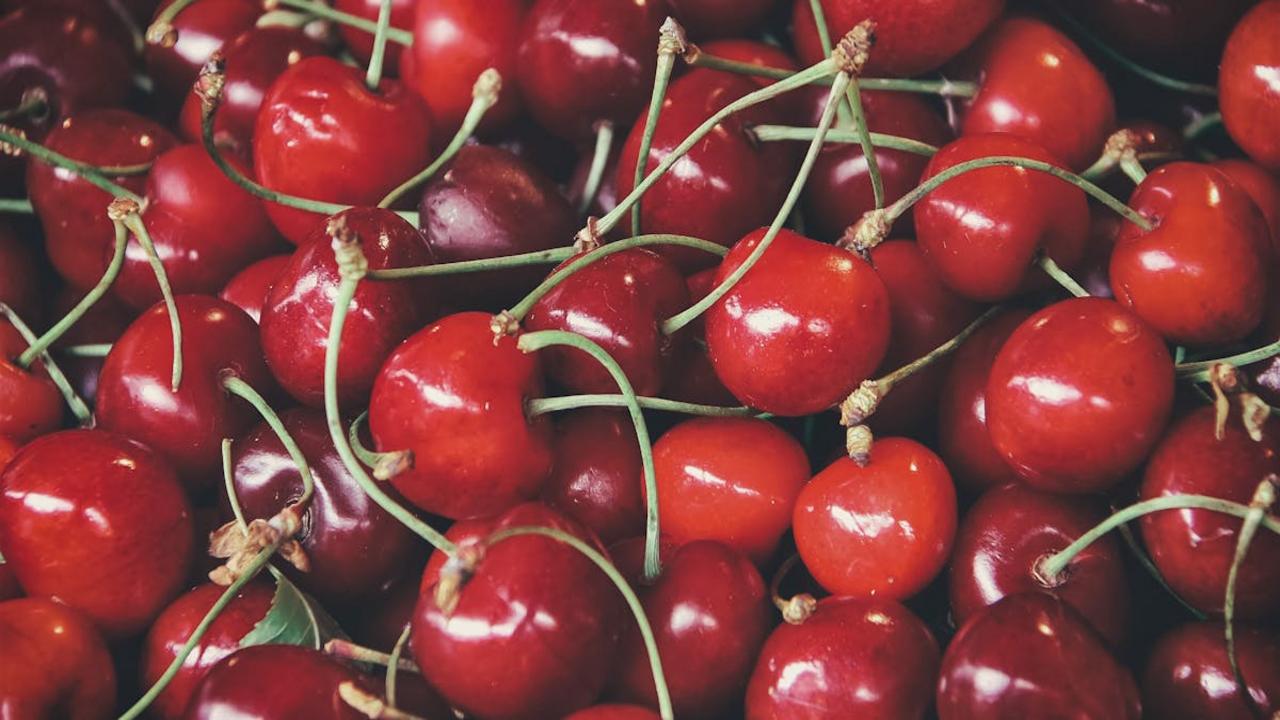
Fresh cherries are nature’s perfect post-workout recovery treat, packed with anthocyanins that help reduce muscle inflammation and soreness. I always keep a bowl of these ruby gems in my fridge during cherry season – they’re like little bursts of concentrated sweetness that make you forget you’re actually doing something incredibly good for your body. The natural sugars in cherries help replenish your glycogen stores while the antioxidants work their magic on those tired muscles. Plus, there’s something so satisfying about popping these jewel-like fruits into your mouth after a tough workout session.
What I love most about cherries is their versatility in the kitchen. You can eat them straight from the bowl, blend them into a recovery smoothie with some Greek yogurt and a handful of spinach, or even add them to a quick quinoa salad with fresh herbs. I’ve discovered that frozen cherries work beautifully too – just thaw them slightly and they become this gorgeous, syrupy treat that feels like dessert but delivers serious nutritional benefits. The natural melatonin in tart cherries can also help improve your sleep quality, which means better recovery and stronger performance for your next workout.