10 Unexpected Ways the Spice Trade Revolutionized Global Flavors and Your Dinner Plate
Your everyday black pepper once sparked wars, funded empires, and drove sailors across treacherous seas. That simple shake of spice on your dinner plate carries centuries of adventure, trade, and cultural revolution behind it. The hunt for exotic seasonings shaped our world in ways that go far beyond making food taste better.
From the bustling markets of ancient Rome to the spice-laden ships of Venice, the quest for flavors created the first truly global economy. Merchants risked everything to transport precious cargo like cinnamon, nutmeg, and cloves across continents. These aromatic treasures were worth their weight in gold – literally. A pound of nutmeg in 16th century London could buy you three sheep and a cow.
The spice trade didn’t just fill royal coffers – it transformed how we eat, cook, and live. It sparked new preservation methods, birthed fusion cuisines, and connected distant cultures through shared flavors. That curry you love? It exists because Portuguese traders brought chili peppers to India. Your morning coffee ritual? Thank the spice merchants who made exotic drinks fashionable in Europe.
Influence on Modern Global Cuisine
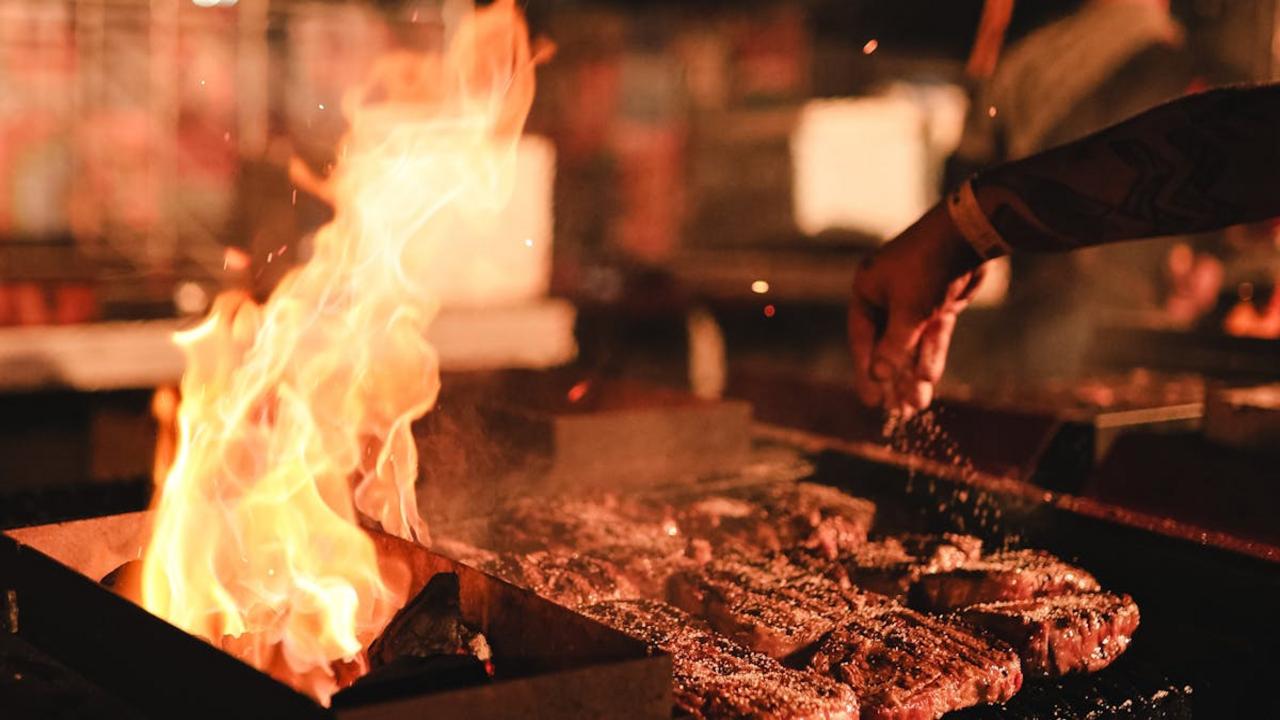
Your dinner plate today is a direct result of centuries of spice-seeking sailors crossing oceans and merchants haggling in bustling bazaars. Think about your last Thai curry – that kick of galangal and lemongrass? Thank the Portuguese traders who first brought Asian spices to Europe. Or consider how black pepper, once worth its weight in gold, now sits casually on every restaurant table. Modern fusion restaurants mix Moroccan preserved lemons with Japanese wasabi, while street food vendors blend Mexican chilies with Indian cardamom – combinations that would have been impossible without the ancient spice routes.
Just peek into any celebrity chef’s kitchen and you’ll spot the global DNA of modern cooking. Your favorite Italian arrabbiata sauce? It wouldn’t exist without chilies from the Americas meeting Mediterranean tomatoes, all tied together with Asian black pepper. Even McDonald’s has jumped on this centuries-old spice wagon – their McSpicy offerings in Singapore pack a punch with spice blends that would make ancient traders proud. The world’s most expensive restaurants now serve dishes that combine French technique with Indonesian spices, creating new flavor profiles that keep pushing the boundaries of what we consider “traditional” cuisine.
Introduction of New Preservation Techniques
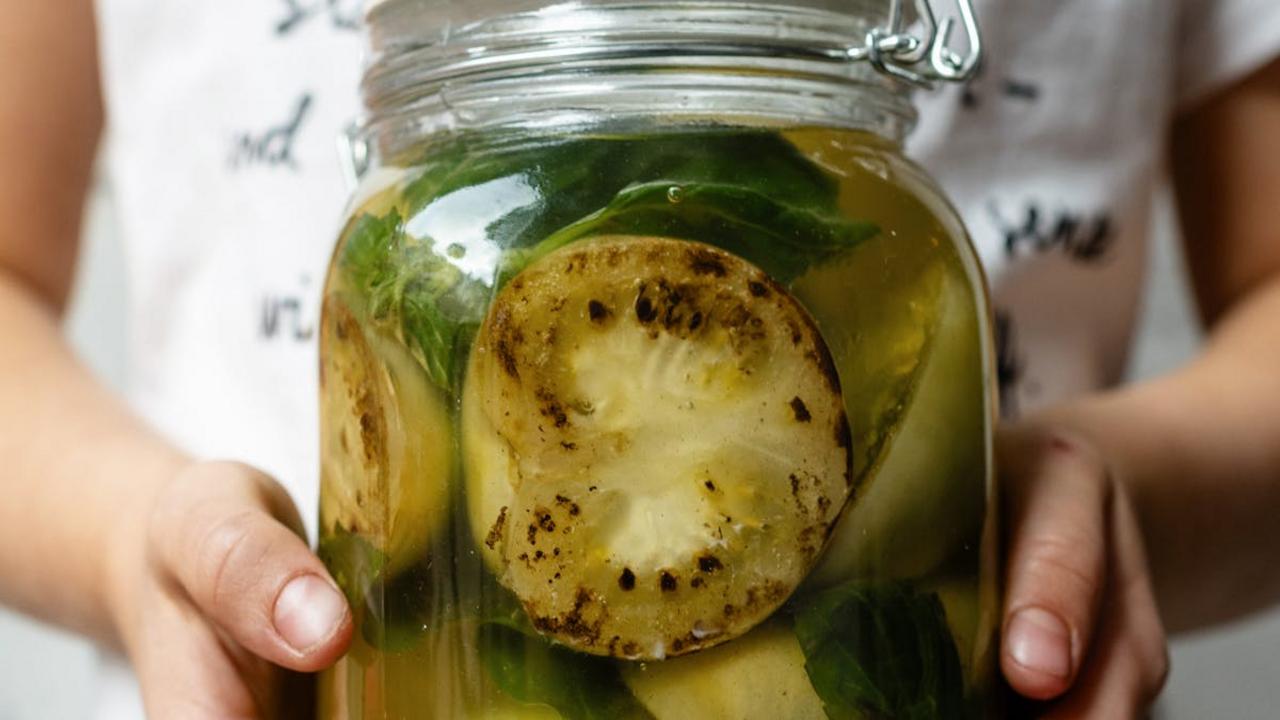
Who knew the spice trade would turn ancient food preservation into a flavor revolution? Before refrigerators existed, your ancestors had to get creative with keeping food edible. The influx of exotic spices like cloves, cinnamon, and black pepper didn’t just make dinner exciting – these little flavor bombs packed serious antimicrobial superpowers. Your medieval European great-great-great grandparents discovered they could keep meat fresh longer by rubbing it with peppercorns and salt, while ginger and garlic helped preserve vegetables through those long winter months.
The preservation techniques born from the spice trade still influence how you eat today. Ever wonder why your favorite pickles have that distinctive mix of spices? Thank the ancient traders who figured out that mustard seeds and peppercorns could keep cucumbers crunchy for months. And those delicious Indian chutneys packed with turmeric and chilies? They’re direct descendants of preservation methods that kept fruits and vegetables safe during long sea voyages. Next time you reach for that jar of spiced pickles or crack open some kimchi, remember you’re tasting history – and some seriously smart ancient food science!
Development of Regional Cuisines
You know what makes me chuckle? The way a tiny pinch of an exotic spice completely transformed entire food cultures! Take India’s relationship with chili peppers – those fiery little pods didn’t even exist in Indian cooking until Portuguese traders brought them over in the 1500s. Now, you can’t imagine a proper curry without them! The same goes for Hungary’s beloved paprika, which turned their once-bland stews into the rich, red comfort food we know today. These spice route shake-ups didn’t just add new flavors – they created whole new food identities.
The ripple effects of spice trading went way beyond just dropping new ingredients into old recipes. In Indonesia, Chinese traders brought star anise and five-spice powder, which locals mixed with native lemongrass and galangal to create dishes like rendang. Meanwhile, Moroccan cooks took Indian saffron, mixed it with local mint and preserved lemons, and boom – a whole new flavor profile was born! Even British food (yes, British!) got a major upgrade when returning spice merchants demanded Indian-inspired dishes at home, giving birth to that Friday night favorite: curry and chips. The spice routes didn’t just connect continents; they created the distinctive regional cooking styles we know and love today.
Spices’ Role in Colonial Expansion
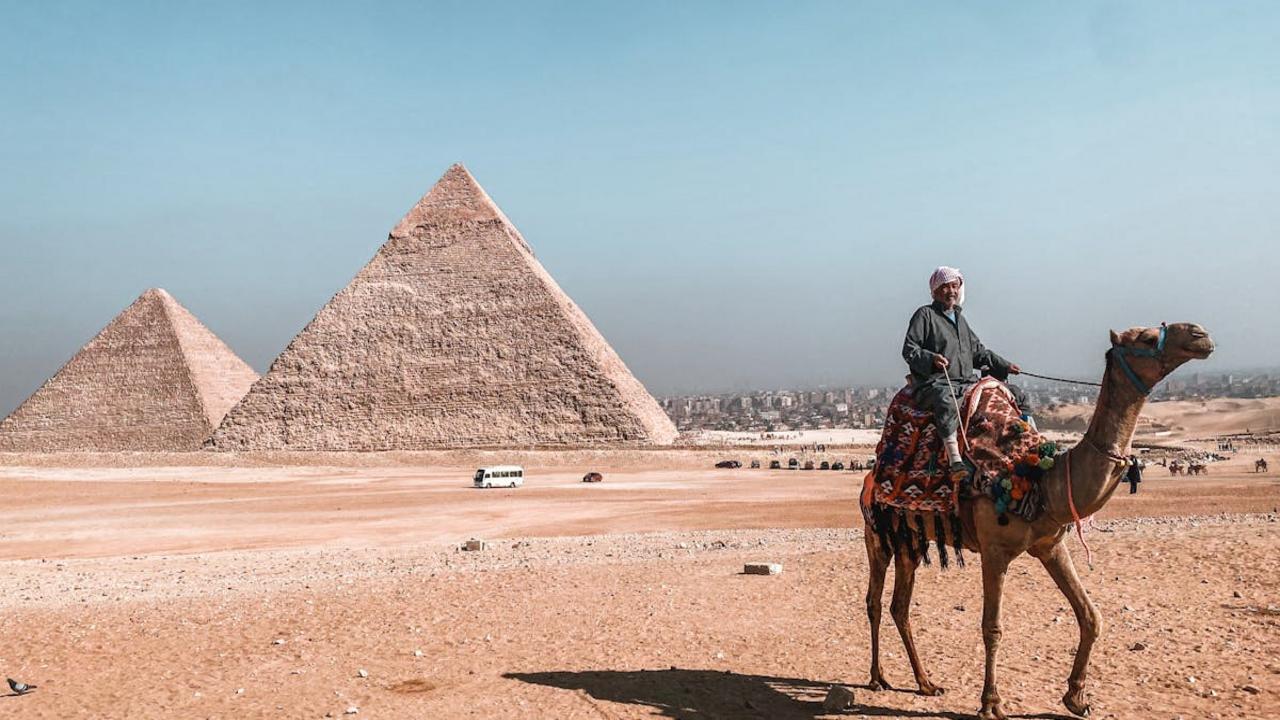
You might think your black pepper grinder is just a humble kitchen tool, but honey, that spice helped build empires! European powers literally sailed across unknown oceans and started wars over these flavor-packed bits of botanical gold. Picture this: Portuguese sailors battling seasickness and scurvy while circling Africa, Spanish conquistadors sweating through jungles, and Dutch merchants haggling in Asian ports – all because they wanted to control the spice routes. The British East India Company became so powerful through spice trading that it basically ran India for a while. I mean, talk about taking “I need my morning coffee and spices” to a whole new level!
These colonial powers didn’t just grab the spices and go home – they completely reshuffled the global spice deck. They transplanted spice plants to their colonies, creating new growing regions far from the original sources. The Dutch, those clever cookies, smuggled nutmeg seedlings from the Banda Islands and planted them in other territories, breaking the Bandanese monopoly. Today, you can thank this spice-fueled colonial expansion for why you can buy affordable nutmeg at your local grocery store instead of trading your car for a small bag. Though the colonial period left complex legacies, it transformed how we eat and cook across continents.
Impact on Maritime Exploration and Discovery
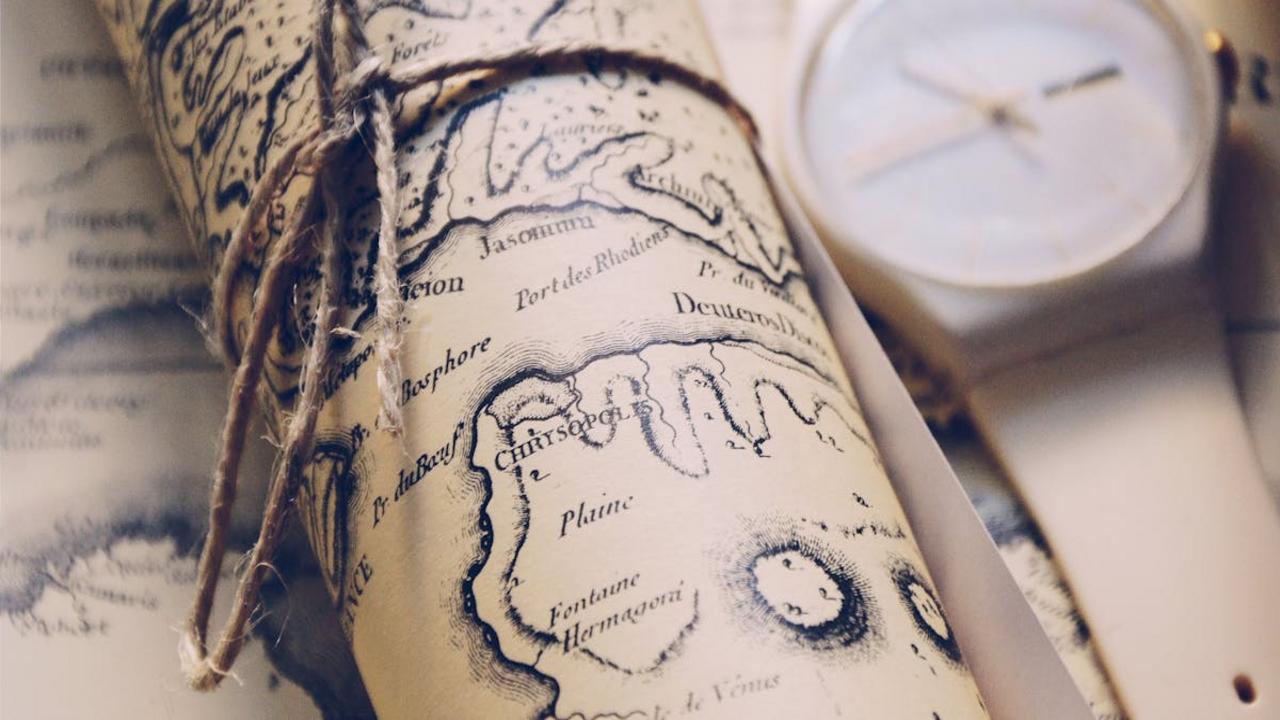
Who knew a pinch of pepper could launch a thousand ships? The spice trade didn’t just fill our kitchens with fragrant flavors – it completely transformed how we sailed the seas! Portuguese explorers like Vasco da Gama braved treacherous waters and nasty storms just to find faster routes to India’s pepper and cardamom. These spicy quests led sailors to map new ocean pathways, create better navigation tools, and build stronger ships that could handle those long-distance spice runs. Your cinnamon stick has quite the seafaring backstory!
The hunt for nutmeg and cloves pushed European sailors to reach remote Indonesian islands, leading them to stumble upon new lands, peoples, and trading opportunities along the way. These maritime adventures sparked a wave of shipbuilding innovations – from improved compass designs to sturdier hull construction. Next time you sprinkle some black pepper on your eggs, remember that tiny speck helped create the world’s first global trading networks and sparked a maritime revolution that connected continents. Your pepper grinder holds more history than you’d think!
Spices as Status Symbols in Europe

Picture your richest neighbor flaunting their Tesla – that’s exactly how medieval Europeans showed off with their spice collections! Back in the day, if you wanted to prove you were part of the upper crust, you didn’t flash designer bags – you displayed elaborate spice boxes filled with pepper, cinnamon, and nutmeg. These aromatic treasures cost so much that people would actually include them in their wills, and some spices were worth their weight in gold. Kings and queens would serve heavily spiced dishes at banquets just to show their guests how wealthy they were.
The spice flex didn’t stop at the dinner table – European nobles took it to wild extremes. They’d wear pomanders (oranges studded with cloves) around their necks, sprinkle expensive saffron on their clothes to give them a golden tint, and even use spices as currency to pay their rent! Imagine paying your landlord with a bag of pepper today. The most outrageous display? Some aristocrats would literally throw handfuls of precious spices into the fireplace during parties, just so their guests could smell the burning money. Talk about a medieval flex!
Cultural and Culinary Exchanges
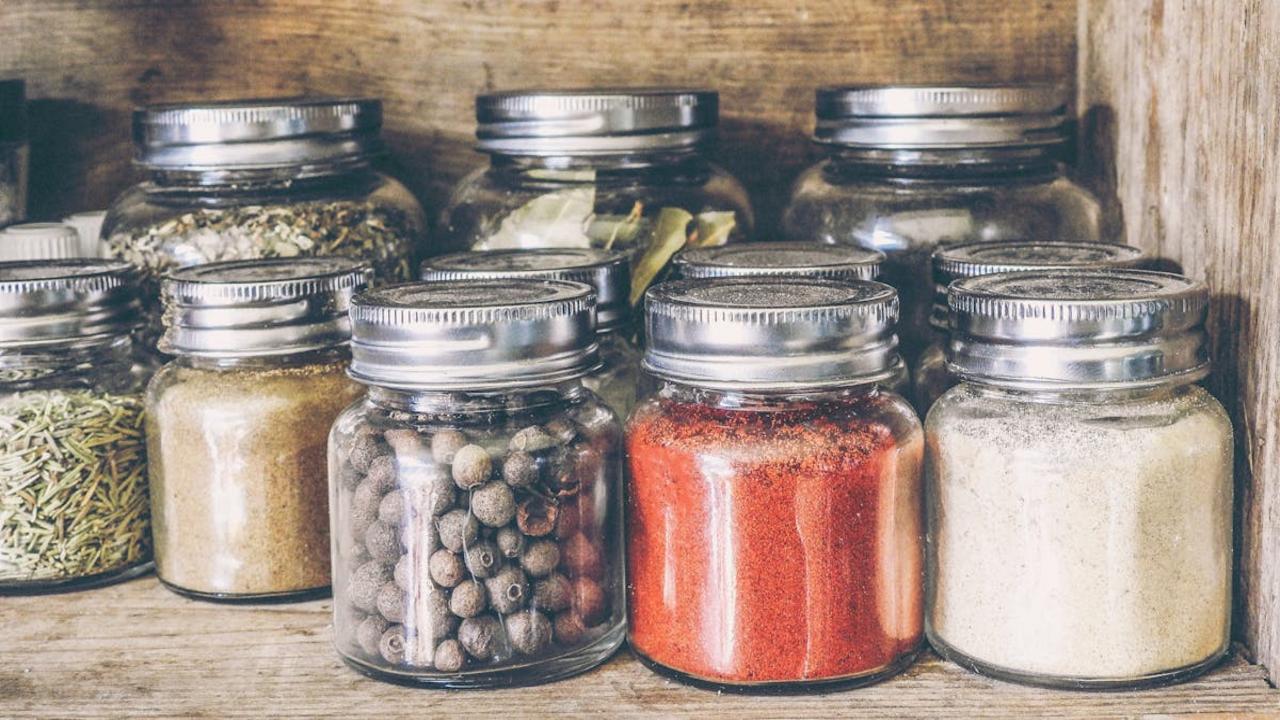
Picture this: A bustling marketplace in 16th century Venice where Indian curry powder meets Italian pasta for the first time. That’s exactly how the spice trade created the world’s first “fusion cuisine” centuries before it became a trendy restaurant concept! The exchange of spices didn’t just add new flavors to dishes – it completely transformed how different cultures cooked and ate. Your favorite Thai coconut curry? You can thank Arab traders who brought turmeric and cardamom from India while introducing coconut milk from Southeast Asia. Chinese five-spice powder found its way into Japanese shichimi, and Persian saffron became a staple in Spanish paella.
These cultural mashups created entirely new food traditions that we still munch on today. Take ketchup, for example – it started as a fermented fish sauce in China, got remixed with spices by British sailors, and eventually became the tomato-based condiment Americans slather on everything. Or consider the British obsession with curry, which spawned its own unique Anglo-Indian cuisine. Your local grocery store’s international aisle is basically a map of these ancient spice routes – every jar of cinnamon, black pepper, and nutmeg tells the story of merchants who crossed oceans and continents, forever changing what ends up on your fork.
Economic Empowerment of Trading Nations
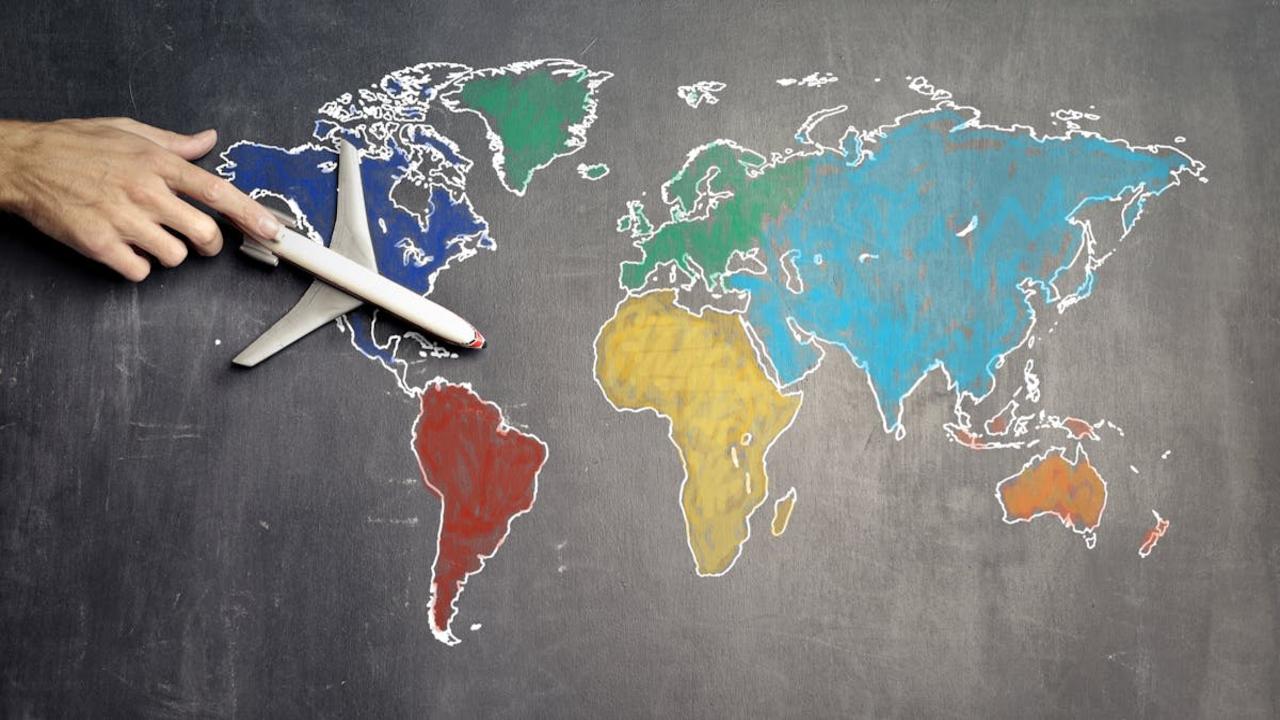
Who knew a handful of peppercorns could build entire empires? The spice trade turned modest port cities into glittering commercial powerhouses, with Venice, Portugal, and the Netherlands fighting tooth and nail for control of these aromatic goldmines. Your average nutmeg could fetch a 6000% markup in European markets during the 1600s – talk about a sweet return on investment! The Dutch even traded Manhattan (yes, that Manhattan) to the British in exchange for a tiny spice-producing island called Run. Now that’s what I call putting your money where your mouth is!
The ripple effects of this spicy commerce still influence our world today. Cities like Singapore and Malacca transformed from sleepy fishing villages into bustling trade hubs thanks to their strategic location along spice routes. Local merchants who once paddled small boats now commanded massive trading fleets, creating generations of wealthy families who shaped their nations’ destinies. And those old spice fortunes? They funded everything from grand palaces and universities to banks that still operate today. Next time you sprinkle some cinnamon on your morning toast, remember – you’re tasting the flavoring that helped build modern global commerce!
Formation of Global Trade Networks
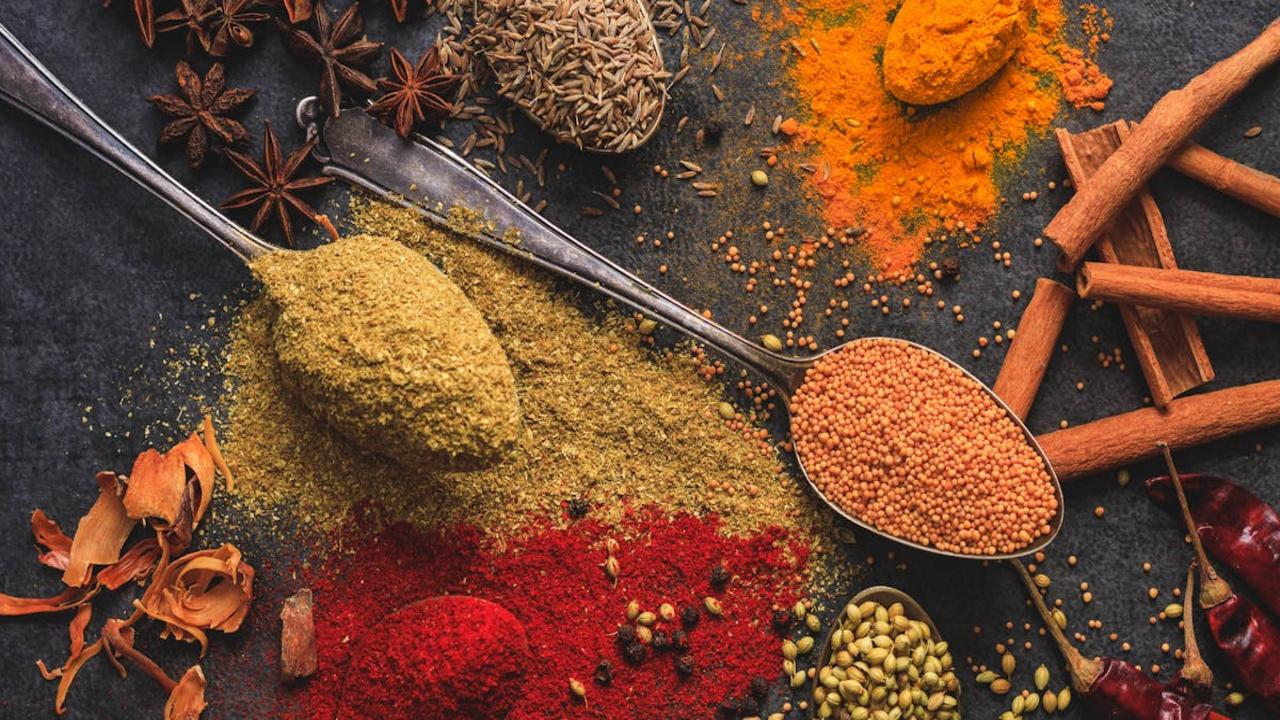
Picture ancient merchants loading their ships with cinnamon and pepper while arguing about prices in a dozen different languages – that’s how our modern global economy got its start! The spice trade didn’t just move seasonings around – it created the first international business networks that connected Europe, Asia, and Africa. These savvy traders established routes that would make today’s shipping companies jealous, linking ports from China to Venice through complex systems of middlemen, warehouses, and local partnerships. You can thank these ambitious merchants for kickstarting practices we still use today, from banking systems to international quality standards.
These trade networks transformed sleepy coastal towns into bustling commercial hubs practically overnight. Places like Malacca and Calicut became the Silicon Valleys of their day, where merchants from dozens of cultures haggled, shared meals, and slowly created a common business language. And get this – many of these traders were so protective of their routes that they spread wild stories about sea monsters and treacherous waters to scare off competitors! The most fascinating part? The payment methods they developed – from Persian letters of credit to Chinese flying money – laid the groundwork for how we handle international transactions today. Next time you buy something with your credit card, give a little nod to those crafty spice merchants.
Rise and Influence of the Silk Road
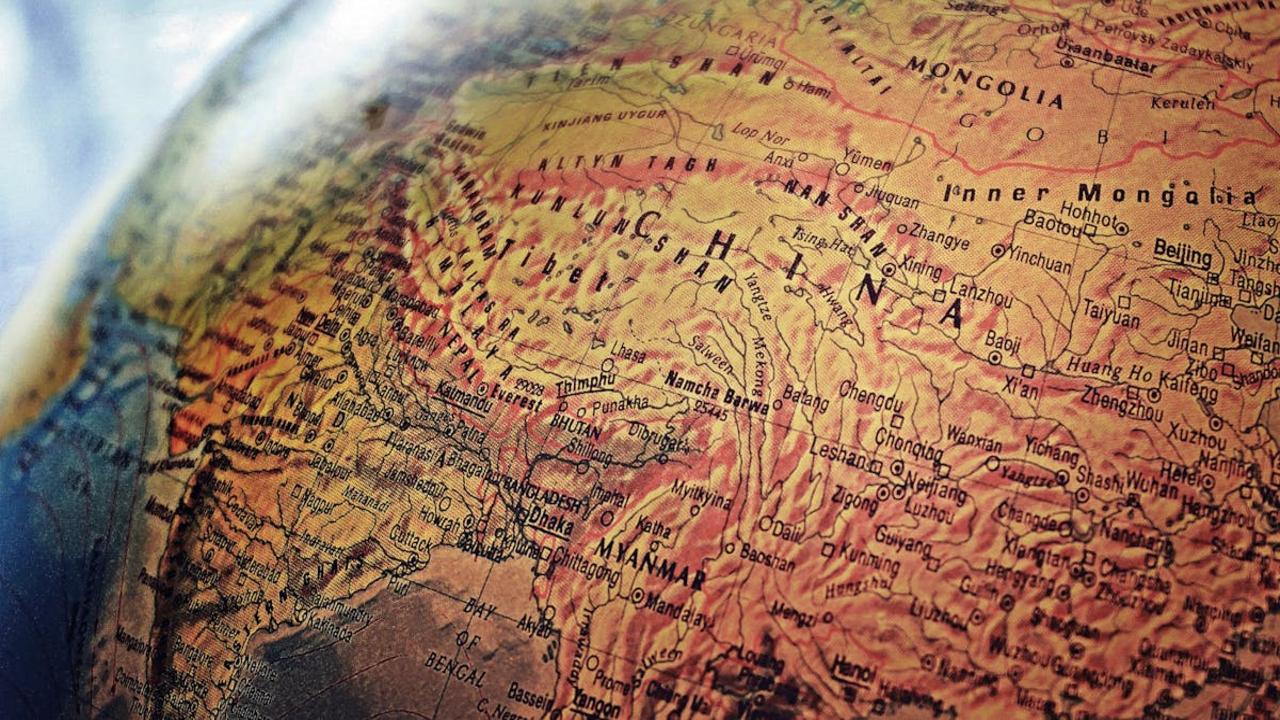
Picture ancient traders trudging through scorching deserts and treacherous mountain passes, their camels loaded with precious cargo – not gold or jewels, but something even more valuable: spices! The Silk Road wasn’t just a fancy name for an ancient highway; it was the world’s first food delivery network that connected China to Europe and everywhere in between. These intrepid merchants didn’t just swap silks and ceramics – they created the original international potluck, introducing black pepper from India to Roman tables and bringing Chinese ginger to Persian kitchens. Your morning chai? You can thank those determined traders who schlepped tea leaves across continents!
The Silk Road turned into history’s biggest flavor exchange program, transforming local cuisines faster than you can say “pass the cinnamon.” Chinese merchants discovered the sharp kick of Persian saffron, while Middle Eastern cooks fell head over heels for Asian star anise. This massive spice swap meet didn’t just change recipes – it sparked new cooking techniques, preservation methods, and food combinations we still munch on today. Next time you sprinkle some pepper on your pasta or add cardamom to your coffee, remember you’re tasting the legacy of those ancient traders who braved bandits, sandstorms, and seriously questionable inn food to bring these flavors to your kitchen!