10 Traditional Cooking Techniques Chefs Are Reviving for Big Flavor
In today’s restaurant kitchens, what’s old is suddenly new again. Top chefs are ditching modern gadgets and turning backward to rediscover cooking methods our great-grandparents used daily. These ancient techniques pack flavors that no microwave or sous vide machine can touch—they connect us to our culinary roots while delivering knockout taste.
From funky fermentation to slow-smoking, these old-school methods require patience but reward cooks with complexity impossible to fake. The smoky char of wood fire cooking transforms ordinary ingredients into extraordinary meals. Meanwhile, dehydrating concentrates flavors in ways that would make your ancestors nod in knowing approval.
The revival isn’t just nostalgia—it’s a practical response to diners who crave authenticity. Restaurant kitchens now buzz with the sounds of stone grinding against stone and the earthy scent of clay pots. These ten techniques show that sometimes moving forward means looking back—especially when your taste buds benefit.
Dehydrating
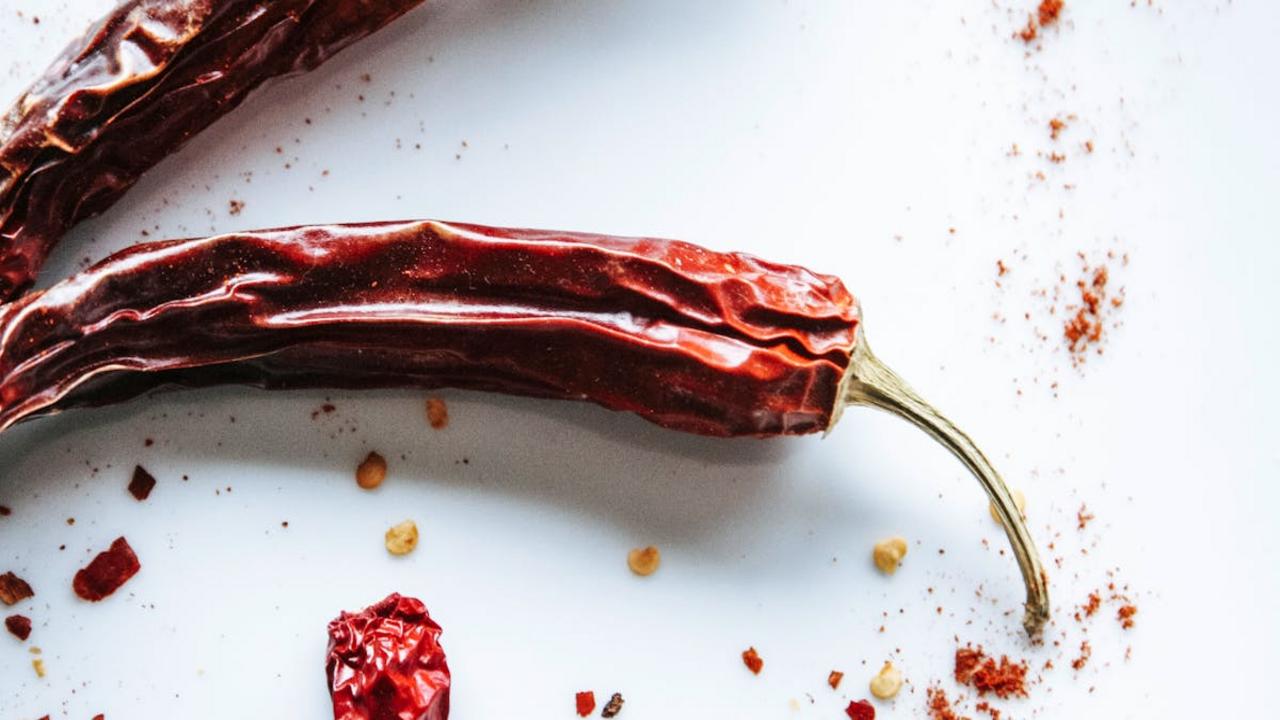
Picture this: your great-grandmother didn’t have a fancy refrigerator humming in the corner, yet somehow she managed to keep food for months without it turning into a science experiment. Her secret weapon? The ancient practice of dehydrating, which modern chefs are rediscovering with the enthusiasm of kids finding candy in their coat pockets. This technique concentrates flavors into intensely satisfying bites that pack more punch than a heavyweight boxer. When you remove water from tomatoes, for instance, you’re left with chewy, ruby-red gems that taste like summer decided to move in permanently. Top restaurants now feature house-made fruit leathers, vegetable chips, and meat jerky that would make your ancestors nod in approval.
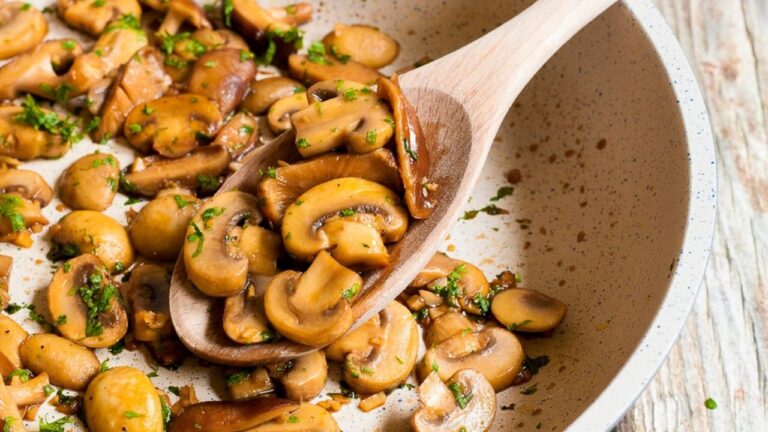
The beauty of dehydrating lies in its magical ability to transform ordinary ingredients into extraordinary flavor bombs. Take mushrooms – fresh ones are lovely, but dried shiitakes become umami powerhouses that can turn a simple soup into liquid gold. You can create your own dehydrated masterpieces using nothing more than your oven on its lowest setting, some patience, and whatever produce is threatening to go bad in your crisper drawer. Chefs love this technique because it adds textural contrast and concentrated flavor without requiring fancy equipment or complicated processes. Plus, there’s something deeply satisfying about creating shelf-stable ingredients that whisper stories of preservation and resourcefulness from kitchens past.
Root cellaring
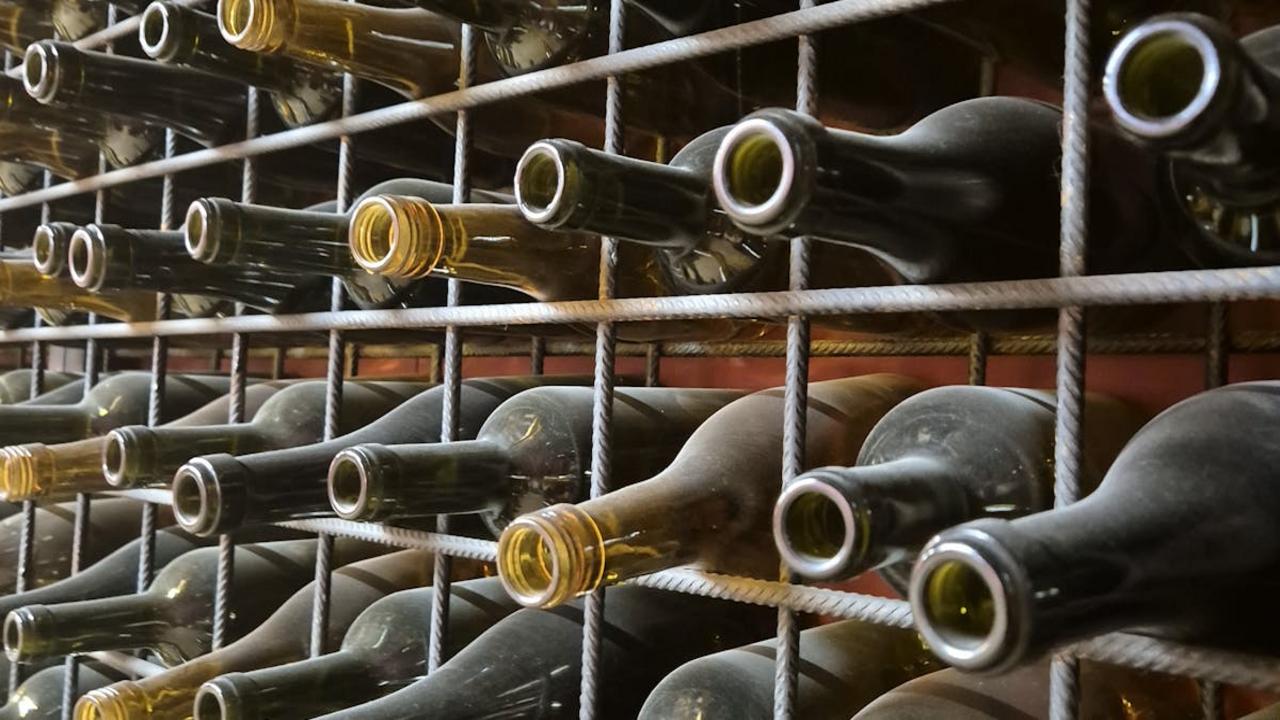
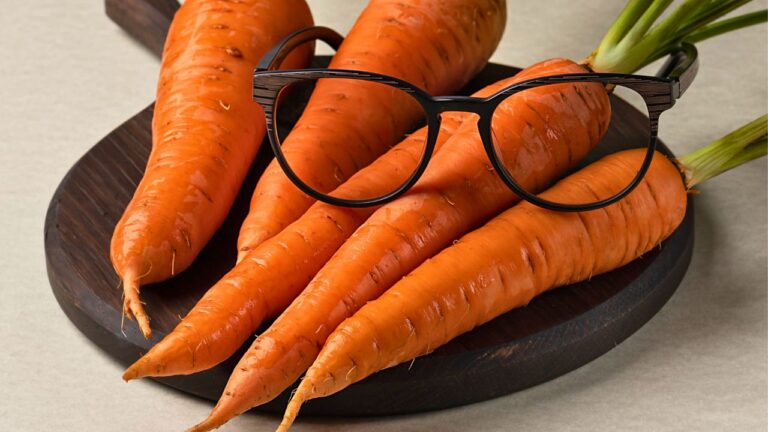
Your grandmother wasn’t just being extra when she stored potatoes in that dusty basement corner—she was practicing one of the most effective preservation methods known to humanity! Root cellaring transforms ordinary underground spaces into nature’s refrigerators, where temperatures hover between 32-40°F with humidity levels that would make a spa jealous. Chefs today rediscover this technique because it does something magical: it actually improves flavor over time. Those carrots you buried in sand six months ago? They’re now sweeter than candy. The turnips tucked away in sawdust have developed a complexity that would make a sommelier weep. Smart restaurants now build modern root cellars to store beets, parsnips, and rutabagas, creating ingredient libraries that span seasons.
The beauty of root cellaring lies in its simplicity—you literally dig a hole, control moisture, and let physics do the heavy lifting. Your vegetables go into a kind of suspended animation, their starches slowly converting to sugars while maintaining that crisp snap that makes fresh produce sing. Modern chefs obsess over this technique because it produces vegetables with concentrated flavors impossible to achieve through regular storage. Picture pulling a perfectly preserved cabbage from your root cellar in February, its leaves still crisp and its flavor intensified by months of patient waiting. Some vegetables actually prefer this treatment—potatoes stored in cool, dark conditions develop fewer eyes and maintain better texture for cooking. It’s like having a time machine for your produce!
Dutch oven cooking
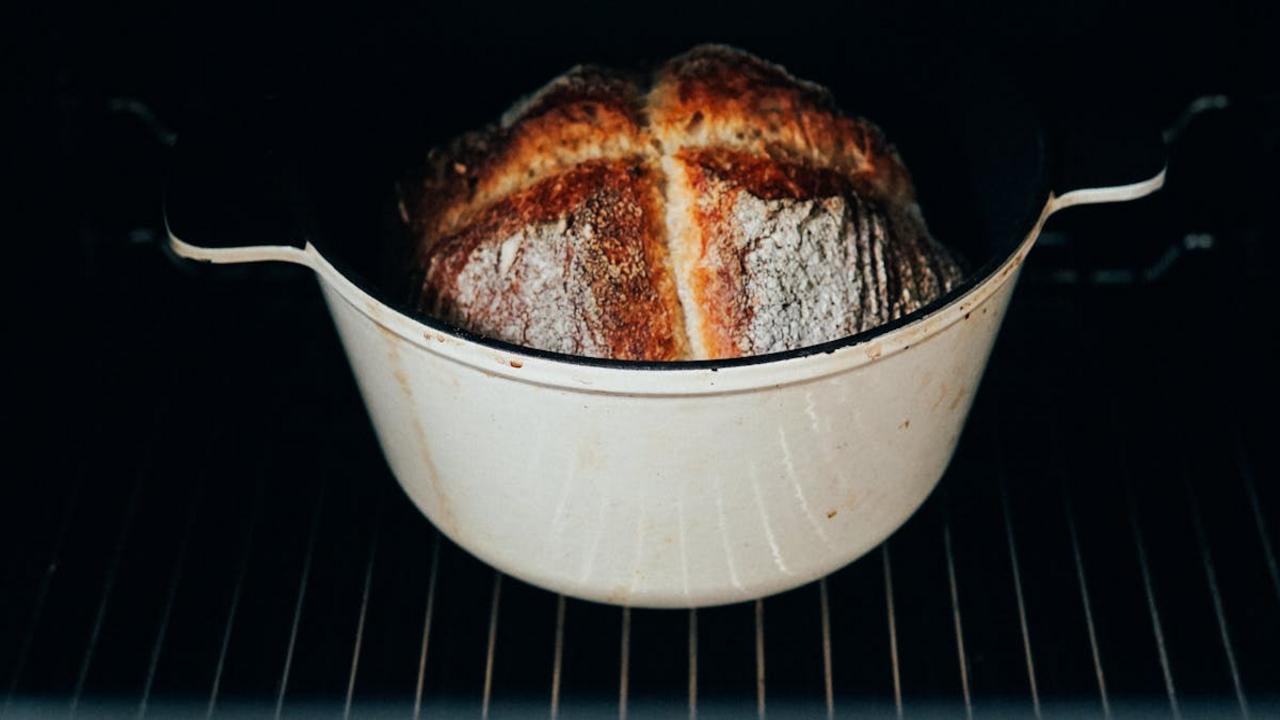
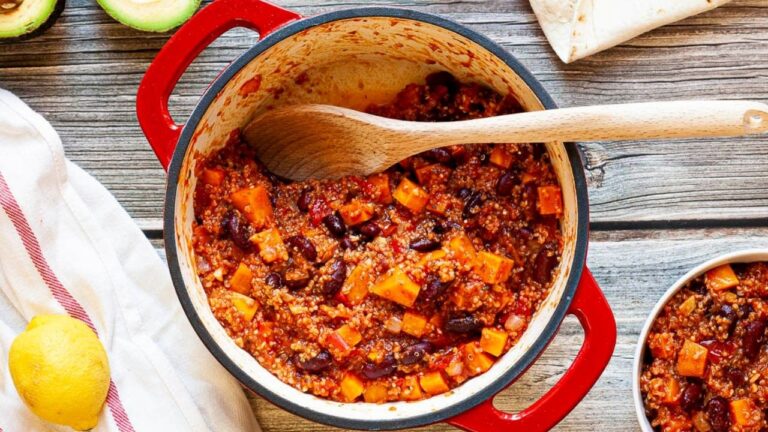
Picture this: you’re wielding a cast iron beast that weighs more than your nephew and could probably survive a nuclear apocalypse. That’s your Dutch oven, and honestly, it’s having a serious moment right now. Chefs everywhere are rediscovering what our great-grandmothers knew all along – this heavy-bottomed pot with its tight-fitting lid creates magic through slow, even heat distribution. You toss in some tough cuts of meat, root vegetables, and liquid, then let time and gentle heat work their alchemy. The lid traps moisture while the thick walls prevent hot spots, creating an environment where collagen melts into silky gelatin and flavors marry like they’re planning their golden anniversary.
What makes Dutch oven cooking so brilliant is its forgiving nature – you can sear proteins directly in the pot, build layers of flavor, then pop the whole thing in the oven or let it simmer on the stovetop. Modern chefs are using these workhorses for everything from perfect sourdough bread (the steam trapped inside creates that coveted crispy crust) to restaurant-quality braises that would make French grandmères weep with joy. Pro tip: if your Dutch oven doesn’t leave slight indentations on your kitchen counter, you probably bought a lightweight imposter. The real deal should feel substantial enough to double as home security equipment.
Curing and preserving
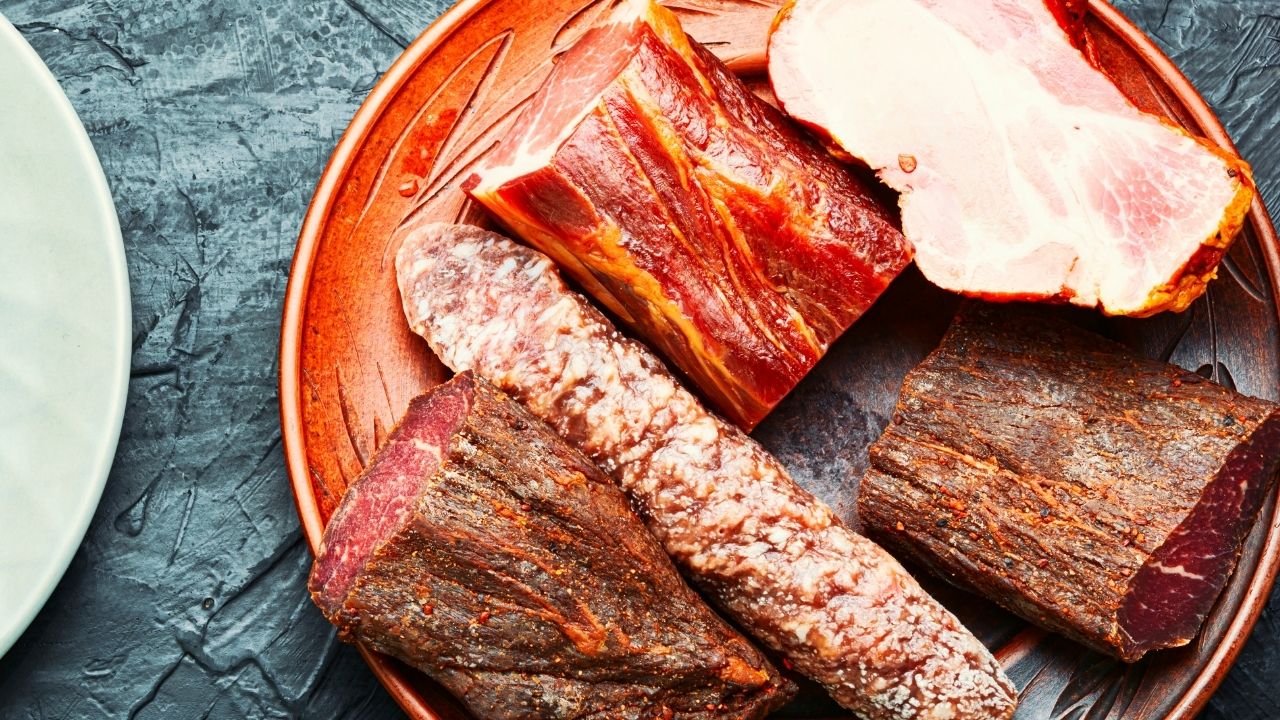
Picture this: you’re watching your grandmother methodically pack salt around a massive ham, muttering something about “the way we used to do things.” Well, turns out grandma was onto something revolutionary! Chefs today are rediscovering the magic of traditional curing and preserving methods, transforming ordinary ingredients into flavor bombs that’ll make your mouth do a happy dance. From duck prosciutto hanging like edible Christmas ornaments in restaurant walk-ins to house-made gravlax that costs more per pound than your car payment, these ancient techniques are having their moment in the spotlight.
What’s fascinating about curing is how it basically tricks time itself – you’re creating concentrated flavor through dehydration while simultaneously preventing spoilage through salt’s natural antimicrobial properties. Modern chefs are getting creative with their curing agents too, swapping plain salt for exotic combinations like miso, koji, or even coffee grounds. One chef I know cures egg yolks in salt and sugar for exactly 24 hours, creating these golden gems that grate like parmesan but taste like liquid sunshine. The best part? You can start your own preservation adventure at home – just remember that patience is your best friend, and your kitchen might smell like a medieval apothecary for a while!
Stone grinding
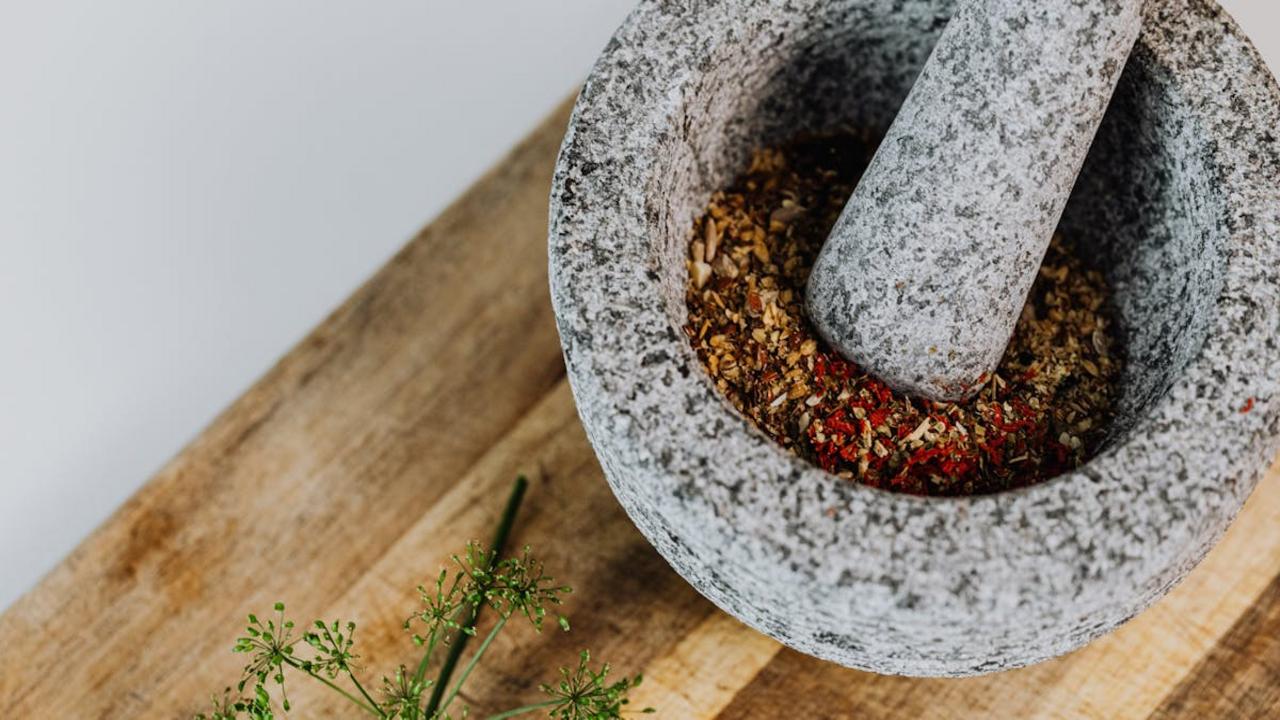
Picture your favorite chef hunched over what looks like a prehistoric torture device, grinding spices into submission with the patience of a monk. Stone grinding has become the secret weapon for chefs who want to extract every last drop of flavor from their ingredients. Unlike electric grinders that heat up and potentially damage delicate oils, stone grinding keeps everything cool while slowly breaking down cell walls to release those precious aromatic compounds. You’ll find master chefs spending twenty minutes grinding cardamom pods on granite slabs, and honestly, the difference in flavor intensity will make you question every pre-ground spice you’ve ever bought.
The technique dates back thousands of years – ancient Mayans ground cacao beans on stone metates, and Mexican abuelitas still swear their salsas taste better when made the old-fashioned way. Modern chefs are rediscovering this wisdom, investing in volcanic rock molcajetes and Japanese suribachi bowls that cost more than some people’s monthly grocery budget. The texture you get from stone grinding is completely different too – think of the velvety smoothness of properly ground tahini versus the grainy paste from a food processor. Sure, it takes forever and your arm might fall off, but when you taste that perfectly ground garam masala or homemade pesto, you’ll understand why chefs are willing to go back to the Stone Age for superior flavor.
Clay pot cooking

Picture your grandmother’s kitchen, but swap out that shiny stainless steel for something that looks like it belongs in an archaeological dig. Clay pot cooking has been making food taste incredible for thousands of years, and now chefs are rediscovering why our ancestors were onto something brilliant. These unglazed earthenware vessels work like tiny ovens, distributing heat evenly while their porous walls create a gentle steam that keeps proteins tender and vegetables perfectly crisp. The clay actually absorbs flavors over time, so each dish you make seasons the pot for future meals—it’s like having a flavor memory bank that keeps getting better with age.
What makes clay pot cooking so magical? The slow, even heat creates a unique cooking environment that modern cookware simply can’t replicate. Your chicken emerges with skin so crispy it crackles, while the meat underneath stays juicy enough to make you weep tears of joy. Rice cooked in clay develops this gorgeous golden crust on the bottom that Koreans call “nurungji”—and trust me, fighting over those crispy bits is a family tradition worth starting. The best part? You can toss in your ingredients, stick the whole thing in the oven, and let the clay do its ancient magic while you binge-watch cooking shows and pretend you’re not anxiously checking the timer every five minutes.
Smoking foods

Picture this: you’re wandering through your neighborhood when that unmistakable aroma hits you—wood smoke dancing with meat, creating a scent so intoxicating it could stop traffic. That’s the magic of smoking, and chefs everywhere are dusting off their grandfather’s techniques faster than you can say “brisket.” This ancient method, which dates back to our cave-dwelling ancestors who accidentally discovered that food left near smoky fires lasted longer AND tasted incredible, transforms ordinary ingredients into flavor bombs. The process works by exposing food to smoke from burning wood chips—think hickory for bold bacon vibes, apple for subtle sweetness, or mesquite for that intense Southwestern punch that’ll make your mouth water just thinking about it.
Modern chefs aren’t just throwing steaks on a grill and calling it a day—they’re getting creative with cold smoking cheese until it develops a golden, almost magical exterior, or hot smoking vegetables until they develop this gorgeous char that makes even Brussels sprouts irresistible. You can start your own smoking adventure with a simple kettle grill and some soaked wood chips, though fair warning: your neighbors will suddenly become very friendly once those smoky perfumes start wafting over the fence. The beauty lies in patience—real smoking takes hours, sometimes all day, but the payoff is meat so tender it falls apart at the mere suggestion of a fork, infused with layers of smoky complexity that no sauce bottle can replicate.
Earthen pit cooking
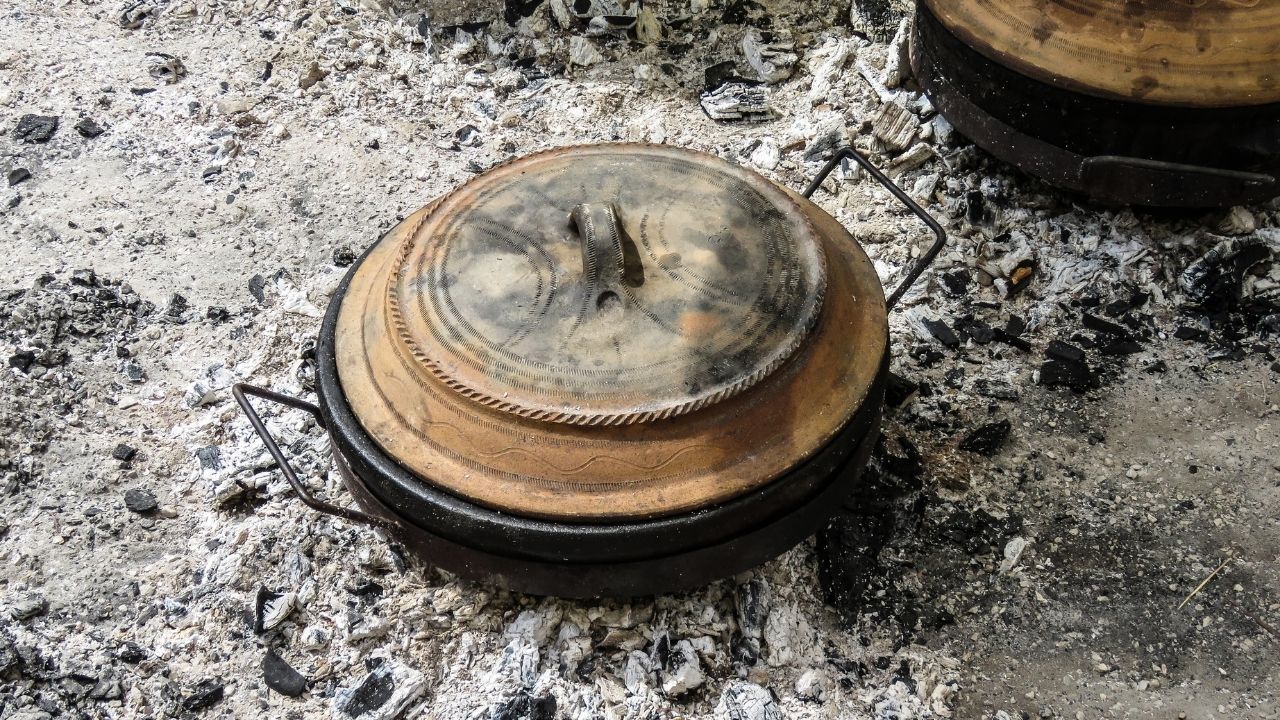
Picture this: you’re digging a hole in your backyard like some kind of culinary archaeologist, and your neighbors think you’ve finally lost it. But jokes on them – you’re about to create magic with one of humanity’s oldest cooking methods! Earthen pit cooking transforms your garden into a prehistoric kitchen where patience meets pure genius. Chefs worldwide are rediscovering this ancient technique that involves burying food in underground ovens lined with hot coals and stones. The earth becomes your slow cooker, wrapping proteins and vegetables in gentle, consistent heat for hours or even days.
The results? Mind-blowing tenderness that makes your regular oven weep with envy. Hawaiian kalua pig, Mexican cochinita pibil, and Polynesian umu feasts all rely on this dirt-covered sorcery to achieve flavors that simply can’t be replicated above ground. The smoking process infuses meats with earthy, mineral-rich notes while the sealed environment keeps everything impossibly moist. Modern chefs are adapting this technique for restaurant kitchens using custom-built pit ovens, though some brave souls still go full caveman in their backyards. Pro tip: always check local fire regulations before you start your underground cooking adventure – nobody wants to explain to firefighters why there’s smoke billowing from your petunias!
Wood fire cooking
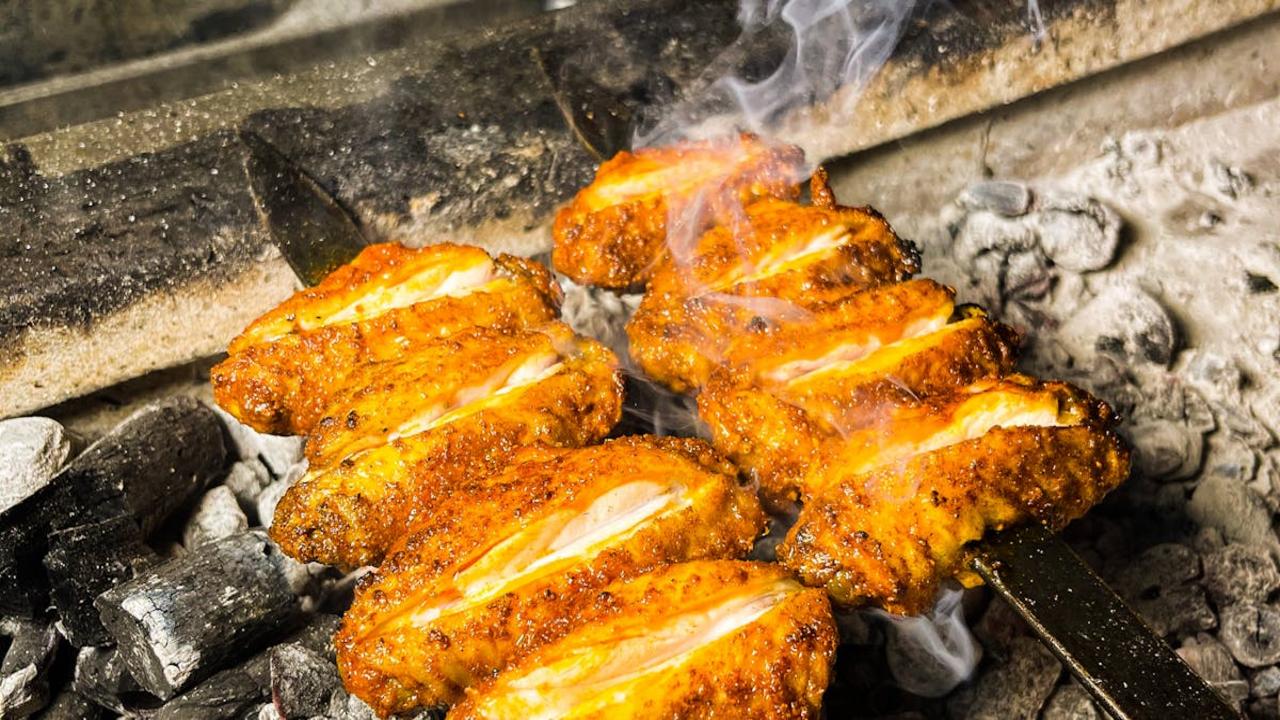
Picture this: you’re standing in front of a crackling fire, tongs in hand, feeling like some kind of prehistoric food wizard. Wood fire cooking has made a serious comeback, and honestly, it’s about time! Chefs everywhere are ditching their fancy gas grills for good old-fashioned logs because nothing—and I mean nothing—beats that smoky, charred flavor you get from real flames. The technique dates back thousands of years, but here’s a fun fact: different woods create wildly different flavors. Apple wood gives you sweet and mild notes, while hickory delivers that bold, bacon-like punch that makes your neighbors mysteriously appear at dinnertime.
The magic happens because wood burns at uneven temperatures, creating hot spots and cooler zones that let you cook multiple items simultaneously. One minute you’re searing a steak over the blazing coals, the next you’re slow-roasting vegetables in the gentler heat near the edges. Sure, you’ll smell like a campfire for days afterward, but trust me, it’s worth every smoky hair strand. Modern chefs are even using specific wood combinations—like cherry mixed with oak—to create signature flavor profiles that gas grills simply can’t replicate. Your backyard barbecue just became a gourmet experience, and your friends will never know what hit them!
Fermentation
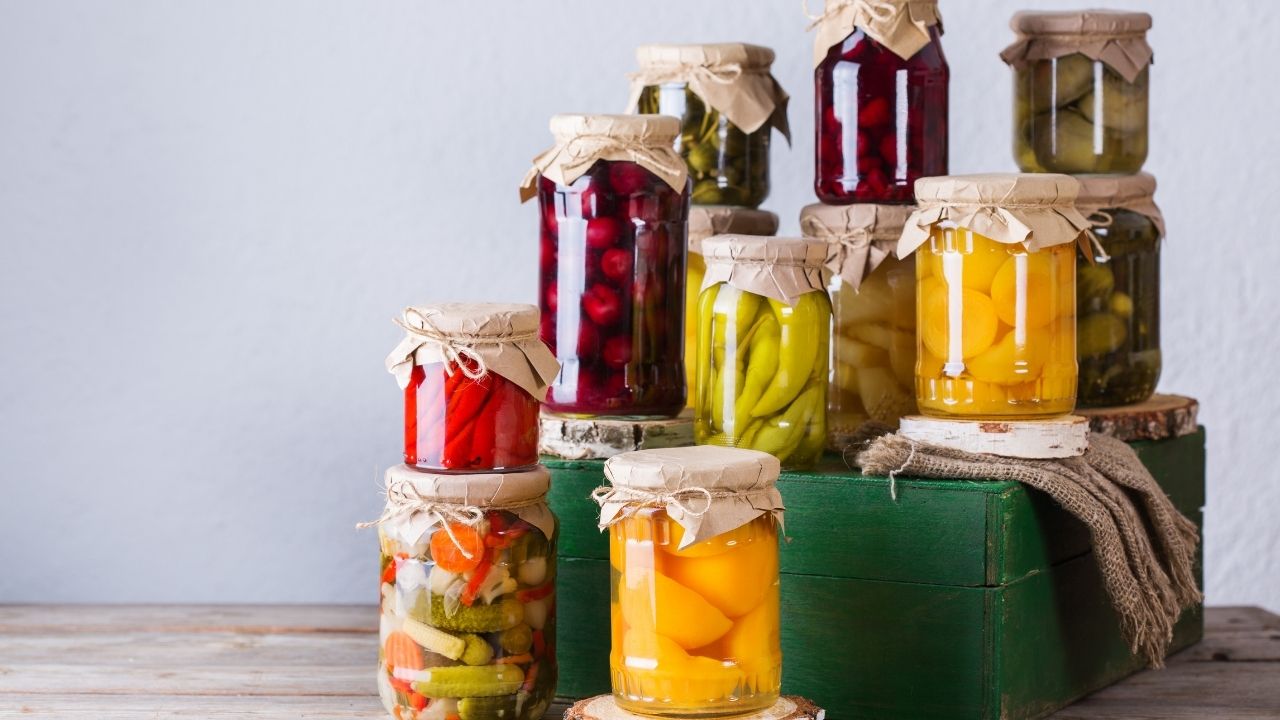
You know what’s absolutely wild? Chefs are going completely bonkers for something that basically amounts to controlled food rot. I’m talking about fermentation, that ancient technique where you convince bacteria to throw a party in your ingredients and somehow end up with pure magic. From kimchi that could wake the dead to sourdough starters that people name and treat like beloved pets (I’m looking at you, “Doughy McDoughface”), fermentation is having its biggest moment since someone accidentally left grapes out too long and invented wine. The process transforms ordinary vegetables, grains, and proteins into flavor bombs that pack more complexity than a Christopher Nolan movie.
Here’s the beautiful madness of it all: fermentation doesn’t just preserve food, it creates entirely new flavors that Mother Nature never intended. Take miso, for example – soybeans fermented for years until they become this umami-rich paste that makes everything taste like it went to flavor university. Or consider how cabbage, the blandest member of the vegetable kingdom, transforms into sauerkraut so tangy it could make your German grandmother weep with joy. Modern chefs are fermenting everything from black garlic (which tastes like molasses had a baby with regular garlic) to fish sauce so funky it’s practically illegal in some states. The best part? All you really need is salt, time, and the courage to trust billions of microscopic workers to do their thing.