10 Surprising Food Myths That Are Actually True
Food myths have circulated through generations, passed down from grandma’s kitchen wisdom to modern dinner tables. While many old wives’ tales about food turn out to be nonsense, some seemingly outlandish claims actually hold up under scientific scrutiny.
From the real connection between chocolate and acne to the truth about turkey’s sleep-inducing powers, these food facts will make you question everything you thought you knew about your daily meals. The science behind these myths reveals fascinating insights into how different foods affect our bodies.
Ready to have your mind blown? Get ready to discover why bananas give off radiation, how carrots really do help you see in the dark, and why that slice of watermelon might need a seed check. These ten food myths aren’t myths at all – they’re scientifically proven facts that will change how you look at your next meal.
Crackers can cure hiccups
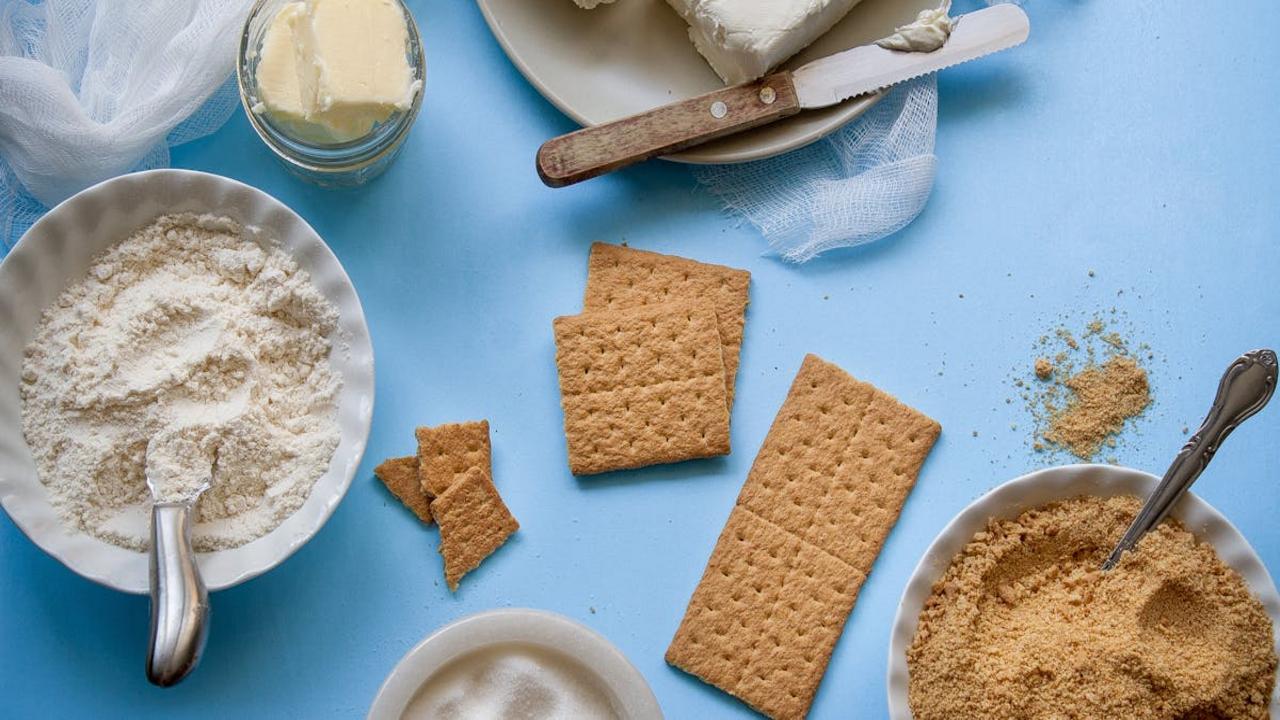
Here’s a weird but wonderful trick I’ve tested countless times at dinner parties – eating dry crackers can actually stop those annoying hiccups! The science behind this crunchy cure lies in how eating dry crackers interrupts your breathing pattern and forces you to swallow differently. Your diaphragm, the muscle causing those pesky hiccups, gets distracted by the mechanical process of breaking down and swallowing the dry cracker pieces. It’s like giving your diaphragm a new task to focus on instead of its hiccup routine!
The next time hiccups strike, grab a few plain saltines or water crackers from your pantry. The drier the cracker, the better the results. You’ll want to chew them slowly and thoroughly – no rushing through this remedy! Many of my readers have written to me sharing their success stories with this trick, including one who swears it saved her wedding speech from turning into a hiccup-filled disaster. The best part? Unlike holding your breath or drinking water upside down, this method gives you a tasty excuse to snack while solving your hiccup problem.
Spinach makes you strong
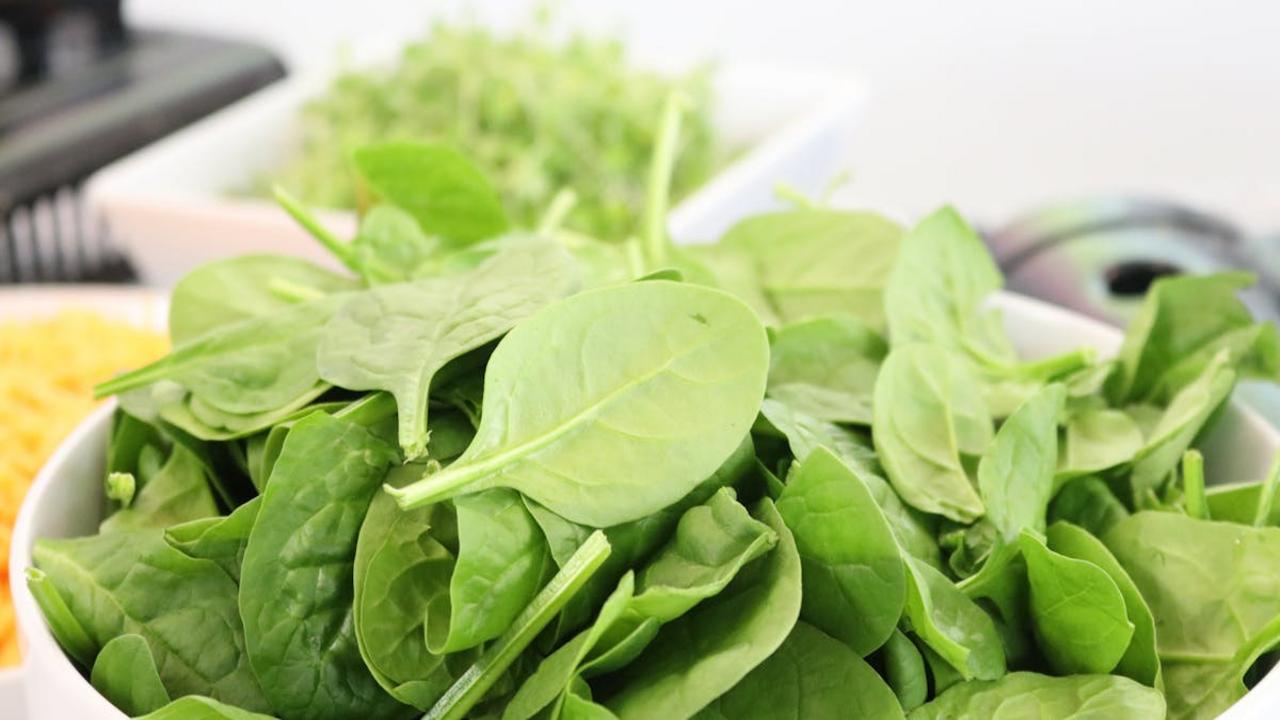
Remember Popeye gulping down cans of spinach to build those mighty biceps? While the cartoon may have exaggerated things a bit, there’s genuine truth behind spinach’s strength-building reputation. This leafy green powerhouse packs a serious punch of iron – about 2.7mg per 100g serving, which helps create red blood cells and transport oxygen throughout your body. Mix that with its high vitamin C content (which helps your body absorb that iron better), and you’ve got yourself a natural energy booster that keeps your muscles firing on all cylinders.
The funny part? This whole “super strength” connection started with a misplaced decimal point! Back in 1870, German scientists accidentally recorded spinach’s iron content as ten times higher than it actually was. The mistake stuck around for decades, inspiring countless parents to convince their kids that spinach would turn them into superheroes. While it won’t instantly give you Popeye-sized muscles, spinach’s real benefits – including protein, potassium, and calcium – make it a legitimate superfood that supports muscle growth and overall strength. So go ahead, throw some in your smoothie or sauté it with garlic – your body will thank you!
Fish is brain food
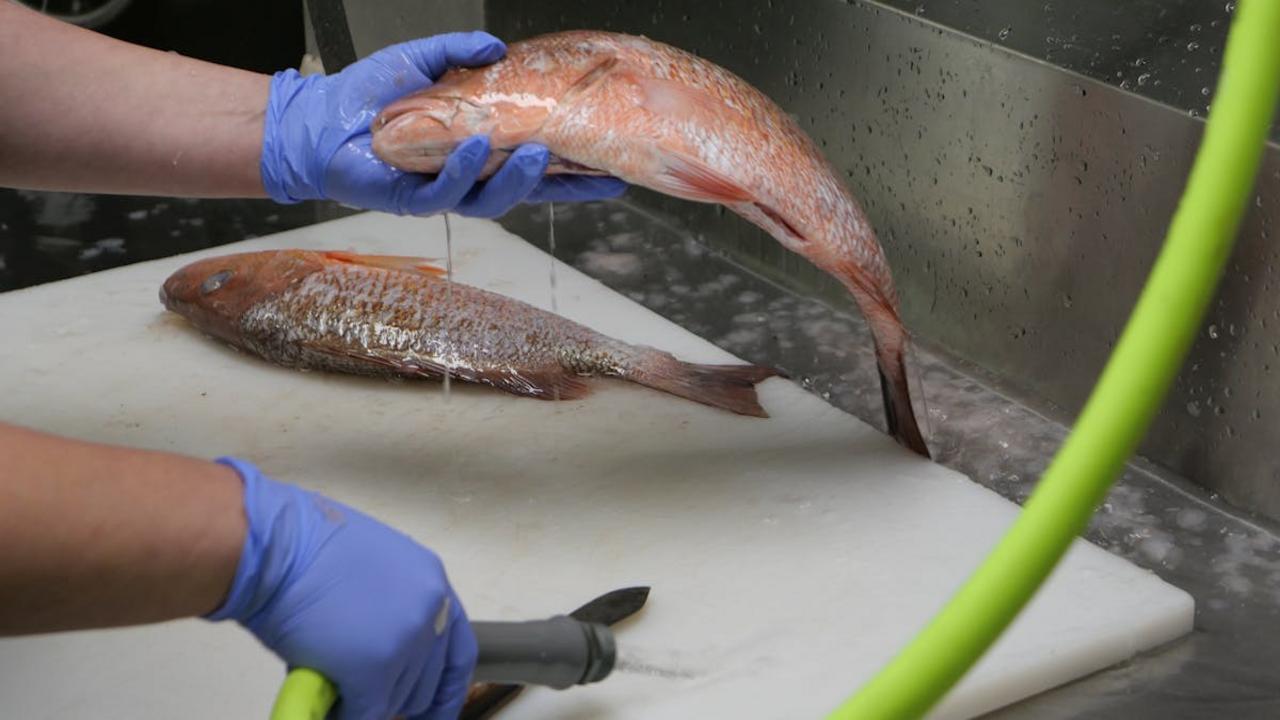
Your grandmother wasn’t kidding when she made you eat fish “to get smart!” Scientists have proven that regular fish consumption directly links to better brain function and memory. The secret lies in omega-3 fatty acids, particularly DHA, which makes up about 40% of the polyunsaturated fatty acids in your brain. Fish like salmon, mackerel, and sardines pack these powerful nutrients that help build brain cell membranes, reduce brain inflammation, and support learning abilities.
The connection between fish and brain power goes beyond just omega-3s. Fish contains high levels of vitamin D and iodine – two nutrients your brain craves. A study from the University of Pittsburgh found that people who ate baked or broiled fish weekly had larger brain volumes in areas related to memory and cognition. The researchers discovered these fish-eaters had a lower risk of developing Alzheimer’s disease and memory loss. So next time you’re debating between a burger or grilled salmon, remember: your brain will thank you for choosing the fish!
Coffee stunts growth
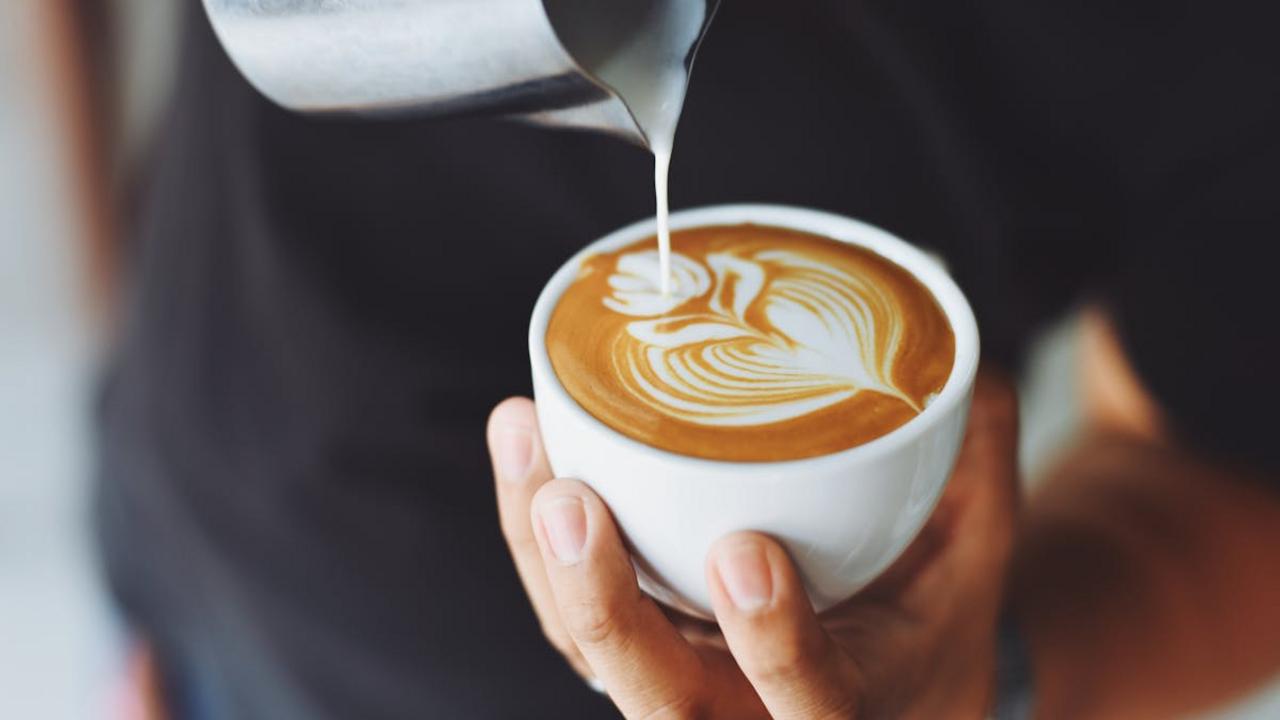
Remember how your mom always warned you that drinking coffee would keep you short forever? Well, I hate to break it to her, but that’s totally false! This widespread myth probably started because parents wanted to keep their kids away from caffeine jitters. Scientists have found zero connection between coffee consumption and height – your genes and nutrition determine how tall you’ll grow, not your morning cup of joe.
Your height actually depends on factors like DNA, sleep quality, and getting enough calcium and vitamin D. Funny enough, coffee might help you grow stronger in other ways – it’s packed with antioxidants that support bone health. So next time someone tells you coffee will make you short, just laugh it off and enjoy your cappuccino. You’ll grow just fine, though maybe stick to decaf if you’re still young – caffeine can mess with your sleep schedule!
Eating watermelon seeds will make them grow in your stomach
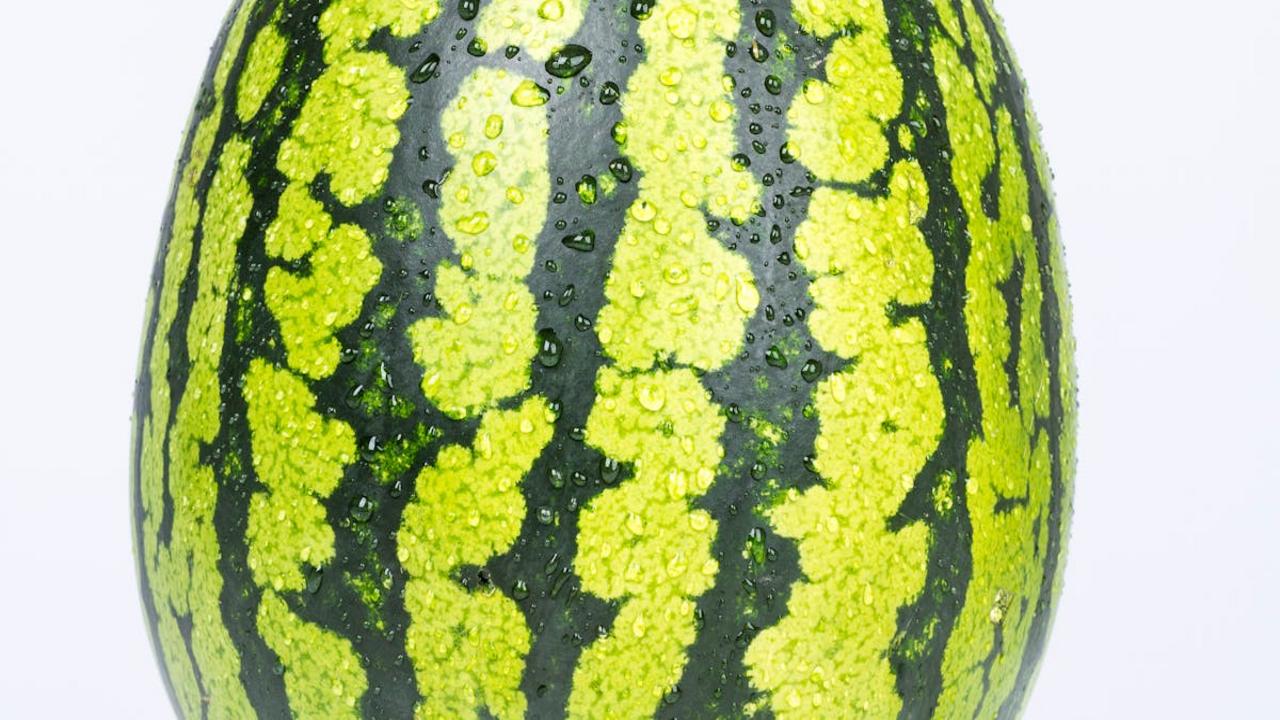
Your grandmother’s stern warning about swallowing watermelon seeds leading to a garden in your belly? Total fiction! I know, I know – it’s a classic childhood fear that had many of us meticulously picking out every single black seed from our juicy watermelon slices. The truth is, your stomach’s acidic environment would make it impossible for any seed to sprout and grow. Your digestive system breaks down the seeds just like other foods, and they actually pack some fantastic nutrients like protein, healthy fats, and minerals.
Here’s something fun – those black seeds you’ve been avoiding are completely edible and nutritious! You can roast them with a dash of salt for a crunchy snack, or grind them into smoothies for an omega-3 boost. Some cultures even make watermelon seed flour for baking. So next time you’re enjoying a slice of summer’s favorite fruit, go ahead and crunch those seeds – your stomach won’t turn into a watermelon patch, but your body will thank you for the extra nutrients. Just remember to chew them well to avoid any digestive discomfort!
Spicy food causes stomach ulcers

Hey spice lovers, I’ve got some hot news for you! That old warning about spicy foods causing stomach ulcers? Total nonsense! Scientists discovered in the 1980s that ulcers actually come from a sneaky bacteria called H. pylori, not from loading up your tacos with extra hot sauce. In fact, some peppers contain capsaicin, which can help protect your stomach by reducing acid production and fighting inflammation. So go ahead and sprinkle those chili flakes – your stomach won’t hold a grudge!
The myth probably started because some people experience temporary discomfort after eating spicy foods, especially if they have acid reflux or other digestive issues. But here’s the fun part – regular consumption of spicy foods might actually strengthen your digestive system over time! Research shows capsaicin can boost blood flow to the stomach lining and stimulate protective mucus production. Next time someone scolds you for adding too much sriracha to your noodles, share this science-backed reality check with them!
Turkey makes you sleepy

Your Thanksgiving food coma isn’t just from eating too much – the turkey really does make you drowsy! The reason? Turkey contains an amino acid called tryptophan, which your body converts into serotonin and melatonin – two chemicals that help regulate sleep. But here’s the funny part: turkey doesn’t contain any more tryptophan than chicken, pork, or beef. The real reason you get so sleepy after Thanksgiving dinner is the massive amount of carbohydrates you consume alongside that turkey.
Think about it – you’re loading up on mashed potatoes, stuffing, rolls, and pie. Those carbs trigger insulin production, which clears other amino acids from your bloodstream but leaves tryptophan behind. This creates a “perfect storm” that amplifies tryptophan’s sleep-inducing effects. So while turkey does contribute to your post-feast drowsiness, it’s really the combination of turkey and all those delicious carb-heavy sides that has you eyeing the couch. Maybe we should rename it “carb coma” instead of “turkey coma!”
Bananas are radioactive
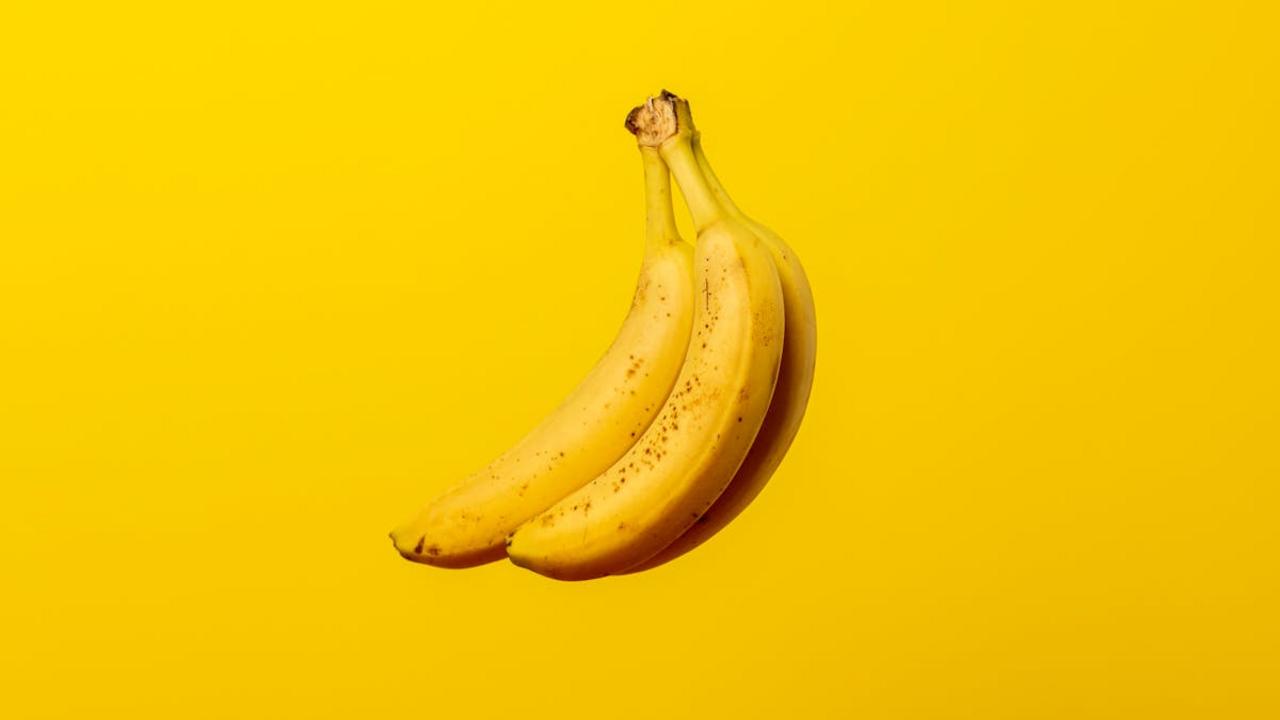
Here’s a fun fact that’ll make you look at your morning banana differently – those yellow bunches in your kitchen are actually radioactive! Before you toss your banana bread recipe out the window, let me clarify: bananas contain potassium-40, a naturally occurring radioactive isotope. The radiation level is incredibly tiny – you’d need to eat about 10 million bananas at once to get sick from radiation. Scientists even use something called the “Banana Equivalent Dose” (BED) to measure radiation exposure in everyday items.
Your body actually needs potassium to function properly, and bananas pack a healthy dose of this essential mineral. The radioactivity in a banana is so minimal that it’s completely safe – you’re exposed to more radiation from sleeping next to someone, taking a flight, or wearing a watch with a luminous dial. In fact, many other foods contain similar trace amounts of radiation, including Brazil nuts, white potatoes, and carrots. So go ahead and keep making those banana smoothies – your body will thank you for all the good nutrients, and that tiny bit of radioactivity is just a cool science fact to share at parties!
Carrots improve vision
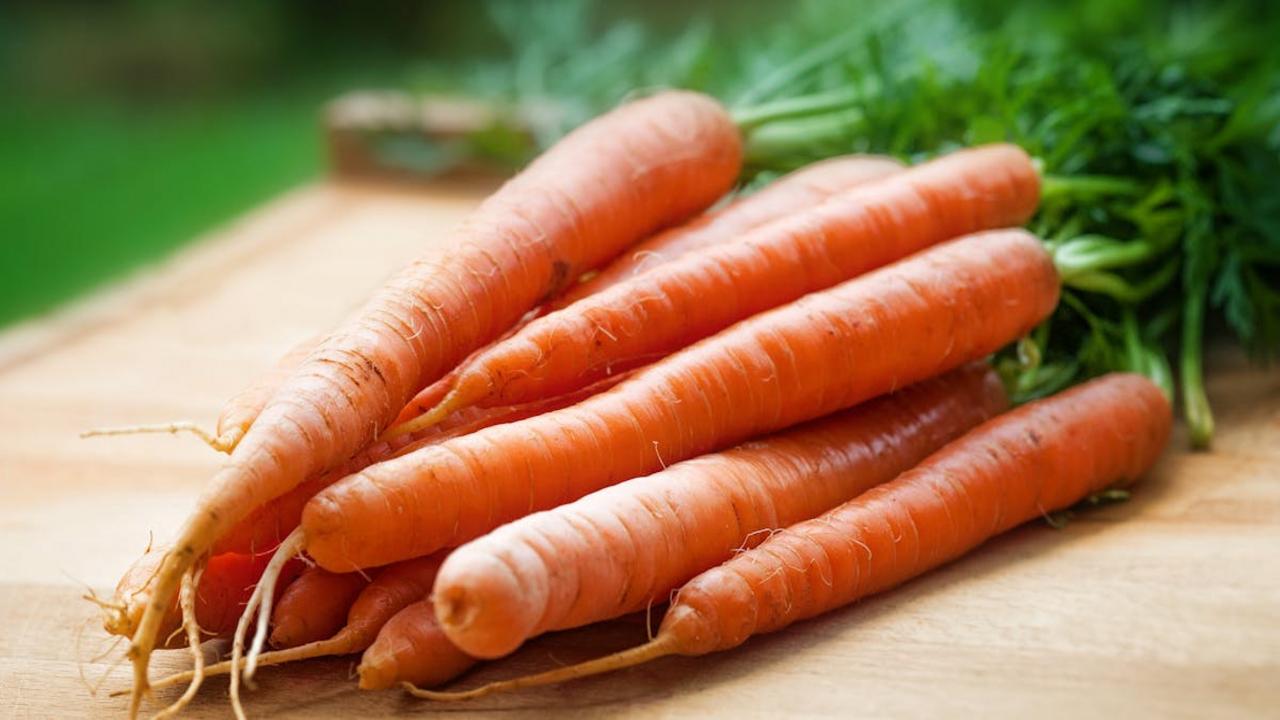
Your grandma wasn’t just making stuff up when she told you to eat your carrots to see better! This orange veggie actually packs a serious punch of vitamin A, specifically beta-carotene, which your body converts into retinol – a critical compound for maintaining healthy vision. During World War II, British intelligence spread propaganda about their pilots eating loads of carrots to explain their success in shooting down German aircraft at night. The real reason? They had radar technology, but the carrot story stuck and helped convince civilians to grow and eat more carrots during food shortages.
While carrots won’t give you supernatural night vision or eliminate your need for glasses, they do play a huge role in eye health. A deficiency in vitamin A can lead to night blindness and other vision problems. One medium carrot gives you more than 200% of your daily vitamin A needs! Plus, these crunchy veggies contain lutein and zeaxanthin – two antioxidants that help protect your eyes from harmful blue light and reduce your risk of age-related eye diseases. So grab a handful of baby carrots for your next snack – your eyes will thank you!
Chocolate causes acne
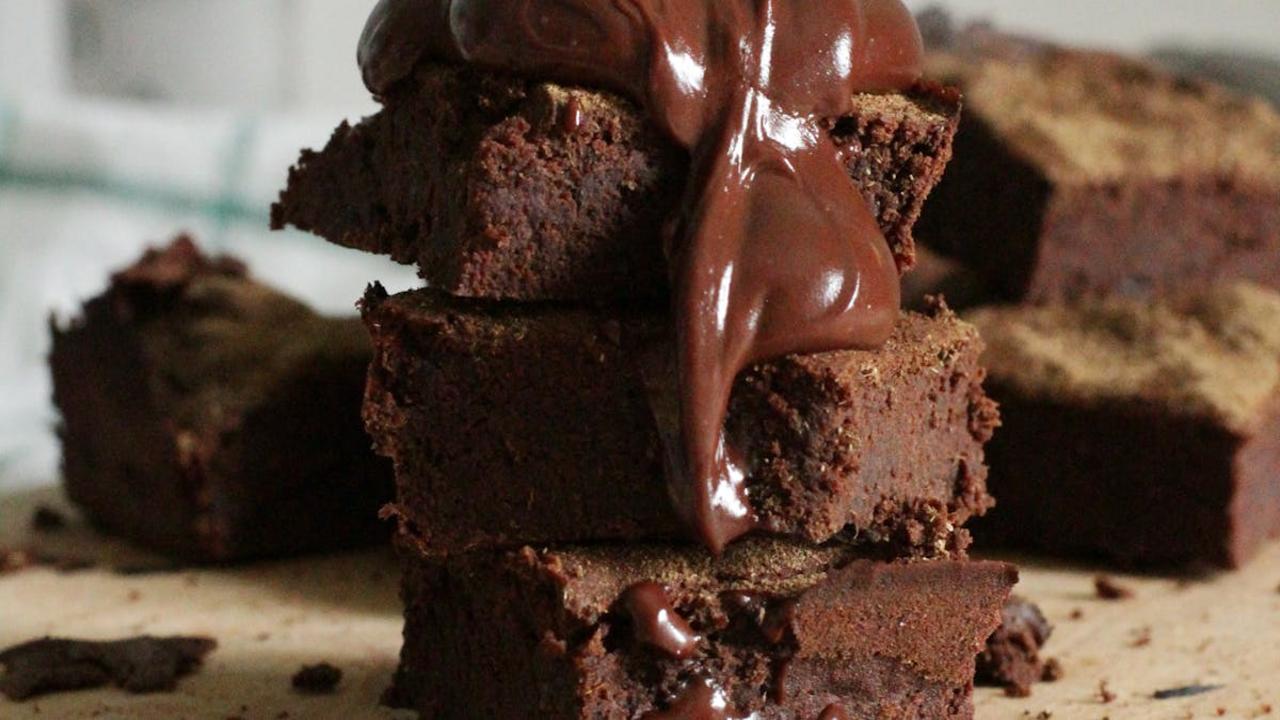
Remember when your mom warned you that eating chocolate would give you pimples? Turns out, she wasn’t just making stuff up! Recent studies have confirmed what our parents knew all along – chocolate can trigger acne breakouts in many people. The reason? Chocolate contains compounds that boost your body’s production of insulin and inflammation, leading to those pesky zits. Plus, milk chocolate packs a double whammy since dairy products can also increase oil production in your skin.
But before you toss out your chocolate stash in despair, here’s the good news: dark chocolate with 70% or higher cocoa content won’t wreak as much havoc on your skin. The lower sugar content and higher antioxidant levels make it a smarter choice for chocolate lovers. I’ve switched to dark chocolate squares myself, and my skin has thanked me for it. Just remember – moderation is key! A small piece of chocolate won’t turn you into a walking pizza face, but demolishing an entire candy bar might have your skin staging a rebellion.